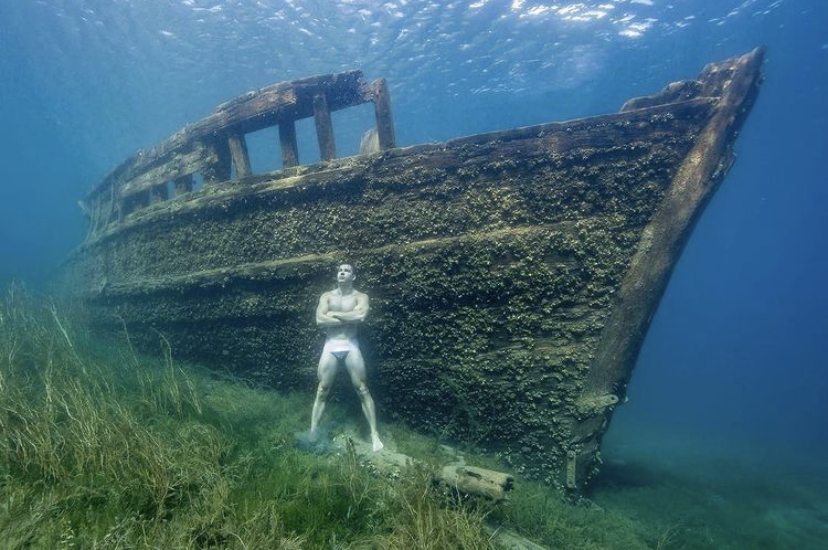
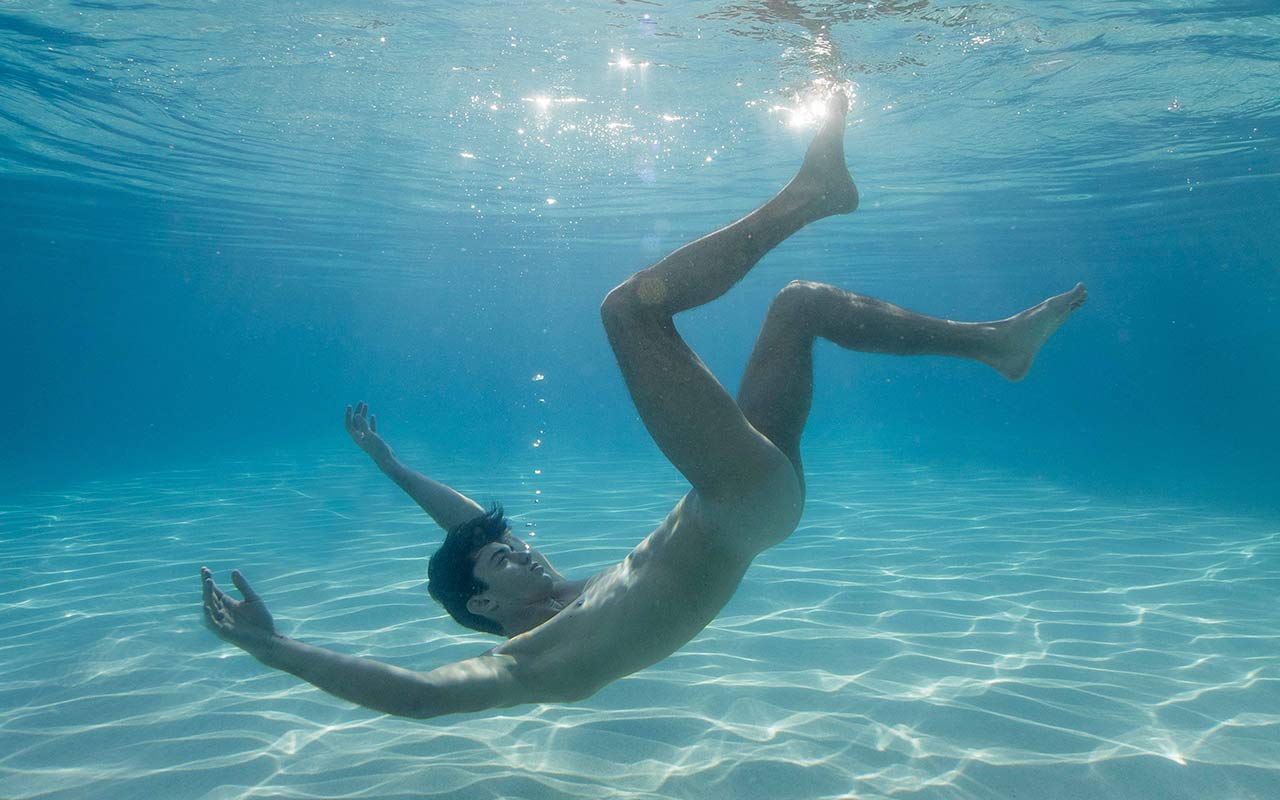
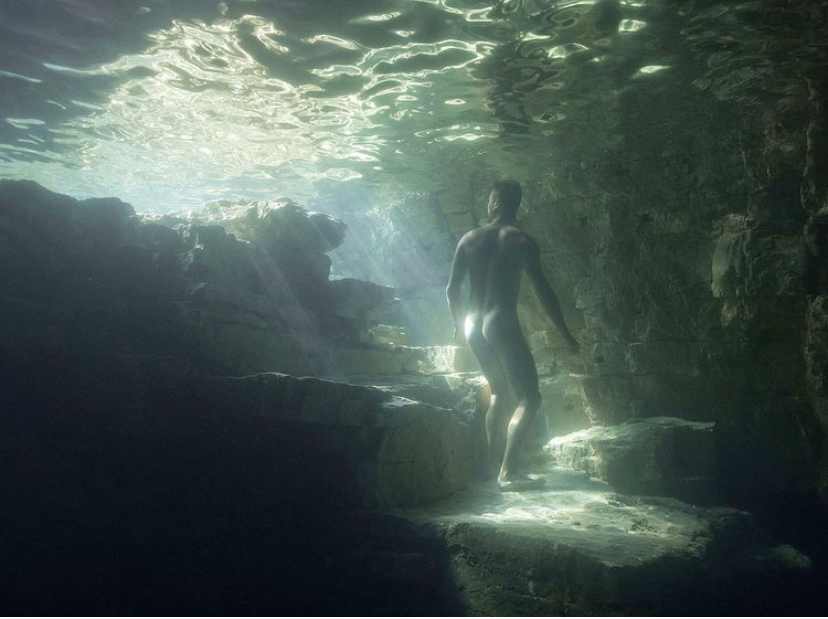
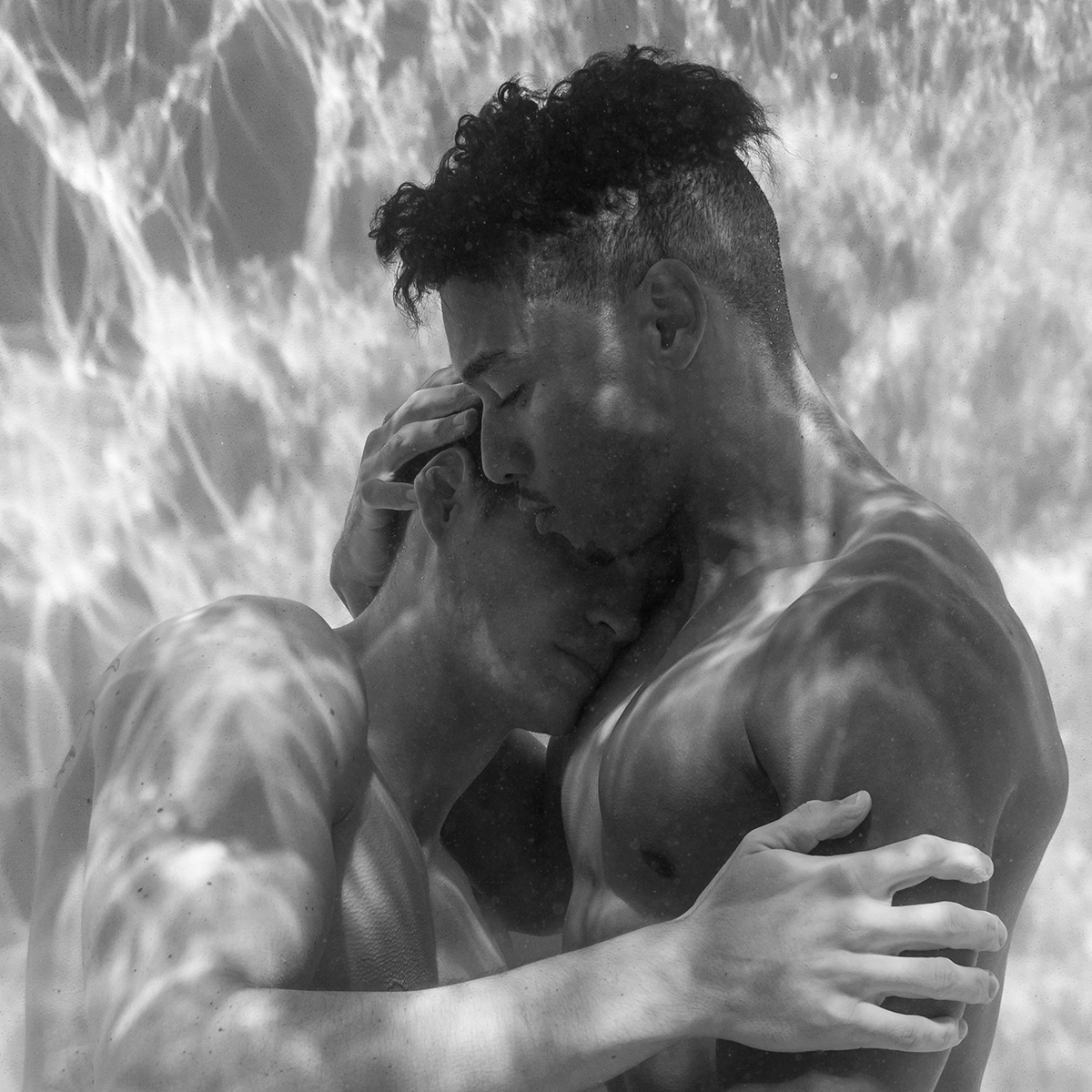
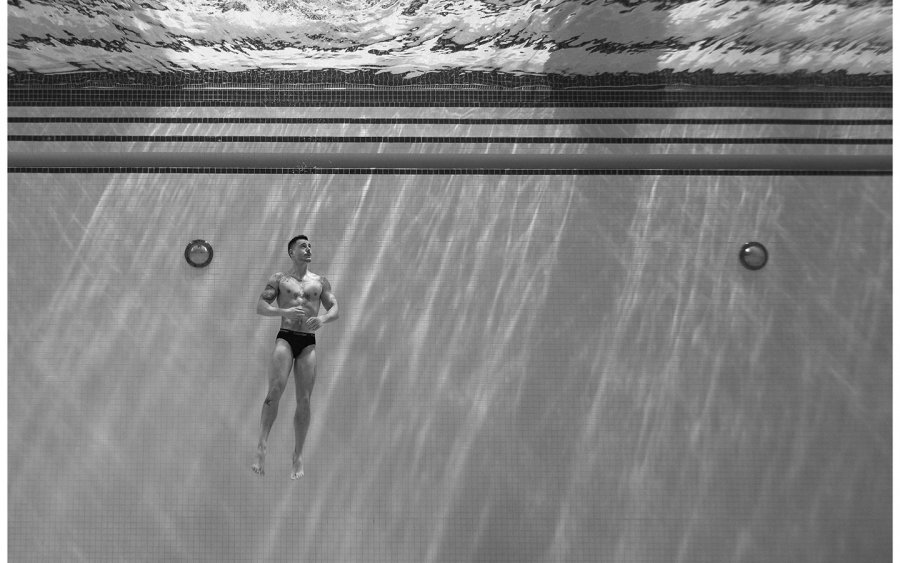
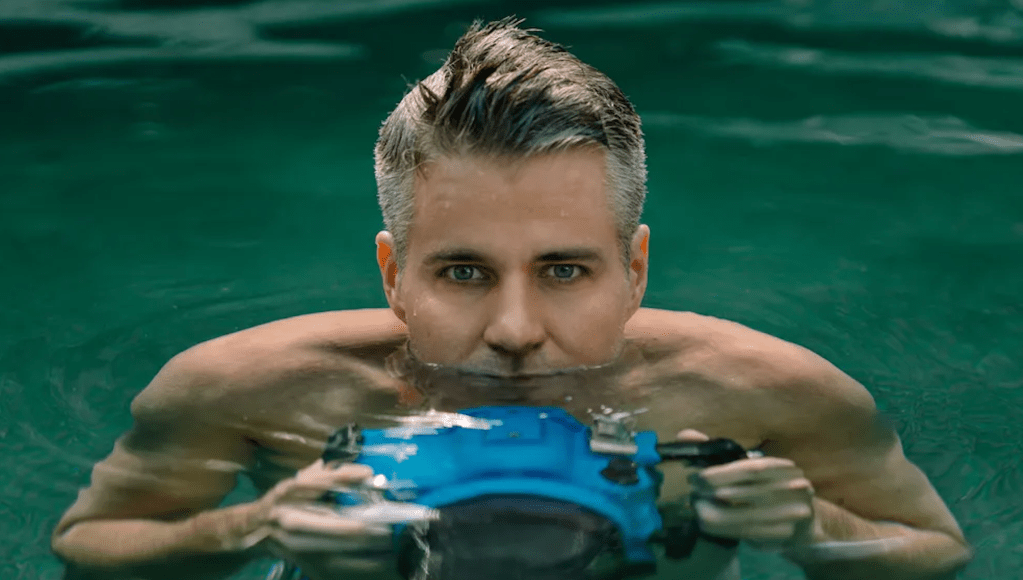
Dr. Lucas Murnaghan, a celebrated underwater photographer and orthopedic surgeon, passed away in his Toronto home on March 21, 2021. According to his longtime partner Antonio Lennert, Murnaghan succumbed to cholangiocarcinoma (bile duct cancer).
In a Ted Talk posted last year, Murnaghan charted his path as an uptight overachiever following the family tradition by becoming a doctor, coming to terms with his sexuality and the circumstances that led him to become a full-time photographer and entrepreneur in recent years.
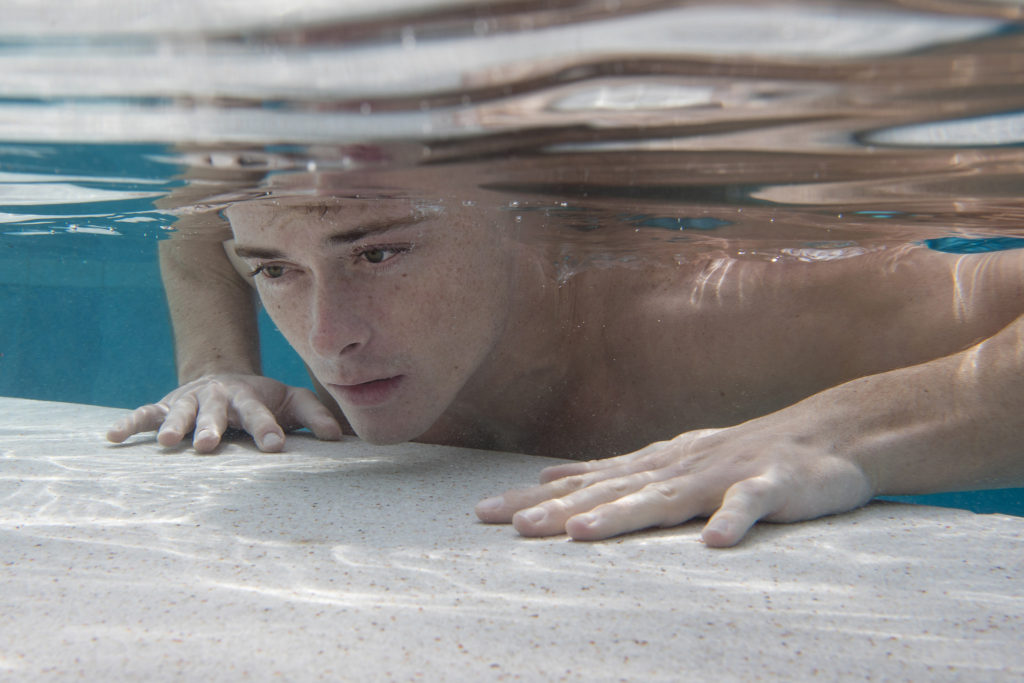
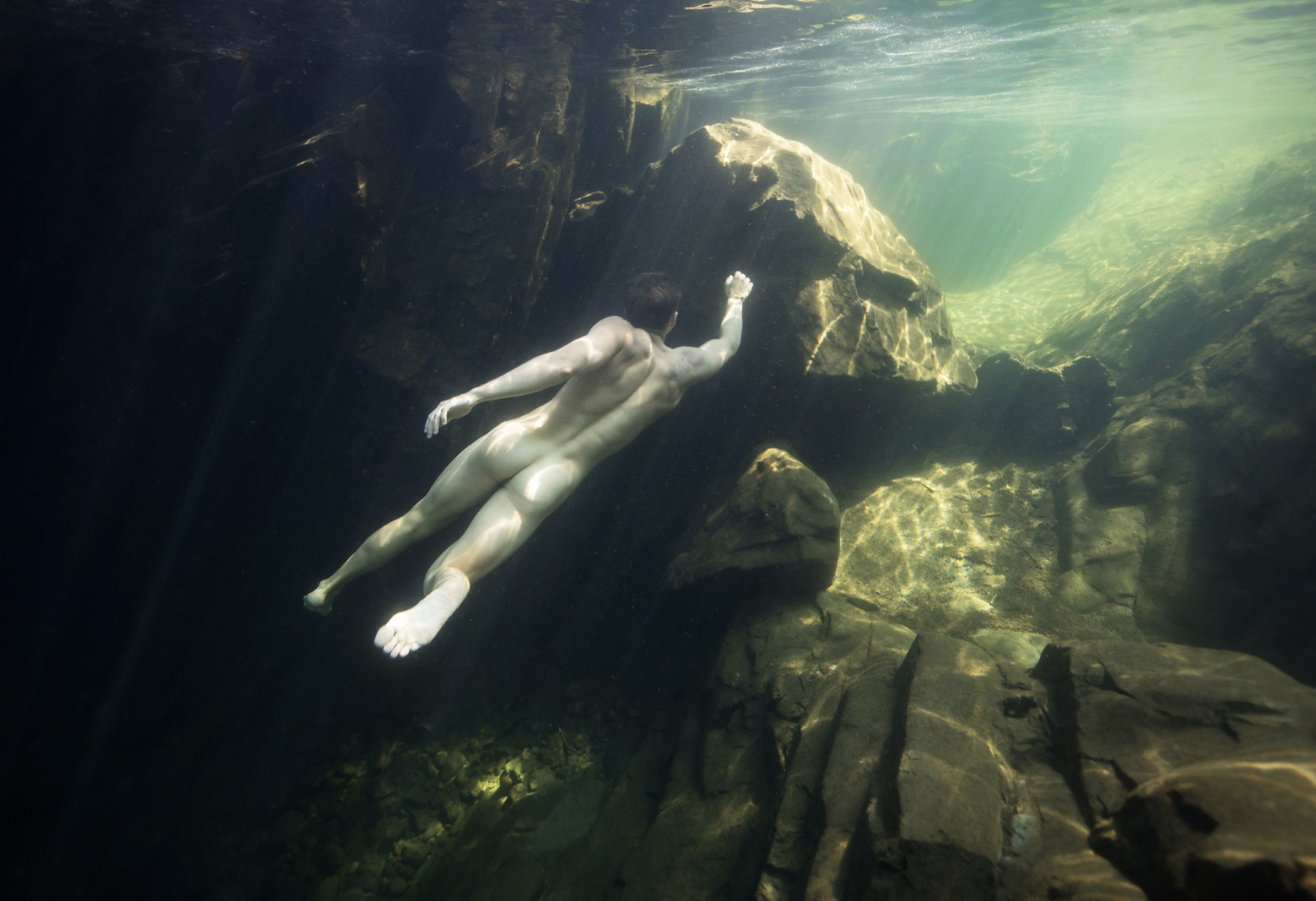
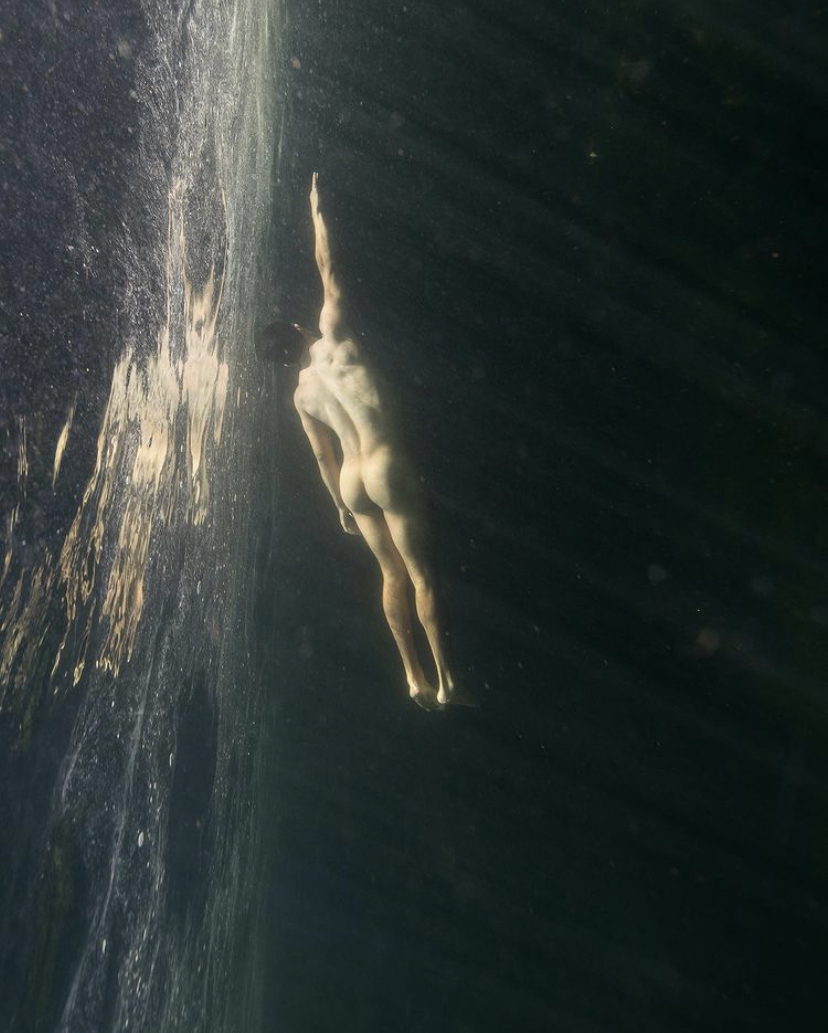
I started following Lucas on Instagram a couple of years ago. I knew nothing about him but his photographs spoke for themselves: stark, striking images that often played with what he described as “the balance between vulnerability and confidence, pride and shame, solitude and connection.”
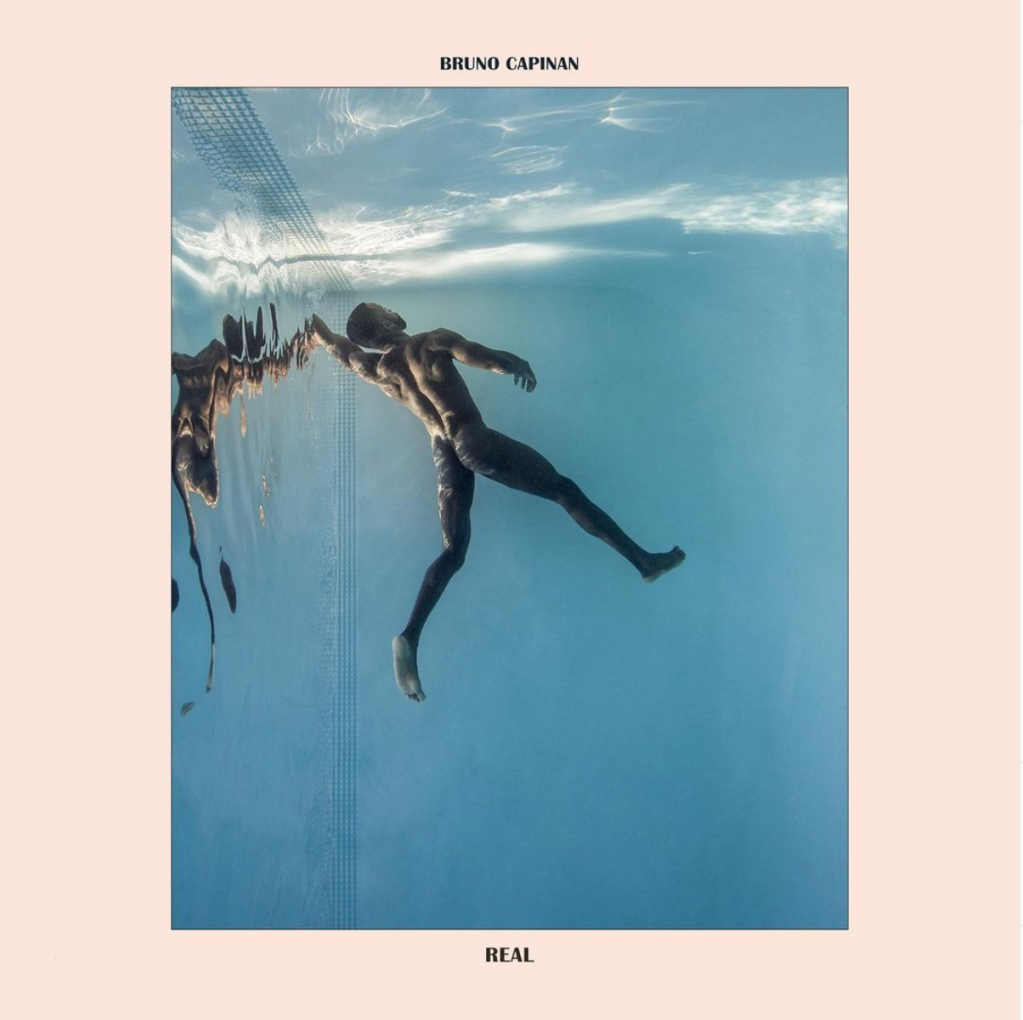
Murnaghan’s photo Suspended Animation on the cover of Bruno Capinan’s 2018 CD.
When he began to promote his photography, his initial impulse was to hide his “day job” as a medical doctor, feeling that it prohibited him from being taken seriously as a photographer, or having an artistic point of view.
“I felt like I was entering the art world from the side door. Well, as it turns out, there is no front door. As an artist, that’s all we can do… gather up our entire lives and transmit it into our work. To do anything less than that is to not be honest with ourselves or our audience.”
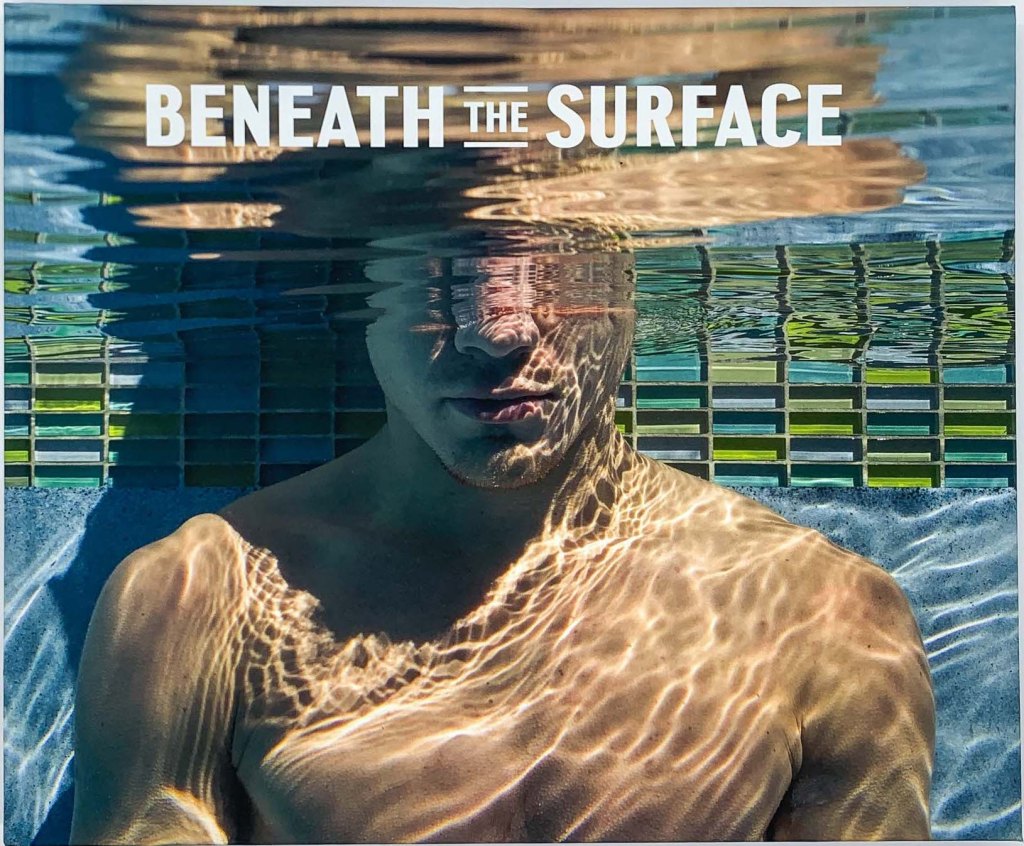
For more images and information regarding his book Beneath The Surface, please visit www.lucasmurnaghan.com/
I was a freshman theatre major at Syracuse University when I scribbled this in my journal one bright spring day in 1988:
I’m writing at Oakwood Cemetery, where we are sitting on the steps of the Brown Mausoleum. People might think it’s morbid to hang out in a cemetery, but I love it here – so beautiful and peaceful. If we were sitting in the Quad, with radios blaring and frisbees flying around, I couldn’t relax – it always feels like a fight is just waiting to break out. There’s no judgement here. Other kids walk by every so often but it’s very quiet. I’ve heard that drug deals go on here at night though.
So young. So innocent. So little insight. Then again, I was 19 years old and this was before that kid boiled John Crouse Jr.’s head.
Hanging out with friends at the mortuary chapel in Oakwood Cemetery (Spring 1988)
Oakwood is a 160 acre cemetery adjacent to the Syracuse University campus. Their website advertises “a grand array of monuments and mausoleums which form a virtual outdoor museum of funerary sculpture and architecture while mirroring the lives of Syracuse’s Victorian families.”
The cemetery was an alternative hangout for us – actors and artists clad in vintage chic attire, toting journals, sketchbooks and cameras. We didn’t come to SU for the sports or fraternity life. The typical campus hangout spots weren’t always the best places to relax, so we went to the cemetery. We were respectful, but not everyone else subscribed to the ‘Take only pictures, leave only footprints’ credo. This is why we can’t have nice things.
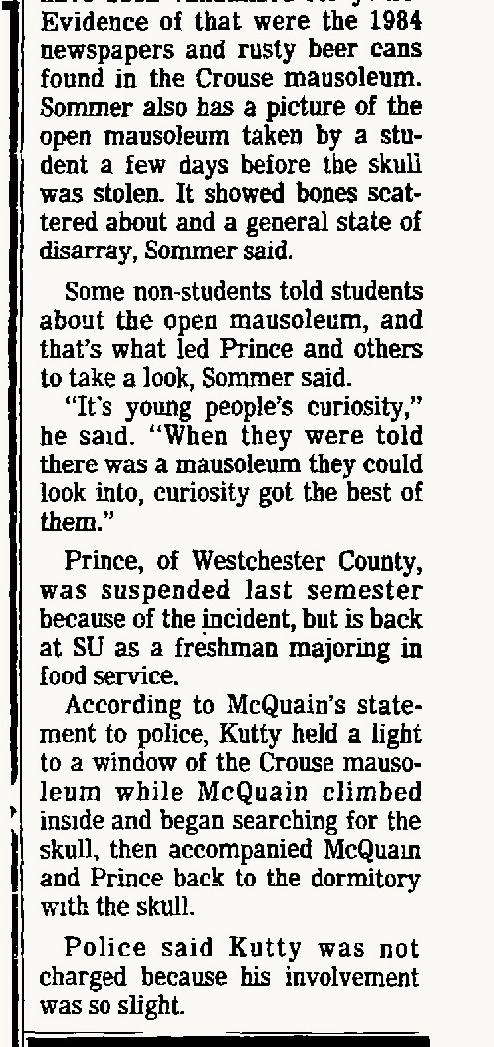
In October of that year, freshman art student Kevin McQuain thought it would be cool to steal a human head from a mausoleum “to use as a model for sculpture class,” he would later say. He brought it back to his dorm – the nearby Flint Hall – and proceeded to try and clean the cranium by boiling it with bleach in a trashcan placed on the stove of the 3rd floor common area. Residents were alarmed by the stench and even more so when they discovered the source. McQuain was arrested along with his friends, Seth Prince and Omar Kutty.
Flint and Day Halls – two Syracuse University dorms adjacent to Oakwood Cemetery
Two factors helped this gruesome crime to become a national news story:
a) It was Halloween season.
b) It wasn’t just any old skull in the trashcan.
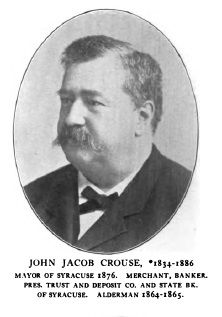
The vandalized mausoleum contained John and Catherine Crouse and their two sons. The Crouse family was a wealthy philanthropic clan that loomed large in the area for generations. A fair percentage of the city of Syracuse bears the Crouse name. John Sr. funded the University’s Crouse College to honor his wife. Their son, John Jacob Crouse, Jr. served as the mayor of Syracuse. All of the coffins in the tomb were vandalized, but the cranium in question belonged to John Jr.
From The Syracuse Herald, 10/21/88 and a vintage postcard for Crouse College:
While this macabre news story placed the University in the national spotlight, it would soon be forgotten – replaced by an unfathomable tragedy. Two months after this incident, the Lockerbie bombing took place. Thirty-five Syracuse students perished on Flight 103 in a terrorist attack that divided campus life with a definitive line of before and after.
By the time Kevin McQuain and his friends went to court in early 1989, all but local news outlets had lost interest in the macabre little “Art Student Boils Founder’s Head” story. McQuain pled guilty and was properly contrite under advice of counsel. The charges against Seth Prince and Omar Kutty were dropped, yet all three received the same sentence: 200 hours of community service.
From The Syracuse Times, 1/26/89:
Kevin McQuain at sentencing. (Herald Journal photo by Carl J. Single)
Universities tend to frown upon students who cook the heads of their benefactors. Following McQuain’s sentencing, his scholarship was revoked. Later newspaper articles state that he left Syracuse due to a lack of funds, but he did complete his undergraduate degree at Alfred University, which is not exactly the Dollar Tree of higher education. Perhaps it was best for all concerned that he made a fresh start outside of Onondaga County.
There is a 2002 follow-up piece from the Syracuse Post Standard that keeps getting… ahem… dug up… every few years and reprinted around Halloween. It’s about how poor Kevin McQuain got stuck with a nickname that he could not shake. His friends dubbed him “Skully.” And he decided “to embrace it.” He went on to form a Goth/Rockabilly record label called Skully Records, which he apparently still runs himself as a side hustle to his every day technical services job.
In 2015, he self-published a vampire/punk novel under the name Kevin Skully McQuain. He also designs t-shirts.
Somehow, the unavoidable “Skully” handle does not force itself onto his professional resume: it just leaks into his side projects where the macabre notoriety might help bump things up a notch.
But oh, how the nickname plagues him! He CANNOT escape it.
Here’s the thing: I’ve been called several things throughout my life that I have hated. I assume that you, dear reader, have had one or two unwanted nicknames as well. But I don’t know yours… and you don’t know mine… because we did not hyphenate them into our names.
How contrite is a person if he is still trying to milk the last ounce of notoriety out of something he stupidly did over 30 years ago? If you made a mistake at 18 – and who hasn’t? – would you allow that thing to be the defining moment of your life? Would you still call yourself “Farty” because you once let one rip in gym class? Is that all ya got?
McQuain is married and a father now, and I can’t help but wonder: at what point in the dating process does one explain the origin of “Skully”? Third date? Over dinner? And what is the appropriate age to sit your child down to explain that you once desecrated a corpse? “Yes, Jayden, Skully-daddy did once boil the head of the mayor of Syracuse, but listen…. that was a bad idea, ok?”
Back in 2002, McQuain said “That was a mistake I made when I was young, and I’m fortunate that it didn’t stigmatize me for the rest of my life.” And yet, at 50 years old, he still holds on to the “Skully” nickname, with the backstory tucked into the pocket of his aging punk-rock jeans, ready to whip out and exploit whenever he has a new artistic endeavor that might need a little publicity boost.
In 1988, Kevin McQuain walked out of Oakwood Cemetery with the head of John Crouse in a paper bag, intent on using it as a prop for his art. Over 30 years later, he still finds it quite useful.
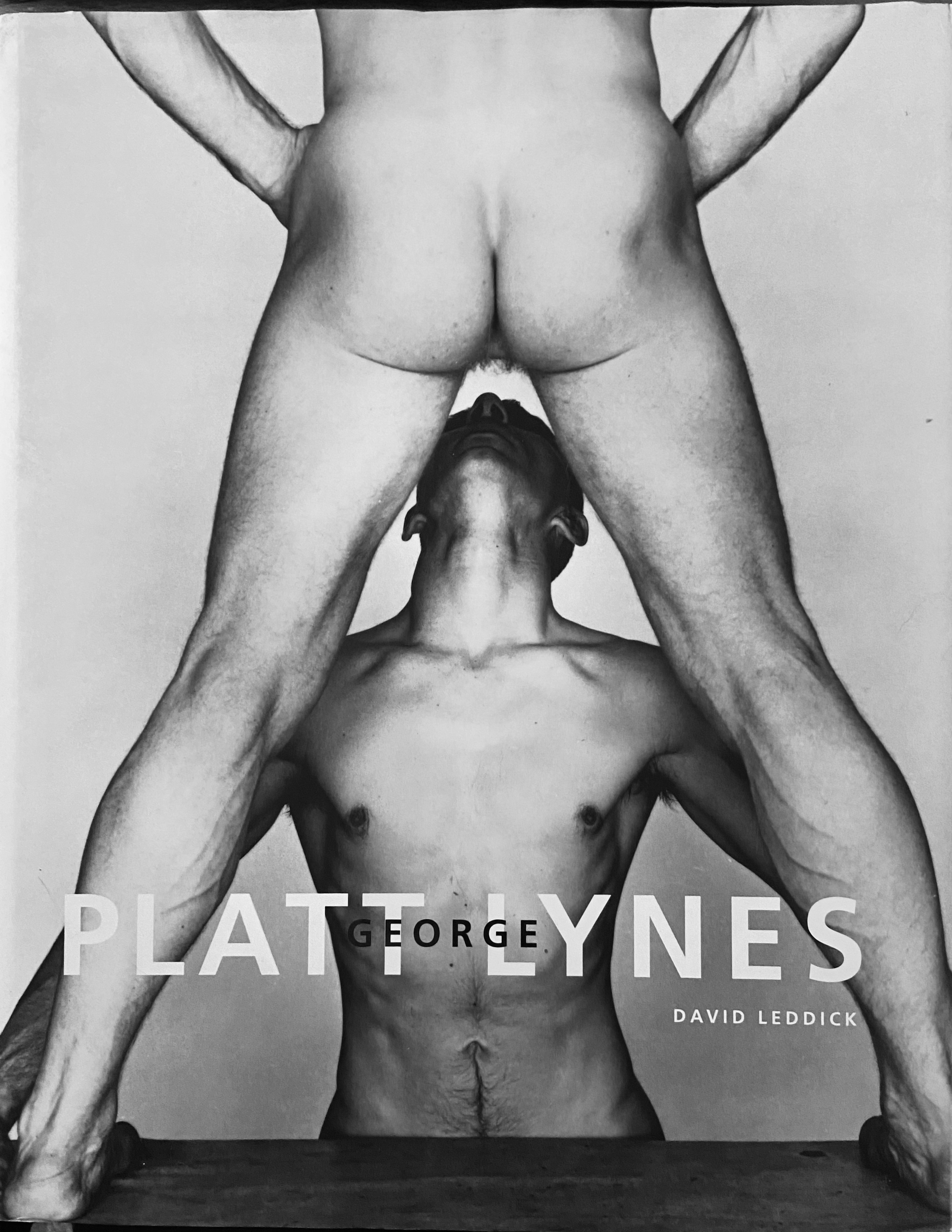
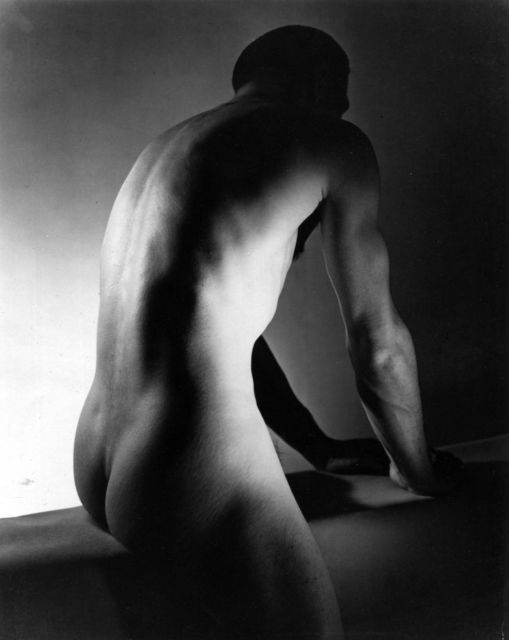
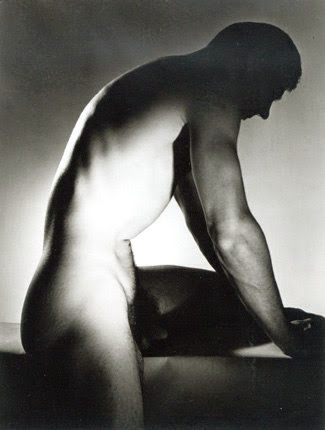
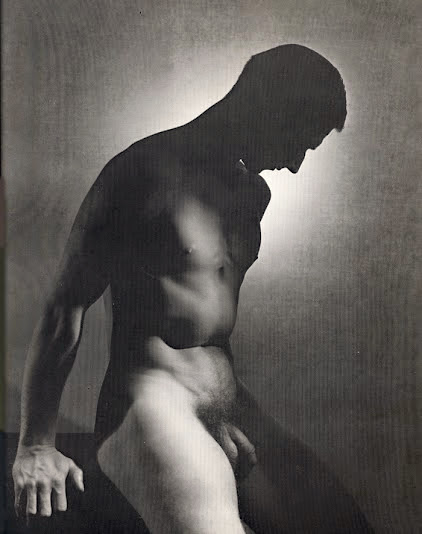
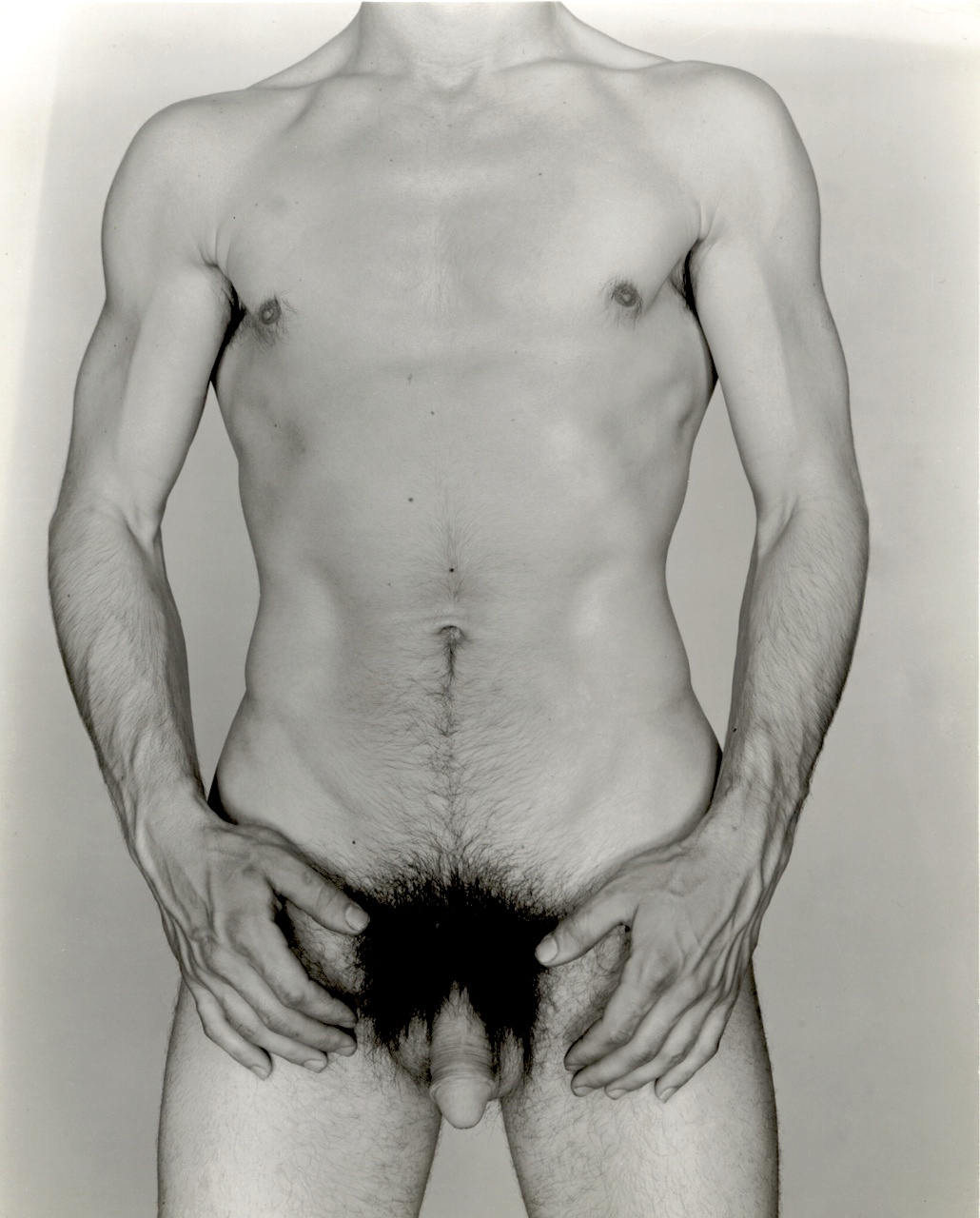
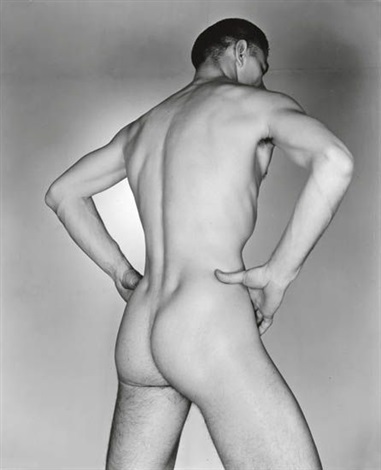
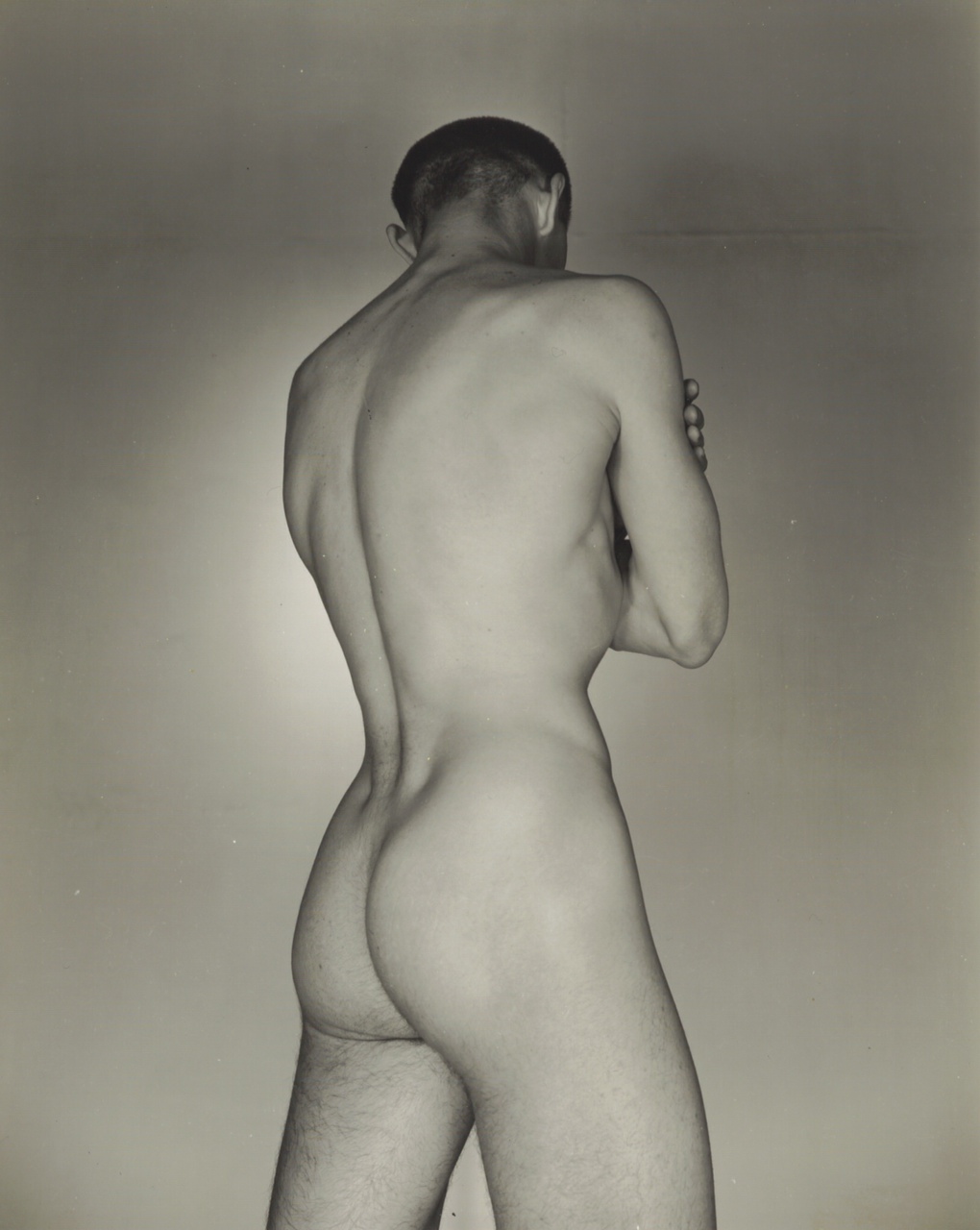
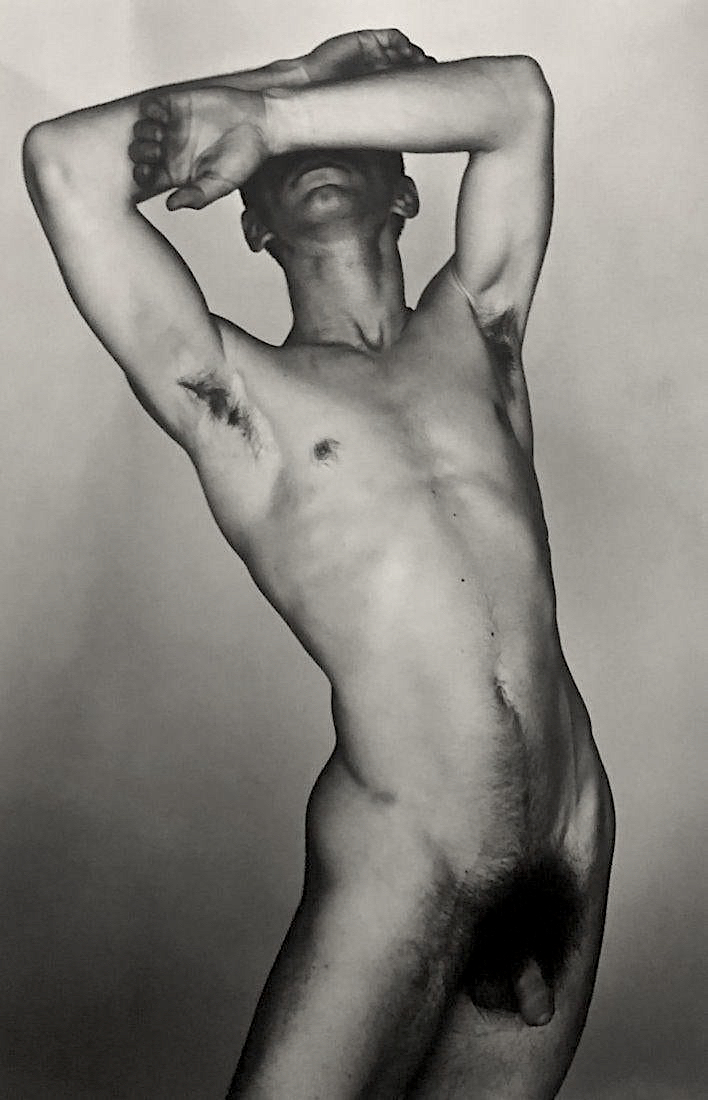
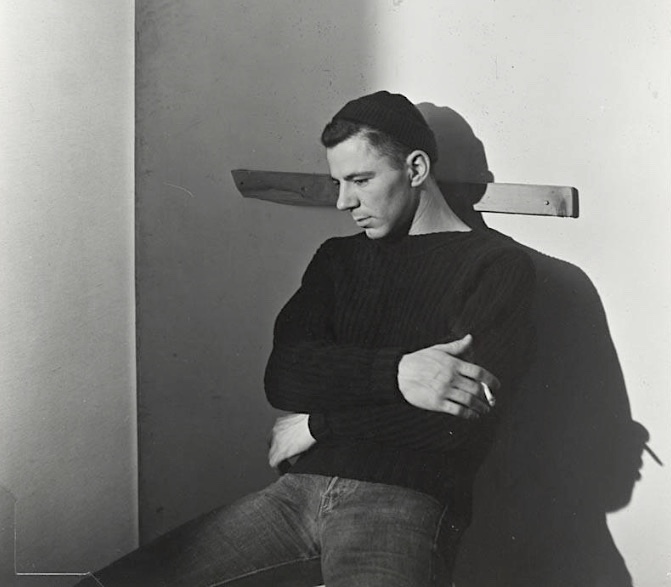
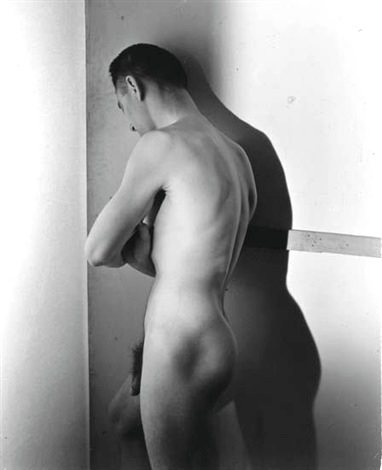
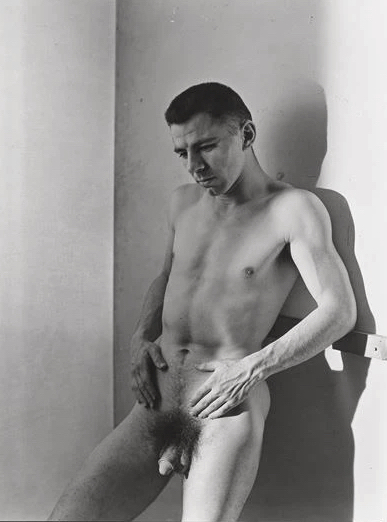
Although photographer George Platt Lynes passed away of lung cancer at age 48 in 1955, it took another 30 years before the majority of his male nude photographs were celebrated and widely released. Virtually every collection of his work now features photos of a model named Ted Starkowski. His nude images are featured on the covers of several collections of Lynes’ work – in solo shots or posed with Mel Fellini:
So who was Ted Starkowski?
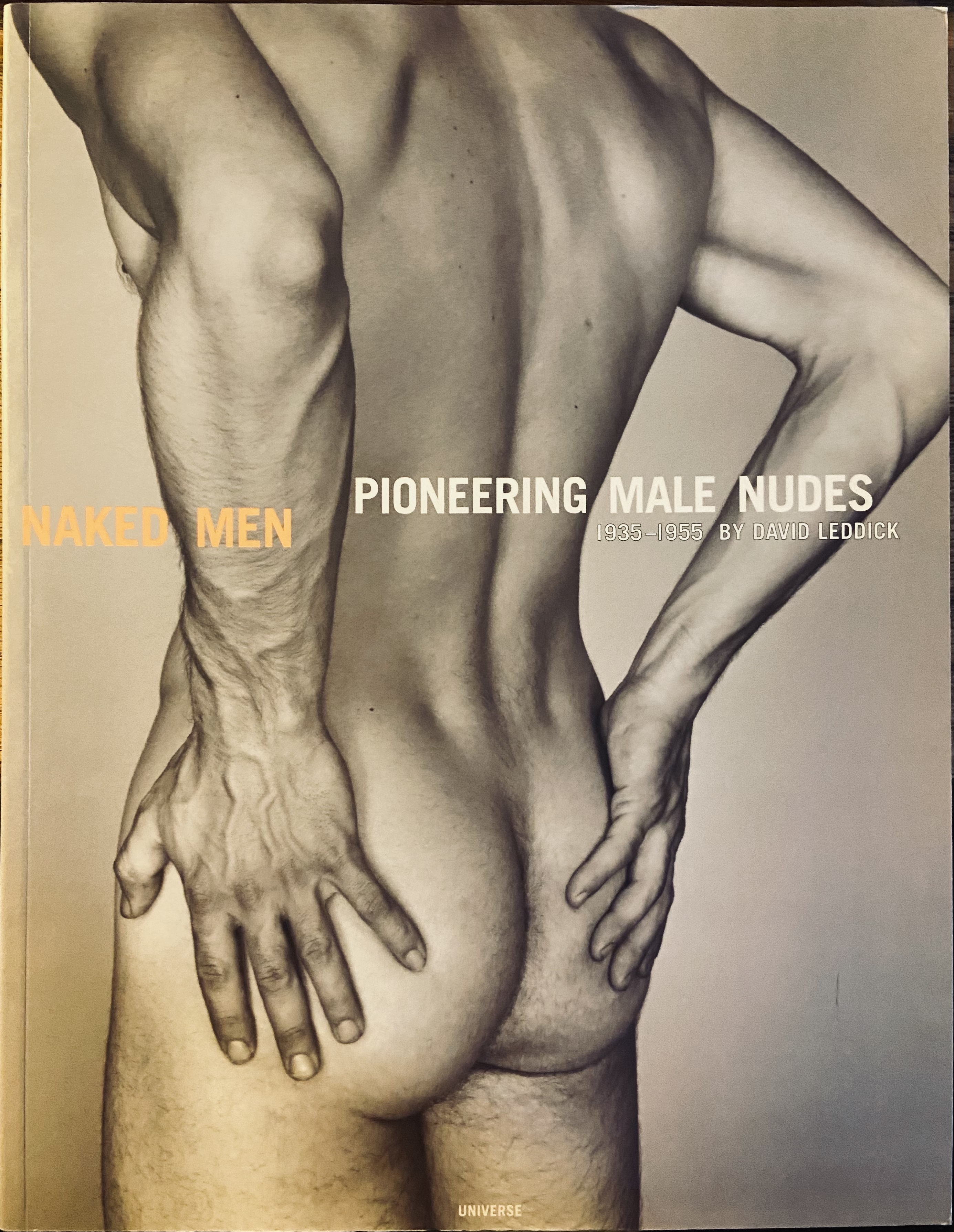
Lynes biographer David Leddick wrote:
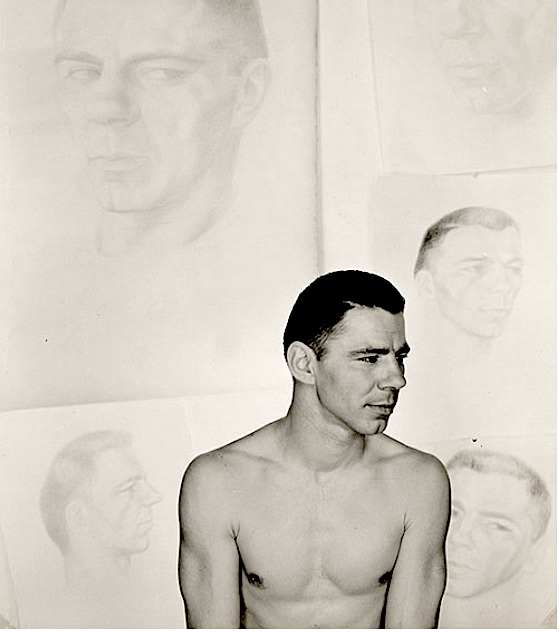
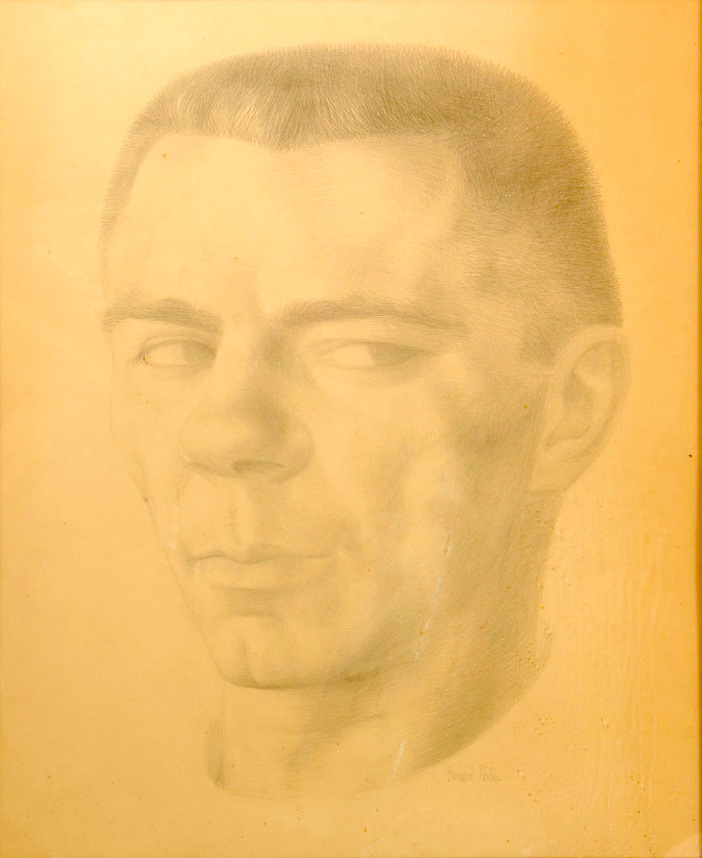
Ted Starkowski worked the streets. Hustling by night, he regaled Bernard Perlin and George Platt Lynes with his adventures while he posed for them during the day. They created unique images with his cat-like face and lithe body.
Perlin later recalled; “He looked like an old tomcat – you know, after the battle. But he just loved the way he looked…. he was a star whore, he aimed for people with money and he got it.”
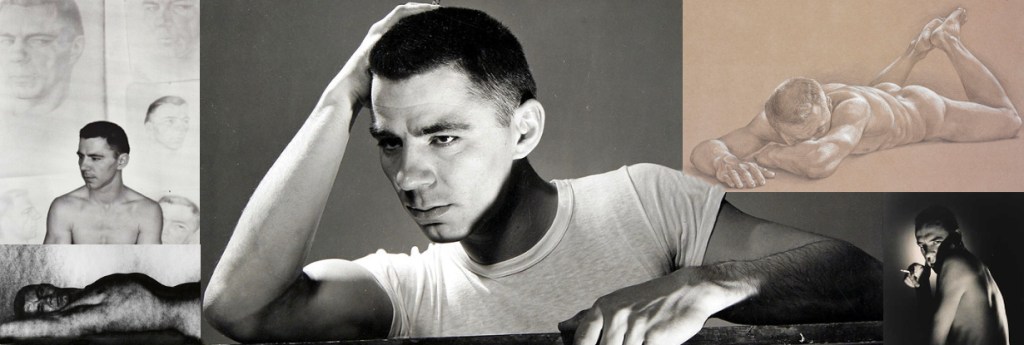
(Above) George Platt Lynes photographed Ted Starkowski flanked by Bernard Perlin’s sketches.
Teodor Francis Starkowski was born in Hartford, Connecticut on April 4, 1927- the eighth child of Polish immigrants. When he was 6 years old, Ted was critically injured when he was struck by a car in front of his family’s home. He eventually made a full recovery, but the incident would foreshadow another auto accident forty-four years later.
His Army registration in September of 1945 indicates that he had attended three years of high school and was working at St. Thomas Seminary in Bloomfield.
After his stint in the military he relocated to New York City, where he became a favorite subject for Lynes and his circle of artist friends, including Paul Cadmus and Jared French.
(Above) Six images of Ted Starkowski by Jared French.
Few other photographs by Lynes do as much to cast the model as an actor. In his tight jeans, bulging conspicuously at the crotch, fisherman-rib sweater worn without an undershirt, and workaday watchman’s cap relegated to the status of an ornament, Starkowski looks like a longshoreman snatched from the imagination of Tom of Finland … Lynes’s studio provides only the minimum furniture required to support Starkowski in a posture that manages to be solicitous and pensive at the same time, welcoming an evaluating view despite being absorbed in thought.
This photograph extends rough trade as a portable structure of fantasy that discovers erotic opportunities in ambiguities of dress and pose…. Evidently, Starkowski had a knack for acting like a straight man, or at least like a fantasy version thereof.
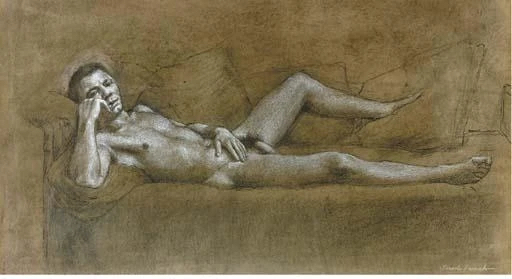
Ted Starkowski as drawn by Paul Cadmus (Male Nude, TS5, 1954)
A reader sent a photo of this Paul Cadmus drawing titled “Ted Reading” – posted with permission.
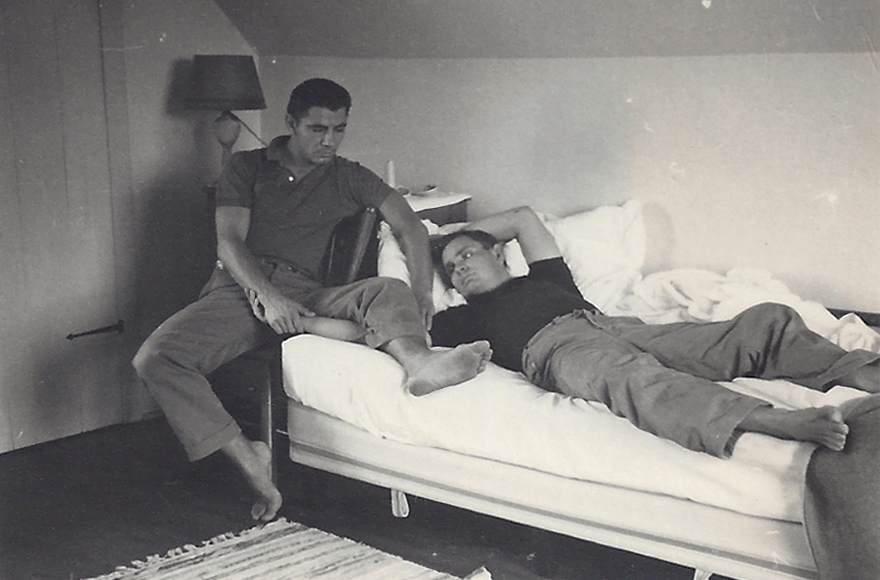
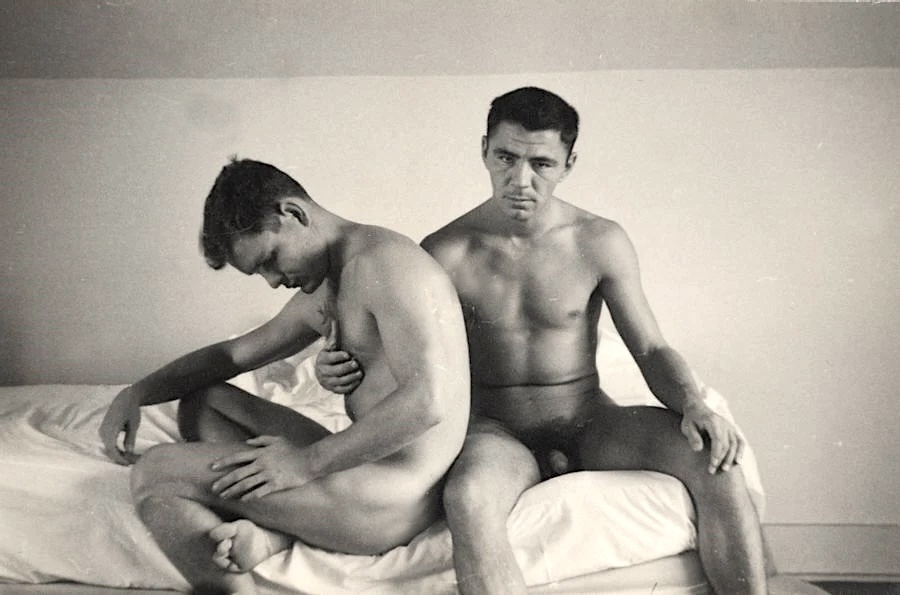
Another model who posed for many of the same artists was fellow ex-military man Chuck Howard, George Platt Lynes’ live-in boyfriend. After their split in January, 1951, Howard and Starkowski became involved in what David Leddick described as “a tempestuous affair.” The couple were photographed together on Fire Island while vacationing with Paul Cadmus, Jared and Margaret French: artists who called their collective photography work PaJaMa, an acronym of the first letters of their first names. See more of their work here.
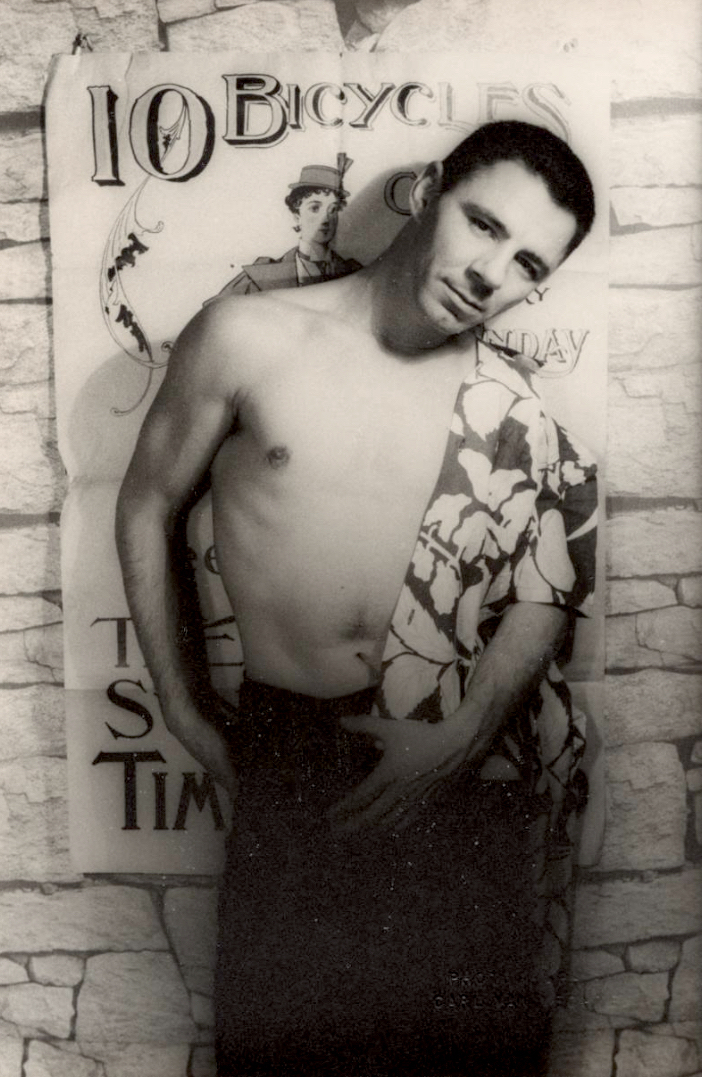
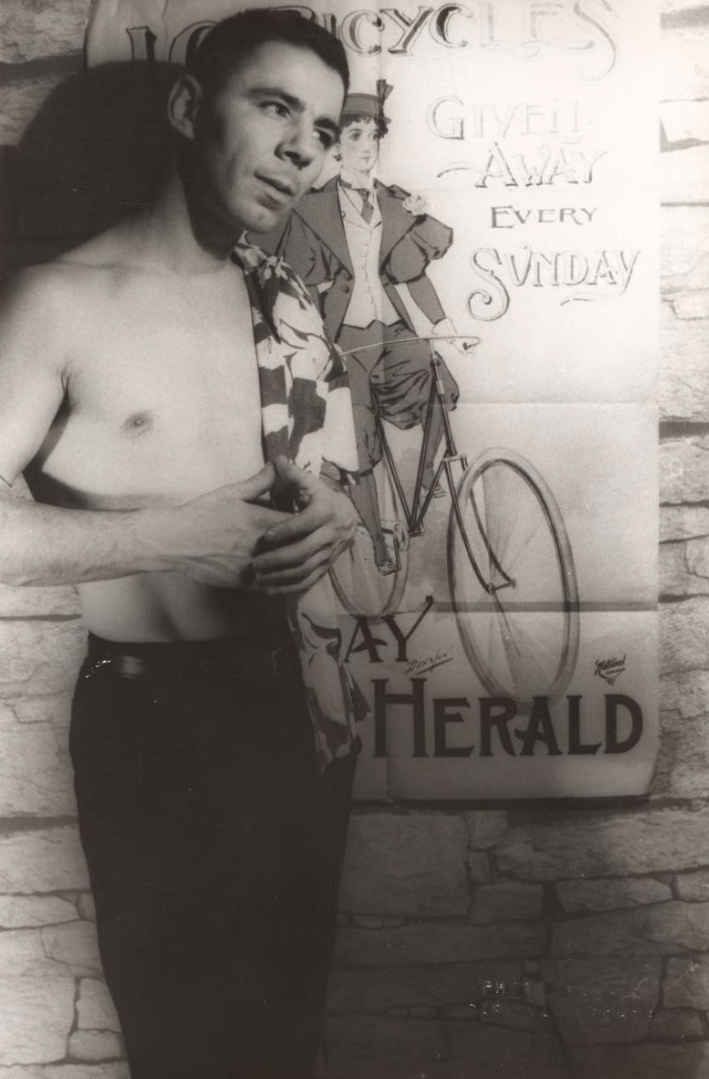
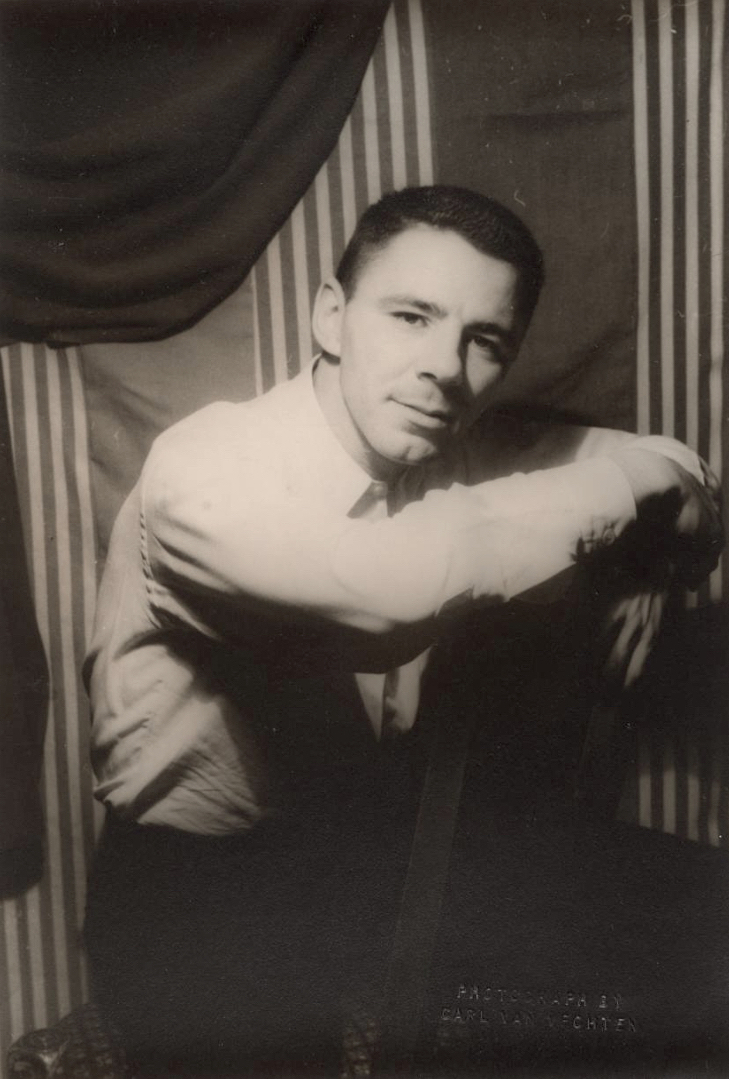
The year after George Platt Lynes’ death, Starkowski was photographed by Carl Van Vechten. These photos are dated April 3, 1956:
Portrait of Ted Starkowski at age 36 by Paul Cadmus. (1963)
Thanks to a wealthy benefactor, Starkowski traveled extensively in the second half of the 1950’s. Perlin recalled; “There was this old boy who picked him up on 42nd Street. Ted enthralled him – kept him drunk and kept him out of money, with which Ted bought diamonds, which he wore. Both hands glittered with diamonds.”
Leddick relays a story of Starkowski showing off a new diamond ring to artist George Tooker. Asking if he thought it was too big. Tooker replied “Yes, it is too large for a woman to wear.”
And then… the trail goes dark for the next 14 years. If more images or information come to light, I will update this post. What we do know is that on Friday May 13, 1977, Ted Starkowski was leaving a New York City bar when he was struck and killed by a car. He was 50 years old.
An obituary ran in the Hartford Courant the following Tuesday, May 17th. He was buried in Mount Saint Benedict Cemetery in Bloomfield, Connecticut.
It was a sad end to a man who had inspired many artists.
Bernard Perlin recalled, “Despite his nefariousness, he did good in the art world. My drawings are comparatively negligible, but many of George’s photographs are just absolutely wonderful.”
The sun is shining, the grass is green The orange and palm trees sway There’s never been such a day In Beverly Hills, LA But it’s December the 24th And I’m longing to be up north…
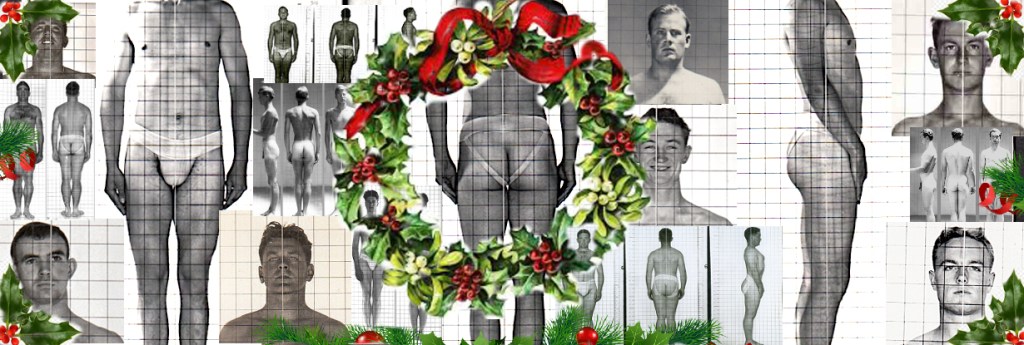
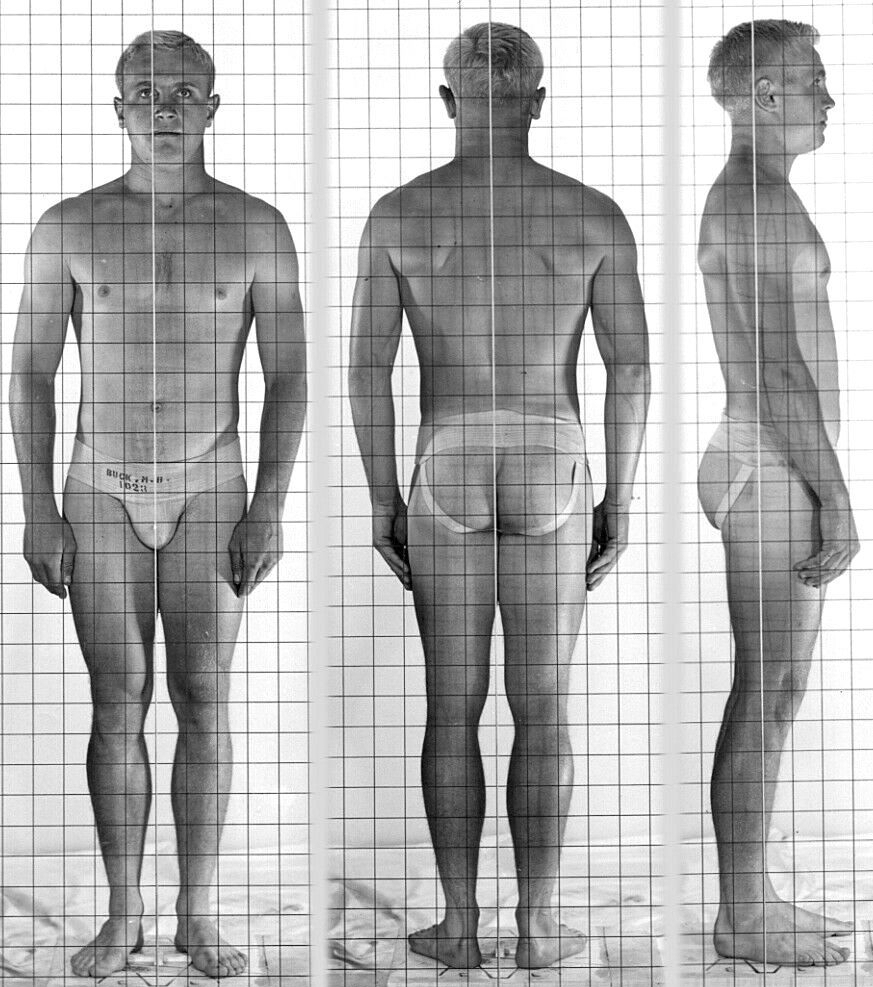
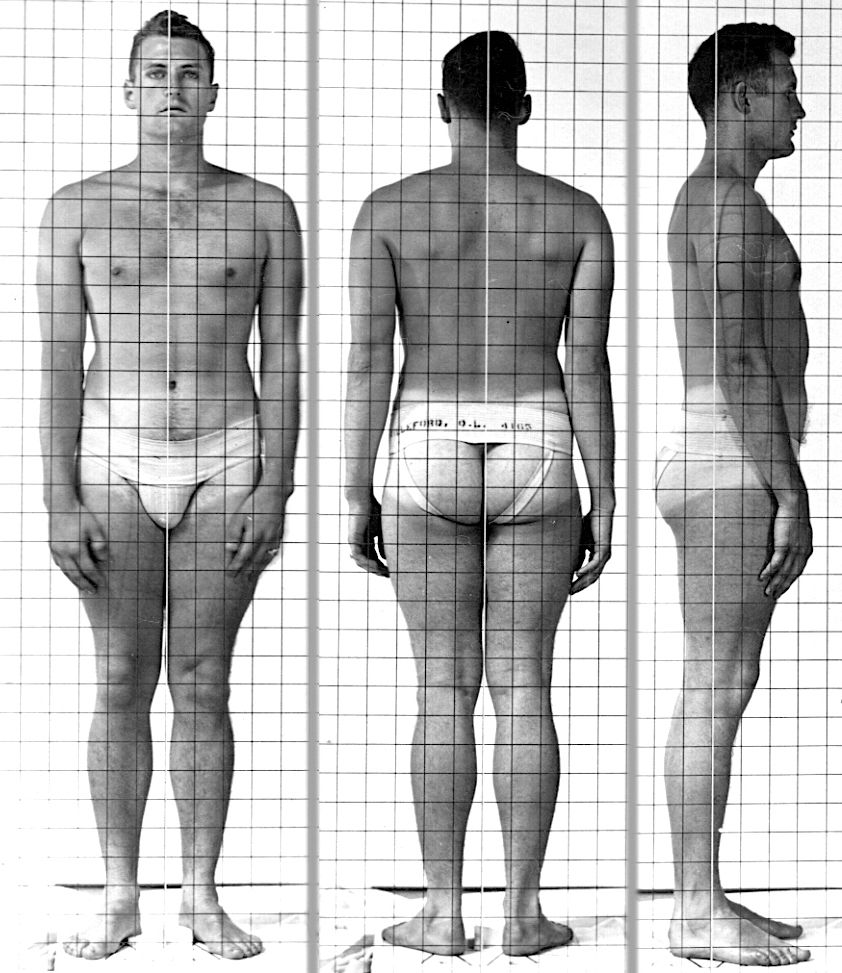
That’s the rarely heard opening verse to Irving Berlin’s classic song White Christmas – originally released in 1942. The song popped into my head as I gathered these Christmastime photos of jockstrap-clad cadets in pre-flight training school at St. Mary’s College in California. Never mind that the school is actually several hundred miles north of Beverly Hills. It is still sunny California, where these strapping young men – many away from home for the first time – were training to go to war during the holidays.
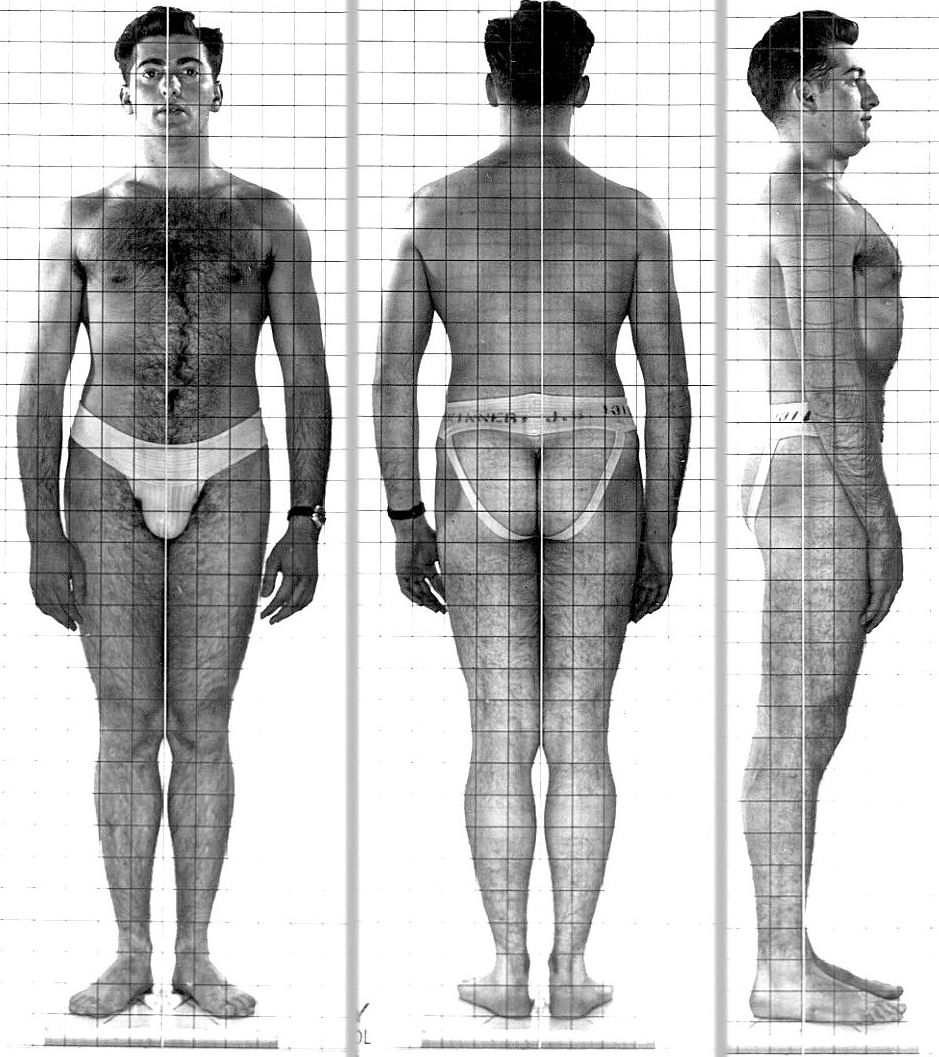
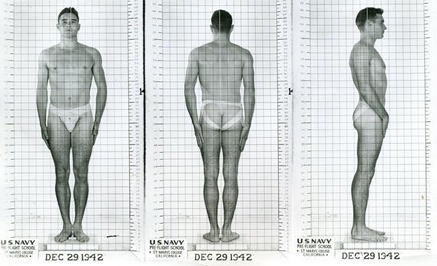
As I mentioned in a previous post, I first became aware of these black and white 5″x7″ triptych photos a couple of years back through posts on a Facebook photo group.
Listings of these photos often turn up on auction sites, where they are sometimes include the index card used to record the physical training progress of the cadet.
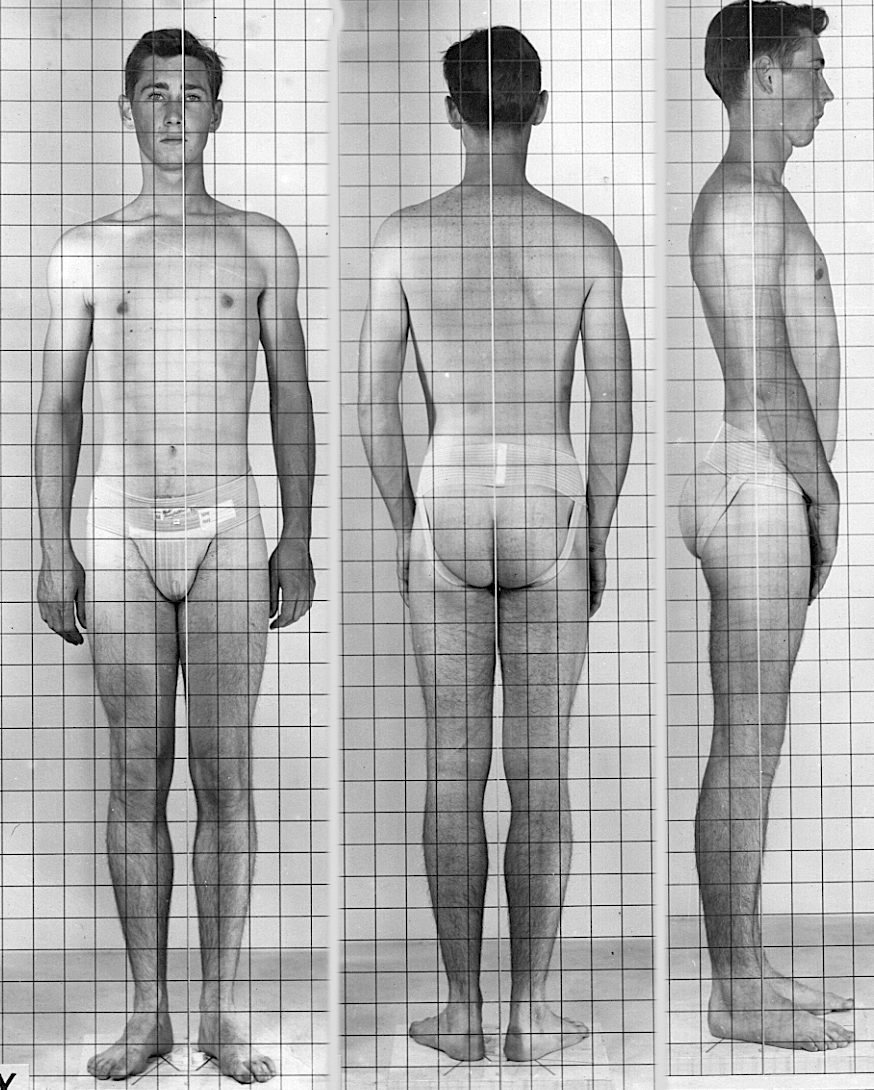
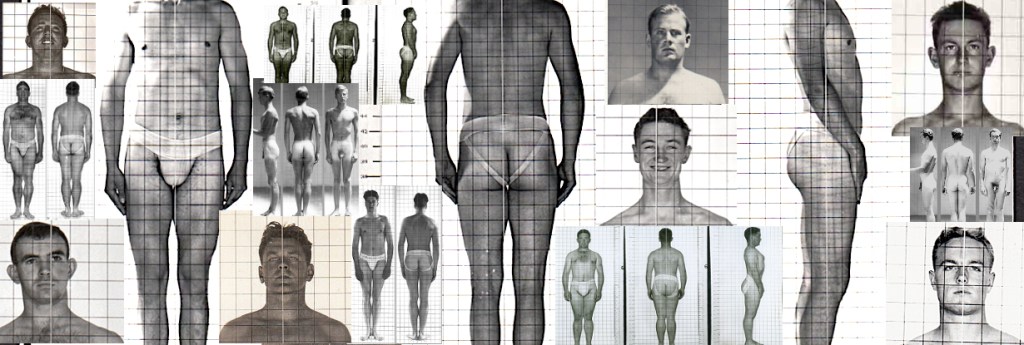
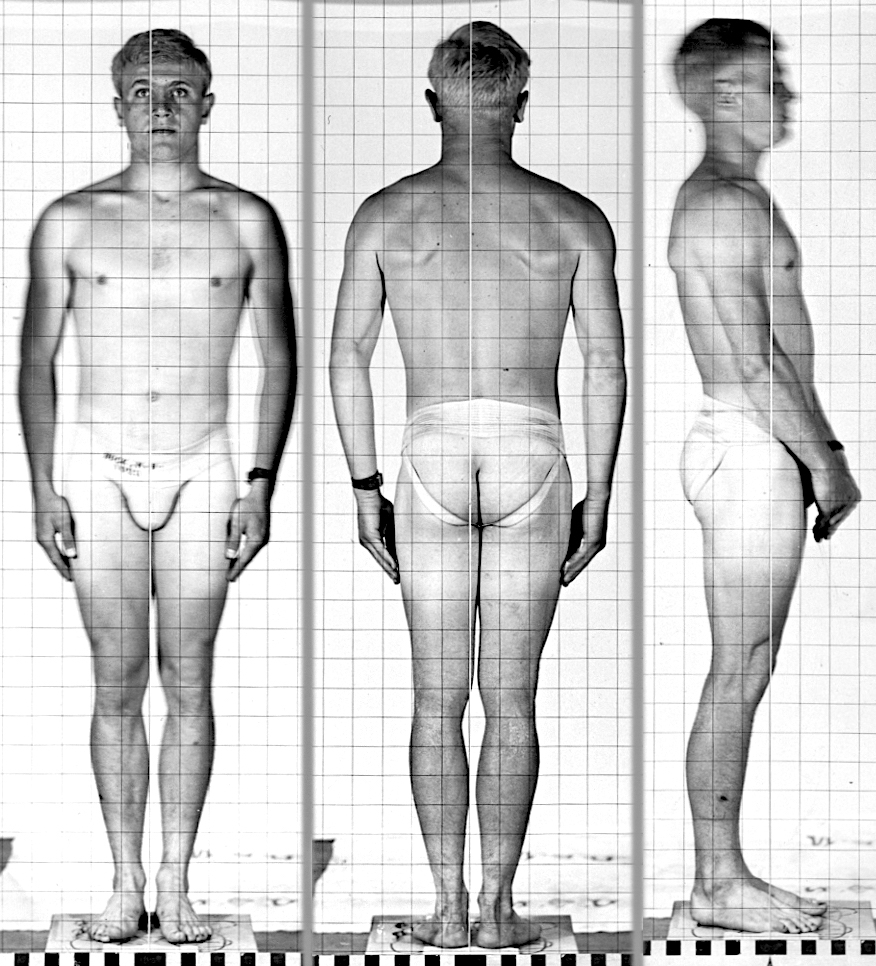
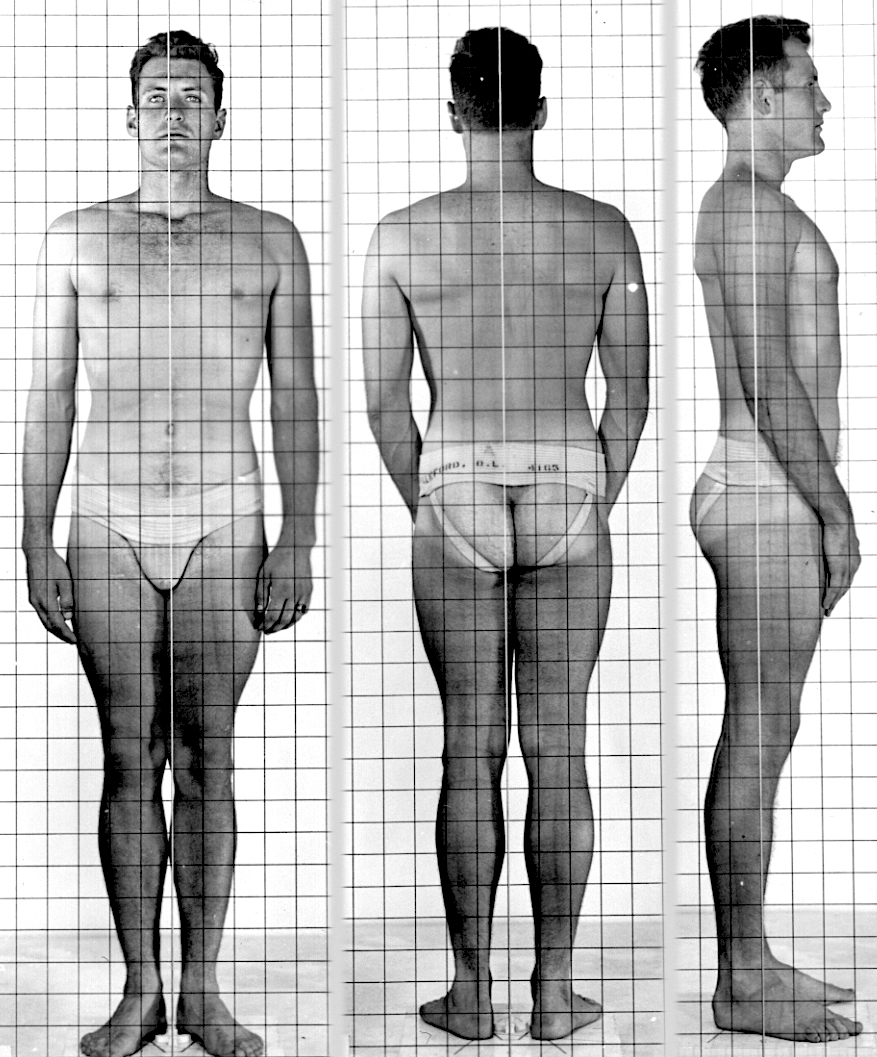
The earliest photos feature the men completely nude, but all subsequent photos feature the cadets in jockstraps, standing behind some sort of grid fence to better detect posture misalignment and spinal curvature. All of these photos contain a visible U.S. Navy / St. Mary’s Pre-Flight School placard.
Fortunately for us, multiple photos of some cadets have surfaced, allowing for comparisons of their training progress:
Before / After 8 weeks of training: Fall, 1942
And while there is a lack of ethnic diversity, there is a variety of body types.
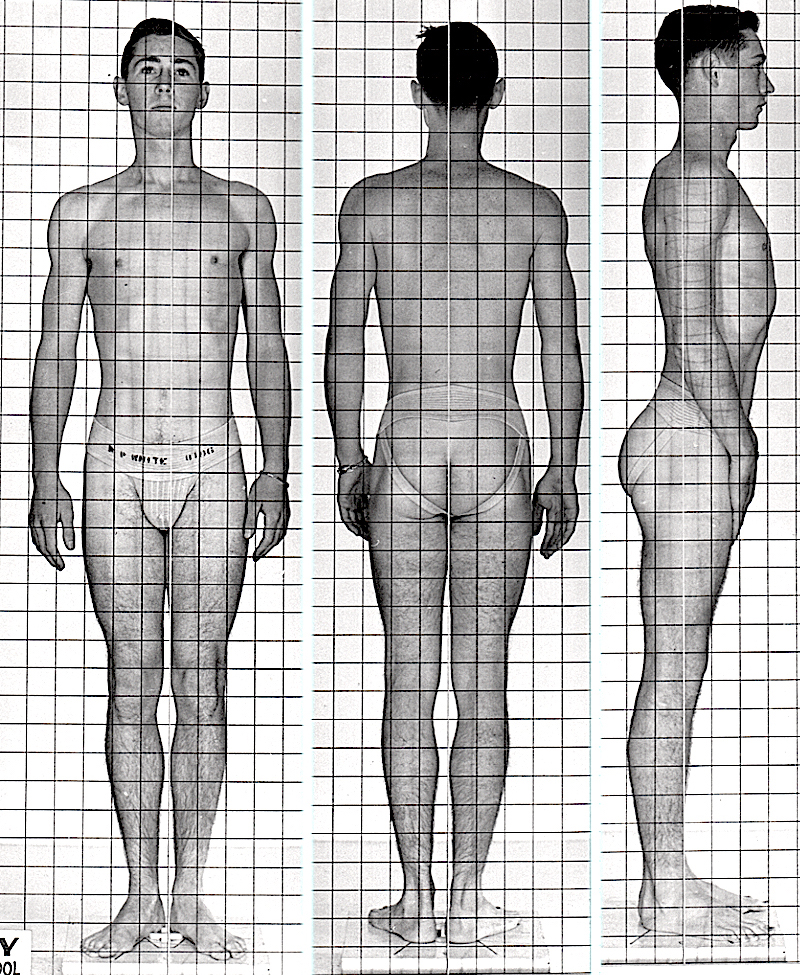
Before / After 3 weeks of training: December, 1942
My collection now includes over 300 jpegs of different cadets. Some did perish during WWII, but the largest majority that I have researched lived to ripe old ages. Any surviving cadets would now be in their late 90’s.
One thing these young men have in common, as they were documented in timeless photos of their physical prime: they were far from home during the holidays, training to fight for their country.
At this time of year, 75+ years later, cue up White Christmasas we again salute their fine forms and dedication.
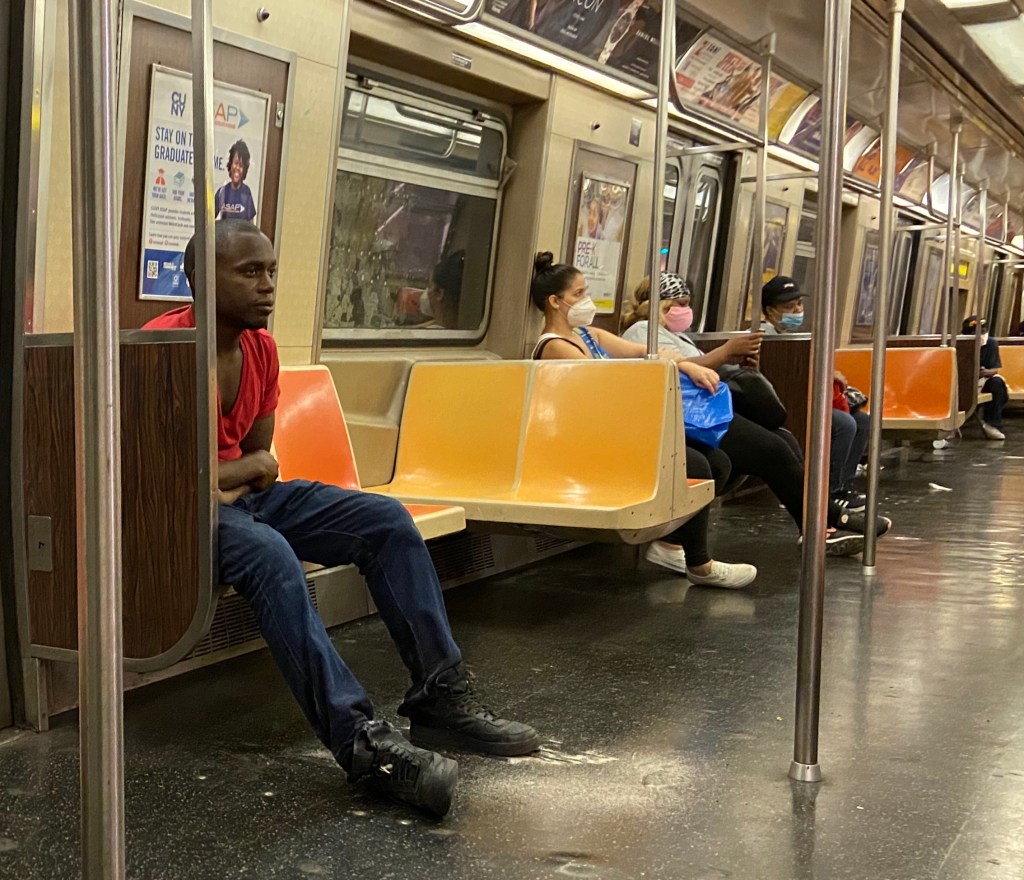
Earlier this year, I began posting photos I snapped around New York City – just as the pandemic was taking hold and then again when it started to reopen. As we teeter on the edge of another necessary lockdown, lets pay tribute to these intrepid commuters – men who have navigated the subways sporting face coverage while still putting forth a sense of style as well as a certain…. je ne sais quois.
This post goes out to KennethInThe212 blog, which recently celebrated its 15th anniversary. Prior to the pandemic, Kenneth Walsh (who lives in Manhattan so you don’t have to) regularly featured snapshots of stylish men photographed in transit. Alas, he doesn’t need to take the subway while working from home, so I began taking photos that I imagined would have fit comfortably into his oeuvre (despite a lack of mustaches and singlets).
Then again… who knows what facial hair grows behind these masks?
Congratulations to Kenneth on 15 years! Stay safe New York.
One of my socially distant pastimes of 2020 has been searching for jpegs of WWII U.S. Navy Pre-Flight Training photos. These images of naked or jockstrap-clad cadets were taken at St. Mary’s College in California when it was requisitioned for the war effort between 1942-1946. I first became aware of these black and white 5″x7″ triptych photos through posts on a Facebook photo group. Listings often turn up on eBay and other auction sites, where the photos are sometimes accompanied by an index card which was used to record the physical training progress of each cadet.
It has been speculated that this was tied to a study on race purity/eugenics, as were the infamous Yale student posture photos. I choose to believe that it was merely a matter of recording alignment and physical fitness as part of the overall medical examination process.
Comparative fitness photos for a cadet taken on 6/27 & 8/31 1942
Call me naïve, but if we are to appreciate the photos of these fine young men who were training to fight for our country, it’s a lot less icky to ignore a potential ulterior motive on the part of those taking the photos.
Comparative fitness photos for a cadet taken on 7/27 & 9/29 1942
The earliest photos – dated June 13, 1942 – feature the men completely nude. When the subjects were photographed in profile, they appear to be holding hands with someone off-camera – presumably to help them obtain proper… positioning?
All subsequent photos feature the cadets in jockstraps, standing behind some sort of grid fence to better detect misalignment and spinal curvature. Note that, although cropped here, all of these photos contain a visible U.S. Navy / St. Mary’s Pre-Flight School placard.
Most of the photos shown here were gathered from various sources around the internet with the subject’s name cropped out: God forbid someone ran across a picture of near-naked PeePaw and suffered conflicting feelings.
My collection includes nearly 200 jpegs of different cadets with the names intact. I have taken my pastime a step further by researching who these men were and where they ended up. As expected, some did perish during the war – just a year or two after these photos were taken. Others reenlisted for the Korean War and did not survive that conflict. But the largest majority went on to successful careers, families and lived to ripe old ages. Any surviving cadets would now be in their late 90’s.
Whether the photos of these handsome young men are literal snapshots near the beginnings of their lives or tragically close to the end, all of the subjects are equally, timelessly captured here in prime physical condition as they trained to serve our country. 75+ years later, we salute their fine forms and dedication.
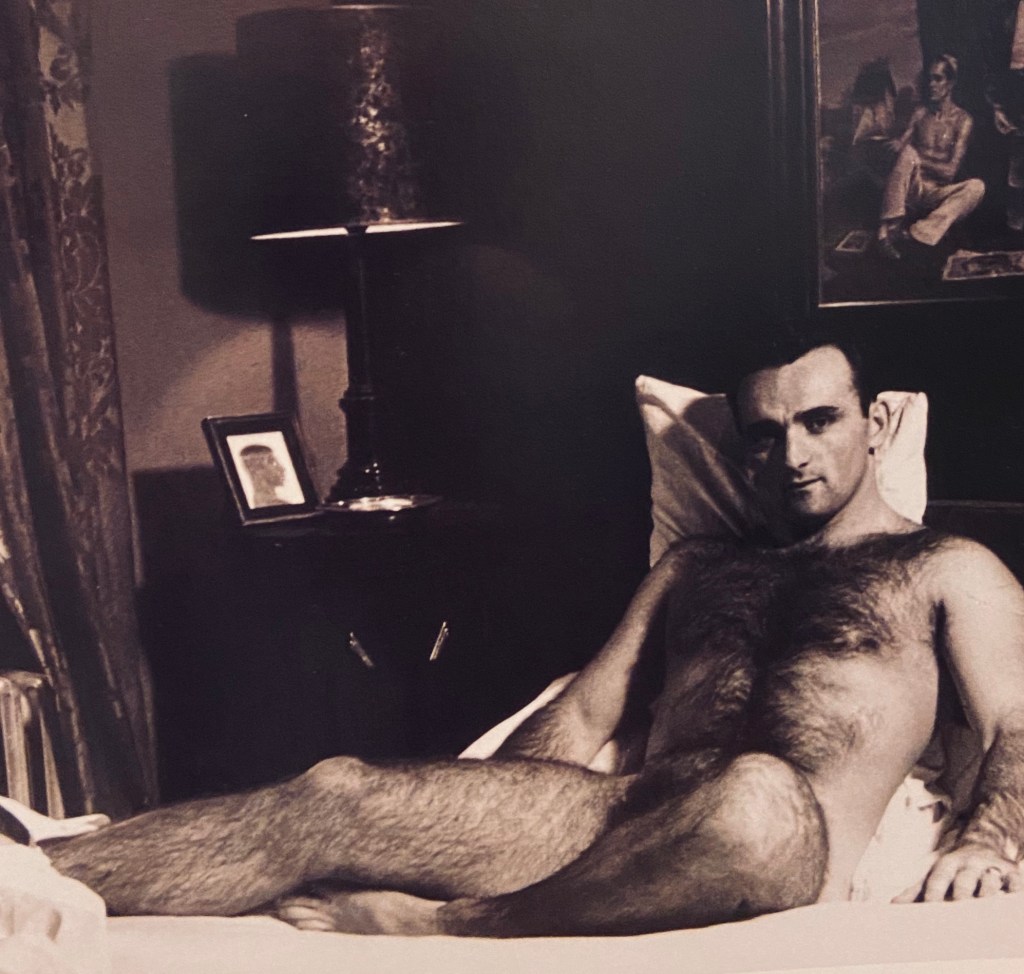
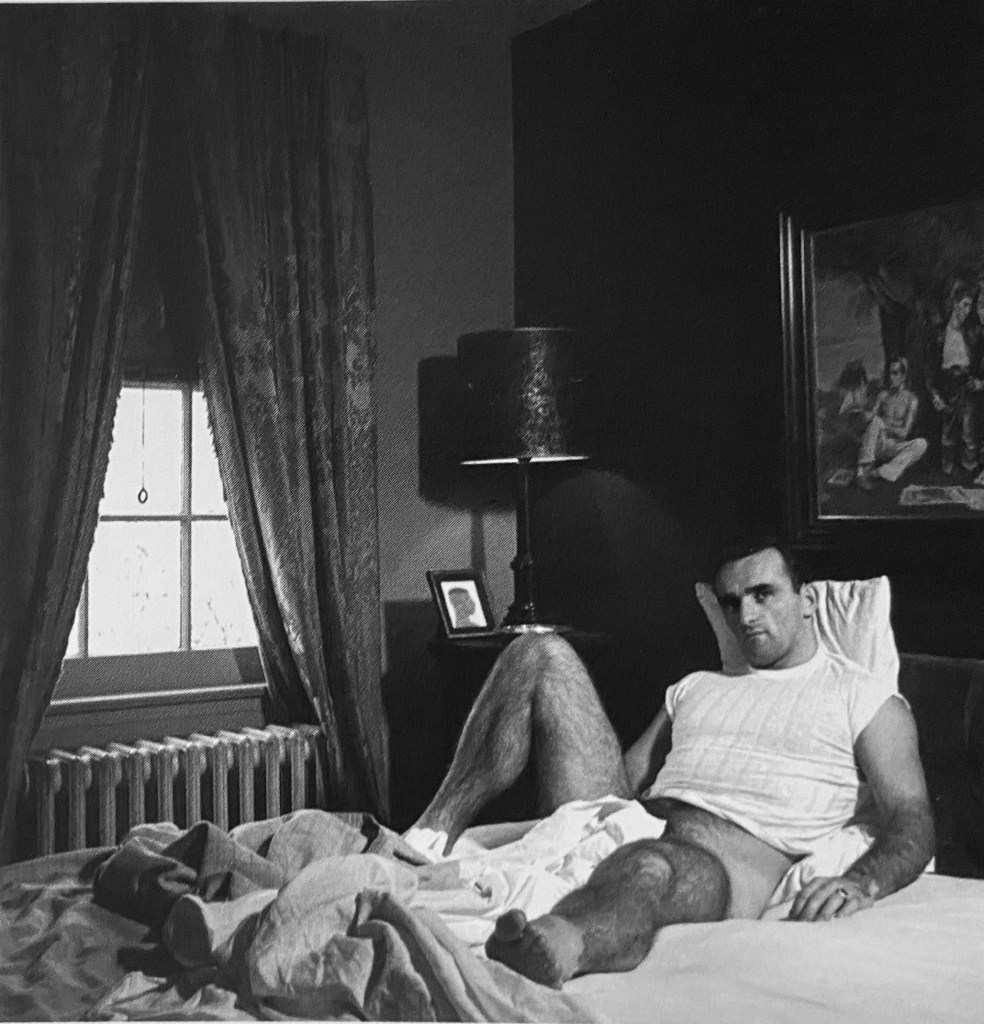
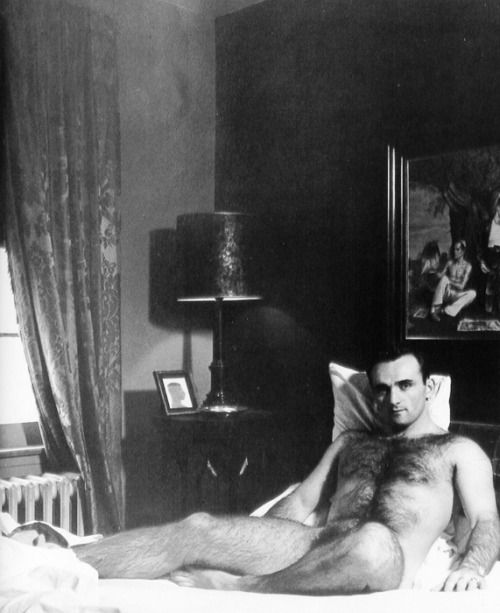
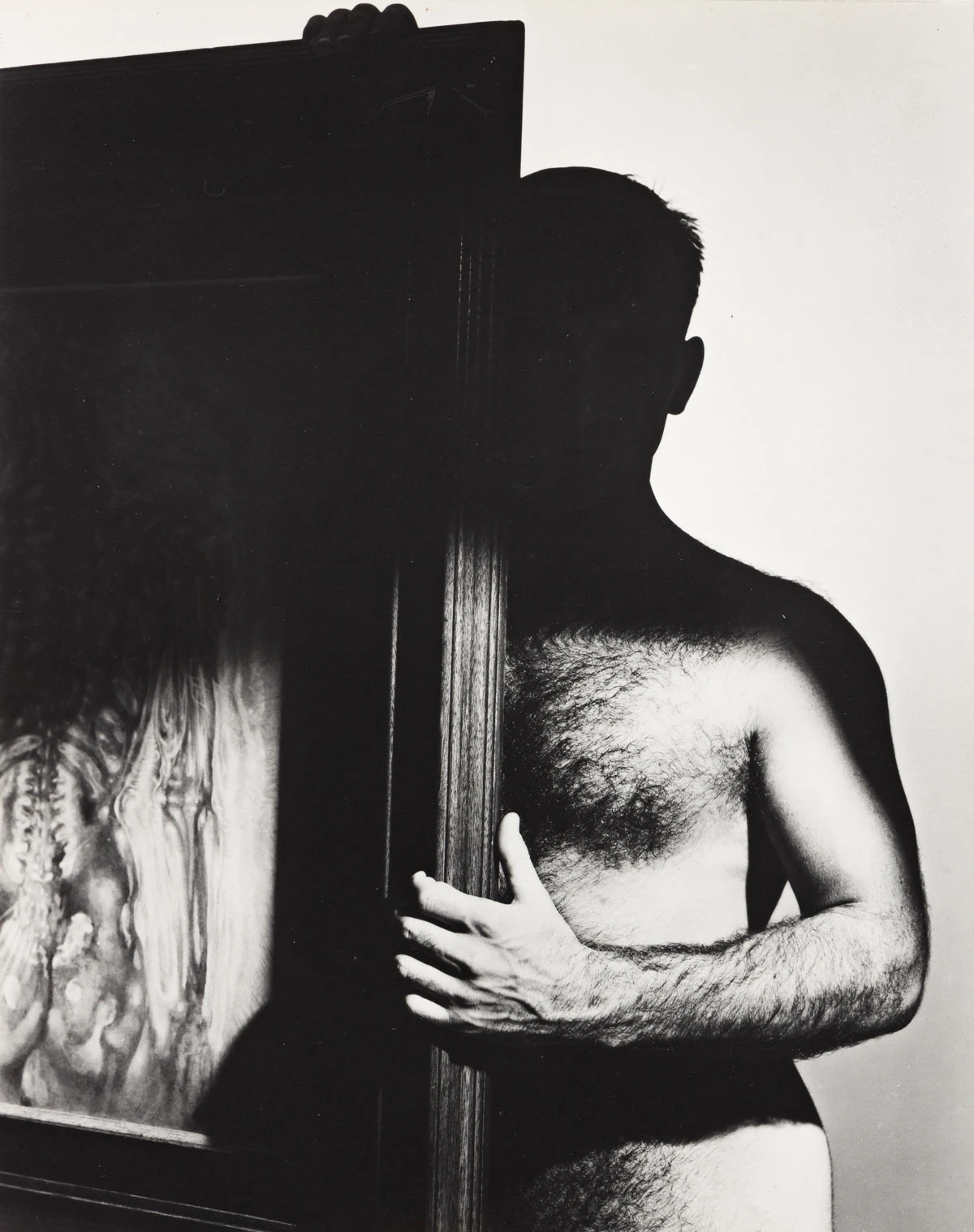
Last week I posted this photo on a vintage beefcake Facebook page and people lost their minds: Over 2,200 likes and 200 comments from members young and old, tripping over their tongues… and not a negative post in the bunch, if you can believe that. “Who is he?” many wanted to know.
It’s hard to place the date just by looking at the photo – the hirsute young man looks modern – this could be taken today and filtered in sepia tone. And while many a vintage photo of presumably heterosexual men are co-opted by gay men who like to spin fictional tales speculating the circumstances surrounding an image, there are a few clues here that give the subject away: The artwork – on the wall and nightstand – seem to corroborate that this guy is very well aware of who he is and why you are looking at him.
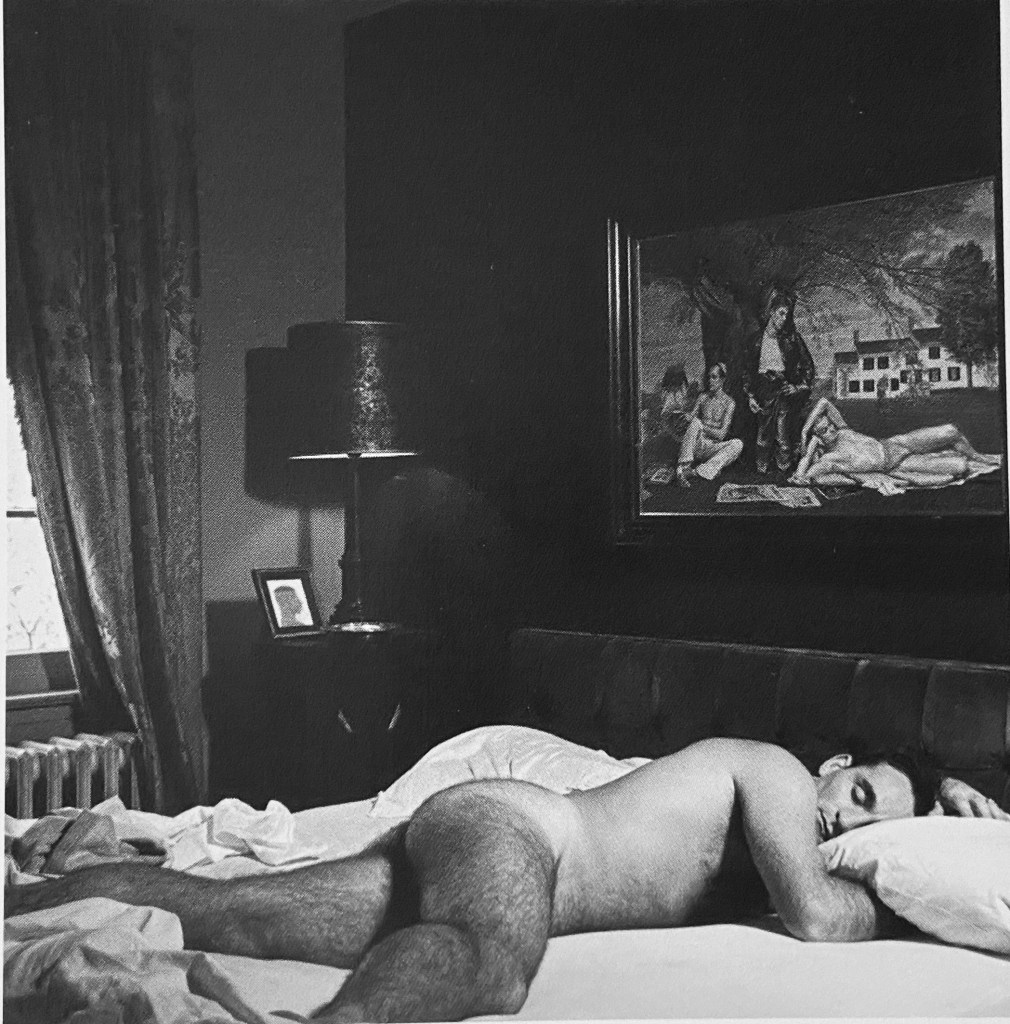
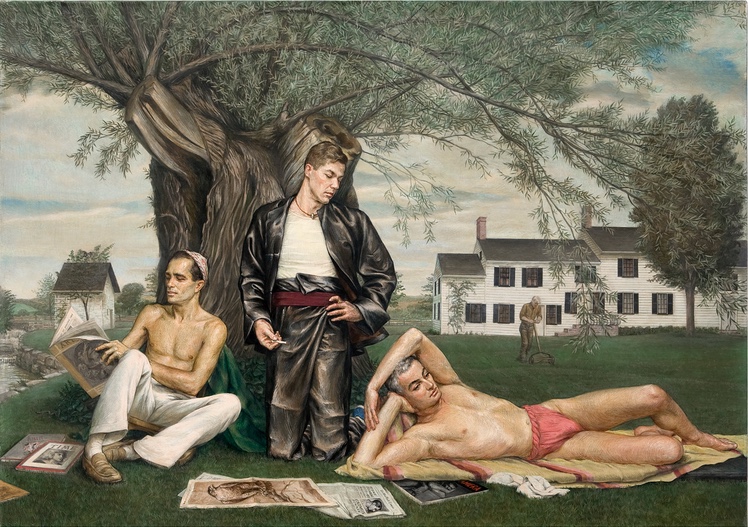
The model is Robert X. (Buddy) McCarthy – a WWII veteran described by author David Leddick as “a former gymnast from Boston with a sharp Irish wit.” The photo dates 1952 and was taken by George Platt Lynes in the boudoir of his own NYC apartment. The painting on the wall behind Buddy is Conversation Piece by Paul Cadmus (1940) and depicts Platt Lynes with museum curator Monroe Wheeler and writer Glenway Wescott, a couple with whom he was romantically involved. In the background is Stone-Blossom, the New Jersey farm the three of them shared for over a decade.
In his letters, Platt Lynes referred to McCarthy affectionately as “The Baby Blacksmith.” He writes to friend Bernard Perlin; “(He) does me the honor of declared infatuation. And I purr like a tiger puss.”
While it is McCarthy’s body hair that garners immediate attention in this and a couple of other studio photos taken by Platt Lynes, the photographer apparently was not happy with the results.
He wrote in November, 1952: “Months ago I took nudes of Buddy… told him at the time that all that hair, though fun to play around with, wasn’t photogenic and under it he (probably) had a beautiful body.
“We made a vague date to remove some and to re-photograph… I meant, of course, to strip him except for the armpits and pubic bush. IMAGINE MY HORROR when he turned up on Friday evening with his pubes shaved clean like a baby’s. It wasn’t pretty…. It took two hours to get all (the rest of) that fuzz off him… contrary to expectation, it was neither a pleasant or erotic occupation.
“Halfway through the job Johnny phoned… I asked Buddy if he’d be willing to pose with him. A little to my surprise he said yes.”
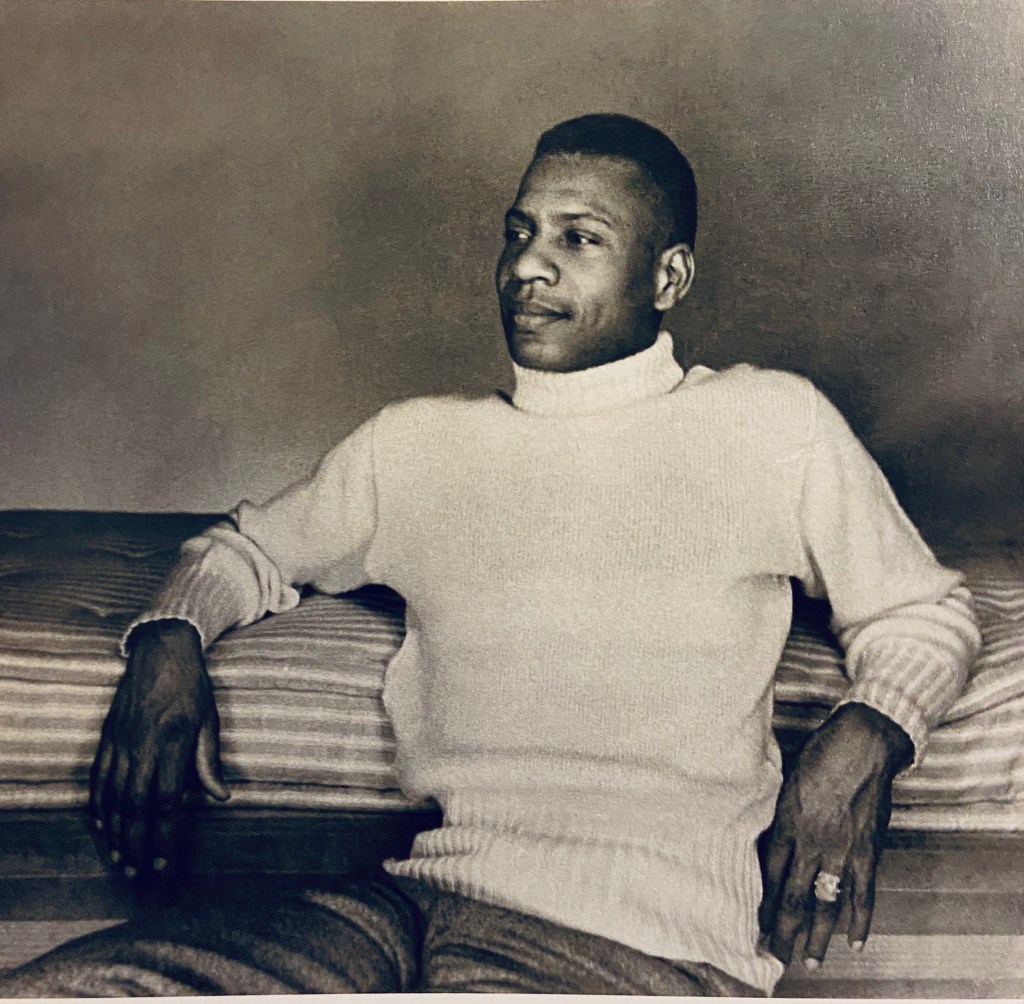
Portrait of John Leapheart by George Platt Lynes
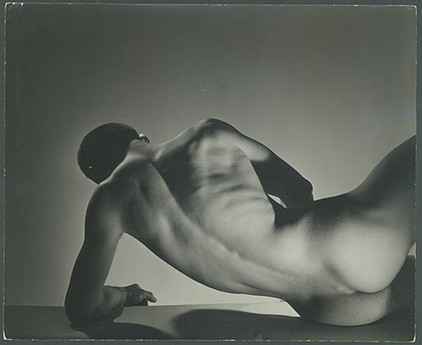
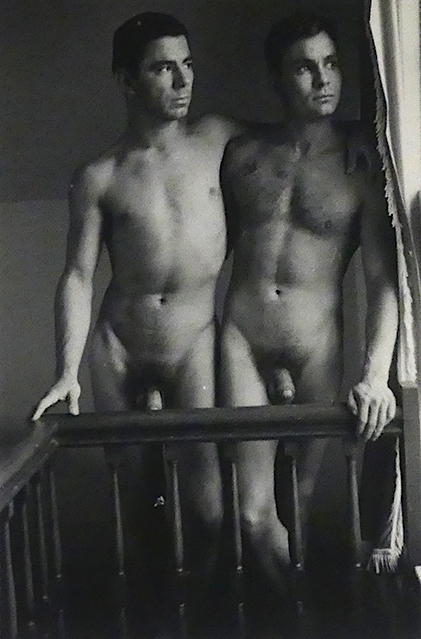
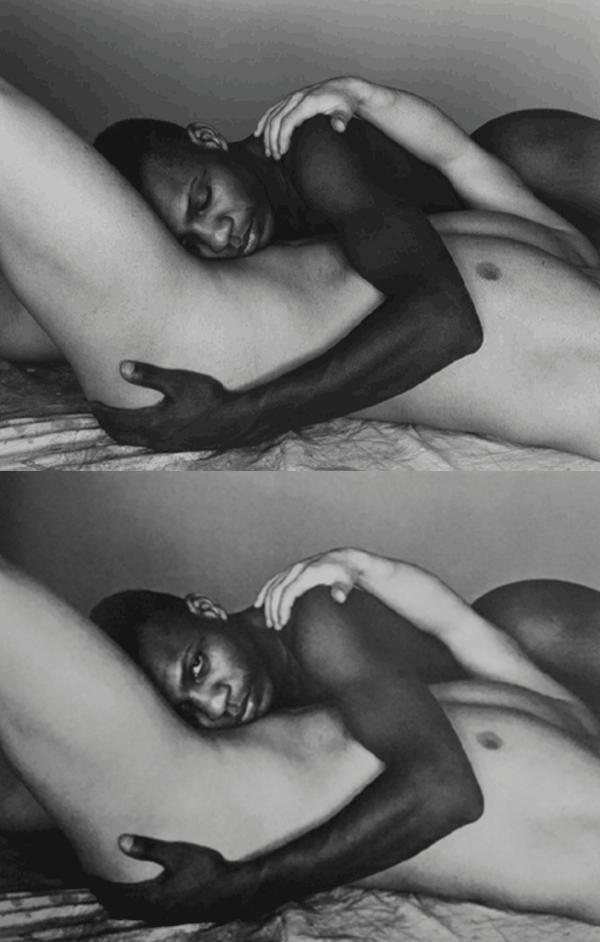
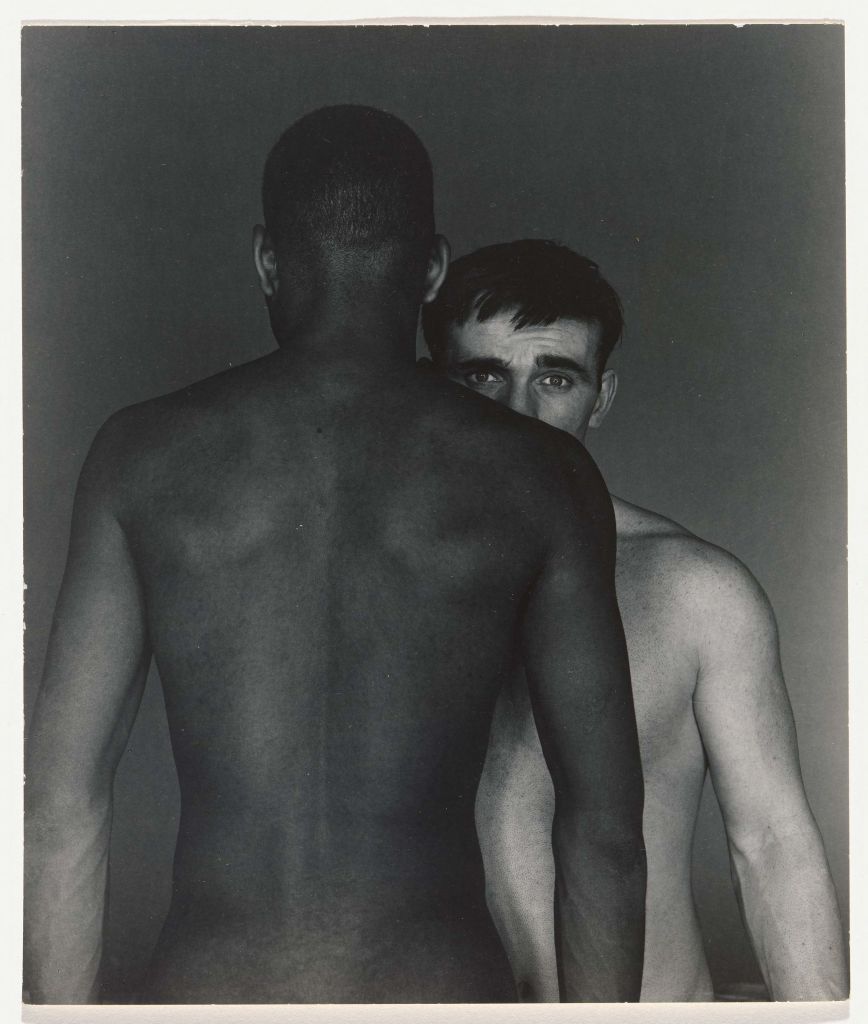
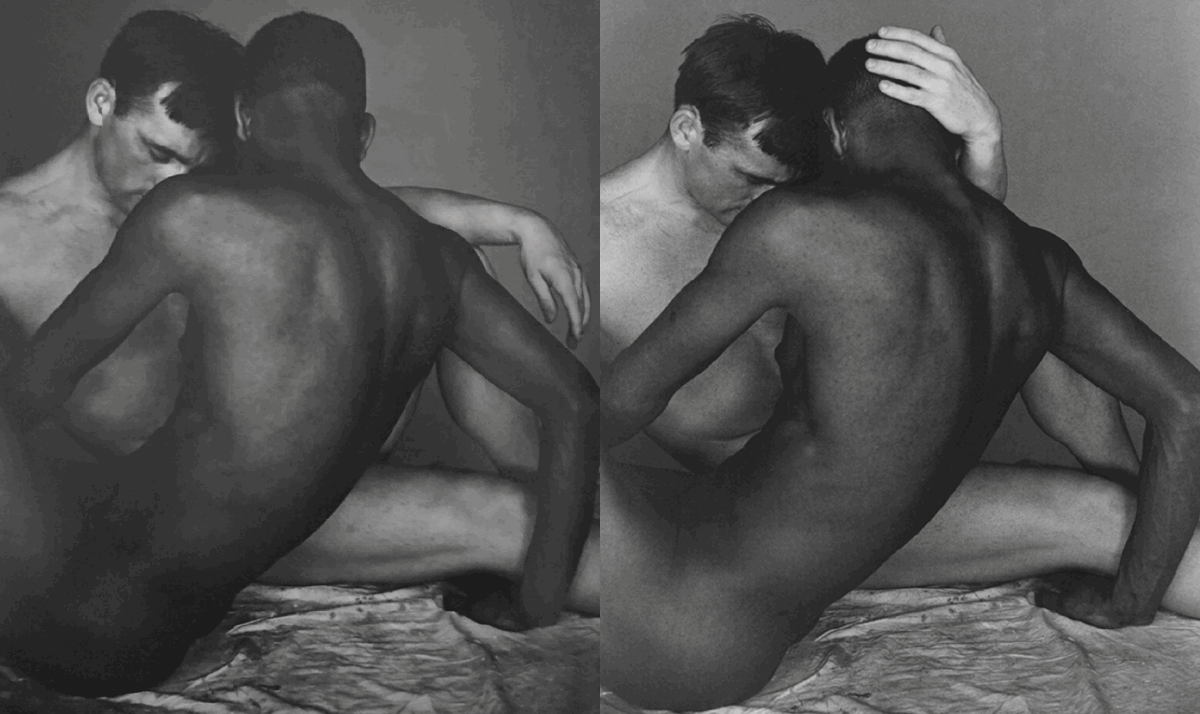
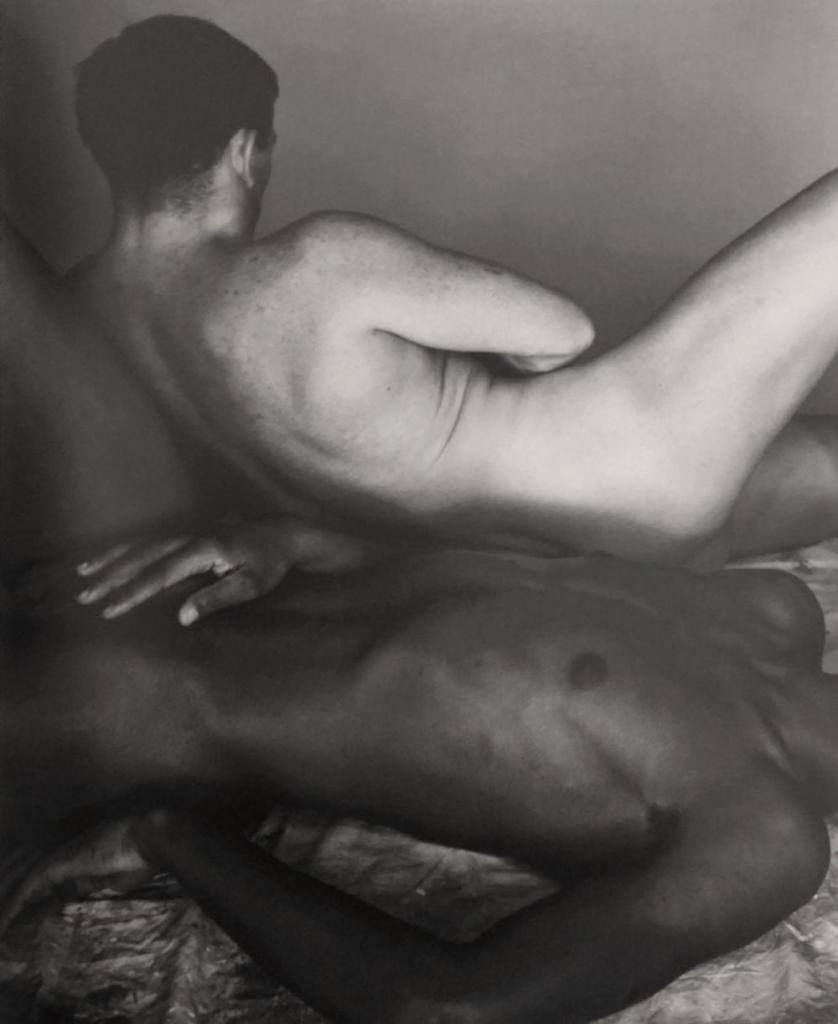
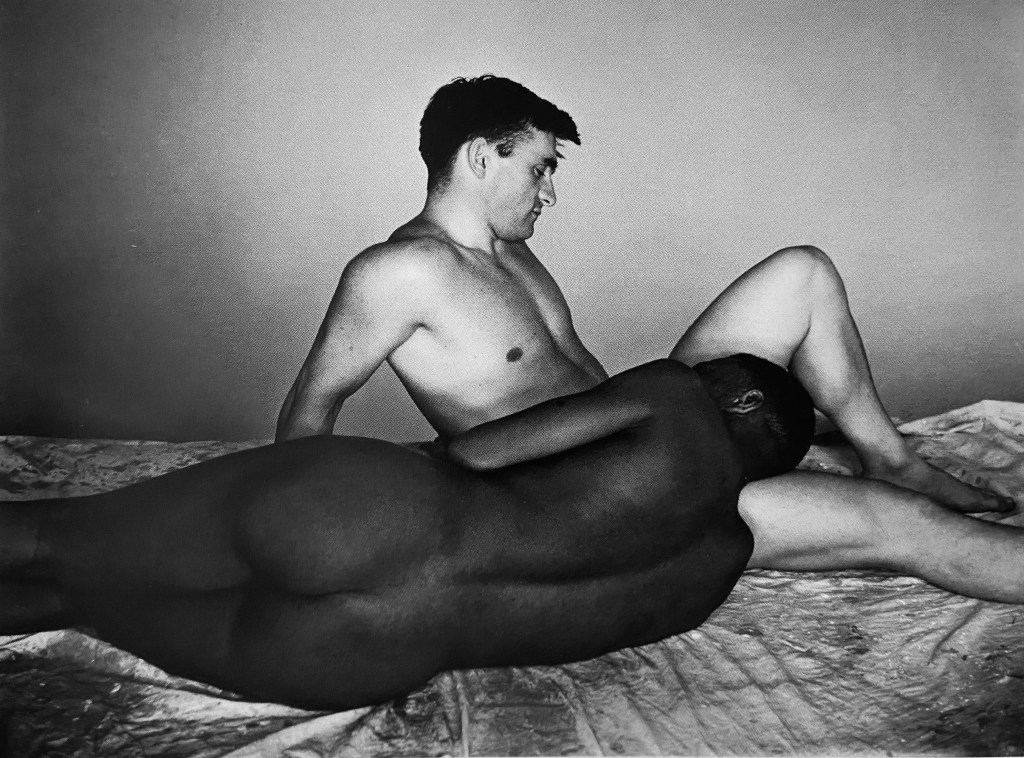
“Johnny” was John Leapheart, an African-American model who was equally familiar with Platt Lynes’ bed and photography studio. The resulting photos of Buddy and John are now some of the most popular of Platt Lynes’ work, although they were not published until decades after his death. David Leddick’s Pioneering Male Nudes notes “Their black and white bodies, interwoven, create strong abstract shapes. The photographs were particularly daring because they broke nudity, homosexual and racist taboos of the time.”
George Platt Lynes recounted the photo session in a letter:
“I photographed them together in all sorts of close-contact suggestive sentimental sensuous poses—-but no (what Dr. K. [Kinsey] would call) action pictures. (Leaphart) would have been willing, but I thought (Buddy) wouldn’t…But then we all went back to (the apartment) where everything did happen…and the sight of that big black boy screwing that super-naked little white bundle of brawn was one of the finest I’ve ever seen”
There is little information about John Leapheart (sometimes spelled Leaphart), aside from his professional and personal involvement with Platt Lynes, where he is always described in the most flattering terms. Bernard Perlin’s biographer Michael Schreiber wrote “John Leapheart remained a good friend (and occasional bedmate) of Bernard’s. Lucky Bernard, indeed!”
Buddy McCarthy is easier to trace, as there is a 1997 photo in Pioneering Male Nudes along with an update on his life after his association with Platt Lynes, who died of lung cancer at age 48 in 1955.
In 1966, Buddy and his partner Ned Kell opened Treasures and Trifles, an antique shop on Bleecker Street in Greenwich Village, where they stayed in business for 44 years. The website Jeremiah’s Vanishing New York covered their retirement in 2010.
The note in their shop window at 409 Bleecker Street read:
After 44 years in the village, East & West, and 26 Years at this location, we’ve decided to fold our tent and move-on to the next phase of our lives.
It’s not because of a vindictive, greedy landlord, nor because of a Shylock Attorney. On the contrary, our landlady is every storeowner’s dream come true! An honest, caring landlady, a true Villager -born and raised in the Village.
It’s too bad that this generation never experienced the Village of yore. Bleecker Street was world-renowned for its variety of antique shops, visited by the likes of Jackie & Ari, Barbra Streisand, Bette Midler, etc. Bette Midler lived up to her name: “Divine!”.
We’re saddened at leaving our friends and neighbors such as Leo Design’s Kimo, John, Ed & Kyle, and Barry & Arlington. They all helped us, shoveling snow and lifting the gates.
Adieu, Ned & Buddy
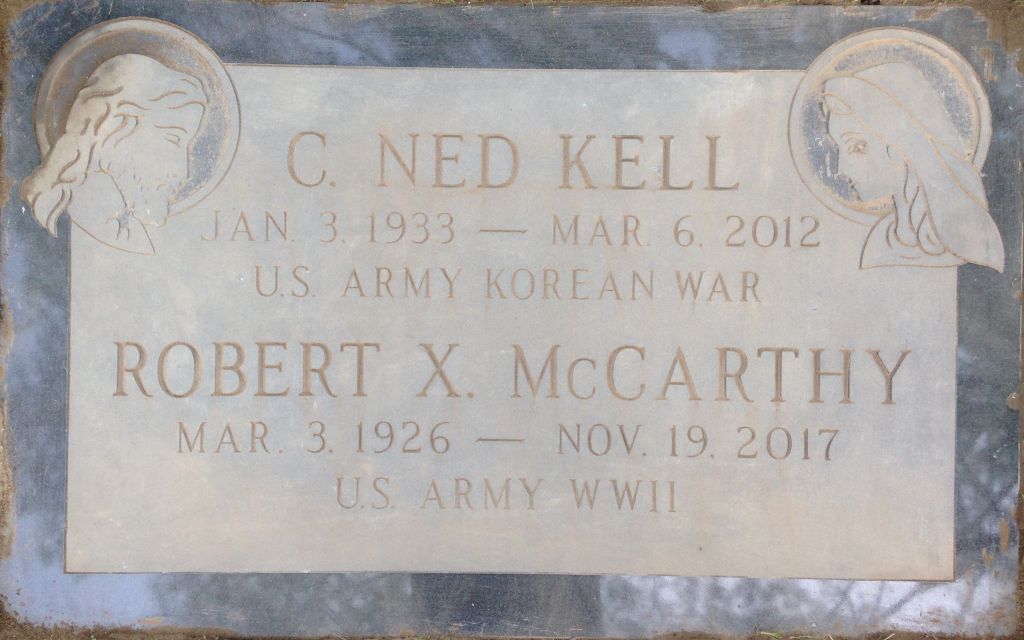
Ned Kell died 2 years later. Buddy McCarthy passed away at the age of 91 on 11/19/2017. They are buried together in Peabody, Massachusetts.
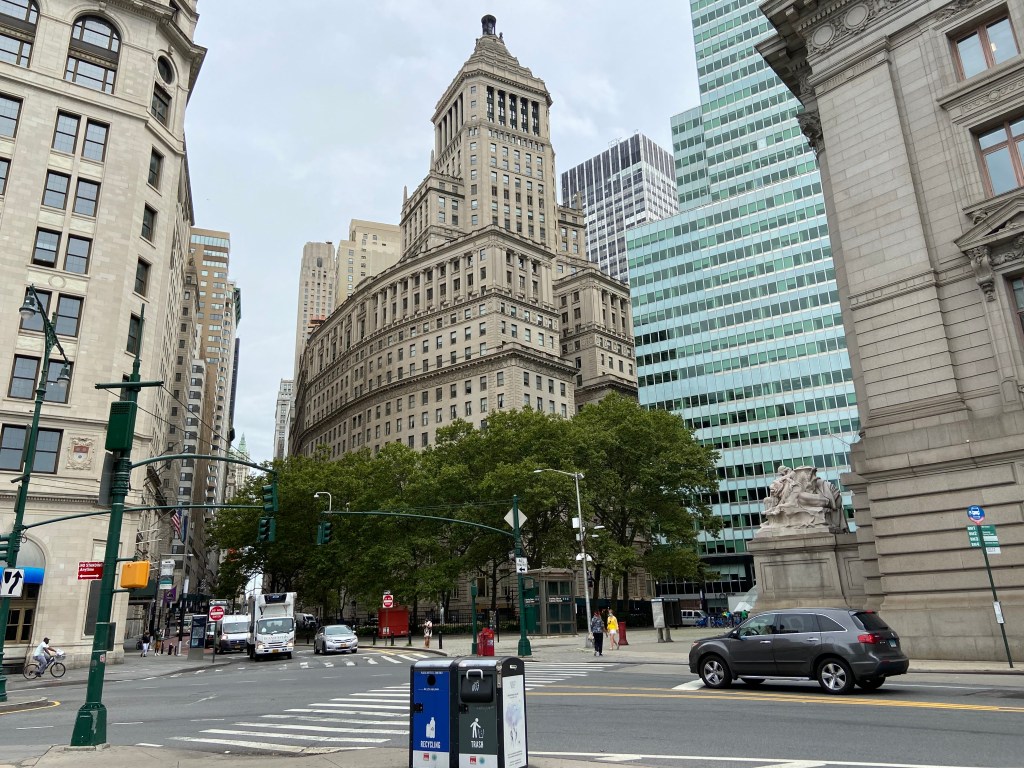
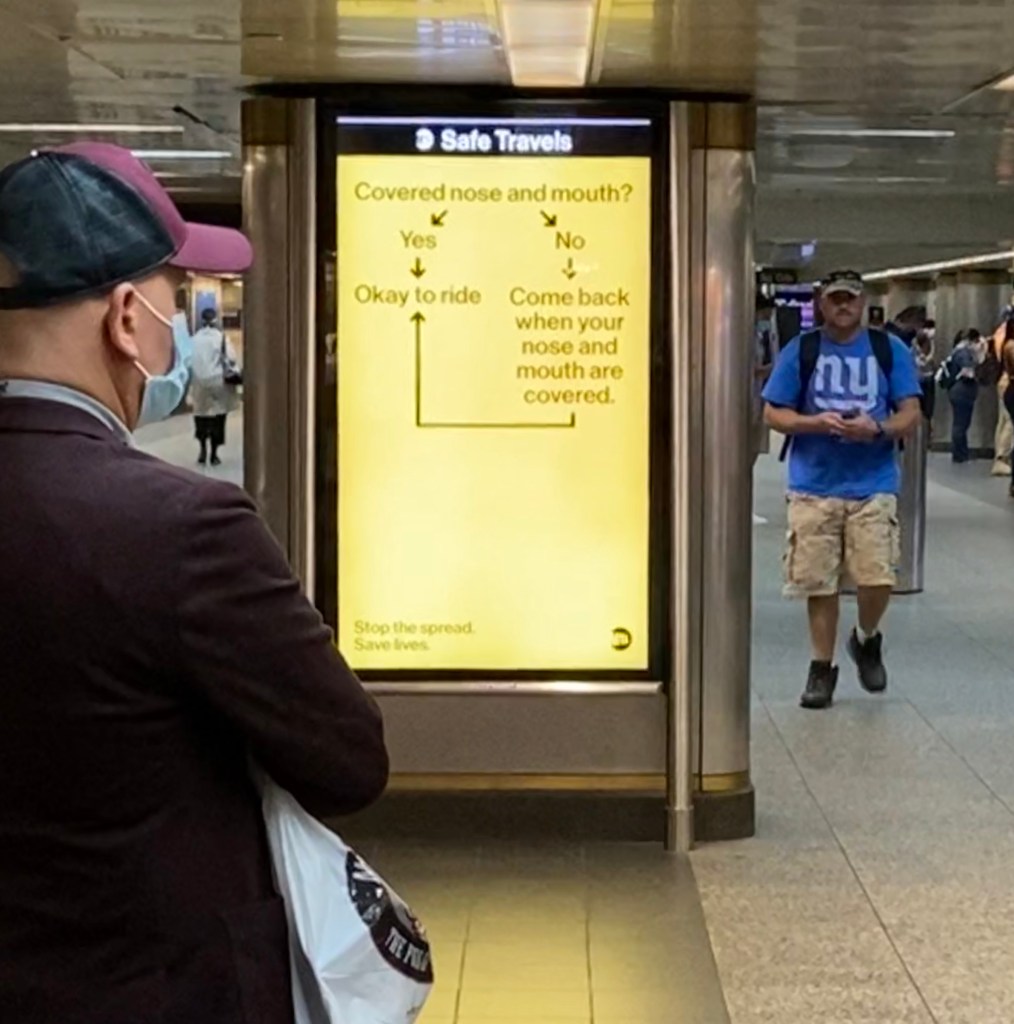
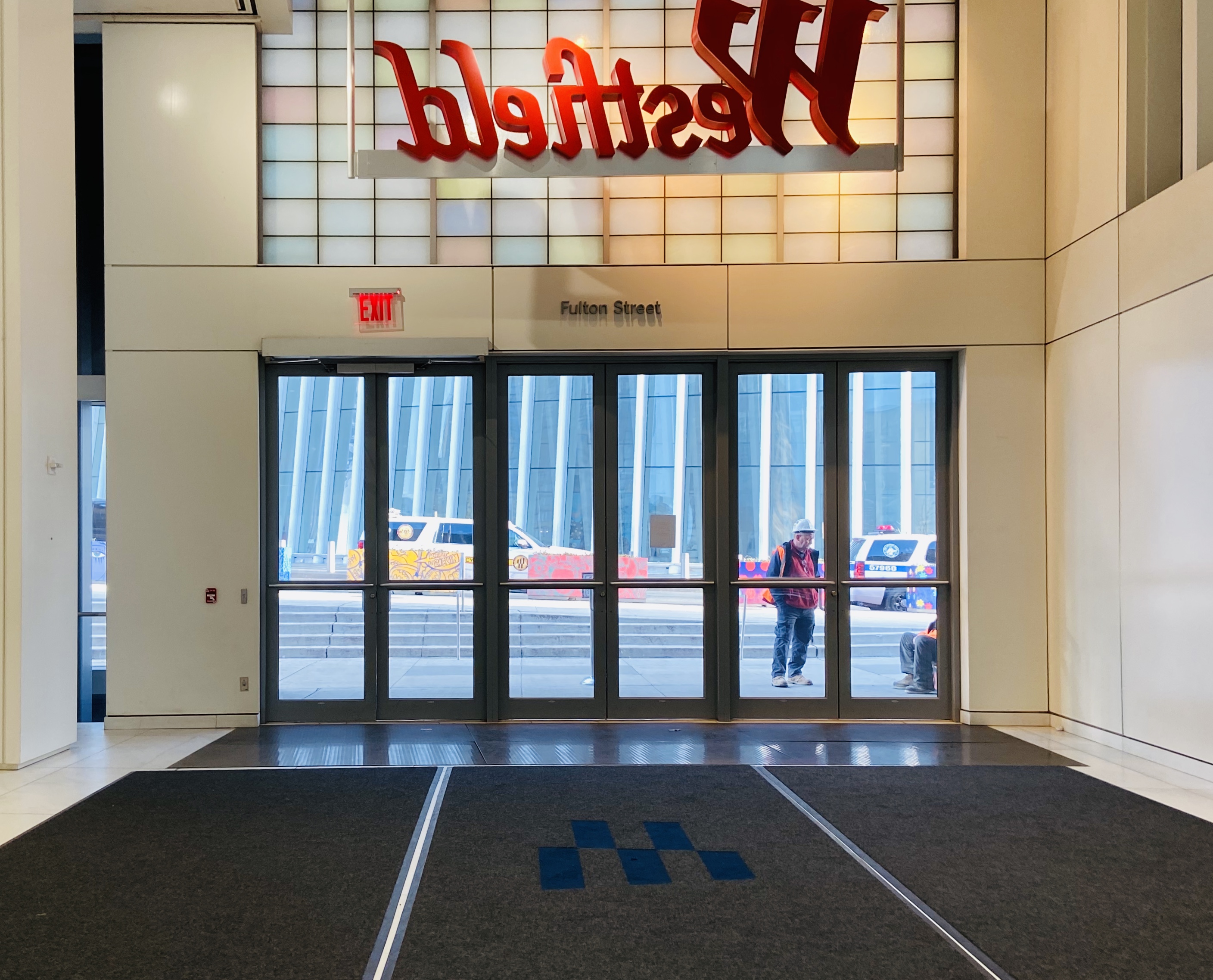
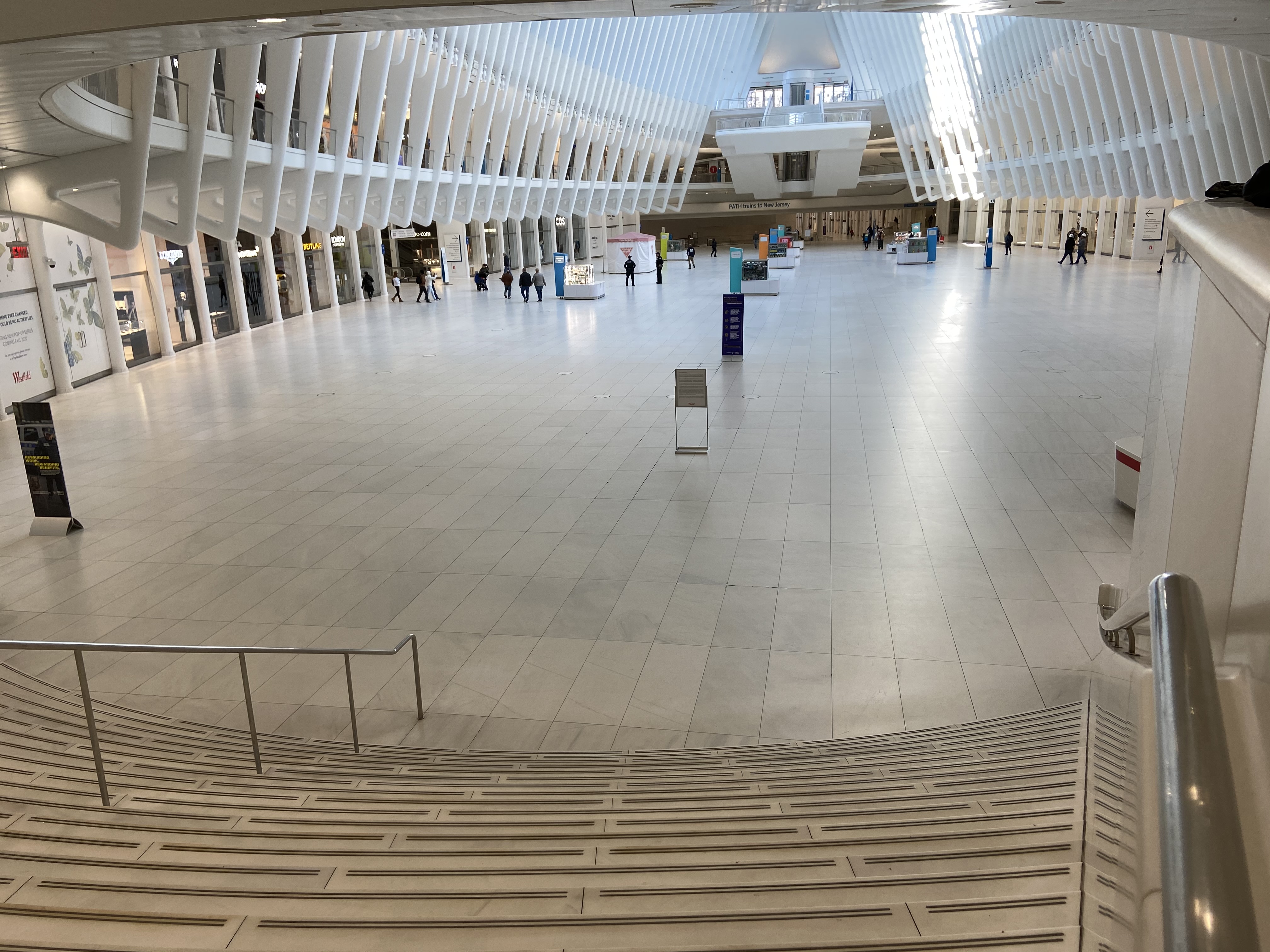
After nearly 5 months of working remotely from my home office in the lovely borough of Queens, I was summoned back into Manhattan on August 10th. This was the first time I had been there since March 18th, when everything was shutting down and downtown NYC was eerily quiet. I posted the photos I took in March here.
Upon my return, I quickly figured out that everyone else didn’t get the memo that we were supposed to come back – both in and out of the office. The quiet took me by surprise, but was not unwelcome. My fear of being trapped in some close quarters subway rush hour (so far) has not been the reality.
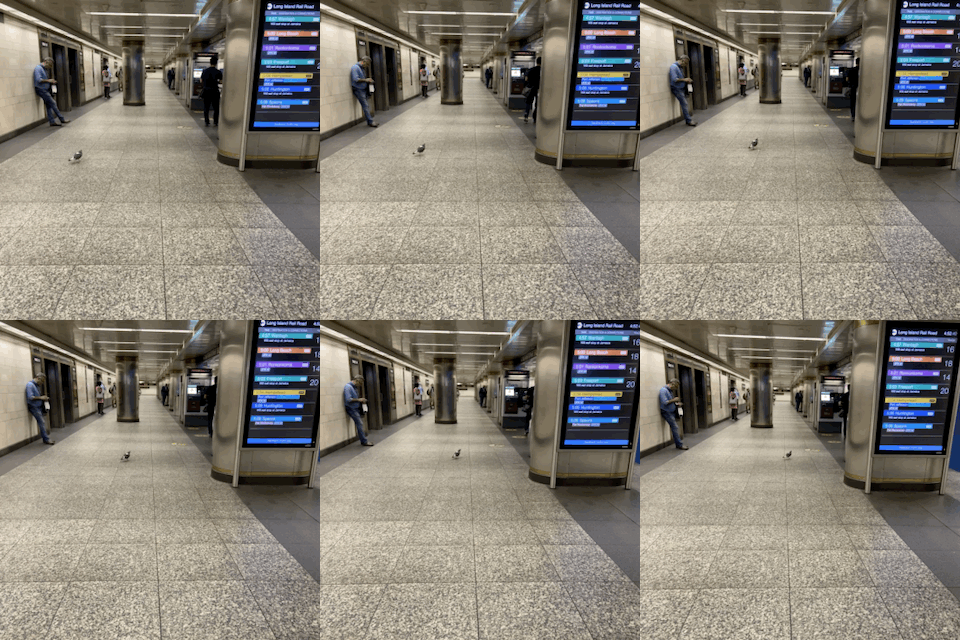
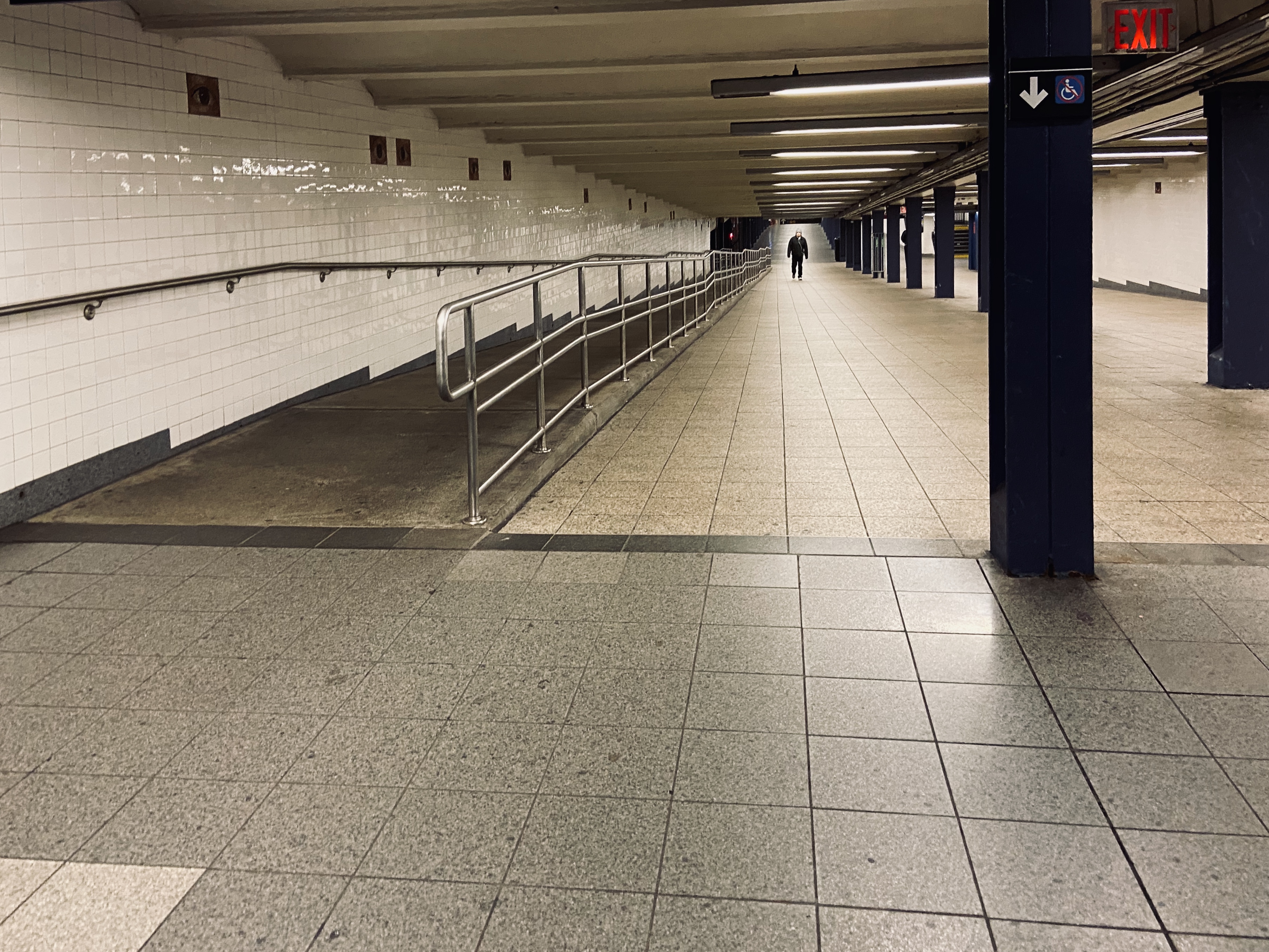
There will never be another time quite like this, so I am taking pictures once again. These were all taken at what would normally be high traffic times of day: weekday rush hour or lunch hour. And while I do notice an uptick in the amount of people over the last 3 weeks, I still find myself, at 8:50am, walking in a long stretch of the Fulton Street subway station… and I am the only person there. At rush hour. On a weekday. So, no. New York is not a total ghost town, but it’s still pretty close. Here are some photos from the past couple of weeks.
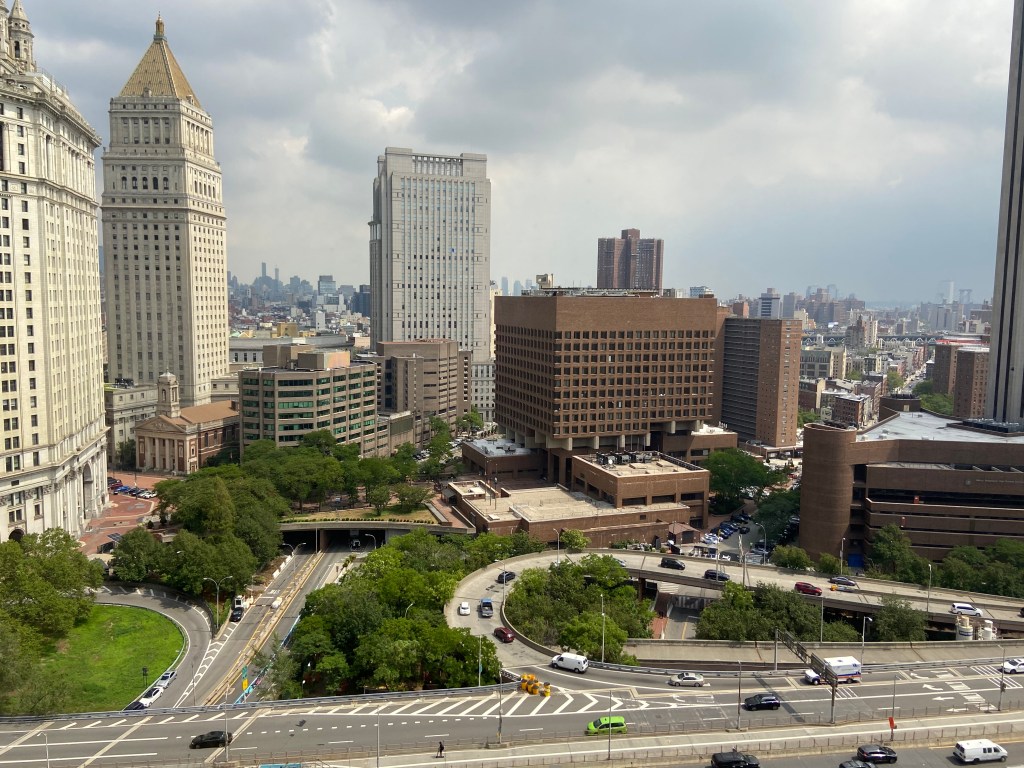
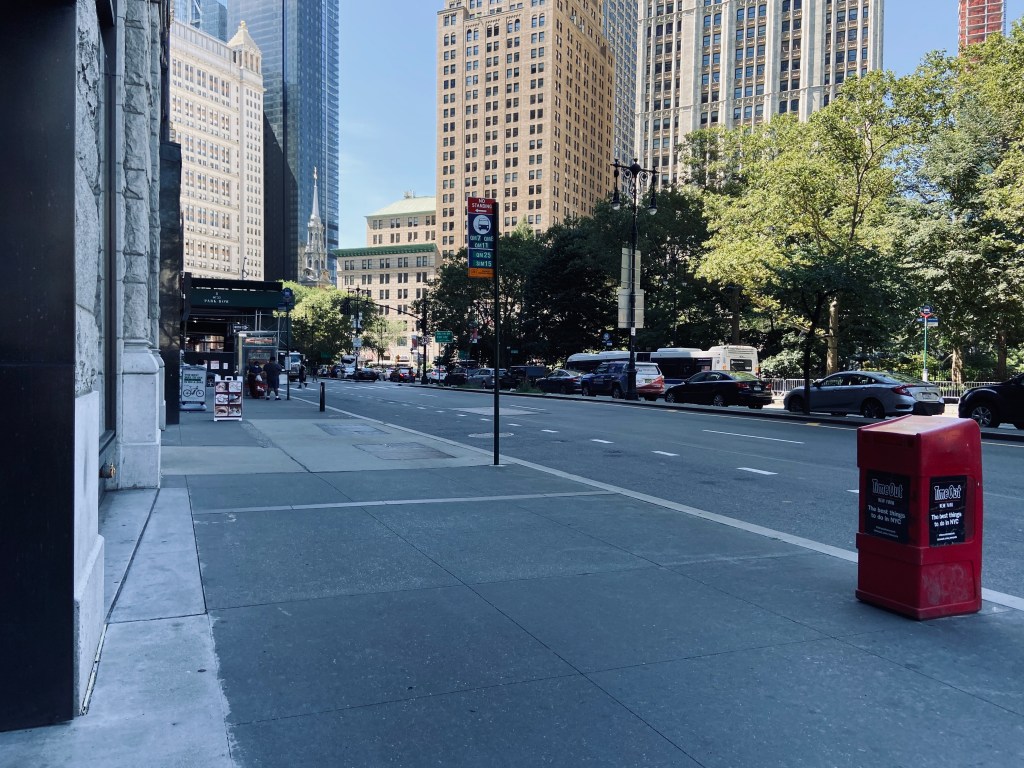
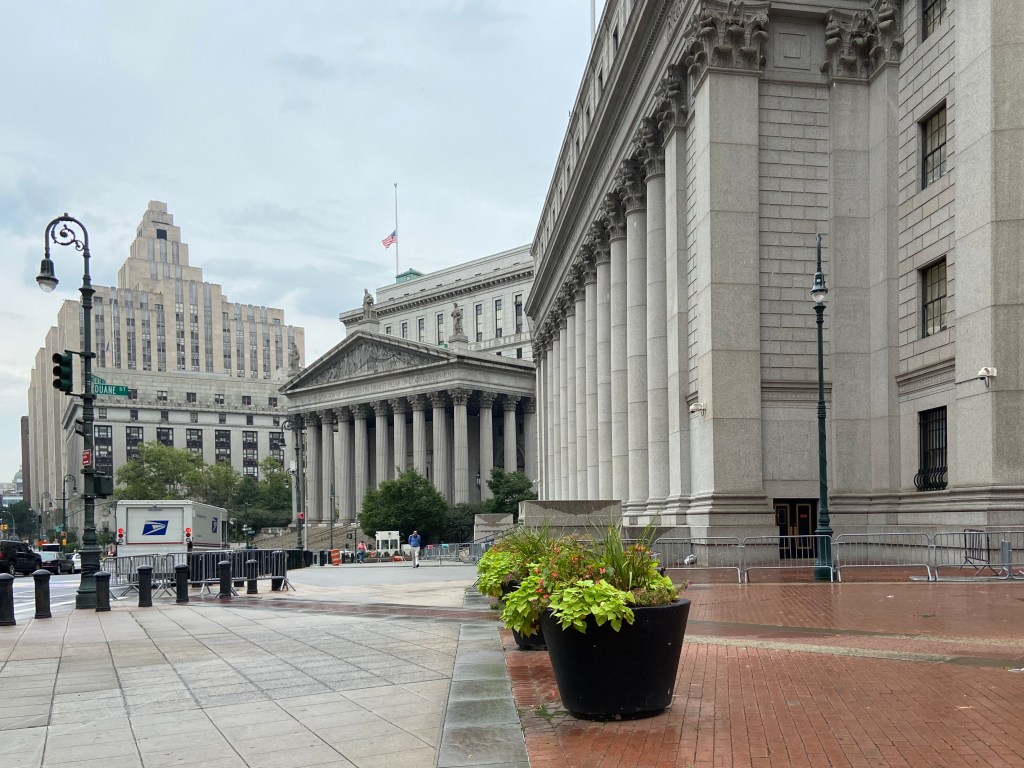
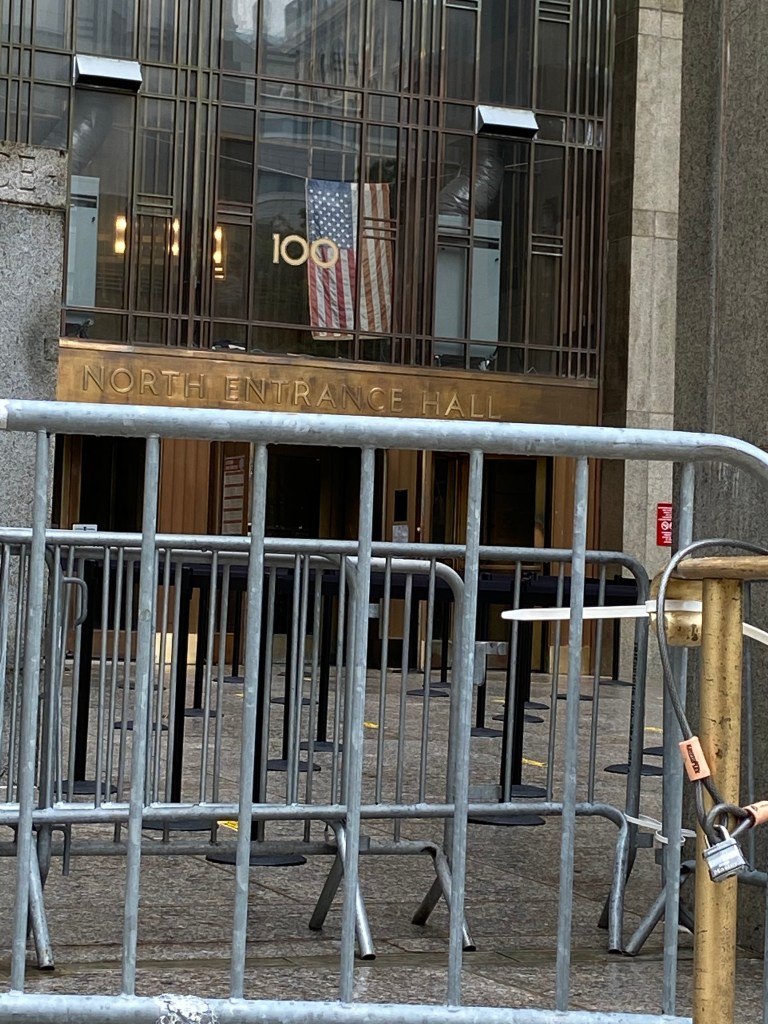
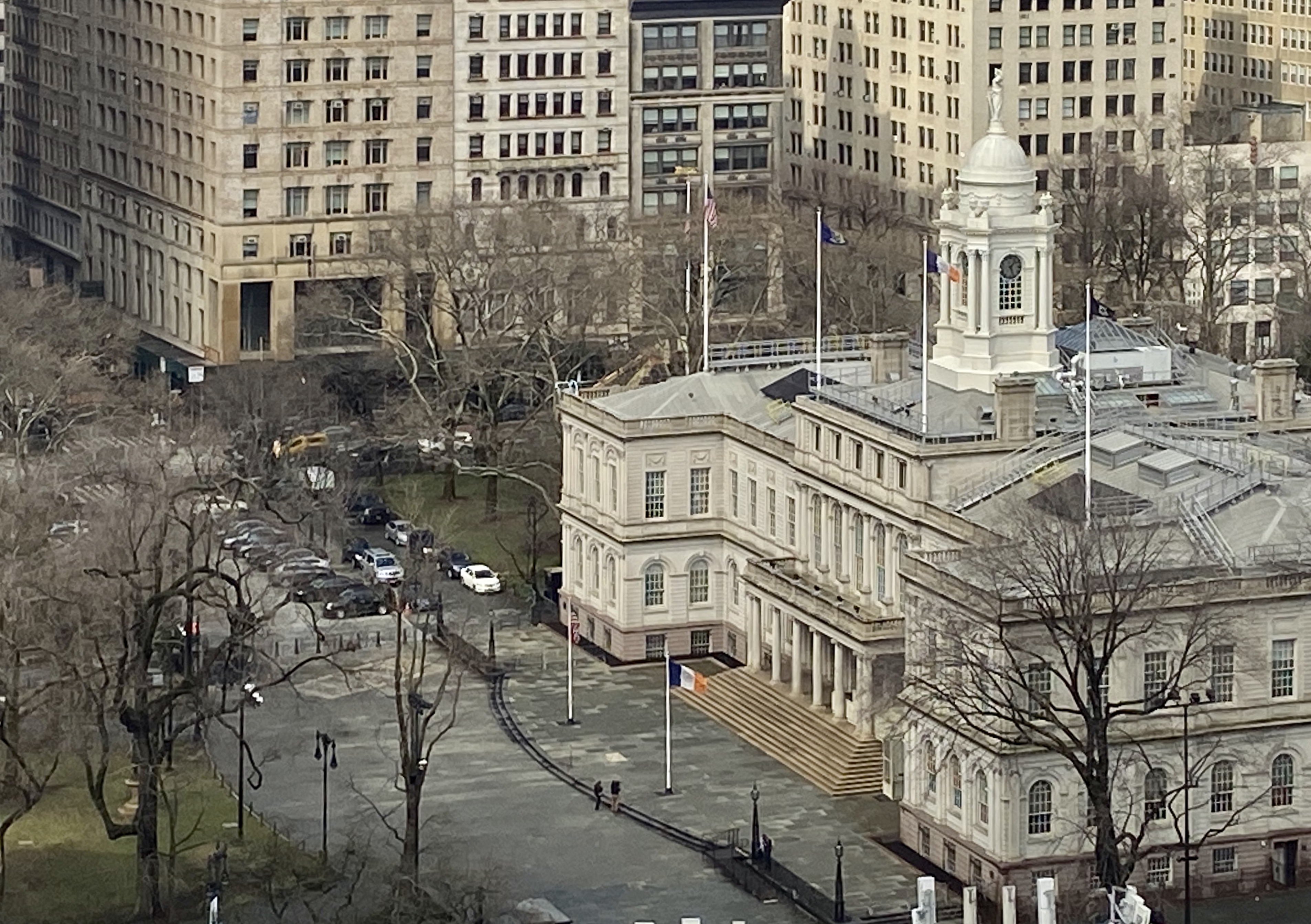
LIRR Arriving at Penn Station – August 17th, Mon. 8amBefore and after the protests: City Hall Park – March 18th and August 12th.Brooklyn Bridge on-ramp looking North – Aug. 12th, Wed. Noon Park Row – August 20th, Thurs. 1:30pmSpruce St. fine dining on a slope, under scaffolding, next to the parking garage. – Aug. 11th, Tues. 3:00pmBenton Cafe @ 134 William St. – Aug. 20th, Thurs. 2:00pmI have not yet had to face the corner in a shared elevator.Centre St. – Aug. 13th, Thurs. 2pmNYC Supreme Court, 60 Centre St. – Aug. 13th, Thurs. 2pm100 Centre St. – Aug. 13th, Thurs. 2pmChinatown: Canal St. @ Mercer St. – Aug. 13th, Thurs. 2:15pmBroadway @ Bowling Green – Aug. 31st, Mon. 11:20amThe Canyon of Heroes: Broadway looking north from Wall St. – Aug. 31st, Mon. 11:30amFederal Hall, Wall St. – Aug. 31st, Mon. 11:30amMaiden Lane @ Nassau St – Aug. 31st, Mon. 11:35am Classes are in session. Can you tell? Aug. 31st, Mon. 11:45am
Uptown A Train / Canal St. Station – Aug. 13th, Thurs. 2:20pm34th St. A Train Platform – Candy seller with no customers – Aug. 13th Thurs. 2:30pm Construction worker removes his mask for a moment on a hot day, uptown A Train – Aug. 13th, Thurs. 2:30pmUptown A Train @ Chambers St. – Aug. 24th, Mon. 5:30pmPenn Station – Aug 20th, Thurs. 5pmPenn Station – Aug. 17th, Mon. 5pm34th St. A Train Platform – Aug. 10th, Mon. 8am
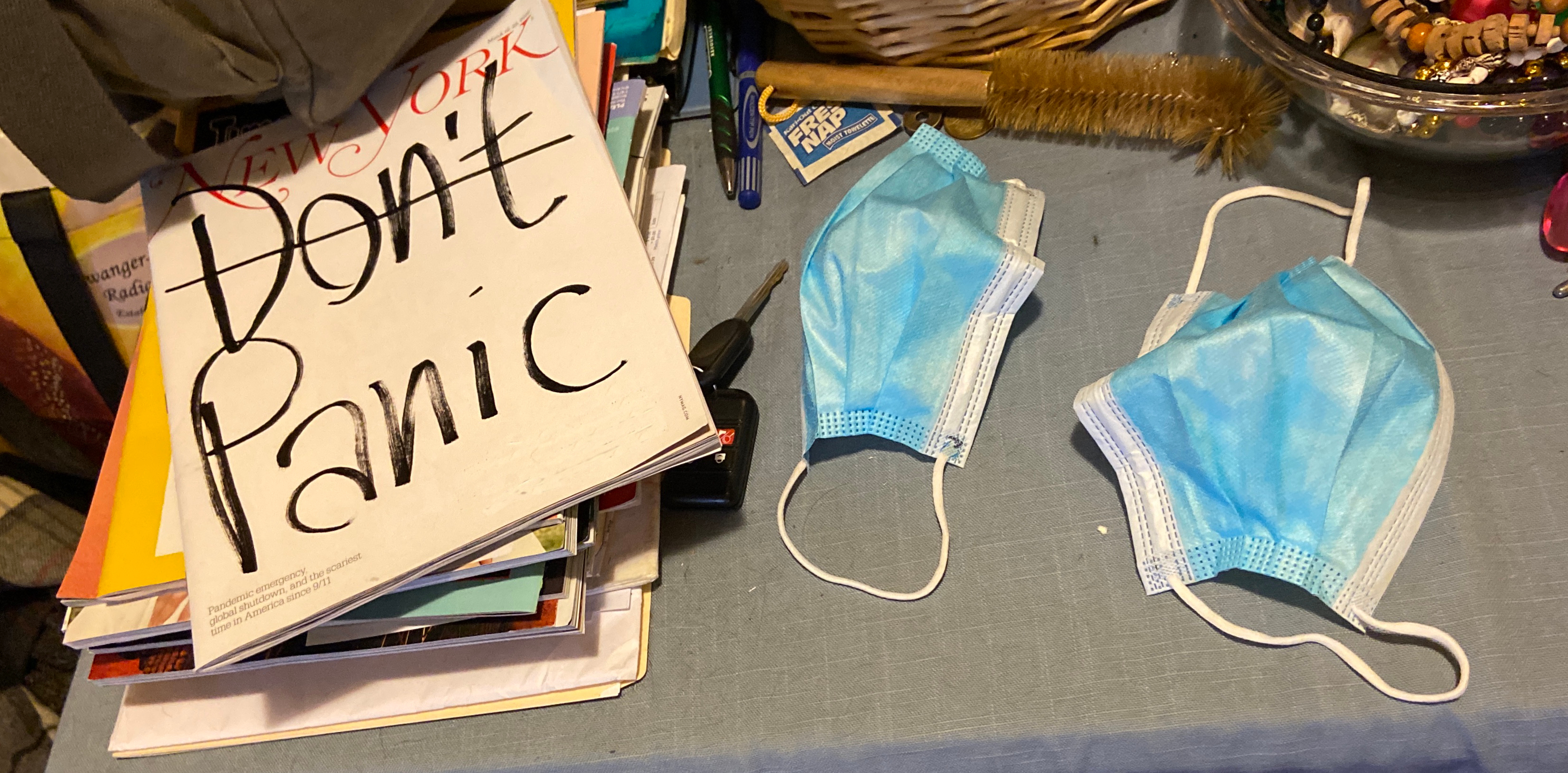
3/21: Hall table wi/ masks & New York Magazine, Forest Hills
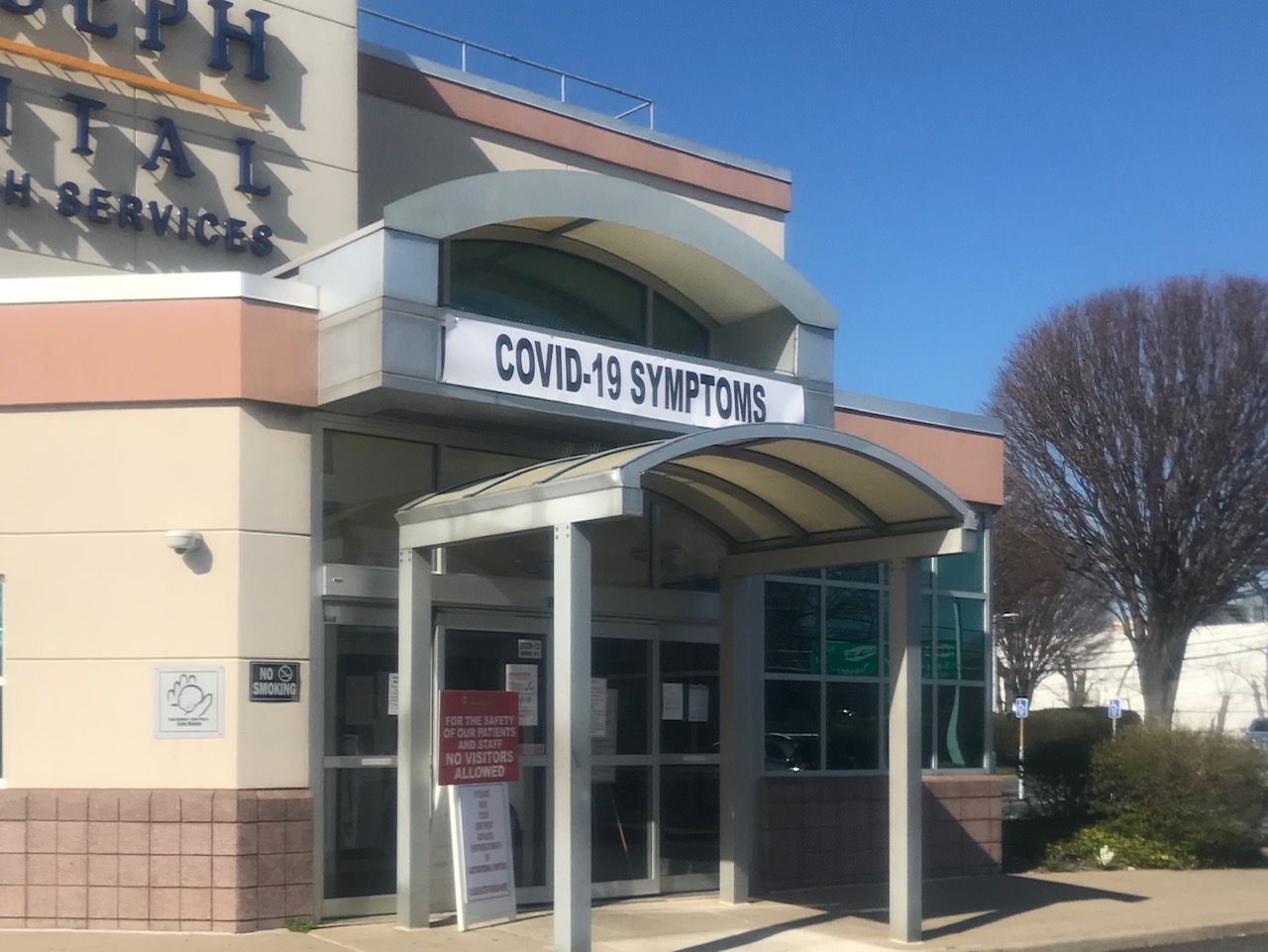
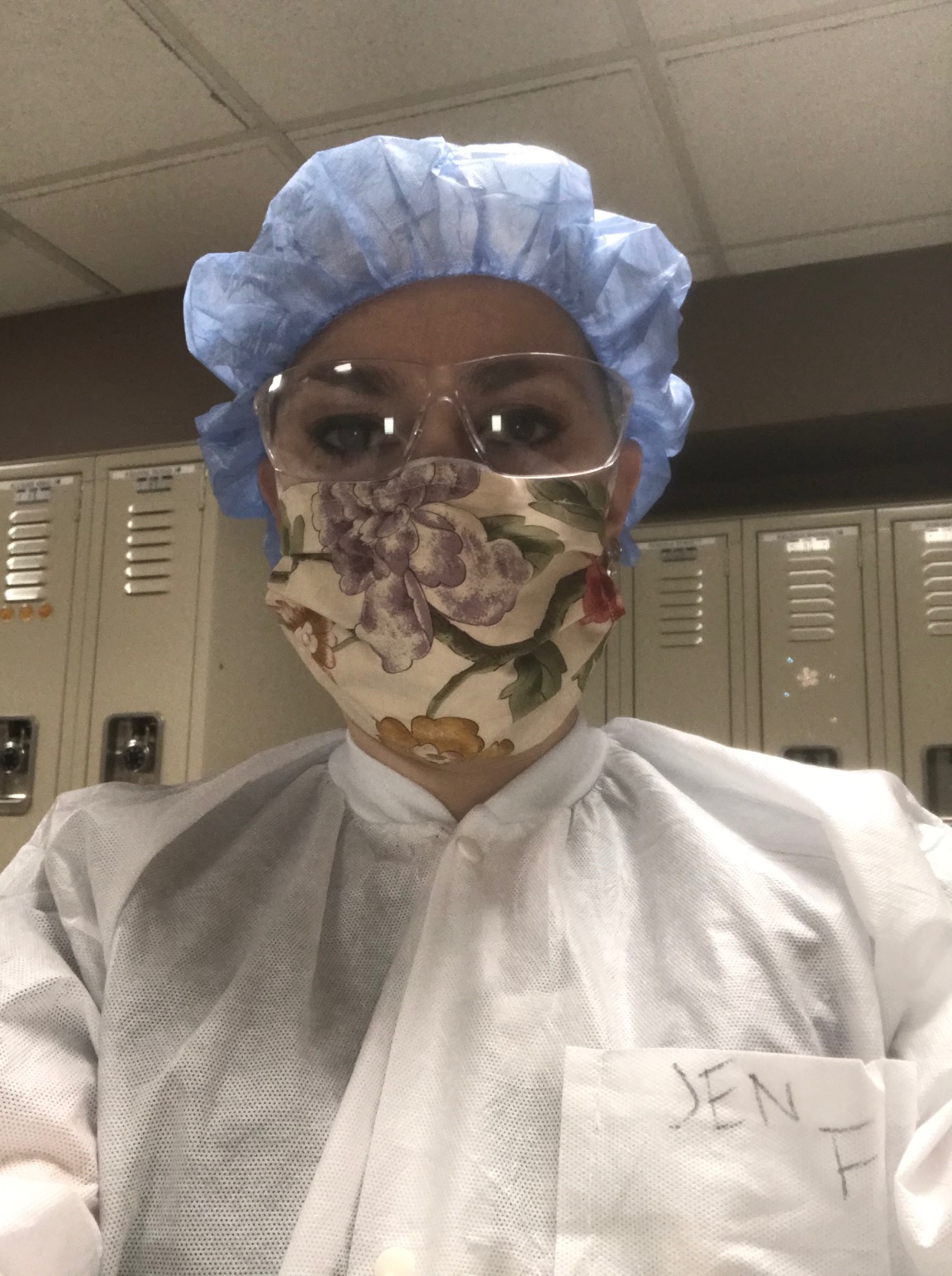
“We are living in interesting times…” That is an understatement. For better or worse, I thought it should be documented here, as a continuation of my previous two posts. The following photos and videos were taken by me as well as my sister Jennifer, an ER nurse at St. Joseph’s Hospital in Bethpage, Long Island. Additional photos by my partner Toby and my stepdad Mike Turner.
3/27: St. Joseph’s Emergency Room converted for COVID Triage
4/1: Jen wearing a donated face guard at work.
Cards and notes of gratitude on the doors of the staff lounge at St. Joseph’s:
4/1: Driveway gratitutde
4/1: Drawn by my nephew Daniel
4/2: Before masks were mandatory – a surprise visit to my bedroom window from Mom & Mike.
4/2: Before masks were mandatory – a surprise visit from Jen.
4/5 Burns / Clyde St. Alley, Forest Hills
4/8: Jen in a floral mask made by Mom
4/10: Burns St. Pharmacy, Forest Hills
4/12 Pandemic Chic: Toby with Samus @ Forest Hills Stadium
Snacks and treats of gratitude for the staff at St. Josephs:
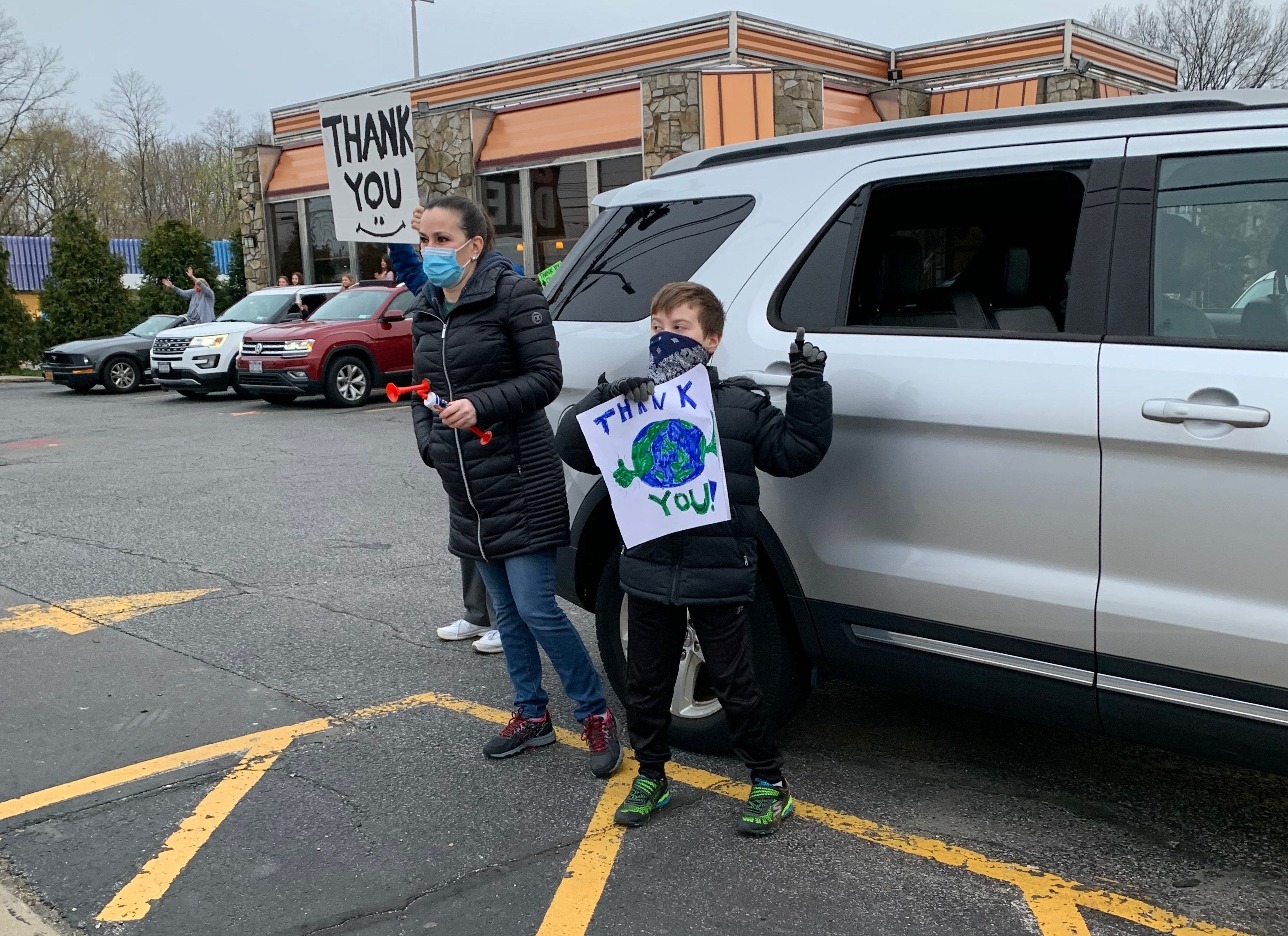
Every evening at 7pm, New York says thank you to first responders, health care professionals and all the essential people working to keep us safe. This is from local television:
4/17: The 7pm cheer at Parker Towers Apartment Complex in Forest Hills, with a flag bearer and saxophonist playing the Star Spangled Banner:
4/15: Participants of the 7pm cheer, Parker Towers, Forest Hills
4/15: The 7pm cheer filmed by Jen outside St. Joseph’s Hospital:
4/17: On her day off, Jen goes to the 7pm cheer with my nephew to support her coworkers.
4/12 Shopping, Long Island
4/17 Shopping, Long Island
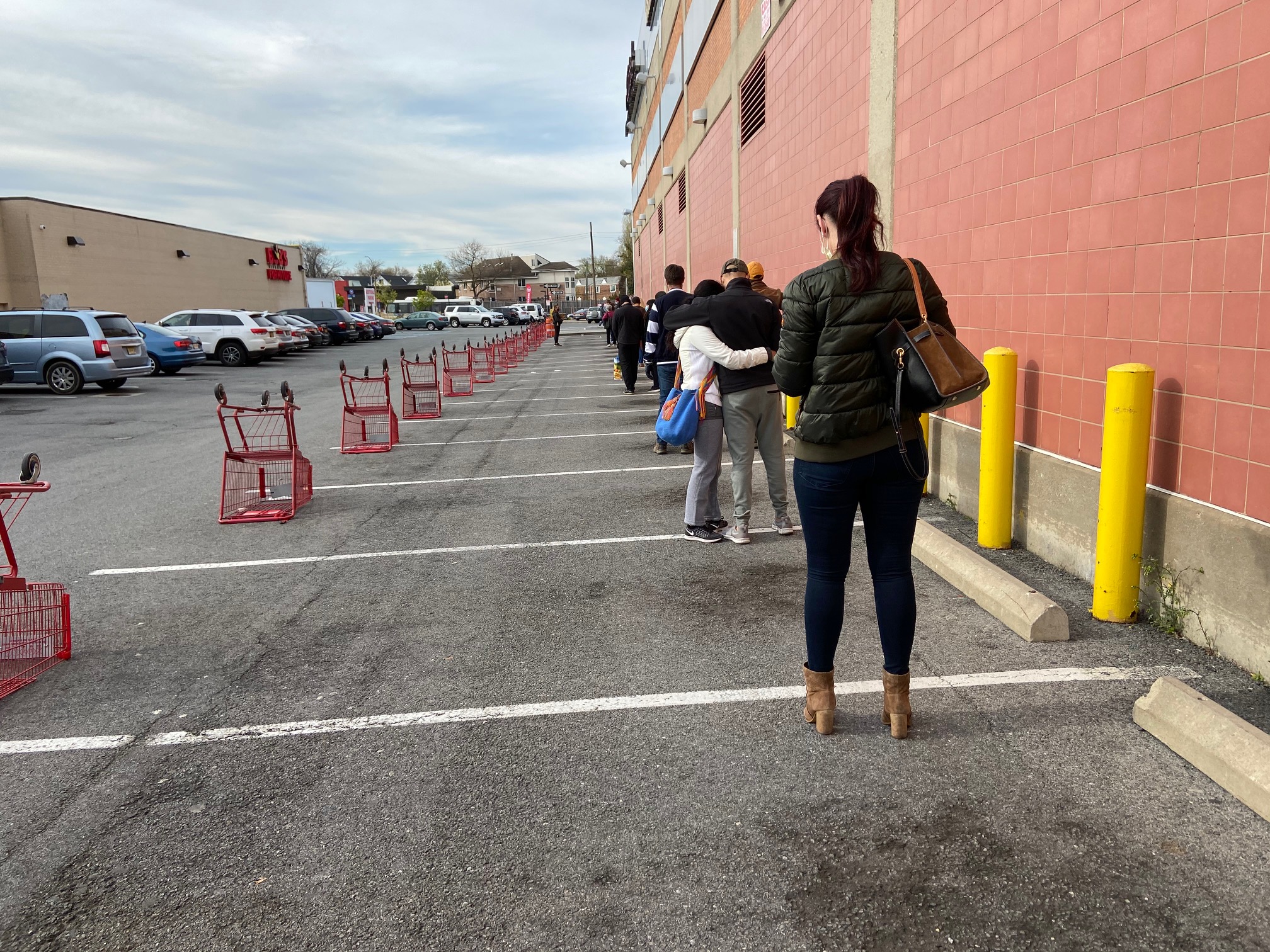
4/20: Line for Trader Joe’s, Rego Park
4/20: Line for Trader Joe’s Pt.2, Rego Park
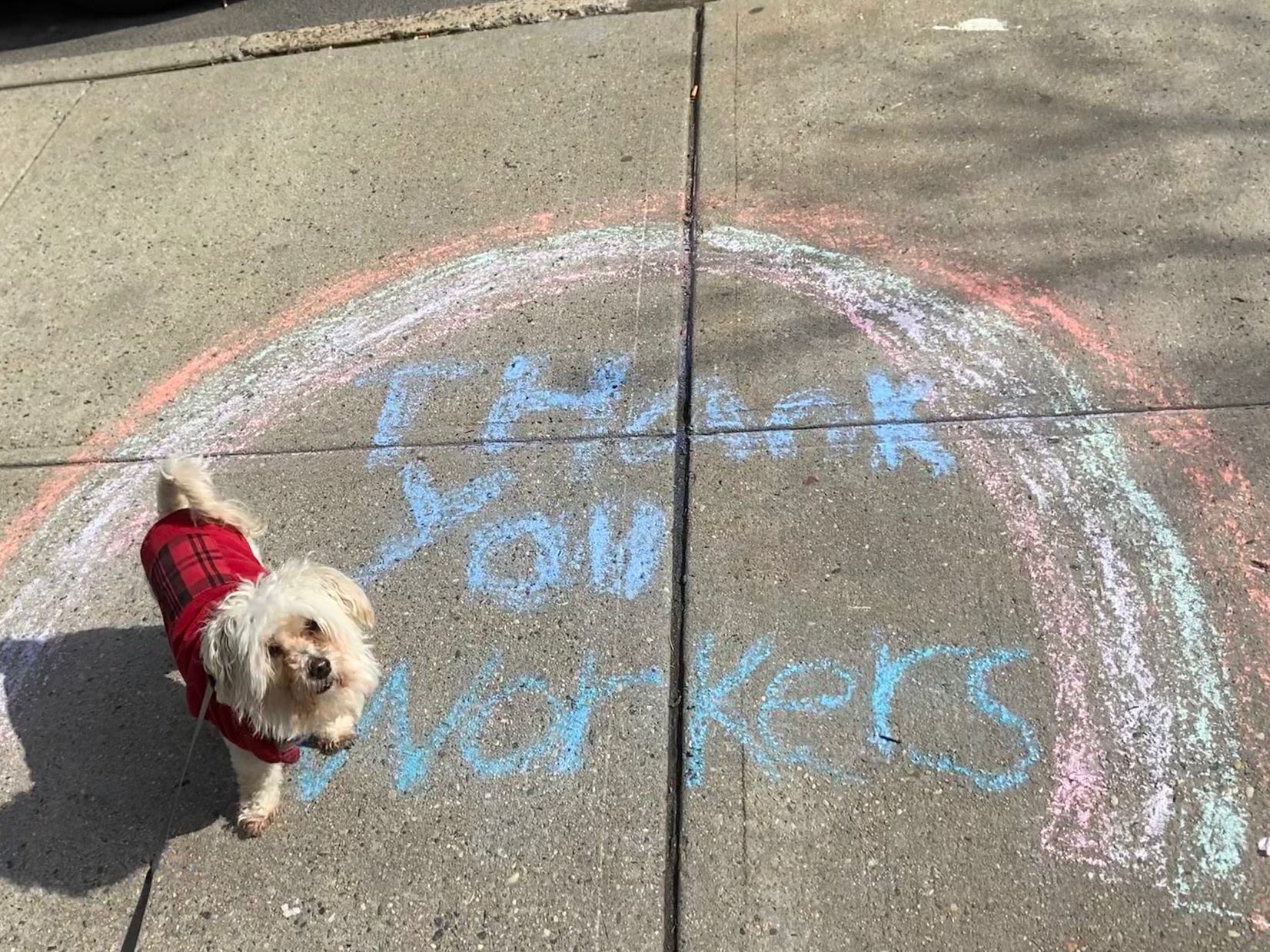
4/21: Baron Von Munchausen, (aka Munch) on a chalk rainbow, Burns St., Forest Hills
As some of you may know, I have ramped up the blog posts in the last few months. Here’s a little backstory on why:
I was abruptly let go from a humanitarian organization back on October 1st as my position was relocated to the London office. I spent the next 5 months at home, searching for a new job… and also devoting more time to this blog and other creative endeavors. I am lucky to have a partner and his nephew at home with full time jobs to help get through that period.
I was recently hired into the president’s office of a university downtown – my first day was March 9th. The following day, all classes were switched to online… and you can imagine how it has progressed from there. By the end of the week, my partner and his nephew – a chef and a theatre manager – were laid off from their jobs.
At work, the number of people on campus dwindled, but we kept working in the president’s offices. I started taking pictures as the normally packed downtown/WTC/Brooklyn Bridge area started to empty out.
The first picture above was included in an NBC news story about empty New York City.
The above photos were taken at 1pm on Friday 3/13 – I wish I had retaken these angles today because it would have been much more stark, as you can see from the other photos I have taken since then.
When I got the office today, I was told that we could now work from home, so I won’t be going back for a while. I’m grateful that I still have a job.




















 Few other photographs by Lynes do as much to cast the model as an actor. In his tight jeans, bulging conspicuously at the crotch, fisherman-rib sweater worn without an undershirt, and workaday watchman’s cap relegated to the status of an ornament, Starkowski looks like a longshoreman snatched from the imagination of Tom of Finland … Lynes’s studio provides only the minimum furniture required to support Starkowski in a posture that manages to be solicitous and pensive at the same time, welcoming an evaluating view despite being absorbed in thought.


















































 Brian Ferrari's Blog