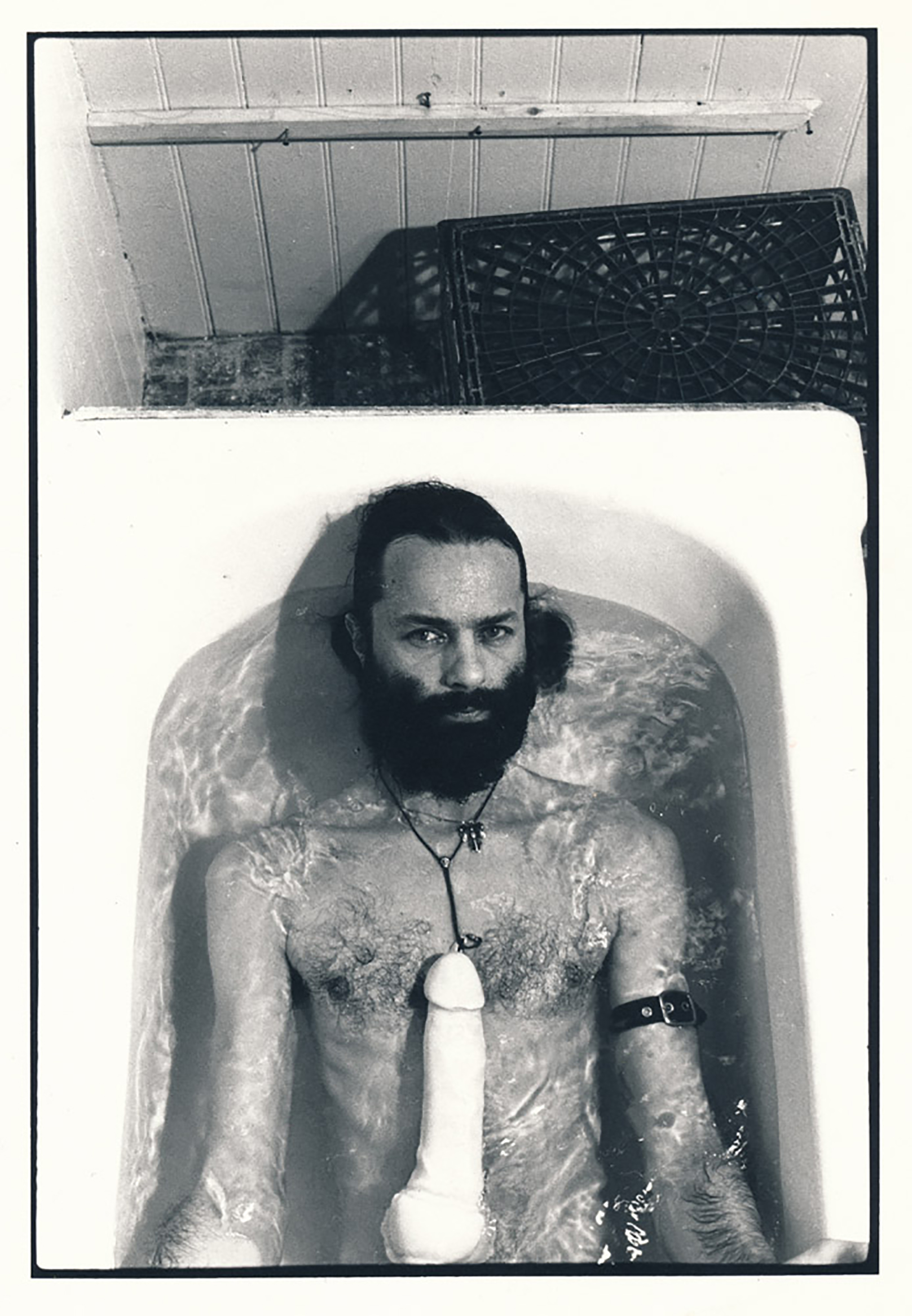
Provincetown PaJaMa Party

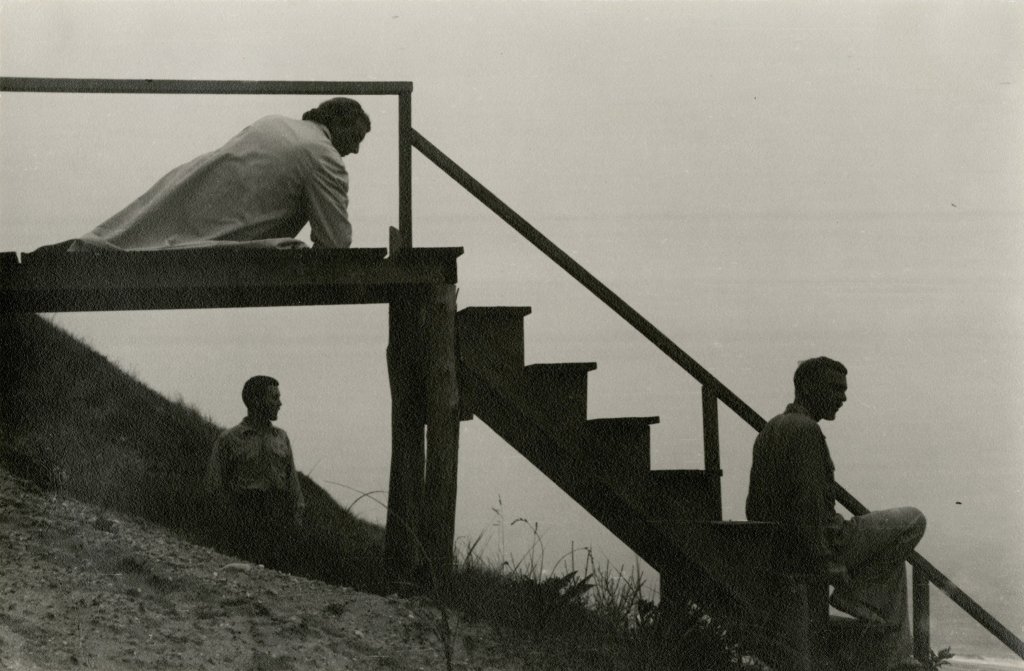
PaJaMa, Nantucket, 1946

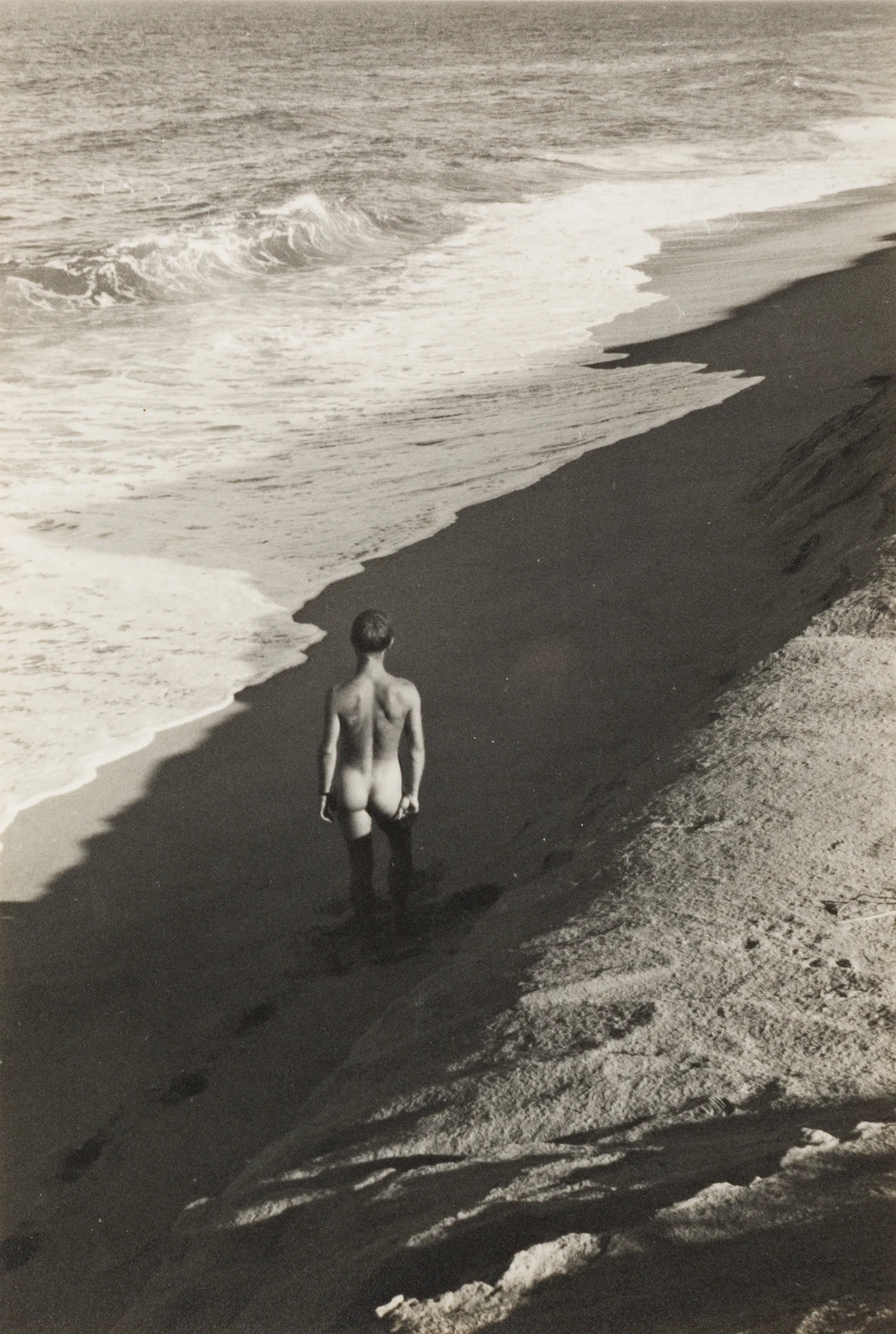
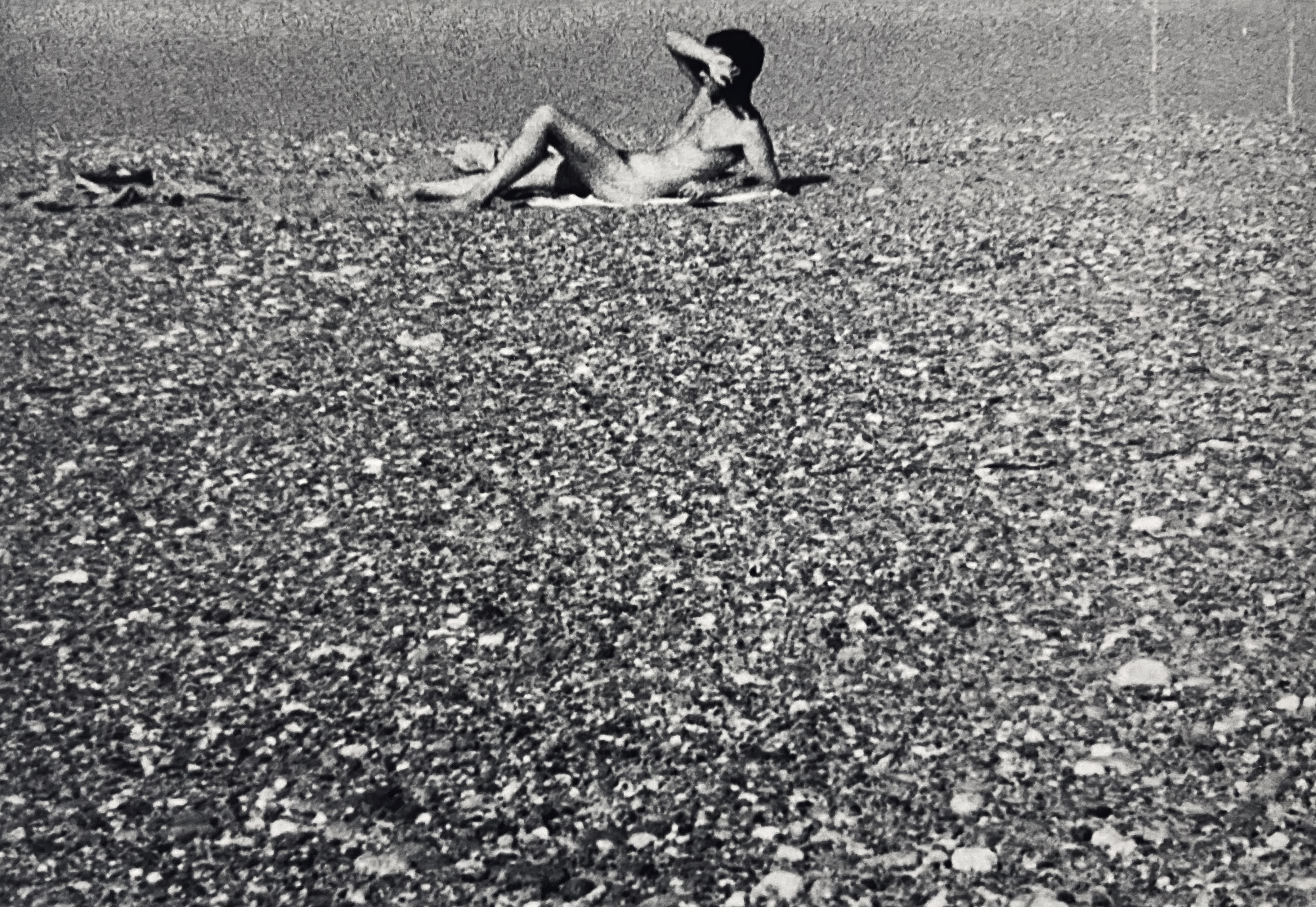
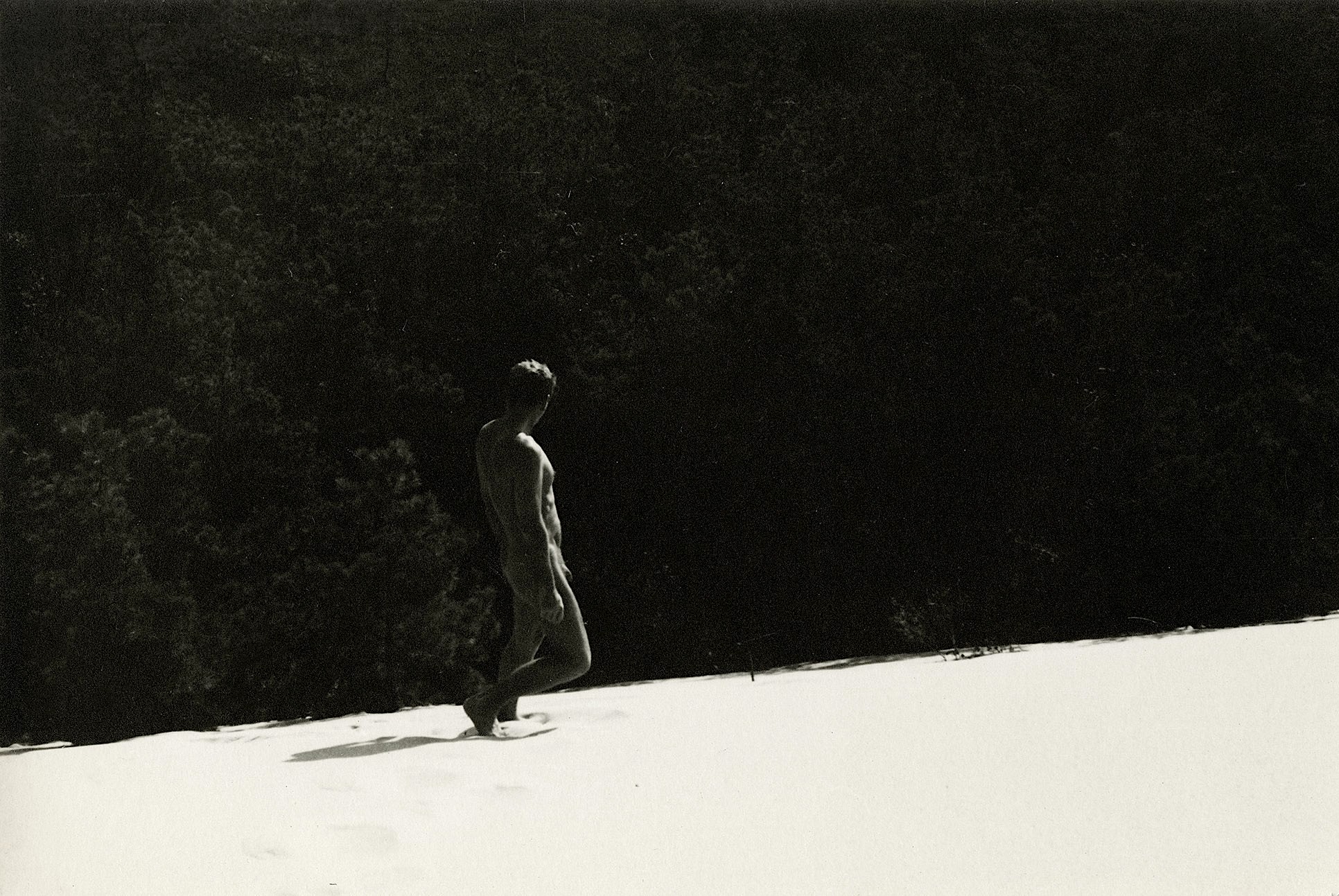
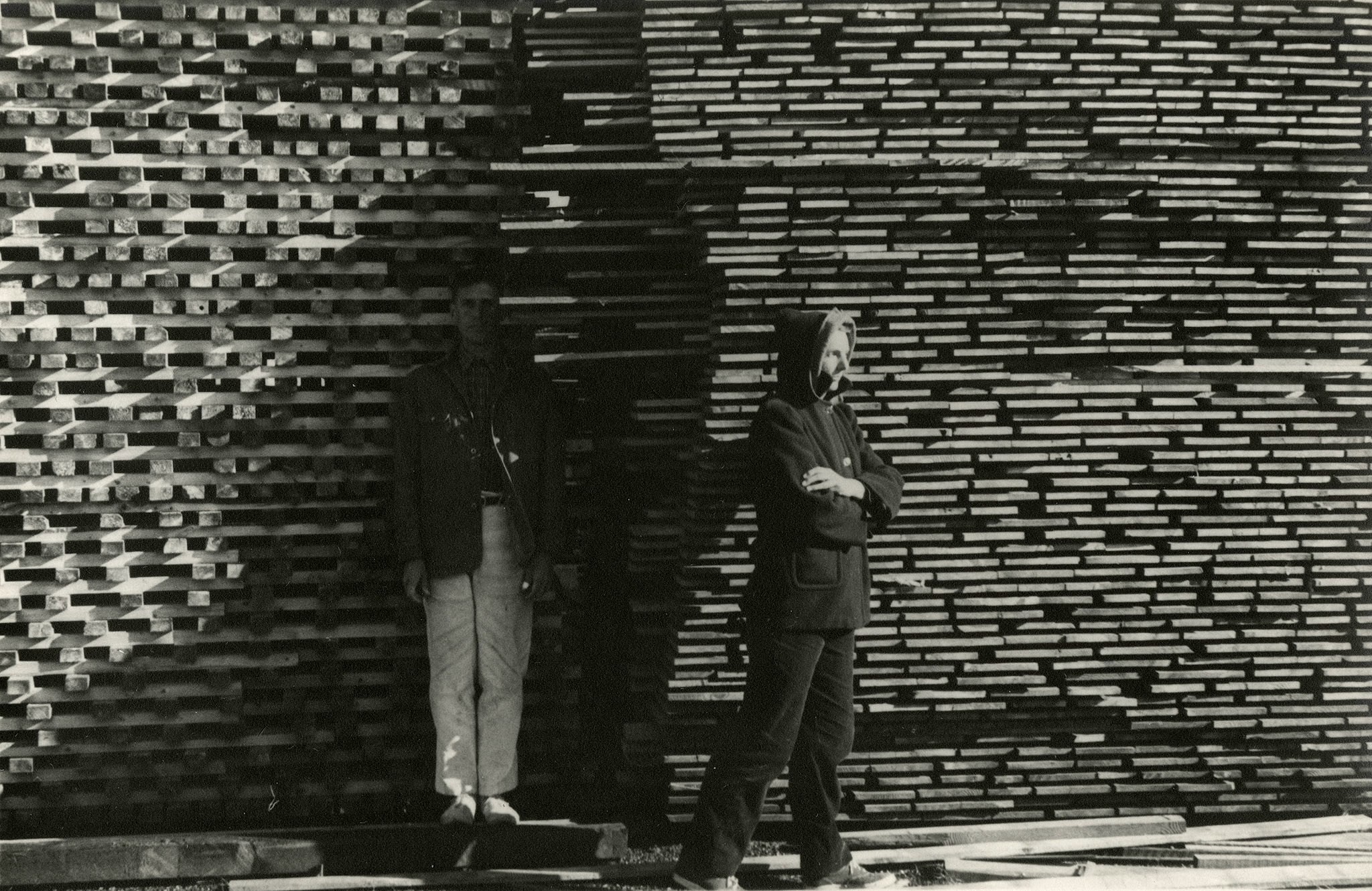
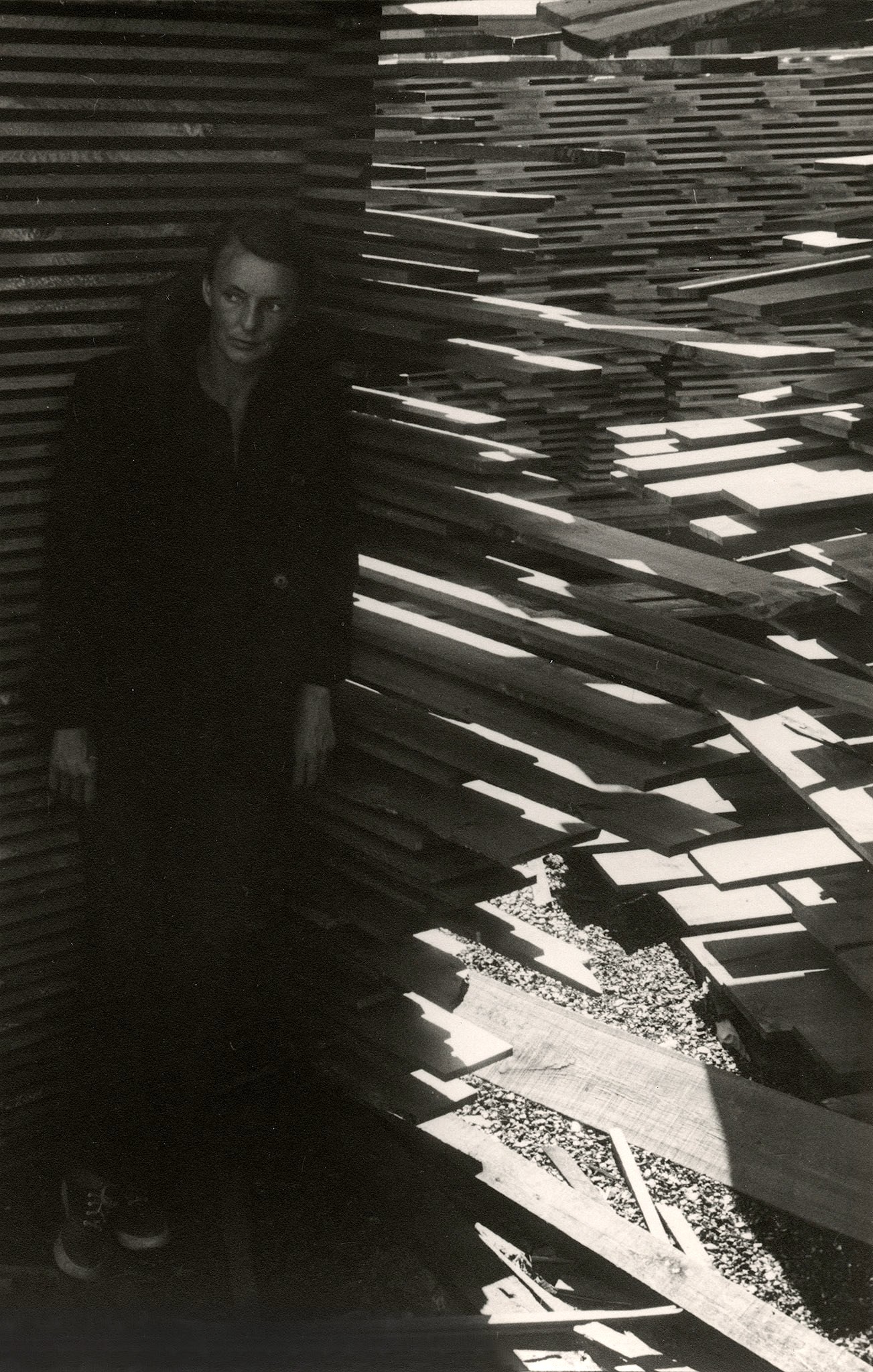
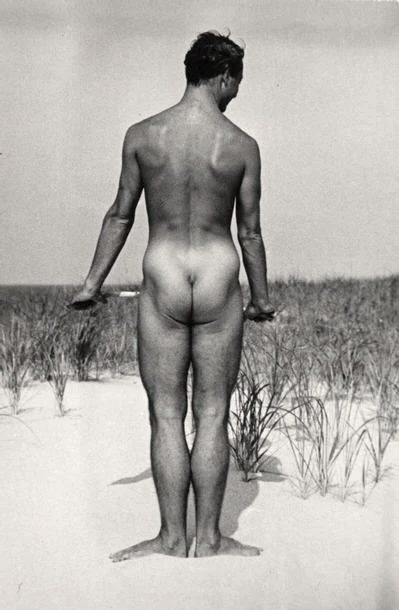
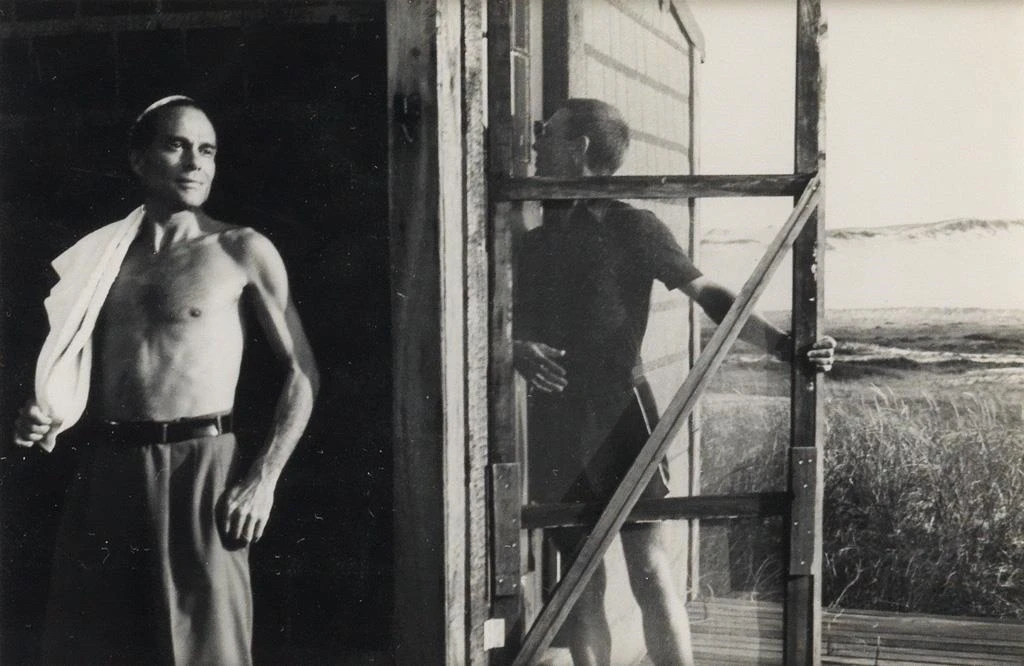
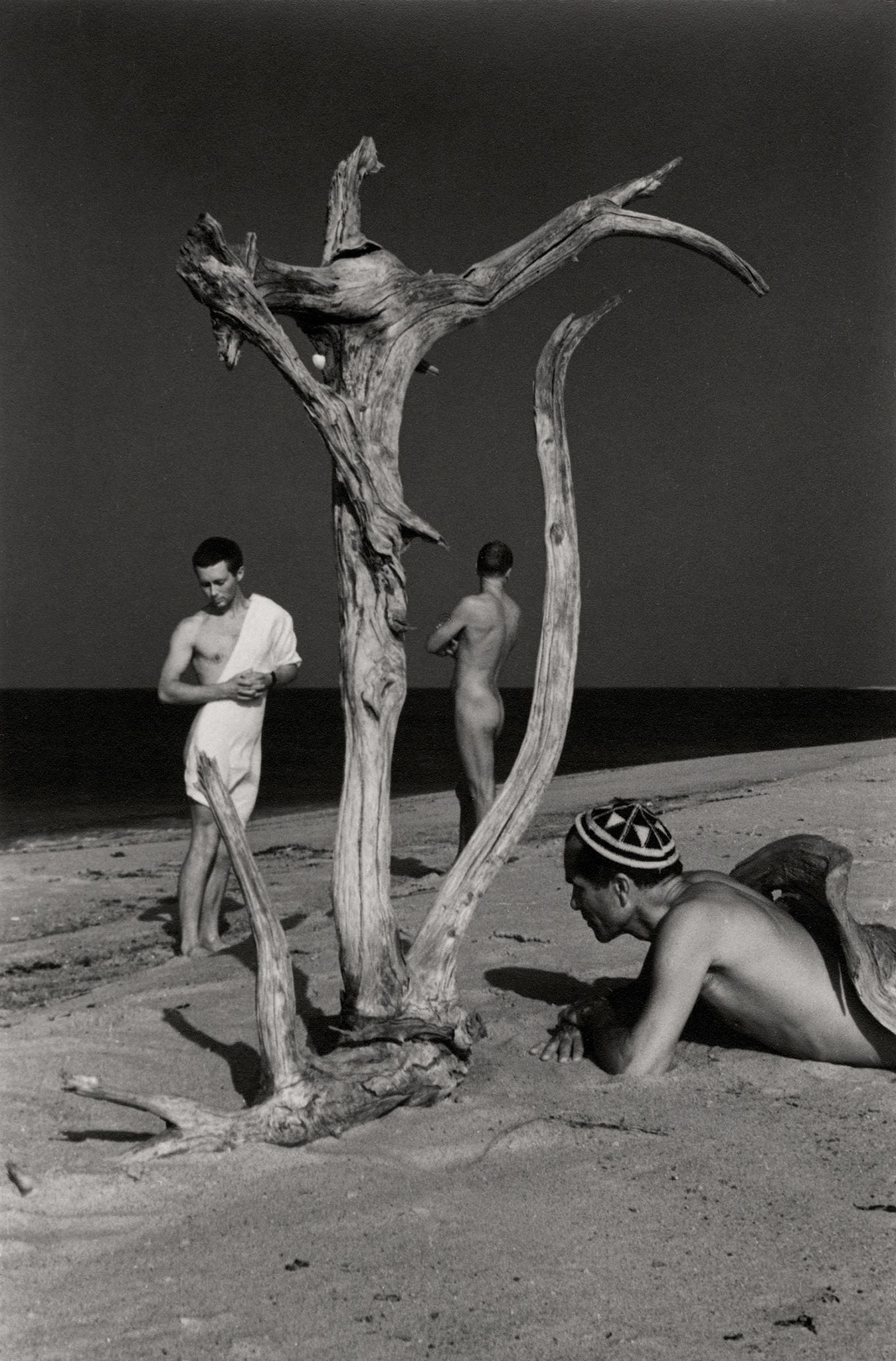
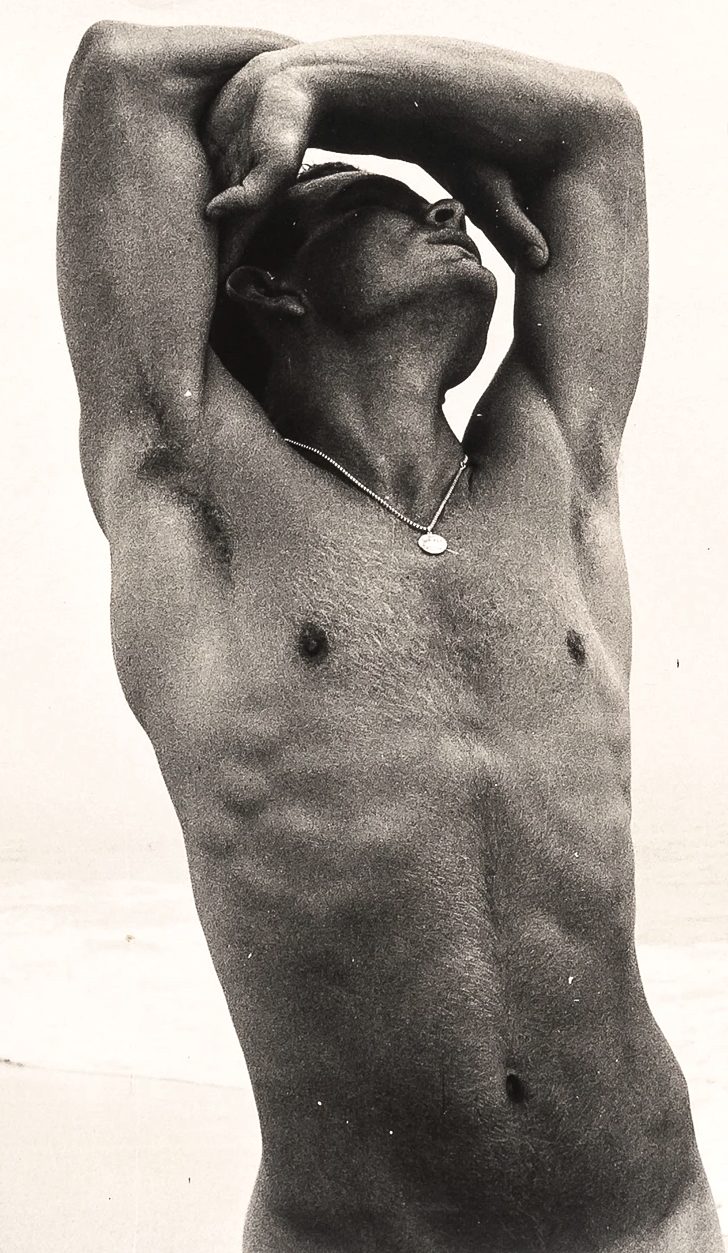
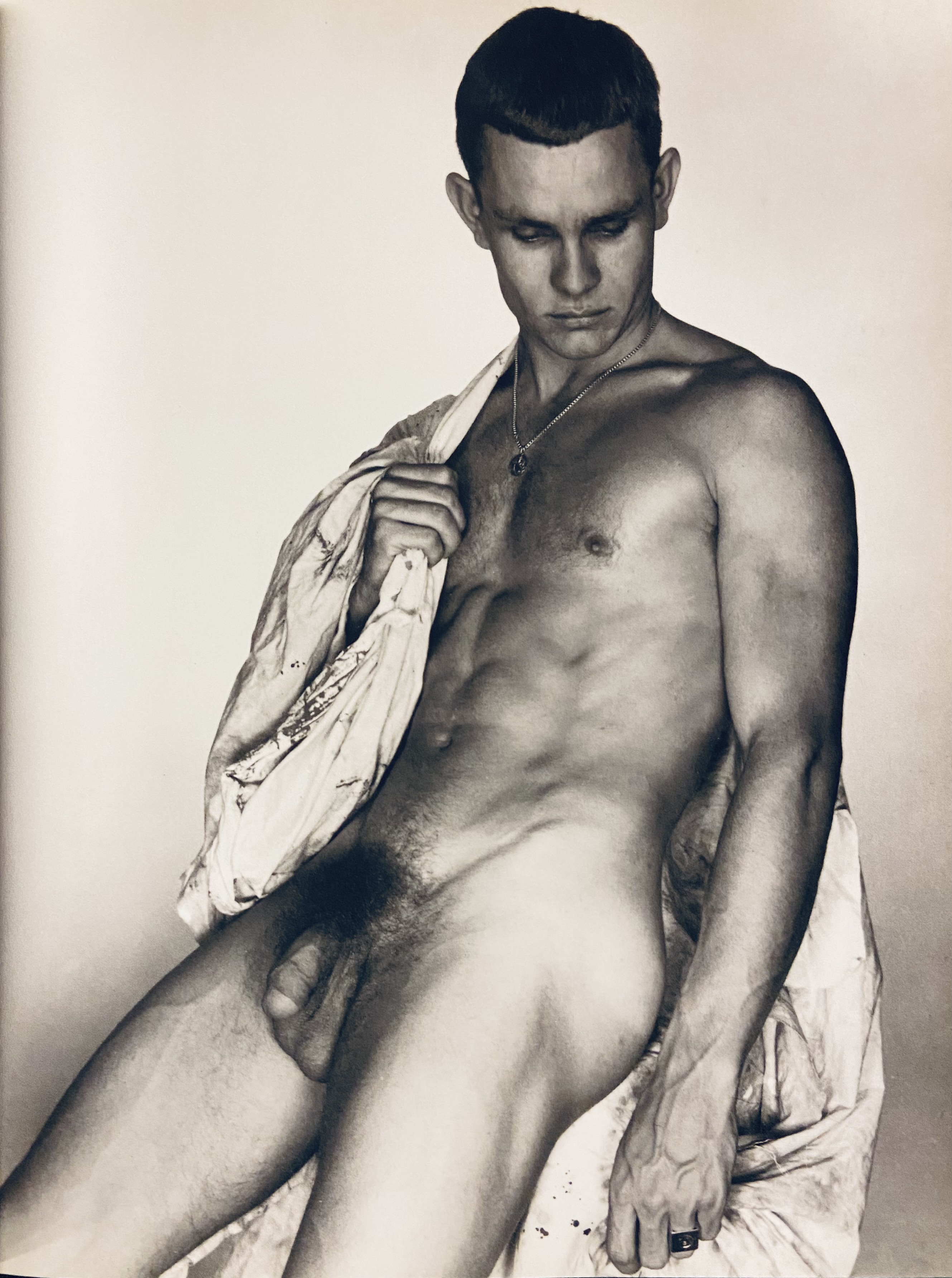
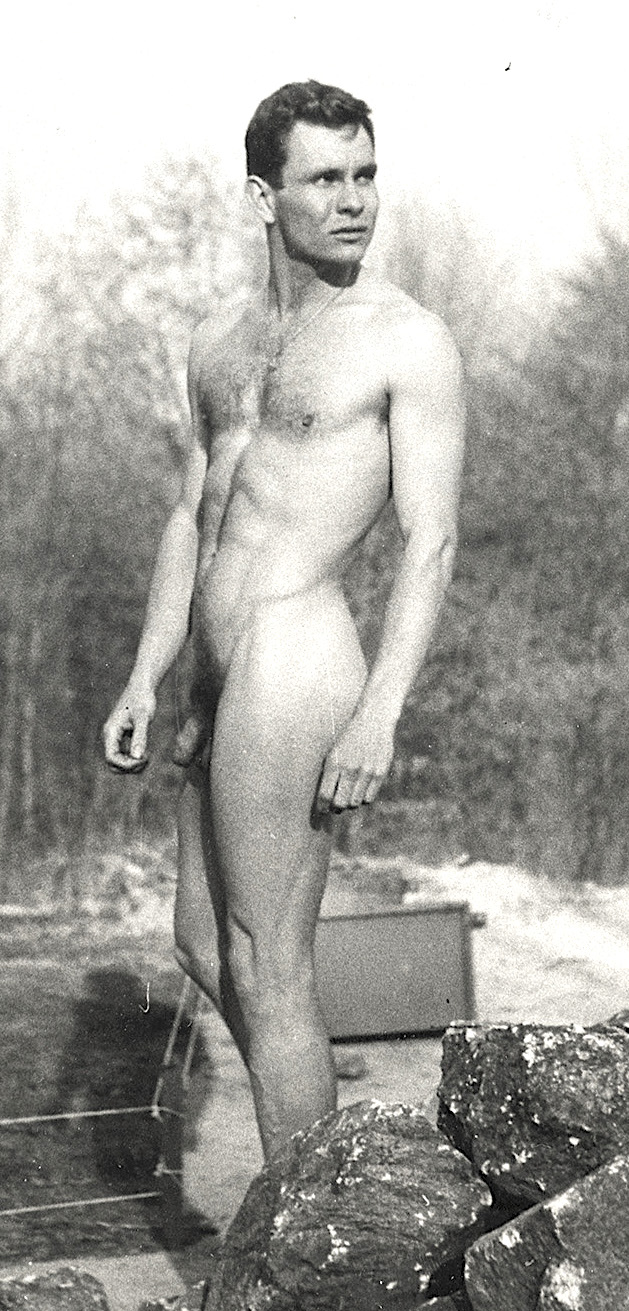
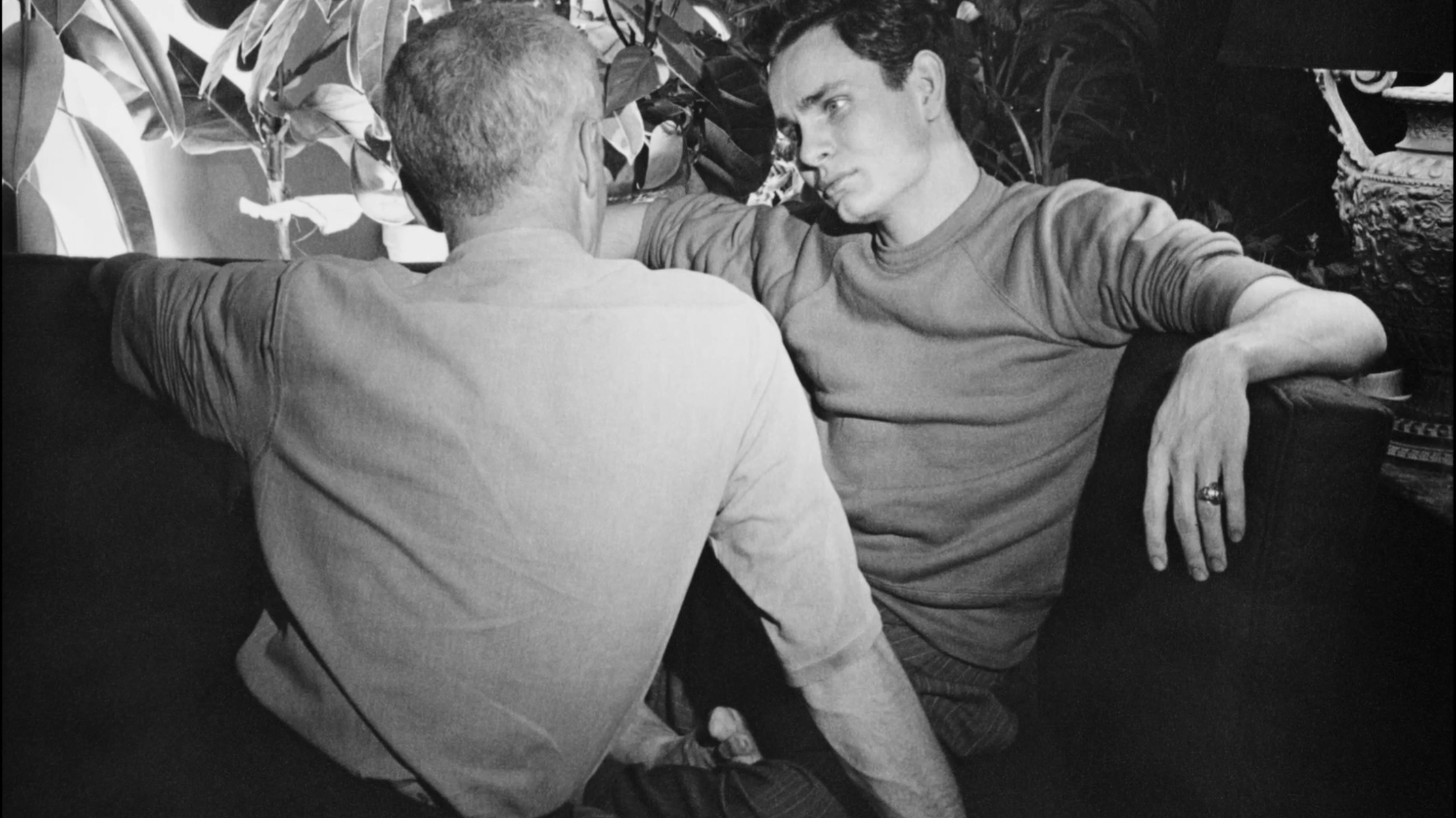
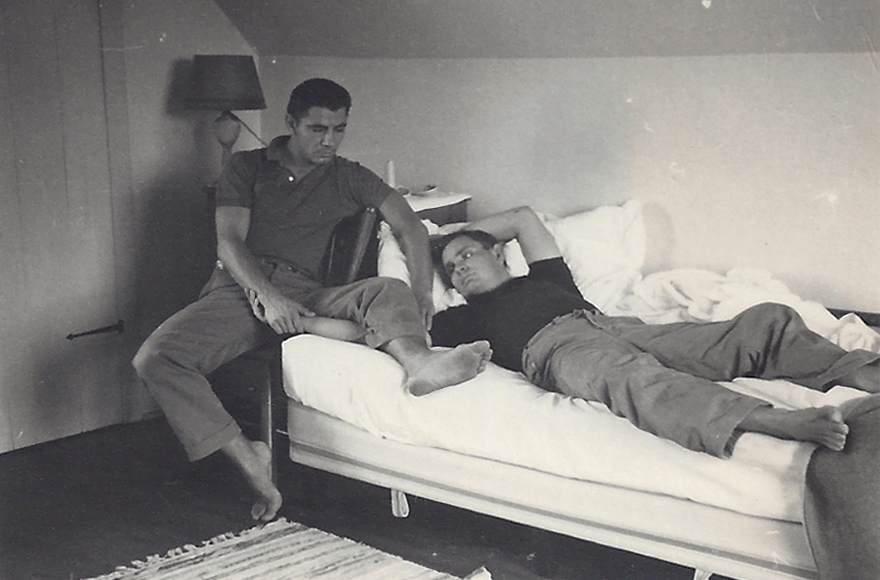
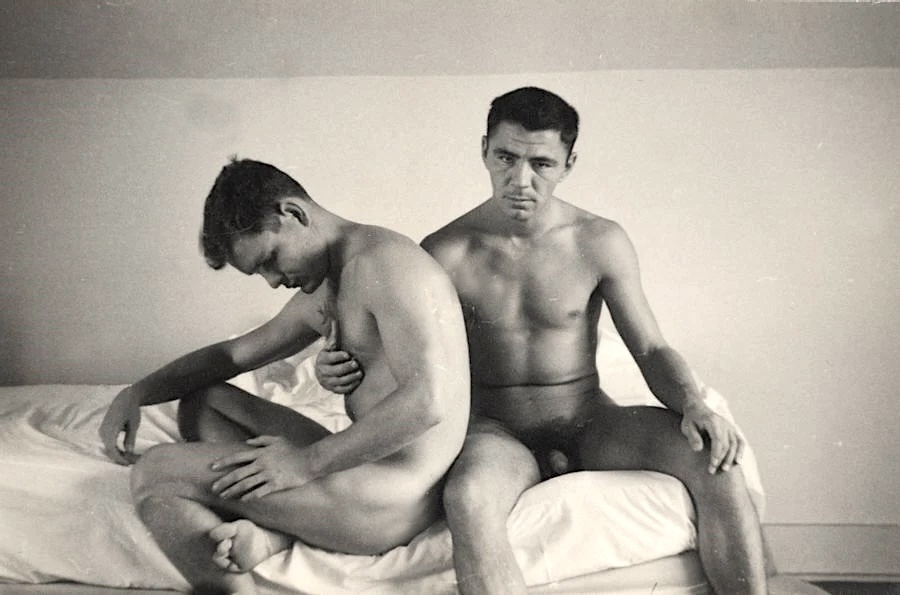
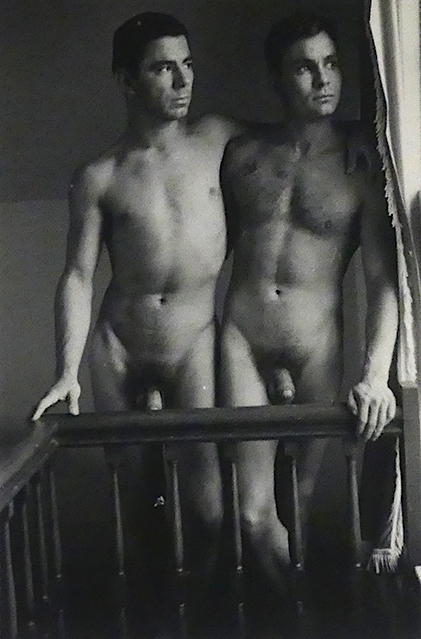
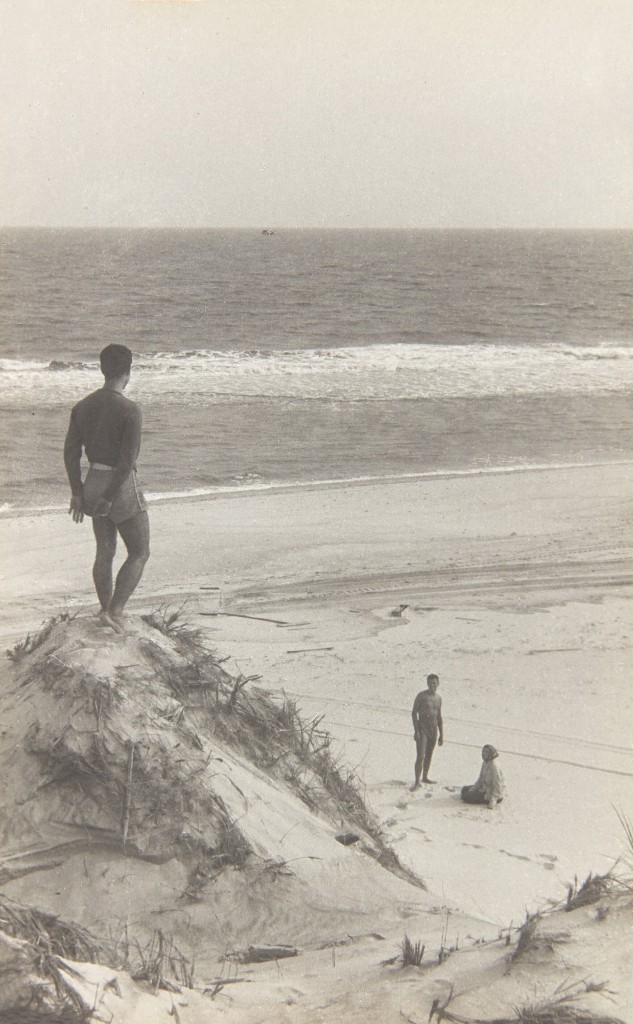
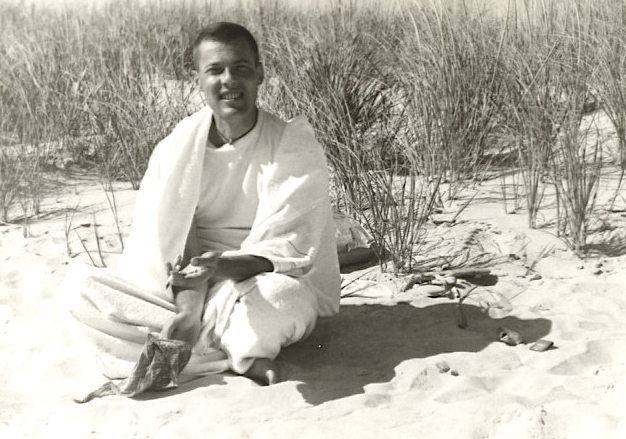
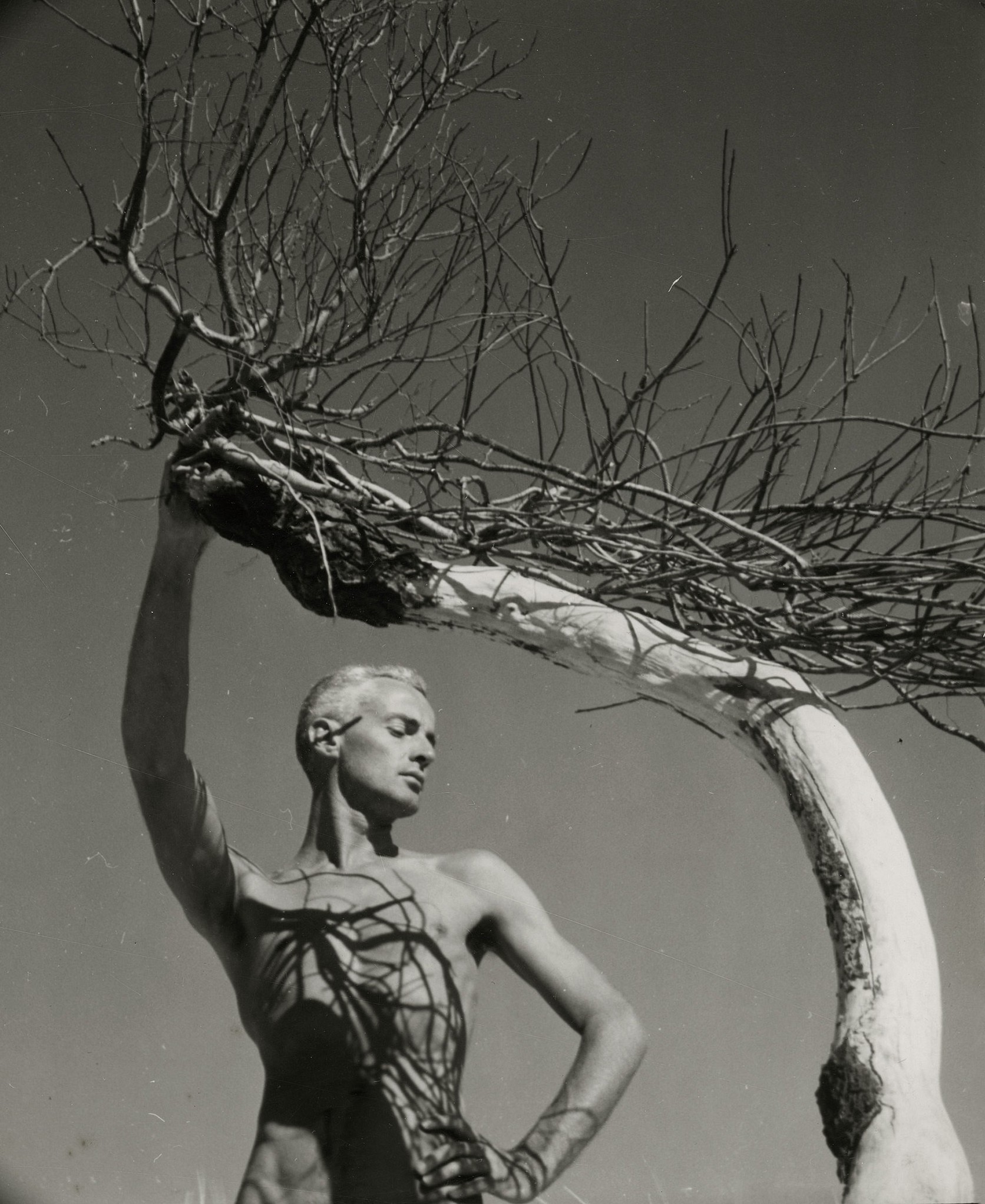
During vacations from the 1930’s through the mid-1950’s, artists Paul Cadmus, Jared French and his wife Margaret Hoening French photographed each other on the beaches of New York’s Fire Island as well as Nantucket and Cape Cod, Massachusettes.

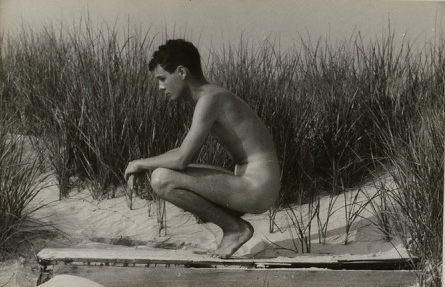
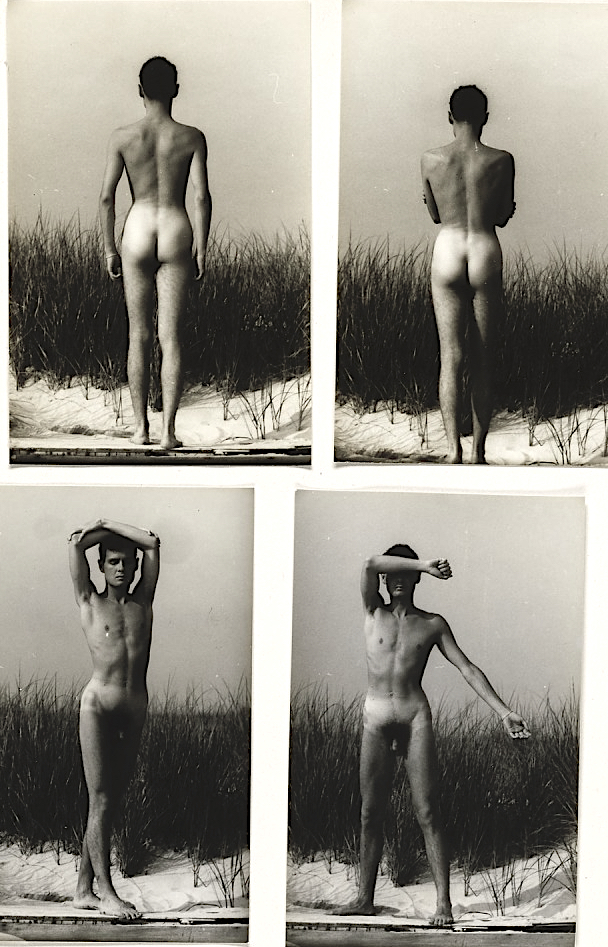
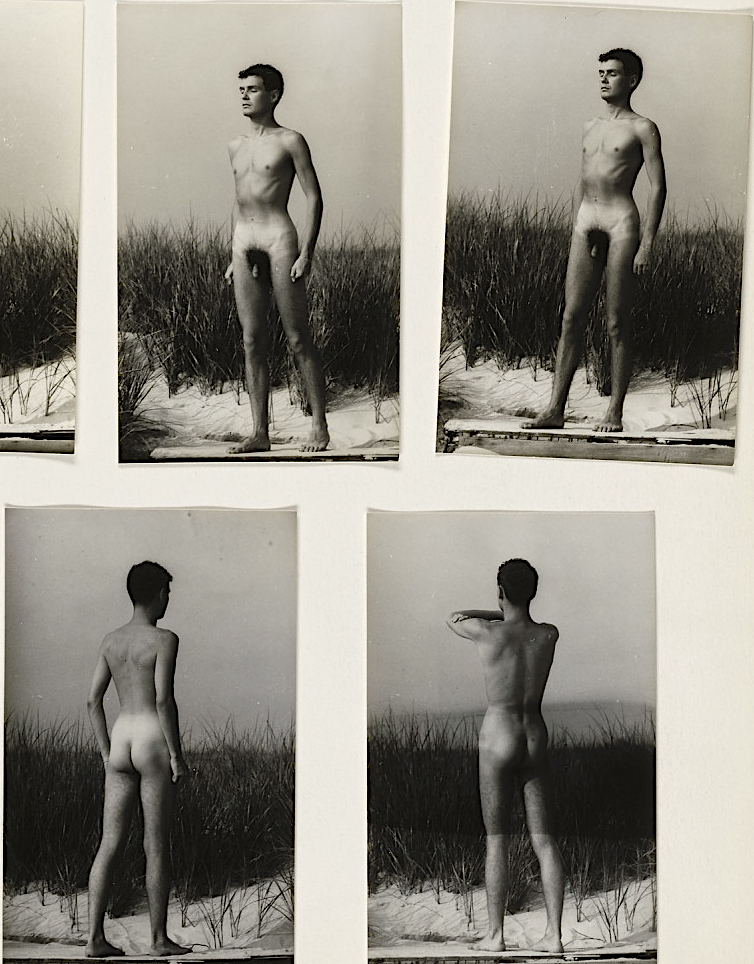
Last summer we focused on their early years on Fire Island. The photos in this post are primarily from Nantucket, Provincetown and other locations on Cape Cod during the summer months of 1946-1948.

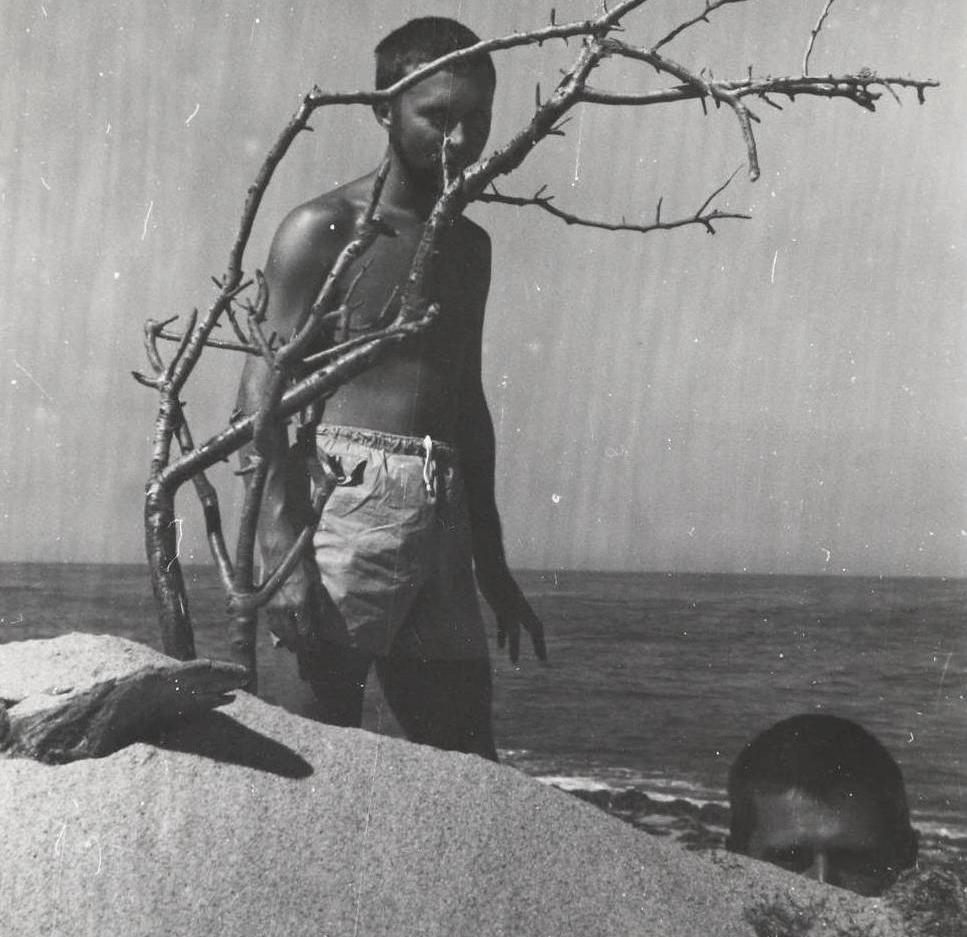
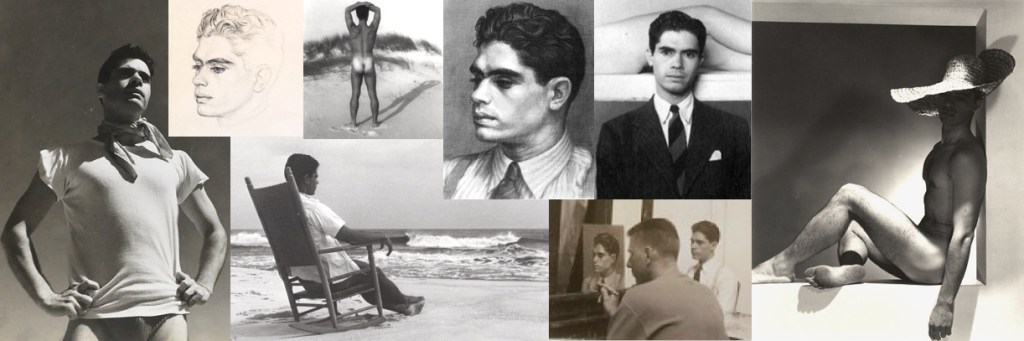
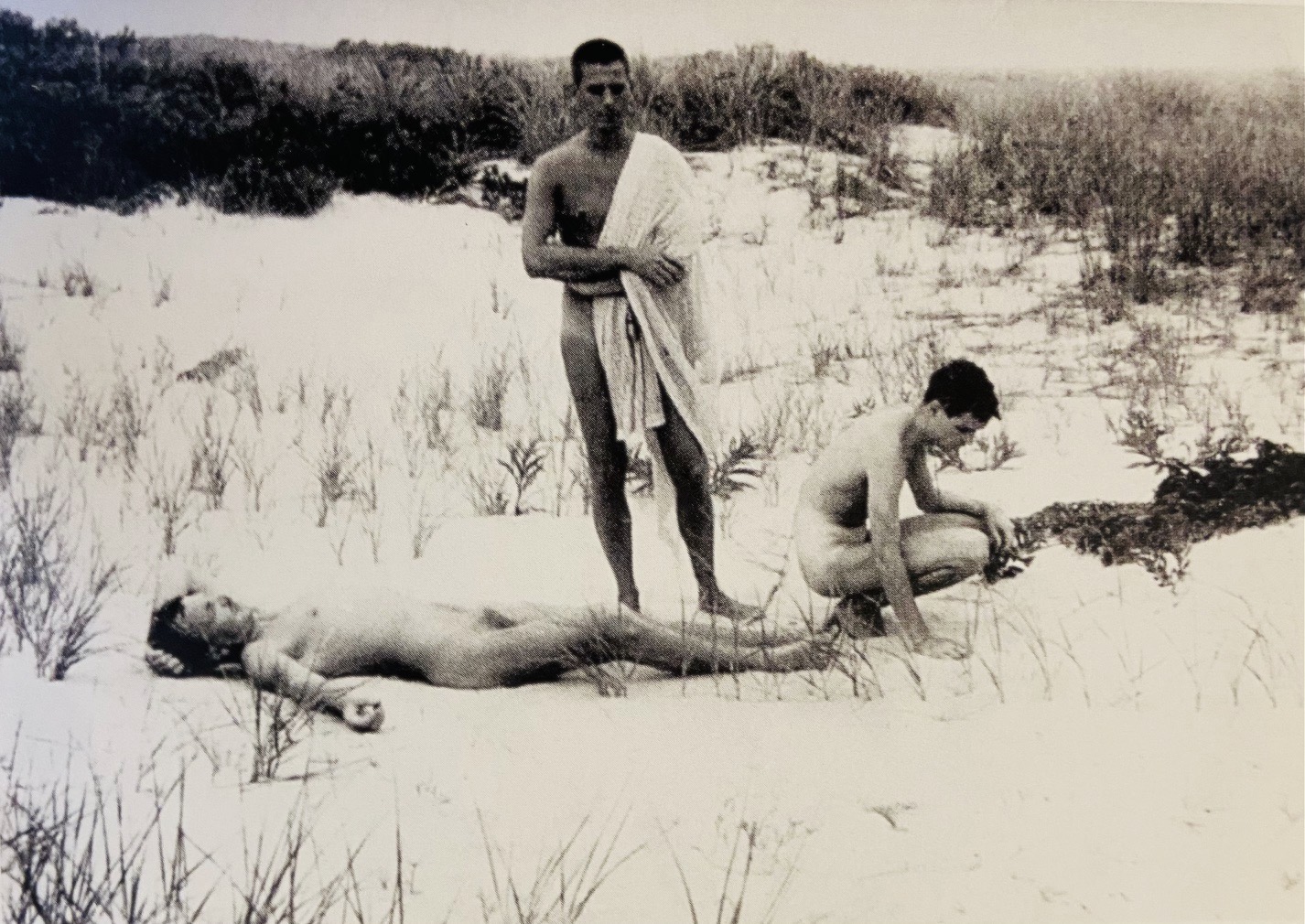
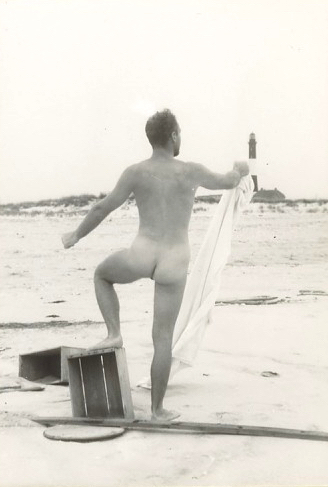
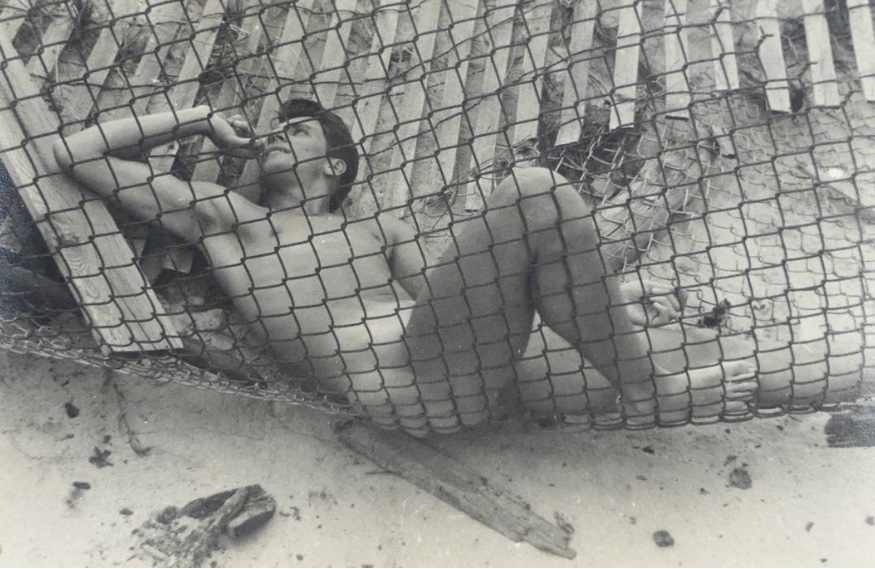
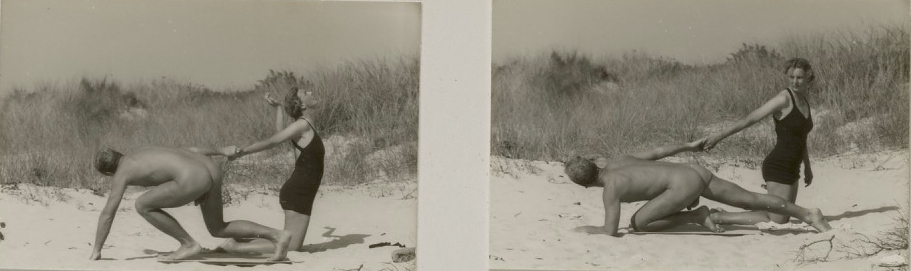
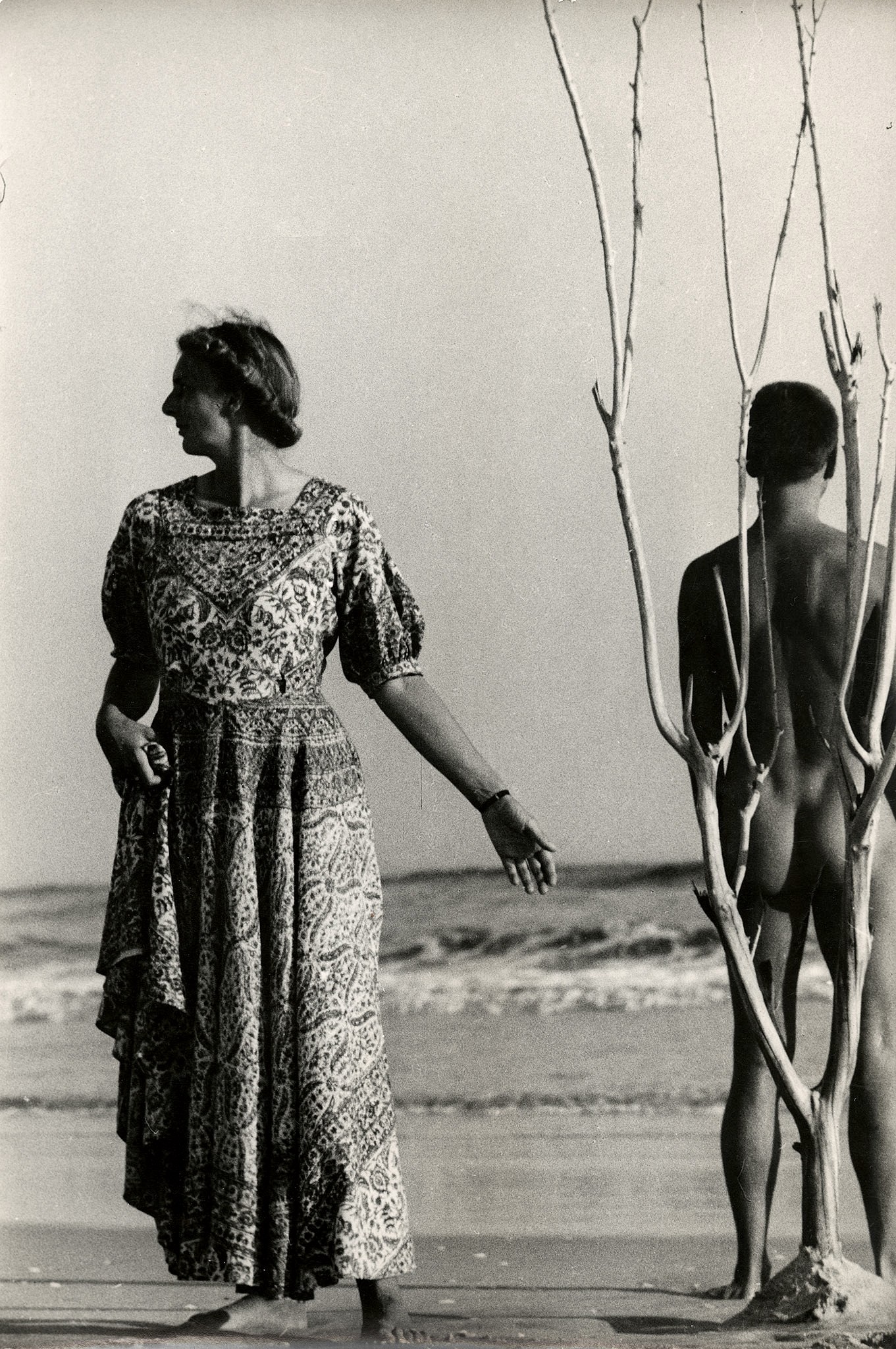
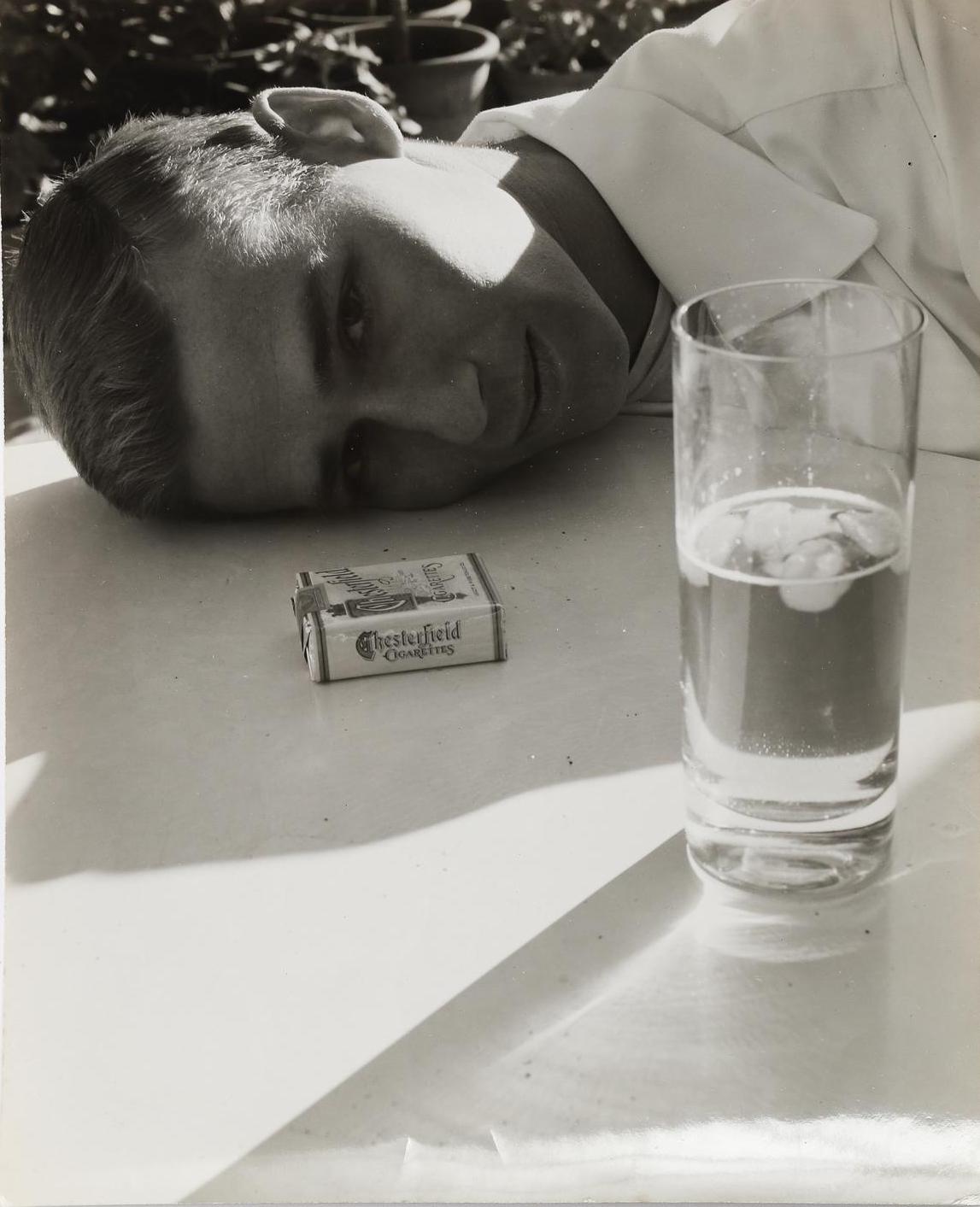
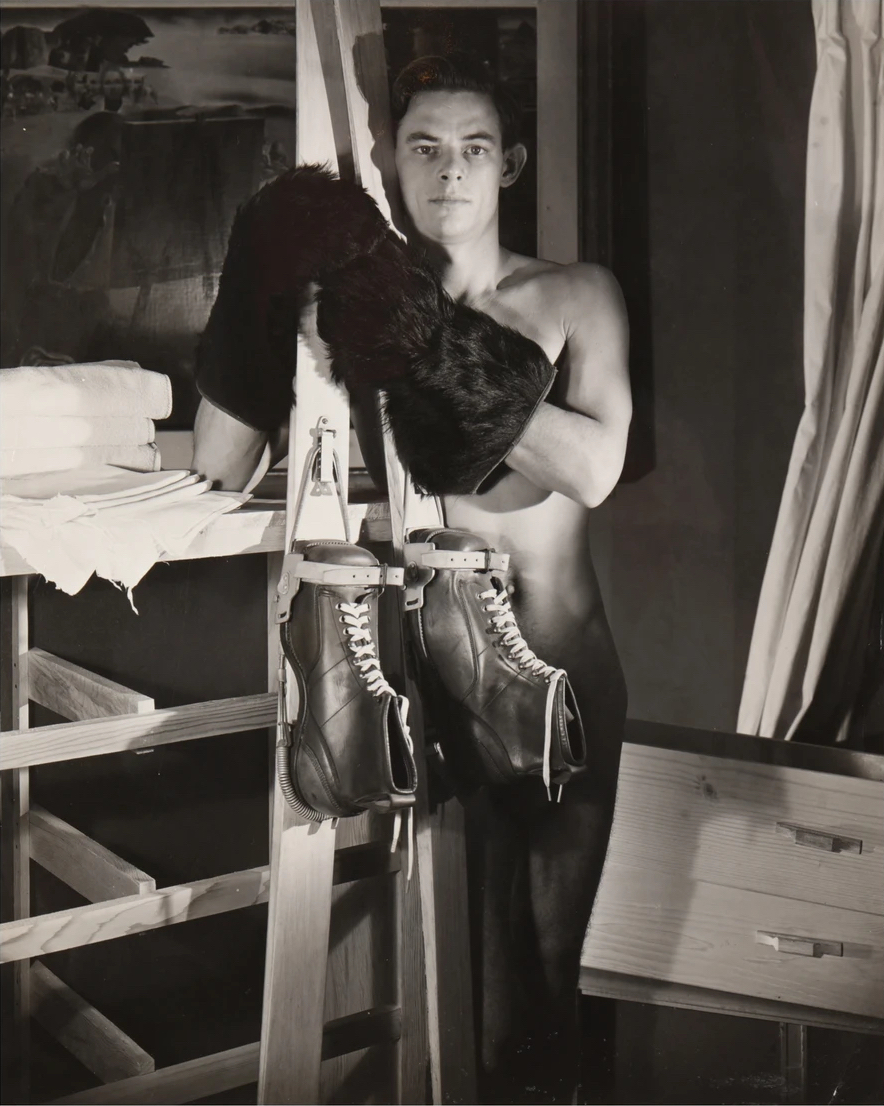
Usually nude or donning simple costumes, the artists also used found objects as props to create stark, surreal and/or erotic images. They passed Margaret’s Leica camera around, taking turns as subject and auteur. This collaborative authorship was reflected in the umbrella name they chose for this work, utilizing the first two letters of their first names: PaJaMa.

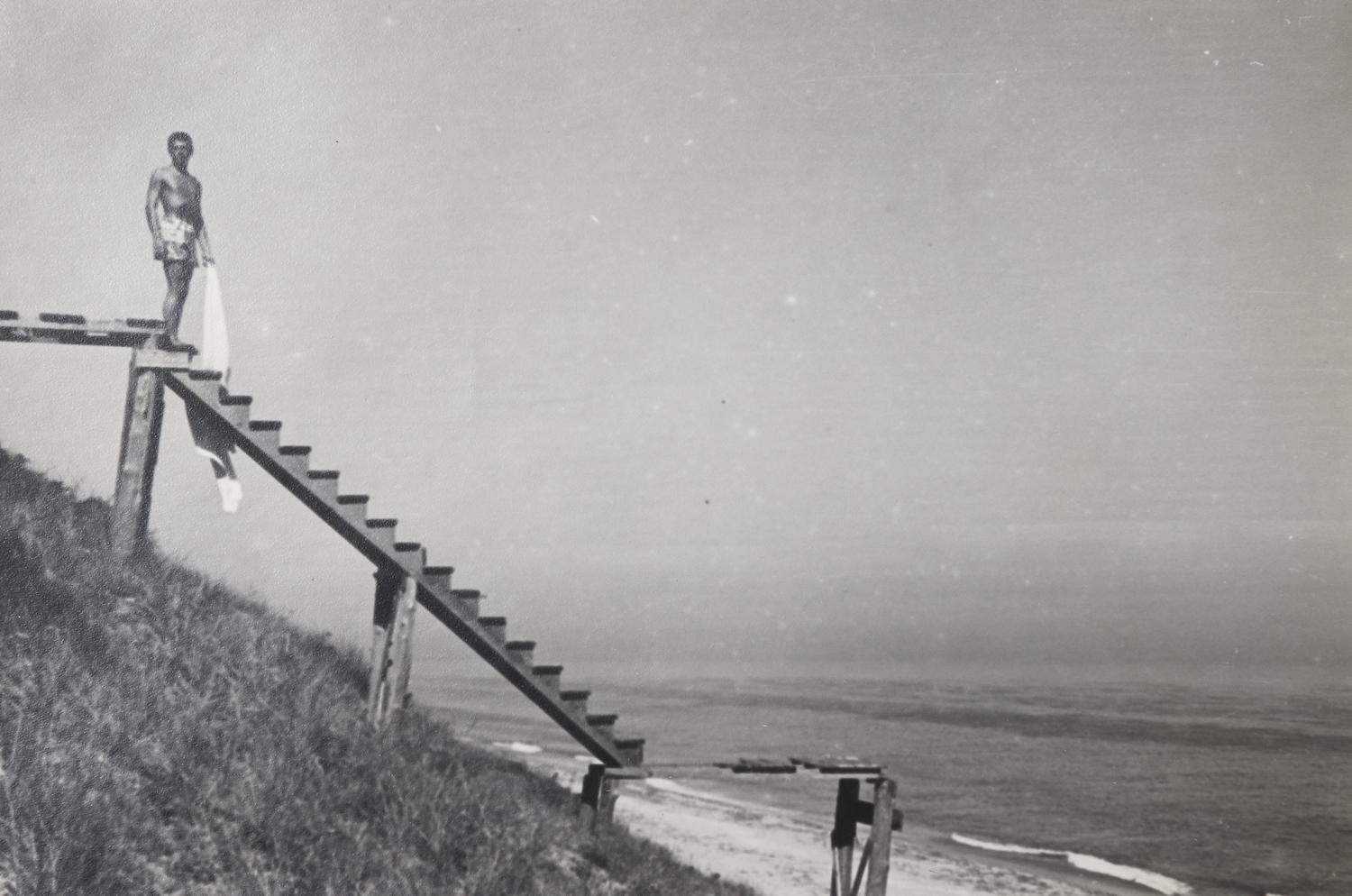
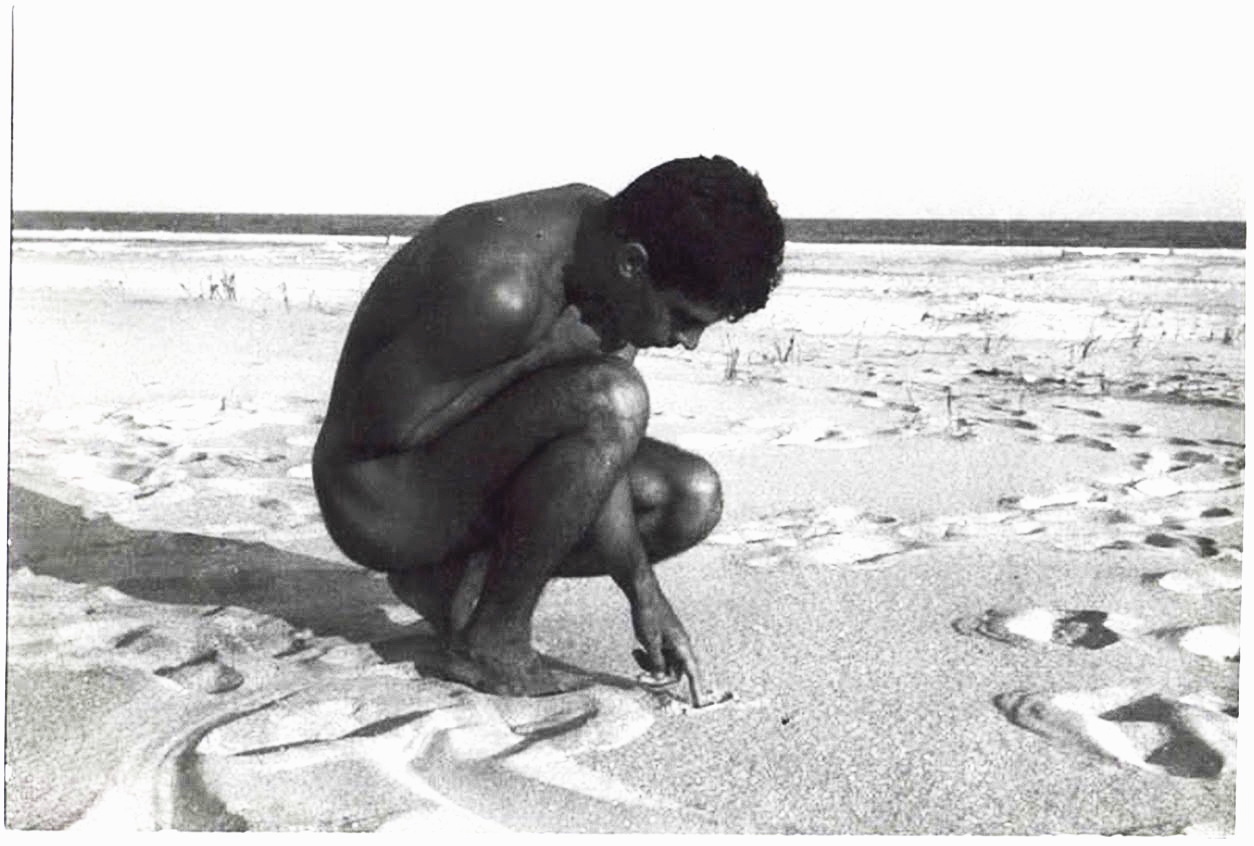
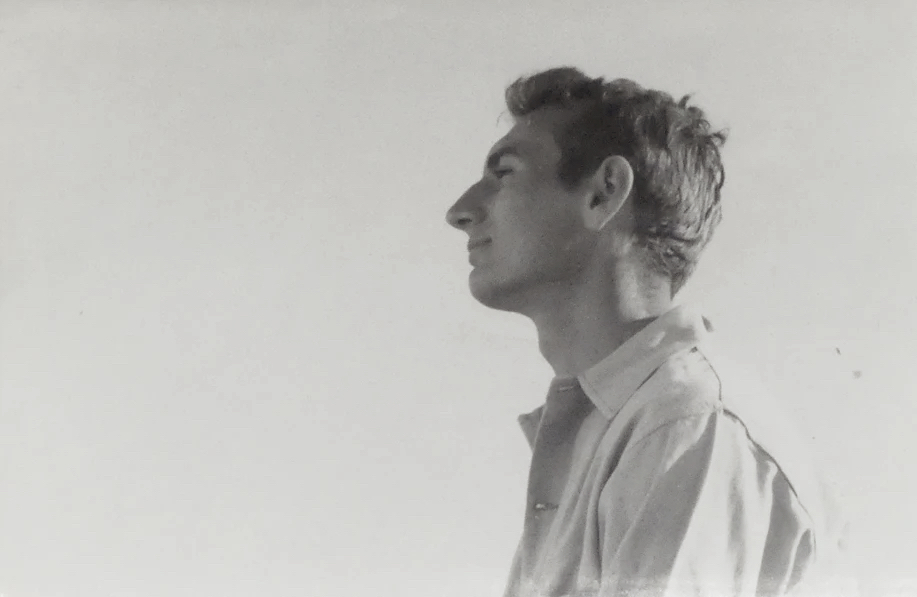
Paul Cadmus on Cape Cod (1928)

Years later Cadmus explained, “After we’d been working most of the day, we’d go out late afternoons and take photographs when the light was best. They were just playthings. We would hand out these little photographs when we went to dinner parties, like playing cards.”

The dynamic amongst the trio was complicated: Jared French and Paul Cadmus were lovers – a relationship that continued during his marriage to Margaret. All three lived and worked in a townhouse at 5 St. Lukes Place in Greenwich Village.

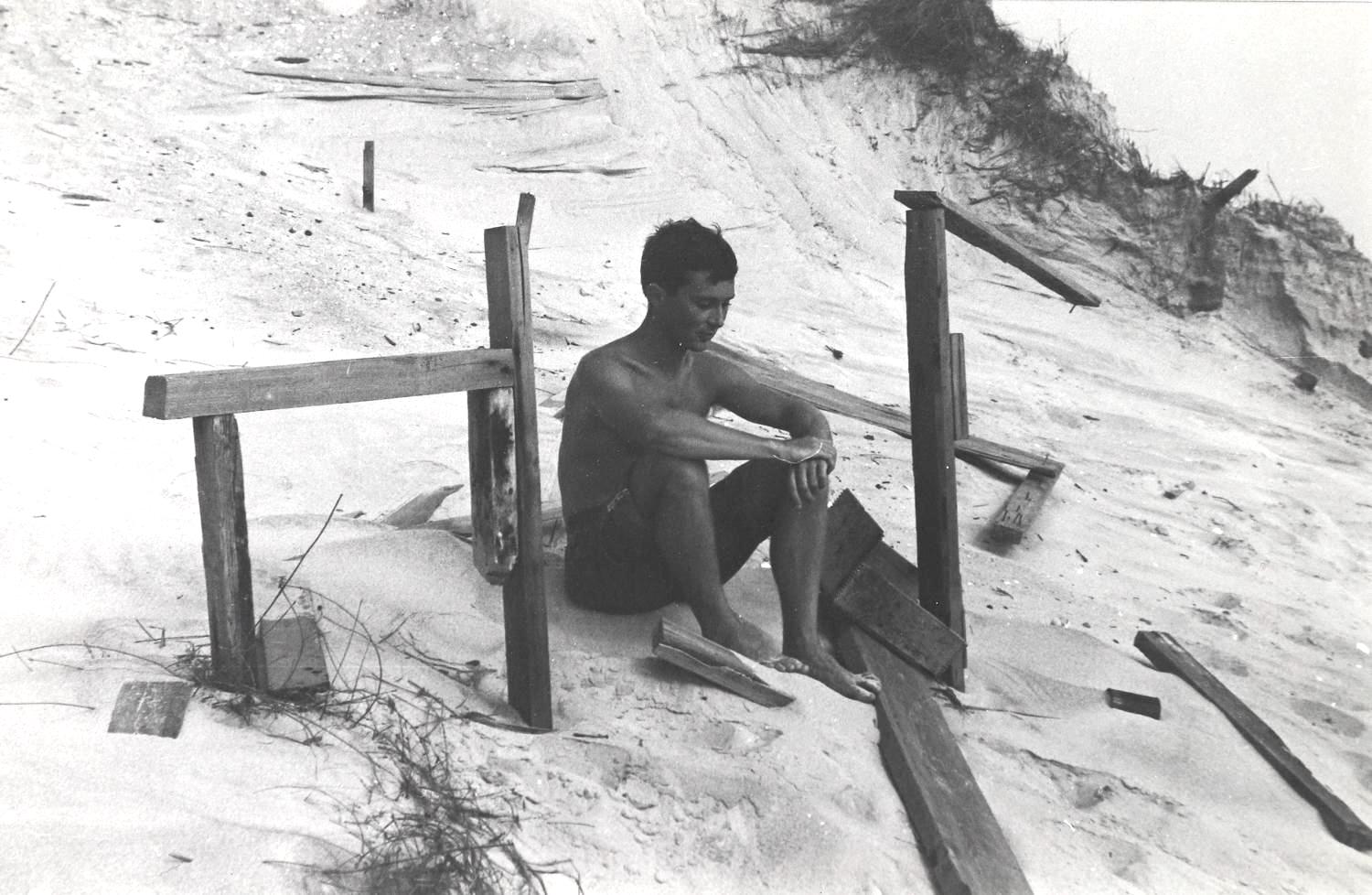
The PaJaMa collective expanded in 1945 with the inclusion of Cadmus’ boyfriend, George Tooker, an artist 16 years his junior. Cadmus would later explain “I had Jerry (Jared) in the daytime and George at night.” Although his name was not added to the PaJaMa moniker, Tooker was an active participant in the collective from 1944-49.

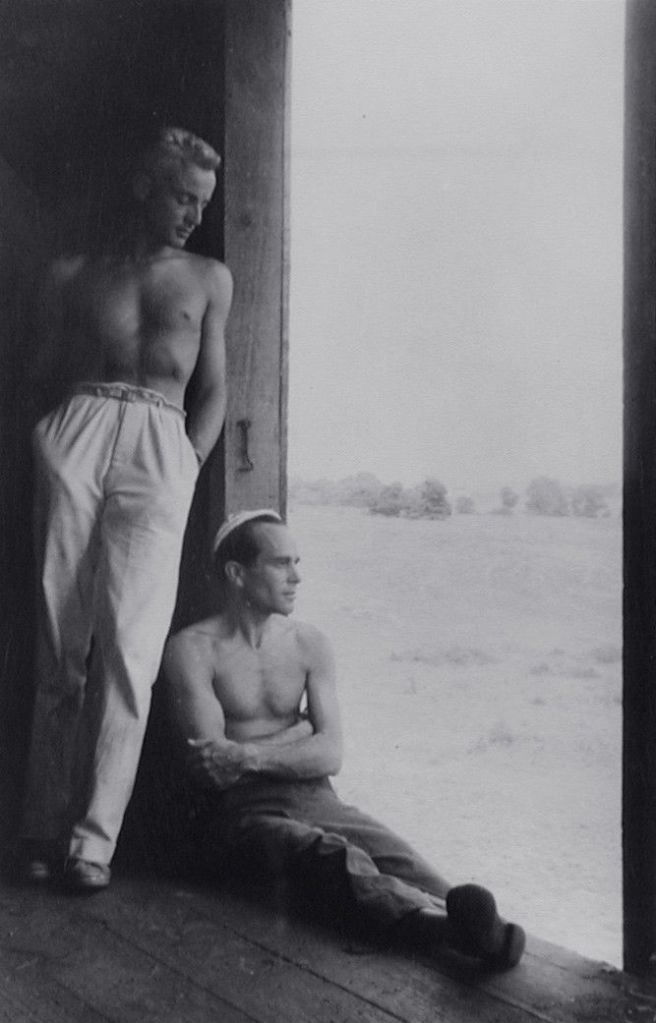
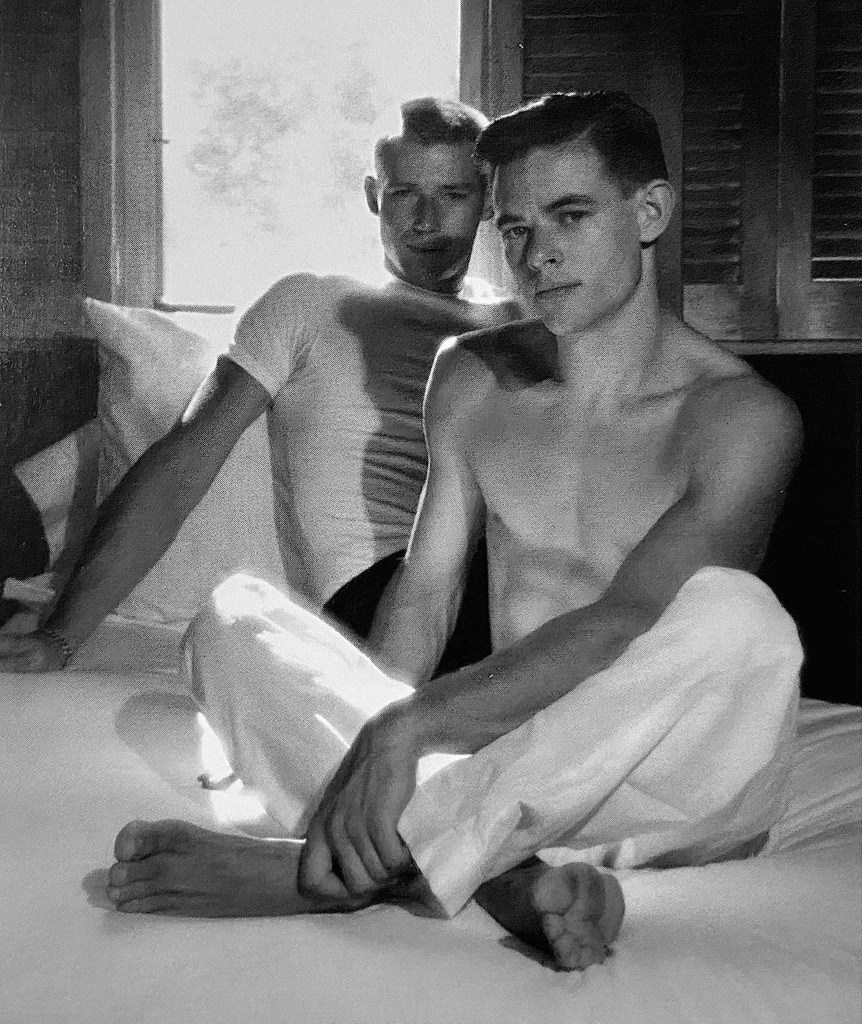
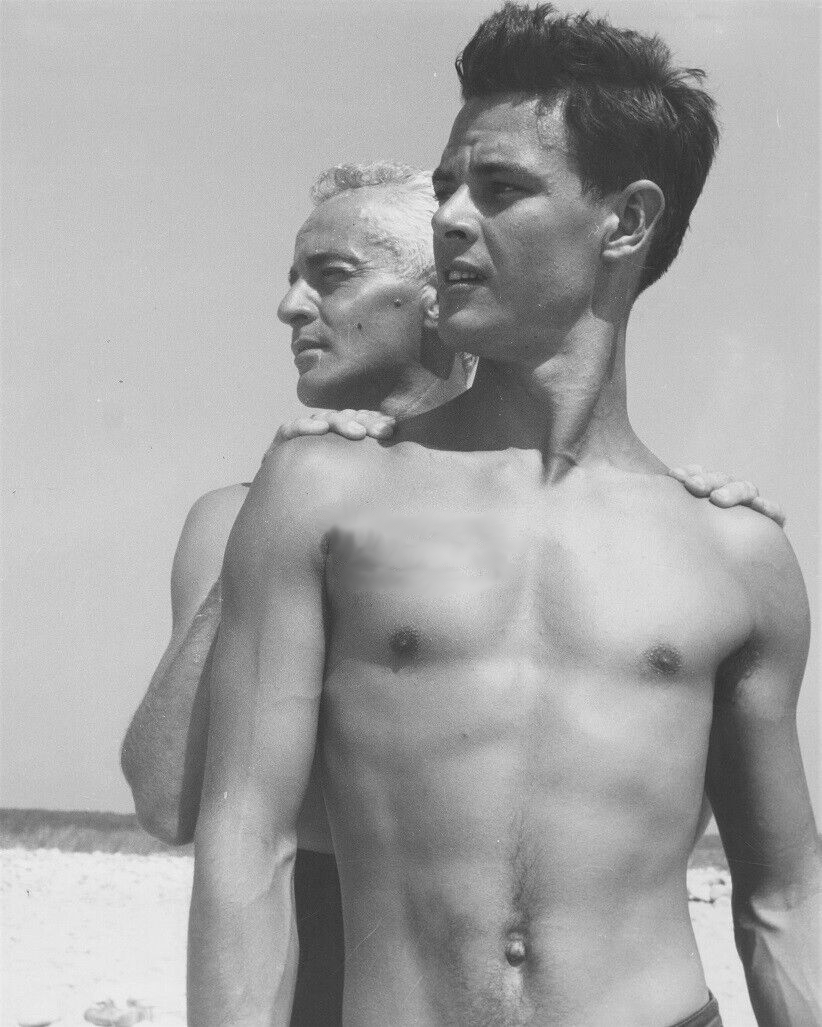
George Tooker with Paul Cadmus in Nantucket and Provincetown PaJaMa photos, (1946-48)

A 2015 New York Times review of a PaJaMa exhibition noted that their photos “breathed eroticism.” While some of the hundreds of photos are masterpieces of magical realism, others appear to be figure studies for their painting.

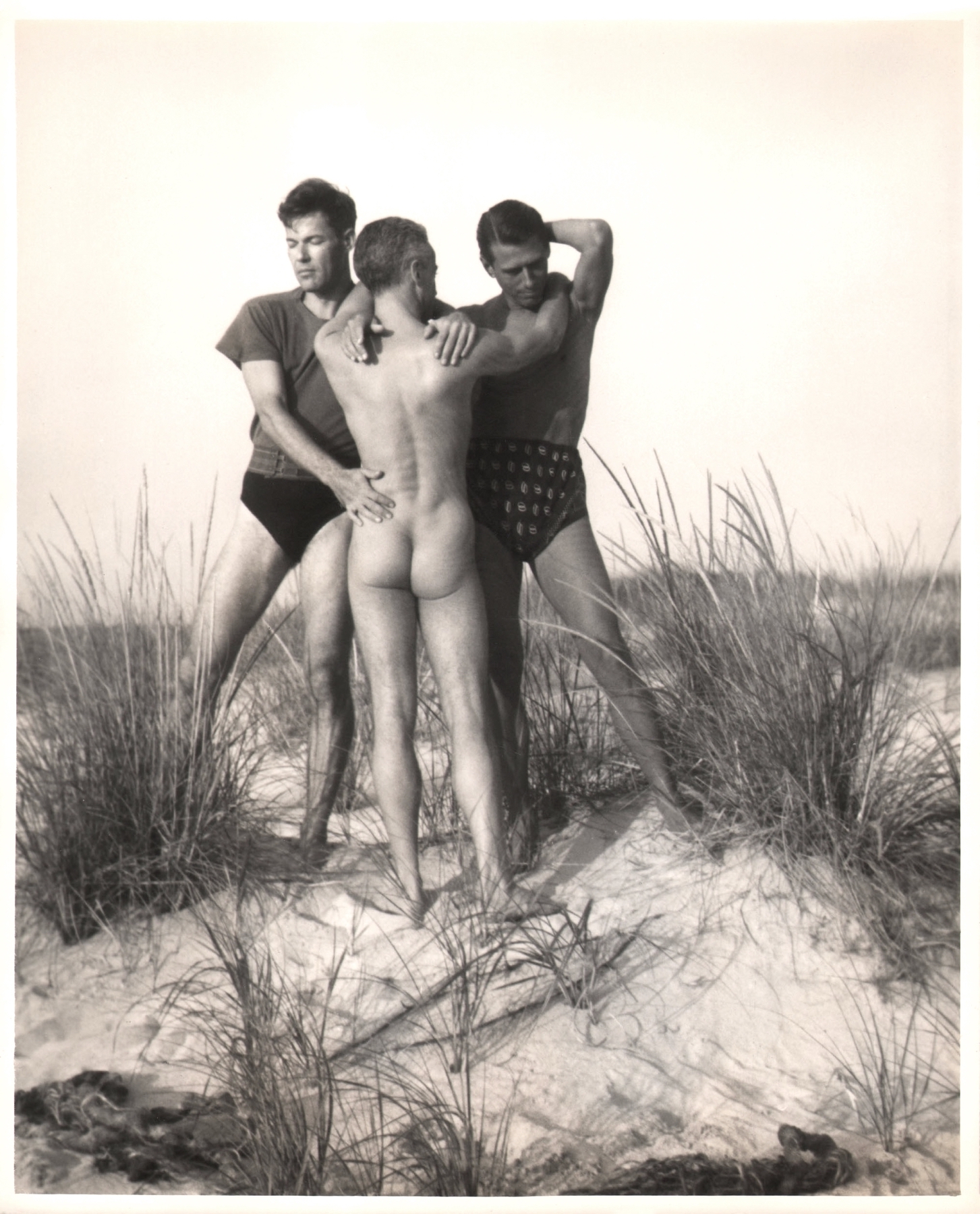
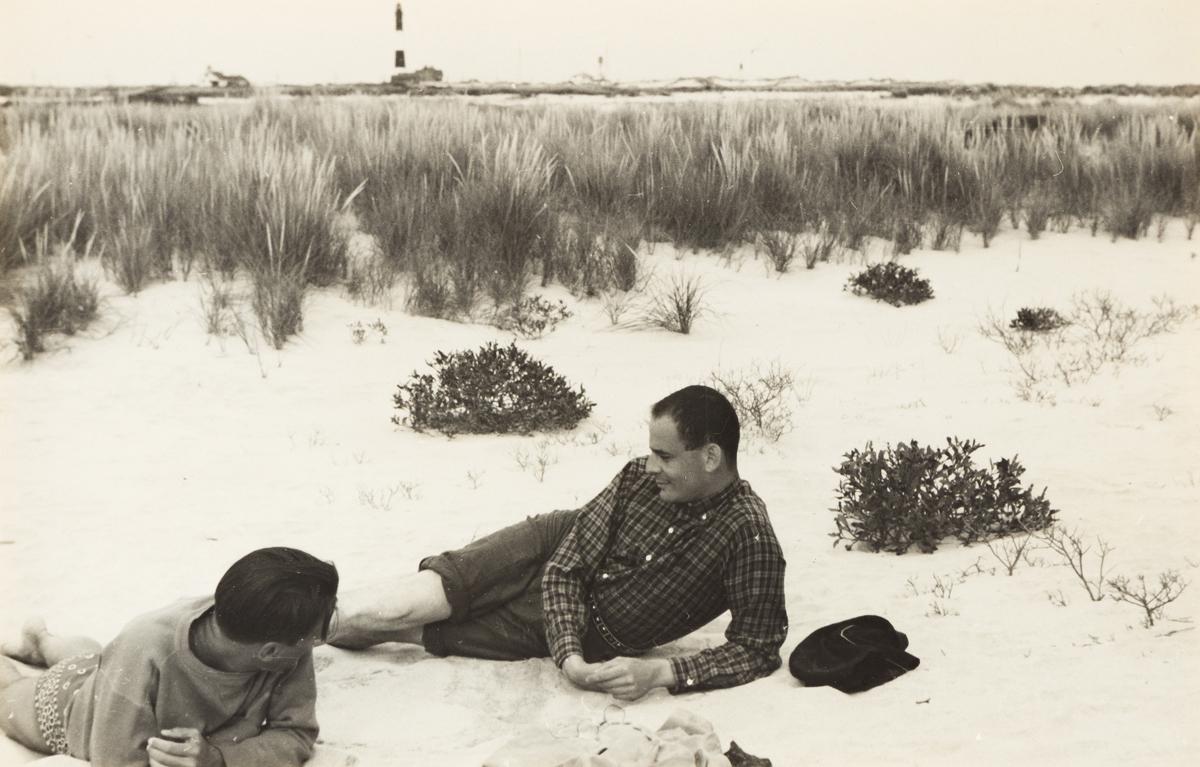
Tooker, Cadmus & French, Wauwinet, Nantucket (1946)

As when they vacationed on Fire Island, the collective were joined on Cape Cod by various friends and lovers, fellow artists and writers that were part of their New York social circle.

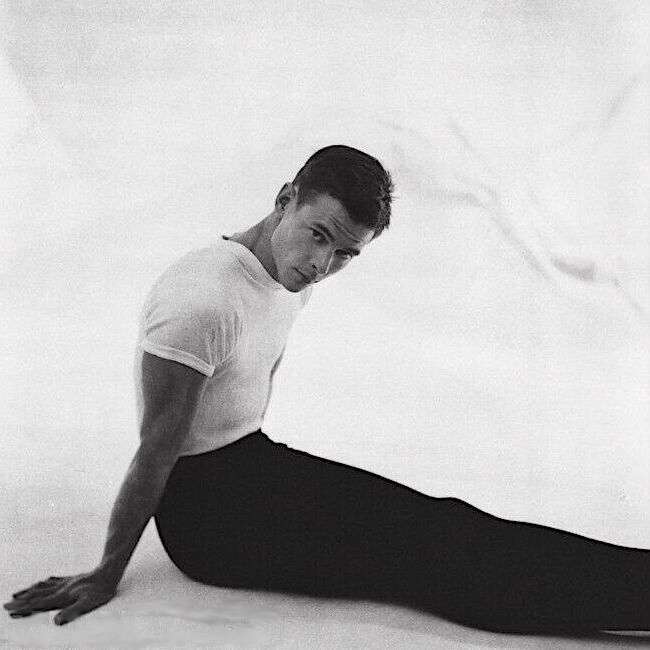
Dancer/choreographer Todd Bolender was the subject of a series of PaJaMa photos taken in Provincetown (1947)

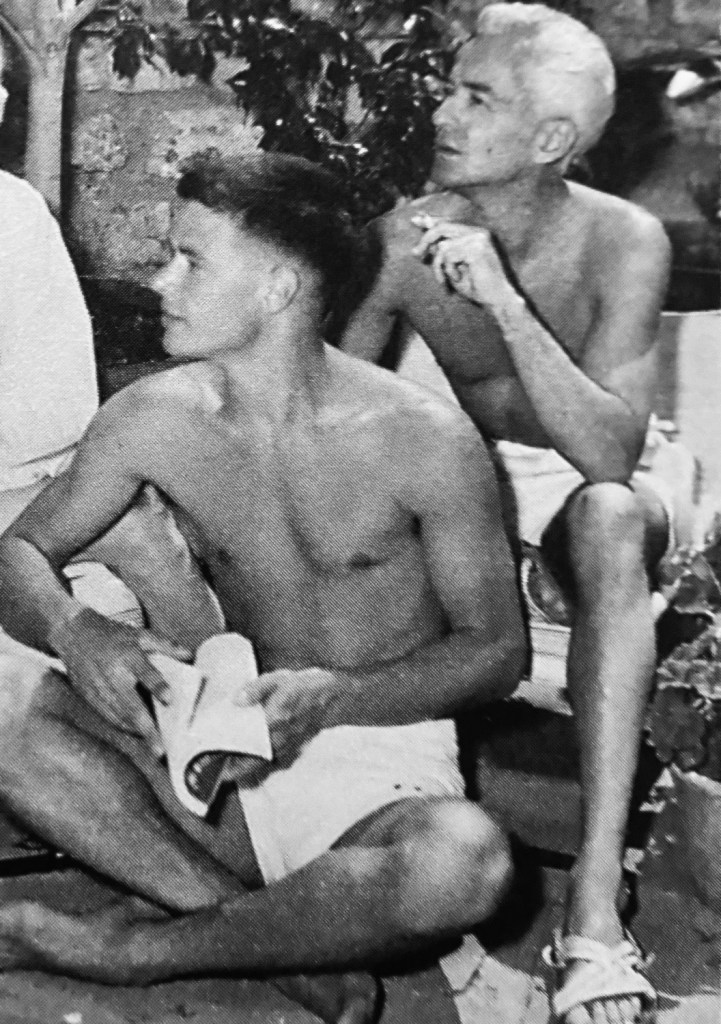
Museum curator/publisher Monroe Wheeler is seen in 1947 Provincetown photos with French, Tooker & Cadmus. His lifelong partner Glenway Wescott was more prominent in the Fire Island PaJaMa photos of the early 1940’s.

Writer Christopher Isherwood with his then-boyfriend, photographer Bill Caskey, Provincetown (1947)

Photographer George Platt Lynes (left, wi/ Monroe Wheeler) joined them on Fire Island and later in Provincetown with his own camera.

PaJaMa photos are part of this tribute to playwright Tennessee Williams, displayed at Provincetown’s Atlantic House, one of the oldest gay bars in the U.S.
Provincetown, 1947 (l-r): George Platt Lynes, Monroe Wheeler, Paul Cadmus and George Tooker
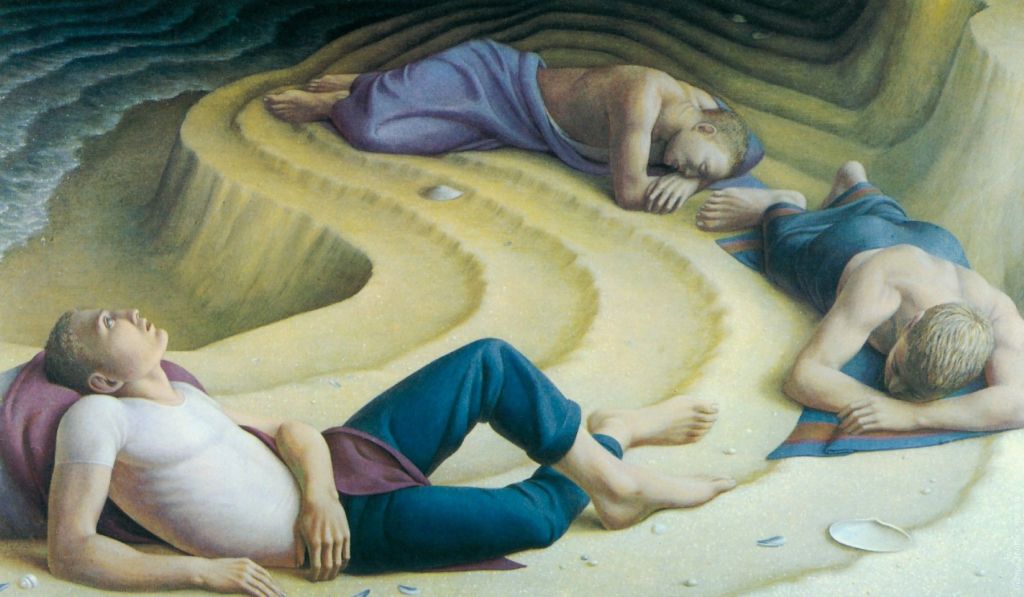
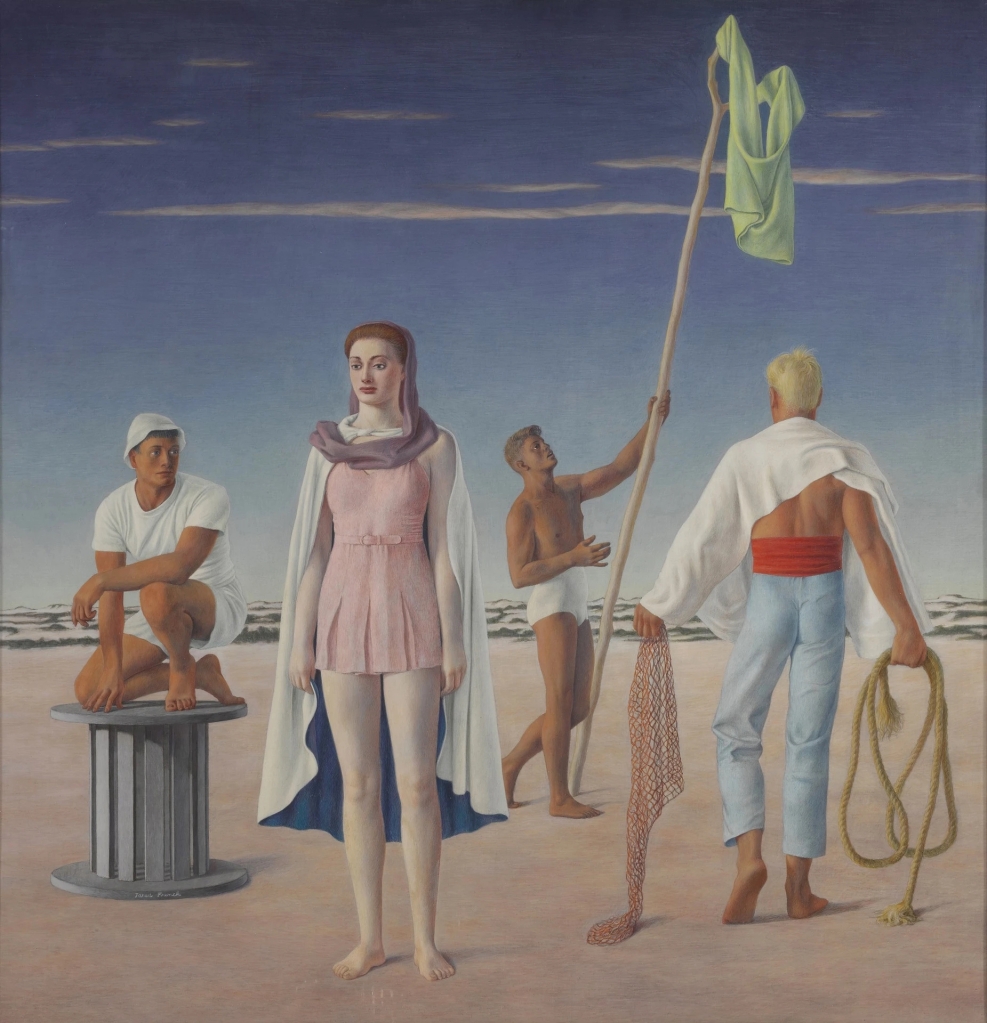
George Tooker, Sleepers I (1951)

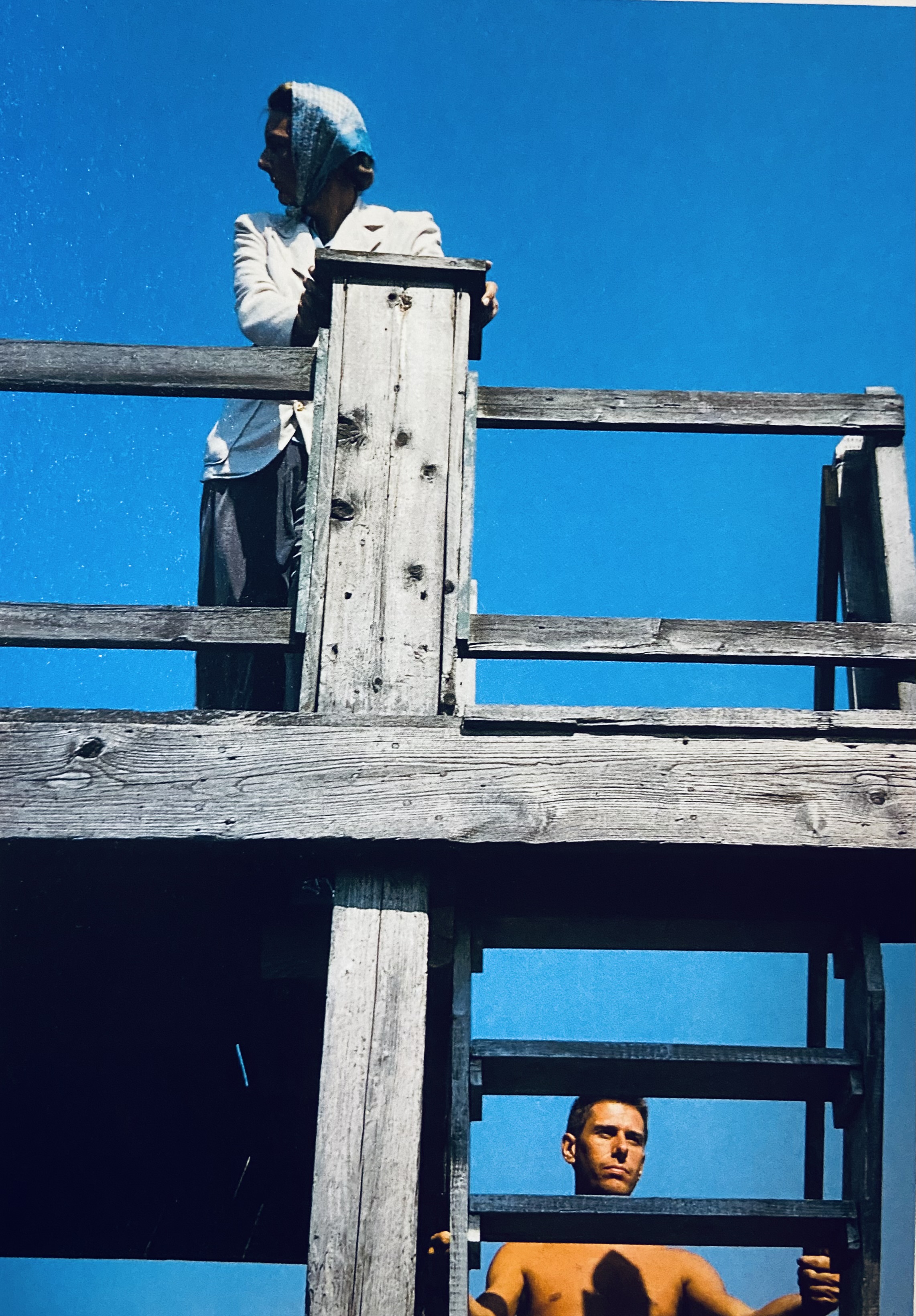
On Cape Cod, the collective occasionally experimented with color film, which gave their work a different texture.

The quartet toured Europe in 1949 and by the end of the trip, Tooker had split from Cadmus. He later said “I was looking for a relationship and my relationship with Paul always included Jared and Margaret French.” Tooker would soon find a partner in painter Bill Christopher, with whom he remained until Christopher’s death in 1973.

Back to a trio, the PaJaMa collective would return to Fire Island for their summer getaway in 1950.

PaJaMa, Provincetown (1948)
Paul Cadmus & Margaret French, Jenny Lind Tower, North Truro (1947)
PaJaMa, Women & Boys (ca 1940s)

As with George Platt Lynes’ male nude photographs, the PaJaMa photographs did not receive much notice or recognition until the 1990’s. They are now frequently exhibited in galleries and selections are a part of the MOMA collection.

See Also:
Fire Island PaJaMa Party
Fire Island Muses of George Platt Lynes & The PaJaMa Collective
Revisiting George Platt Lynes’ Fire Island Muses
Artist’s Muse: Wilbur Pippin
Artist’s Muse: William Weslow
Artist’s Muse: José “Pete” Martinez
Artist’s Muse: The Mystery Model
Artist’s Muse: Chuck Howard
Artist’s Muse: Ted Starkowski
Artist’s Muse: Randy Jack
Buddy & Johnny: A Historic Photo Shoot
George Platt Lynes: In Touch Magazine (1982)

Introducing Bindle #1! Summer 2023


Back in January of 2022, I posted about “Circle,” a poem that I contributed to Jonathan Russell’s quarterly Monkeyshines zine. My partner Toby Hobbes was also a frequent contributor of mixed media to the publication. Since that time, Toby and I got hitched and he has officially changed his name to Tobias Fox Ferrari.

Meanwhile, Monkeyshines has also undergone a name change and is now Bindle Zine. Tobias and I are both happy to be included in the brand-spankin’-new Summer issue, which you can find here. Toby’s artwork “Holding My Tongue” is the centerfold, while my contribution is the essay “100 Centre Street, Part 79.”


100 Centre Street, Part 79

The industrial clock groans through the afternoon in its 46th year on the wall of Part 79.

The Judge plods through a mandatory speech entitled “Jury Selection As Public Service.” His arms make sparing gestures beneath billowing robes. The sound of his own voice still arouses him.

The microphone buzzes through each pregnant pause.

The court stenographer faces the gallery, swiveling slightly in her chair, crossed legs protruding from a skirt cut above the knee. Off to the side, her fingers type furiously as her expressionless gaze floats off high in the air.

Bailiff #1 casually checks his watch and shifts his weight on aching feet. A trickle of sweat snakes down the center of his back, beneath a damp bulletproof vest.

Bailiff #2 flexes a hand to examine chipped blue nail polish. The sleeve of her uniform creeps back to reveal a wrist tattooed with vines and flowers.

Fingers of dust wave frantically from the cooling vent behind the jury box.

Juror #1 stares at the judge with an expression of rapt attention as he contemplates evening plans with his girlfriend.

Juror #5 fights off sleep after a heavy lunch and two draughts. His belt pinches against his protruding flesh.

Juror #6 makes sideways glances at Juror #5, whose aroma she finds most offensive.

Juror #9 slowly, carefully slides his phone out of his pocket in an attempt to check his email.

Juror #11 is awaiting test results and trying not to think about it.

Their bags and briefcases are gathered around their feet, containing both crucial and inconsequential pieces of their real lives, all impatiently waiting to be addressed.

The prosecuting attorney sits in front of a stack of documents and folders, one of which contains graphic crime scene photos that will visibly upset Jurors #2, 6 & 11.

Ziplocked bags labeled “Forensic Evidence” wait inside a cardboard box marked “Case #26294.”

The defense attorney holds up a folder to obstruct the view as he leans in to quietly talk to his client.

The defendant rocks slowly in his chair, the angry voices now muddled by medication.

His brother sits behind him in the gallery. His jaw aches through clenched teeth.

A woman in the gallery clutches a wrinkled picture of her deceased daughter. There is a tissue balled up tightly in her fist. Her husband, in a freshly pressed suit, keeps his arm around her shoulder.


I wrote “100 Centre Street, Part 79” back in 2013 when I was just finishing up a class at The Writer’s Studio. I was summoned for jury duty and ultimately chosen to participate in a six week murder trial that ended in a hung jury. I hadn’t thought about this piece until this Spring, when I received another jury summons – let me tell ya, that 10 years went by fast. This time around I was dismissed on day one, which gave me conflicting feelings about not being picked and wondering why I wasn’t. Was I giving Liz Lemon vibes without even trying?


Congratulations to Jonathan Russell on the revamped zine. You can read it online or get a hard copy by emailing your mailing address to subscribe@bindlezine.com. It’s free!

bin•dle (noun): a bundle of clothes or bedding, stereotypically carried on a stick by runaway children and transients

“We all wander through our lives, and we collect memories, possessions, and relationships. Bundle them all together, and you have yourself a bindle. Our zine represents a collection of writing and art and photography – a bindle of creativity that we send across America, a tramp in search of a mailbox.”

See Also:
Circle In Monkeyshines: Winter 2022
Bindle Zine #2 – Winter 2024
The Tin Man & The Lion: Unanswered Prayers
The Lion In The Emerald City: Promise Of A New Day
1991: Homo Alone
We Got Hitched
You Picked The Wrong Fat Guy
My Mother, The Superhero
Sunshine & Tinsel: A Canine Christmas Tail


David on The Robin Byrd Show

The recent brouhaha over exposing Michelangelo’s David to impressionable Florida public school children reminded me of the classic sculpture’s 1998 appearance on Robin Byrd‘s Men For Men. For those outside of Manhattan, this was a late night cable TV show featuring strippers and adult film entertainers that aired nearly every night of the week. Apparently, poor Dave had fallen on hard times and was shaking his marbles for cash on 8th Avenue. At least that was the way it appeared on my public access show, Bri-Guy’s Media Surf.

Maria, the beleaguered salt shaker.

I have written about Media Surf in the past – it ran on Manhattan Neighborhood Network from 1997-2007. In the early years, I created short segments using stop-motion with my video camera. Most featured a portly salt shaker named Maria. After a while I grew tired of the time consuming technique. David’s striptease was one of the last that I created.

https://www.tiktok.com/t/ZTNMWMFHs/

/\ /\ I’m leaving this here to show how ridiculous YouTube is. /\ /\


I wanted to utilize my set of David refrigerator magnets on a red metal background. It had to be metal for the magnetic properties, and the red would emulate the lurid background on Robin’s show. I was still trying to figure out how to execute this when I came home one day to find that the apartment doors in my building had been re-painted glossy red. Perfect! I propped my door open, set up my camera tripod and went about creating the frame-by-frame striptease. Luckily I lived on the top floor and was uninterrupted by puzzled neighbors wondering what the hell I was doing.

In the version that aired 25 years ago, David was dancing to Madonna’s “Erotica” – a song that every third performer on Robin Byrd’s show seemed to use at the time. Unfortunately, Madge and Warner Brothers Music are most intolerant of the unauthorized use of their recordings. Rather than risk having the video removed from social media platforms, I switched it out. David now shimmies to Man Parrish / Man 2 Man’s “Male Stripper,” a much better choice of song that I wish I had used in the first place.

I was planning to use a clip of Robin’s generic “Lie back, get comfortable” guest introduction and then cut to David’s performance. It was pure luck that I happened to be recording her show one night when she introduced a guest named “David.” Sometimes the stars align to help create a classic piece of work. 😉

See Also:
If You See Me In The Bathroom, Be Sure To Shake My Hand
1991: Homo Alone
Kurt Bieber: From Little Me to Colt Model
Remembering Bob Harrington
Gay Porn Stars We Lost In 2022
Gay Porn Stars We Lost In 2023
Gay Porn Stars We Lost In 2024
Gay Porn Stars We Lost (so far) In 2025
Keith Haring In Heat Magazine (1992)
You Know The B-52’s Song “Roam” Is About Butt Sex, Right?

Artist’s Muse: José “Pete” Martinez


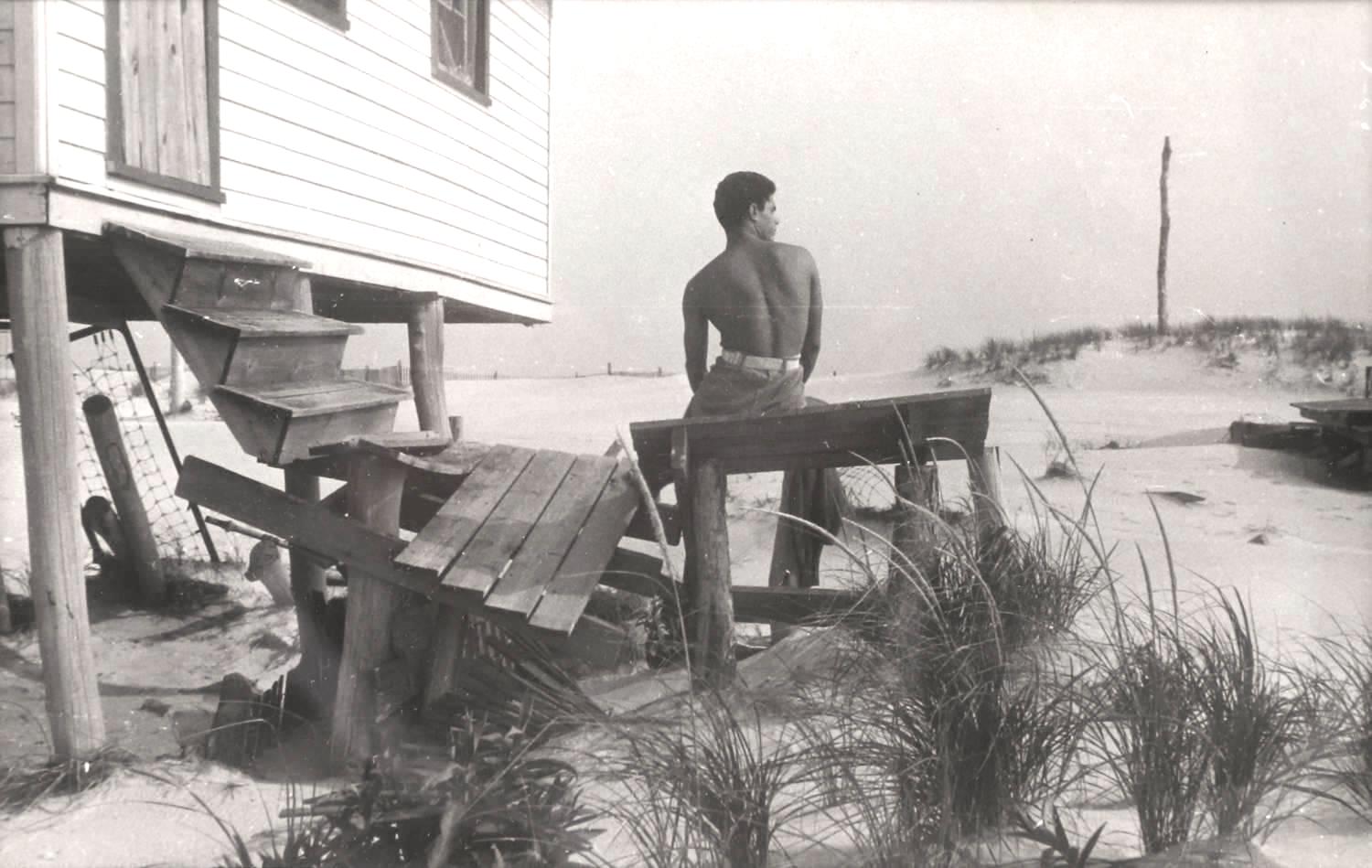
In last summer’s post about the PaJaMa Collective – artists Paul Cadmus, Jared French and his wife Margaret – the focus was on their Fire Island photos of the late 1930’s. One of the friends who cavorted with the trio during that time was José “Pete” Martinez, a dancer from New York City who was involved with their friend, arts patron and ballet impresario Lincoln Kirstein.

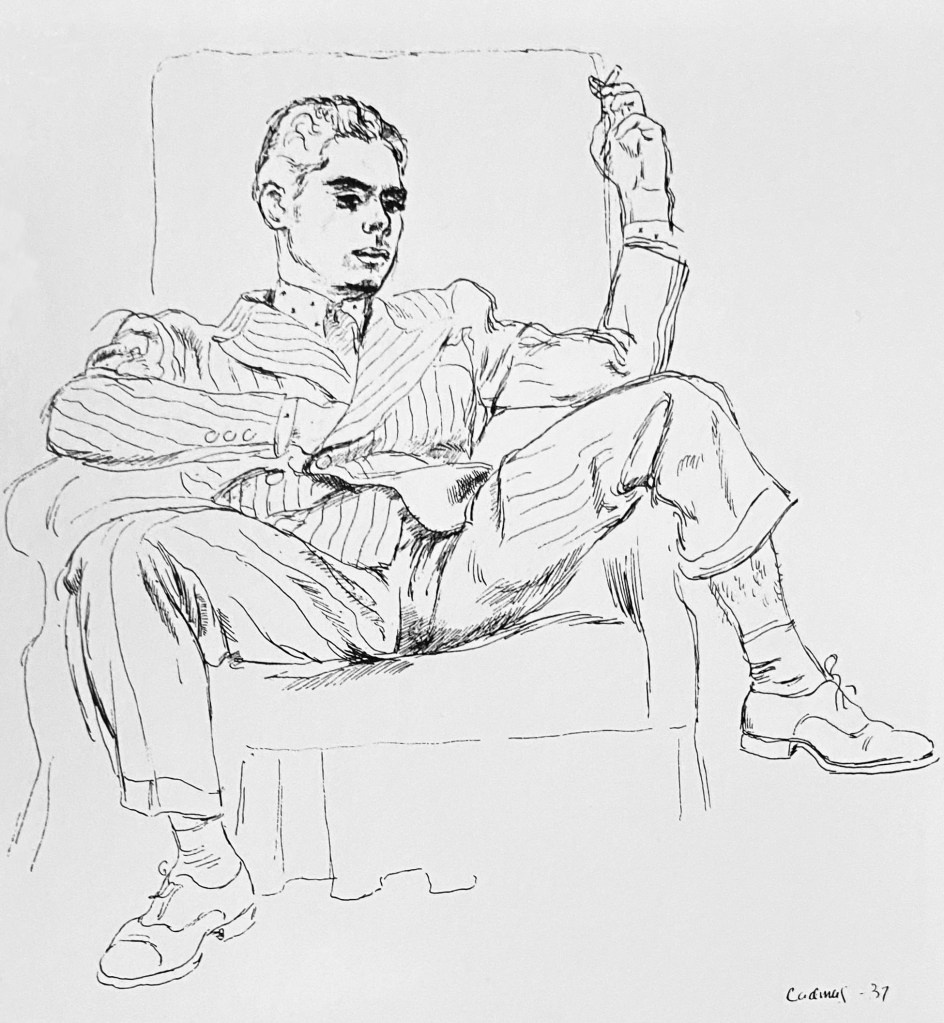
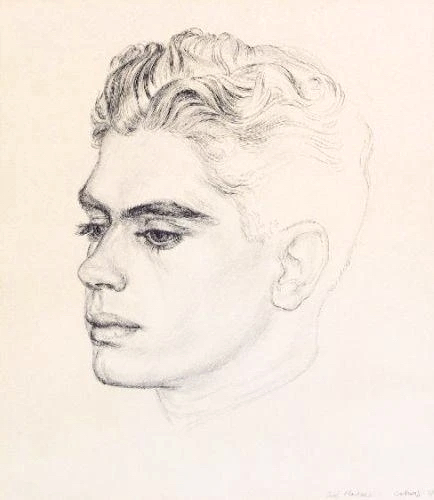
Paul Cadmus’s 1937 sketch of José Martinez appears in Charles Kaiser’s book The Gay Metropolis.

In David Leddick’s book Intimate Companions, Martinez is described as “a droll and witty young man… Those who knew the two men in the 1930’s said he was capable of endlessly amusing his lover, and that of all the men in his life, Martinez was the man that Kirstein most likely loved the most. Kirstein loved gossip and other men’s tales of their sexual exploits, and this love of storytelling drew him to Martinez. In addition, Martinez was handsome, and many artists painted, drew and photographed him. “

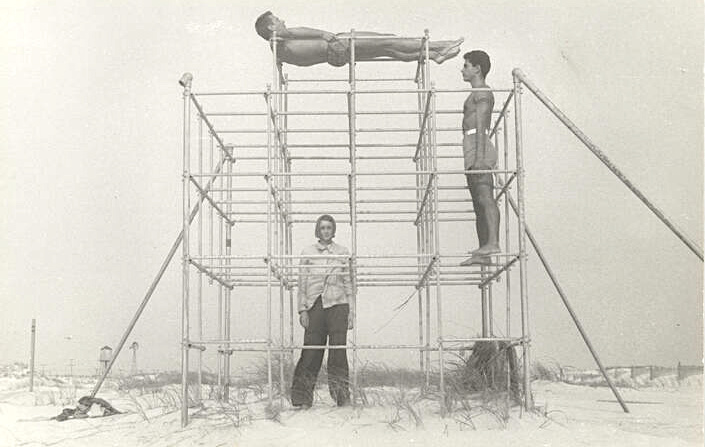
Fire Island PaJaMa photos featuring José Martinez with Paul Cadmus, Jared and Margaret French, ca 1938-39

Besides The PaJaMa Collective, those artists included Paul Cadmus’ sister Fidelma and photographers William Caskey and George Platt Lynes.

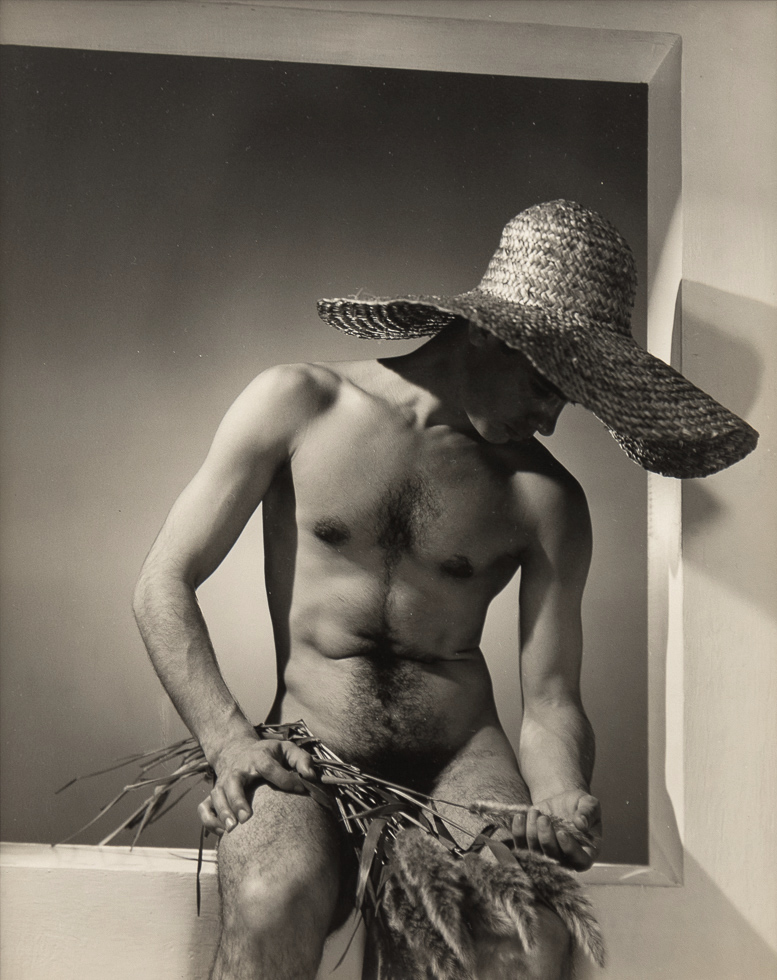
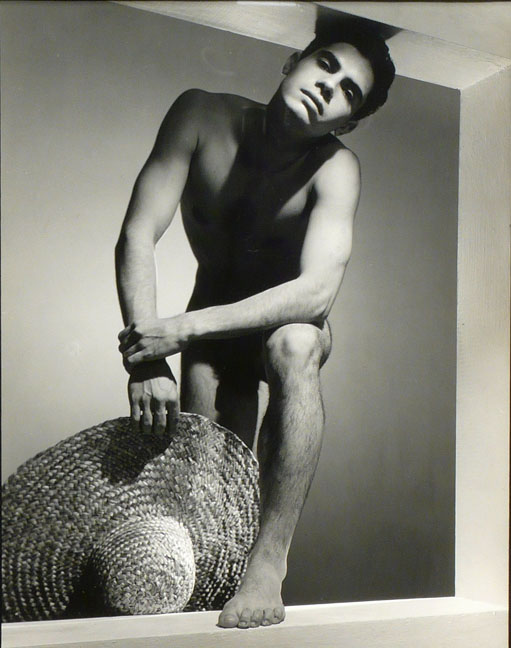
The most memorable Lynes photo of Martinez is a studio shot with the dancer perched in a window frame wearing nothing but a wide brimmed sun hat.


George Platt Lynes photographs of José Martinez.

Pete Martinez (who sometimes used the stage name Pete Stefan) was born José Antonio Martinez-Berlanga in Mexico on March 13, 1913. His family moved to Houston, Texas when he was quite young. Mama Martinez had been a folk dancer back in Mexico and one of Jose’s sisters dreamed of following in her footsteps. Little José was drafted as her dance partner. The scenario is familiar to many boys who begin to study dance as children: the sister loses interest and drops out, but he continues on. It’s a page torn out of A Chorus Line. Later an uncle took him to see Ballet Russe, which further strengthened his resolve to dance. “I was going to set the world on fire,” he would later recount.

After graduating high school, much to the chagrin of his parents, José moved to New York City to study at the School of American Ballet, where he eventually gained a full scholarship. Upon graduation, he was invited to join the company.

José Martinez photographed by Paul Cadmus, ca 1938

Martinez caught the eye of Lincoln Kirstein, and the relationship progressed to the point that they moved in together.

The PaJaMa photo “After The Hurricane” features (l-r) Jared French, Lincoln Kirstein, José Martinez, Forrest Thayer and probably Paul Cadmus. Tragically, costume designer Forrest Thayer was killed in a Southampton single car accident in 1951.


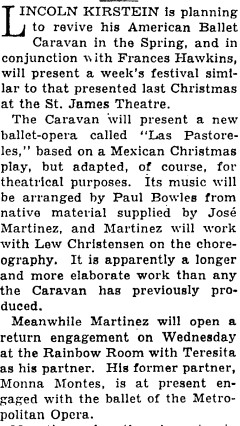
Martinez became a member of The Ballet Caravan, a touring company founded by Kirstein to provide off-season summer employment to American ballet dancers. Here Martinez began to get more involved in the creative process: conceiving the ideas and librettos for ballets, if not choreographing them. He is most associated with the ballet Pastorela, although his exact contribution to its creation varies depending on the source.

As noted in the New York Times article below, Martinez also had several engagements at Rockefeller Center’s Rainbow Room with different dance partners.

New York Times, 12/1/40

Jose Martinez photographed by William Caskey

Lincoln Kirstein & his wife Fidelma Cadmus


Martinez eventually found himself in a triangular romantic situation similar to his friends in The PaJaMa Collective: Paul Cadmus and Jared French had a sexual relationship that continued after French married Margaret Hoening. The three all lived and worked together in a Greenwich Village townhouse at 5 St. Luke’s Place. When Lincoln Kirstein married Paul’s sister Fidelma, she moved into the apartment he shared with Martinez, who continued to live with them for the first year of the marriage.

Martinez was also photographed in the summer of 1938 sunbathing with Jared French and Paul Cadmus on the roof of their home/studios at 5 St. Luke’s Place.

The Ballet Caravan were on a South American tour through 1941 as the U.S. entered World War II. The troupe returned to a very different New York City than the one they had left. When Martinez was denied entry to the Army, he went to work at a hostel for Jewish refugees in Haverford, Pennsylvania where writer Christopher Isherwood was already working. The two were acquaintances through Kirstein but developed a close friendship that would sometimes turn physical, as detailed in Isherwood’s diaries.

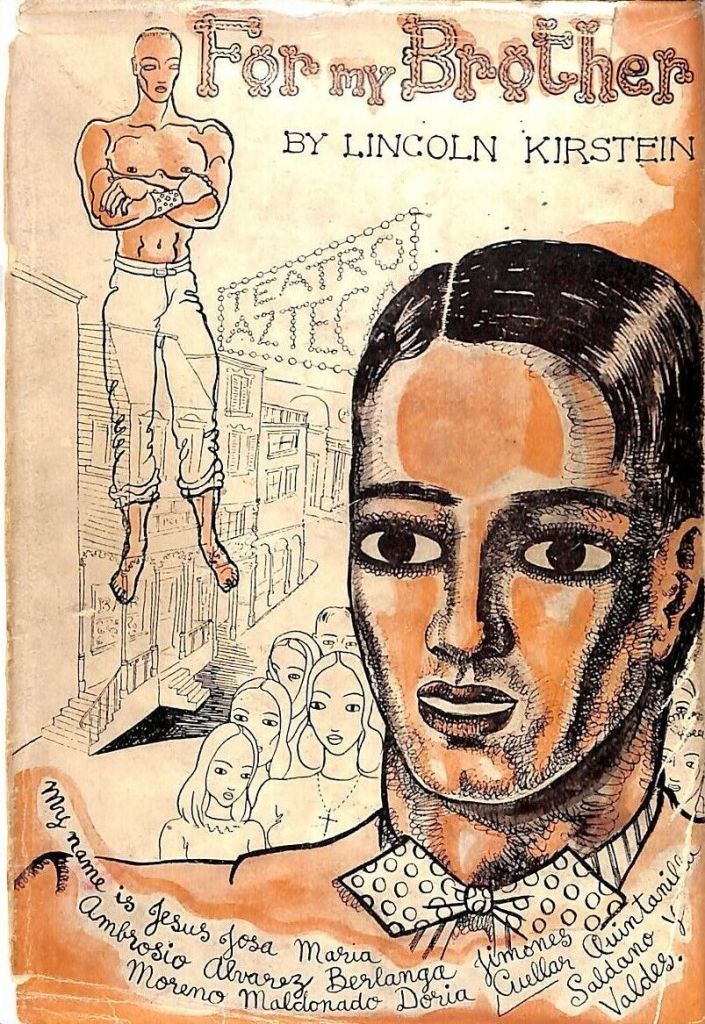
For My Brother: A True Story By José Martinez As Told To Lincoln Kirstein original jacket designed by William Chappell.

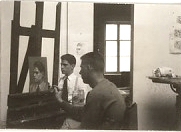
Paul Cadmus photographed sketching José Martinez at 5 St. Luke’s Place.

In 1943, a book was published in the UK with the rather unwieldy title For My Brother: A True Story By José Martinez As Told To Lincoln Kirstein.

From the original dust jacket: “It is the life story of a young American of Mexican origin whose family has settled in a small town in Texas. It is at the same time a study in the contrast between two worlds, two ways of life: industrial, polyglot America, and the more primitive civilization of Mexico just over the border, where many of the hero’s relations still live. The story is told with great poetic feeling and a rare delicacy of perception in human relationships…”

The chronology on Kirstein’s website makes no mention of Martinez and lists For My Brother as fiction “based on a Mexican sojourn.”

The book jacket was designed by fellow dancer-turned-ballet designer William Chappell. For My Brother… is quite rare, as most of the 2,000 printed copies were said to have been destroyed in a warehouse bombed by the Nazis. A Canadian edition was later published by MacMillan.

Martinez was finally able to join the military in 1943 and remained in service until the end of the war.

Back in New York, he resumed his dance career with Ballet Society where he danced in the original 1946 productions of George Balanchine’s Four Temperaments and William Dollar’s Highland Fling.

And then…. to invoke A Chorus Line once again: “What do you do when you can no longer dance?”

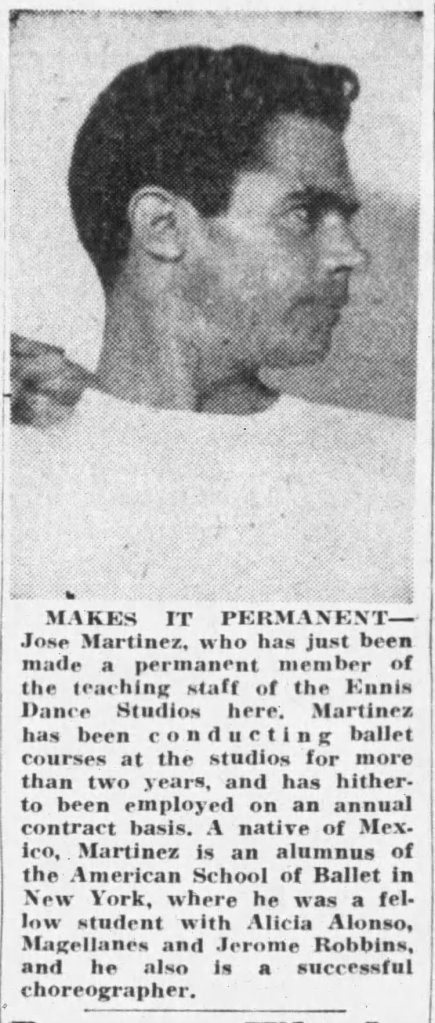
A knee injury hastened the end of his performance career. A June 4, 1950 article in the Norfolk Virginian-Pilot chronicled his coming to terms with the transition. He drifted for a year before settling into the next chapter of his life as a dance teacher in Norfolk, Virginia.

Norfolk Virginian-Pilot, 7/27/47
Norfolk Virginian-Pilot, 6/12/49


After Virginia, Martinez founded other dance studios in Ohio and California, where he retired from teaching in the mid-1960’s.

Lincoln Kirstein died at aged 88 in January, 1996. José Martinez passed away 16 months later in Pasadena, California at age 84.

See also:
Fire Island PaJaMa Party
Provincetown PaJaMa Party
Artist’s Muse: Wilbur Pippin
Artist’s Muse: Forrest Thayer
Artist’s Muse: William Weslow
Artist’s Muse: Chuck Howard
Artist’s Muse: Randy Jack
Artist’s Muse: Ted Starkowski
Artist’s Muse: The Mystery Model
Fire Island Muses of George Platt Lynes & The PaJaMa Collective
George Platt Lynes: In Touch Magazine (1982)
Revisiting George Platt Lynes’ Fire Island Muses

Artist’s Muse: The Mystery Model

One of my goals in creating posts about artist’s models like Chuck Howard, Randy Jack, and Ted Starkowski is to clear up misinformation posted online by galleries and auction houses. Whether the inaccuracies are intentionally deceptive or the result of laziness, the errors spread across the internet, with subjects misidentified and photo dates sometimes off by decades.

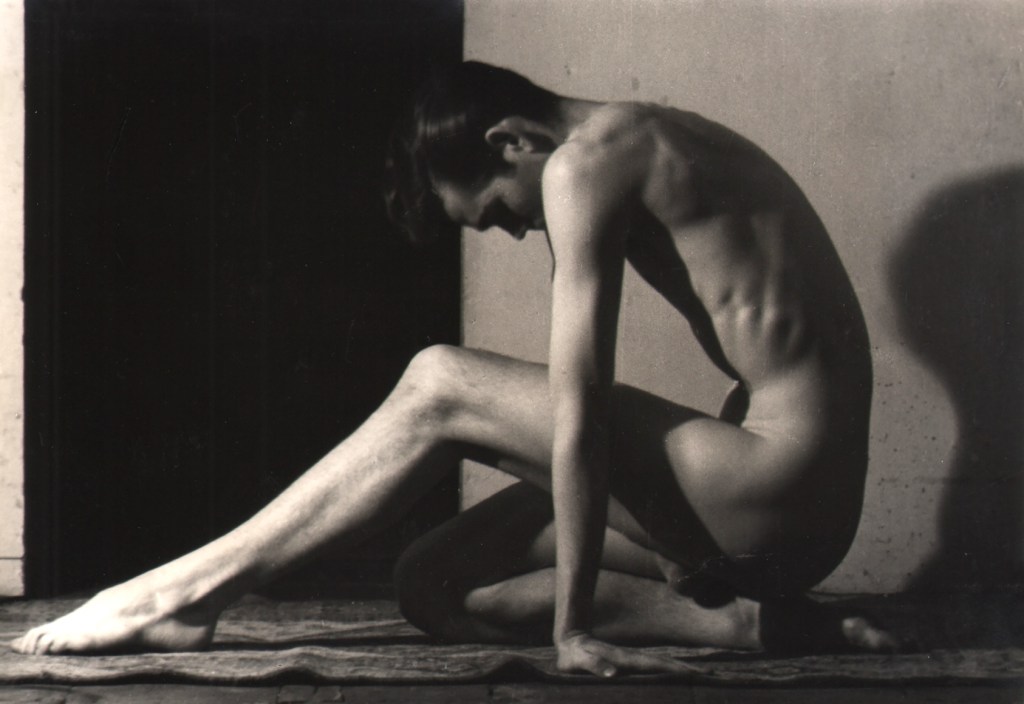
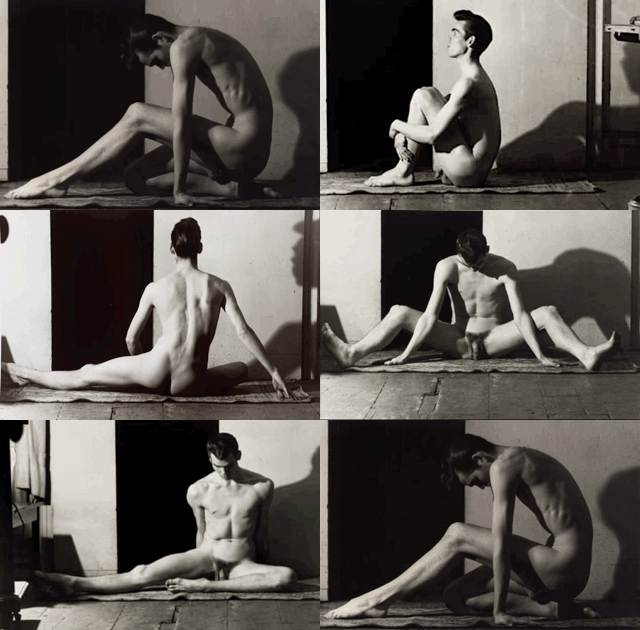
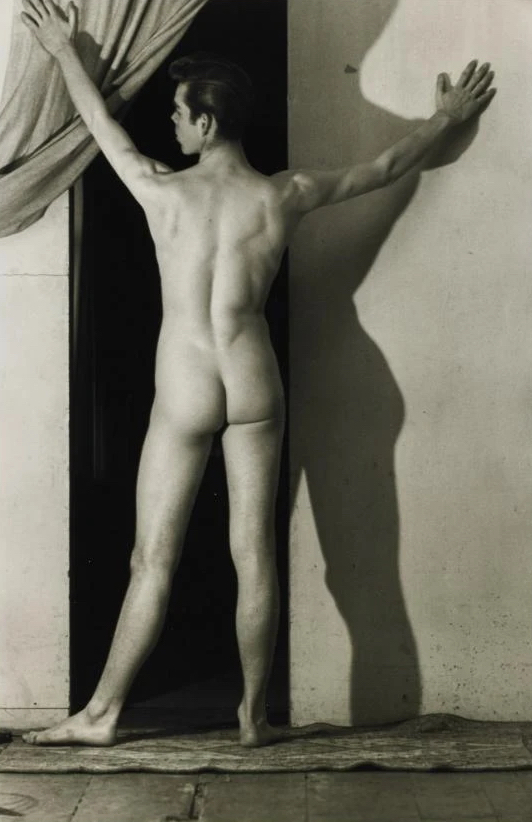
A series of 30+ nude model study photos are have recently been listed for auctions as “Jared French Nude Study of Tennessee Williams” or “Studio di nudo Tennessee Williams.” One set of two 8×10 photos sold for over $650. These should have been credited to the PaJaMa collective, which Jared French was a part of, and unfortunately (or fortunately, depending on how you look at it), the lean muscularly defined model is certainly not writer Tennessee Williams.

Tennessee Williams was the subject of several PaJaMa photos in Provincetown and at Jared French’s New York City studio at 5 St. Luke’s Place. In one of these photos, Williams strikes the same pose in the same place as our mystery model.

So who was the thin young chap with the low-hangers?

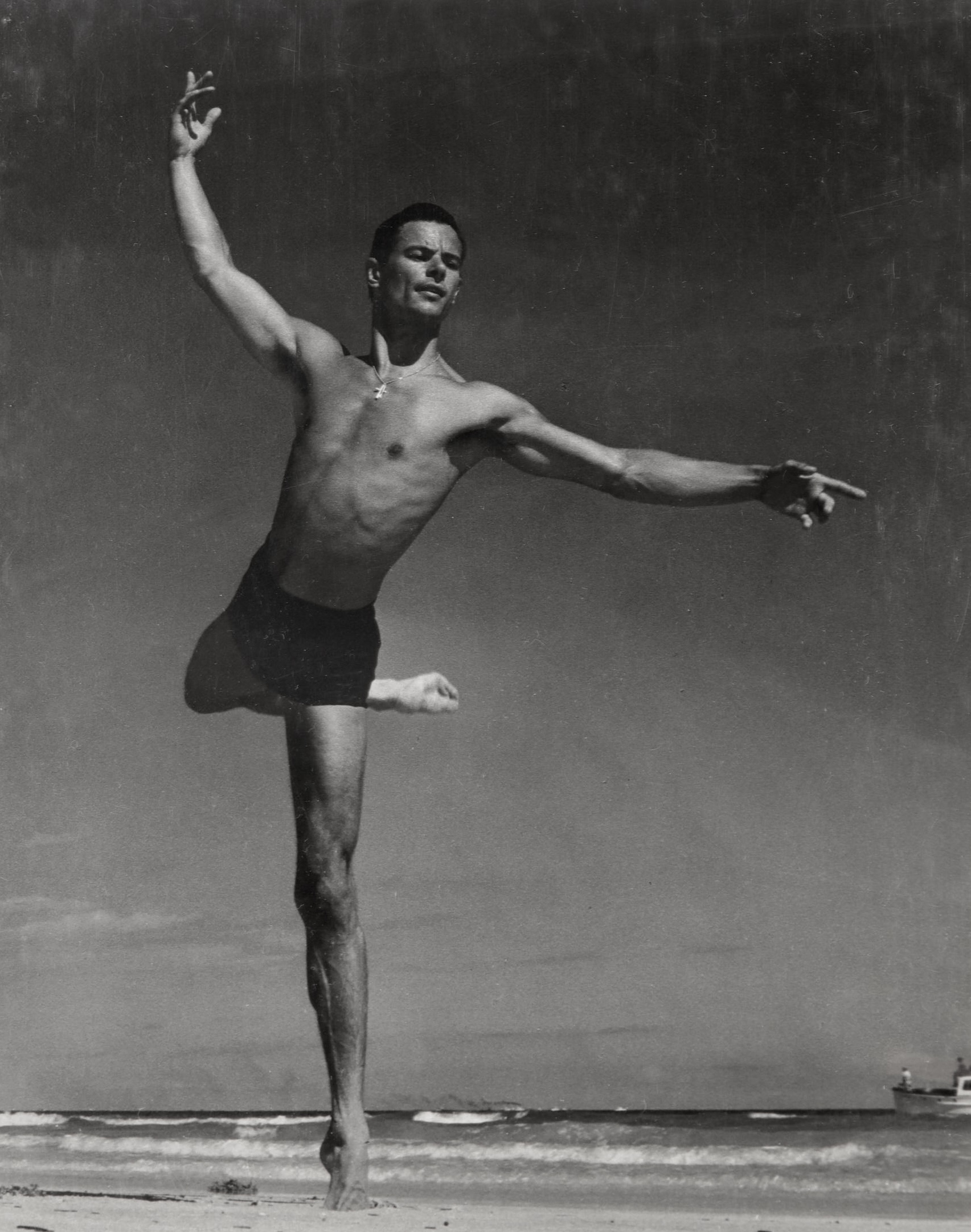
Martha Graham levitating John Butler

In another corner of the internet, I found two of these photos in a PaJaMa exhibit, dated 1943 and identifying the subject as dancer/choreographer John Butler (1918-1993). In the early 1940’s, he earned money working as an art model while studying dance with both Martha Graham and George Balanchine.

Besides the PaJaMa photos above, he was also photographed by George Platt Lynes:

John Neilson Butler was born in Charleston, Tennessee and moved to Greenwood, Mississippi with his parents at a very early age. He graduated from Greenwood High School in 1936 and made his way to New York City, where he initially studied dance with Eugene Loring before moving on to Balanchine and Martha Graham.

AP article (1955)

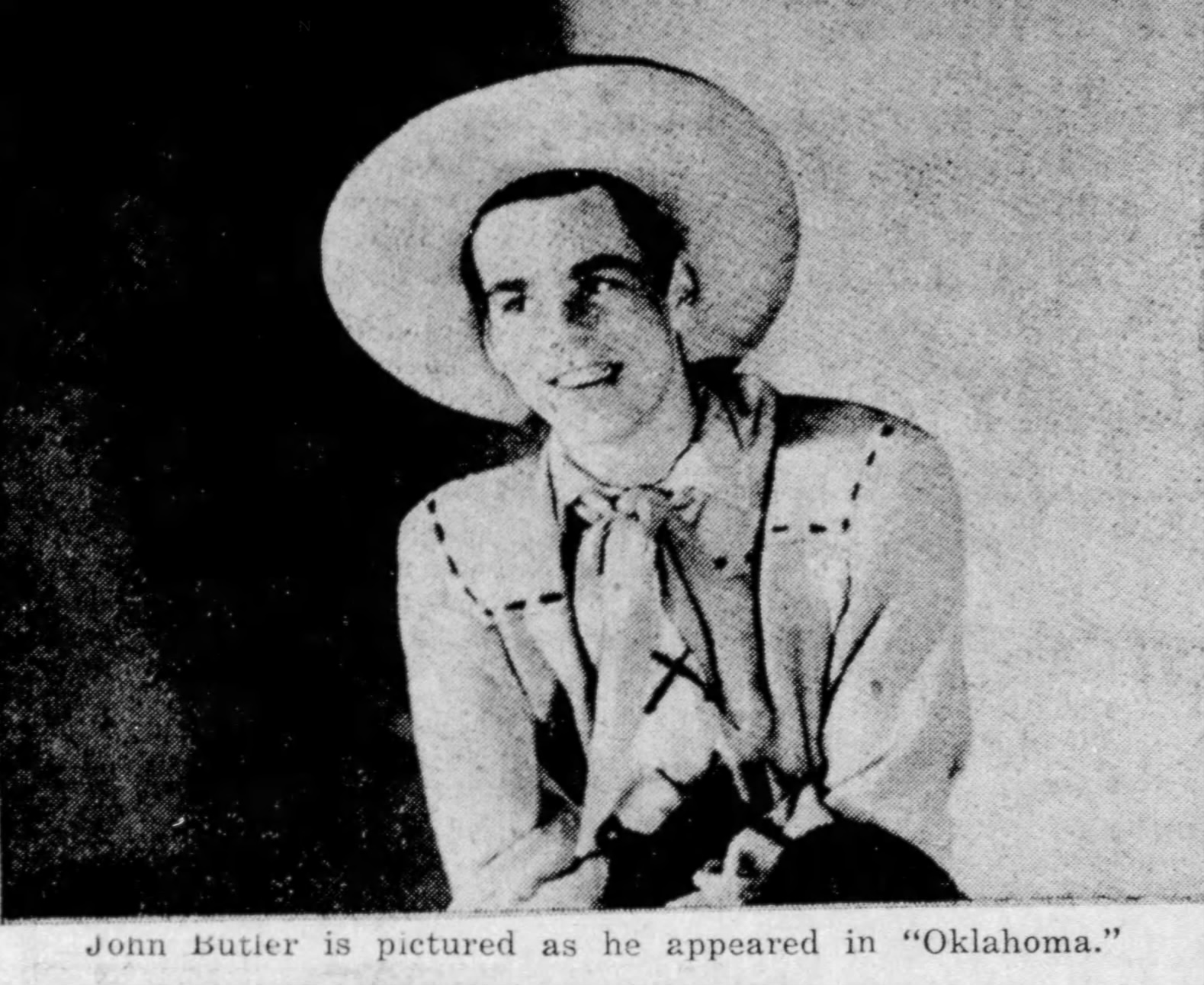
Butler danced on Broadway as Dream Curly in the original production of Oklahoma! He appeared in a string of Broadway musicals throughout the 1940’s including Hollywood Pinafore, Inside U.S.A. and On The Town, where he dated castmate Cris Alexander.

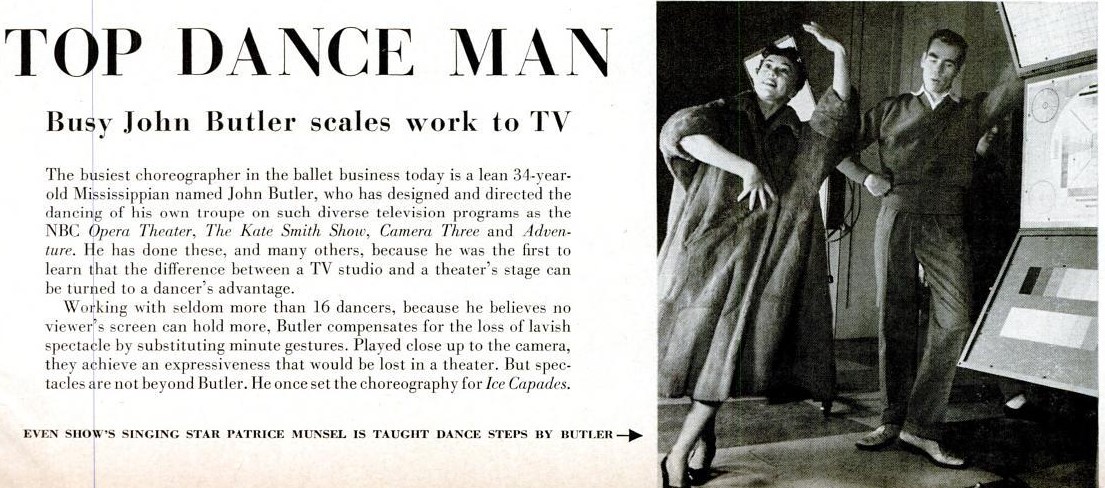
He began to transition into choreography in the late 1940’s. The combined influences of Loring, Balanchine and Graham gave his work unique elements of classical ballet as well as modern dance. He was one of the first to create works specifically for television, which was still considered a new and inferior medium. He choreographed variety show segments (The Ed Sullivan Show, The Kate Smith Show) as well as for Omnibus and full-length ballets and operas. His 1951 staging of Amahl and the Night Visitors was recreated annually for nine NBC holiday specials.

Butler performs as one of the Three Dancers in this 1955 broadcast.

Life Magazine profiled Butler in their April 25, 1955 issue:

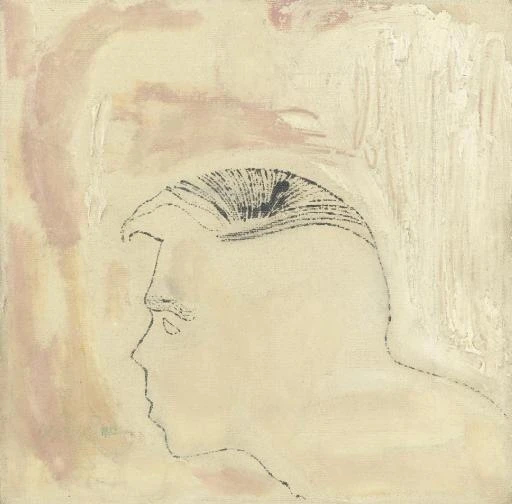
Two sketches of John Butler by Andy Warhol (1952)

In addition to his work choreographing for Broadway and television, Butler founded The John Butler Dance Company in 1955. It was later renamed American Dance Theater and toured Europe until it disbanded in 1961.

John Butler & Carmen de Lavallade rehearse Portrait of Billie, his dance meditation on Billie Holliday (ca 1960)
John Butler & Melvin Dwork (1963)

His most celebrated work was the New York City Opera staging of Carmina Burana (1959). Through the years, it has been recreated with over 30 companies.

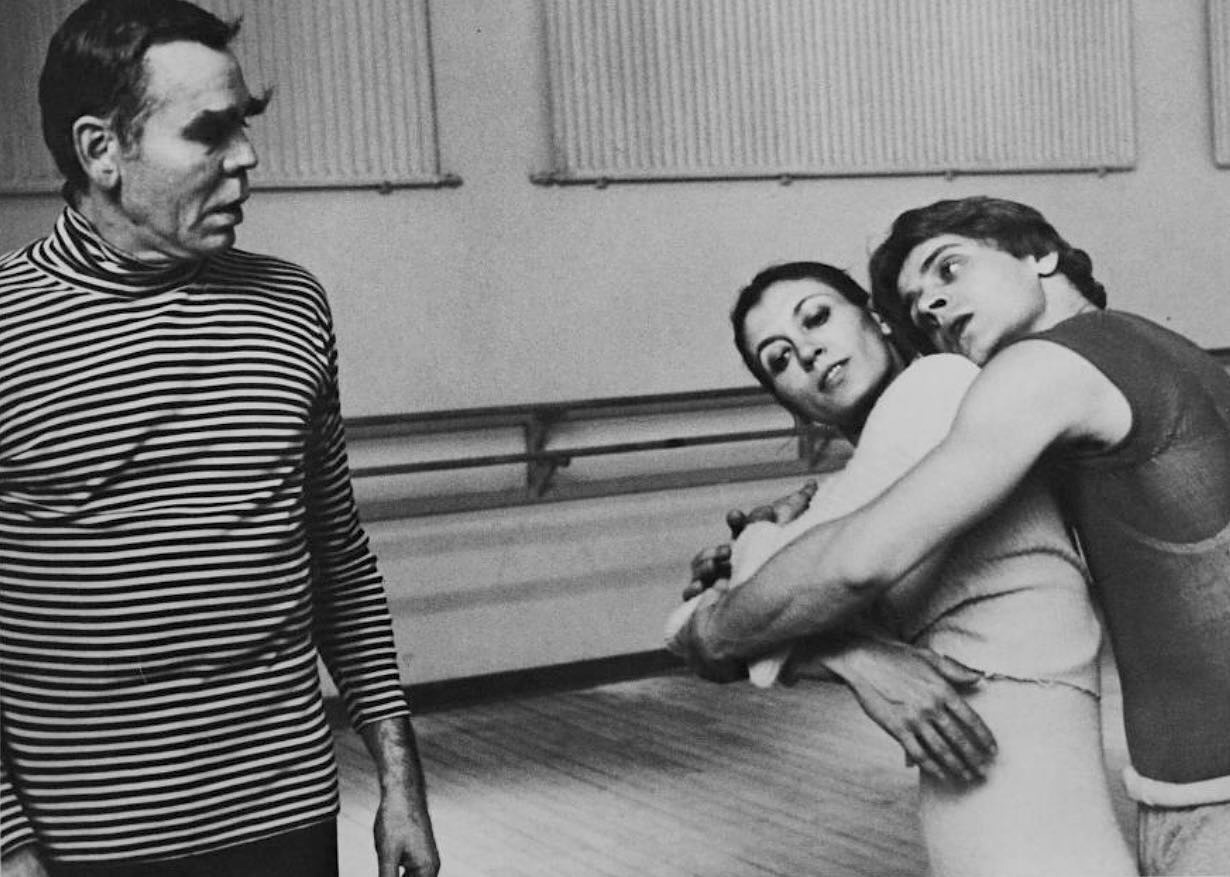
In 1961 he met celebrated interior designer Melvin Dwork, who has called Butler “the love of my life.” They remained companions and friends until Butler’s death in 1993. Dwork was instrumental in preserving Butler’s dance legacy.

The Greenwood Commonwealth, Greenwood Mississippi (3/6/1965)

As he matured, Butler’s voluminous eyebrows became something of a trademark of his appearance. He appears to have embraced this with a level of zeal that surely inspired George Whipple.

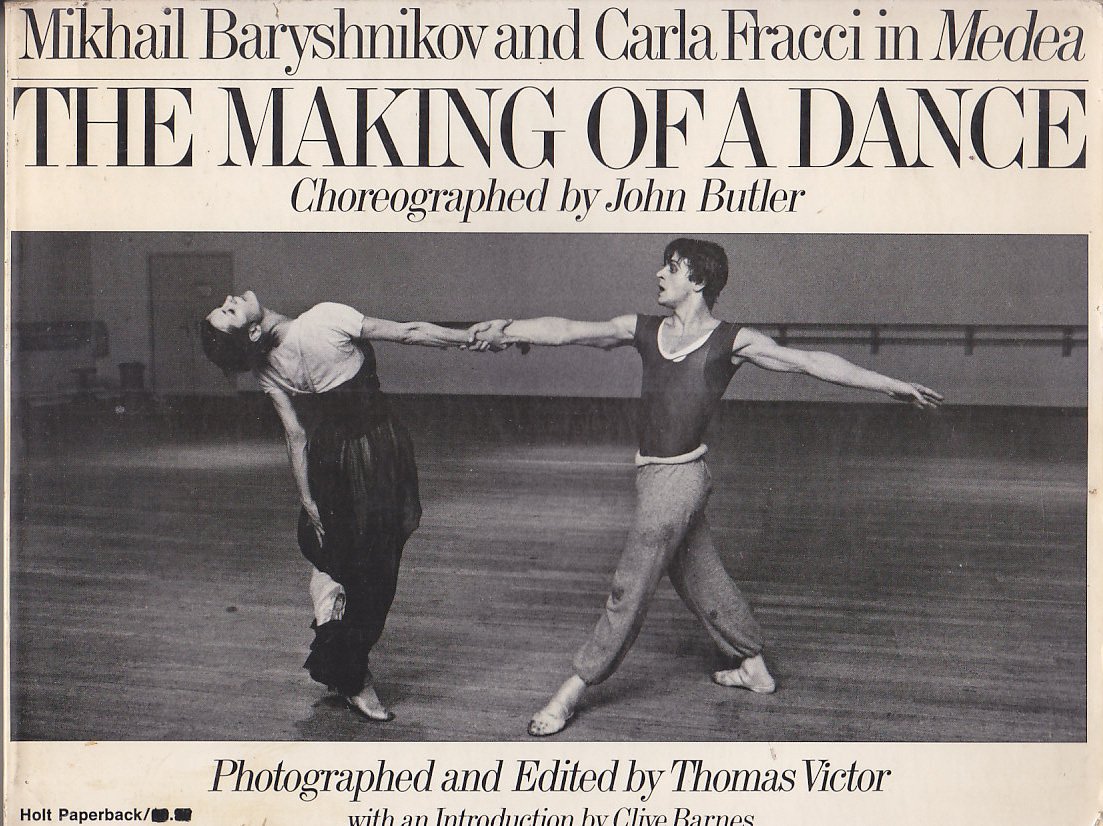
Over the next several decades, Butler continued to choreograph throughout the U.S. and around the world. The Hague, Munich, Sydney, Spoleto, Montreal, and Warsaw were part of his regular rotation with occasional work in Italy and South America. Back in New York City he choreographed Medea, the first dance for Mikhail Baryshnikov after his defection to the West.

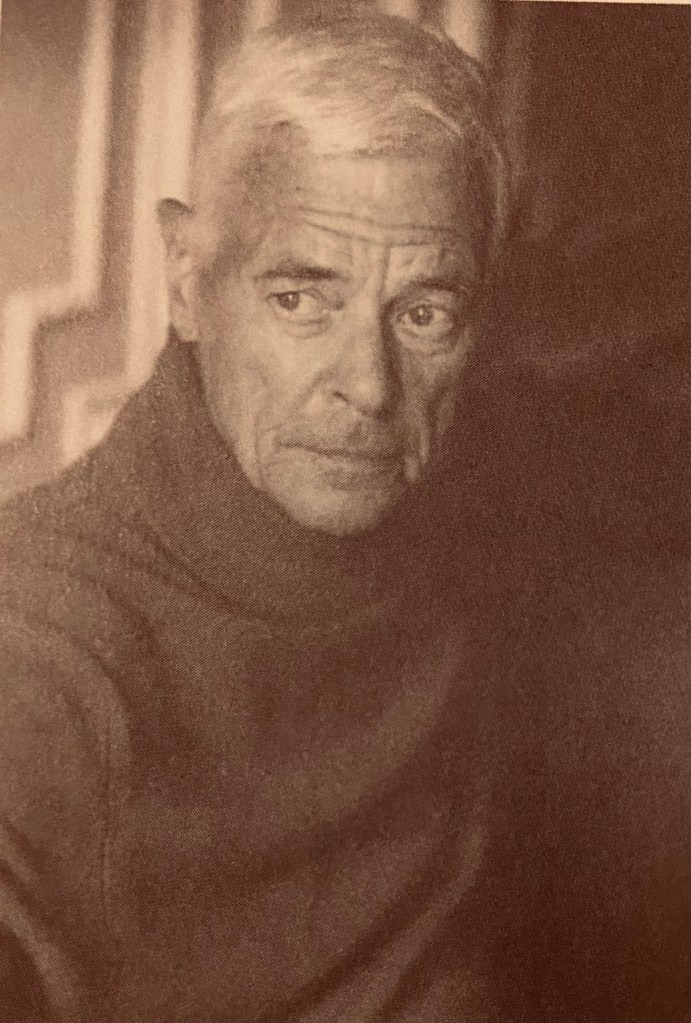
John Butler photographed in April of 1993. He died of lung cancer later that year at the age of 74.

In 1993, author Camille Hardy interviewed John Butler for Dance Magazine shortly before his death. As they sat in his Upper East Side apartment, surrounded by his artwork collection and the walls lined with the works of Warhol, Avedon and Lynes, he said “I’ve done everything in my life I ever wanted to do.”

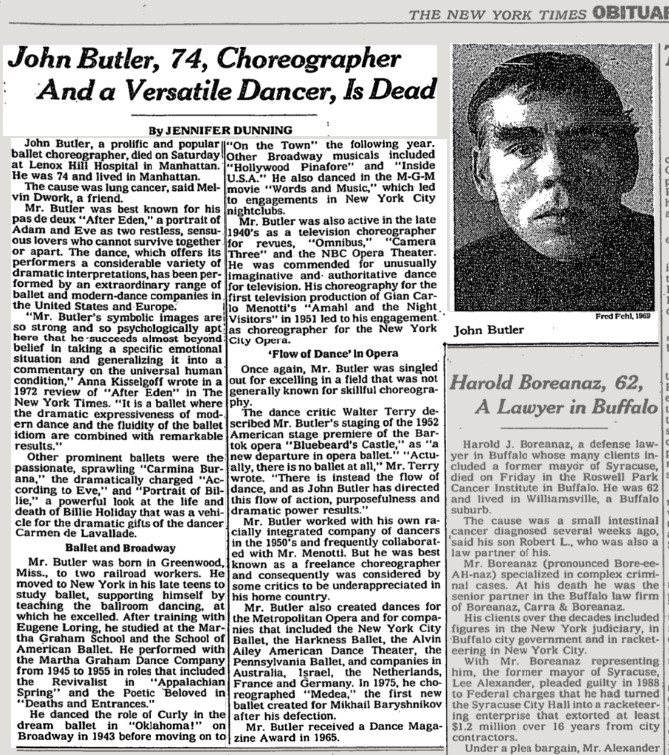
New York Times Obituary (12/13/93)

See also:
Fire Island PaJaMa Party
Provincetown PaJaMa Party
Fire Island Muses of George Platt Lynes & The PaJaMa Collective
Revisiting George Platt Lynes’ Fire Island Muses
Artist’s Muse: Forrest Thayer
Artist’s Muse: William Weslow
Artist’s Muse: José “Pete” Martinez
Artist’s Muse: Chuck Howard
Artist’s Muse: Randy Jack
Artist’s Muse: Wilbur Pippin
Artist’s Muse: Donald Windham & Sandy Campbell
Buddy & Johnny: A Historic Photo Shoot
Kenn Duncan After Dark
George Platt Lynes: In Touch Magazine (1982)

Artist’s Muse: Chuck Howard

In the profile Artist’s Muse: Randy Jack, I wrote about his relationship with photographer George Platt Lynes, which came to an end in the Fall of 1948. Just 10 days after Jack moved out of the apartment, another former military man named Chuck Howard moved in as Lynes’ next boyfriend.

Charles “Chuck” Howard was born in Cochran, Georgia on March 4, 1927. After graduating from high school during World War II, he joined the Naval Air Force and became a tail gunner. While stationed in Miami Beach, he met New York artist Bernard Perlin and the two would “reconnect” whenever Chuck was in New York City. After the war, Howard studied fashion in France on the G.I. Bill before moving back to NYC to live with the artist. When Perlin was offered a residency in Rome, he threw himself a farewell party, and Chuck was introduced to Lynes.

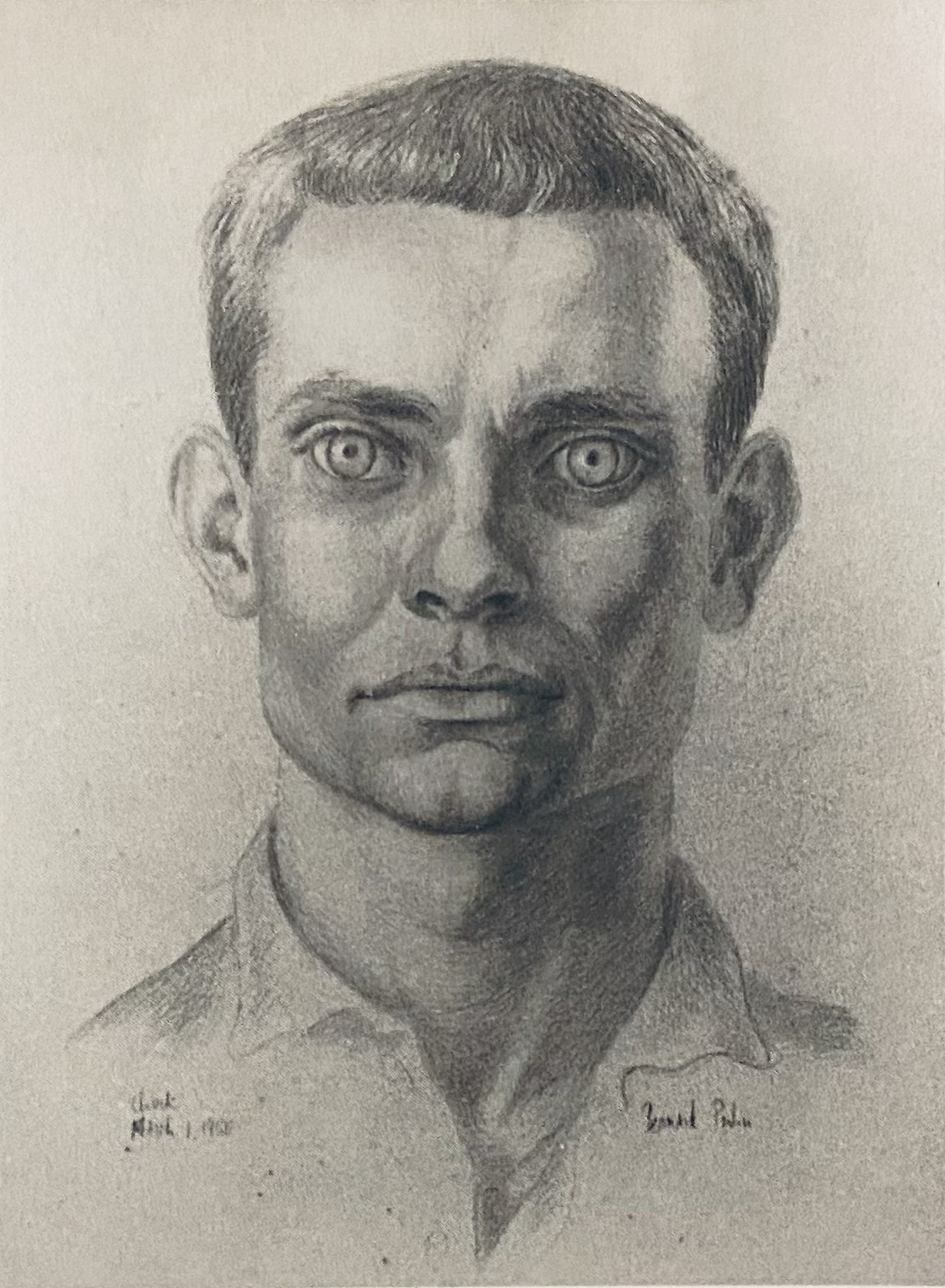
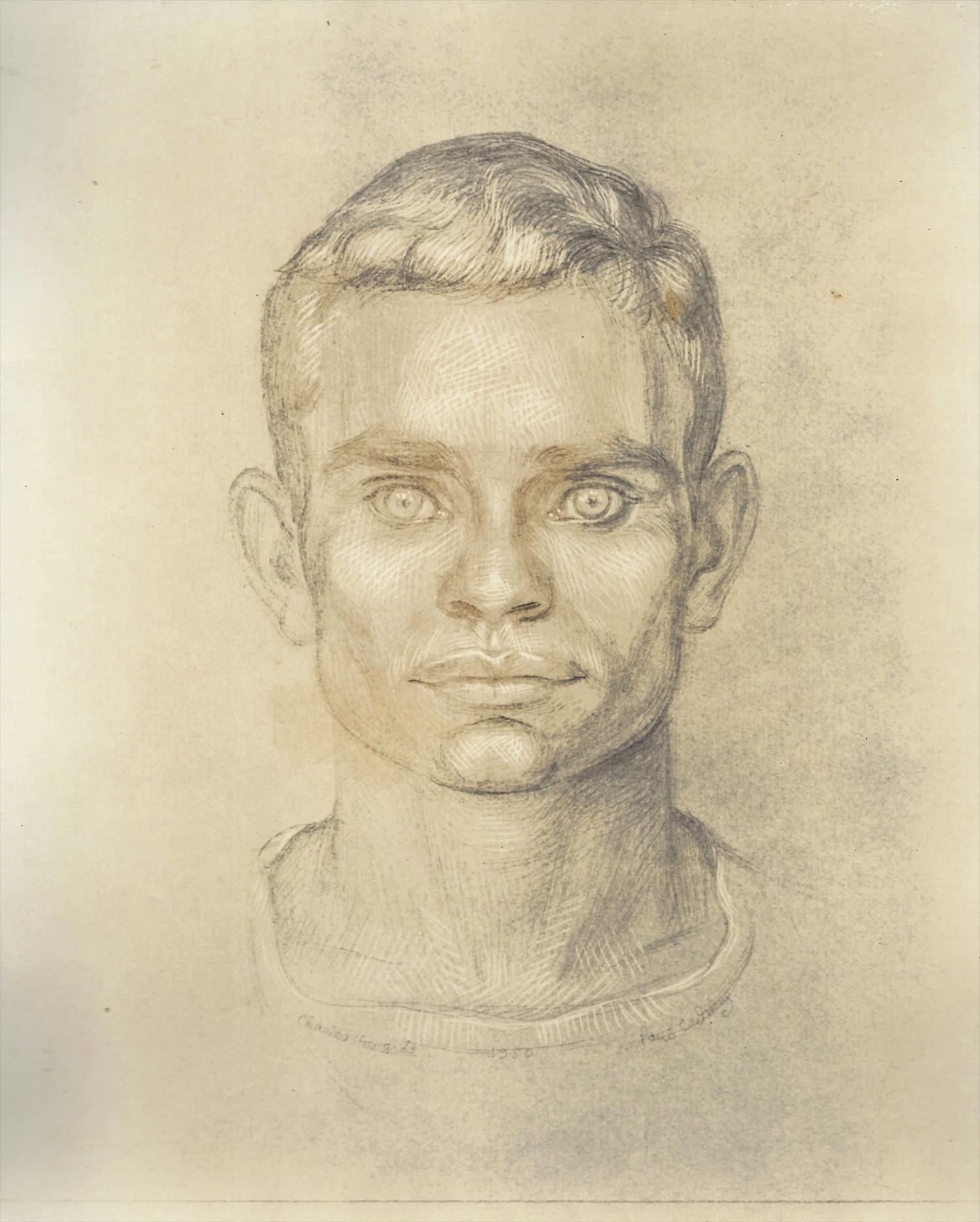
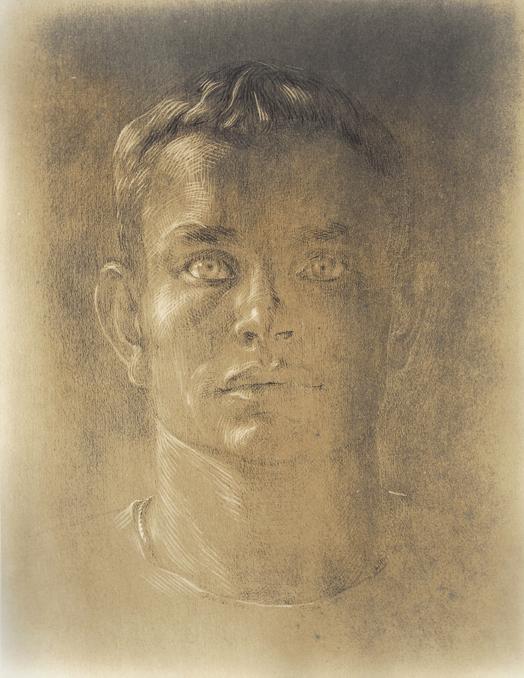
Four sketches of Chuck Howard by Bernard Perlin

George Platt Lynes self portrait with Chuck Howard, ca 1948
Chuck Howard and George Platt Lynes, ca 1950

“Another twenty-one-year-old has moved in on me bag and baggage, almost without being invited..” Lynes wrote in a letter to his friend, author Katherine Anne Porter.

Howard was viewed favorably by Lynes’ friends and was said to have a grounding effect on the photographer. The relationship lasted for just over two years.

George Platt Lynes & Chuck Howard, ca. 1950

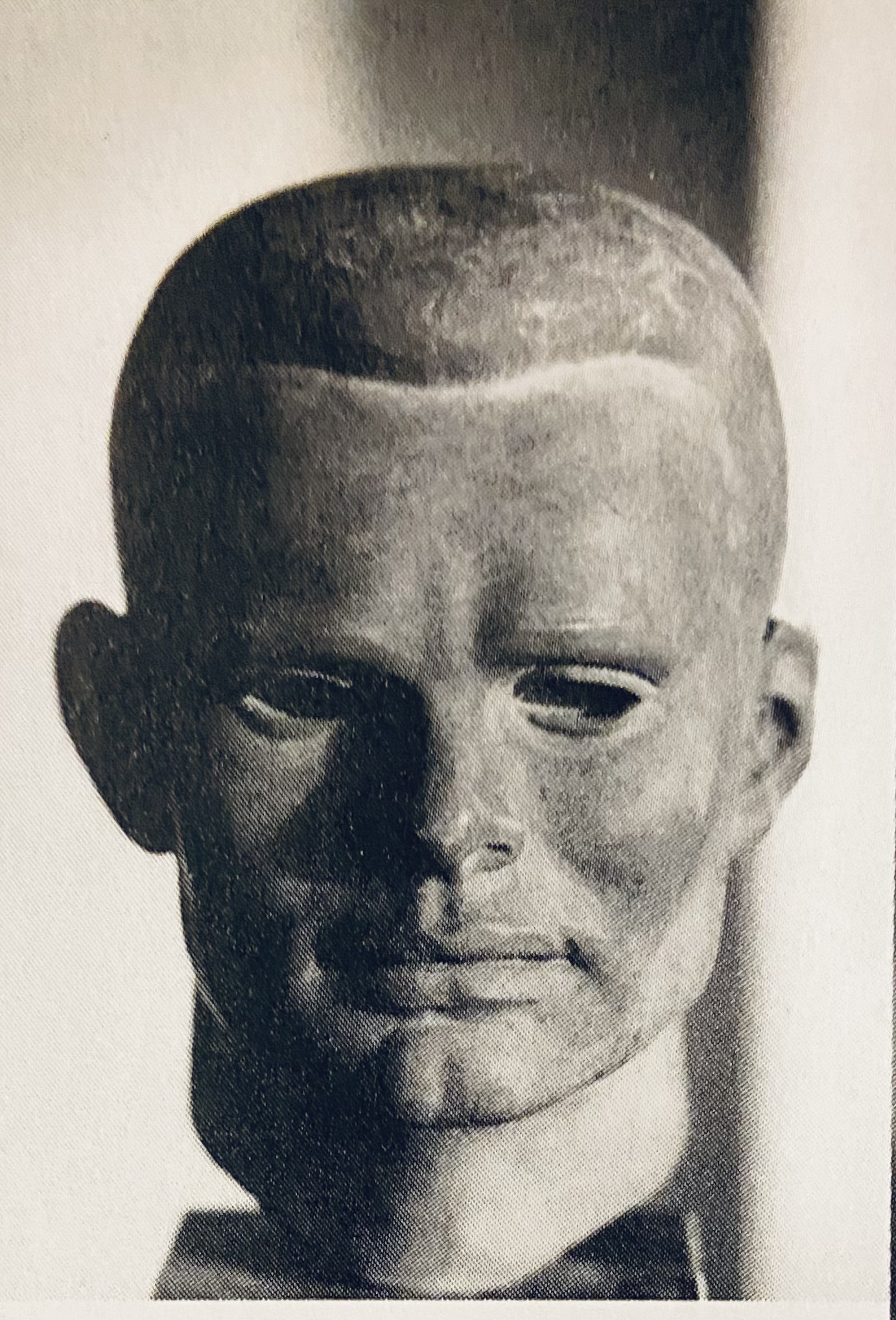
Although Howard had previously posed for Bernard Perlin, it was after his introduction to Lynes and his circle of friends that he became a favorite model for the artists. He posed for George Tooker, sculptor John LaFarge, and Jared French, with whom he also had a physical relationship.

Paul Cadmus also sketched him several times and used him as the model for the central figure in his painting Architect (1950).

Architect by Paul Cadmus (1950) Chuck Howard was the model for the central figure with George Tooker reflected behind him.

When Lynes’ nude photography became more widely exhibited decades after his death, photos of Chuck Howard were among the most celebrated. Howard downplayed the photos, describing his work modeling for Lynes as “primarily lighting tests.” Collectors disagree.

Chuck Howard also had a film career of sorts when he participated in Dr. Alfred Kinsey’s famous studies, performing sexual acts with poet Glenway Wescott in front of the researchers’ movie camera. Howard later remarked; “It wasn’t Hollywood.”

Lynes and Howard parted ways in January, 1951. “Chuck has decided to go off and live by himself;” Lynes wrote to his mother. “I shall miss him but I don’t disapprove… I’m afraid that my influence is too often all-pervading, all-inclusive.”

In an earlier blog post on Ted Starkowski, I mentioned that he and Chuck then embarked on what author David Leddick described as “a tempestuous affair.” The couple were photographed together on Fire Island while vacationing with Paul Cadmus, Jared and Margaret French: aka The PaJaMa Collective.

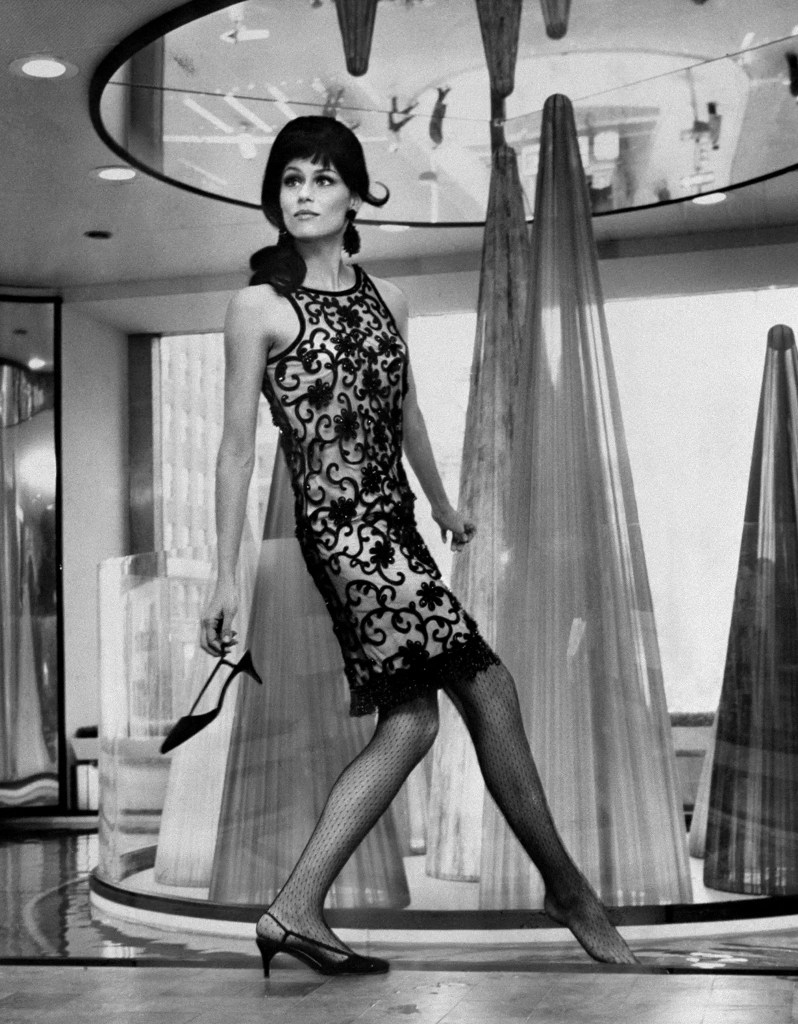
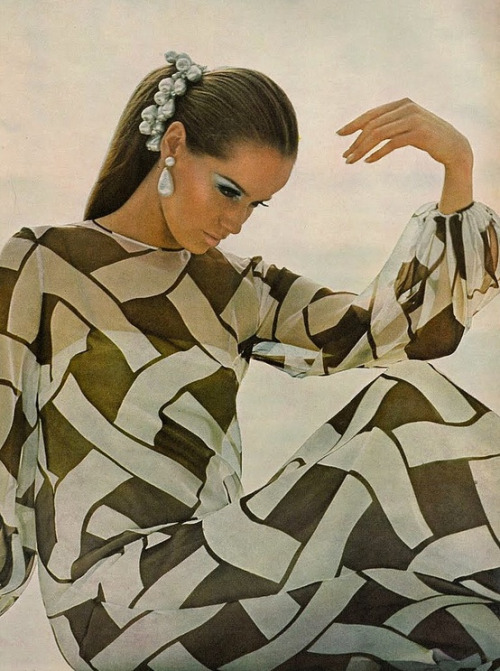
Lauren Hutton modeling a dress by Chuck Howard. (1965)

Act II: Chuck Howard’s career in the fashion industry began to flourish in the late 1950’s when he sketched for several designers, including Bill Blass. He worked for David Crystal before moving on to Anne Klein’s Junior Sophisticates. In 1965, he joined Townley, working his way up to become chief designer and head of business operations. The company was then renamed Chuck Howard, Inc. His design style was noted for its sense of humor with sporty, colorful coats, tunics, pants and jersey shirts.

Around this time, a Parsons student named Donna Karan began working for Howard and he eventually introduced her to Anne Klein.

After Klein’s death in 1974, Donna Karan succeeded her as designer for the Anne Klein studio. Chuck Howard then closed his company and became a designer and creative coordinator there, where he was responsible for several of its collections. He departed with fellow designer Peter Wrigley in 1976 to form their own company.

Howard and Wrigley operated their business out of Chuck’s townhouse at 412 W 47th street – formerly the infamous party house of New Yorker editor Harold Ross and Alexander Woolcott.

Chuck Howard (r) with his partner Ed Vaughan in their restaurant (1981)

Act III: In 1980, after his departure from the fashion industry, Chuck Howard opened his self-named restaurant on Restaurant Row. Assisting him in this next chapter was his partner Edward Vaughan. The couple rented a three story townhouse at 355 W 46th St and lived on the third floor above the restaurant.

Soon after opening, twenty-two-year-old Anthony Bourdain took over running the back of the house. He later recounted his time at the restaurant in the “Chef of The Future!” chapter of Kitchen Confidential, with Chuck and Edward referred to as “Tom and Fred.” He writes, “They were genuinely lovely, intelligent, warm-hearted and funny older guys who cooked well, had impeccable taste and were considered (rightly) to be wonderful, charming and entertaining hosts – naturals, it had been said, for the restaurant business, especially a restaurant in the heart of the theater district where they knew and were liked by so many.”

New York Daily News, (1/15/81)

The restaurant was initially successful, although the Daily News review suggested that it wasn’t destined to last. Bourdain further describes the restaurant’s decline, with mounting costs and dwindling guests. “What I learned… was a sad lesson that has served me well in decades since: I learned to recognize failure. I saw, for the first time, how two beloved, funny and popular guys can end up less beloved, not so funny and much less popular after trying to do nothing more than what their friends told them they were good at.” Bourdain moved on to another restaurant, and by the end of 1982, Chuck Howard’s had closed.

The couple retired to the island of Saba in the Netherlands Antilles where they lived for several years before settling in Santa Fe, New Mexico.

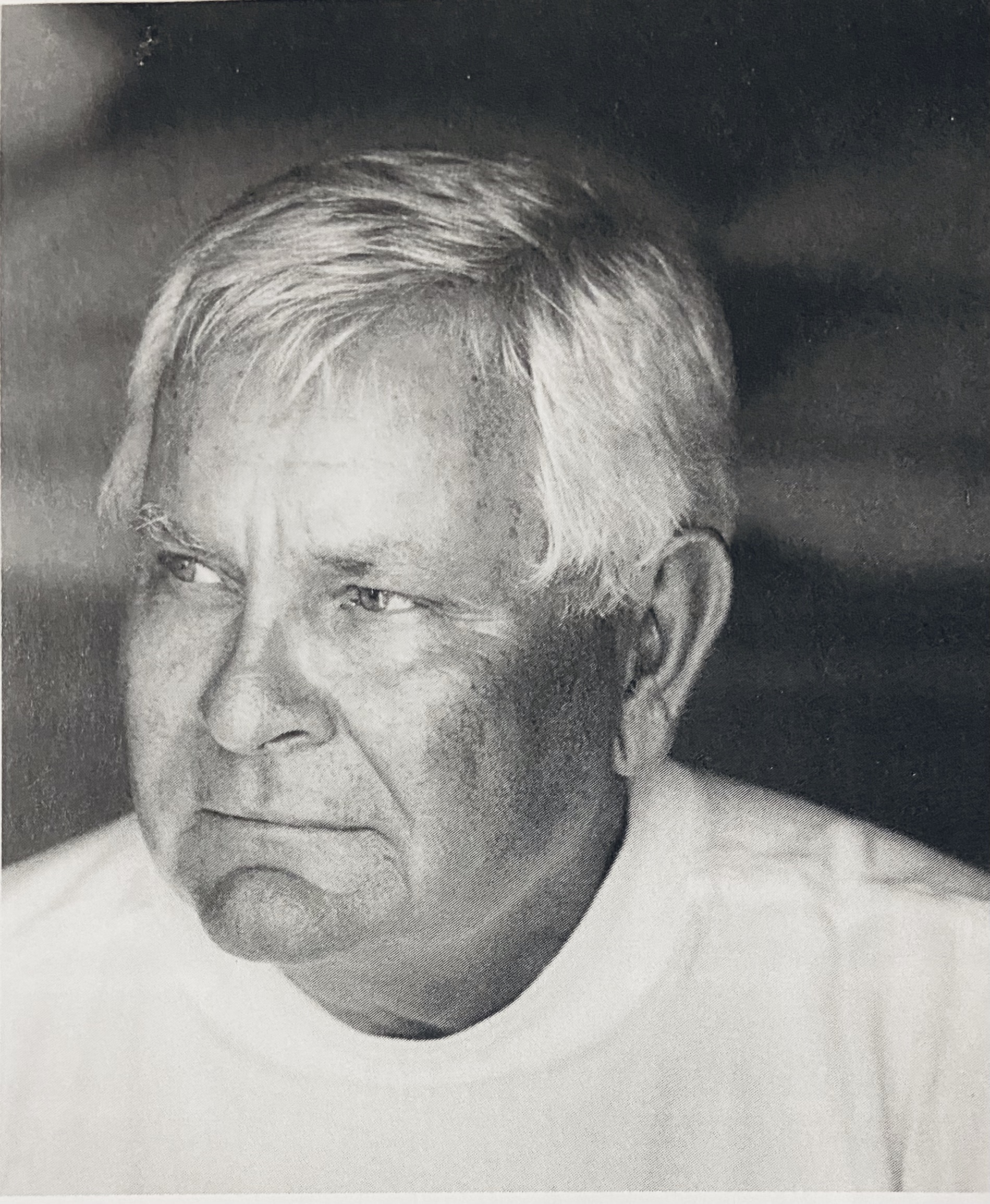
On October 5, 2002, Chuck Howard died of pancreatic cancer at the age of 75 in Albuquerque, New Mexico. He was survived by his long time partner Edward Vaughan.

Chuck Howard, ca 1950 / 1997

Chuck Howard’s life had a similar trajectory as fellow Lynes paramour Randy Jack: A WWII military man who became an artists’ muse before moving on to the world of fashion and finally ending up as a restaurateur. In their twilight years, both also enjoyed a bit of recognition for the work they inspired in some of the great American artists of the 20th century.

See also:
Artist’s Muse: Donald Windham & Sandy Campbell
Artist’s Muse: José “Pete” Martinez
Artist’s Muse: Randy Jack
Artist’s Muse: Wilbur Pippin
Artist’s Muse: Ted Starkowski
Artist’s Muse: The Mystery Model
Fire Island Muses of George Platt Lynes & The PaJaMa Collective
Revisiting George Platt Lynes’ Fire Island Muses
Fire Island PaJaMa Party
Buddy & Johnny: A Historic Photo Shoot
Kenn Duncan After Dark
George Platt Lynes: In Touch Magazine (1982)

Fire Island PaJaMa Party

During vacations from the 1930’s through the mid-1950’s, artists Paul Cadmus, Jared French, and his wife Margaret Hoening French photographed each other on the beaches of Fire Island and later Cape Cod. Usually nude or donning simple costumes, they would also use found objects as props to create stark, surreal and/or erotic images. They passed Margaret’s Leica camera around, taking turns as subject and auteur. This collaborative authorship was reflected in the umbrella name Paul Cadmus later chose for this work, utilizing the first two letters of their first names: PaJaMa.
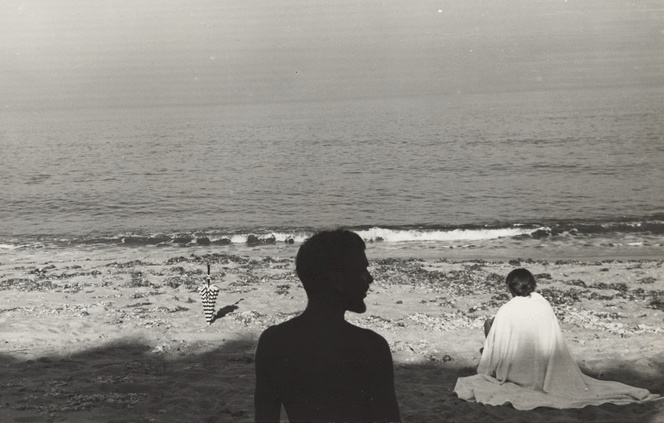
Cadmus explained, “After we’d been working most of the day, we’d go out late afternoons and take photographs when the light was best. They were just playthings. We would hand out these little photographs when we went to dinner parties, like playing cards.”

The dynamic was complicated: Paul and Jared were lovers – a relationship that continued during Jared and Margaret’s marriage. All three lived and worked in a townhouse at 5 St. Lukes Place in Greenwich Village.

Paul Cadmus & Jared French, Fire Island, PaJaMa (1941)

A 2015 New York Times review of a PaJaMa exhibition noted that their photos “breathed eroticism.” While some of the hundreds of photos are masterpieces of magical realism, others appear to be figure studies for their painting. And then there are simple snapshots of nude men frolicking on the beach, enjoying the sun and surf.

Right: Jared French on Fire Island (1940) Left: Paul Cadmus’ etching “Youth With Kite”, 1941

Jared French and his considerable wares are the most frequent subject of the photographs, with entire rolls of film devoted to his nude poses and posturing. Cadmus and Margaret are slightly more demure although we do not know who was giving direction from behind the camera at any given time.

These three artists were joined by various friends and lovers through the years, fellow artists and writers that were part of their New York social circle.
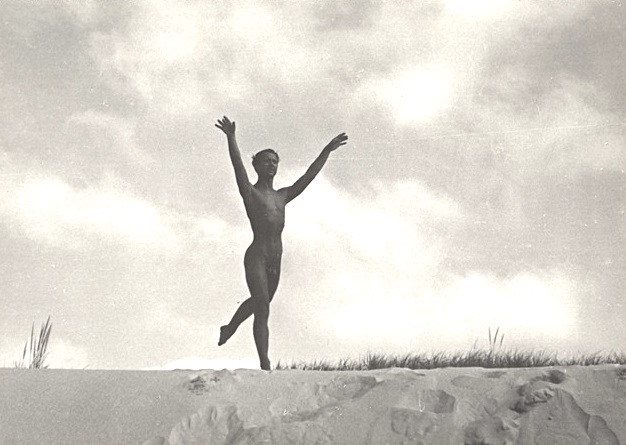
Dancer/Model José “Pete” Martinez appears in PaJaMa photos of the late 1930’s with Paul Cadmus

1938 PaJaMa photos of writer Glenway Wescott sometimes appear online mislabled as Paul Cadmus or Ted Starkowski.

Writer Donald Windham (with Cadmus & French), ca 1940

Photographer George Platt Lynes was a frequent guest with his own camera.

Artist Bernard Perlin captured by the PaJaMa lens on Fire Island (1939)

Jared French in Saltaire after the devastating hurricane of 1938.

West of Saltaire, the Fire Island Lighthouse served as a frequent backdrop.

Jensen Yow, Bill Harris & Jack Fontan, ca. 1950

Alexander Jensen Yow recently recalled the circle of artists, as well as his participation in PaJaMa photos of the early 1950’s. “Paul posed us and took the pictures. I was never out there with Jerry (Jared). There were plenty of personality conflicts all scattered around with these people, but I never knew what they were or anything… Jerry was always nice to me though. But his and Margaret’s was a strange relationship… She was crazy about Jerry but she was always in the background, you know. Always there. Jerry did what he wanted to do, and she tagged after him. I was so green when I met these people that I didn’t know how to act…. I tried to be discreet but it wasn’t easy.” (NOTE: Jensen Yow died at age 95 in September of 2022)

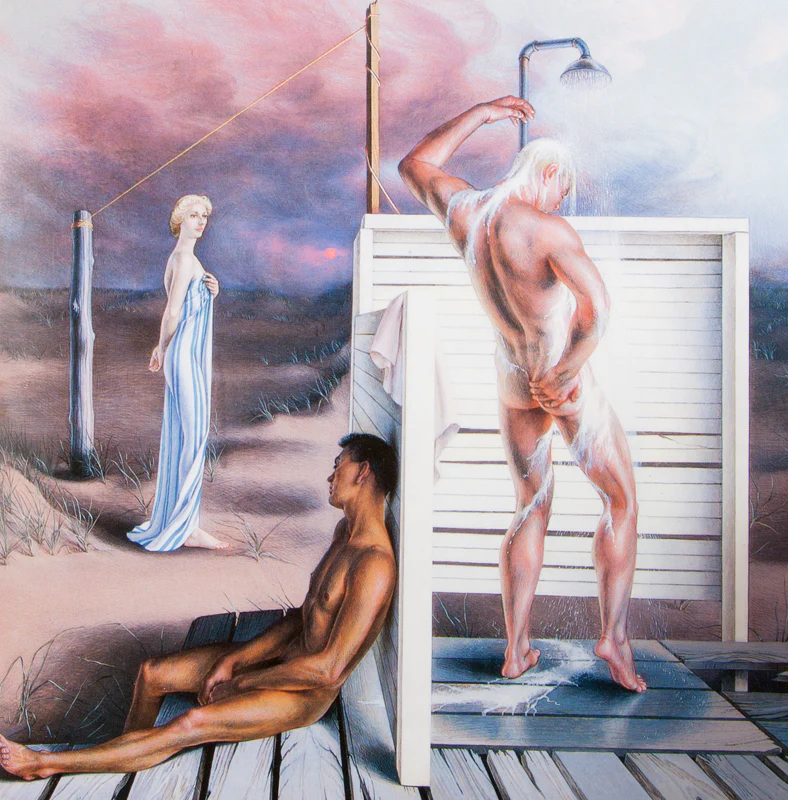
Paul Cadmus, “The Shower”, 1943

Margaret French, “The Moon by Day”, 1939

As with George Platt Lynes’ male nude photographs, the PaJaMa collection did not receive much notice or recognition until the 1990’s. They are now frequently exhibited in galleries and selections are a part of the MOMA collection.

Donald Windham, Saltaire, FI (1942)

In George Parlett’s 2022 book Fire Island, he writes of a PaJaMa photo of Donald Windham:

It’s composition seems to show us how remembering is an act, not a given. There Windham is, dragging the large net, collecting and carrying with him the various and unknown sediments of the shore while offering his gaze wholly to his beholder. There is a levity there, in the resemblance of the net to a gown or a veil, its slightly campy or drag quality, but also a quiet note of death, in how this black material evokes a shroud, or mourning garb. Fire Island has long been a place where such contradictions are brought together; youth and death, glamour and grit. This interplay can be felt, the image tells us, in the landscape of the place.

PaJaMa, FI, ca. 1944

See Also:
Provincetown PaJaMa Party
Fire Island Muses of George Platt Lynes & The PaJaMa Collective
Revisiting George Platt Lynes’ Fire Island Muses
Artist’s Muse: Wilbur Pippin
Artist’s Muse: Donald Windham & Sandy Campbell
Artist’s Muse: José “Pete” Martinez
Artist’s Muse: The Mystery Model
Artist’s Muse: Chuck Howard
Artist’s Muse: Ted Starkowski
Artist’s Muse: Randy Jack
Buddy & Johnny: A Historic Photo Shoot
George Platt Lynes: In Touch Magazine (1982)

Artist’s Muse: Randy Jack

While scrolling across the internet in search of photographs by George Platt Lynes, I came across one that I had never seen before – a handsome shirtless young gent sitting cross-legged on a bed. Initially I was skeptical of its authenticity, as the subject looked so casual and timeless. There is nothing dated about the guy or his surroundings: the image could have been captured at any point in the last century.

I decided to do a little investigating and found that it was, in fact, an authentic Lynes photo. The handsome subject was a fellow named Randy Jack, Lynes boyfriend circa 1947-48. A new Lynes biography also helped to fill in the blanks.

Homer Randolph Jack was born on April 5, 1926 in Lake Clinton, Illinois. He attended Waukegan High School where he enjoyed singing and performing. As a senior, he starred in the high school’s production of the comedy Best Foot Forward. Upon graduation in 1944, he joined the Navy.

After WWII, with his Naval tour of duty completed, Randy Jack settled in Los Angeles, where he embarked on a relationship with ice cream parlor impresario Wil Wright Jr.

Californians of a certain age still swoon at the memory of Wil Wright’s frozen delights, decades after the last shop closed its doors.

Wil & Randy

In the recently published George Platt Lynes bio The Daring Eye, author Allen Ellenzweig refers to Randy Jack as “Wil Wright’s favorite.” In August of 1947, the two of them rented a room in Lynes’ Hollywood home. The New York-based photographer was in the midst of his “Hollywood period” working for Vogue magazine. Lynes – who always lived beyond his means and was notoriously bad with money management – decided to take in roommates to share chores and expenses.

This arrangement did not last long because, as Lynes wrote to a friend, “Wil can’t bear not to be boss and that is one thing he can’t be. Not here.” Wright also resented George’s influence on Jack, encouraging him to pursue a career as a dancer. When Wil moved out after a couple of months, Randy stayed…. and found his way into Lynes’ bed as well.

Randy Jack with George Platt Lynes (1947)

Randy Jack committed himself to a vigorous regimen of ballet classes. Although Lynes was aware that Jack was a bit long in the tooth to start training for a career as a dancer, he supported his efforts nonetheless. He wrote to his friend Monroe Wheeler; “He’s too old, 21, but he has a ballet dancers body and a ballet dancer’s soul.” 

Randy Jack’s protruding ears – called “bat like” in several accounts – were viewed by Lynes as a further hindrance to attaining success as a ballet dancer. While he could not erase Jack’s advanced age, he could do something to remove this obstacle, so the cards would be “stacked in his favour, to remove whatever flies there may be in the ointment.” He agreed to barter with a plastic surgeon: Lynes would photograph the surgeon’s glamorous wife in exchange for the operation to pin back Jack’s ears. Lynes wrote to his mother at the time: “…I can’t leave things alone but redecorate or remodel anything I can lay my hands on, people as well as houses.”

The photos of Randy Jack taken in Lynes’ library are understandably the most popular.

Ears firmly clipped, Lynes photographed his roomie en tenue de danse at Vogue studios, creating this striking series of photos:

In May of 1948, Lynes’ contract with Vogue ended and he returned to New York City with Randy and their dog Bozo in tow.

Portrait of Randy Jack by Bernard Perlin, June 5, 1948

As mentioned in our profile of Ted Starkowski, Lynes and his artist friends often shared models. Like Starkowski, Randy Jack was the subject of several other artists’ work, including Bernard Perlin.

Perlin later recalled, “I really am lousy. George commissioned me to do a drawing of Randy Jack. Randy and I had interrupted the drawing with some ill-advised smooching, which was in turn interrupted by Robert Drew, (my boyfriend) who lived directly downstairs from me. He was damn furious, and he left me. That was the end of it, of our thing.”

Soon after the move to New York, Jack abandoned his ballet studies and began to find work as a fashion model. This proved to be a far more attainable and lucrative goal.

In mid-summer, George wrote to Katherine Anne Porter that he was troubled about the young man, “… I wonder what New York has done to him, or what I have done.”

Whether or not Randy left George or their cohabitation ended by mutual consent is debatable. The fact remains that he moved out in the Fall of 1948… and Lynes’ next boyfriend and muse, Chuck Howard moved into the apartment 10 days later.

David Leddick writes “Jack became one of the most successful fashion models in an industry that was just becoming big business, posing for both photographers and the many illustrators of the time.”

When I look into the life of an artist’s muse from the past, there is always a point in their story that brings to mind the Kirsty MacColl song “What Do Pretty Girls Do?” The answer, she sings: “They get older just like everybody else.”

As his modeling career waned, Jack began his third act as an interior designer. His work with commercial / hotel spaces led him to the Middle East, where he settled on the island of Bahrain and became a restaurateur, opening the Upstairs Downstairs restaurant in 1977.

In 1982 Jack published Upstairs Downstairs Cookbook, featuring favorite recipes from the restaurant’s menu alongside his own illustrations.

In the mid-90’s, Intimate Companions author David Leddick reached out to Randy Jack to talk about his early years with George Platt Lynes. Leddick recounts being tipped off that Jack was living in Bahrain, and that he was able to simply call the local information to get his phone number. Strangely, Jack’s birth name in the book is listed as Randolph Omar Jack, as if the author misheard “Homer” on a poor telephone connection.

A current photo of Randy Jack appeared in Leddick’s 1997 book Naked Men: Pioneering Male Nudes. Shortly after the book’s publication, on June 5, 1997, Jack died in Bahrain. He was 71 years old. The Upstairs Downstairs restaurant is still in operation today. The restaurant’s Facebook page has comments from patrons recalling Randy Jack’s hospitality and the good times they had there.

The kid from Waukegan had come a long way.

See Also:
George Platt Lynes models / bedfellows John Leapheart & Buddy McCarthy profiled here
Artist’s Muse: Donald Windham & Sandy Campbell
Artist’s Muse: William Weslow
Artist’s Muse: José “Pete” Martinez
Artist’s Muse: Ted Starkowski
Artist’s Muse: Chuck Howard
Artist’s Muse: The Mystery Model
Artist’s Muse: Wilbur Pippin
Fire Island Muses of George Platt Lynes & The PaJaMa Collective
Revisiting George Platt Lynes’ Fire Island Muses
Fire Island PaJaMa Party
George Platt Lynes: In Touch Magazine (1982)

Circle In Monkeyshines, Winter 2022

As some of you may know, my partner Toby Hobbes, aka dudley ghost is a musician / artist who frequently contributes mixed media to Jonathan Russell’s quarterly Monkeyshines zine. I have joined him in contributing to the hot-off-the-press Winter 2022 issue. Here is my contribution:

Circle

In a Queens, New York row house
a mother and her infant begin their daily stroll.
She pushes the carriage forward embarking on their route
in these trying times.

She turns right into the kitchen
then right through the living room
another right into the dining room
where mother and child are momentarily bathed
in a sunbeam through the skylight.

Another right turn and it’s
back through the kitchen again.

There’s a rhythm to the carriage wheels
rolling on and off the area rugs.
The mother chants along in a sing-song voice:
Right turn, right turn, right turn, sun!

Around and around they go
through the sunlight every 37 seconds.
The child squints and laughs.
The mother smiles through her song.

This moment in time she will always remember
how she kept her baby safe.
This moment in time she will never recount
to a child too young to remember.

The mother’s efforts will not be in vain.
The child will live for 101 years.
Ultimately exposed by a grandson
who didn’t trust the science.

Lying in an ambulance headed to Elmhurst Hospital
There is some cellular recall.
A flicker of a memory:
Right turn, right turn, right turn, sun.

Monkeyshines | ˈməNGkēˌSHīnz | 1. pl. noun: Mischievous behavior.
2. noun What is probably the finest, best example of a zine in existence.

Subscribe to print edition: subscribe@monkeyshines.media

A little backstory….
I walk my dog in the alley behind a block of these row houses in Queens, New York. In the early months of the pandemic, I would see this woman pushing a stroller around inside her house. She would repeatedly pass by the dining room window, always entering on the right and exiting to the left, moving through a sunbeam from the skylight as she walked the stroller around and around. This image stayed with me as such an interesting symbol of the strange time we were living in…. this mother did not want to risk taking her baby outside, but infants are often calmed by the movement of a stroller, so she just kept circling around in the house, day after day.

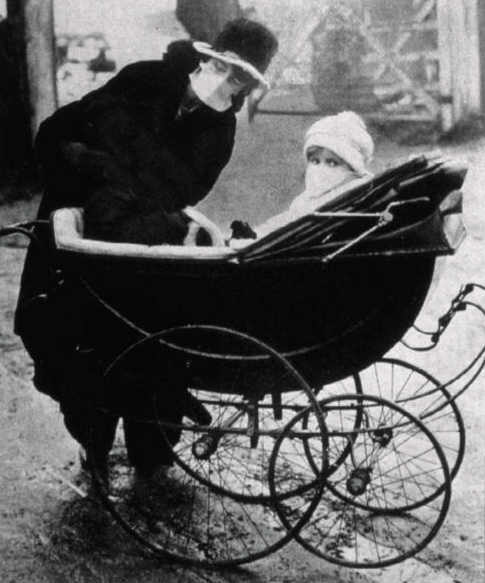
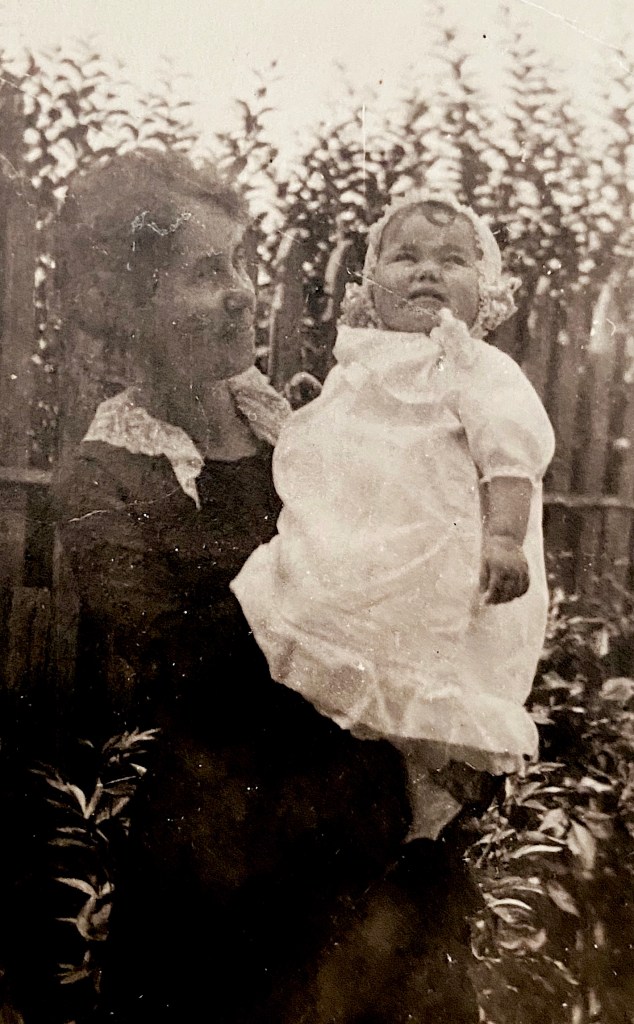
My grandmother and great-grandmother, Woodhaven, Queens (1918)

As comparisons were made to the 1918 flu pandemic, it occurred to me that my grandmother was born in April of that year in Woodhaven, Queens. This is just a mile or two from where I live now. My great-grandparents lived in a row house and, with the birth of my grandmother, had three daughters under the age of 6. And yet there was never a single story passed down about how they made it through or what life was like at that time.

Back to the present: my partner and I see this guy around our neighborhood who lives on the next block in the house where he grew up. When the pandemic hit, he was caring for his elderly mother and was especially concerned about her health.  As time progressed, it became clear that he was anti-mask and anti-vaxx. “For your mother’s sake, if nothing else,” I said; “you really should get vaccinated.” We started to avoid talking to him when we would see his stupid maskless face heading towards us.

His mother died last month. I am unclear on the circumstances.

See Also:
Bindle #1: Summer 2023
Bindle #2: Winter 2024
Sunshine & Tinsel: A Canine Christmas Tail
The Tin Man & The Lion: Unanswered Prayers
The Lion In The Emerald City: Promise Of A New Day
1991: Homo Alone
We Got Hitched
New York Is A Ghost Town
On The Life Of Brian…
Thursday At The Racetrack

Don Herron’s Tub Shots – Part III

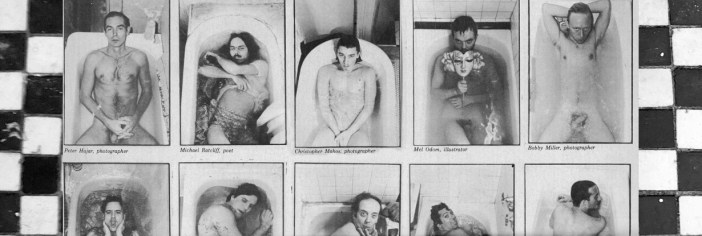
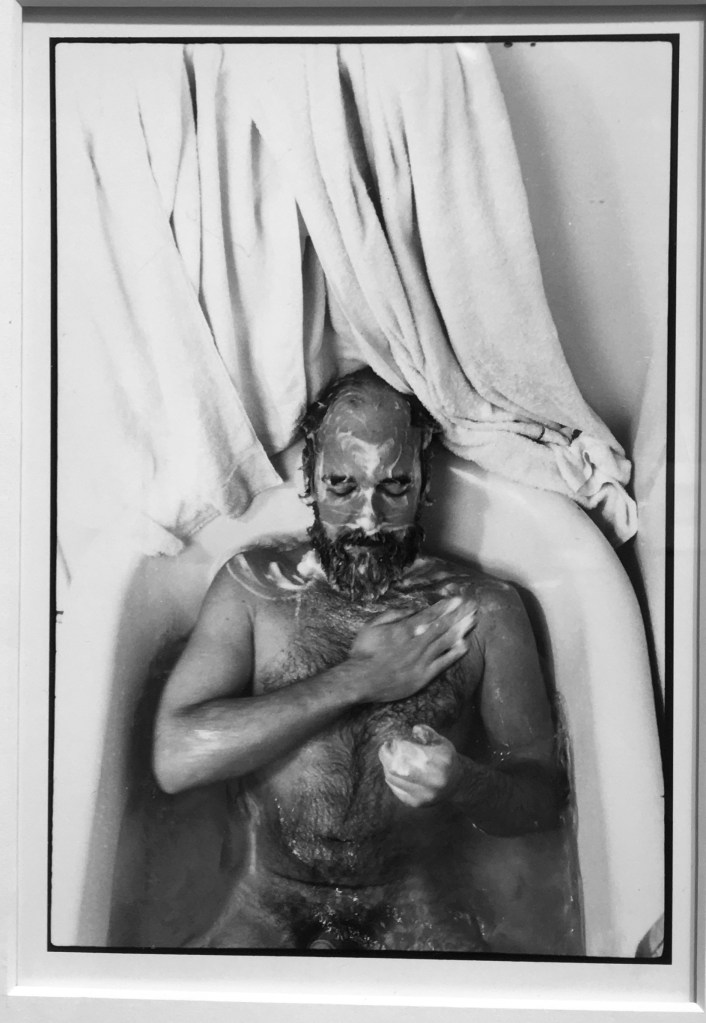
Three years ago, I posted two collections of artist / photographer Don Herron’s Tub Shots, a series of photographs featuring the famous and near famous posing in their bathtubs. This coincided with an exhibition of 65 of the images at the Daniel Cooney Gallery here in NYC. My blog posts (Pt. 1 and Pt. II) still garner a considerable amount of traffic, so I thought I would share more of these photos – ones that didn’t make it into those original posts and others that have resurfaced since that time.

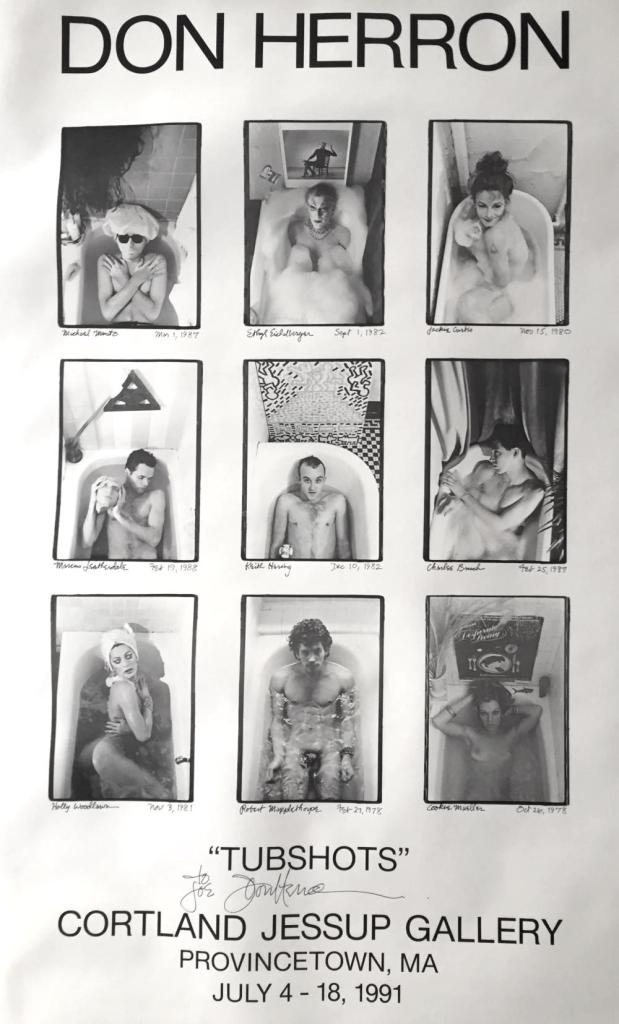
Signed poster for a 1991 exhibition in Provincetown.

Writer/Performer/Filmmaker John Heys as Diana Vreeland (1992). Looking back at the photo in 2018, Heys commented, “Simply put, as Diana Vreeland often said… ‘A bit of alright!’ Of course that is how I felt in my divine penthouse bath.”

Amos Poe, Filmmaker
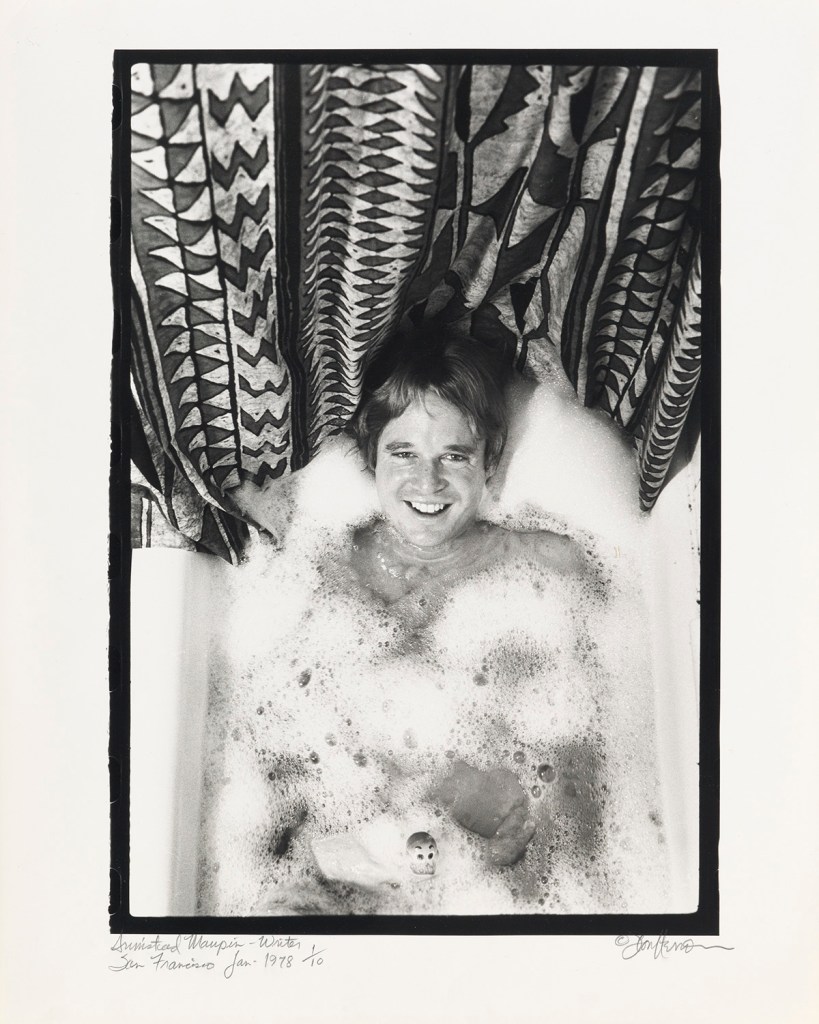
Tales of the City Author Armistead Maupin – San Francisco (1978)
Cassandra, Photographer – Houston, Texas (1979)

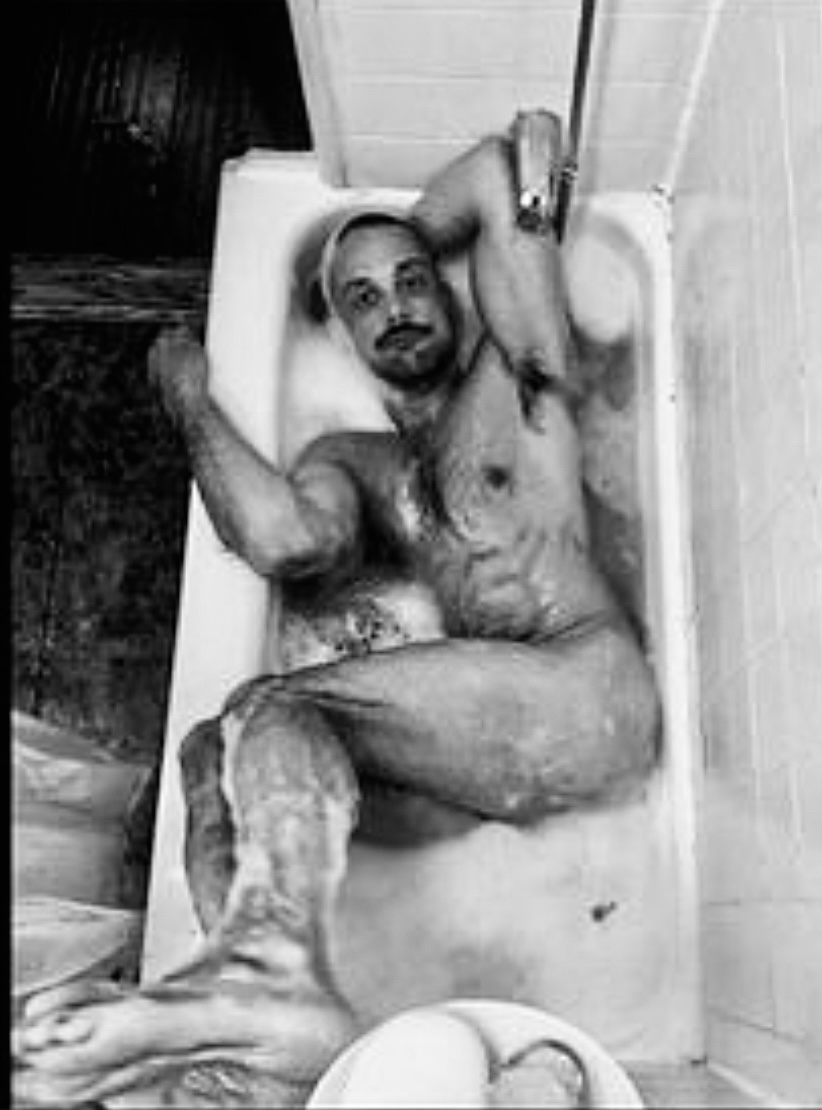
Queer San Francisco performer Harmodious, aka Anthony J. Rogers (1947-1992) was photographed in 1978 at Fey Way Gallery in the same tub used for the portraits of his sometime boyfriend Robert Opel, and gallery employee Christine McCabe.

Bill Dodd, Jeweler – Austin, Texas (1980)
Victor Bockris – author of many rock biographies who also wrote for Andy Warhol’s Interview magazine.
Warner Jepson (1930-2011), Composer – San Francisco (1980)

When McCabe’s photo was published in the 1980 Village Voice layout, she sued Herron and the newspaper. Although the signature on the model release was questionable, McCabe admitted that Herron did tell her that he wanted to publish a book of the photos. The suit was settled with McCabe receiving an undisclosed sum.

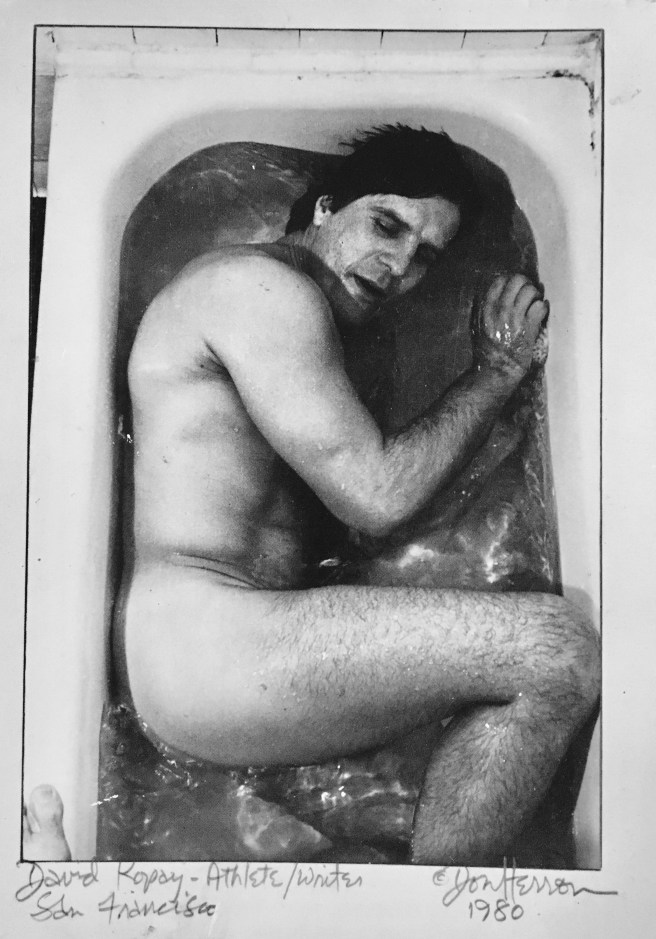
A selection of Tub Shots were featured in the April, 1980 issue of Christopher Street, with football player David Kopay‘s photo on the cover.
Actor/Playwright/Visual Artist/Puppeteer and Singer-songwriter Winston Tong – San Francisco, CA

When the Village Voice Online edition posted an article about the Daniel Cooney gallery exhibition in 2018, they chose to post just 3 of the 23 photos from the original layout: Robert Mapplethorpe and McCabe’s photos were 2 of them. Whether or not this was a random occurrence or a belated turn of the screw towards McCabe, the photos have since been removed.

David Middaugh – Painter

Jerry Burchard (1931-2011) Photographer, San Francisco (1978)
Liz Derringer – ex-wife of Rick Derringer, she is a rock journalist & publicist who also wrote for Interview, NYC (1979)
Ron Jehu (1937-2007) was a San Francisco gallery owner who also hosted avant-garde exhibitions and events featuring Sylvester, Divine and Robert Mapplethorpe.

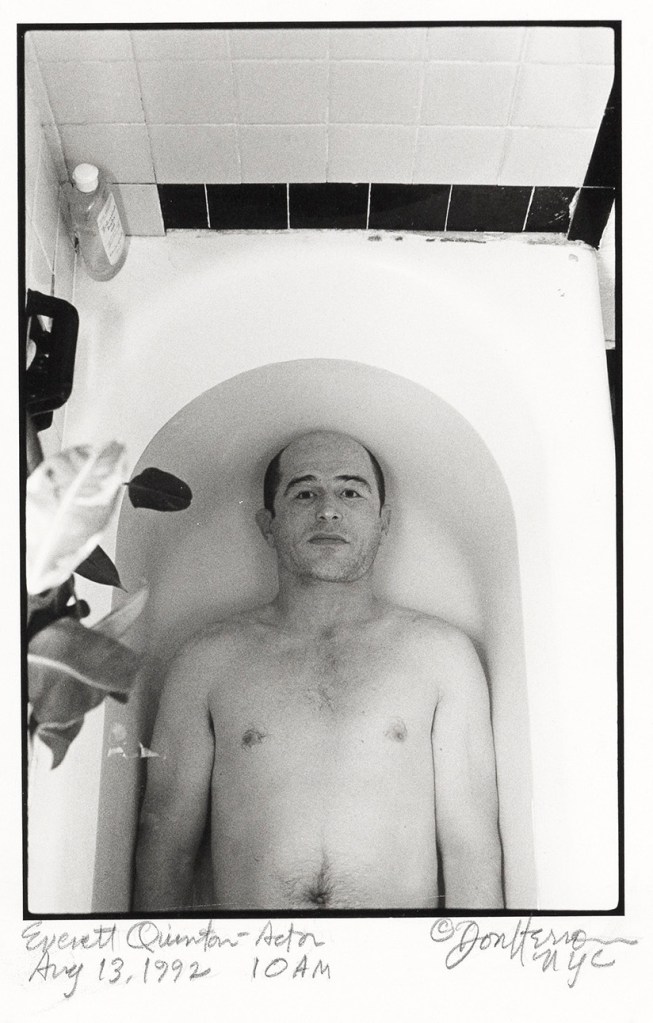
Everett Quinton (1952-2023) was an actor, director, & artistic director of the Ridiculous Theatre Company. “I’m not sure if Don was a friend of a friend or how he got my number. I only know that he asked me if I would like to be photographed in the bathtub and that seemed fun and I said yes. I remember the smell of the chlorine in my nose for days after the shoot as I laid still under the water for a while… waiting for the bubbles to go away so it would look creepy. I love the picture very much and I remember Don standing on the sides of the bathtub to get the shot. And I remember it was a fun experience.”

Charles Henri Ford (1908-2002) was a surrealist poet, magazine editor, filmmaker, photographer, collage artist and diarist. He was also the partner of artist Pavel Tchelitchew. NYC (1980)
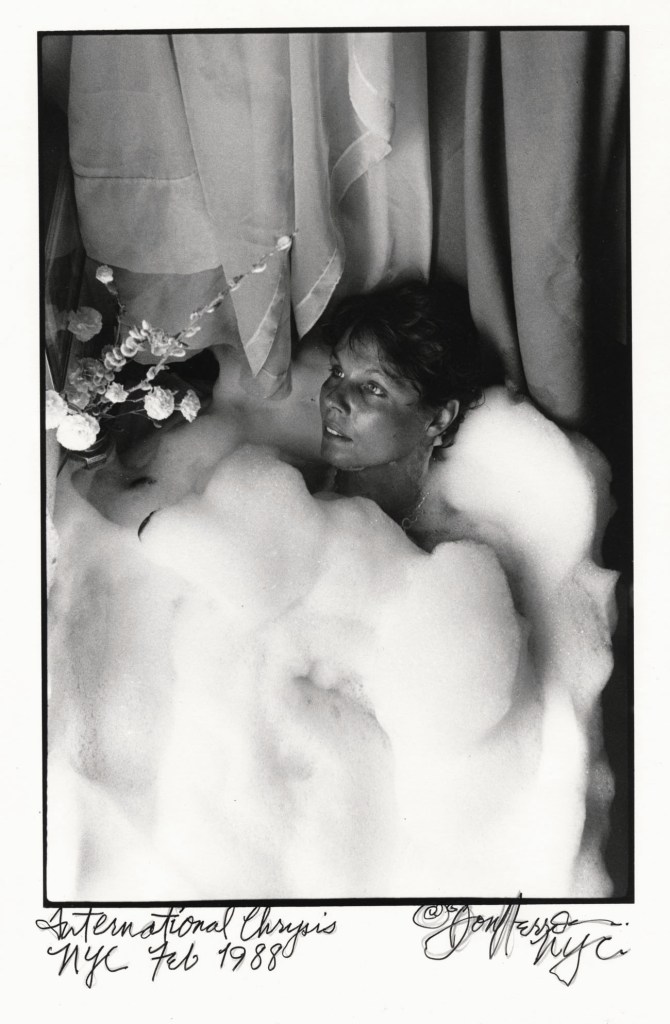
International Chrysis (1951-1990) was a transgender entertainer and protege to Salvador Dali. She is the subject of the 1993 documentary Split. NYC (1988)

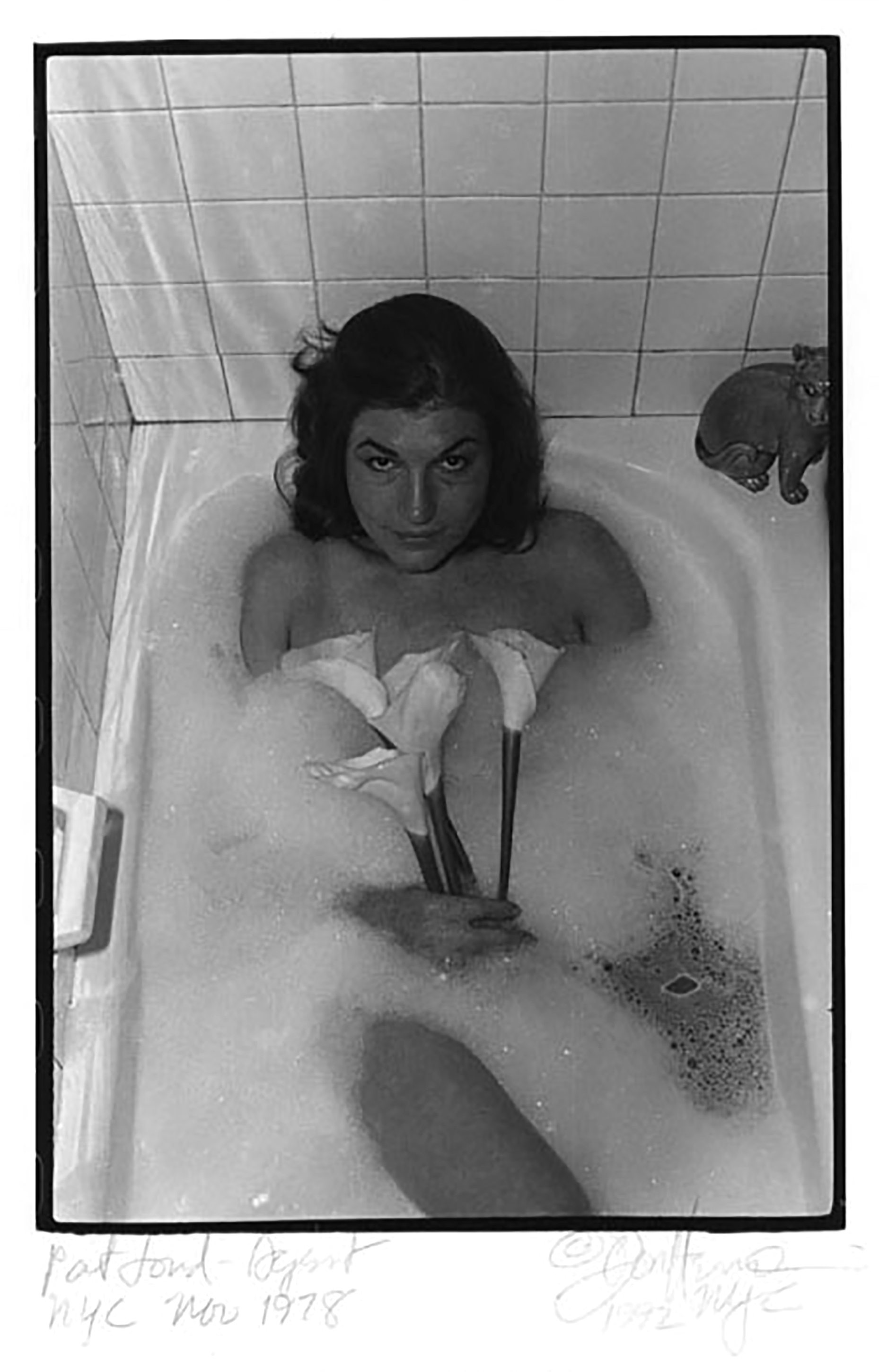
Pat Loud (1926-2021) was the matriarch of the Loud family, subject of the first reality series on American television. She later recalled that she only agreed to Don Herron’s request for a photo shoot if her friend and interior designer Richard Ridge (1928-2021) posed as well. NYC (1978)

Richard Erker (1945-2004) was an artist, sculptor and jewelry maker. He owned a shop in SoHo in the early 1980’s and later moved to Palm Springs, where he was the victim of an unsolved murder.
Richard Hartenstein (1945-1988) Makeup artist, NYC (1980)

Cornelius Conboy was the owner of 8BC, an East Village nightclub, performance space and gallery. “Don was gloriously set in his own universe yet welcomed everyone to join. I see that the photo is dated 1987 yet am certain it was taken earlier than that. 1986 at the latest. I lived in Italy in 1987 and that bathtub is from my apartment above 8BC, when Donald’s famous mural “Civilization Teeters” hung above the bar.

“My memory is that while he was very meticulous about the lighting he was rather laissez-faire about posing. There was a vase of those bodega flowers that last forever after they dry out – baby’s breath and purple statice. I’ve always considered myself a romantic and here I seem to be channeling my best inner Ophelia.”

Fashion designer Geoffrey Mac‘s (unintentional?) homage to the “Tub Shots” series, as recently posted on Instagram.

Don Herron, Self Portrait (1993)

See Also:
Don Herron’s Tub Shots part I
Don Herron’s Tub Shots part II
Don Herron’s Tub Shots Part IV: Christopher Street (1980)
Kenn Duncan After Dark
Gay Times #69 (1978)
Blueboy 1980: Gays of NYC
John Waters in Blueboy Magazine (1977)
New York City: In Touch For Men (1979)
Keith Haring In Heat Magazine (1992)
George Platt Lynes: In Touch Magazine (1982)
Mandate 1988: New York Redefines Drag