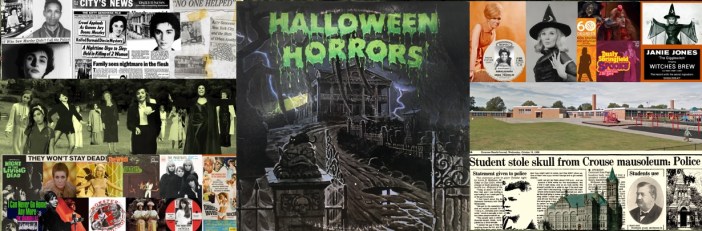
Happy Halloween! In keeping with the season, we have collected some spooky stories from the past 10 years – both fiction and non-fiction. Enter if you dare.
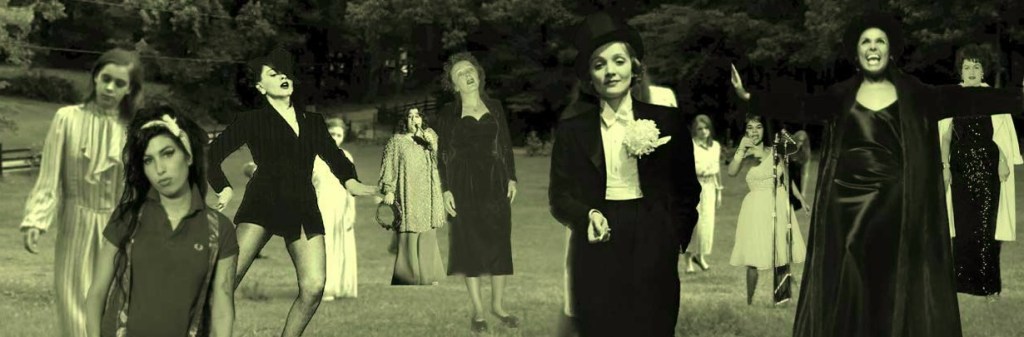
Zombie Divas: When an unexplained phenomena reanimates dear departed divas, the strained relationship of a stylish but troubled gay couple is exposed.
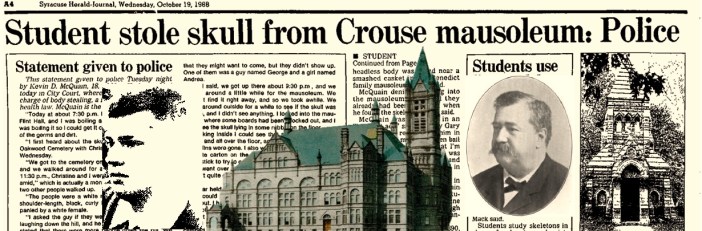
Whatever Happened To The Kid Who Boiled John Crouse’s Head? In 1988, a Syracuse University art student walked out of Oakwood Cemetery with the head of John Crouse in a paper bag, intent on using it as a prop for his art. It proved to be quite useful.
The Playground Swing: An unexplained ghostly occurrence at an elementary school triggers the memory of a bigger, more terrifying experience.
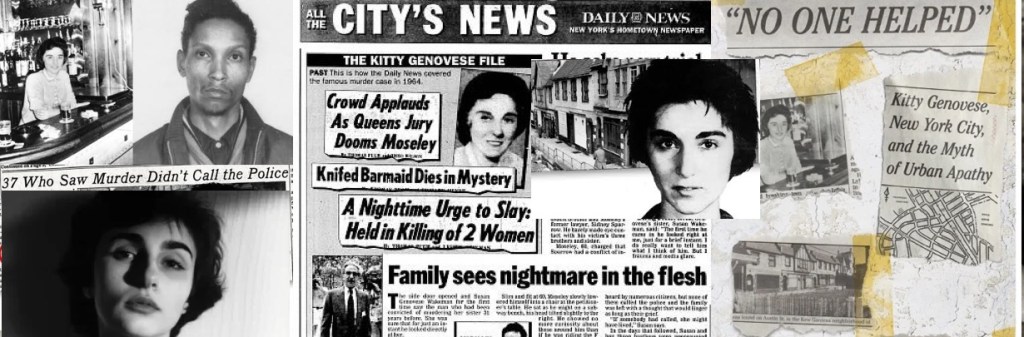
If You See Something, Say Something: In our first blog post from 2016, we examined the inaccuracies of the urban legend surrounding the Kitty Genovese murder.
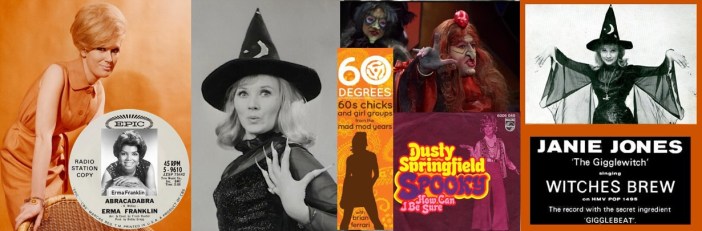
Once again we have The 60 Degrees Girl Group Halloween Shows! Four terrifying hours from East Village Radio featuring rockabilly outlaws, death discs, soul witches, women driven to madness by their guys and much more mayhem.
It’s been a minute since I last contributed to Bindle zine. The new Autumn, 2026 issue features my poem “Medora, North Dakota, 1997” along with a link to hear a spoken word version in the electronica track Under The Stars by Fox Ferrari. This is a collaboration with my husband, Tobias Fox Ferrari, who also contributed artwork for the issue.
“Medora, North Dakota, 1997” is dedicated to Jennifer Kay, my dance partner for that summer in Medora. She passed away suddenly in June, 2026.
Medora, North Dakota, 1997
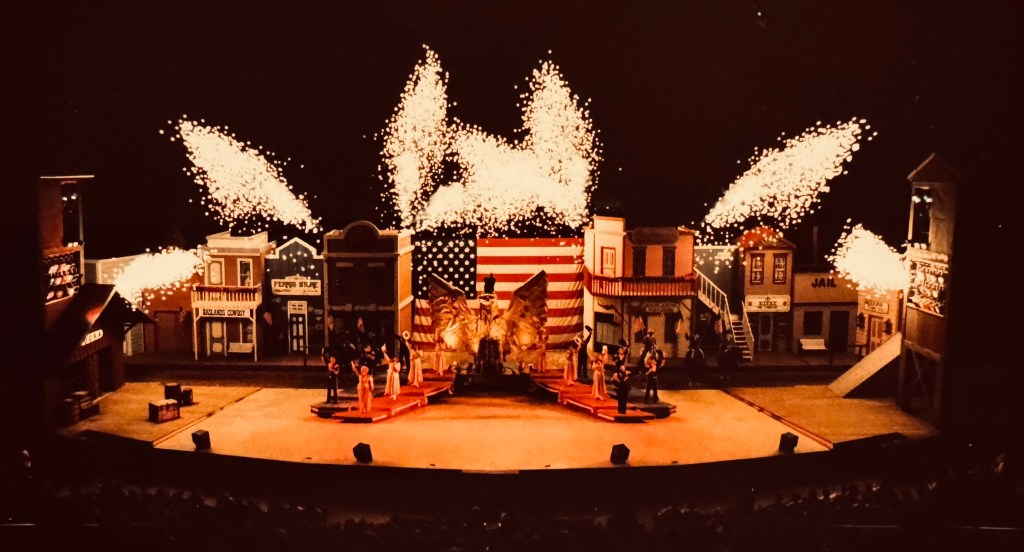
There was that moment of elation when we became stars under the stars as the fireworks flew and 2000 sold out seats snapped closed like clams: The audience leapt to their feet with cheers and applause that washed over us like those warm summer winds. Our smiles as wide and gen-u-ine as that North Dakota sky.
We recited our cornball jokes between the knife-thrower and the dog act. Exit stage left for a quick switch to the clog shoes and back onstage again. I landed that double pirouette every time and we did our lifts and cartwheels and flips and nobody dropped a girl.
In our dressing rooms under the stage, the horses clattered overhead. We kept our boots upright so no critters crawled in again. Looking for a temporary home, just like us, like the show dogs and ponies. We found our place there, if only for a time.
We sit in the audience now—watching disinterested boys with halfhearted smiles lifting leaden buffalo gals. We reluctantly stand in our snake-free shoes and join the customary ovation, wishing we had just one more chance to give our 110% and bask in that well-earned breeze.
You can get a real, paper copy of Bindle for free! Send your mailing address to subscribe@bindlezine.com, or fill out the form at bindlezine.com/subscribe. Thanks as always to Jonathan Russell for making Bindle happen.
bin•dle(noun): a bundle of clothes or bedding, stereotypically carried on a stick by runaway children and transients.
“We all wander through our lives, and we collect memories, possessions, and relationships. Bundle them all together, and you have yourself a bindle. Our zine represents a collection of writing and art and photography – a bindle of creativity that we send across America, a tramp in search of a mailbox.”
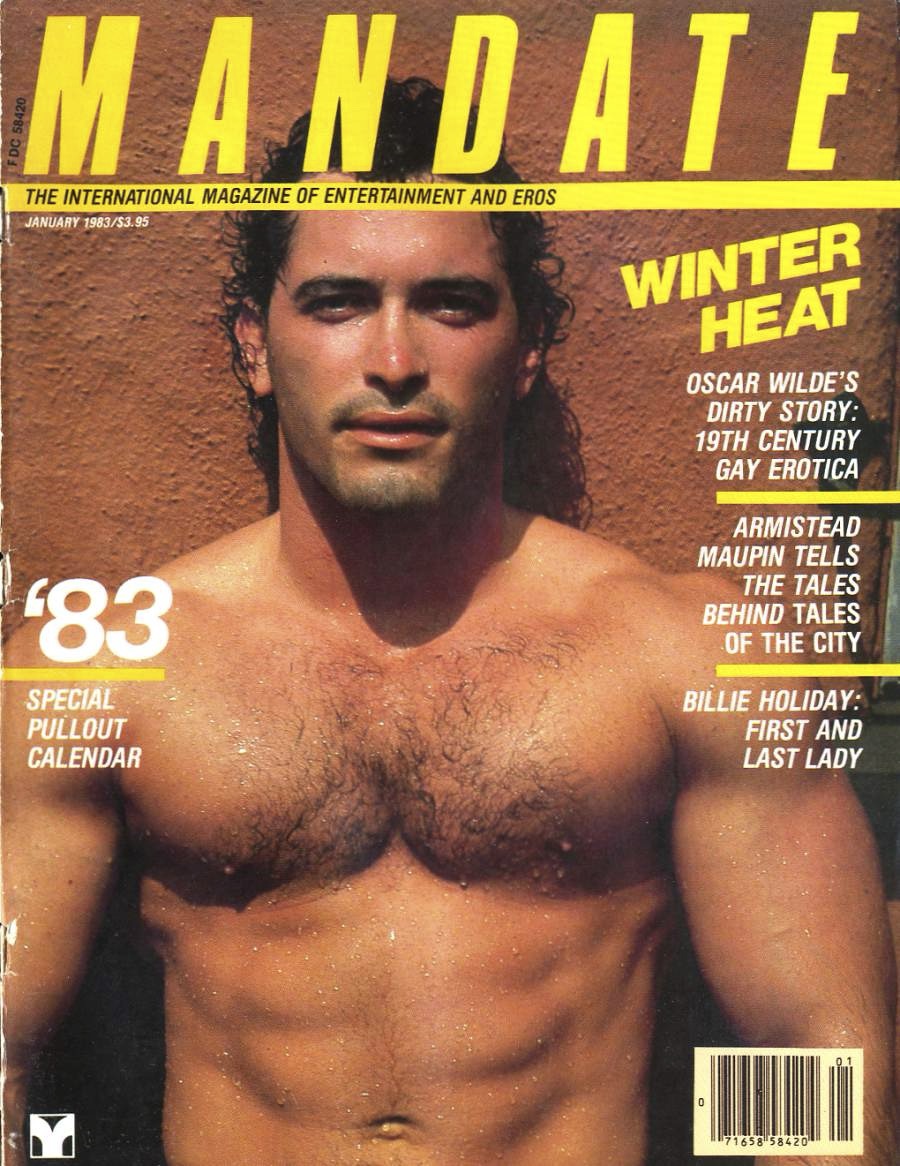
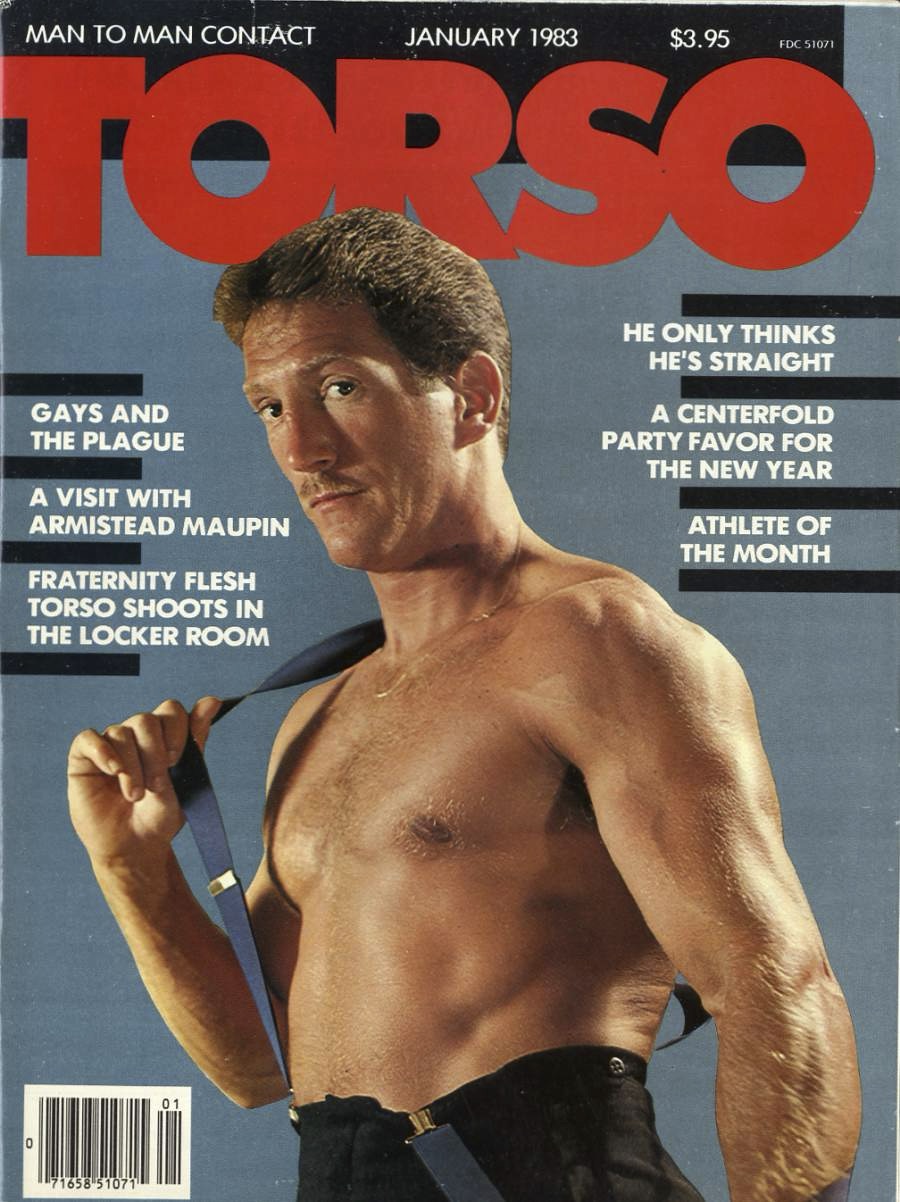
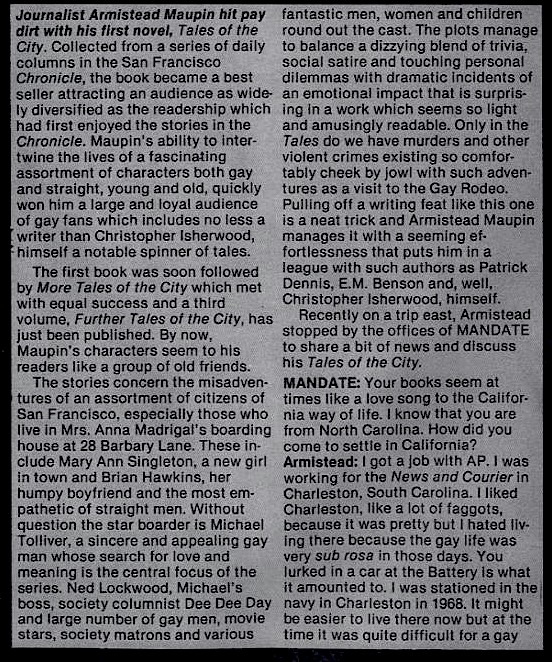
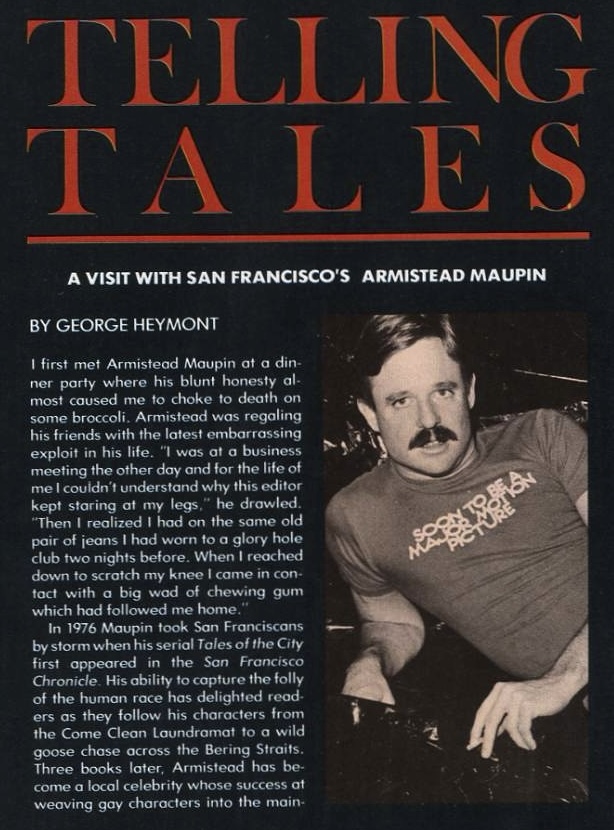
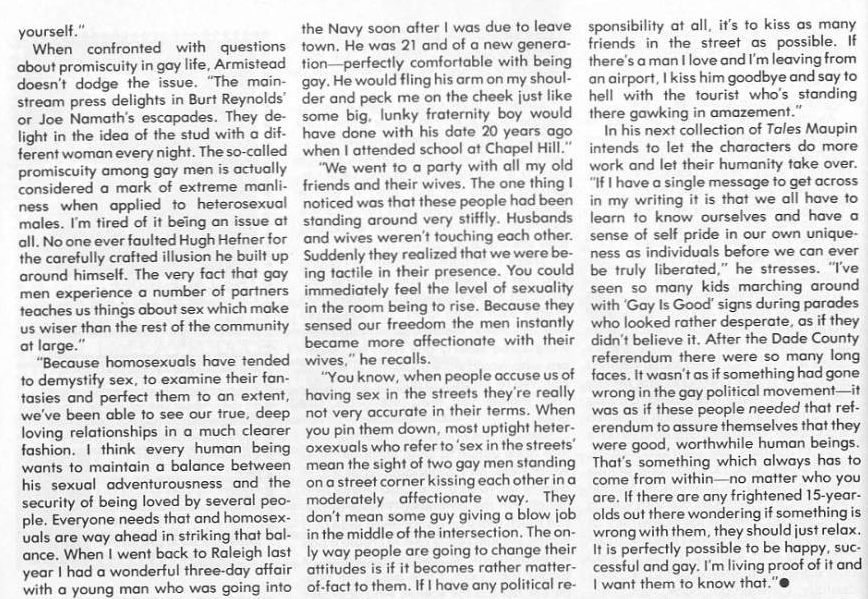
In January 1983, Armistead Maupin made the rounds of gay publications with interviews in both Mandate and Torso magazines. He was at a unique point in his life and career: Further Tales of the City, the third book in the series had just been released. Maupin mentions that he had been named as “executive story editor” for an HBO series adapting the first two Tales… books. Unfortunately, this did not come to fruition, and it would be another 10 years before the first book was filmed as a 6-part miniseries for Channel 4 (UK) & PBS (US)
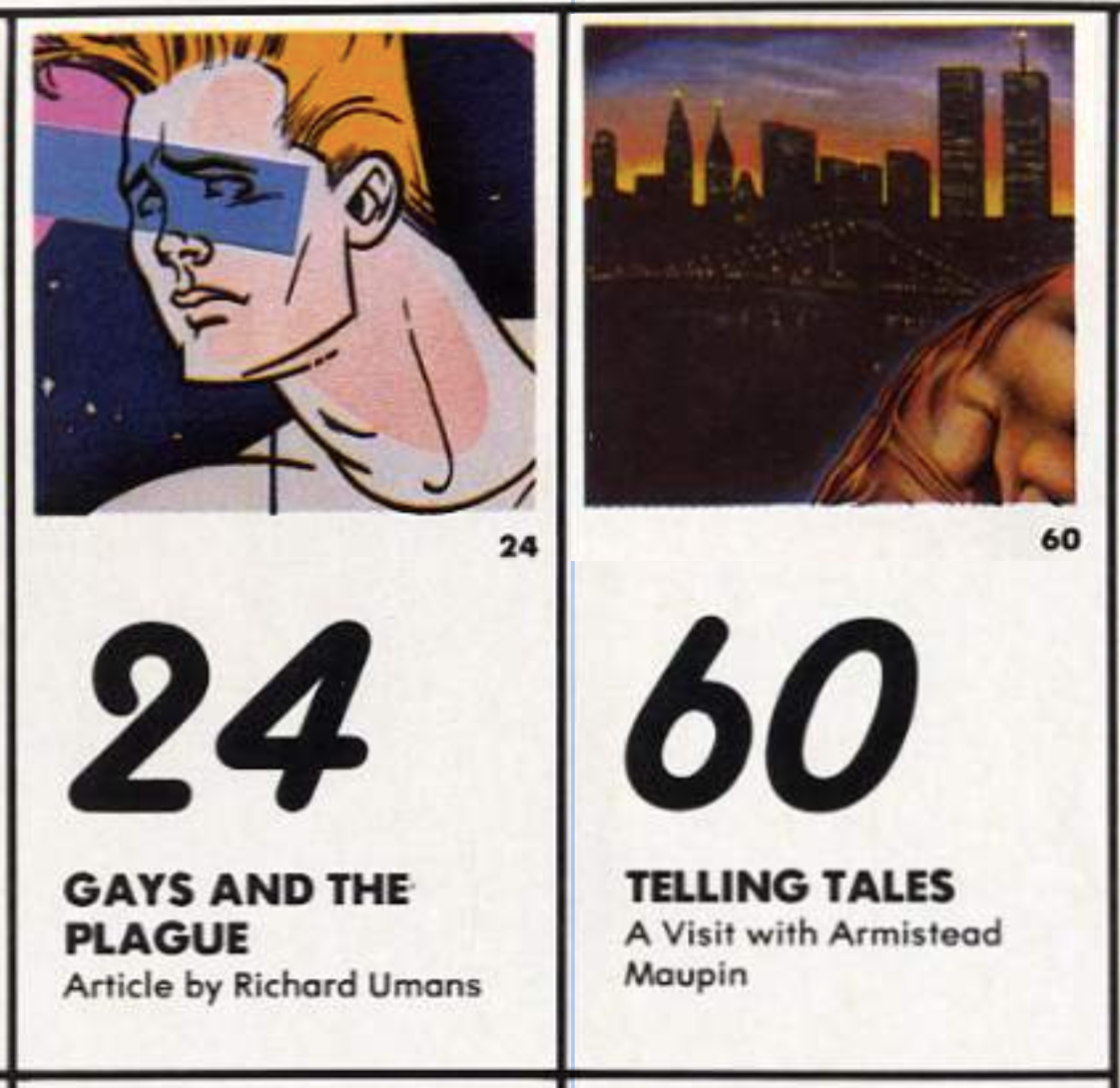
Just a few pages before the Torso feature is an article titled “Gays And The Plague.” The name “AIDS” had not yet been coined and the cause of the “gay cancer” was still unknown. The epidemic would have a devastating effect on Maupin, the gay community, and the fictional characters of Barbary Lane.
“We come back to California from New York and reassure ourselves that it’s too noisy and too hot and too cold and too crowded and too dangerous but, in the long run, we sort of think… well, it could really be exciting.”
“I came out to my family during the course of the book. Michael’s letter to his parents was my letter to my parents.”
“I do not regard Tales of the City as a gay work. I regard it as a work written by a gay man that has gay characters in it and appeals to a lot of different kinds of people. I don’t want to preach to the choir.”
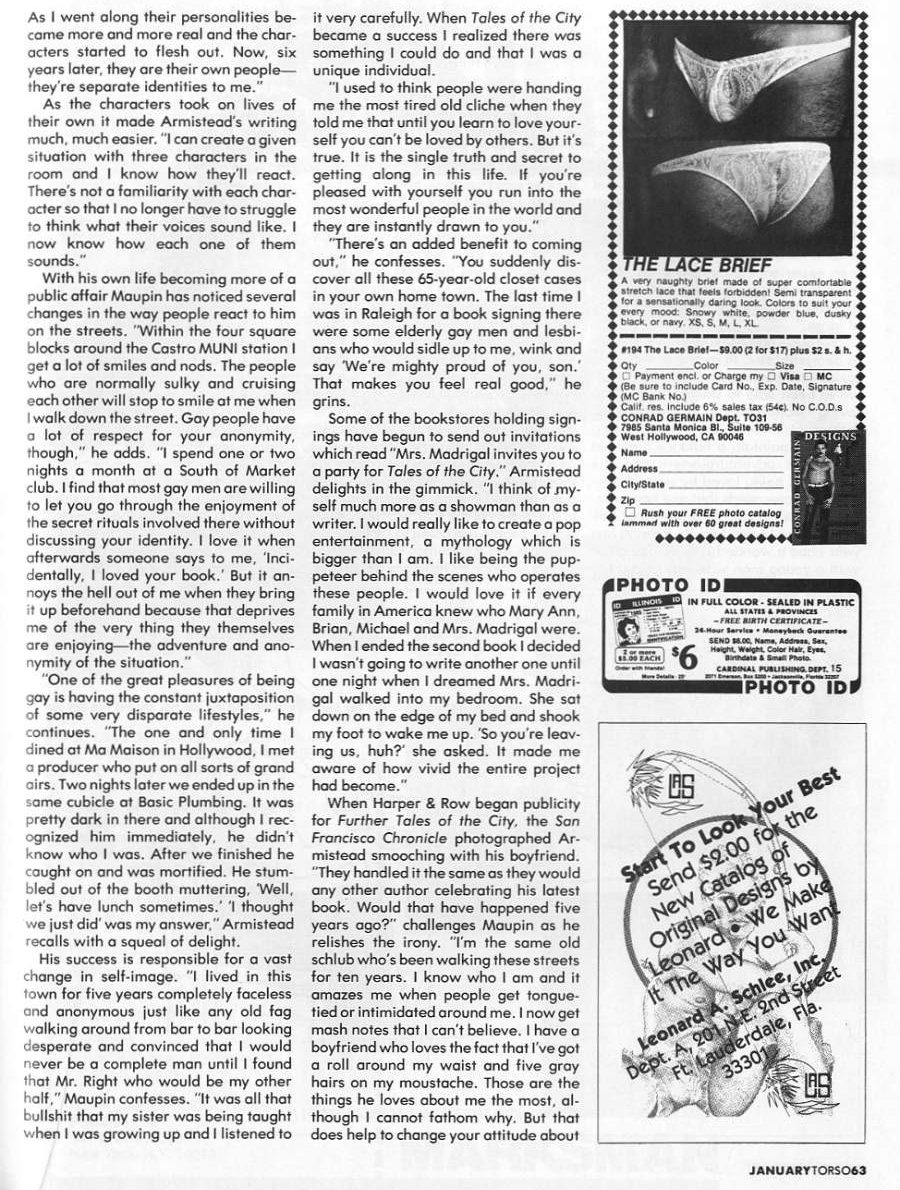
“When I quit the second book and said that I wasn’t going to do it anymore, that I was tired of it, I had a dream that Mrs. Madrigal came in and sat on the edge of the bed and sort of… shook my foot affectionately and said, ‘So, you’re leaving us, huh?'”
“I regard myself as enormously political because I reach more straight people than most gay people. That’s what gives me the most satisfaction in doing what I do. I like changing people’s minds.”
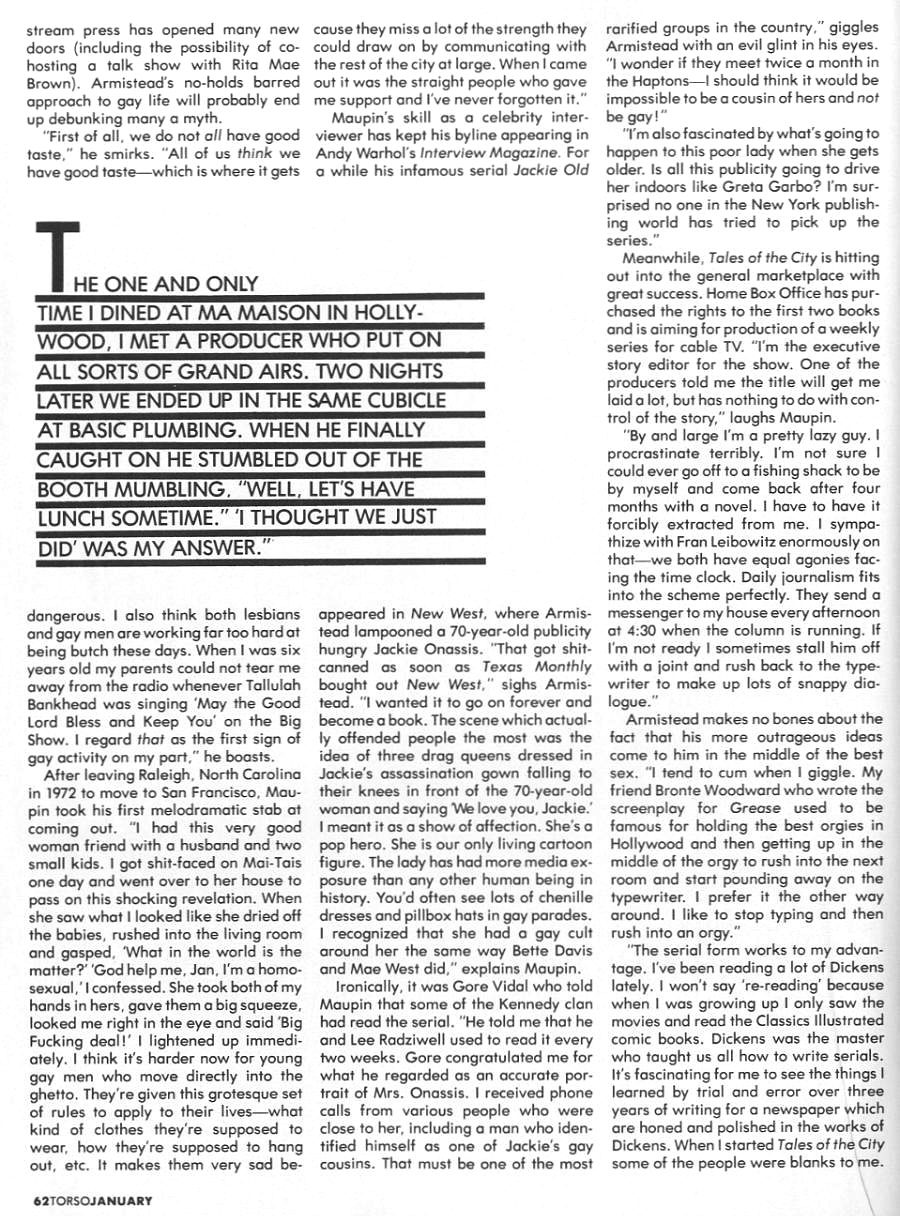
The Torso article below refers to another Maupin serial that is often overlooked: Jackie Old – a fictional piece about Jacqueline Kennedy Onassis at age 70. Unfortunately, she did not live to see 70 and this series – 5-parts initially published in New West magazine – would not get an official release until 2014 as a Kindle novella. Even so, it is not included in his bibliographies.
“First of all, we do not all have good taste,” he smirks. “All of us think we have good taste – which is where it gets dangerous.”
“By and large I’m a pretty lazy guy. I procrastinate terribly… I sympathize with Fran Liebowitz enormously on that – we both have equal agonies facing the time clock.”
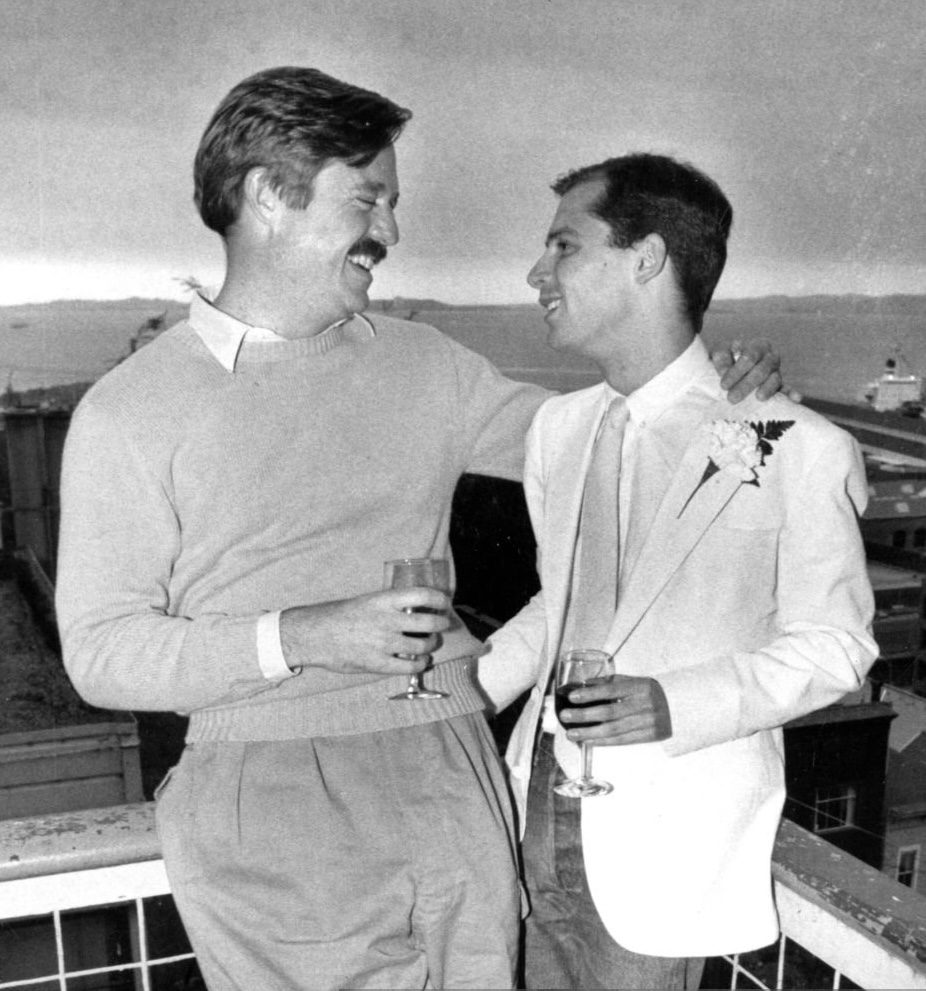
Armistead Maupin at home with Gregory Skraznas, 07/1982 (Photo by Steve Ringman/San Francisco Chronicle via Getty Images)
When Harper & Row began publicity for Further Tales of the City, the San Francisco Chronicle photographed Armistead smooching with his boyfriend. “They handled it the same as they would any other author celebrating his latest book. Would that have happened five years ago?”
“If I have a single message to get across in my writing it is that we all have to learn to know ourselves and have a sense of self pride in our own uniqueness as individuals… that’s something which always has to come from within – no matter who you are.”
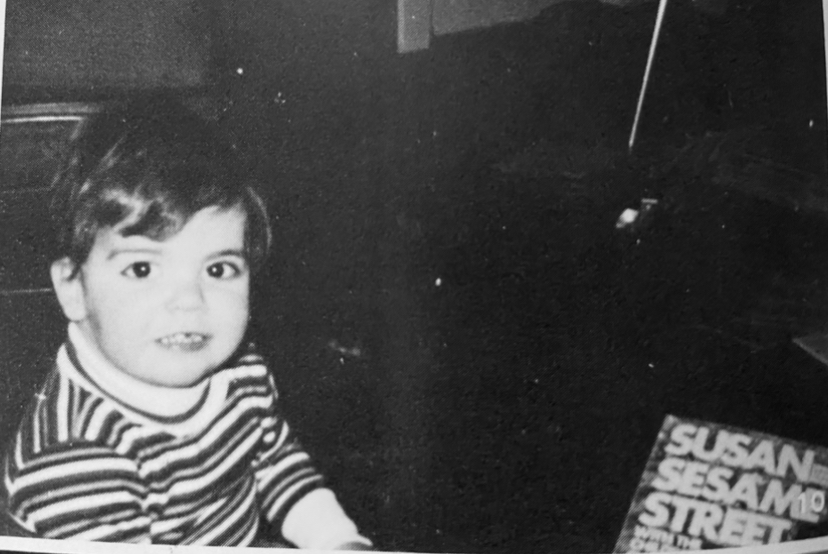
When I was two years old, my mother wrote in my baby book that I liked to listen to records. That’s how far back that goes. Among my Disneyland and Sesame Street records were all of my parents’ discarded 45s from their formative years. This was now the 1970’s and albums were what they were purchasing.
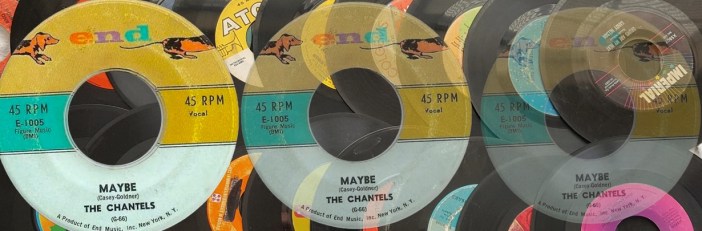
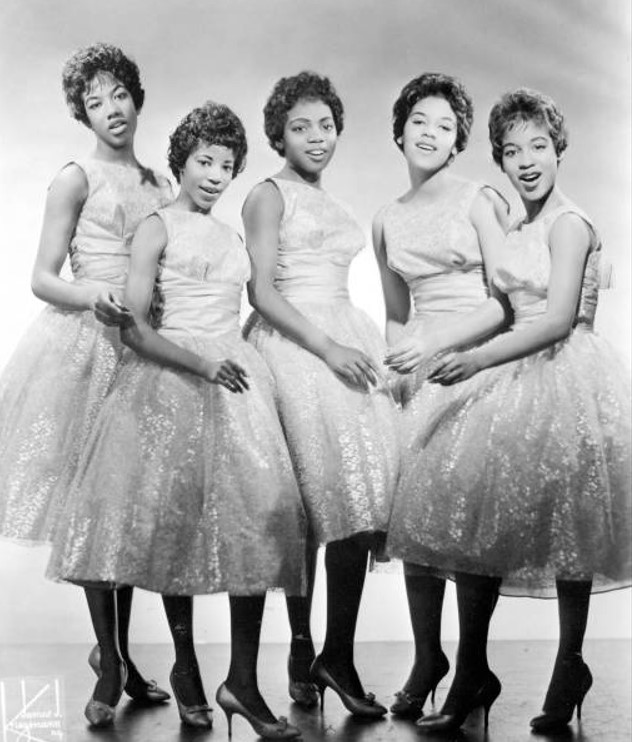
Even before I could read, I could tell by looking at the record label which songs I liked. The blue ones with the map on them were good (it was Motown). The ones with the orange and yellow swirl were The Beatles and The Beach Boys. (Capitol records – fun to watch spin on the turntable). My favorite record, though, was the only one with little doggies on the label: “Maybe” by the Chantels, on End records.
“Candy” – my mother’s name – was written on the label in neat pre-teen cursive. She told me many times that she used to listen to this record every day when she came home from school.
By this time, she was no longer quite so fond if it. She didn’t care for any of the old records, really. Not anymore. There wasn’t a lot of nostalgia in our house. The old-fashioned “ba-da-dum-dum dum” piano intro of “Maybe” would start and she’d roll her eyes, asking why I insisted on playing those old songs. But sometimes while doing housework, she would loudly sing along, complete with dramatic gestures that made me laugh.
Part II: 1979
My mom, her boyfriend, and I are sitting around listening to music. They met working at the Pizza Hut. He’s 20 years old and listens to Kiss and Foghat. She’s 33, divorced with three kids and likes Billy Joel and the Saturday Night Fever soundtrack.
I don’t recall how “Maybe” came up, but I went and fished it out of my pile of 45s. Like me, he wasn’t born yet when this record came out. The song intro starts, and he jumps on it. “What the hell is that?” It is decades away from current popular music, and he’s making fun of it. Poking fun at her, really. Not in a mean way. Everyone is laughing.
He keeps starting the record over – playing that creaky piano intro over and over again until she’s laughing so hard, she has tears in her eyes.
Part III: July, 2011
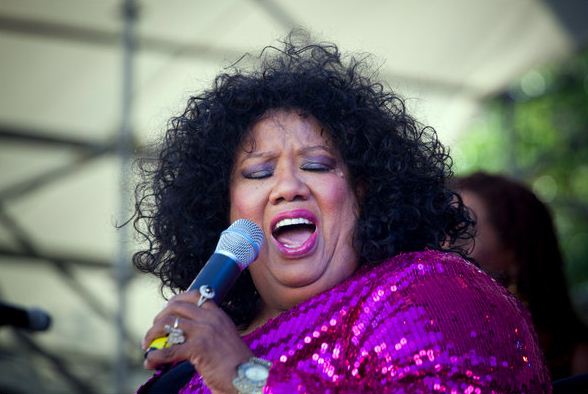
July 30, 2011, I’m at Lincoln Center’s Damrosch Park for She’s Got The Power! A Girl Group Extravaganza. This is an all-day concert celebrating the girl groups of the 1950’s and 60’s. Former Chantels lead singer Arlene Smith is one of the performers.
By this point, “Maybe” is considered to be one of the greatest records of the 1950’s, paving the way for the girl group era and making a place at the table for female R&B vocal groups. Singers like Darlene Love and The Supremes cite the recording as an early influence.
Arlene Smith takes to the stage draped in glittery fabric, seated in an electric wheelchair that she expertly maneuvers around the stage as she sings the song. 54 years have passed since she recorded this, but her voice is still strong. I decide to call my mother, tell her where I am and hold up the phone for her to hear.
“Oh my god. I haven’t heard that song in years!” she says. She gets a little choked up, and I tell her I’ll call her later when I get home.
In the documentary Girl Groups – Story Of A Sound, Arlene Smith recalled that she had just turned 16 years old when the Chantels recorded “Maybe.” “I was singing about the kind of love that I didn’t know… I loved my parents.”
Part IV: July, 2026
We are enjoying a summer evening in my sister’s back yard, as best we can. A year and a half of cancer treatments has reduced my mother to 90 lbs, but it’s the Alzheimer’s that has now taken the lead in this battle. Earlier in the afternoon, we had her try to draw a clock – a cognitive test used to detect the disease. She couldn’t do it, although she can still tell the time on her watch. It’s a tricky thing to navigate.
I suddenly have an idea. I pick up my sister’s phone and hijack her Summer BBQ Spotify playlist. I tell my mother I want her to listen to something and see if she remembers it.
The piano begins “ba-da-dum-dum dum” …” Her brow is slightly furrowed. When the vocals start, she mouths the words, but she doesn’t sing. I don’t remember the last time I heard her sing.
My stepfather is dozing next to her. Without opening his eyes, he says “What year was that?”
“1958. Do you remember this song?,” I ask.
“Sounds familiar,” he says.
I tell my mother; “This was your favorite record when you were a kid. You said you used to listen to it every day when you came home from school.”
She nods and softly says, “I was heartbroken.”
“Over who?”
“I don’t remember.”
She may not have remembered, but later that night, I did. His name was Jackie. I grew up in the same house that my mother did and sometimes I would find little hearts drawn in hidden places: on the wall inside the linen closet, on the underside of the coffee table. In these hearts she had written “Candy loves Jackie.” I remember asking her about him back then. She told me about the first boy she was in love with, and how crushed she was when it didn’t work out.
Would I have mentioned his name if I had thought of it in the back yard? Are painful memories better left forgotten? Or is it important to keep trying to remember simply as a brain exercise?
Maybe if I play this record for her next weekend, it will trigger a different memory. Maybe she will remember singing around the house, or the Pizza Hut guy. Maybe the memory of my phone call from Lincoln Center will come back to her. Or maybe next time, the song won’t sound familiar to her at all.
The record fades out as Arlene repeatedly pleads “Maybe…” Her fellow teenage Chantels, forever frozen in time, sing back to her; “Maybe maybe maybe…”
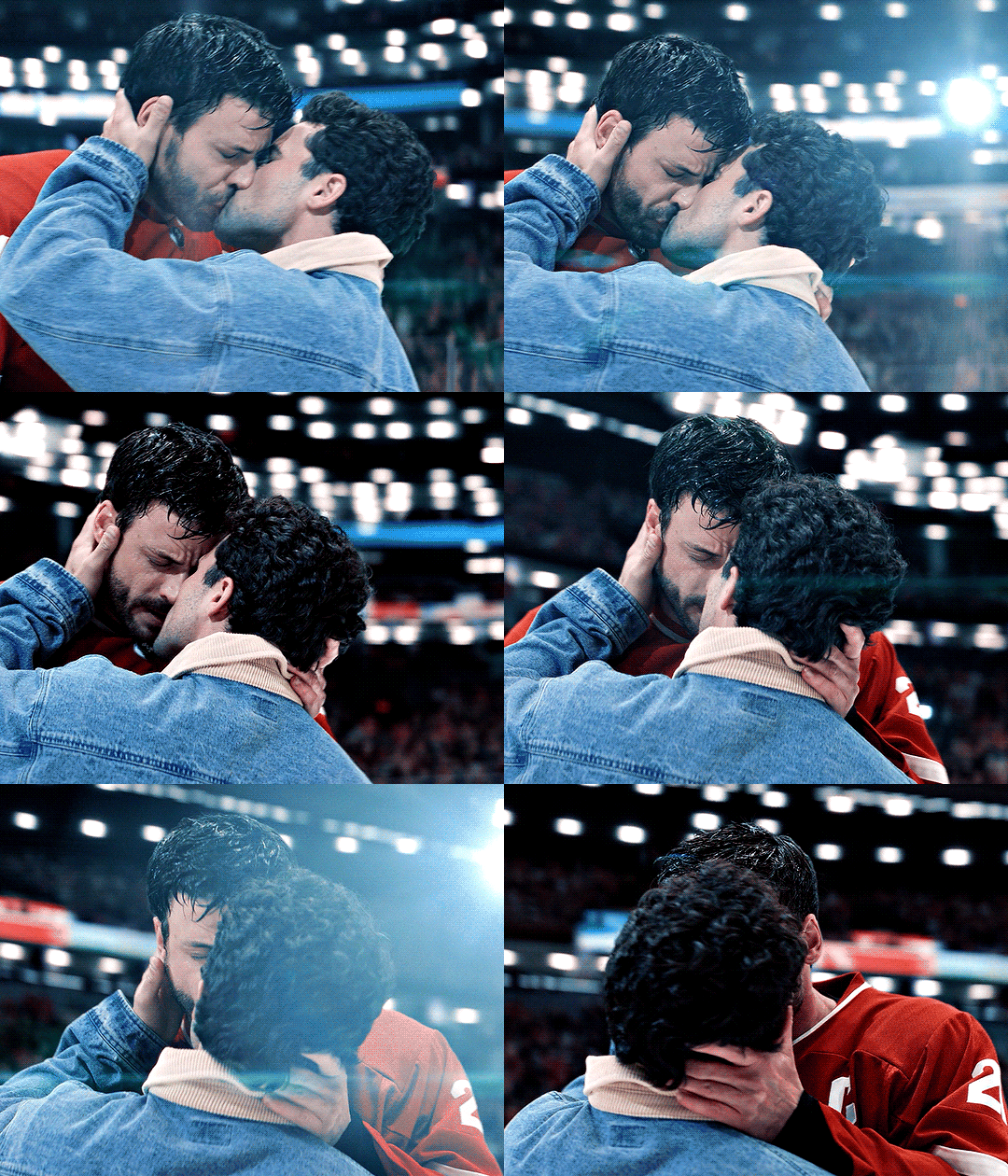
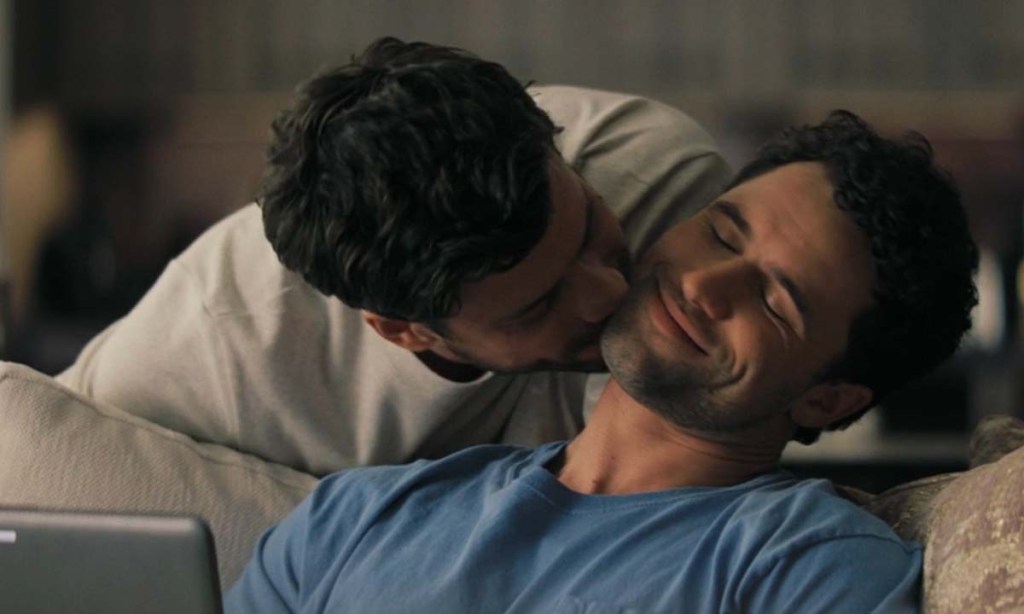
This is the term used to describe fans of the Heated Rivalry television show and Rachel Reid’s book series that it is based on.
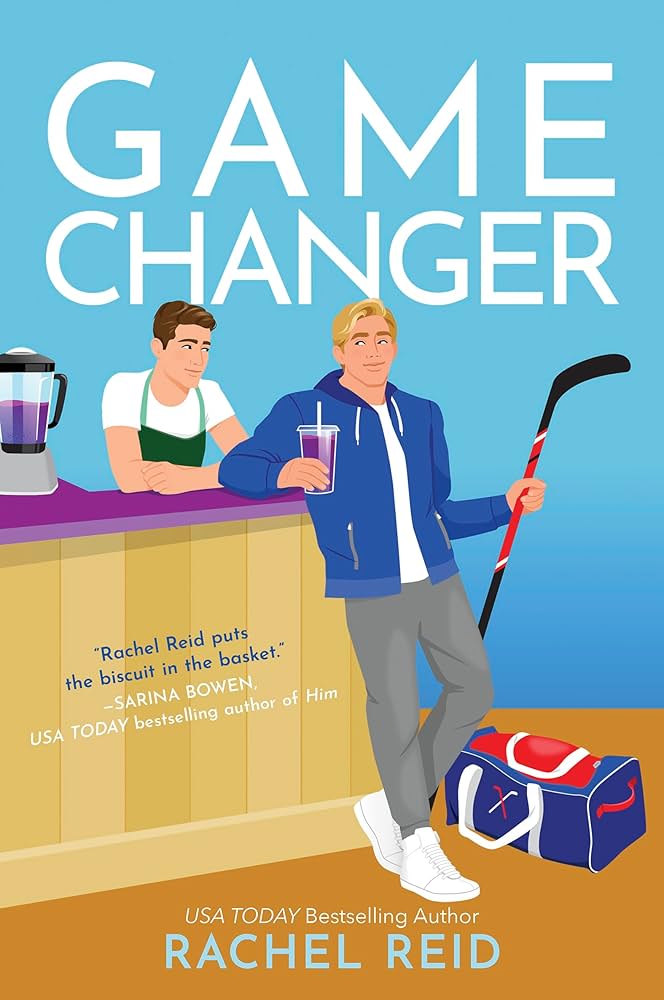
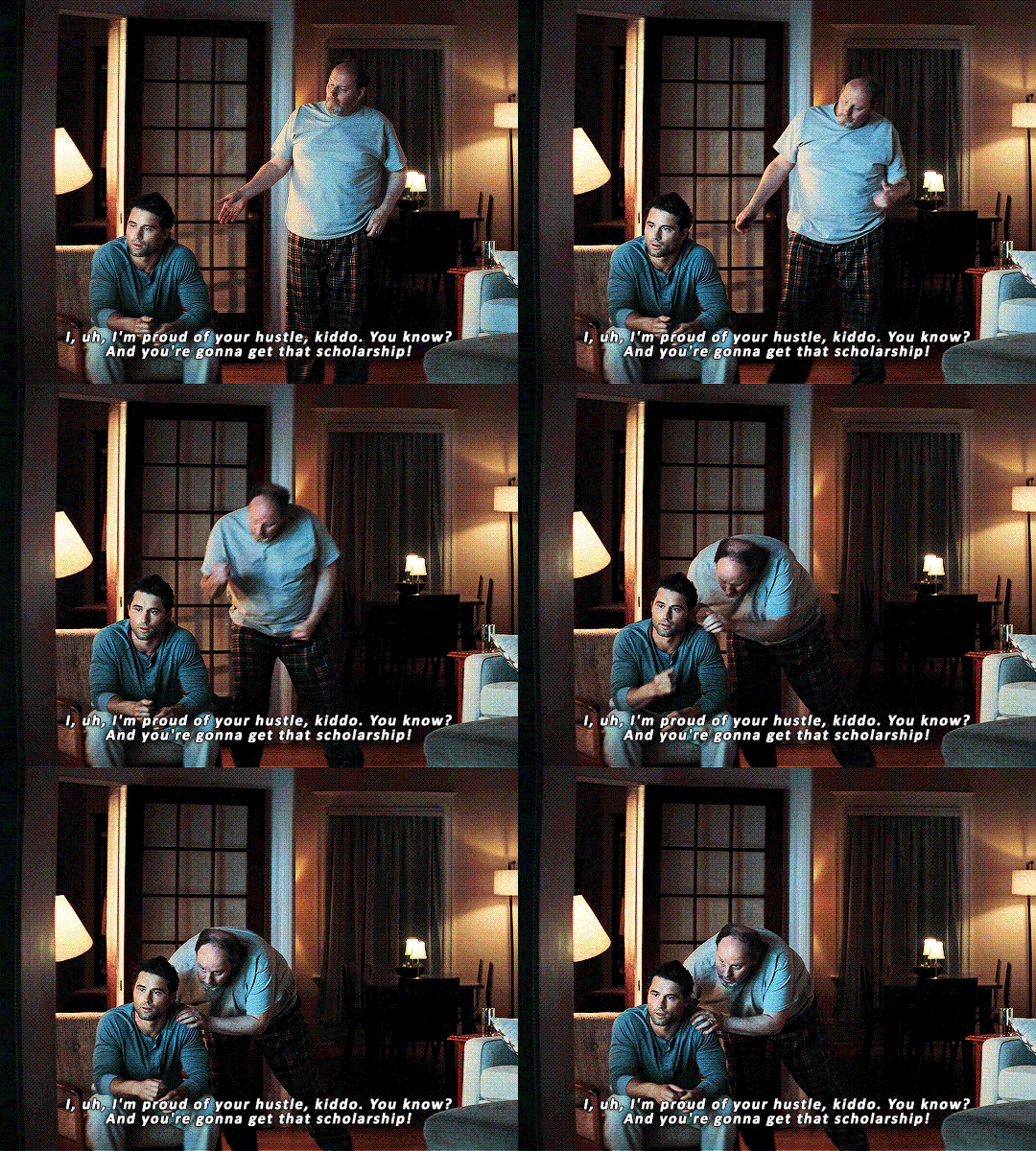
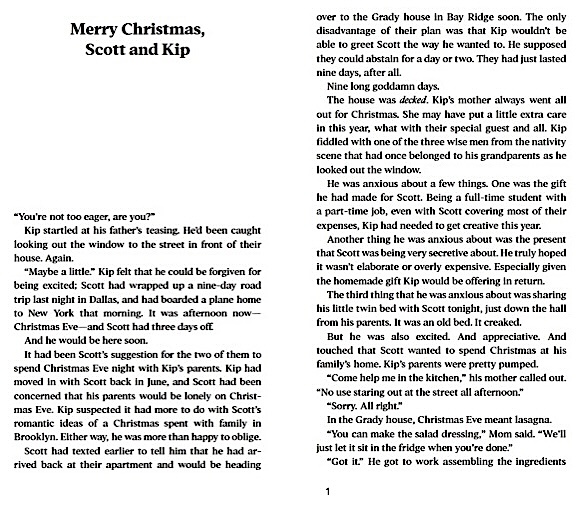
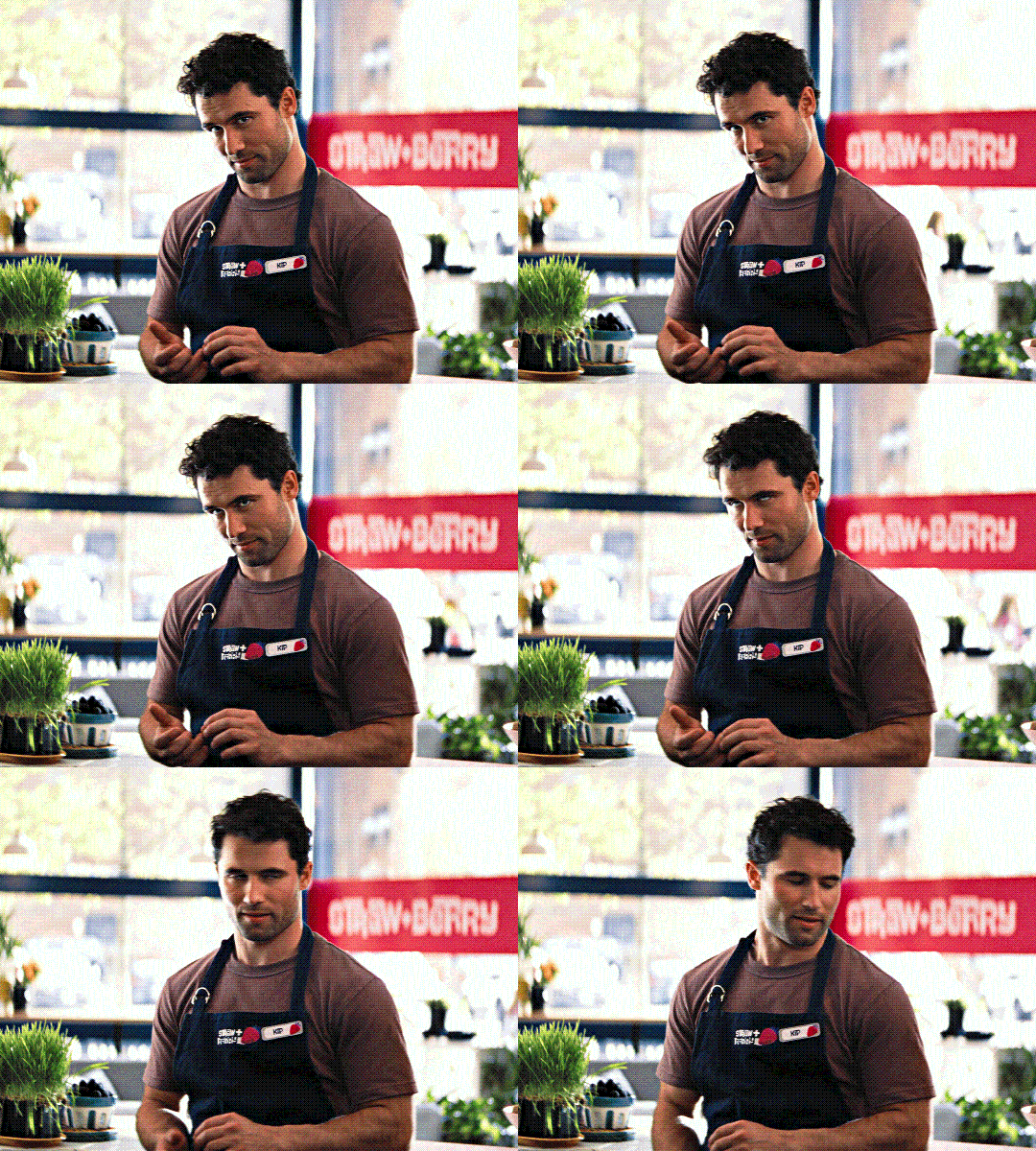
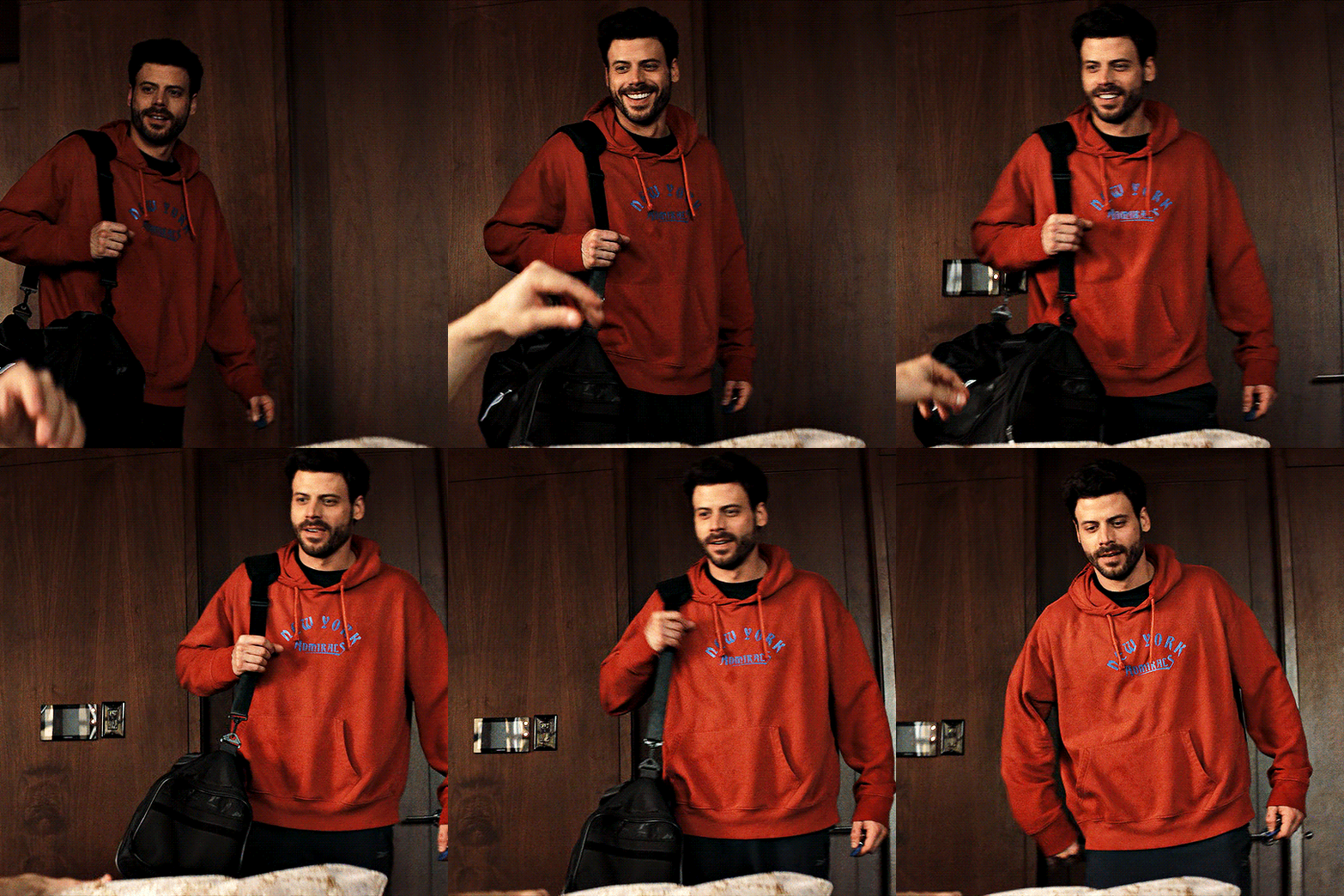
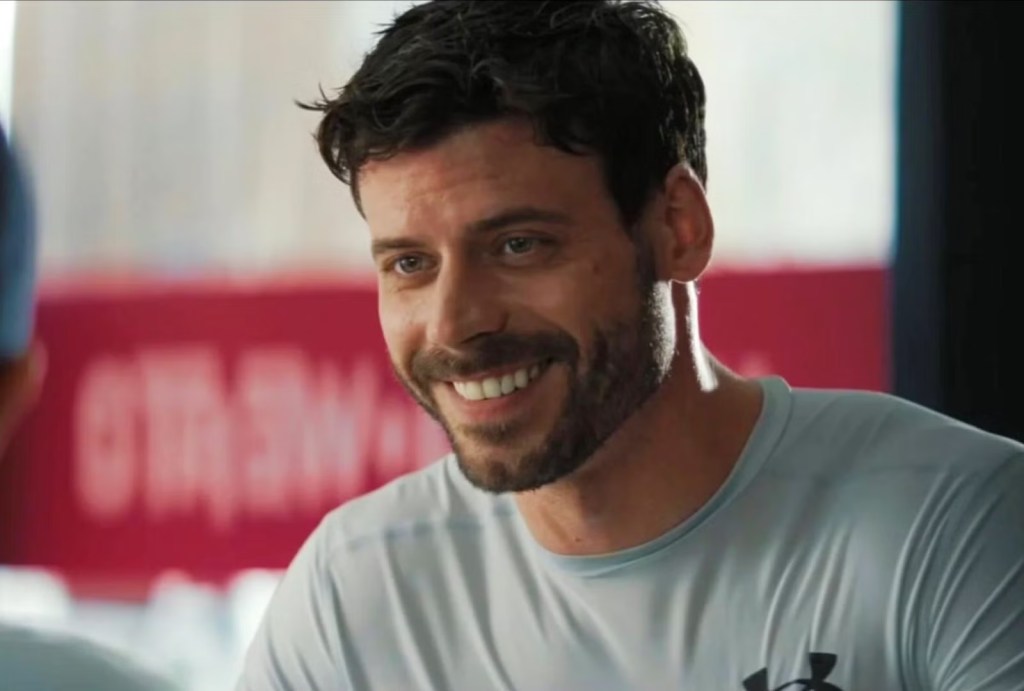
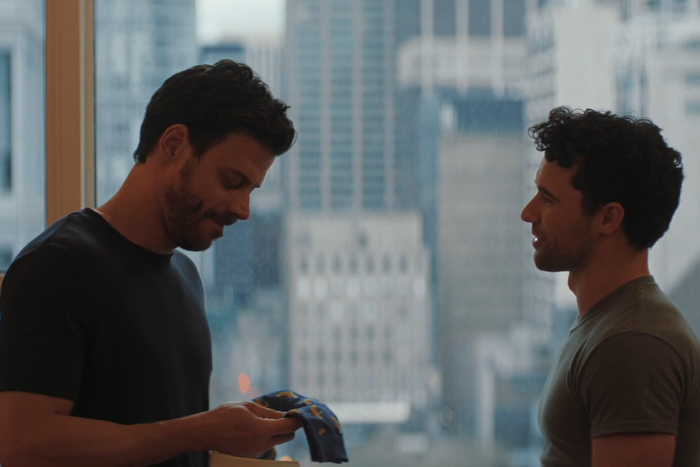
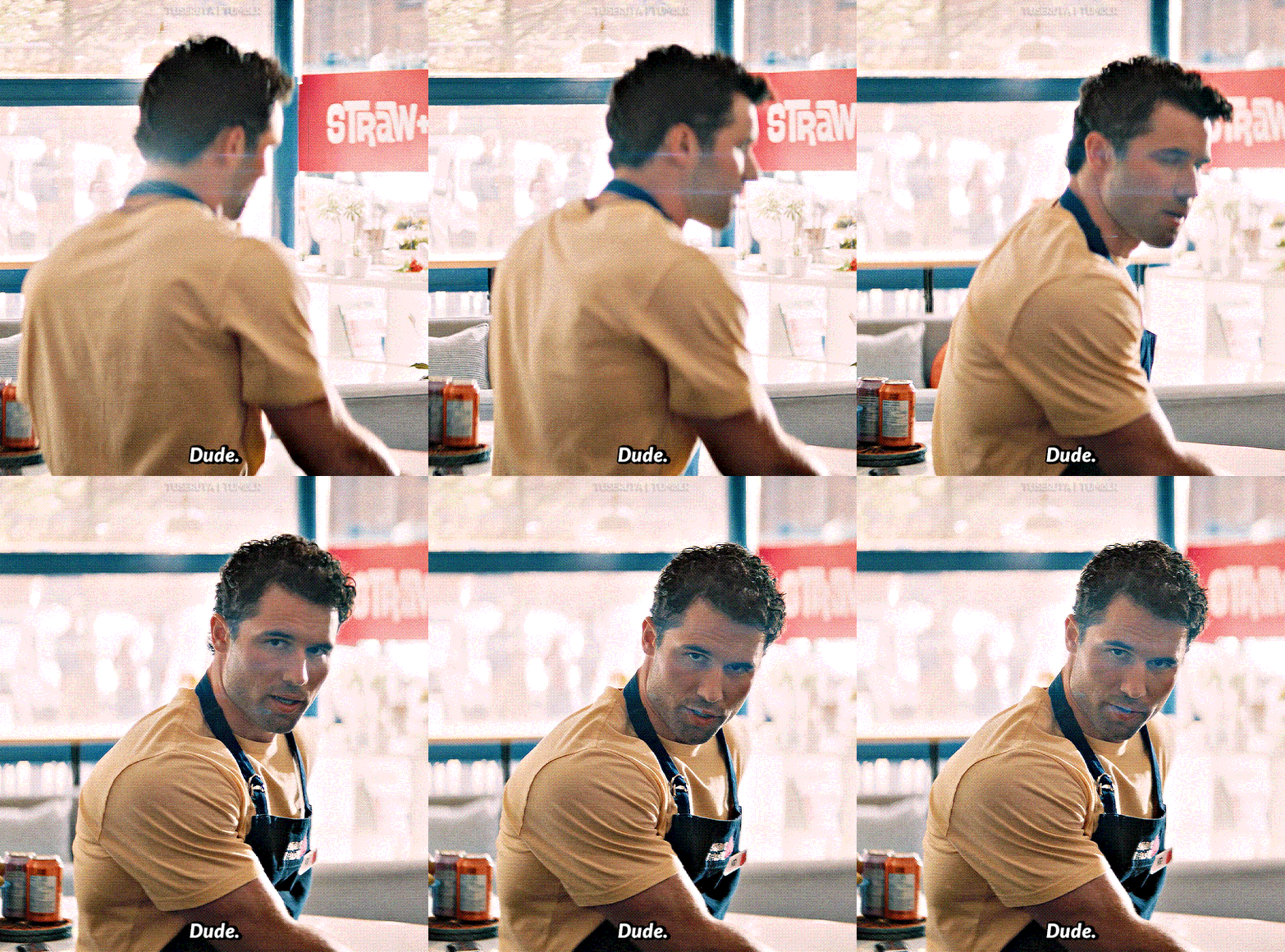
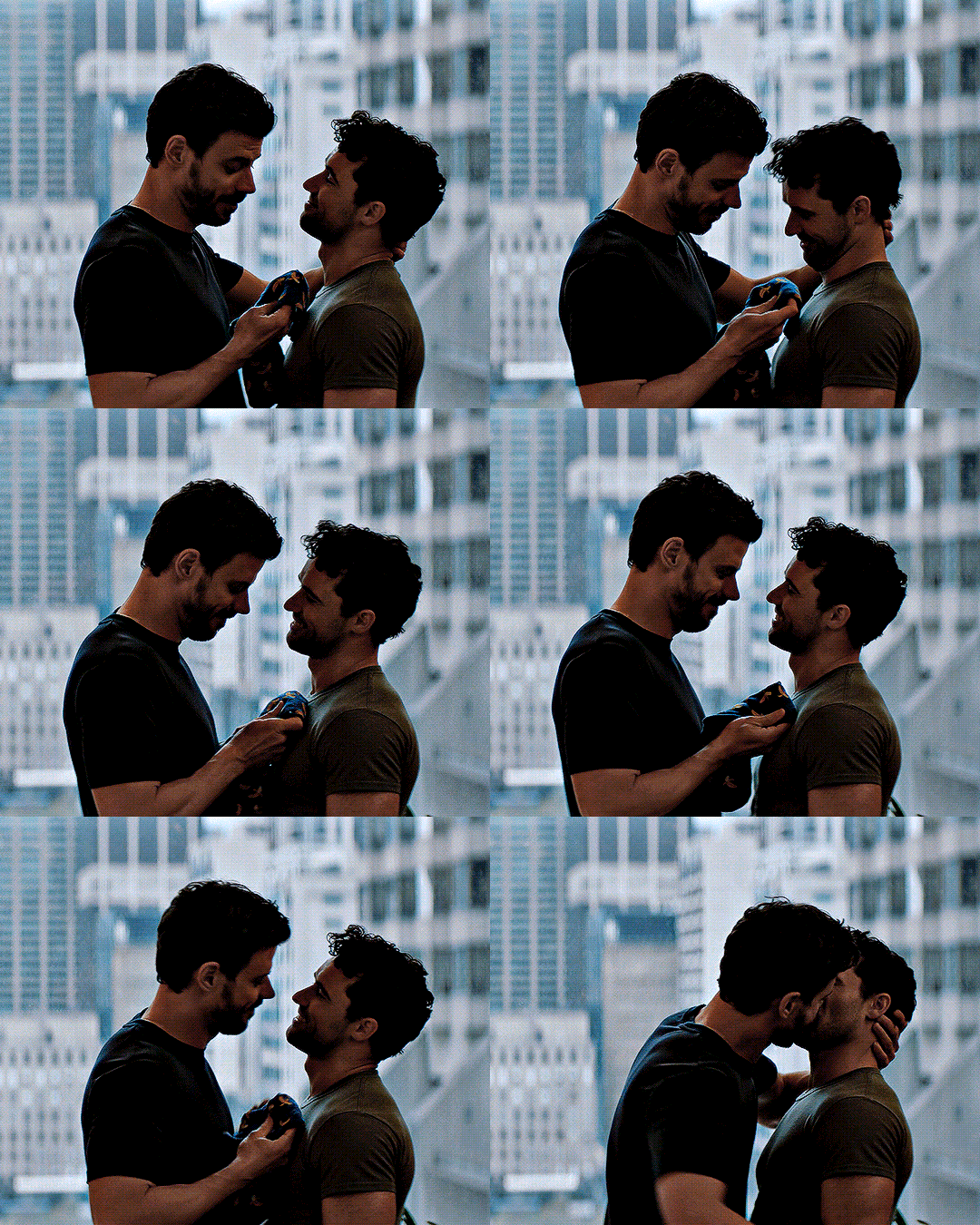
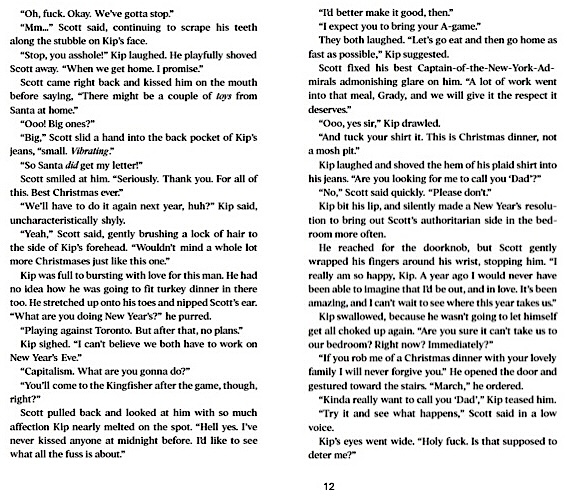
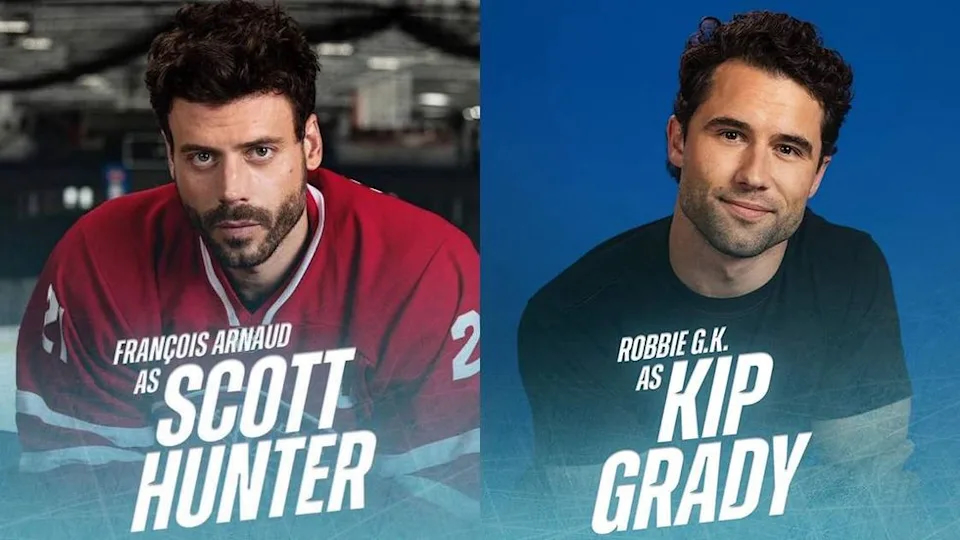
The first book of the series, Game Changer (2019) focused on NHL captain Scott Hunter and barista Kip Grady. Their story is the subject of episode 3 of the Heated Rivalry television show. Because the whole book was condensed into a single episode, there is little about Kip’s home life in Bay Ridge, Brooklyn. His mother and sister are not mentioned in the show, although his father, as played by Matt Gordon, is one of my favorite peripheral characters in the series.
Kip & his dad as played by Robbie G.K. & Matt Gordon.
Author Rachel Reid has always been very connected with her audience and generous about posting additional content online for free: sharing scenes and chapters trimmed from the books as well as short stories not featured elsewhere. You can find these on her website.
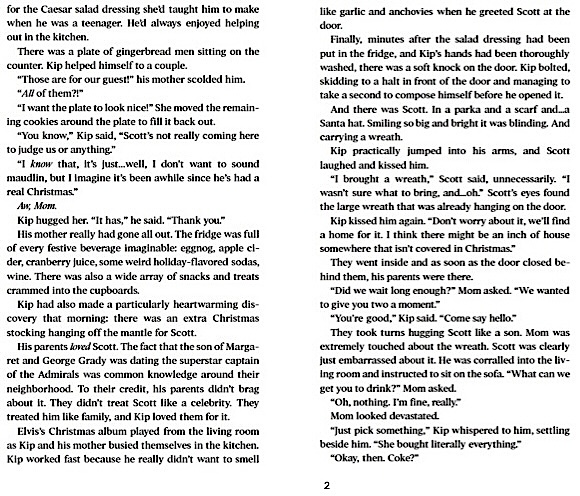
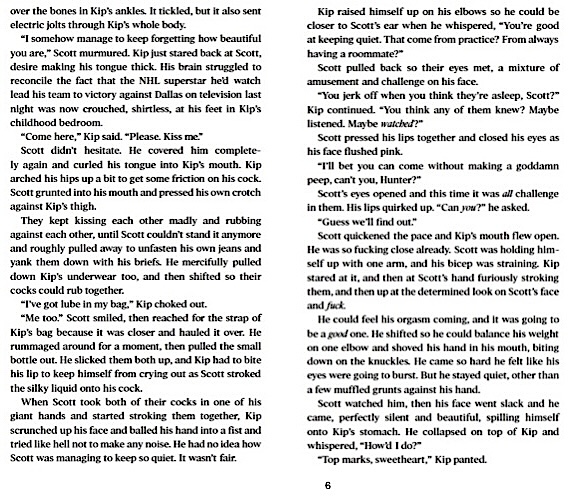
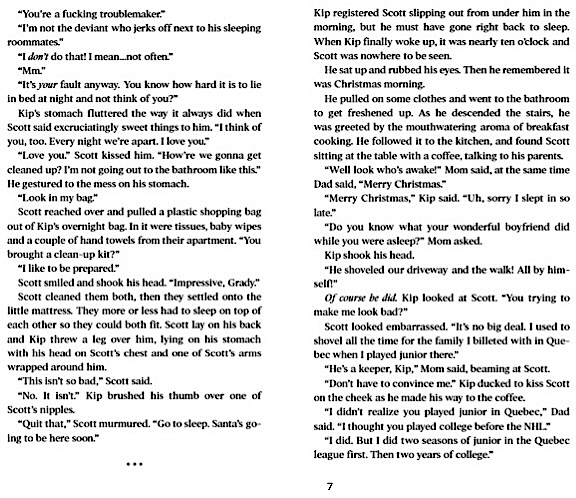
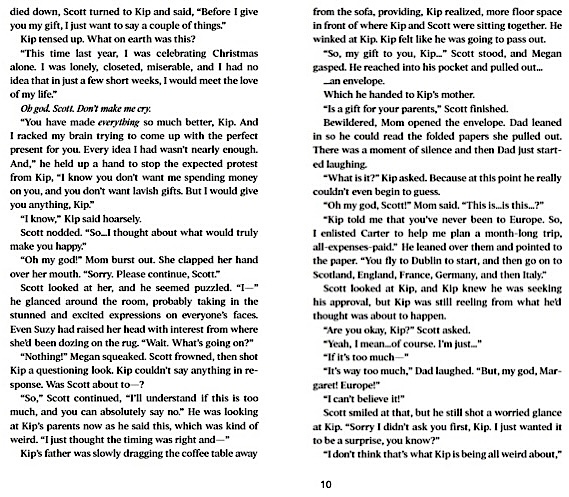
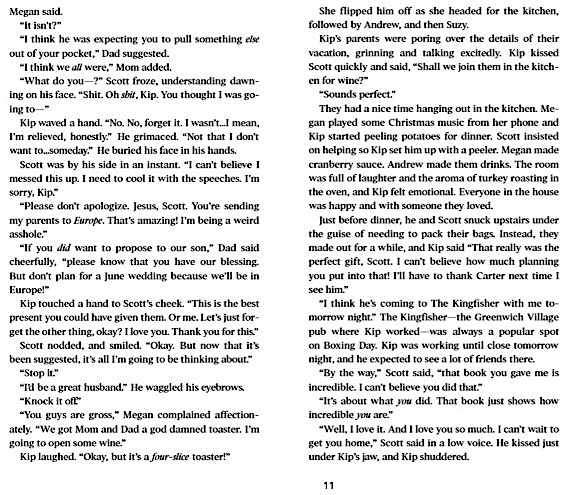
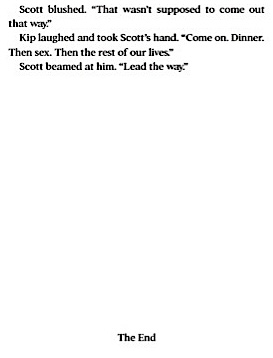
One piece that is a little harder to find is an epilogue to Game Changer that was posted as an epub file. I’m posting it below for those who want to easily read it online, or as a downloadable .pdf.
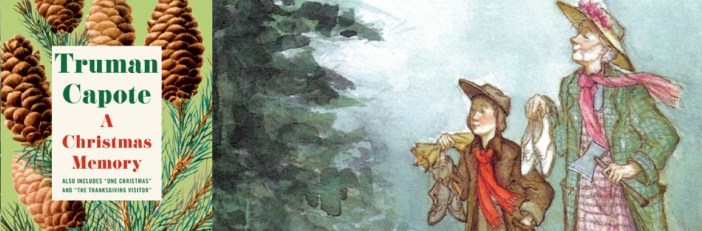
A recent rerun of This American Life featured Truman Capote reading an edited version of his short story A Christmas Memory. Originally published in Mademoiselle magazine in December 1956, Capote’s reading was released on a 1959 LP:
Truman Capote & his cousin Sook.
The largely autobiographical story is set in early 1930’s Monroeville, Alabama and describes a holiday season in the lives of the seven-year-old narrator and an elderly woman who is his distant cousin and best friend. This classic holiday story has been broadcast, recorded, filmed, and staged multiple times.
A 1966 television version won the Peabody Award as well as Emmy awards for the teleplay and lead actress Geraldine Page. You can watch the entire 48 minute film on YouTube:
Biopics and the recent television series Feud: Capote vs. The Swans have focused on Capote’s later life and the mess that he became. It’s nice to revisit one of his finest early pieces of writing and remember what a brilliant talent he was.
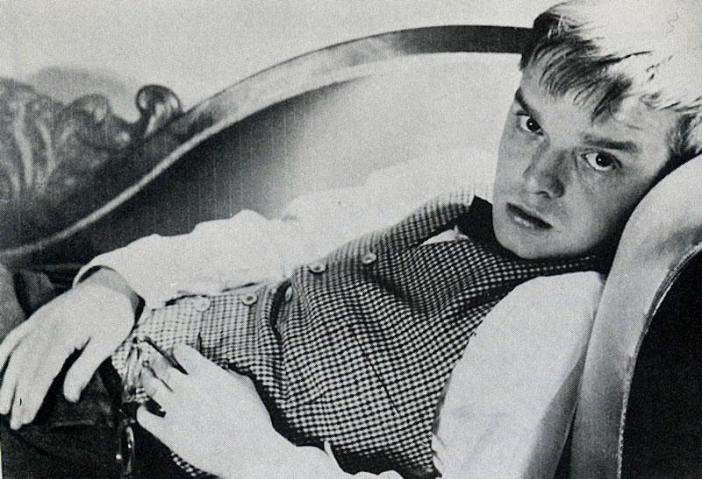
The infamous book jacket photo of Truman Capote from Other Voices, Other Rooms. One critic commented, “He looks as if he were dreamily contemplating some outrage against conventional morality.” (1948)
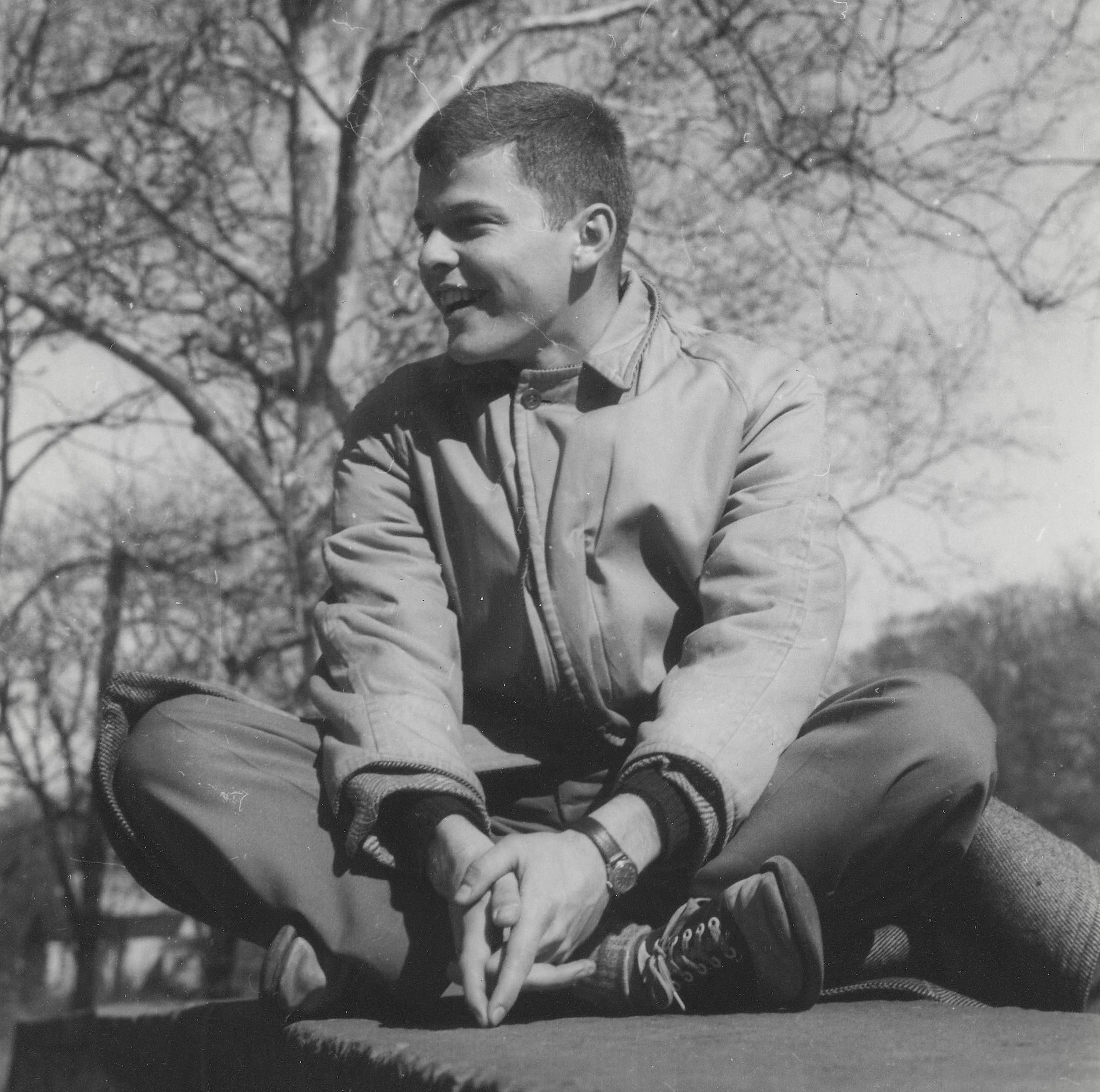
In 1939, 19-year-old Donald Windham moved to New York from Atlanta with his boyfriend, graphic artist/photographer Fred “Butch” Melton. They were welcomed into the New York circle of artistic types that included George Platt Lynes, Tennessee Williams, Paul Cadmus, Jared and Margaret French.
Donald Windham & Fred “Butch” Melton photographed by Jared French at his 5 St. Luke’s Place studio (ca 1941)
In 1942, Butch ended his relationship with Windham, opting for a more conventional lifestyle by getting married, fathering two sons and moving to Macon, Georgia. This didn’t last long: Butch met and fell in love with local artist Wilbur “Billy” Pippin. In early 1948, he left his young family and returned to New York with Billy. But that’s another story…
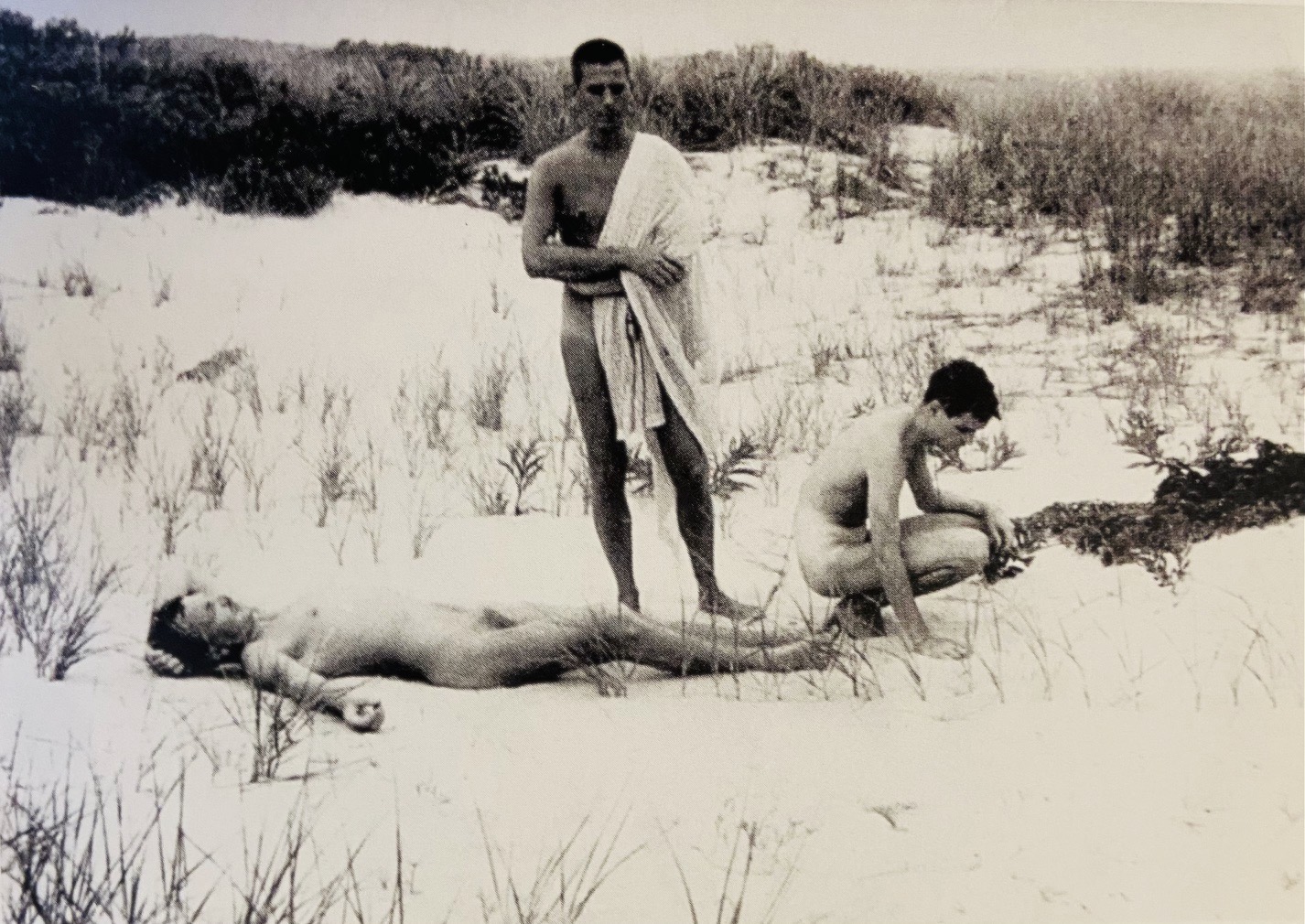
Donald Windham with Jared French & Paul Cadmus on Fire Island, ca 1940
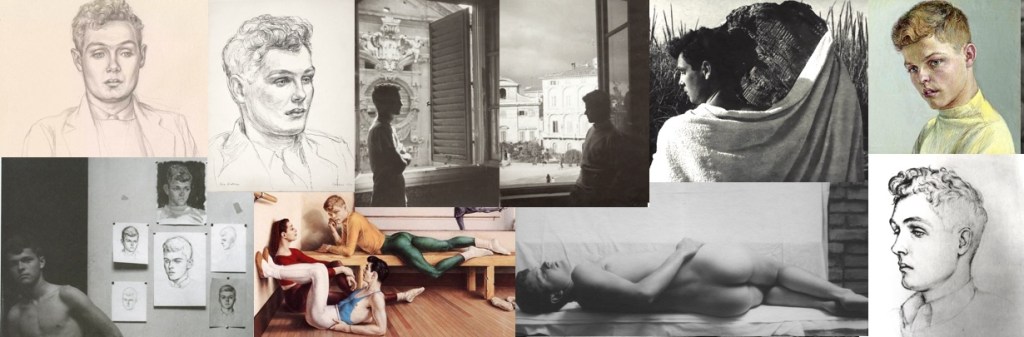
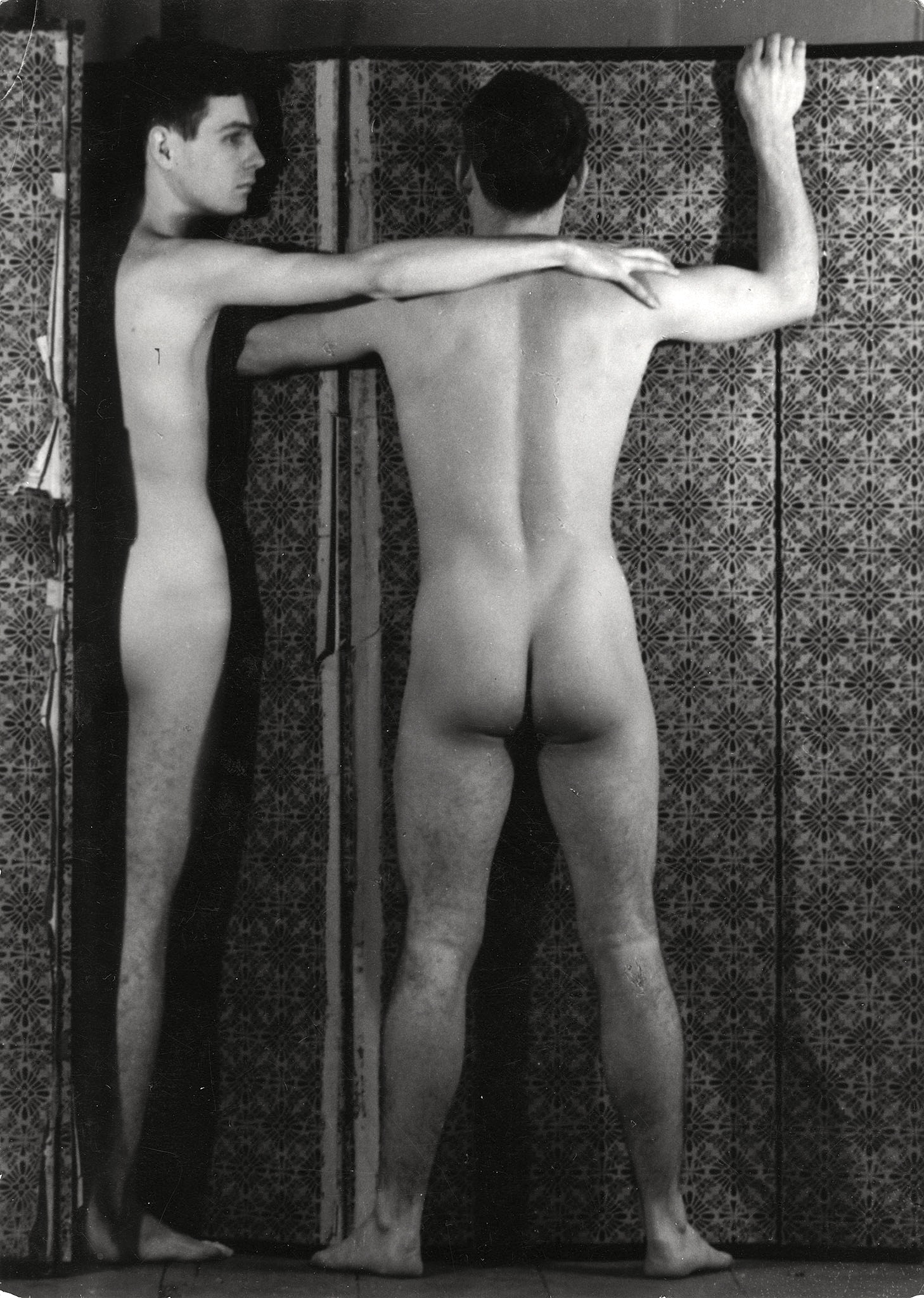
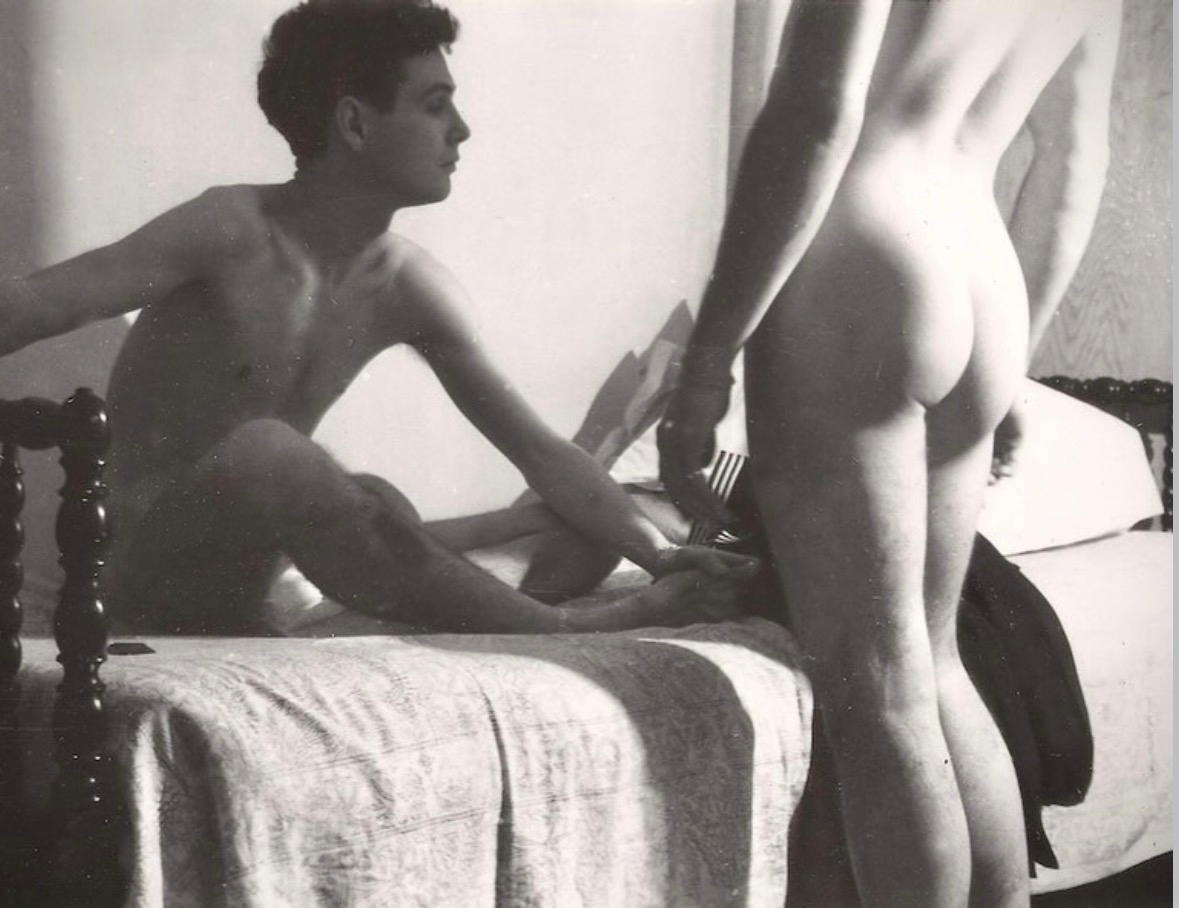
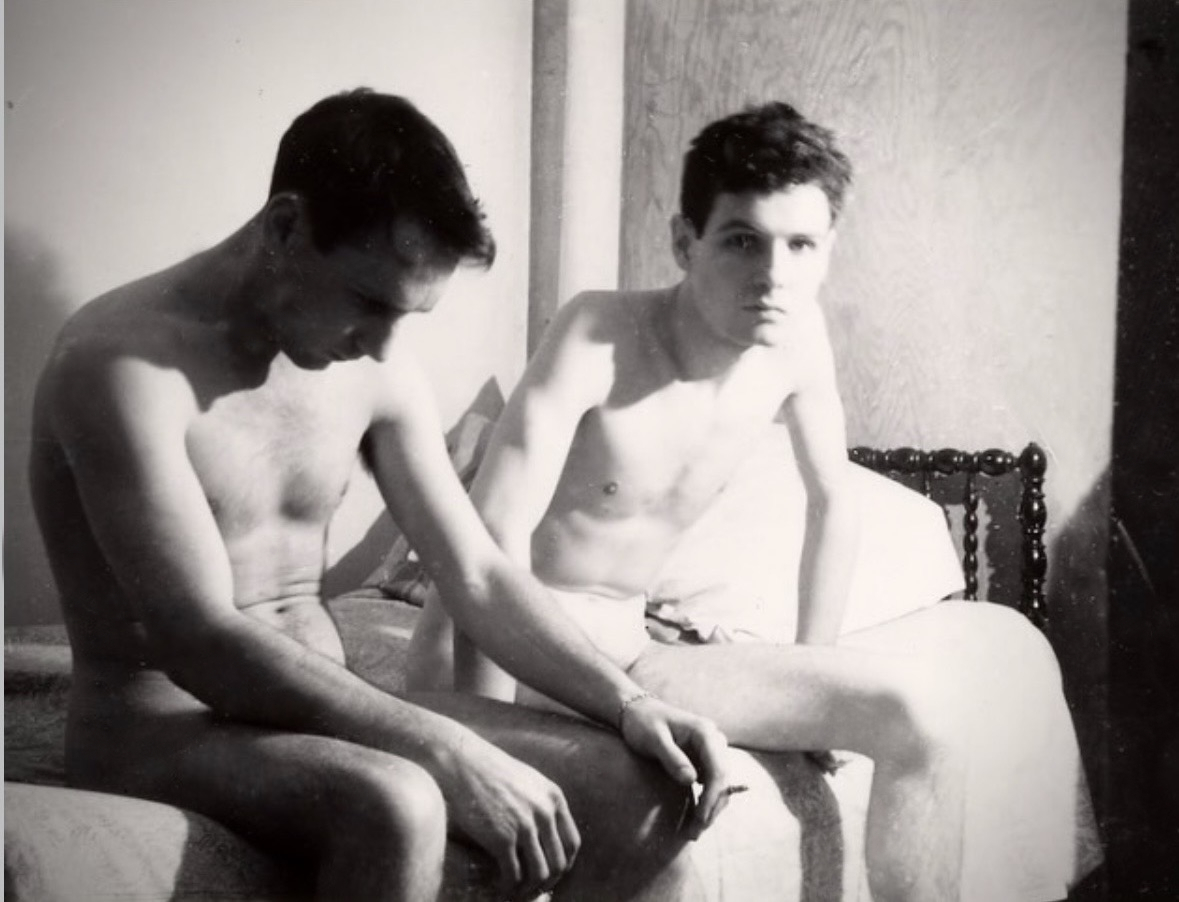
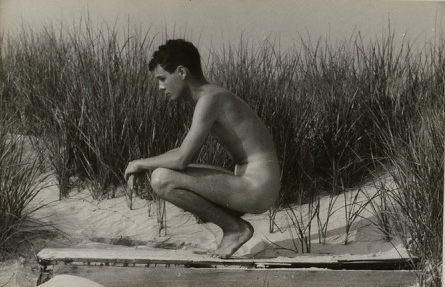
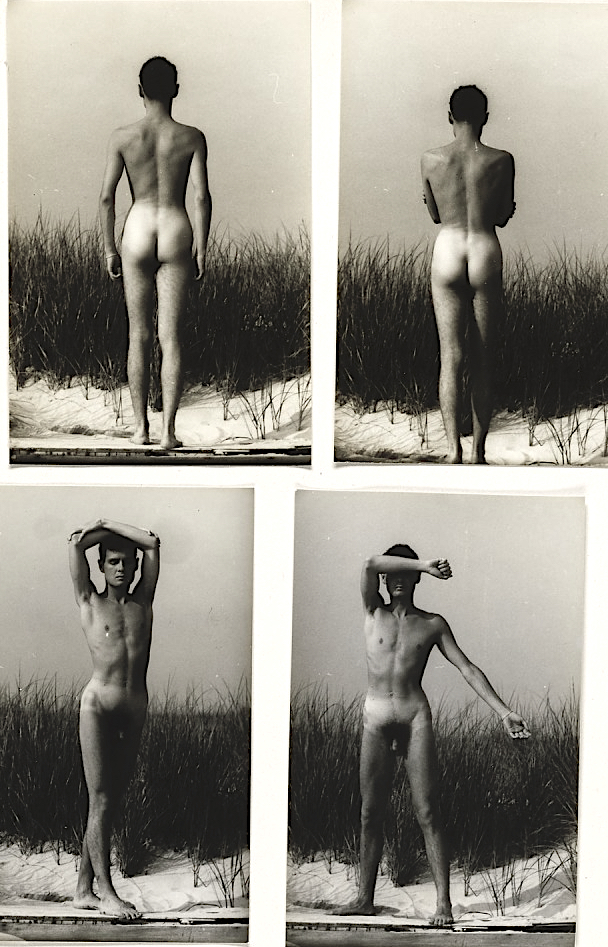
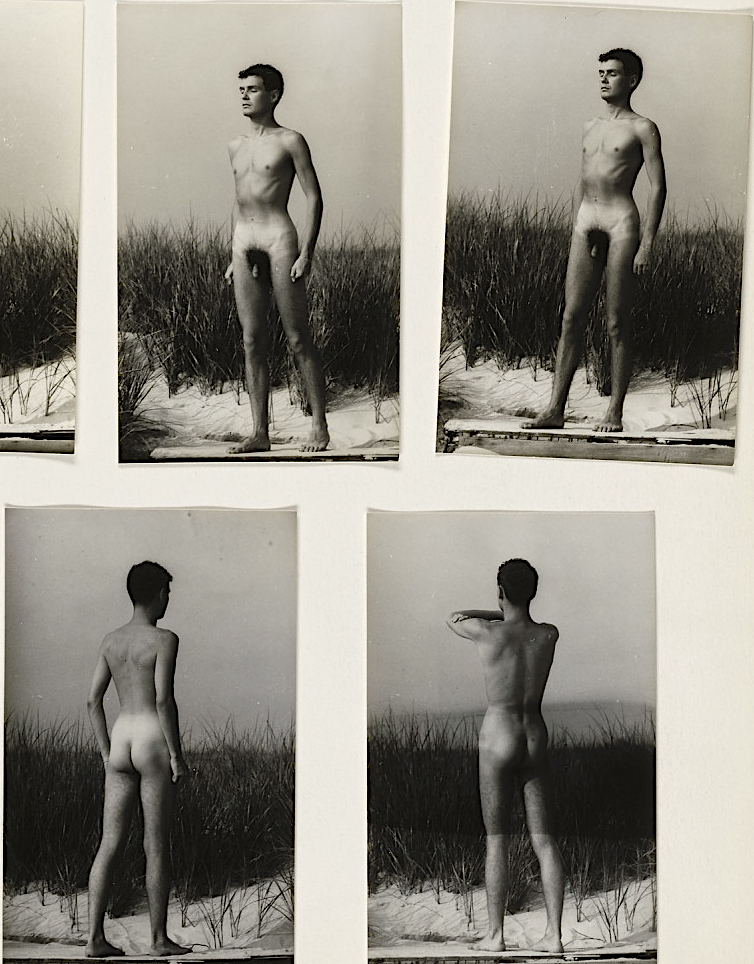
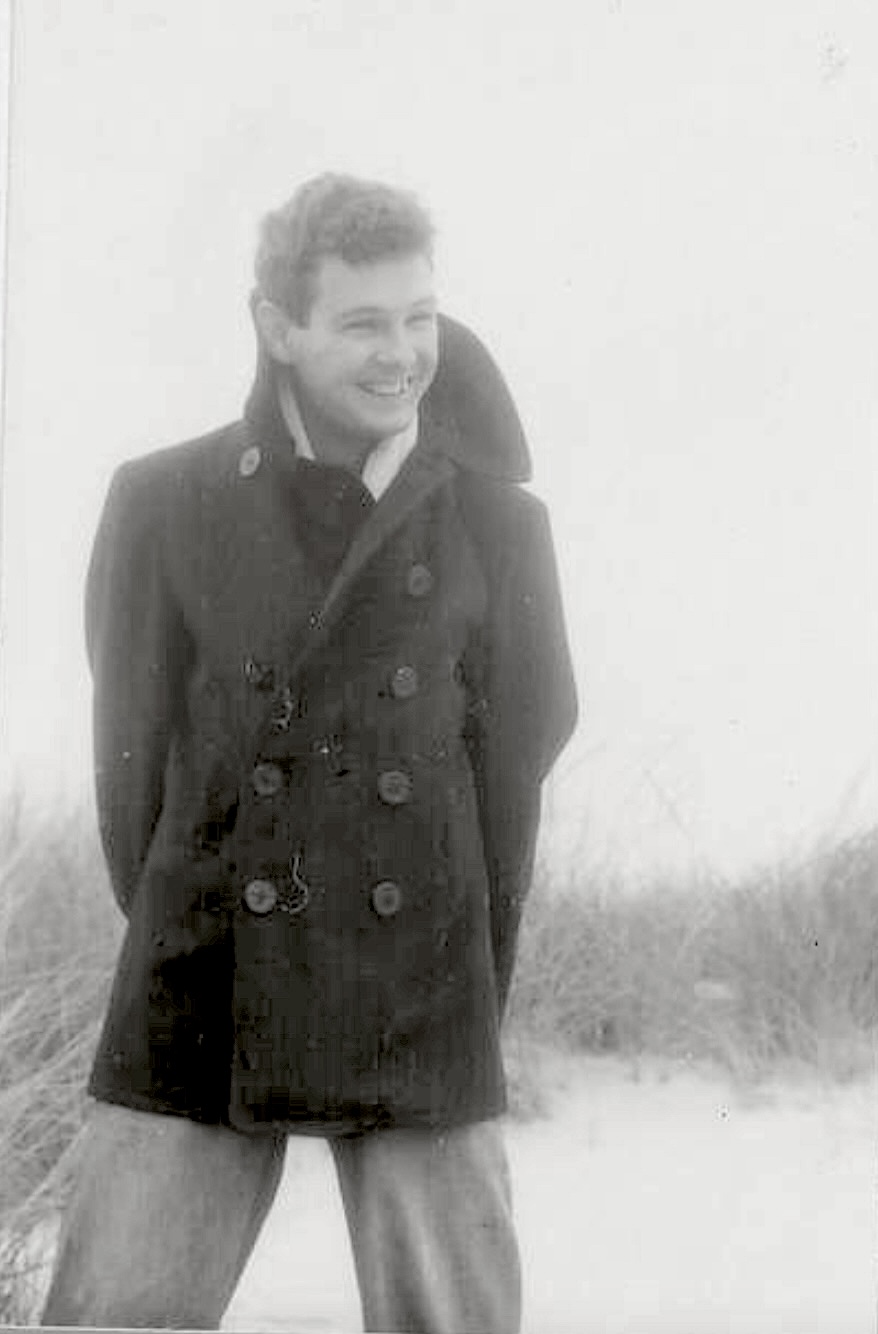
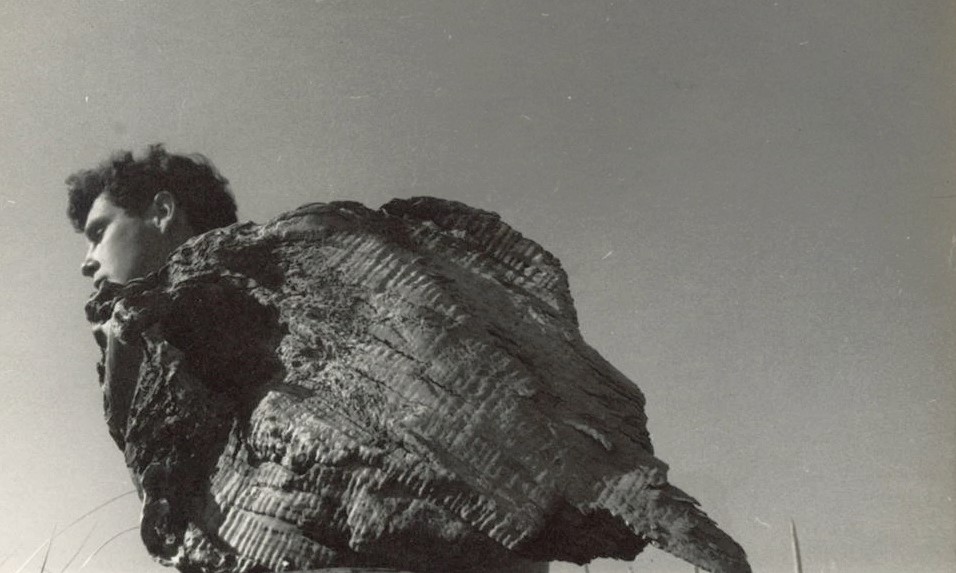
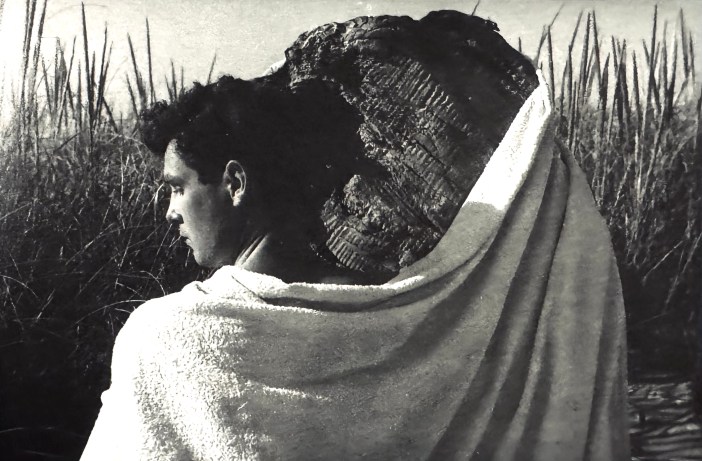
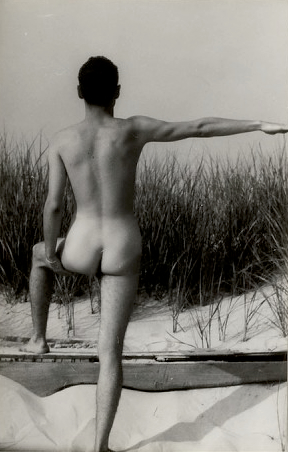
In 1942, the newly single Windham supported himself by working at Lincoln Kirstein’s Dance Index magazine. He lived in the Cadmus/French studios at 5 St. Luke’s Place while they spent time at their rental on Fire Island. He would frequently visit there as well. The lithe young man with the striking profile became the subject of many PaJaMa photos and sketches.
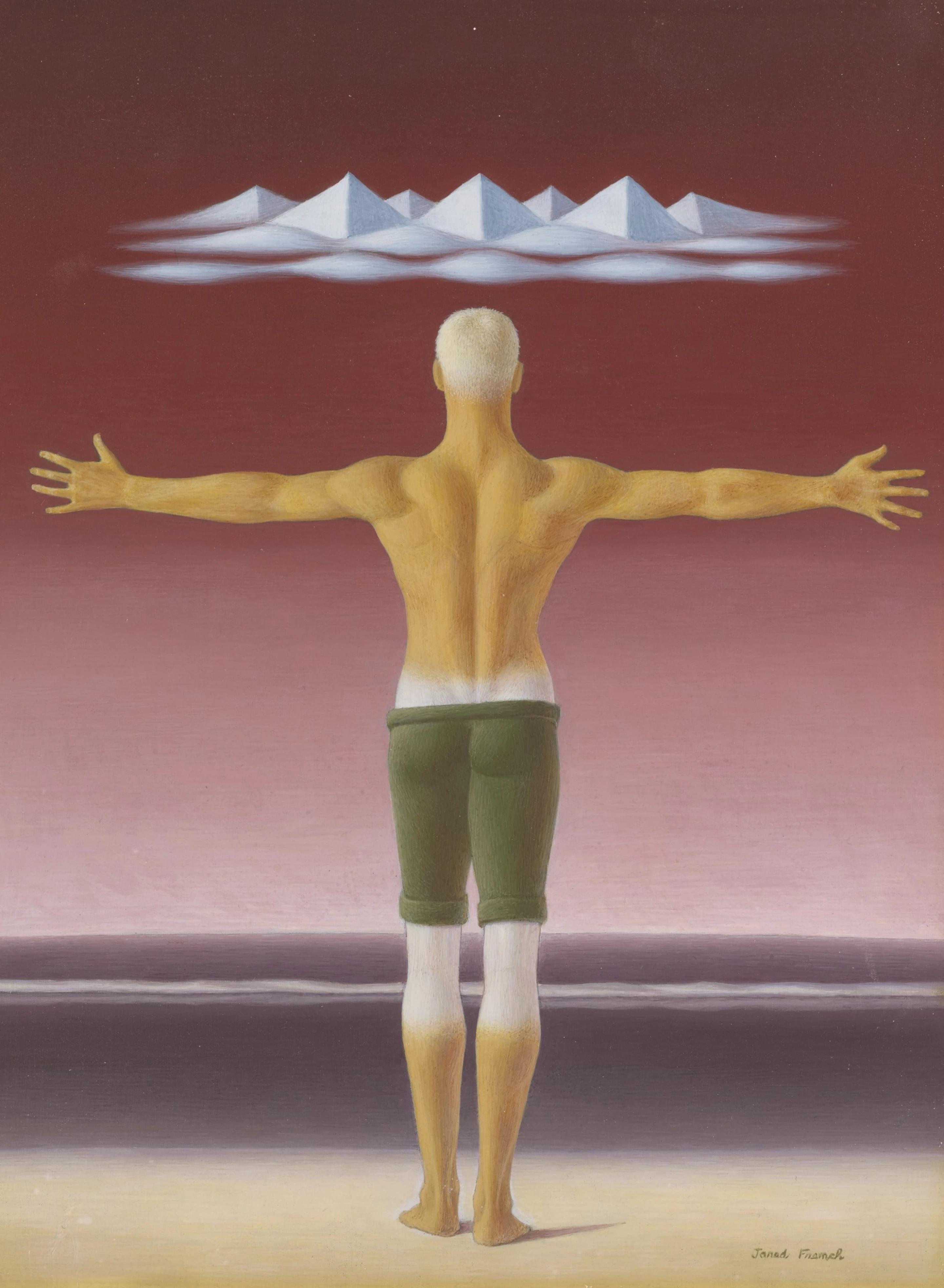
Windham posed as a reference for Jared French’s Homesickness (1942)
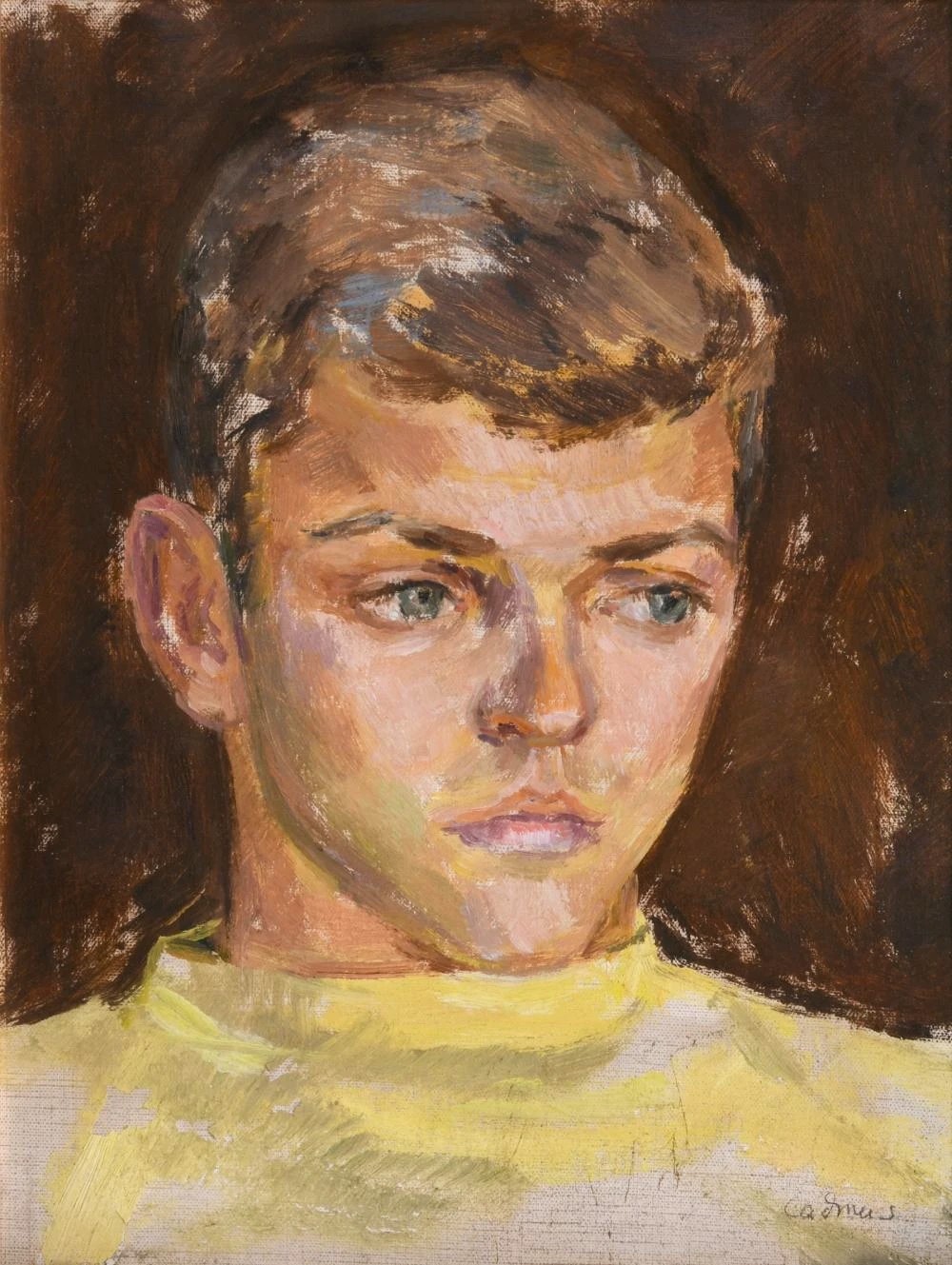
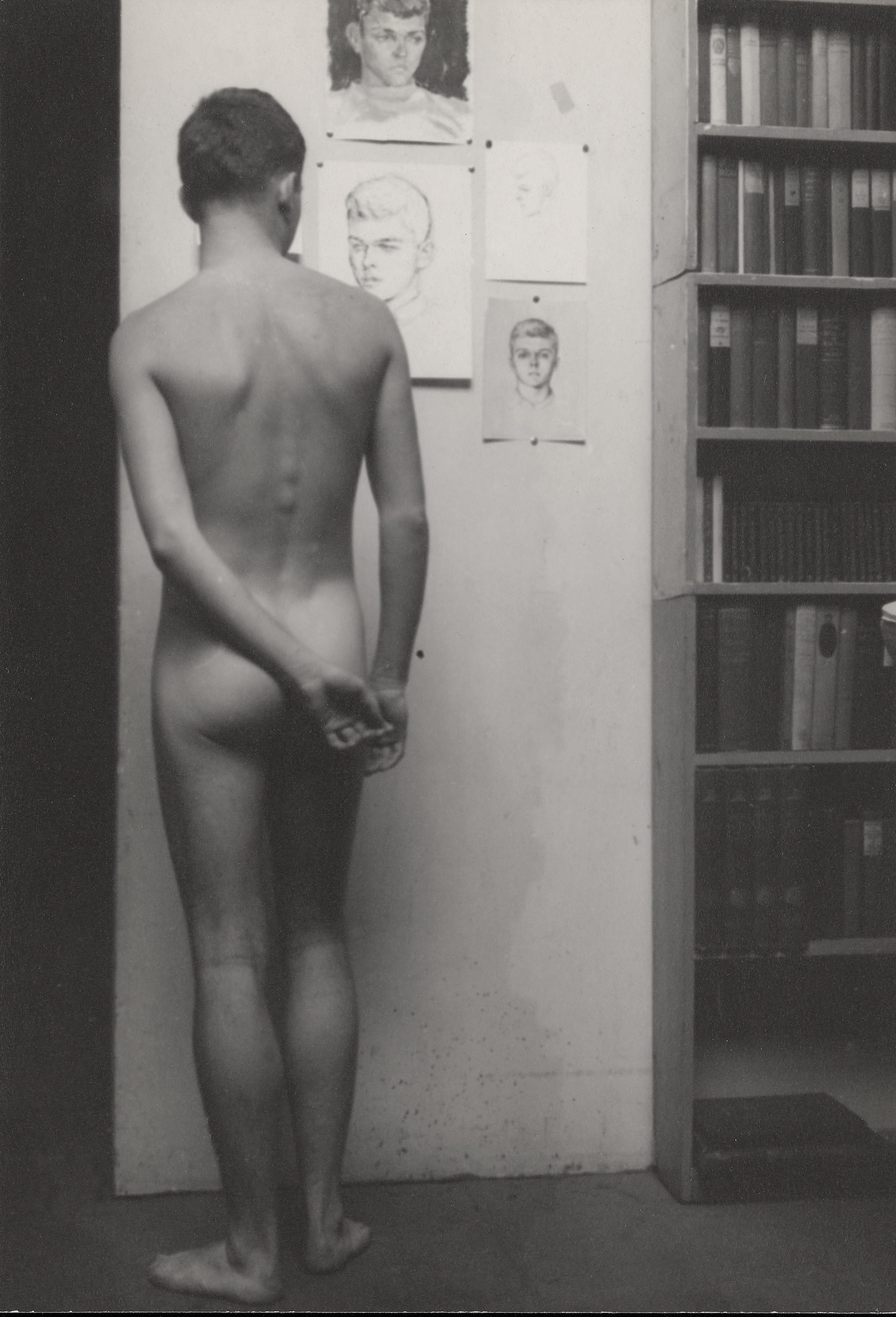
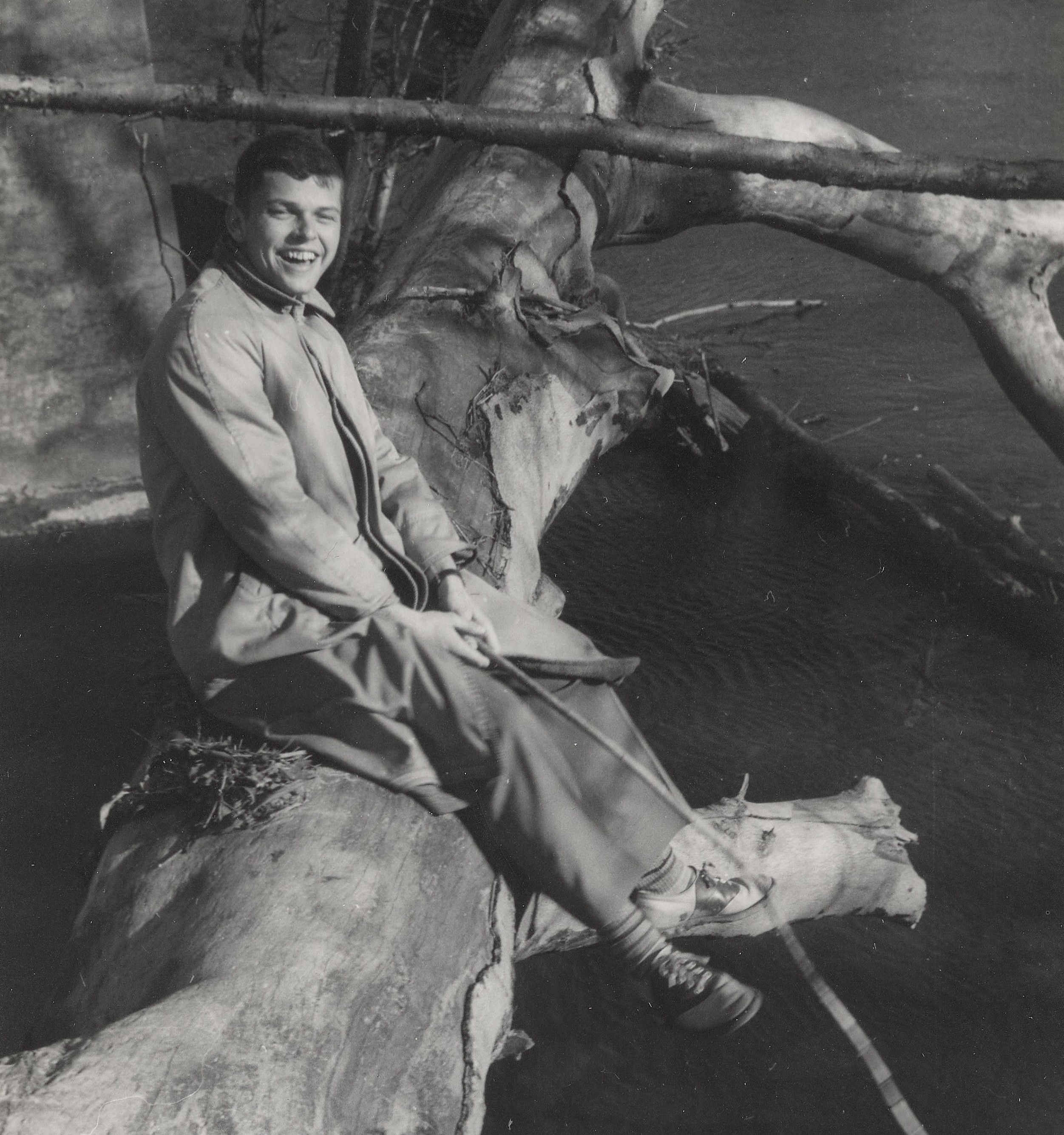
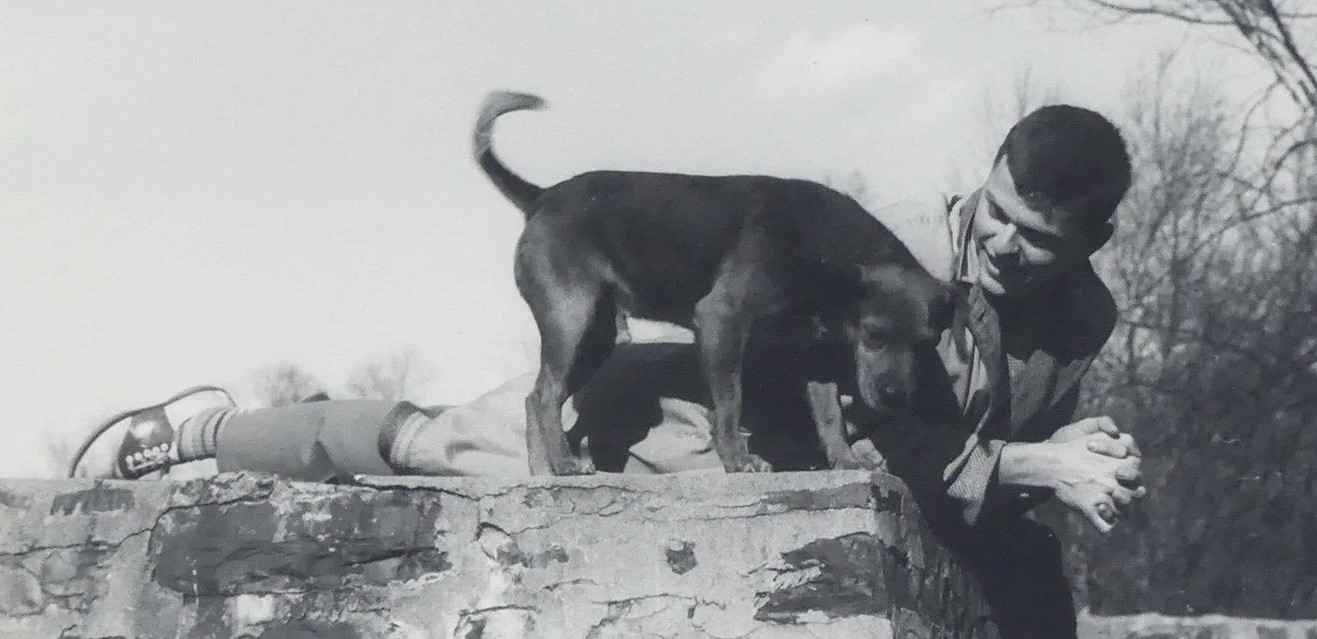
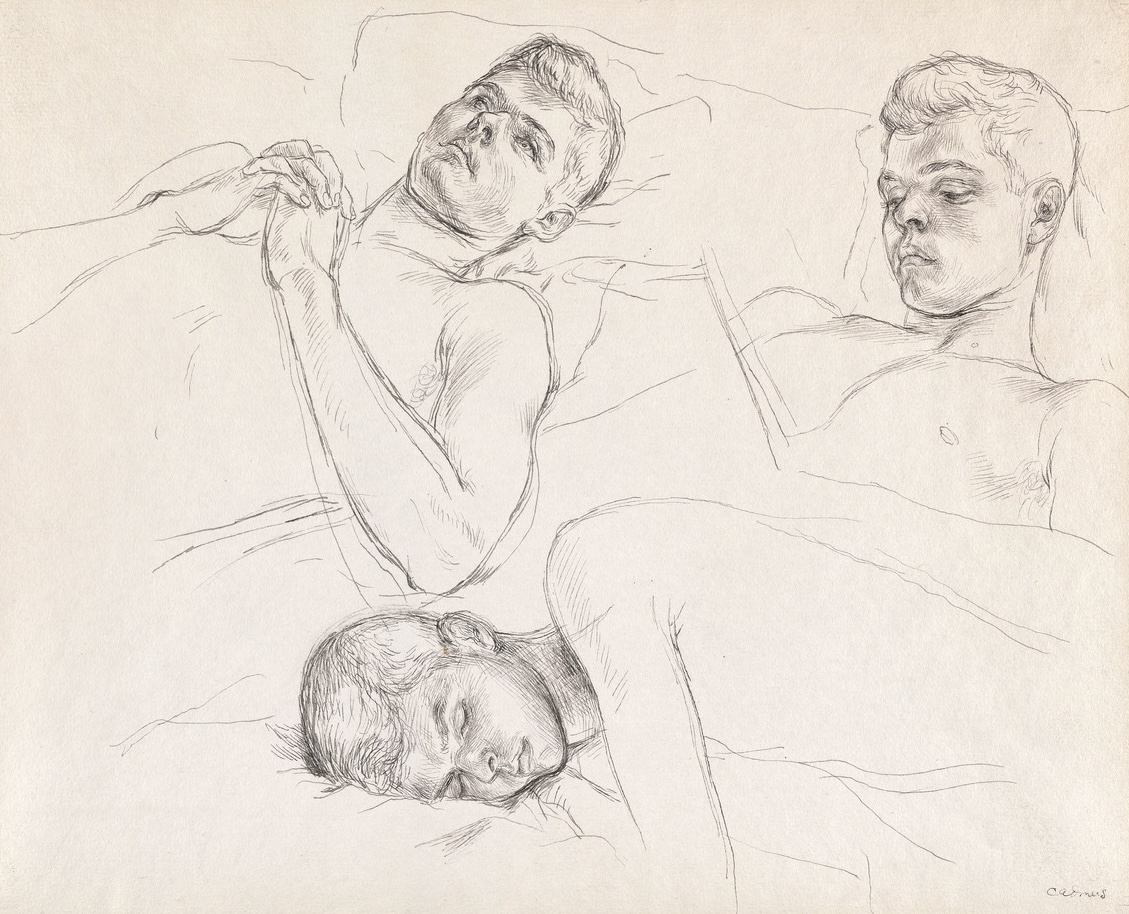
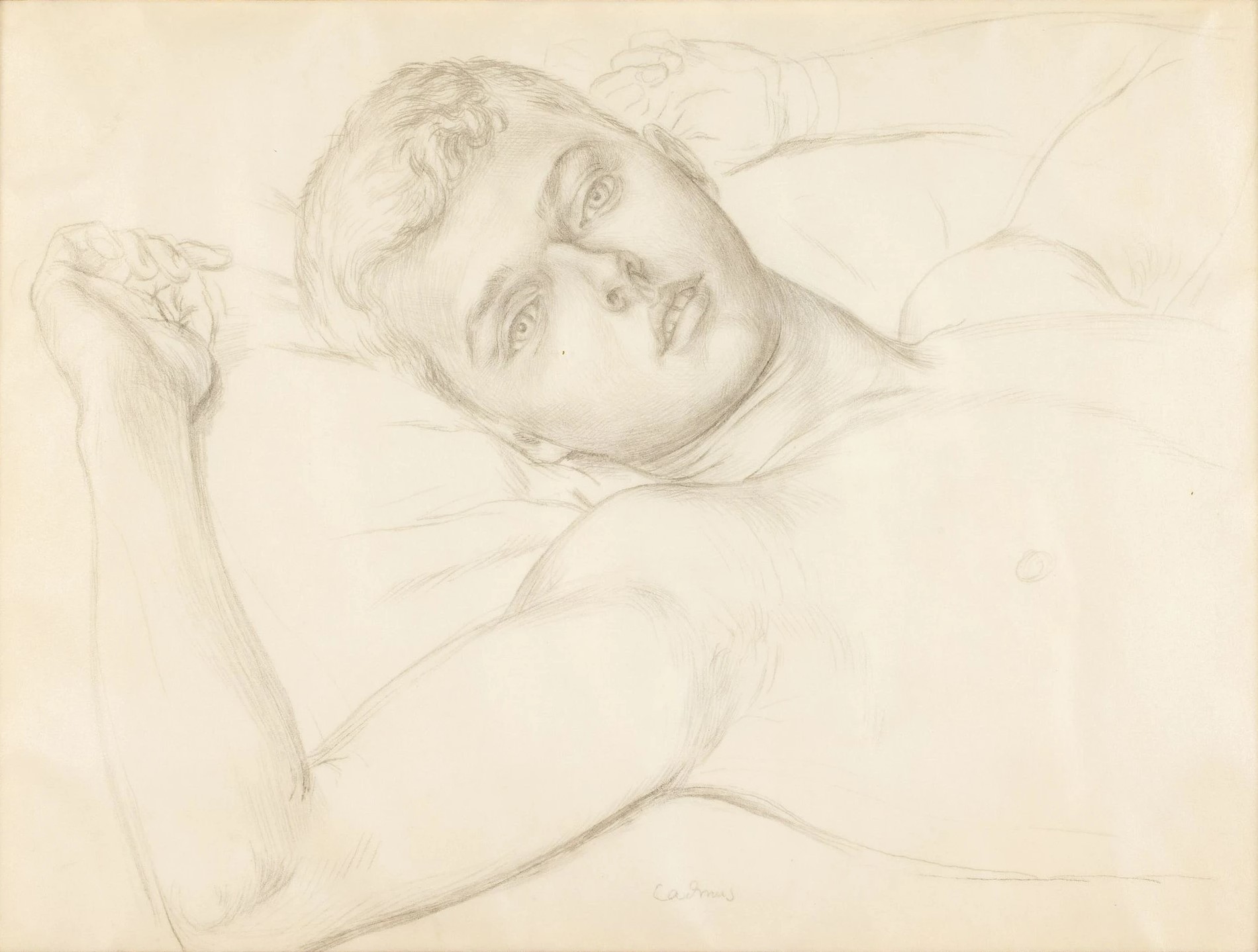
Paul Cadmus met 21-year-old Princeton theater student Sandy Campbell at a party in 1943. The young man asked the artist to do a pencil portrait that he could give to his mother, as he suspected that he would soon be drafted. Cadmus was instantly smitten with the handsome young man. He went on to draw, paint and photograph him frequently throughout the following year.
Campbell is the central figure of Cadmus’s 1944 painting Reflection. Donald Windham was the original model for the figure laying on the floor. Before the painting was completed, however, the two models fell in love. Cadmus was not happy with this turn of events, and Windham’s likeness disappeared from the finished painting, with the figure’s head turned slightly away.
Donald Windham & Sandy Campbell photographed by George Platt Lynes (ca 1943)
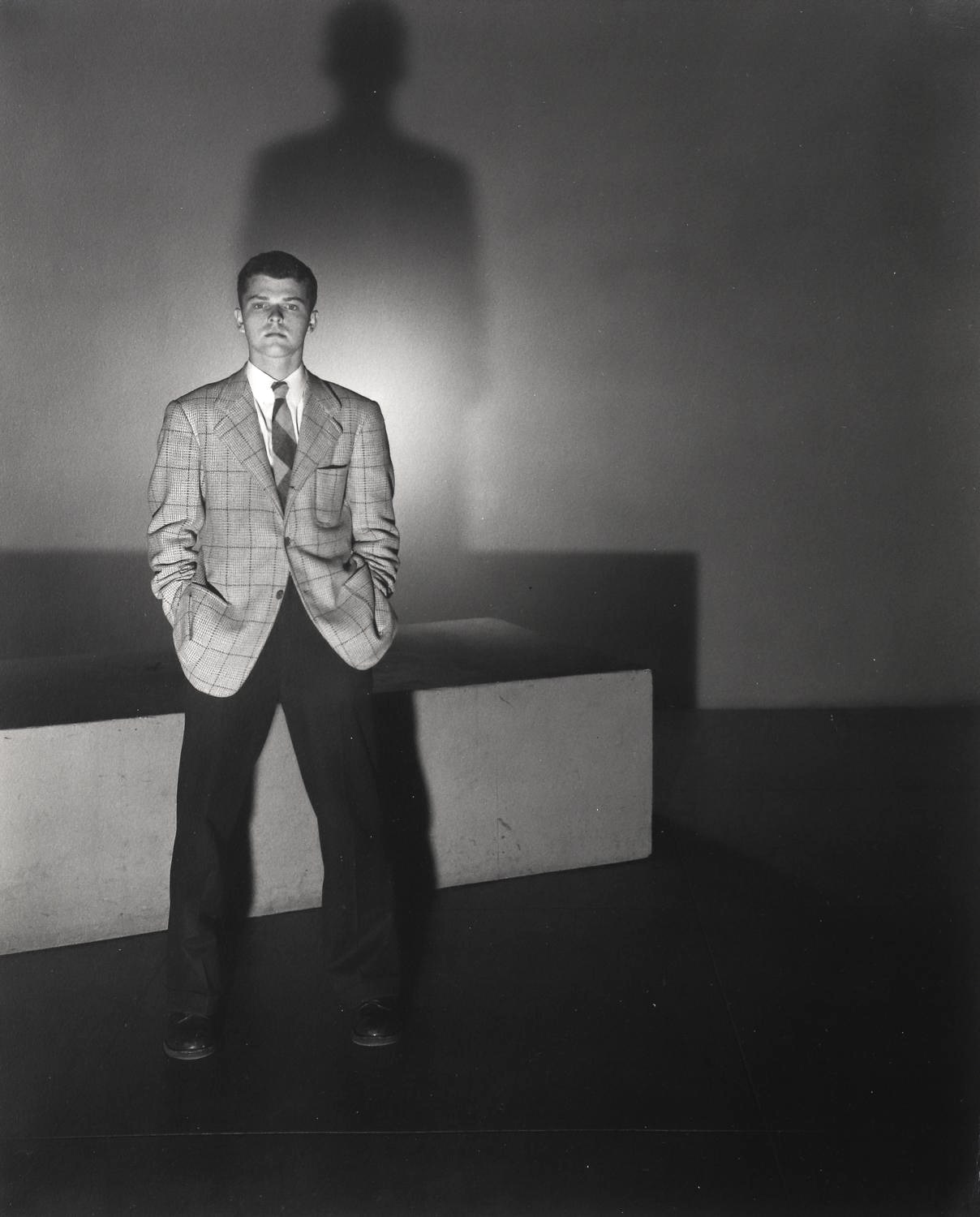
Photographer George Platt Lynes photographed both Campbell and Windham several times in separate studio settings. In 1945, he shot Windham again with his friend and writing collaborator, Tennessee Williams.
Donald Windham, Tennessee Williams & Edmund Gwen photographed by George Platt Lynes (1945)
Windham and Williams co-wrote the play You Touched Me!, a romantic comedy based on a short story by D.H. Lawrence. It opened on Broadway starring Edmund Gwen and Montgomery Clift in late 1945. Unfortunately, reviews were mixed and it closed 4 months later.
Around the same time, Campbell was cast in a string of minor Broadway and film roles that would span the next 10 years. He then decided to give up acting and focus on editing and publishing Windham’s work.
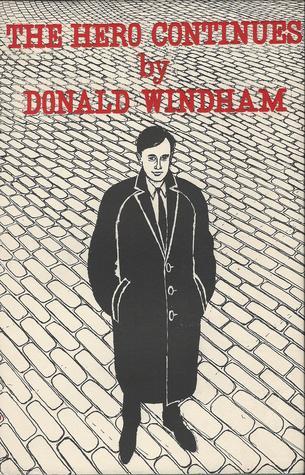
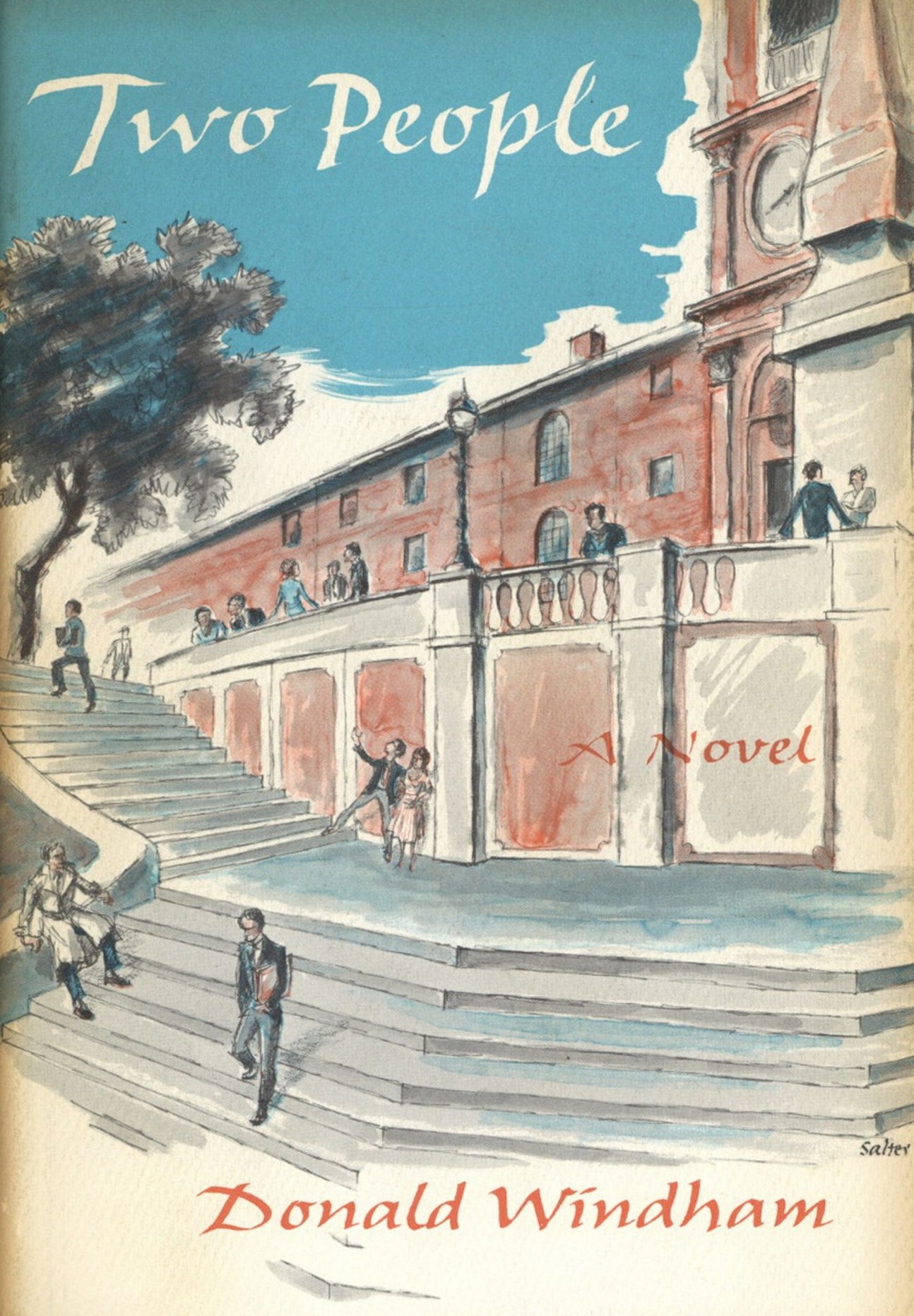
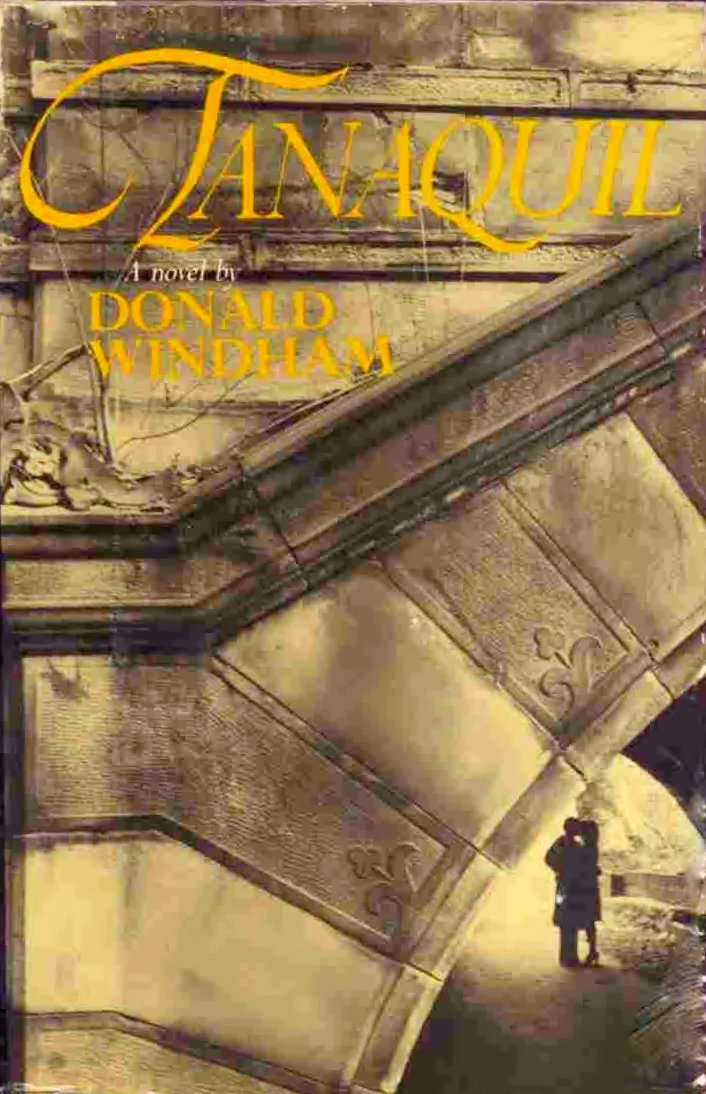
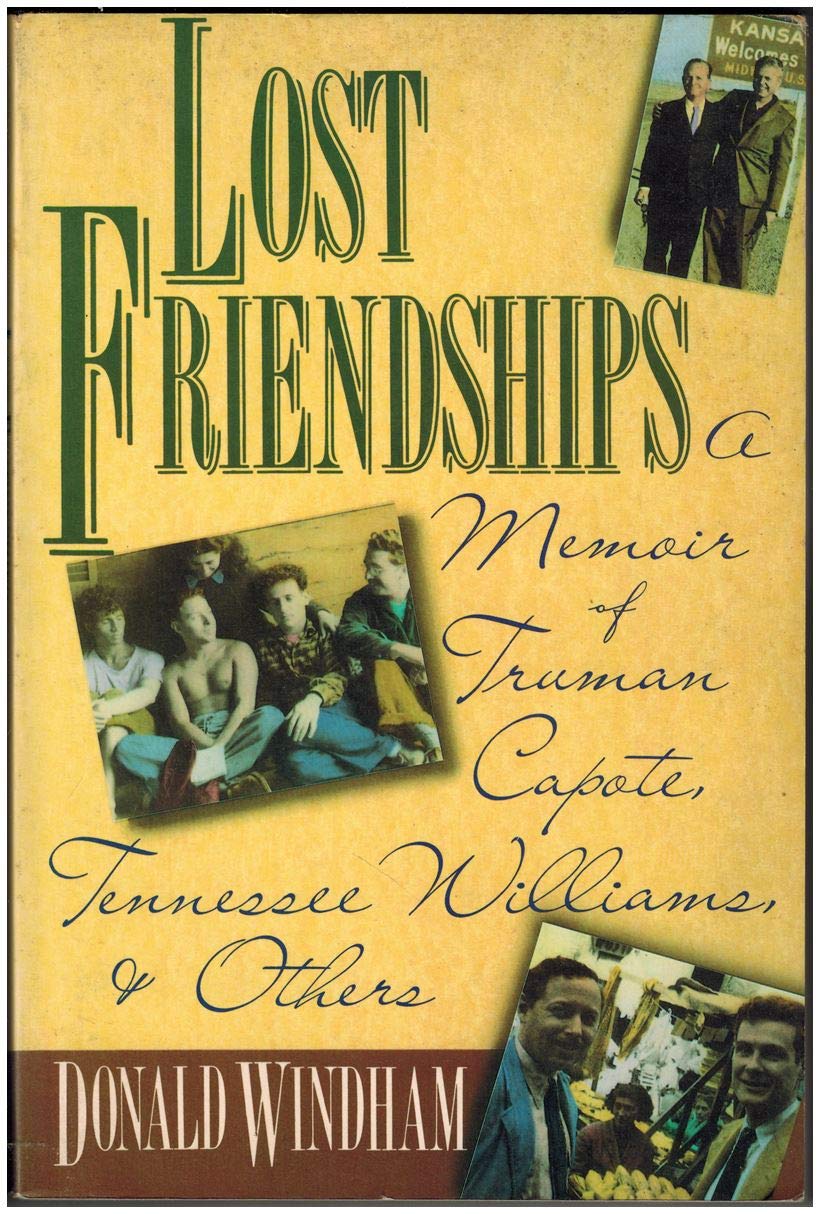
Donald Windham’s literary output (1950-1998)
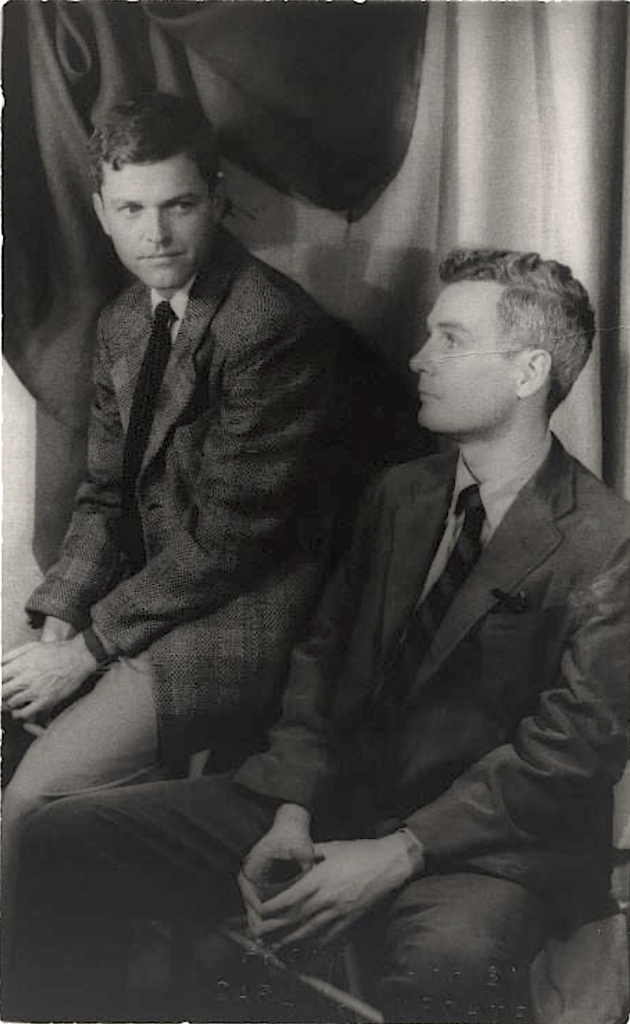
Windham & Campbell photographed by Carl Van Vechten (1955)
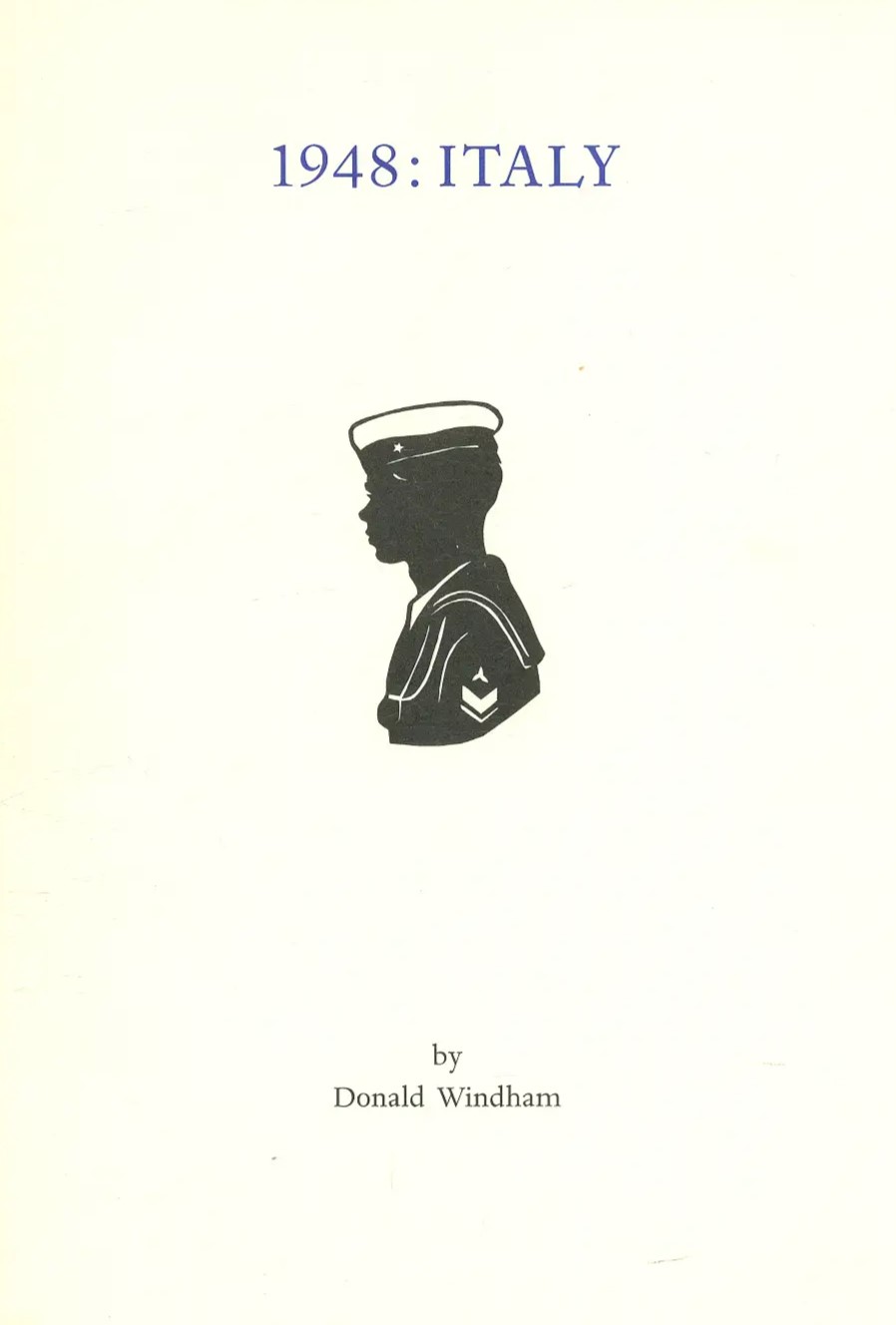
Windham’s 1972 novel Tanaquil is a fictionalization of his time among the George Platt Lynes / PaJaMa circle of friends. His later work focused on correspondence and reflections on his famous literary friends, including E.M. Forster, Tennessee Williams, Alice B. Toklas and Truman Capote.
Campbell & Windham with Capote
Windham & Campbell, ca 1987
Windham and Campbell remained a couple for the rest of their lives. Besides their New York City apartment on Central Park South, they also had a Fire Island house on Ocean Walk in The Pines, where Campbell died suddenly of a heart attack on June 26, 1988. Windham outlived his younger partner by 22 years, passing in May, 2010 at the age of 89. Their combined estates fund the annual Windham-Campbell Literary Prizes, established at Yale University in 2012.
Jack Parlett’s 2022 book Fire Island devotes almost an entire chapter to Donald Windham’s 70-year span visiting the island. Parlett writes; “(Windham) was part of the very first generation to discover its potential as an enclave; first as a young man, visiting Saltaire with some of the earliest queer artists to incorporate the island into their practice; and later as a man in his fifties, happily coupled with the love of his life, who made in the Pines an enclave within an enclave, a restful home for two people, even amid the loudness of the community’s sexual and cultural boom in the 1970’s.”
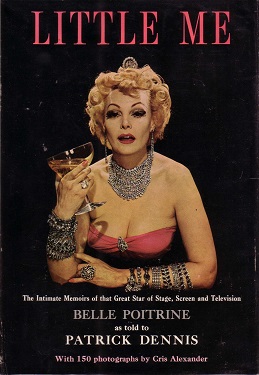
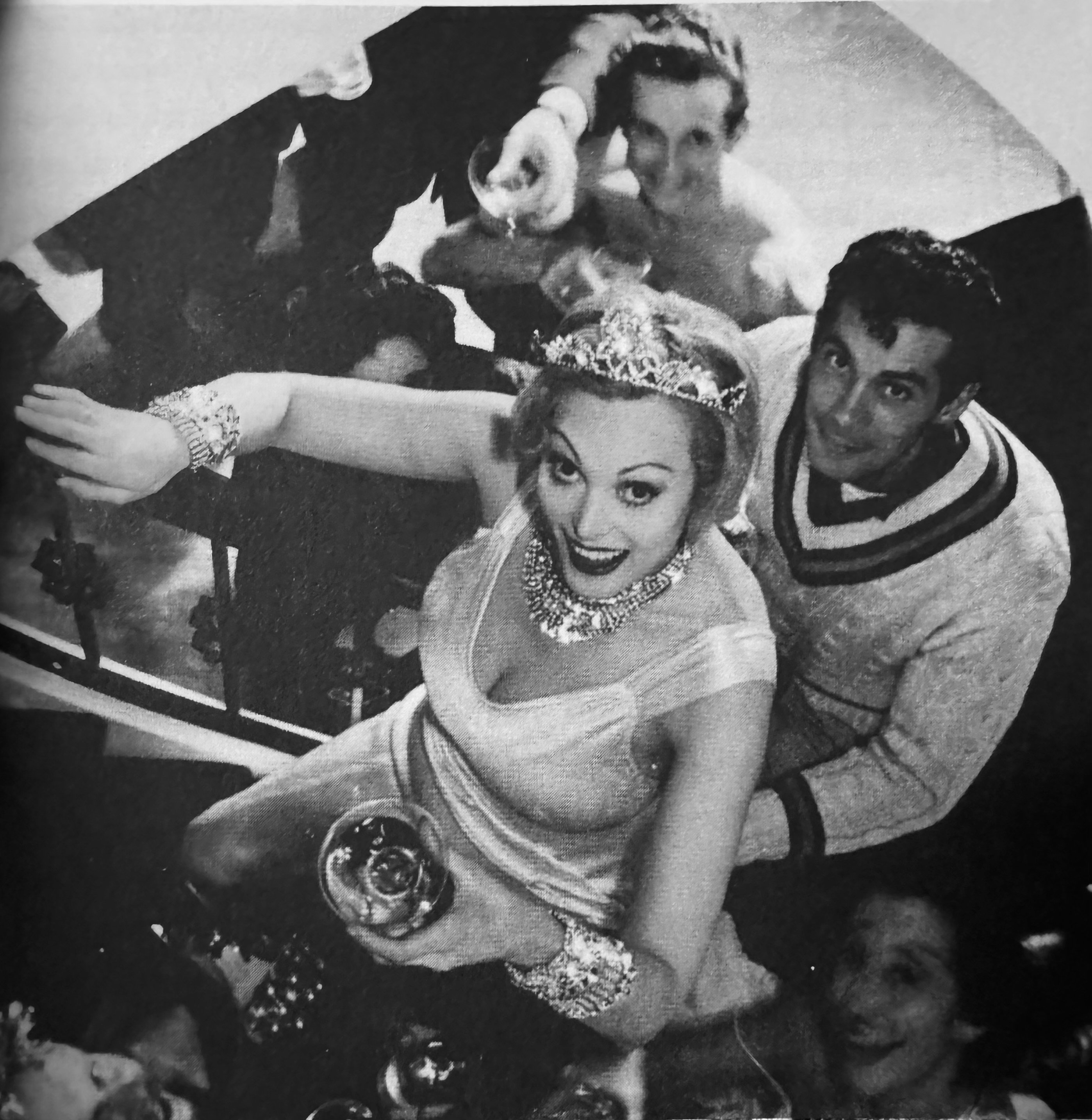
You may already know this, but anyone with an affinity for self-indulgent grande dame memoirs and/or the camp humor of Auntie Mame needs to seek out the 1961 book Little Me, The Intimate Memoirs of That Great Star of Stage, Screen & Television Belle Poitrine, as told to Patrick Dennis. The book spawned a Broadway musical starring Sid Caesar in 1962, which was revived with Martin Short in 1998. However, the book is whole different animal. The 2002 reprint with a new foreword by Charles Busch may be out of print, but affordable copies are easily found online.
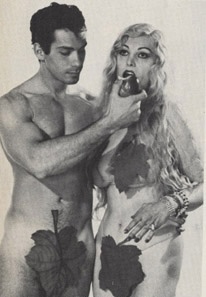
The whole thing is a parody – a camp fiction classic created by the Auntie Mame author with over 150 photographs by Cris Alexander, an actor who appeared in both the stage and film versions of Auntie Mame. Alexander had transitioned into his second career as a photographer.
Actress Jeri Archer embodied Belle Poitrine in the photographs with a cast of characters playing her co-horts. Among the familiar faces in the company are character actresses Dodie Goodman and Alice Pearce, author Patrick Dennis (as Cedric Roulstone-Farjeon) and his wife Louise (as Pixie Portnoy). Cris Alexander also appears in various roles alongside his lifelong partner, ballet dancer Shaun O’Brien (as Mr. Musgrove). Miss Rosalind Russell makes an appearance as well.
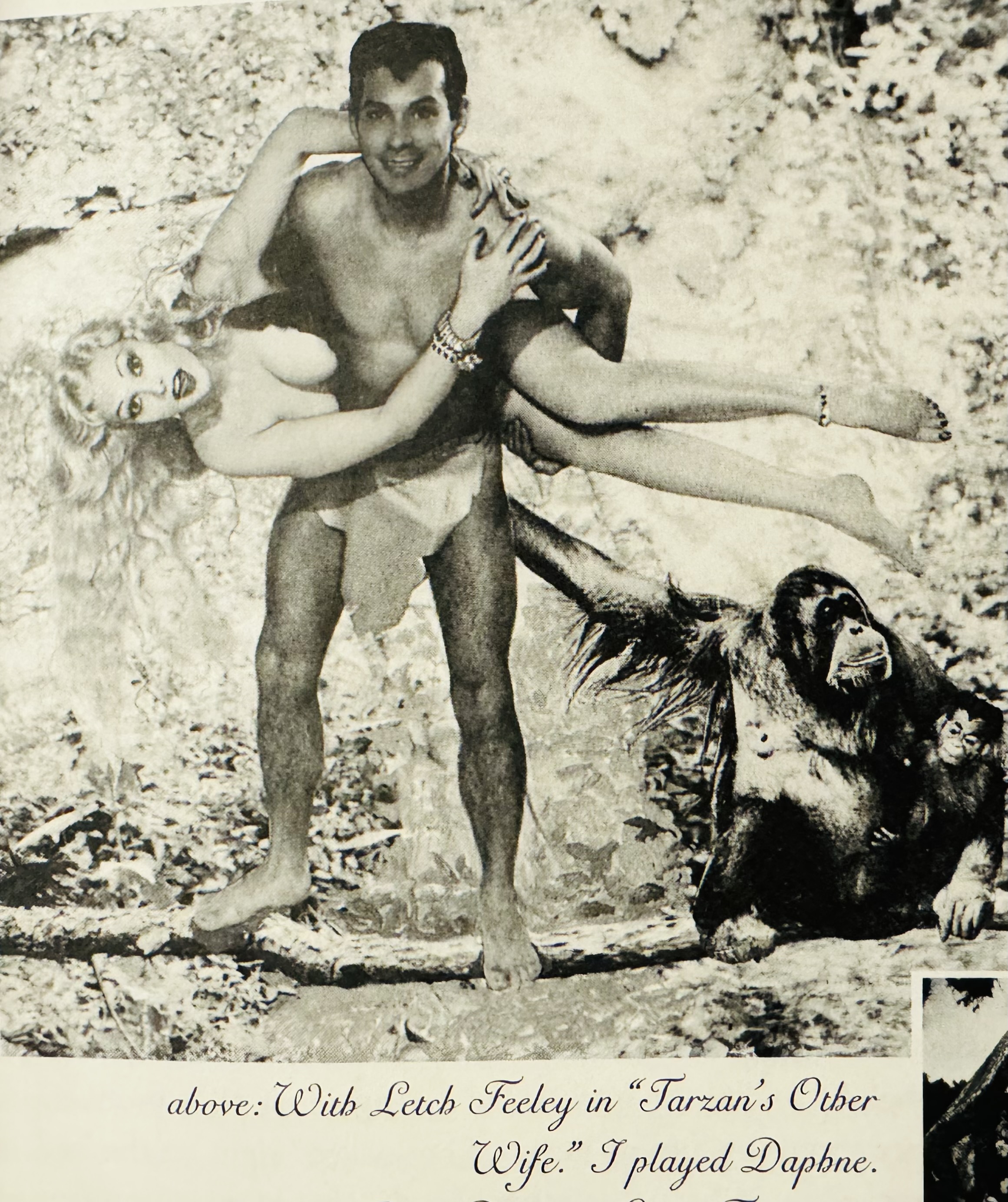
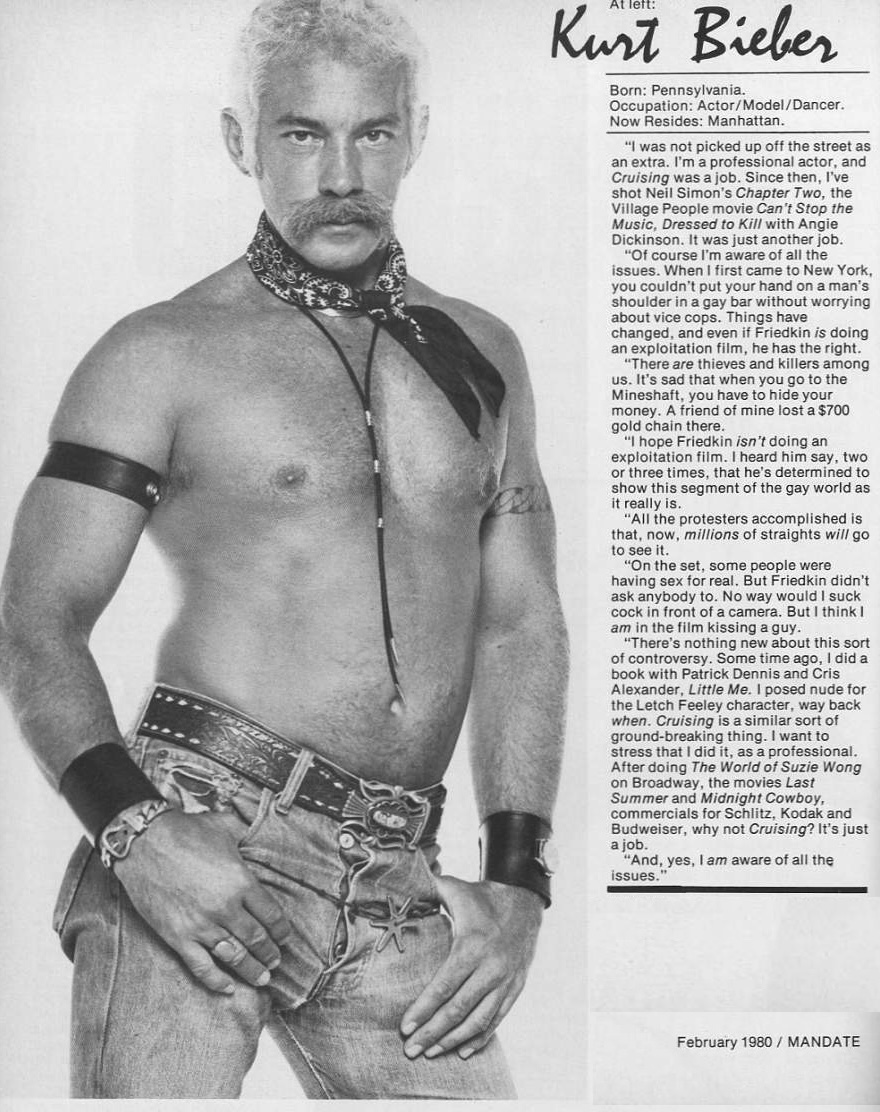
The role of Letch Feeley, Belle’s hunky paramour and costar, was played by Kurt Bieber. After the publication of Little Me, Cris Alexander wrote, “Shaun and Kurt generated an unprecedented amount of fan mail, all sent to the publisher’s office.”
Letch Feeley & Belle Poitrine, aka Kurt Bieber & Jeri Archer in Little Me
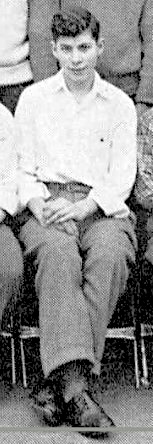
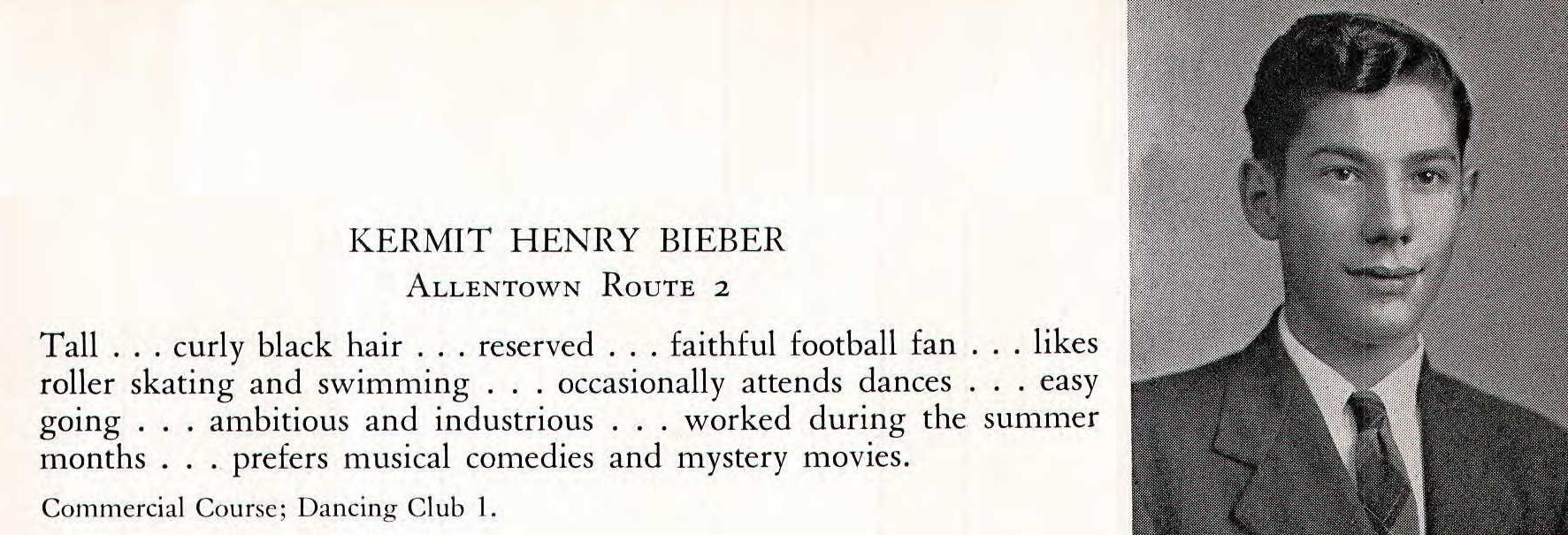
Kermit Henry Bieber was born on January 5, 1929 in Allentown, Pennsylvania. A 1946 graduate of Emmaus High School, Bieber worked at the local Sears before serving in the Army during the Korean War.
After his discharge, he headed to New York, where he studied drama, dance and voice at The American Theatre Wing. Roles in summer stock soon followed, with ensemble work in Can-Can, Happy Hunting, Oklahoma! and Wonderful Town.
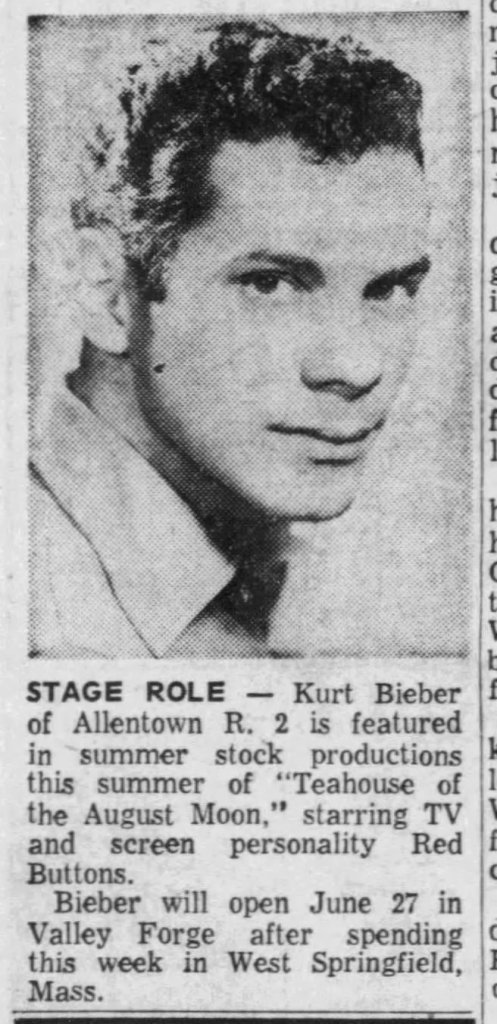
The Morning Call, Allentown, PA (6/21/1960)
It was his work in a regional production of On the Town that took his career to the next level. Cris Alexander later wrote, “Ross Hunter may have discovered Rock Hudson, but I discovered Kurt Bieber during a summer package of On The Town (Pittsburgh ’58).” By October of that year, Bieber was back in New York playing a sailor alongside William Shatner in the original Broadway production of The World of Suzie Wong.
More regional work followed, including a stint in the play Teahouse of The August Moon with Red Buttons. It was around this time that Cris Alexander began to shoot the photos for Little Me, casting Bieber in the role for which he is best remembered.
In Uncle Mame: The Life of Patrick Dennis, author Eric Myers writes “Most memorable to a certain contingent of the book’s audience was actor Kurt Bieber, who… displayed plenty of muscular flesh in nearly all of his photos.”
“I loved doing Little Me. People would stop me in the street and say ‘Aren’t you Letch Feeley?'” Kurt fondly remembered. “It was a first. No one had ever done a book like that… it was such a different atmosphere then. The photos were really a breakthrough.”
“Kurt Bieber is a poseur extraordinaire. The grace and symmetry of the youthful physique is captured in this study by Male Today.”
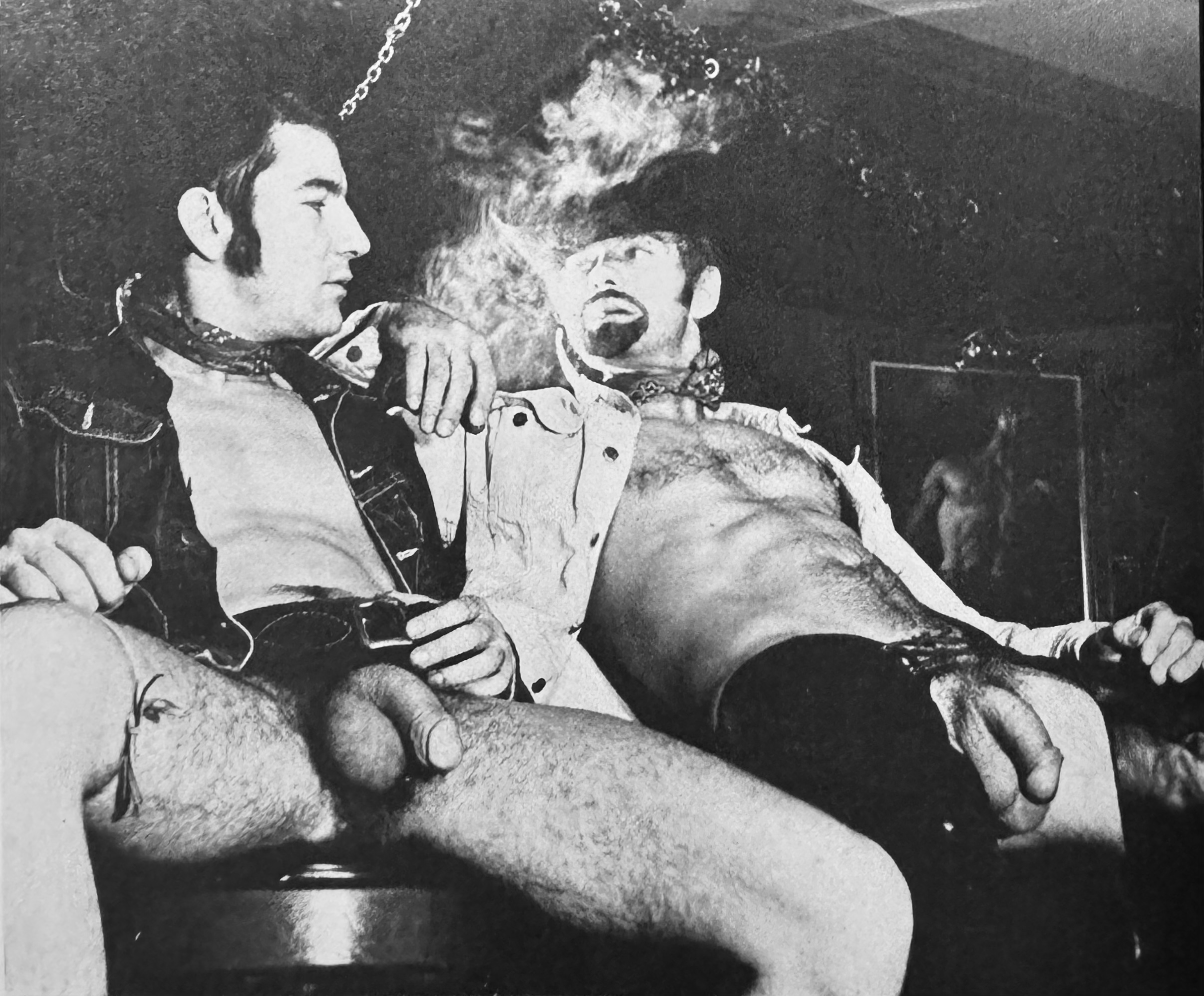
Following the success of Little Me, Bieber continued acting as well as modeling. He found work as a “posing strap” model for Male Today and other physique magazines. He was an early subject for Jim French, a photographer who was starting up a photo studio under the name Rip Colt. An early Colt film loop lists Bieber as one of the performers – a softcore scene with three muscular models lathering each other up in a shower – but none of the models appear to be him.
In 1969, Bieber had a bit part as a Times Square street hustler in Midnight Cowboy:
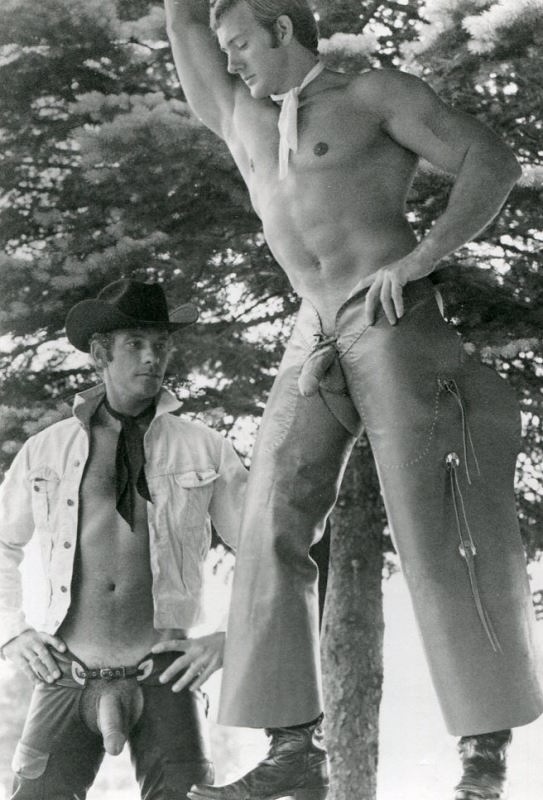
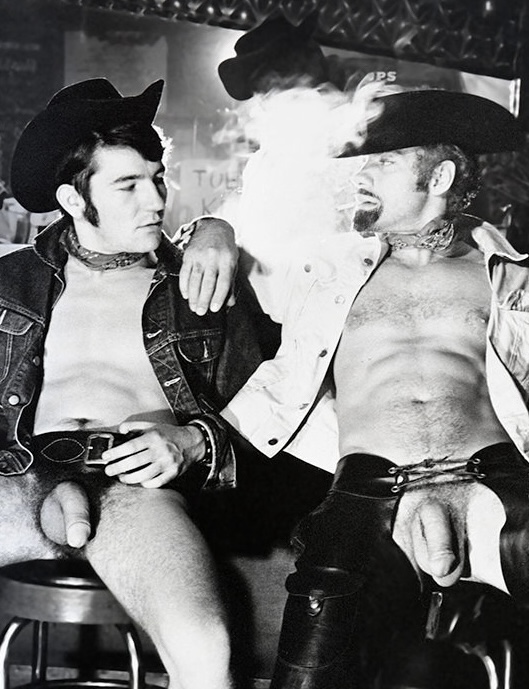
At the dawn of the 1970’s, 40-year-old Bieber – no longer a young chorus boy – opted for a new look. He transformed himself into the quintessential gay clone: an urban cowboy/mustache and Levi’s/hanky-code persona that would characterize the gay scene for the next decade. His photos for Colt studios now typify that era of gay erotica.
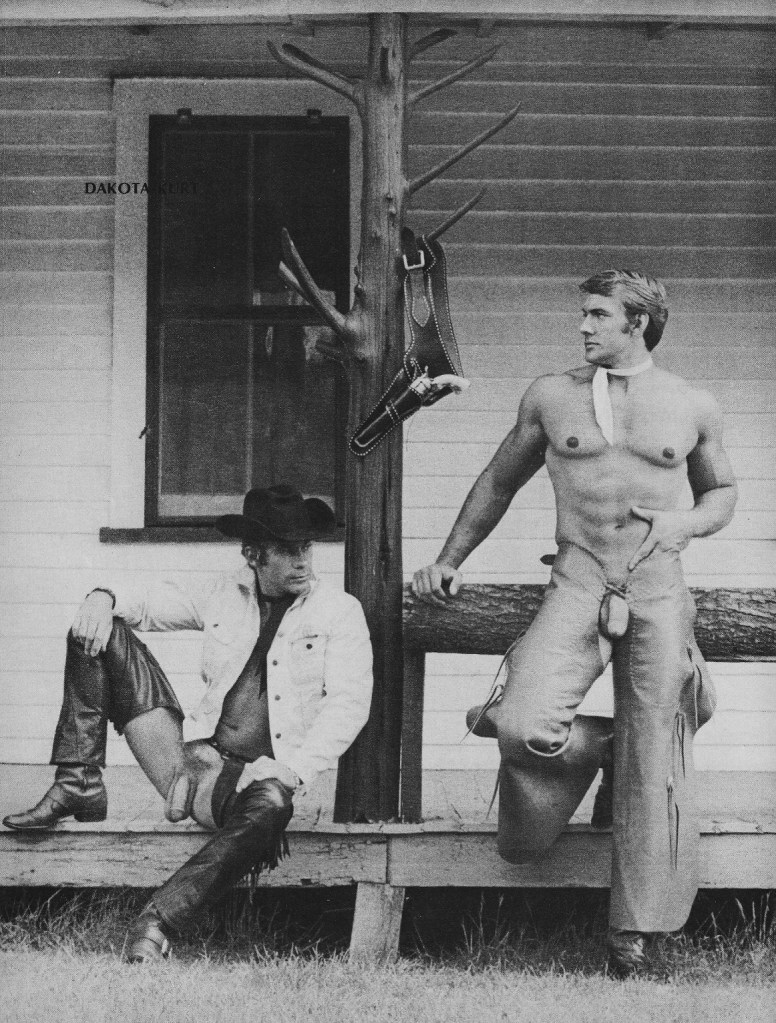
He was quoted as saying “I loved being photographed in the nude. I’ve always been an exhibitionist. To be an actor, you have to be. Besides, I got to choose the models. I chose hot men that I could get off on. That’s why they gave me (Colt superstar) Dakota.”
Colt Studios photo of Kurt Bieber with Dakota
Kurt Bieber (in a Colt t-shirt) outside Badlands in the West Village, NYC (1979)
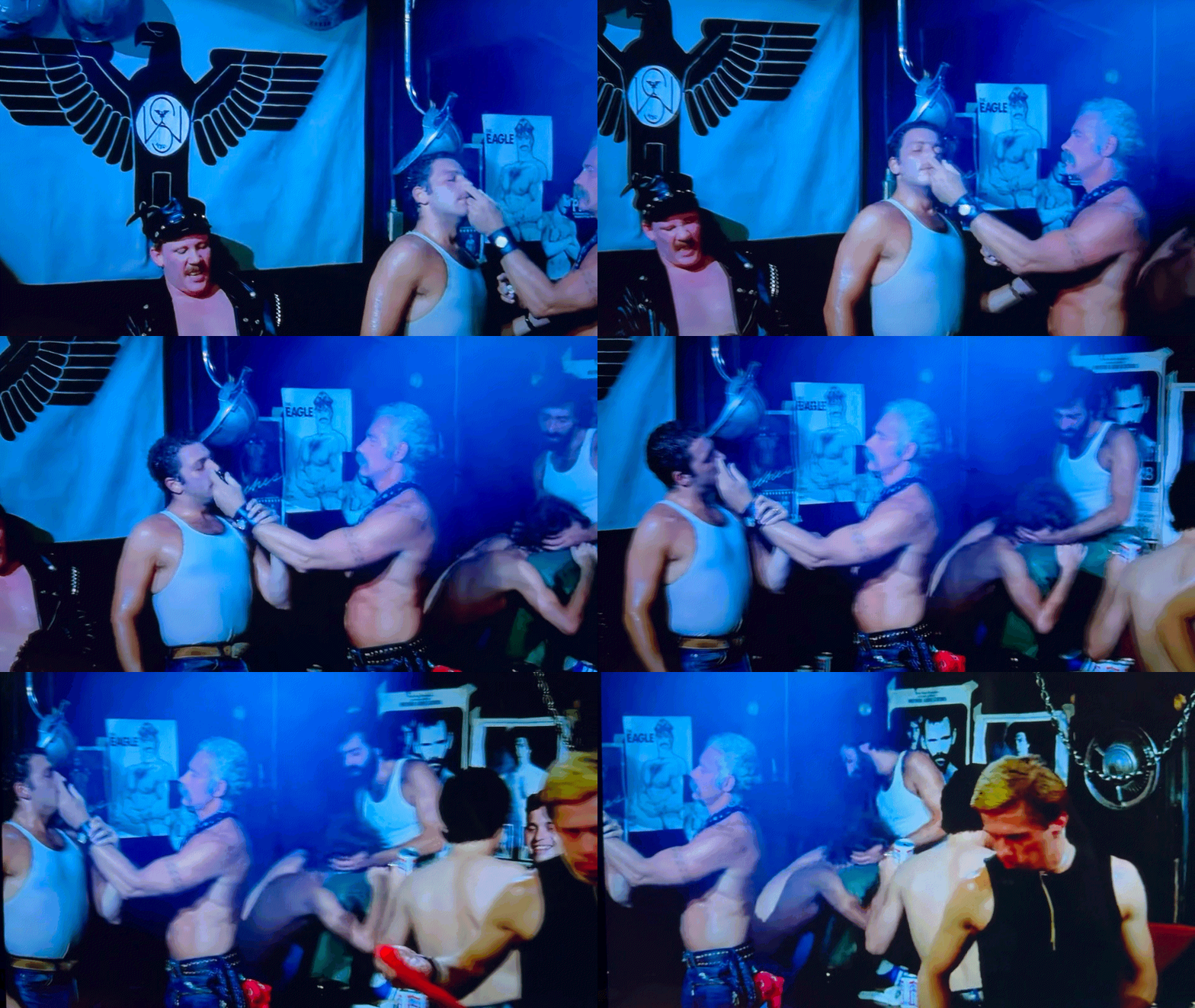
While major film roles never materialized, Bieber appeared in several commercials and continued to garner background work in films like Last Summer and Chapter Two. He can be seen offering poppers to a cohort at The Eagle in the controversial Al Pacino film Cruising (1980):
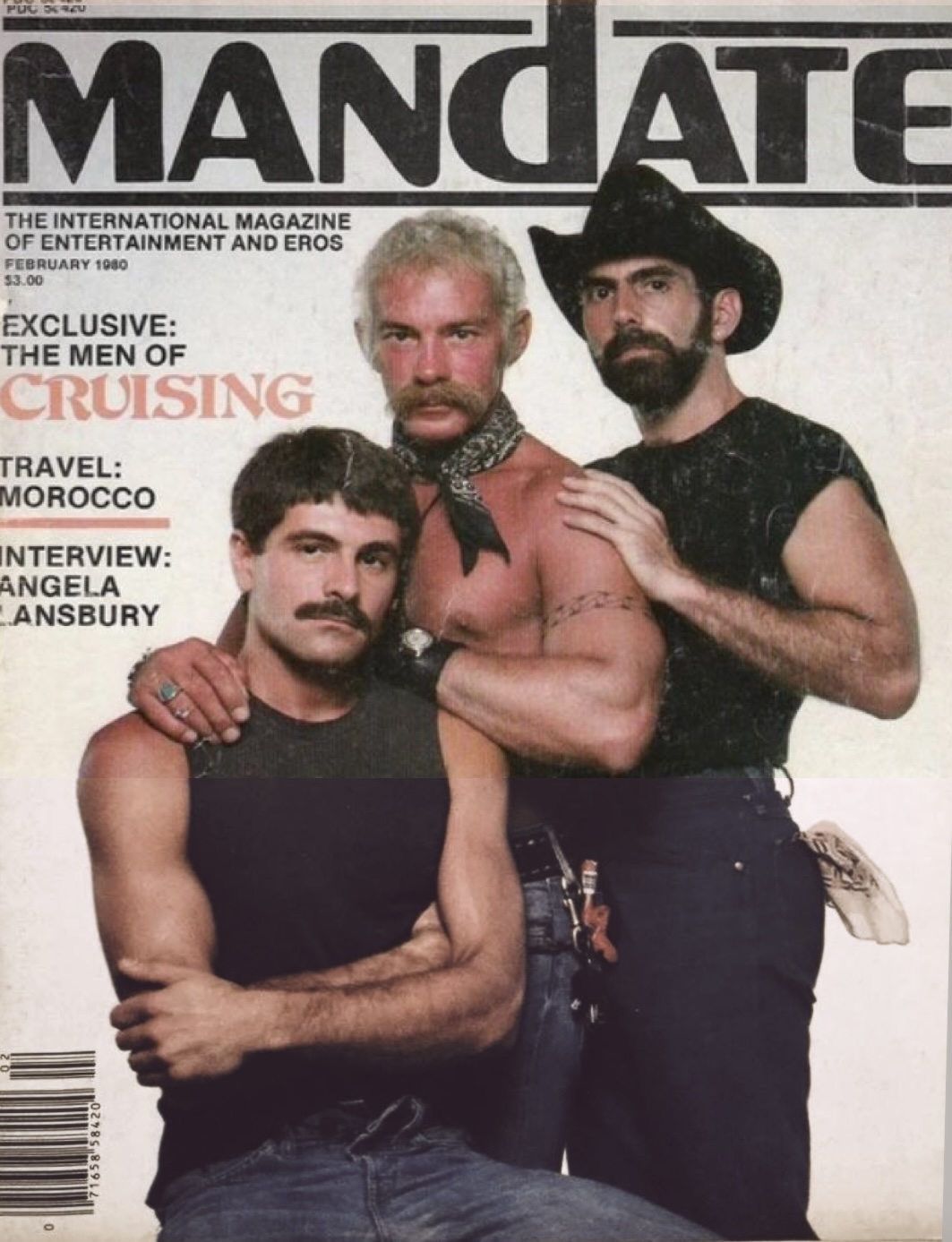
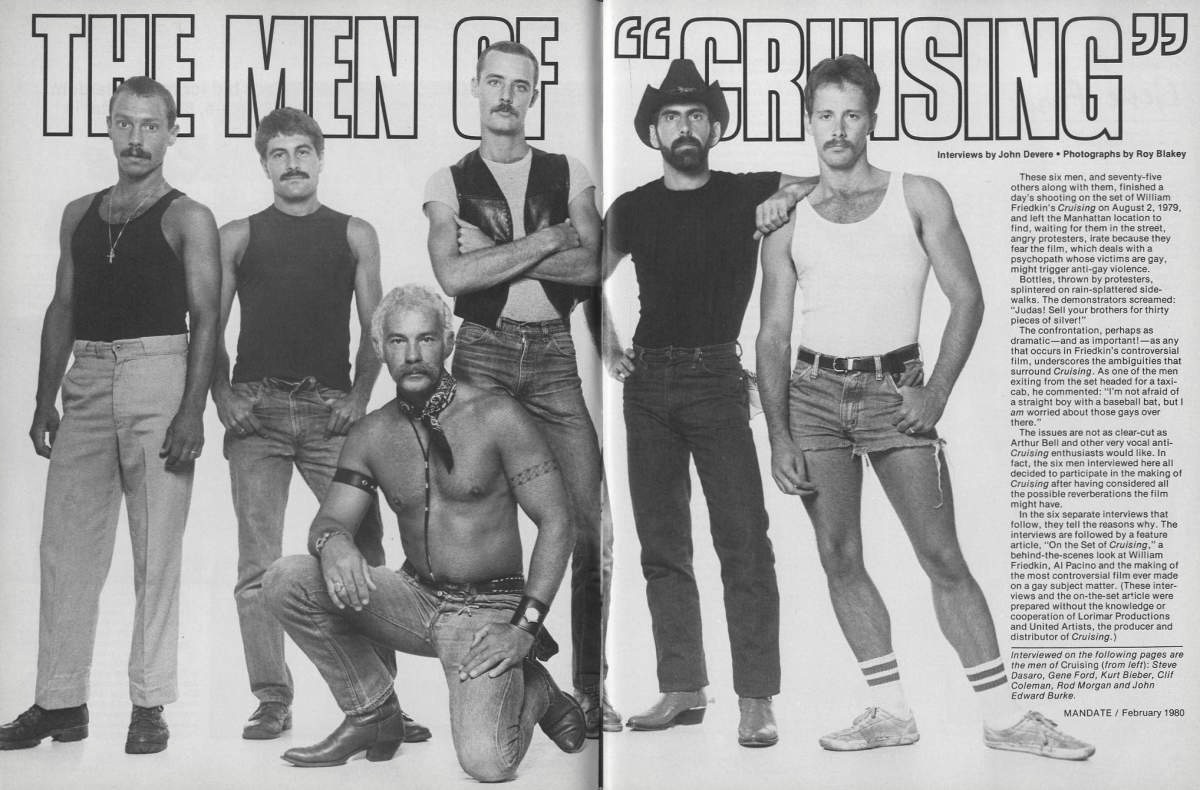
His appearance in Cruising landed Bieber on the cover of the February 1980 issue of Mandate Magazine. In his interview, Bieber mentions that he played Letch Feeley among other acting roles. He differentiates himself from the other Cruising extras, some of whom were cast off the street. “I want to stress that I did it as a professional… It’s just a job.”
As for those rumored to be having sex on camera in the leather bar scenes; “On the set, some people were having sex for real, but (director William) Friedkin didn’t ask anybody to. No way I would suck cock in front of a camera,” he says.
Although Bieber doesn’t mention his work with Colt Studios in this article, four months later Mandate ran a 10-page spread titled “Whatever Happened To Letch Feeley?” This feature tracked Bieber from his Little Me photos through his work with Colt Studios.
When asked to sum himself up at the close of the article, Bieber said with a smile; “I’ve done a little bit of everything and I’ve loved every minute of it.”
Later in 1980, Bieber was done in by a poison dart in Times Square during the opening sequence of Eaten Alive, an Italian cannibal movie:
The epilogue of Uncle Mame: The Life of Patrick Dennis (2000) notes that Bieber “has been an extra in almost every movie ever filmed in New York City. Kurt says he is ‘still around and still cruising Christopher Street.'”
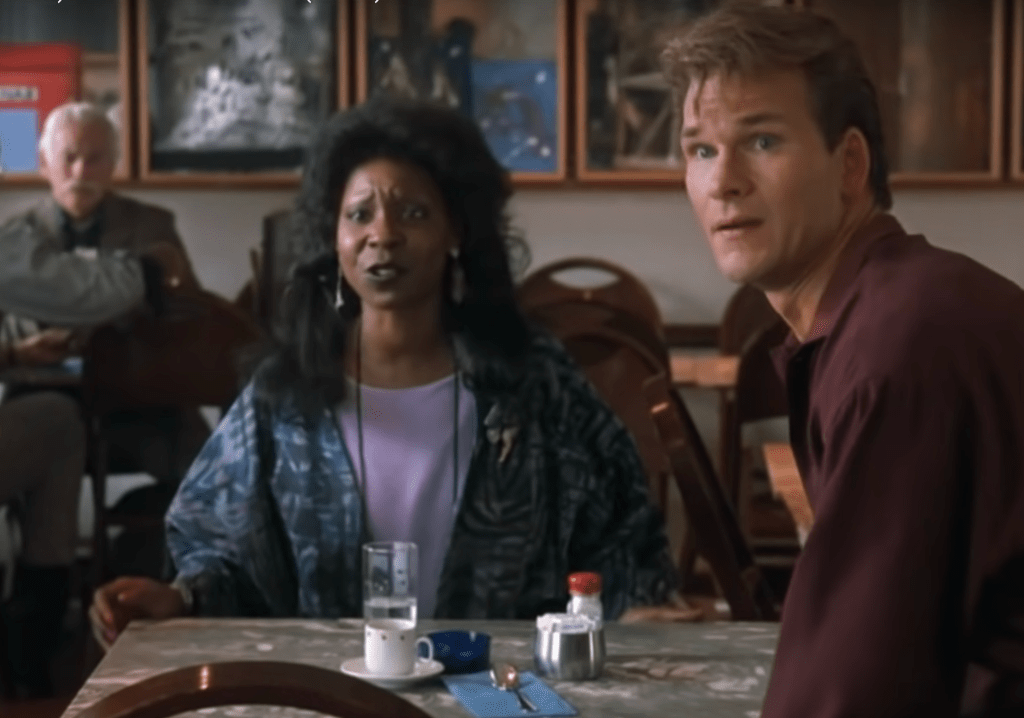
Kurt Bieber behind Whoopi Goldberg and Patrick Swayze in a scene from Ghost (1990)
Decades later, Little Me fans still recognized him. “Even today, I’ll sometimes walk into a store and someone will say ‘Wow! Letch Feeley!’ How they recognize me after all these years, with my white hair, I’ll never know.”
Kurt Bieber passed away at age 86 on December 31, 2015 in New York City.
Continuing with our theme from the last post, Truman Capote is the subject of this article from the February, 1985 issue of Mandate magazine. The piece was written by Boze Hadleigh just 6 months after Capote’s death.
The infamous book jacket photo of Truman Capote from Other Voices, Other Rooms. One critic commented, “He looks as if he were dreamily contemplating some outrage against conventional morality.” (1948)
Donald Windham (with Paul Cadmus) & Sandy Campbell in PaJaMa photos of the early 1940’s.
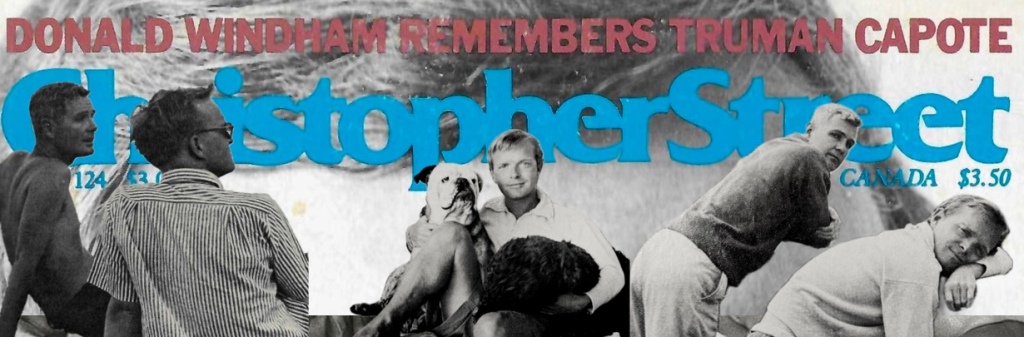
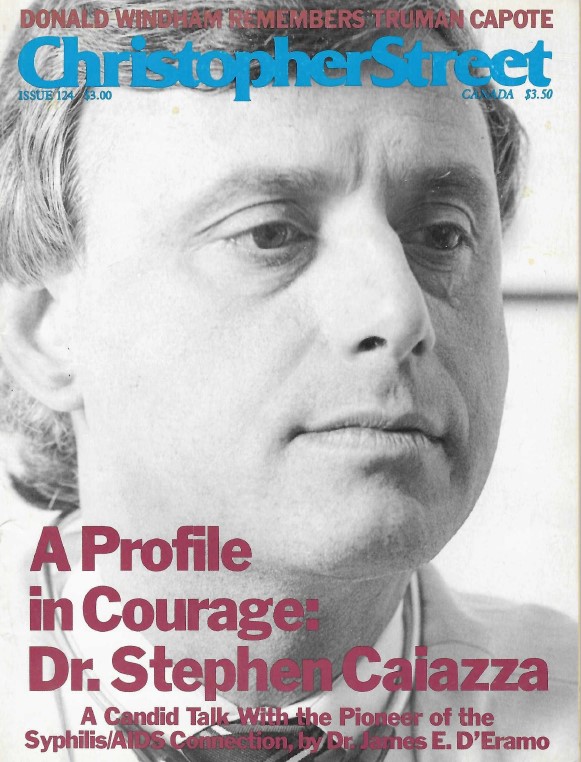
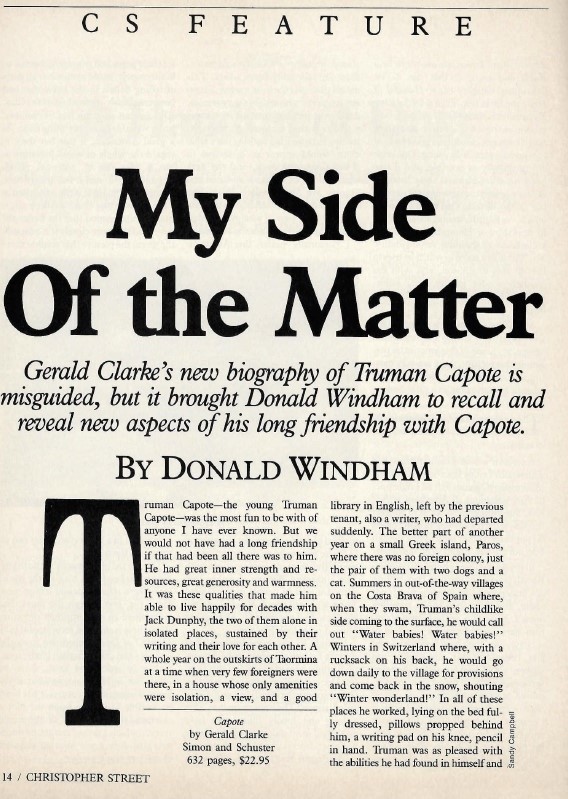
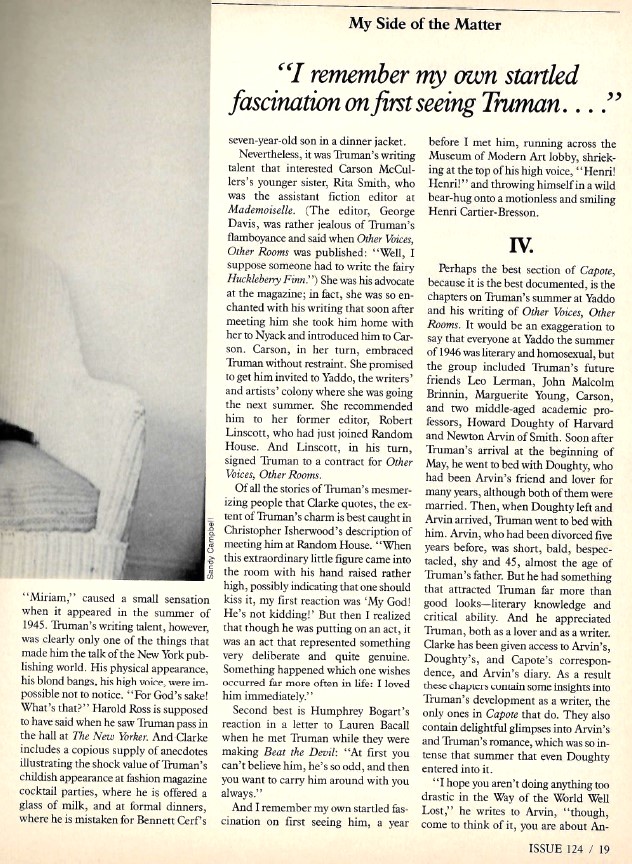
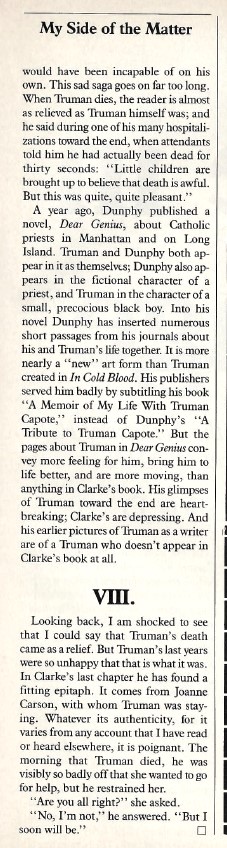
I recently rediscovered this piece written by Windham for a 1988 issue of Christopher Street. I bought the magazine at a West Village newsstand back in the day, and it has remained in my possession all these years, proving yet again why I never throw anything away. Because you never know…
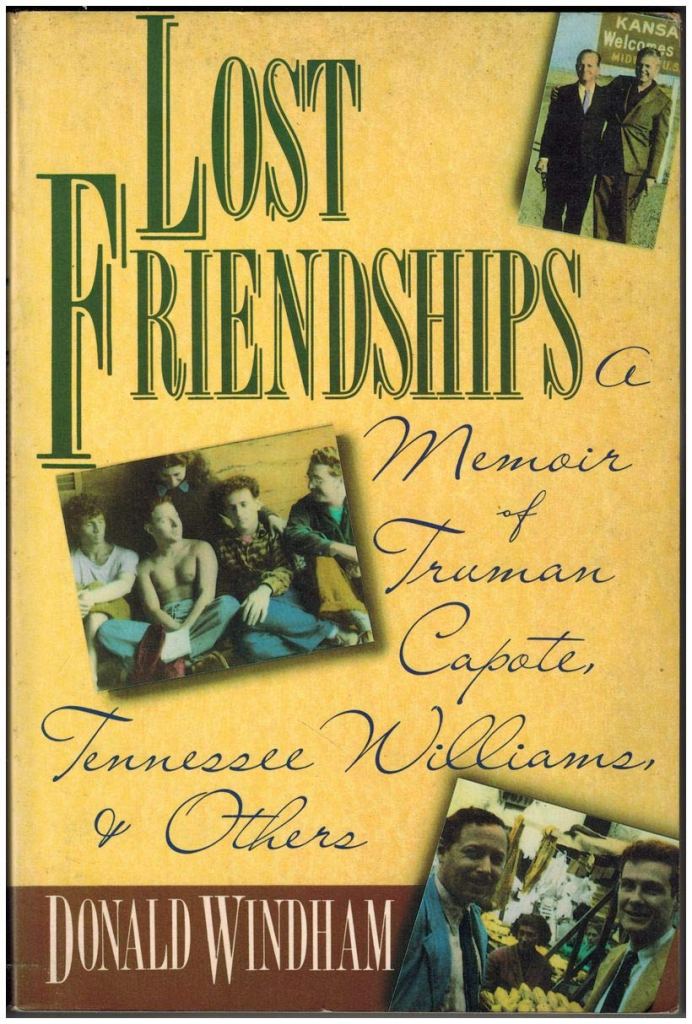
Back in 1987, Donald Windham had published Lost Friendships: A Memoir of Truman Capote, Tennessee Williams, and Others. This article was written the following year in response to the publication of Gerald Clarke’s 600+ page biography Capote, which Windham describes as “misguided.” Clarke’s book would later be adapted into the 2005 film, with Phillip Seymour Hoffman winning an Oscar for his portrayal of troubled Truman.
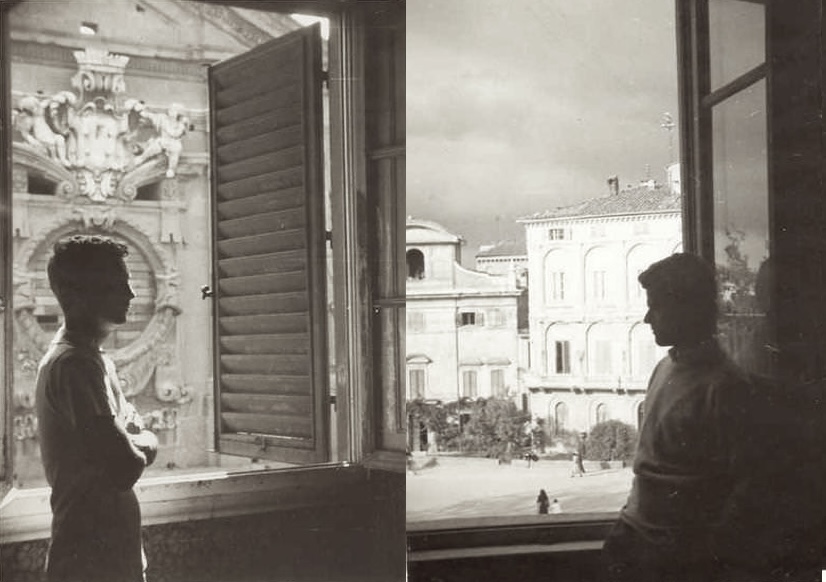
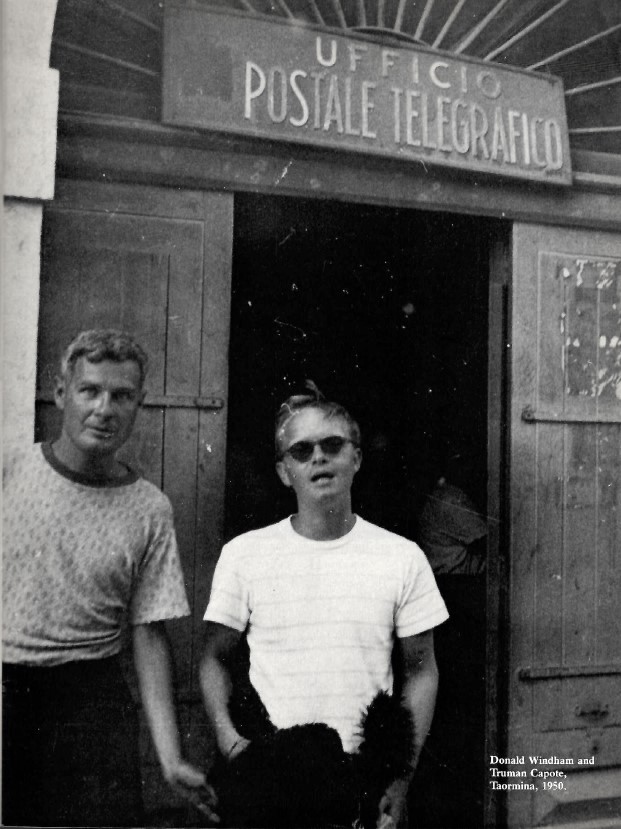
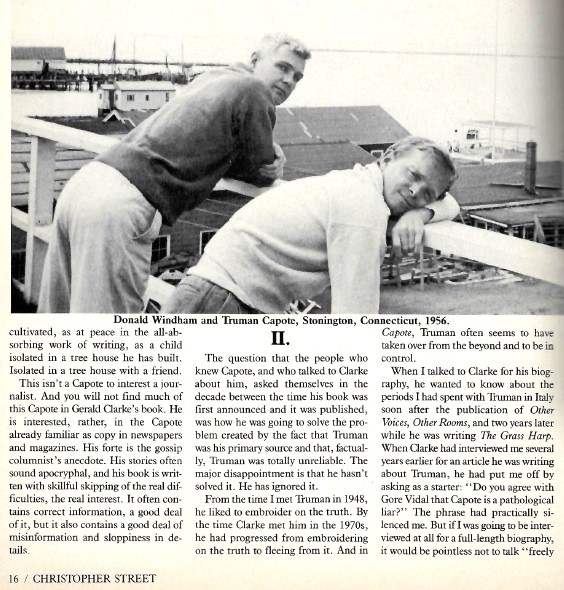
Note that the photos accompanying the article are credited to Sandy Campbell.
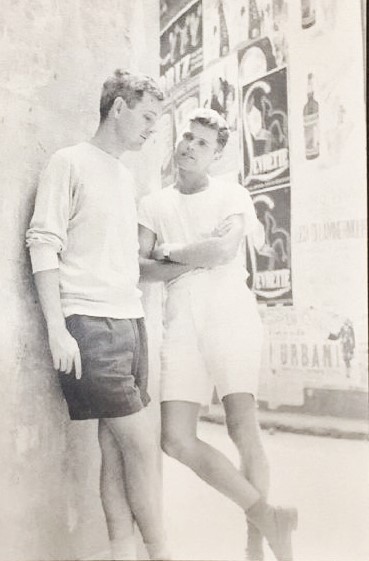
This photo appears in several places on the internet misidentifying Capote as Sandy Campbell with Donald Windham, Piazza San Marco (1948)
Capote with Sandy Campbell at the Kansas border, October 1964