East Village Radio had been back on the air for three months now – and that includes my weekly show, 60 Degrees with Brian Ferrari. On Sunday, September 29th, 2024 The New York Times posted an article about the station on the front page of their Metropolitan section.
60 Degrees is devoted to girl groups and female singers of the 1960’s, featuring hidden gems, cult favorites and unreleased obscurities. The show airs every Sunday morning from 8-10am EST, alternating new shows with old episodes from the original run (2008-2013). Episodes are available to stream any time, on demand for free here.
Here’s a recap of recent episodes – click on the date for streaming:
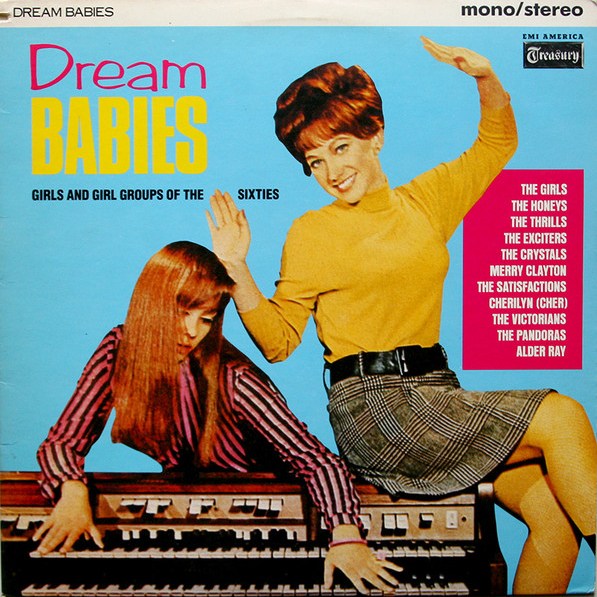
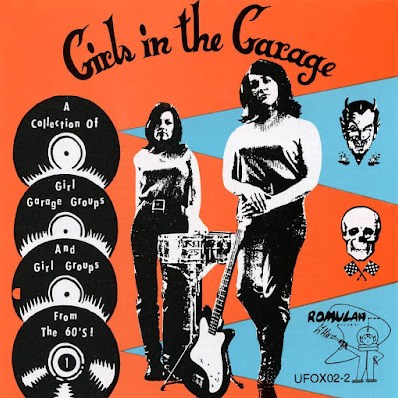
7/21/2024 – A tribute to Mary Weiss of The Shangri-Las, songs from film & television, Young Rascals covers, spotlight on Chess Records & selections from The Girls Scene CD Compilation. 7/28/2024 – From 2/2013, show #54: Sisters In The City (mostly NY), and songs recorded live on The Ed Sullivan Show. 8/4/2024 – Spotlight on Red Bird records, Mama Cass Elliot, Beatles covers, Ronnie Spector, Brit girls and soul sisters. 8/18/2024 – Selections from the Kiss N’ Tell CD Compilation, girl groups in the bubble gum zone, a folky 15 minutes and Stax soul sisters. 8/25/2024 – From 9/2008, show #13: Summer / surf songs, party drama, Beatles covers, and Motown rarities. 9/1/2024 – From 4/2011, show #40: Where The Girls Are LP compilation, Marvelettes tribute, and C’est Chic! French girls compilation. 9/8/2024 – From 9/2008, show #14: An assortment of The Cookies, soul sisters, Beatles covers, and songs about shoes. 9/15/2024 –Spotlight on Sue records, the British Bird Invasion, a folky 15 minutes, Beatles covers, and Motown. 9/22/2024 – From 11/2008, show #16: Wedding drama, Beatles covers, a folky 15 minutes, Girls In The Garage. 9/29/2024 –Dream Babies LP compilation, spotlight on Cameo/Parkway records, Brit girls, 50’s chicks in the 60’s, and Girls in the Garage. 10/6/2024 –Songs from John Waters’ Hairspray, peripheral Motown songs, Spector soundalikes, Beatles covers, Brit girls and Girls In The Garage. 10/13/2024 – A rebroadcast from 3/26/12: The Houston/Warwick Clan, Girls With Guitars, International Gals, Monkees Covers & Motown. 10/20/2024 – A rebroadcast from 4/21/08 featuring car songs, Dusty Springfield covers, NYC: A Mini-Musical, soul, Motown and more! 10/27/2024 – The 60 Degrees Halloween Show
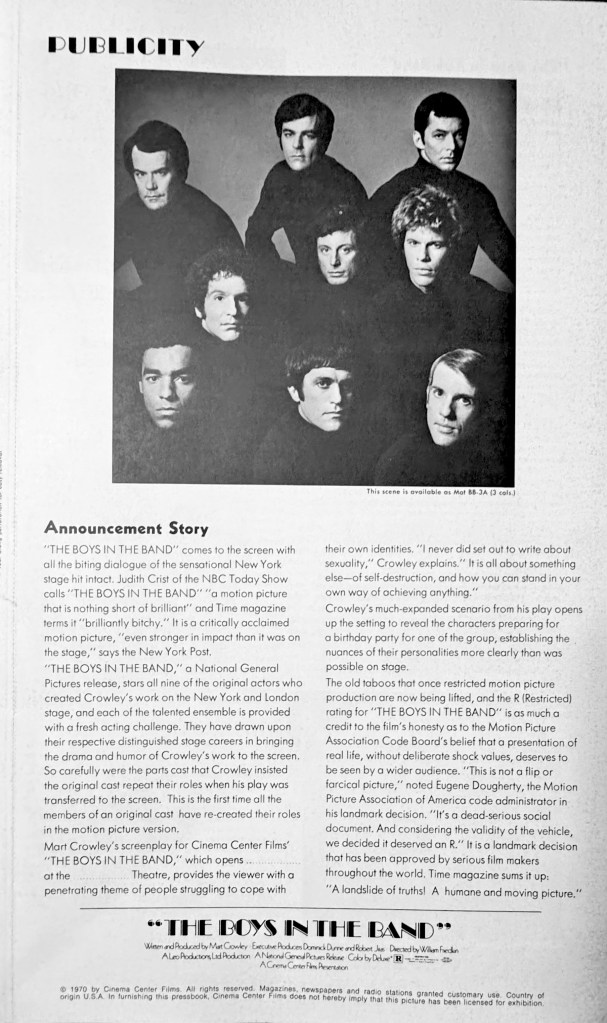
Whenever I see posts on social media that mention the 1970 film The Boys In The Band, there are always strongly opposing viewpoints. Whether you love or hate the film, everyone can agree that it is a cultural touchstone. Like the Stonewall uprising itself, The Boys In The Band serves as a landmark, with every other gay-themed film described as either preceding or following it.
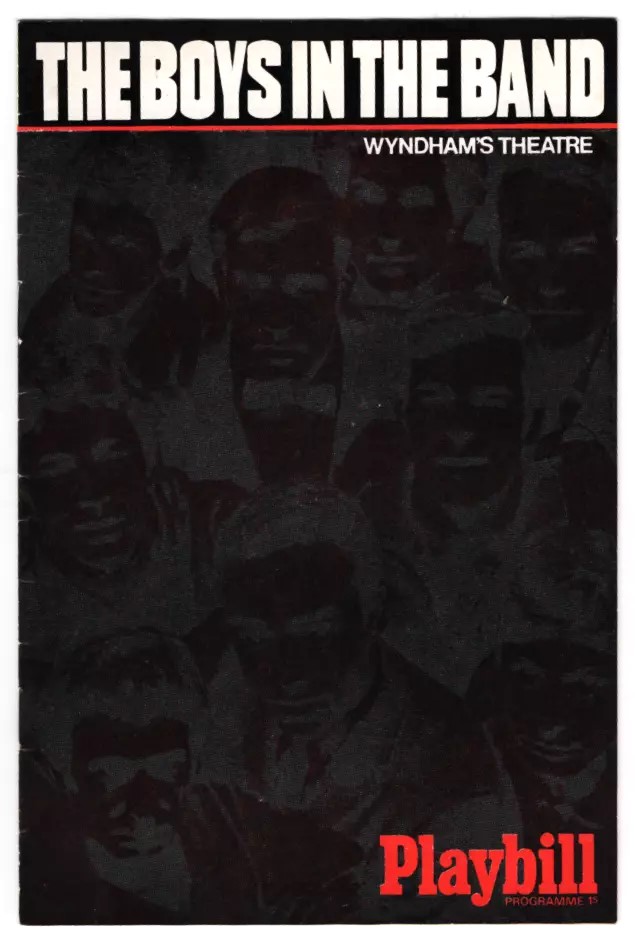
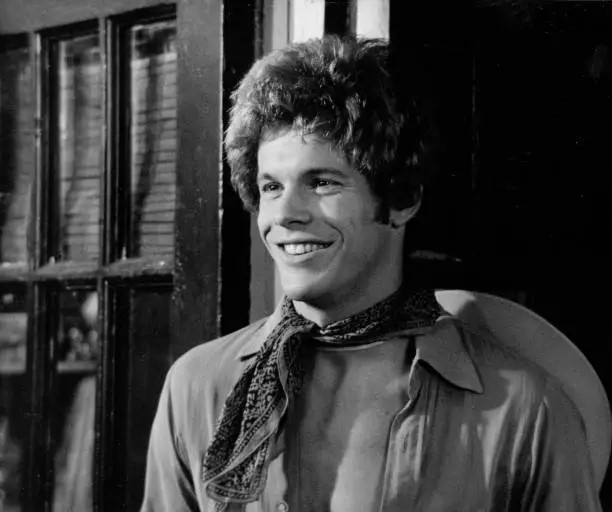
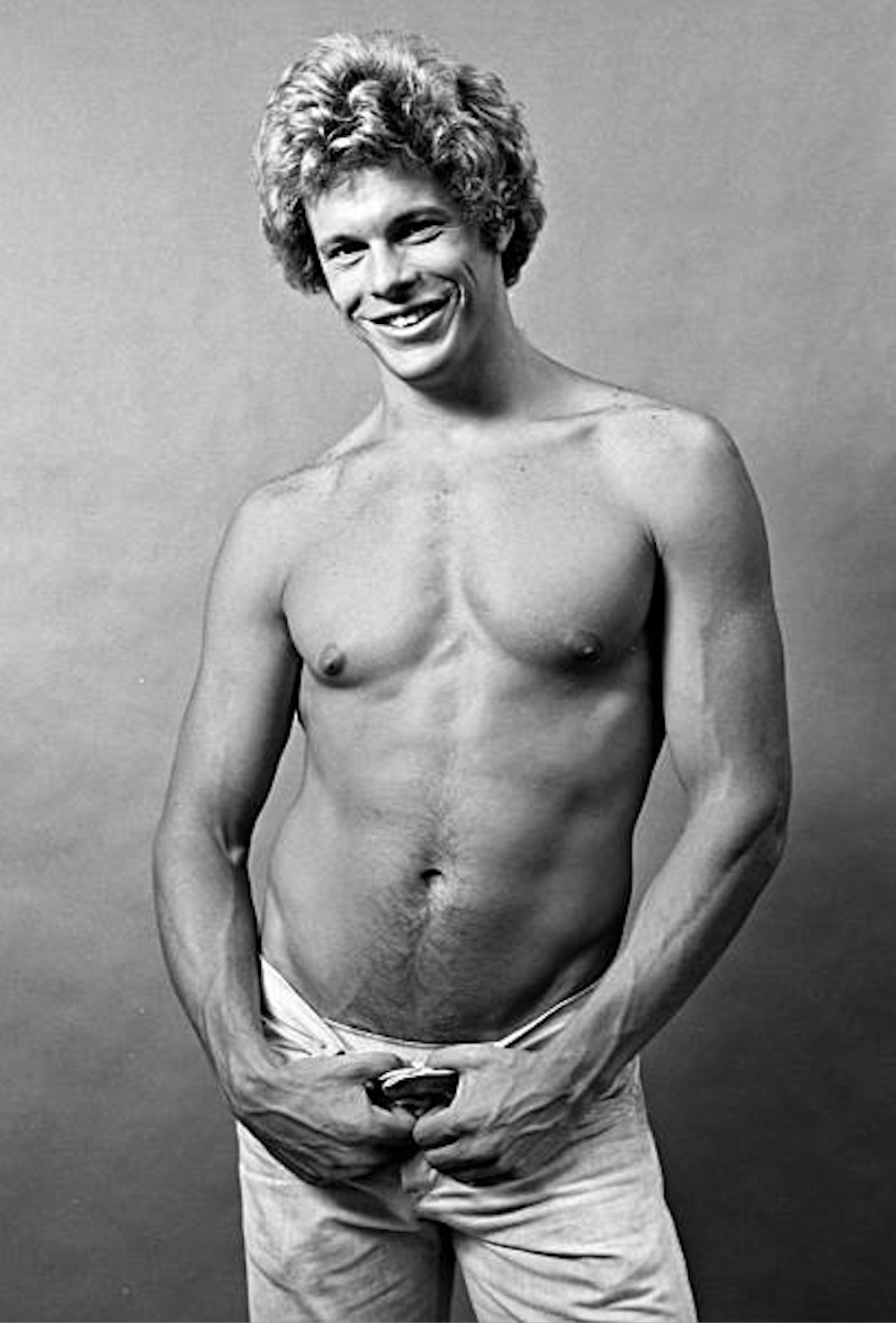
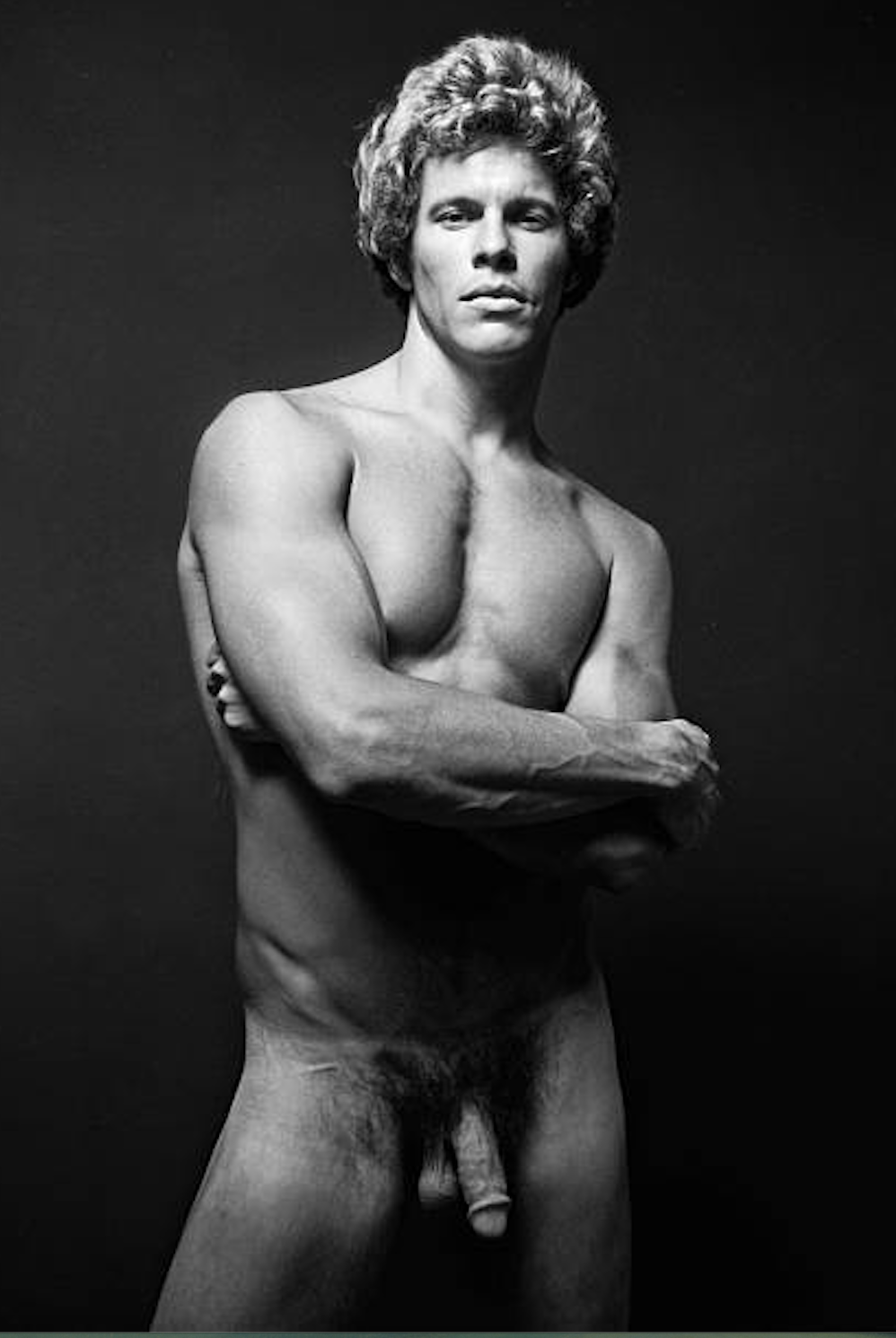
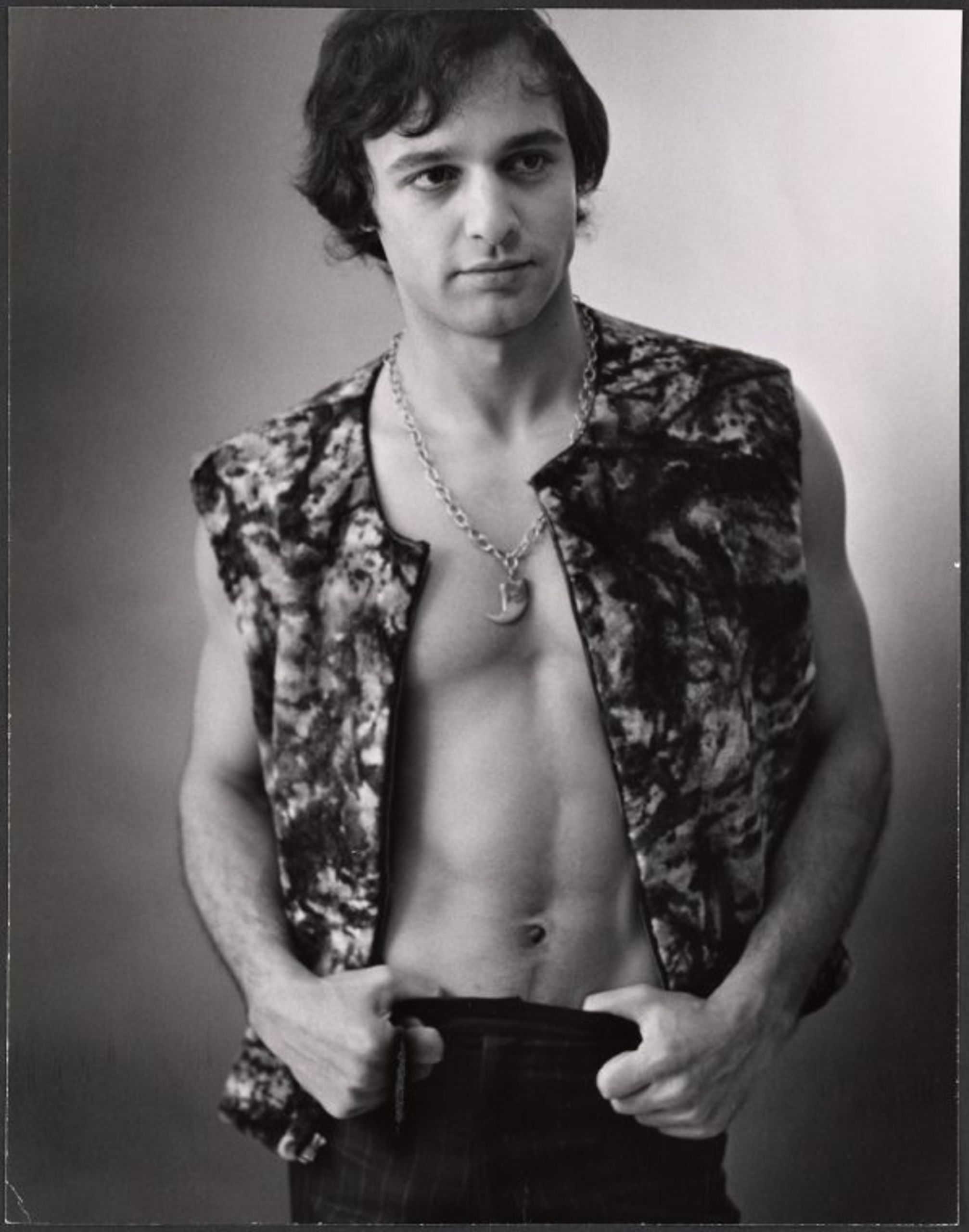
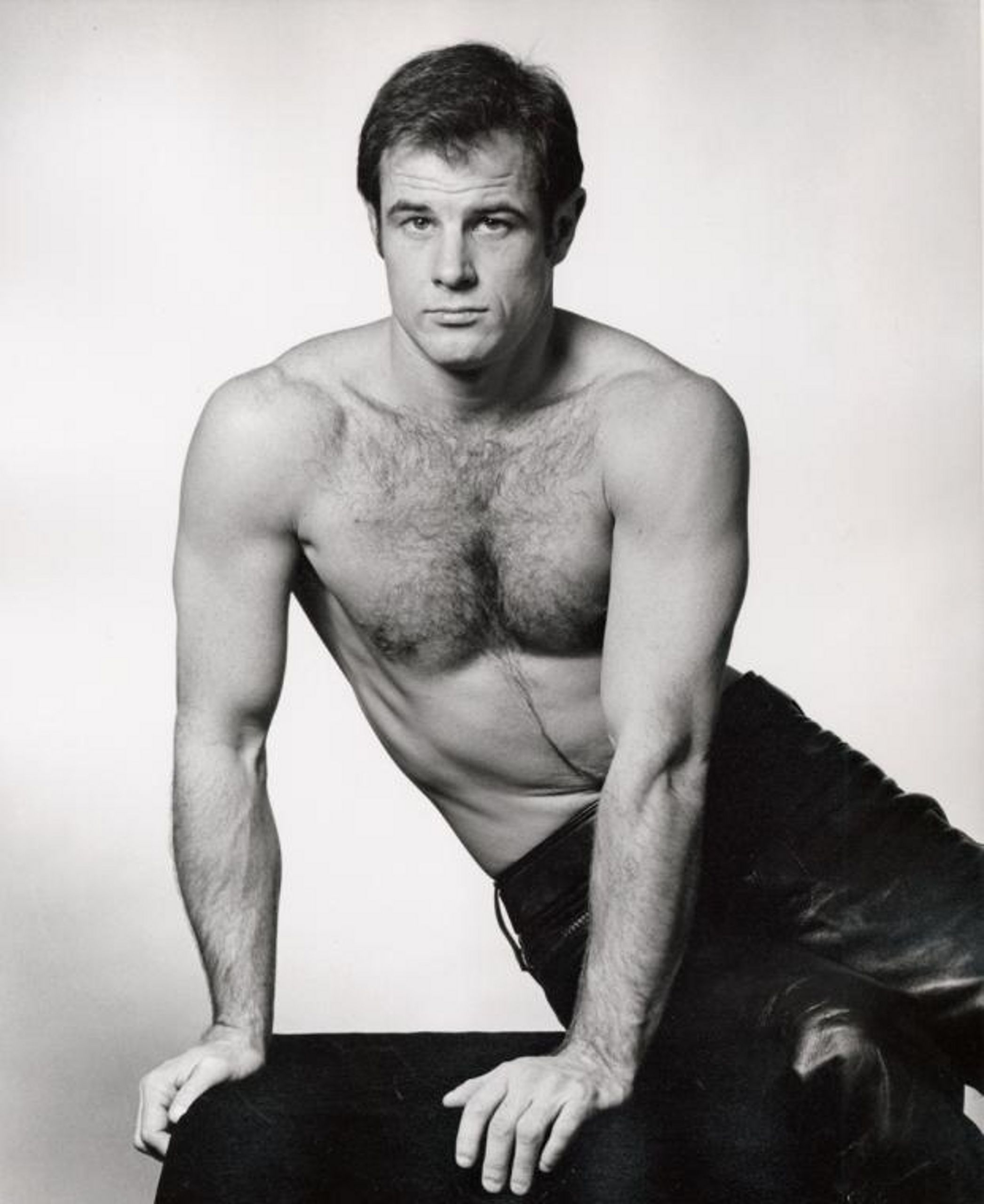
I recently acquired the original press book for the film, which you can see below. Also included is the Playbill from the original West End production with the same cast as well as some revealing photos of “Cowboy” Robert La Tourneaux. During the New York run of the play, he was photographed in and out of clothes by Jack Mitchell for After Dark magazine. Years later, La Tourneaux would appear in photo layouts for Mandate, Honcho, and Zeus, which were the names of gay publications and not a queer law firm.
The Boys In The Band poster (l-r) Leonard Frey, Robert La Tourneaux (Photo by LMPC via Getty Images)
I’m bursting with excitement to be able to share the news about something I have been working on for the past couple of months…
After a 10 year hiatus, East Village Radio is now officially back on the air. My show, 60 Degrees with Brian Ferrariran on the station for 5 years – from 2008-2013. The 2-hour program, featuring female 60’s singers and girl groups, is now back with new episodes bi-weekly, with repeated classic episodes on the opposite week. Besides the Sunday morning, 8-10am broadcast, archives of the show will be available for streaming on demand, any time, for free.
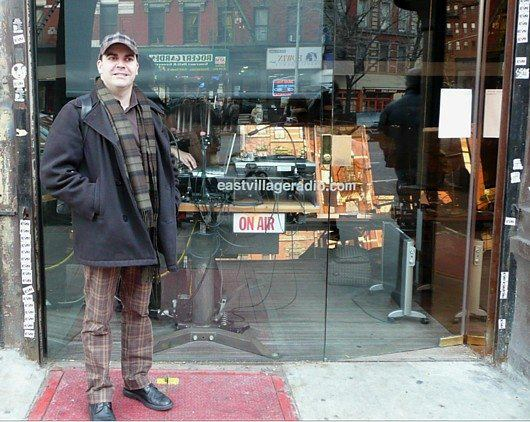
Here’s a little backstory: I had a late night public access television program called Bri-Guy’s Media Surf that aired in New York City from 1997-2007. Based on the music clips I played on that show, I was approached to do a spot on the early low-frequency broadcast version of East Village Radio. The signal was so weak that I couldn’t receive it in my apartment three blocks north of the station. Given the workload of producing the TV show, I didn’t have the bandwidth to take on a two-hour radio program, so I politely declined. After Media Surf wrapped in late 2007, I was offered a radio spot again. By this time, the station had transitioned into internet streaming and now had a worldwide audience. This time I said “Yes.”
In front of the EVR booth (2008)
From its inception, the concept of 60 Degrees was that it existed in an alternate reality where women ruled the pop charts throughout the 1960’s, a decade that I consider to be the most transitional and eclectic in the history of popular music. The all-female playlist is in direct contrast to radio programmers that only allow a certain number of female artists per hour. In the land of 60 Degrees, it’s all women, all the time. The men remain in the shadows, only stepping forward for the occasional duet.
This is not to say that the male groups that ruled the charts are completely ignored here. Female artists doing Beatles or Rolling Stones covers and tribute or answer songs are often featured. Besides, you can’t have a 60’s girl group playlist without the specter of Phil Spector looming large.
Another rule for 60 Degrees is that it is not a re-hash of the WCBS-FM “We play your favorite oldies” format. If a 60’s hit is in rotation on an oldies station, you won’t hear it here unless it’s live version, an alternate take, or sung in a foreign language.
Other ingredients that add to 60 Degrees’ unique flavor are the vintage commercials and sound clips from various movies and TV shows peppered throughout each 2 hour episode. These add a camp element to the proceedings and act as an acknowledgement of pop culture’s shift over the past 60 years.
60 Degrees usually concludes each episode with a modern cover or a remix of a 60’s tune to transition the listener back to the current day, in preparation for the next show on the East Village Radio schedule.
Exciters lead singer Brenda Reid was a guest on the show in 2012.
I did my first (and only) live show in the First Avenue storefront booth on January 17, 2008. Broadcasting live at street level by myself was a slightly terrifying prospect. The first show went without interruption but at some point I was bound to get a random loon trying to get into the booth while I’m spinning some Shirelles. And it wasn’t like I was going to get a sidewalk crowd like the higher profile prime time DJs. Besides, the variety of the content meant that I was dealing with wildly different sound levels and other audio issues over approximately 75 different clips per episode. Pre-taping allowed for a more seamless, fast-paced show, which was then broadcast in the morning hours before the DJ booth was open.
After 5 years on the air, I felt that the show had run it’s course and I hung up my headphones. I continued on my own personal quest of discovering new/old music, focusing on early soul singers and the sister groups of the 1940’s… then the 1930’s… until one day I found myself listening to 78 records on my 1916 RCA crank victrola. Having gone about as far as I could go, I thew it into reverse once again.
And so we’re back. From outer space. And so is 60 Degrees. I hope you will come along for the ride. It’s kinda cool
Bringing 60 Degrees back to East Village Radio, with the help of Jean & The Statesides.
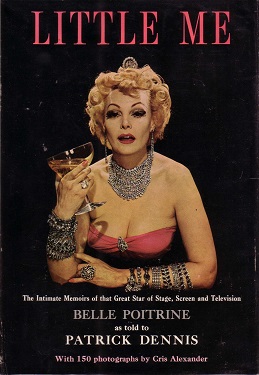
You may already know this, but anyone with an affinity for self-indulgent grande dame memoirs and/or the camp humor of Auntie Mame needs to seek out the 1961 book Little Me, The Intimate Memoirs of That Great Star of Stage, Screen & Television Belle Poitrine, as told to Patrick Dennis. The book spawned a Broadway musical starring Sid Caesar in 1962, which was revived with Martin Short in 1998. However, the book is whole different animal. The 2002 reprint with a new foreword by Charles Busch may be out of print, but affordable copies are easily found online.
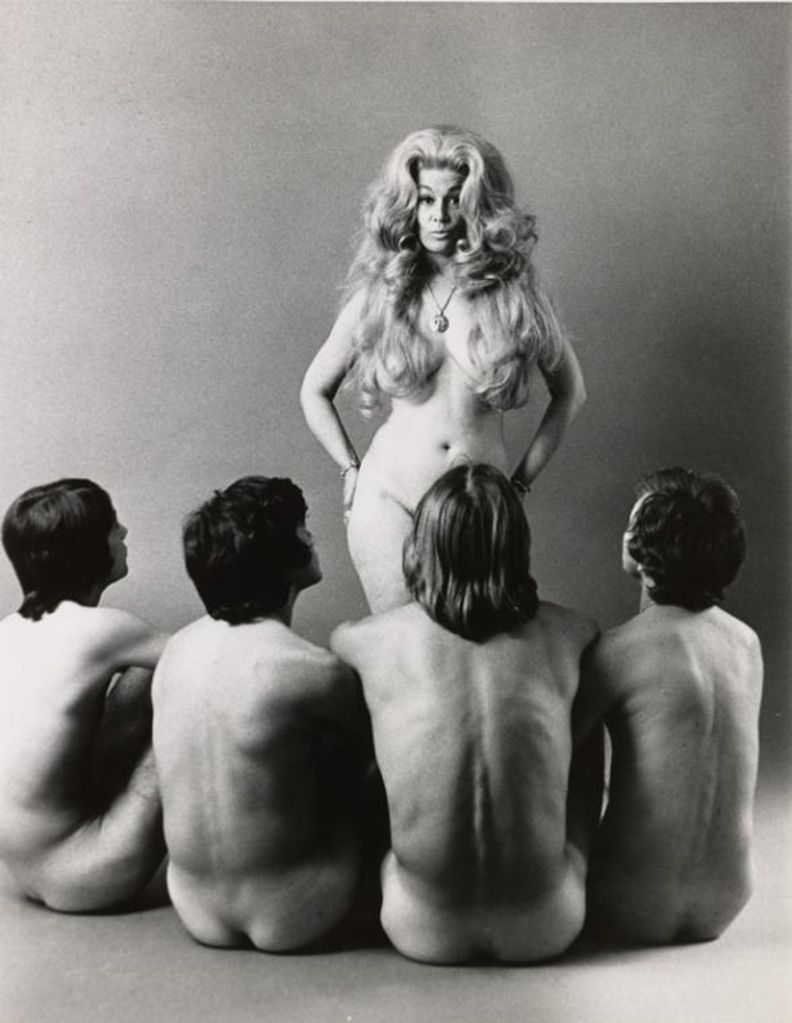
The whole thing is a parody – a camp fiction classic created by the Auntie Mame author with over 150 photographs by Cris Alexander, an actor who appeared in both the stage and film versions of Auntie Mame. Alexander had transitioned into his second career as a photographer.
Actress Jeri Archer embodied Belle Poitrine in the photographs with a cast of characters playing her co-horts. Among the familiar faces in the company are character actresses Dodie Goodman and Alice Pearce, author Patrick Dennis (as Cedric Roulstone-Farjeon) and his wife Louise (as Pixie Portnoy). Cris Alexander also appears in various roles alongside his lifelong partner, ballet dancer Shaun O’Brien (as Mr. Musgrove). Miss Rosalind Russell makes an appearance as well.
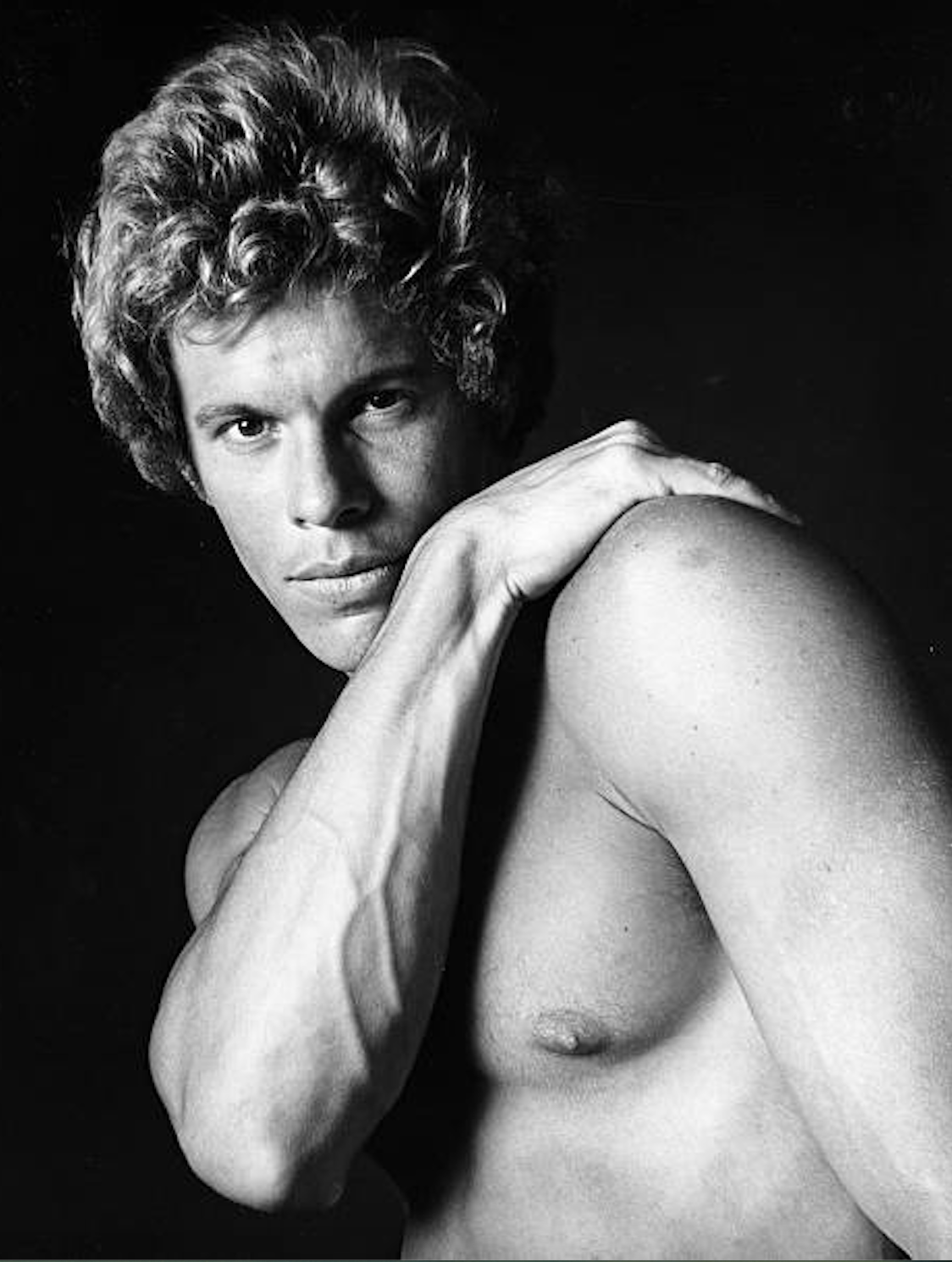
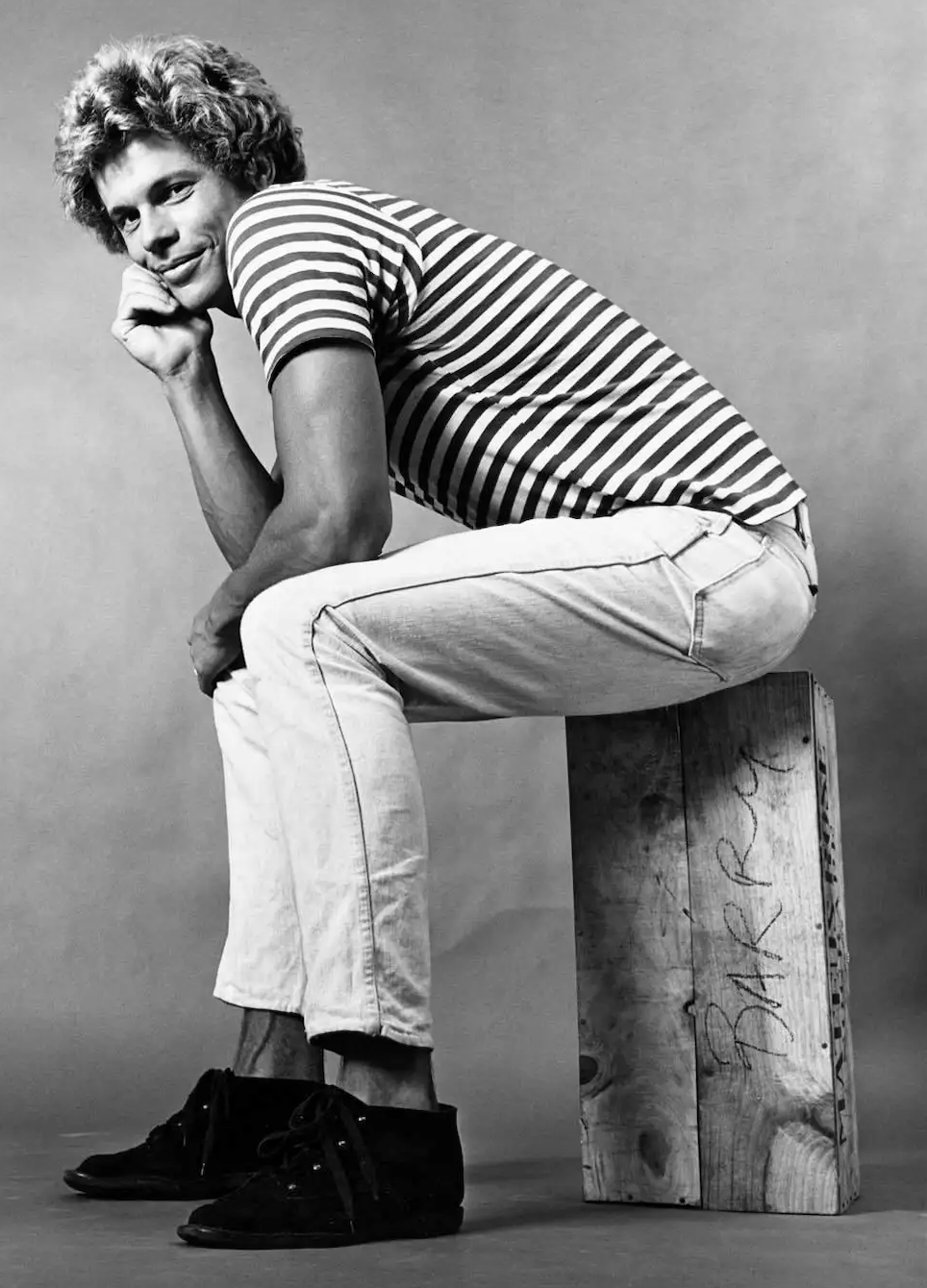
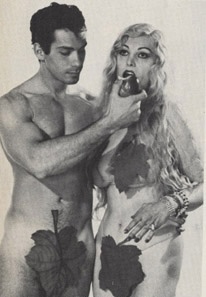
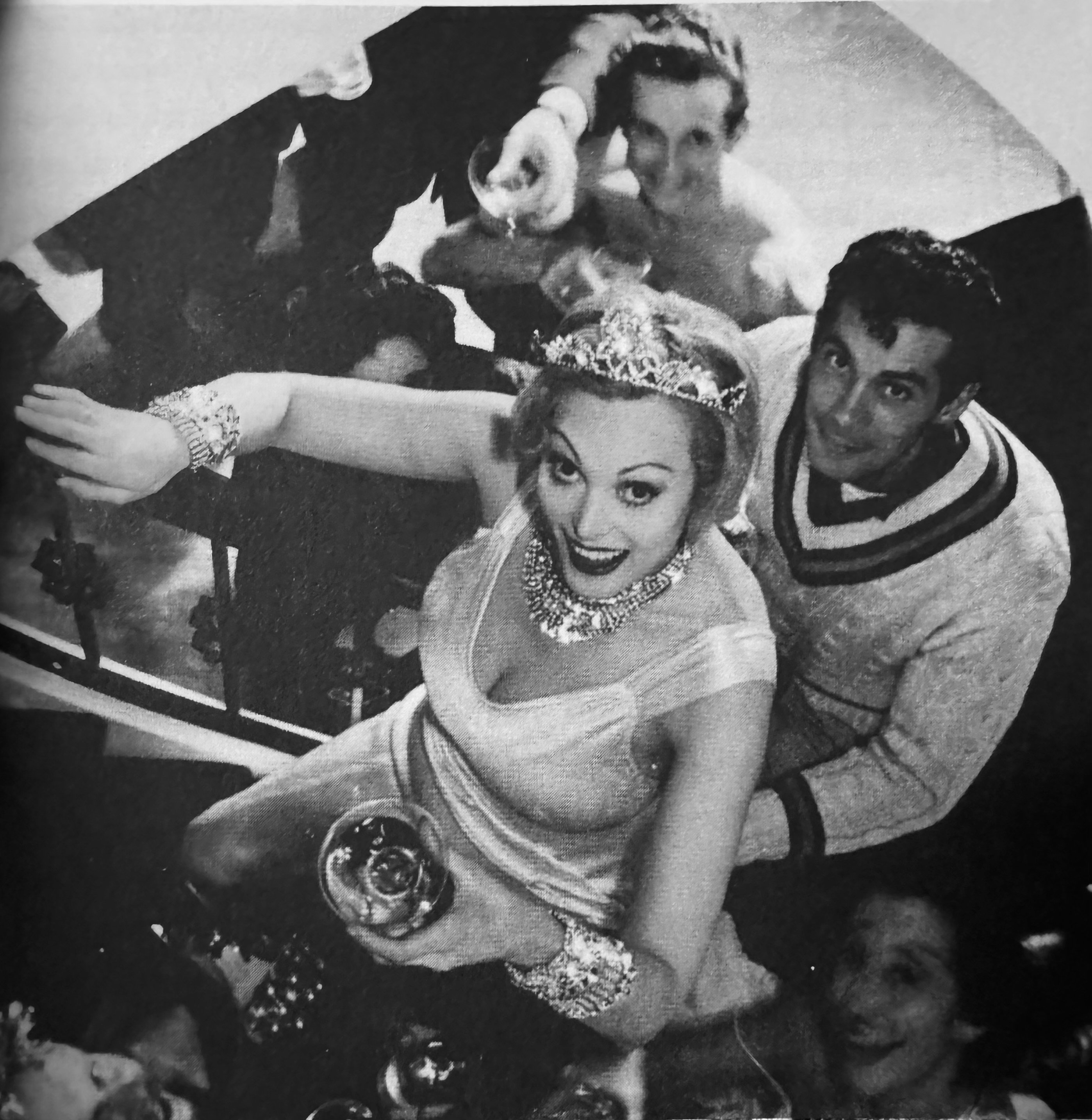
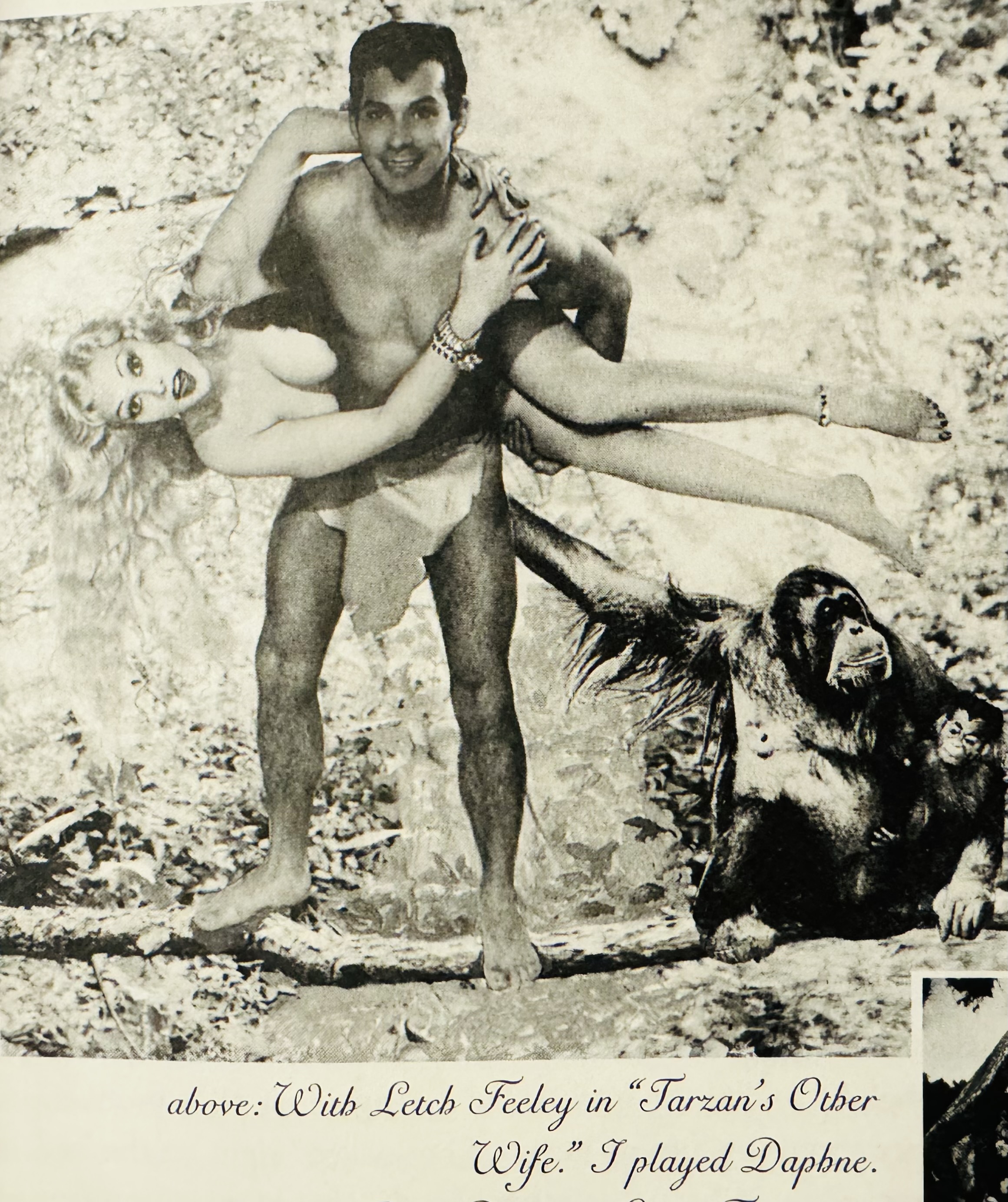
The role of Letch Feeley, Belle’s hunky paramour and costar, was played by Kurt Bieber. After the publication of Little Me, Cris Alexander wrote, “Shaun and Kurt generated an unprecedented amount of fan mail, all sent to the publisher’s office.”
Letch Feeley & Belle Poitrine, aka Kurt Bieber & Jeri Archer in Little Me
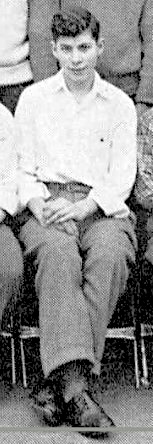
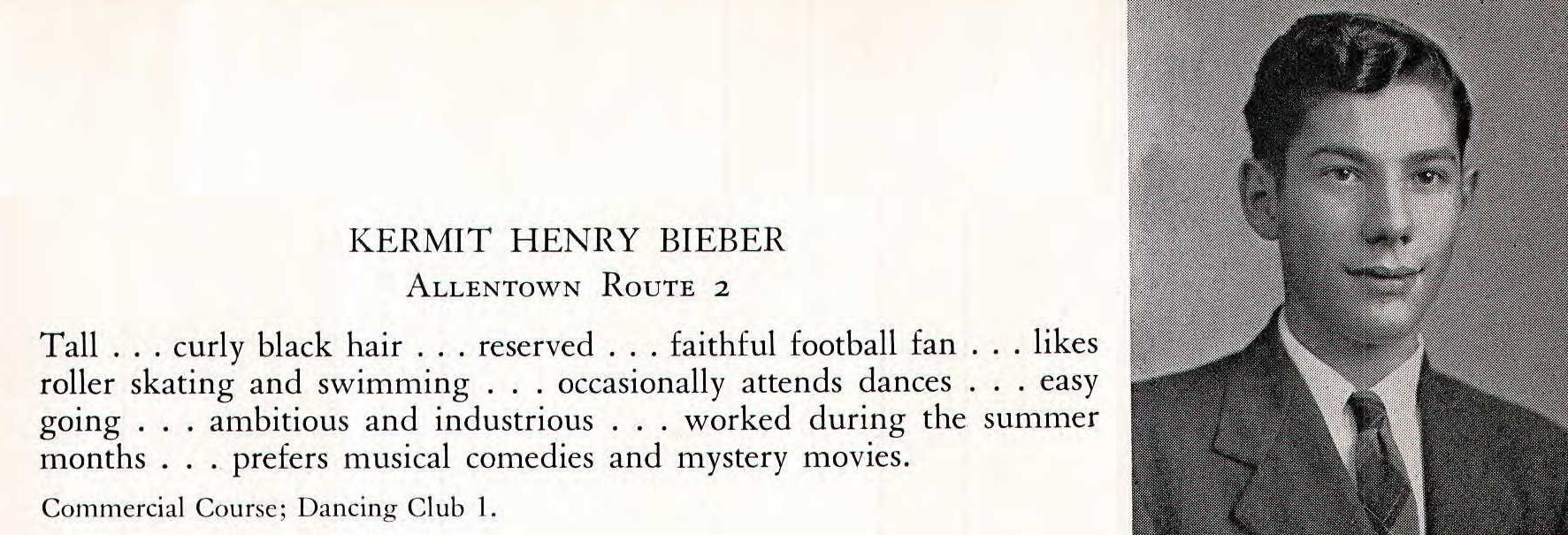
Kermit Henry Bieber was born on January 5, 1929 in Allentown, Pennsylvania. A 1946 graduate of Emmaus High School, Bieber worked at the local Sears before serving in the Army during the Korean War.
After his discharge, he headed to New York, where he studied drama, dance and voice at The American Theatre Wing. Roles in summer stock soon followed, with ensemble work in Can-Can, Happy Hunting, Oklahoma! and Wonderful Town.
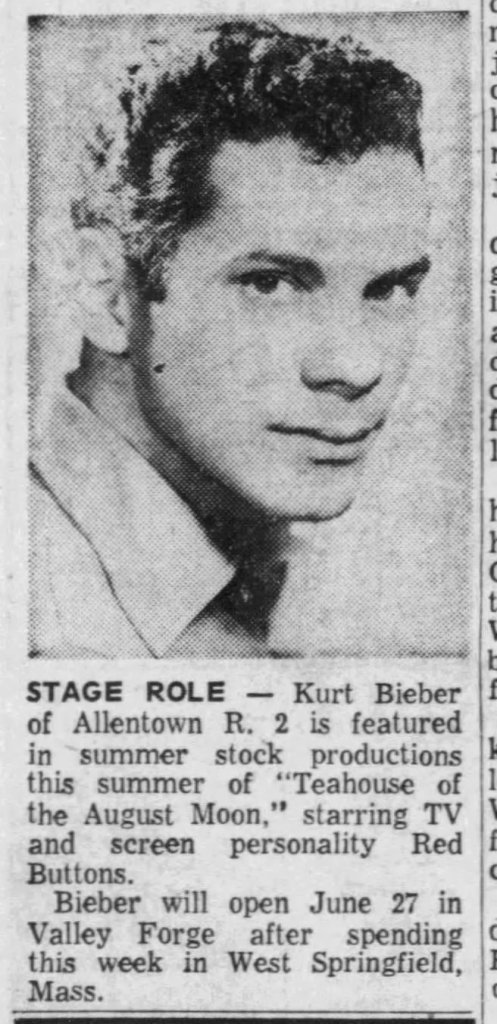
The Morning Call, Allentown, PA (6/21/1960)
It was his work in a regional production of On the Town that took his career to the next level. Cris Alexander later wrote, “Ross Hunter may have discovered Rock Hudson, but I discovered Kurt Bieber during a summer package of On The Town (Pittsburgh ’58).” By October of that year, Bieber was back in New York playing a sailor alongside William Shatner in the original Broadway production of The World of Suzie Wong.
More regional work followed, including a stint in the play Teahouse of The August Moon with Red Buttons. It was around this time that Cris Alexander began to shoot the photos for Little Me, casting Bieber in the role for which he is best remembered.
In Uncle Mame: The Life of Patrick Dennis, author Eric Myers writes “Most memorable to a certain contingent of the book’s audience was actor Kurt Bieber, who… displayed plenty of muscular flesh in nearly all of his photos.”
“I loved doing Little Me. People would stop me in the street and say ‘Aren’t you Letch Feeley?'” Kurt fondly remembered. “It was a first. No one had ever done a book like that… it was such a different atmosphere then. The photos were really a breakthrough.”
“Kurt Bieber is a poseur extraordinaire. The grace and symmetry of the youthful physique is captured in this study by Male Today.”
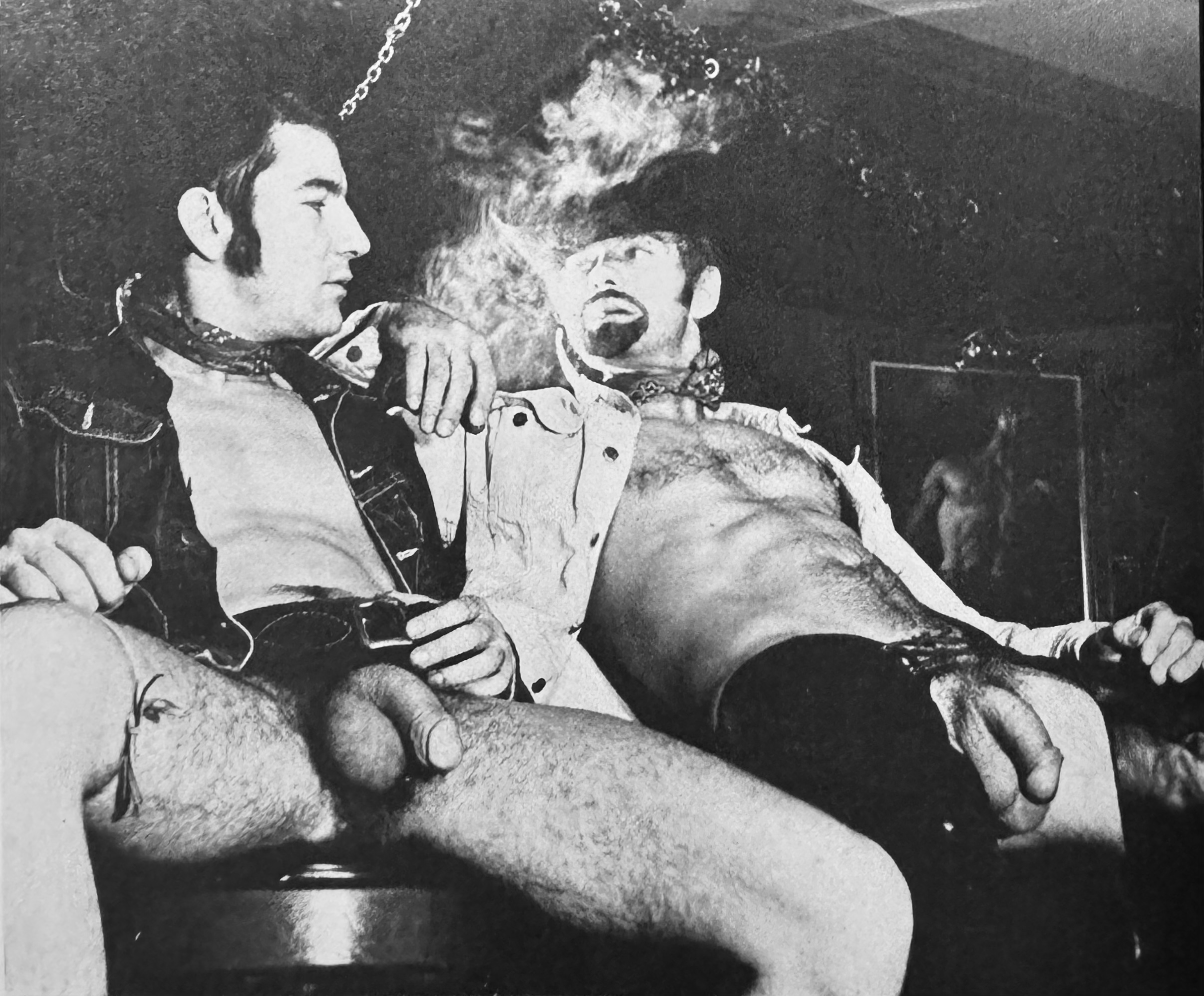
Following the success of Little Me, Bieber continued acting as well as modeling. He found work as a “posing strap” model for Male Today and other physique magazines. He was an early subject for Jim French, a photographer who was starting up a photo studio under the name Rip Colt. An early Colt film loop lists Bieber as one of the performers – a softcore scene with three muscular models lathering each other up in a shower – but none of the models appear to be him.
In 1969, Bieber had a bit part as a Times Square street hustler in Midnight Cowboy:
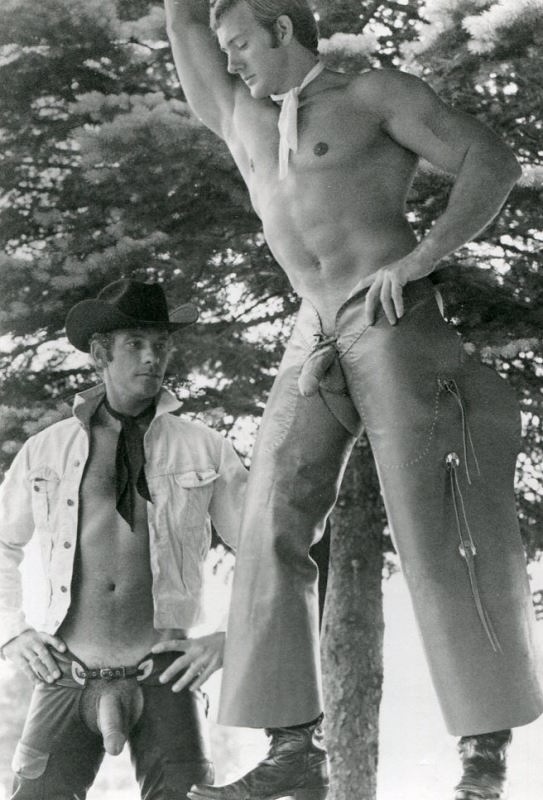
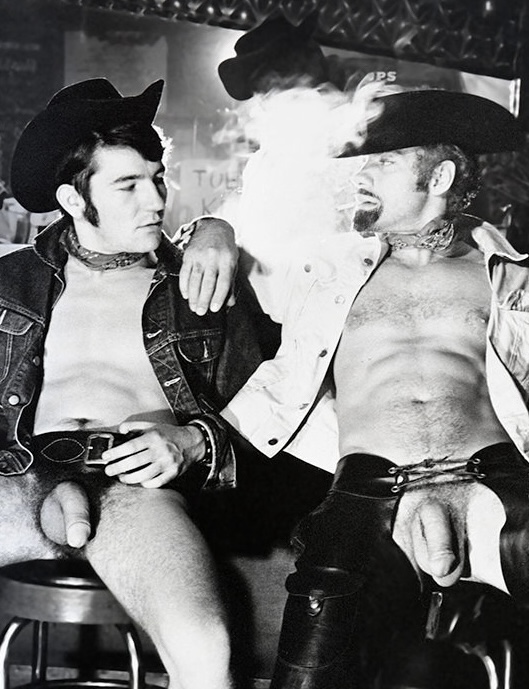
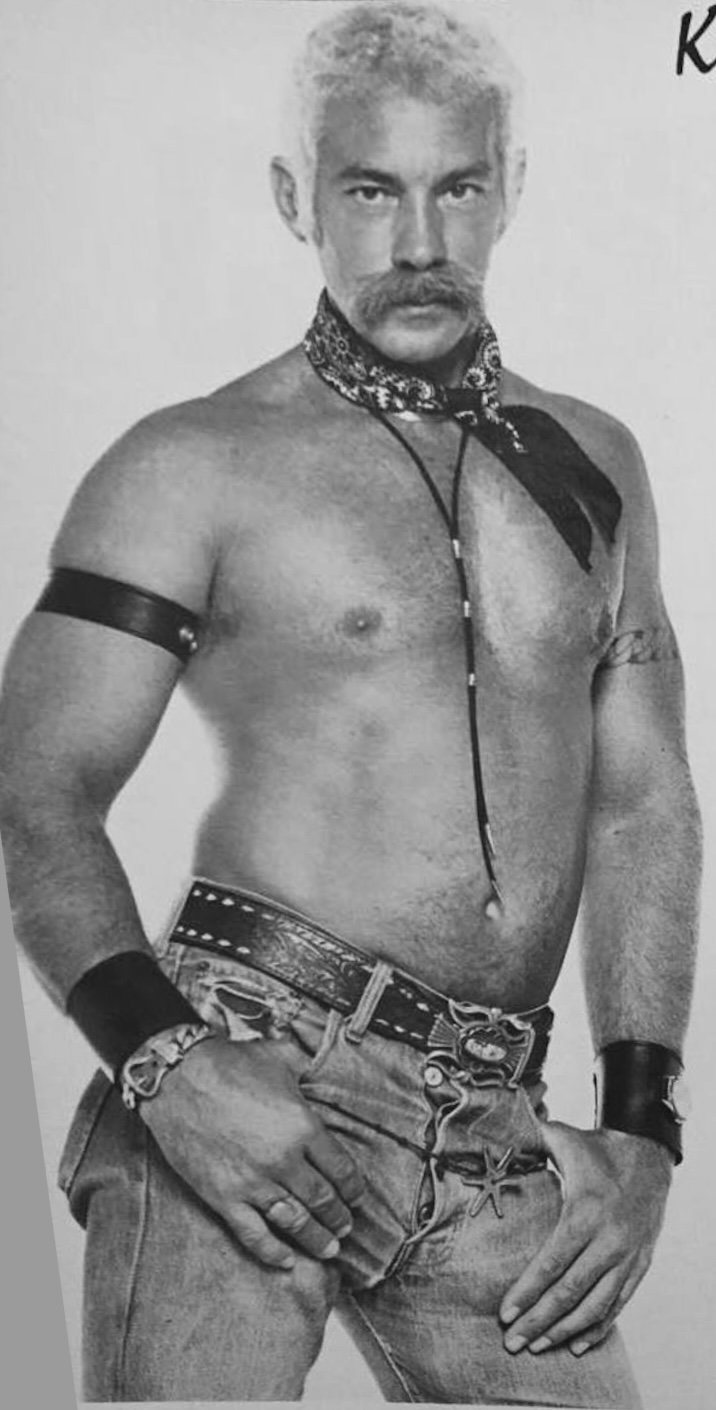
At the dawn of the 1970’s, 40-year-old Bieber – no longer a young chorus boy – opted for a new look. He transformed himself into the quintessential gay clone: an urban cowboy/mustache and Levi’s/hanky-code persona that would characterize the gay scene for the next decade. His photos for Colt studios now typify that era of gay erotica.
He was quoted as saying “I loved being photographed in the nude. I’ve always been an exhibitionist. To be an actor, you have to be. Besides, I got to choose the models. I chose hot men that I could get off on. That’s why they gave me (Colt superstar) Dakota.”
Kurt Bieber (in a Colt t-shirt) outside Badlands in the West Village, NYC (1979)
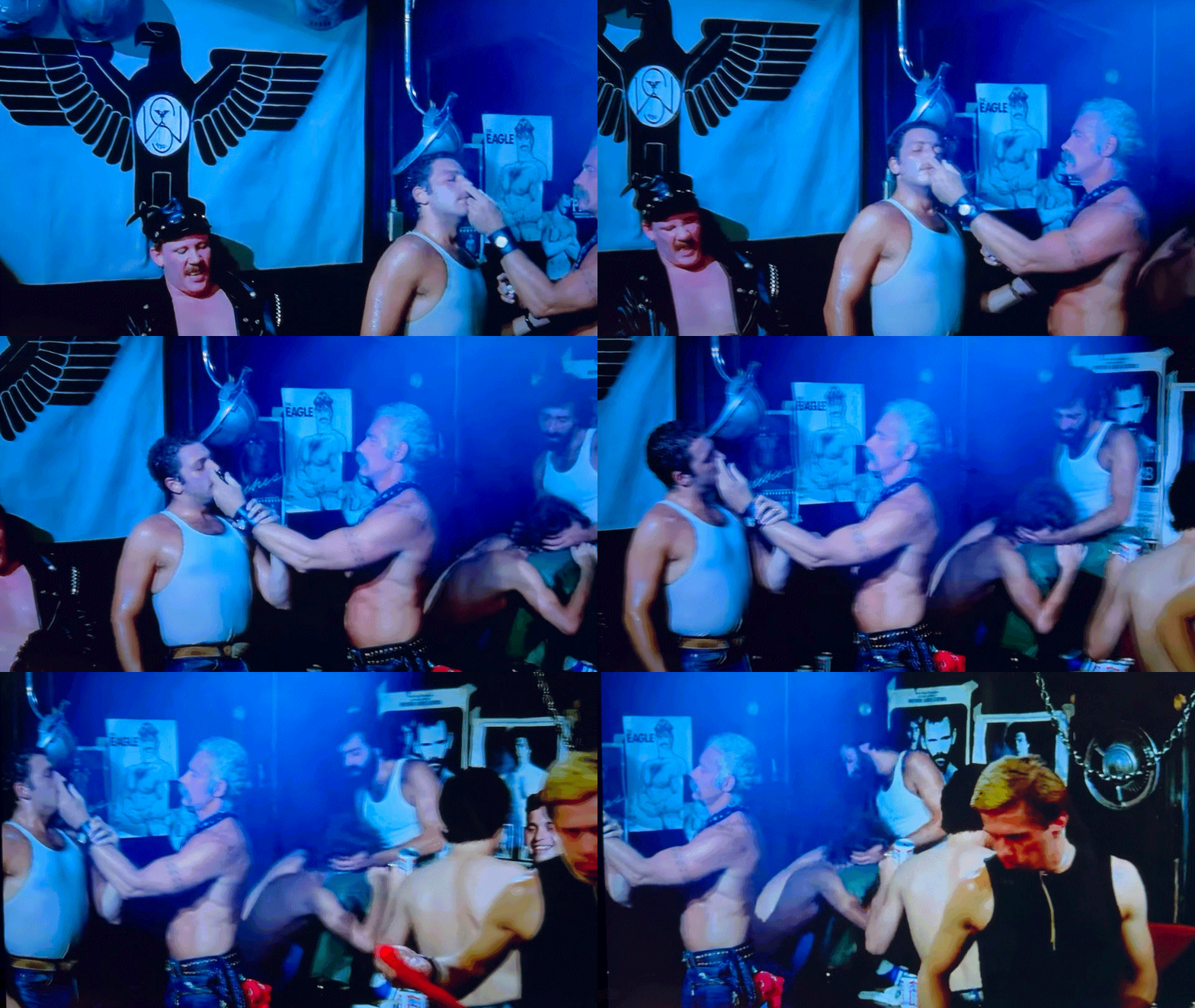
While major film roles never materialized, Bieber appeared in several commercials and continued to garner background work in films like Last Summer and Chapter Two. He can be seen offering poppers to a cohort at The Eagle in the controversial Al Pacino film Cruising (1980):
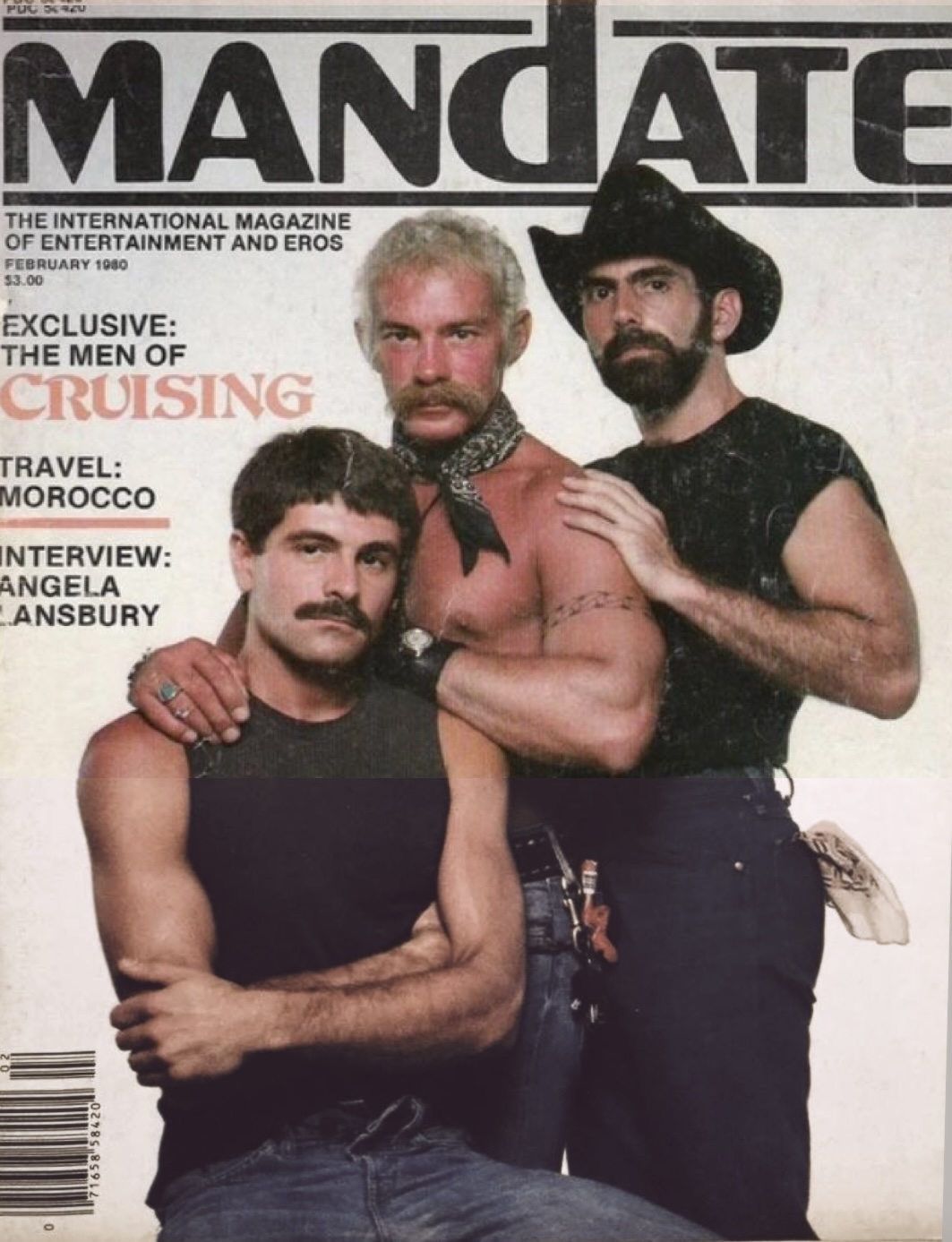
His appearance in Cruising landed Bieber on the cover of the February 1980 issue of Mandate Magazine. In his interview, Bieber mentions that he played Letch Feeley among other acting roles. He differentiates himself from the other Cruising extras, some of whom were cast off the street. “I want to stress that I did it as a professional… It’s just a job.”
As for those rumored to be having sex on camera in the leather bar scenes; “On the set, some people were having sex for real, but (director William) Friedkin didn’t ask anybody to. No way I would suck cock in front of a camera,” he says.
Although Bieber doesn’t mention his work with Colt Studios in this article, four months later Mandate ran a 10-page spread titled “Whatever Happened To Letch Feeley?” This feature tracked Bieber from his Little Me photos through his work with Colt Studios.
When asked to sum himself up at the close of the article, Bieber said with a smile; “I’ve done a little bit of everything and I’ve loved every minute of it.”
Later in 1980, Bieber was done in by a poison dart in Times Square during the opening sequence of Eaten Alive, an Italian cannibal movie:
The epilogue of Uncle Mame: The Life of Patrick Dennis (2000) notes that Bieber “has been an extra in almost every movie ever filmed in New York City. Kurt says he is ‘still around and still cruising Christopher Street.'”
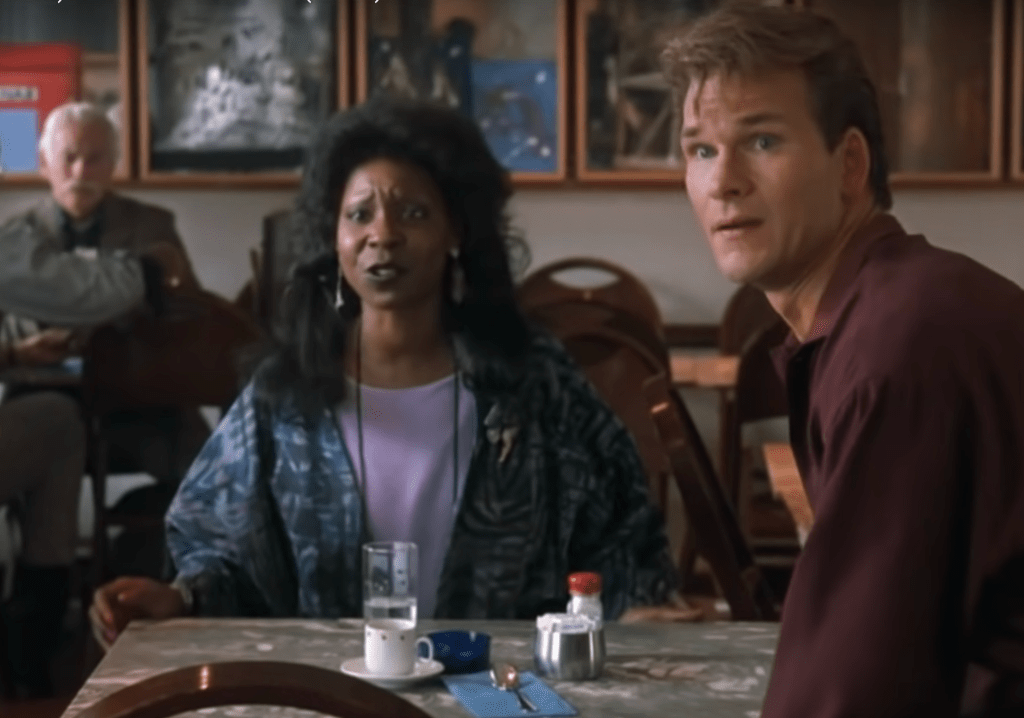
Kurt Bieber behind Whoopi Goldberg and Patrick Swayze in a scene from Ghost (1990)
Decades later, Little Me fans still recognized him. “Even today, I’ll sometimes walk into a store and someone will say ‘Wow! Letch Feeley!’ How they recognize me after all these years, with my white hair, I’ll never know.”
Kurt Bieber passed away at age 86 on December 31, 2015 in New York City.
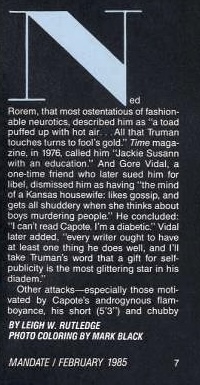
Continuing with our theme from the last post, Truman Capote is the subject of this article from the February, 1985 issue of Mandate magazine. The piece was written by Boze Hadleigh just 6 months after Capote’s death.
The infamous book jacket photo of Truman Capote from Other Voices, Other Rooms. One critic commented, “He looks as if he were dreamily contemplating some outrage against conventional morality.” (1948)
Hard to believe but it has been a year since the last Artist’s Muse profile – these are men who inspired and were subjects of 20th Century painters, photographers, and other artists. It was last January that we cast the spotlight on Jose “Pete” Martinez. Chuck Howard was profiled in September, 2022 and is currently being featured in George Platt Lynes photographs on exhibition at Childs Gallery in Boston. If you read our post and then take a look at their press release, you might surmise the primary source of their biographical material.
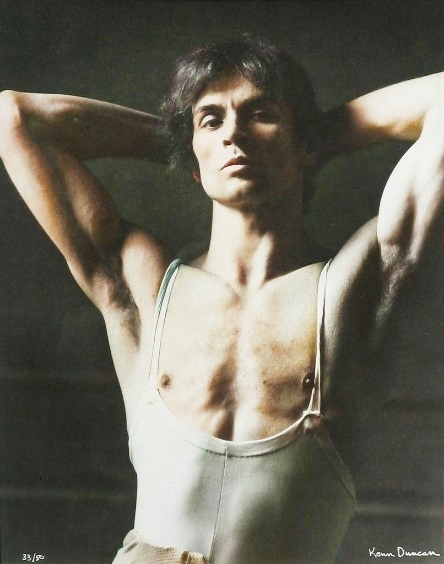
Our latest Artist’s Muse is William Weslow, a ballet dancer with an extraordinarily long career who was also a Broadway performer, artist, and masseur. He posed for George Platt Lynes’ camera during their brief relationship, and was later involved with choreographer Jerome Robbins. He posed nude for dance photographer Kenn Duncan when he was in his 50’s, looking as fit as in photos from 25 years earlier.
The Columbian, Vancouver, WA (6/7/44)
William Edward Weslow was born on March 20, 1925 in Seattle, Washington. His mother had been a Ziegfeld dancer, and he soon followed her lead. As a teen, Weslow studied with famed dance instructor Mary Ann Wells. His 1943 draft registration card lists him as a student at Broadway High School in Seattle. Later that year, he joined the Navy Coast Guard and was stationed in the Alaska.
Annie Get Your Gun (1946) Ethel Merman with Weslow on the right (Photo: Eileen Darby)
After his stint in the Navy, Weslow headed to New York to continue his ballet study. He joined the Ballet Theatre, but soon turned his attention to the Broadway stage. He was in the original Broadway casts of two Ethel Merman vehicles: Annie Get Your Gun and Call Me Madam, the latter choreographed by Jerome Robbins. Besides touring companies, he also appeared on Broadway in the original casts of The Girl In Pink Tights and Wonderful Town with Rosalind Russell.
Weslow photographed by George Platt Lynes (1951)
It was around 1951 that Weslow had his brief relationship with photographer George Platt Lynes. The affair was so fleeting that it did not garner a mention in Allen Ellenzweig’s recent Lynes biography. In David Leddick’s Intimate Companions, it is summed up in a single anecdote:
Dancer William Weslow, who had a transitory but more serious than usual romance with George Platt Lynes in the early 1950’s, evidently treated the photographer to the kind of temperament Platt Lynes had displayed to his admirers in the past. Dining at Platt Lynes’s apartment before a performance, Weslow had requested a steak because of the demanding dancing that was to be done that evening. Instead, Platt Lynes served him an elaborate veal dish, which the young dancer flung against the wall before leaving in search of a steak.
Lynes’s photographs of Weslow are also rare, due in part to the paper negative process that the photographer was experimenting with at the time. This cost-cutting technique gave the photos a quality that have been described as either “ethereal” or “muddy.”
When he wasn’t on stage, Weslow enjoyed painting and sketching, with an affinity for exotic birds, both real and imagined. His work garnered several gallery showings through the years.
Buffalo Courier Express (4/1/51) &New York Post Star (7/9/71)
New York Daily News(1/1/54)& (11/6/54)
Weslowwas a soloist at Radio City Music Hall, New York Daily News (6/20/56)
In 1955, he originated the role of Levi Stolzfuss in the Amish musical Plain and Fancy. After nearly 10 years in musicals, he felt the need for a change. When the show closed the following year, he rejoined the Ballet Theatre for a brief stint before settling in at the New York City Ballet for the rest of his dance career.
Like his relationship with Lynes, Weslow’s dalliance with choreographer Jerome Robbins was so fleeting that most biographers fail to mention it. It is worth noting as it caused friction between the two while they continued to work together. Weslow is not alone in saying that Robbins could be vindictive, manipulating his dancers because of personal grudges, often pitting them against each other.
Weslow also caught the eye of New York City Ballet Director Lincoln Kirstein. He rebuffed his advances, stating “I don’t find you attractive, Mr. Kirstein.” “Who asked you to find me attractive?” Kirstein snapped, “I was just asking you to come over to the house for a few drinks and stay over.”
Later, the two had a chance meeting at a gay bathhouse. Weslow greeted him loudly with “Why Lincoln, hello! Come here often?” The married Kirstein did not respond and left the establishment.
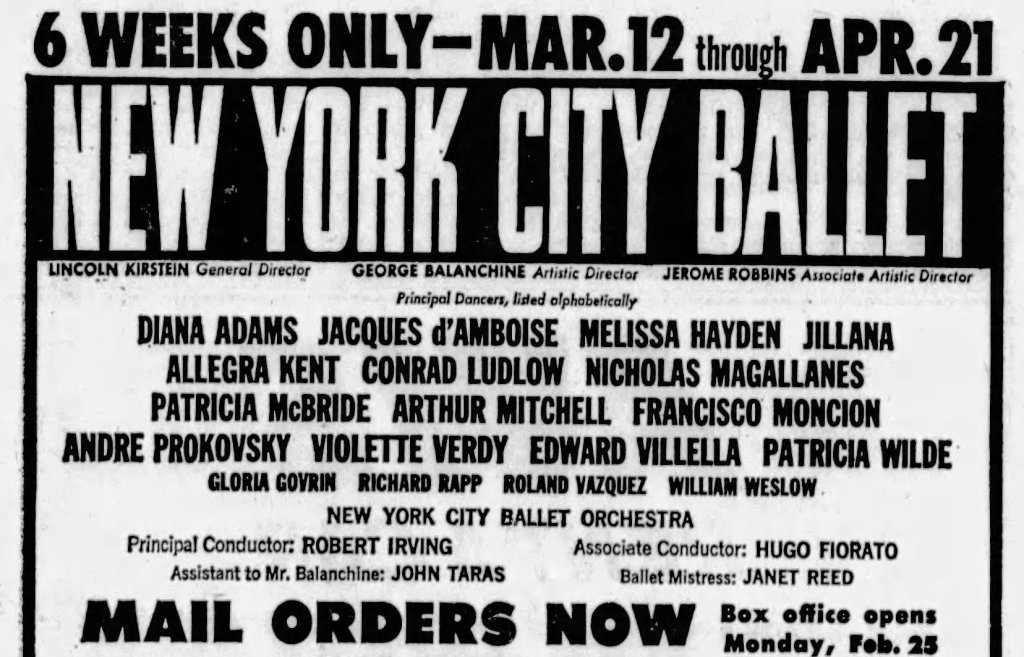
1963 Ad for New York City Ballet
1963: Weslow & Suki Schorer in Variations from Don Sebastian (photo: Martha Swope)
1964: Weslow & Sara Leland in La Valse (photo: Martha Swope)
1964: William Weslow & Carol Sumner are the dancers in the first of 4 Temperaments – NYCB filmed for Canadian Television
1965: New York City Ballet rehearsal for Don Quixote (l-r) Nicholas Magallanes, George Balanchine, Richard Rapp, Jillana, William Weslow (photo: Martha Swope)
Camden Courier Post, New Jersey (3/8/66)
1966: Weslow & Marnee Morris in A Midsummer Night’s Dream (photo: Martha Swope)
1967: Weslow & Leslie Ruchala in Don Quixote (photo: Martha Swope)
In the mid 1960’s, Weslow began cultivating a side career as a masseur, working on fellow ballet dancers including Alicia Alonso and Edward Villella, who credited Weslow’s massages with extending his career by several years. Weslow makes a brief appearance as his masseur in the 1968 documentary Man Who Dances: Edward Villella.
In 1972, Weslow was dismissed from the New York City Ballet. He was 47 years-old and had been with the company for 14 years. In the book I Remember Balanchine, he recounts Balanchine telling him, “You’re too old. You have to leave company. We only want young, pretty dancers here. Old dancers – you see, when they get old they should just go away and die. This is what they should do, die. Because you’re not pretty. No youth… Besides, dear, you’re not going to commit suicide, are you?”
He replied; “To please you, no, I wouldn’t, Mr. Balanchine.”
“And that was that,” Weslow writes; “He didn’t say ‘You have been a good dancer’ or anything. It was just ‘Go away. Go away.’ I was close to tears. It was a terrible blow because I adored the company.”
Weslow’s massage work helped him to keep a connection to the dance world while easing into the next phase of his life, as he became known as “masseur to the stars.”
1976: Weslow was 51 years old when he was photographed by Kenn Duncan
When former ballet dancer Anne Byrne (aka Mrs. Dustin Hoffman) was profiled in the New York Daily News, her masseur William Weslow was there to lend a hand or two. (1/22/78)
William Weslow (1997)
When interviewed later in life, a reporter recalled “He seemed to love Maria Tallchief and had a poster of her on the wall. He also had kind words for Allegra Kent. He could be quite sarcastic, compassionate, cranky and deeply moving remembering certain people and other things.”
Allegra Kent called him “the funniest comedian ever” while also noting his empathy for others. He could also be quite brutal in his assessment of those he had worked with. Of Kirstein he said, “There was cruelty in Lincoln.” Jerome Robbins, he told a biographer “should have been cut up in small pieces and burned in a microwave somewhere because he was so horrible to me.”
William Weslow (2000)
While photographing male nudes for his 2011 book Shades of Love, photographer Demitris Yeros recounts how a naked octogenarian William Weslow would repeatedly interrupt the photo shoot, arms waving to chase the pigeons from his veranda.
William Weslow passed away at age 87 on January 29, 2013 in New York City. He was remembered in a Dance Magazine article as “A flamboyant personality with a sassy comeback for any remark directed his way…. (he) was as colorful off stage as on.”
I have always loved Christmas music. I tend to listen to older music all year round, but when it comes to sharing music with the general public, this is the only time of year when Brenda Lee is considered cool. To combat the 60’s holiday tracks that are over-covered and overplayed, I am always searching for more obscure holiday recordings by girl groups and female vocalists that are not on radio or Spotify playlists.
When I began hosting my internet radio show 60 Degrees with Brian Ferrari back in 2008, I started an annual tradition of putting together a holiday program full of female 60’s singers and girl groups interspersed with vintage commercials and sound clips from classic holiday movies and television shows. You can listen to the Halloween show here.
East Village Radio was a pirate radio station that went legit and switched to the internet, broadcasting from a storefront in New York’s Lower East Side. This first 60 Degrees holiday show debuted on December 22, 2008 and was repeated annually throughout the shows 5 year run. By 2012, the holiday programs had gained such a following that 60 Degrees was given an uninterrupted 16-hour marathon on Christmas Day.
At the beginning of Part 2 of this episode, I read a Christmas poem that I wrote about an incident from my childhood involving our tinsel-eating dog Sunshine, which has previously been posted here and also on The Good Men Project website. You can’t say I don’t recycle!
Other than my speedy vocal delivery (someone tell that guy to slow down) and some minor sound level issues, the show holds up pretty well. There are a few mis-statements that I wish I could fix:
I said that Maya Rudolph’s mother, the late great Minnie Riperton was not singing lead on The Gems tracks. But it turned out that she was.
I mis-pronounce the Meditation Singers as “The Mediation Singers” and would add that soul singer Laura Lee was a member of the group, having replaced Della Reese in the 1950’s.
Janice Orenstein is the singer on “There’s Always Tomorrow” from the Rudolph The Red Nosed Reindeer soundtrack.
Recently, the Gr8terDays blog featured cast photos from TV shows throughout the golden age of television. Surviving cast members are pictured in color while those who have shuffled off this mortal coil are depicted in black and white. I found this method of categorizing to be a bit jarring and sad, but also informative.
The post begins; “I’ve always been the morbid type. Even as a kid, I would watch old movies and TV shows and zero in on, ‘Which of these people is still alive?'”
Well, I was that kid too, although I didn’t get that way without help. I remember watching The Wizard of Oz on television when I was 5 or 6 years old while my parents made casual conversation of tallying the deceased cast members. “Yeah, she overdosed. And he’s dead. That one’s probably dead too… I’m not sure about Jack Haley.”
This might explain why my last post was Zombie Divas, a piece of Halloween fiction that featured a reanimated Judy Garland and other dearly departed entertainers hanging around the narrator’s apartment.
With that said, here’s my list of surviving members of 30+ girl groups (primarily) of the 1960’s. They may be gone, but their music lives on.
Lead singer Peggy Santiglia and Phyllis “Jiggs” Allbut are the last original Angels. Besides Barbara “Bibbs” Allbut, first lead singer Linda Jansen and Bernadette Carroll have also passed on.
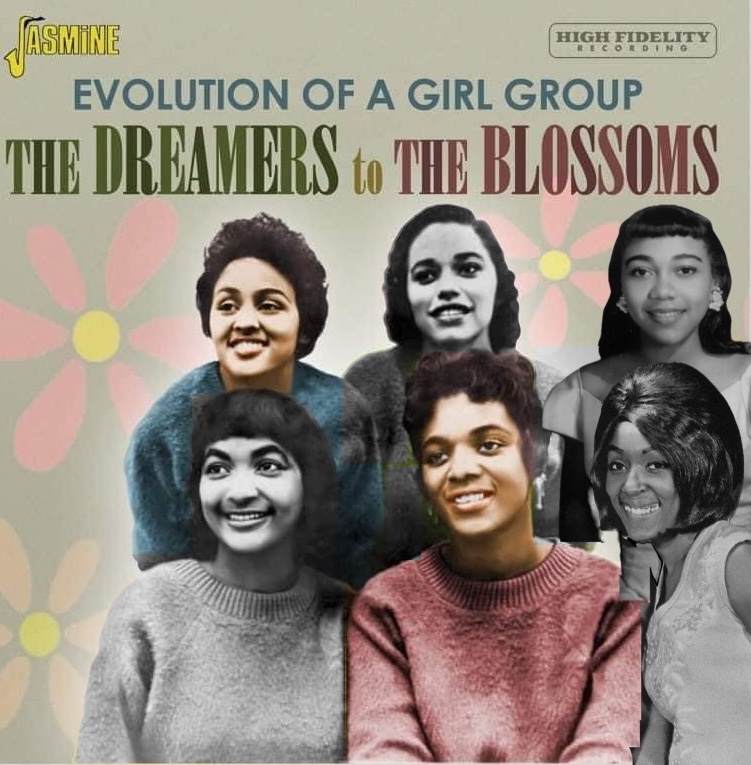
Darlene Love’s group The Blossoms started as The Dreamers in 1954. The evolving lineup went through many group names and members, with Fanita James as the one constant throughout. The 1964 lineup with Love, James and Jean King were regulars on the TV show Shindig! and continued until Darlene’s departure in 1975. Jean passed away in 1983, while Fanita died on Thanksgiving Day, 2023. Twin sisters Annette and Nanette Williams passed away in 2023 & 2026, respectively.
When Reather Dixon Turner died in 2014, co-lead singer Emma Pought Patron became the sole surviving member of The Bobbettes, which formed in East Harlem in 1955.
Seminal girl group The Chantels formed in the Bronx in 1957. Although they lost Jackie Landry to cancer in 1997, members of the group are still performing today.
Baby, That’s Me: The last member of The Cake is Barbara Morillo.
The Chordettes were of an earlier generation than the other girl groups, having formed as a folk group in the late 1940’s. They later shifted over to pop music with hits like “Mr. Sandman” and “Lollipop”. Carol Buschman, the last member from the group’s heydey, passed away on September 30, 2023 at age 96.
Chiffon Sylvia Peterson passed away in July, 2023. Barbara Lee had previously died in 1992. Lead singer Judy Craig still occasionally performs with her daughter and niece.
Original Crystals lead singer Barbara Alston passed away in 2018.
The Butterflys were a quartet with two former Crystals: Myrna Giraud and Mary Thomas along with lead singer Paulette Holland. All three are still in New York City… but where in the world is Carmen Santiago?
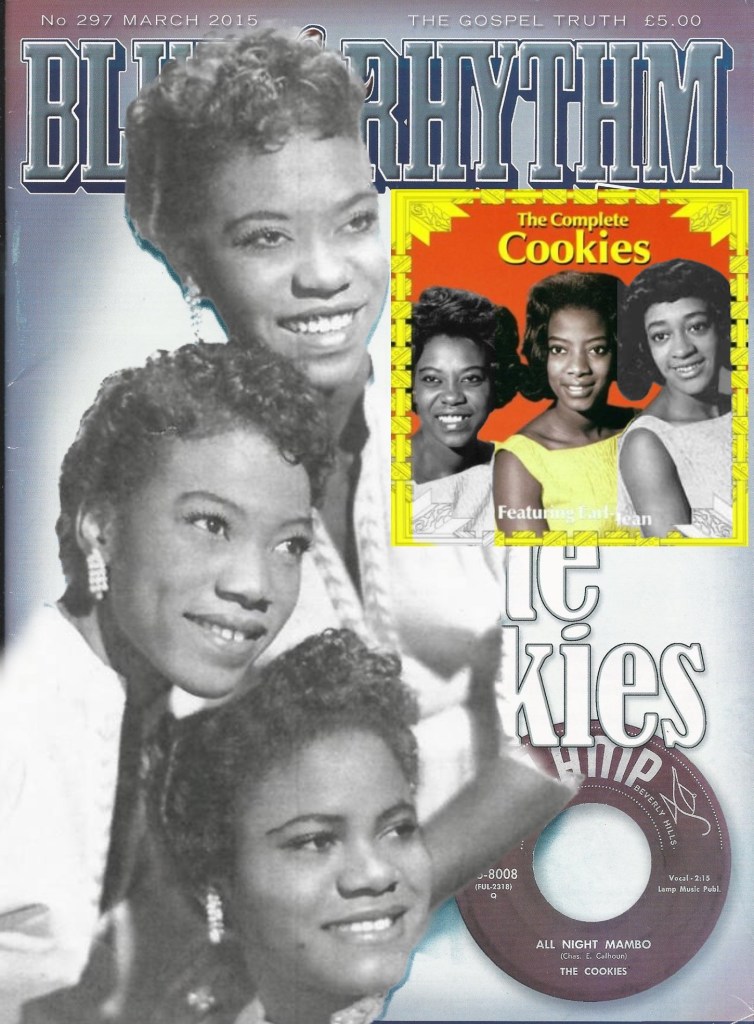
The original Cookies formed in 1954 and later morphed into the first incarnation of the Raelettes. They have all passed on, but the second lineup included Earl-Jean McCrea and Margaret Ross Williams, who are still with us. In recent years, Margaret headed a Cookies lineup that honored the earlier group in live shows with their song “In Paradise.” She passed away in January 2026, leaving Earl-Jean as the last surviving Cookie.
Sole surviving Dixie Cup Barbara Hawkins keeps the group alive with current member Athelgra Neville, sister of The Neville Brothers.
The exciting Brenda Reid, lead singer of The Exciters, is the last surviving member of her group.
No pearly gates for these Flirtations: The group, formed in New York as The Gypsies in 1962, moved to the UK in the late 60’s. All three are still performing together, including Viola Billups, aka Pearly Gates.
Guitarist Carol McDonald (aka Shaw) passed away in 2007. In October 2023, the group was inducted into the New England Music Hall of Fame with the surviving members in attendance.
Honey Cone lead singer Edna Wright (sister of Darlene Love) passed away in September, 2020.
Trying to keep track of the many Ikettes is akin to herding cats, but this classic lineup – which became The Mirettes – featured Robbie Montgomery, Venetta Fields, and Jessie Smith, who died in February, 2021.
Bluebelle Sarah Dash passed away in September, 2021. The New York Times recently reported the ongoing health battles of Cindy Birdsong, who left the Bluebelles to join the Supremes in 1967.
Late 60’s Vandella Sandra Tilley succumbed to an aneurysm in 1982, but Martha Reeves and her other Vandellas are alive and well.
Katherine Anderson Schaffner, group spokesperson and the one constant member of The Marvelettes, passed away on September 20, 2023. The surviving members are now Juanita Cowart Motley, the first to leave the group in 1963, and Ann Bogan, who replaced original lead singer Gladys Horton in 1967.
When Murmaids lead singer Terry Fischer passed away in 2017 from Parkinson’s disease, her sister and fellow Murmaid Carol Fischer Morell called her “the heart and soul of the group.”
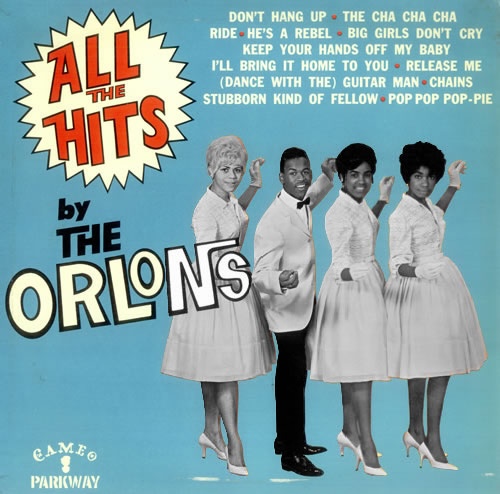
Sole surviving Orlon Stephen Caldwell was still active on the oldies circuit with replacement members until 2022. He passed away on October 1, 2025.
Middle Paris sister Sherrell has been the sole surviving sibling since the death of Allbeth in 2014. Youngest sister Priscilla passed away in 2004.
All three Pixies Three (as well as replacement member Bonnie Long-Walker) are still at the party.
Ruth Pointer is the oldest and last surviving member of The Pointer Sisters.
Reparata (Mary Aiese) had two sets of Delrons in the 1960’s. Carol Drobnicki succumbed to cancer at age 33 in 1980. Reparata passed away on 11/30/2024.
Cousin Nedra Talley Ross is the last Ronette.
The elegant Royalettes from Baltimore, Maryland lost their first member when Anita Ross Brooks passed away a few years ago.
The Shangri-Las: The Ganser twins have been gone for decades, but Mary Weiss passed away on January 19, 2024, leaving her sister Betty as the last surviving group member.
The Shirelles formed in 1957 and hailed from Passaic, New Jersey. Shirley Owens Alston Reeves has retired from performing, but Beverly Lee tours with her own Shirelles.
Besides Mary Wilson and Florence Ballard, early 4th Supreme Barbara Martin has also passed on. However, all of the 1970’s post-Diana Ross Supremes are still with us.
Cissy (mother of Whitney) Houston passed away at age 91 on 10/7/2024, leaving Estelle Brown as the sole surviving member of this legendary backing group.
Fayette Pinkney was one of the founding members of The Three Degrees, which was formed by producer Richard Barrett in 1963. She went solo in 1976 and passed away in 2009. Originally from Philadelphia but now based in the UK, members of the group are still touring.
The Toys were assembled in Jamaica, Queens in 1961. Lead singer Barbara Harris is the only one still performing, although the retired members often show up to support her at shows. All three still live in the Tri-state area.
At different times, Motown’s Velvelettes also featured Vandellas Betty Kelly and the late Sandra Tilley. Founding member Bertha Barbee McNeal passed away in December, 2022.
The Ad Libs were not a true girl group, but “The Boy From New York City” and their follow-up Blue Cat singles sure fit in the genre. Sadly, Mary Ann Thomas and the boys from Bayonne, New Jersey have all passed on.
The cast of the Phil Spector Christmas LP, released 60 years ago this holiday season.
Other books I highly recommend: John Clemente’s Girl Groups: Fabulous Females Who Rocked The World, which is cited as a reference source on anything related to the genre. Prior to that, Alan Betrock’s 1982 Girl Groups: Story Of A Sound and the 1983 documentary based on that book were the first attempts to tell their story.
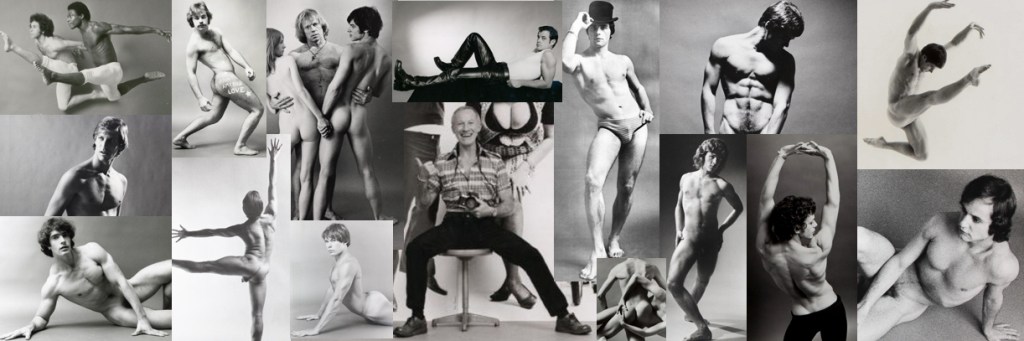
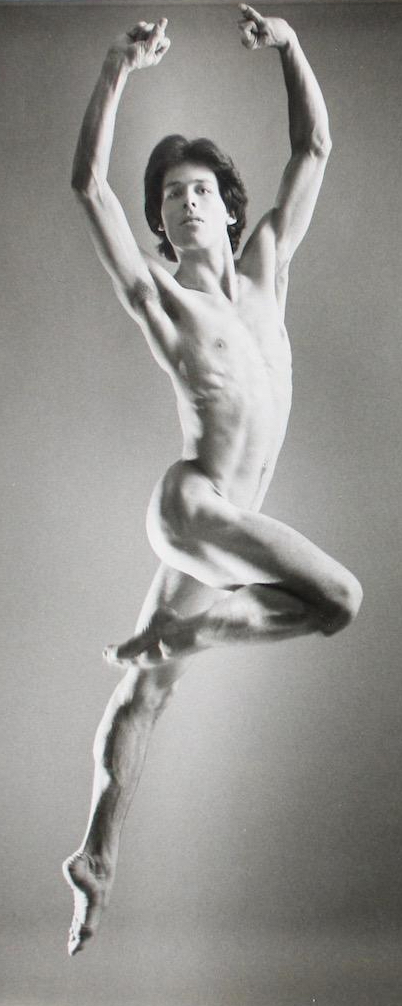
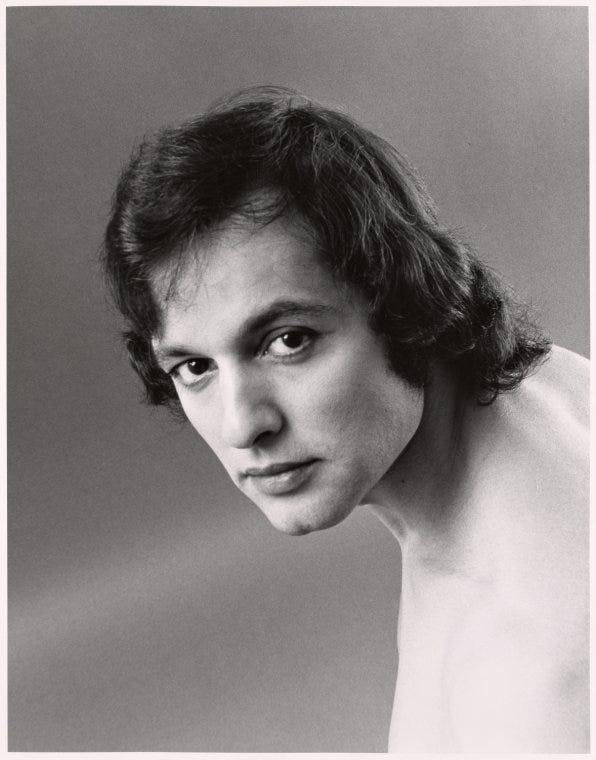
Kenn Duncan is widely considered to be one of the foremost dance photographers of the late 20th Century. In addition to his work as principal photographer for After Dark and Dance Magazine, his photos also appeared in Vogue, Time, Life, Newsweek and Harper’s Bazaar. From the mid-1960’s through the early 1980’s, he photographed nearly every major dance company in the world as well as many Broadway shows.
Born in New Jersey on September 22, 1928, Duncan began his career as a figure skater and then segued into dance. His career took another turn when he was sidelined with a broken foot and signed up for a six-week photography course at the local YMCA. Naturally he gravitated back to the dance world for photographic inspiration.
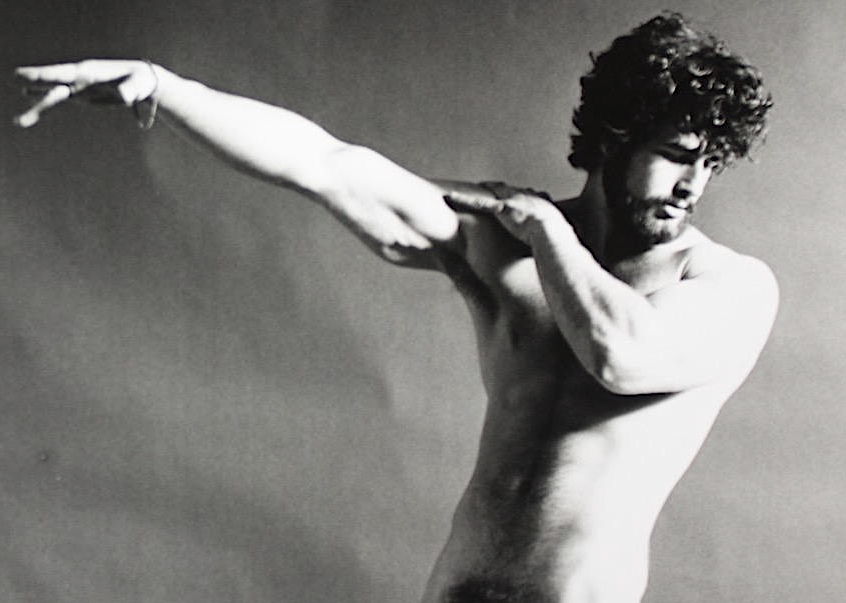
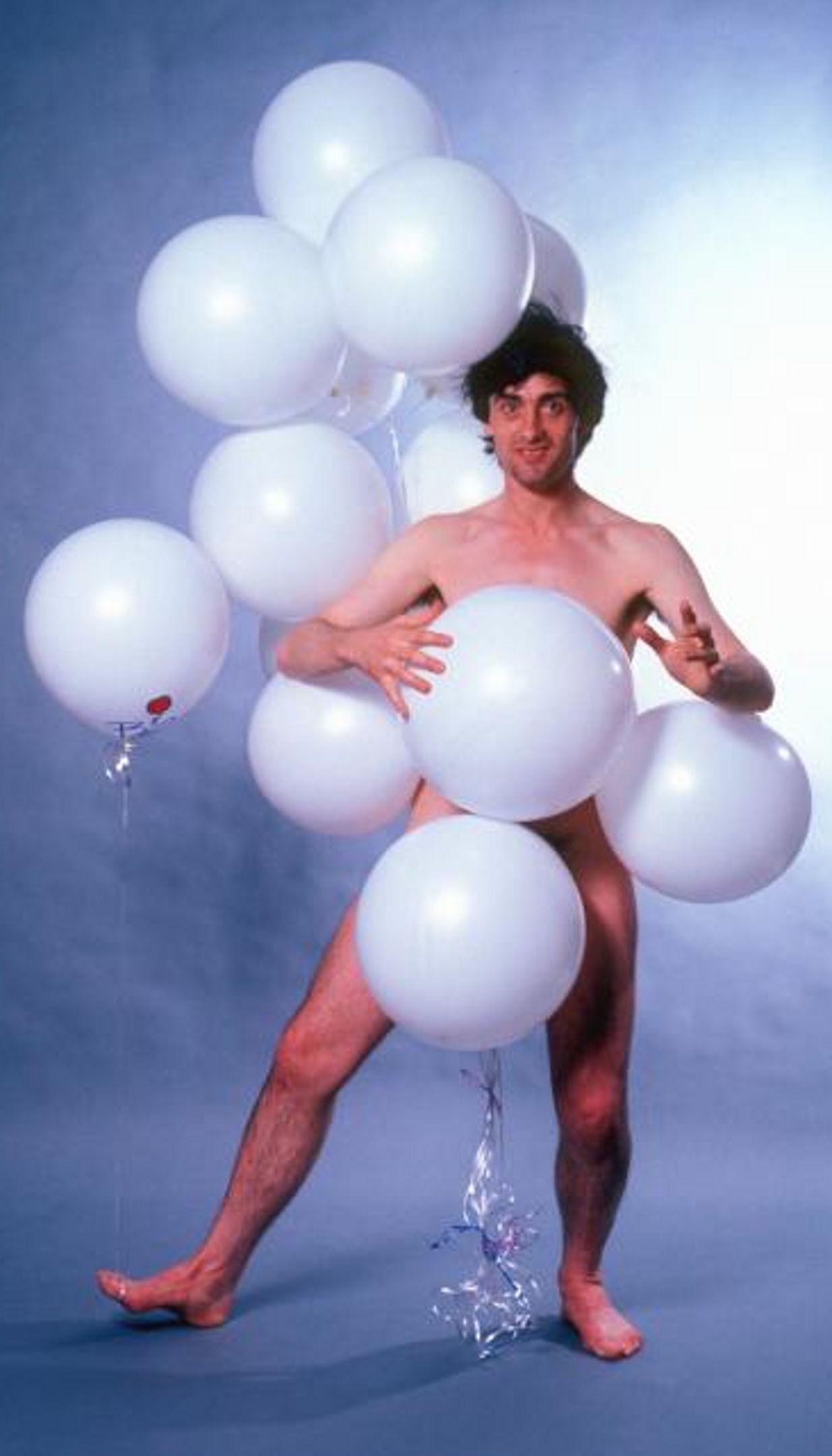
In addition to his dance photography, Duncan was well regarded for his nude photographs, with an emphasis on male subjects. His first two books, Nudes (1970) and More Nudes (1971) were favorably received for his “discreet and artistic arrangements of his subjects.”
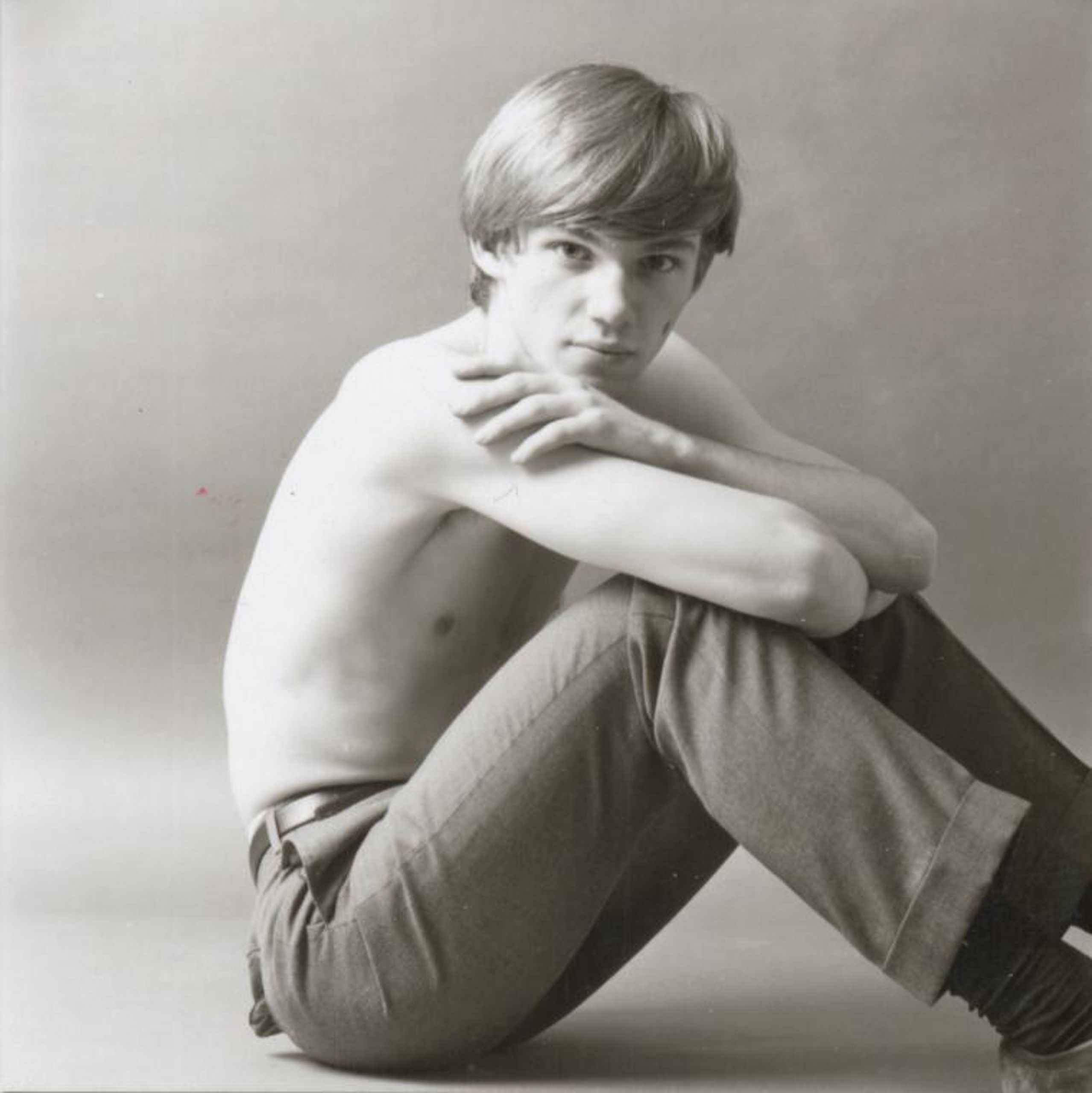
Christopher Walken (1968)
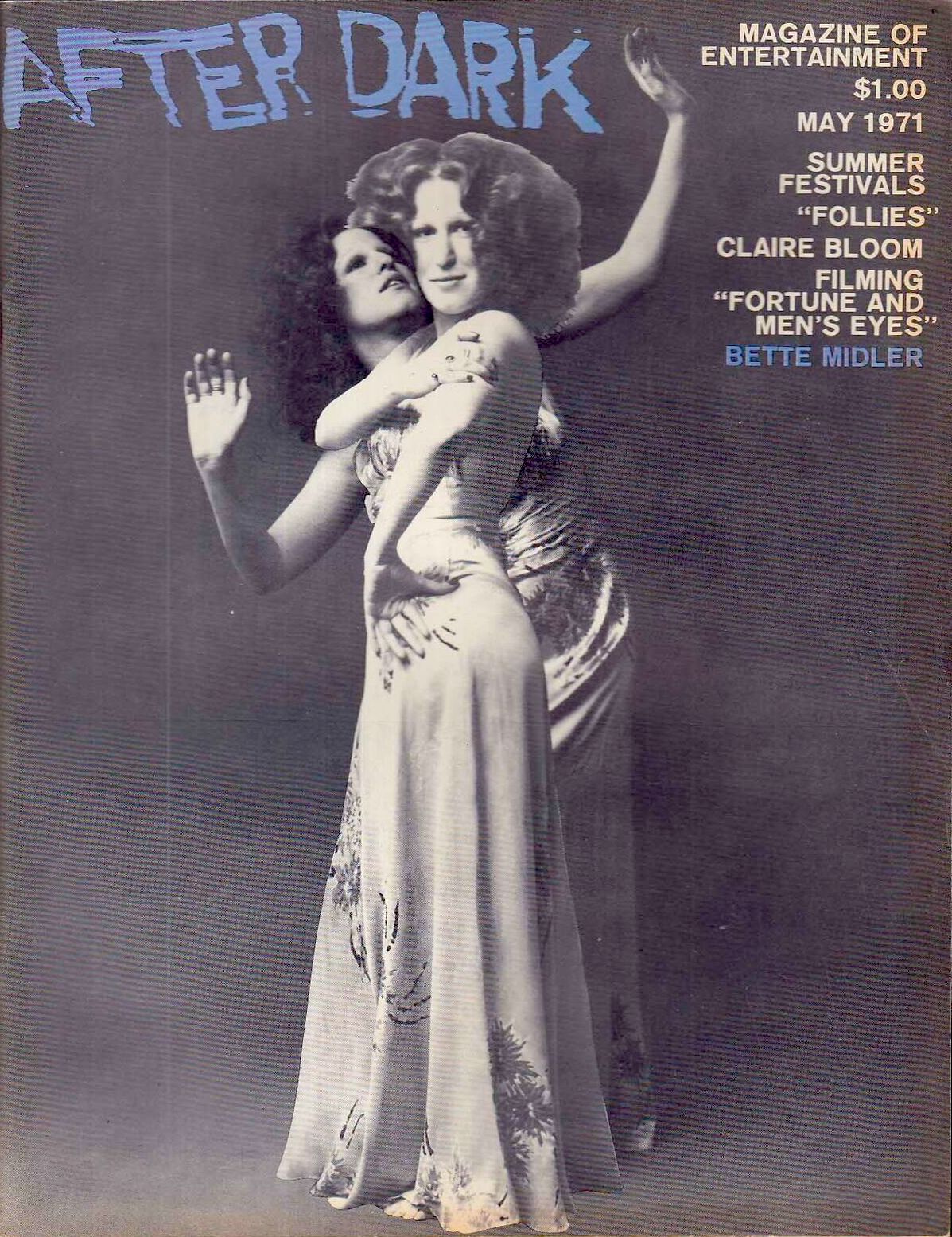
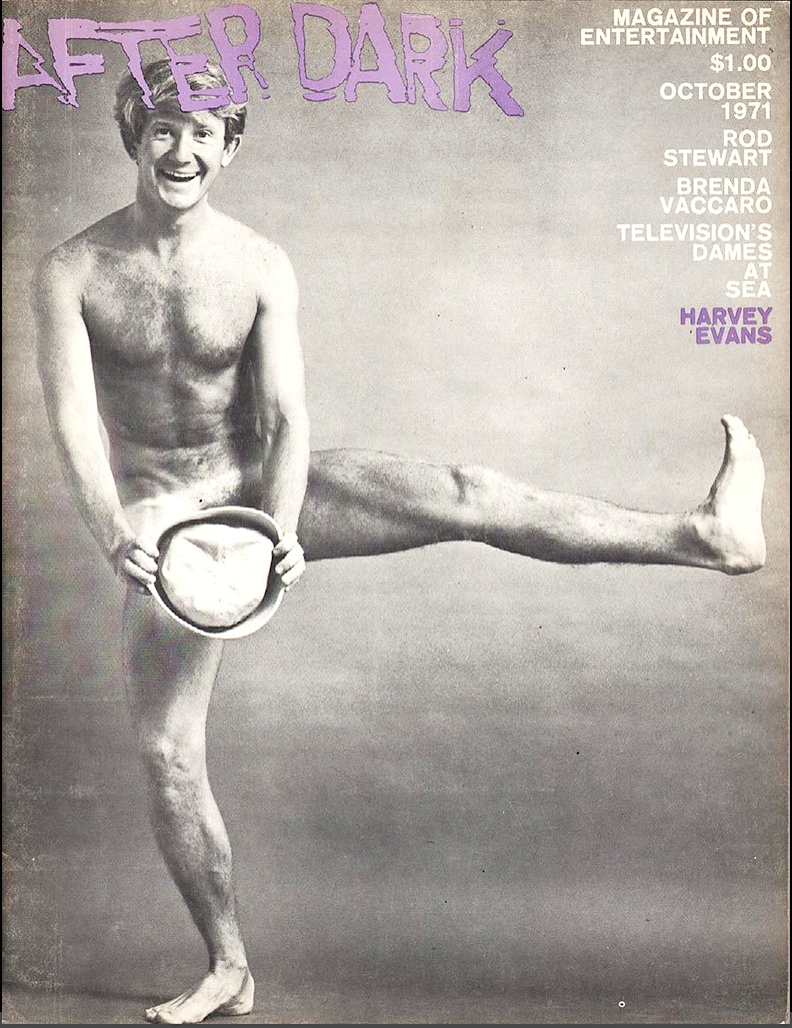
After Dark was an edgy entertainment and culture-based magazine that sprang from the waning Ballroom Dance Magazine in 1968. In The Rise And Fall Of Gay Culture, Daniel Harris writes; “One of the strangest reincarnations in journalistic history… it was out of the ashes of a periodical devoted to such topics as waltzes, rumbas, and turkey trots that After Dark, an audacious mass-market experiment in gay eroticism, arose like a phoenix in all of its subversive splendor.”
Although After Dark was not officially a gay magazine, the publishers were certainly willing to cater to that audience, pushing the envelope on male nudity to a degree that is still not seen in mainstream US publications 50 years later.
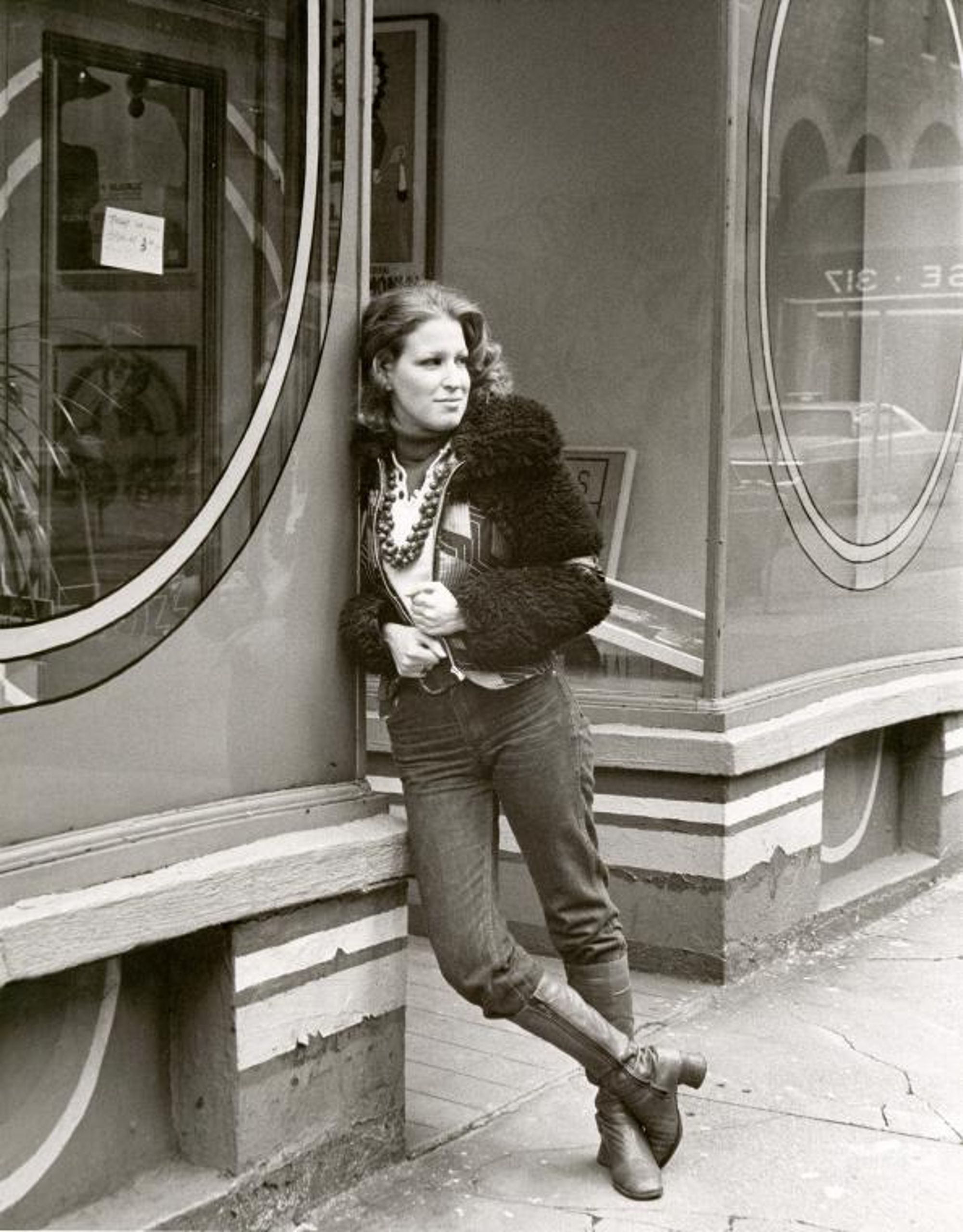
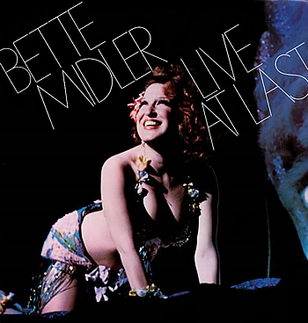
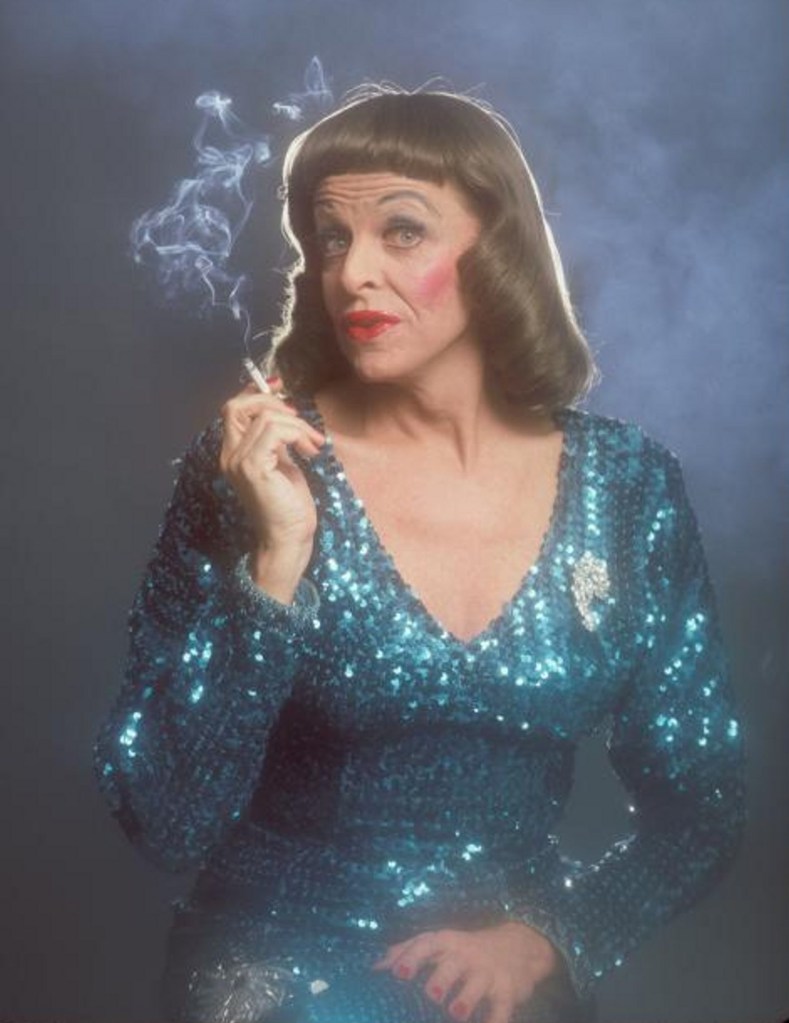
Duncan photographed Bette Midler numerous times through the years, including three After Dark cover photos and the cover shot for her 1976 Live At Last LP.
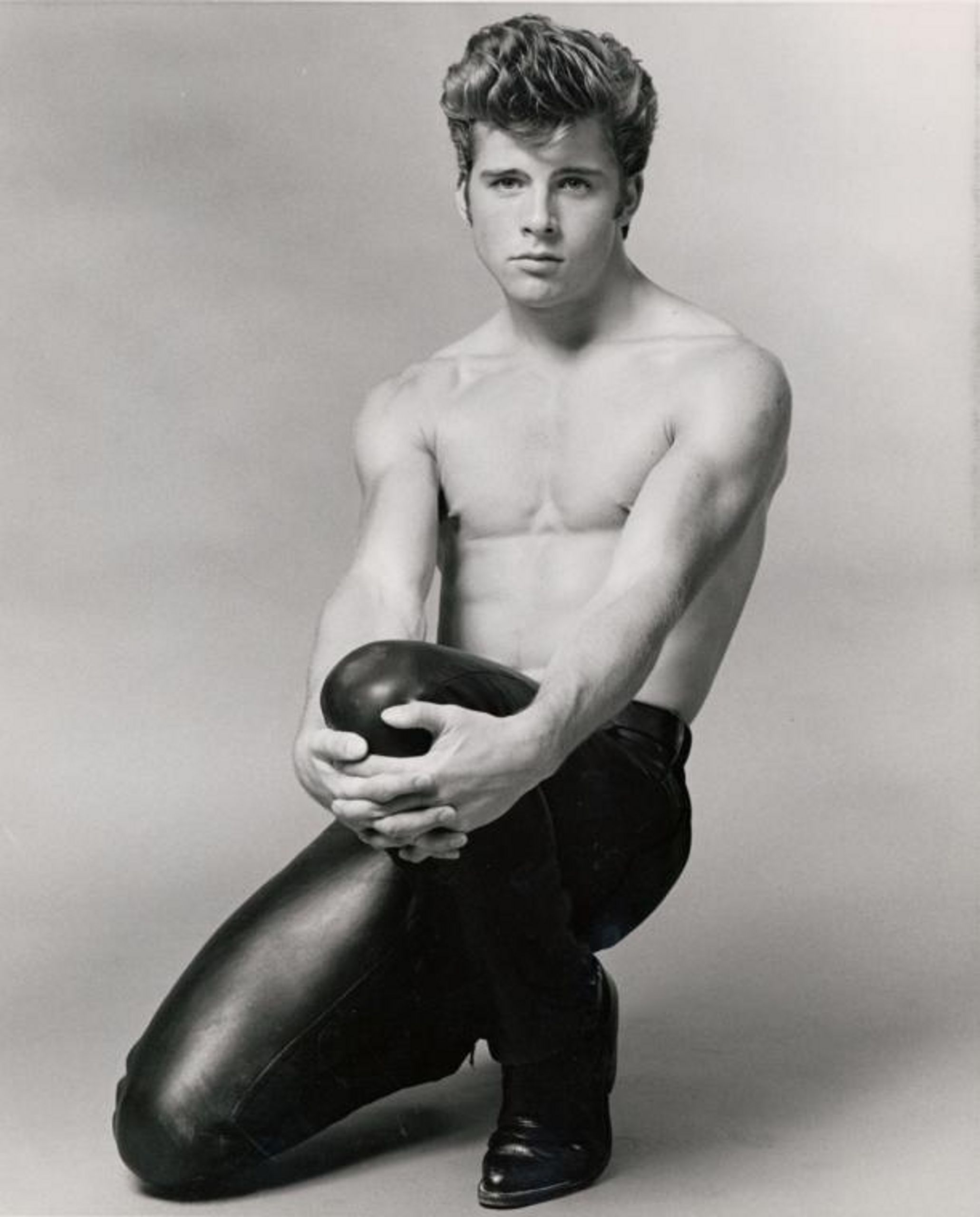
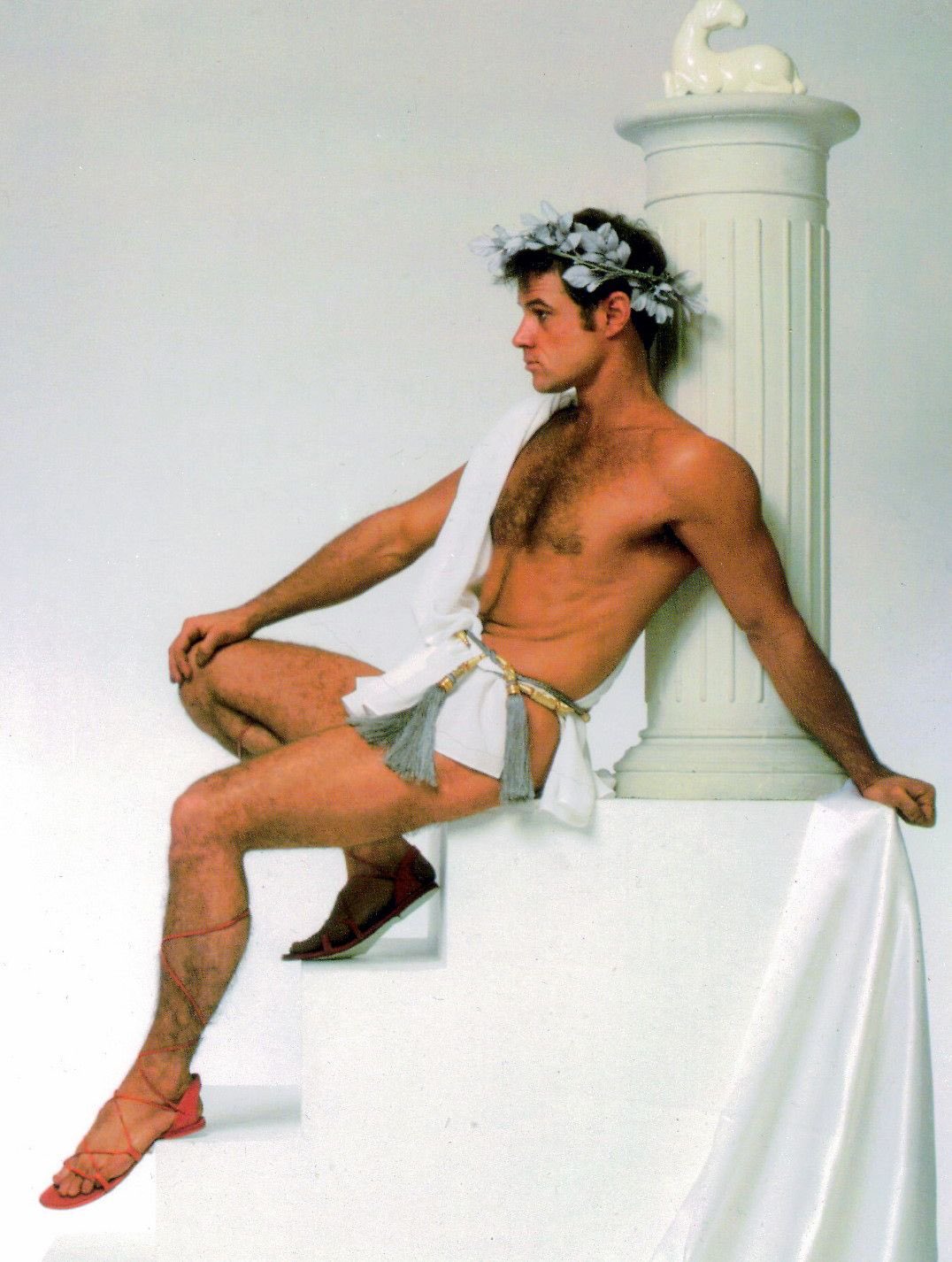
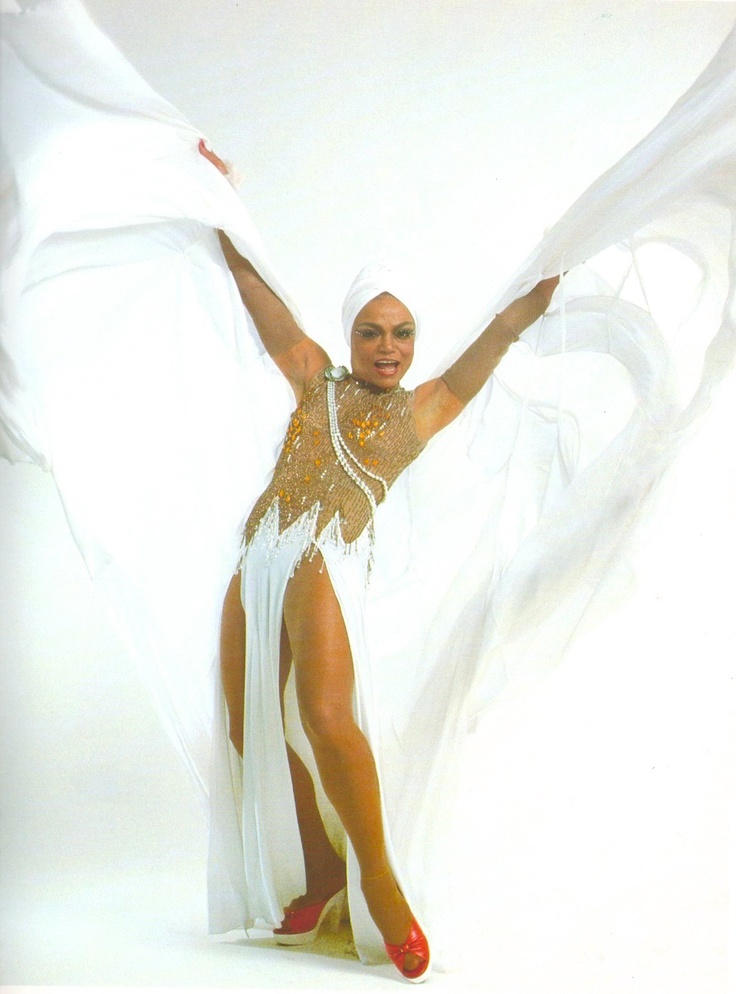
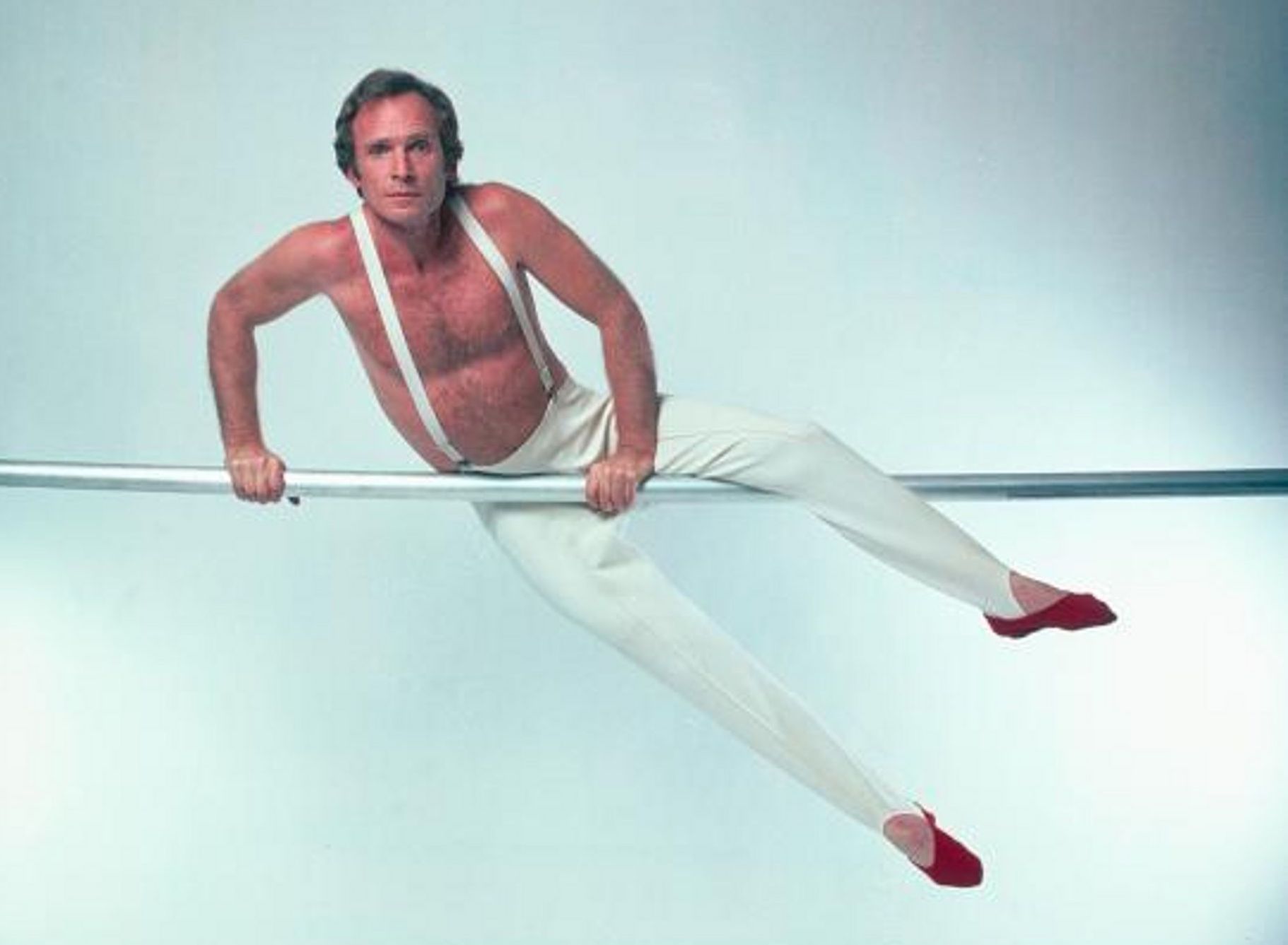
After Dark shuttered in early 1983. The following year, Duncan published The Red Shoes, a photo book featuring celebrities wearing red shoes in a nod to both the Hans Christian Anderson fairy tale as well as the ruby slippers of The Wizard of Oz. Among those featured were many familiar subjects of his earlier work, including (pictured below) Brad Davis, Bette Midler, Maxwell Caulfield, Eartha Kitt, Dick Cavett, Mikhail Baryshnikov, John Curry, Richard Thomas, Gregory Hines, and Treat Williams.
Duncan began work on a second Red Shoes book, but it remained unfinished, along with several other projects. He was just 57 years old when he died of AIDS complications at New York Hospital on July 27, 1986. In 2003, the New York Public Library for the Performing Arts acquired 600,000 photos from Kenn Duncan’s estate. Many of these photos have been digitized and are now available for viewing online for free.
I recently found myself perusing (as one does) the March, 1981 issue of In Touch For Men Magazine when I happened upon an article about Ronnie Spector. “How timely,” I thought, as August 10th marked her 80th birthday. Unfortunately, the Ronettes lead singer passed away at age 78 in January, 2022 – click here for a tribute with some choice song recommendations.
Ronnie with Patti Smith (1977)
Ronnie didn’t have a whole lot going on when Genya Ravan called her up out of the blue and asked her to sign with her new record label, Polish. Ravan was a fellow rock and roll veteran – a Holocaust survivor from Poland who, as Goldie Zelkowitz, fronted the legendary female rock band Goldie & The Gingerbreads. After a name change, a stint fronting the band Ten Wheel Drive, and several solo LPs, Ravan was ready to use her production skills on her own record label. In her memoir Lollipop Lounge: Memoirs Of A Rock And Roll Refugee, Ravan clarifies the label’s name: “‘Polish’ as in shine, not the nationality.”
Ronnie in Creem Magazine (1980)
While the music industry might have been through with Ronnie, Ravan was extremely excited with the prospect of producing her first solo LP. “I was a great fan of hers. I’d loved the sound of her voice ever since I first heard it,” she wrote. “Also, my own career as a singer seemed to be looking bleak… so working with Ronnie seemed to offer an alternative way of permanently stamping my mark on the music industry.”
Ravan’s idea was to expose Ronnie to some of the acts from CBGB’s that she was producing – to bring her iconic voice to a contemporary rock setting.
The album was recorded at Media Sound, RPM and Electric Lady studios with contributions from members of Johnny Thunders’ Heartbreakers, the Dead Boys, Mink DeVille and many others. In addition to producing, Ravan also provided backing vocals.
Recording Siren at RPM Studios
In her own autobiography, Ronnie admitted that she did not feel a connection with the New York punk scene that she felt Genya was pushing her to embrace, although she would concede that the harder edge of Siren inspired her to cut loose on the vocals in a way that she had never done before.
While the lady doth protest, it must be noted that her cover of The Ramones’ “Here Today, Gone Tomorrow” was a natural choice for her to cover: Phil had just produced The End Of The Century for the group, including a cover of The Ronettes “Baby I Love You.” Joey Ramone would later produce Ronnie’s 1999 EP She Talks To Rainbows. If Ronnie didn’t like “Here Today, Gone Tomorrow” initially, she must have had a change of heart, as she re-recorded it for her 2006 CD The Last Of The Rock Stars.
She also collaborated with classic punk band The Misfits on a couple of tracks in 2003. Safe to say, Genya Ravan was on to something after all.
Ronnie & Goldie: Spector with Genya Ravan (1980)
Another standout track that is often overlooked is “Any Way That You Want Me,” a Chip Taylor composition originally recorded in the 1960’s by The Troggs and then Evie Sands. As producer, Ravan’s idea for the album was to “make sure the music had an edge, but at the same time I didn’t want to lose Ronnie’s 1960’s sound entirely.” This track walks that tightrope very well.
Unfortunately, the album doesn’t quite stick the landing with its final track: “Happy Birthday Rock ‘N’ Roll” is a 6 minute passive aggressive valentine-slash-middle finger of a song dedicated to Phil Spector. Harkening back to her ex-husband only negates the distance that the rest of the album puts between Ronnie and her musical past.
By 1980, the story of Ronnie’s barefoot escape from her marriage was no secret. Giving this song the subtitle “For Phil” is just bizarre. Imagine if Tina Turner had dedicated the final track of her Private Dancer LP to Ike.
The lyrics present Phil as the embodiment of “Rock ‘N’ Roll” itself, alternately praising him for his accomplishments, but noting that “You’re pushing 40 / but you’re still not old,” and “Some people say you’ve lost your grip / They say you’re past your prime and you’re no longer hip.”
One can imagine that Phil was not thrilled when he listened to this.
The songwriting on this track is credited to Elkie Brooks and Peter Gage, even though there are several musical breaks that segue into the choruses of “Be My Baby,” “Baby I Love You,” and “You Baby” – Ronettes songs that originally listed Phil as a co-writer. None of the original songwriters are credited here. By comparison, Eddie Money’s 1986 hit “Take Me Home Tonight” – with Ronnie’s “Be My Baby” refrain – lists that song’s writers – Jeff Barry/Ellie Greenwich/Phil Spector alongside the other songwriters. Perhaps if Siren had been a commercial success, the famously litigious Phil would have come after them.
Reviews for the LP were all over the place – from high praise to the lowest dismissal:
Saskatoon Star-Phoenix (3/14/81)
Boston Globe (10/16/80)
Above: NME – Great photo / Terrible review (8/30/1980)
A pan from The Austin American-Statesman, whose reviewer also mis-genders Ms. Ravan. (9/27/80)
The Newsday review above was followed by one for Blondie’s AutoAmerican. (12/26/80)
In a more recent assessment, Joe Viglione writes on the AllMusic website; “If Phil Spector overproduced to good effect, Genya Ravan purposely underproduced, choosing instead to let flavors of different musicians paint the fabric behind Ronnie Spector.”
Genya Ravan stands by the album, writing; “I’m very proud of Siren… and of what I did for her on it. I think it’s the best thing she recorded after her glory days with Phil Spector.”






































 When I began hosting my internet radio show





































 Brian Ferrari's Blog