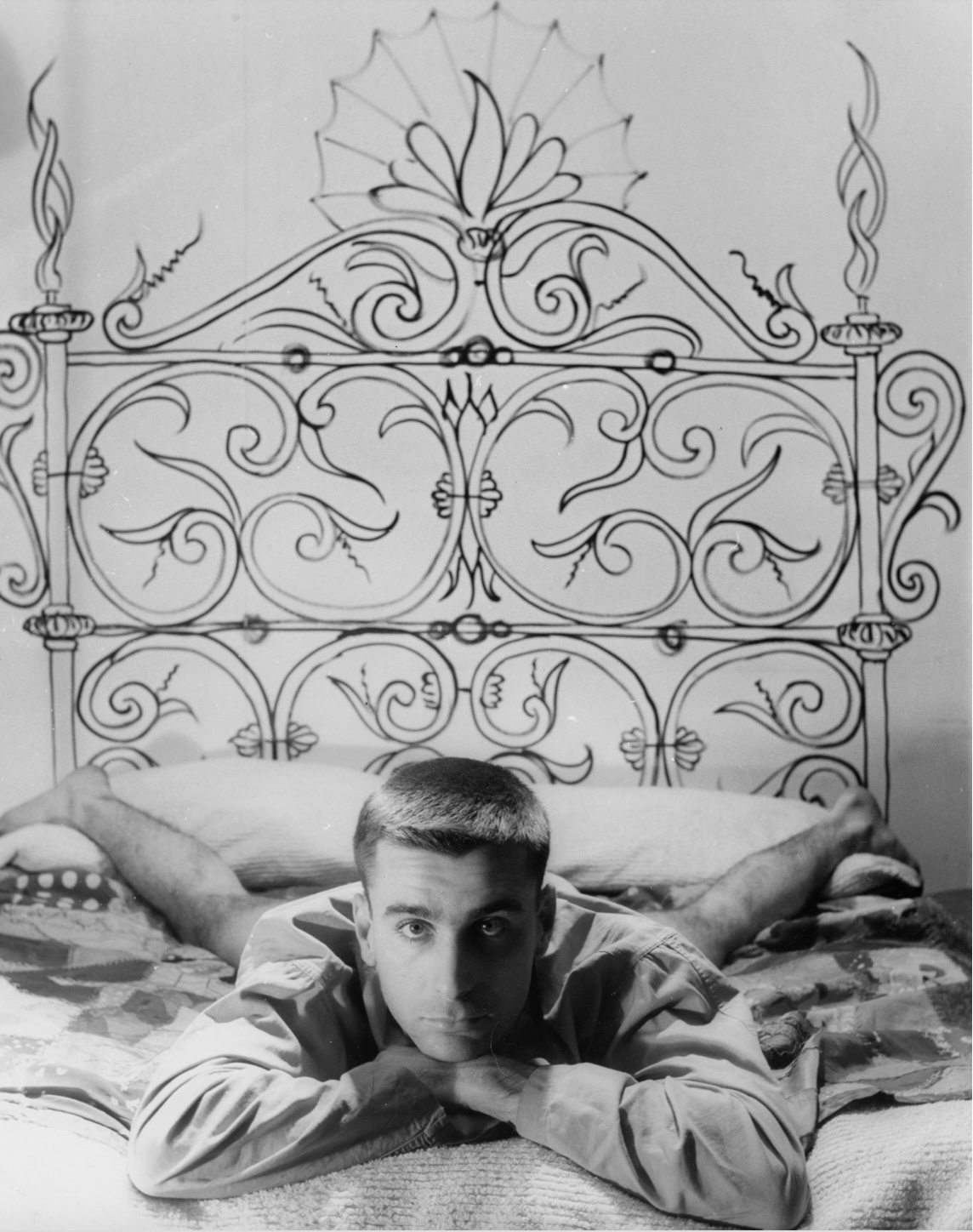
Ephemera: collectible printed or written items that were originally meant to be used for a short time and discarded.
I love the word. Would it surprise anyone to know that I have a file cabinet full of clippings on my favorite female singers & girl groups of the past… uh… century? Clearly, I do not find ephemera to be ephemeral.
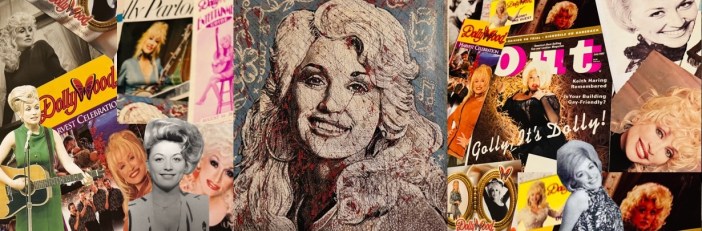
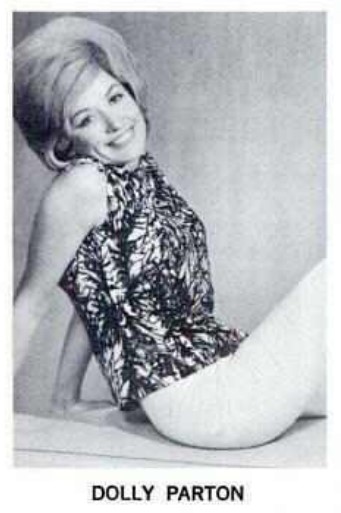
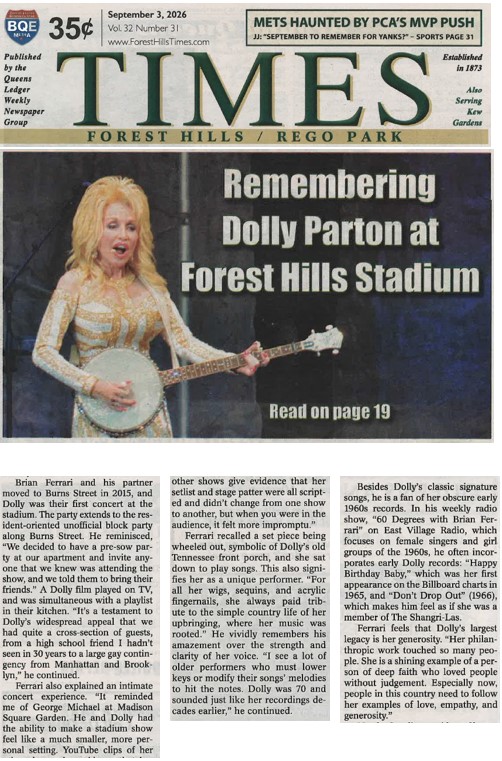
What more can be said about dearly departed Dolly Parton? Plenty have eulogized her since her passing. Here I offer random tidbits from my Dolly Parton file along with a few paragraphs I contributed to an article in The Forest Hills Times / Queens Ledger.
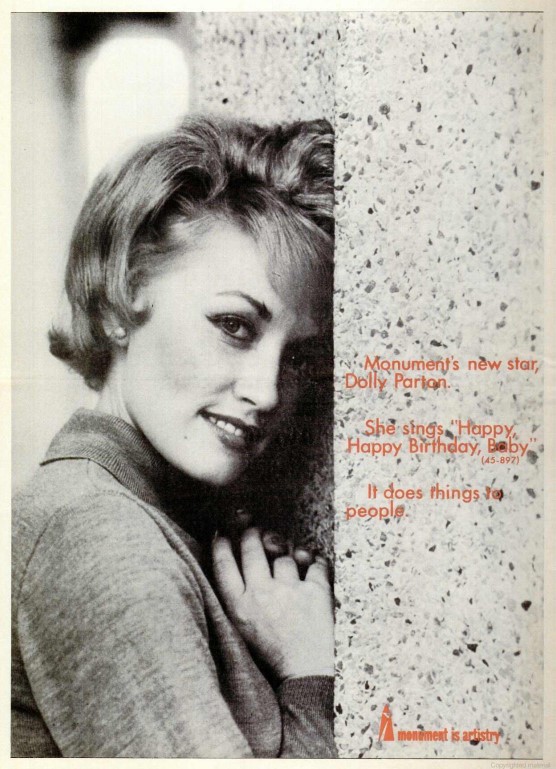
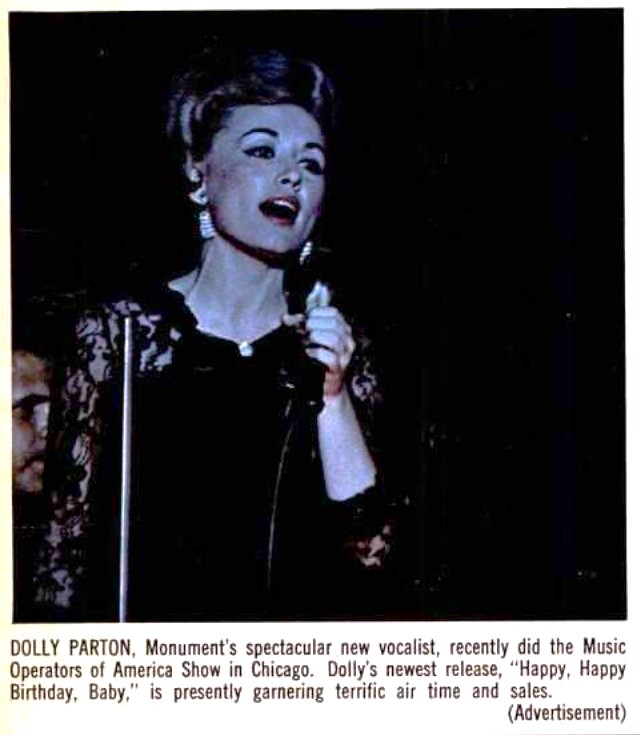
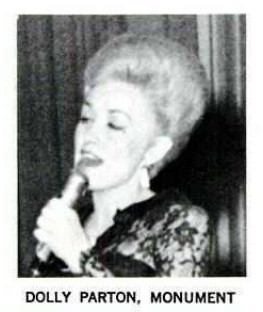
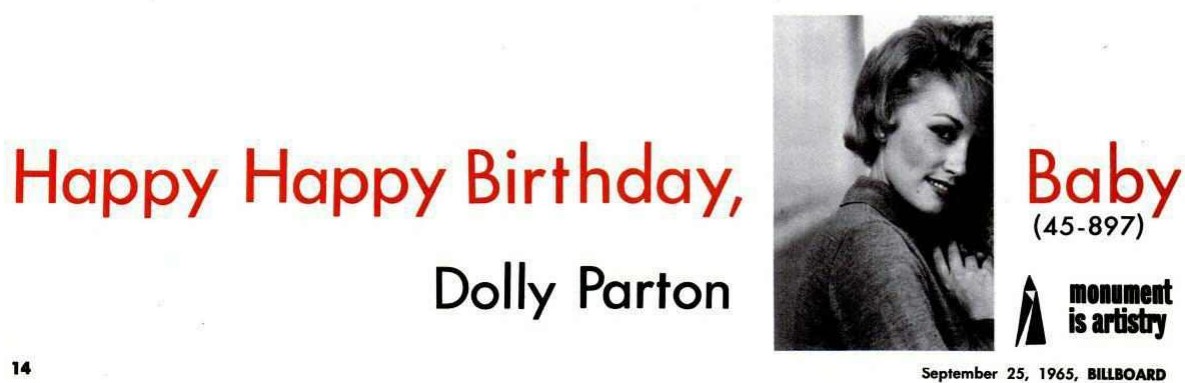
First, we have some clippings from Billboard magazine in 1965. Monument records was promoting her latest single – a cover of Margo Sylvia & The Tuneweavers’ “Happy Happy Birthday Baby.” Produced by Ray Stevens, Dolly’s version peaked at #108 – bubbling under the U.S. Billboard Hot 100.
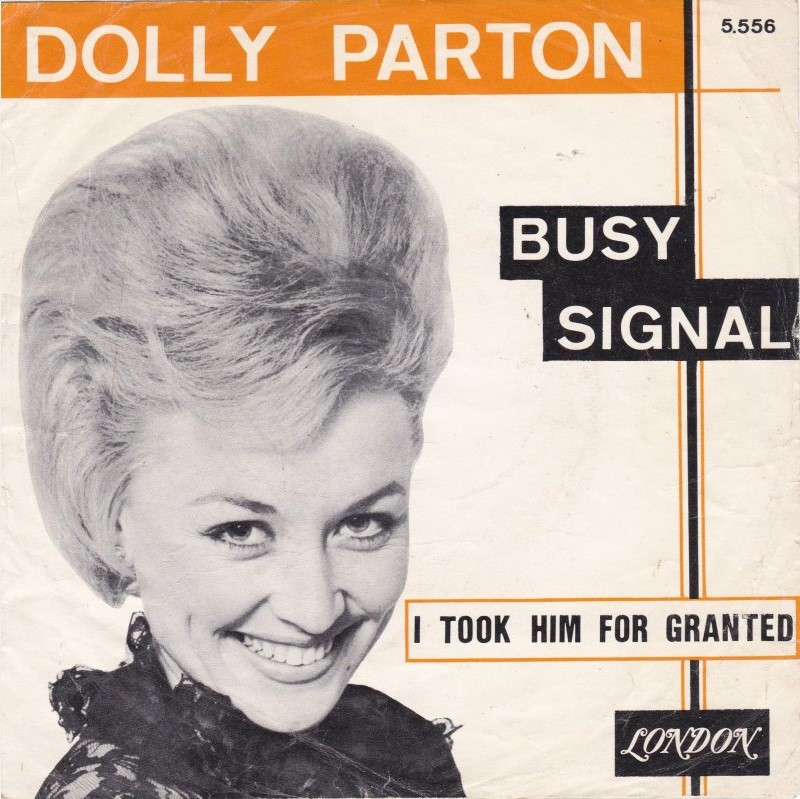
Her follow-up single, Busy Signal did not chart.
Belgian 45 picture sleeve for Dolly Parton’s “Busy Signal” (1965)
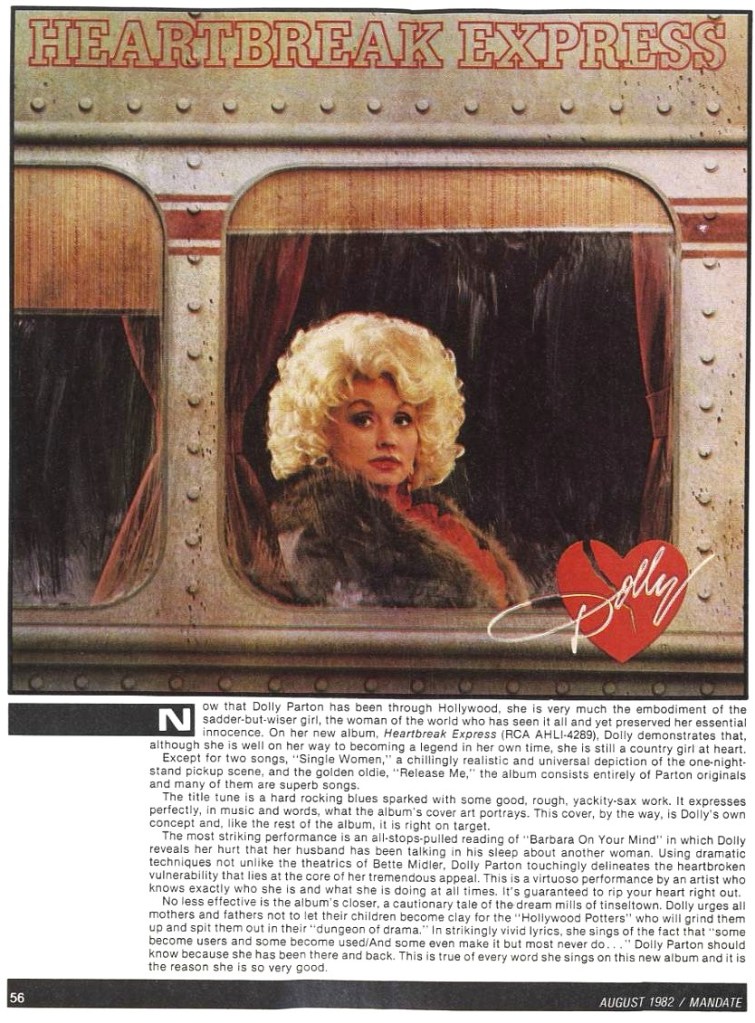
In August 1982, the Mandate magazine featured an article on Dolly’s latest LP, Heartbreak Express:
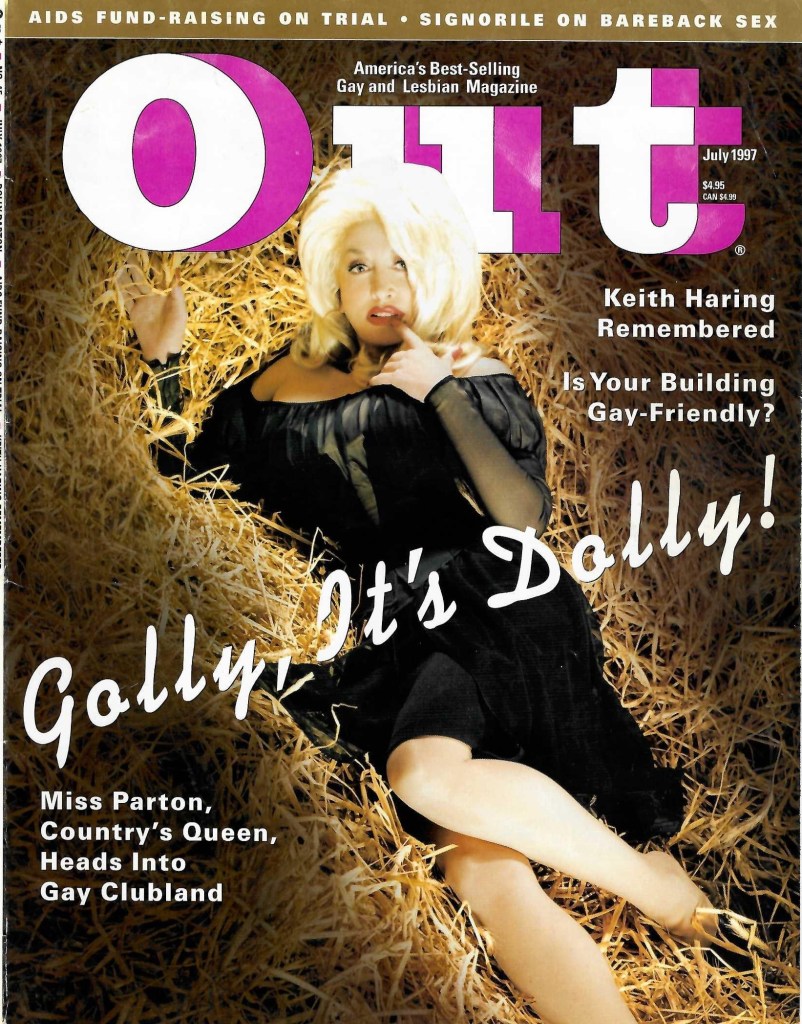
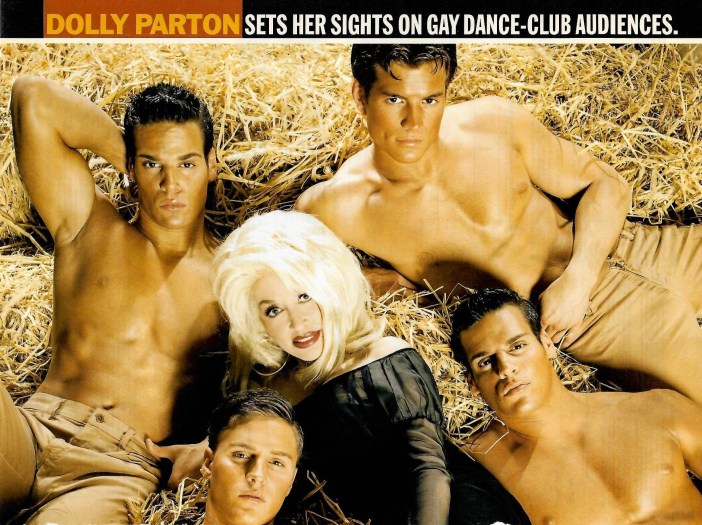
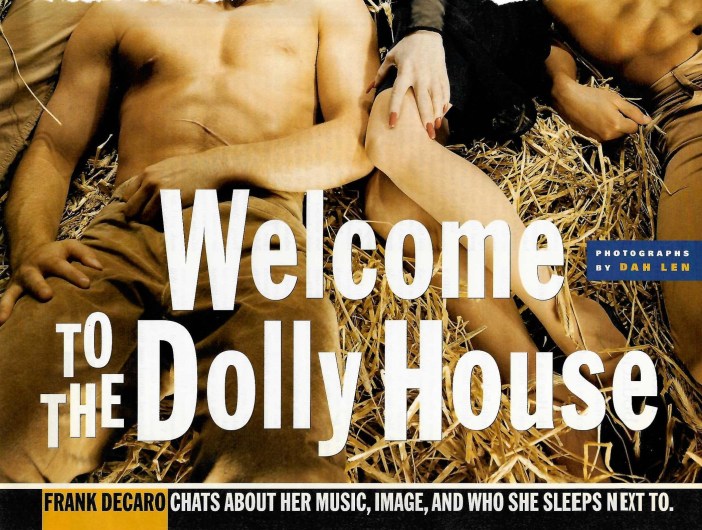
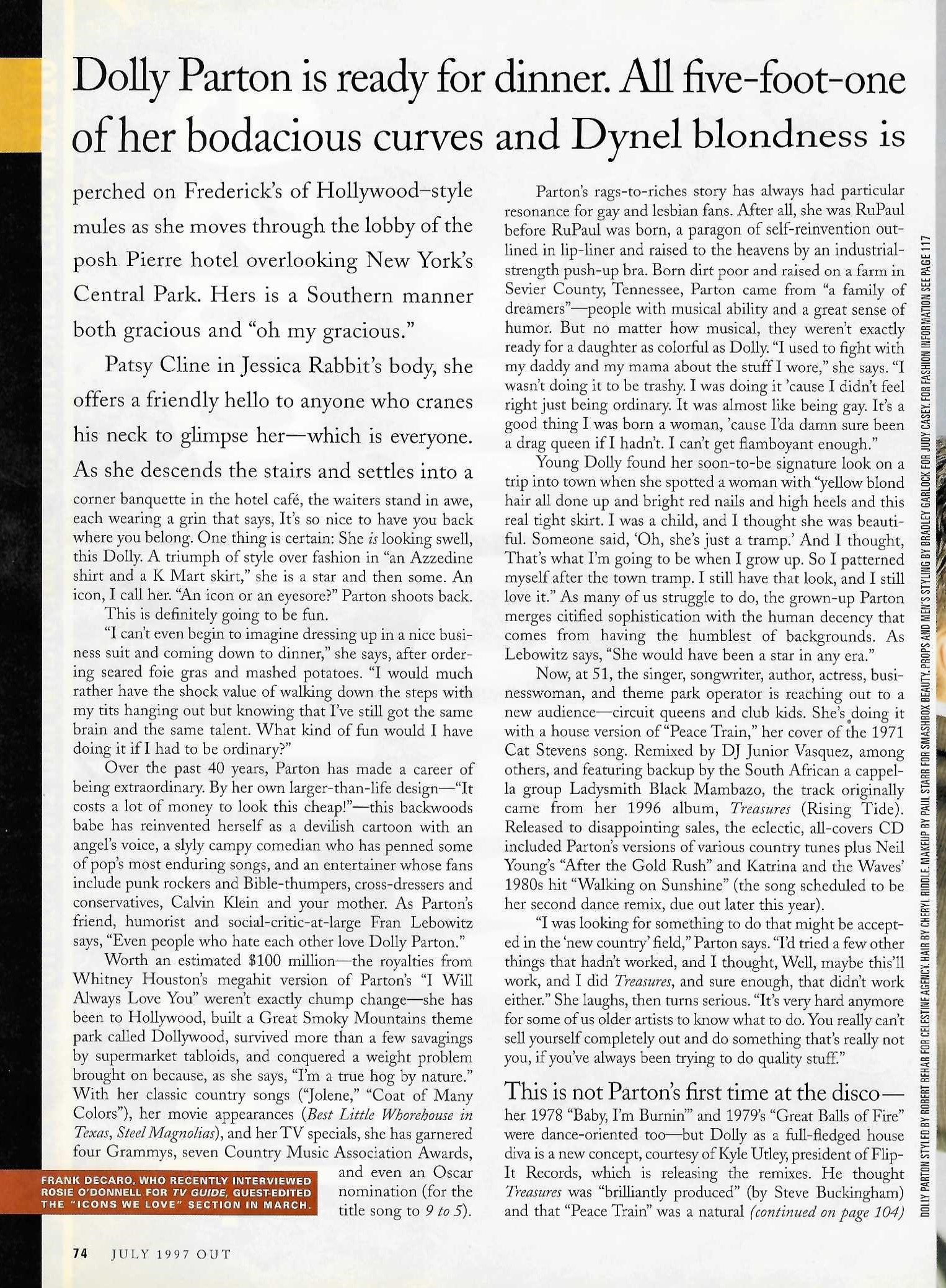
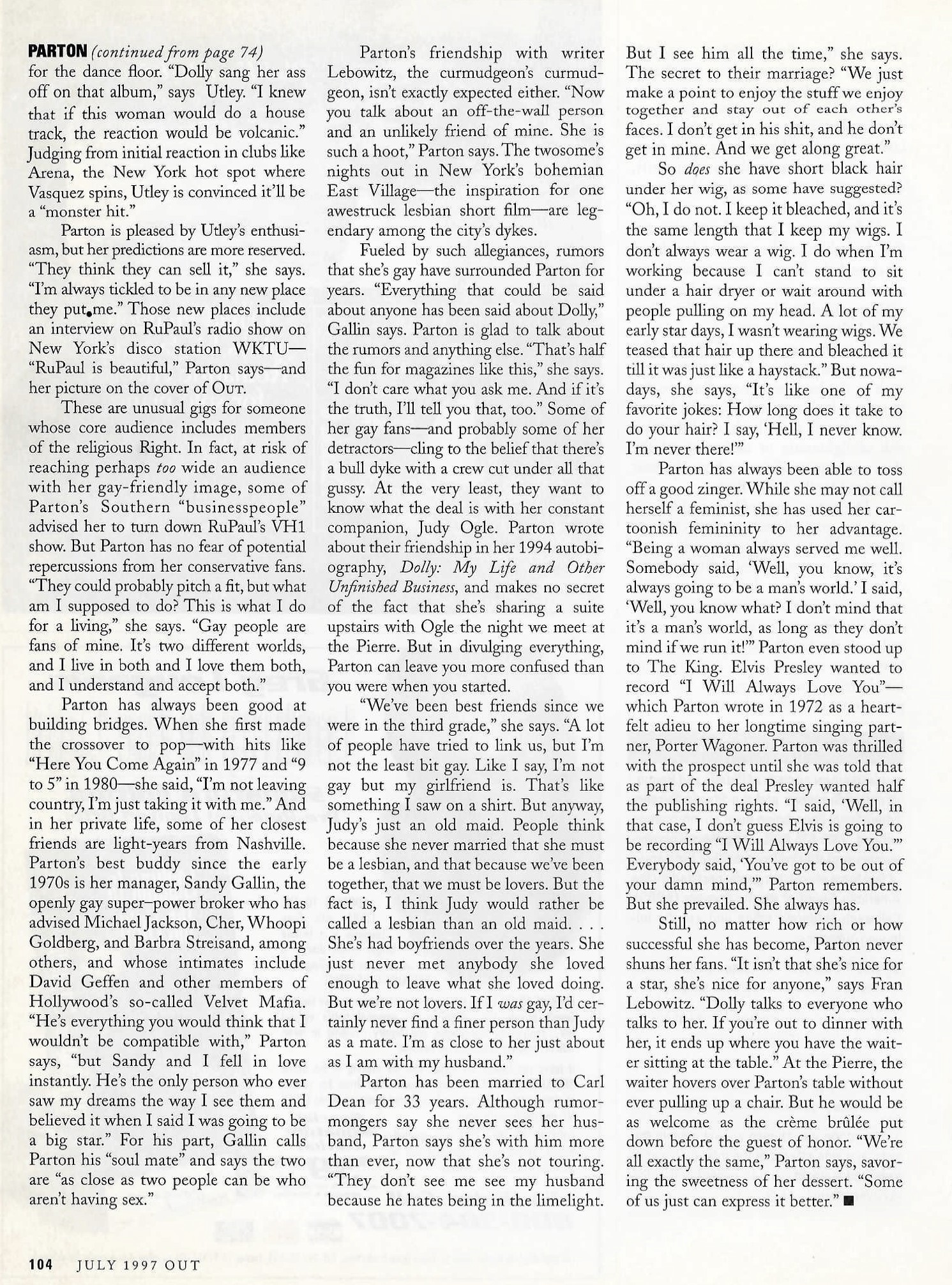
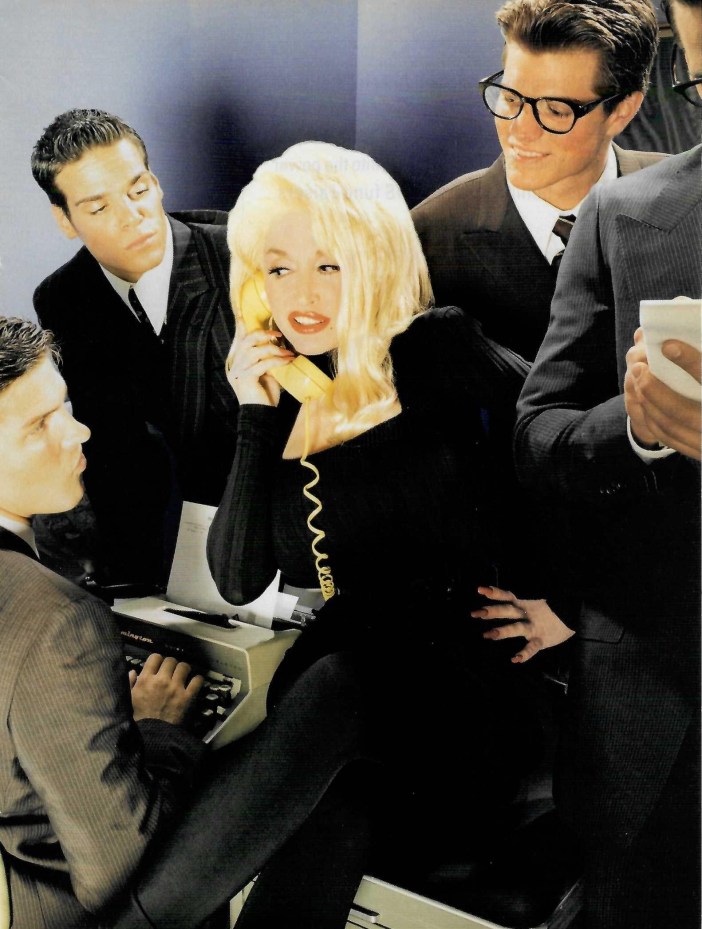
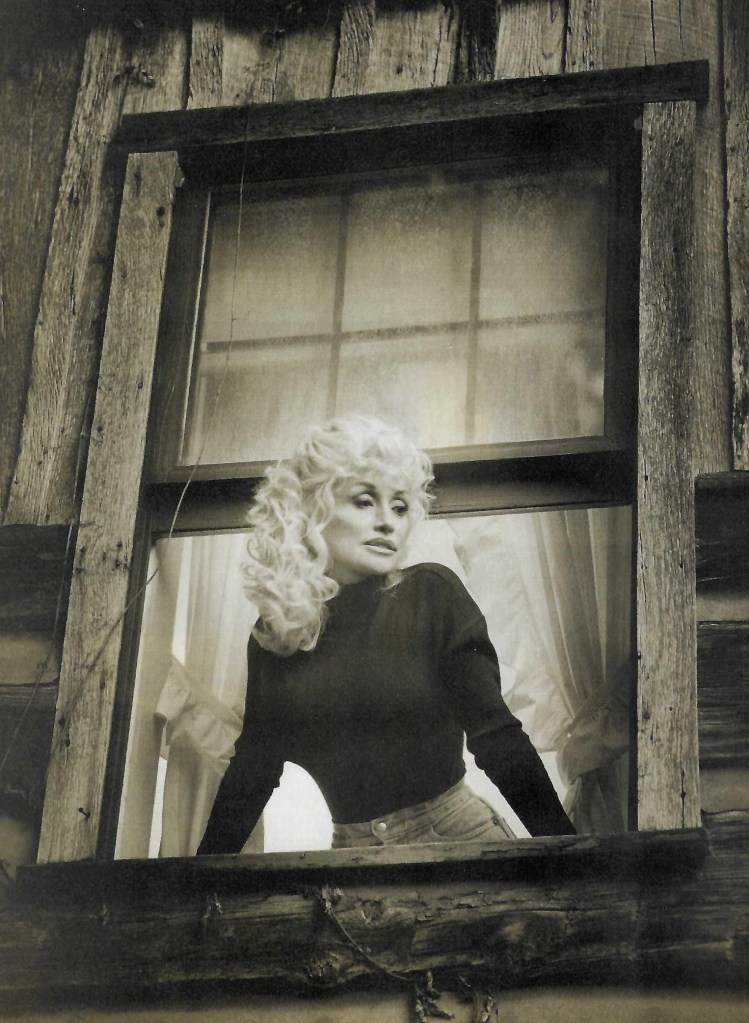
Dolly featured in the July 1997 Out magazine cover feature:
Pulse magazine (2/2001)
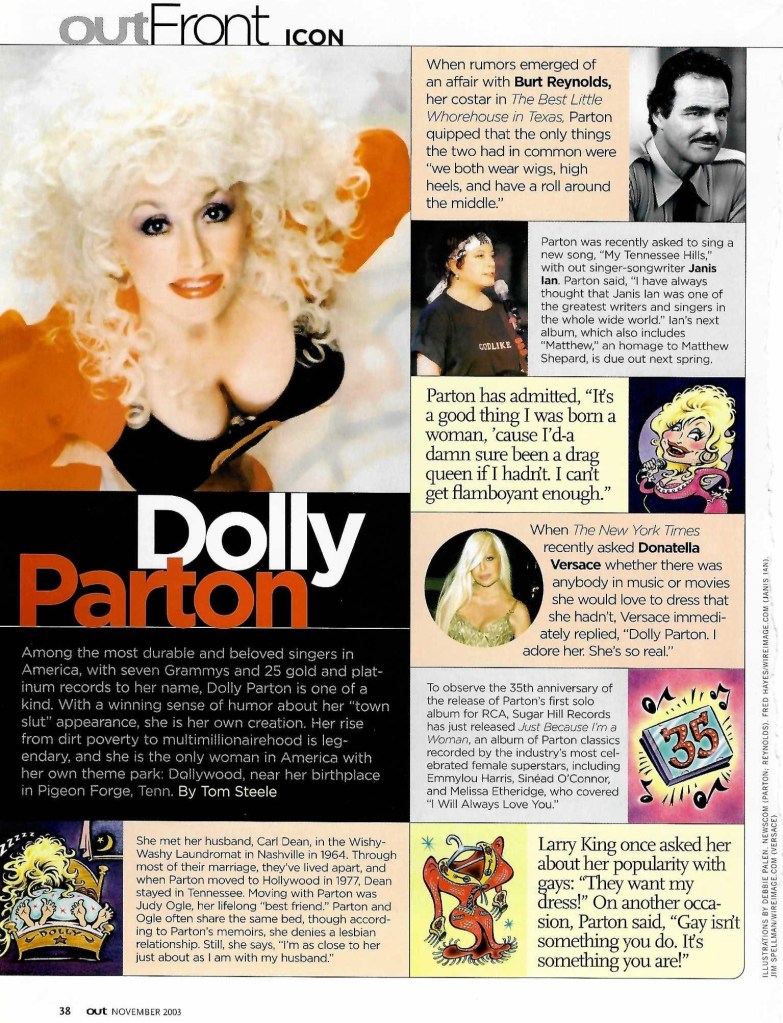
Out magazine (11/2003)
Earlier this month, I recounted Dolly Parton’s 2016 show at Forest Hills Stadium for Michael Perlman’s article in the Forest Hills Times / Queens Ledger:
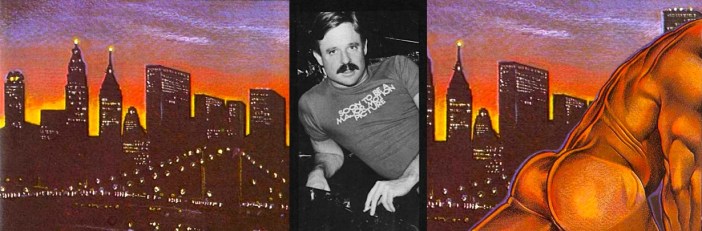
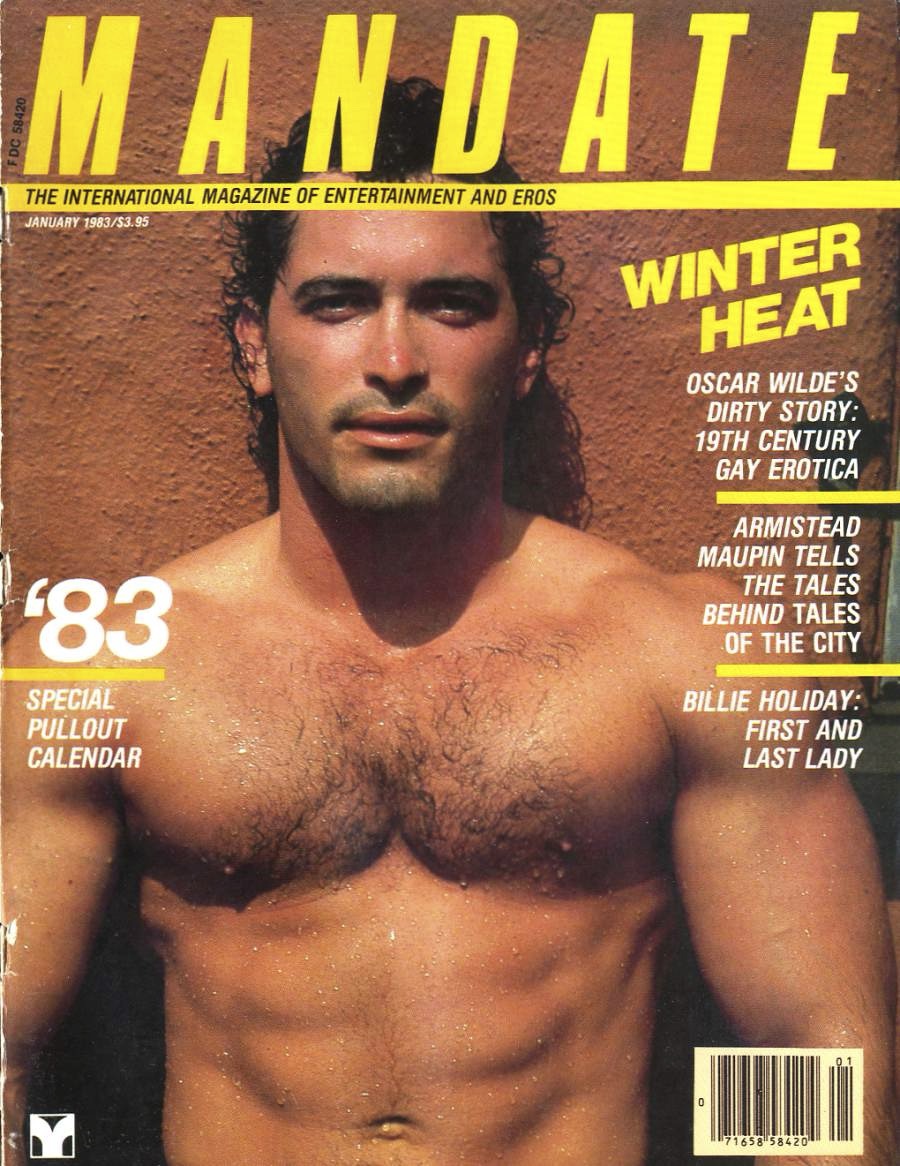
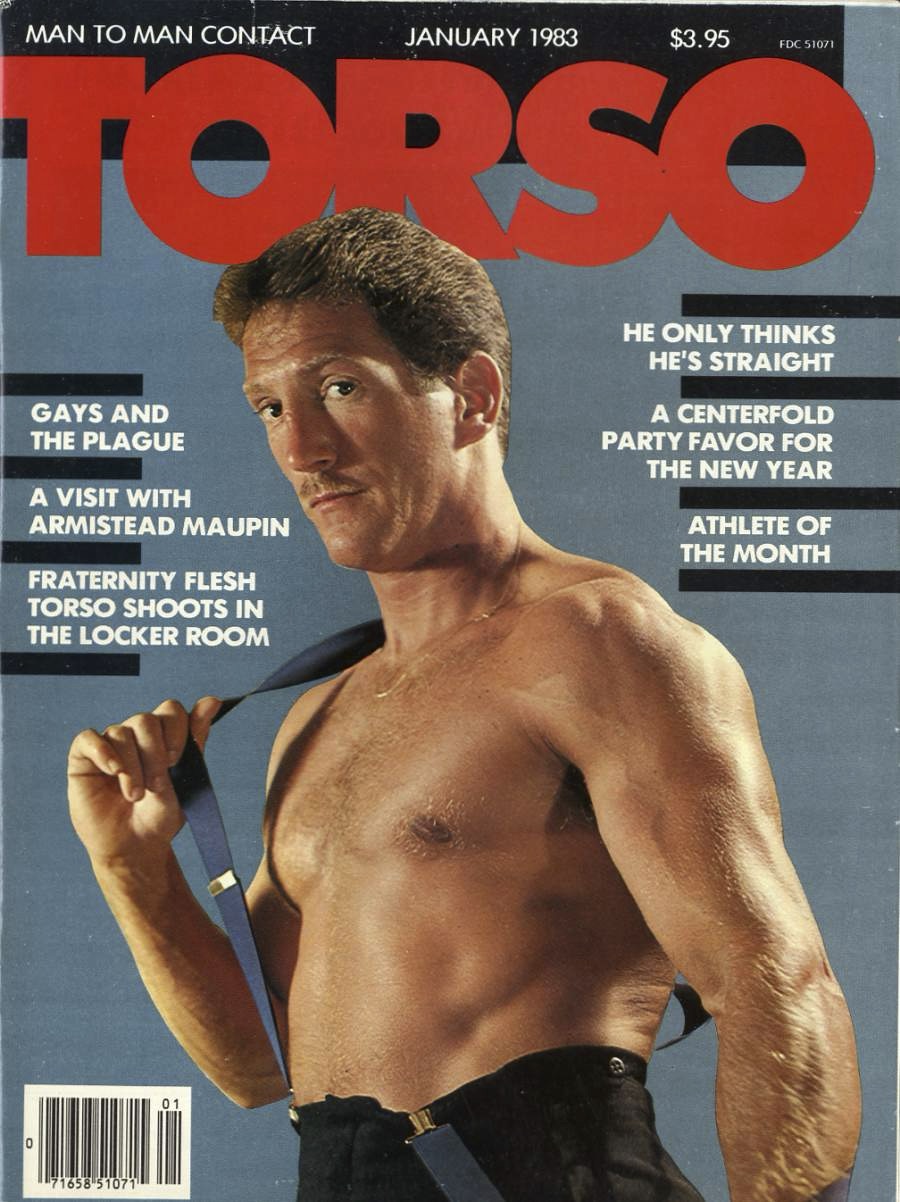
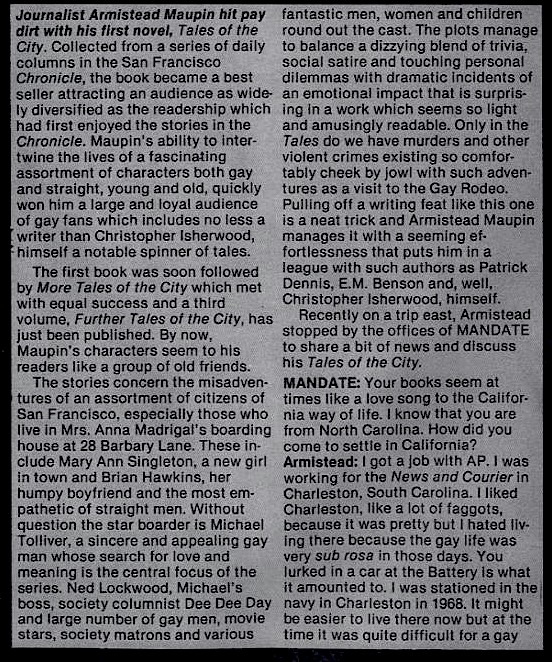
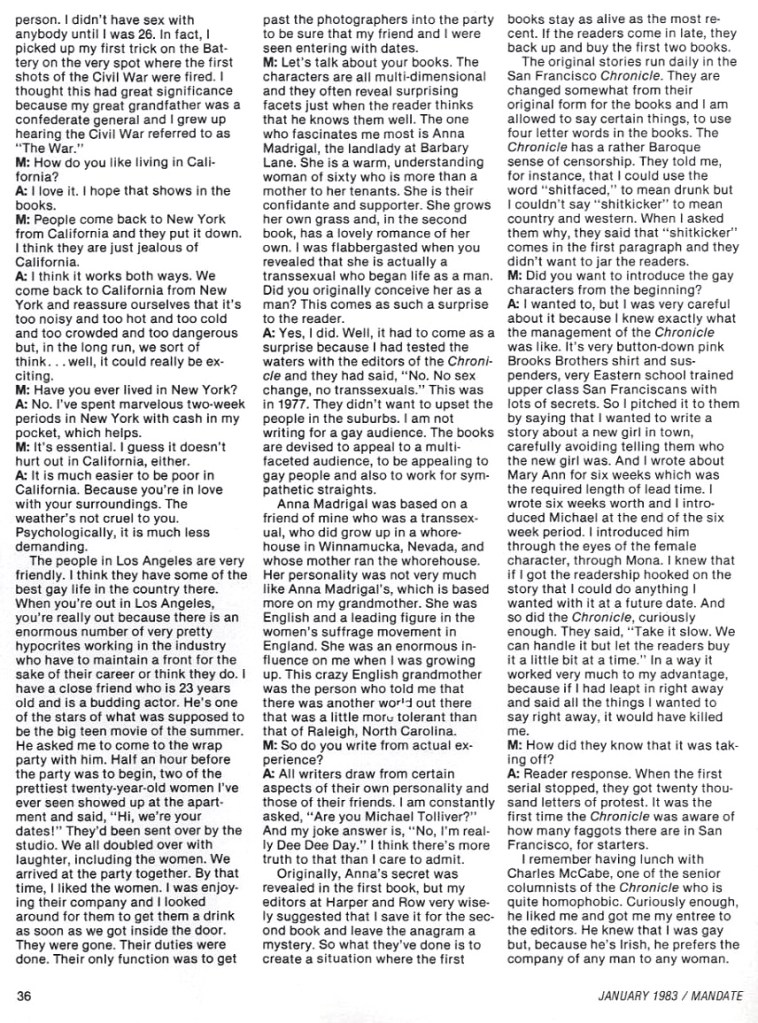
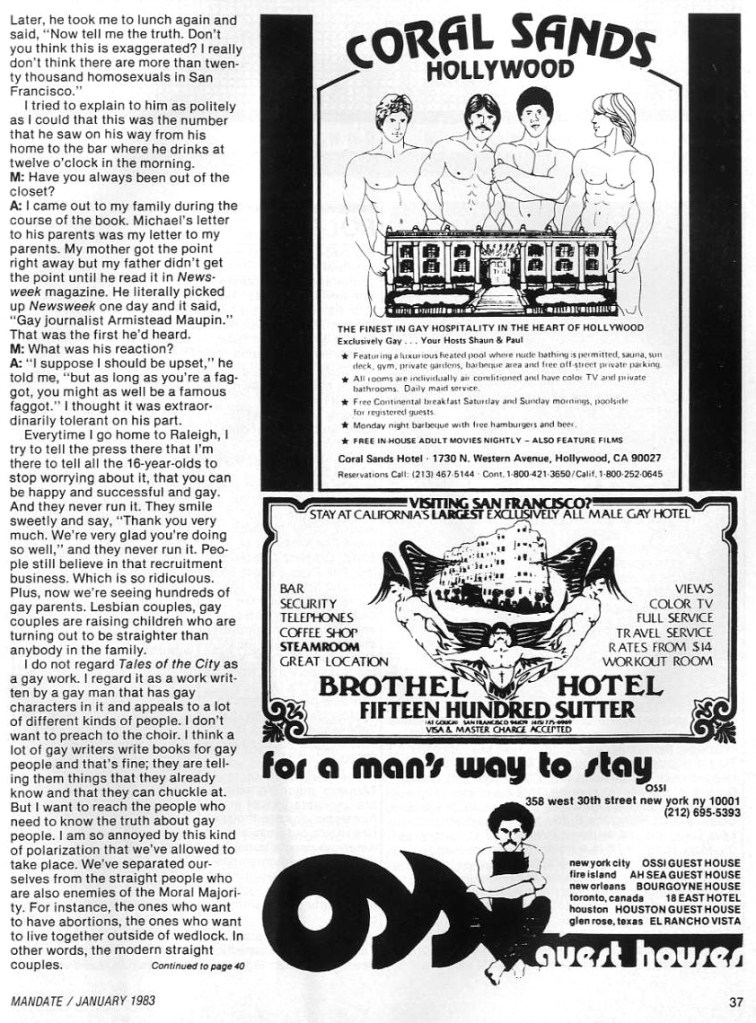
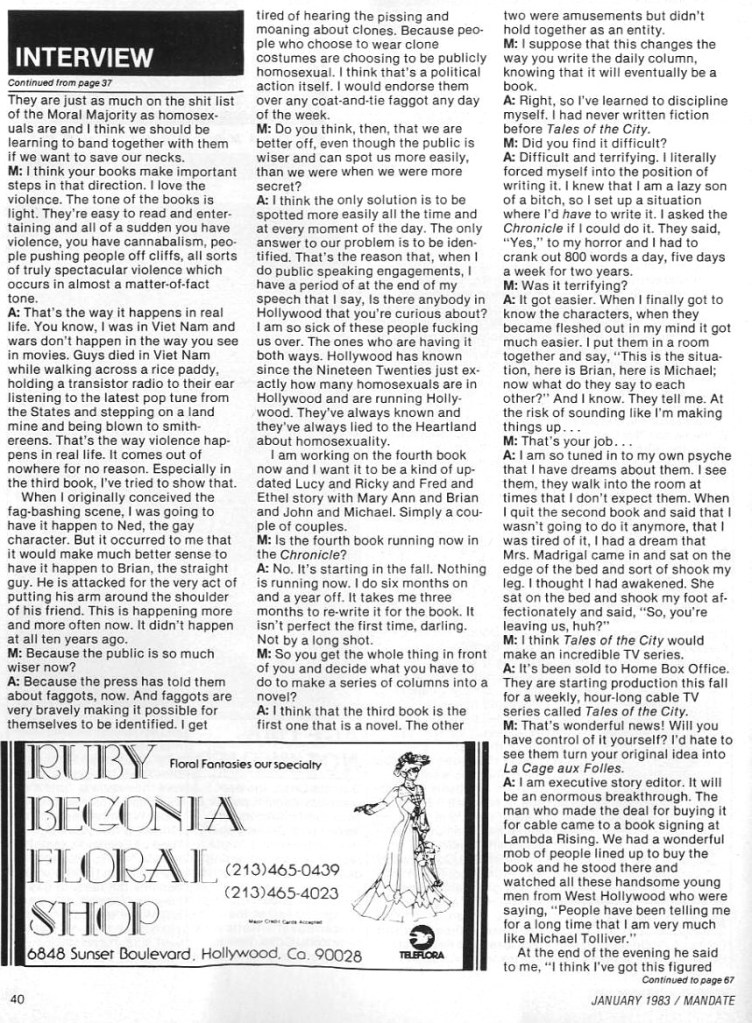
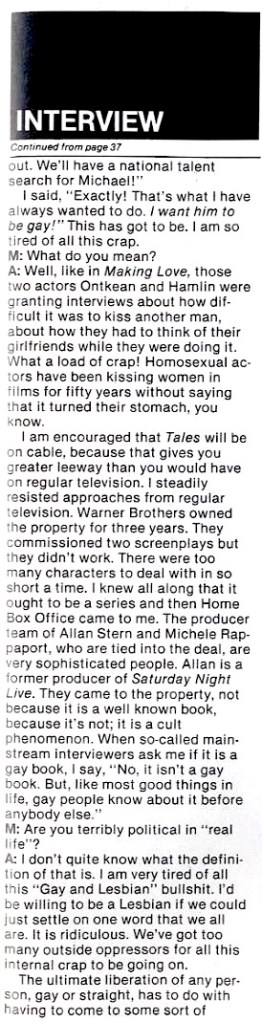
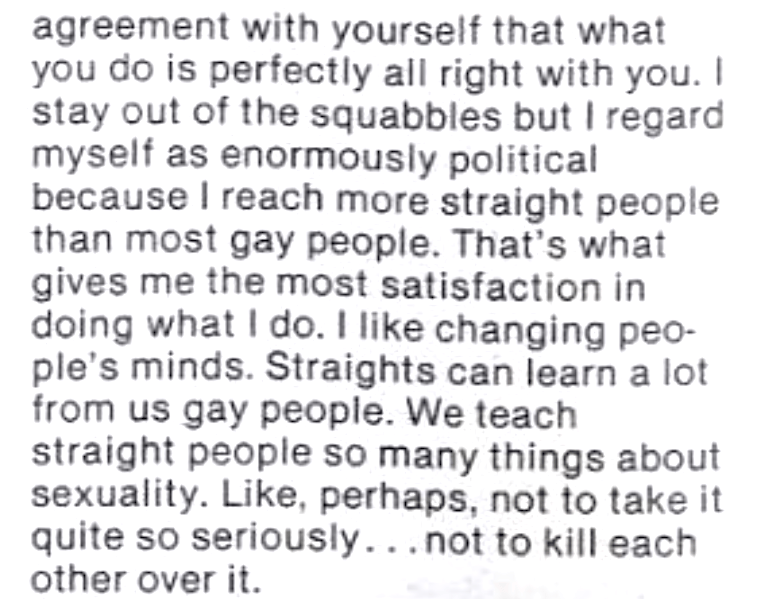
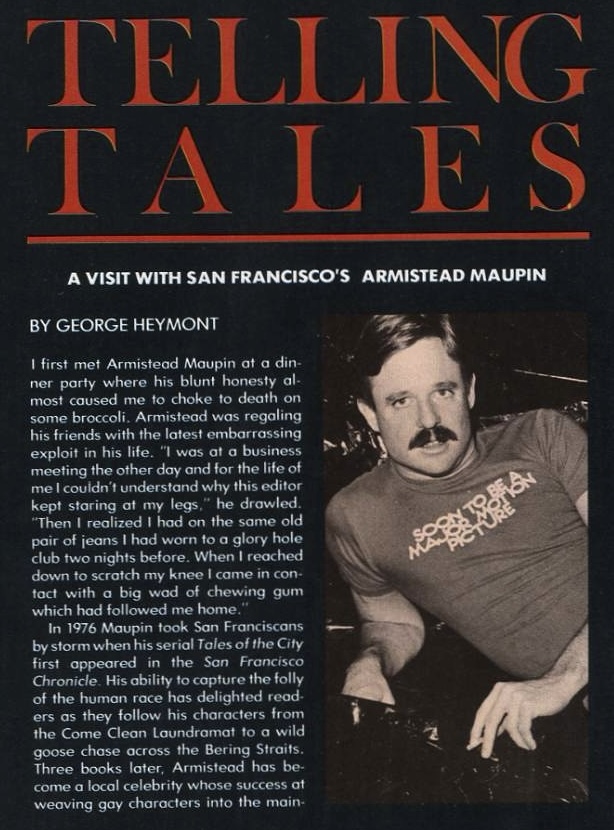
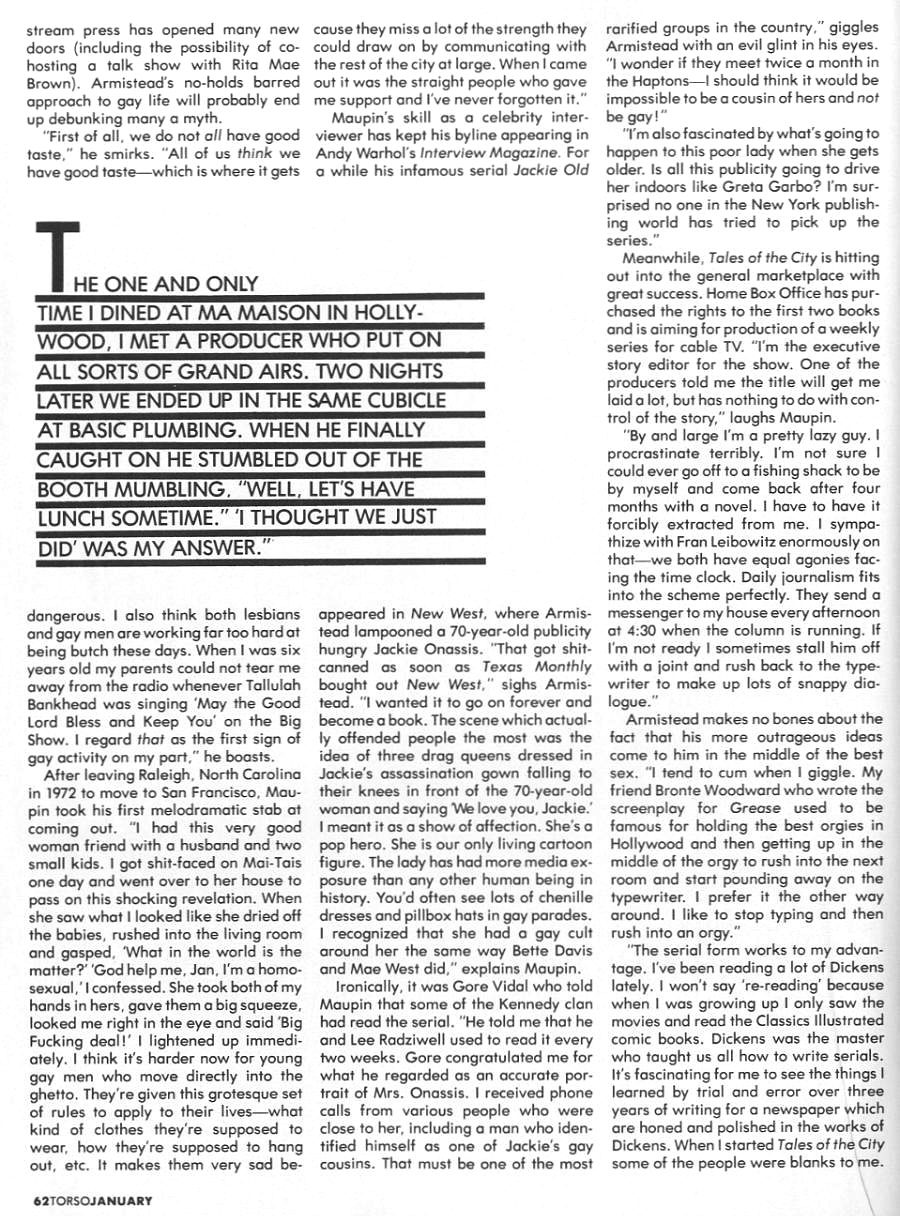
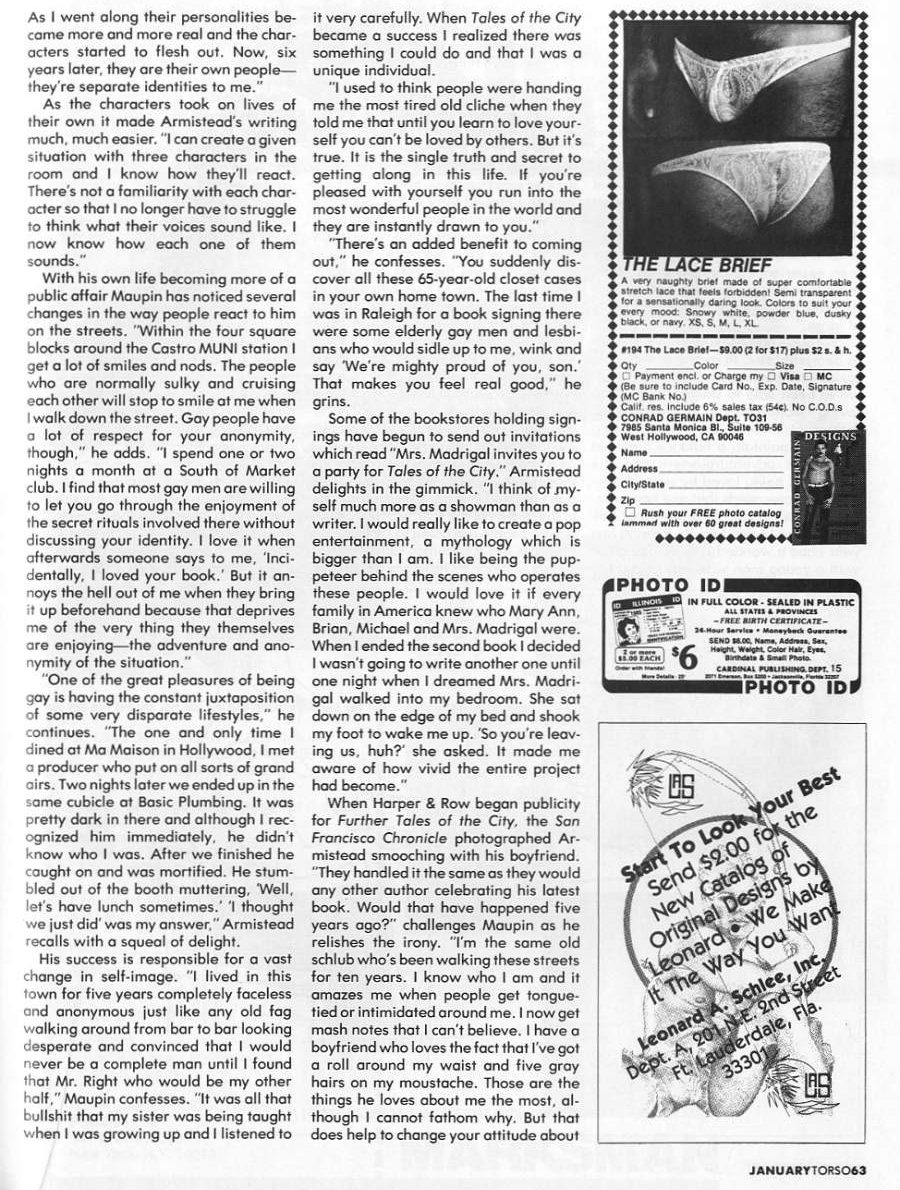
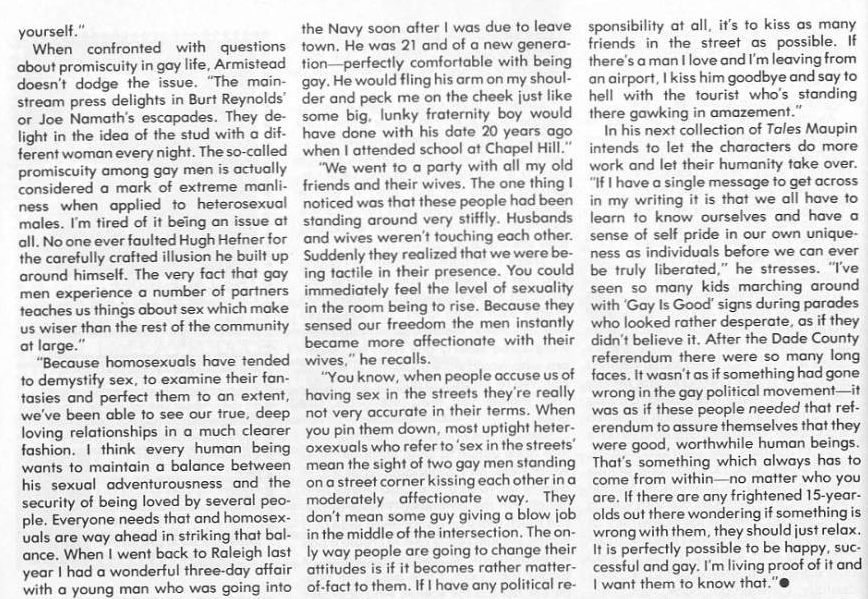
In January 1983, Armistead Maupin made the rounds of gay publications with interviews in both Mandate and Torso magazines. He was at a unique point in his life and career: Further Tales of the City, the third book in the series had just been released. Maupin mentions that he had been named as “executive story editor” for an HBO series adapting the first two Tales… books. Unfortunately, this did not come to fruition, and it would be another 10 years before the first book was filmed as a 6-part miniseries for Channel 4 (UK) & PBS (US)
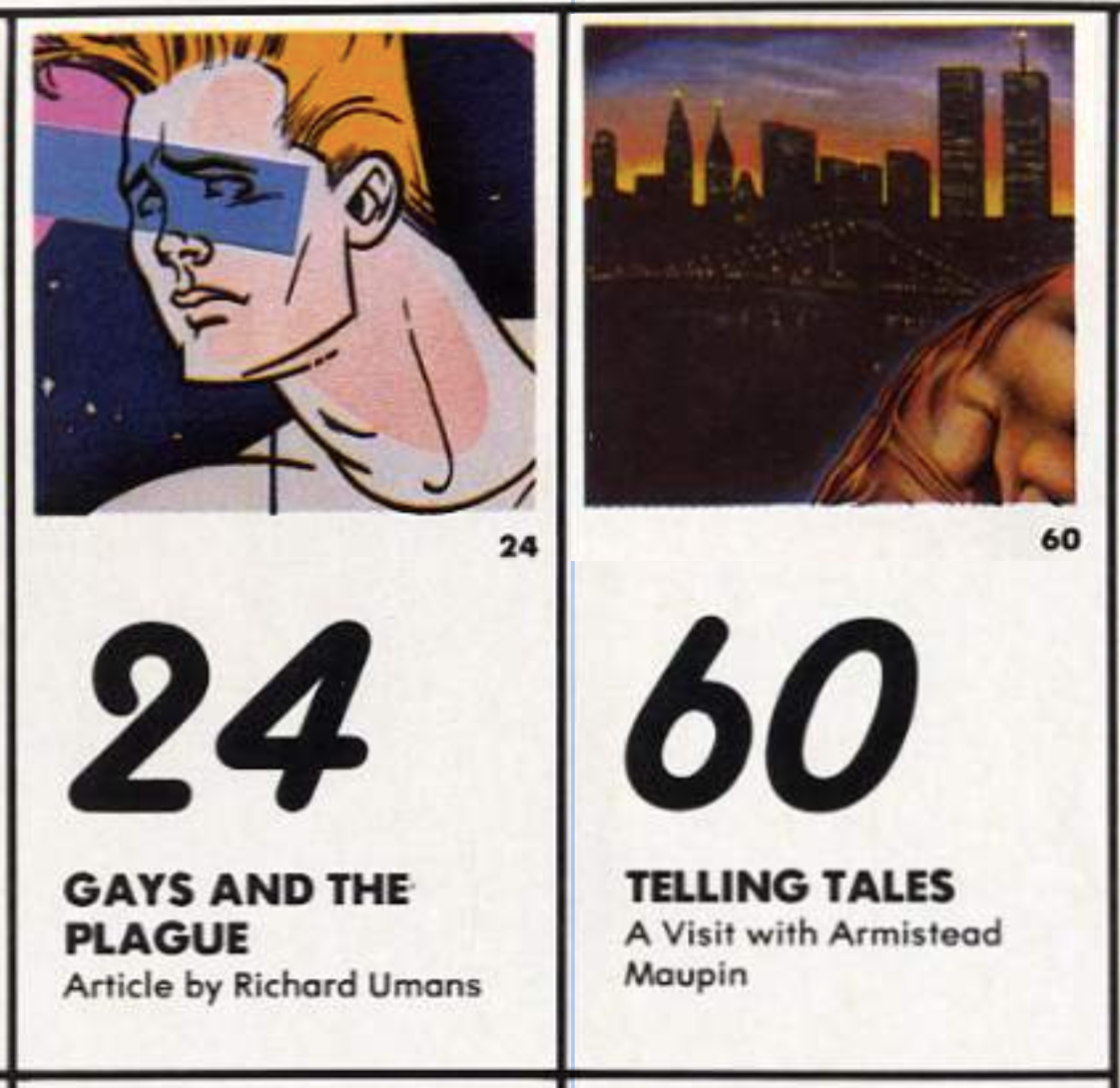
Just a few pages before the Torso feature is an article titled “Gays And The Plague.” The name “AIDS” had not yet been coined and the cause of the “gay cancer” was still unknown. The epidemic would have a devastating effect on Maupin, the gay community, and the fictional characters of Barbary Lane.
“We come back to California from New York and reassure ourselves that it’s too noisy and too hot and too cold and too crowded and too dangerous but, in the long run, we sort of think… well, it could really be exciting.”
“I came out to my family during the course of the book. Michael’s letter to his parents was my letter to my parents.”
“I do not regard Tales of the City as a gay work. I regard it as a work written by a gay man that has gay characters in it and appeals to a lot of different kinds of people. I don’t want to preach to the choir.”
“When I quit the second book and said that I wasn’t going to do it anymore, that I was tired of it, I had a dream that Mrs. Madrigal came in and sat on the edge of the bed and sort of… shook my foot affectionately and said, ‘So, you’re leaving us, huh?'”
“I regard myself as enormously political because I reach more straight people than most gay people. That’s what gives me the most satisfaction in doing what I do. I like changing people’s minds.”
The Torso article below refers to another Maupin serial that is often overlooked: Jackie Old – a fictional piece about Jacqueline Kennedy Onassis at age 70. Unfortunately, she did not live to see 70 and this series – 5-parts initially published in New West magazine – would not get an official release until 2014 as a Kindle novella. Even so, it is not included in his bibliographies.
“First of all, we do not all have good taste,” he smirks. “All of us think we have good taste – which is where it gets dangerous.”
“By and large I’m a pretty lazy guy. I procrastinate terribly… I sympathize with Fran Liebowitz enormously on that – we both have equal agonies facing the time clock.”
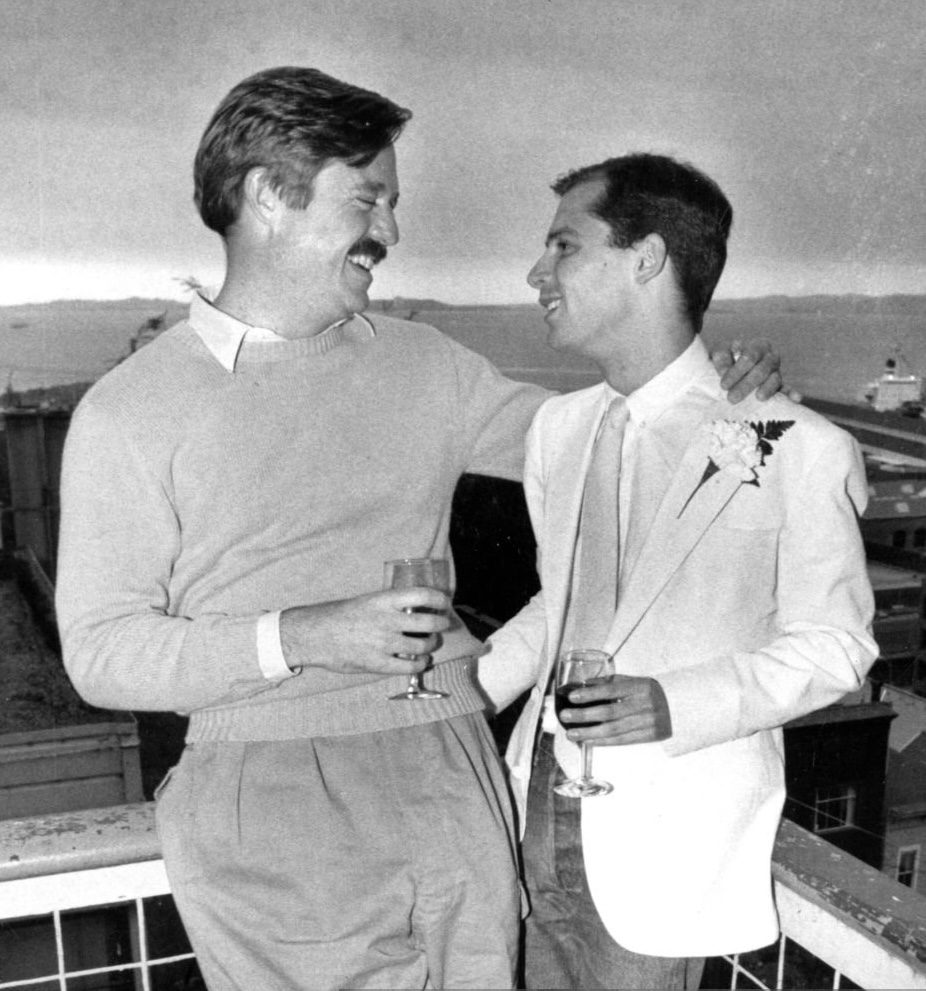
Armistead Maupin at home with Gregory Skraznas, 07/1982 (Photo by Steve Ringman/San Francisco Chronicle via Getty Images)
When Harper & Row began publicity for Further Tales of the City, the San Francisco Chronicle photographed Armistead smooching with his boyfriend. “They handled it the same as they would any other author celebrating his latest book. Would that have happened five years ago?”
“If I have a single message to get across in my writing it is that we all have to learn to know ourselves and have a sense of self pride in our own uniqueness as individuals… that’s something which always has to come from within – no matter who you are.”
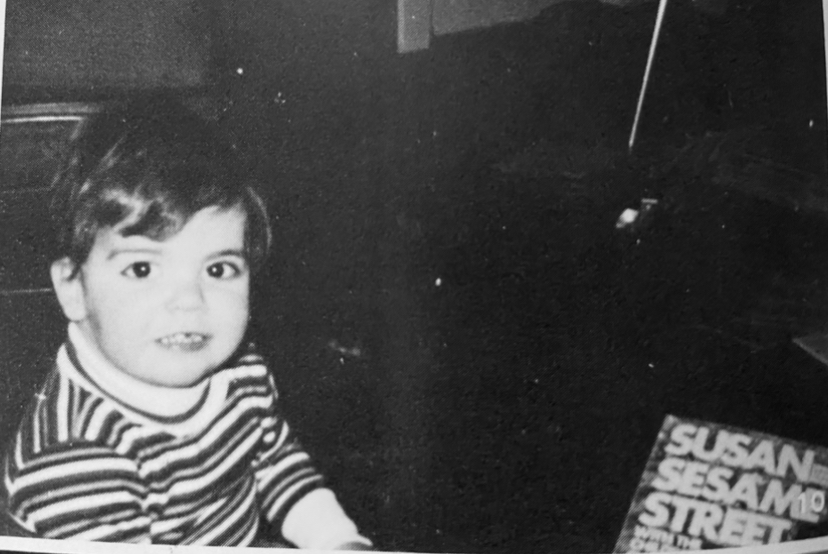
When I was two years old, my mother wrote in my baby book that I liked to listen to records. That’s how far back that goes. Among my Disneyland and Sesame Street records were all of my parents’ discarded 45s from their formative years. This was now the 1970’s and albums were what they were purchasing.
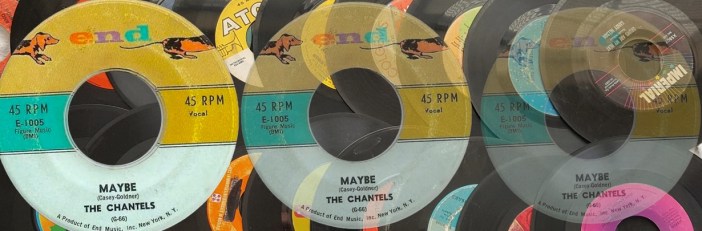
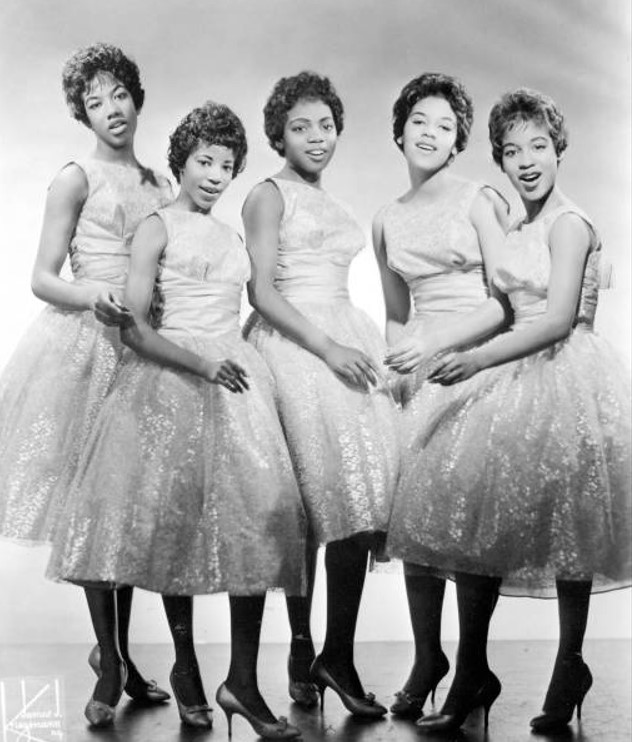
Even before I could read, I could tell by looking at the record label which songs I liked. The blue ones with the map on them were good (it was Motown). The ones with the orange and yellow swirl were The Beatles and The Beach Boys. (Capitol records – fun to watch spin on the turntable). My favorite record, though, was the only one with little doggies on the label: “Maybe” by the Chantels, on End records.
“Candy” – my mother’s name – was written on the label in neat pre-teen cursive. She told me many times that she used to listen to this record every day when she came home from school.
By this time, she was no longer quite so fond if it. She didn’t care for any of the old records, really. Not anymore. There wasn’t a lot of nostalgia in our house. The old-fashioned “ba-da-dum-dum dum” piano intro of “Maybe” would start and she’d roll her eyes, asking why I insisted on playing those old songs. But sometimes while doing housework, she would loudly sing along, complete with dramatic gestures that made me laugh.
Part II: 1979
My mom, her boyfriend, and I are sitting around listening to music. They met working at the Pizza Hut. He’s 20 years old and listens to Kiss and Foghat. She’s 33, divorced with three kids and likes Billy Joel and the Saturday Night Fever soundtrack.
I don’t recall how “Maybe” came up, but I went and fished it out of my pile of 45s. Like me, he wasn’t born yet when this record came out. The song intro starts, and he jumps on it. “What the hell is that?” It is decades away from current popular music, and he’s making fun of it. Poking fun at her, really. Not in a mean way. Everyone is laughing.
He keeps starting the record over – playing that creaky piano intro over and over again until she’s laughing so hard, she has tears in her eyes.
Part III: July, 2011
July 30, 2011, I’m at Lincoln Center’s Damrosch Park for She’s Got The Power! A Girl Group Extravaganza. This is an all-day concert celebrating the girl groups of the 1950’s and 60’s. Former Chantels lead singer Arlene Smith is one of the performers.
By this point, “Maybe” is considered to be one of the greatest records of the 1950’s, paving the way for the girl group era and making a place at the table for female R&B vocal groups. Singers like Darlene Love and The Supremes cite the recording as an early influence.
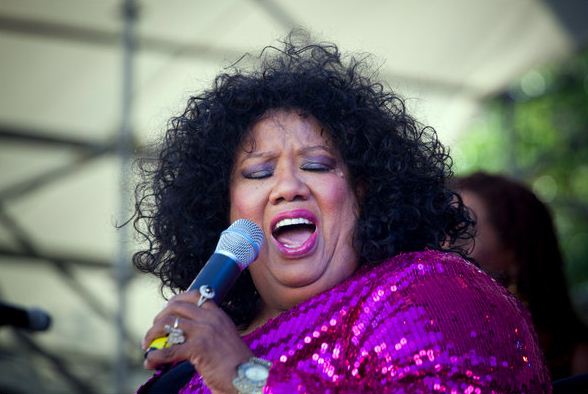
Arlene Smith takes to the stage draped in glittery fabric, seated in an electric wheelchair that she expertly maneuvers around the stage as she sings the song. 54 years have passed since she recorded this, but her voice is still strong. I decide to call my mother, tell her where I am and hold up the phone for her to hear.
“Oh my god. I haven’t heard that song in years!” she says. She gets a little choked up, and I tell her I’ll call her later when I get home.
In the documentary Girl Groups – Story Of A Sound, Arlene Smith recalled that she had just turned 16 years old when the Chantels recorded “Maybe.” “I was singing about the kind of love that I didn’t know… I loved my parents.”
Part IV: July, 2026
We are enjoying a summer evening in my sister’s back yard, as best we can. A year and a half of cancer treatments has reduced my mother to 90 lbs, but it’s the Alzheimer’s that has now taken the lead in this battle. Earlier in the afternoon, we had her try to draw a clock – a cognitive test used to detect the disease. She couldn’t do it, although she can still tell the time on her watch. It’s a tricky thing to navigate.
I suddenly have an idea. I pick up my sister’s phone and hijack her Summer BBQ Spotify playlist. I tell my mother I want her to listen to something and see if she remembers it.
The piano begins “ba-da-dum-dum dum” …” Her brow is slightly furrowed. When the vocals start, she mouths the words, but she doesn’t sing. I don’t remember the last time I heard her sing.
My stepfather is dozing next to her. Without opening his eyes, he says “What year was that?”
“1958. Do you remember this song?,” I ask.
“Sounds familiar,” he says.
I tell my mother; “This was your favorite record when you were a kid. You said you used to listen to it every day when you came home from school.”
She nods and softly says, “I was heartbroken.”
“Over who?”
“I don’t remember.”
She may not have remembered, but later that night, I did. His name was Jackie. I grew up in the same house that my mother did and sometimes I would find little hearts drawn in hidden places: on the wall inside the linen closet, on the underside of the coffee table. In these hearts she had written “Candy loves Jackie.” I remember asking her about him back then. She told me about the first boy she was in love with, and how crushed she was when it didn’t work out.
Would I have mentioned his name if I had thought of it in the back yard? Are painful memories better left forgotten? Or is it important to keep trying to remember simply as a brain exercise?
Maybe if I play this record for her next weekend, it will trigger a different memory. Maybe she will remember singing around the house, or the Pizza Hut guy. Maybe the memory of my phone call from Lincoln Center will come back to her. Or maybe next time, the song won’t sound familiar to her at all.
The record fades out as Arlene repeatedly pleads “Maybe…” Her fellow teenage Chantels, forever frozen in time, sing back to her; “Maybe maybe maybe…”
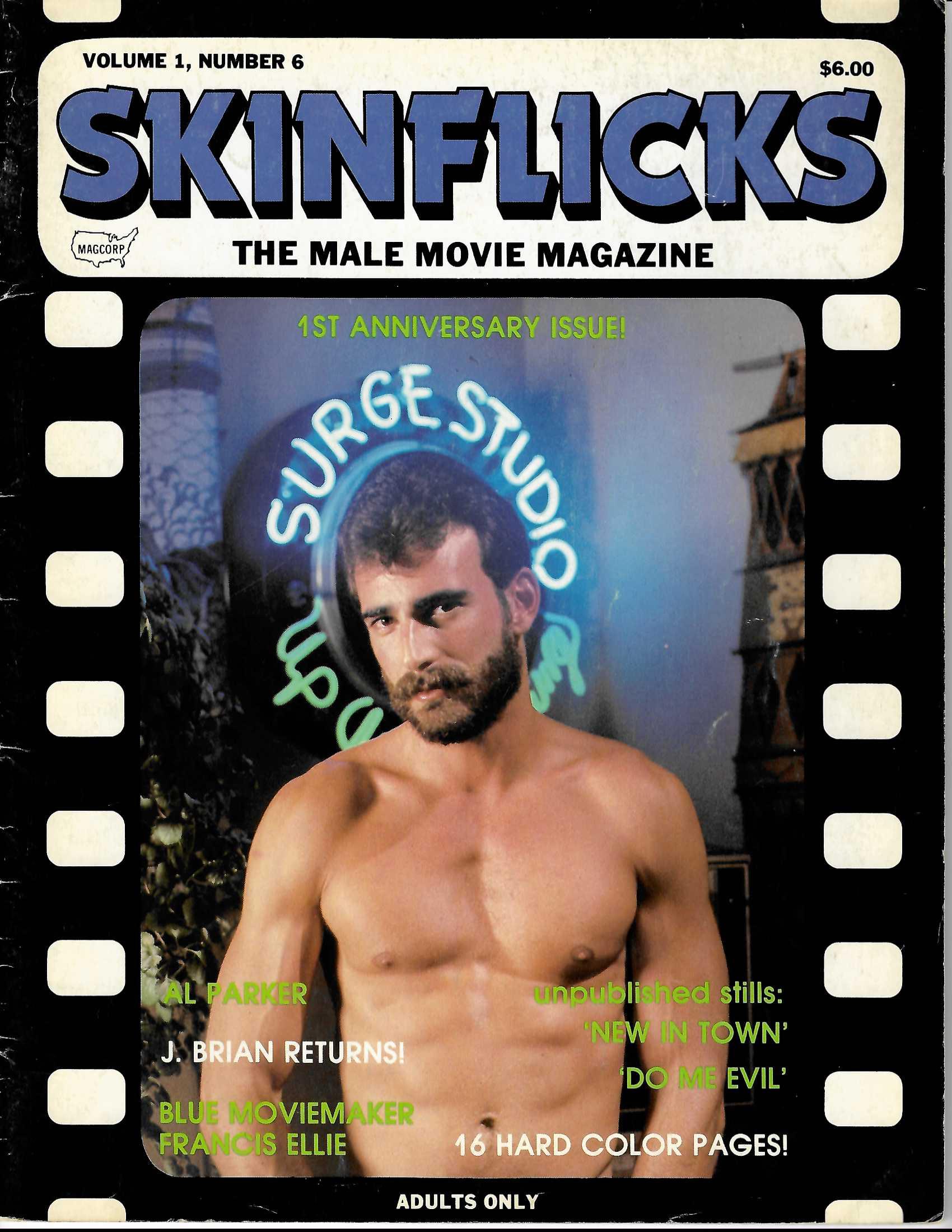
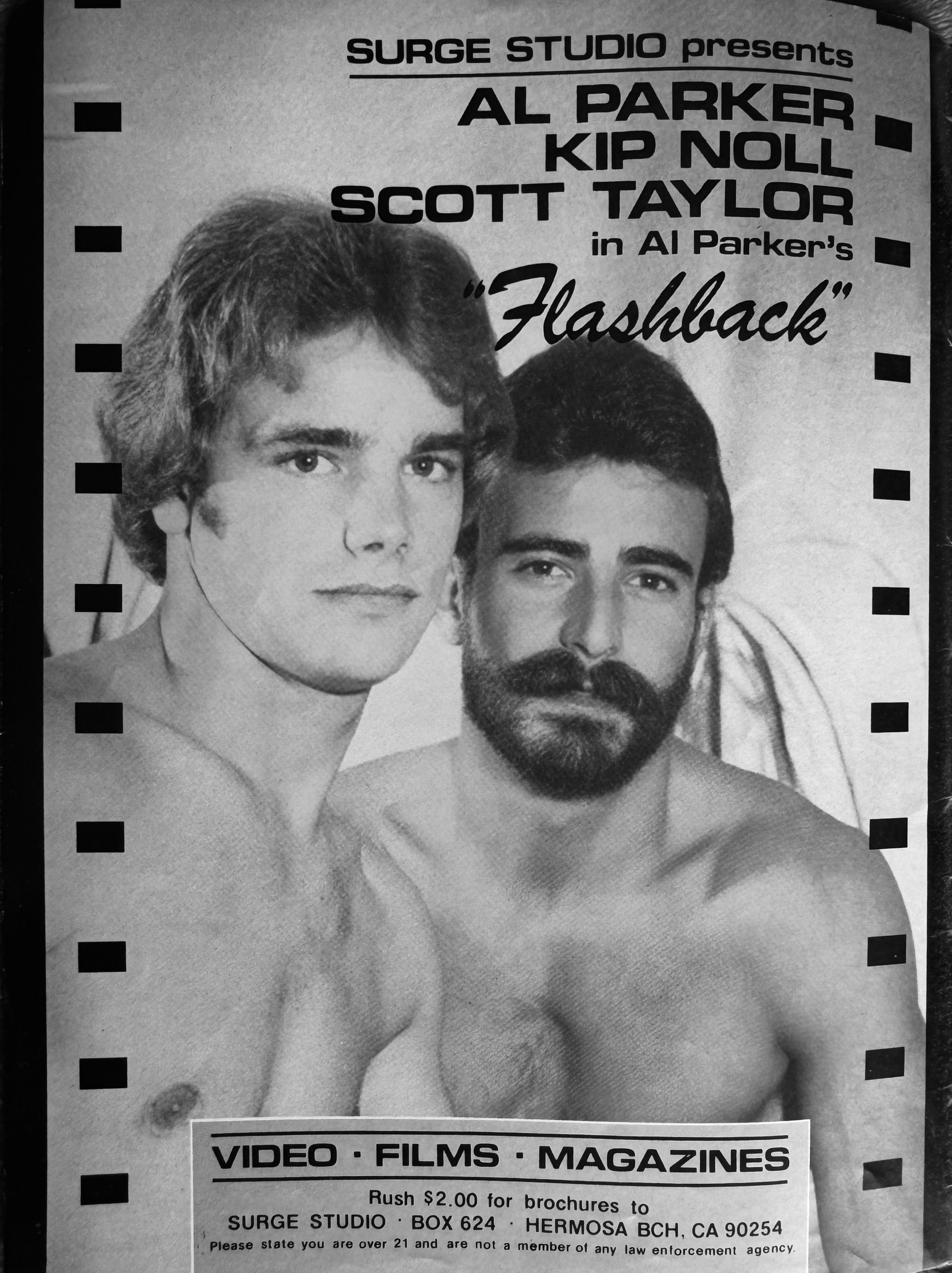
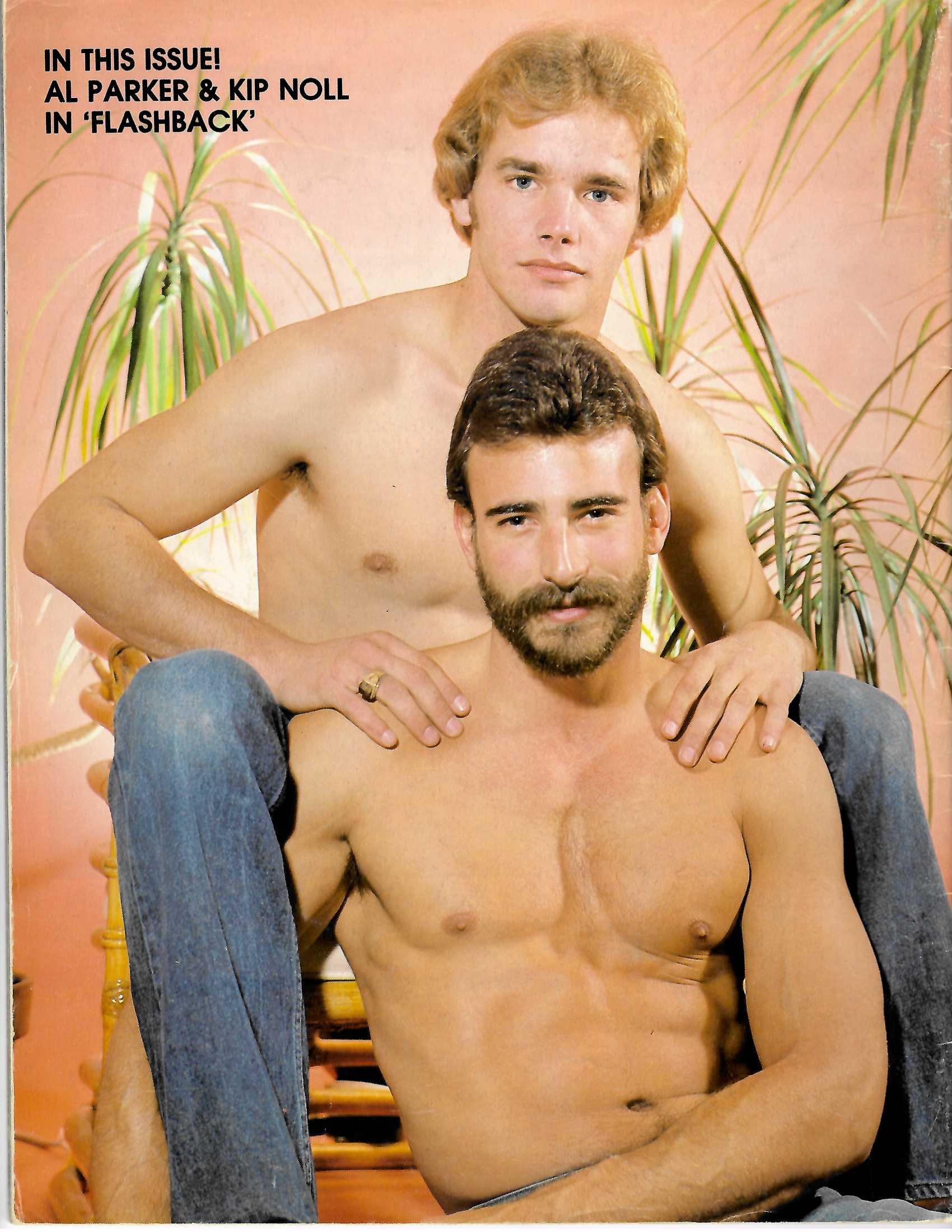
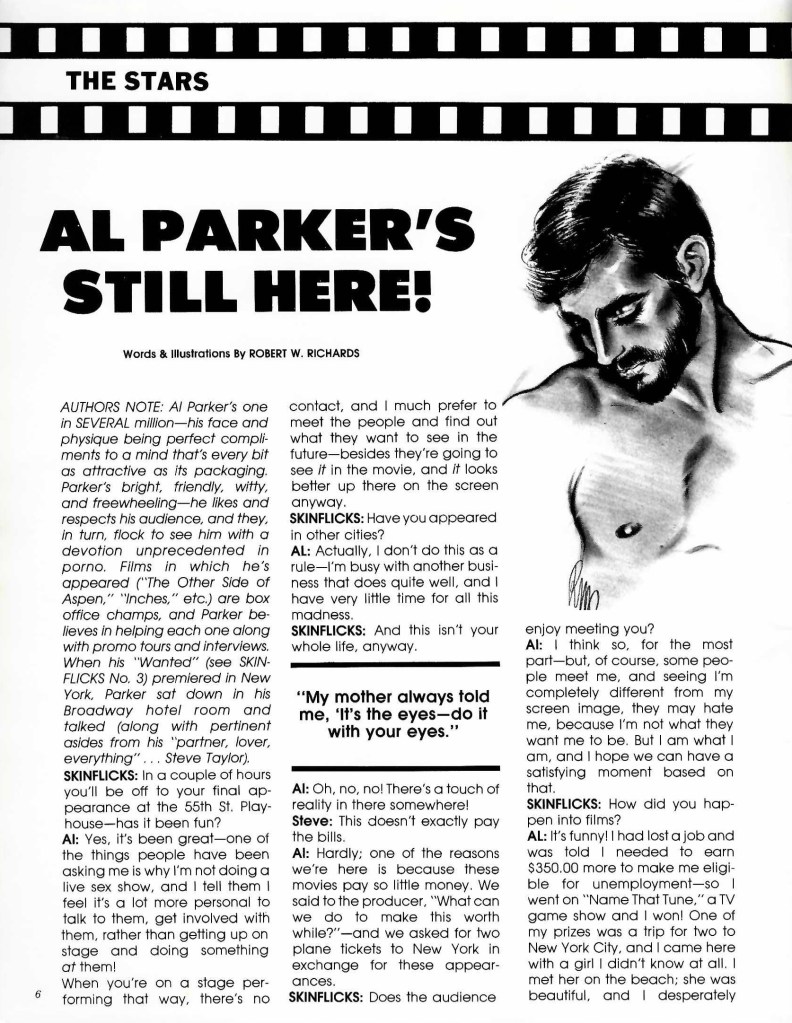
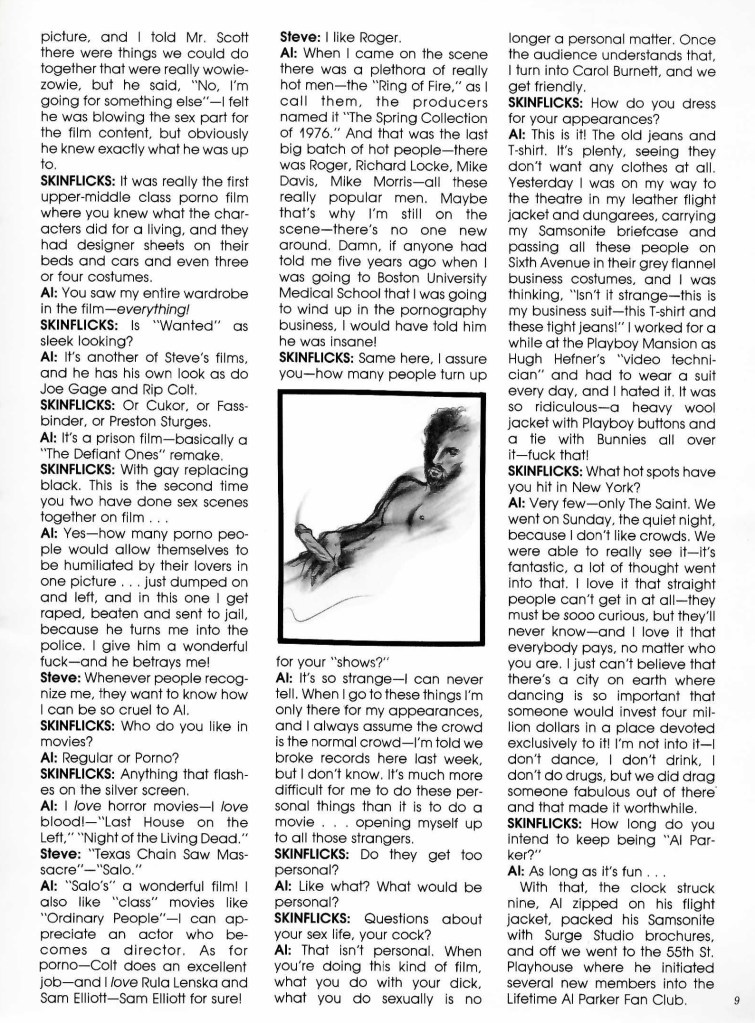
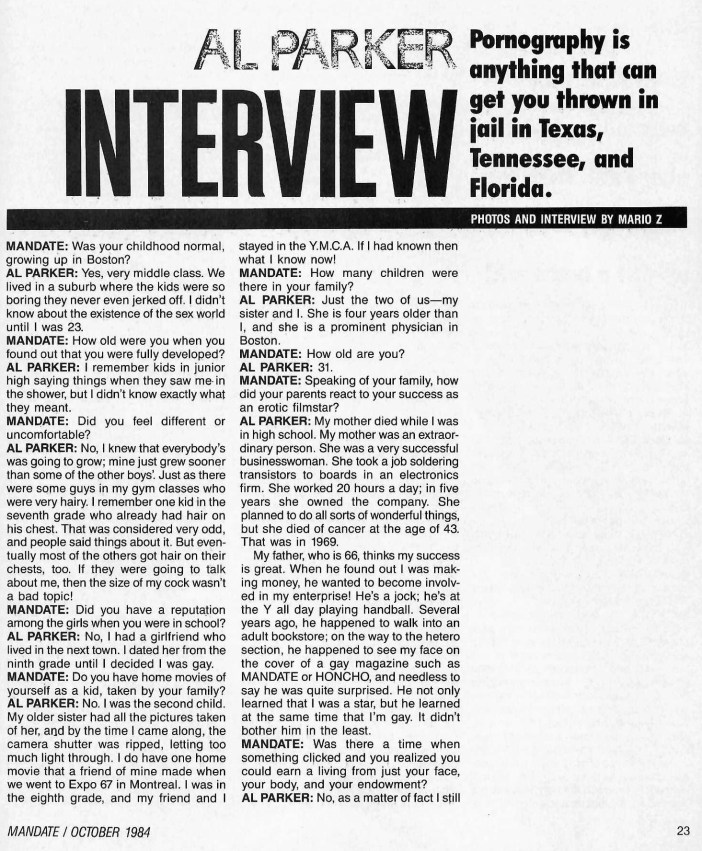
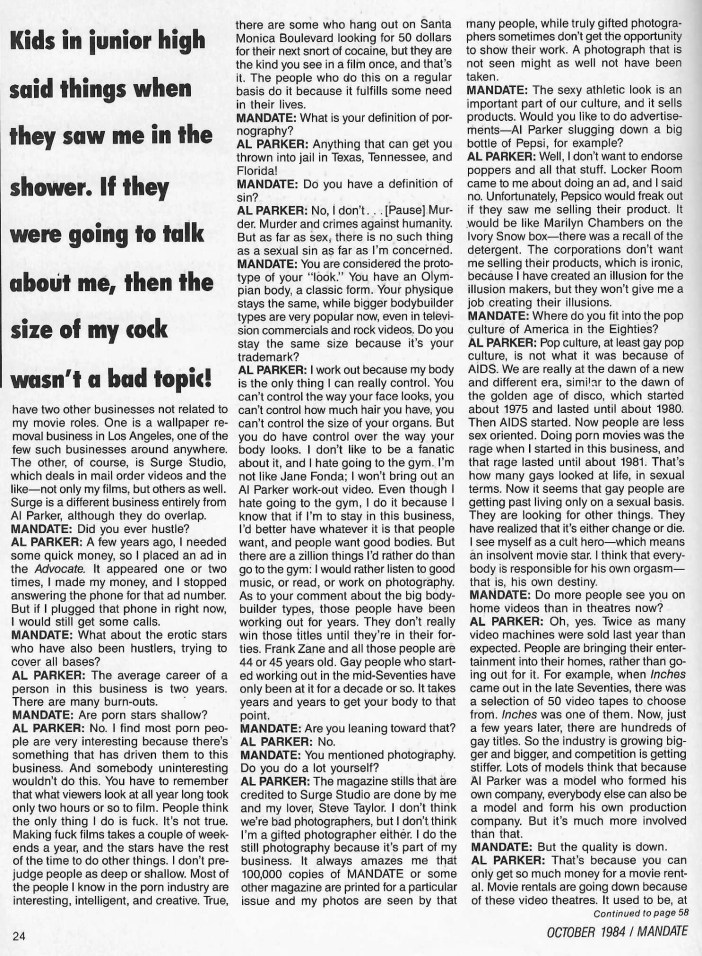
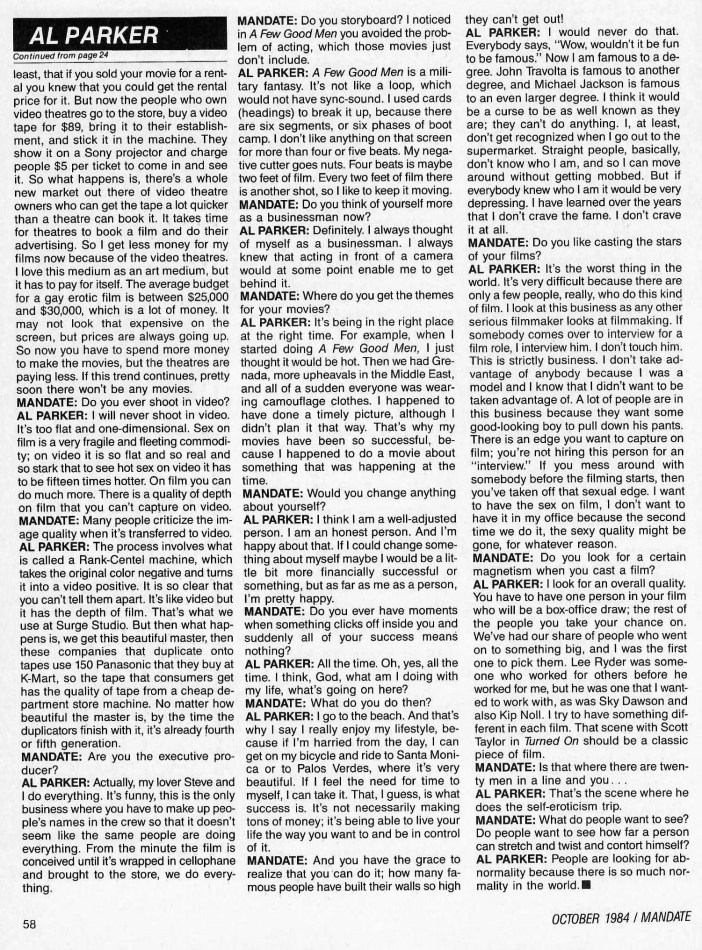
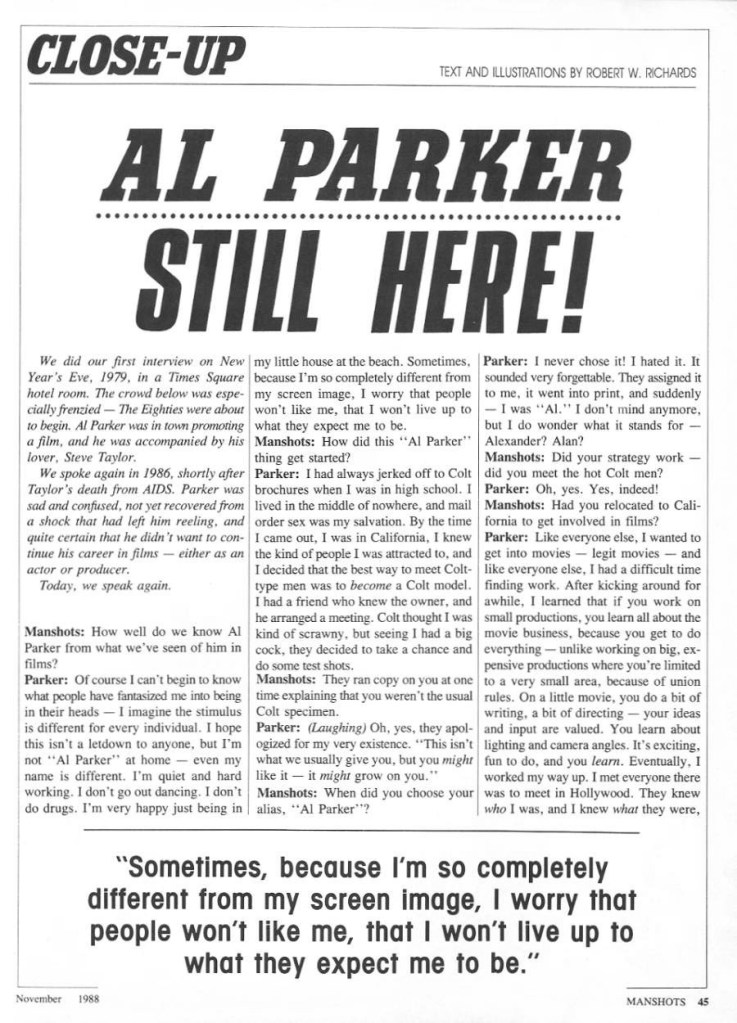
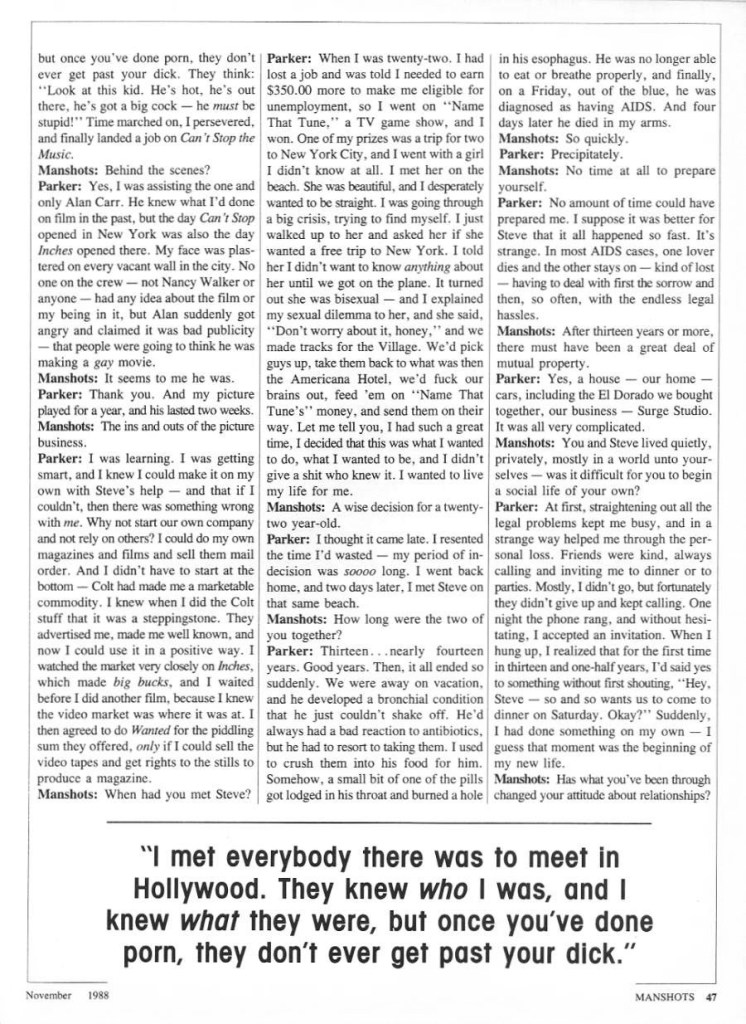
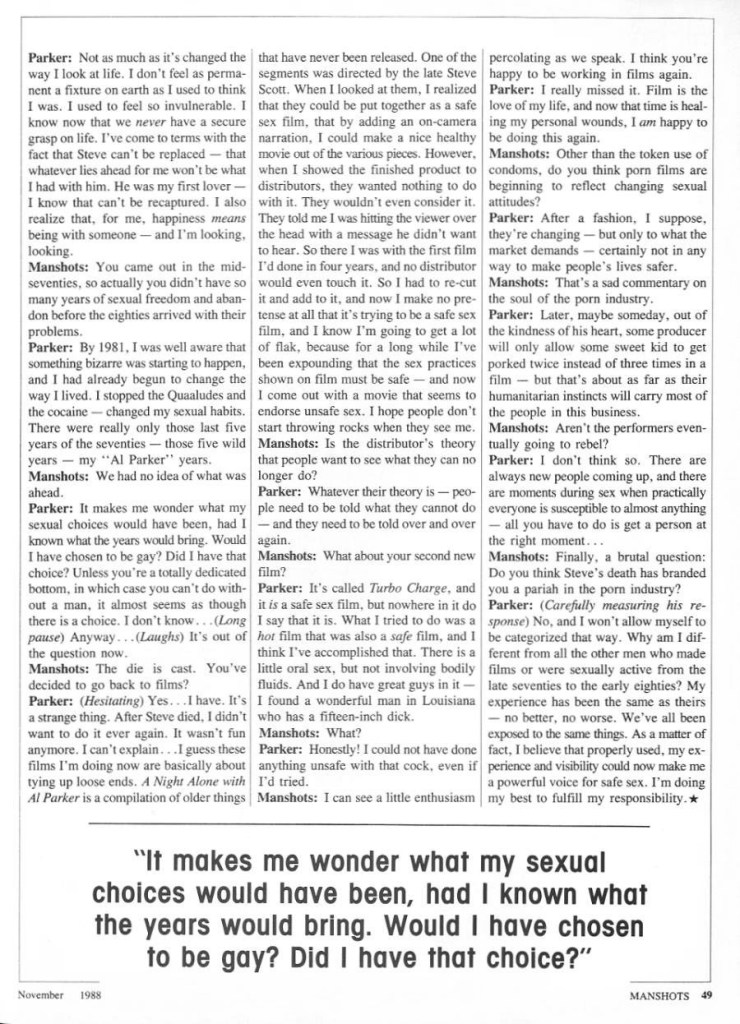
Legendary gay porn star Al Parker holds the #1 spot in Boyculture’s totally unbiased, science-driven list of the top (ahem) 250 Greatest Gay Porn Stars In The History Of Civilization. We only know many of these performers through their film oeuvre and photo layouts, but Al Parker always had a lot to say. In interviews, he seemed to enjoy recounting his sexual exploits as a teenager attending Woodstock, his win on the game show Name That Tune, working behind the scenes on the film Can’t Stop The Music, and running Surge studios with his partner Steve Taylor.
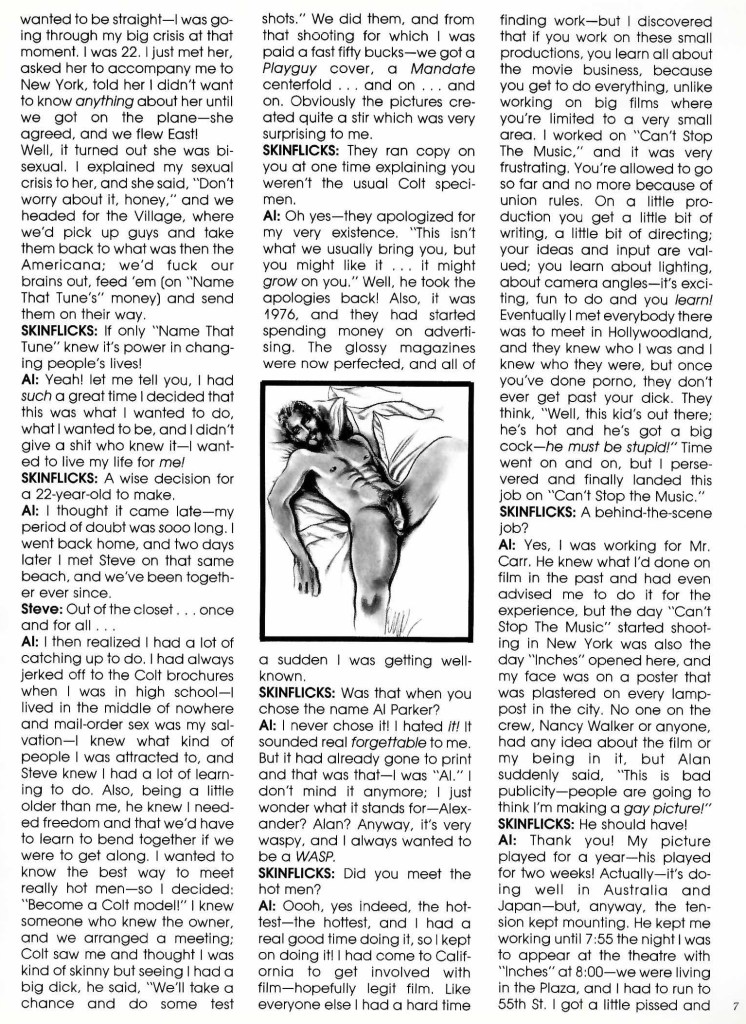
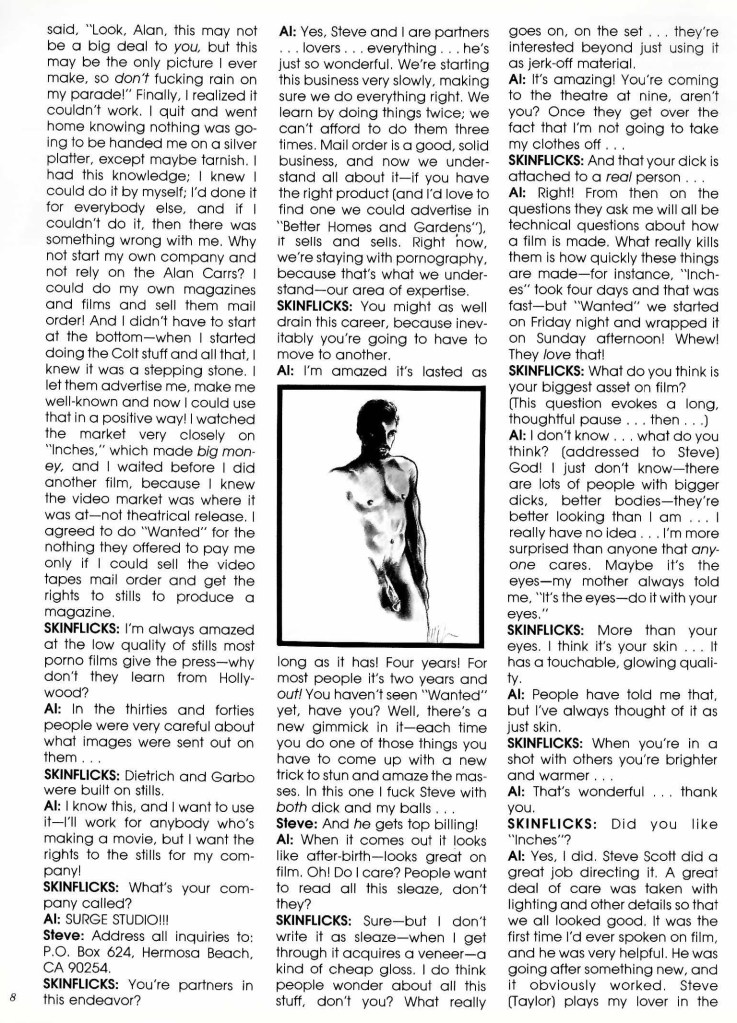
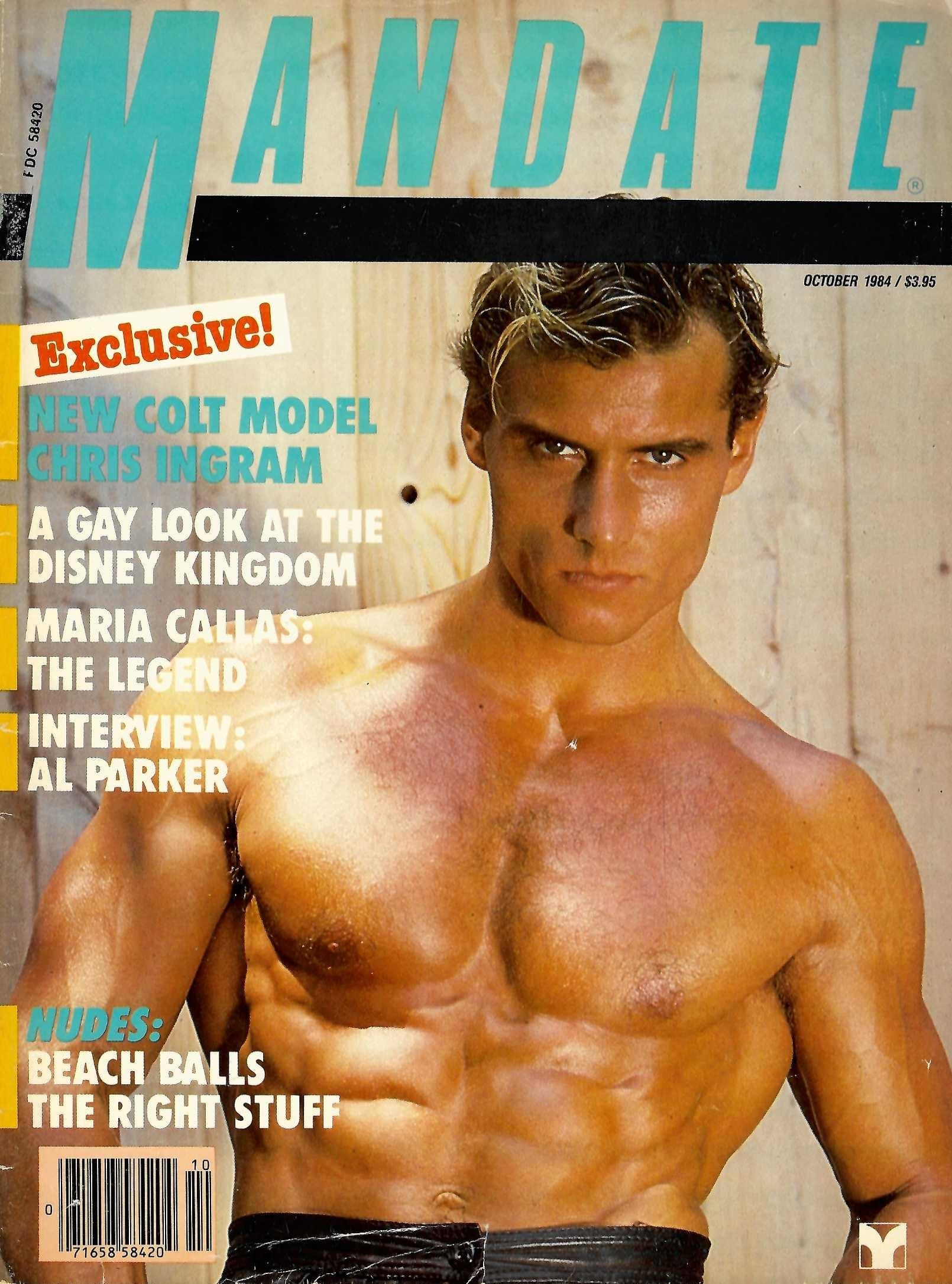
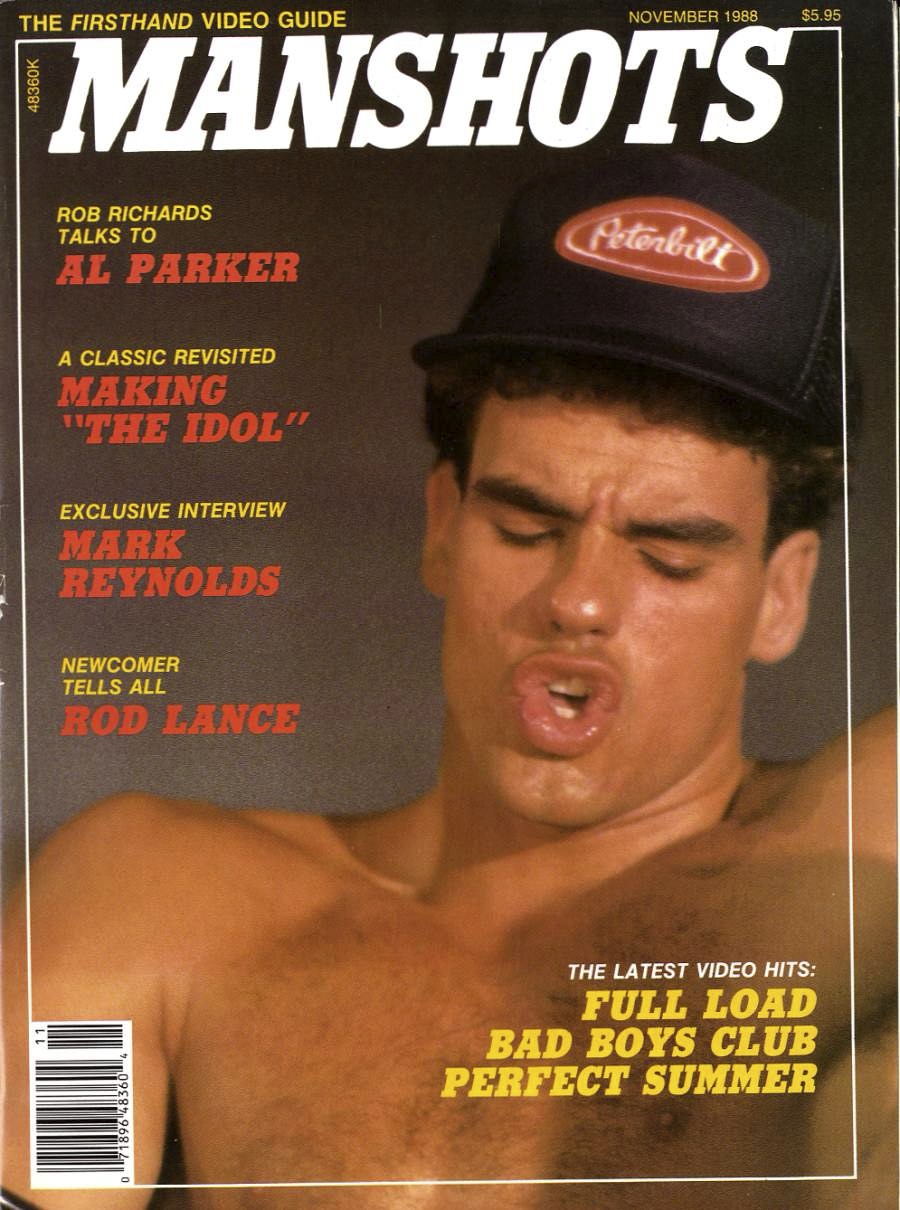
Featured below are three interviews conducted through the 1980’s. The first is from New Years Eve, 1979 and appeared in Skinflicks magazine. At the time, Parker was three years into his adult film career and at the top of his game. Steve Taylor is on hand to offer comments as well. The second interview appeared in the October, 1984 issue of Mandate. Interview #3 is from the November, 1988 issue of Manshots, two years after Taylor had died of AIDS complications.
“Some people meet me, and seeing I’m completely different from my screen image, they may hate me, because I’m not what they want me to be. But I am what I am, and I hope we can have a satisfying moment based on that.”
“… the day Can’t Stop The Music started shooting in New York was also the day Inches opened here, and my face was on a poster that was plastered on every lampost in the city. No one on the crew, Nancy Walker or anyone, had any idea about the film or my being in it…”
“Steve and I are partners… lovers… everything… he’s just so wonderful. We’re starting this business very slowly, making sure we do everything right.”
“My father… happened to see my face on the cover of a gay magazine… needless to say he was quite surprised. He not only learned that I was a star, but he learned at the same time that I’m gay. It didn’t bother him in the least.”
“I see myself as a cult hero – which means an insolvent movie star. I think that everybody is responsible for his own orgasm – that is, his own destiny.”
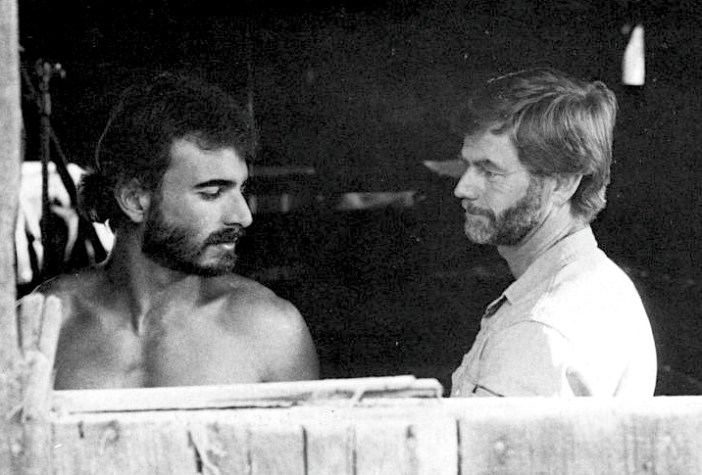
Al Parker with long-term life partner (and sometime costar) Steve Taylor. Together they founded Surge Studios.
Al Parker was 40 years old when he died of complications from AIDS on August 17, 1992. A biography written by Roger Edmonson, Clone: The Life and Legacy of Al Parker Gay Superstar was published in 2000.
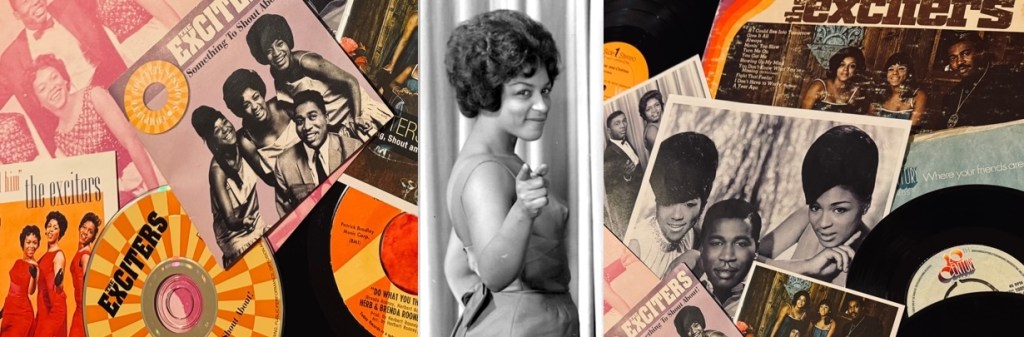
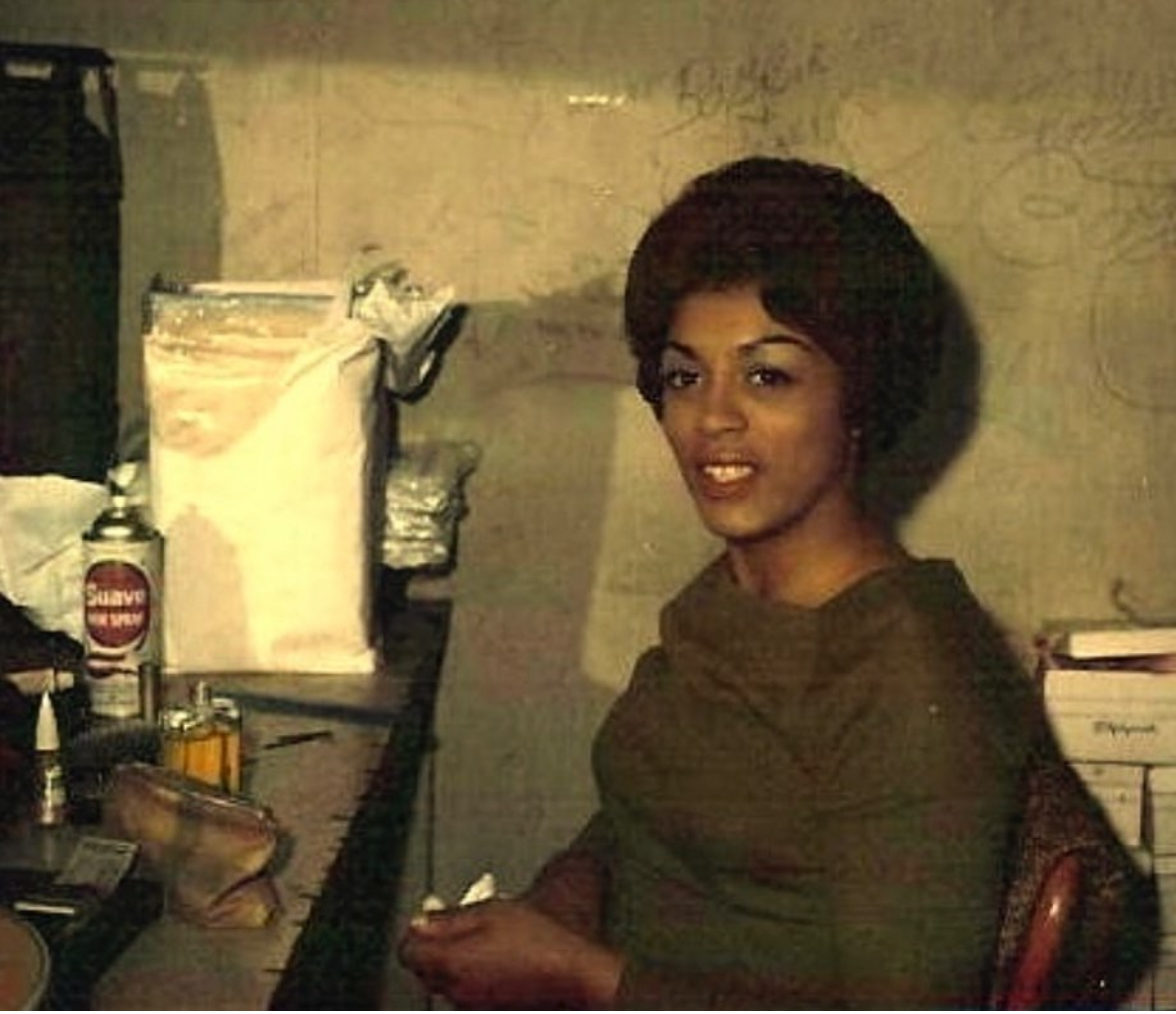
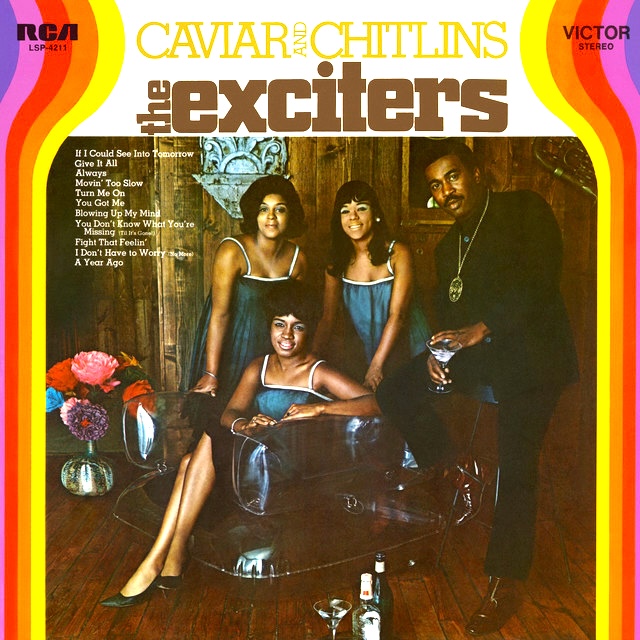
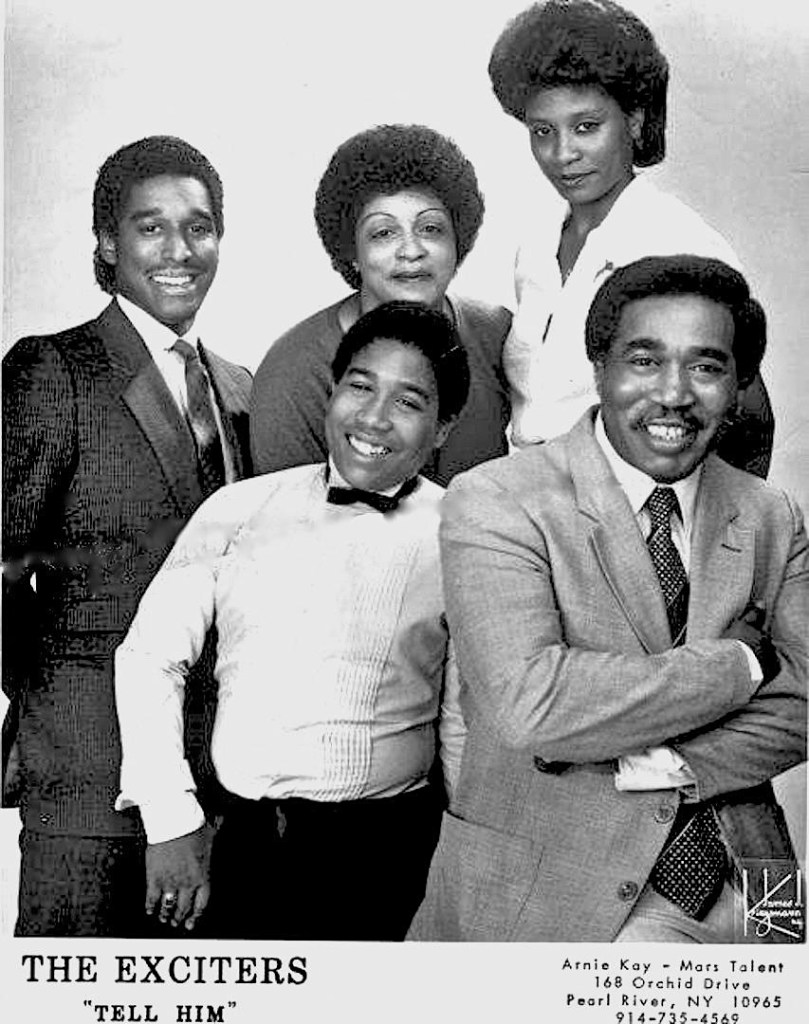
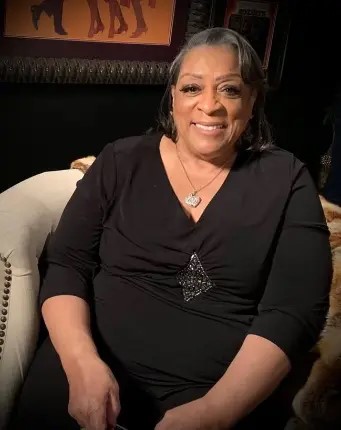
Brenda Reid, the lead singer and last surviving member of the original Exciters, passed away on April 29, 2026. She was 80 years old.
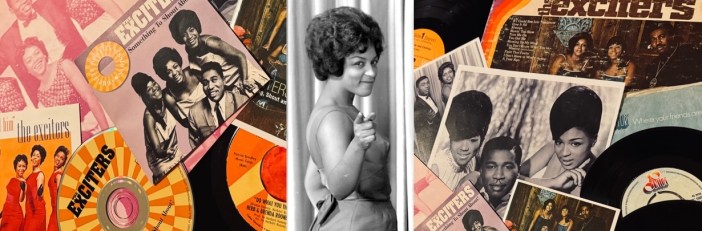
In the liner notes for The Exciters’ Something To Shout About! CD compilation, Malcolm Baumgart and Mick Patrick wrote, “If Brenda Reid was a foodstuff, she’d be jalapeño peppers. If she was a chemical compound, she’d be nitro-glycerin. A color? Why, flame red! That woman’s voice was the distilled essence of heat. Never was a group fronted by such a torrid vocalist, and never was a group more aptly named than The Exciters.”
It was a voice that stopped a young Dusty Springfield in her tracks on Broadway one night in 1962, when she heard “Tell Him” blasting out of Colony Records. On her way to Nashville to record a country album with her group The Springfields, Brenda’s vocal hit Dusty at such a visceral level that she was forced to rethink her career trajectory. Legendary songwriter/producer Ellie Greenwich was quoted as saying; “Brenda has one of the best voices I’ve heard. As far as I was concerned, she could do no wrong – she would only add to the song, make it greater.”
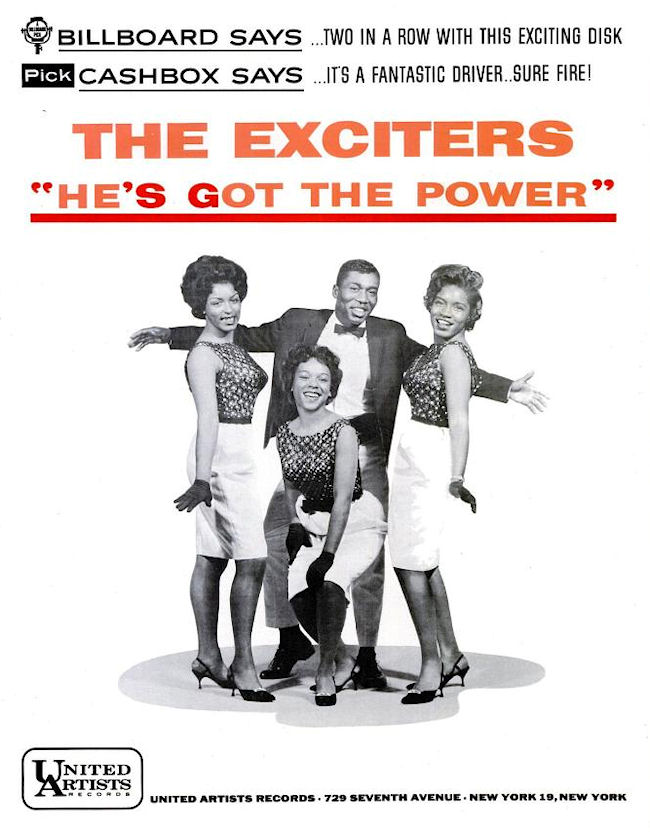
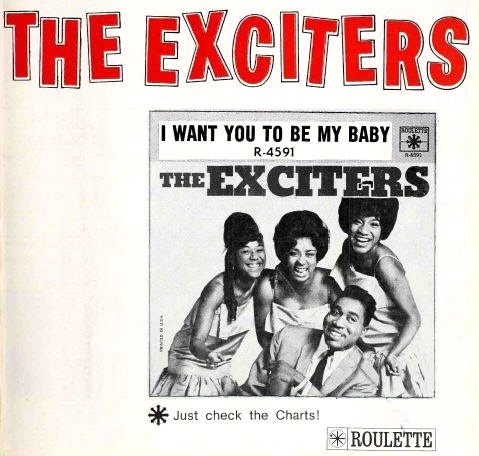
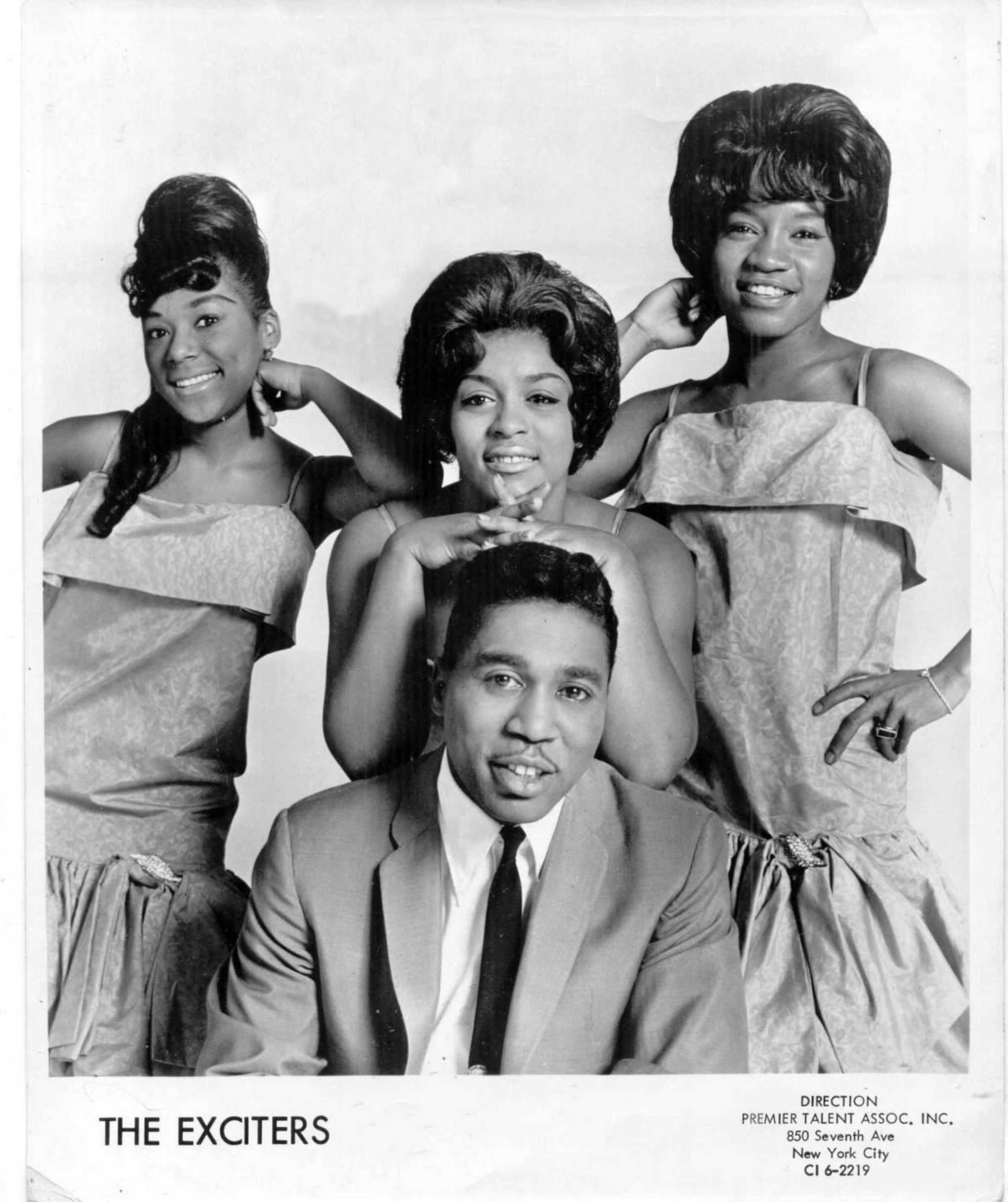
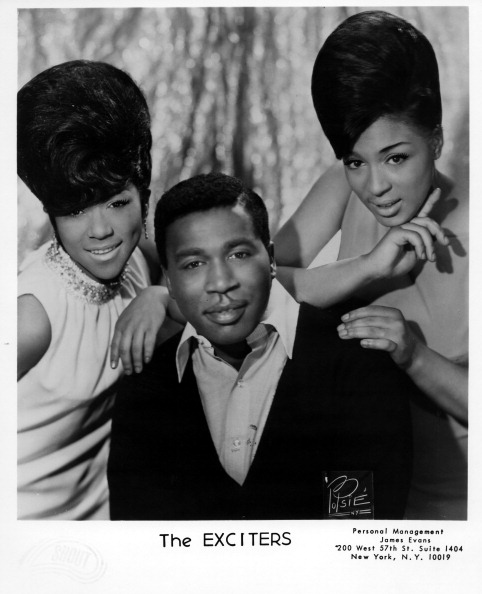
The Exciters were a trio of Queens schoolgirls (Brenda with Carol Johnson and Lillian Walker) harmonizing with sole male group member Herb Rooney. Although technically not a girl group, Brenda is widely regarded as one of the signature voices of the girl group era. On the strength of their recordings of “Tell Him,” “He’s Got The Power,” and the original version of “Do Wah Diddy,” the group was chosen for the Beatles 1964 American tour. They went on to release a string of excellent records through the 1960’s and 1970’s that have become staples of the Northern Soul scene.
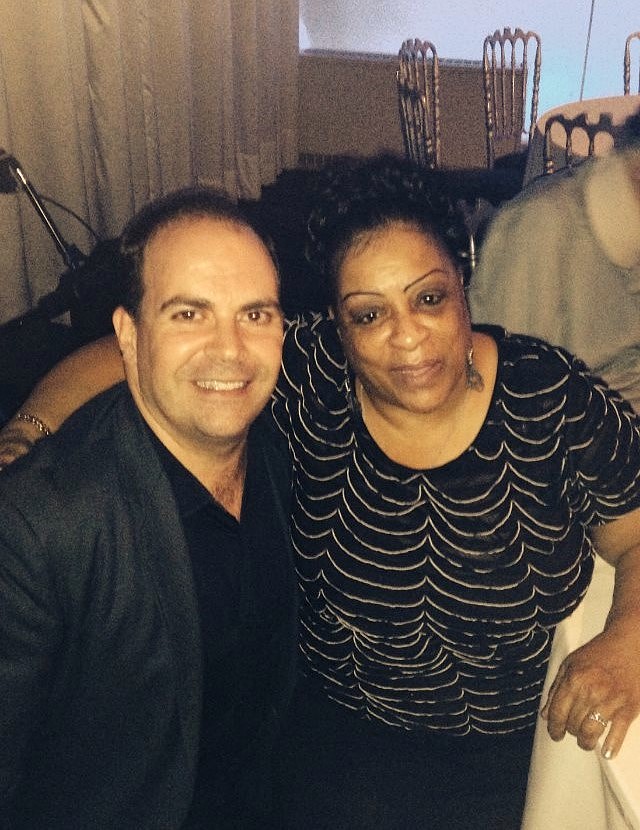
I got to know Brenda through Words With Friends. We were connected on social media – or rather, I had fanboy friend-requested her in 2011 after the group performed at Lincoln Center for She’s Got The Power! A Girl Group Extravaganza . But the WWF algorithm paired us up – possibly because we both seemed to suffer from insomnia and played the game at all hours of the night.
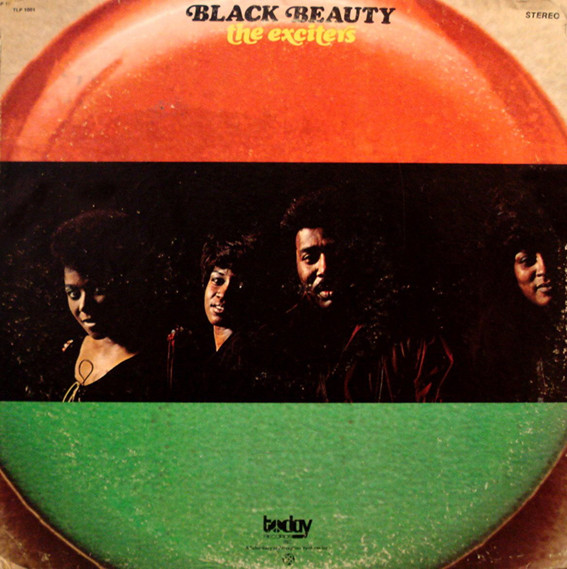
One day as I was listening to my recently acquired copy of The Exciters rare 1971 Black Beauty LP, the app pinged that Brenda had played a word. I sent her a message to tell her that I was listening to her album and that I was very much enjoying it. She responded that she didn’t have a copy of it anymore, so I volunteered to burn a CD and send it to her. I added some rare bonus tracks to the disc that I mailed off, including the sole single by her first group The Masterettes, which morphed into The Exciters.
She later said “When I heard that Masterettes song that you put on there, I said ‘Ok. This guy knows his stuff.'”
One night, after a few servings of liquid courage, I sent a message asking if she would be interested in doing an interview for my East Village Radio show, 60 Degrees. This was in the fall of 2012 – just in time for the 50th anniversary of the release of “Tell Him.” She agreed and invited me to have lunch and conduct the interview at her home in Huntington, Long Island.
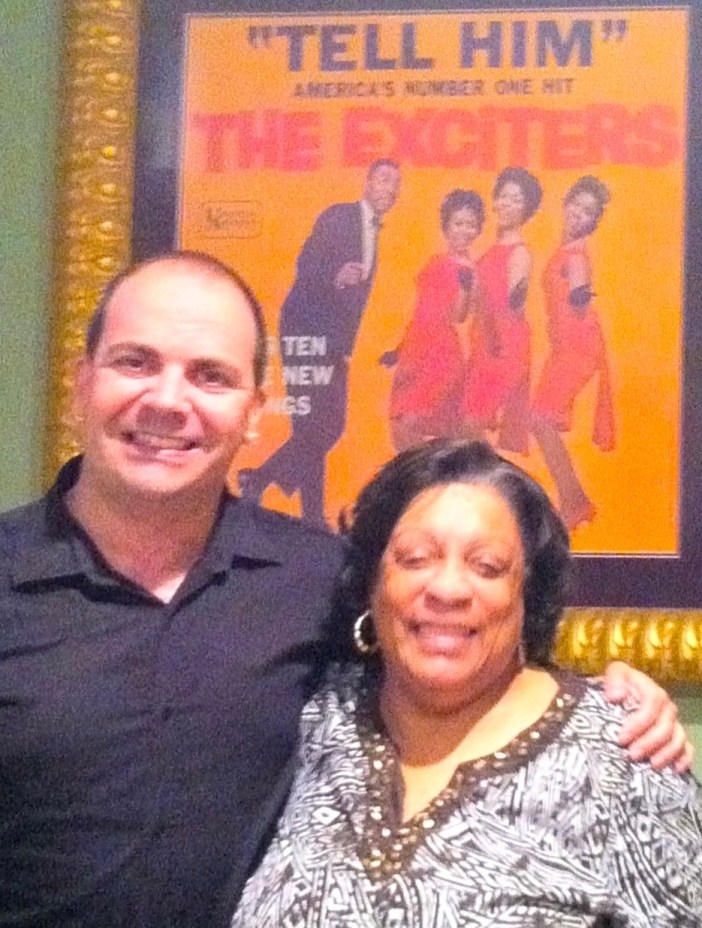
Interview day for 60 Degrees (2012)
I packed up my laptop and microphones and borrowed my mother’s car to head over. Her daughter Trisha cooked a spaghetti lunch and we had a great afternoon talking about music.
During the interview, when we were discussing The Exciters recording of Gilbert O’Sullivan’s weepy 1972 ballad “Alone Again (Naturally),” I mentioned that I had never been able to find a copy, to which Brenda says with a laugh “I will give you a copy to-DAY.” After the interview was finished, she played the recording on her computer and began to sing along. We were sitting at her desk in her home office, but vocally this turned into a full-blown performance, matching the recording she had done 40 years before. I thought I might just die right there.
On paper, the idea of the Exciters recording a song like “Alone Again (Naturally) or a disco version of “I (Who Have Nothing)” sound like terrible ideas. But with Herb’s arrangements and Brenda’s voice, they always knocked it out of the park. In his book Girl Groups: Fabulous Females Who Rocked The World, John Clemente writes, “Two important facts are a testament to the Exciter’s musical integrity; that they lasted longer than most vocal groups, especially when chart success was not always forthcoming; and that they were able to weather stylistic changes in popular music, never once sounding awkward or stale in the mix.”
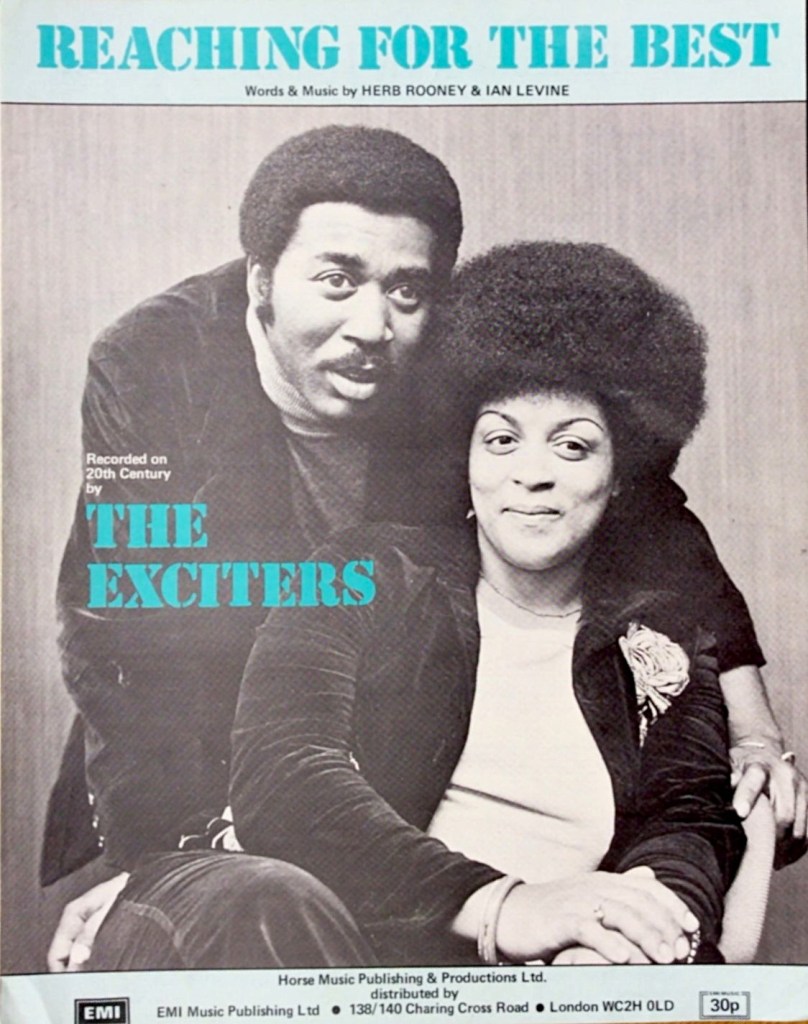
Sheet music for “Reaching For The Best”, a Northern Soul hit co-written by Herb Rooney with Ian Levine. (1975)
One of the lyrics of “Reaching For The Best”, their 1975 UK hit was “I want an evening gown… I can’t afford a house dress… All my life I’ve been reaching for the best…” I am reminded of a story that Brenda shared before we started recording the interview that afternoon. The Masterettes has scored their first gig at the Hillside Theatre in Queens. They were at the bottom of the bill with a half dozen other artists, including Baby Washington. Brenda idolized Baby – she was her biggest musical influence, along with Frankie Lymon. She recalled that Baby arrived backstage at the theater making a star’s entrance: elegant but aloof and beautifully dressed.
Brenda was quite intimidated and upset about her own inexperience and her group’s simple costumes. She was crying in a corner backstage when Baby came over to ask her what was wrong. She told her that she was embarrassed at her own appearance, that Baby looked so beautiful and she wished that she could have a career like hers. Baby comforted her and assured her that one day, she would achieve it.
A Family Affair: The 1980’s Exciters featured Brenda and Herb with their children: Tracy & Cory, and Herb’s son Jeffrey.
When I knew that we had recorded plenty of material to fill a 2-hour program, I ended the interview. I had decided beforehand that I would not pry into the later years, when she had to get a retail job after she and Herb split. Brenda looked surprised that the interview was over. She later conveyed to me that she WANTED to talk about the lean years. She wanted to talk more about the ups and downs of their relationship, and also the loss of their daughter Tracy to leukemia. She was inspired by Tina Turner’s memoir and wanted to tell her own story in her own way. She had been working on a book for quite some time – speaking on tape to get her thoughts recorded. Her son Cory, now a very successful producer and record executive, had put her in touch with a writer to assist. Nothing ever came of it and she was still without a publisher. We agreed to meet again for another interview, which would hopefully coincide with the book coming out.
And then what happened? Life went on. We both moved on from our late night Words With Friends habit. 60 Degrees went off the air the following spring when East Village Radio shuttered. We stayed in touch on Facebook and were reunited at events for the Piece Of My Heart Off-Broadway musical and a Bert Berns documentary screening in New York City. Brenda eventually moved to California to be near Cory and his family.
Opening night party for the Off-Broadway musical Piece of My Heart: The Bert Berns Story. (July 14, 2014)
On some level I felt like I had failed her – she never got to tell the rest of her story. There was much more she wanted to say. “I really need help with it but I’m not going to give up,” she wrote in an email. I felt some responsibility to help her do that, even though she had other people in her life that felt the same way. And that’s how it was left.
After I heard that she had passed away, I listened back to a voicemail that she left me after our interview had aired in 2012. She said “I just wanted to thank you for such a wonderful interview. You made me feel very special today… you made me feel very proud of myself and I just wanted to thank you for taking the time out of your life to want to come over and interview me and let the world hear what I had to say… Thank you so much. God bless.”
Thinking back to our conversations about the book, I don’t recall the title she had chosen. In my mind, it could only be one thing: I Know Something About Love. The opening line of the song that introduced the world to that flame red nitro-glycerin voice, bursting from a 17 year-old school girl from Queens. It was a declaration so strong and memorable that you can sing that line to people of any age and they will recognize it from someplace in their pop culture memories. They may not know her name or The Exciters, but they understand this: she knew what she was talking about.
The Exciters performed at Lincoln Center, NYC for She’s Got The Power! A Girl Group Extravaganza on July 30, 2011. Alongside original members Brenda Reid and Lillian Walker were Beverly Warren and Brenda & Herb Rooney’s son Cory Rooney. Backing them up (as The Boyfriends) were Jeremy Chatzky and members of Yo La Tengo. Among the backing singers: Barbara Harris (of The Toys), Delron Nanette Licari, Susan Collins, Mikie Harris, Jean Thomas, Lesley Miller, Toni Wine and Ula Hedwig.
East Village Radio re-broadcast the 2012 60 Degrees show with Brenda Reid on Sunday, 5/17/2026. You can listen to it here:
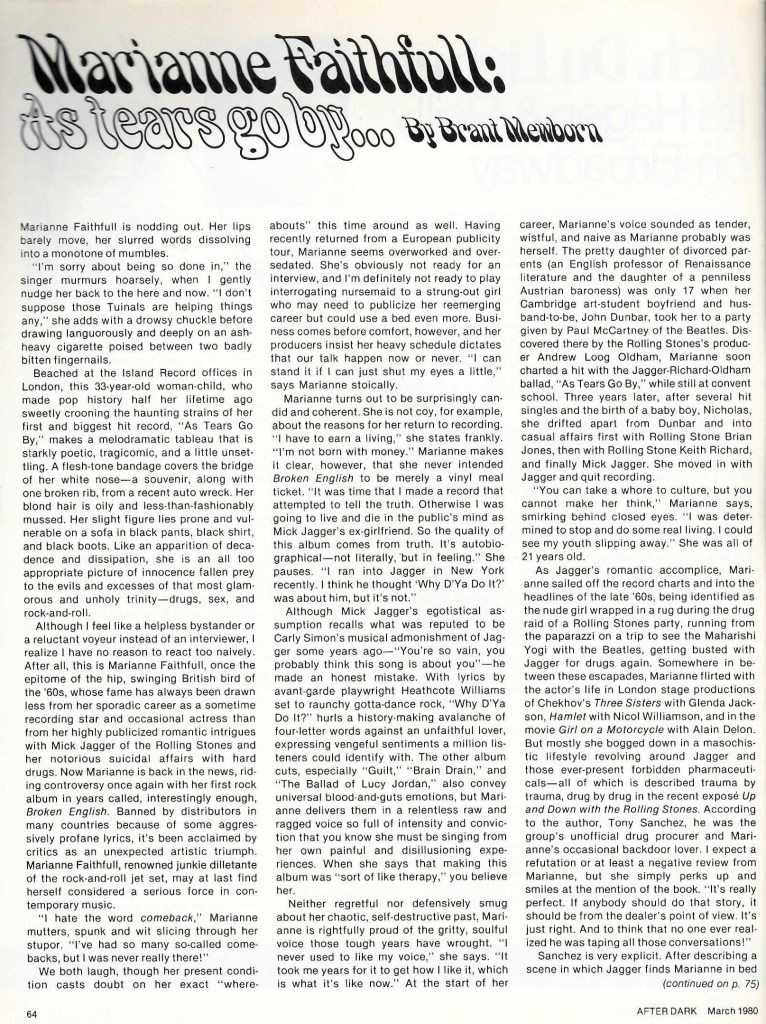
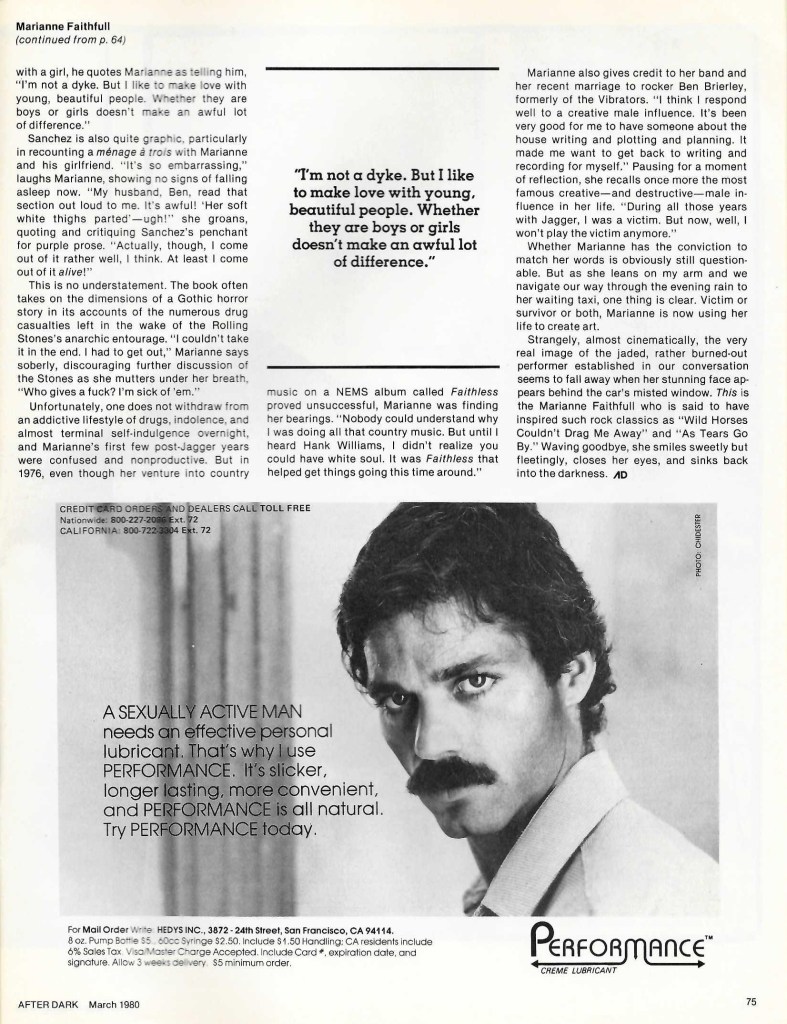
“Like an apparition of decadence and dissipation, she is an all too appropriate picture of innocence fallen prey to the evils and excesses of that most glamorous unholy trinity – drugs, sex and rock-and-roll.”
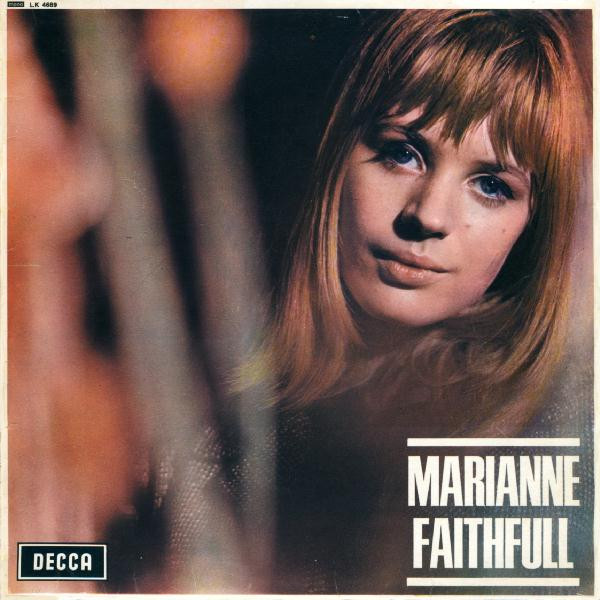
Marianne Faithfull’s debut LP (1965)
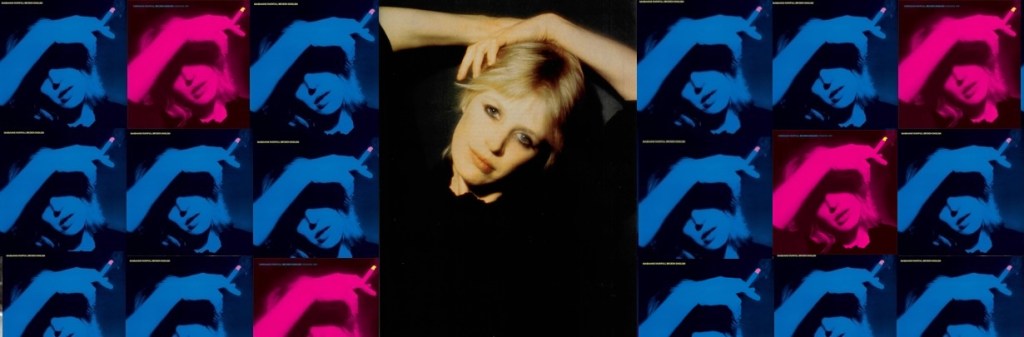
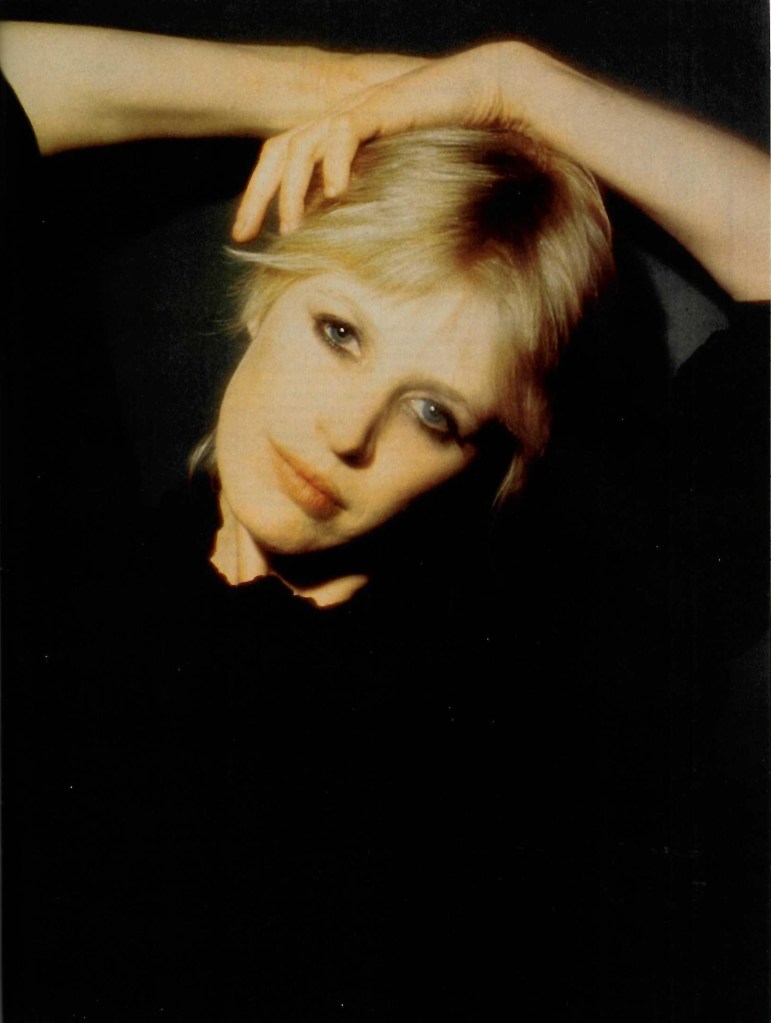
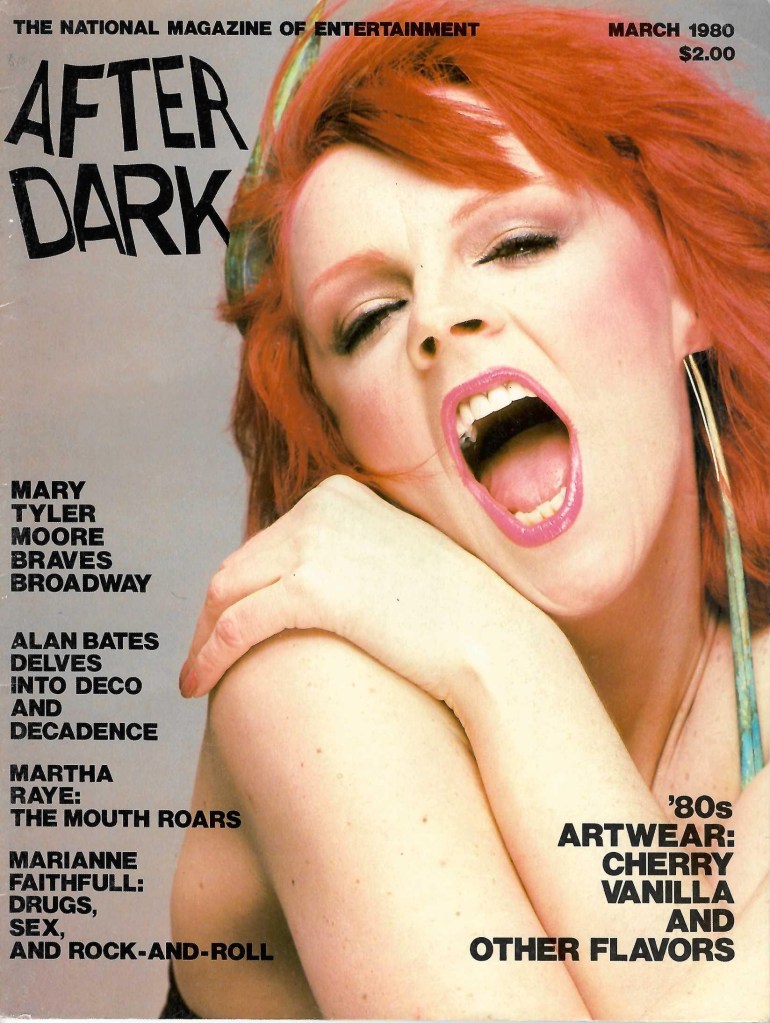
Depending on your calculations, Marianne Faithfull was entering the second or third act of her career when she was featured in the March, 1980 issue of After Dark magazine. The willowy chanteuse first achieved fame as part of the British Invasion with her 1964 hit “As Tears Go By,” a song written by Mick Jagger and Keith Richards. She worked her way through the Rolling Stones – first with Brian Jones, then Richards and finally Jagger, to whom she was linked romantically through rest of the 1960’s.
Faithfull’s singing career waned as she transitioned into acting roles. She was a poster child for the swinging London set, and then a cautionary tale of its excesses. By the early 1970’s, her career had been eclipsed by a series of scandalous headlines detailing drug use, breakdowns, arrests, and then homelessness. She eventually kicked her heroin habit, although complete sobriety continued to be elusive. A foray into country music in 1976 was not well received.
In the beginning… Marianne Faithfull sings “As Tears Go By” (1964)
Then came the critical and commercial success of Broken English – her 1979 LP proved to be her definitive album. She emerged like a phoenix from the ashes of the 1970’s with a punk-infused declaration that she still had something to say. How she chose to say it – with explicit lyrics that got the album banned in several countries – certainly didn’t hurt her reputation as a rock and roll survivor.
The Guardian revisited the album in a 2013 review, with Alexis Petridis writing “…her husking vocals on Broken English seemed not merely ravaged, but imperious and defiant with it, a sensation heightened by the arrangements her rasp was set against… she sounded like she was telling someone to go fuck themselves even when she wasn’t.”
It doesn’t bode well that writer Brant Mewborn begins the After Dark feature with the observation, “Marianne Faithfull is nodding out.” She’s recovering from a car accident and exhausted from a European publicity tour. “Marianne seems overworked and over-sedated. She’s obviously not ready for an interview, and I’m definitely not ready to play interrogating nursemaid to a strung-out girl who may need to publicize her reemerging career but could use a bed even more.”
One can’t help but wonder if the reporter would have been as forthcoming if he was describing Mick Jagger or Keith Richards in such a state. But that holds true for most of the judgement hurled at Faithfull throughout her career.
She does pull it together though, and Mewborn later describes her as “surprisingly candid and coherent.”
It’s interesting to note that one of the quotes highlighted in the article is “I’m not a dyke, but I like to make love with young beautiful people. Whether they are boys or girls doesn’t make an awful lot of difference.” This is actually attributed to Faithfull in the lurid tell-all Up And Down With The Rolling Stones, a book purportedly written by the band’s drug dealer Tony Sanchez but ghost written by British music journalist John Blake. In any case, she does not confirm or deny the quote here.
Reporter Brant Mewborn went on to become a senior editor at Rolling Stone magazine. He was just 38 years old when he died in 1990. Marianne Faithfull passed away at age 78 in January, 2025.
Broken English is also the title of a new documentary about Marianne Faithfull. The film screened at the Venice Film Festival and will have a theatrical release in the UK later this month. Read more about it here.
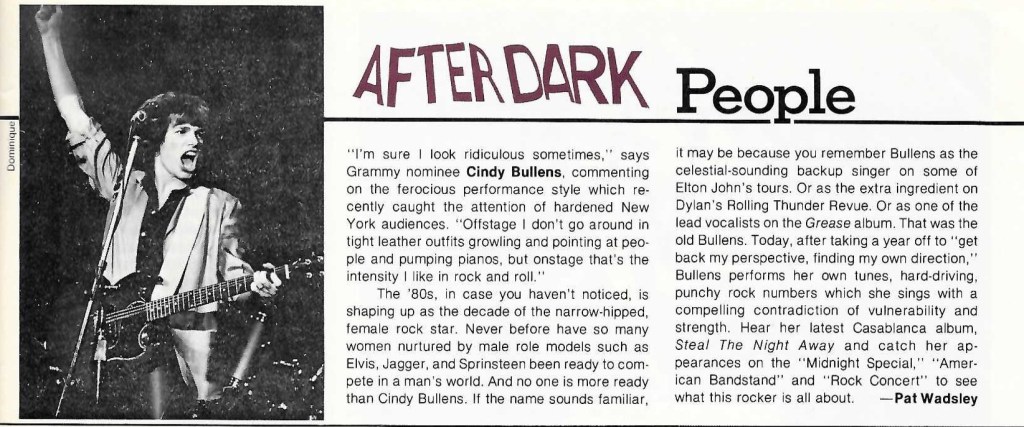
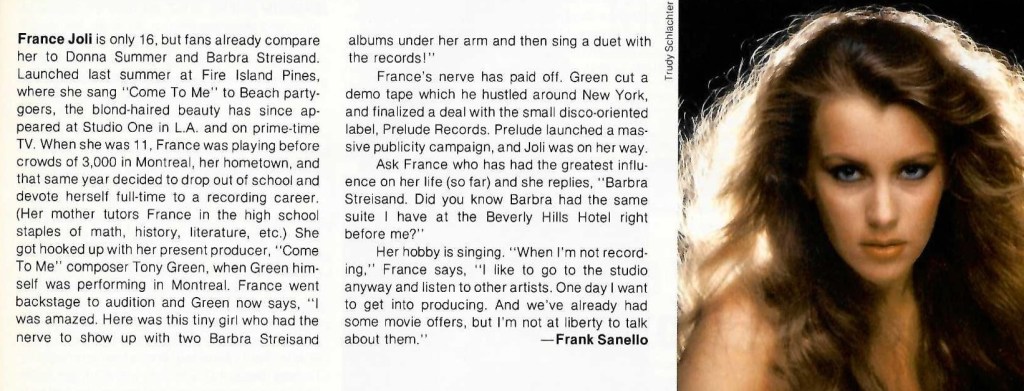
Two other singers featured elsewhere in this issue of After Dark: Cindy Bullens and France Joli.
Although Bullens put out a dozen LPs throughout her career, she is probably best known for her contributions to the 1978 Grease motion picture soundtrack, singing “It’s Raining On Prom Night” and “Freddie My Love.”
Bullens came out as transgender in 2012 and is now known as Cidney. See a recent interview posted below:
A 2023 interview with Cidney Bullens:
France Joli had just turned 17 years old when this issue of After Dark hit the stands. She was still riding high on the strength of her debut LP and the disco hit “Come To Me.” Her performance the previous summer in the Fire Island Pines is the stuff of legend and previously covered here in New York City In Touch (1979).
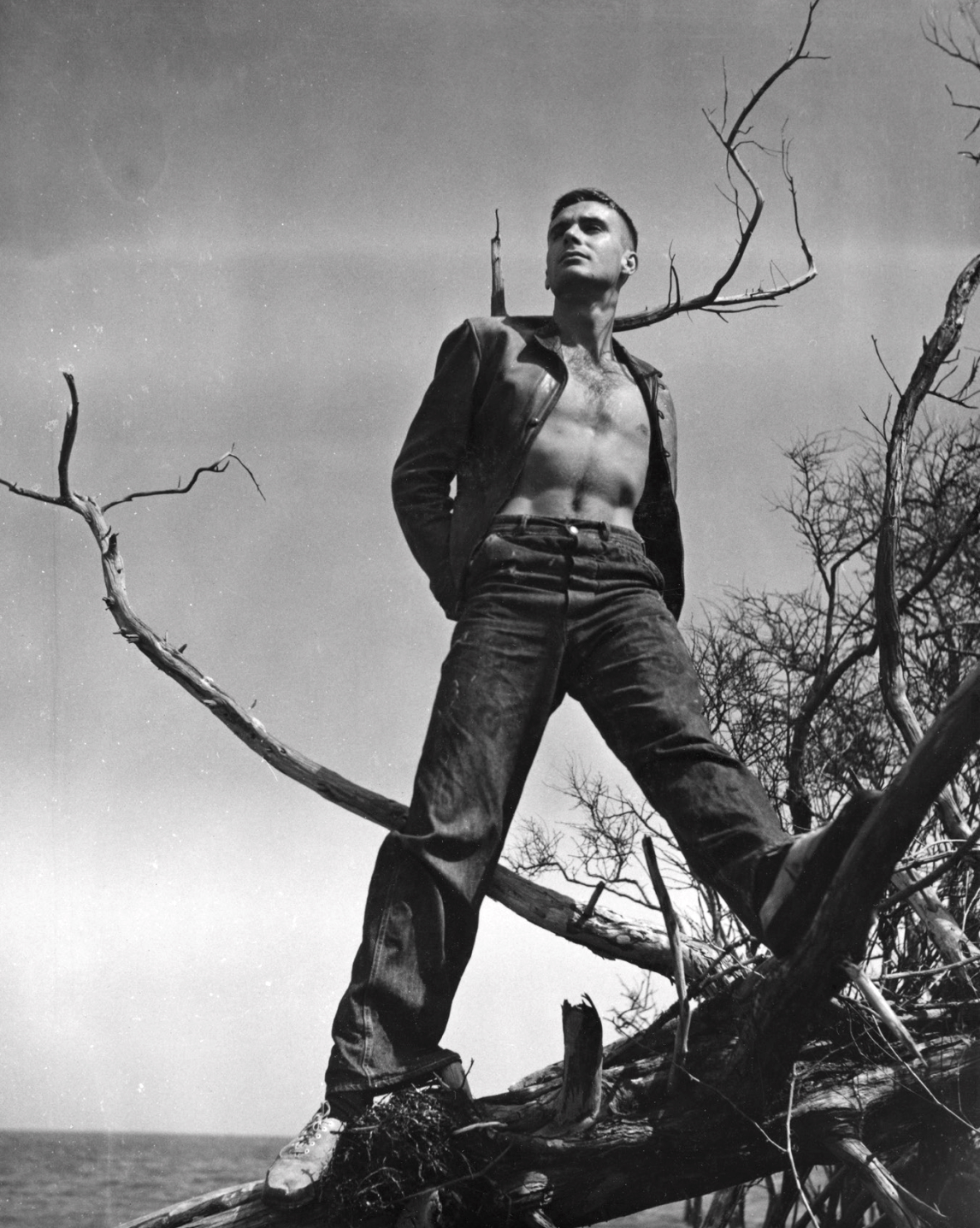
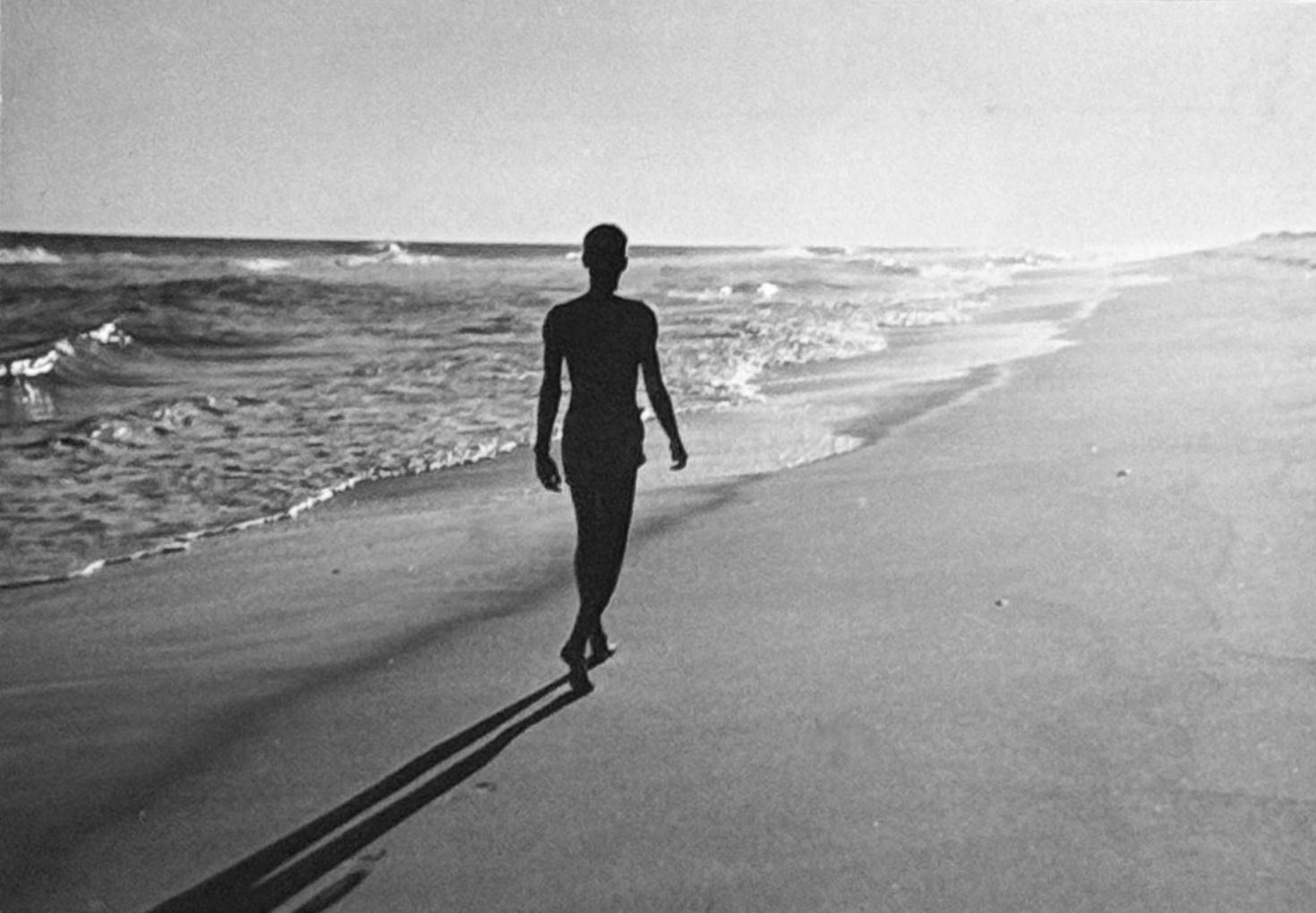
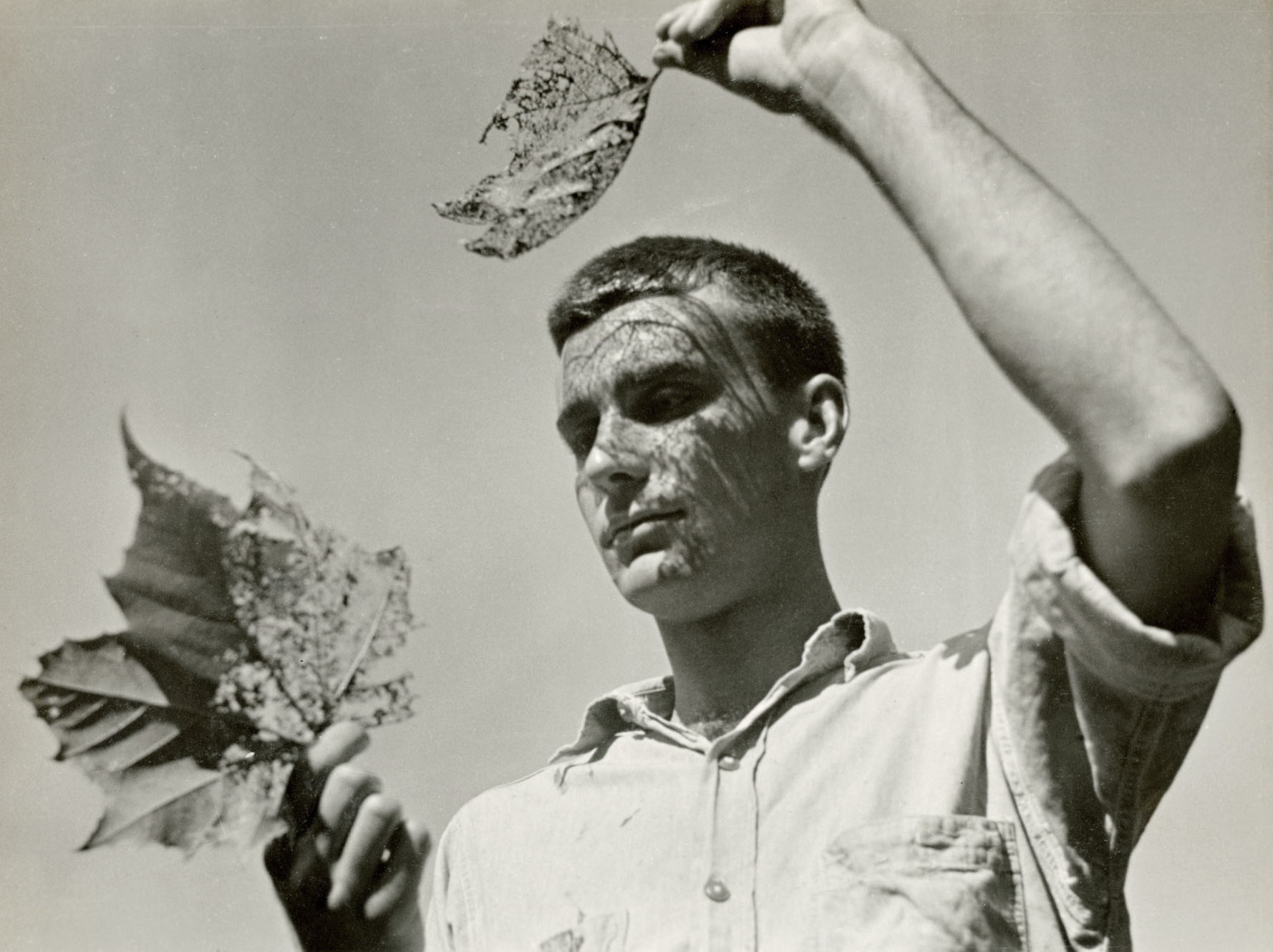
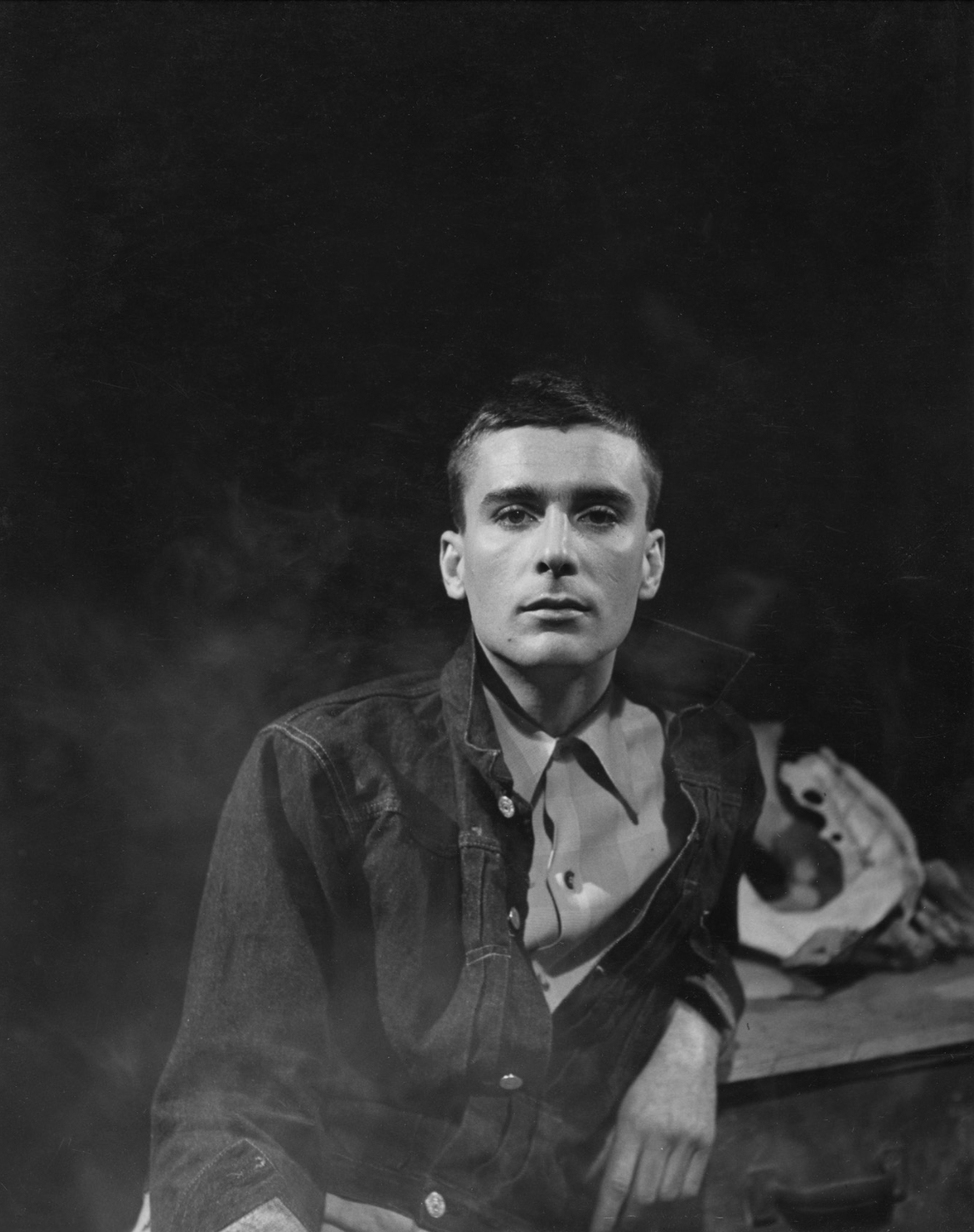
The latest subject in our Artist’s Muse series is Wilbur “Billy” Pippin, a friend, lover and confidant to a circle of artists that included George Platt Lynes, George Tooker, Paul Cadmus, Jared & Margaret French (aka the PaJaMa collective).
Wilbur Thomas Pippin was born on May 25, 1924 in Macon, Georgia. An only child, his father was employed by Railway Express while his mother worked at a dress shop. After the couple separated, Wilbur and his mother moved down the road to his maternal grandmothers house. He attended Lanier High School for Boys, where he was on the honor roll and received recognition for 5 years of perfect attendance. Upon graduation in June of 1942, he enlisted in the Army and served through World War II.
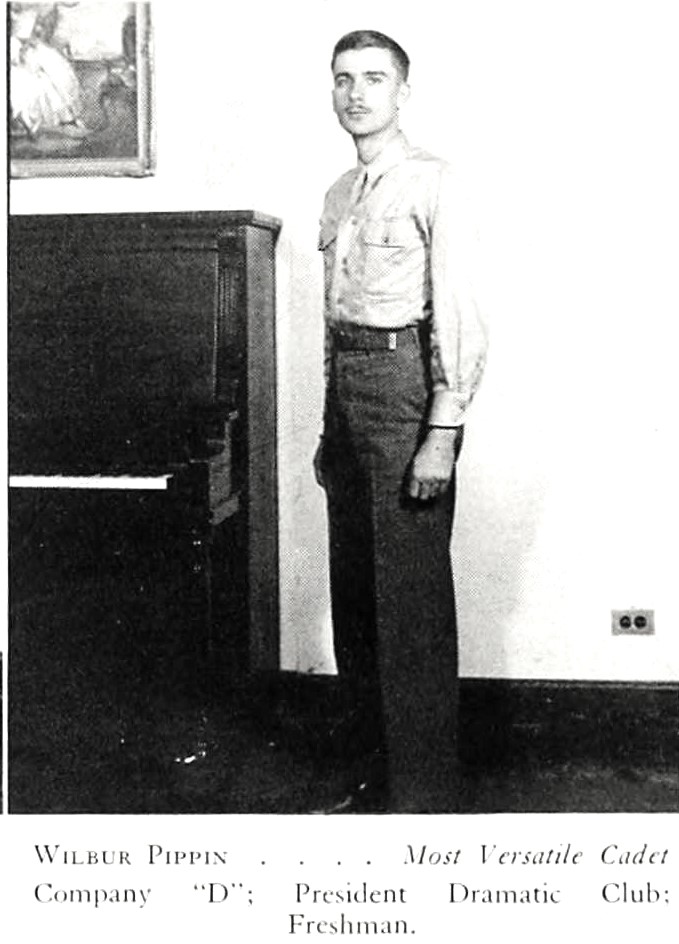
Back in Georgia for the 1946-47 school year, Billy enrolled as a freshman at North Georgia College in Dahlonega, three hours north of Macon. He became president of the drama club and was also voted “Most Versatile Cadet”. His academic career seems to have ended after that successful first year, as life took an unexpected turn in the form of a fellow named Fred Melton.
Sgt. Pippin – the Most Versatile Cadet at North Georgia College (1947)
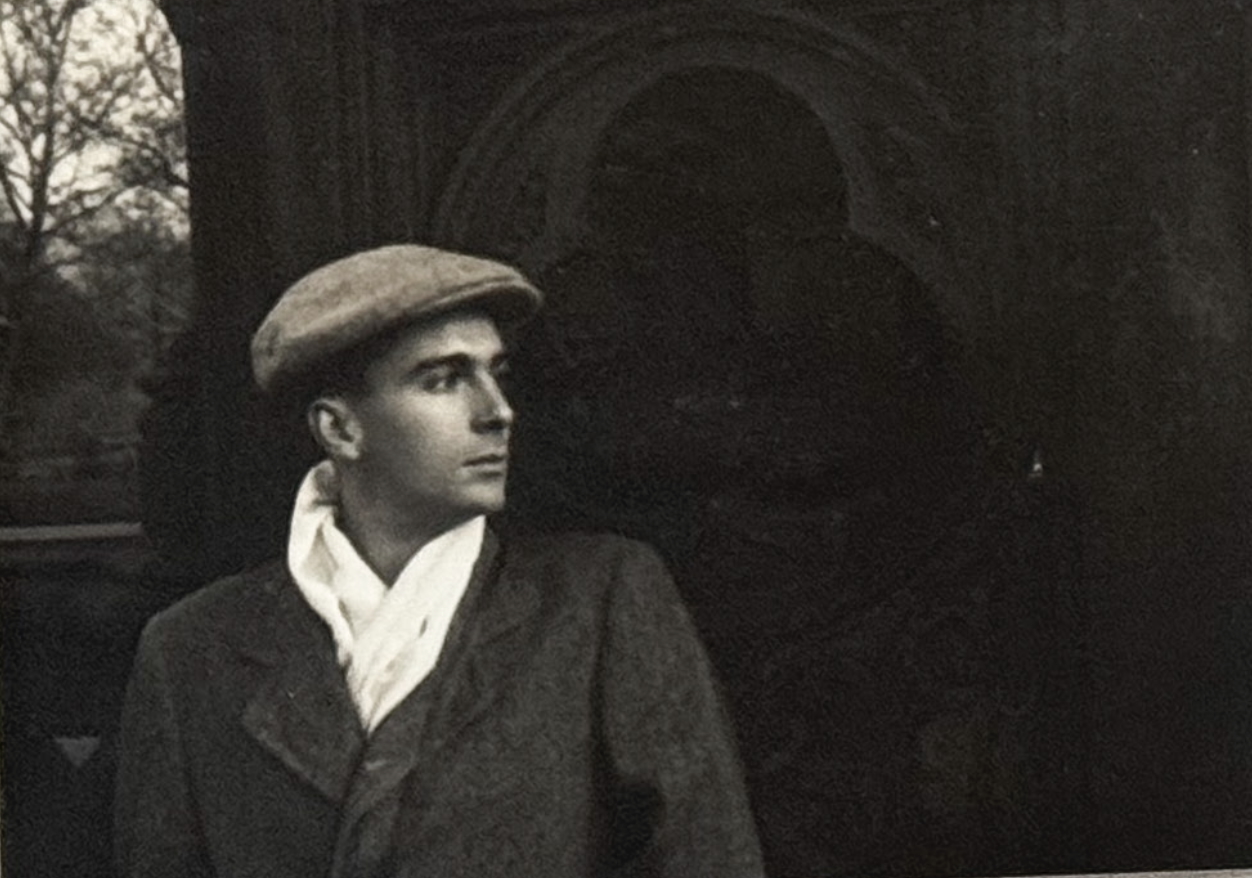
Fred “Butch” Melton (1939)
We previously mentioned Fred “Butch” Melton in a profile of Artist’s Muse/writer Donald Windham. Butch was an Atlanta artist/photographer who moved to New York in 1939 with Windham, his boyfriend at the time. After the two split in 1942, Melton abruptly married Sarah “Sally” Marshall. The newlyweds settled in Greenwich Village and had two sons in quick succession. The growing family then moved back to Sally’s hometown of Macon, Georgia to live on land provided by her parents.
In the New York Public Library blog post Finding Frederick Melton, Stephen Bowie writes, “Melton dove into small-town Southern life with gusto. He built a modern house and workshop on the property, painted, and worked on the newspaper and in the local theater. But the experiment in conformity didn’t last.”
Whether Butch and Billy met doing local theatre or through some other social event is speculative. Suffice to say that Macon isn’t a very large town. In any case, the two found each other, and sparks flew. Billy did not return to college. In early 1948, Butch left his young family in Macon to move back to New York with Billy.
The couple moved into a cold-water tenement flat at 446 West 55th street in Hell’s Kitchen. Butch introduced Billy to the circle of gay artists that he had left behind 5 years prior. The striking young man soon began to turn up in their work.
Bernard Perlin & Wilbur Pippin photographed by Fred Melton in Cherry Grove, Fire Island (1948)
Wilbur Pippin photographed on Fire Island with George Tooker and Margaret French
Ballet impresario Lincoln Kirstein was apparently so fond of the couple that he tasked them with running Pippin Press, a silkscreen company he bankrolled and named after Billy. The original intent was to make collectible prints of ballet designs and the work of artists like Pavel Tchelitchev. Ultimately Pippin Press found more success producing custom silkscreen wallpaper.
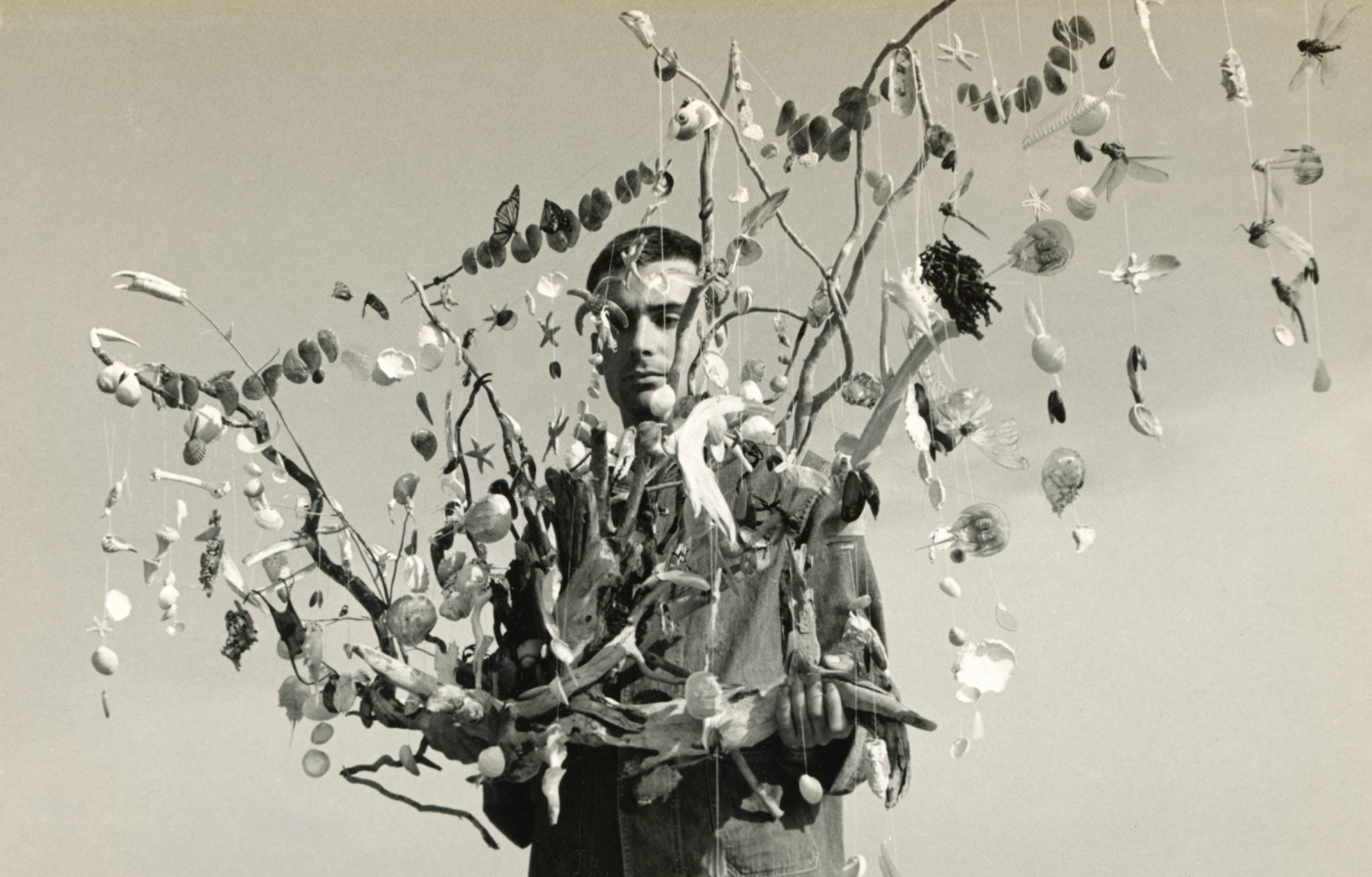
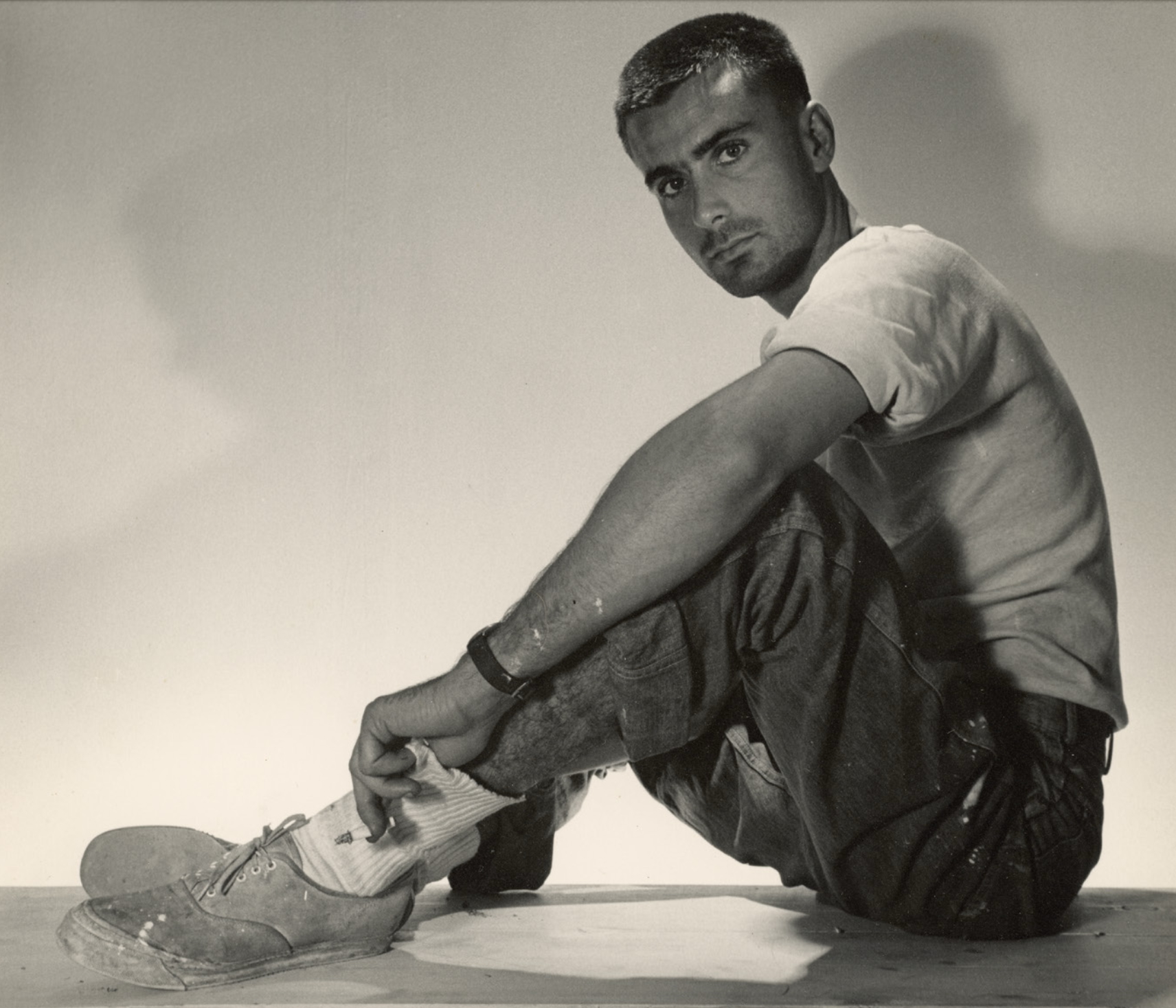
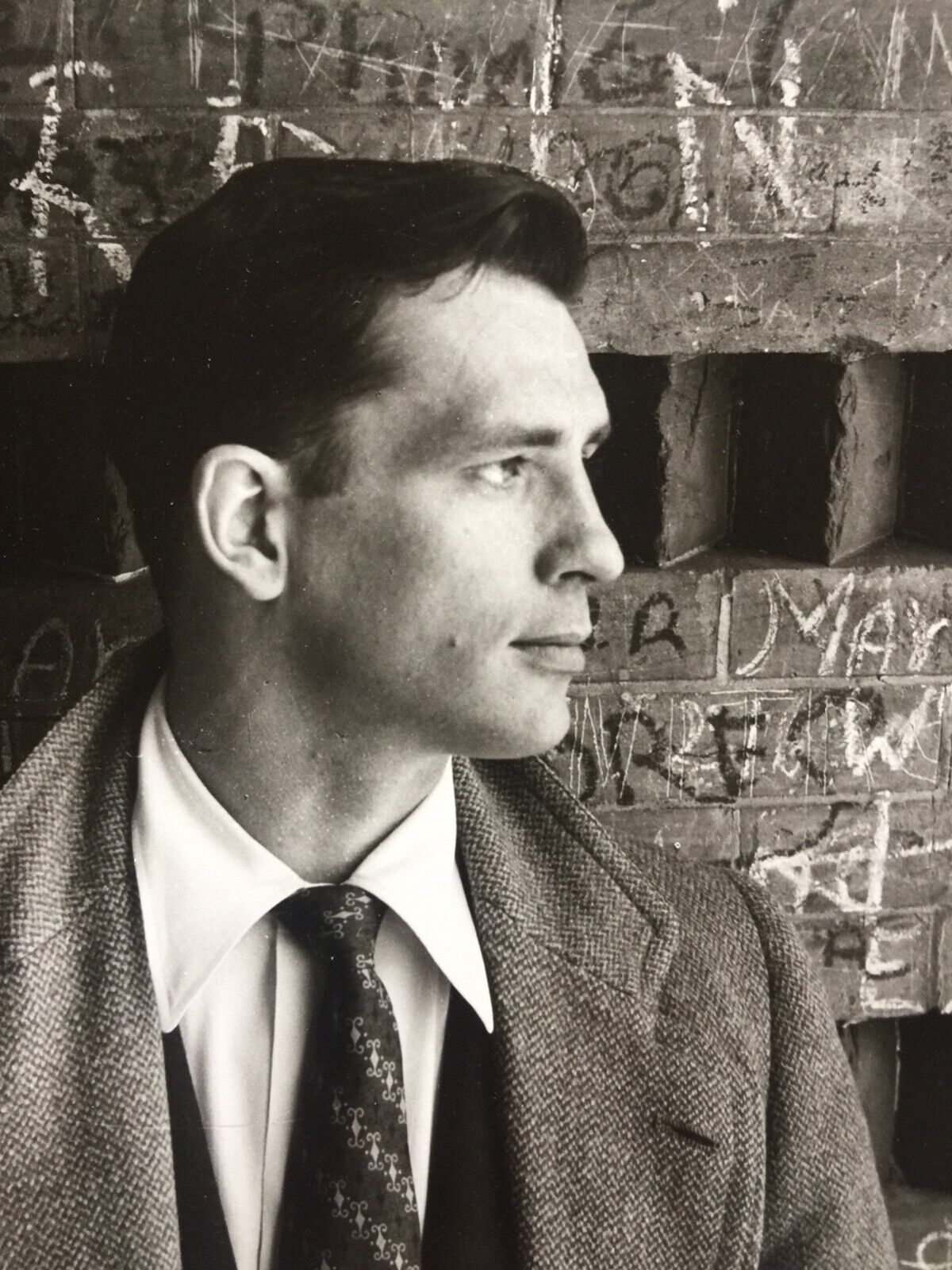
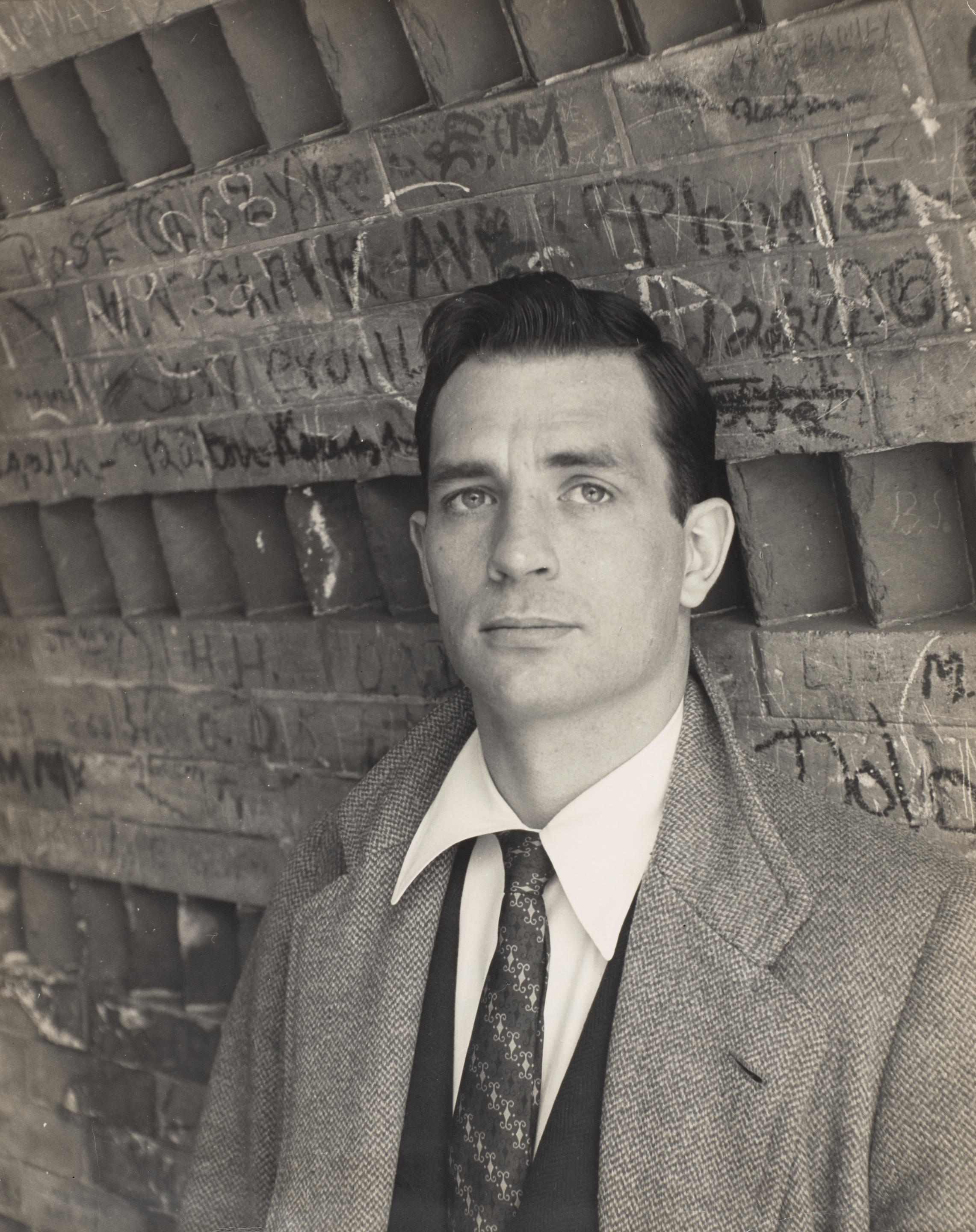
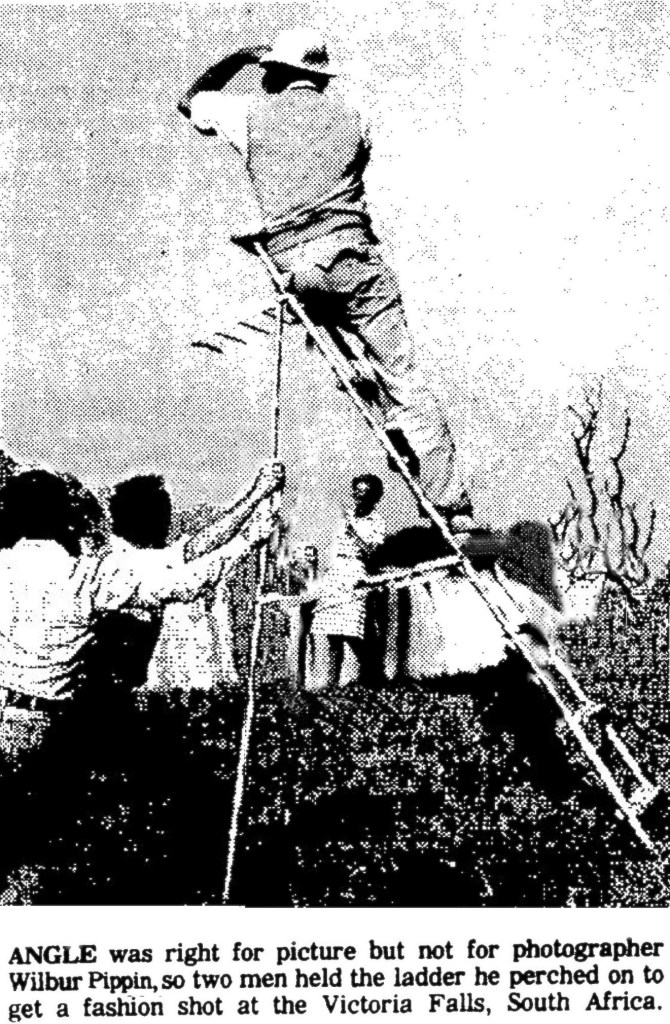
Billy also began exploring photography alongside Butch, forming the “Melton-Pippin Photography” imprint for both of their work. Although he later enjoyed a long career as a fashion photographer, today Billy’s most notable photographs are his 1950 portraits of Jack Kerouac. It was one of these photos that was Kerouac’s choice for the original cover sketch of On The Road.
Jack Kerouac photographed by Wilbur Pippin (1950)
In early 1951, Butch and Billy had a new neighbor when their friend George Platt Lynes moved into the building. Lynes’ relationship with Chuck Howard had recently ended, and he was facing increasing financial woes. Lynes was initially pleased to have the couple as neighbors – Melton helped him with remodeling and silk-screening wallpaper for the living room. But he quickly grew annoyed by the couple “forever borrowing that old cup of sugar…” he wrote to a friend, “… or in their case it was more likely to be a bottle of gin.”
Wilbur Pippin & Chuck Howard, (ca. 1950)
Wilbur Pippin photographed by George Platt Lynes
Besides the thirsty neighbors, the far-west proximity and sketchy neighborhood did not sit well with Lynes. By September, he had fled back to the comfort of the East side, although his finances could not support it.
Fred “Butch” Melton & Wilbur “Billy” Pippin photographed by George Platt Lynes (ca 1951)
The couple remained friends with Lynes through the rest of his life, despite some difficult times. When Lynes fell out of favor with Lincoln Kirstein, Melton was named as his replacement as the official photographer for the New York City Ballet. In 1955 when Lynes was hospitalized with terminal lung cancer, Pippin was one of a small group of friends tasked by Russell Lynes to dismantle and pack up his brother’s apartment. George Platt Lynes died in December of that year.
With Pippin Press winding down, Billy went to work as publicity director for the New York City Ballet as well as press representative of the Broadway show Protective Custody, which opened and closed in late December, 1956.
By the end of the 1950’s, Butch and Billy had gone their separate ways. As with so many others, Fred Melton was dropped by the mercurial Lincoln Kirstein and had been replaced as photographer for the New York Ballet, just as he had replaced Lynes years before.
In 1961, Melton departed New York once again, leaving his collection of ballet negatives to the New York Public Library, intent on spending his last days drinking on the beaches of Puerto Rico.
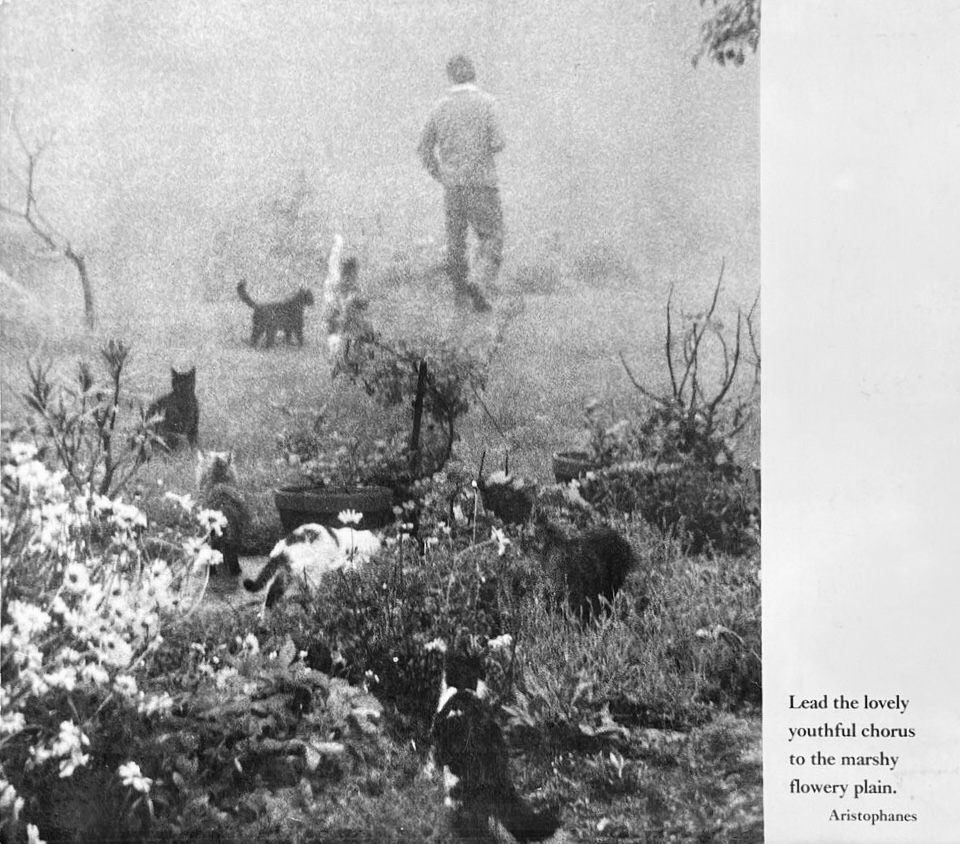
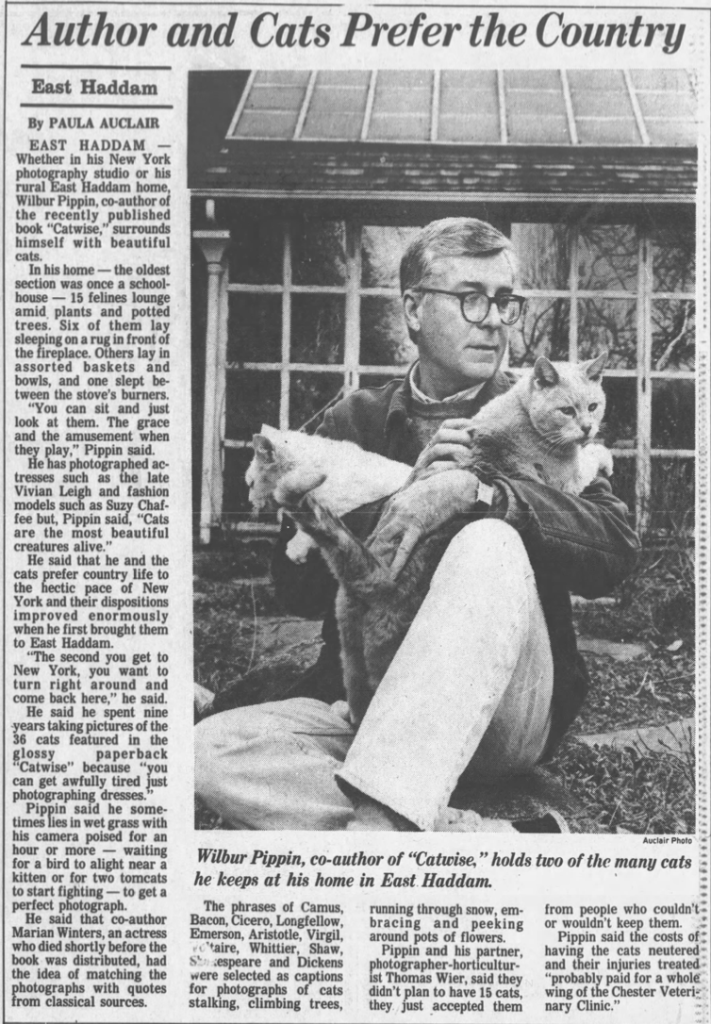
Meanwhile, Billy was working steadily as a fashion and celebrity photographer for the New York Times. He traveled the world through the following decades as a freelance fashion photographer for Vogue and other outlets. In the late 1960’s, Pippin coupled with fellow photographer, Thomas Wier, Jr. For 30 years, the duo ran Pippin & Wier Photography in New York City. Their country home was an old converted schoolhouse in East Haddam, CT. They eventually amassed a menagerie of 15 cats.
The Commercial Appeal, Memphis, TN 10/29/64
Daily Messenger, Canandaigua, NY (12/12/1974)
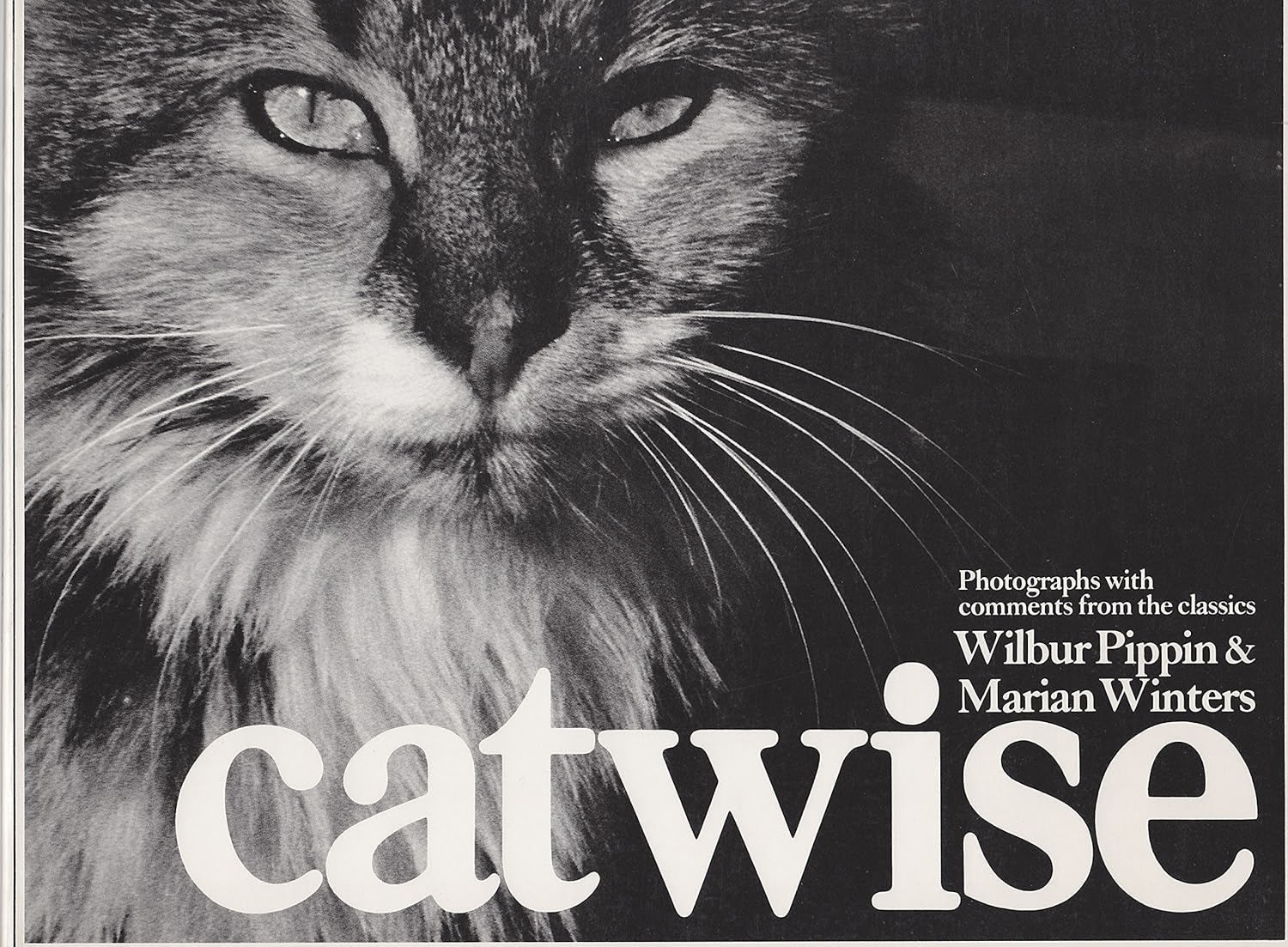
In 1979, Pippin co-authored the book Catwise with actress Marian Winters. This was a collection of photographs Pippin had taken of his feline family, with classical quotes selected by Winters. Sadly, Winters succumbed to cancer just before the book’s publication.
Hartford Courant, Connecticut (12/14/79)
Pippin and Wier eventually retired to their East Haddam house. Thomas Wier Jr. died on 9/12/2000, age 70. Wilbur Pippin died on 4/30/2003 at his home, age 78.
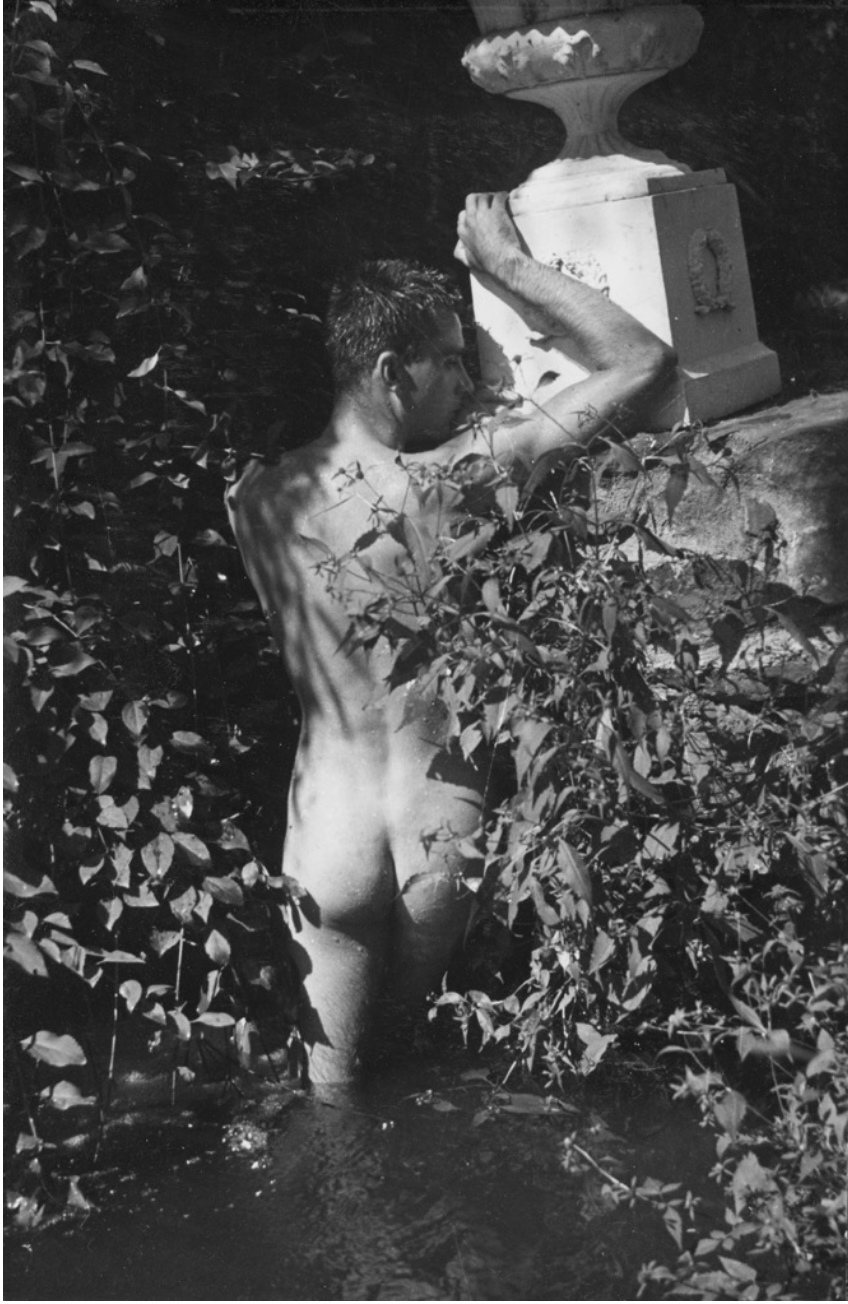
In 2024, the A. Therian gallery in Cairo, New York featured Billy, an exhibition of rare and previously unseen photos of Wilbur Pippin taken by George Platt Lynes, the PaJaMa collective, and Fred Melton. This collection of photographs shed light upon the striking young man from Macon, Georgia who became a friend, lover and confidant to his great artistic contemporaries.
Whenever I see posts on social media that mention the 1970 film The Boys In The Band, there are always strongly opposing viewpoints. Whether you love or hate the film, everyone can agree that it is a cultural touchstone. Like the Stonewall uprising itself, The Boys In The Band serves as a landmark, with every other gay-themed film described as either preceding or following it.
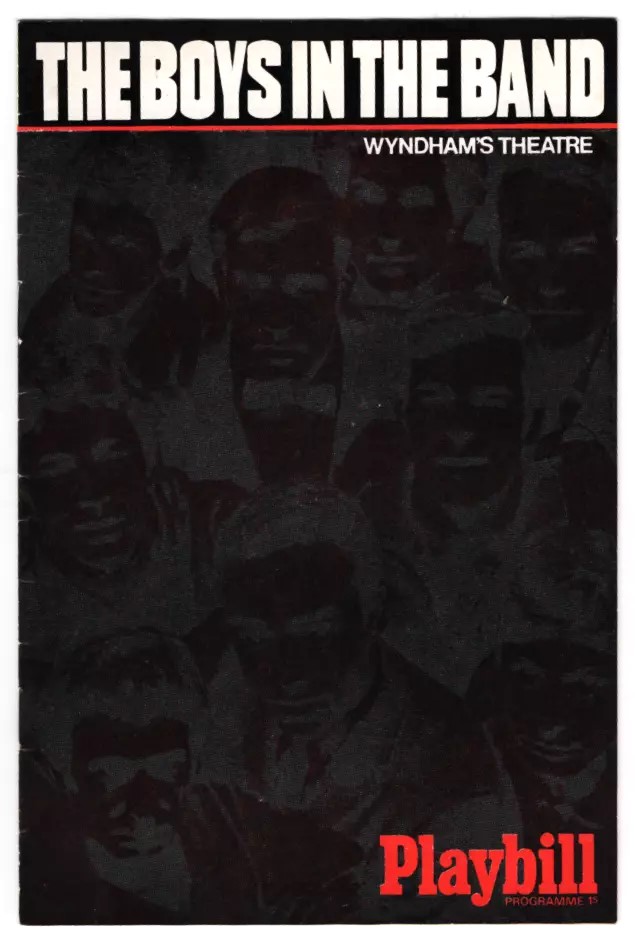
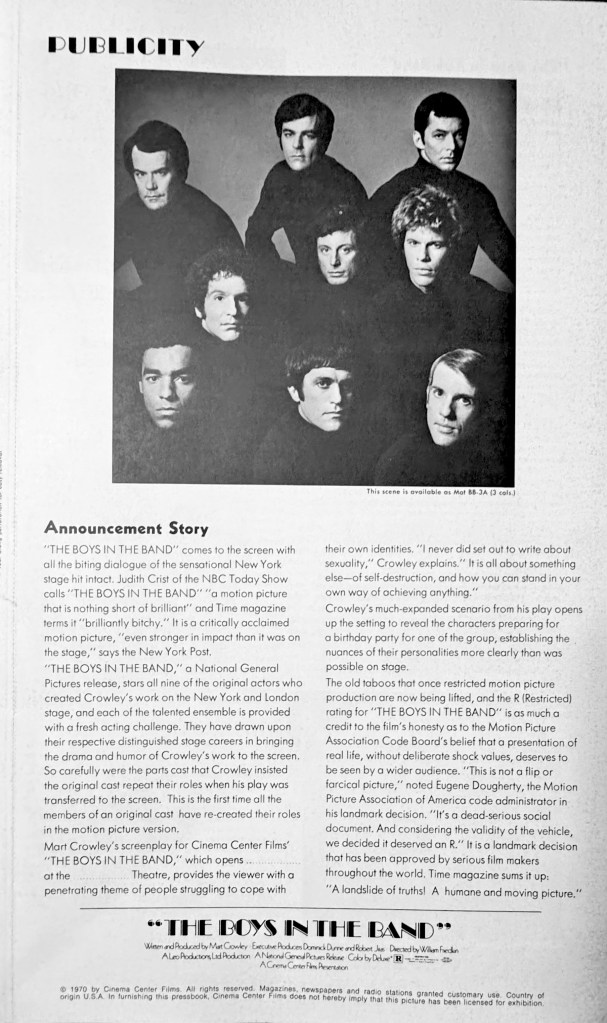
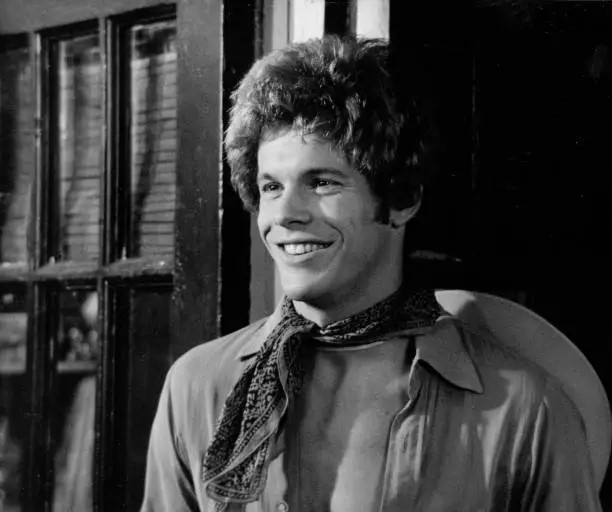
I recently acquired the original press book for the film, which you can see below. Also included is the Playbill from the original West End production with the same cast as well as some revealing photos of “Cowboy” Robert La Tourneaux. During the New York run of the play, he was photographed in and out of clothes by Jack Mitchell for After Dark magazine. Years later, La Tourneaux would appear in photo layouts for Mandate, Honcho, and Zeus, which were the names of gay publications and not a queer law firm.
The Boys In The Band poster (l-r) Leonard Frey, Robert La Tourneaux (Photo by LMPC via Getty Images)
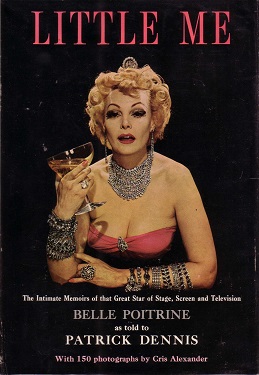
You may already know this, but anyone with an affinity for self-indulgent grande dame memoirs and/or the camp humor of Auntie Mame needs to seek out the 1961 book Little Me, The Intimate Memoirs of That Great Star of Stage, Screen & Television Belle Poitrine, as told to Patrick Dennis. The book spawned a Broadway musical starring Sid Caesar in 1962, which was revived with Martin Short in 1998. However, the book is whole different animal. The 2002 reprint with a new foreword by Charles Busch may be out of print, but affordable copies are easily found online.
The whole thing is a parody – a camp fiction classic created by the Auntie Mame author with over 150 photographs by Cris Alexander, an actor who appeared in both the stage and film versions of Auntie Mame. Alexander had transitioned into his second career as a photographer.
Actress Jeri Archer embodied Belle Poitrine in the photographs with a cast of characters playing her co-horts. Among the familiar faces in the company are character actresses Dodie Goodman and Alice Pearce, author Patrick Dennis (as Cedric Roulstone-Farjeon) and his wife Louise (as Pixie Portnoy). Cris Alexander also appears in various roles alongside his lifelong partner, ballet dancer Shaun O’Brien (as Mr. Musgrove). Miss Rosalind Russell makes an appearance as well.
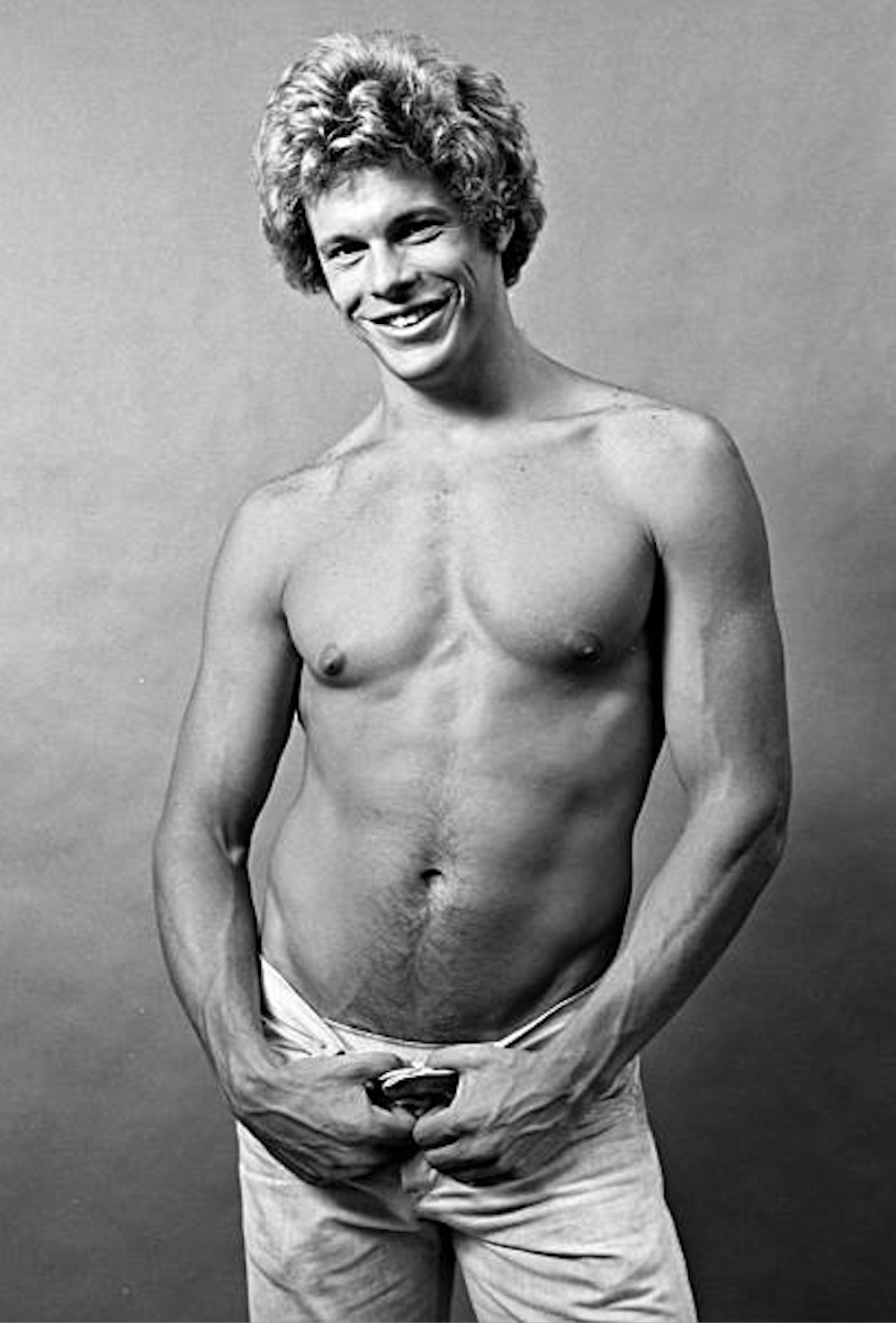
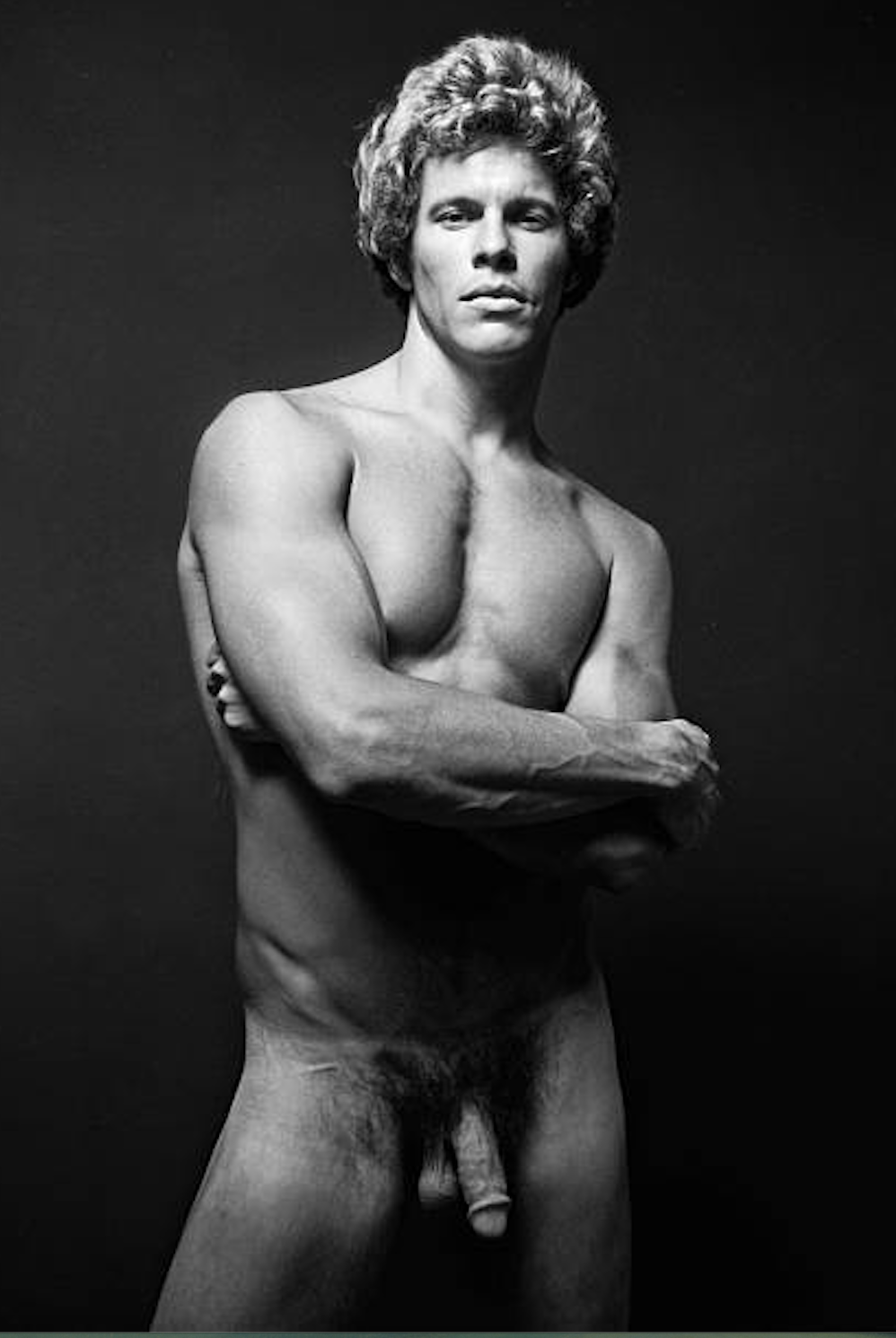
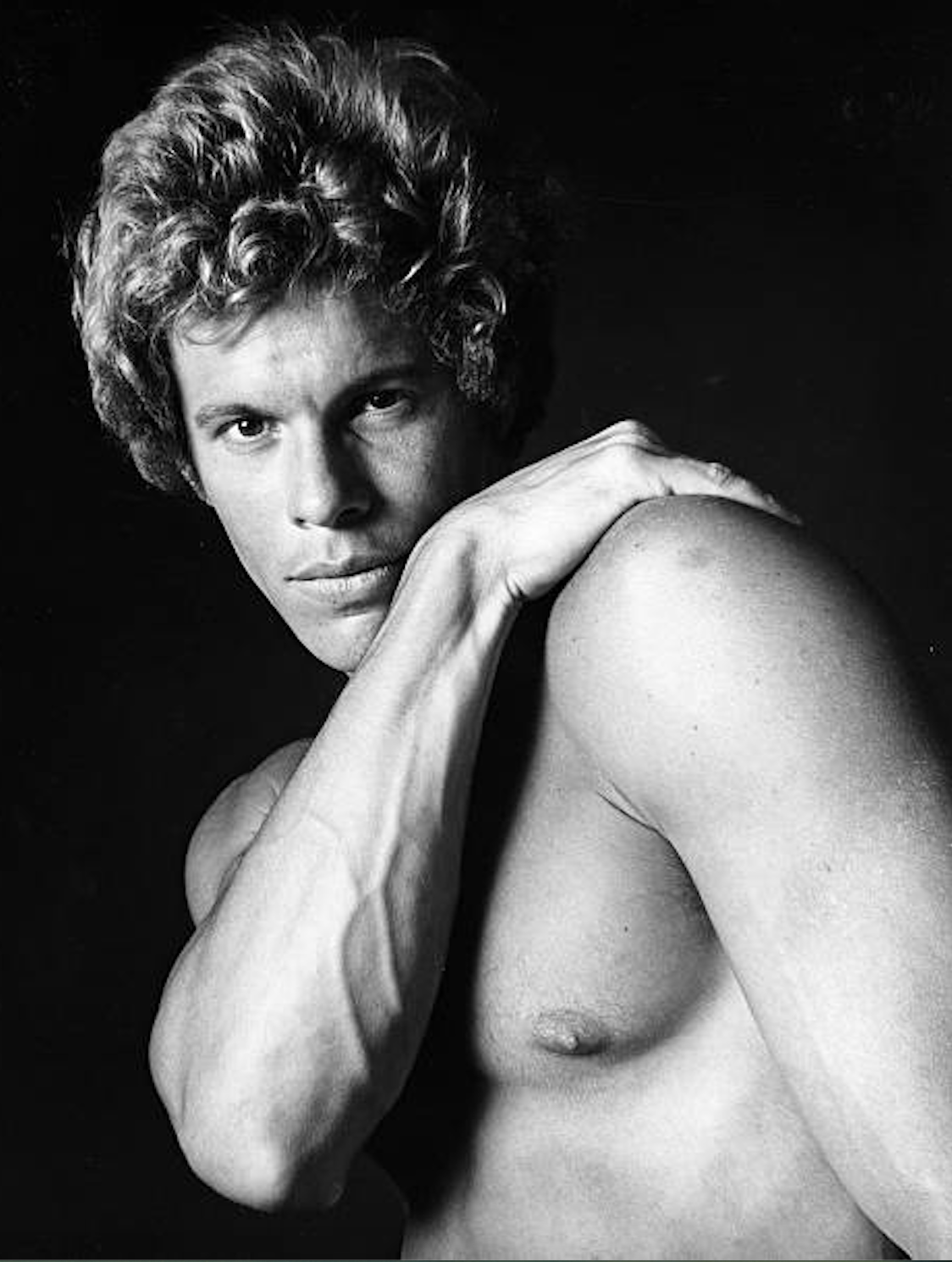
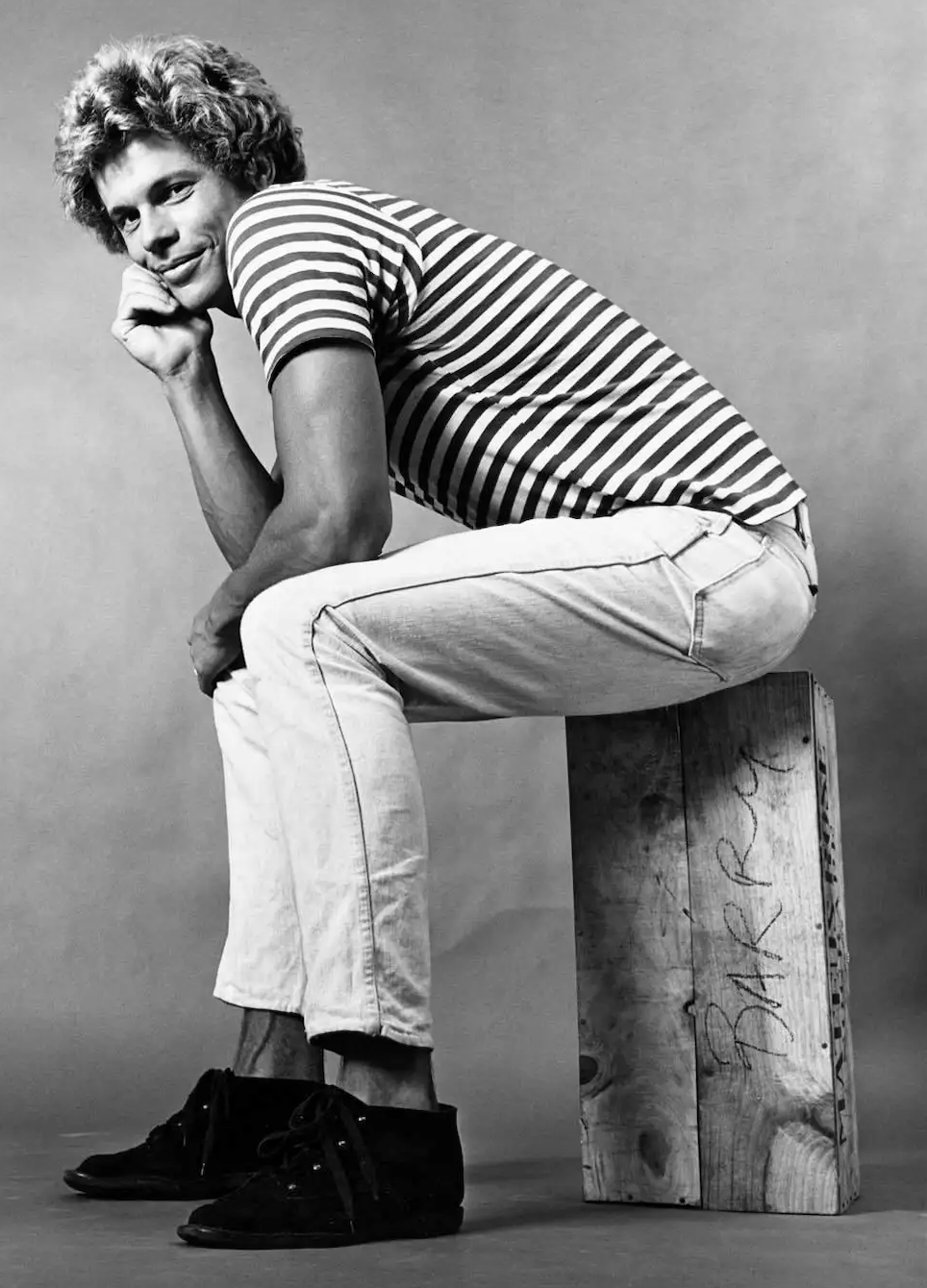
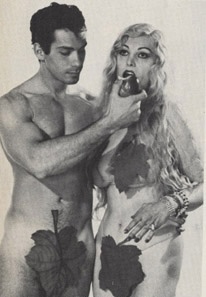
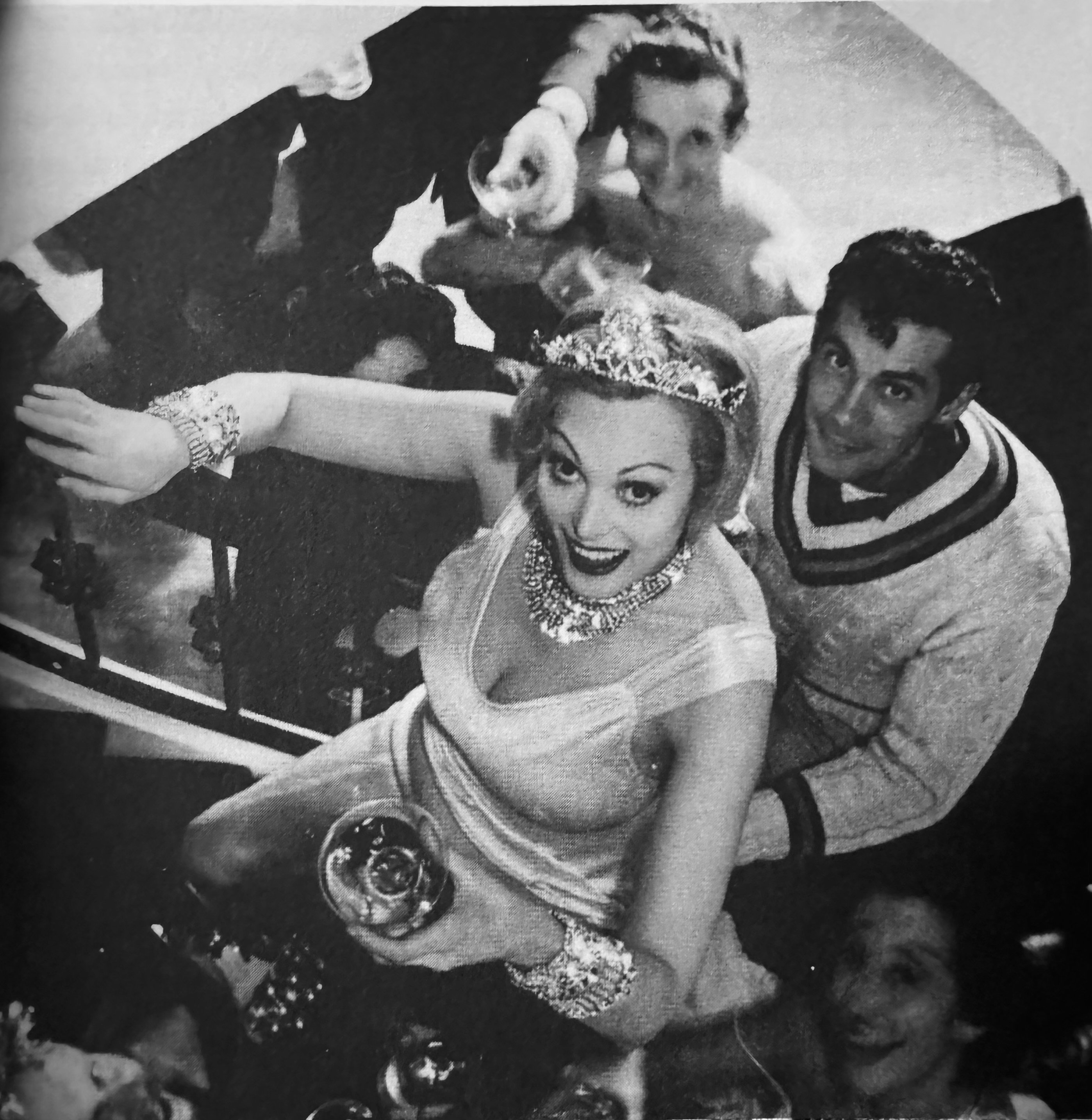
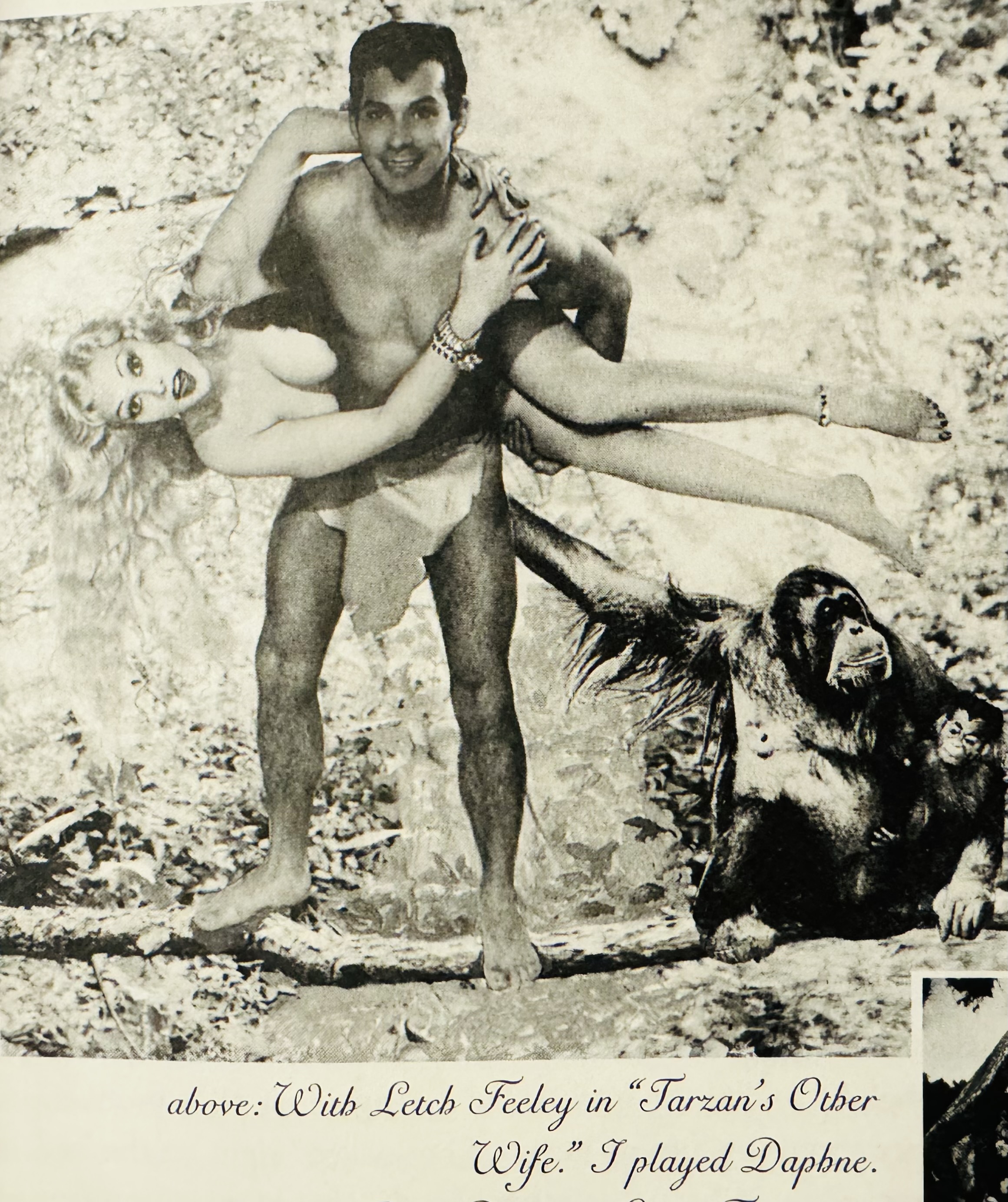
The role of Letch Feeley, Belle’s hunky paramour and costar, was played by Kurt Bieber. After the publication of Little Me, Cris Alexander wrote, “Shaun and Kurt generated an unprecedented amount of fan mail, all sent to the publisher’s office.”
Letch Feeley & Belle Poitrine, aka Kurt Bieber & Jeri Archer in Little Me
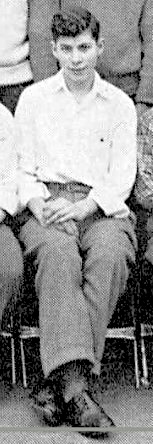
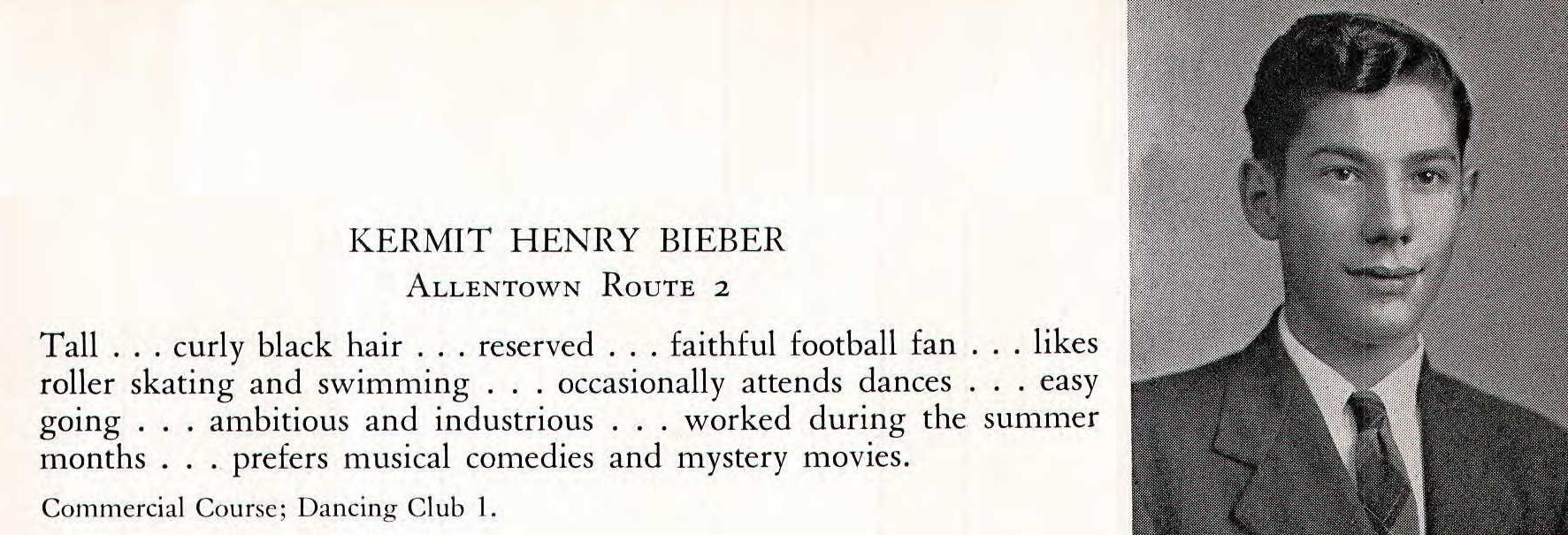
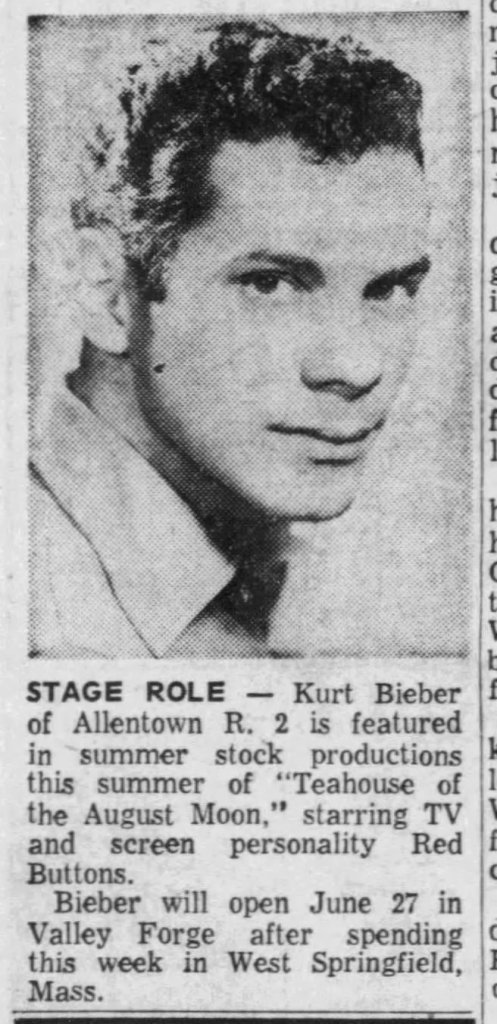
Kermit Henry Bieber was born on January 5, 1929 in Allentown, Pennsylvania. A 1946 graduate of Emmaus High School, Bieber worked at the local Sears before serving in the Army during the Korean War.
After his discharge, he headed to New York, where he studied drama, dance and voice at The American Theatre Wing. Roles in summer stock soon followed, with ensemble work in Can-Can, Happy Hunting, Oklahoma! and Wonderful Town.
The Morning Call, Allentown, PA (6/21/1960)
It was his work in a regional production of On the Town that took his career to the next level. Cris Alexander later wrote, “Ross Hunter may have discovered Rock Hudson, but I discovered Kurt Bieber during a summer package of On The Town (Pittsburgh ’58).” By October of that year, Bieber was back in New York playing a sailor alongside William Shatner in the original Broadway production of The World of Suzie Wong.
More regional work followed, including a stint in the play Teahouse of The August Moon with Red Buttons. It was around this time that Cris Alexander began to shoot the photos for Little Me, casting Bieber in the role for which he is best remembered.
In Uncle Mame: The Life of Patrick Dennis, author Eric Myers writes “Most memorable to a certain contingent of the book’s audience was actor Kurt Bieber, who… displayed plenty of muscular flesh in nearly all of his photos.”
“I loved doing Little Me. People would stop me in the street and say ‘Aren’t you Letch Feeley?'” Kurt fondly remembered. “It was a first. No one had ever done a book like that… it was such a different atmosphere then. The photos were really a breakthrough.”
“Kurt Bieber is a poseur extraordinaire. The grace and symmetry of the youthful physique is captured in this study by Male Today.”
Following the success of Little Me, Bieber continued acting as well as modeling. He found work as a “posing strap” model for Male Today and other physique magazines. He was an early subject for Jim French, a photographer who was starting up a photo studio under the name Rip Colt. An early Colt film loop lists Bieber as one of the performers – a softcore scene with three muscular models lathering each other up in a shower – but none of the models appear to be him.
In 1969, Bieber had a bit part as a Times Square street hustler in Midnight Cowboy:
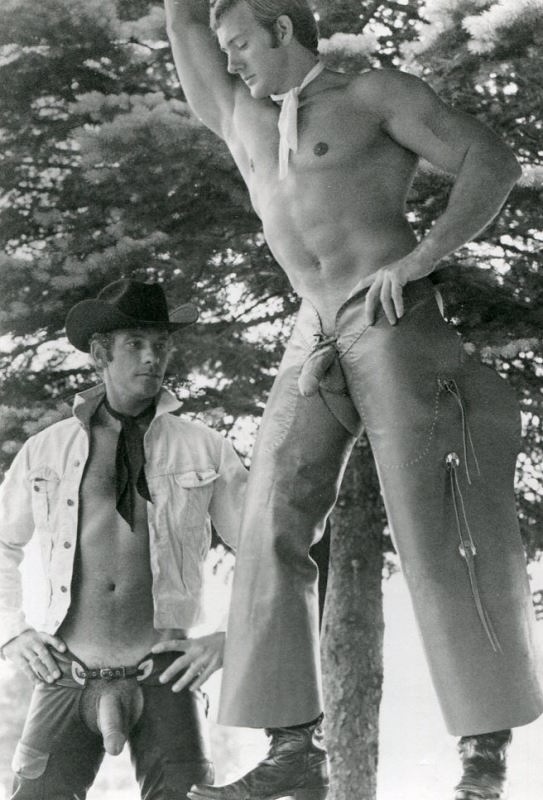
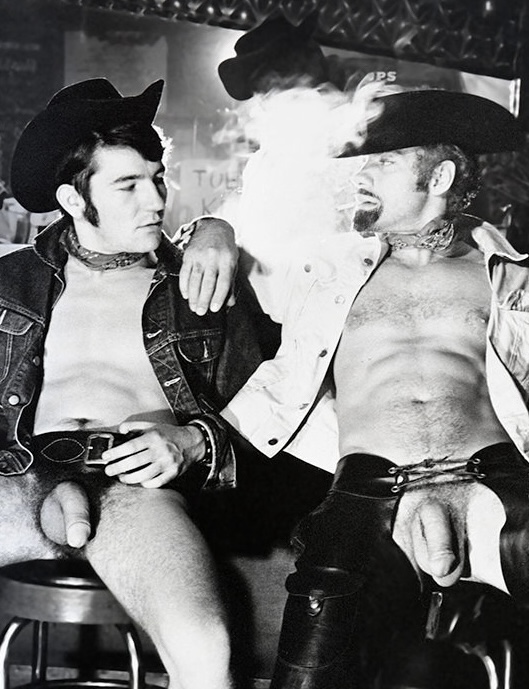
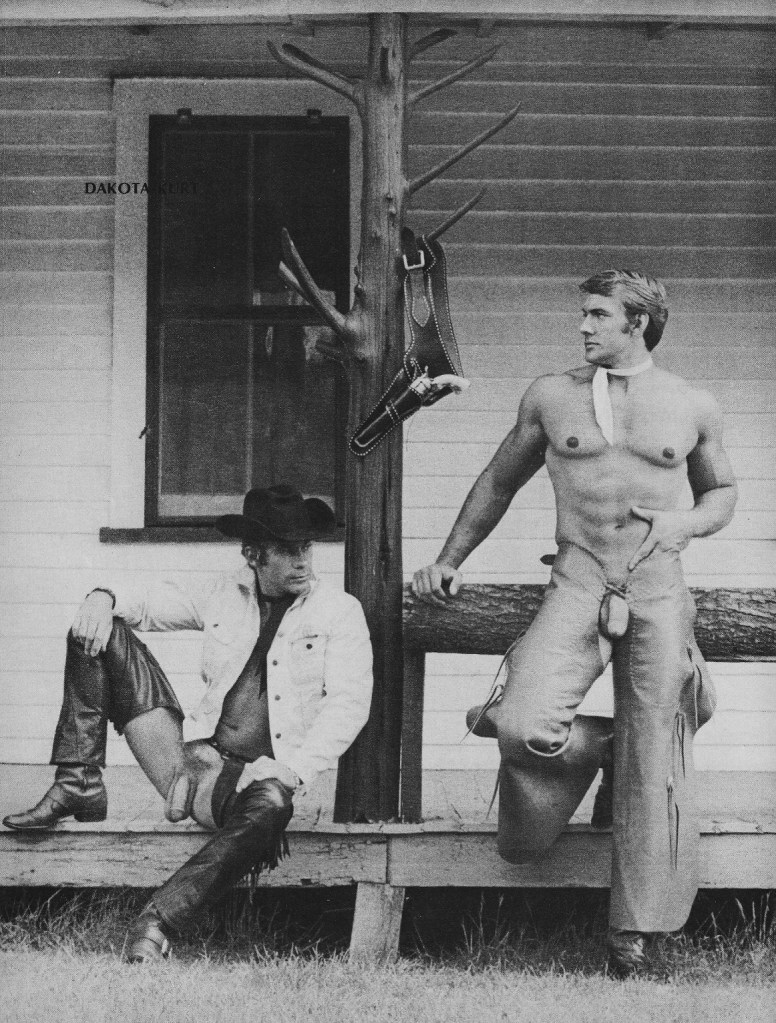
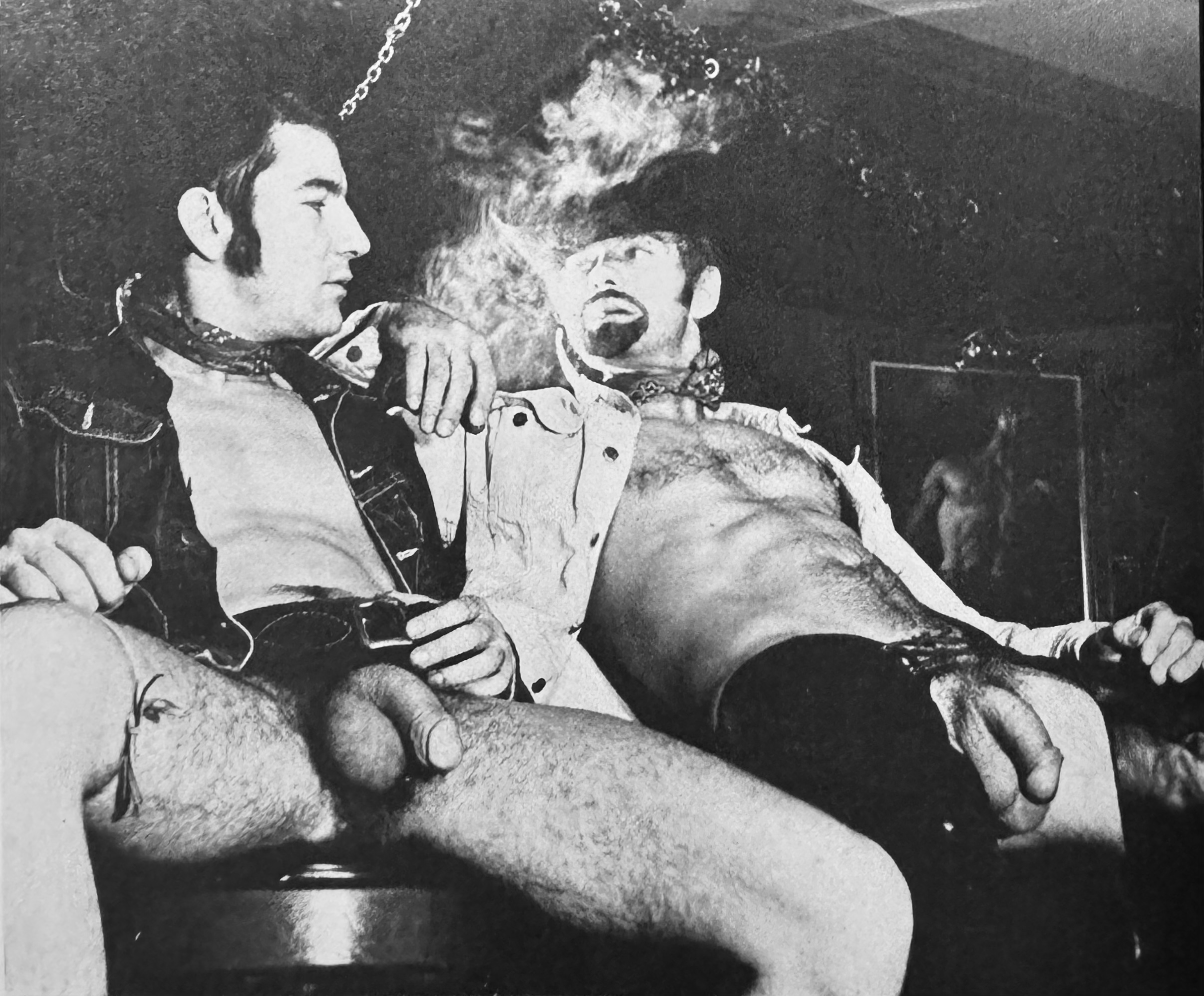
At the dawn of the 1970’s, 40-year-old Bieber – no longer a young chorus boy – opted for a new look. He transformed himself into the quintessential gay clone: an urban cowboy/mustache and Levi’s/hanky-code persona that would characterize the gay scene for the next decade. His photos for Colt studios now typify that era of gay erotica.
He was quoted as saying “I loved being photographed in the nude. I’ve always been an exhibitionist. To be an actor, you have to be. Besides, I got to choose the models. I chose hot men that I could get off on. That’s why they gave me (Colt superstar) Dakota.”
Colt Studios photo of Kurt Bieber with Dakota
Kurt Bieber (in a Colt t-shirt) outside Badlands in the West Village, NYC (1979)
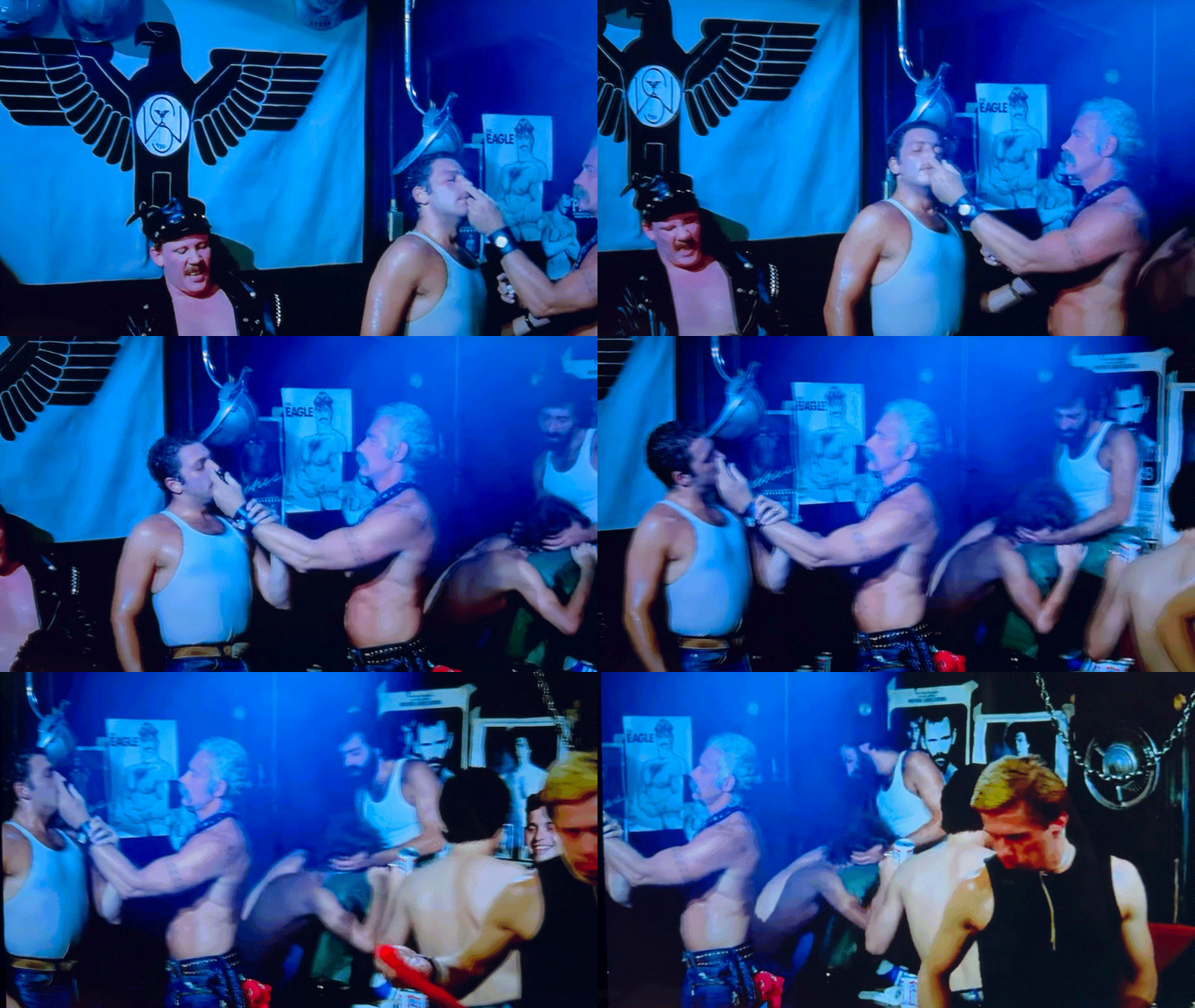
While major film roles never materialized, Bieber appeared in several commercials and continued to garner background work in films like Last Summer and Chapter Two. He can be seen offering poppers to a cohort at The Eagle in the controversial Al Pacino film Cruising (1980):
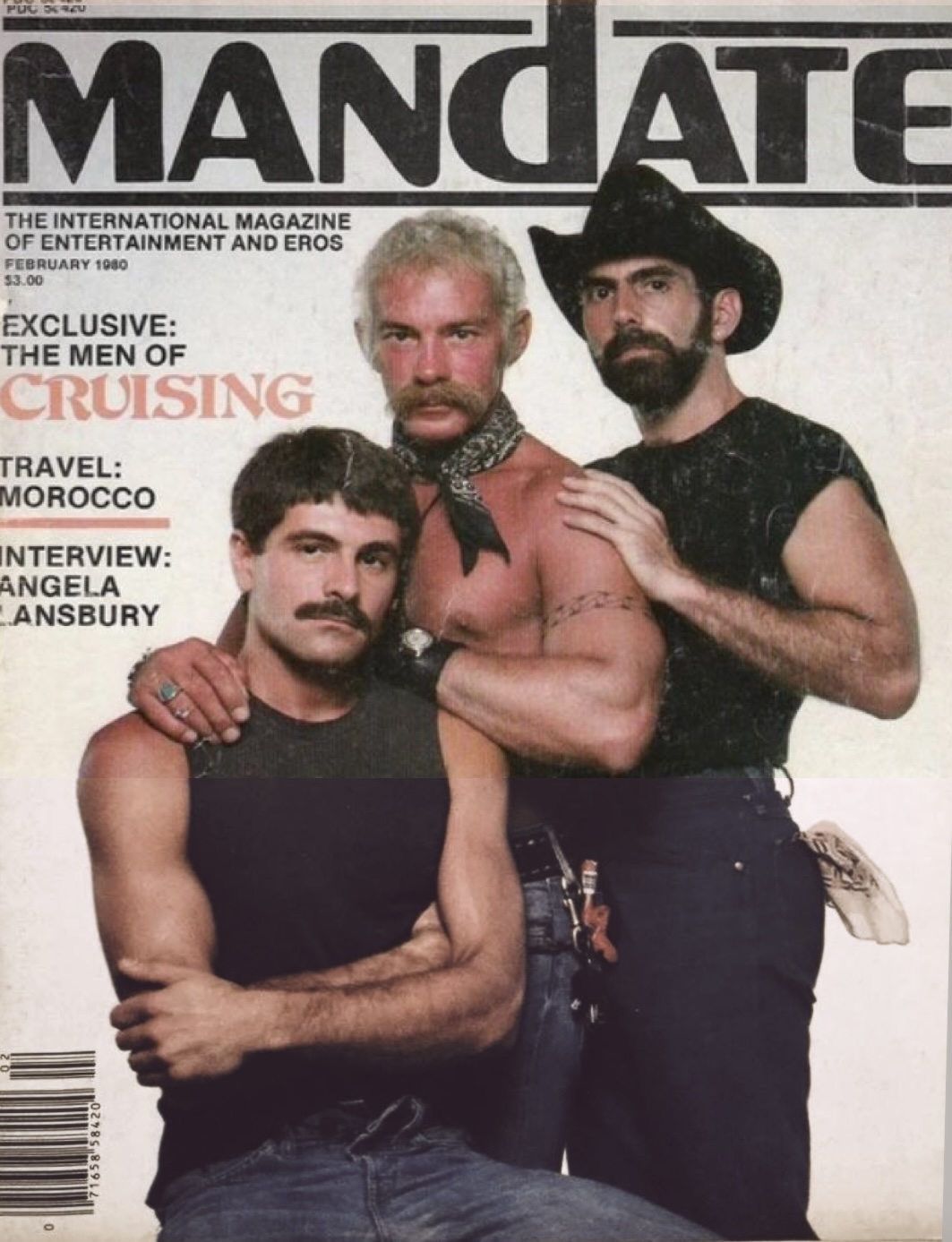
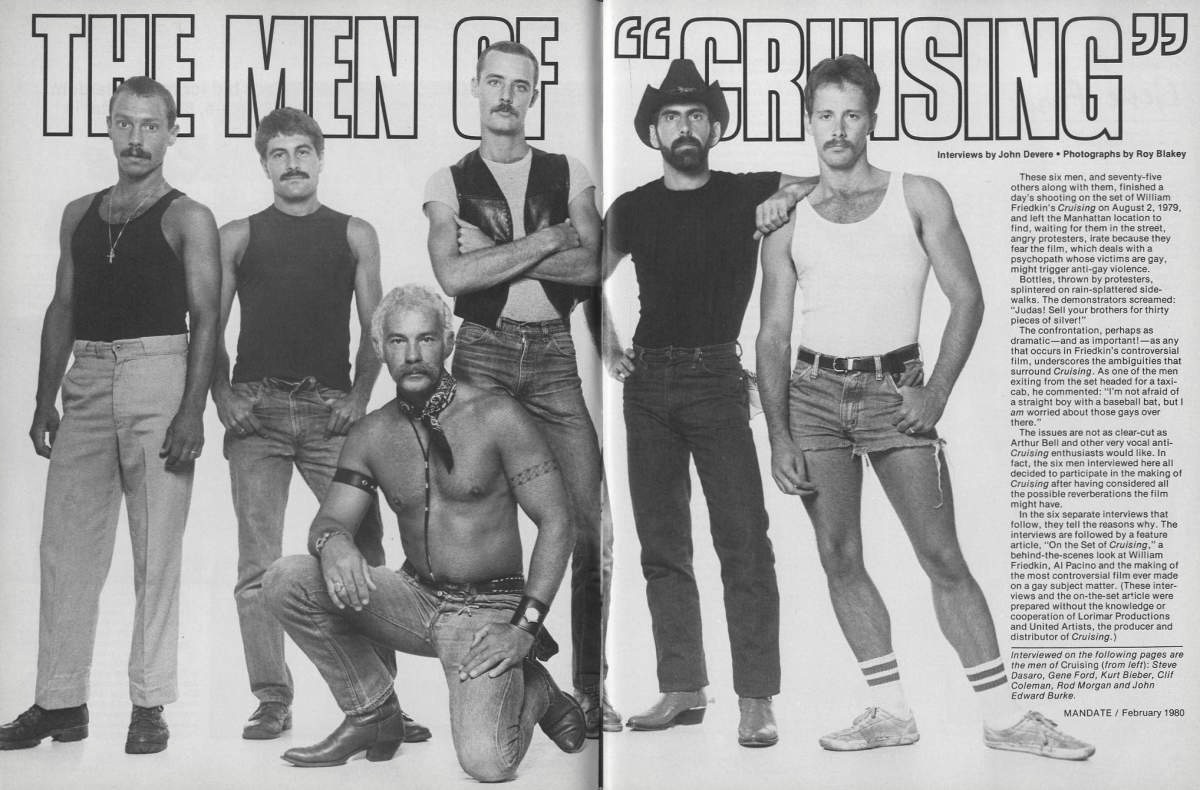
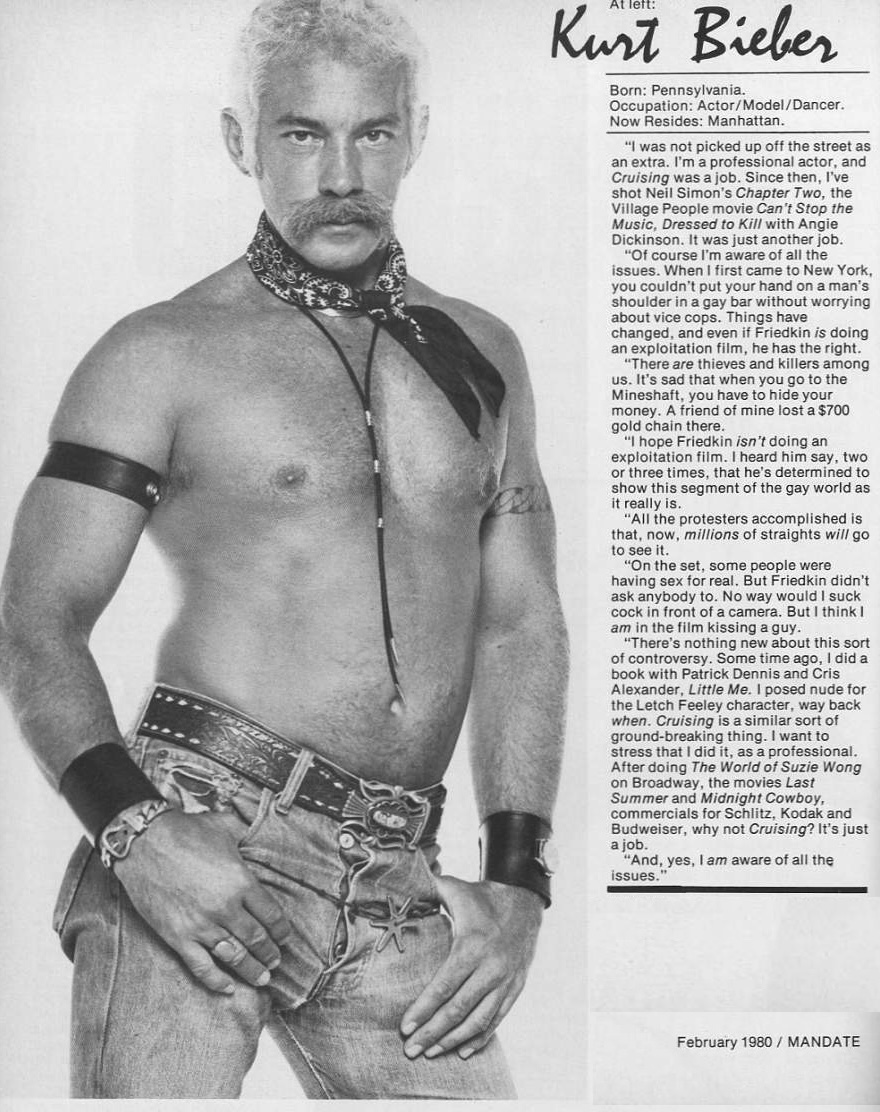
His appearance in Cruising landed Bieber on the cover of the February 1980 issue of Mandate Magazine. In his interview, Bieber mentions that he played Letch Feeley among other acting roles. He differentiates himself from the other Cruising extras, some of whom were cast off the street. “I want to stress that I did it as a professional… It’s just a job.”
As for those rumored to be having sex on camera in the leather bar scenes; “On the set, some people were having sex for real, but (director William) Friedkin didn’t ask anybody to. No way I would suck cock in front of a camera,” he says.
Although Bieber doesn’t mention his work with Colt Studios in this article, four months later Mandate ran a 10-page spread titled “Whatever Happened To Letch Feeley?” This feature tracked Bieber from his Little Me photos through his work with Colt Studios.
When asked to sum himself up at the close of the article, Bieber said with a smile; “I’ve done a little bit of everything and I’ve loved every minute of it.”
Later in 1980, Bieber was done in by a poison dart in Times Square during the opening sequence of Eaten Alive, an Italian cannibal movie:
The epilogue of Uncle Mame: The Life of Patrick Dennis (2000) notes that Bieber “has been an extra in almost every movie ever filmed in New York City. Kurt says he is ‘still around and still cruising Christopher Street.'”
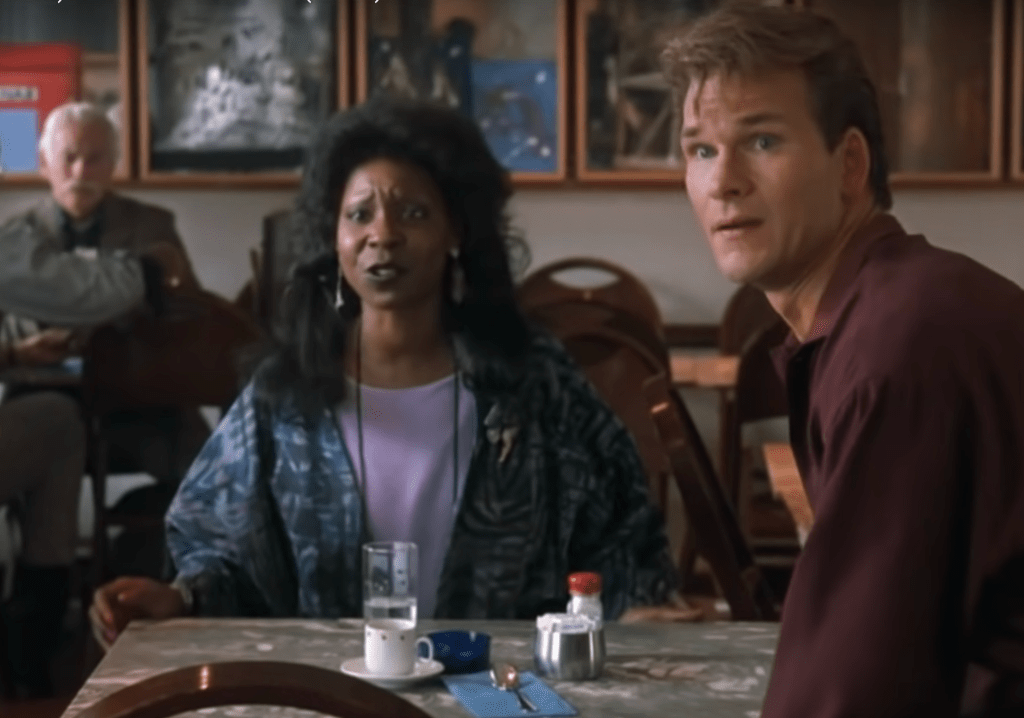
Kurt Bieber behind Whoopi Goldberg and Patrick Swayze in a scene from Ghost (1990)
Decades later, Little Me fans still recognized him. “Even today, I’ll sometimes walk into a store and someone will say ‘Wow! Letch Feeley!’ How they recognize me after all these years, with my white hair, I’ll never know.”
Kurt Bieber passed away at age 86 on December 31, 2015 in New York City.
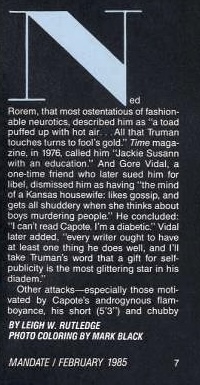
Continuing with our theme from the last post, Truman Capote is the subject of this article from the February, 1985 issue of Mandate magazine. The piece was written by Boze Hadleigh just 6 months after Capote’s death.
The infamous book jacket photo of Truman Capote from Other Voices, Other Rooms. One critic commented, “He looks as if he were dreamily contemplating some outrage against conventional morality.” (1948)