Back To The Girl Zone: 60 Degrees Returns

I’m bursting with excitement to be able to share the news about something I have been working on for the past couple of months…

After a 10 year hiatus, East Village Radio is now officially back on the air. My show, 60 Degrees with Brian Ferrari ran on the station for 5 years – from 2008-2013. The 2-hour program, featuring female 60’s singers and girl groups, is now back with new episodes bi-weekly, with repeated classic episodes on the opposite week. Besides the Sunday morning, 8-10am broadcast, archives of the show will be available for streaming on demand, any time, for free.

Here’s a little backstory: I had a late night public access television program called Bri-Guy’s Media Surf that aired in New York City from 1997-2007. Based on the music clips I played on that show, I was approached to do a spot on the early low-frequency broadcast version of East Village Radio. The signal was so weak that I couldn’t receive it in my apartment three blocks north of the station. Given the workload of producing the TV show, I didn’t have the bandwidth to take on a two-hour radio program, so I politely declined. After Media Surf wrapped in late 2007, I was offered a radio spot again. By this time, the station had transitioned into internet streaming and now had a worldwide audience. This time I said “Yes.”

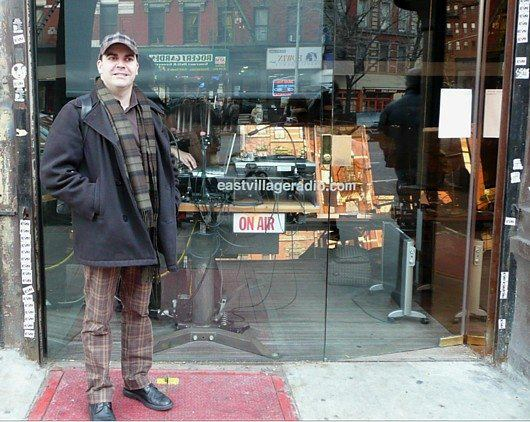
In front of the EVR booth (2008)

From its inception, the concept of 60 Degrees was that it existed in an alternate reality where women ruled the pop charts throughout the 1960’s, a decade that I consider to be the most transitional and eclectic in the history of popular music. The all-female playlist is in direct contrast to radio programmers that only allow a certain number of female artists per hour. In the land of 60 Degrees, it’s all women, all the time. The men remain in the shadows, only stepping forward for the occasional duet.

This is not to say that the male groups that ruled the charts are completely ignored here. Female artists doing Beatles or Rolling Stones covers and tribute or answer songs are often featured. Besides, you can’t have a 60’s girl group playlist without the specter of Phil Spector looming large.

Another rule for 60 Degrees is that it is not a re-hash of the WCBS-FM “We play your favorite oldies” format. If a 60’s hit is in rotation on an oldies station, you won’t hear it here unless it’s live version, an alternate take, or sung in a foreign language.

Other ingredients that add to 60 Degrees’ unique flavor are the vintage commercials and sound clips from various movies and TV shows peppered throughout each 2 hour episode. These add a camp element to the proceedings and act as an acknowledgement of pop culture’s shift over the past 60 years.

60 Degrees usually concludes each episode with a modern cover or a remix of a 60’s tune to transition the listener back to the current day, in preparation for the next show on the East Village Radio schedule.

Exciters lead singer Brenda Reid was a guest on the show in 2012.

I did my first (and only) live show in the First Avenue storefront booth on January 17, 2008. Broadcasting live at street level by myself was a slightly terrifying prospect. The first show went without interruption but at some point I was bound to get a random loon trying to get into the booth while I’m spinning some Shirelles. And it wasn’t like I was going to get a sidewalk crowd like the higher profile prime time DJs. Besides, the variety of the content meant that I was dealing with wildly different sound levels and other audio issues over approximately 75 different clips per episode. Pre-taping allowed for a more seamless, fast-paced show, which was then broadcast in the morning hours before the DJ booth was open.

After 5 years on the air, I felt that the show had run it’s course and I hung up my headphones. I continued on my own personal quest of discovering new/old music, focusing on early soul singers and the sister groups of the 1940’s… then the 1930’s… until one day I found myself listening to 78 records on my 1916 RCA crank victrola. Having gone about as far as I could go, I thew it into reverse once again.

And so we’re back. From outer space. And so is 60 Degrees. I hope you will come along for the ride. It’s kinda cool

Bringing 60 Degrees back to East Village Radio, with the help of Jean & The Statesides.

See also:
EVR in the NYT
60’s Girl Group Survivors
Girl Group Heaven: Ronnie, Rosa & Wanda
60 Degrees Halloween Show
60 Degrees Girl Group Christmas
Ronnie Spector 1980
10 Forgotten Cher Moments
Dusty Springfield Sings Kate Bush
Etta James: Advertising Zombie
So Jill Sobule
A Christmas Without Miracles: The 1987 Motown Xmas Special

Artist’s Muse: Forrest Thayer

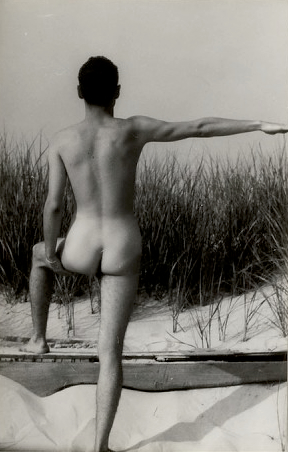
I recently wrote a piece for the Fire Island Pines Historical Preservation Society titled “The Fire Island Muses of George Platt Lynes & The PaJaMa Collective.” It focuses on the subjects of the artwork they created during their time on Fire Island. This is an expansion on one of those profiled: Forrest Thayer.

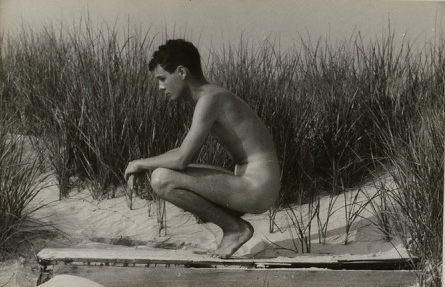
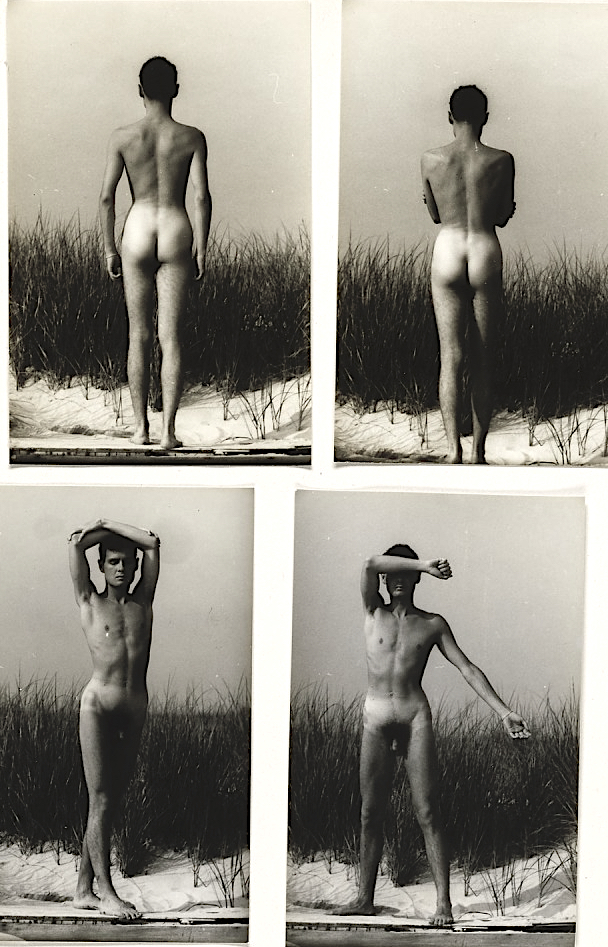
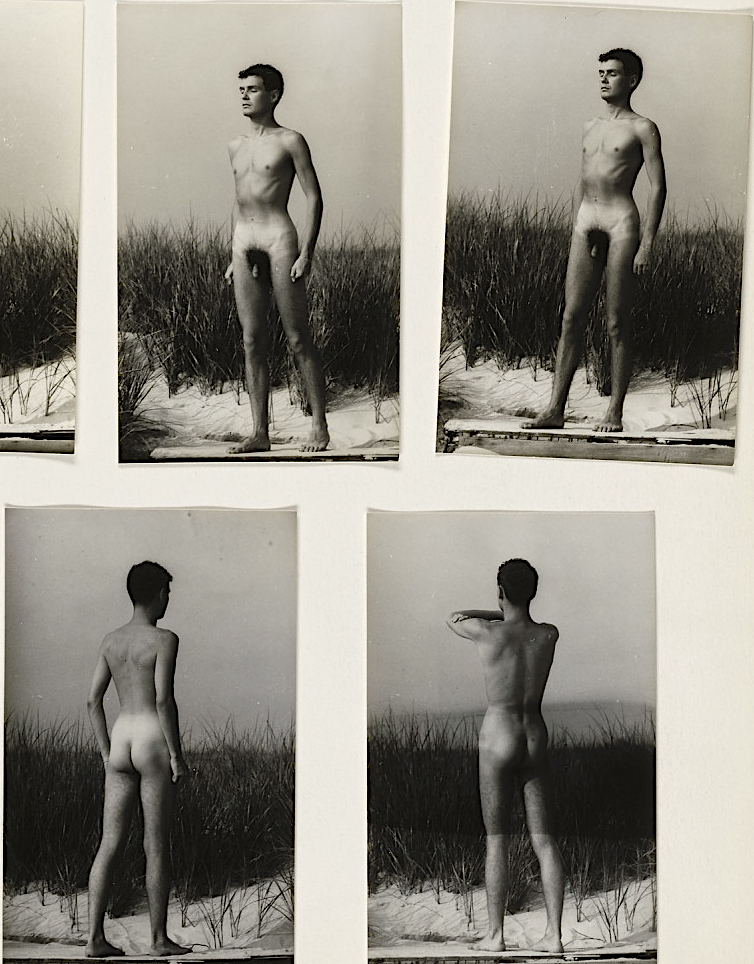
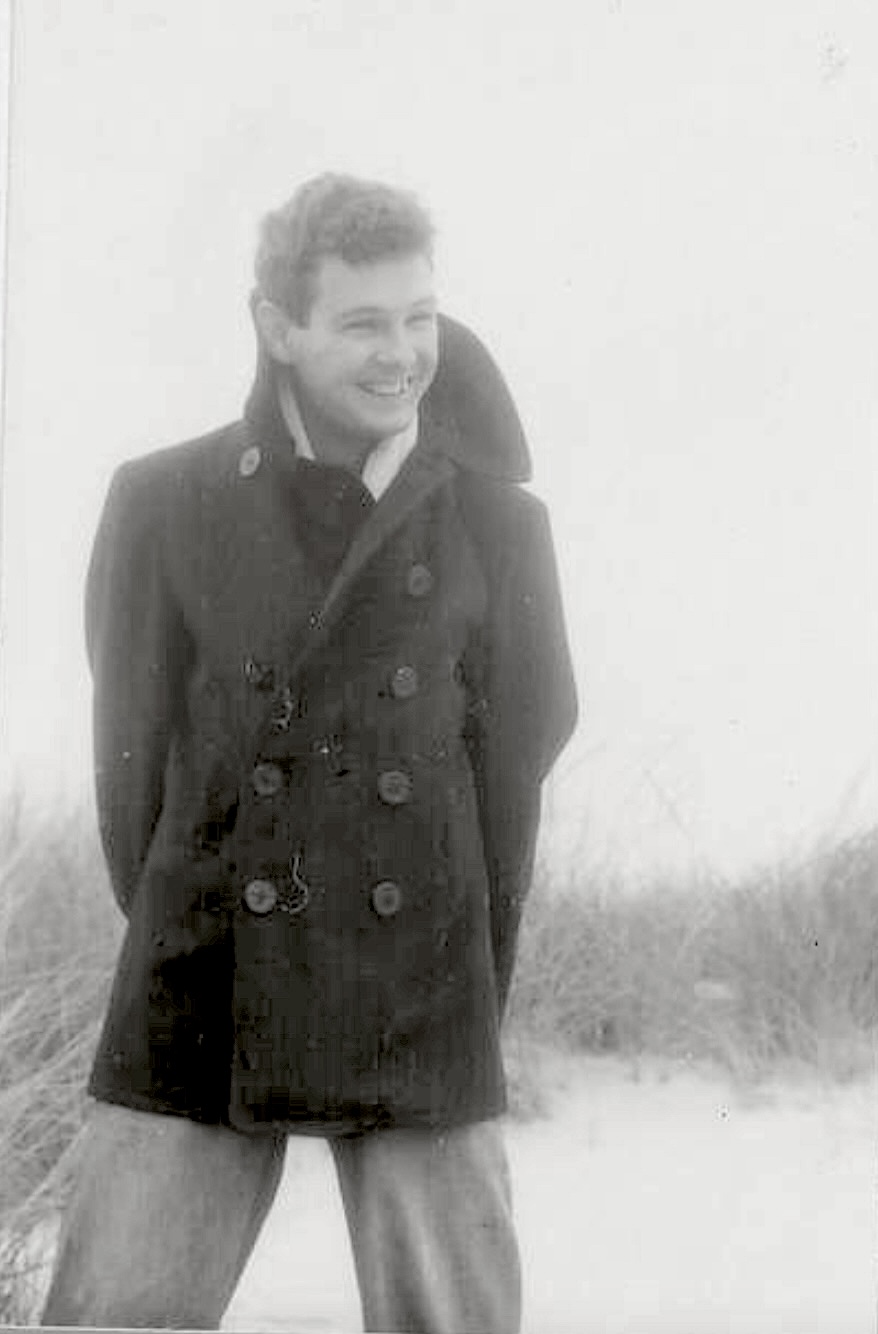
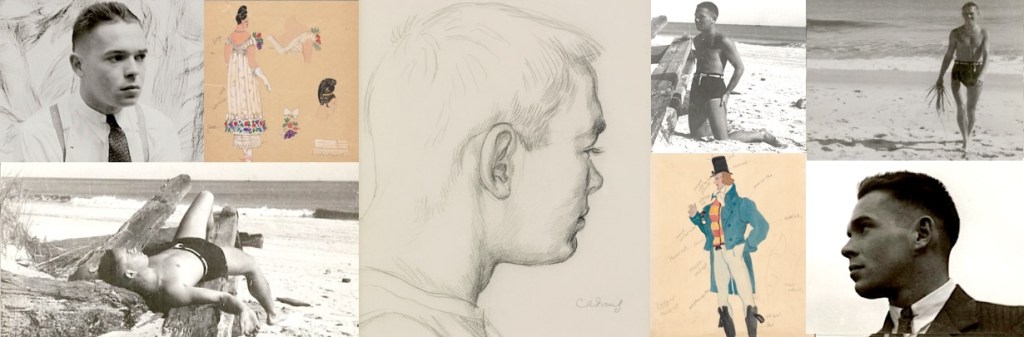
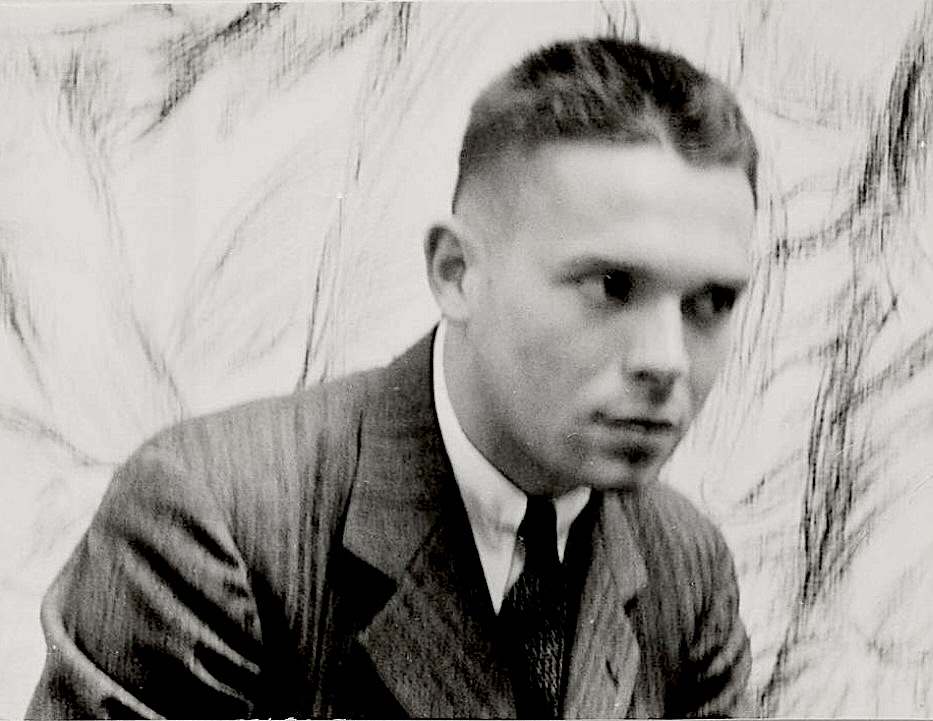
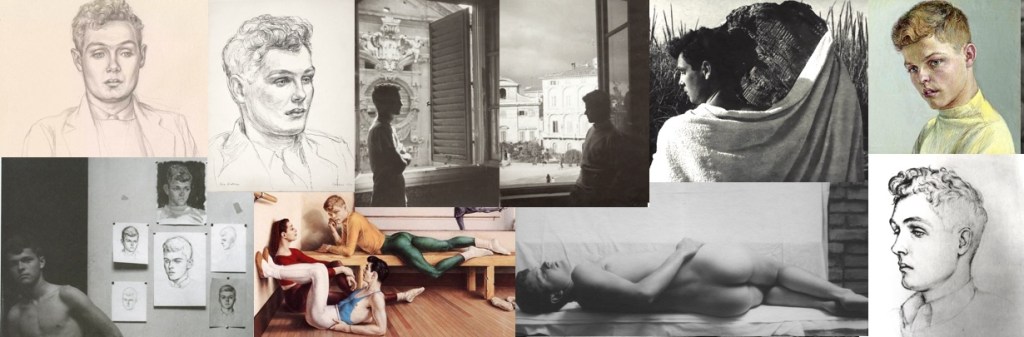
Including Forrest Thayer in the Artist’s Muse series may seem to be a bit of a stretch. He was not a subject of George Platt Lynes (as far as I know) and was only captured by the PaJaMa photo lens during a short period in the late 1930’s. Nevertheless, the talented costume designer still deserves a mention.

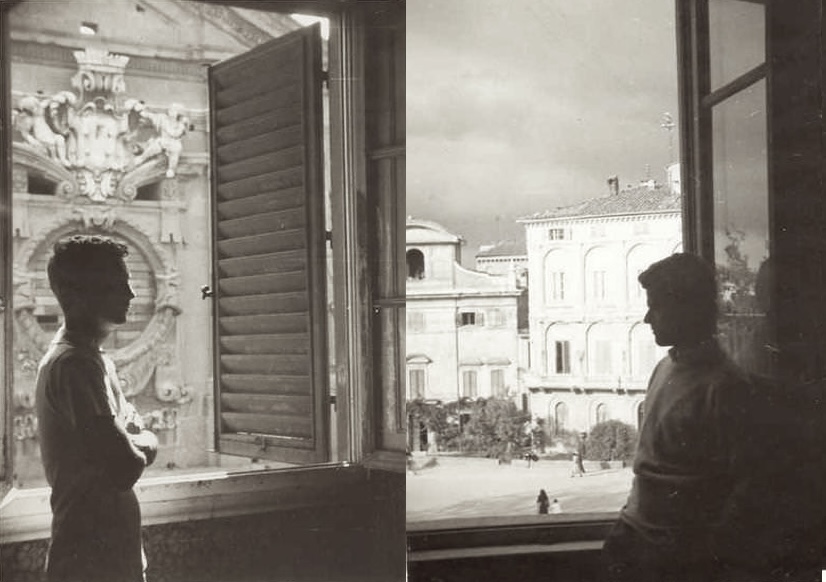
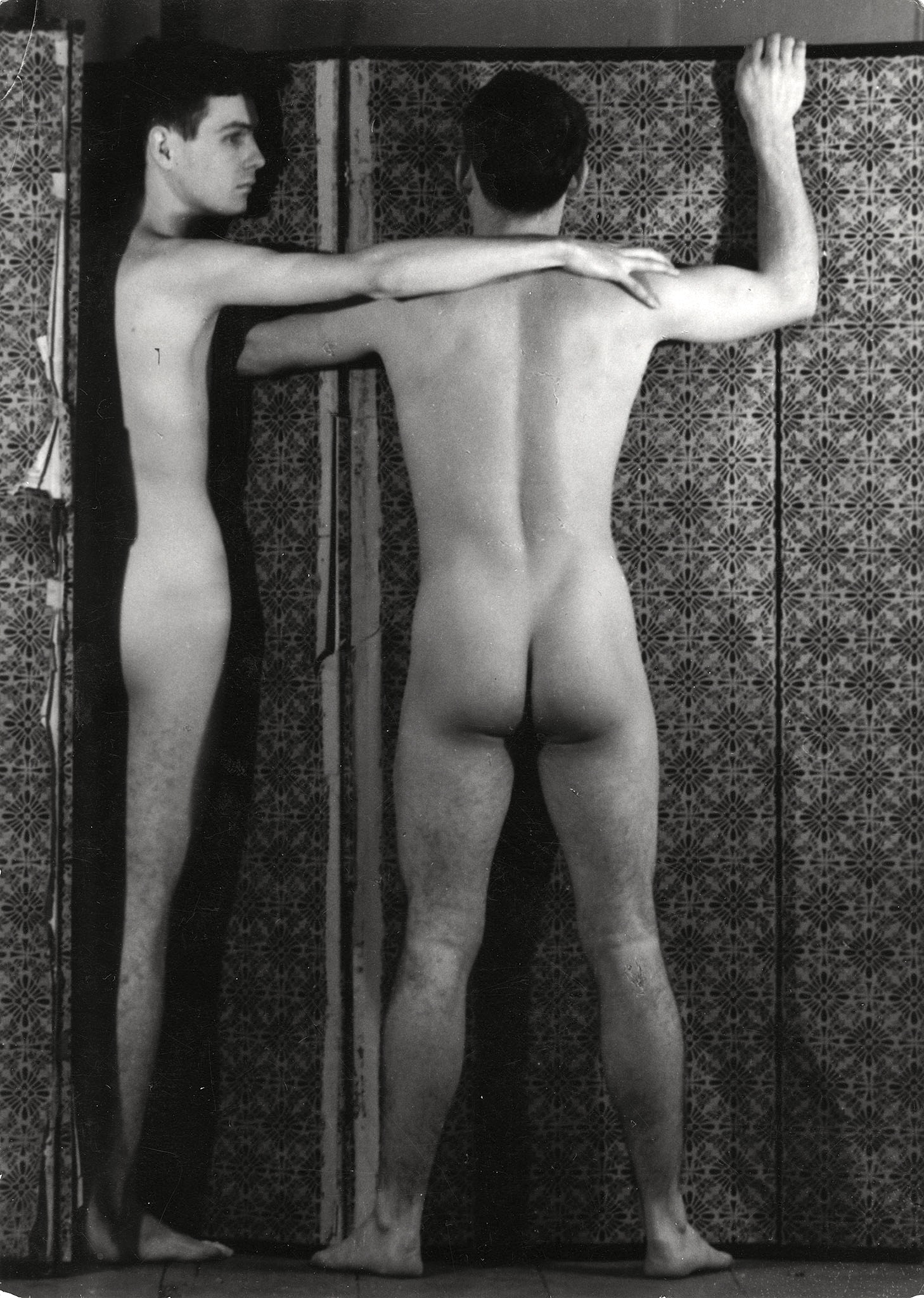
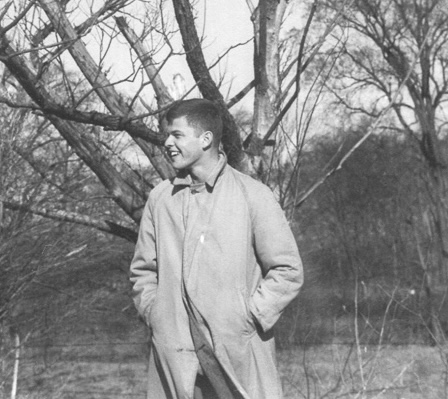
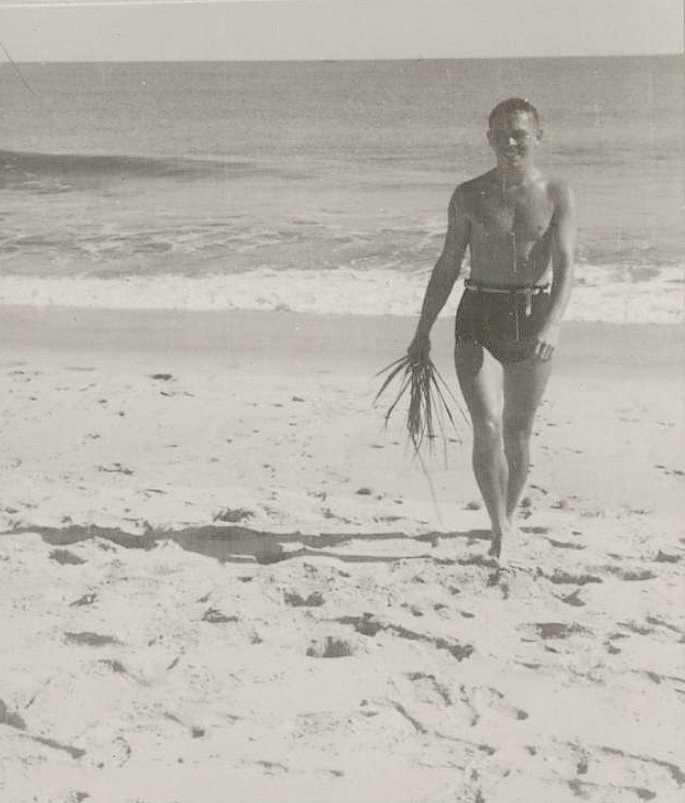
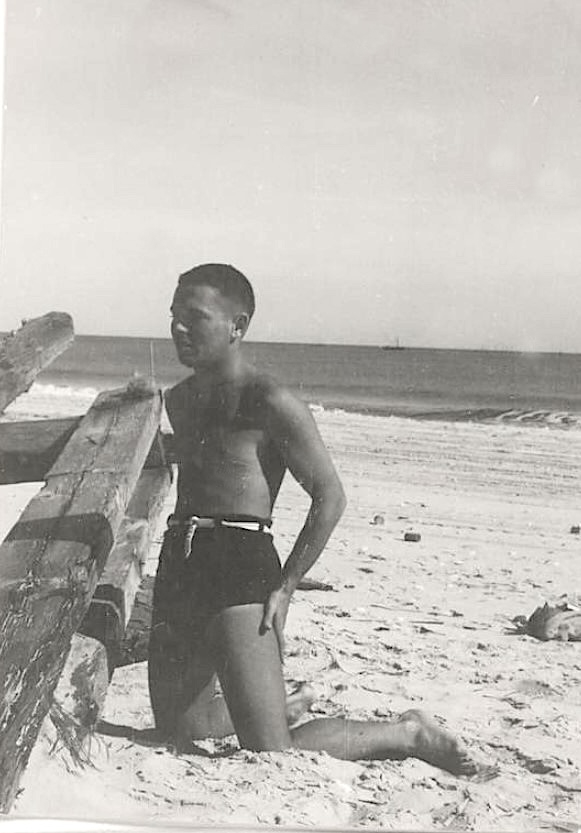
Forrest Thayer photographed in the PaJaMa studios at 5 St. Luke’s Place (1938)

Forrest Glenn Thayer, Jr. was born on May 29, 1916 in Sag Harbor, New York. He was the first child of Forrest and Helen Sigmund Thayer. A younger sister, Helen, was born in 1919. His father was the assistant superintendent of the nearby Fahys Watch Case Factory. He later moved up to superintendent in the early 1920’s.

Both parents were active in the Sag Harbor community, appearing in local stage productions and soloing in the church choir. Mrs. Thayer was also president of the bridge club. When the Fahys Watch Case Factory was sold to Bulova in 1934, Forrest Sr. found work with the Keystone Watch Case Company in New Jersey. He moved to Riverside and would visit his wife and children on the weekends.

Forrest Jr. graduated from Pierson High school in 1933 and went on to study at the New York School of Fine and Applied Arts, now known as Parsons School of Design.

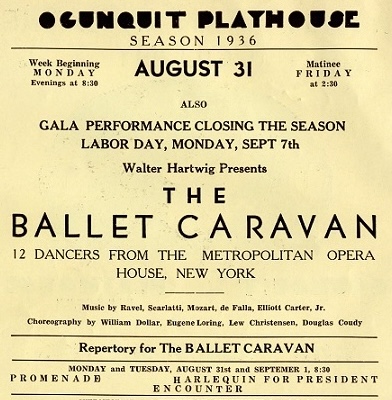
In 1936, Lincoln Kirstein organized Ballet Caravan, a company expressly dedicated to the commission and production of ballets with American themes. These would be created by American composers, choreographers, designers and dancers.  The company also provided off-season summer employment for his American Ballet company dancers, which included Kirstein’s paramour, José Martinez. 

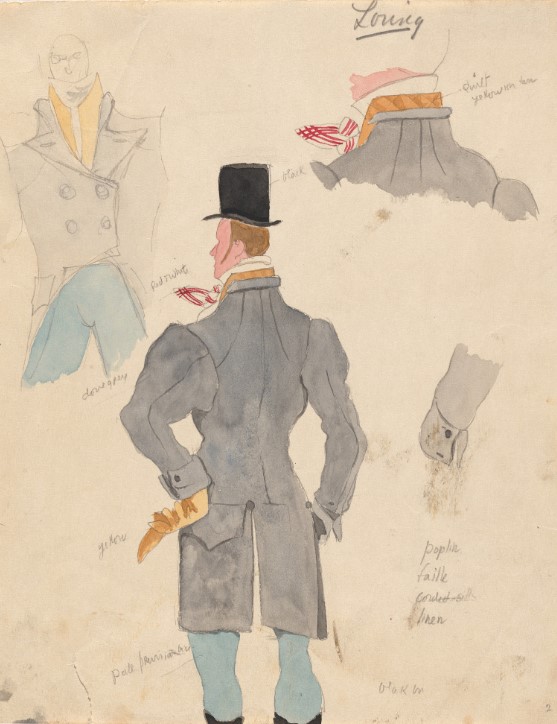
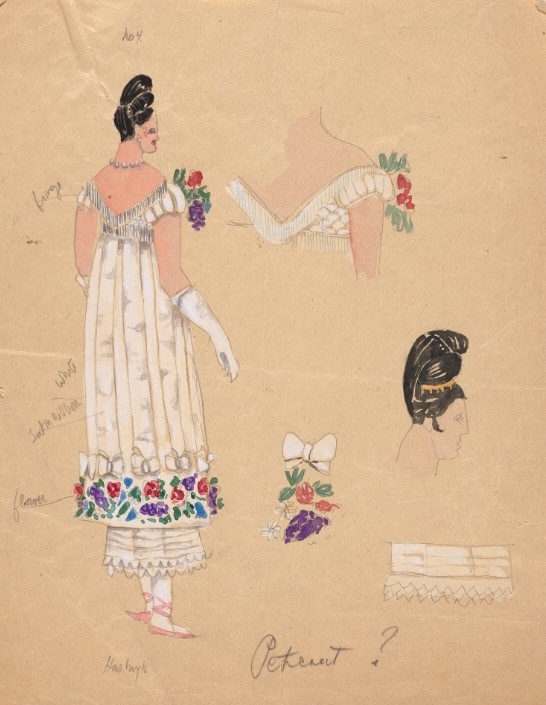
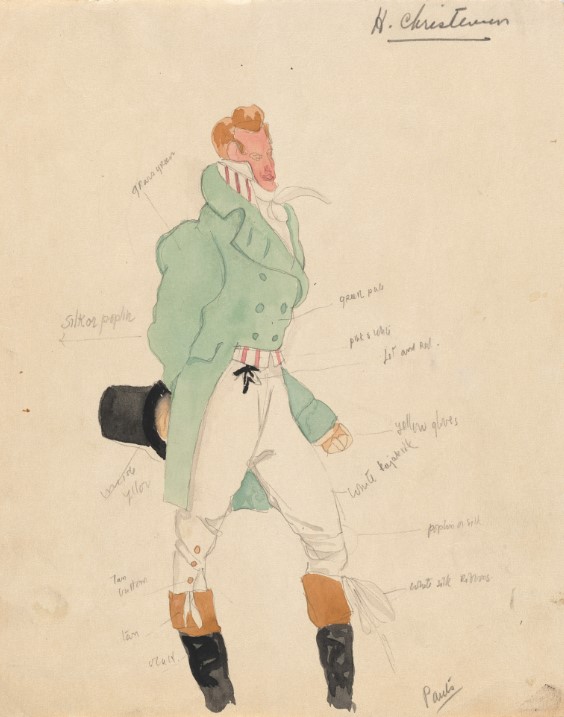
One of dancer William Dollar’s first forays into choreography was Ballet Caravan’s production of Promenade, set to Maurice Ravel’s Valse Nobles et Sentimentales. 20-year-old Forrest Thayer designed the costumes for the production, which featured dancers Eugene Loring and brothers Harold and Lew Christiansen.

Promenade costume sketches by Forrest Thayer with photos by George Platt Lynes (1936)

Sag Harbor Express, 5/12/1938

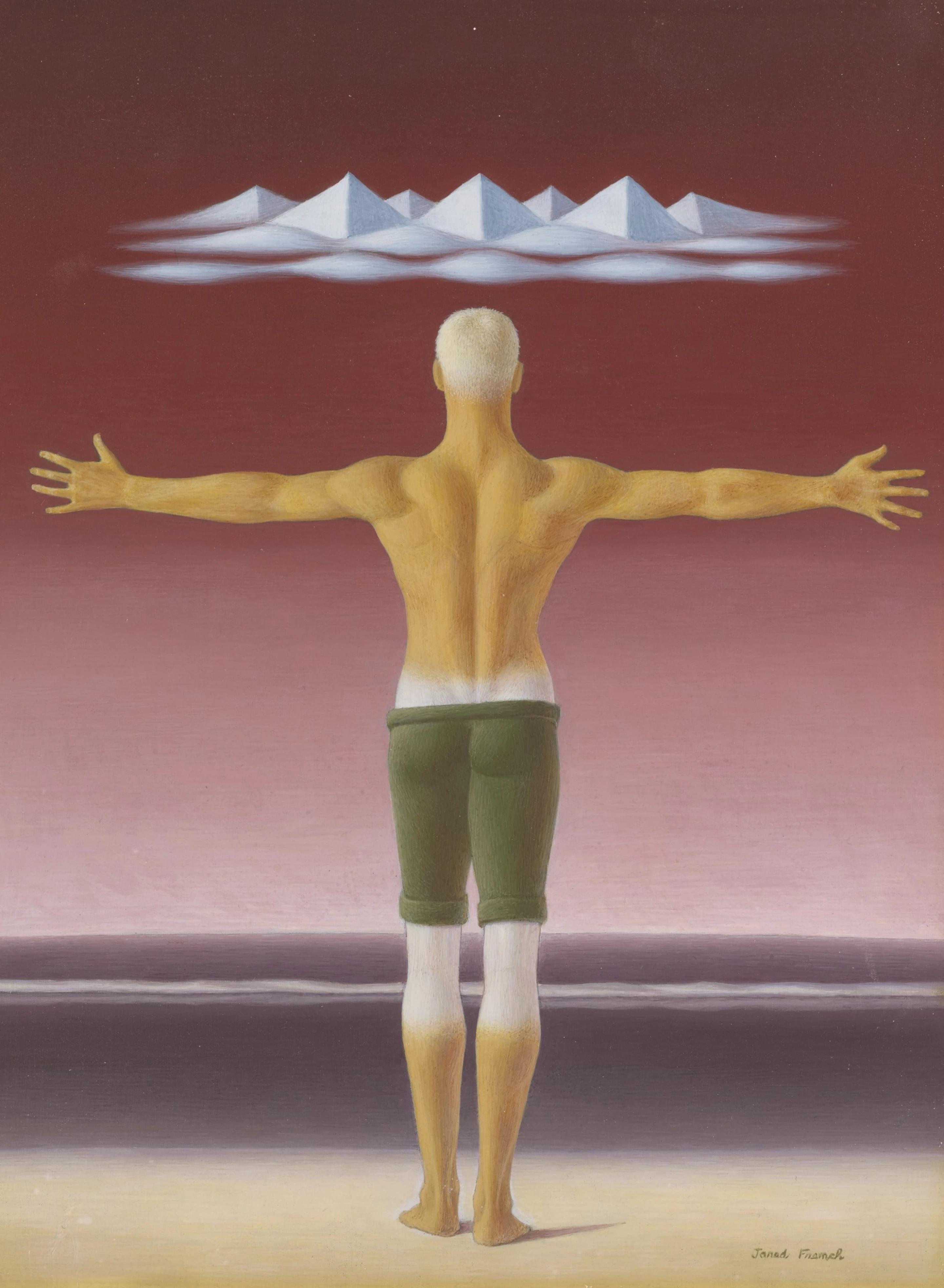
Paul Cadmus and Jared French would each take a turn designing sets and costumes for Ballet Caravan: Cadmus with Filling Station (choreographed by Lew Christiansen) in 1937 and French with Aaron Copeland’s Billy The Kid (choreographed by Eugene Loring) in the Fall of 1938. Between those productions, the creative team took a trip out to Fire Island where the PaJaMa collective would retire each summer.

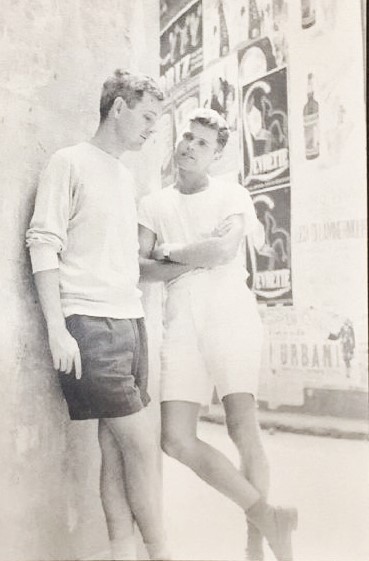
Forrest Thayer, Paul Cadmus and José Martinez at the Saltaire, Fire Island Ferry (1938)

Forrest Thayer frolicking on Fire Island with Paul Cadmus, Jared French and José Martinez (1938)

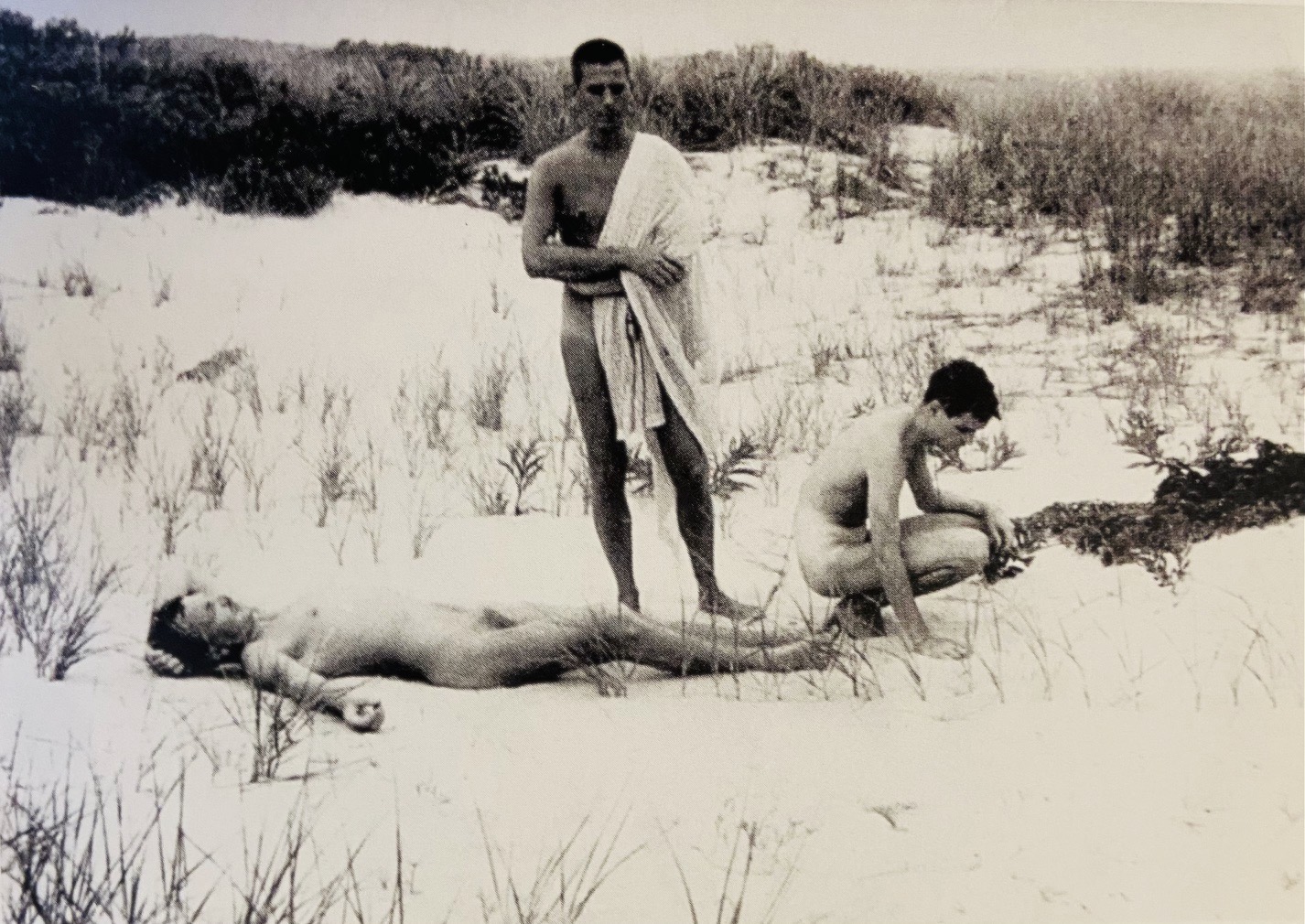
The PaJaMa photo “After The Hurricane” features (l-r) Jared French, Lincoln Kirstein, José Martinez, Forrest Thayer and probably Paul Cadmus. 

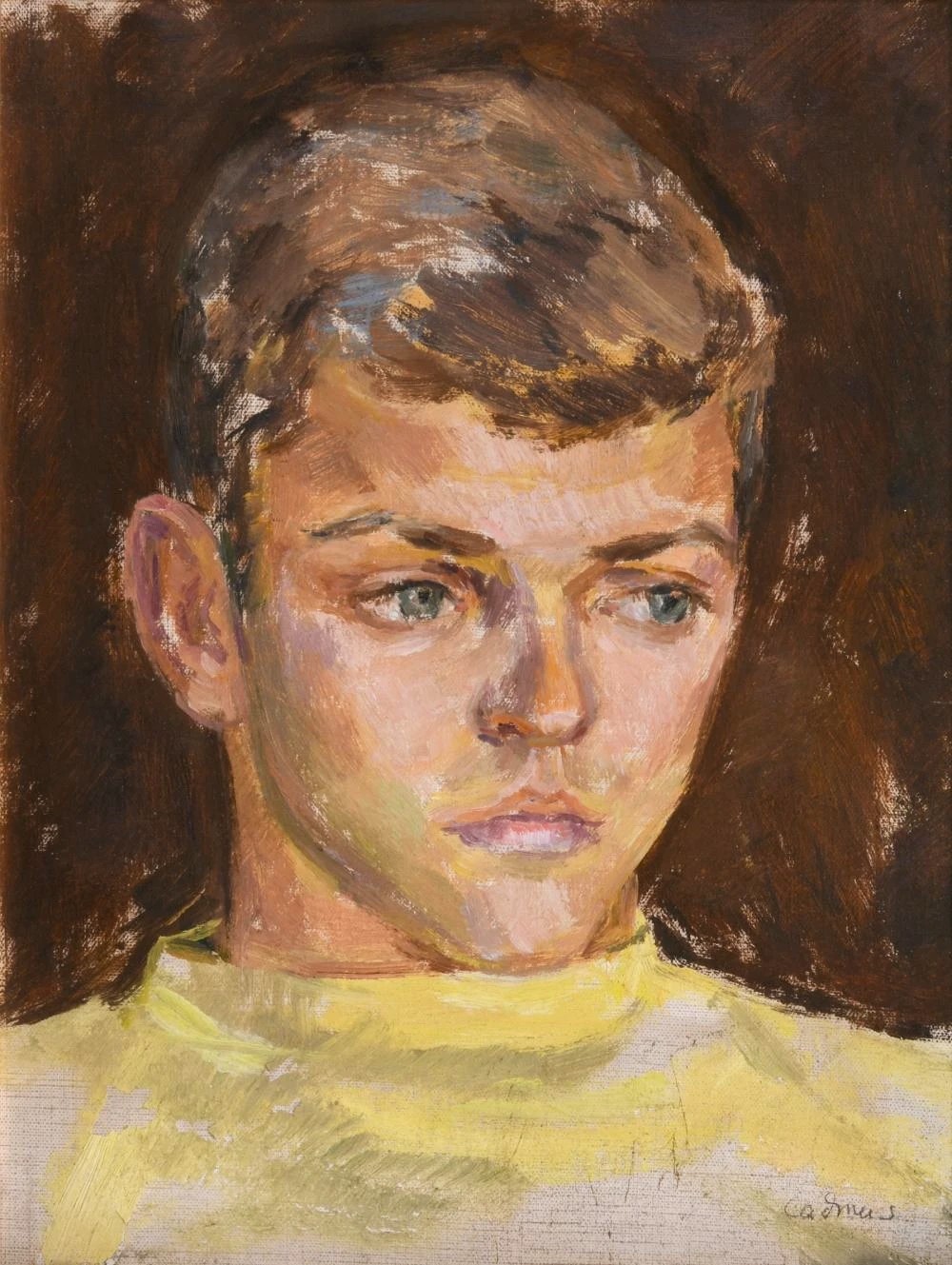
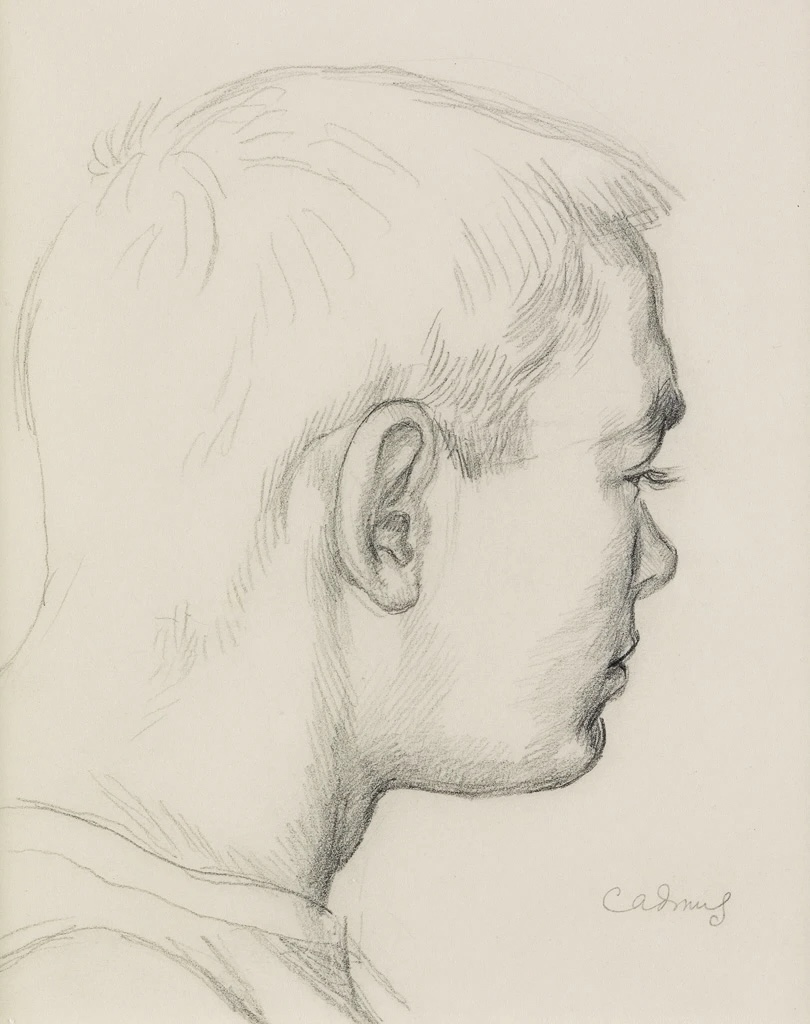
Forrest Thayer sketch by Paul Cadmus

Thayer spent the rest of the summer of 1938 as the scenic designer for the Studio Players in East Hampton, L.I. He continued to find freelance work regionally as a scenic and costume designer. In 1940, he was the scenic designer for the Provincetown Players in New York City. He spent the summer of 1941 working with the Hilltop Players in Ellicot City, Maryland.

During World War II, Thayer served as a staff sergeant in India and Burma from February, 1942 through December, 1945. He landed back in New York after the war and resumed his design career.

In the spring of 1947, Thayer tried his hand at co-directing a revival production of Percy Shelley’s The Cenci at the Equity Library Theater. Reviews were not favorable. During that summer, he directed an adaption of Jean Paul Sartre’s No Exit for the Maverick Players in Woodstock, New York.

New York Daily News, July 23, 1950

Back in New York City, his work with wardrobe continued. Over the next 5 years, he was a part of the following productions:

1947 – Crime And Punishment – Broadway with John Geilgud & Lillian Gish (assistant to Costume Designer Lester Polakov)
1948 – Inside U.S.A. – Broadway (assistant to costume designer Eleanor Goldsmith)
1948 – Cole Porter’s Kiss Me Kate – Broadway (assistant to costume designer Lemuel Ayers)
1949 – Noel Coward’s Present Laughter tour starring Edward Everett Horton (costume design)
1949 – The Philadelphia Story tour (costume design)
1949 – Garson Kanin’s The Smile Of The World – Broadway with Ossie Davis & Ruby Dee (costume design)
1950 – Cole Porter’s Out Of This World – Broadway (assistant to costume designer Lemuel Ayers)
1950 – Garson Kanin’s The Live Wire – Broadway (costume design)
1950 – The Jack Carter Show – NBC Television (costume design)
1951 – Music In The Air – Broadway (assistant to costume designer Lemuel Ayers)

In the fall of 1951, a week before the Broadway opening of Music In The Air, Thayer drove out to Sag Harbor for a visit with his mother. Wherever his career took him, he made frequent return visits to the family home on Jermain Avenue. He spent the evening of Saturday, September 29th in East Hampton visiting friends. As he was driving back to Sag Harbor in the early morning hours of Sunday, September 30th, he was involved in a single car accident. It was reported that he fell asleep at the wheel and struck a tree. He died the next day at Southampton Hospital.

Sag Harbor Express 10/4/51

The Thayer home is just a half mile down the road from Oakland Cemetery. Forrest’s funeral was held at the house, and he was interred with military honors at the cemetery. His parents are now buried there with him.

Eight of Forrest Thayer’s costume sketches from Promenade are a part of the Museum Of Modern Art collection, courtesy of Lincoln Kirstein.

See also:
Fire Island PaJaMa Party
Provincetown PaJaMa Party
Artist’s Muse: José “Pete” Martinez
Artist’s Muse: Chuck Howard
Artist’s Muse: Randy Jack
Artist’s Muse: Ted Starkowski
Artist’s Muse: The Mystery Model
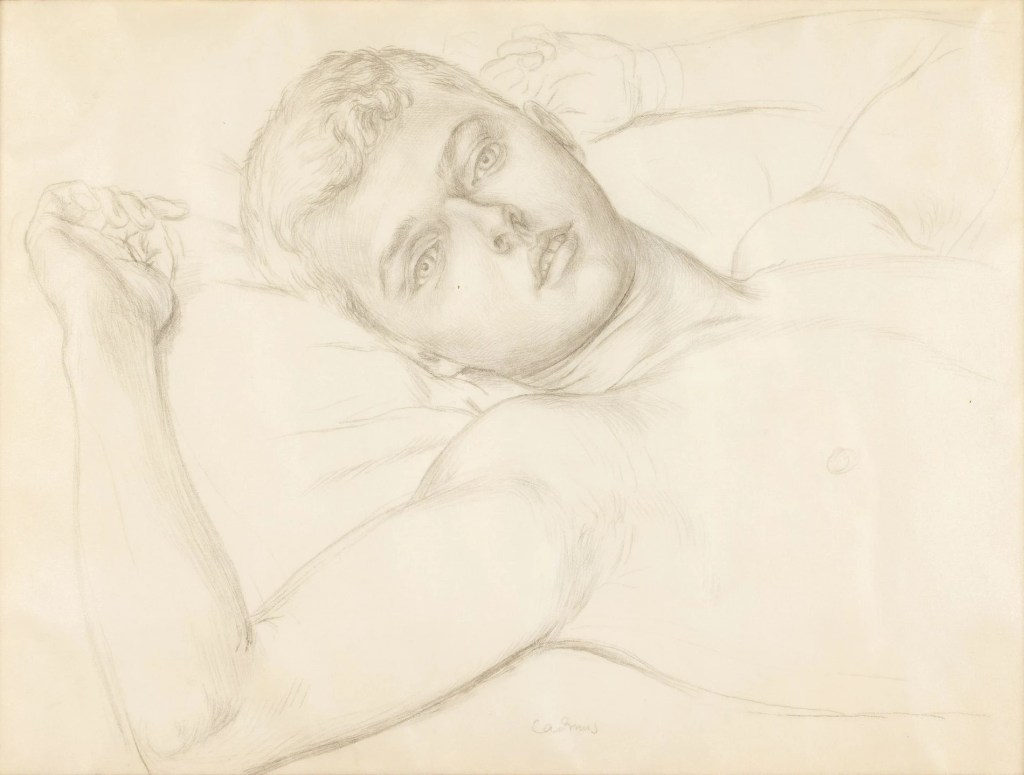
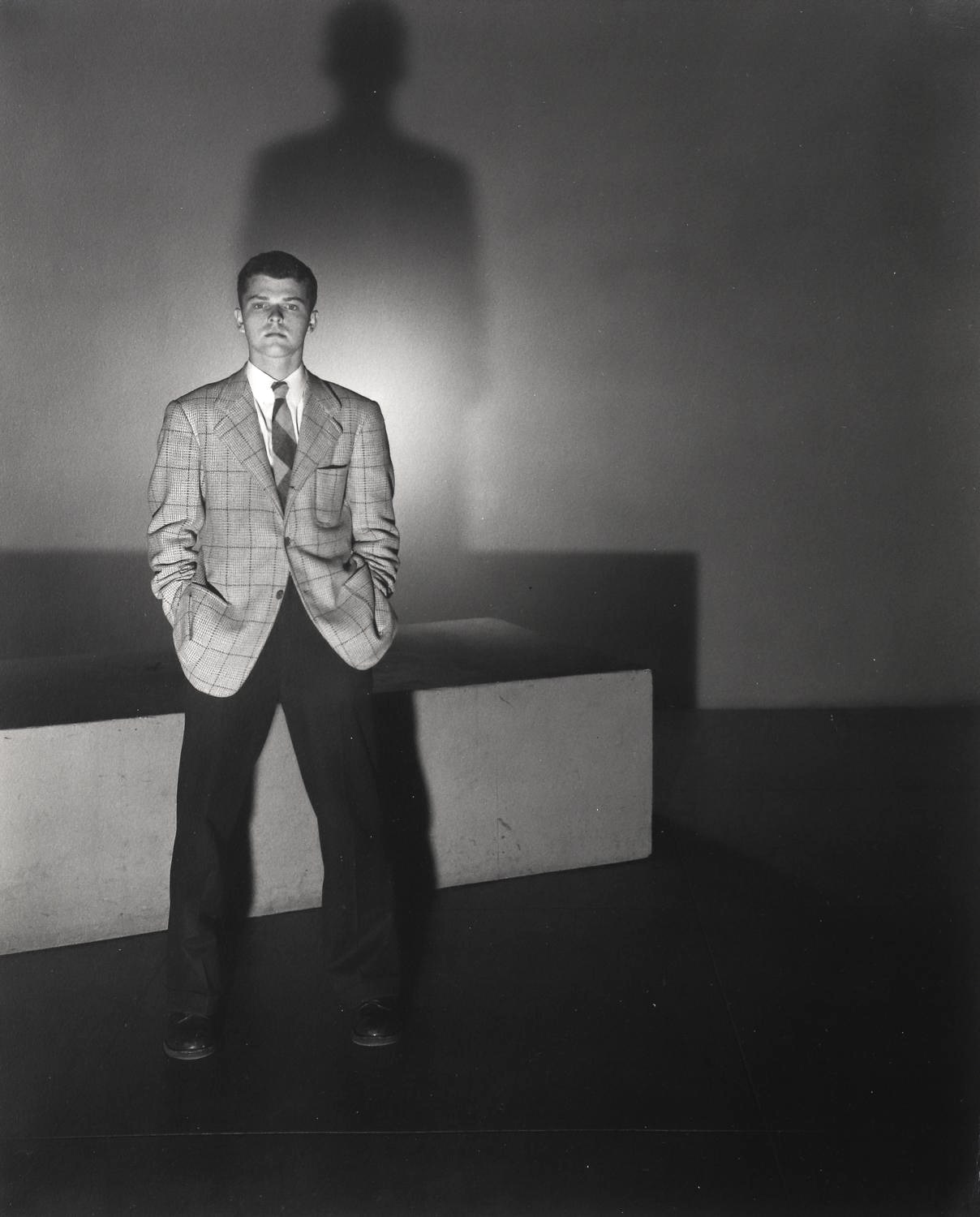
Artist’s Muse: Donald Windham & Sandy Campbell
Artist’s Muse: Wilbur Pippin
George Platt Lynes: In Touch Magazine (1982)
Fire Island Muses of George Platt Lynes & The PaJaMa Collective
Revisiting George Platt Lynes’ Fire Island Muses

Kurt Bieber: From Little Me to Colt Model

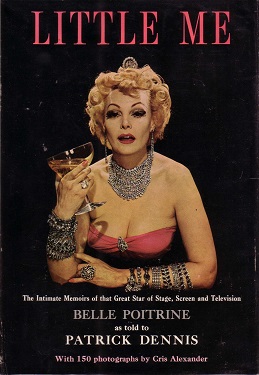
You may already know this, but anyone with an affinity for self-indulgent grande dame memoirs and/or the camp humor of Auntie Mame needs to seek out the 1961 book Little Me, The Intimate Memoirs of That Great Star of Stage, Screen & Television Belle Poitrine, as told to Patrick Dennis. The book spawned a Broadway musical starring Sid Caesar in 1962, which was revived with Martin Short in 1998. However, the book is whole different animal. The 2002 reprint with a new foreword by Charles Busch may be out of print, but affordable copies are easily found online.

The whole thing is a parody – a camp fiction classic created by the Auntie Mame author with over 150 photographs by Cris Alexander, an actor who appeared in both the stage and film versions of Auntie Mame. Alexander had transitioned into his second career as a photographer.

Actress Jeri Archer embodied Belle Poitrine in the photographs with a cast of characters playing her co-horts. Among the familiar faces in the company are character actresses Dodie Goodman and Alice Pearce, author Patrick Dennis (as Cedric Roulstone-Farjeon) and his wife Louise (as Pixie Portnoy). Cris Alexander also appears in various roles alongside his lifelong partner, ballet dancer Shaun O’Brien (as Mr. Musgrove). Miss Rosalind Russell makes an appearance as well.

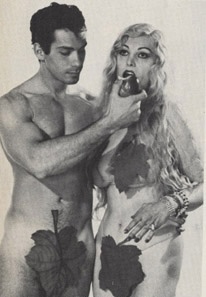
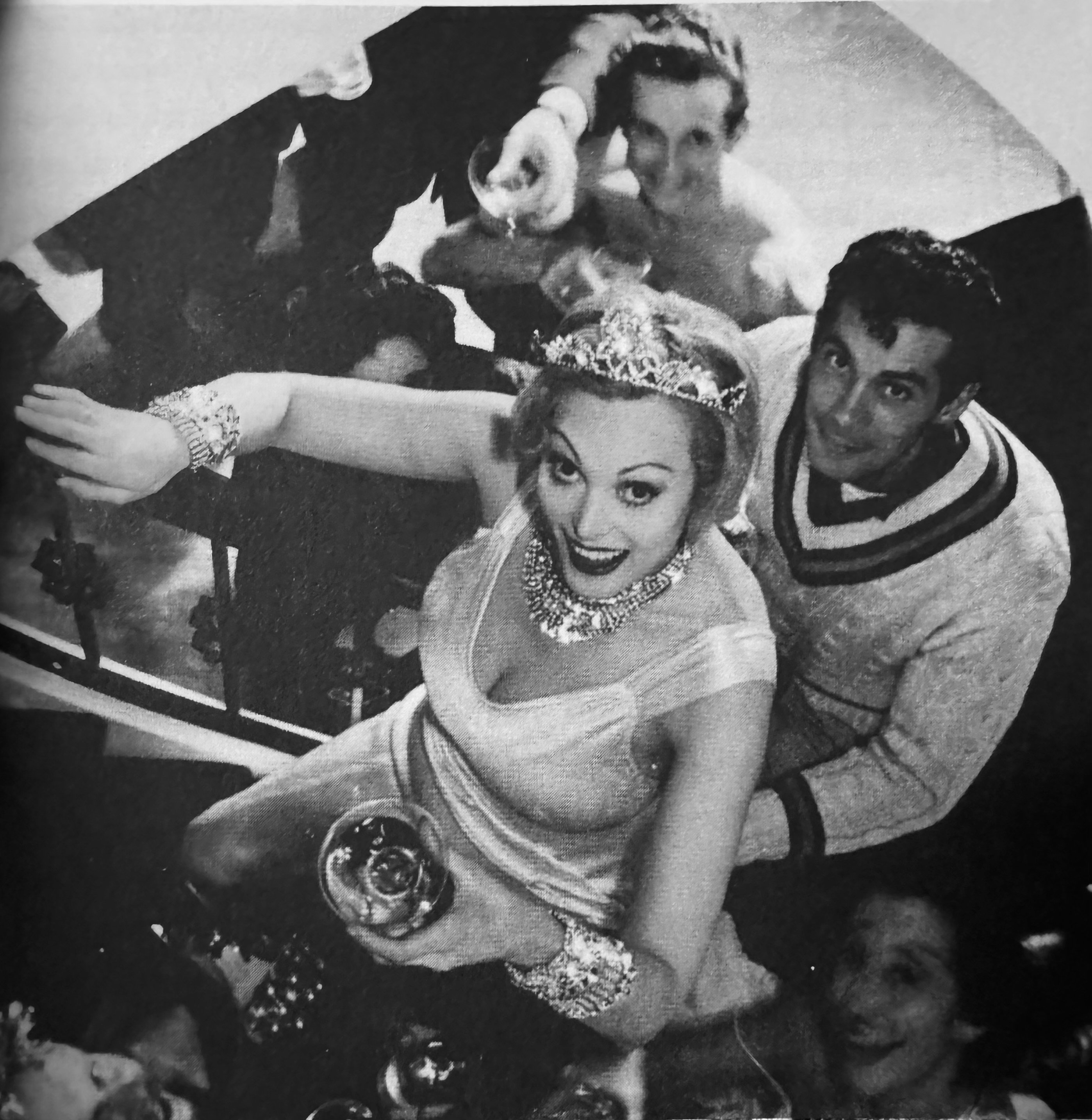
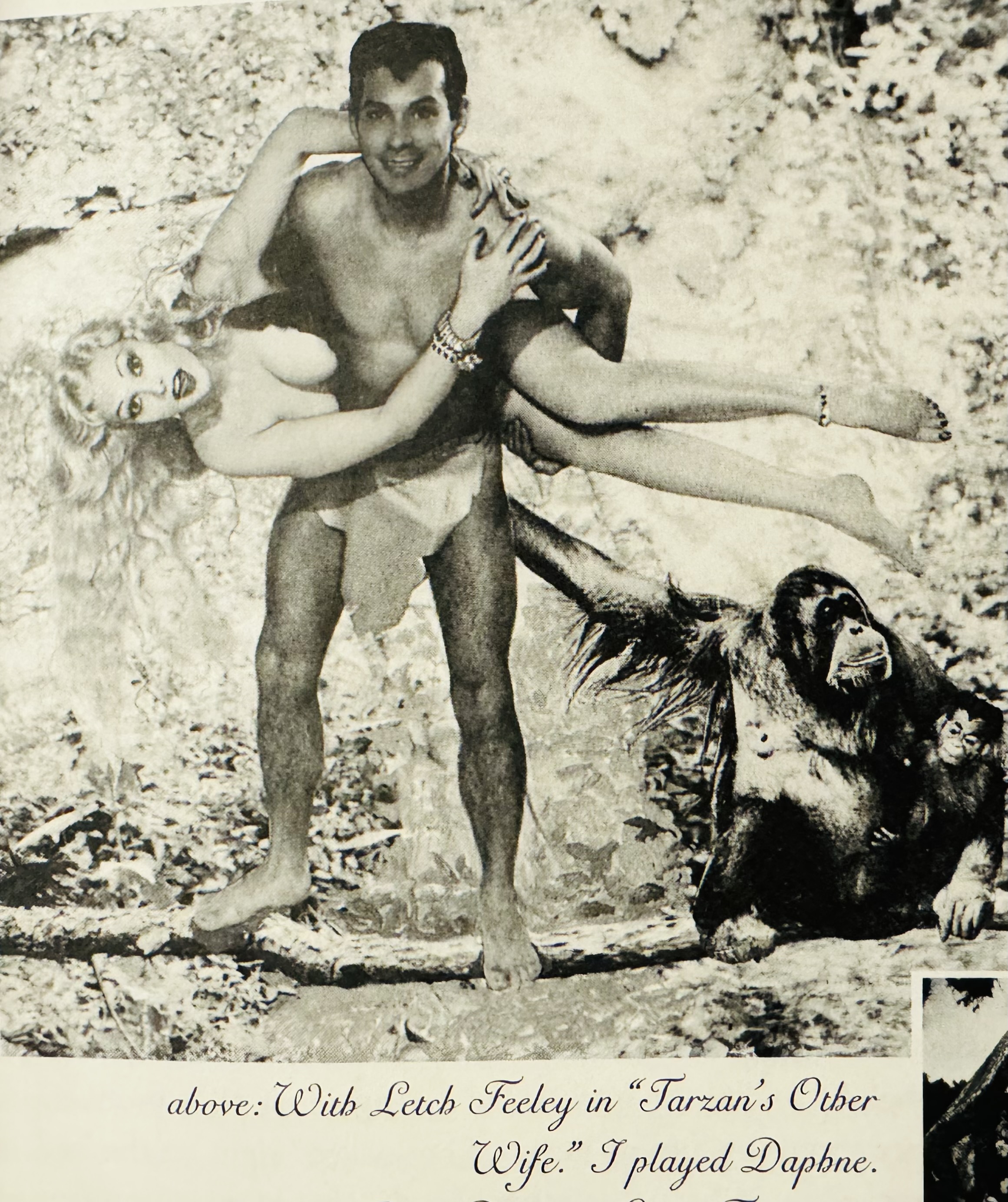
The role of Letch Feeley, Belle’s hunky paramour and costar, was played by Kurt Bieber. After the publication of Little Me, Cris Alexander wrote, “Shaun and Kurt generated an unprecedented amount of fan mail, all sent to the publisher’s office.”

Letch Feeley & Belle Poitrine, aka Kurt Bieber & Jeri Archer in Little Me

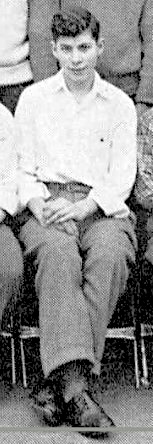
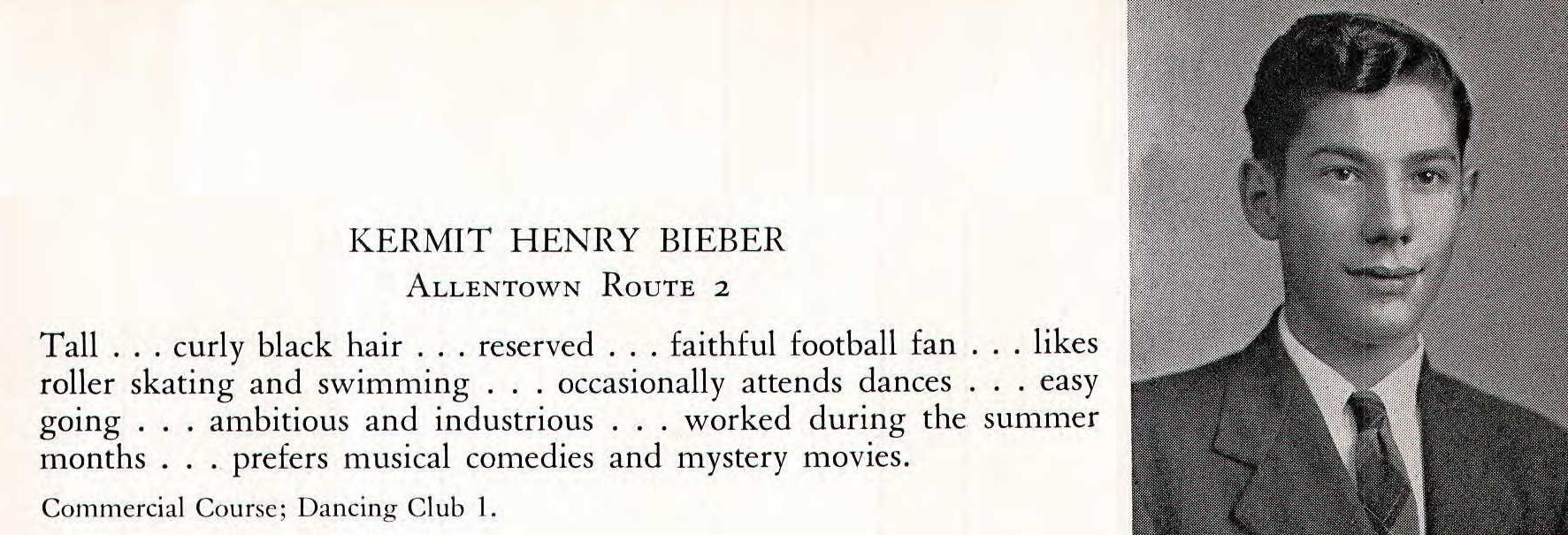
Kermit Henry Bieber was born on January 5, 1929 in Allentown, Pennsylvania. A 1946 graduate of Emmaus High School, Bieber worked at the local Sears before serving in the Army during the Korean War.

After his discharge, he headed to New York, where he studied drama, dance and voice at The American Theatre Wing. Roles in summer stock soon followed, with ensemble work in Can-Can, Happy Hunting, Oklahoma! and Wonderful Town.

The Morning Call, Allentown, PA (6/21/1960)

It was his work in a regional production of On the Town that took his career to the next level. Cris Alexander later wrote, “Ross Hunter may have discovered Rock Hudson, but I discovered Kurt Bieber during a summer package of On The Town (Pittsburgh ’58).” By October of that year, Bieber was back in New York playing a sailor alongside William Shatner in the original Broadway production of The World of Suzie Wong.

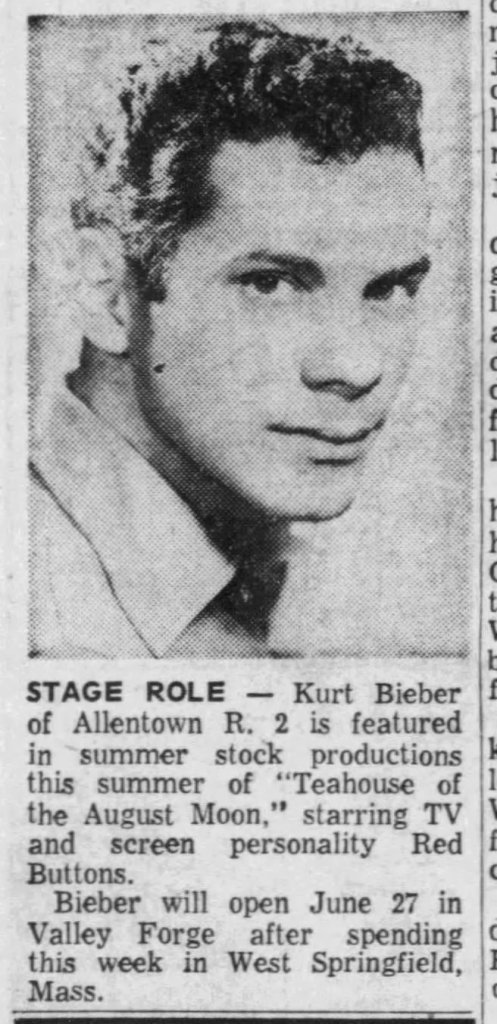
More regional work followed, including a stint in the play Teahouse of The August Moon with Red Buttons. It was around this time that Cris Alexander began to shoot the photos for Little Me, casting Bieber in the role for which he is best remembered.

In Uncle Mame: The Life of Patrick Dennis, author Eric Myers writes “Most memorable to a certain contingent of the book’s audience was actor Kurt Bieber, who… displayed plenty of muscular flesh in nearly all of his photos.”

“I loved doing Little Me. People would stop me in the street and say ‘Aren’t you Letch Feeley?'” Kurt fondly remembered. “It was a first. No one had ever done a book like that… it was such a different atmosphere then. The photos were really a breakthrough.”

“Kurt Bieber is a poseur extraordinaire. The grace and symmetry of the youthful physique is captured in this study by Male Today.”

Following the success of Little Me, Bieber continued acting as well as modeling. He found work as a “posing strap” model for Male Today and other physique magazines. He was an early subject for Jim French, a photographer who was starting up a photo studio under the name Rip Colt. An early Colt film loop lists Bieber as one of the performers – a softcore scene with three muscular models lathering each other up in a shower – but none of the models appear to be him.

In 1969, Bieber had a bit part as a Times Square street hustler in Midnight Cowboy:

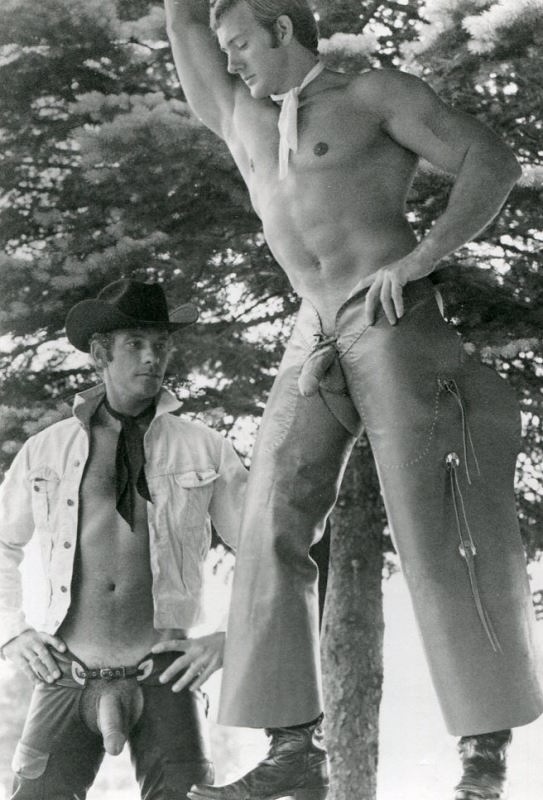
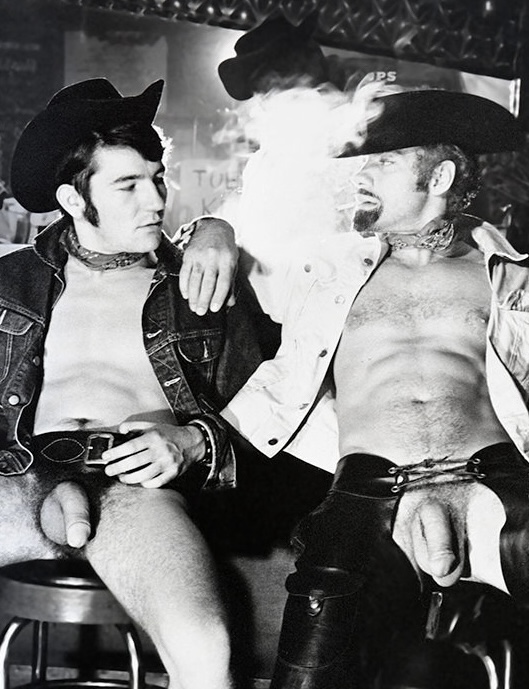
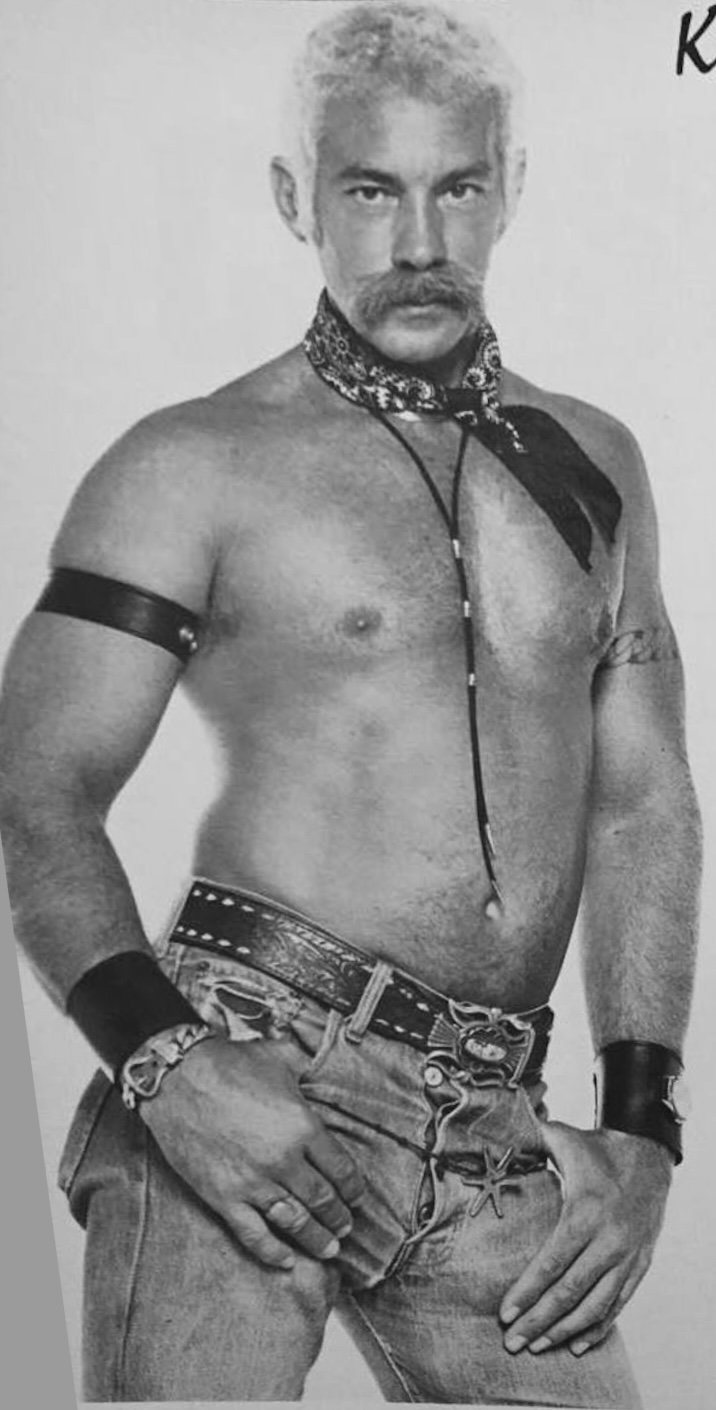
At the dawn of the 1970’s, 40-year-old Bieber – no longer a young chorus boy – opted for a new look. He transformed himself into the quintessential gay clone: an urban cowboy/mustache and Levi’s/hanky-code persona that would characterize the gay scene for the next decade. His photos for Colt studios now typify that era of gay erotica.

He was quoted as saying “I loved being photographed in the nude. I’ve always been an exhibitionist. To be an actor, you have to be. Besides, I got to choose the models. I chose hot men that I could get off on. That’s why they gave me (Colt superstar) Dakota.”

Kurt Bieber (in a Colt t-shirt) outside Badlands in the West Village, NYC (1979)

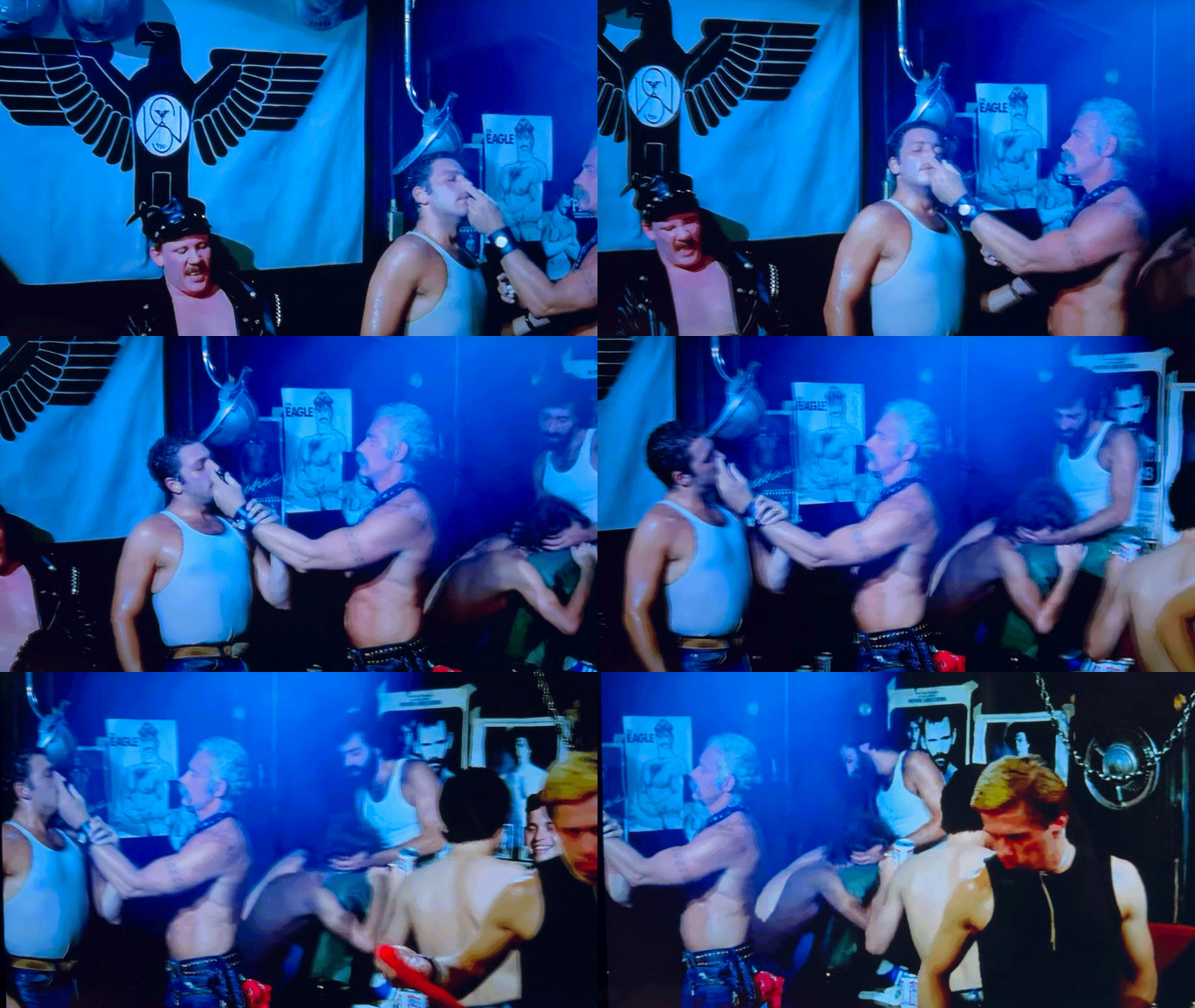
While major film roles never materialized, Bieber appeared in several commercials and continued to garner background work in films like Last Summer and Chapter Two. He can be seen offering poppers to a cohort at The Eagle in the controversial Al Pacino film Cruising (1980):

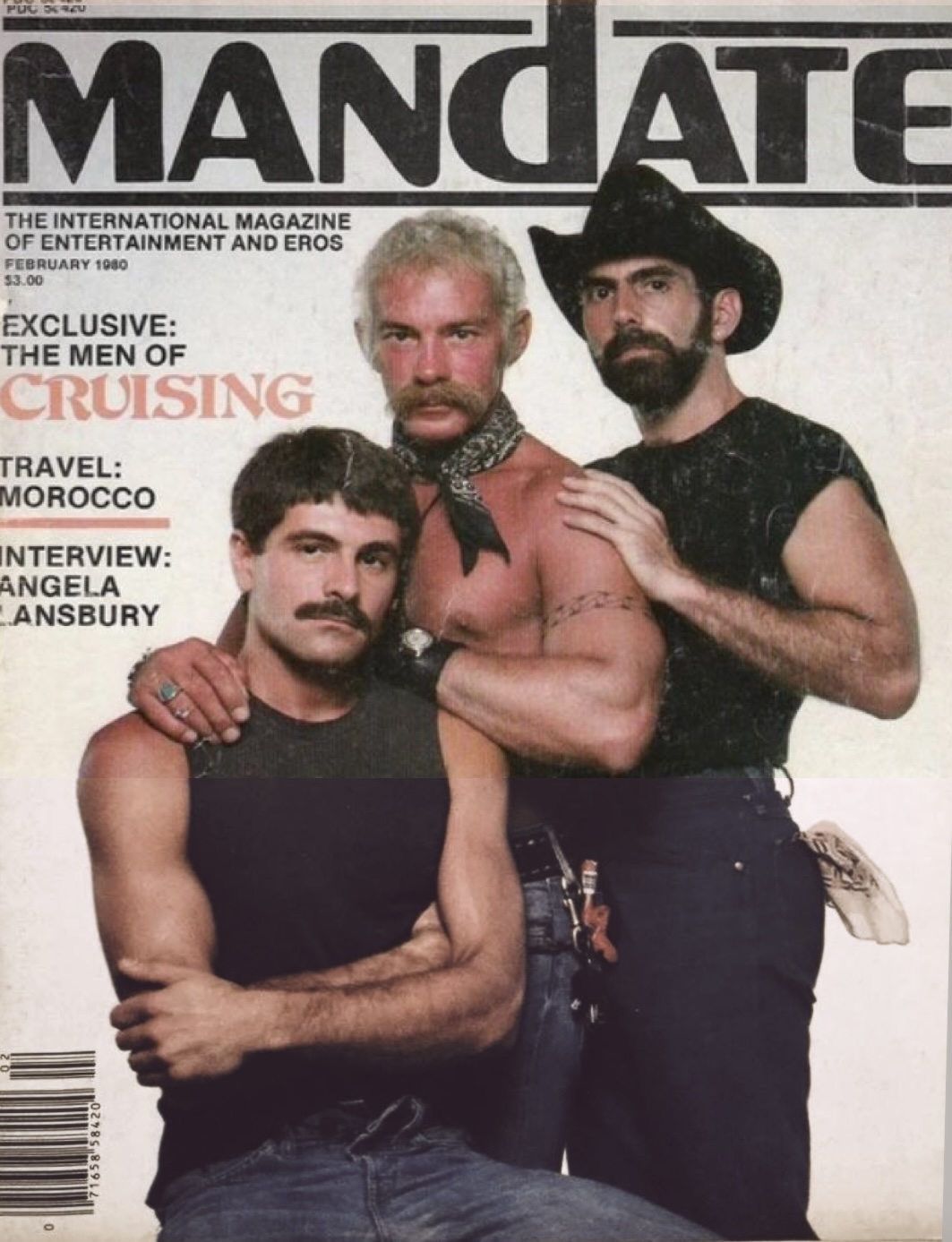
His appearance in Cruising landed Bieber on the cover of the February 1980 issue of Mandate Magazine. In his interview, Bieber mentions that he played Letch Feeley among other acting roles. He differentiates himself from the other Cruising extras, some of whom were cast off the street. “I want to stress that I did it as a professional… It’s just a job.”

As for those rumored to be having sex on camera in the leather bar scenes; “On the set, some people were having sex for real, but (director William) Friedkin didn’t ask anybody to. No way I would suck cock in front of a camera,” he says.

Although Bieber doesn’t mention his work with Colt Studios in this article, four months later Mandate ran a 10-page spread titled “Whatever Happened To Letch Feeley?” This feature tracked Bieber from his Little Me photos through his work with Colt Studios.

When asked to sum himself up at the close of the article, Bieber said with a smile; “I’ve done a little bit of everything and I’ve loved every minute of it.”

Later in 1980, Bieber was done in by a poison dart in Times Square during the opening sequence of Eaten Alive, an Italian cannibal movie:

The epilogue of Uncle Mame: The Life of Patrick Dennis (2000) notes that Bieber “has been an extra in almost every movie ever filmed in New York City. Kurt says he is ‘still around and still cruising Christopher Street.'”

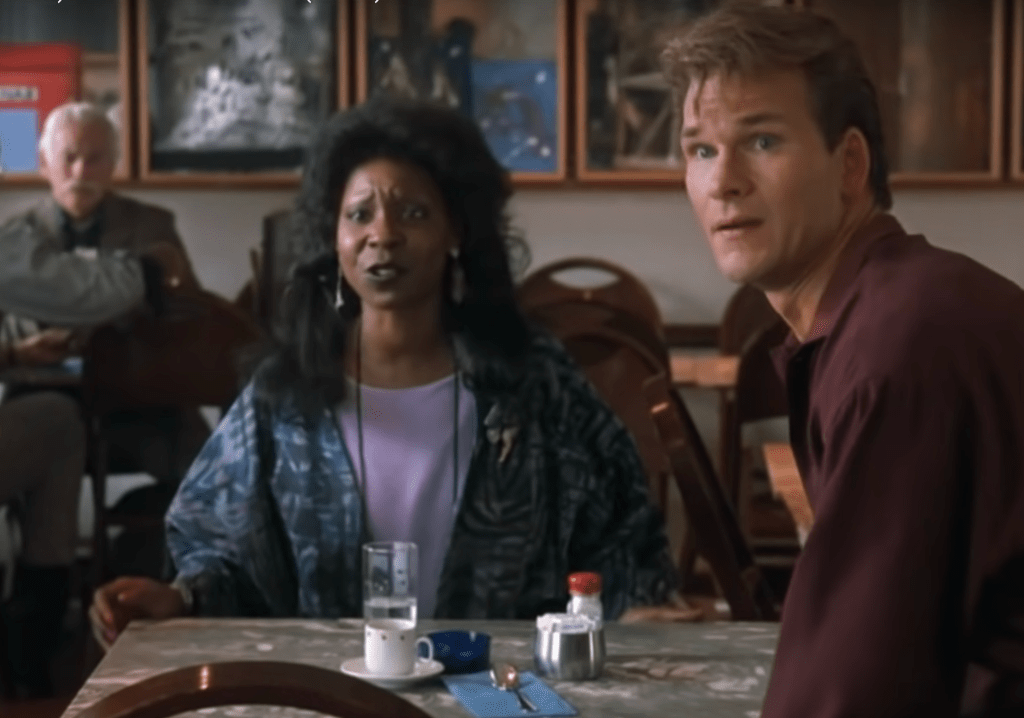
Kurt Bieber behind Whoopi Goldberg and Patrick Swayze in a scene from Ghost (1990)

Decades later, Little Me fans still recognized him. “Even today, I’ll sometimes walk into a store and someone will say ‘Wow! Letch Feeley!’ How they recognize me after all these years, with my white hair, I’ll never know.”

Kurt Bieber passed away at age 86 on December 31, 2015 in New York City.

See Also:
The Yale Posture Photos: Bill Hinnant
Madame Spivy: I Didn’t Do A Thing Last Night
Keith Haring In Heat Magazine (1992)
Kenn Duncan After Dark
Artist’s Muse: Wilbur Pippin
Artist’s Muse: The Mystery Model
Artist’s Muse: William Weslow
Gay Times #69 (1978)
New York City: In Touch For Men (1979)
Armistead Maupin in Blueboy Magazine (1980)
You Know The B-52’s Song “Roam” Is About Butt Sex, Right?
George Platt Lynes: In Touch Magazine (1982)
Revisiting George Platt Lynes’ Fire Island Muses

Truman Capote in Mandate (1985)

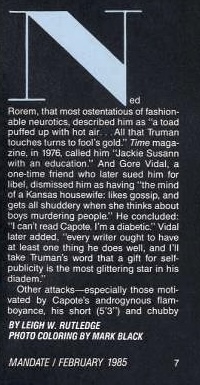
Truman Capote is the subject of this article from the February, 1986 Mandate magazine. The piece was written by Boze Hadleigh just over a year after Capote's death.

Continuing with our theme from the last post, Truman Capote is the subject of this article from the February, 1985 issue of Mandate magazine. The piece was written by Boze Hadleigh just 6 months after Capote’s death.

The infamous book jacket photo of Truman Capote from Other Voices, Other Rooms. One critic commented, “He looks as if he were dreamily contemplating some outrage against conventional morality.” (1948)

See also:
Donald Windham On Truman Capote: Christopher Street (1988)
Truman Capote’s Christmas Memory
Artist’s Muse: Chuck Howard
Artist’s Muse: Ted Starkowski
Artist’s Muse: The Mystery Model
Artist’s Muse: Wilbur Pippin
Provincetown PaJaMa Party
Fire Island Muses of George Platt Lynes & The PaJaMa Collective
Revisiting George Platt Lynes’ Fire Island Muses
George Platt Lynes: In Touch Magazine (1982)
Keith Haring In Heat Magazine (1992)
Mandate 1988: New York Redefines Drag

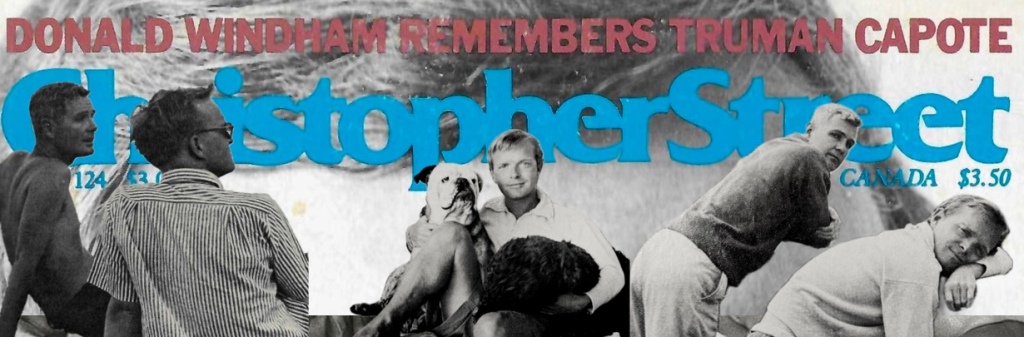
Donald Windham on Truman Capote: Christopher Street (1988)

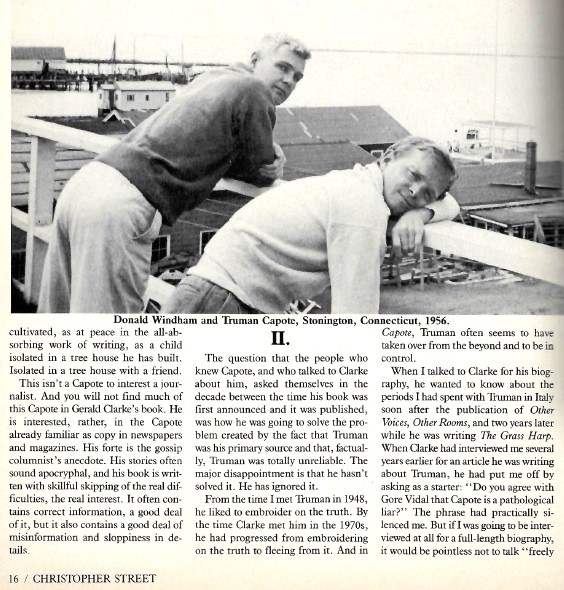
Donald Windham and his partner Sandy Campbell were two of the subjects of my recent collaboration with the Fire Island Pines Historical Preservation Society. The Fire Island Muses of George Platt Lynes and The PaJaMa Collective focused on the subjects of their photography and artwork, specifically during summers spent on Fire Island.

Donald Windham (with Paul Cadmus) & Sandy Campbell in PaJaMa photos of the early 1940’s.

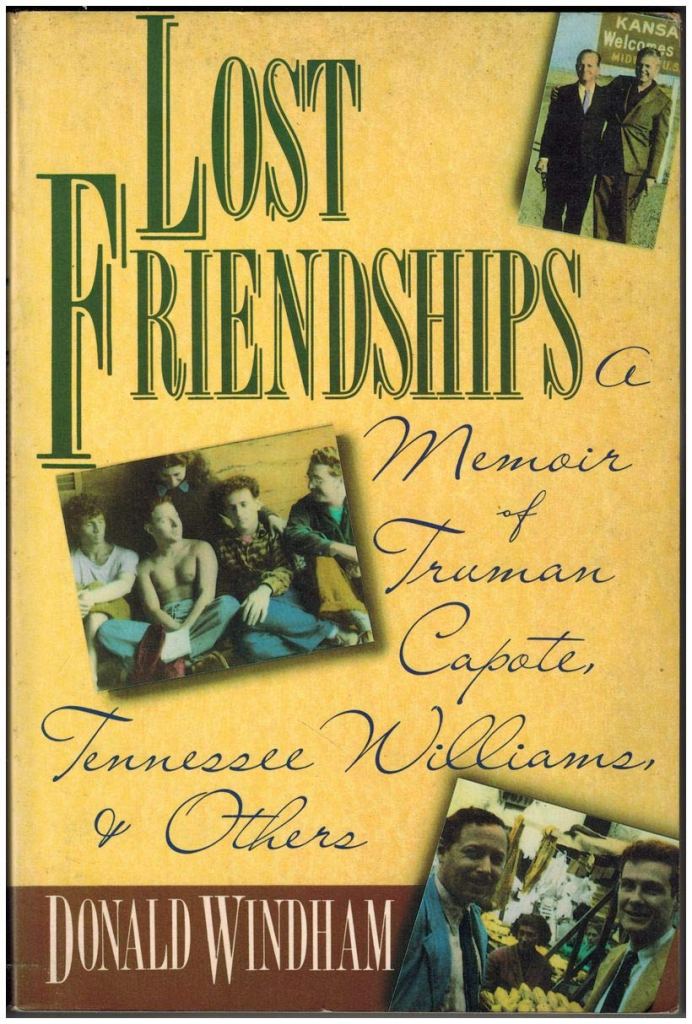
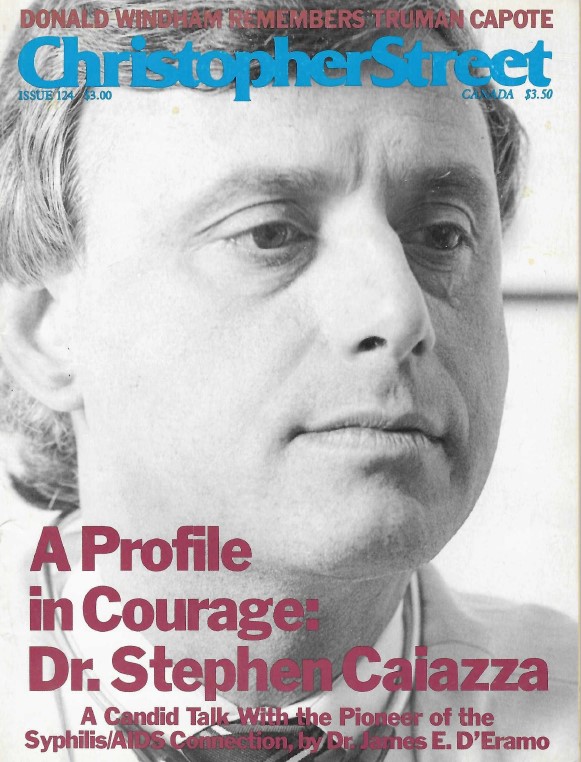
I recently rediscovered this piece written by Windham for a 1988 issue of Christopher Street. I bought the magazine at a West Village newsstand back in the day, and it has remained in my possession all these years, proving yet again why I never throw anything away. Because you never know…

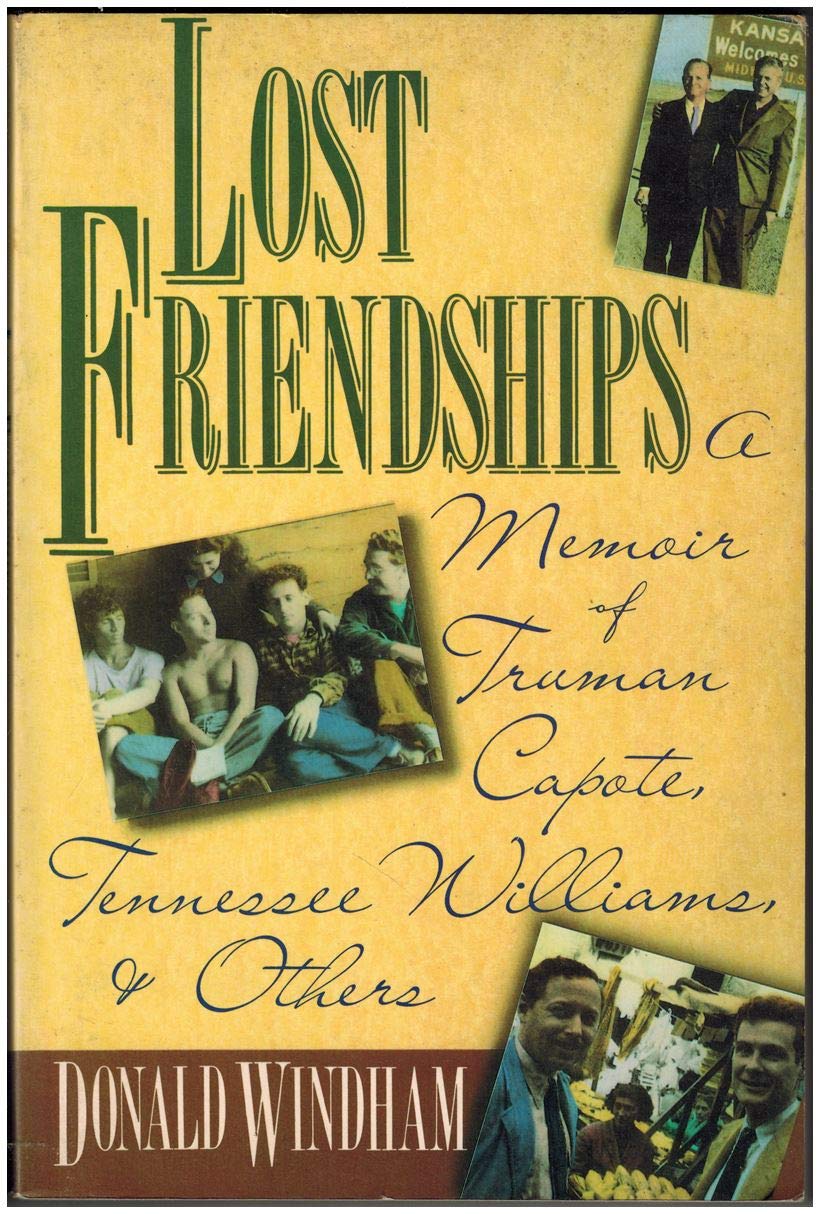
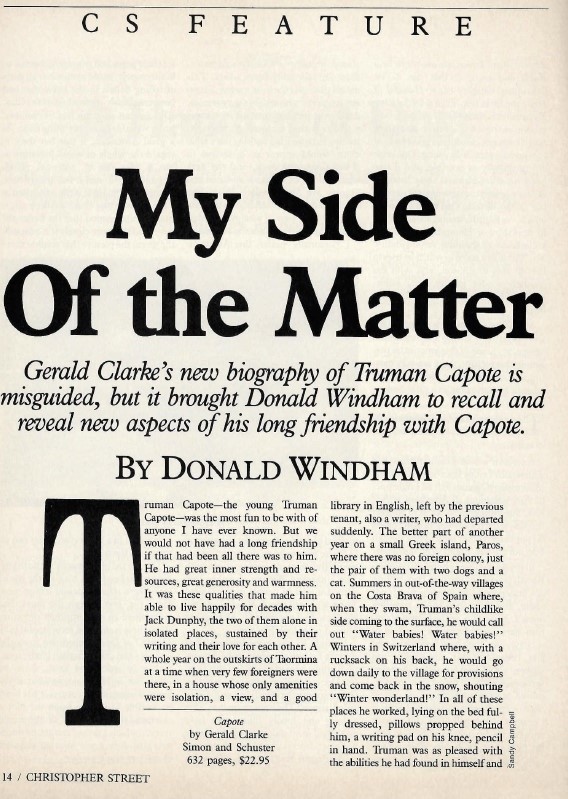
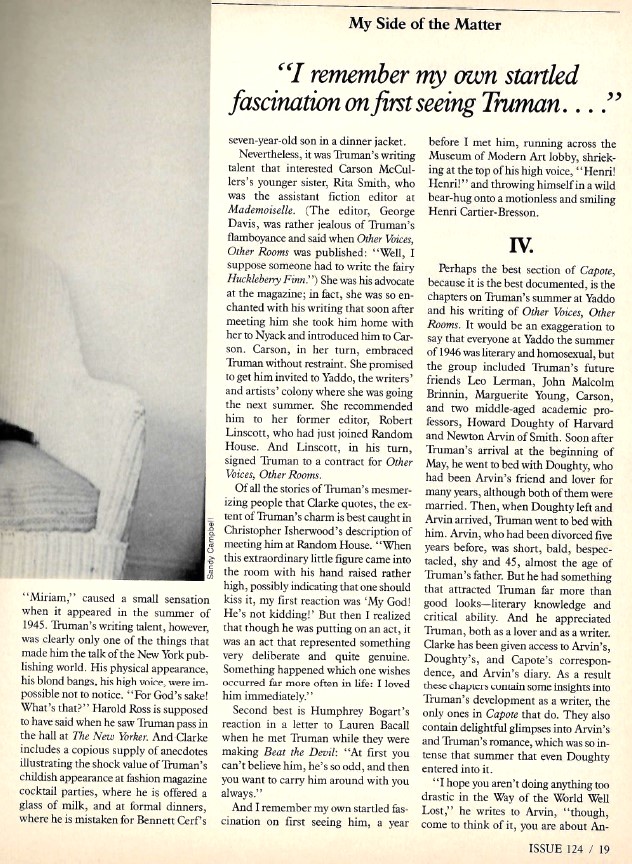
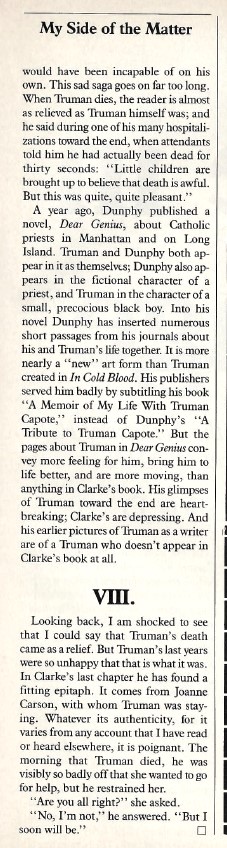
Back in 1987, Donald Windham had published Lost Friendships: A Memoir of Truman Capote, Tennessee Williams, and Others. This article was written the following year in response to the publication of Gerald Clarke’s 600+ page biography Capote, which Windham describes as “misguided.” Clarke’s book would later be adapted into the 2005 film, with Phillip Seymour Hoffman winning an Oscar for his portrayal of troubled Truman.

Note that the photos accompanying the article are credited to Sandy Campbell.

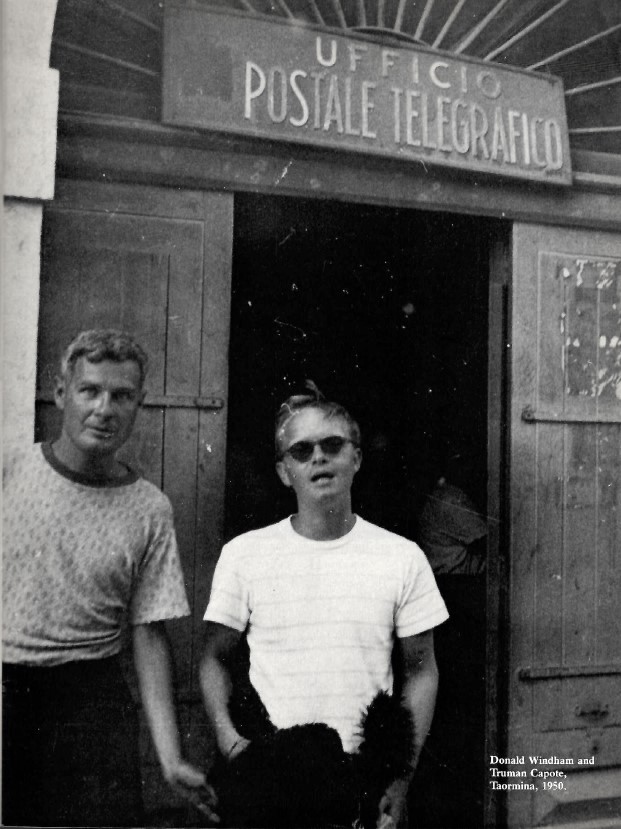
This photo appears in several places on the internet misidentifying Capote as Sandy Campbell with Donald Windham, Piazza San Marco (1948)
Capote with Sandy Campbell at the Kansas border, October 1964

See also:
Truman Capote in Mandate (1985)
Truman Capote’s Christmas Memory
Artist’s Muse: Donald Windham & Sandy Campbell
Fire Island PaJaMa Party
Fire Island Muses of George Platt Lynes & The PaJaMa Collective
Artist’s Muse: José “Pete” Martinez
Artist’s Muse: Chuck Howard
Artist’s Muse: Wilbur Pippin
Artist’s Muse: The Mystery Model
Don Herron’s Tub Shots IV: Christopher Street 1980
George Platt Lynes: In Touch Magazine (1982)
Revisiting George Platt Lynes’ Fire Island Muses

Debbie At The World (1989)

Here comes the 21st century… it’s gonna be much better for a girl like me…
-Deborah Harry, “I Want That Man”

I recently came across the 2018 Interview magazine article “An Oral History of The World: the most iconic nightclub you never heard of”. This reminded me of my one and only trip to the legendary club when Deborah Harry played there in November, 1989.

Seven years after Blondie went on hiatus, “Debbie” become “Deborah” as she released her third solo album, Def Dumb and Blonde – an eclectic 15-track collection that most fans consider to be her best effort outside of the band. Although the album did not crack the US Billboard top 100, it reached the top 10 in the UK and other countries.

I got tickets to the November 11 show. This was the second of three sold out shows at the Lower East Side club. The guy I was seeing when the tickets went on sale was no longer in the picture by the time the show came around, so I ended up taking my older sister, Kari. She had been a Blondie fan a decade before – it was her cassette of Parallel Lines that we wore out.

We came up out of the F train at Houston Street and First Avenue and started heading east into Alphabet City, walking briskly past the homeless huddled around burning trashcans and assorted drug-induced shenanigans. Kari was holding onto my arm, talking a mile a minute – engrossed in a story that I hoped would keep her distracted for as long as possible. We were somewhere between Avenues A & B when she finally looked around, slowed a bit, gripped my arm tighter and said “Oh my god. Where are you taking me???”

“Almost there!” I said, although I wasn’t sure if we were.

I knew nothing about The World – a 16-and-over nightclub that payed little attention to underage drinking, a quaint complaint given the other activities that allegedly went on there. Housed in a crumbling former catering hall, it had that air of faded decadence prevalent in many East Village hangouts. It was as if the party continued on in the ruins of past generations…. clubs and galleries in the dilapidated haunts of German, Polish, and Ukranian immigrants, followed by another generation of hippies and poets, then punks and artists who had now come and gone. We were in the last months of the 1980’s and all that the decade had wrought was slipping into the past. But would Debbie, um, Deborah Harry?

There was an air of anticipation as to how this show would go: her first solo tour at age 44 – the same age as Tina Turner at the time of her Private Dancer success 5 years earlier. Given that Harry was back on her home turf – just a few blocks from CBGB’s – would she lean into her rock/punk roots? Surely this would not be a parade of greatest hits.

Still, it was a surprise when she quietly took to the stage along with her ever-present creative partner Chris Stein and opened her set with the jazzy Motown ballad “The Hunter Gets Captured By The Game.” This Marvelettes cover was the final song on Blondie’s 1982 LP The Hunter. It was an intriguing choice for an opening number, as if she & Stein were picking up right where Blondie left off.

And then the show shifted into gear: playing through a set heavy on Def Dumb & Blonde‘s edgier cuts while seamlessly mixing in Blondie album tracks like “Cautious Lip” & “Detroit 442”. The set wound down with “Brite Side,” her latest single which segued into a cover of The Velvet Underground’s “Waiting For The Man”.

For the encore, she took off her jacket and returned the stage in just a black bra. When presented with a bouquet of roses, she bit the head off of one and spit it back at the audience. She tore through a couple of conciliatory hits: “Call Me” & “One Way Or Another”, plus her minor solo hit “French Kissin’ In The USA”.

Here’s where memory gets tricky: I recall that she did a Ramones cover as her final song. In the years following this show, I saw The Go-Go’s and Kirsty MacColl both cover “I Wanna Be Sedated” as final encores at their concerts. Some mental wires got crossed and 30+ years later, I thought Harry sang it too. But thanks to the internet and her fanatic fans, I am reminded that the Ramones song she covered on this tour was “Pet Sematary,” the theme to the Stephen King movie that her old friends had released earlier that year. 

Here’s a recording from The Roxy in LA on October 23, 1989 – two weeks prior to The World shows in NYC:

My sister had gone off during the encore to find a bathroom. Towards the end of this song, she reappeared, white as a ghost, saying “Ohmygod ohmygod you have to help me! I have to pee SO bad and there’s only ONE bathroom for everyone! NO STALLS. I asked someone if it was the ladies room and she said ‘Men, women… what’s the difference?’ ohmygod you have to help me!”

Downstairs in the bathroom, I stood with my back to her, holding my full-length wool coat open like some sort of reverse-flasher trying to block her from the view of everyone except the woman sitting on the toilet right next to her having a conversation with her friend. I was trying not to laugh too hard as my sister kept muttering behind me “ohmygod ohmygod unbelievable… men, women, what’s the difference… unbelievable….”

On our way out, I poked my head into the lounge, where futuristic electronic music played. I could only make out strange silhouettes in the dim colored lights of the smoky room. It seemed like a cross between the Creature Cantina and something out of The Jetsons. 

Still got that t-shirt…

After a quick t-shirt purchase at the merch booth, we were back on the street. Kari was holding on to my arm as we headed down East Second Street. A panhandler approached and said “Now there’s an attractive couple!” My sister let out a sustained “Eeew” which I punctuated with “She’s my SISTER.”

“My apologies.” He responded quickly and moved on to the second half of his spiel as he walked alongside us. “I’m having a rough time right now. If you could reach down into your pockets and help me out with anything, anything at all, I would really appreciate it.”

Kari, absentmindedly reached down into her pocket and presented him with a matchbook. He was not amused.

We turned on to Avenue A as he stood there screaming after us “Fuck you bitch! Fuck you! I will fucking BURN you bitch!”

She didn’t seem to hear him. Shaking her head, she said, “Oh my god. That bathroom.”

It would be another year and a half before I relocated to the neighborhood. But The World ended just two weeks before I got there: On June 27, 1991 co-owner Steven Venizelos – described by the New York Times as “a corpulent man with a penchant for jewelry” – was found murdered on the balcony of the club. He was shot three times at close range. There were no signs of robbery and the case went unsolved. In keeping with the East Village trend, the building was demolished to make way for “luxury” apartments. 

The Record, 6/29/91

And Debbie? She’s still going strong. As she sang in “I Want That Man,” Here comes the 21st Century… it’s gonna be much better for a girl like me… the reunited Blondie brought in the new millennium with “Maria,” a #1 hit in the UK. They were inducted into the Rock & Roll Hall of Fame in 2006.

Her latest collaboration is with The Dandy Warhols – “I Will Never Stop Loving You.”

See Also:
The Tin Man And The Lion: Unanswered Prayers
The Lion In The Emerald City: Promise Of A New Day
Homo Alone (1991)
A Stroll Though 1980’s NYC
Madonna’s Lost 1980’s Megamix Video
Kate Bush’s Gayest Songs
Ronnie Spector 1980
12 Forgotten Female New Wave Classics
Don Herron’s Tub Shots
Keith Haring In Heat Magazine (1992)
You Know The B-52’s Song “Roam” Is About Butt Sex, Right?
Sheena Is A Grandmother

Fire Island Muses of George Platt Lynes & The PaJaMa Collective

I am pleased to announce that I have penned an article for the Fire Island Pines Historical Preservation Society website titled “The Fire Island Muses of George Platt Lynes & The PaJaMa Collective.” It focuses on the subjects of the artwork they created during their time on Fire Island. See the full piece here: https://www.pineshistory.org/the-archives/fire-island-muses

Paul Cadmus & Jared French, Fire Island, PaJaMa (1940)

I have previously written about The PaJaMa collective’s Fire Island summers. They were frequently joined by fellow artists George Platt Lynes and Bernard Perlin, as well as a parade of friends and lovers, performers and literary types from their New York social scene. They were almost exclusively attractive young gay men who served as models and muses for the artists.

Chuck Howard & Ted Starkowski, FI, PaJaMa, 1951

10 of these men are profiled in the piece – several of whom have previously been featured here. The others will inevitably get more in-depth profiles in the future:
José “Pete” Martinez
Forrest Thayer
Donald Windham & Sandy Campbell
Jonathan Tichenor
Randy Jack
Ted Starkowski
Chuck Howard
Jensen Yow & Jack Fontan

Paul Cadmus: Two Boys On The Beach (1938) / Two Boys On The Beach 2 (1939)

Margaret French, “The Moon by Day”, 1939

Thanks to Robert Bonanno for reaching out and John Dempsey for the feedback and formatting!

See Also:
Fire Island PaJaMa Party
Provincetown PaJaMa Party
Revisiting George Platt Lynes’ Fire Island Muses
Artist’s Muse: Wilbur Pippin
Artist’s Muse: William Weslow
Artist’s Muse: The Mystery Model
Buddy & Johnny: A Historic Photo Shoot
Donald Windham on Truman Capote: Christopher Street (1988)
New York City In Touch (1979)
Gay Times #69 (1978)
George Platt Lynes: In Touch Magazine (1982)

Don Herron’s Tub Shots Part IV: Christopher Street (1980)

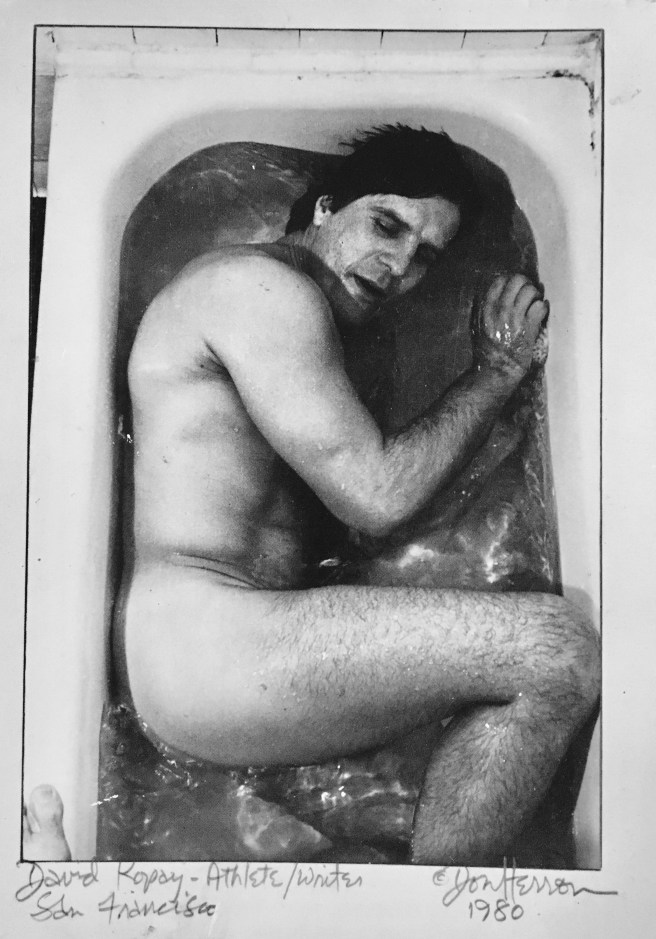
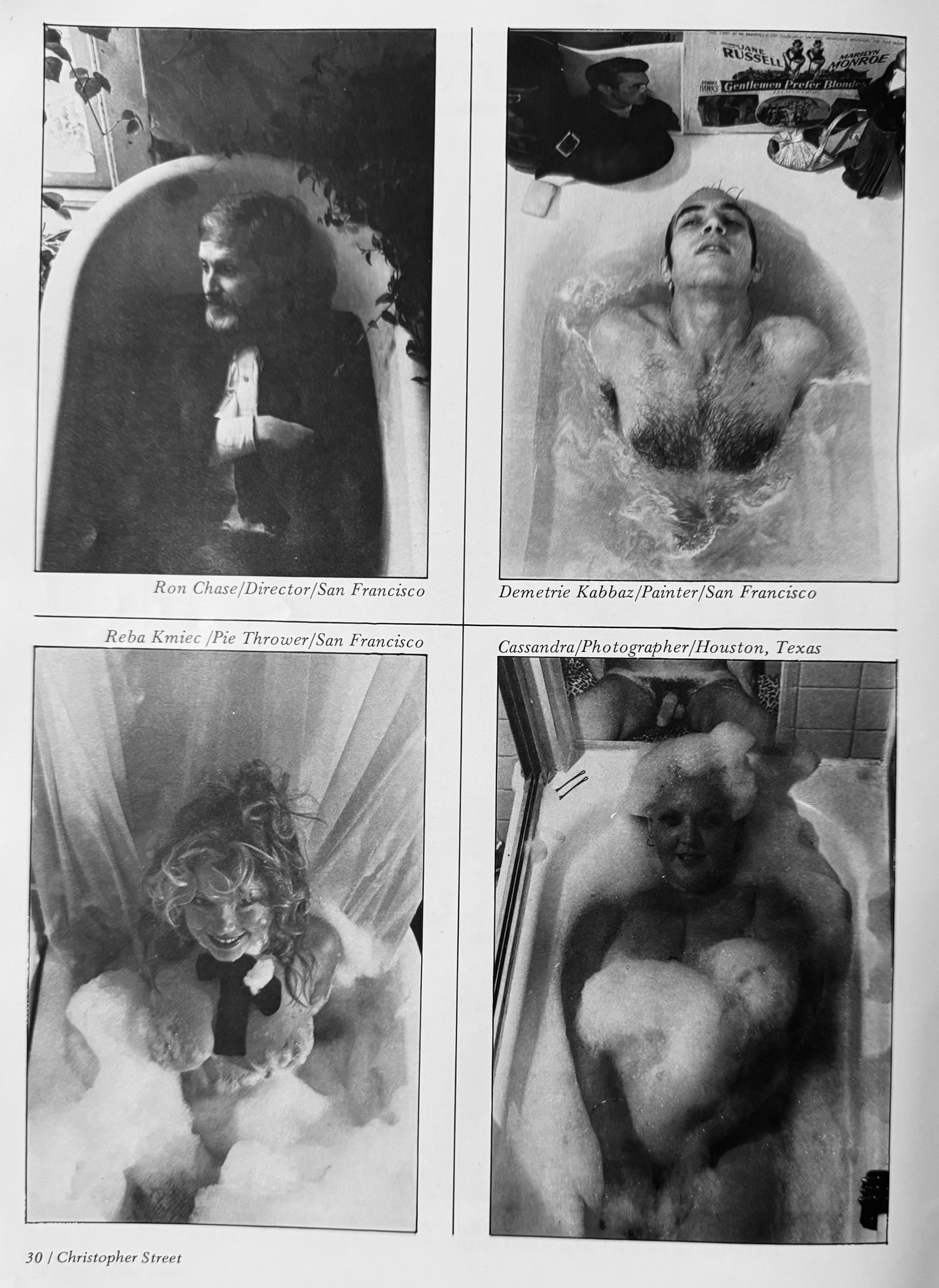
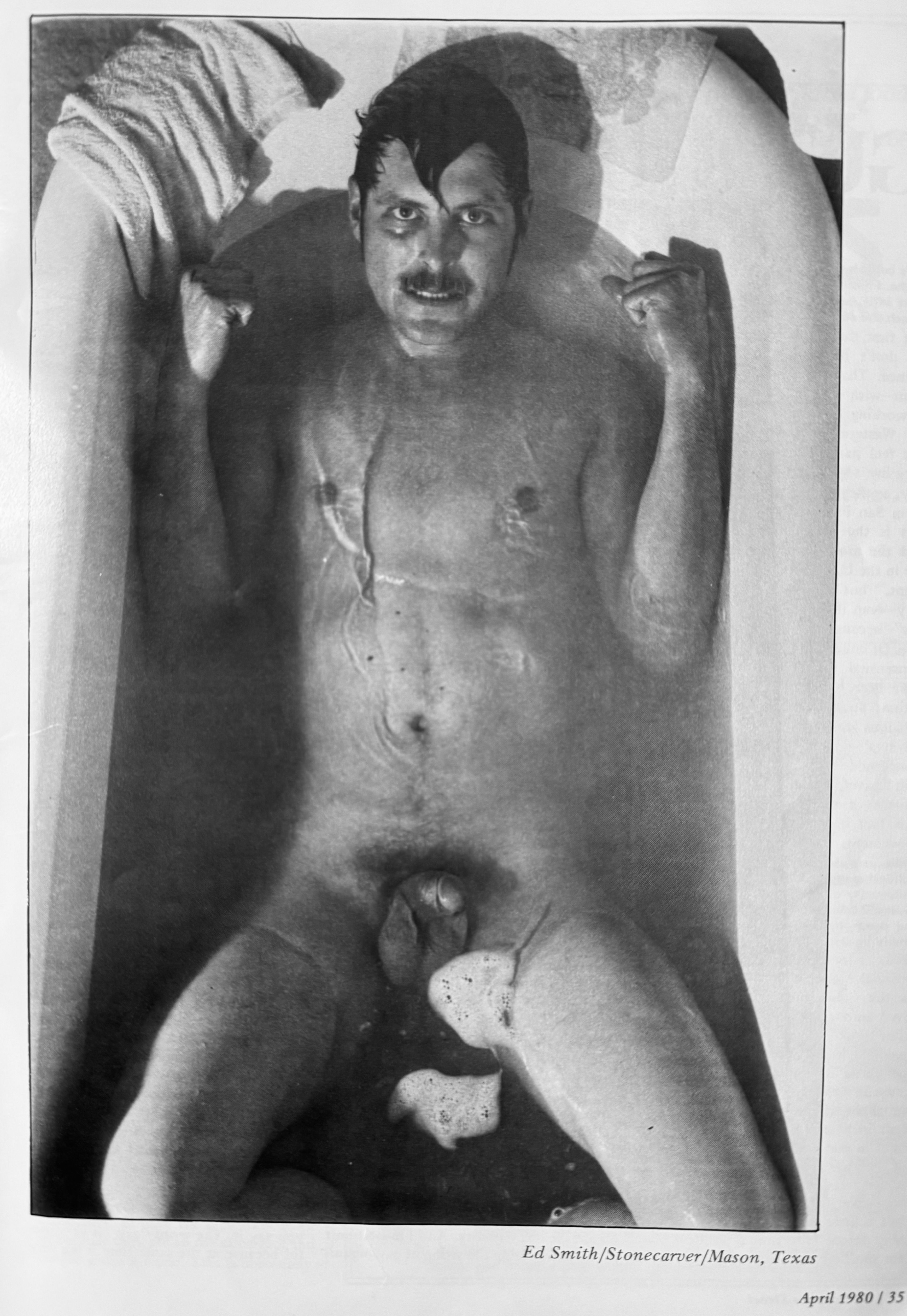
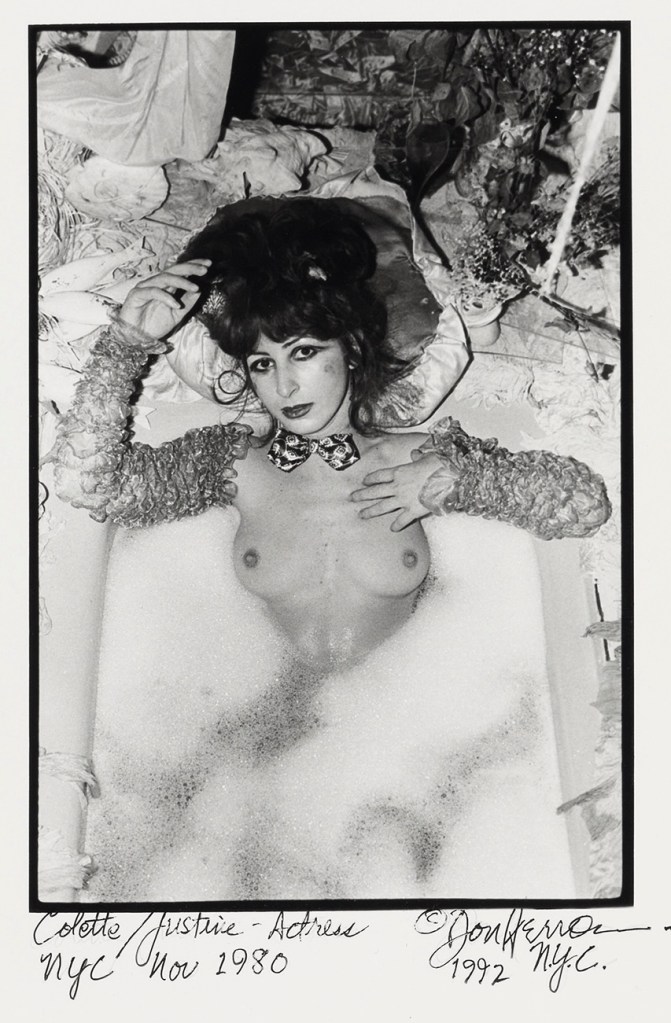
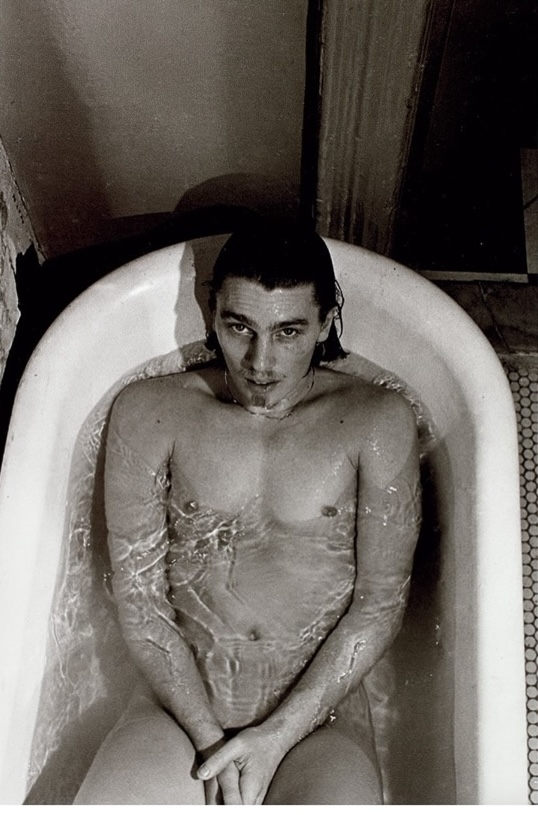
Back in 2018, I posted two collections of artist/photographer Don Herron’s Tub Shots, a series of images featuring the famous and near-famous posing in their bathtubs. This coincided with an exhibition of 65 photographs at the Daniel Cooney Gallery here in NYC. The blog posts (Pt. 1 and Pt. II) still garner a considerable amount of traffic, as well as a third collection posted 2 years ago. Now we have a fourth selection of the collection: a Christopher Street magazine feature from April, 1980 and recollections from the subjects.

The April, 1980 issue of Christopher Street, with football player David Kopay sharing the cover with a very nice Tom of Finland illustration.

Among those featured in the Christopher Street layout was artist Mel Odom, who shared memories of the experience in Pt.1.

Ronald Chase is a San Francisco-based artist, photographer, educator, independent filmmaker and opera designer.

Demetrie Kabbaz (1944-2014) was a painter known for his highly stylized portraits of Marilyn Monroe and other iconics of pop culture.

The article mentions a 1981 exhibit at Jehu gallery in San Francisco. The tub shot of gallery owner Ron Jehu (1937-2007) is also included alongside actress Mink Stole and popular San Francisco DJ Sheila Rene (1939-1998).

Writer Felice Picano: “Don came to my duplex at 317 E 11th Street, now owned by Annie Leibovitz and he was a sweet man, so he climbed onto the back of the bathtub where he was cramped but also supported by two walls and he shot a bunch of photos.

“He then asked if I could recommend others to shoot, and I sent him to either George Stavrinos or to Victor Hugo (Halston’s lover). By the time Don was done, he had gotten a pretty full and accurate portrait of Bohemia In New York City in the period. And, as I wrote in my book Art & Sex in Greenwich Village, Don captured what was probably the last unified downtown NYC bohemian community.”

Peter Hujar (1934-1987) was a photographer primarily known for his portraiture. His photo is featured on the same page as fellow photographer Robert Mapplethorpe (1946-1989). Annie Leibovitz would later recall, “Peter and I shared a distaste for Robert. One of the reasons is that Peter thought Robert was silly, you know, which he was. And he thought that Robert copied him in certain ways, which of course he did.”

Belle de Jour was New York’s most notorious dominatrix in the 1970’s and 1980’s. She ran a successful commercial dungeon and a weekly S&M theatre in her midtown loft. Submissive men, suburban couples, and thrill seekers were known to fill the bleachers to watch Belle and her entourage perform.

Don Herron‘s own Tubshot can be seen in this ad for a 1982 gallery showing:

Sur Rodney Sur recounts his tub shot: “We used the bathroom of Cynthia Chiarulli’s loft for the photo shoot, which was styled by Suzan Silver, a jewelry maker who made her wares from mirrored plastics she purchased on Canal Street. She provided the lipstick and sprayed the sides of my hair silver.

“I used the photo for the cover of my first book of poems… I organized an exhibition of Donald’s prints at the Tribeca club Stilwende and also showcased Suzan’s jewelry. I also screened a new version of my TV talk show – the All New Sur Rodney Sur Show. Sometime after the event I produced a version of my talk show where I interviewed Holly Woodlawn in a bubble bath for a photo shoot with Donald in a television studio in Chelsea.”

Valery Oisteanu: “I remember being introduced to Don by Timothy Greenfield and Don was part of the East Village Arts scene. He was very friendly. I was writing a monthly column at that time in Cover Arts magazine called ‘The Wall Patrol’ about art galleries…. Don took a photo of me naked wearing a Mylar face mask and there are also butt plugs as a humorous prop.”

Colette Justine (aka Colette Lumiere) is a multi-media artist who is considered a pioneering street performance artist and “photographic tableau vivant.” She is also known for playing with male/female gender roles through different guises and personas.

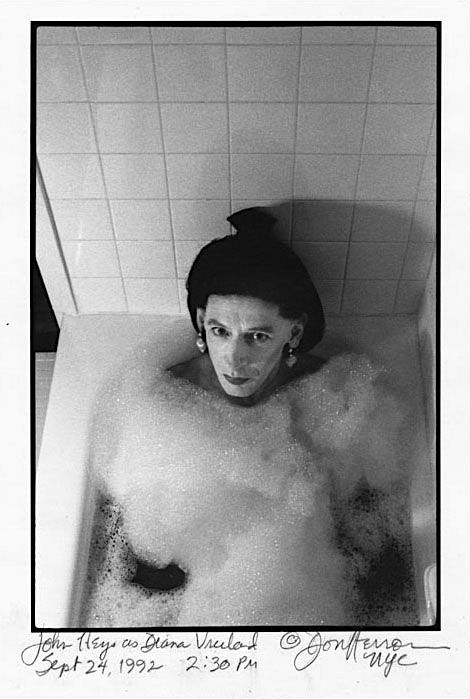
Käthe Kruse, performer/artist: “I was staying with John Heys when he was photographed by Don. When we met in John’s apartment and he saw my hair, he asked to photograph me too. So after the shoot with John, I got off my clothes and laid down in the bathtub and he arranged my hair. Then he climbed up to the edges of the bathtub and started to photograph. He told me that he always takes the same number of photos (eighteen) and then he stopped. I love these kind of concepts. When I was back in Berlin I received one print and after all these years it is still hanging in my home. I love the photo and I am very happy and thankful to have been photographed by Don.”

Photographer/visual artist Christopher Makos (1980)

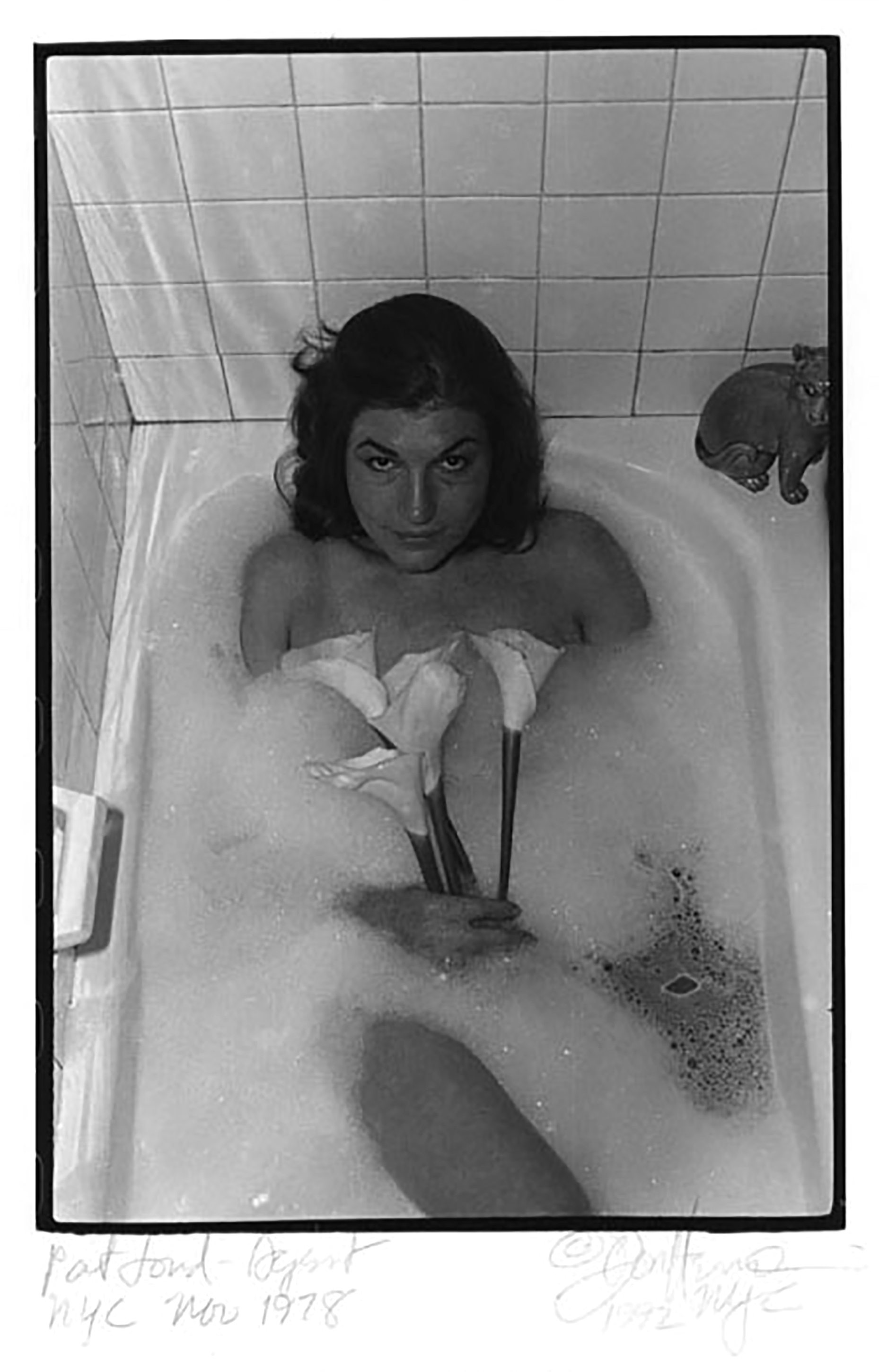
Stanton Weiss (1952-2022): “New York in the 1970’s was an unparalleled place. There was an edge to it and a feeling that anything could happen. I had a seemingly conservative job working for Dick Ridge, the renowned interior designer. The phone rang. ‘Stanton darling, it’s Pat. Don Herron wants to photograph me and I need to use Dick’s tub! My bathroom is being painted.’ Pat was Pat Loud, America’s first reality star of PBS’ An American Family. She is a stunning woman, and unlike other reality stars, she is the epitome of grace and style. She posed with calla lilies and then Don asked me if I would like to be photographed as well.”

Pat Loud (1926-2021): “I recall Don calling me to say he was doing a series of photographs of people in their bathtubs and would I pose for him. I told him I didn’t do bathtubs but he assured me that nudity was not his objective and I could use all the bubble bath I wanted…. I don’t know whose idea the calla lilies were that seem so dominant and strategically placed and yet so out of place for such a photo.”

Dick Ridge (1928-2021): “I received a phone call from Pat Loud, who asked me if I would pose along with other people of the moment for a picture in my bathtub. Having just returned from Southampton, I had a pretty good tan and decided ‘Why not?'”

Poet Michael Ratcliff, Performer/Fashion designer Katy K (Kattelman), Legendary nightlife performer Joey Arias.

Marcus Leatherdale (1952-2022) was a Canadian portrait photographer who was personally and professionally associated with Robert Mapplethorpe.

Michael Musto: “Don contacted me with the idea of photographing me in my bathtub. I thought that was a novel idea, especially since I usually took showers, not baths. He wanted the photo to express my eccentric side, so I wore the shower cap, shades and white lipstick. I found Don to be likeably quirky and creative. This was a time of horror because of the mounting epidemic, but it was also a time when LGBT culture, nightlife, and solidarity were on the rise. I used my Village Voice column as a venue for both anger and humor at the same time, while also expressing myself via fashion and nightlife antics. Don’s photo captured my multiple moods.”

See Also:
Don Herron’s Tub Shots part I
Don Herron’s Tub Shots part II
Don Herron’s Tub Shots part III
Kenn Duncan After Dark
Gay Times #69 (1978)
Blueboy 1980: Gays of NYC
John Waters in Blueboy Magazine (1977)
New York City: In Touch For Men (1979)
Keith Haring In Heat Magazine (1992)
Mandate 1988: New York Redefines Drag

A Voice You Know: Angela McCluskey

Celebrating singer Angela McCluskey, who died at age 64 on 3/15/24. In the 90’s she fronted the band Wild Colonials, and her timeless voice graced many soundtracks and commercials.

You know the voice. Even if you think you have never heard it before, you recognize it. When you hear it out in public, in a movie, on television, it’s a voice that makes you reach for your phone to Shazam and find out who it is. It has been described as fractured, gin-soaked. It has the strength to front a rock band. It has a break that recalls Billie Holiday. It transcends genres.

Through the 1990’s Angela McCluskey fronted The Wild Colonials with a force akin to her friend and fellow Scotsman Shirley Manson of Garbage. Formed in Los Angeles, the band had heavy ties with the movie industry. Their music ultimately appeared in over 30 films, and three of the band members have scored full-length features.

Their third album, Reel Life, Vol. 1 was a compilation of songs used in various films including Mr. Wrong, Unhook The Stars and Flirting With Disaster. Their songs were used on television as well, most notably on Grey’s Anatomy.

McCluskey also lent her voice to numerous advertising campaigns, singing in commercials for American Express, Schick razors and this memorable 2000 Kohls jingle:

In 2004, McCluskey released her first solo LP, The Things We Do, featuring the song “It’s Been Done”:

Over the next 18 years, she would release 4 LPs and numerous singles and EPs, including one with the reunited Wild Colonials in 2010.

McCluskey has been described as “a singer’s singer.” Her list of collaborators is long and wide-ranging –  from Dr. John to Cyndi Lauper to Shudder To Think to Paul Oakenfold. She contributed vocals for two albums with French electronic group Télépopmusik. Their 2004 collaboration “Breathe” garnered a Grammy nomination for Best Dance Recording.

Another highlight from her work with Télépopmusik was “Love’s Almighty” from 2005:

She appeared on Robbie Robertson’s LP How To Become Clairvoyant. “In The Air,” her 2011 collaboration with Morgan Page reached #1 on the Billboard Dance Airplay chart.

Angela McCluskey sings “Wild is the Wind” and “I Think It’s Going To Rain Today” for WFUV (2012):

McCluskey recounted her early days with The Wild Colonials in one of her final Instagram posts:

“…what a journey it’s been incredible American dream really”
“Never did anyone live life more fully, love more generously, sing more… well, just… more. Angela sang just as she breathed. Her life was a song, and she was music. She will be missed more than any of us can say…”

Spotify playlist covering her eclectic career:

See also:
Adam Schlesinger: Not Just The Guy On The Right
Tina Turner: 12+ Cover Songs You May Have Missed
Etta James: Advertising Zombie
60’s Girl Group Survivors
Dusty Springfield Sings Kate Bush
10 Forgotten Cher Moments
You Know The B-52’s “Roam” Is About Butt Sex, Right?
Debbie At The World (1989)
Kate Bush’s Gayest Songs
Madame Spivy’s Alley Cat
So Jill Sobule

Bindle Zine #2 Is Here! Winter 2024

The Winter, 2024 issue of Bindle Zine is out and once again my husband Tobias and I are delighted to be included in the collection of writers and artists, which you can find here. Toby’s artwork, “The Second Time You Die” is inside the front cover and he also contributed an illustration to accompany my essay, “General Slocum.”

The Second Time You Die by Toby Fox Ferrari

General Slocum

I was sitting at a table outside the Life Café when the self-appointed mayor of Avenue B waved his change cup towards Tompkins Square Park and said “It’s just beyond those trees – a pink marble monument, engraved on one side: In Memory Of Those Who Lost Their Lives In The Disaster To The Steamer General Slocum, June 15th, 1904– 1,100 or so lost – they never did get a total- burned on board or drowned in the East River. Women and children, mostly. The heart of this neighborhood, they said.

“You go ’round to the front of the monument where a boy and a girl look away from you – gazing back towards the river with faces obscured by design and a century of wear. Can’t hardly read it anymore but it says: They were Earth’s purest children, young and fair.

“Below that, a lion head spits water into the fountain with a stream that arcs over 100 years, as if to say ‘Here I bring you water to douse the fires in which your loved ones perished…this water, tamed of its currents that swept away your young. Here it flows in its simplest form as you reflect upon what has been lost.’

“But nobody reflects. ‘Cuz nobody remembers. That monument – erected so they would not be forgotten – has been forgotten.”

bin•dle (noun): a bundle of clothes or bedding, stereotypically carried on a stick by runaway children and transients

“We all wander through our lives, and we collect memories, possessions, and relationships. Bundle them all together, and you have yourself a bindle. Our zine represents a collection of writing and art and photography – a bindle of creativity that we send across America, a tramp in search of a mailbox.”

See Also:
Bindle Zine #1 – Summer 2023
Zombie Divas
Circle In Monkeyshines: Winter 2022
The Tin Man & The Lion: Unanswered Prayers
The Lion In The Emerald City: Promise Of A New Day
1991: Homo Alone
Debbie At The World (1989)
We Got Hitched
Pride Parade (2011)
Sunshine & Tinsel: A Canine Christmas Tail