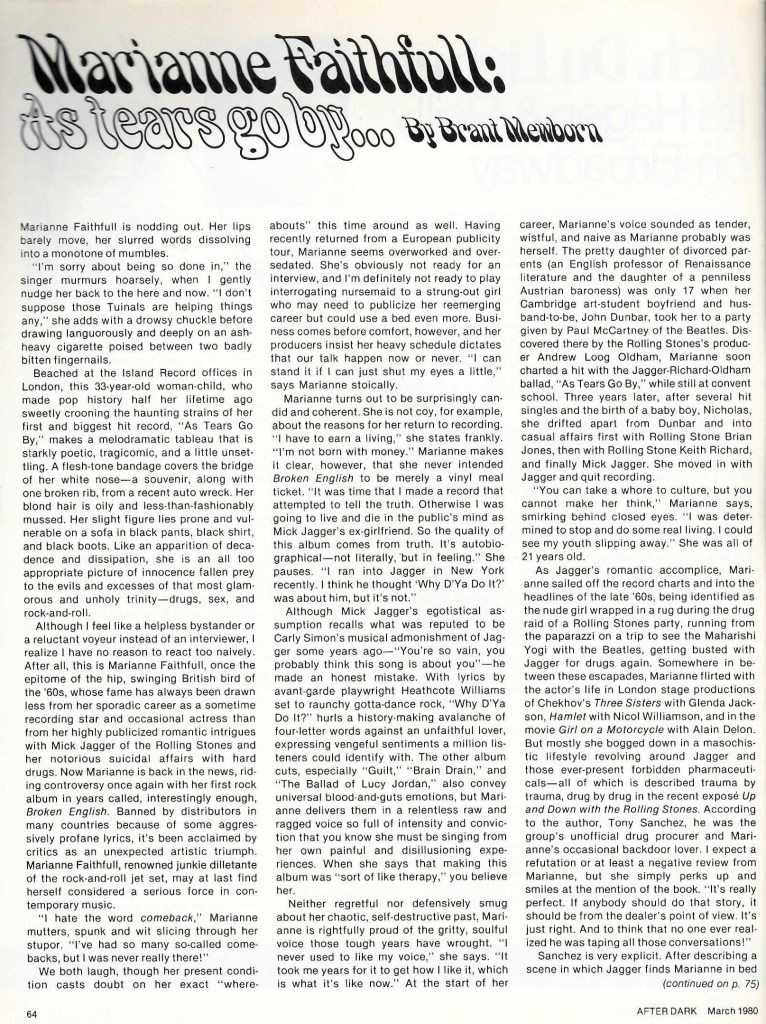
“Like an apparition of decadence and dissipation, she is an all too appropriate picture of innocence fallen prey to the evils and excesses of that most glamorous unholy trinity – drugs, sex and rock-and-roll.”
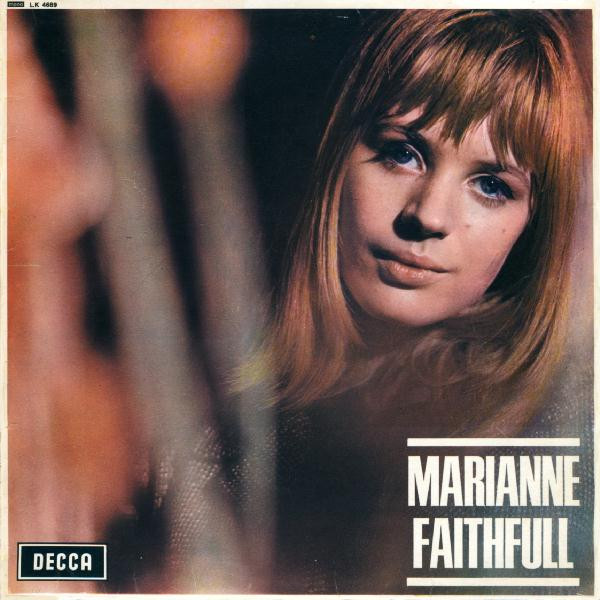
Marianne Faithfull’s debut LP (1965)
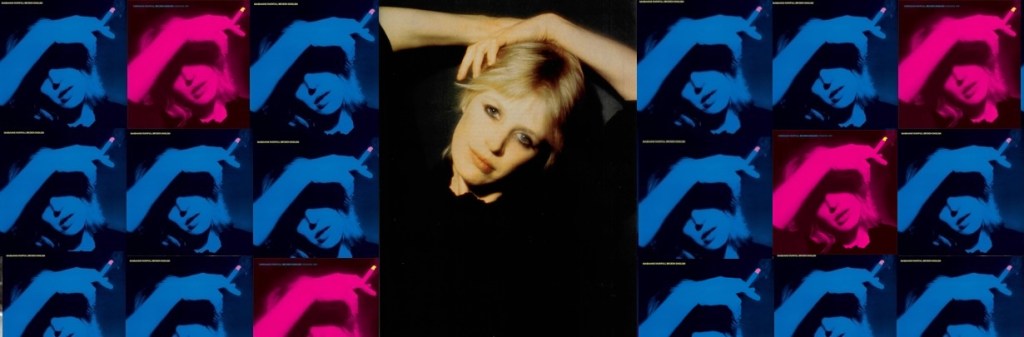
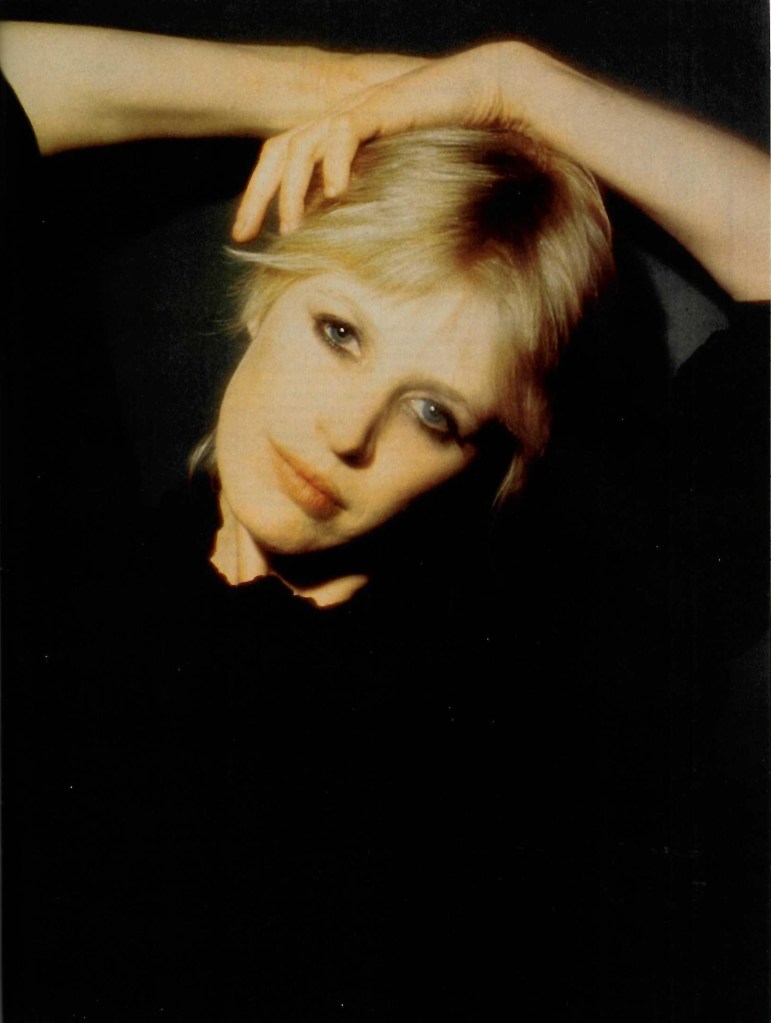
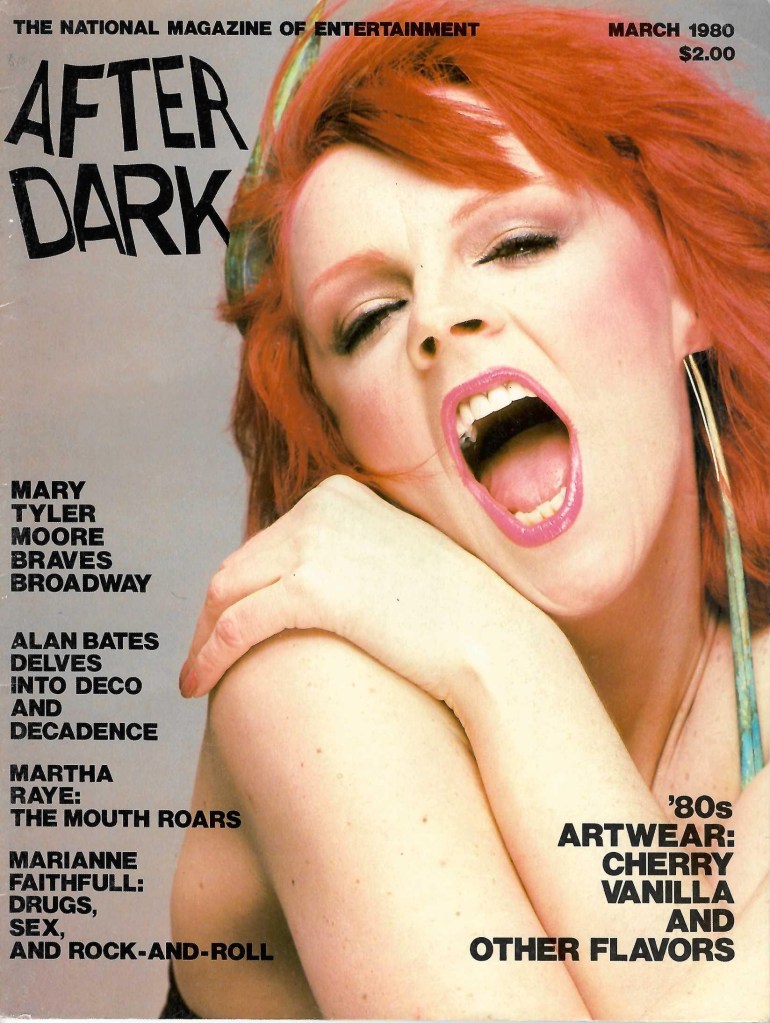
Depending on your calculations, Marianne Faithfull was entering the second or third act of her career when she was featured in the March, 1980 issue of After Dark magazine. The willowy chanteuse first achieved fame as part of the British Invasion with her 1964 hit “As Tears Go By,” a song written by Mick Jagger and Keith Richards. She worked her way through the Rolling Stones – first with Brian Jones, then Richards and finally Jagger, to whom she was linked romantically through rest of the 1960’s.
Faithfull’s singing career waned as she transitioned into acting roles. She was a poster child for the swinging London set, and then a cautionary tale of its excesses. By the early 1970’s, her career had been eclipsed by a series of scandalous headlines detailing drug use, breakdowns, arrests, and then homelessness. She eventually kicked her heroin habit, although complete sobriety continued to be elusive. A foray into country music in 1976 was not well received.
In the beginning… Marianne Faithfull sings “As Tears Go By” (1964)
Then came the critical and commercial success of Broken English – her 1979 LP proved to be her definitive album. She emerged like a phoenix from the ashes of the 1970’s with a punk-infused declaration that she still had something to say. How she chose to say it – with explicit lyrics that got the album banned in several countries – certainly didn’t hurt her reputation as a rock and roll survivor.
The Guardian revisited the album in a 2013 review, with Alexis Petridis writing “…her husking vocals on Broken English seemed not merely ravaged, but imperious and defiant with it, a sensation heightened by the arrangements her rasp was set against… she sounded like she was telling someone to go fuck themselves even when she wasn’t.”
It doesn’t bode well that writer Brant Mewborn begins the After Dark feature with the observation, “Marianne Faithfull is nodding out.” She’s recovering from a car accident and exhausted from a European publicity tour. “Marianne seems overworked and over-sedated. She’s obviously not ready for an interview, and I’m definitely not ready to play interrogating nursemaid to a strung-out girl who may need to publicize her reemerging career but could use a bed even more.”
One can’t help but wonder if the reporter would have been as forthcoming if he was describing Mick Jagger or Keith Richards in such a state. But that holds true for most of the judgement hurled at Faithfull throughout her career.
She does pull it together though, and Mewborn later describes her as “surprisingly candid and coherent.”
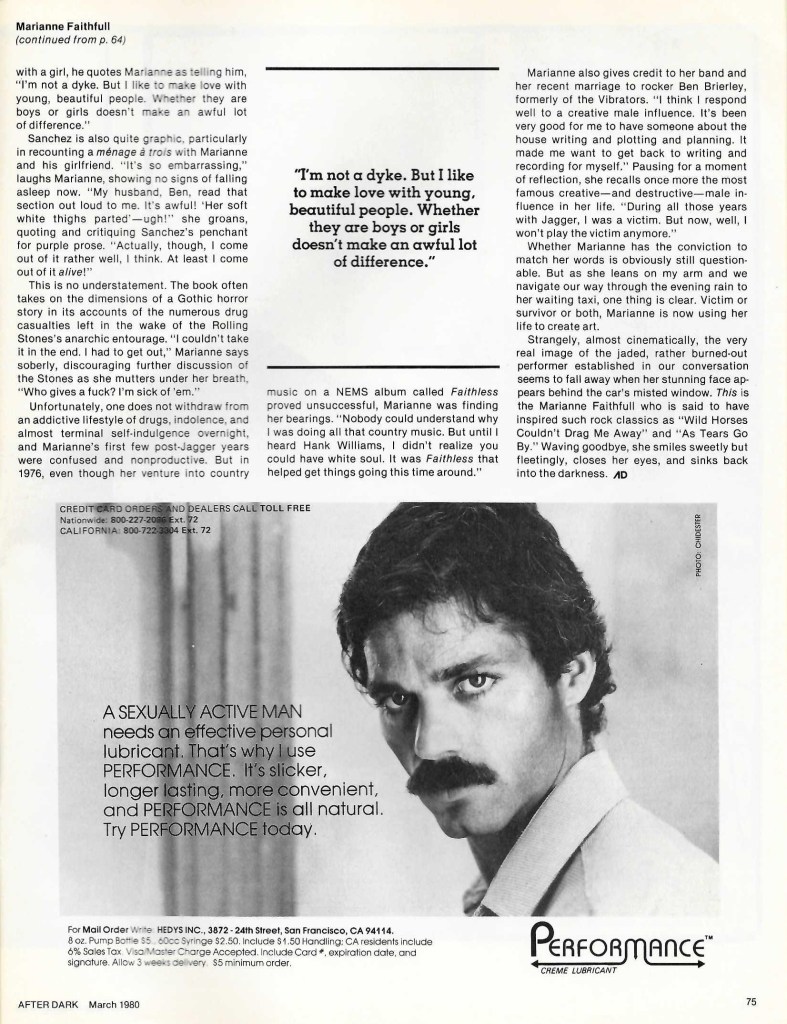
It’s interesting to note that one of the quotes highlighted in the article is “I’m not a dyke, but I like to make love with young beautiful people. Whether they are boys or girls doesn’t make an awful lot of difference.” This is actually attributed to Faithfull in the lurid tell-all Up And Down With The Rolling Stones, a book purportedly written by the band’s drug dealer Tony Sanchez but ghost written by British music journalist John Blake. In any case, she does not confirm or deny the quote here.
Reporter Brant Mewborn went on to become a senior editor at Rolling Stone magazine. He was just 38 years old when he died in 1990. Marianne Faithfull passed away at age 78 in January, 2025.
Broken English is also the title of a new documentary about Marianne Faithfull. The film screened at the Venice Film Festival and will have a theatrical release in the UK later this month. Read more about it here.
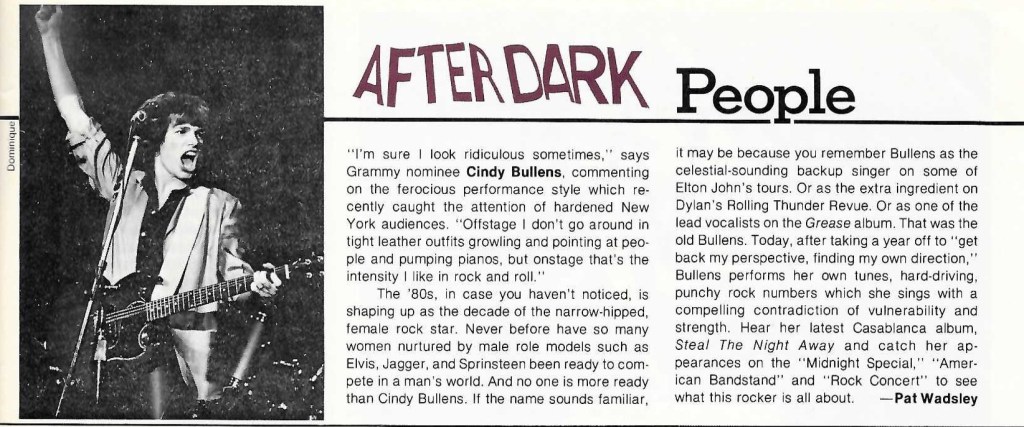
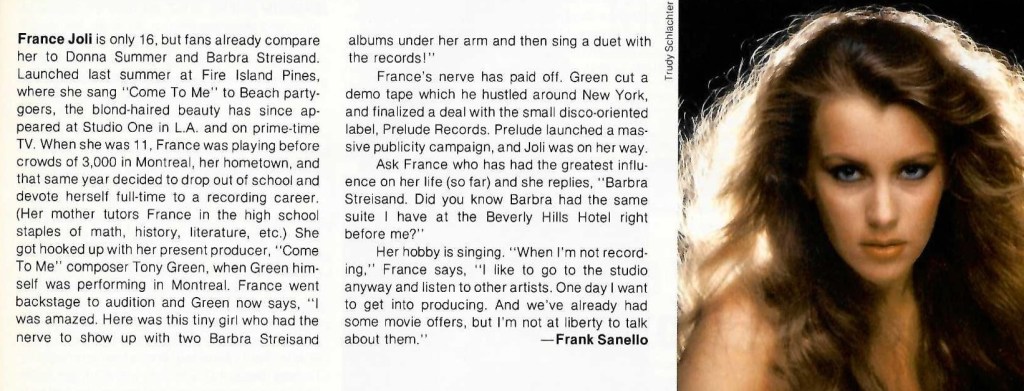
Two other singers featured elsewhere in this issue of After Dark: Cindy Bullens and France Joli.
Although Bullens put out a dozen LPs throughout her career, she is probably best known for her contributions to the 1978 Grease motion picture soundtrack, singing “It’s Raining On Prom Night” and “Freddie My Love.”
Bullens came out as transgender in 2012 and is now known as Cidney. See a recent interview posted below:
A 2023 interview with Cidney Bullens:
France Joli had just turned 17 years old when this issue of After Dark hit the stands. She was still riding high on the strength of her debut LP and the disco hit “Come To Me.” Her performance the previous summer in the Fire Island Pines is the stuff of legend and previously covered here in New York City In Touch (1979).
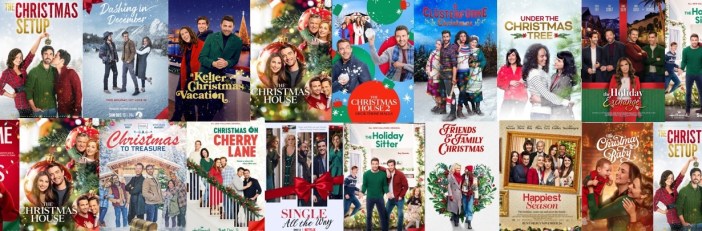
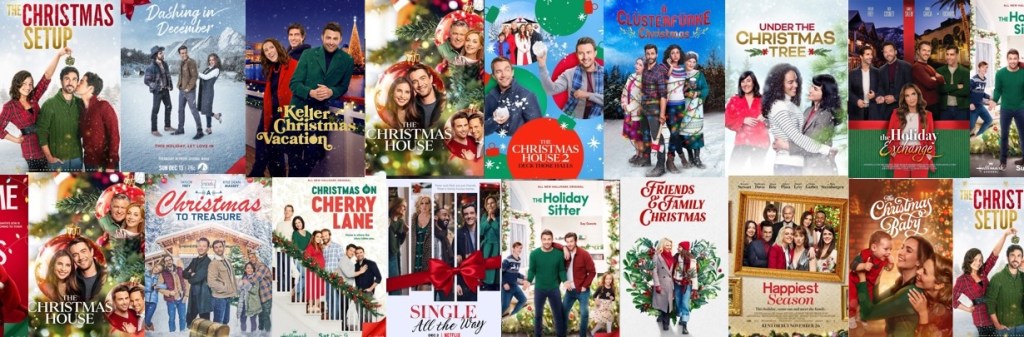
Since 2020, a few gay holiday films have dribbled out each December – not just on The Hallmark Channel but also on Lifetime, Netflix and elsewhere. I’m not here to crap on the genre, but there is a conveyor belt feel to these films. With the similar actors, sets, and plots, it can be difficult to remember which one had which fading star of yesteryear playing the mom. Obviously, if I didn’t get some enjoyment out of watching them, I wouldn’t tune in. But I don’t go all in for them, either. Please give me a combination of humor, wit, romantic chemistry, decent acting and/or a plot twist and I’ll stick with it. Check off more than a couple of those boxes and I might watch it again next year… if I can remember the title and what channel it was on.
In 2022, I put together a list of these movies to try and keep them straight, so to speak. What I didn’t realize at the time was that the following years would bring less, not more entries in the genre.
In December 2023, Queerty posted an article proclaiming, “The Hallmark Channel is gayer than ever this year!” As evidence, they had a massive list of exactly THREE movies that they considered gay. The first one, Catch Me If You Claus starred Luke Macfarlane in his 16th movie for the network. Yes, the Bros co-star is gay in real life, but the character in the film is not. Kudos to him for continuing to be cast in straight roles, but… do we then count this as a gay film?
As a reminder: The Hallmark Channel premiered 42 – FORTY-TWO – new Hallmark Christmas movies that season. And we’re supposed to kvell because TWO of them are gay-ish? Honey, please.
The 2024 holiday season garnered even less results: A sequel to an ensemble film from 2023 with Hallmark’s resident gay Jonathan Bennett in the cast. He must have an ironclad contract.
In retrospect, 2020-2022 is beginning to look like the lavender age of inane gay holiday movies. Let the nostalgia begin!
Fortunately, with so many different streaming services, you can now find some of these movies on multiple outlets, giving evidence that maybe they weren’t quite so disposable after all.
1) The Christmas Setup (2020) – Lifetime, Hulu, Sling TV
Older star playing a parent: Fran Drescher Romantic chemistry? Yes – this real-life couple generate a believable amount of TV movie warmth.
The Christmas Setup follows the story of New York lawyer Hugo (Ben Lewis) who heads to Milwaukee with his best friend Madelyn (Ellen Wong) to spend the holidays with his mom Kate (Fran Drescher). Kate arranges for Hugo to run into Patrick (Blake Lee), his high school friend and secret crush, who has recently returned after a successful stint in Silicon Valley. Hijinks begin.
2) Dashing In December (2020) – Amazon Prime
Older star playing a parent: Andie McDowell Romantic chemistry? Some. I guess. It’s an enjoyable movie but I don’t see these boys staying together.
After Wyatt (Peter Porte) comes home for the holidays to try to convince his mother (Andie MacDowell) to sell the family’s Colorado ranch, he finds romance with the dashing new ranch hand (Juan Pablo Di Pace) who dreams of saving the property and its magical Winter Wonderland attraction.
It’s a nice surprise to see Andie McDowell here, but I am reminded of when comedienne Paula Poundstone described her face as “an egg with a smile drawn on it.”
3) Happiest Season (2020) – Hulu
Older stars playing the parents: Mary Steenburgen & Victor Garber Sapphic chemistry? Yes, but not between the two that we’re supposed to root for.
This is the one with Kristen Stewart, Aubrey Plaza & Dan Levy. Stewart’s girlfriend invites her home for Christmas but fails to mention that she’s not out to her family and they must pretend to be friends. Hilarity ensues. A cut above Lifetime/Hallmark movies but I’m including it because it satisfies the same itch. Same genre, but overall higher quality thanks to the cast and Clea Duvall’s writing & direction. One caveat: I wanted Kristen Stewart’s character to end up with Aubrey Plaza. But that doesn’t fit the formula, does it?
Bonus points: Jinkx Monsoon & BenDeLaCreme are on hand for a couple of holiday songs.
4) The Christmas House (2020) – Hallmark+, Amazon Prime & Others
Older stars playing the parents: Treat Williams & Sharon Lawrence Romantic chemistry? The gay married couple is peripheral here, so it’s not required. They’re fine.
This was the first Hallmark movie to feature a gay couple, even if they are supporting players. Jonathan Bennett is the gay son with Brad Harder as the devoted husband. They want to adopt kids – that’s their side plot. The straight brother has the romantic interest storyline, while the parents have decided to give up their traditional grand ole “Christmas House” which, like all the other houses in these movies, looks like a realtor’s model home with decorations recently purchased at Kohl’s.
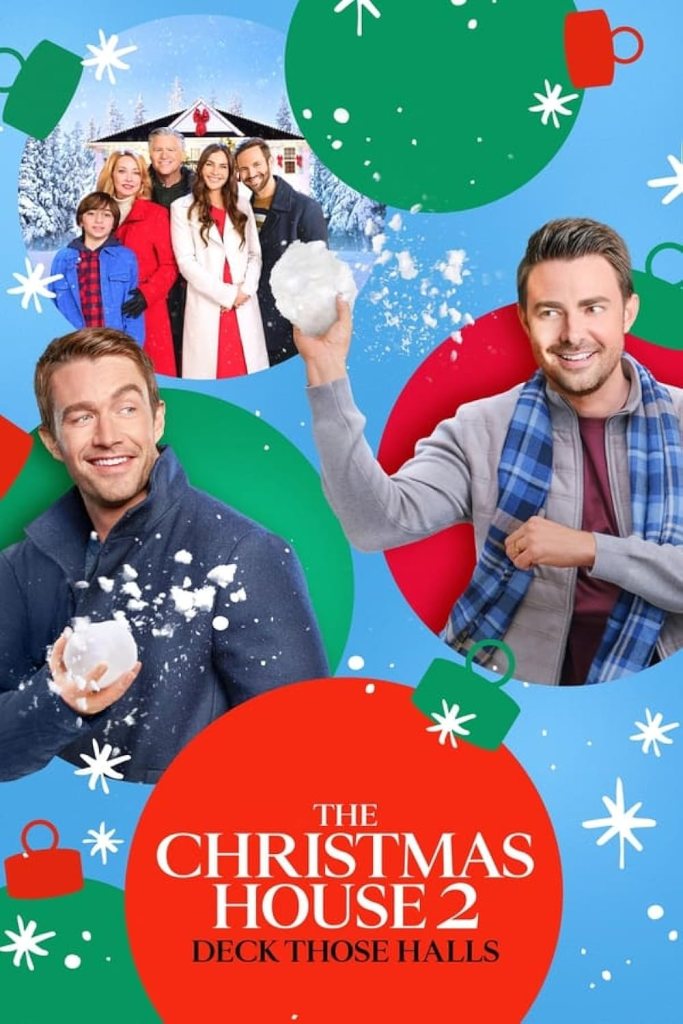
5) The Christmas House 2: Deck Those Halls (2021) – Hallmark+, Amazon Prime & others
Older stars playing the parents: Same as above. R.I.P. Treat Williams. ☹ Romantic chemistry? Maybe I’m being a sap, but this couple grew on me.
The sequel to the above film. This time the brothers are competing on a reality show to create the best Christmas House. It’s harmless fun.
6) Clusterfünke Christmas (2021) – Paramount+, Roku, Amazon Prime
“A no-nonsense hotel exec buys a family inn in northern Maine, but the town’s Christmas spirit clashes with her cosmopolitan values.” This one’s actually a spoof of the genre written by and co-starring Rachel Dratch & Ana Gasteyer as the innkeepers. Out actor Cheyenne Jackson plays the straight romantic lead. If Queerty can claim the Luke Macfarlane movie as gay, then we get this one, if not for Jackson, then just for pure camp value.
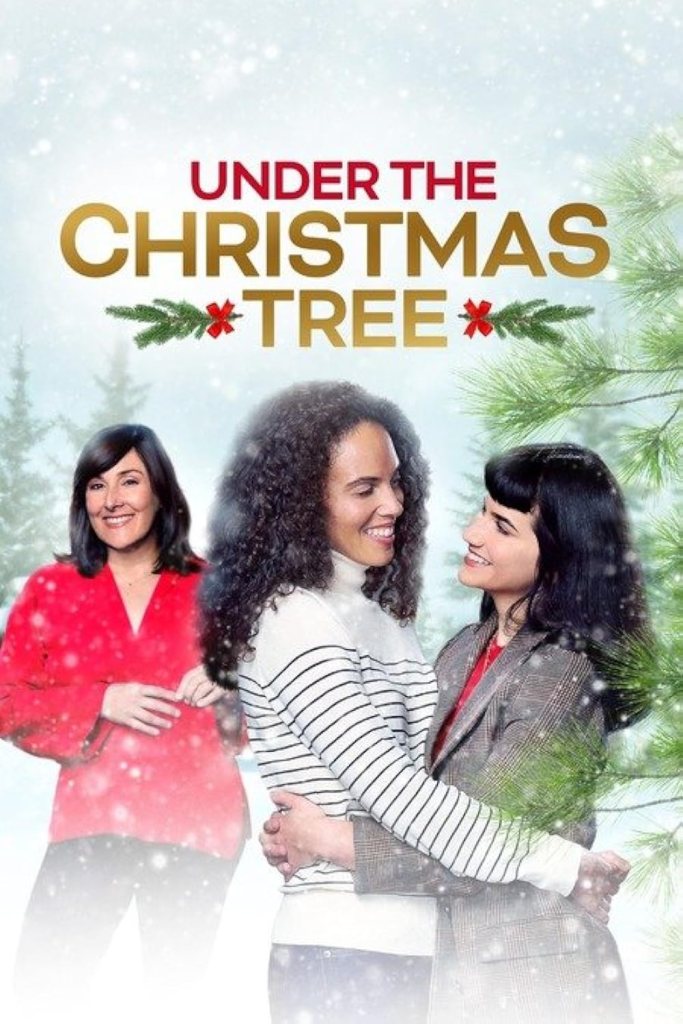
7) Under The Christmas Tree (2021) – Lifetime Movie Club, Amazon Prime, Roku
Older stars playing the parents: Wendy Crewson & Enrico Colantoni. Ricki Lake is also on hand. Sapphic Chemistry? Yes
As described in Vulture: Lifetime’s new and first-ever lesbian Christmas movie is a legitimately good queer film in which the main character, Alma (Elise Bauman), is not only accepted by her Maine-based, small-Christmas-business-owner parents for being a lesbian but encouraged to fall in love with out-of-town stranger Charlie (Tattiawna Jones). Cheesy as it is, the premise is as sweet as it is predictable with plenty of fun, memorable scenes and unexpected moments thrown in.”
8) Single All The Way (2021) – Netflix
Older stars playing the parents: Kathy Najimy & Barry Bostwick with Jennifer Coolidge as the diva aunt. Romantic chemistry? Yes
Peter (Michael Urie) finds out his boyfriend is married. They break up and he invites his best friend home with him for Christmas to pretend they’re a couple. His mom tries to set him up with Luke Macfarlane anyway. You’ll never guess who he ends up with. This one beat out Under The Christmas Tree to win the GLAAD Media Award for Outstanding TV Movie. Probably the best of the bunch, and not just for this monologue:
9) The Holiday Sitter (2022) – Hallmark+, Roku, Amazon Prime & others
Older stars playing the parents: NONE Romantic chemistry? Not that I recall.
Another Hallmark movie with resident gay Jonathan Bennett. Now he’s a workaholic from the big city who gets stuck watching his sister’s kids because of a snowstorm and she’s pregnant and going into labor or something. He recruits hunky neighbor Jason (George Krissa) to shepherd the precocious children through an endless list of absolutely necessary holiday activities. Bennett’s first major role years ago was in the movie Mean Girls. He also co-wrote this script, in which he actually tells the family dog “Stop trying to make ‘fetch’ happen.” I have nothing more to say.
10) A Christmas To Treasure (2022) – Lifetime, Hulu
Older stars playing the parents: Nobody I recognize. Maybe they’re big in Canada? Romantic chemistry? NONE.
A real-life gay couple with no chemistry try to find a hidden treasure… before it’s too late! 33-year-old Tyler Frey and 41-year-old Kyle Dean Massey are supposed to be high school sweethearts reunited with each other and their friends: two racially diverse straight couples. Everyone’s on an elaborate treasure hunt somehow engineered by a beloved frail old neighbor just before she croaked. However, nobody really needs the money except Frey, who wants to save the grand ole Marley house (again, a model home decorated at Kohl’s.) Someone actually says “I don’t need the money. I’m here for the cocoa.”
This one broke me. Who are these people? This movie is a painful reminder that a film can be racially diverse, but it certainly isn’t class-wise. If everyone’s so damn rich, why don’t they just give Frey the money to save the house? This one caused me to take a long break from viewing these movies. But now it’s a new season, and here we are.
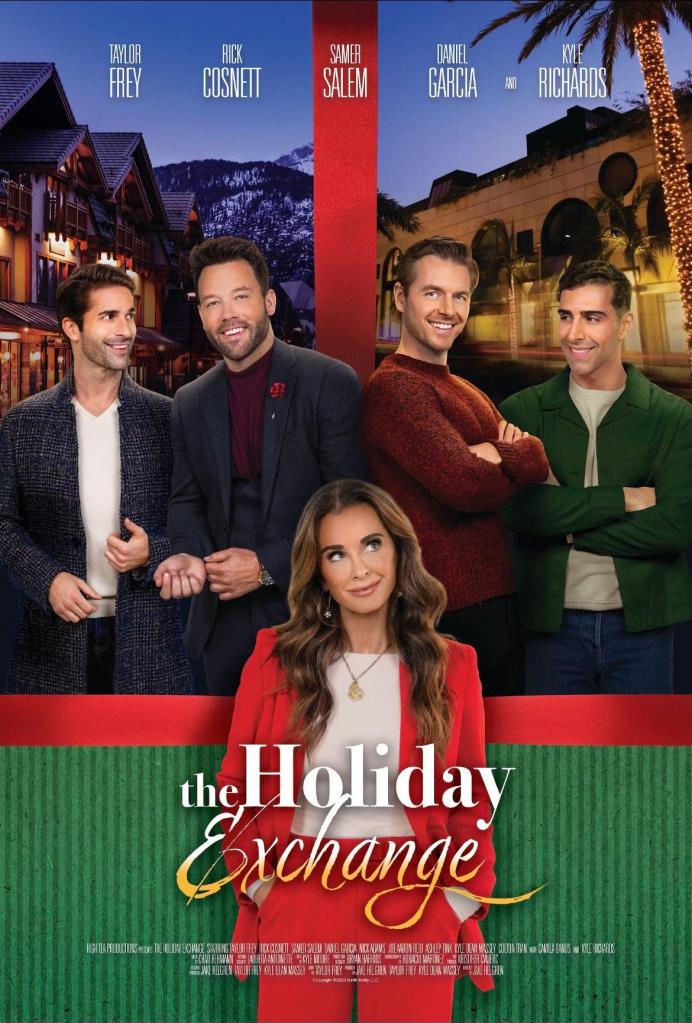
11) Holiday Exchange (2024) – Tubi, Roku, Amazon Prime
Older stars playing the parents: Real Housewife Kyle Richards plays Mom. Romantic chemistry? Varying between the two couples.
The aforementioned Tyler Frey wrote the screenplay and stars in this gay version of the Kate Winslet/Cameron Diaz rom-com The Holiday. There are two budding romances, with Frey’s real-life husband Kyle Dean Massey left to play his ex-boyfriend. Rick Cosnett plays the Winslet role – a Brit transplanted in L.A. Maybe it’s the wine, but I found this one rather enjoyable.
12 & 13) Christmas on Cherry Lane / Season’s Greetings From Cherry Lane (2023/2024) – Hallmark +
There are actually four of these Cherry Lane Christmas movies – all are centered on the same house is different eras. Omnipresent Jonathan Bennett plays opposite Vincent Rodriguez III in two of them.
14) Friends and Family Christmas (2023) – Hallmark+ and others.
This one centers on lesbian friends (Humberly Gonzalez & Ali Liebert) who must pose as a couple for the holidays… and you’ll never guess what happens!
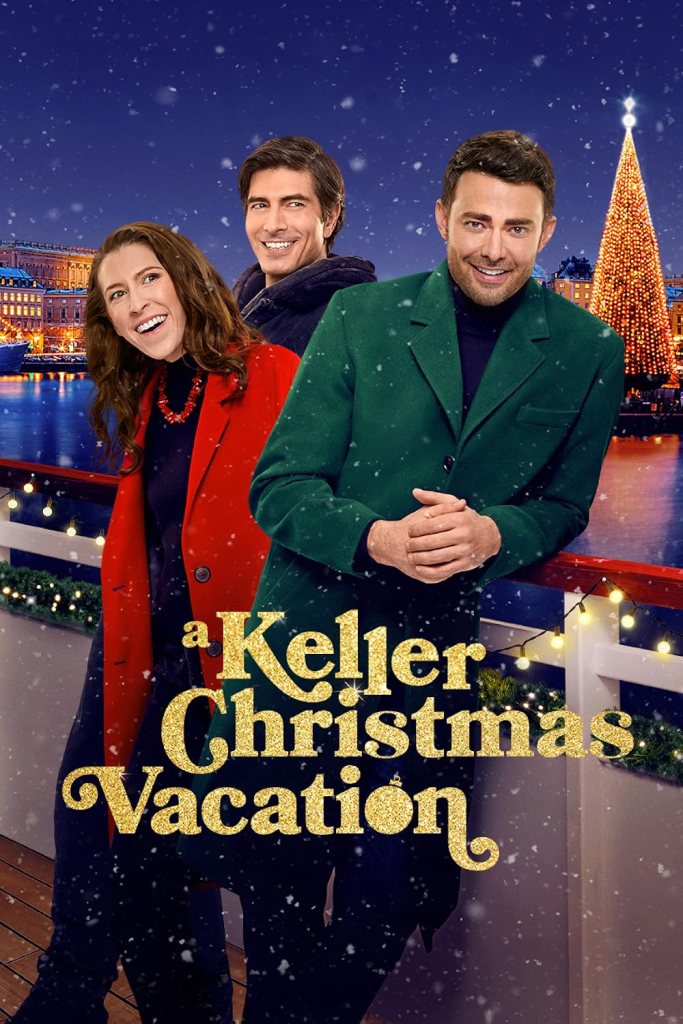
15) A Keller Christmas Vacation (2025) – Hallmark+
This ensemble piece stars (surprise!) Jonathan Bennett as one of three adult siblings who reluctantly join their parents on a Danube river cruise for Christmas, leading to family bonding, unexpected romance, and resolving old issues amidst European Christmas backdrops. The movie focuses more on family dynamics than typical Hallmark romance.
16) The Christmas Baby (2025) – Hallmark+
Hallmark’s singular gay-centric movie of 2025 is set to premiere on December 21st. Ali Liebert and Katherine Barrell play a lesbian couple who find a baby left on their doorstep. This leads them to explore fostering and adoption during the holidays.
In the April 11, 1936 edition of the New York Age newspaper, Joe Bostic wrote in his “Seeing The Show” column about show he attended at the Apollo Theatre. The headliner was an unknown: the now legendary blues singer Lead Belly. Bostic was not impressed:
The advanced publicity stated that this man had been in two jails on murder charges and that the wardens, on hearing him work out on his guitar and vocally, had set him free. Maybe they did but after hearing the man myself, I’m not so sure that musical excellence prompted [the] actions. It may have been that both they and the other inmates wanted some peace during their quiet hours. No. Lead Belly isn’t the man, if it’s music that you want.
After reviewing other aspects of the show, including the comedy of Pigmeat Markham, Bostic concludes his review with this:
Midge Williams, the sensation from the west coast, looks, acts and sings like she knew most of the answers as a personality soloist…. She’s too good for the company she’s in at the Apollo this week.
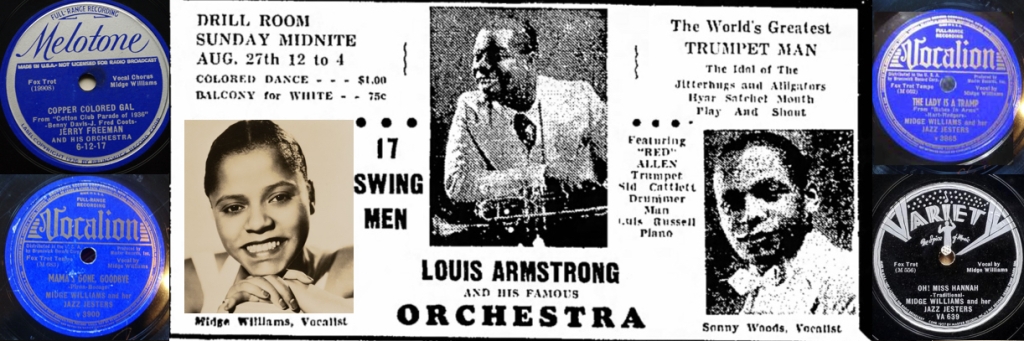
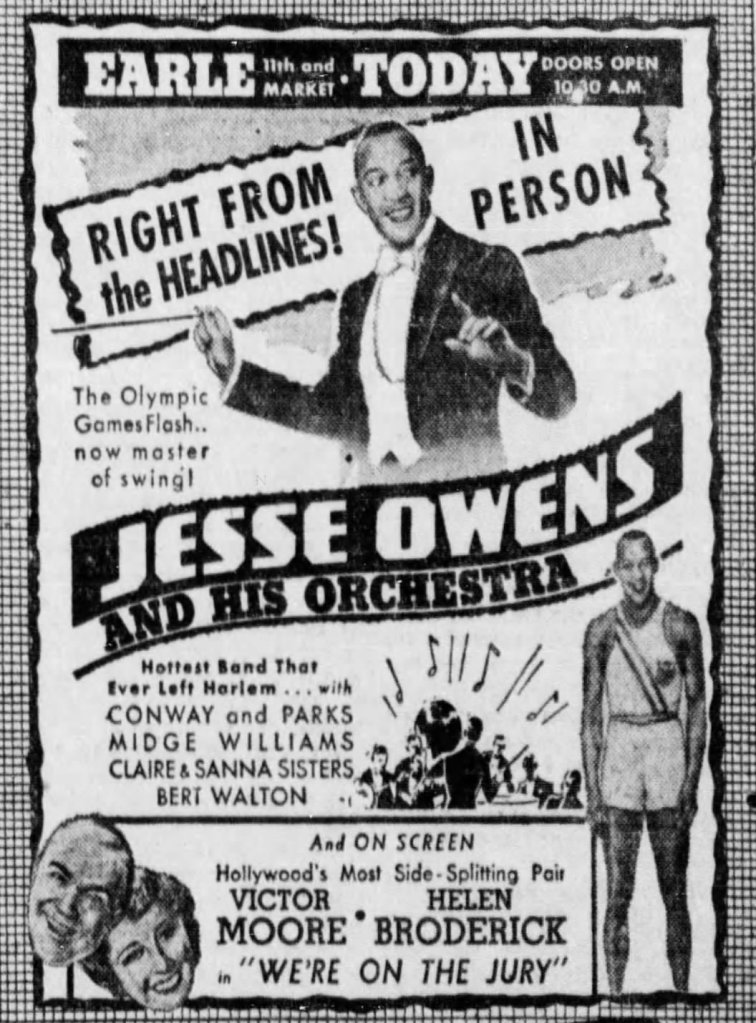
I’ve had a bit of an obsession with the mysterious Midge Williams since I first heard her recordings of familiar jazz standards… sung in both Japanese and English. In the mid 1930’s, she was the first female African American singer with a national radio show. Midge worked with Bunny Berigan, Fats Waller, Duke Ellington, and Jimmie Lunsford. When Olympian Jesse Owens had a short-lived foray as a bandleader, Midge was his singer. She toured with Louis Armstrong’s orchestra for three years, from 1938 until 1941, when she ended up hospitalized in Detroit. And then… nothing. She died of tuberculosis in 1952 at age 36.
That’s the story in a nutshell, according to the liner notes of her CD compilations and the few websites that mention her. Several years ago, I set out to fill in the blanks on this forgotten artist.
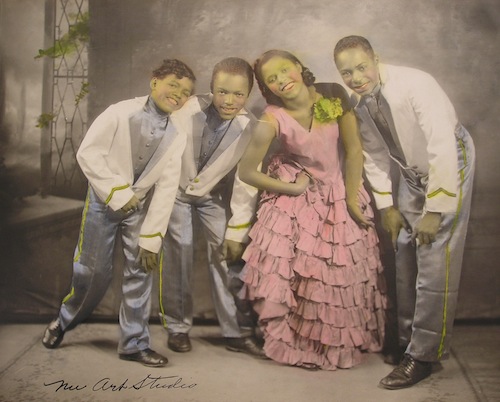
Midge started out in a family group with her three brothers. They were The Williams Quartette, later The Williams Four, performing in clubs and churches in the San Francisco area. They later joined the Fanchon and Marco vaudeville circuit and performed up and down the West Coast during summer breaks from school.
A musician / arranger named Roger Segure took them under his wing and became their manager, securing work on local radio and then traveling with the group to China and Japan. The opportunity to hear swing jazz vocals sung live was heralded as a major event in the history of Japanese jazz. During their stay in Japan, Midge recorded several sides, singing in English and Japanese, accompanied by the Columbia Jazz Band:
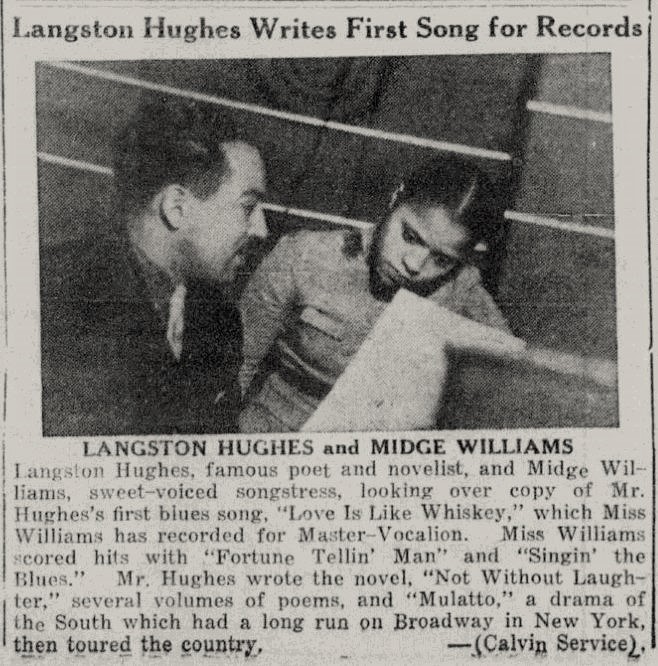
Midge crossed paths with writer Langston Hughes as he traveled through the Far East. Back in New York a few years later, Hughes would write songs for Midge. She recorded his “Love Is Like Whiskey” in February, 1938. Another song, “Night Time,” with lyrics by Hughes and music from her manager Roger Segure, was the theme song to her radio program. Unfortunately, no recording of the song exists.
The New York Age, April 16, 1938
California Eagle, (8/17/39)
Attempts by gossip columnists to stir rumors of a romance between the two proved unsuccessful.
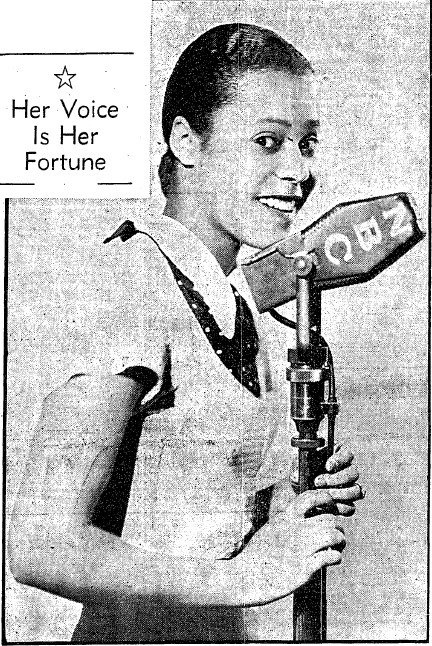
Midge was just 21 years old when she began hosting her own radio show on NBC – a twice-weekly 15-minute program. She recorded several dozen sides while also making club appearances. A prominent figure in Harlem society at the time, the African American newspapers covered her every move… until her alcoholism resulted in a dismissal from the Louis Armstrong Orchestra.
Baltimore Afro-American (4/30/38)
Her last studio recording was with Lil Hardin Armstrong (Louis’ ex-wife) and her Dixielanders in 1940:
In April of 1946, Midge made an appearance on Jack Webb’s radio show. She was in fine voice on a cover of “Cow Cow Boogie”:
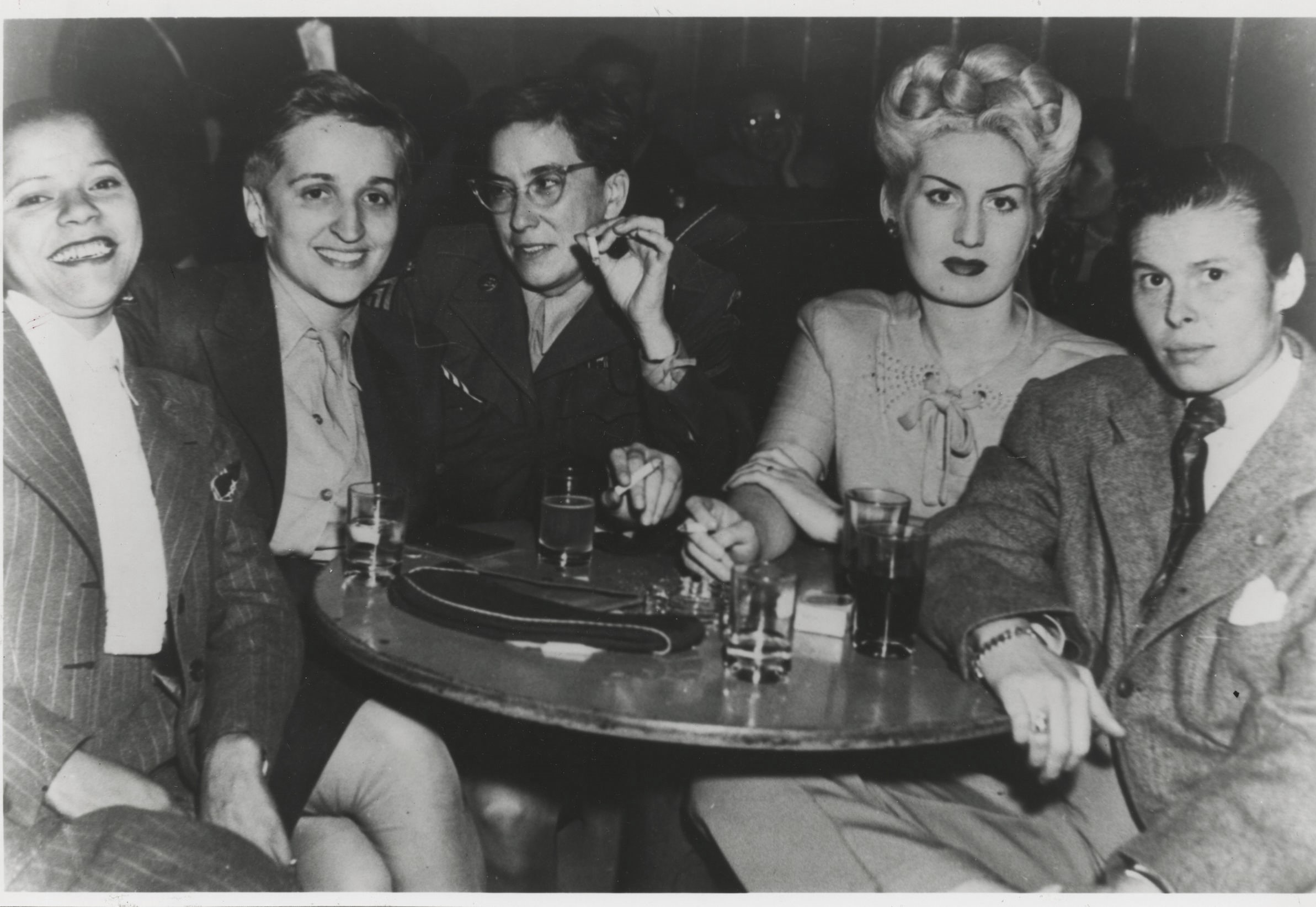
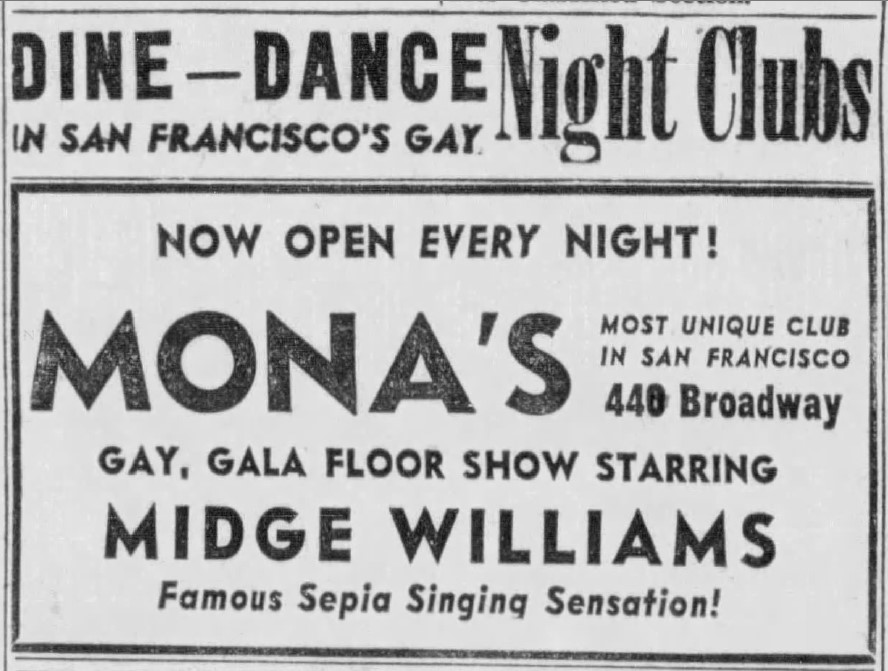
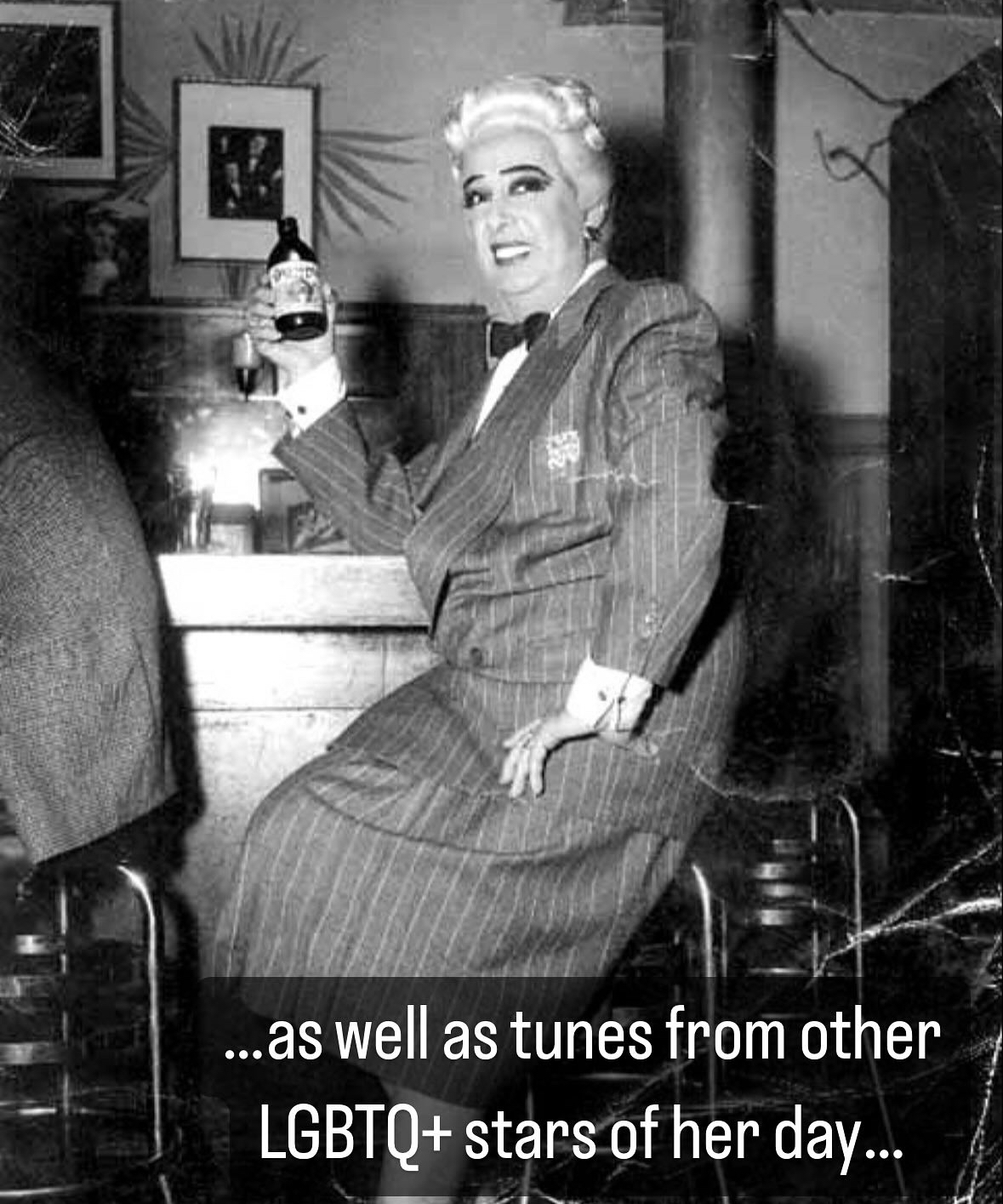
Shortly after the Jack Webb radio performance, Midge settled into a six month engagement at Mona’s 440 Club, the legendary lesbian bar in San Francisco. It is from this period that we have a photo of Midge, an image that has been widely circulated. One of the most familiar photos depicting lesbian nightlife of the 1940’s, it was also used to promote the 1993 documentary Last Call At Maud’s.
Midge Williams (left) with fellow Mona’s singer Kay Scott and friends (ca 1946)
Madame Spivy is having quite a renaissance in 2025, thanks to the efforts of Ms. Ana Matronic and her newly launched Good Time Sallies podcast. As previously mentioned, Madame Spivy is the subject of the first two episodes. I joined Ms. Matronic to discuss the dynamic lady of song, stage and screen. You can find those here.
The subject of episodes #3 & 4 is singer/nightclub owner Ada “Bricktop” Smith, who we covered briefly in our post about Neeka Shaw, The Forgotten Showgirl.
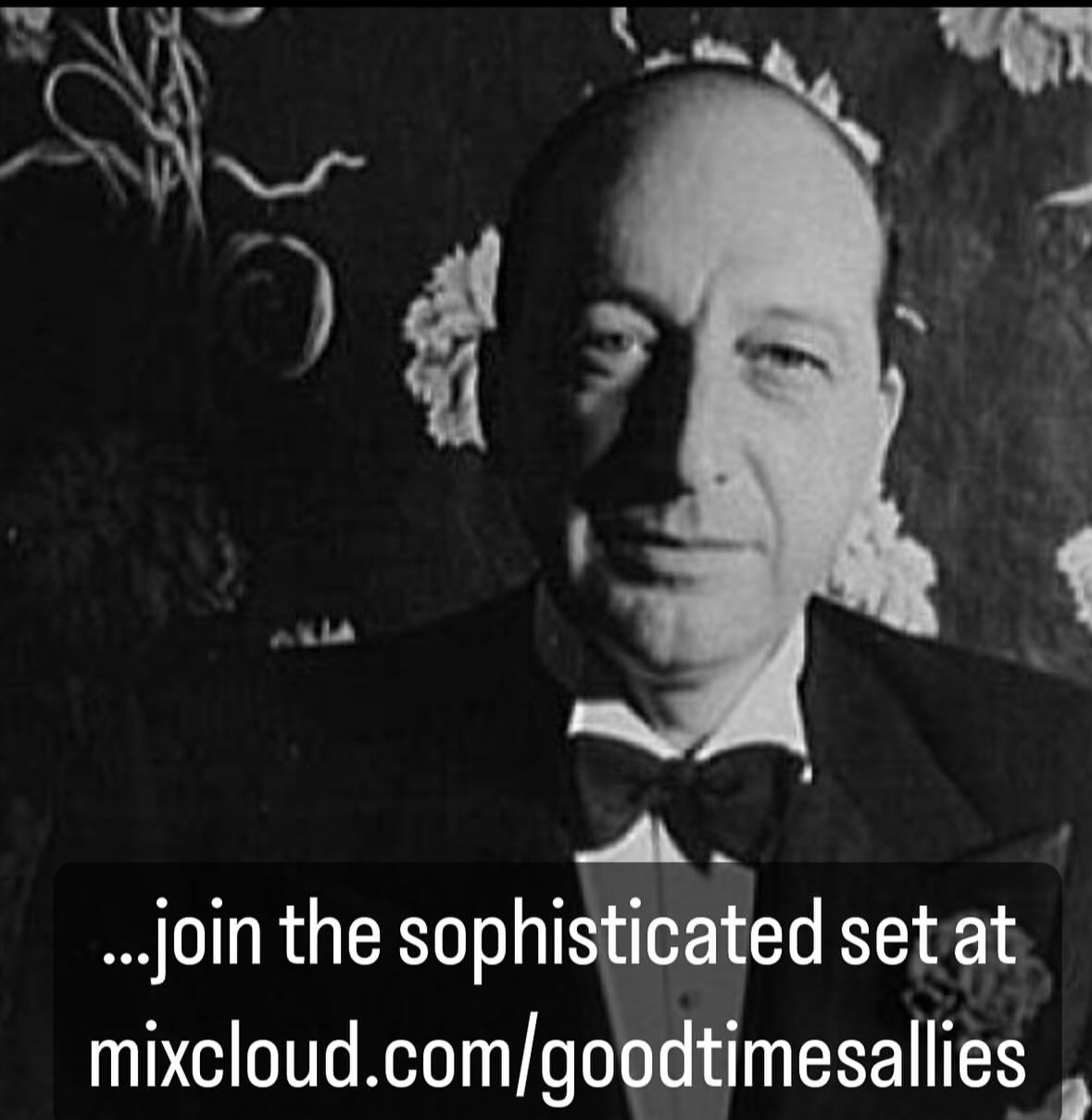
And if that’s not enough for you… Ms. Matronic has created Good Time Sallies: Radio Spivy on Mixcloud, so you can hear many of the songs discussed on the podcast. Besides a generous serving of Madame Spivy’s stylings, you can also hear recordings by Spivy’s friends, influences and artists who appeared at Spivy’s Roof. Included on the playlist are Fanny Brice, Sophie Tucker, Liberace, Martha Raye, Thelma Carpenter, Rae Bourbon, The Three Flames, Bea Lillie and many more!
Click here for Radio Spivy and hear some fine examples of classic diseuse delivering sophisticated songs.
From the website: Good Time Sallies tells the stories of impactful people who have been left in the shadows as footnotes or minor characters in somebody else’s story, but each of whom made waves, broke molds, and dared to live life as they pleased.
With every episode, Ana Matronic centers these remarkable people and shares their inspiration with the world. From people of letters to ladies of leisure, from bawdy babes and badass boozehounds to Queens on the scene to queens of the obscene, this vibrant historical podcast is all about celebrating the Good Time Sally in us all who is here to take a shot and make her mark.
As you already know, Spivy is one of our favorite subjects here on the blog. Be sure to check out the latest post, which covers her film and television appearances.
I have been an admirer of Ana Matronic since the days when her band, Scissor Sisters was a local group playing around my East Village neighborhood. Her presence, her voice, her connection with the audience as “Mistress of Ceremonies” were a major factor in why I went on to see the band perform live 20 times before their hiatus in 2012. There’s an unconfirmed rumor that I have the band logo tattooed on my ankle.
With Ms. Matronic at the Ice Palace in Cherry Grove, Fire Island (7/2024)
I couldn’t imagine a Scissor Sisters reunion without her. When a UK tour was announced late last year, Ms. Matronic issued a statement explaining why she would not be taking part, teasing an upcoming podcast series that prevented her from participating.
As someone who embraces my own inner Nerd, I was fully on board with her choice to focus on her current passion project. What I did not know at the time was that I would get to be a part of this next chapter.
And now it is time for the big reveal: Good Time Sallies is here!
From the website: Good Time Sallies tells the stories of impactful people who have been left in the shadows as footnotes or minor characters in somebody else’s story, but each of whom made waves, broke molds, and dared to live life as they pleased.
With every episode, Ana Matronic centers these remarkable people and shares their inspiration with the world. From people of letters to ladies of leisure, from bawdy babes and badass boozehounds to Queens on the scene to queens of the obscene, this vibrant historical podcast is all about celebrating the Good Time Sally in us all who is here to take a shot and make her mark.
Photos: Krys Fox @krysfoxphoto
Of course, telling the stories of notable people who have been left in the shadows is one of the reasons this blog exists. On the first two episodes of Good Time Sallies, I join Ms. Matronic to reintroduce that dynamic lady of song, stage and screen, Madame Spivy LeVoe. As you already know, Spivy is one of our favorite subjects here on the blog. Be sure to check out the latest post, which covers her film and television appearances.
I hope you enjoy the podcast as much as I did recording it. Thanks again to Ms. Matronic and Lucy Winter for inviting me to take part.
Also: Click here for Radio Spivy on Mixcloud and hear some fine examples of classic diseuse delivering sophisticated songs.
Ladies and Gentleman, it is time once again to revisit that dynamic lady of song, stage and screen, Madame Spivy LeVoe (1906-1971), also known simply as Spivy. While previous posts have focused on specific songs recorded by the lesbian entertainer, nightclub owner, and character actress, this time around we have an overview of her work in film and television from 1959-1967.
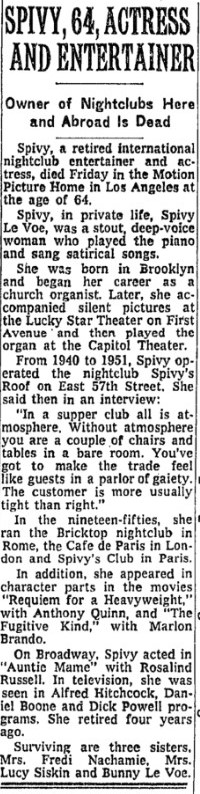
“The Roof is closed – gone forever, and my heart is broken.” Spivy wrote to a friend in August, 1951 after her nightclub had shuttered. The once popular top floor venue at 139 East 57th street had fallen into decline after a decade as one of the top Manhattan night spots. The demise of Spivy’s Roof was in part due to Spivy’s increasing stage fright, which in turn escalated her drinking. The combination often prevented her from delivering the two scheduled nightly performances audiences expected. Paul Lynde would later discuss this on The Tonight Show in 1976.
Spivy spent the next 6 years performing throughout Europe, where she opened and closed clubs in Paris and Rome. In London she appeared at the prestigious Café de Paris. These ventures eventually proved unsuccessful and she landed back in New York by 1957. An engagement at the Blue Angel would be her final New York City cabaret run.
Spivy explained her inability to conquer the fear of nightclub audiences. “I have tried everything but psychiatry – even hypnosis – but I couldn’t lick it.
“Funny thing, I have absolutely no stage fright in front of a camera, no matter how many people are on the set. So I guess this is what I’ll be doing from now on.”
It doesn’t take a psychiatrist to piece together that her insecurities performing in front of a live nightclub audience proved insurmountable as her popularity waned. She had entertained audiences since the 1920’s, but 30 years later her style of sophisticated songs had become a relic of a bygone era. Acting roles in front of a camera proved to be a less vulnerable alternative.
Charlie Chaplin reportedly sought to have Spivy play a character based on Elsa Maxwell in his 1957 film A King In New York. Newspaper columns at the time reported that the production company was unable to secure a work permit for her to travel to the UK for filming.
Her first film was The Fugitive Kind in a scene with Marlon Brando and Joanne Woodward, which was not a bad place to start.
“You come back alone some time, ya hear?” Spivy with Marlon Brando and Joanne Woodward in The Fugitive Kind. (1959)
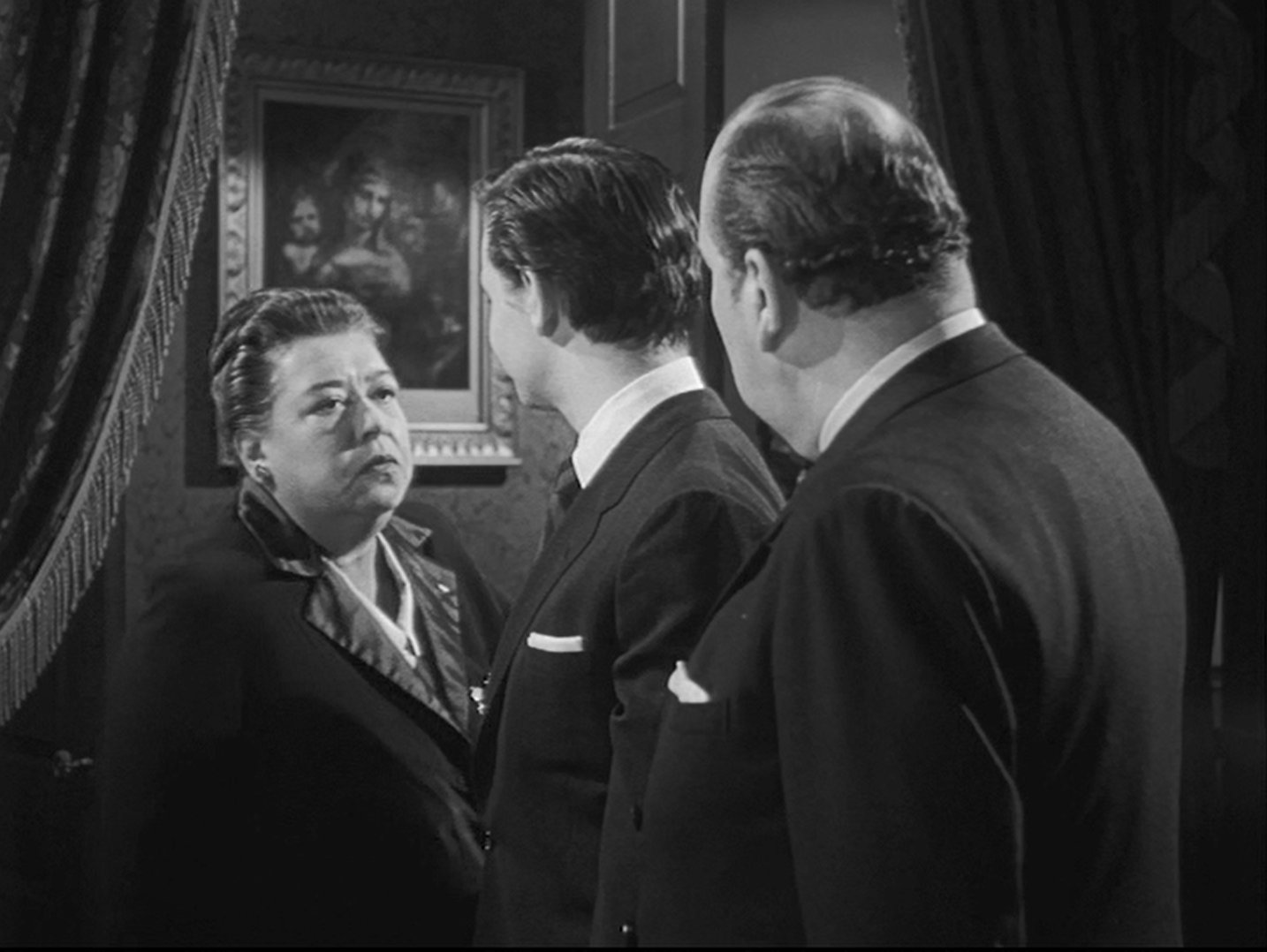
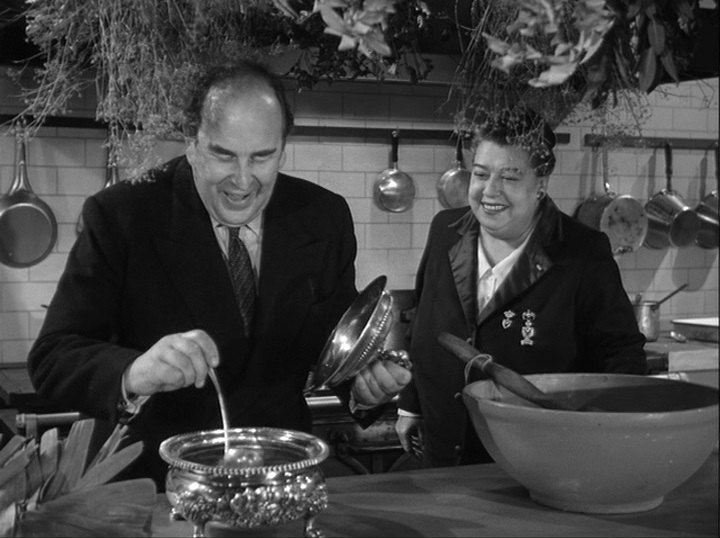
This led to her being cast in the most memorable television role of her career opposite Robert Morley in an episode of Alfred Hitchcock Presents titled “Specialty of the House.” Spivy plays “Spirro,” the piano-playing proprietress of an exclusive restaurant with a dubious main course.
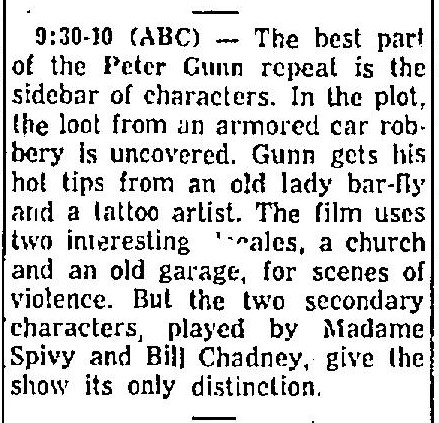
“Bourbon breeds togetherness…” Flo (Spivy) tips off Peter Gunn (Craig Stevens). (1960)
There is a sameness to the majority of Spivy’s film and television acting roles. She’s typically the barkeep or bouncer at a downstairs dive bar in a sketchy part of town. She usually has just one scene where she kicks someone out of the bar, or delivers a key piece of information to move the plot along. Or both. She is always smoking. She may be shady or morally ambiguous, but mostly she just don’t want no trouble, ya hear?
“Have you lost your feeble mind? He’s still got his baby teeth!” Spivy with Brandon DeWilde & Evans Evans in All Fall Down (1962).
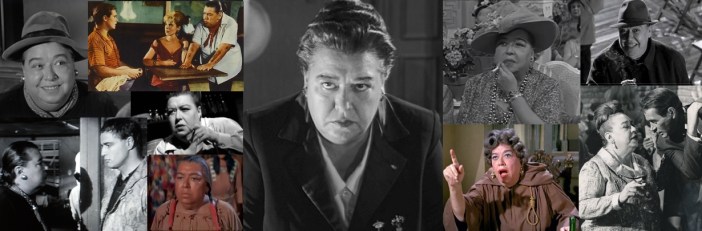
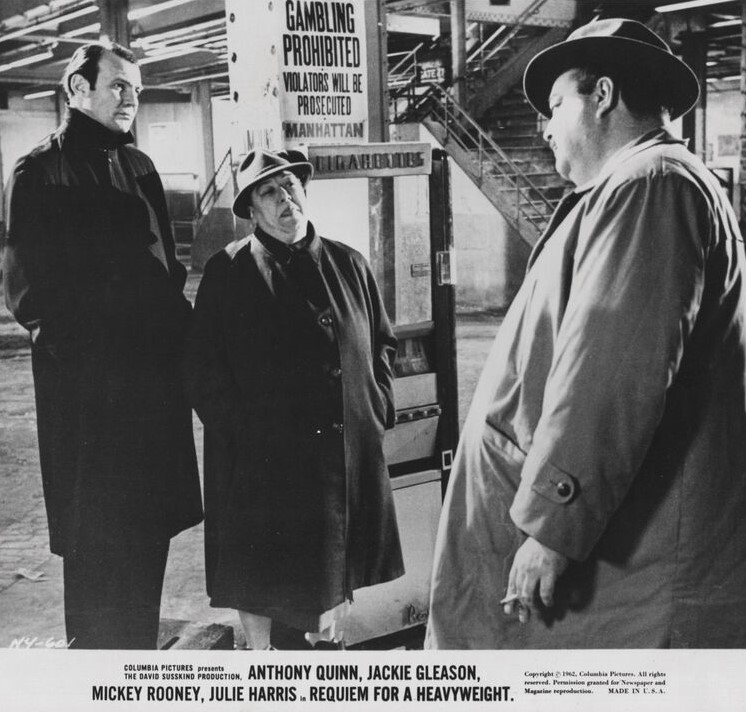
Spivy’s most significant film role was as Ma Greeny in 1962’s Requiem For A Heavyweight with Anthony Quinn and Jackie Gleason. Her tough, androgynous mob boss made an indelible impression on viewers.
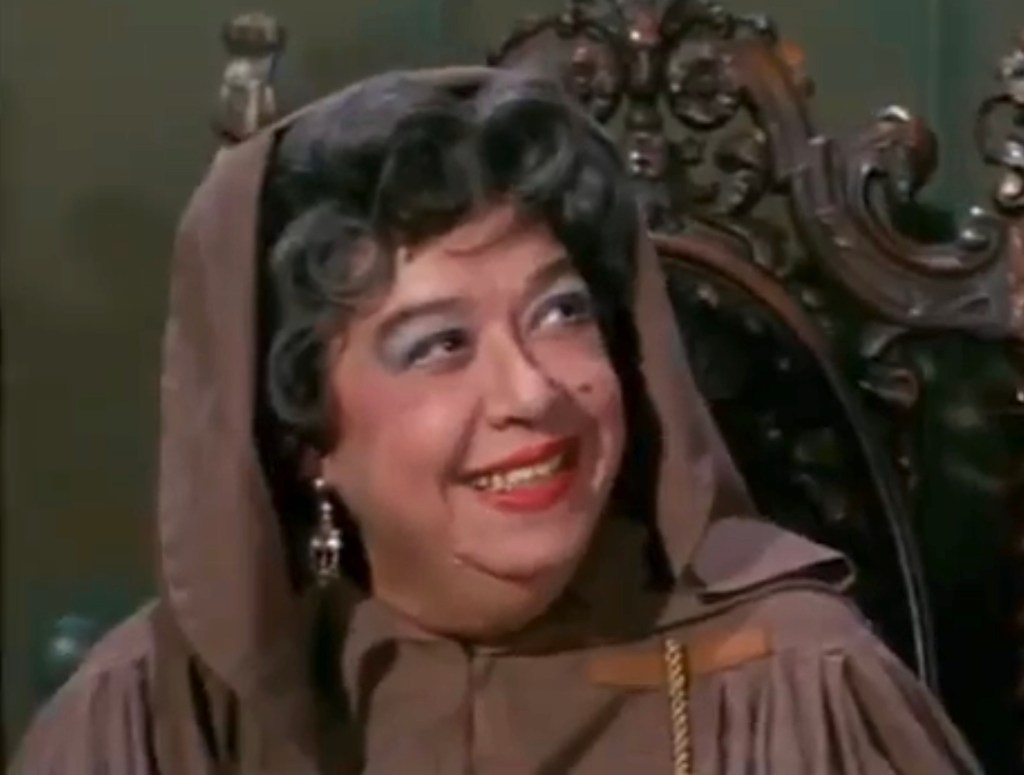
“Take a good look in the mirror and then say goodbye to what you see.”
Spivy as The Axe Lady, The Wild Wild West (1966)
One of Spivy’s atypical performances was a 1966 appearance on The Wild Wild West with Robert Conrad. Spivy plays The Axe Lady, a member of a serial killer tribunal who meets her demise at dinner with a steak knife in the back.
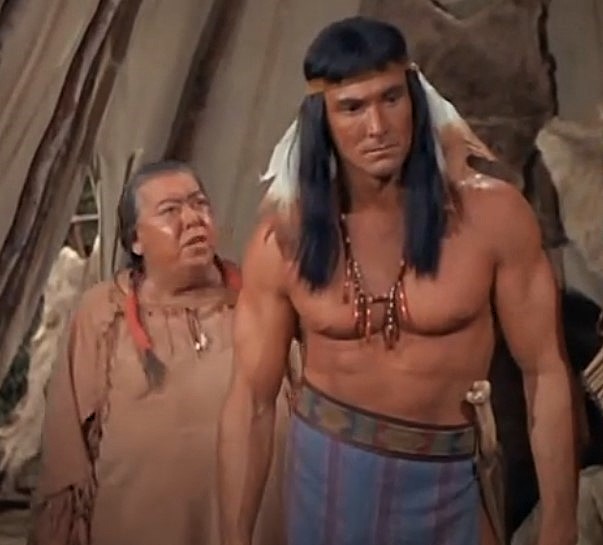
Spivy as Tatama with William Smith as her son Catoga in the Daniel Boone episode “A Matter Of Blood.” (1967)
Spivy’s final television role was her biggest since Alfred Hitchcock Presents: a 1967 Daniel Boone episode in which she plays Tatama, an Indian tribe elder. As with the rest of the actors playing indigenous characters at the time, the brown-face makeup doesn’t age well, but she delivers a good performance, in my humble opinion.
New York Times (1/10/71)
Spivy was diagnosed with cancer in the late 1960’s, eventually moving into a series of hospitals and nursing homes that she kept getting kicked out of. Angry and bitter at her waning independence, she would lash out at staff. Her old friend Patsy Kelley arranged to have her placed at the Motion Picture Country Home in Woodland Hills, California where she died on January 8, 1971, aged 64. She is interred at Valhalla Memorial Park in West Hollywood.
Ladies and Gentleman, it is time once again to revisit that late great dynamic lady of song, Madame Spivy LeVoe (1906-1971), also known simply as Spivy. A lesbian entertainer, nightclub owner and character actress, Spivy has been described as “The Female Noel Coward” – to which I add “…. if he had been born in Brooklyn as Bertha Levine.”
“Why Don’t You?” is the fifth side profiled here from her 1939 album Seven Gay Sophisticated Songs. Spivy is credited with composing the music, with lyrics by Everett Marcy, who also penned “I Brought Culture to Buffalo In The 90’s”.
Marcy had a few Broadway writing credits including New Faces of 1936. It was Marcy who wrote the oft-repeated line introduced in the show by Imogene Coca: “I must get out of these wet clothes and into a dry martini.”
The song “Why Don’t You?” refers to Diana Vreeland’s column of the same name in Harper’s Bazaar magazine. It was full of random “imaginative” suggestions such as “Why don’t you wash your blond child’s hair in dead champagne, as they do in France?”
Some of the notables of the day that are referenced in the song:
Vera Zorina – a ballerina, actress, and the second wife of George Balanchine.
Cecil Beaton – photographer, diarist, painter, interior designer, and an Oscar-winning costume designer.
Elsa Maxwell – a gossip columnist, radio personality, and professional hostess renowned for her high society parties.
“The Zerbes and Bebees” refers to the original paparazzi photographer Jerome Zerbe (1904-88) and syndicated society columnist Lucius Beebe (1902-1966). The two were a couple through the 1930’s.
Peggy Hopkins Joyce – an actress and socialite, notorious for her flamboyant lifestyle with numerous affairs, engagements and six marriages.
Clifton Webb – a character actor best known for his thinly veiled “sissy” supporting roles.
Why Don’t You?
Today when all the headlines full of red lines and bread lines confuse you And the world seems bleak, don’t be blue. In Harper’s they have a column, very smart and very solemn that will amuse you. It asks you little questions to give you smart suggestions how you, too can reek with chic like the most ultra-clique, and they call it “Why Don’t You?” It asks you…
Why don’t you have your ermine muff wired for sound and use it weekends as a concertina? Why don’t you give a charity ball for the Princeton Club and raffle off Vera Zorina?
Why don’t you throw your mother an occasional bone? Why don’t you try sleeping alone? Why don’t you take the pretty blue check you won at bridge and kite it? Why don’t you dip your head in brandy and light it?
Why don’t you try wearing gold sandals backwards just for the sheer agony of it? Why don’t you send last year’s negligée to Cecil Beaton? He’d love it. So they want you to try decorating your flat with bundles of hay… Well they know what they can do with Harper’s, why don’t they?
Why don’t you try going to Elsa Maxwell’s parties as yourself for a change? Why don’t you try wearing a hat that won’t make your husband look strange? Why don’t you develop a bright smile by putting an electric bulb behind each tooth? Why don’t you give a testimonial dinner for Hitler in a telephone booth?
Why don’t you get out of town before you come down with a compound case of heebie jeebies? Why don’t you listen to the birds and bees instead of the Zerbes and Bebees? So they want you to roll up your rugs and cover your floors with broccoli on the first warm day. Well they know what they can do with Vogue too…. Why don’t they?
Why don’t you have a stag line composed of the ex-husbands of Peggy Hopkins Joyce? Why don’t you cross breed carrier pigeons with parrots so they can deliver messages by voice? Why don’t you try throwing Clifton Webb over your left shoulder and making a wish? Why don’t you fill your guest’s finger bowls with invisible tropical fish?
Why don’t you try opening your eyes in the middle of a kiss? Why don’t you cancel your subscriptions to magazines like this? Why don’t you tear everything off your hat and stamp on it? Why don’t you take out a homestead in Montana and go “camp” on it?
So they want you to promise to slap your own face two hundred times a day? Well tell them you’ll have none of it. Tell them you’re through with their “Things To Do” and they can all take their Harper’s and… love it.
Last week, Queerty posted an article proclaiming, “The Hallmark Channel is gayer than ever this year!” This is followed by a massive list of exactly THREE movies that they consider gay. The first one, Catch Me If You Claus stars Luke Macfarlane in his 16th movie for the network. Yes, the Bros co-star is gay in real life, but the character in the film is not. Kudos to him for continuing to be cast in straight roles, but… do we then count this as a gay film?
The second movie on their list, Christmas on Cherry Lane is an ensemble piece that includes a gay couple. Jonathan Bennett, Hallmark’s go-to gay actor for gay roles plays opposite Vincent Rodriguez III. It airs December 9th.
The third film, Friends and Family Christmas centers on lesbian friends (Humberly Gonzalez & Ali Liebert) who must pose as a couple for the holidays… and you’ll never guess what happens! This one premieres on December 17th.
So there you have it. As a reminder: The Hallmark Channel is premiering 42 – FORTY-TWO – new Hallmark Christmas movies this season. And we’re supposed to kvell because TWO of them are gay-ish? Honey, please.
Since 2020, a few of these gay disposable holiday films have dribbled out every holiday season– not just on The Hallmark Channel but also on Lifetime, Netflix and elsewhere. I’m not here to crap on the genre, but there is a conveyor belt feel to these films. With the similar actors, sets, and plots, it can be difficult to remember which one had which fading star of yesteryear playing the mom. Obviously if I didn’t get some enjoyment out of watching them, I wouldn’t tune in. But I don’t go all in for them, either. Please give me a combination of humor, wit, romantic chemistry, decent acting and/or a plot twist and I’ll stick with it. Check off more than a couple of those boxes and I might watch it again next year… if I can remember the title and what channel it was on.
Here’s a list I put together last year to try to keep these movies straight, so to speak. It’s not definitive and I apologize for any omissions.
1) The Xmas Setup (2020) – Lifetime
Older star playing a parent: Fran Drescher Romantic chemistry? Yes – this real-life couple generate a believable amount of TV movie warmth.
The Christmas Setup follows the story of New York lawyer Hugo (Ben Lewis) who heads to Milwaukee with his best friend Madelyn (Ellen Wong) to spend the holidays with his mom Kate (Fran Drescher). Kate arranges for Hugo to run into Patrick (Blake Lee), his high school friend and secret crush, who has recently returned after a successful stint in Silicon Valley. Hijinks begin.
2) Dashing In December (2020) – Paramount+
Older star playing a parent: Andie McDowell Romantic chemistry? Some. I guess. It’s an enjoyable movie but I don’t see these boys staying together.
After Wyatt (Peter Porte) comes home for the holidays to try to convince his mother (Andie MacDowell) to sell the family’s Colorado ranch, he finds romance with the dashing new ranch hand (Juan Pablo Di Pace) who dreams of saving the property and its magical Winter Wonderland attraction.
It’s a nice surprise to see Andie McDowell here, but I am reminded of when comedienne Paula Poundstone described her face as “an egg with a smile drawn on it.”
3) Happiest Season (2020) – Netflix
Older stars playing the parents: Mary Steenburgen & Victor Garber Sapphic chemistry? Yes, but not between the two that we’re supposed to root for.
This is the one with Kristen Stewart, Aubrey Plaza & Dan Levy. Stewart’s girlfriend invites her home for Christmas but fails to mention that she’s not out to her family and they must pretend to be friends. Hilarity ensues. A cut above Lifetime/Hallmark movies but I’m including it because it satisfies the same itch. Same genre, but overall higher quality thanks to the cast and Clea Duvall’s writing & direction. One caveat: I wanted Kristen Stewart’s character to end up with Aubrey Plaza. But that doesn’t fit the formula, does it?
4) The Christmas House (2020) – Hallmark
Older stars playing the parents: Treat Williams & Sharon Lawrence Romantic chemistry? The gay married couple is peripheral here, so it’s not required. They’re fine.
This was the first Hallmark movie to feature a gay couple, even if they are supporting players. Jonathan Bennett is the gay son with Brad Harder as the devoted husband. They want to adopt kids – that’s their side plot. The straight brother has the romantic interest storyline, while the parents have decided to give up their traditional grand ole “Christmas House” which, like all the other houses in these movies, looks like a realtor’s model home with decorations recently purchased at Kohl’s.
5) The Christmas House 2: Deck Those Halls (2021) – Hallmark
Older stars playing the parents: Same as above. R.I.P. Treat Williams. ☹ Romantic chemistry? Maybe I’m being a sap, but this couple grew on me.
The sequel to the above film. This time the brothers are competing on a reality show to create the best Christmas House. It’s harmless fun.
6) Clusterfünke Christmas (2021) – Comedy Central
“A no-nonsense hotel exec buys a family inn in northern Maine, but the town’s Christmas spirit clashes with her cosmopolitan values.” This one’s actually a spoof of the genre written by and co-starring Rachel Dratch & Ana Gasteyer as the innkeepers. Out actor Cheyenne Jackson plays the straight romantic lead. If Queerty can claim the Luke Macfarlane movie as gay, then we get this one, if not for Jackson, then just for pure camp value.
7) Under The Christmas Tree (2021) – Lifetime
Older stars playing the parents: Wendy Crewson & Enrico Colantoni. Ricki Lake is also on hand. Sapphic Chemistry? Yes
As described in Vulture: Lifetime’s new and first-ever lesbian Christmas movie is a legitimately good queer film in which the main character, Alma (Elise Bauman), is not only accepted by her Maine-based, small-Christmas-business-owner parents for being a lesbian but encouraged to fall in love with out-of-town stranger Charlie (Tattiawna Jones). Cheesy as it is, the premise is as sweet as it is predictable with plenty of fun, memorable scenes and unexpected moments thrown in.”
8) Single All The Way (2021) – Netflix
Older stars playing the parents: Kathy Najimy & Barry Bostwick with Jennifer Coolidge as the diva aunt. Romantic chemistry? Yes
Peter (Michael Urie) finds out his boyfriend is married. They break up and he invites his best friend home with him for Christmas to pretend they’re a couple. His mom tries to set him up with Luke Macfarlane anyway. You’ll never guess who he ends up with. This one beat out Under The Christmas Tree to win the GLAAD Media Award for Outstanding TV Movie. Probably the best of the bunch, and not just for this monologue:
Older stars playing the parents: NONE Romantic chemistry? Not that I recall.
Another Hallmark movie with resident gay Jonathan Bennett. Now he’s a workaholic from the big city who gets stuck watching his sister’s kids because of a snowstorm and she’s pregnant and going into labor or something. He recruits hunky neighbor Jason (George Krissa) to shepherd the precocious children through an endless list of absolutely necessary holiday activities. Bennett’s first major role years ago was in the movie Mean Girls. He also co-wrote this script, in which he actually tells the family dog “Stop trying to make ‘fetch’ happen.” I have nothing more to say.
10) A Christmas To Treasure (2022) – Lifetime
Older stars playing the parents: Nobody I recognize. Maybe they’re big in Canada? Romantic chemistry? NONE.
A real-life gay couple with no chemistry try to find a hidden treasure… before it’s too late! 33-year-old Tyler Frey and 41-year-old Kyle Dean Massey are supposed to be high school sweethearts reunited with each other and their friends: two racially diverse straight couples. Everyone’s on an elaborate treasure hunt somehow engineered by a beloved frail old neighbor just before she croaked. However, nobody really needs the money except Frey, who wants to save the grand ole Marley house (again, a model home decorated at Kohl’s.) Someone actually says “I don’t need the money. I’m here for the cocoa.”
This one broke me. Who are these people? This movie is a painful reminder that a film can be racially diverse, but it certainly isn’t class-wise. If everyone’s so damn rich, why don’t they just give Frey the money to save the house? This one caused me to take a long break from viewing these movies. But now it’s a new season, and here we are.
I have always loved Christmas music. I tend to listen to older music all year round, but when it comes to sharing music with the general public, this is the only time of year when Brenda Lee is considered cool. To combat the 60’s holiday tracks that are over-covered and overplayed, I am always searching for more obscure holiday recordings by girl groups and female vocalists that are not on radio or Spotify playlists.
When I began hosting my internet radio show 60 Degrees with Brian Ferrari back in 2008, I started an annual tradition of putting together a holiday program full of female 60’s singers and girl groups interspersed with vintage commercials and sound clips from classic holiday movies and television shows. You can listen to the Halloween show here.
East Village Radio was a pirate radio station that went legit and switched to the internet, broadcasting from a storefront in New York’s Lower East Side. This first 60 Degrees holiday show debuted on December 22, 2008 and was repeated annually throughout the shows 5 year run. By 2012, the holiday programs had gained such a following that 60 Degrees was given an uninterrupted 16-hour marathon on Christmas Day.
At the beginning of Part 2 of this episode, I read a Christmas poem that I wrote about an incident from my childhood involving our tinsel-eating dog Sunshine, which has previously been posted here and also on The Good Men Project website. You can’t say I don’t recycle!
Other than my speedy vocal delivery (someone tell that guy to slow down) and some minor sound level issues, the show holds up pretty well. There are a few mis-statements that I wish I could fix:
I said that Maya Rudolph’s mother, the late great Minnie Riperton was not singing lead on The Gems tracks. But it turned out that she was.
I mis-pronounce the Meditation Singers as “The Mediation Singers” and would add that soul singer Laura Lee was a member of the group, having replaced Della Reese in the 1950’s.
Janice Orenstein is the singer on “There’s Always Tomorrow” from the Rudolph The Red Nosed Reindeer soundtrack.
In case you missed it, Tracy Chapman’s 1988 song “Fast Car” has been covered by country artist Luke Combs. It has now topped the country charts and has out-performed the pop chart standing of the original. Chapman is now the first female African-American songwriter to have a #1 country song.
Chapman released a statement to Billboard: “I never expected to find myself on the country charts, but I’m honored to be there. I’m happy for Luke and his success and grateful that new fans have found and embraced ‘Fast Car.’”
I hate to be a wet blanket on the festivities, but I can’t be the only person that thinks a white male country artist covering this song is a little tone deaf. Especially right now.
I believe Combs’ heart was in the right place when he recorded the song, but in the hands of his listeners – and the country music crowd is overwhelmingly conservative – it becomes another example of how we’re supposed to believe that race and gender do not make a difference as to who gets ahead in the world.
At a time when teaching African-American history is being treated as an act of aggression and the “critical race theory” boogeyman is being used to rile up the right wing mob, a caucasian male country singer covering “Fast Car” makes perfect sense. Because we’re all the same, right? A poor white male and a poor black woman are interchangeable, right? It’s a level playing field. Right?
I do appreciate that Combs is faithful to the original. As a songwriter, he did not want to change a word of Chapman’s song. By the 5th verse, he’s working in the market as a checkout girl. “You’ll get a job and I’ll get promoted…” the lyric goes. Tell me: who is more likely to get that promotion – Chapman’s protagonist or Combs?
“Starting from zero got nothing to prove…” Yes, but “zero” is not the same for everyone. We are all programmed to believe that we live in the land of equal opportunity. If you can make it here, you’ll make it anywhere. If you don’t succeed, well, you just weren’t good enough, or you didn’t try hard enough. But really… we don’t all start in the same place, do we? Most people get a boost in one way or another, whether it’s financial support or nepotism or a legacy admission into a university. Unfortunately, boosts both big and small are often forgotten or underplayed when people recount their path to success.
Dustin Rowles writes on Pajiba.com that he found a strong resonance with “Fast Car” when it was first released back in 1988. I did as well. I was the child of a single parent home – a B student attending a B+ university, dependent on many grants and loans. The song began to climb the charts as I headed home at the end of my freshman year. Unlike many of my classmates, I wasn’t afforded the opportunity to take a $50-a-week summer stock job – a rite of passage for theater students. This would be one of those “little boost” moments that many experience and forget about. Instead, I was expected to live at home and work full-time so I could contribute towards my next year of school. This meant returning to a $4.25-an-hour retail spot at Record World, which wasn’t exactly going to make me financially solvent.
Here was my boost: When family members kept forgetting to pick me up from work, my mother bought me my first car. It wasn’t a fast one. The 1982 Plymouth Horizon cost a few hundred dollars and gradually slowed down whenever it got too hot. But it had a cassette player, and Tracy Chapman’s debut record was on heavy rotation that summer.
Rowles writes that he harbored some resentment for the song, which he perceived as predicting that he would not be able to break the cycle of poverty and dysfunction that he had grown up with. I didn’t feel that way. The song effected me deeply, as did her whole album. But I knew that I was better off than the song’s protagonist. I did not have a false equivalence. My previous job had been at a supermarket where I worked with single black women trying to support their kids on minimum wage. I knew they would not have been hired at the record store making that extra .90 cents an hour.
Ultimately, Rowles concludes that “…there is a way out. Unfortunately, it’s not a fast car, which only allows you to outrun your problems for so long. The easiest way to break the cycle is through education.” He concedes that, as a white male, he had a boost: access to an education that minorities often did not.
And now, 35 years later, “Fast Car” is topping the charts in the wake of the Supreme Court striking down a couple of very important boosts: affirmative action in college admissions, and Biden’s student loan forgiveness program. The latter should be of concern to people of all persuasions who are staring down a lifetime of loan interest payments. But that is assuming every person has the equal opportunity to be accepted into an institution of higher education. Without affirmative action, that is not the case.
As a high school student in Cleveland, Ohio, Tracy Chapman was accepted into A Better Chance, a non-profit program that placed high-achieving minority students in prep schools. She graduated from Wooster School in Connecticut and went on to attend Tufts University, where she was discovered by fellow student/future filmmaker Brian Koppelman. Koppelman’s father was a record executive and signed her to SBK Publishing, which led to a deal with Elektra Records.
Billboard estimates the recent global publishing royalties of “Fast Car” exceed $500,000. Unlike so many other artists, Chapman still owns both the writers’ and publisher’s share of the song, so that money is hers. Additionally, the success of Combs’ version has brought attention to her original, increasing activity 44% since his version was released, according to Luminate. Her song, in its original form, is speaking to a whole new generation. It just needed a boost.



























 When I began hosting my internet radio show


 Brian Ferrari's Blog