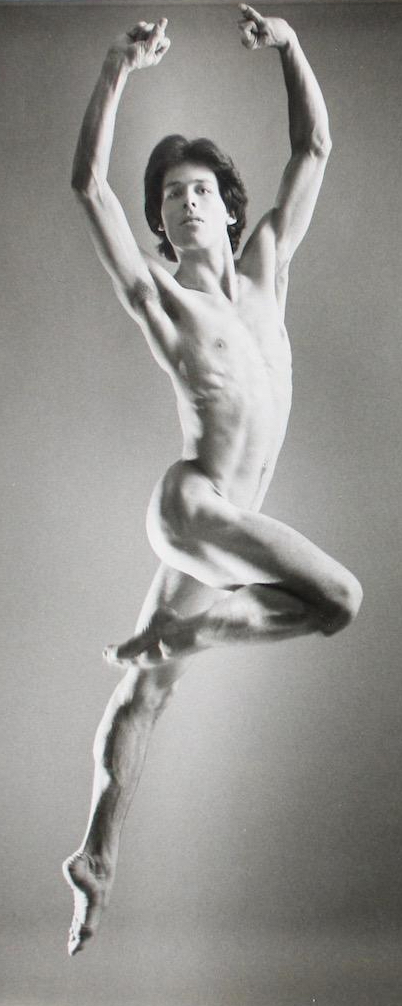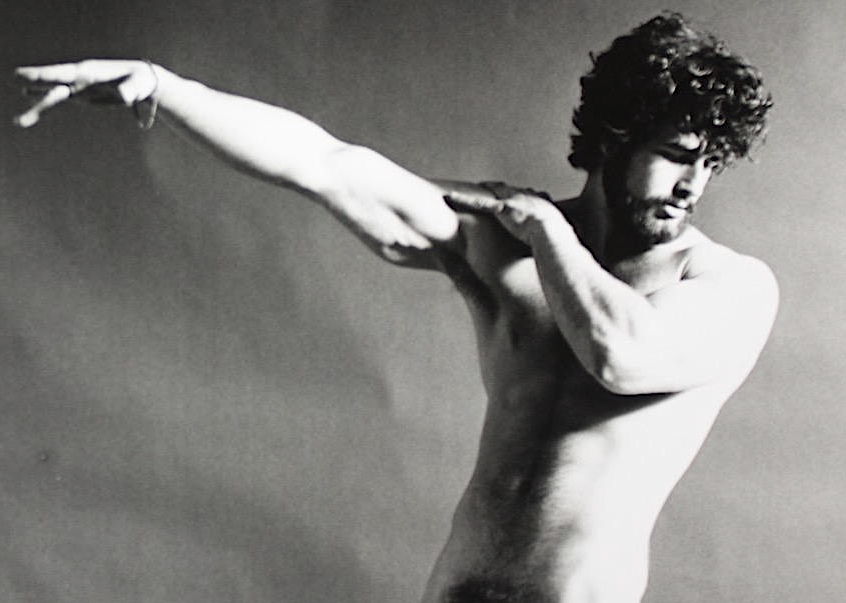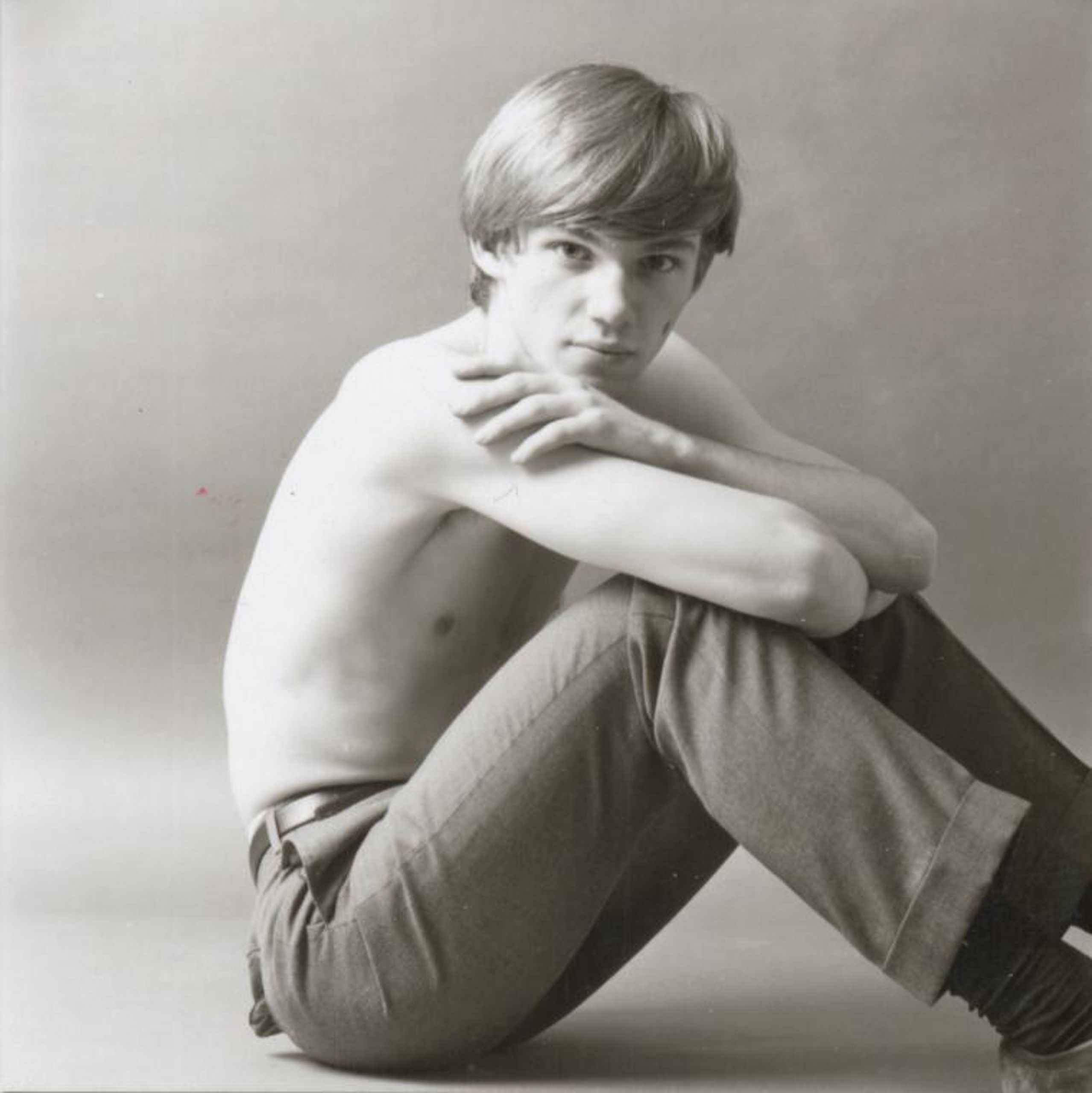
Kurt Bieber: From Little Me to Colt Model

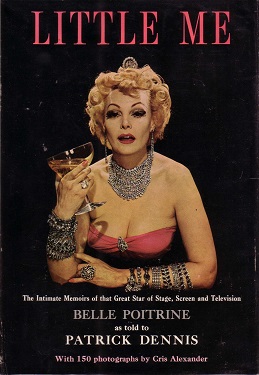
You may already know this, but anyone with an affinity for self-indulgent grande dame memoirs and/or the camp humor of Auntie Mame needs to seek out the 1961 book Little Me, The Intimate Memoirs of That Great Star of Stage, Screen & Television Belle Poitrine, as told to Patrick Dennis. The book spawned a Broadway musical starring Sid Caesar in 1962, which was revived with Martin Short in 1998. However, the book is whole different animal. The 2002 reprint with a new foreword by Charles Busch may be out of print, but affordable copies are easily found online.

The whole thing is a parody – a camp fiction classic created by the Auntie Mame author with over 150 photographs by Cris Alexander, an actor who appeared in both the stage and film versions of Auntie Mame. Alexander had transitioned into his second career as a photographer.

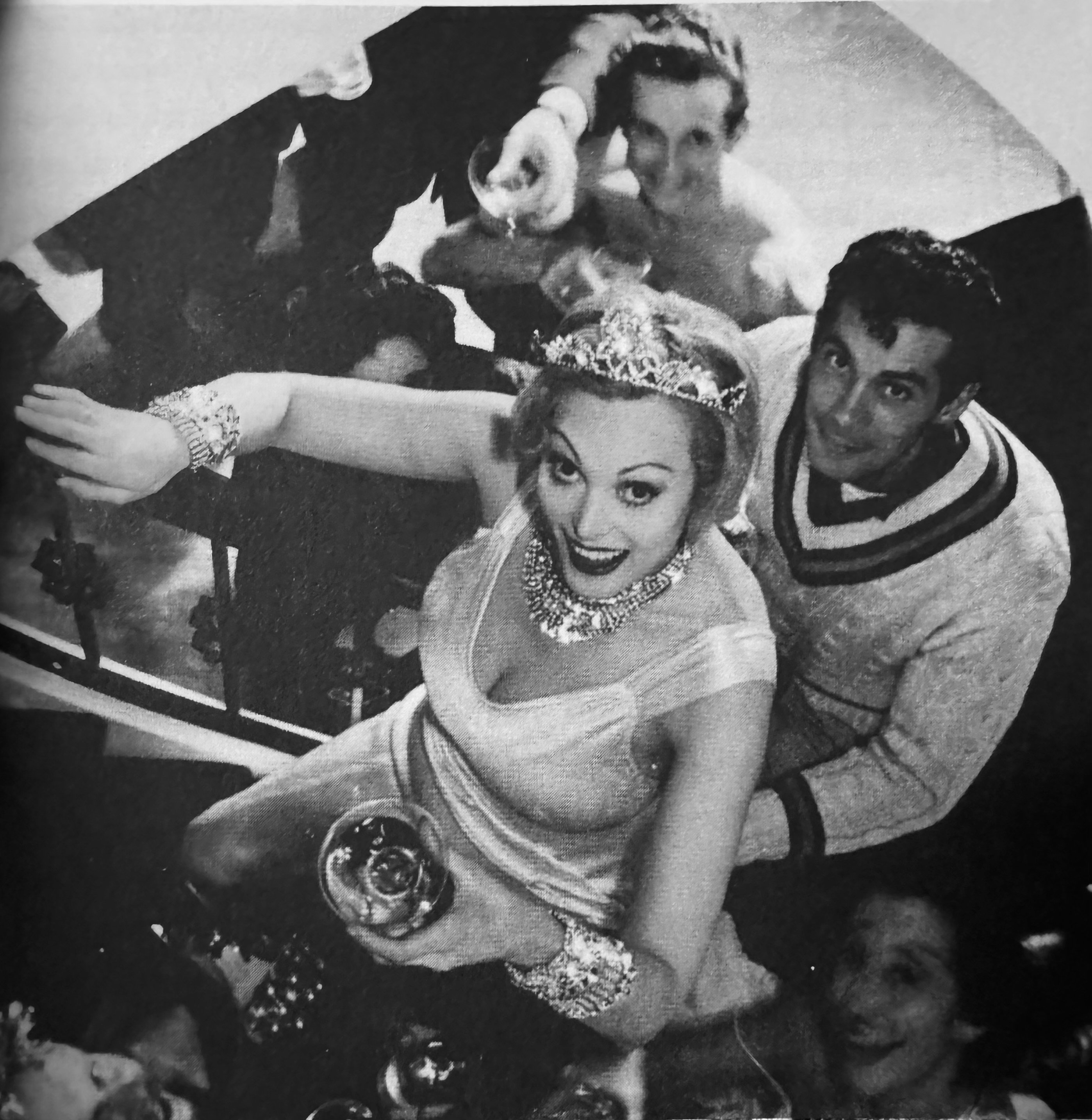
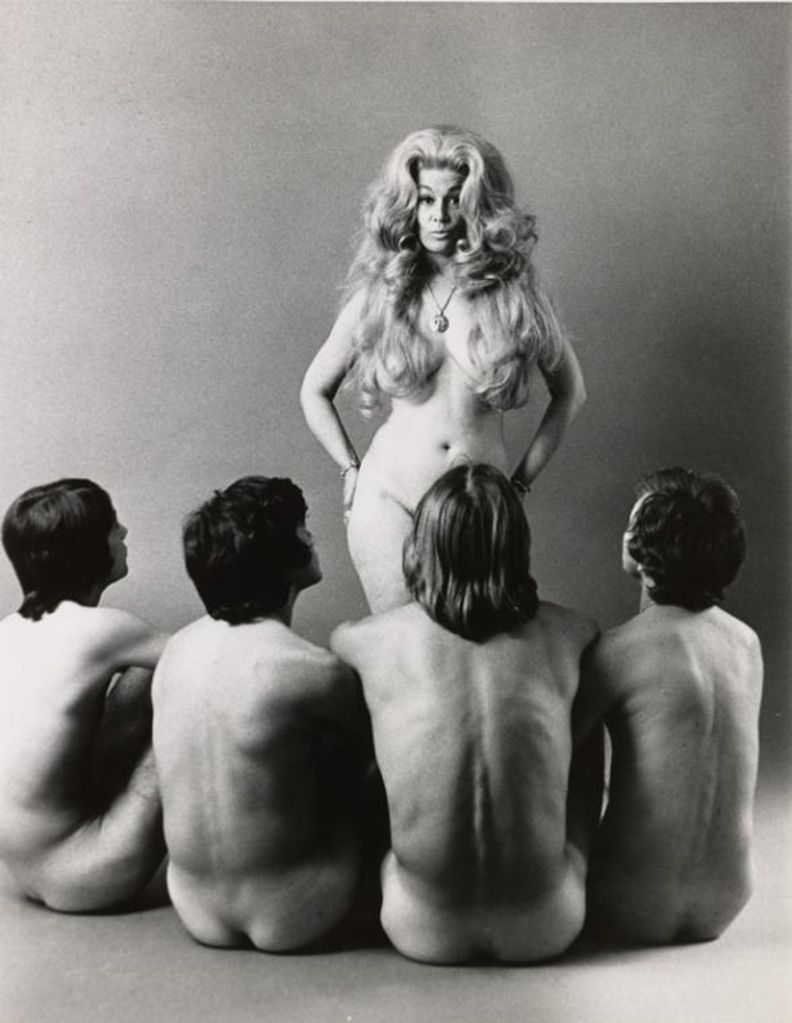
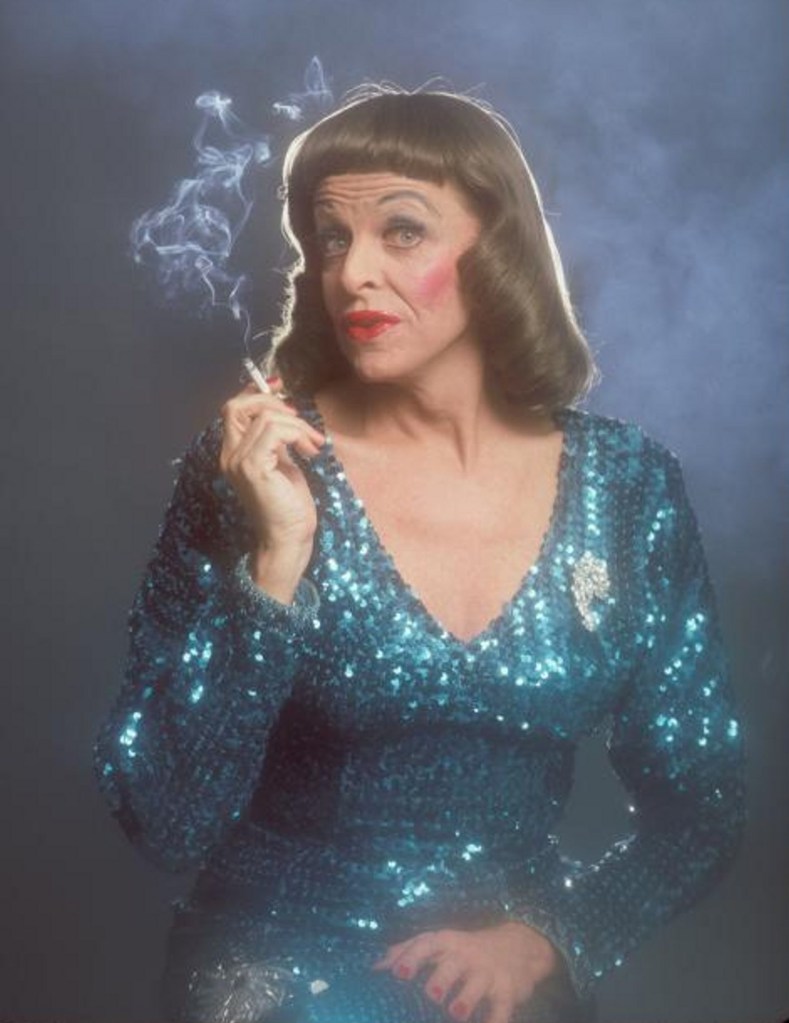
Actress Jeri Archer embodied Belle Poitrine in the photographs with a cast of characters playing her co-horts. Among the familiar faces in the company are character actresses Dodie Goodman and Alice Pearce, author Patrick Dennis (as Cedric Roulstone-Farjeon) and his wife Louise (as Pixie Portnoy). Cris Alexander also appears in various roles alongside his lifelong partner, ballet dancer Shaun O’Brien (as Mr. Musgrove). Miss Rosalind Russell makes an appearance as well.

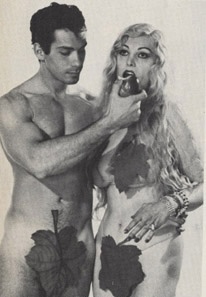
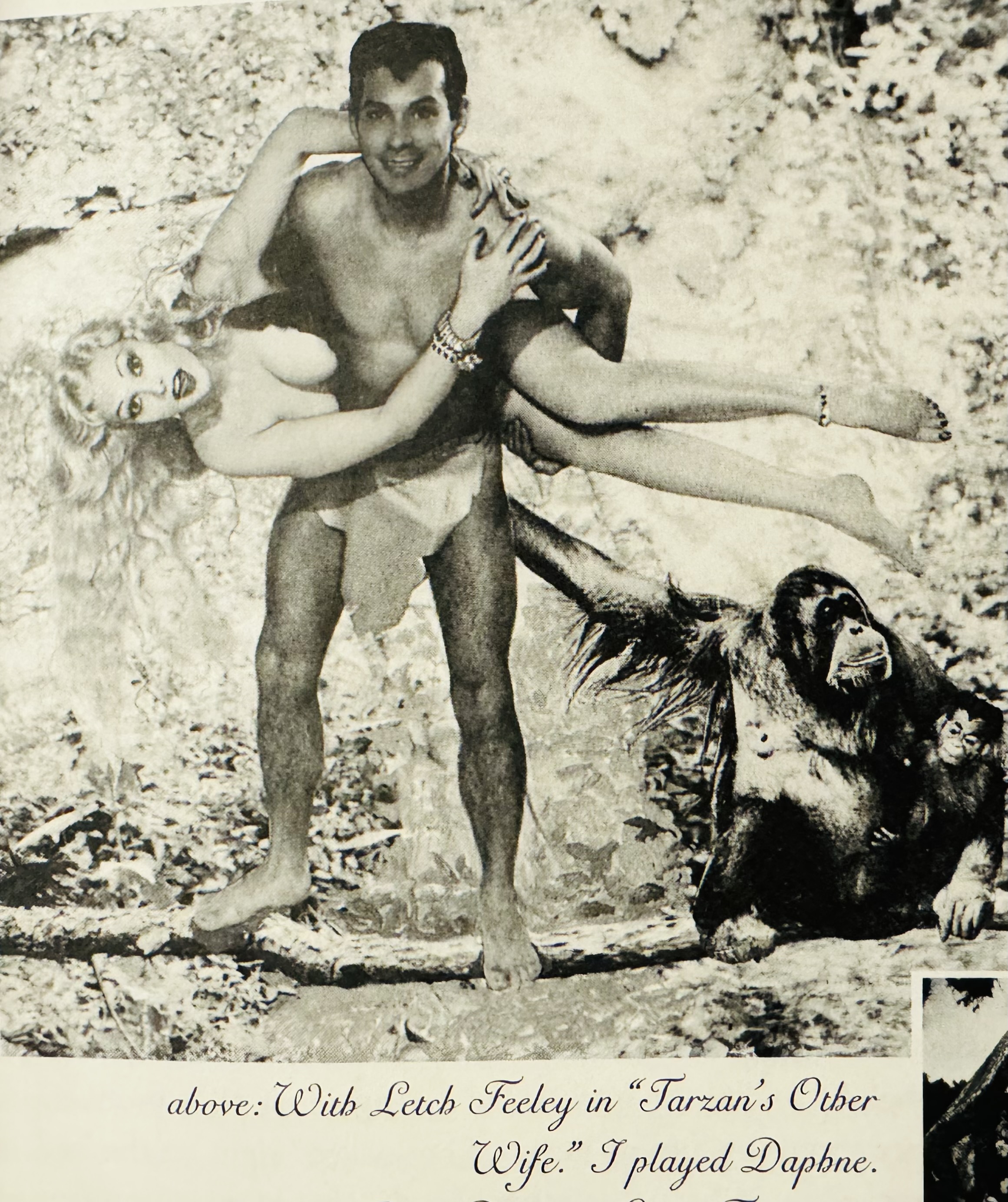
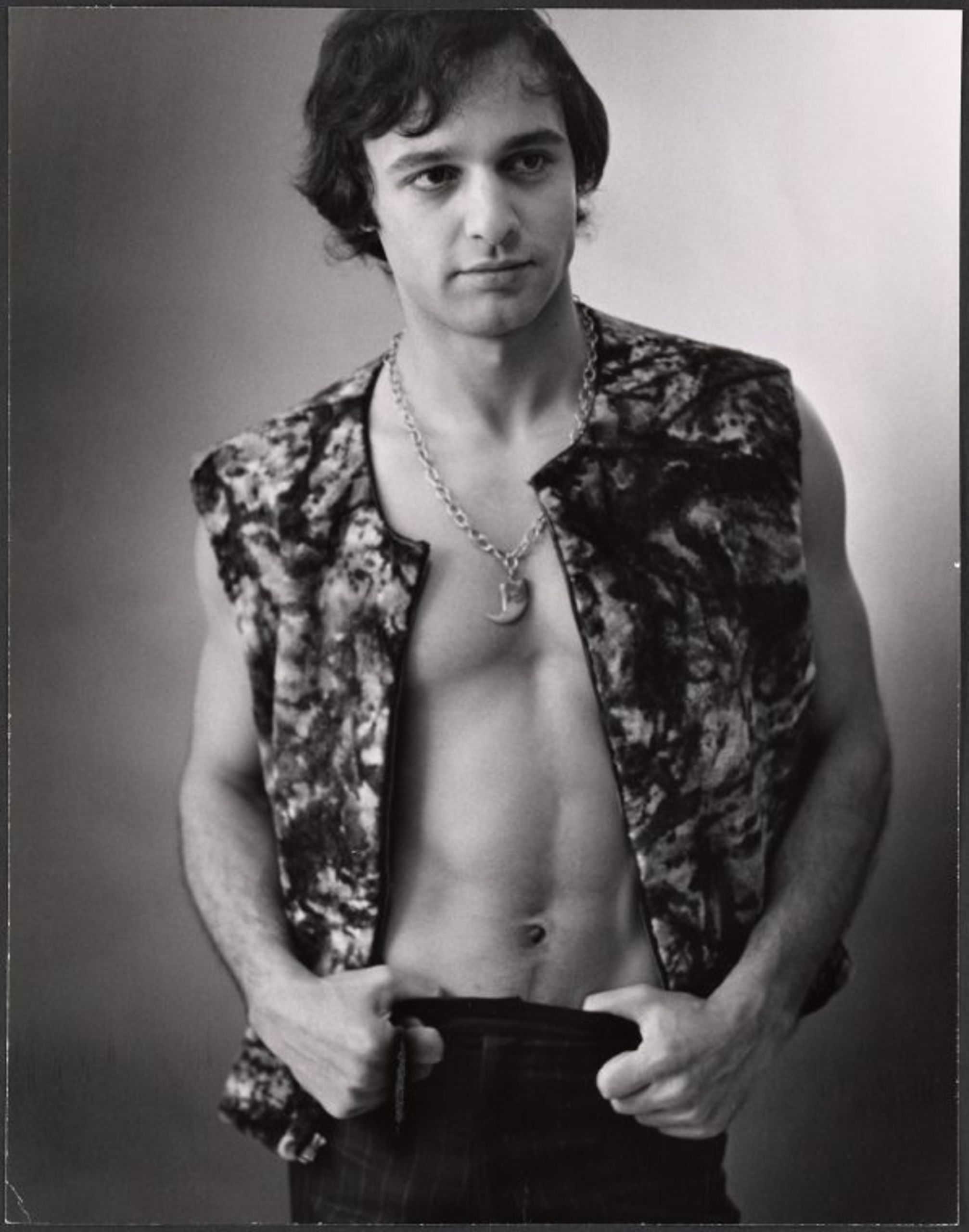
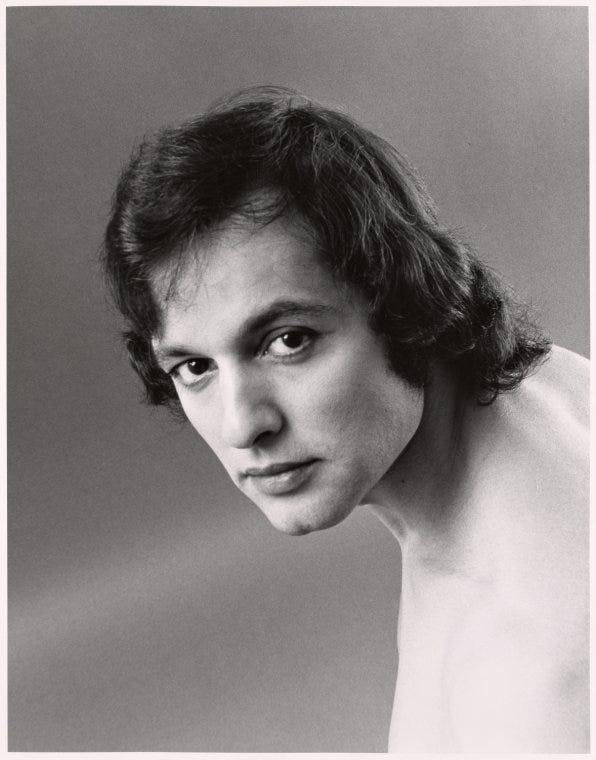
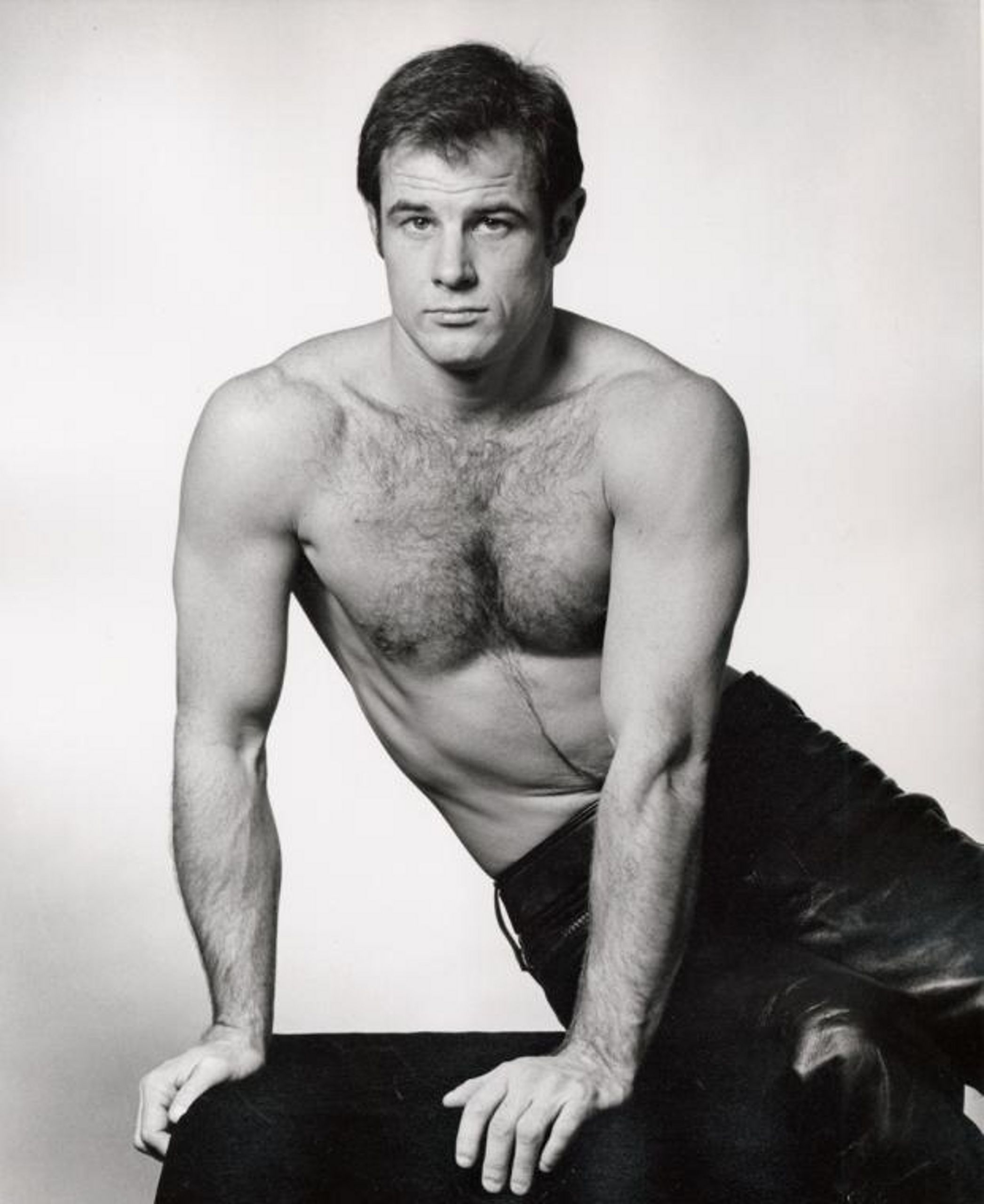
The role of Letch Feeley, Belle’s hunky paramour and costar, was played by Kurt Bieber. After the publication of Little Me, Cris Alexander wrote, “Shaun and Kurt generated an unprecedented amount of fan mail, all sent to the publisher’s office.”

Letch Feeley & Belle Poitrine, aka Kurt Bieber & Jeri Archer in Little Me

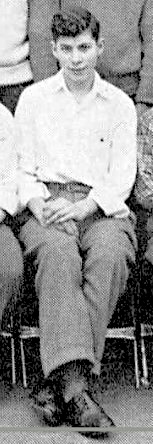
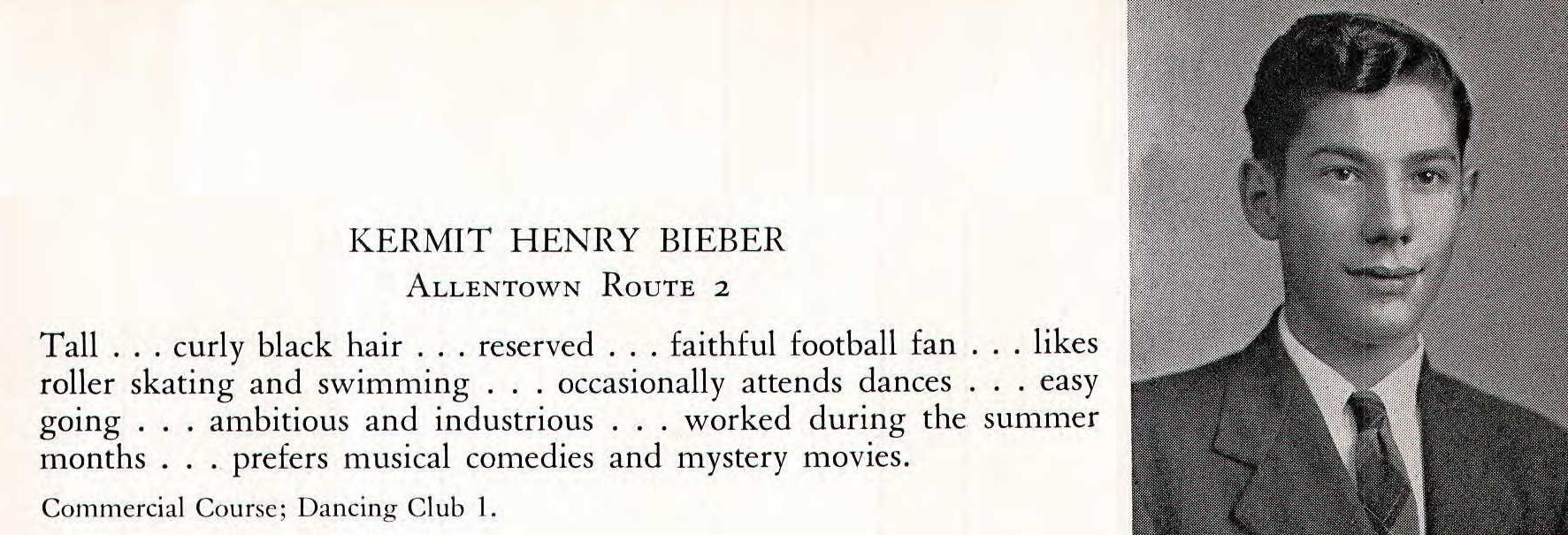
Kermit Henry Bieber was born on January 5, 1929 in Allentown, Pennsylvania. A 1946 graduate of Emmaus High School, Bieber worked at the local Sears before serving in the Army during the Korean War.

After his discharge, he headed to New York, where he studied drama, dance and voice at The American Theatre Wing. Roles in summer stock soon followed, with ensemble work in Can-Can, Happy Hunting, Oklahoma! and Wonderful Town.

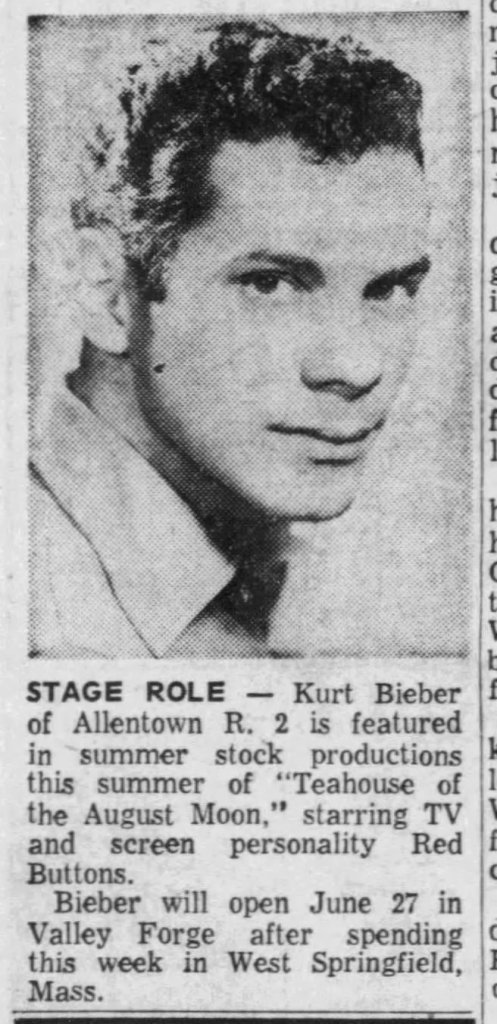
The Morning Call, Allentown, PA (6/21/1960)

It was his work in a regional production of On the Town that took his career to the next level. Cris Alexander later wrote, “Ross Hunter may have discovered Rock Hudson, but I discovered Kurt Bieber during a summer package of On The Town (Pittsburgh ’58).” By October of that year, Bieber was back in New York playing a sailor alongside William Shatner in the original Broadway production of The World of Suzie Wong.

More regional work followed, including a stint in the play Teahouse of The August Moon with Red Buttons. It was around this time that Cris Alexander began to shoot the photos for Little Me, casting Bieber in the role for which he is best remembered.

In Uncle Mame: The Life of Patrick Dennis, author Eric Myers writes “Most memorable to a certain contingent of the book’s audience was actor Kurt Bieber, who… displayed plenty of muscular flesh in nearly all of his photos.”

“I loved doing Little Me. People would stop me in the street and say ‘Aren’t you Letch Feeley?'” Kurt fondly remembered. “It was a first. No one had ever done a book like that… it was such a different atmosphere then. The photos were really a breakthrough.”

“Kurt Bieber is a poseur extraordinaire. The grace and symmetry of the youthful physique is captured in this study by Male Today.”

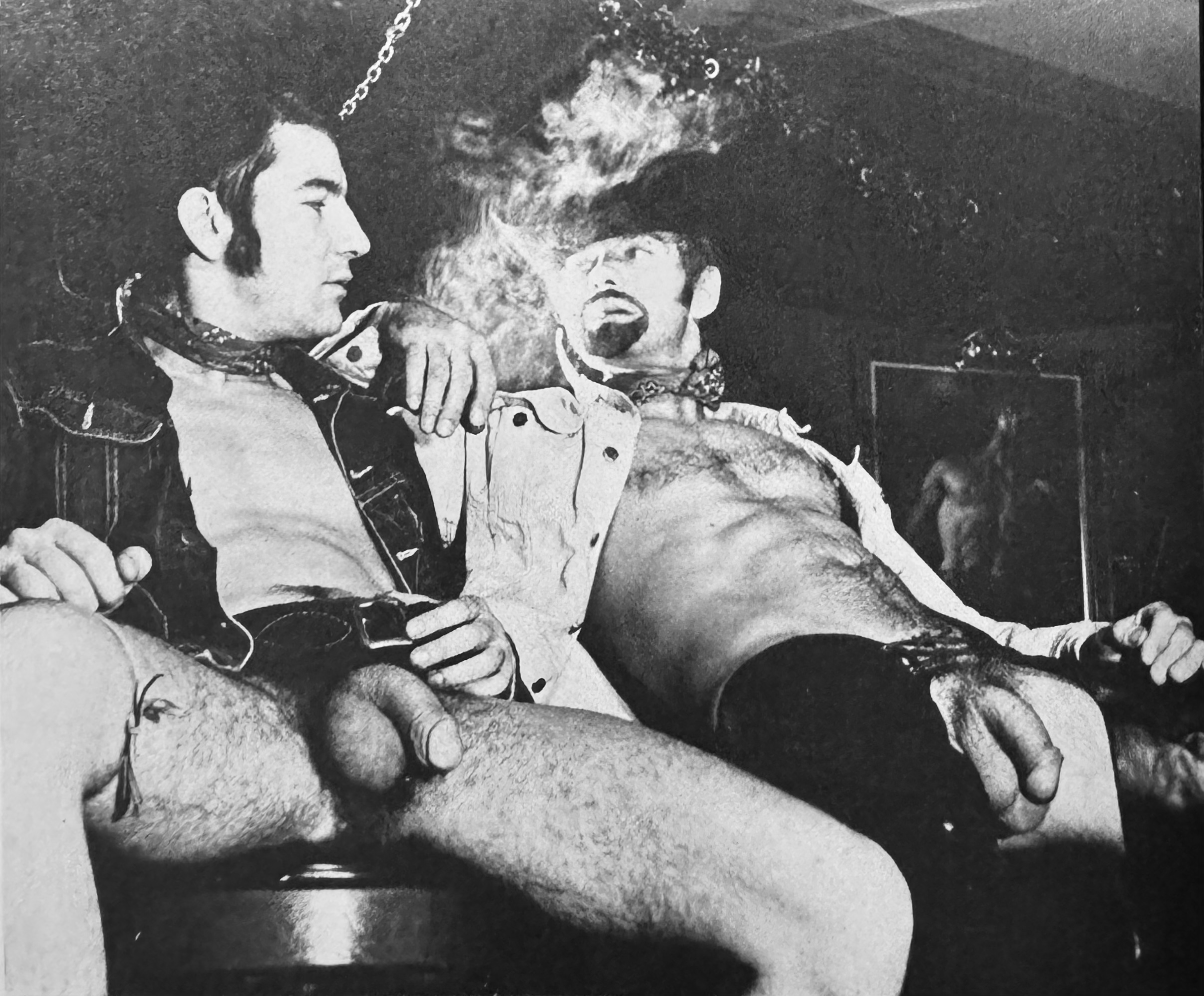
Following the success of Little Me, Bieber continued acting as well as modeling. He found work as a “posing strap” model for Male Today and other physique magazines. He was an early subject for Jim French, a photographer who was starting up a photo studio under the name Rip Colt. An early Colt film loop lists Bieber as one of the performers – a softcore scene with three muscular models lathering each other up in a shower – but none of the models appear to be him.

In 1969, Bieber had a bit part as a Times Square street hustler in Midnight Cowboy:

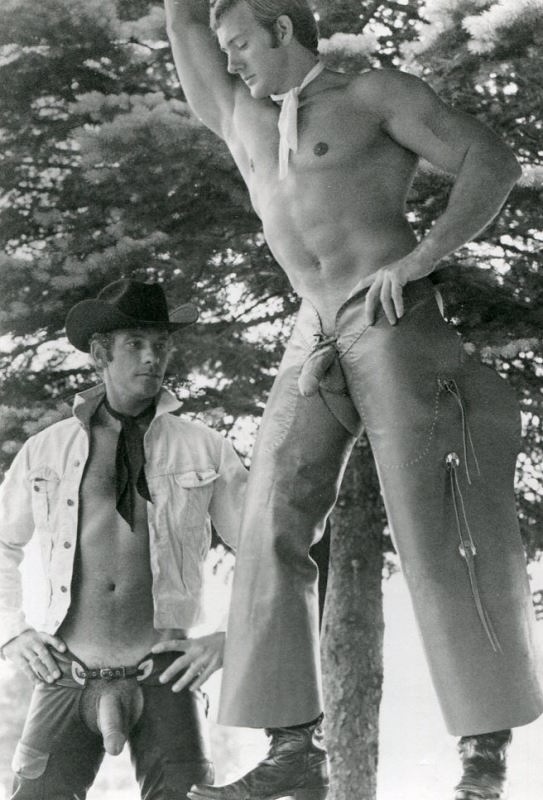
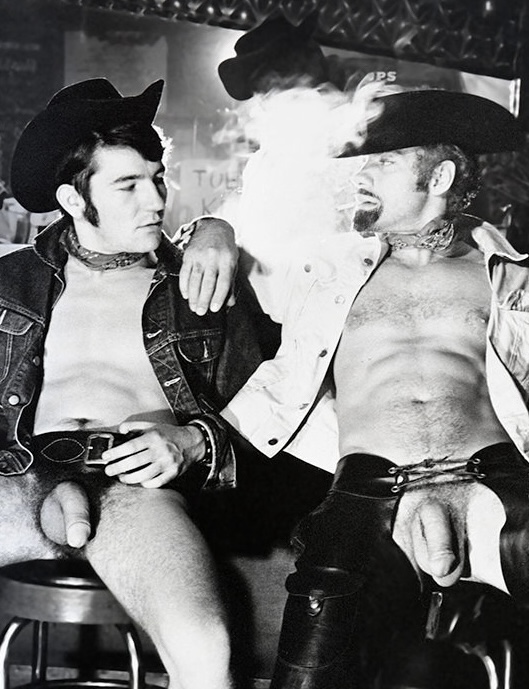
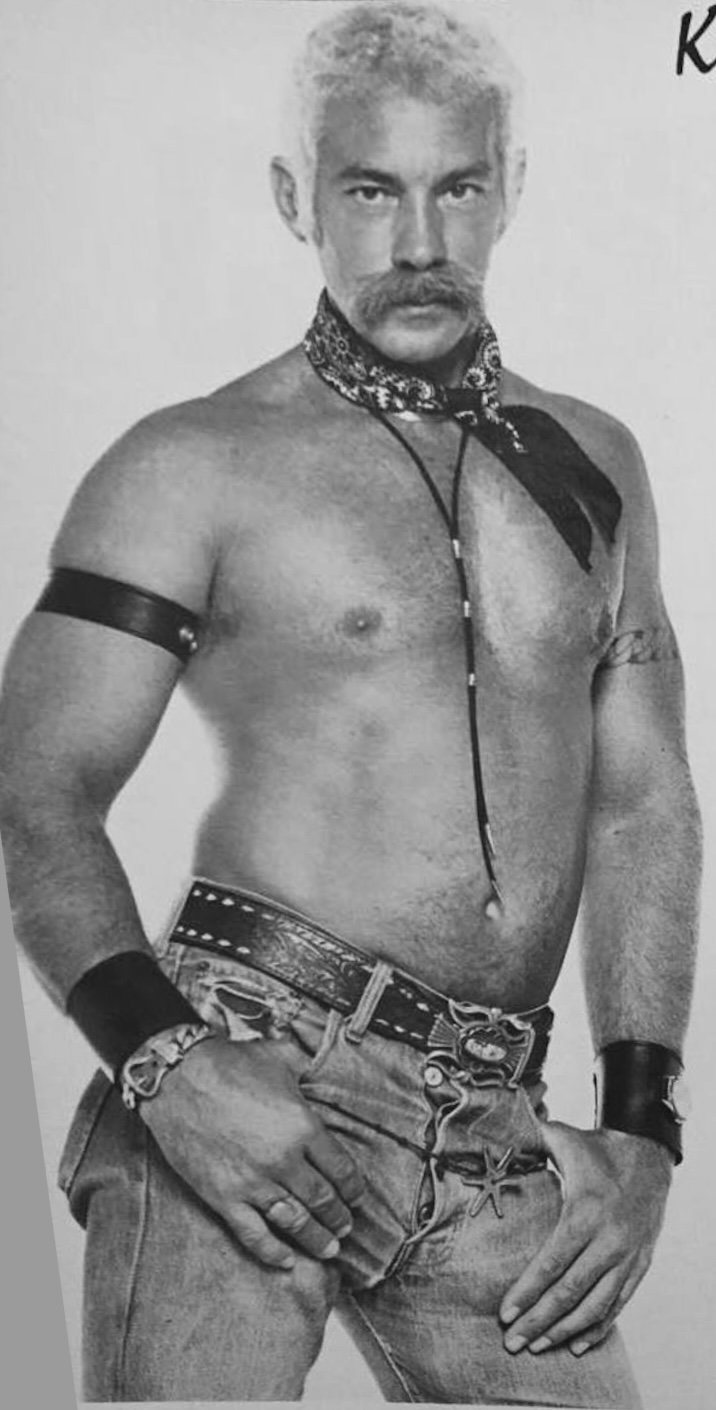
At the dawn of the 1970’s, 40-year-old Bieber – no longer a young chorus boy – opted for a new look. He transformed himself into the quintessential gay clone: an urban cowboy/mustache and Levi’s/hanky-code persona that would characterize the gay scene for the next decade. His photos for Colt studios now typify that era of gay erotica.

He was quoted as saying “I loved being photographed in the nude. I’ve always been an exhibitionist. To be an actor, you have to be. Besides, I got to choose the models. I chose hot men that I could get off on. That’s why they gave me (Colt superstar) Dakota.”

Kurt Bieber (in a Colt t-shirt) outside Badlands in the West Village, NYC (1979)

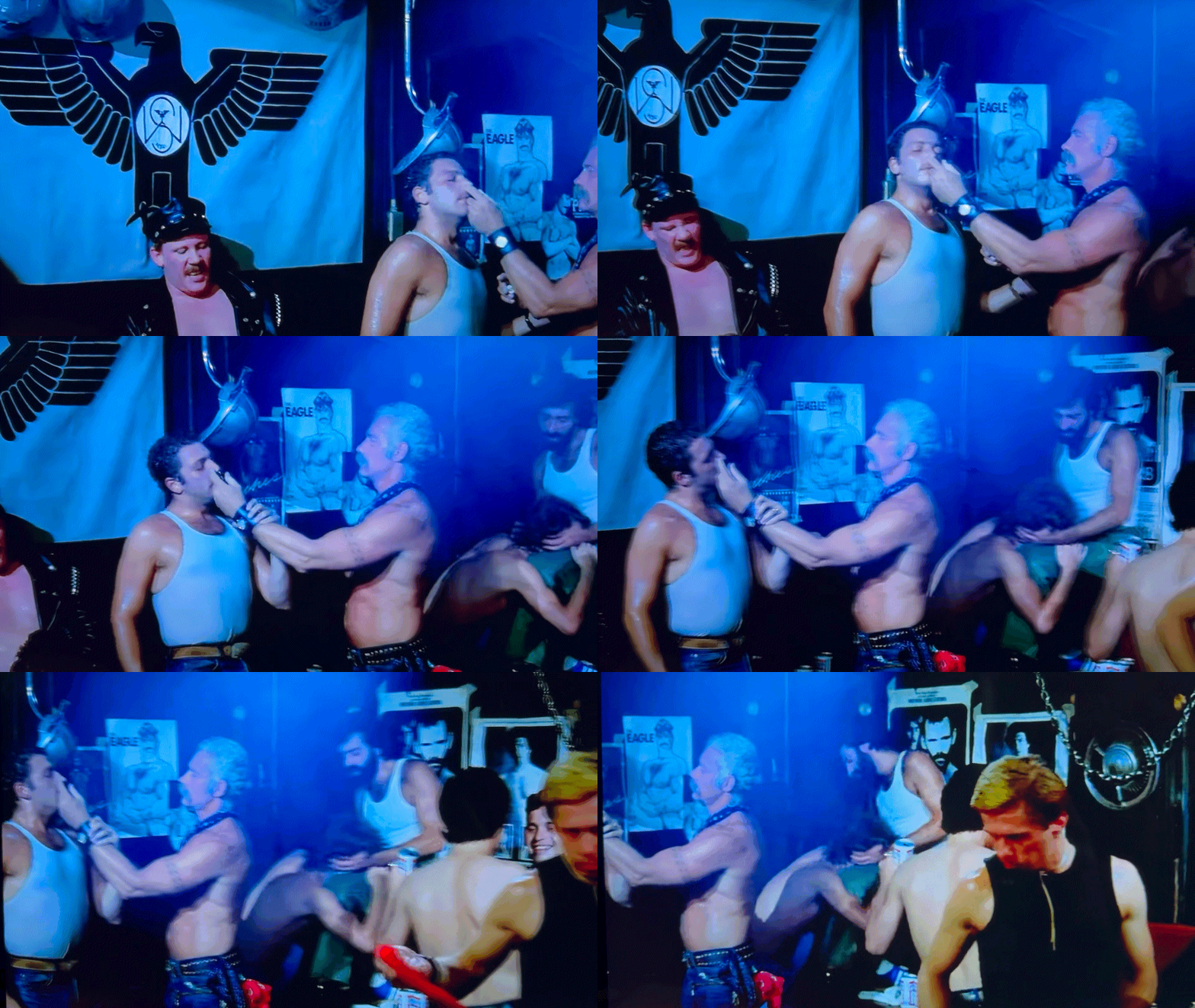
While major film roles never materialized, Bieber appeared in several commercials and continued to garner background work in films like Last Summer and Chapter Two. He can be seen offering poppers to a cohort at The Eagle in the controversial Al Pacino film Cruising (1980):

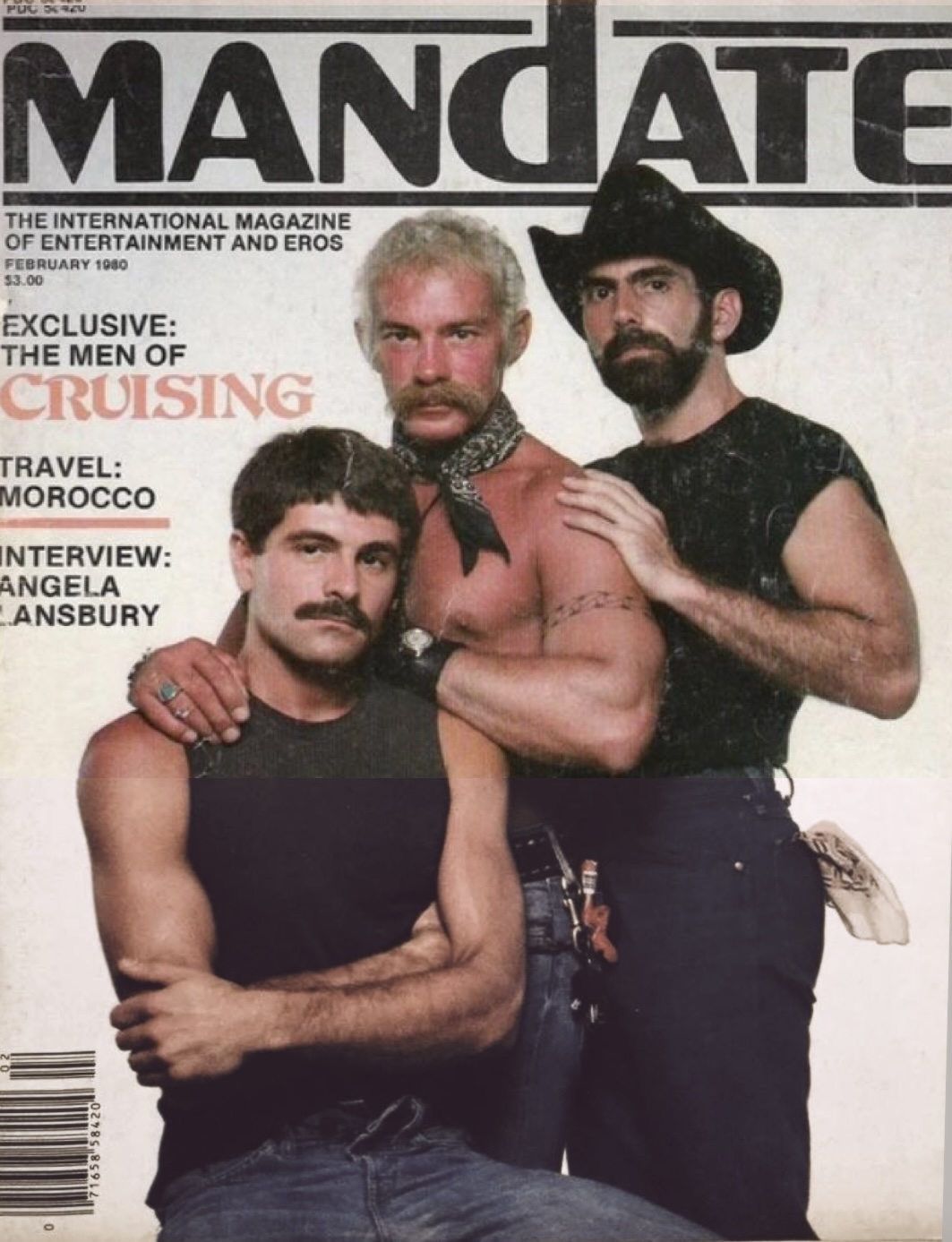
His appearance in Cruising landed Bieber on the cover of the February 1980 issue of Mandate Magazine. In his interview, Bieber mentions that he played Letch Feeley among other acting roles. He differentiates himself from the other Cruising extras, some of whom were cast off the street. “I want to stress that I did it as a professional… It’s just a job.”

As for those rumored to be having sex on camera in the leather bar scenes; “On the set, some people were having sex for real, but (director William) Friedkin didn’t ask anybody to. No way I would suck cock in front of a camera,” he says.

Although Bieber doesn’t mention his work with Colt Studios in this article, four months later Mandate ran a 10-page spread titled “Whatever Happened To Letch Feeley?” This feature tracked Bieber from his Little Me photos through his work with Colt Studios.

When asked to sum himself up at the close of the article, Bieber said with a smile; “I’ve done a little bit of everything and I’ve loved every minute of it.”

Later in 1980, Bieber was done in by a poison dart in Times Square during the opening sequence of Eaten Alive, an Italian cannibal movie:

The epilogue of Uncle Mame: The Life of Patrick Dennis (2000) notes that Bieber “has been an extra in almost every movie ever filmed in New York City. Kurt says he is ‘still around and still cruising Christopher Street.'”

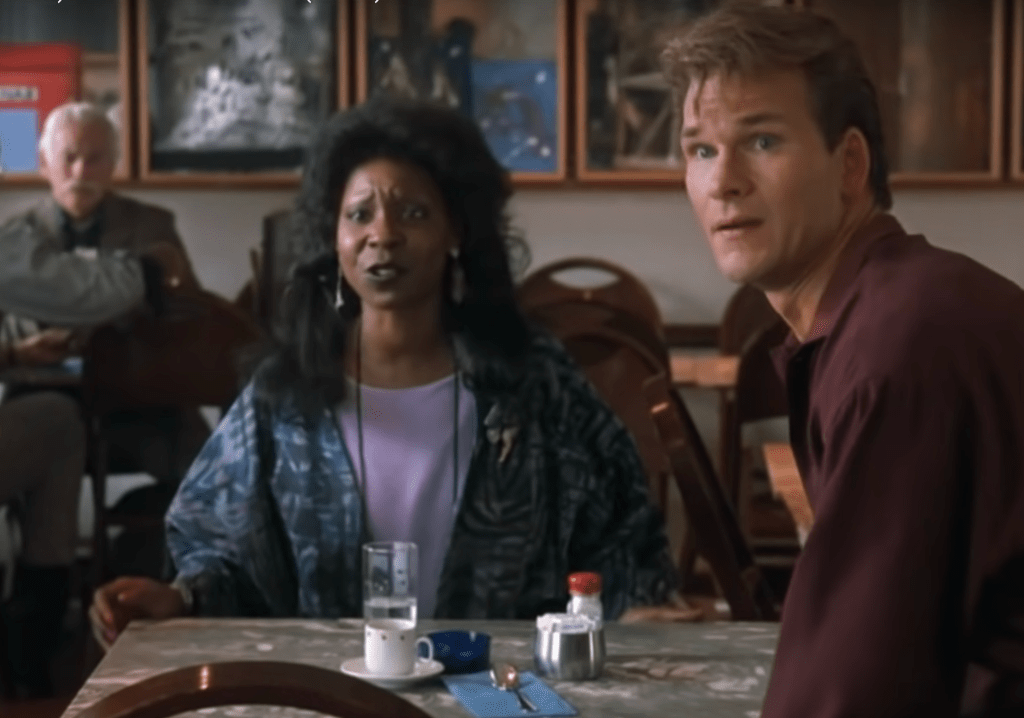
Kurt Bieber behind Whoopi Goldberg and Patrick Swayze in a scene from Ghost (1990)

Decades later, Little Me fans still recognized him. “Even today, I’ll sometimes walk into a store and someone will say ‘Wow! Letch Feeley!’ How they recognize me after all these years, with my white hair, I’ll never know.”

Kurt Bieber passed away at age 86 on December 31, 2015 in New York City.

See Also:
The Yale Posture Photos: Bill Hinnant
Madame Spivy: I Didn’t Do A Thing Last Night
Keith Haring In Heat Magazine (1992)
Kenn Duncan After Dark
Artist’s Muse: Wilbur Pippin
Artist’s Muse: The Mystery Model
Artist’s Muse: William Weslow
Gay Times #69 (1978)
New York City: In Touch For Men (1979)
Armistead Maupin in Blueboy Magazine (1980)
You Know The B-52’s Song “Roam” Is About Butt Sex, Right?
George Platt Lynes: In Touch Magazine (1982)
Revisiting George Platt Lynes’ Fire Island Muses

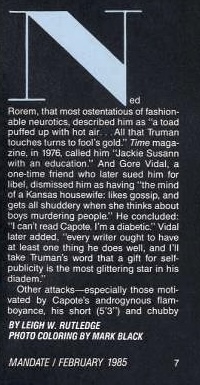
Truman Capote in Mandate (1985)

Truman Capote is the subject of this article from the February, 1986 Mandate magazine. The piece was written by Boze Hadleigh just over a year after Capote's death.

Continuing with our theme from the last post, Truman Capote is the subject of this article from the February, 1985 issue of Mandate magazine. The piece was written by Boze Hadleigh just 6 months after Capote’s death.

The infamous book jacket photo of Truman Capote from Other Voices, Other Rooms. One critic commented, “He looks as if he were dreamily contemplating some outrage against conventional morality.” (1948)

See also:
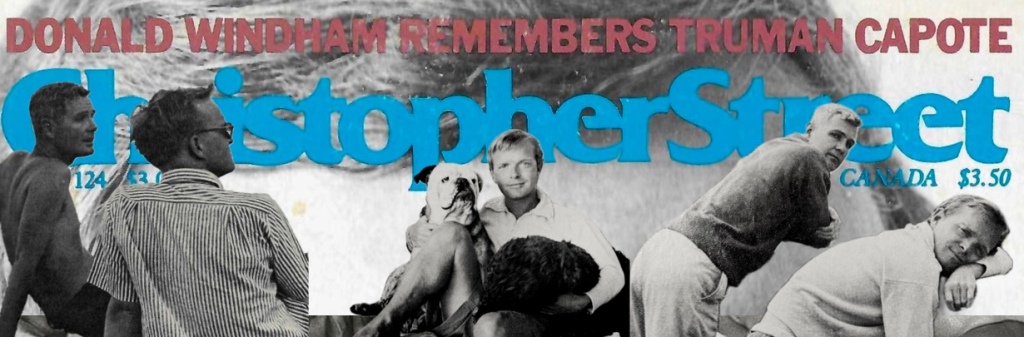
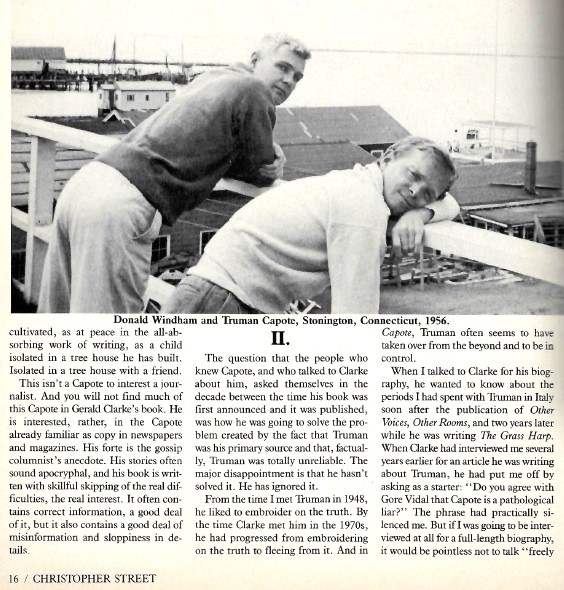
Donald Windham On Truman Capote: Christopher Street (1988)
Truman Capote’s Christmas Memory
Artist’s Muse: Chuck Howard
Artist’s Muse: Ted Starkowski
Artist’s Muse: The Mystery Model
Artist’s Muse: Wilbur Pippin
Provincetown PaJaMa Party
Fire Island Muses of George Platt Lynes & The PaJaMa Collective
Revisiting George Platt Lynes’ Fire Island Muses
George Platt Lynes: In Touch Magazine (1982)
Keith Haring In Heat Magazine (1992)
Mandate 1988: New York Redefines Drag

Donald Windham on Truman Capote: Christopher Street (1988)

Donald Windham and his partner Sandy Campbell were two of the subjects of my recent collaboration with the Fire Island Pines Historical Preservation Society. The Fire Island Muses of George Platt Lynes and The PaJaMa Collective focused on the subjects of their photography and artwork, specifically during summers spent on Fire Island.

Donald Windham (with Paul Cadmus) & Sandy Campbell in PaJaMa photos of the early 1940’s.

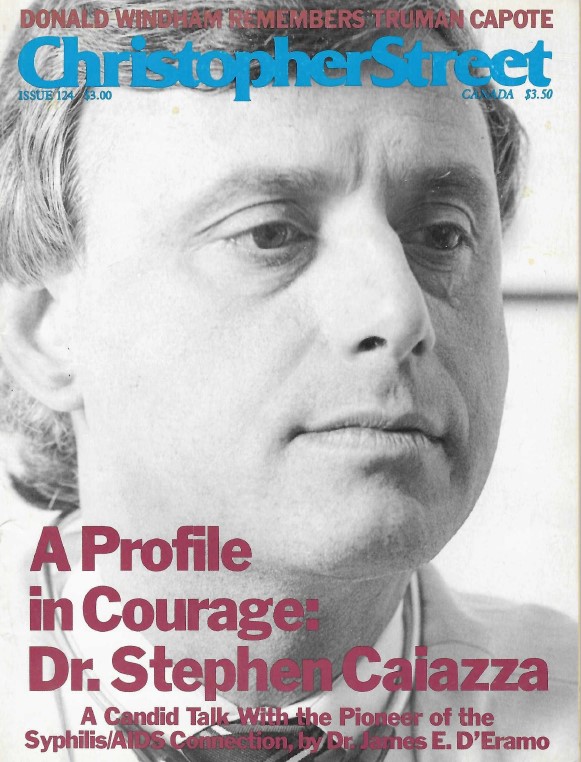
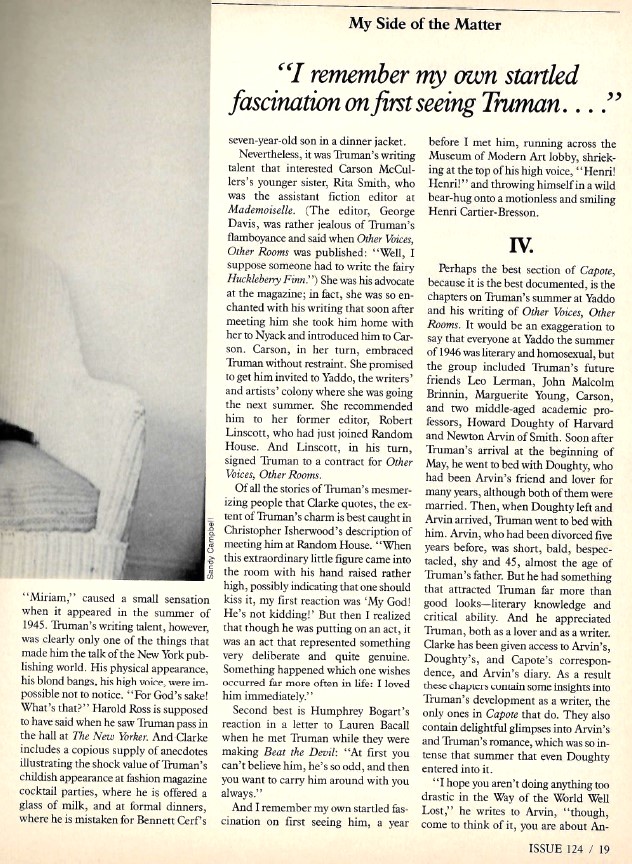
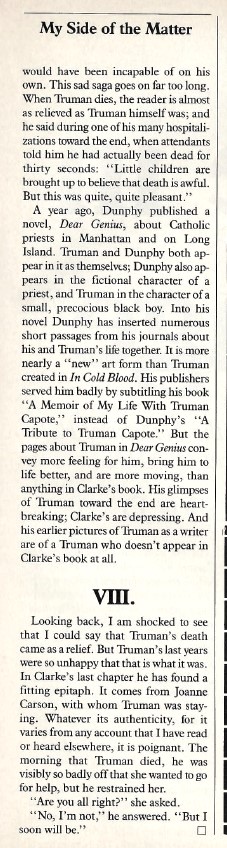
I recently rediscovered this piece written by Windham for a 1988 issue of Christopher Street. I bought the magazine at a West Village newsstand back in the day, and it has remained in my possession all these years, proving yet again why I never throw anything away. Because you never know…

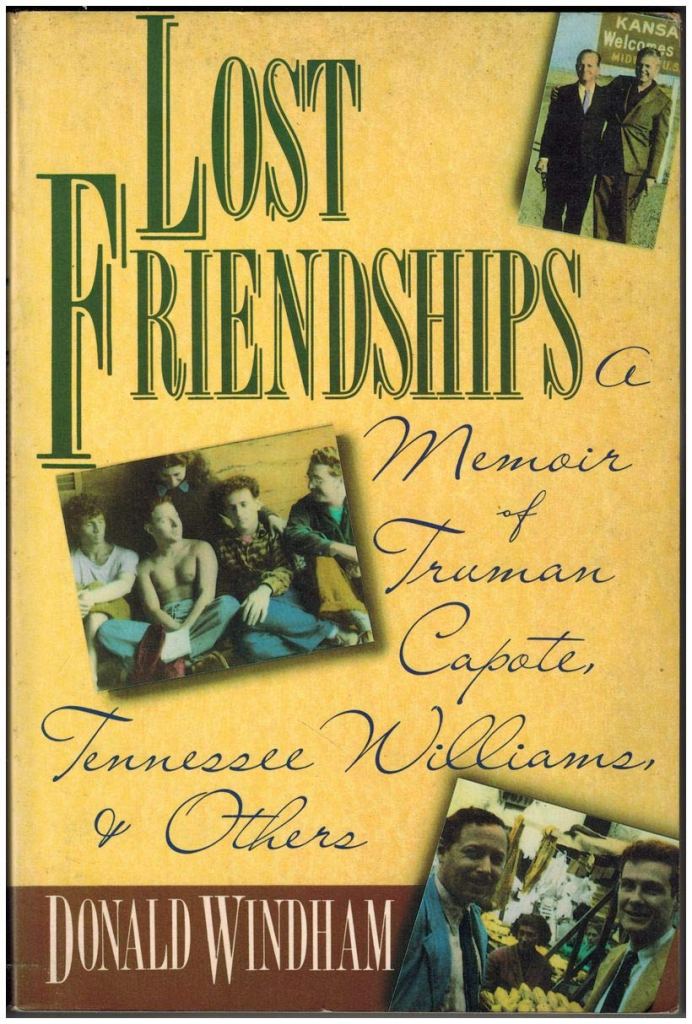
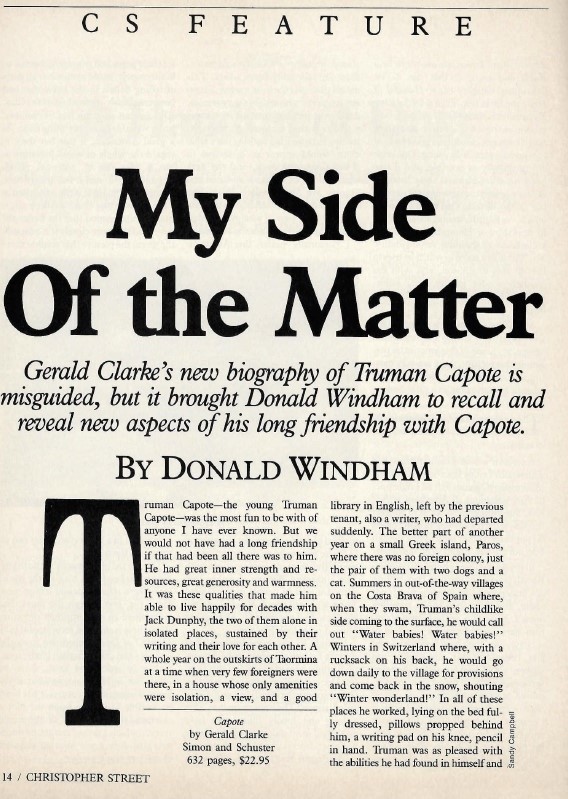
Back in 1987, Donald Windham had published Lost Friendships: A Memoir of Truman Capote, Tennessee Williams, and Others. This article was written the following year in response to the publication of Gerald Clarke’s 600+ page biography Capote, which Windham describes as “misguided.” Clarke’s book would later be adapted into the 2005 film, with Phillip Seymour Hoffman winning an Oscar for his portrayal of troubled Truman.

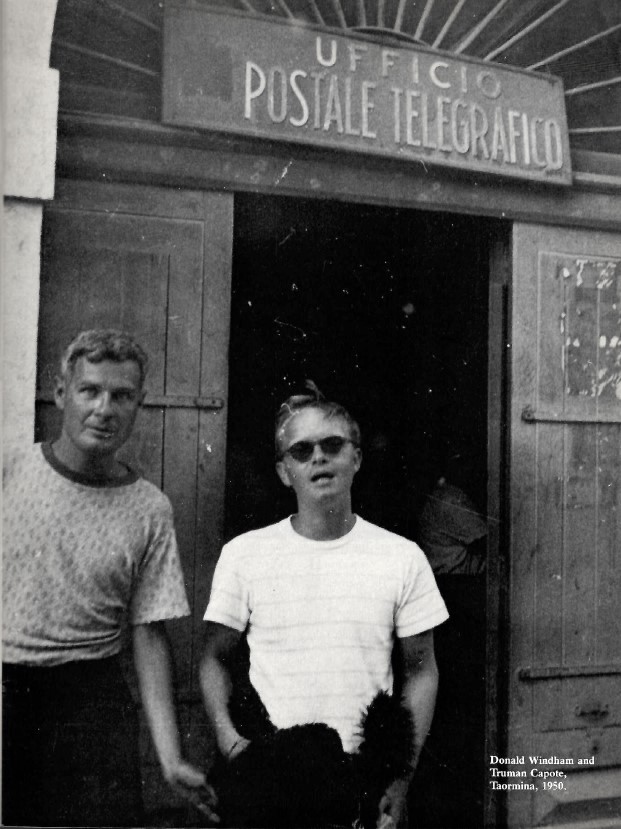
Note that the photos accompanying the article are credited to Sandy Campbell.

This photo appears in several places on the internet misidentifying Capote as Sandy Campbell with Donald Windham, Piazza San Marco (1948)
Capote with Sandy Campbell at the Kansas border, October 1964

See also:
Truman Capote in Mandate (1985)
Truman Capote’s Christmas Memory
Artist’s Muse: Donald Windham & Sandy Campbell
Fire Island PaJaMa Party
Fire Island Muses of George Platt Lynes & The PaJaMa Collective
Artist’s Muse: José “Pete” Martinez
Artist’s Muse: Chuck Howard
Artist’s Muse: Wilbur Pippin
Artist’s Muse: The Mystery Model
Don Herron’s Tub Shots IV: Christopher Street 1980
George Platt Lynes: In Touch Magazine (1982)
Revisiting George Platt Lynes’ Fire Island Muses

Fire Island Muses of George Platt Lynes & The PaJaMa Collective

I am pleased to announce that I have penned an article for the Fire Island Pines Historical Preservation Society website titled “The Fire Island Muses of George Platt Lynes & The PaJaMa Collective.” It focuses on the subjects of the artwork they created during their time on Fire Island. See the full piece here: https://www.pineshistory.org/the-archives/fire-island-muses

Paul Cadmus & Jared French, Fire Island, PaJaMa (1940)

I have previously written about The PaJaMa collective’s Fire Island summers. They were frequently joined by fellow artists George Platt Lynes and Bernard Perlin, as well as a parade of friends and lovers, performers and literary types from their New York social scene. They were almost exclusively attractive young gay men who served as models and muses for the artists.

Chuck Howard & Ted Starkowski, FI, PaJaMa, 1951

10 of these men are profiled in the piece – several of whom have previously been featured here. The others will inevitably get more in-depth profiles in the future:
José “Pete” Martinez
Forrest Thayer
Donald Windham & Sandy Campbell
Jonathan Tichenor
Randy Jack
Ted Starkowski
Chuck Howard
Jensen Yow & Jack Fontan

Paul Cadmus: Two Boys On The Beach (1938) / Two Boys On The Beach 2 (1939)

Margaret French, “The Moon by Day”, 1939

Thanks to Robert Bonanno for reaching out and John Dempsey for the feedback and formatting!

See Also:
Fire Island PaJaMa Party
Provincetown PaJaMa Party
Revisiting George Platt Lynes’ Fire Island Muses
Artist’s Muse: Wilbur Pippin
Artist’s Muse: William Weslow
Artist’s Muse: The Mystery Model
Buddy & Johnny: A Historic Photo Shoot
Donald Windham on Truman Capote: Christopher Street (1988)
New York City In Touch (1979)
Gay Times #69 (1978)
George Platt Lynes: In Touch Magazine (1982)

Don Herron’s Tub Shots Part IV: Christopher Street (1980)

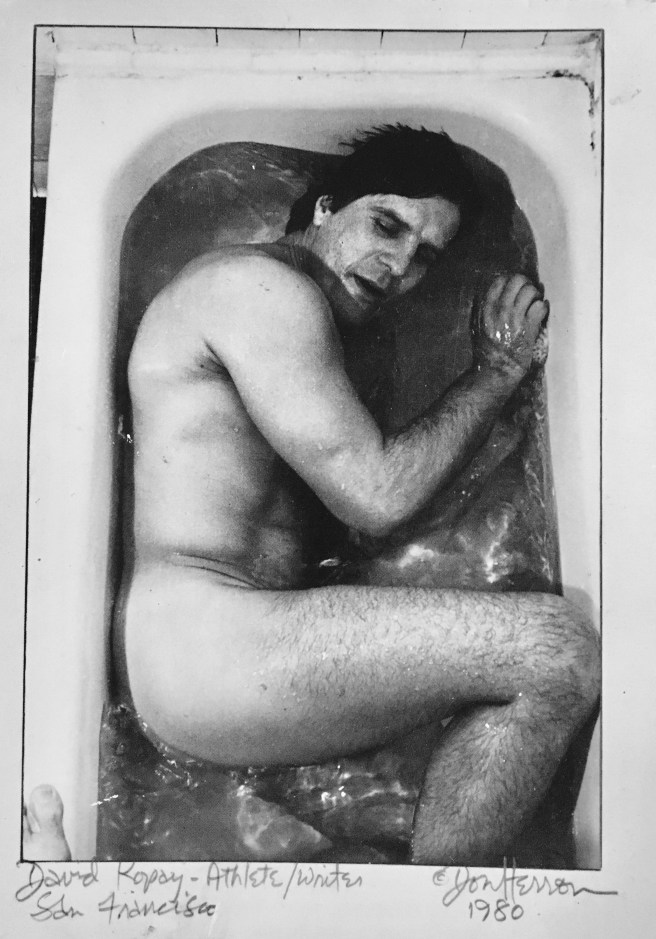
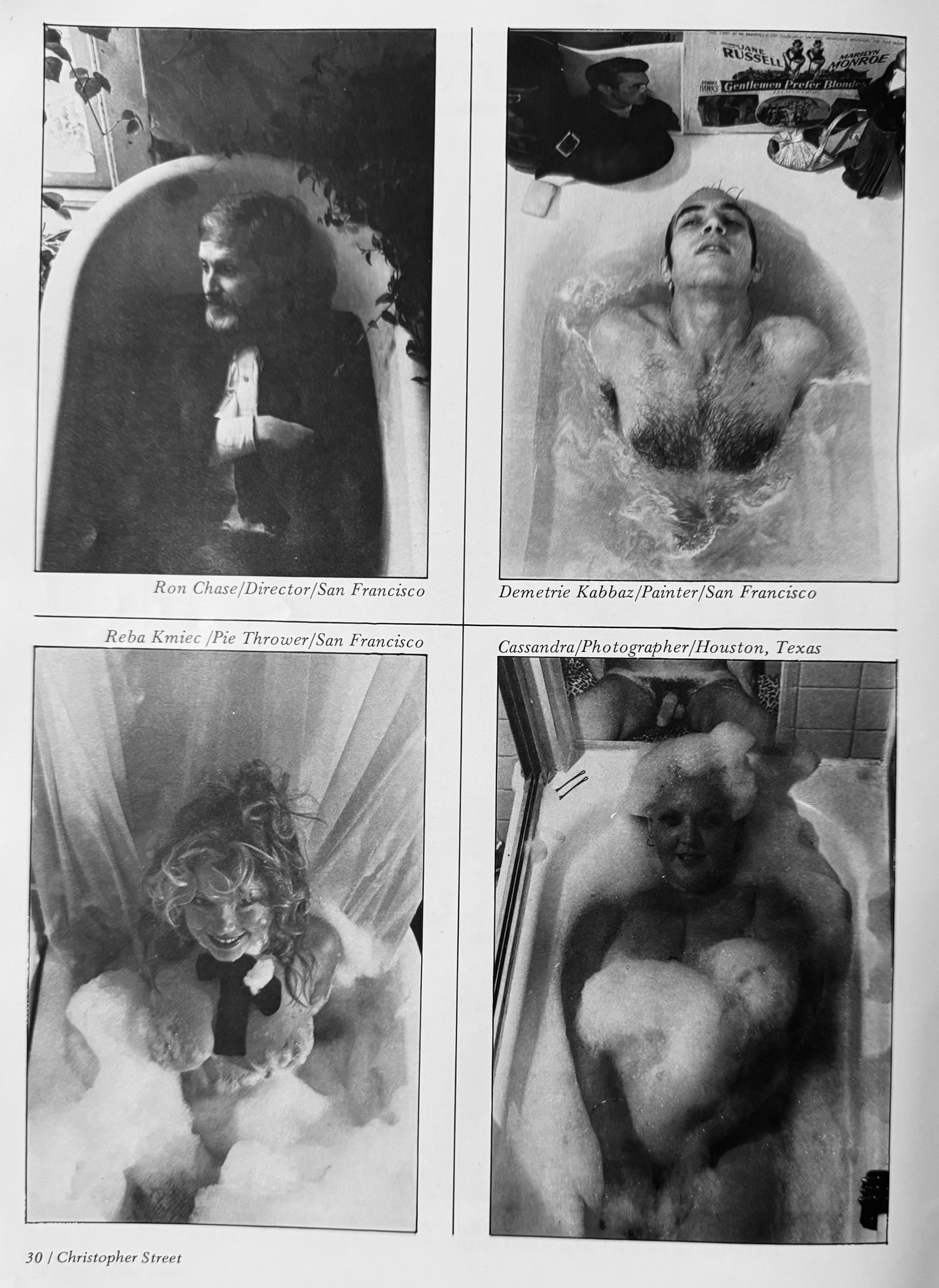
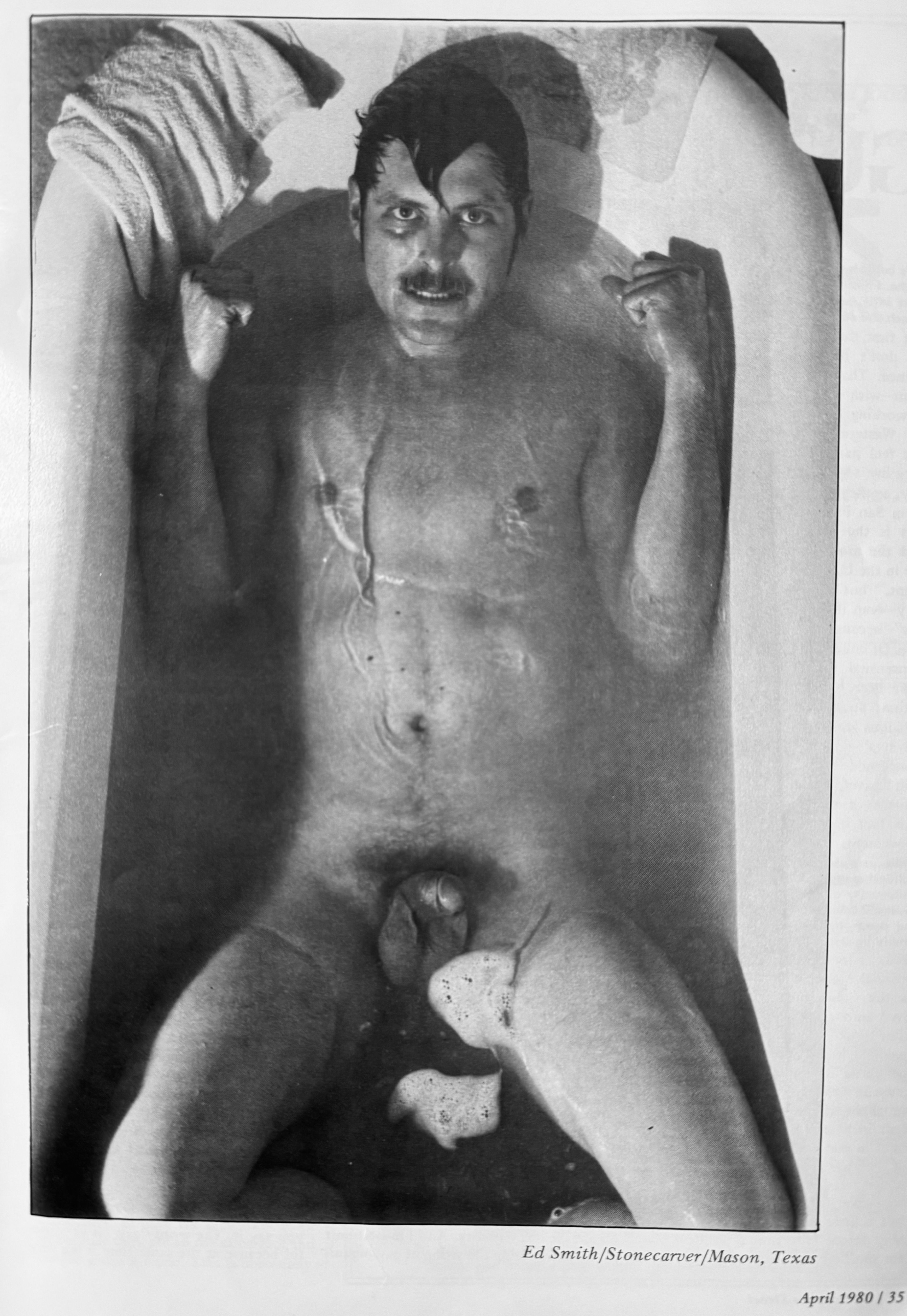
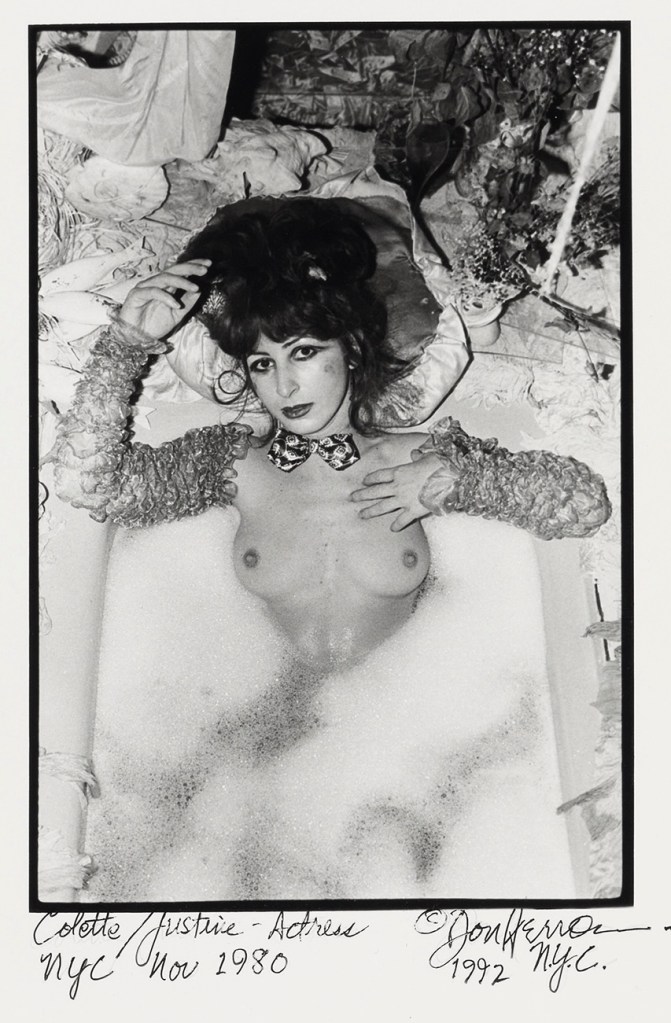
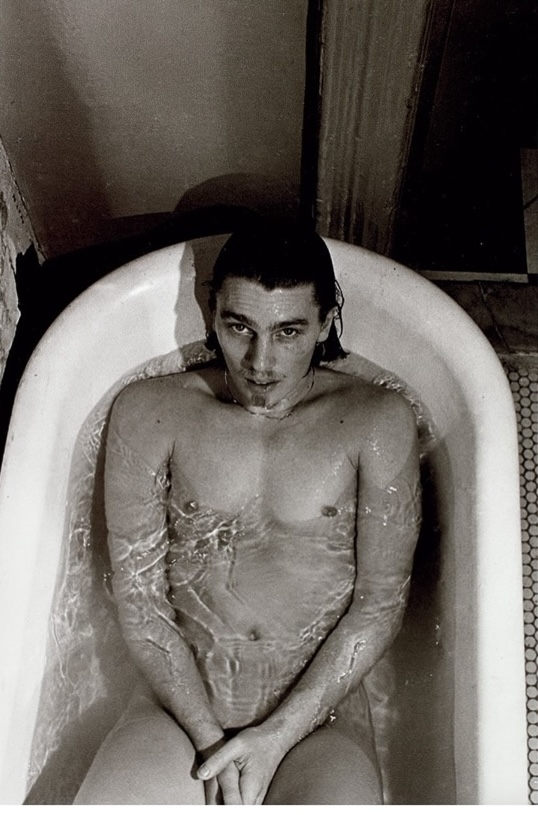
Back in 2018, I posted two collections of artist/photographer Don Herron’s Tub Shots, a series of images featuring the famous and near-famous posing in their bathtubs. This coincided with an exhibition of 65 photographs at the Daniel Cooney Gallery here in NYC. The blog posts (Pt. 1 and Pt. II) still garner a considerable amount of traffic, as well as a third collection posted 2 years ago. Now we have a fourth selection of the collection: a Christopher Street magazine feature from April, 1980 and recollections from the subjects.

The April, 1980 issue of Christopher Street, with football player David Kopay sharing the cover with a very nice Tom of Finland illustration.

Among those featured in the Christopher Street layout was artist Mel Odom, who shared memories of the experience in Pt.1.

Ronald Chase is a San Francisco-based artist, photographer, educator, independent filmmaker and opera designer.

Demetrie Kabbaz (1944-2014) was a painter known for his highly stylized portraits of Marilyn Monroe and other iconics of pop culture.

The article mentions a 1981 exhibit at Jehu gallery in San Francisco. The tub shot of gallery owner Ron Jehu (1937-2007) is also included alongside actress Mink Stole and popular San Francisco DJ Sheila Rene (1939-1998).

Writer Felice Picano: “Don came to my duplex at 317 E 11th Street, now owned by Annie Leibovitz and he was a sweet man, so he climbed onto the back of the bathtub where he was cramped but also supported by two walls and he shot a bunch of photos.

“He then asked if I could recommend others to shoot, and I sent him to either George Stavrinos or to Victor Hugo (Halston’s lover). By the time Don was done, he had gotten a pretty full and accurate portrait of Bohemia In New York City in the period. And, as I wrote in my book Art & Sex in Greenwich Village, Don captured what was probably the last unified downtown NYC bohemian community.”

Peter Hujar (1934-1987) was a photographer primarily known for his portraiture. His photo is featured on the same page as fellow photographer Robert Mapplethorpe (1946-1989). Annie Leibovitz would later recall, “Peter and I shared a distaste for Robert. One of the reasons is that Peter thought Robert was silly, you know, which he was. And he thought that Robert copied him in certain ways, which of course he did.”

Belle de Jour was New York’s most notorious dominatrix in the 1970’s and 1980’s. She ran a successful commercial dungeon and a weekly S&M theatre in her midtown loft. Submissive men, suburban couples, and thrill seekers were known to fill the bleachers to watch Belle and her entourage perform.

Don Herron‘s own Tubshot can be seen in this ad for a 1982 gallery showing:

Sur Rodney Sur recounts his tub shot: “We used the bathroom of Cynthia Chiarulli’s loft for the photo shoot, which was styled by Suzan Silver, a jewelry maker who made her wares from mirrored plastics she purchased on Canal Street. She provided the lipstick and sprayed the sides of my hair silver.

“I used the photo for the cover of my first book of poems… I organized an exhibition of Donald’s prints at the Tribeca club Stilwende and also showcased Suzan’s jewelry. I also screened a new version of my TV talk show – the All New Sur Rodney Sur Show. Sometime after the event I produced a version of my talk show where I interviewed Holly Woodlawn in a bubble bath for a photo shoot with Donald in a television studio in Chelsea.”

Valery Oisteanu: “I remember being introduced to Don by Timothy Greenfield and Don was part of the East Village Arts scene. He was very friendly. I was writing a monthly column at that time in Cover Arts magazine called ‘The Wall Patrol’ about art galleries…. Don took a photo of me naked wearing a Mylar face mask and there are also butt plugs as a humorous prop.”

Colette Justine (aka Colette Lumiere) is a multi-media artist who is considered a pioneering street performance artist and “photographic tableau vivant.” She is also known for playing with male/female gender roles through different guises and personas.

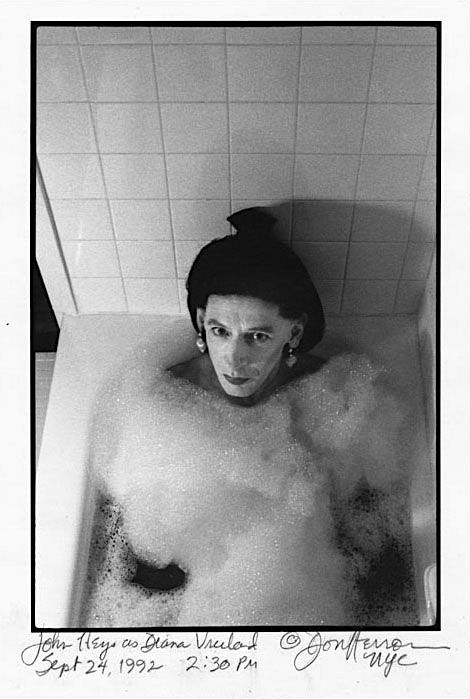
Käthe Kruse, performer/artist: “I was staying with John Heys when he was photographed by Don. When we met in John’s apartment and he saw my hair, he asked to photograph me too. So after the shoot with John, I got off my clothes and laid down in the bathtub and he arranged my hair. Then he climbed up to the edges of the bathtub and started to photograph. He told me that he always takes the same number of photos (eighteen) and then he stopped. I love these kind of concepts. When I was back in Berlin I received one print and after all these years it is still hanging in my home. I love the photo and I am very happy and thankful to have been photographed by Don.”

Photographer/visual artist Christopher Makos (1980)

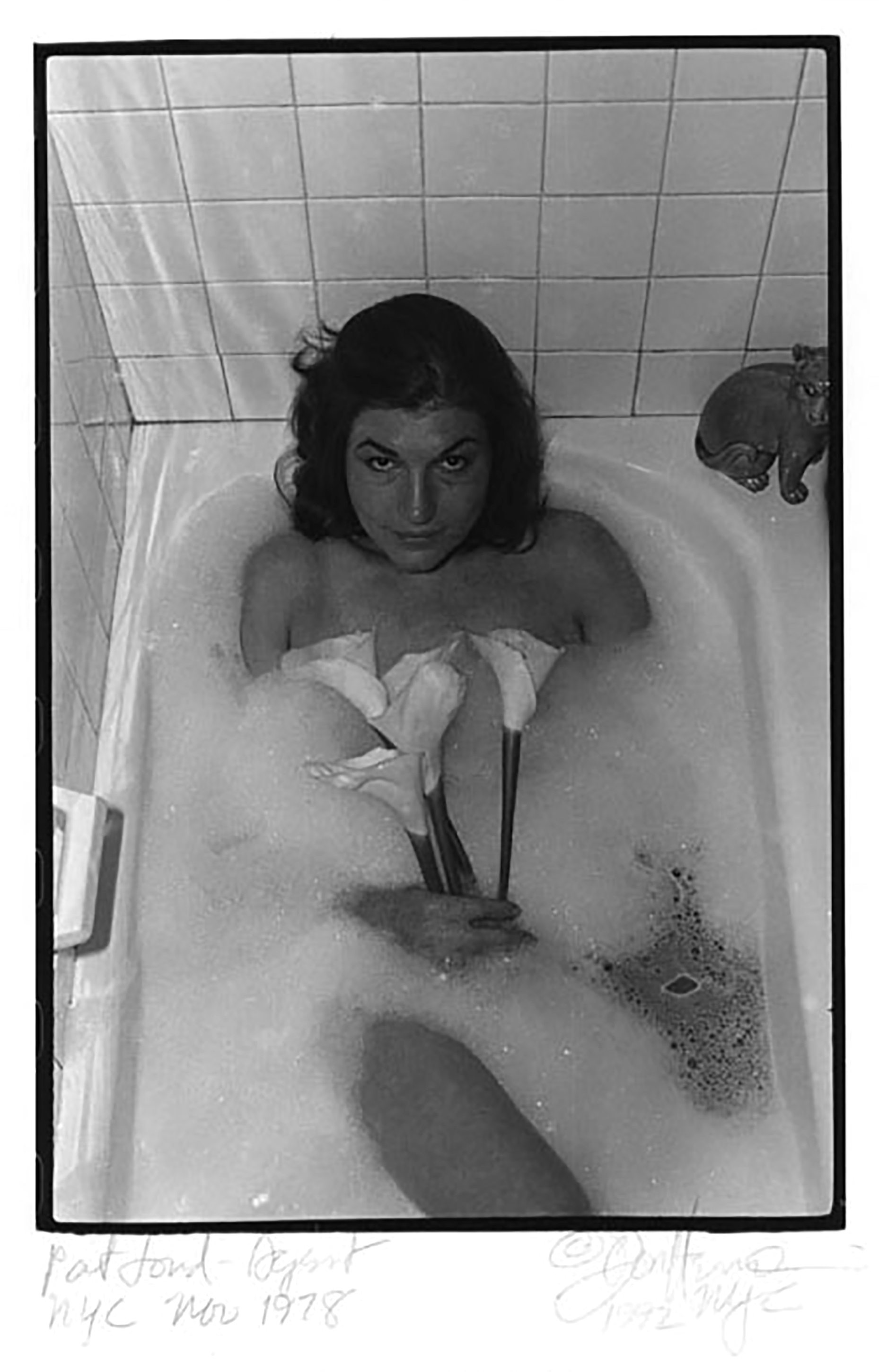
Stanton Weiss (1952-2022): “New York in the 1970’s was an unparalleled place. There was an edge to it and a feeling that anything could happen. I had a seemingly conservative job working for Dick Ridge, the renowned interior designer. The phone rang. ‘Stanton darling, it’s Pat. Don Herron wants to photograph me and I need to use Dick’s tub! My bathroom is being painted.’ Pat was Pat Loud, America’s first reality star of PBS’ An American Family. She is a stunning woman, and unlike other reality stars, she is the epitome of grace and style. She posed with calla lilies and then Don asked me if I would like to be photographed as well.”

Pat Loud (1926-2021): “I recall Don calling me to say he was doing a series of photographs of people in their bathtubs and would I pose for him. I told him I didn’t do bathtubs but he assured me that nudity was not his objective and I could use all the bubble bath I wanted…. I don’t know whose idea the calla lilies were that seem so dominant and strategically placed and yet so out of place for such a photo.”

Dick Ridge (1928-2021): “I received a phone call from Pat Loud, who asked me if I would pose along with other people of the moment for a picture in my bathtub. Having just returned from Southampton, I had a pretty good tan and decided ‘Why not?'”

Poet Michael Ratcliff, Performer/Fashion designer Katy K (Kattelman), Legendary nightlife performer Joey Arias.

Marcus Leatherdale (1952-2022) was a Canadian portrait photographer who was personally and professionally associated with Robert Mapplethorpe.

Michael Musto: “Don contacted me with the idea of photographing me in my bathtub. I thought that was a novel idea, especially since I usually took showers, not baths. He wanted the photo to express my eccentric side, so I wore the shower cap, shades and white lipstick. I found Don to be likeably quirky and creative. This was a time of horror because of the mounting epidemic, but it was also a time when LGBT culture, nightlife, and solidarity were on the rise. I used my Village Voice column as a venue for both anger and humor at the same time, while also expressing myself via fashion and nightlife antics. Don’s photo captured my multiple moods.”

See Also:
Don Herron’s Tub Shots part I
Don Herron’s Tub Shots part II
Don Herron’s Tub Shots part III
Kenn Duncan After Dark
Gay Times #69 (1978)
Blueboy 1980: Gays of NYC
John Waters in Blueboy Magazine (1977)
New York City: In Touch For Men (1979)
Keith Haring In Heat Magazine (1992)
Mandate 1988: New York Redefines Drag

Artist’s Muse: William Weslow

Hard to believe but it has been a year since the last Artist’s Muse profile – these are men who inspired and were subjects of 20th Century painters, photographers, and other artists. It was last January that we cast the spotlight on Jose “Pete” Martinez. Chuck Howard was profiled in September, 2022 and is currently being featured in George Platt Lynes photographs on exhibition at Childs Gallery in Boston. If you read our post and then take a look at their press release, you might surmise the primary source of their biographical material.

Our latest Artist’s Muse is William Weslow, a ballet dancer with an extraordinarily long career who was also a Broadway performer, artist, and masseur. He posed for George Platt Lynes’ camera during their brief relationship, and was later involved with choreographer Jerome Robbins. He posed nude for dance photographer Kenn Duncan when he was in his 50’s, looking as fit as in photos from 25 years earlier.

The Columbian, Vancouver, WA (6/7/44)

William Edward Weslow was born on March 20, 1925 in Seattle, Washington. His mother had been a Ziegfeld dancer, and he soon followed her lead. As a teen, Weslow studied with famed dance instructor Mary Ann Wells. His 1943 draft registration card lists him as a student at Broadway High School in Seattle. Later that year, he joined the Navy Coast Guard and was stationed in the Alaska.

Annie Get Your Gun (1946) Ethel Merman with Weslow on the right (Photo: Eileen Darby)

After his stint in the Navy, Weslow headed to New York to continue his ballet study. He joined the Ballet Theatre, but soon turned his attention to the Broadway stage. He was in the original Broadway casts of two Ethel Merman vehicles: Annie Get Your Gun and Call Me Madam, the latter choreographed by Jerome Robbins. Besides touring companies, he also appeared on Broadway in the original casts of The Girl In Pink Tights and Wonderful Town with Rosalind Russell.

Weslow photographed by George Platt Lynes (1951)

It was around 1951 that Weslow had his brief relationship with photographer George Platt Lynes. The affair was so fleeting that it did not garner a mention in Allen Ellenzweig’s recent Lynes biography. In David Leddick’s Intimate Companions, it is summed up in a single anecdote:

Dancer William Weslow, who had a transitory but more serious than usual romance with George Platt Lynes in the early 1950’s, evidently treated the photographer to the kind of temperament Platt Lynes had displayed to his admirers in the past. Dining at Platt Lynes’s apartment before a performance, Weslow had requested a steak because of the demanding dancing that was to be done that evening. Instead, Platt Lynes served him an elaborate veal dish, which the young dancer flung against the wall before leaving in search of a steak.

Lynes’s photographs of Weslow are also rare, due in part to the paper negative process that the photographer was experimenting with at the time. This cost-cutting technique gave the photos a quality that have been described as either “ethereal” or “muddy.”

When he wasn’t on stage, Weslow enjoyed painting and sketching, with an affinity for exotic birds, both real and imagined. His work garnered several gallery showings through the years.

Buffalo Courier Express (4/1/51) & New York Post Star (7/9/71)

New York Daily News (1/1/54) & (11/6/54)

Weslow was a soloist at Radio City Music Hall, New York Daily News (6/20/56)

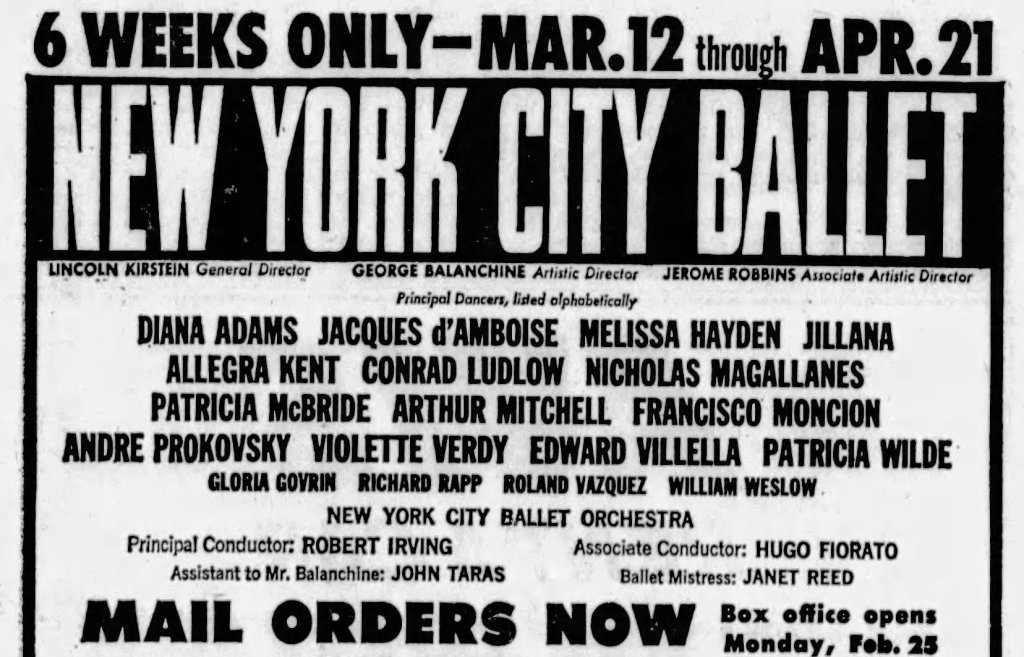
In 1955, he originated the role of Levi Stolzfuss in the Amish musical Plain and Fancy. After nearly 10 years in musicals, he felt the need for a change. When the show closed the following year, he rejoined the Ballet Theatre for a brief stint before settling in at the New York City Ballet for the rest of his dance career.

Like his relationship with Lynes, Weslow’s dalliance with choreographer Jerome Robbins was so fleeting that most biographers fail to mention it. It is worth noting as it caused friction between the two while they continued to work together. Weslow is not alone in saying that Robbins could be vindictive, manipulating his dancers because of personal grudges, often pitting them against each other.

Weslow also caught the eye of New York City Ballet Director Lincoln Kirstein. He rebuffed his advances, stating “I don’t find you attractive, Mr. Kirstein.” “Who asked you to find me attractive?” Kirstein snapped, “I was just asking you to come over to the house for a few drinks and stay over.”

Later, the two had a chance meeting at a gay bathhouse. Weslow greeted him loudly with “Why Lincoln, hello! Come here often?” The married Kirstein did not respond and left the establishment.

1963 Ad for New York City Ballet
1963: Weslow & Suki Schorer in Variations from Don Sebastian (photo: Martha Swope)
1964: Weslow & Sara Leland in La Valse (photo: Martha Swope)
1964: William Weslow & Carol Sumner are the dancers in the first of 4 Temperaments – NYCB filmed for Canadian Television
1965: New York City Ballet rehearsal for Don Quixote (l-r) Nicholas Magallanes, George Balanchine, Richard Rapp, Jillana, William Weslow (photo: Martha Swope)
Camden Courier Post, New Jersey (3/8/66)
1966: Weslow & Marnee Morris in A Midsummer Night’s Dream (photo: Martha Swope)
1967: Weslow & Leslie Ruchala in Don Quixote (photo: Martha Swope)

In the mid 1960’s, Weslow began cultivating a side career as a masseur, working on fellow ballet dancers including Alicia Alonso and Edward Villella, who credited Weslow’s massages with extending his career by several years. Weslow makes a brief appearance as his masseur in the 1968 documentary Man Who Dances: Edward Villella.

In 1972, Weslow was dismissed from the New York City Ballet. He was 47 years-old and had been with the company for 14 years. In the book I Remember Balanchine, he recounts Balanchine telling him, “You’re too old. You have to leave company. We only want young, pretty dancers here. Old dancers – you see, when they get old they should just go away and die. This is what they should do, die. Because you’re not pretty. No youth… Besides, dear, you’re not going to commit suicide, are you?”

He replied; “To please you, no, I wouldn’t, Mr. Balanchine.”

“And that was that,” Weslow writes; “He didn’t say ‘You have been a good dancer’ or anything. It was just ‘Go away. Go away.’ I was close to tears. It was a terrible blow because I adored the company.”

Weslow’s massage work helped him to keep a connection to the dance world while easing into the next phase of his life, as he became known as “masseur to the stars.”

1976: Weslow was 51 years old when he was photographed by Kenn Duncan
When former ballet dancer Anne Byrne (aka Mrs. Dustin Hoffman) was profiled in the New York Daily News, her masseur William Weslow was there to lend a hand or two. (1/22/78)
William Weslow (1997)

When interviewed later in life, a reporter recalled “He seemed to love Maria Tallchief and had a poster of her on the wall. He also had kind words for Allegra Kent. He could be quite sarcastic, compassionate, cranky and deeply moving remembering certain people and other things.”

Allegra Kent called him “the funniest comedian ever” while also noting his empathy for others. He could also be quite brutal in his assessment of those he had worked with. Of Kirstein he said, “There was cruelty in Lincoln.” Jerome Robbins, he told a biographer “should have been cut up in small pieces and burned in a microwave somewhere because he was so horrible to me.”

William Weslow (2000)

While photographing male nudes for his 2011 book Shades of Love, photographer Demitris Yeros recounts how a naked octogenarian William Weslow would repeatedly interrupt the photo shoot, arms waving to chase the pigeons from his veranda. 

William Weslow passed away at age 87 on January 29, 2013 in New York City. He was remembered in a Dance Magazine article as “A flamboyant personality with a sassy comeback for any remark directed his way…. (he) was as colorful off stage as on.”

See also:
Artist’s Muse: José “Pete” Martinez
Artist’s Muse: Donald Windham & Sandy Campbell
Artist’s Muse: Forrest Thayer
Artist’s Muse: Chuck Howard
Artist’s Muse: Randy Jack
Artist’s Muse: Ted Starkowski
Artist’s Muse: Wilbur Pippin
Artist’s Muse: The Mystery Model
Fire Island Muses of George Platt Lynes & The PaJaMa Collective
Revisiting George Platt Lynes’ Fire Island Muses
George Platt Lynes: In Touch Magazine (1982)
Kenn Duncan After Dark

Dusting Off The Holiday Favorites (2023)

NYC Holiday Window Display (1915)

I know I am not alone when I say that I take comfort in the annual repetition of the holidays: revisiting holiday-themed music, films, television shows… and now internet posts. Dave Holmes’ account of Patti LaBelle’s disastrous performance at the 1996 National Christmas Tree lighting is worth an annual revisit. Trust me.

Not to get meta or anything, but the post you are currently reading has been reworked and updated each year since 2020.

While we’re mining the past and dusting off our chestnuts, here’s the intro to the 1999 holiday episode of Bri-Guy’s Media Surf, an NYC Public Access show that featured yours truly lip-synching a little Esquivel:

Whenever the song pops up on my holiday playlist, I still do this.

I find it interesting that we immerse ourselves in certain pop culture favorites for exactly 6 weeks of the year and then pack them up in mothballs with the ornaments until next year. I mean, Brenda Lee’s “Rockin’ Around The Christmas Tree” is currently at #1 on the Billboard Hot 100. Burl Ives, Bobby Helms and Andy Williams are also in the top 10. Are any of them on your 4th of July playlist? They aren’t on mine.

Gabe Pressman (left) with Marilyn Monroe (1956)

I used to look forward to the annual Christmas Eve tradition on NBC New York’s evening news when reporter Gabe Pressman would read “Yes Virginia, There Is A Santa Claus.” I taped it in 2011, knowing that the tradition wouldn’t last forever. The self-described “little Jewish kid from the Bronx” was 87 years old at the time and continued to work at NBC until his death at age 93.

NBC New York reporter Gabe Pressman’s annual segment on Virginia O’Hanlon’s 1897 letter to the New York Sun Newspaper.

In keeping with this revisit, my other blog posts of Christmas past are back to haunt you like A Christmas Carol, Mr. Scrooge:

Last week I posted Your Guide To Gay Disposable Holiday Movies, highlighting the 10 gayest Lifetime/Hallmark/Netflix movies of the past few years:


Copyright issues kept my 60 Degrees Girl Group Christmas playlist out of commission but now it’s back! I plan to post other episodes of my old radio show in the new year.

Here is my take on the 1987 Motown Christmas Special – which featured very few Motown acts.


Here are 10 Things You May Not Know About March of The Wooden Soldiers, the Laurel & Hardy classic holiday film.

My Canine Christmas Tail is a true story about my dog Sunshine, a basset hound with an appetite for tinsel.


Have you watched Christmas In Connecticut yet this year? How about that delivery woman? This year I was able to update my 2019 post, identifying Daisy Bufford as the actress who played the unbilled role.

The original version of “¿Dónde Está Santa Claus?” is featured in “Llamacita,” this year’s Amazon Prime holiday commercial. Here’s a little backstory on the song & Augie Rios, who sang the original version.

Also – would you like to hear my Spotify holiday playlist?

Way back in 2002, when Limewire was a thing and people listened to music on silvery discs, I started creating Christmas CD mixes that I would mail out or give to people. These were received with a heartwarming combination of feigned delight, veiled indifference and deafening silence. None of these CDs had a pressing of more than 20 copies. I’d like to call them “much sought after” – but no, that’s not really the case, although every once in a while, someone really got into them and would ask for copies of other volumes.

And so, I’m offering this simple playlist…. for kids from 1 to 92. Unfortunately some of the tracks on these dozen CDs are not on Spotify, but I keep adding songs that would be on the current CD volume… if there was one. And now the playlist is over 17 hours of holiday tunes. I recommend listening on shuffle – there’s something to irritate everyone. Enjoy!

Here’s one more nugget to stuff in your stocking: This vid went viral in 2011. Choreographed and performed by Alex Karigan & Zac Hammer of the Amy Marshall Dance Company, it was filmed in one continuous take at the New 42nd St. Dance Studios. There’s something infectious about it: the joy, the corniness, the celebratory queerness of it all. It makes me want to dust off my jazz shoes. Once a year.

See Also:
Truman Capote’s Christmas Memory
Your Guide To Disposable Gay Holiday Movies
The 60 Degrees Girl Group Christmas Show
The Christmas In Connecticut Delivery Woman
¿Dónde Está Santa Claus? (& Augie Rios)?
March Of The Wooden Soldiers: 10 Things You May Not Know About This Holiday Classic
Sunshine & Tinsel: A Canine Christmas Tail
A Christmas Without Miracles: The 1987 Motown Xmas Special

The Lost Madonna ’80s Megamix Video

Back in the dinosaur days of VHS tapes, there were various companies that offered music video subscription services to commercial businesses. Every month a new videocassette with the latest music videos would arrive in the mail, just for viewing in their establishment. These tapes were not for sale to the general public.

One of the most popular companies in the U.S. and Canada was Telegenics, a New York-based operation that produced monthly tapes over an 11 year span, from 1983-1994. They offered a variety of music styles to choose from: Top 40, Progressive, Urban, and Pop Rock with some occasional specialty releases of 12″ Remix, Dance Classics, and Christmas, to name a few.

In the late 1990’s I used to buy these tapes in second hand stores and then later on eBay. In the days before YouTube, this was often the only way to see music videos that didn’t get airplay on MTV or VH1. I had my NYC public access show Bri-Guy’s Media Surf at that time and would air obscure music videos from artist like Kirsty MacColl, Alison Moyet and others that the music video channels paid little attention to.

Billboard (Jan 1988)

But the Madonna MegaMix was something else: A 7-song, 11 minute remix of hits up to the summer of 1988 when it was released. The medley features “La Isla Bonita,” “Who’s That Girl,” “Open Your Heart,” “Into The Groove,” “Papa Don’t Preach,” “Where’s The Party,” and “Dress You Up.”

“Where’s The Party” is of particular interest, as there was never a music video for this album track, but one is created here using clips from many of Madonna’s other music videos.

I aired the video on Media Surf a couple of times during the show’s 10-year run. In 2012, I digitized the clip and uploaded it to YouTube to share. It was immediately flagged for copyright infringement and blocked from viewing worldwide. Although it was not visible to the public, I left it uploaded to my channel and promptly did nothing with it for 11 years.

And now, as Madge has come around and is embracing her legacy with a 40th anniversary tour, YouTube (or Warner Music, or the lady herself) have decided to allow for such things to be viewed by the general public. Enjoy it while you can! It may be gone tomorrow.

See Also:
A Stroll Through 1980’s NYC
David On The Robin Byrd Show
12 (More) Forgotten Classics by Women-Led New Wave Bands
Keith Haring In Heat Magazine (1992)
Top 10 Forgotten Cher Moments
Tina Turner: 12+ Cover Songs You May Have Missed
Ronnie Spector – Siren (1980)
You Know The B-52’s Song “Roam” Is About Butt Sex, Right?
Costello Presley & ’80’s Gay Porn Guilty Pleasures
1991: Homo Alone
Debbie At The World (1989)

Kenn Duncan After Dark


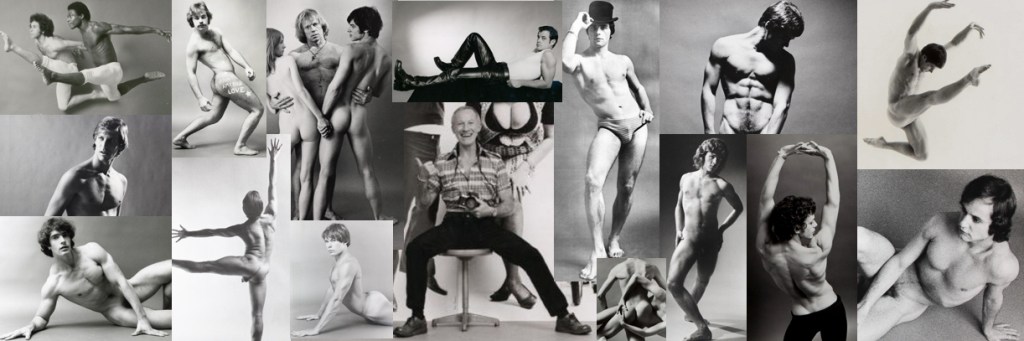
Kenn Duncan is widely considered to be one of the foremost dance photographers of the late 20th Century. In addition to his work as principal photographer for After Dark and Dance Magazine, his photos also appeared in Vogue, Time, Life, Newsweek and Harper’s Bazaar. From the mid-1960’s through the early 1980’s, he photographed nearly every major dance company in the world as well as many Broadway shows.

Born in New Jersey on September 22, 1928, Duncan began his career as a figure skater and then segued into dance. His career took another turn when he was sidelined with a broken foot and signed up for a six-week photography course at the local YMCA. Naturally he gravitated back to the dance world for photographic inspiration.

In addition to his dance photography, Duncan was well regarded for his nude photographs, with an emphasis on male subjects. His first two books, Nudes (1970) and More Nudes (1971) were favorably received for his “discreet and artistic arrangements of his subjects.”

Christopher Walken (1968)

After Dark was an edgy entertainment and culture-based magazine that sprang from the waning Ballroom Dance Magazine in 1968. In The Rise And Fall Of Gay Culture, Daniel Harris writes; “One of the strangest reincarnations in journalistic history… it was out of the ashes of a periodical devoted to such topics as waltzes, rumbas, and turkey trots that After Dark, an audacious mass-market experiment in gay eroticism, arose like a phoenix in all of its subversive splendor.”

Although After Dark was not officially a gay magazine, the publishers were certainly willing to cater to that audience, pushing the envelope on male nudity to a degree that is still not seen in mainstream US publications 50 years later.

Sylvia Miles & Friends (1970)

Richard Thomas (1969)

Sal Mineo (1971)

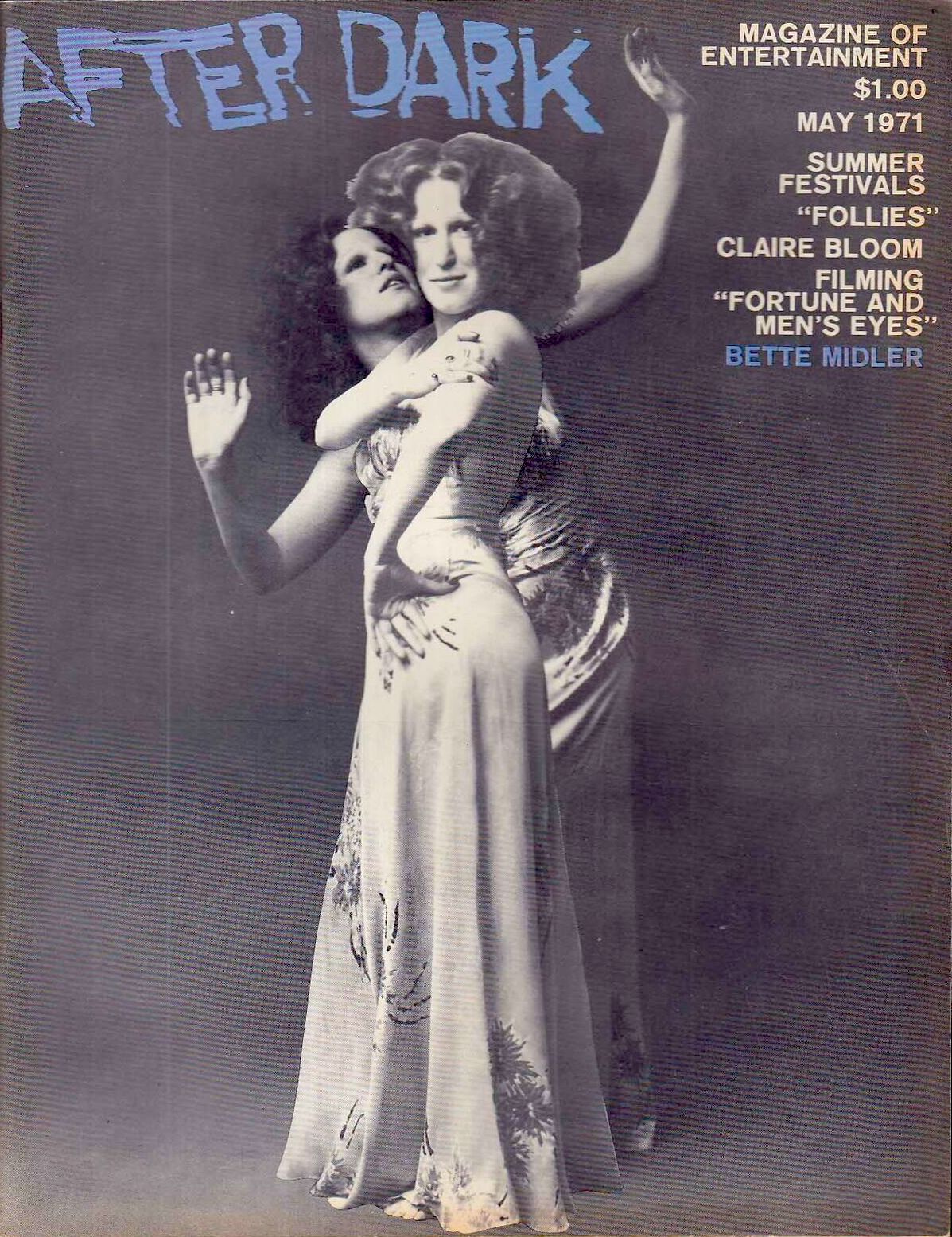
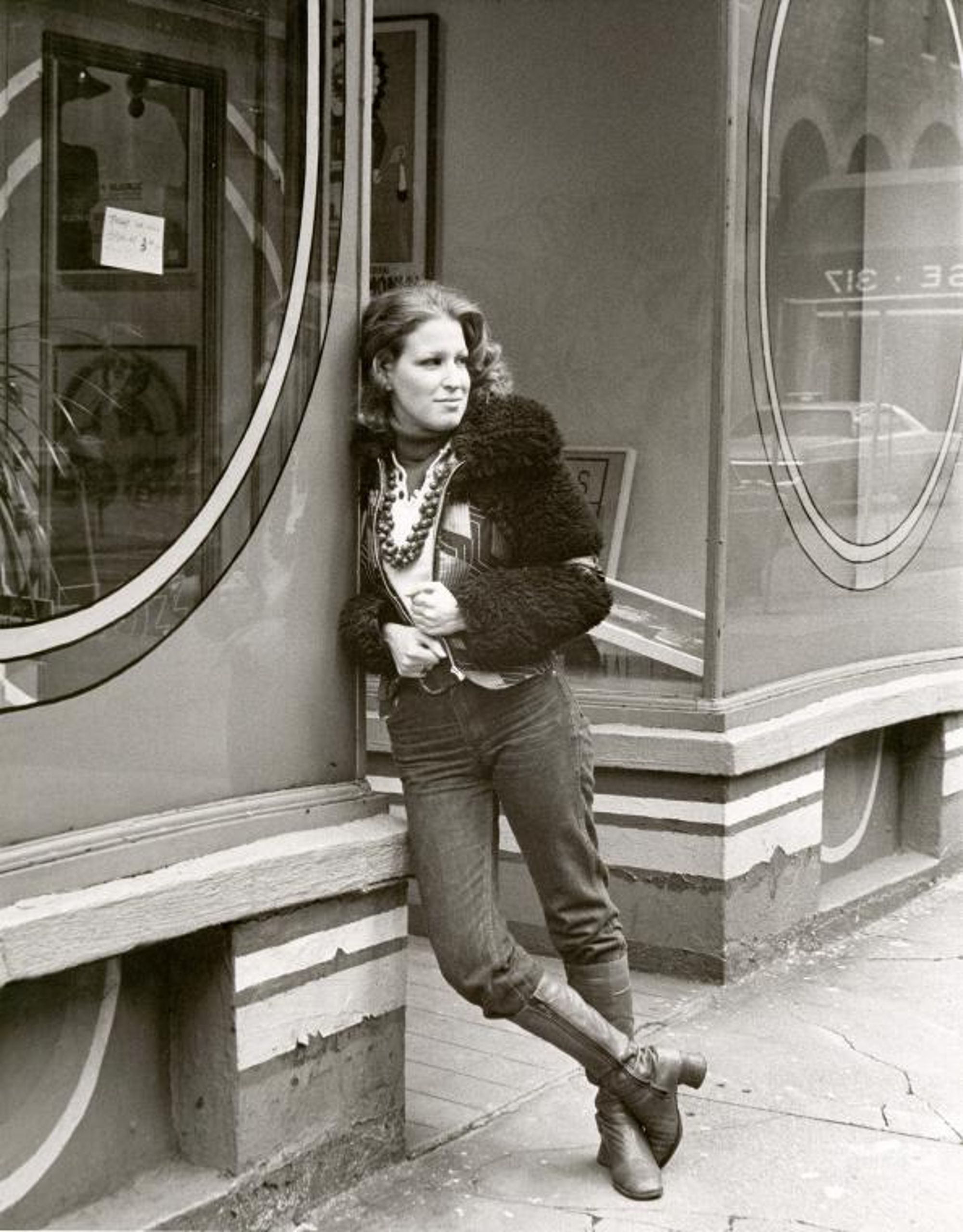
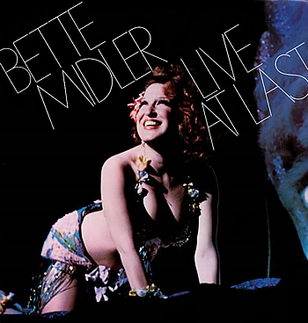
Duncan photographed Bette Midler numerous times through the years, including three After Dark cover photos and the cover shot for her 1976 Live At Last LP.

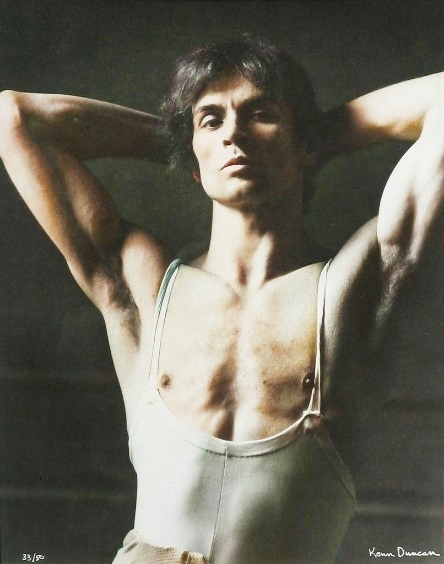
Rudolph Nureyev (1971)

Mikhail Baryshnikov

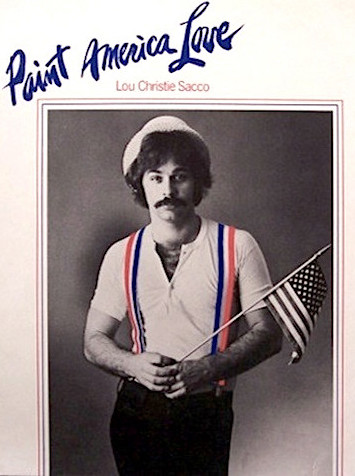
In 1971, Kenn Duncan photographed singer Lou Christie for his Paint America Love LP.

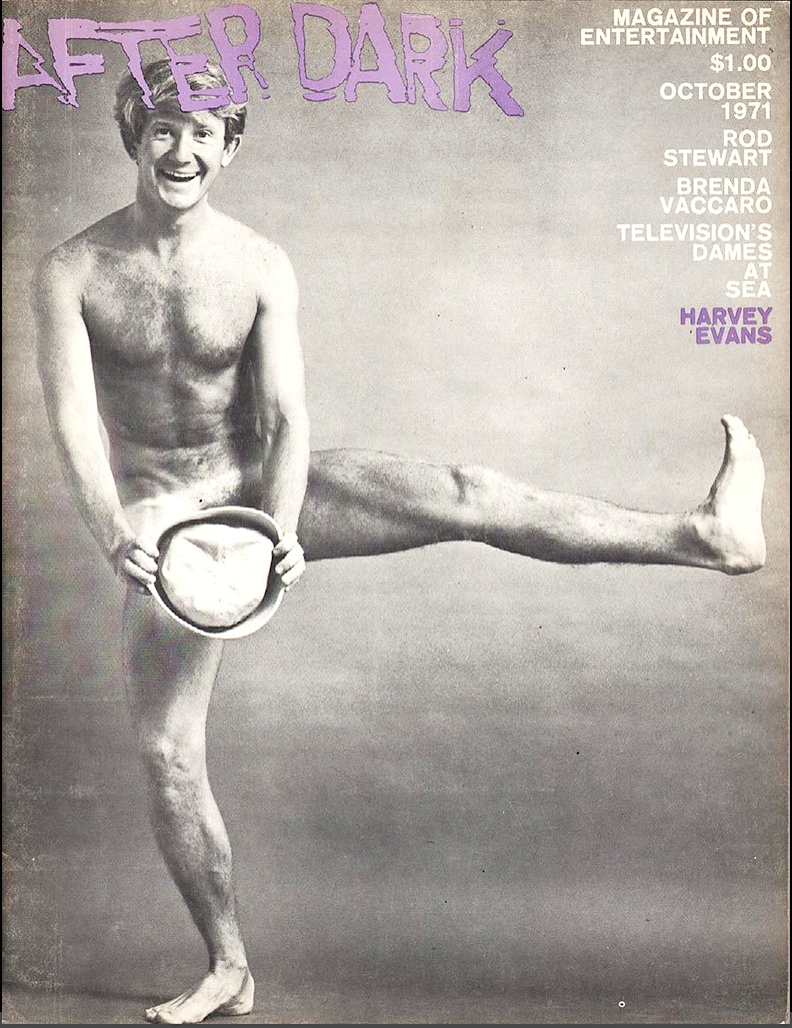
Harvey Evans was photographed in the buff for the October, 1971 cover of After Dark to promote the television adaption of the musical Dames At Sea.

LaBelle (l-r) Nona Hendryx, Sarah Dash, Patti LaBelle photographed in 1972 shortly before their intergalactic makeover.

Tony award-winning Welsh actor/director Roger Rees in several undated photos.

Brad Davis (1981)

Charles Pierce as Bette Davis (1981)

Maxwell Caulfield (1981)


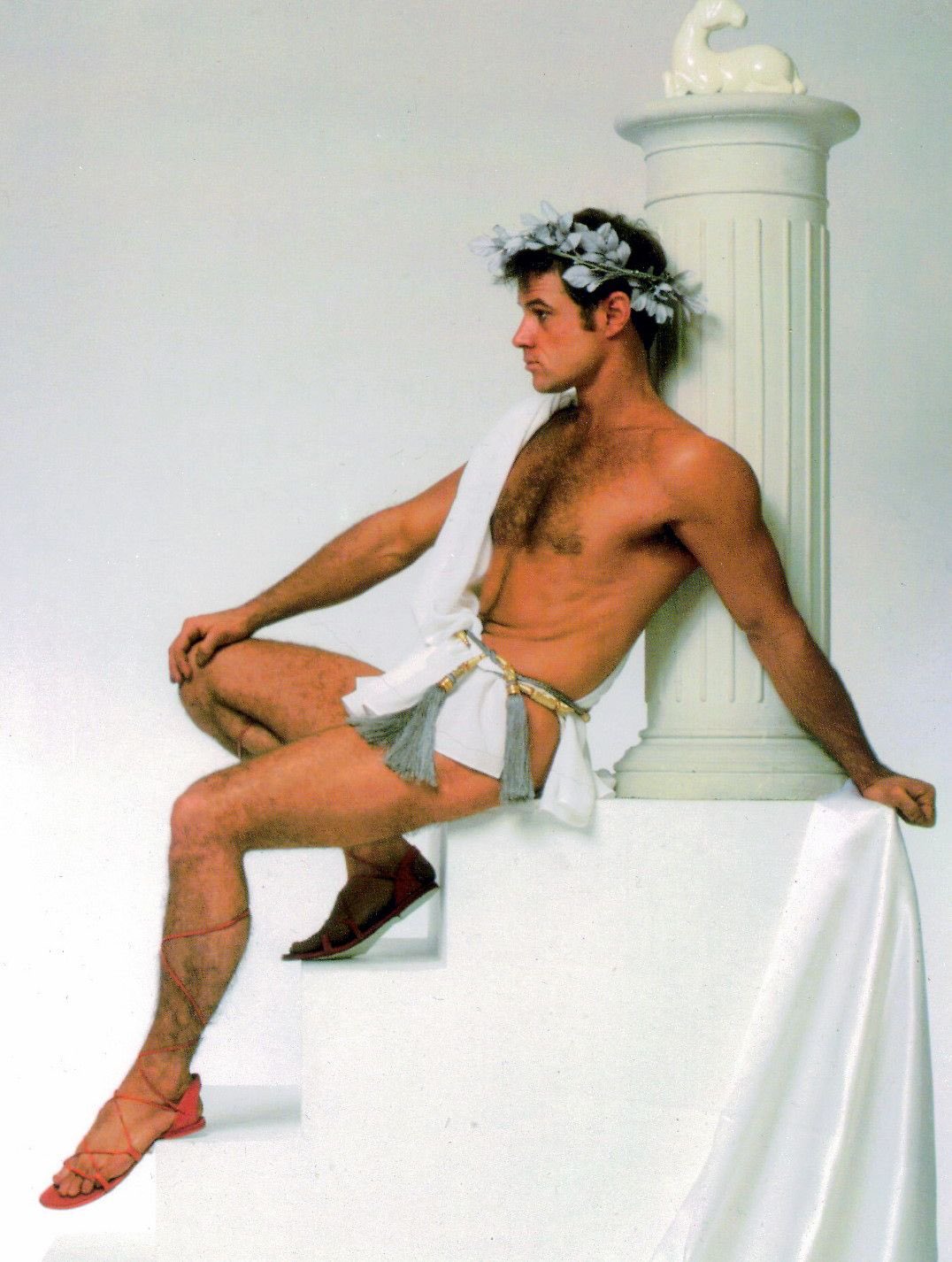
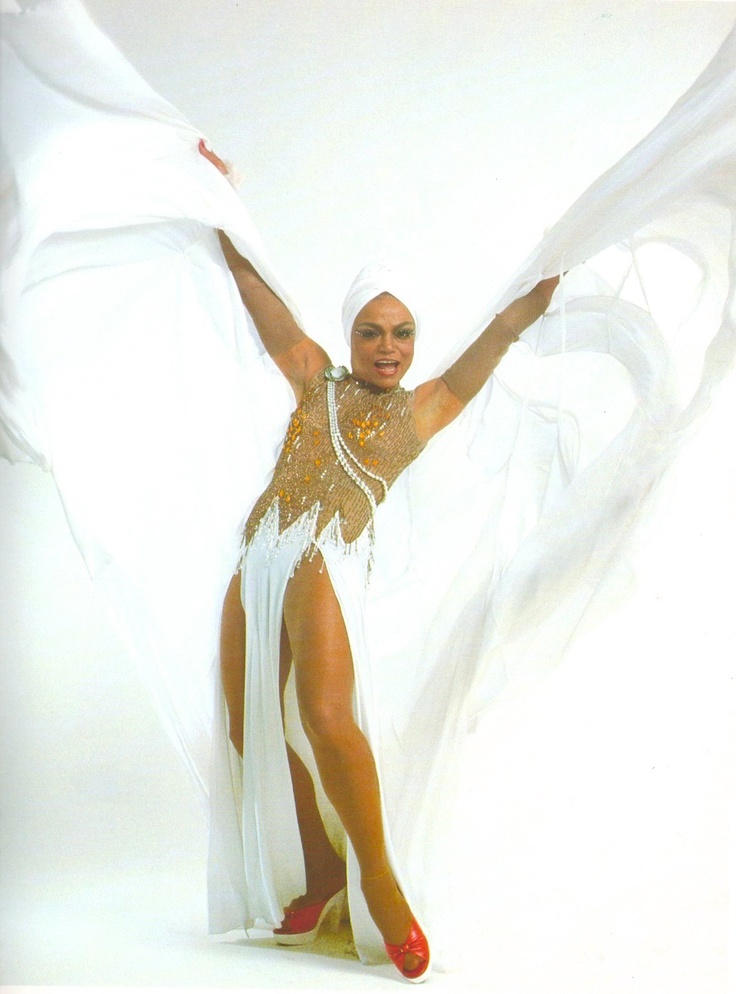
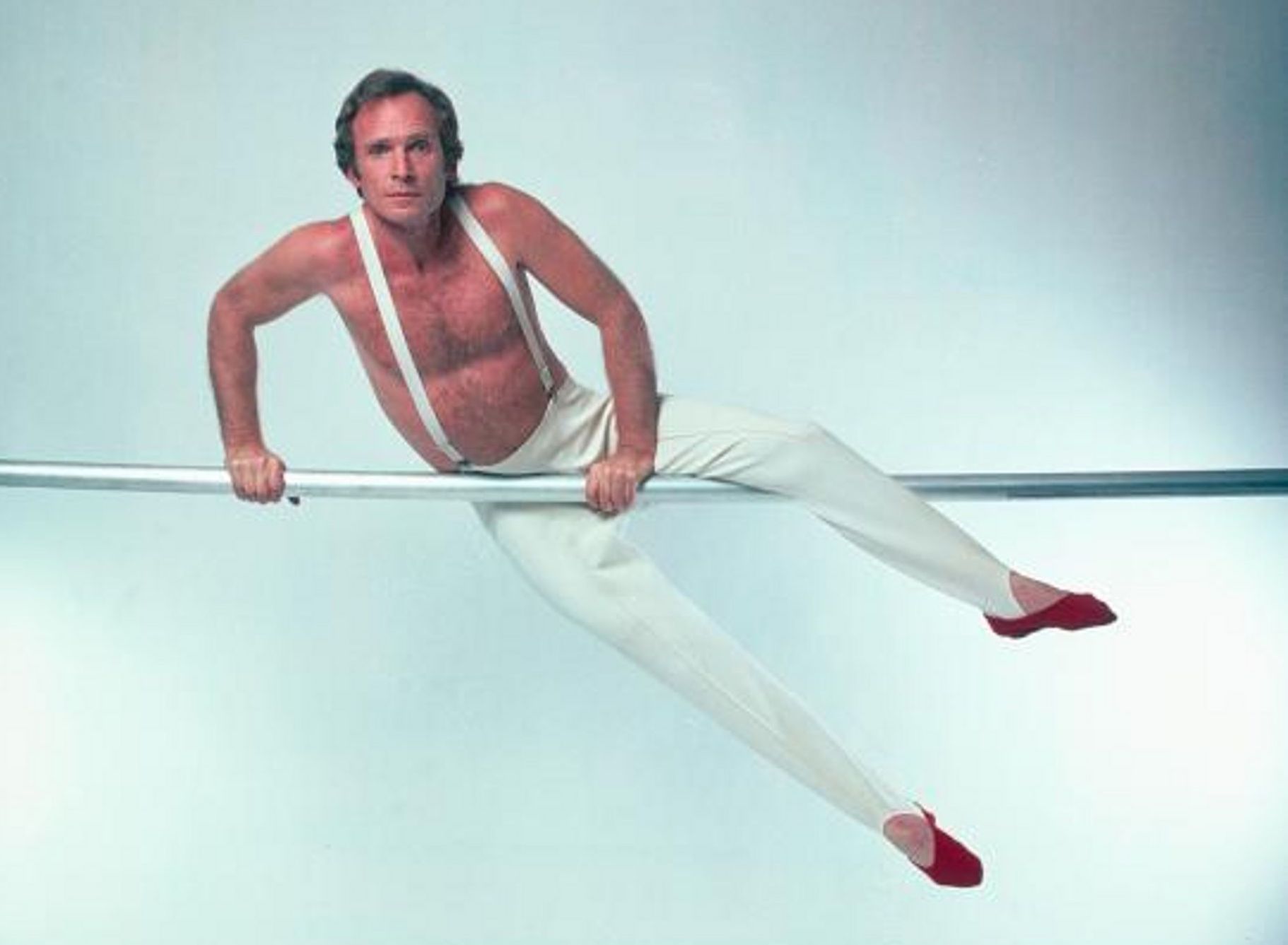
After Dark shuttered in early 1983. The following year, Duncan published The Red Shoes, a photo book featuring celebrities wearing red shoes in a nod to both the Hans Christian Anderson fairy tale as well as the ruby slippers of The Wizard of Oz. Among those featured were many familiar subjects of his earlier work, including (pictured below) Brad Davis, Bette Midler, Maxwell Caulfield, Eartha Kitt, Dick Cavett, Mikhail Baryshnikov, John Curry, Richard Thomas, Gregory Hines, and Treat Williams.

Duncan began work on a second Red Shoes book, but it remained unfinished, along with several other projects. He was just 57 years old when he died of AIDS complications at New York Hospital on July 27, 1986. In 2003, the New York Public Library for the Performing Arts acquired 600,000 photos from Kenn Duncan’s estate. Many of these photos have been digitized and are now available for viewing online for free.


See also:
Don Herron’s Tub Shots
The Yale Posture Photos: Bill Hinnant
The Yale Posture Photos: James Franciscus
Revisiting Bette Midler’s Thighs & Whispers (1979)
Gay Times #69 (1978)
John Waters in Blueboy Magazine (1977)
Fire Island PaJaMa Party
Artist’s Muse: José “Pete” Martinez
Artist’s Muse: The Mystery Model
Artist’s Muse: William Weslow
Revisiting George Platt Lynes’ Fire Island Muses
Keith Haring In Heat Magazine (1992)
George Platt Lynes: In Touch Magazine (1982)

Provincetown PaJaMa Party

PaJaMa, Nantucket, 1946

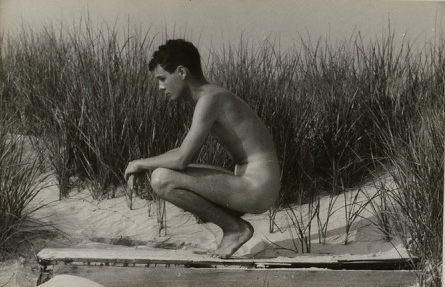
During vacations from the 1930’s through the mid-1950’s, artists Paul Cadmus, Jared French and his wife Margaret Hoening French photographed each other on the beaches of New York’s Fire Island as well as Nantucket and Cape Cod, Massachusettes.

Last summer we focused on their early years on Fire Island. The photos in this post are primarily from Nantucket, Provincetown and other locations on Cape Cod during the summer months of 1946-1948.

Usually nude or donning simple costumes, the artists also used found objects as props to create stark, surreal and/or erotic images. They passed Margaret’s Leica camera around, taking turns as subject and auteur. This collaborative authorship was reflected in the umbrella name they chose for this work, utilizing the first two letters of their first names: PaJaMa.

Paul Cadmus on Cape Cod (1928)

Years later Cadmus explained, “After we’d been working most of the day, we’d go out late afternoons and take photographs when the light was best. They were just playthings. We would hand out these little photographs when we went to dinner parties, like playing cards.”

The dynamic amongst the trio was complicated: Jared French and Paul Cadmus were lovers – a relationship that continued during his marriage to Margaret. All three lived and worked in a townhouse at 5 St. Lukes Place in Greenwich Village.

The PaJaMa collective expanded in 1945 with the inclusion of Cadmus’ boyfriend, George Tooker, an artist 16 years his junior. Cadmus would later explain “I had Jerry (Jared) in the daytime and George at night.” Although his name was not added to the PaJaMa moniker, Tooker was an active participant in the collective from 1944-49.

George Tooker with Paul Cadmus in Nantucket and Provincetown PaJaMa photos, (1946-48)

A 2015 New York Times review of a PaJaMa exhibition noted that their photos “breathed eroticism.” While some of the hundreds of photos are masterpieces of magical realism, others appear to be figure studies for their painting.

Tooker, Cadmus & French, Wauwinet, Nantucket (1946)

As when they vacationed on Fire Island, the collective were joined on Cape Cod by various friends and lovers, fellow artists and writers that were part of their New York social circle.

Dancer/choreographer Todd Bolender was the subject of a series of PaJaMa photos taken in Provincetown (1947)

Museum curator/publisher Monroe Wheeler is seen in 1947 Provincetown photos with French, Tooker & Cadmus. His lifelong partner Glenway Wescott was more prominent in the Fire Island PaJaMa photos of the early 1940’s.

Writer Christopher Isherwood with his then-boyfriend, photographer Bill Caskey, Provincetown (1947)

Photographer George Platt Lynes (left, wi/ Monroe Wheeler) joined them on Fire Island and later in Provincetown with his own camera.

PaJaMa photos are part of this tribute to playwright Tennessee Williams, displayed at Provincetown’s Atlantic House, one of the oldest gay bars in the U.S.
Provincetown, 1947 (l-r): George Platt Lynes, Monroe Wheeler, Paul Cadmus and George Tooker
George Tooker, Sleepers I (1951)

On Cape Cod, the collective occasionally experimented with color film, which gave their work a different texture.

The quartet toured Europe in 1949 and by the end of the trip, Tooker had split from Cadmus. He later said “I was looking for a relationship and my relationship with Paul always included Jared and Margaret French.” Tooker would soon find a partner in painter Bill Christopher, with whom he remained until Christopher’s death in 1973.

Back to a trio, the PaJaMa collective would return to Fire Island for their summer getaway in 1950.

PaJaMa, Provincetown (1948)
Paul Cadmus & Margaret French, Jenny Lind Tower, North Truro (1947)
PaJaMa, Women & Boys (ca 1940s)

As with George Platt Lynes’ male nude photographs, the PaJaMa photographs did not receive much notice or recognition until the 1990’s. They are now frequently exhibited in galleries and selections are a part of the MOMA collection.

See Also:
Fire Island PaJaMa Party
Fire Island Muses of George Platt Lynes & The PaJaMa Collective
Revisiting George Platt Lynes’ Fire Island Muses
Artist’s Muse: Wilbur Pippin
Artist’s Muse: William Weslow
Artist’s Muse: José “Pete” Martinez
Artist’s Muse: The Mystery Model
Artist’s Muse: Chuck Howard
Artist’s Muse: Ted Starkowski
Artist’s Muse: Randy Jack
Buddy & Johnny: A Historic Photo Shoot
George Platt Lynes: In Touch Magazine (1982)