Artist’s Muse: Wilbur Pippin

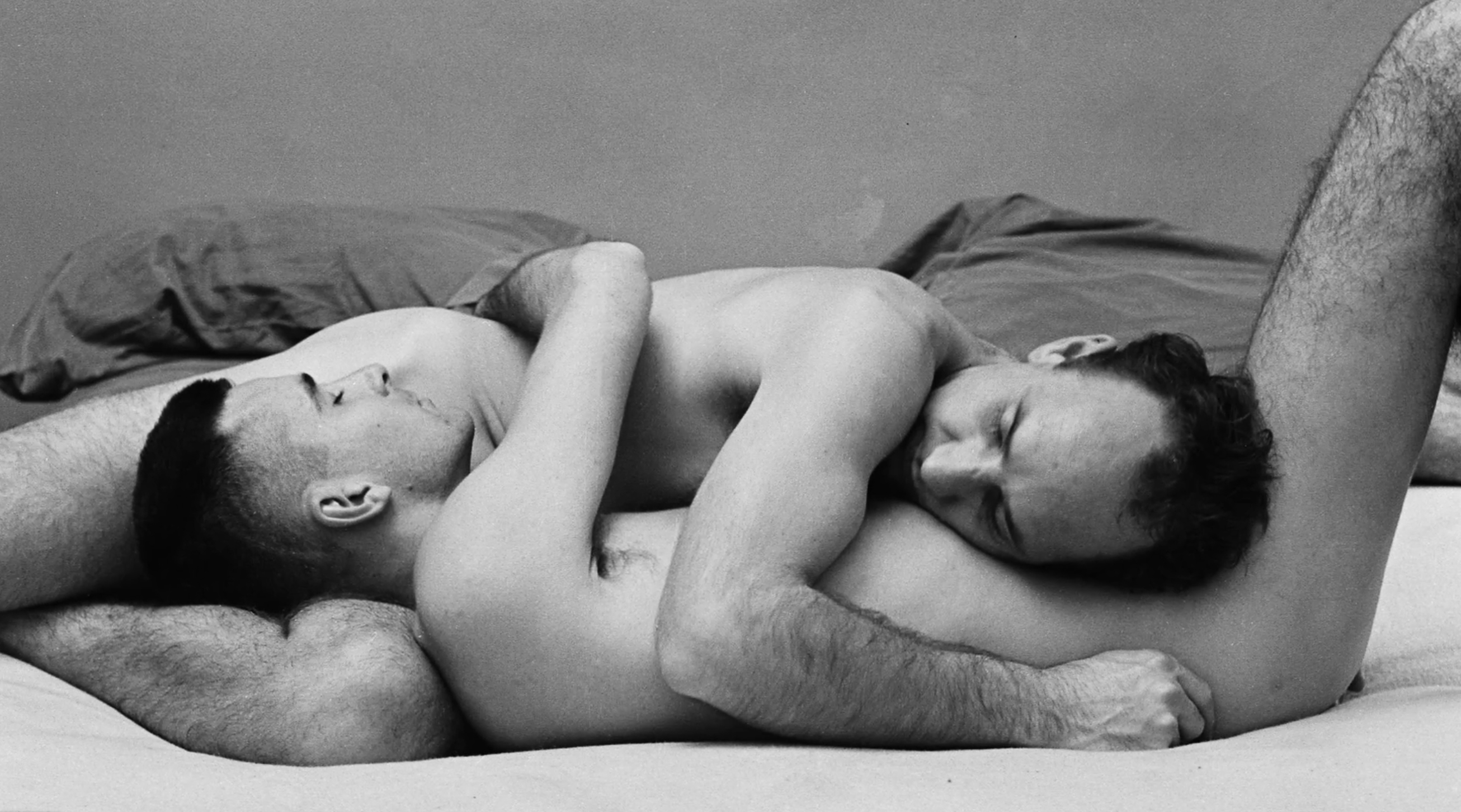
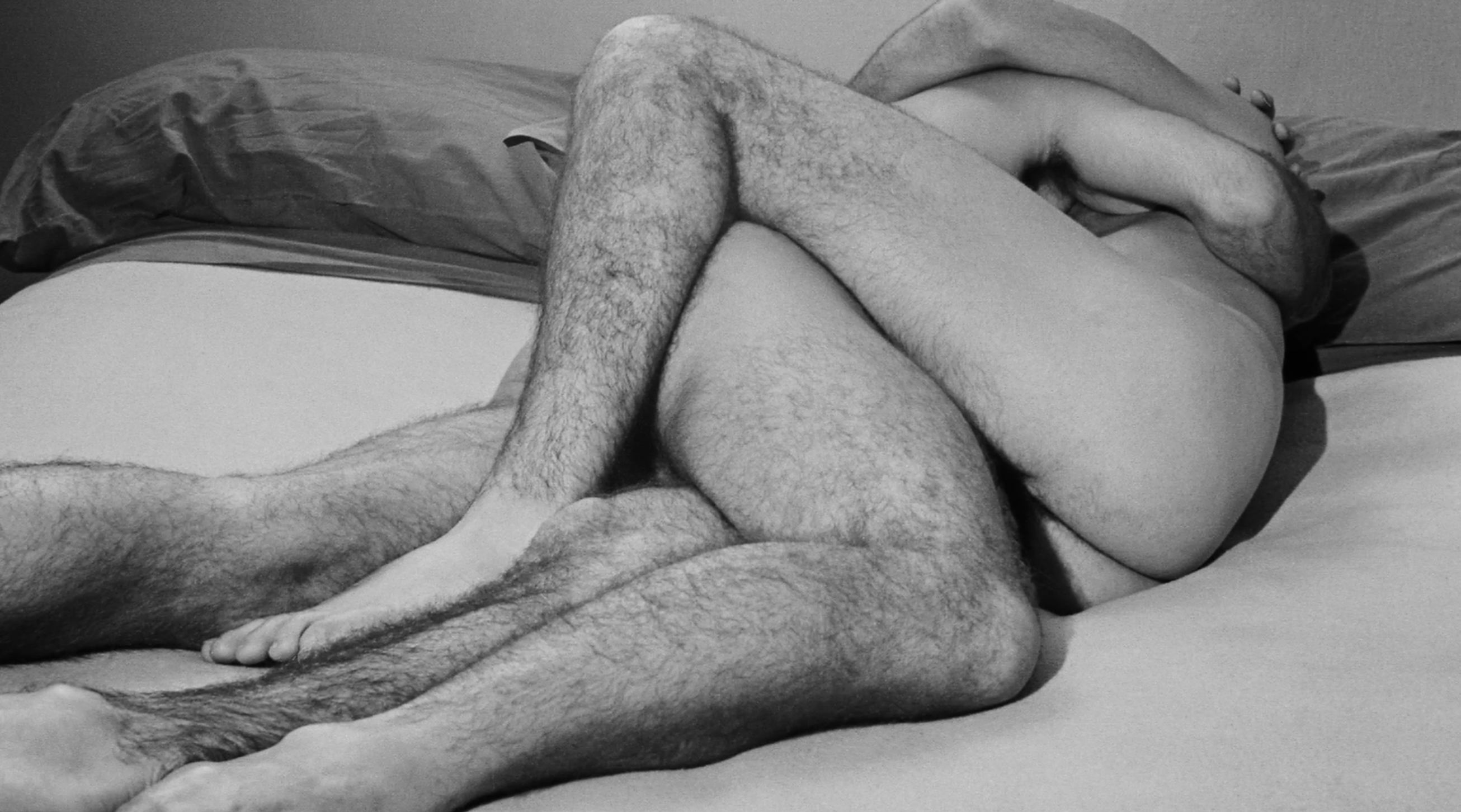
The latest subject in our Artist’s Muse series is Wilbur “Billy” Pippin, a friend, lover and confidant to a circle of artists that included George Platt Lynes, George Tooker, Paul Cadmus, Jared & Margaret French (aka the PaJaMa collective).

Wilbur Thomas Pippin was born on May 25, 1924 in Macon, Georgia. An only child, his father was employed by Railway Express while his mother worked at a dress shop. After the couple separated, Wilbur and his mother moved down the road to his maternal grandmothers house. He attended Lanier High School for Boys, where he was on the honor roll and received recognition for 5 years of perfect attendance. Upon graduation in June of 1942, he enlisted in the Army and served through World War II.

Back in Georgia for the 1946-47 school year, Billy enrolled as a freshman at North Georgia College in Dahlonega, three hours north of Macon. He became president of the drama club and was also voted “Most Versatile Cadet”. His academic career seems to have ended after that successful first year, as life took an unexpected turn in the form of a fellow named Fred Melton.
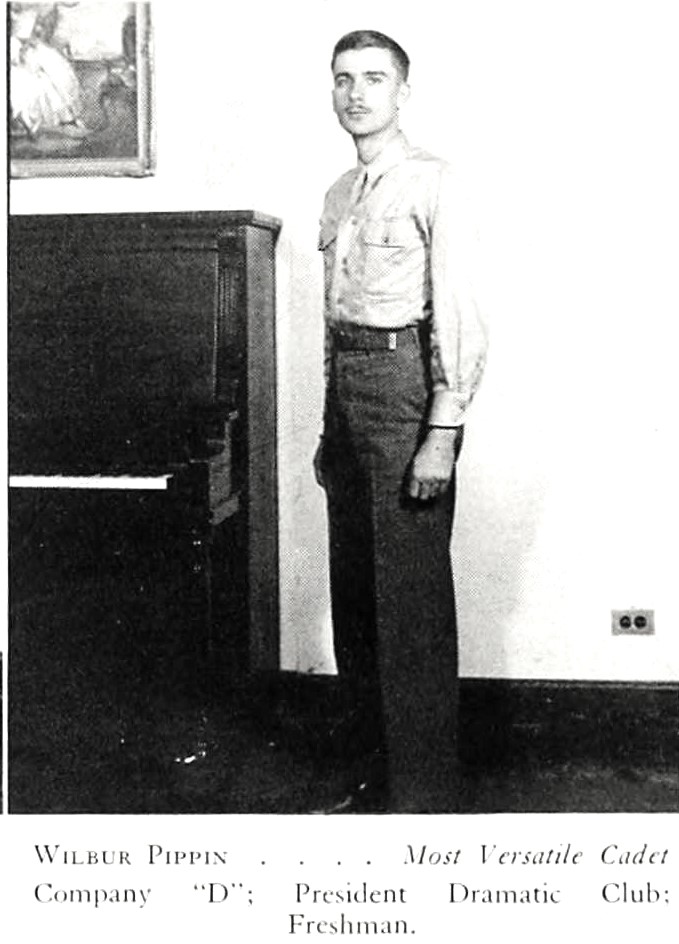
Sgt. Pippin – the Most Versatile Cadet at North Georgia College (1947)

Fred “Butch” Melton (1939)

We previously mentioned Fred “Butch” Melton in a profile of Artist’s Muse/writer Donald Windham. Butch was an Atlanta artist/photographer who moved to New York in 1939 with Windham, his boyfriend at the time. After the two split in 1942, Melton abruptly married Sarah “Sally” Marshall. The newlyweds settled in Greenwich Village and had two sons in quick succession. The growing family then moved back to Sally’s hometown of Macon, Georgia to live on land provided by her parents.

In the New York Public Library blog post Finding Frederick Melton, Stephen Bowie writes, “Melton dove into small-town Southern life with gusto. He built a modern house and workshop on the property, painted, and worked on the newspaper and in the local theater. But the experiment in conformity didn’t last.”

Whether Butch and Billy met doing local theatre or through some other social event is speculative. Suffice to say that Macon isn’t a very large town. In any case, the two found each other, and sparks flew. Billy did not return to college. In early 1948, Butch left his young family in Macon to move back to New York with Billy.

The couple moved into a cold-water tenement flat at 446 West 55th street in Hell’s Kitchen. Butch introduced Billy to the circle of gay artists that he had left behind 5 years prior. The striking young man soon began to turn up in their work.

Bernard Perlin & Wilbur Pippin photographed by Fred Melton in Cherry Grove, Fire Island (1948)
Wilbur Pippin photographed on Fire Island with George Tooker and Margaret French

Ballet impresario Lincoln Kirstein was apparently so fond of the couple that he tasked them with running Pippin Press, a silkscreen company he bankrolled and named after Billy. The original intent was to make collectible prints of ballet designs and the work of artists like Pavel Tchelitchev. Ultimately Pippin Press found more success producing custom silkscreen wallpaper.
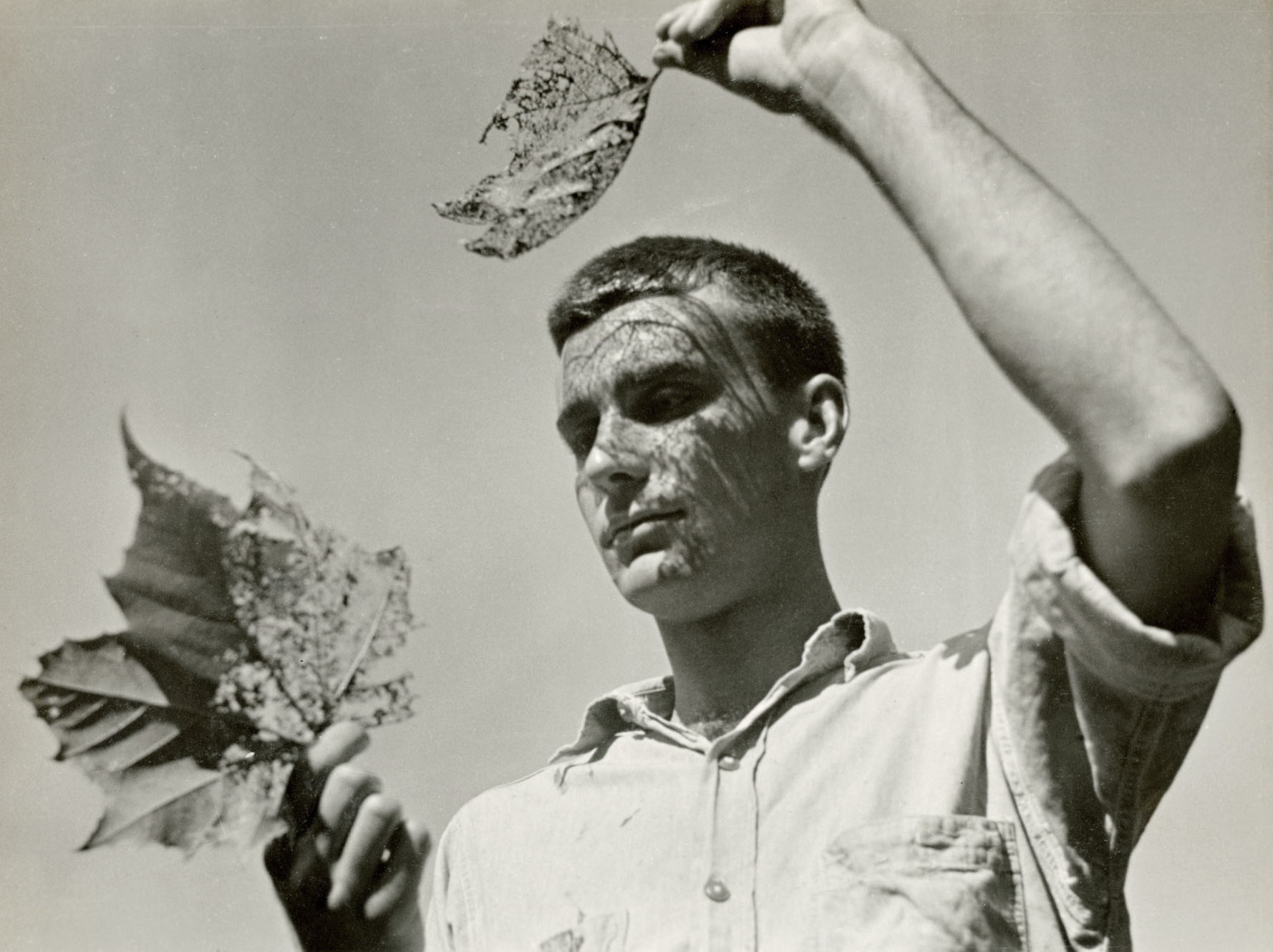
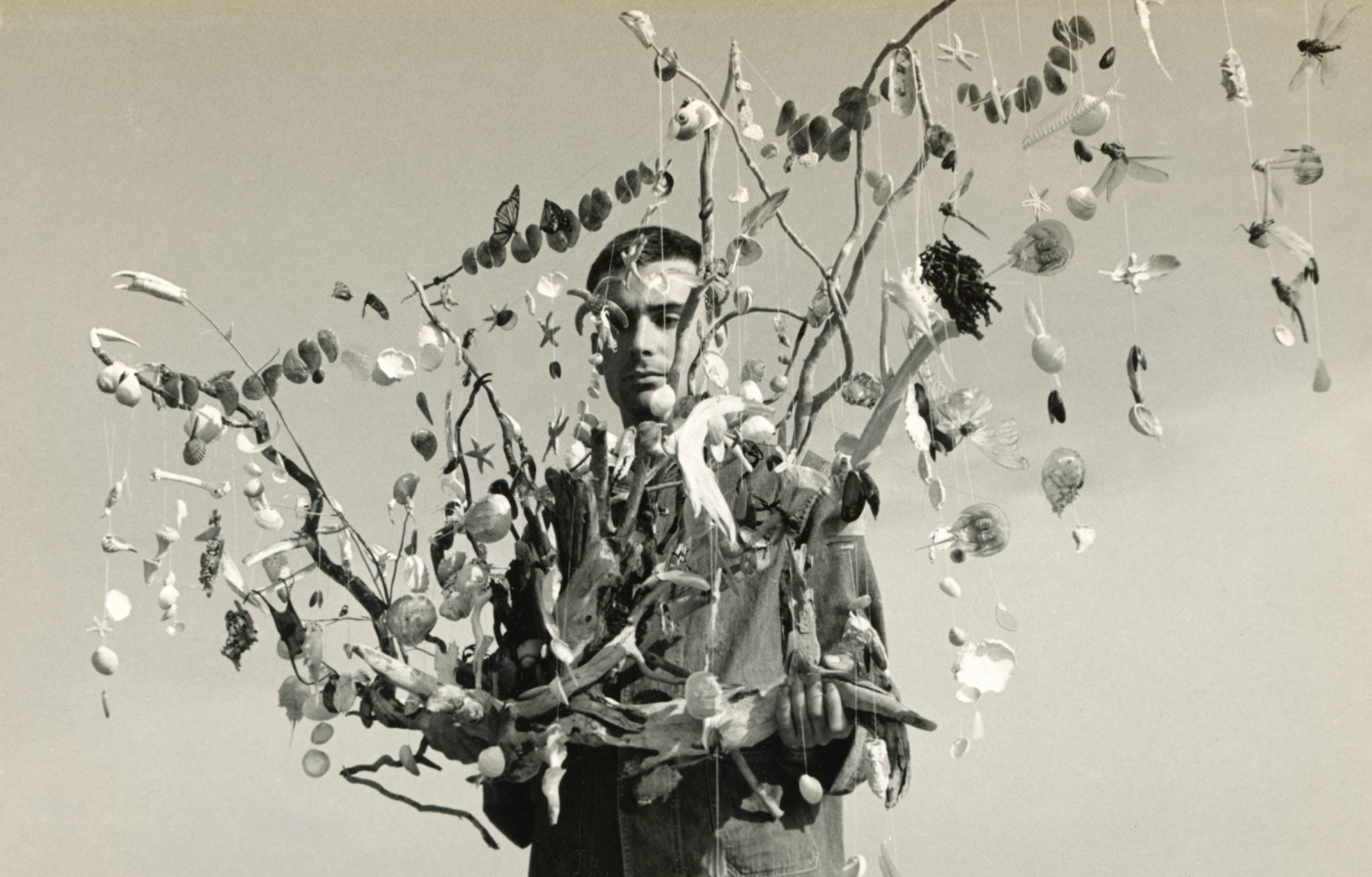
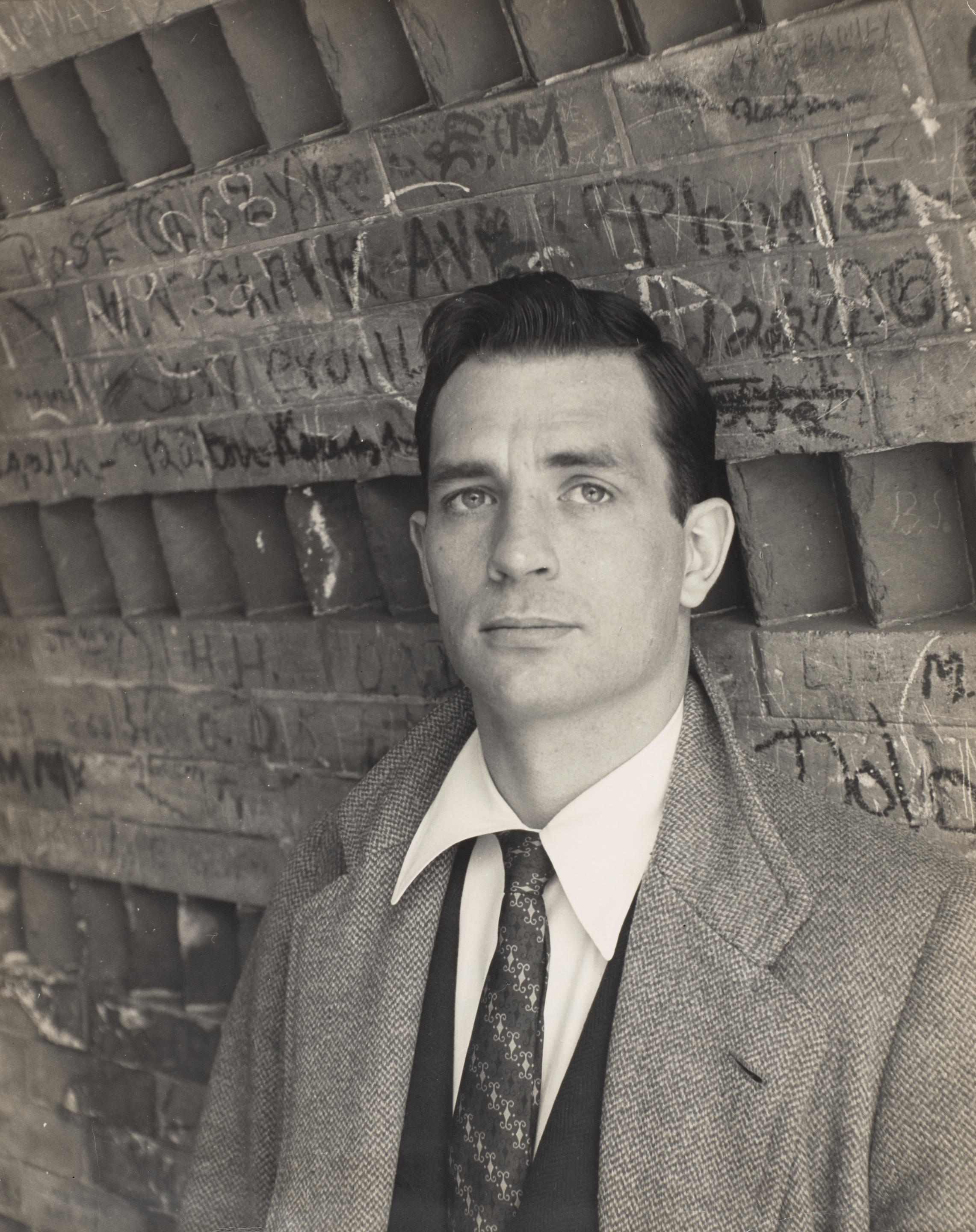
Billy also began exploring photography alongside Butch, forming the “Melton-Pippin Photography” imprint for both of their work. Although he later enjoyed a long career as a fashion photographer, today Billy’s most notable photographs are his 1950 portraits of Jack Kerouac. It was one of these photos that was Kerouac’s choice for the original cover sketch of On The Road.
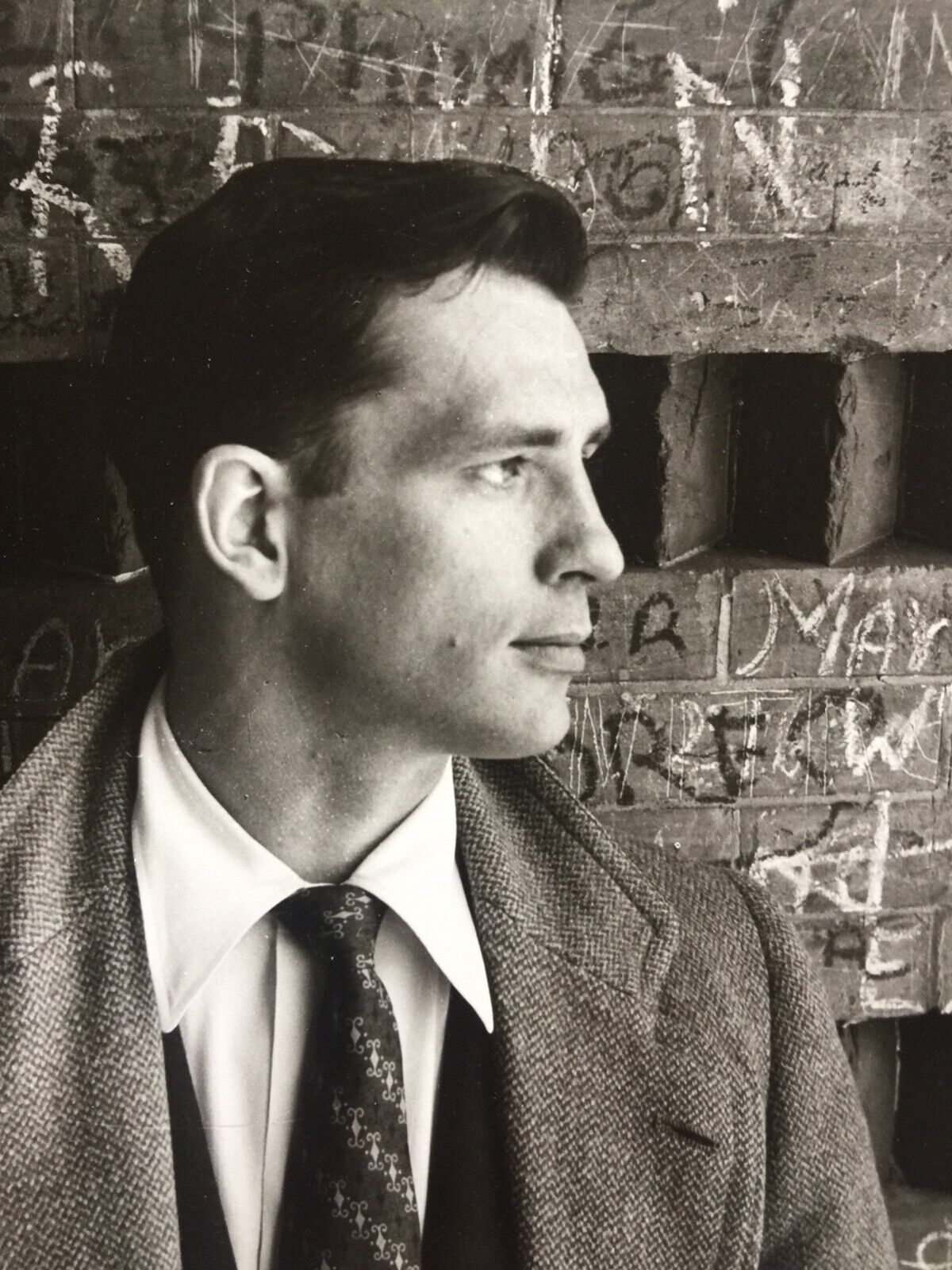
Jack Kerouac photographed by Wilbur Pippin (1950)

In early 1951, Butch and Billy had a new neighbor when their friend George Platt Lynes moved into the building. Lynes’ relationship with Chuck Howard had recently ended, and he was facing increasing financial woes. Lynes was initially pleased to have the couple as neighbors – Melton helped him with remodeling and silk-screening wallpaper for the living room. But he quickly grew annoyed by the couple “forever borrowing that old cup of sugar…” he wrote to a friend, “… or in their case it was more likely to be a bottle of gin.”

Wilbur Pippin & Chuck Howard, (ca. 1950)

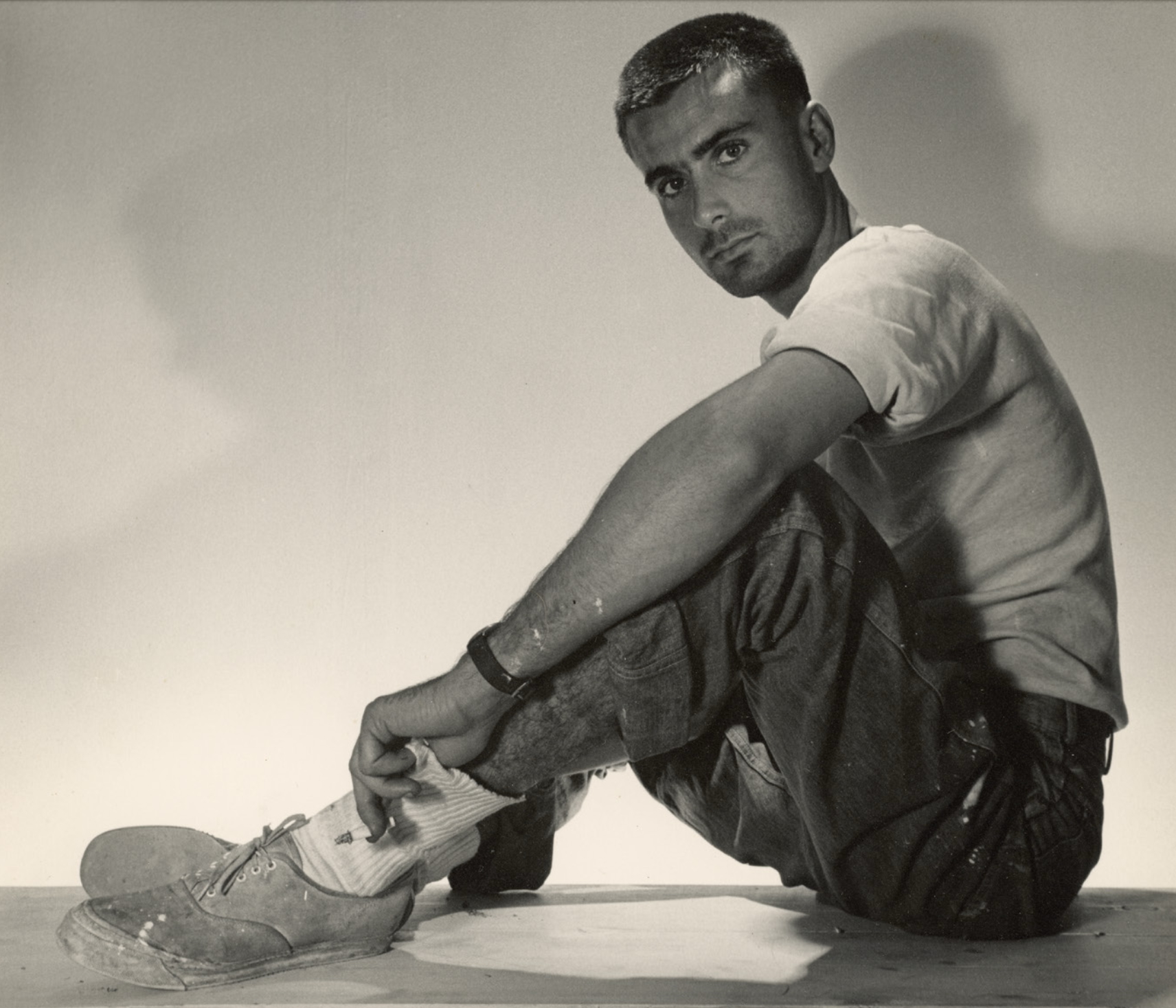
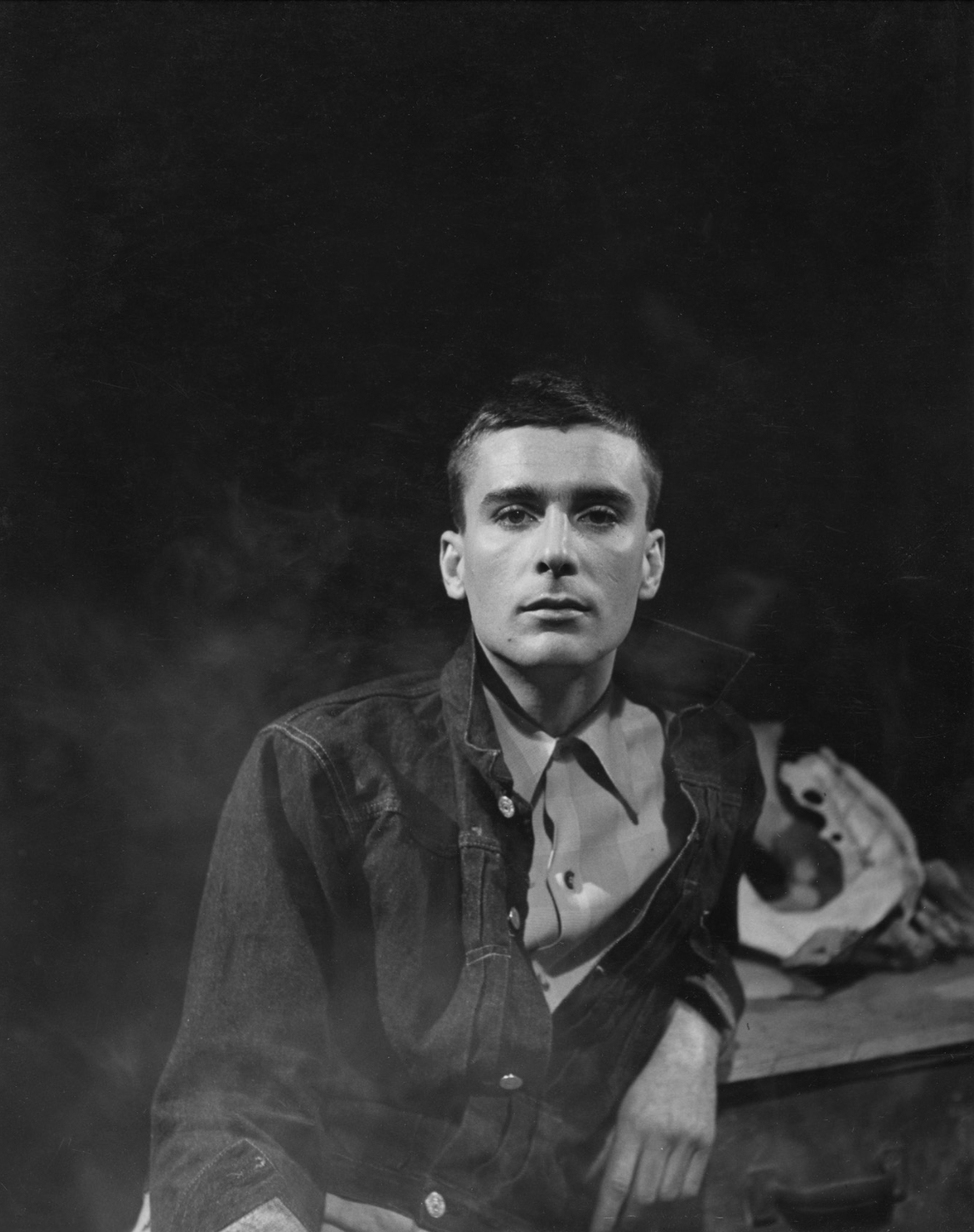
Wilbur Pippin photographed by George Platt Lynes

Besides the thirsty neighbors, the far-west proximity and sketchy neighborhood did not sit well with Lynes. By September, he had fled back to the comfort of the East side, although his finances could not support it.
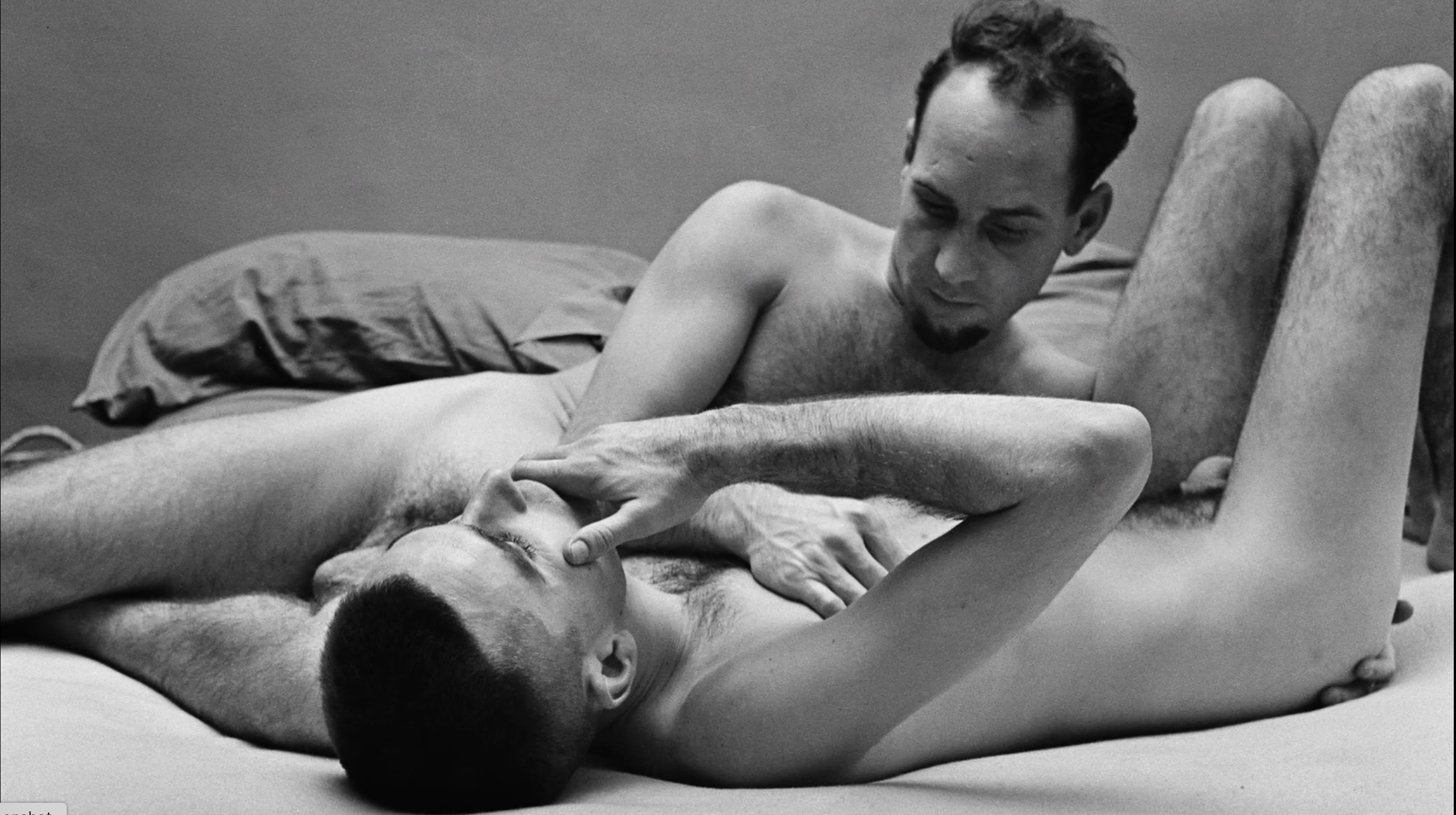
Fred “Butch” Melton & Wilbur “Billy” Pippin photographed by George Platt Lynes (ca 1951)

The couple remained friends with Lynes through the rest of his life, despite some difficult times. When Lynes fell out of favor with Lincoln Kirstein, Melton was named as his replacement as the official photographer for the New York City Ballet. In 1955 when Lynes was hospitalized with terminal lung cancer, Pippin was one of a small group of friends tasked by Russell Lynes to dismantle and pack up his brother’s apartment. George Platt Lynes died in December of that year.
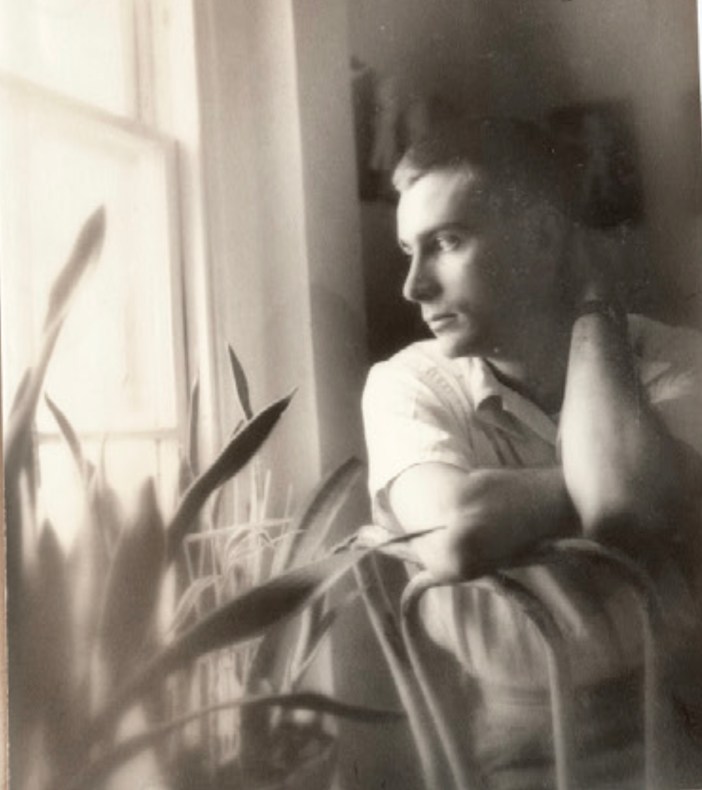
With Pippin Press winding down, Billy went to work as publicity director for the New York City Ballet as well as press representative of the Broadway show Protective Custody, which opened and closed in late December, 1956.

By the end of the 1950’s, Butch and Billy had gone their separate ways. As with so many others, Fred Melton was dropped by the mercurial Lincoln Kirstein and had been replaced as photographer for the New York Ballet, just as he had replaced Lynes years before.

In 1961, Melton departed New York once again, leaving his collection of ballet negatives to the New York Public Library, intent on spending his last days drinking on the beaches of Puerto Rico.

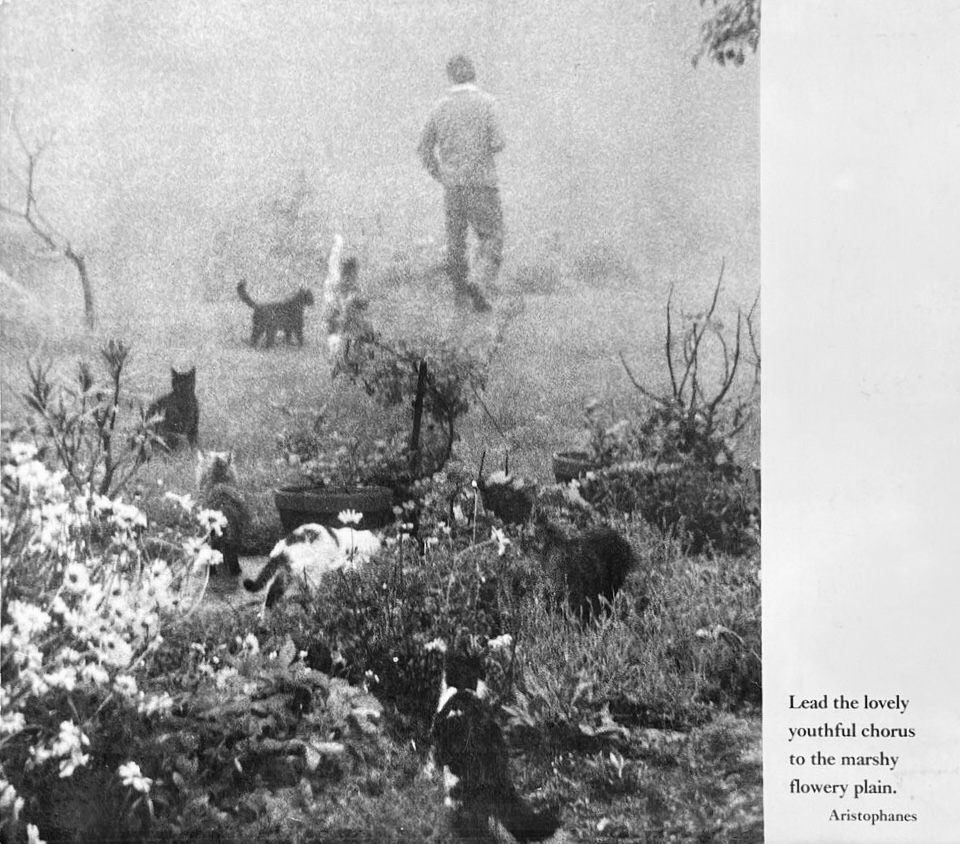
Meanwhile, Billy was working steadily as a fashion and celebrity photographer for the New York Times. He traveled the world through the following decades as a freelance fashion photographer for Vogue and other outlets. In the late 1960’s, Pippin coupled with fellow photographer, Thomas Wier, Jr. For 30 years, the duo ran Pippin & Wier Photography in New York City. Their country home was an old converted schoolhouse in East Haddam, CT. They eventually amassed a menagerie of 15 cats.

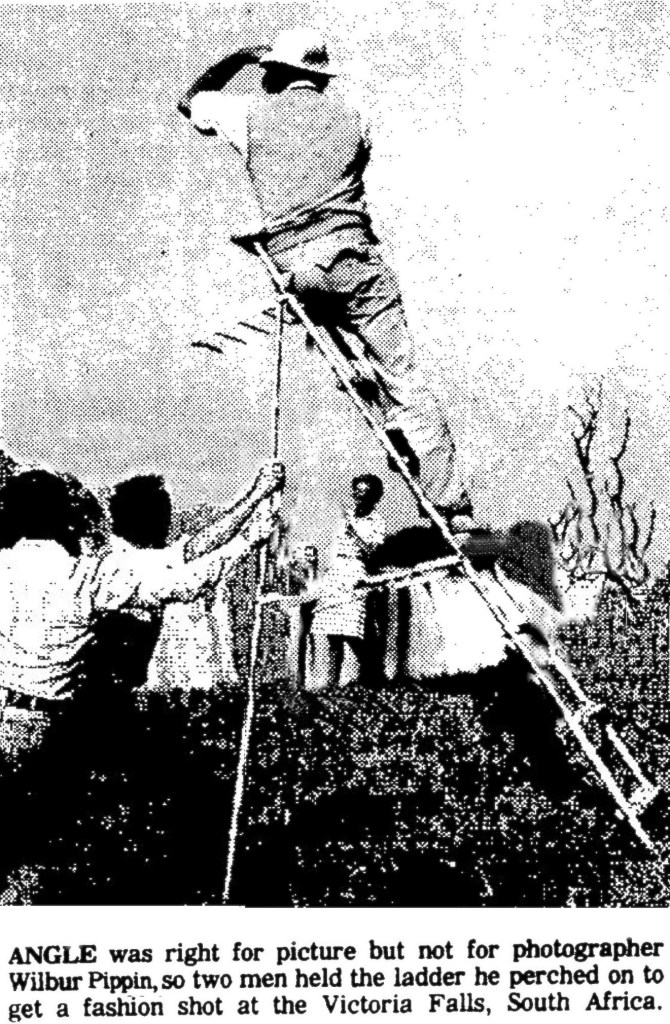
The Commercial Appeal, Memphis, TN 10/29/64

Daily Messenger, Canandaigua, NY (12/12/1974)

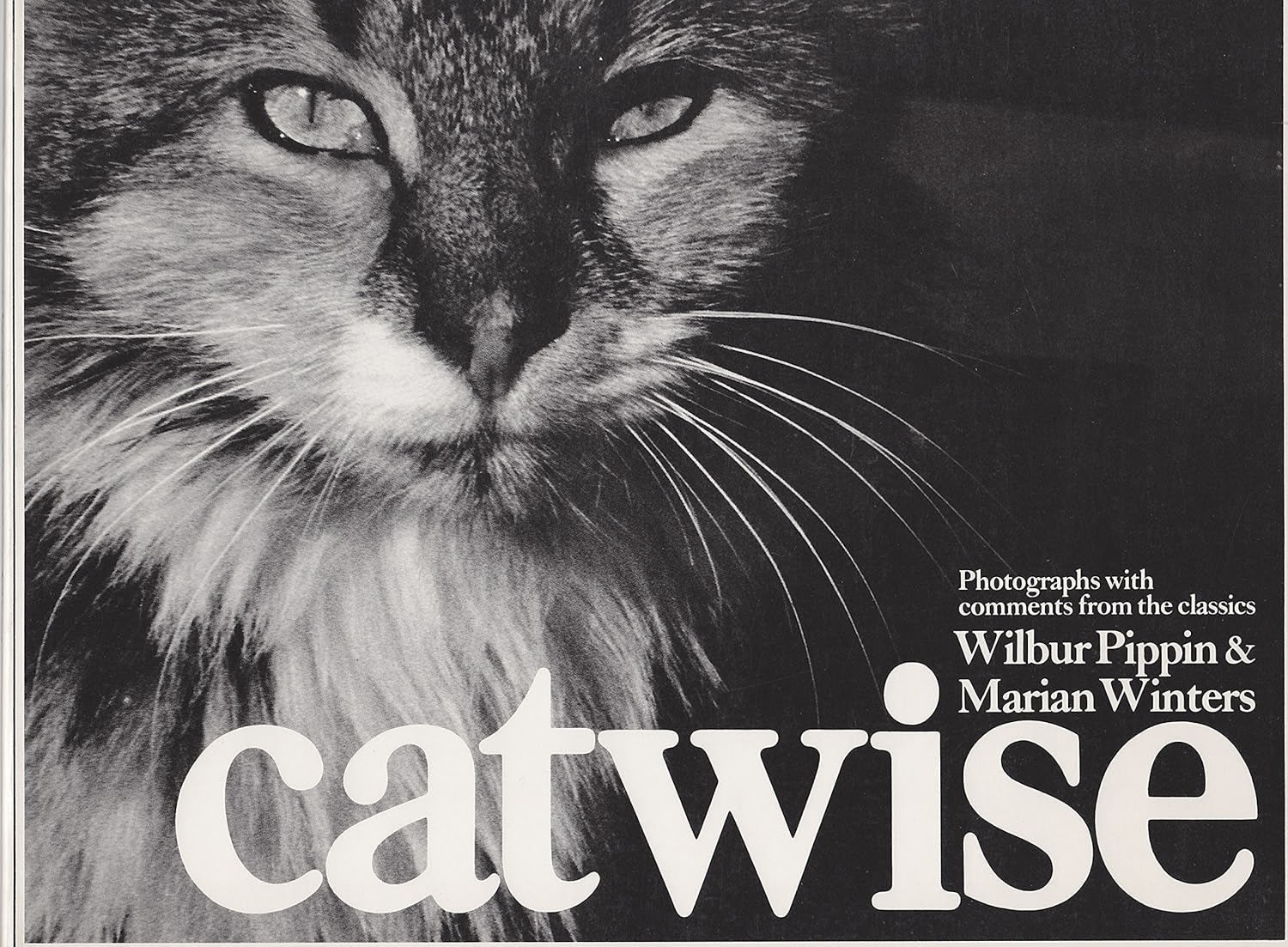
In 1979, Pippin co-authored the book Catwise with actress Marian Winters. This was a collection of photographs Pippin had taken of his feline family, with classical quotes selected by Winters. Sadly, Winters succumbed to cancer just before the book’s publication.
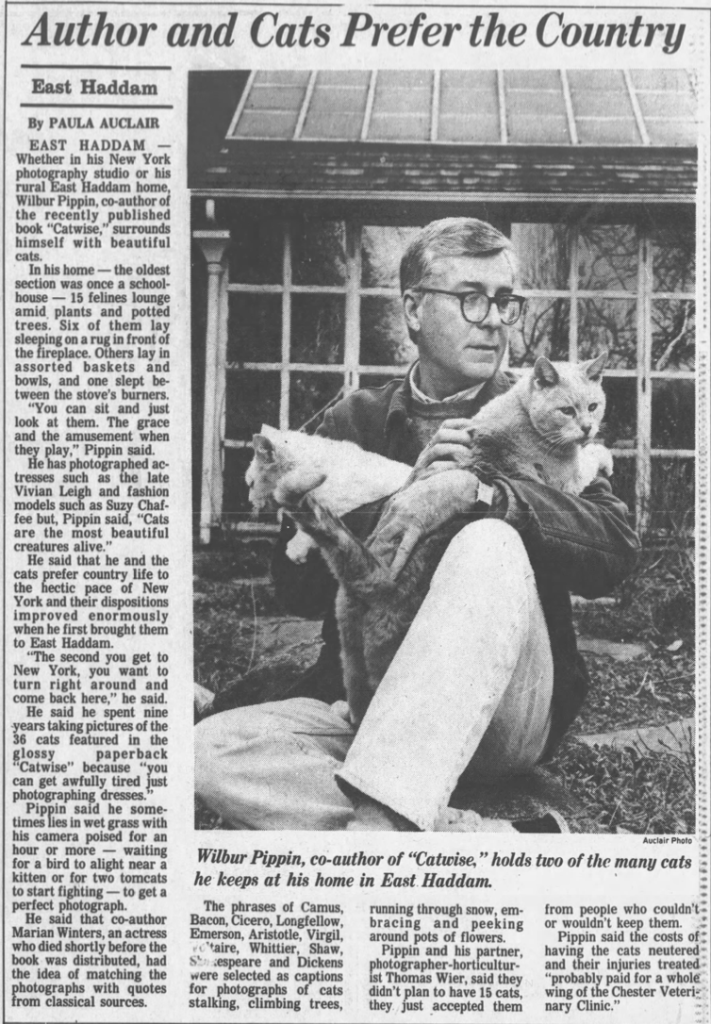
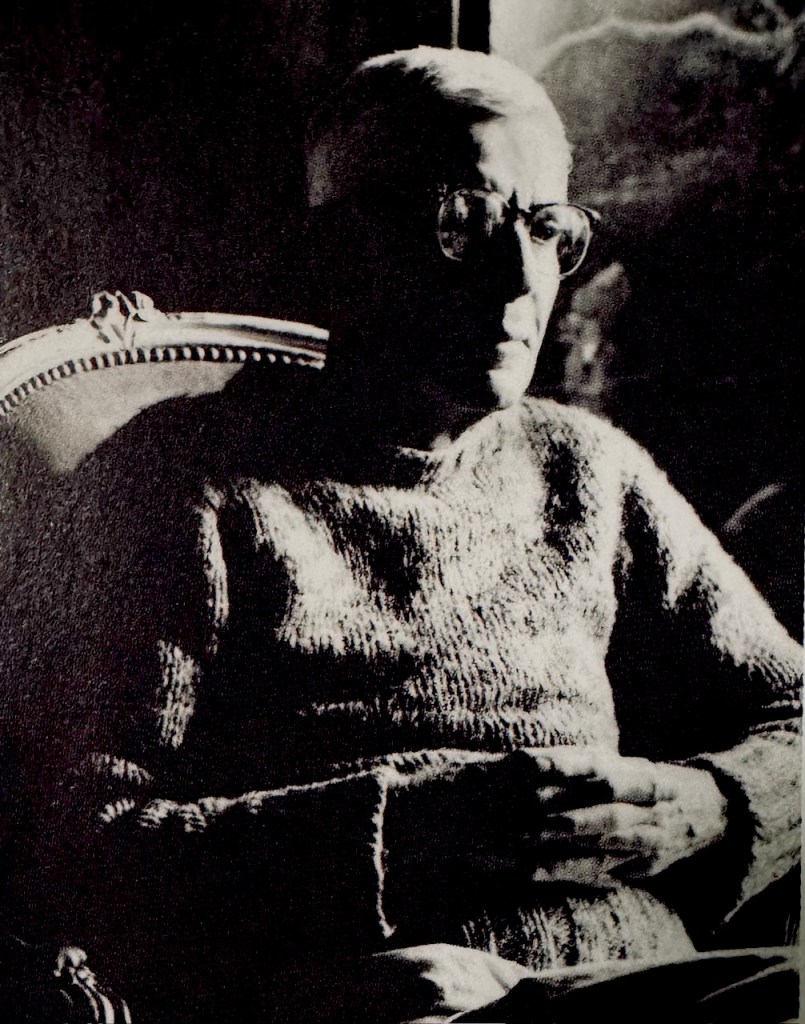
Hartford Courant, Connecticut (12/14/79)

Pippin and Wier eventually retired to their East Haddam house. Thomas Wier Jr. died on 9/12/2000, age 70. Wilbur Pippin died on 4/30/2003 at his home, age 78.

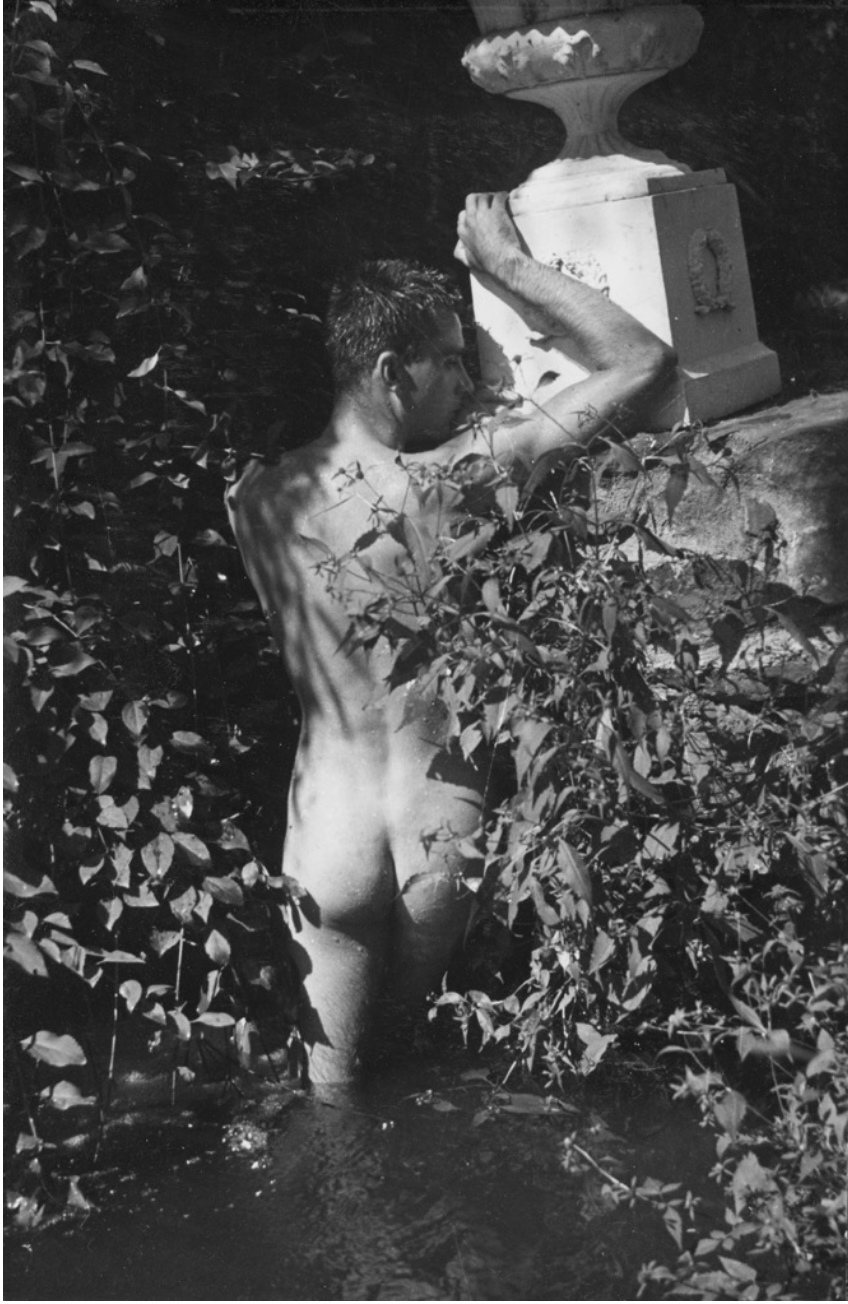
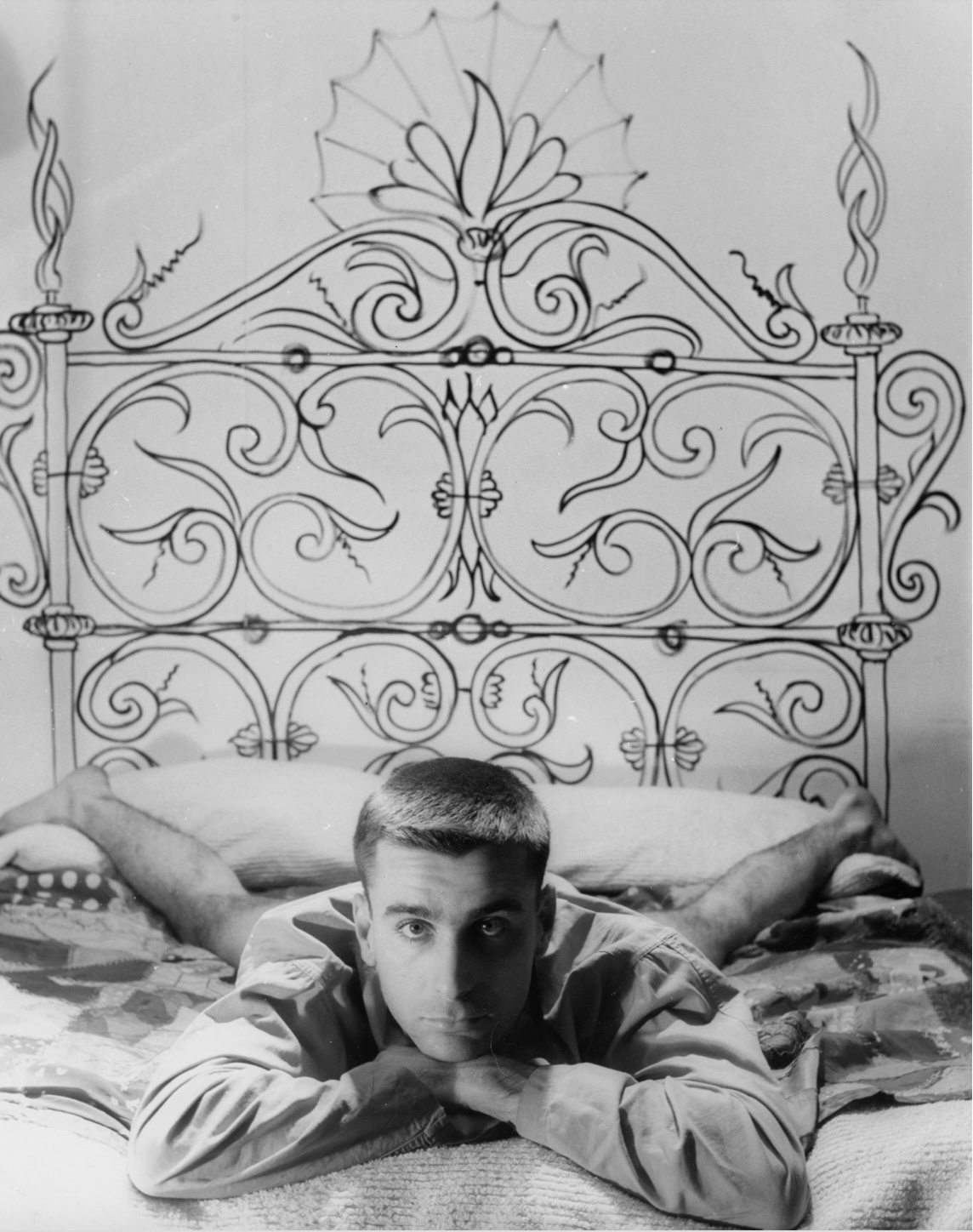
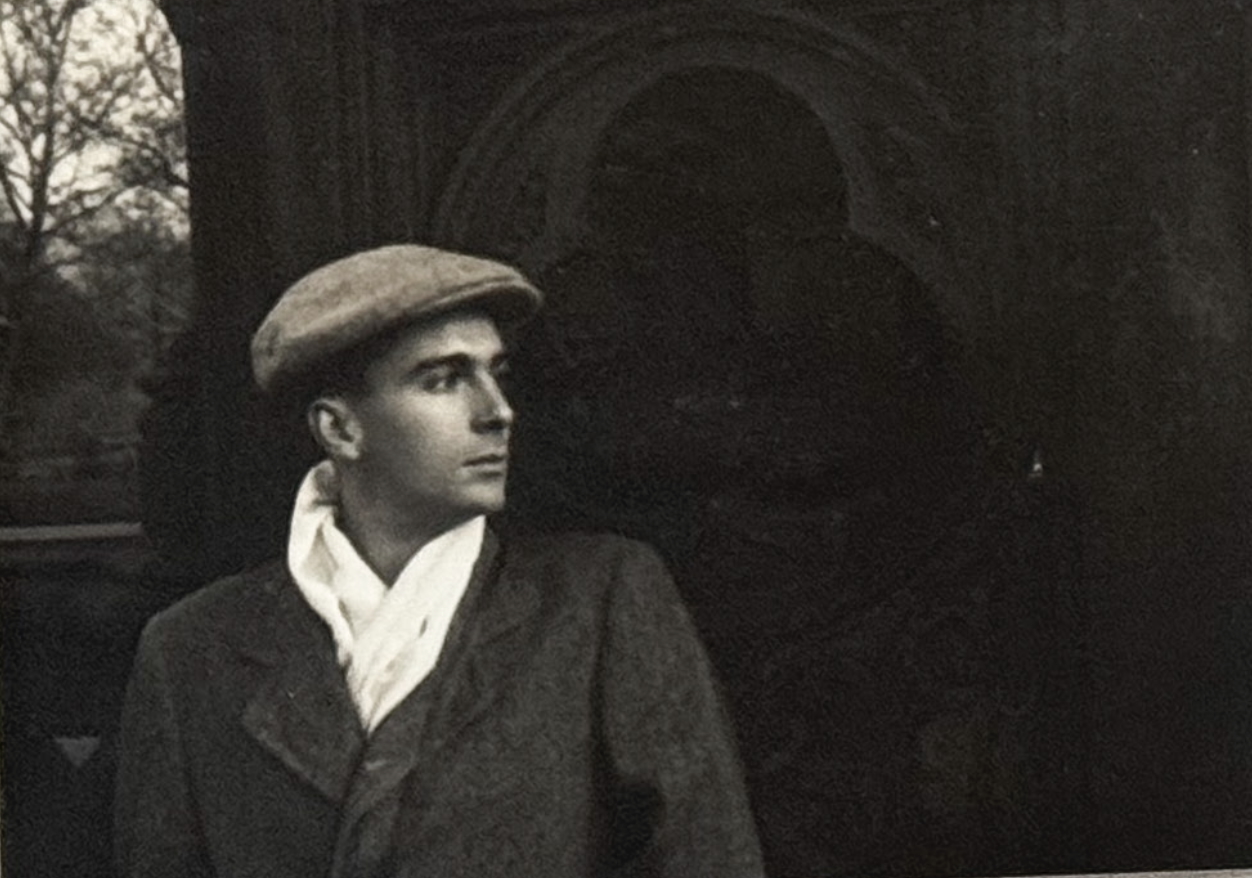
In 2024, the A. Therian gallery in Cairo, New York featured Billy, an exhibition of rare and previously unseen photos of Wilbur Pippin taken by George Platt Lynes, the PaJaMa collective, and Fred Melton. This collection of photographs shed light upon the striking young man from Macon, Georgia who became a friend, lover and confidant to his great artistic contemporaries.

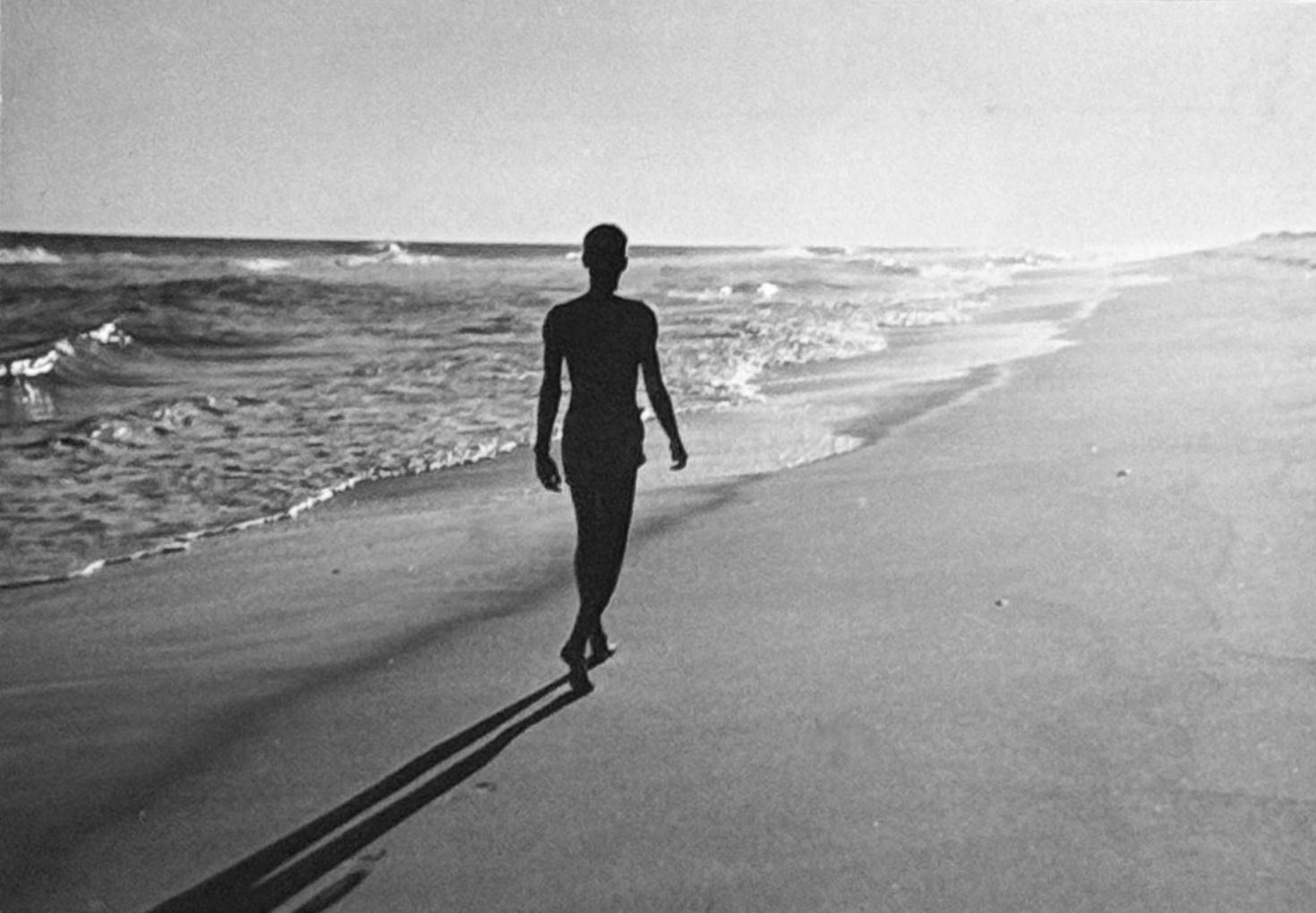
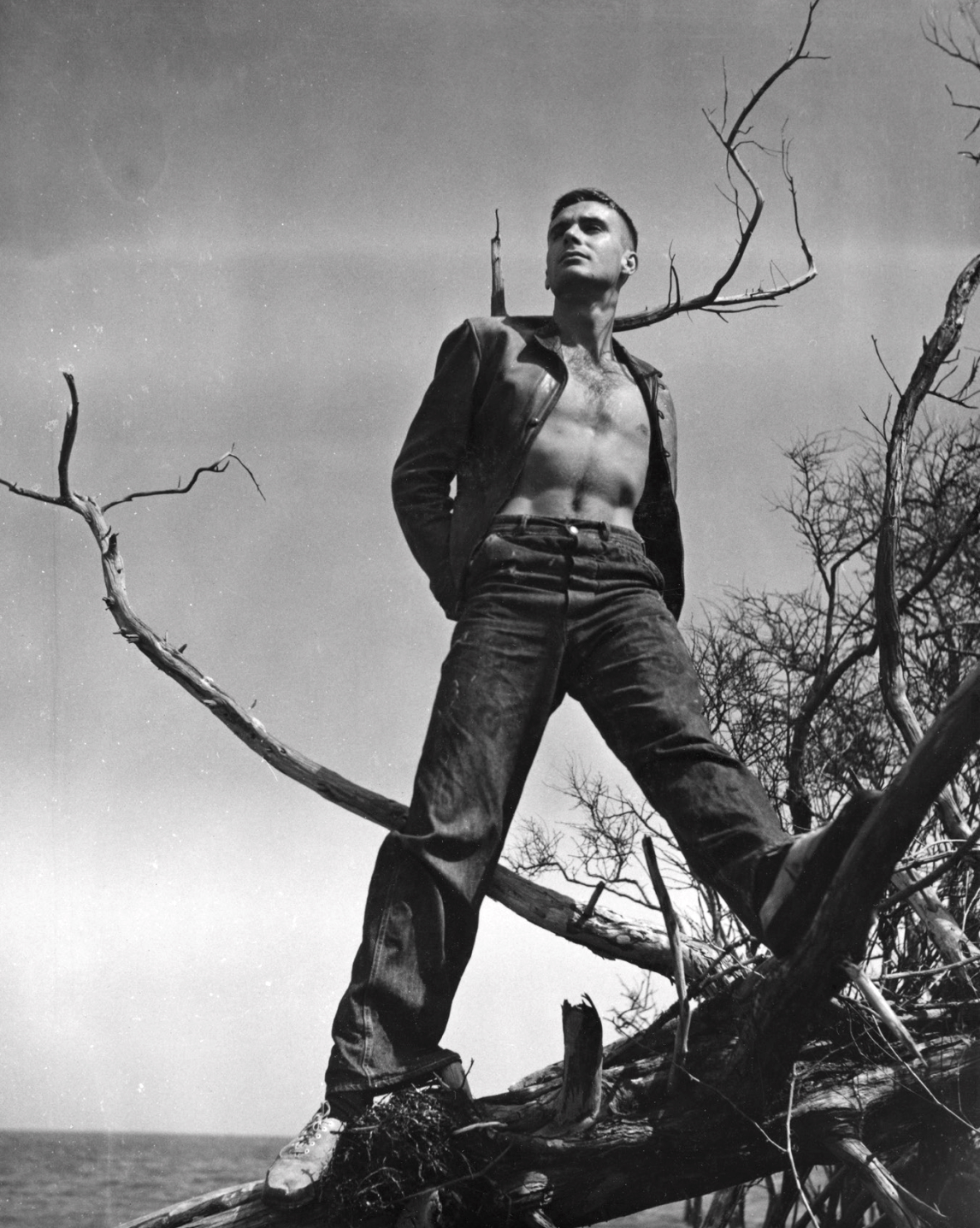
Wilbur Pippin, Egremont, Massachusettes (ca. 1948)
See Also:
Artist’s Muse: Chuck Howard
Artist’s Muse: Randy Jack
Artist’s Muse: Ted Starkowski
Artist’s Muse: The Mystery Model
Artist’s Muse: José “Pete” Martinez
Artist’s Muse: Forrest Thayer
Artist’s Muse: William Weslow
Artist’s Muse: Donald Windham & Sandy Campbell
Buddy & Johnny: A Historic Photo Shoot
Provincetown PaJaMa Party
Fire Island PaJaMa Party
Fire Island Muses of George Platt Lynes & The PaJaMa Collective
George Platt Lynes: In Touch Magazine (1982)
Revisiting George Platt Lynes’ Fire Island Muses

Good Time Sallies and Madame Spivy Radio

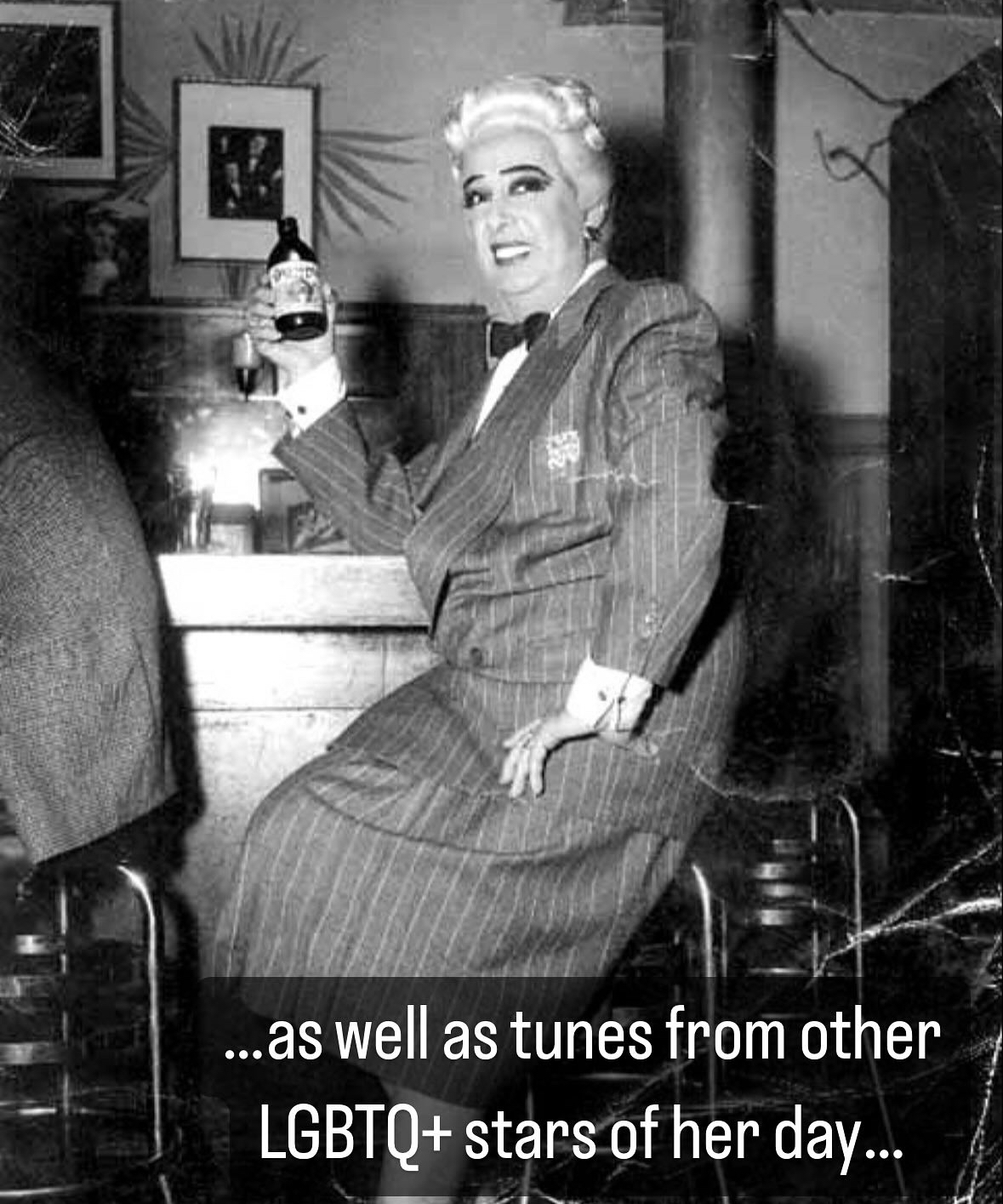
Madame Spivy is having quite a renaissance in 2025, thanks to the efforts of Ms. Ana Matronic and her newly launched Good Time Sallies podcast. As previously mentioned, Madame Spivy is the subject of the first two episodes. I joined Ms. Matronic to discuss the dynamic lady of song, stage and screen. You can find those here.

The subject of episodes #3 & 4 is singer/nightclub owner Ada “Bricktop” Smith, who we covered briefly in our post about Neeka Shaw, The Forgotten Showgirl.

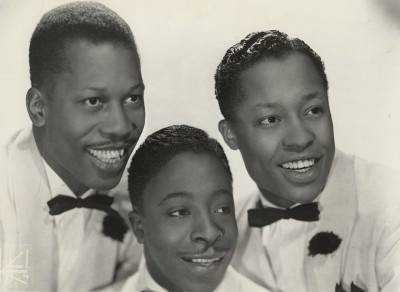
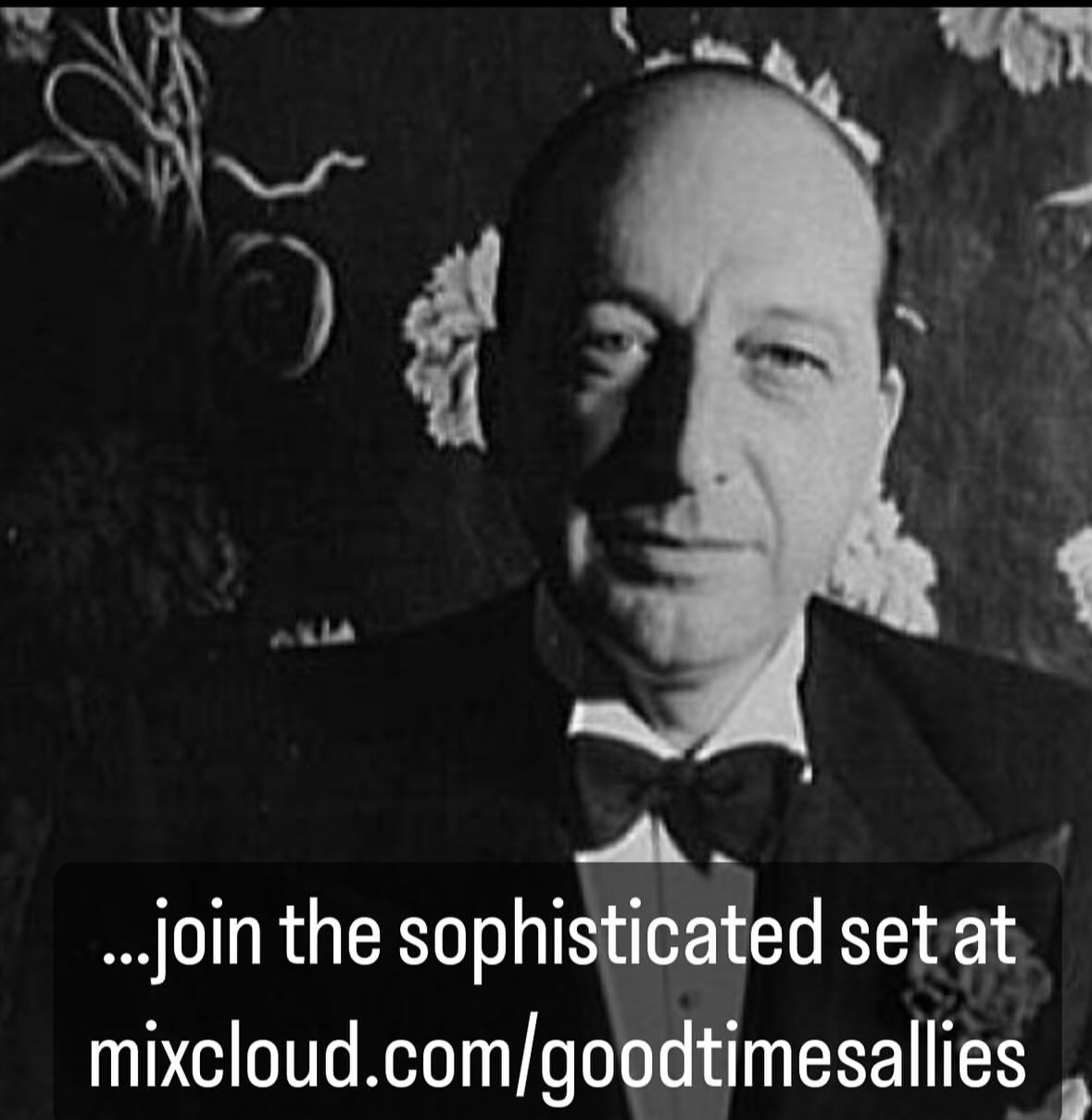
And if that’s not enough for you… Ms. Matronic has created Good Time Sallies: Radio Spivy on Mixcloud, so you can hear many of the songs discussed on the podcast. Besides a generous serving of Madame Spivy’s stylings, you can also hear recordings by Spivy’s friends, influences and artists who appeared at Spivy’s Roof. Included on the playlist are Fanny Brice, Sophie Tucker, Liberace, Martha Raye, Thelma Carpenter, Rae Bourbon, The Three Flames, Bea Lillie and many more!

Click here for Radio Spivy and hear some fine examples of classic diseuse delivering sophisticated songs.

From the website:
Good Time Sallies tells the stories of impactful people who have been left in the shadows as footnotes or minor characters in somebody else’s story, but each of whom made waves, broke molds, and dared to live life as they pleased.

With every episode, Ana Matronic centers these remarkable people and shares their inspiration with the world. From people of letters to ladies of leisure, from bawdy babes and badass boozehounds to Queens on the scene to queens of the obscene, this vibrant historical podcast is all about celebrating the Good Time Sally in us all who is here to take a shot and make her mark.

As you already know, Spivy is one of our favorite subjects here on the blog. Be sure to check out the latest post, which covers her film and television appearances.

See Also:
Madame Spivy: Movies & Television
Madame Spivy’s Alley Cat
Madame Spivy’s Tarantella
Madame Spivy: Auntie’s Face
Madame Spivy: 100% American Girls
Madame Spivy: A Tropical Fish
Madame Spivy: I Brought Culture to Buffalo In The 90’s
Madame Spivy: I Didn’t Do A Thing Last Night
The Mysterious Midge Williams
Neeka Shaw: The Forgotten Showgirl

Madame Spivy: Movies & Television

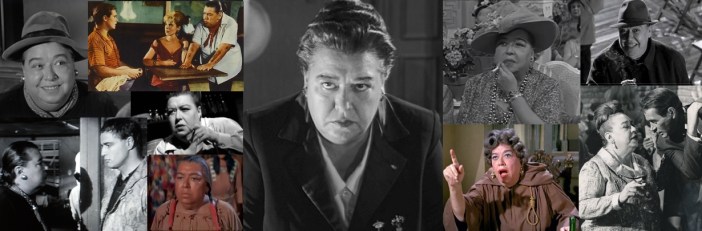
Ladies and Gentleman, it is time once again to revisit that dynamic lady of song, stage and screen, Madame Spivy LeVoe (1906-1971), also known simply as Spivy. While previous posts have focused on specific songs recorded by the lesbian entertainer, nightclub owner, and character actress, this time around we have an overview of her work in film and television from 1959-1967.

“The Roof is closed – gone forever, and my heart is broken.” Spivy wrote to a friend in August, 1951 after her nightclub had shuttered. The once popular top floor venue at 139 East 57th street had fallen into decline after a decade as one of the top Manhattan night spots. The demise of Spivy’s Roof was in part due to Spivy’s increasing stage fright, which in turn escalated her drinking. The combination often prevented her from delivering the two scheduled nightly performances audiences expected. Paul Lynde would later discuss this on The Tonight Show in 1976.

Spivy spent the next 6 years performing throughout Europe, where she opened and closed clubs in Paris and Rome. In London she appeared at the prestigious Café de Paris. These ventures eventually proved unsuccessful and she landed back in New York by 1957. An engagement at the Blue Angel would be her final New York City cabaret run.

Spivy explained her inability to conquer the fear of nightclub audiences. “I have tried everything but psychiatry – even hypnosis – but I couldn’t lick it.

“Funny thing, I have absolutely no stage fright in front of a camera, no matter how many people are on the set. So I guess this is what I’ll be doing from now on.”

It doesn’t take a psychiatrist to piece together that her insecurities performing in front of a live nightclub audience proved insurmountable as her popularity waned. She had entertained audiences since the 1920’s, but 30 years later her style of sophisticated songs had become a relic of a bygone era. Acting roles in front of a camera proved to be a less vulnerable alternative.

Charlie Chaplin reportedly sought to have Spivy play a character based on Elsa Maxwell in his 1957 film A King In New York. Newspaper columns at the time reported that the production company was unable to secure a work permit for her to travel to the UK for filming.

Her first film was The Fugitive Kind in a scene with Marlon Brando and Joanne Woodward, which was not a bad place to start.

“You come back alone some time, ya hear?” Spivy with Marlon Brando and Joanne Woodward in The Fugitive Kind. (1959)

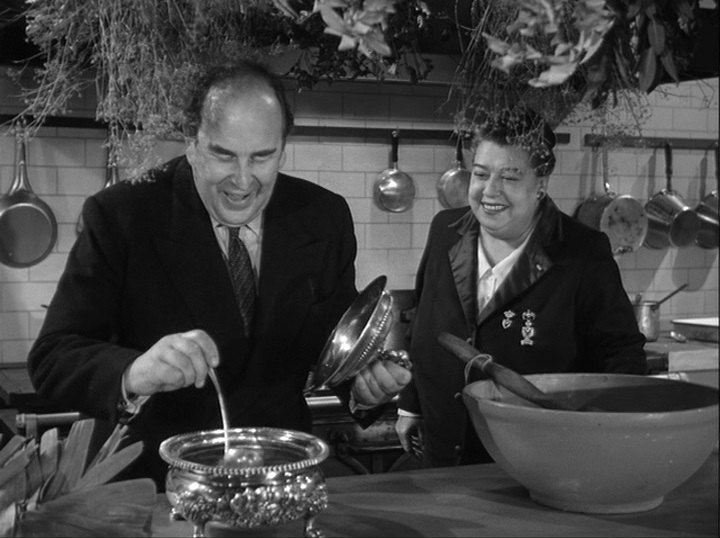
This led to her being cast in the most memorable television role of her career opposite Robert Morley in an episode of Alfred Hitchcock Presents titled “Specialty of the House.” Spivy plays “Spirro,” the piano-playing proprietress of an exclusive restaurant with a dubious main course.

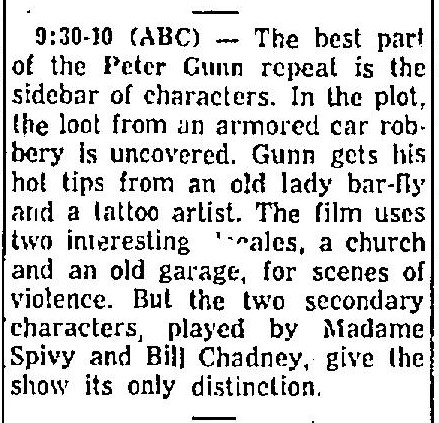
“Bourbon breeds togetherness…” Flo (Spivy) tips off Peter Gunn (Craig Stevens). (1960)

There is a sameness to the majority of Spivy’s film and television acting roles. She’s typically the barkeep or bouncer at a downstairs dive bar in a sketchy part of town. She usually has just one scene where she kicks someone out of the bar, or delivers a key piece of information to move the plot along. Or both. She is always smoking. She may be shady or morally ambiguous, but mostly she just don’t want no trouble, ya hear?

“Have you lost your feeble mind? He’s still got his baby teeth!” Spivy with Brandon DeWilde & Evans Evans in All Fall Down (1962).

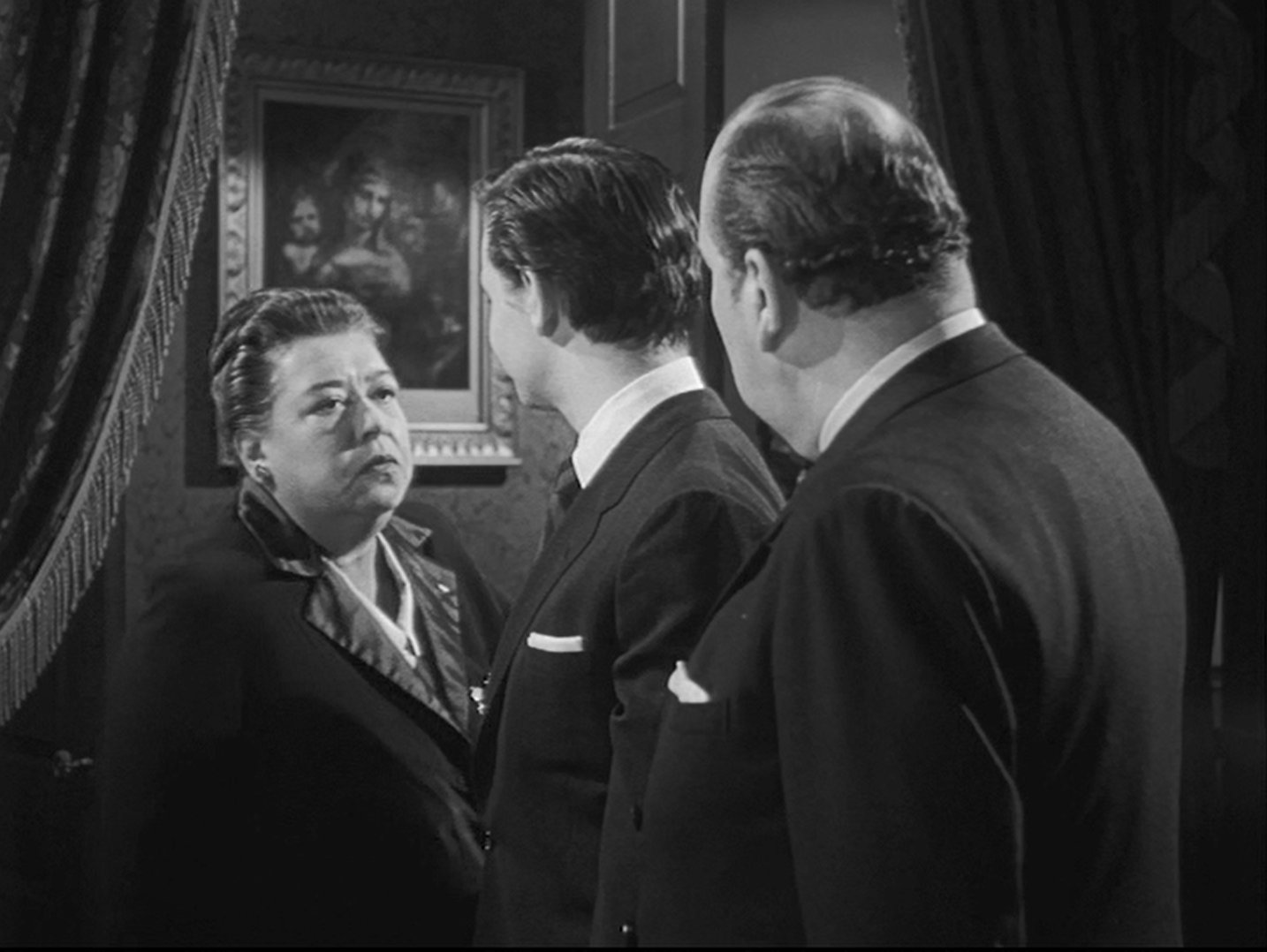
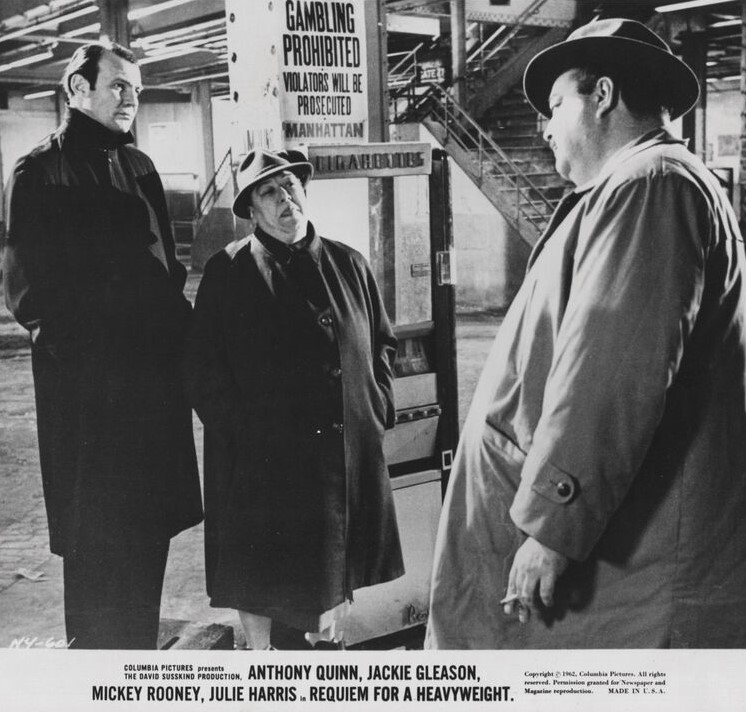
Spivy’s most significant film role was as Ma Greeny in 1962’s Requiem For A Heavyweight with Anthony Quinn and Jackie Gleason. Her tough, androgynous mob boss made an indelible impression on viewers.

“Take a good look in the mirror and then say goodbye to what you see.”

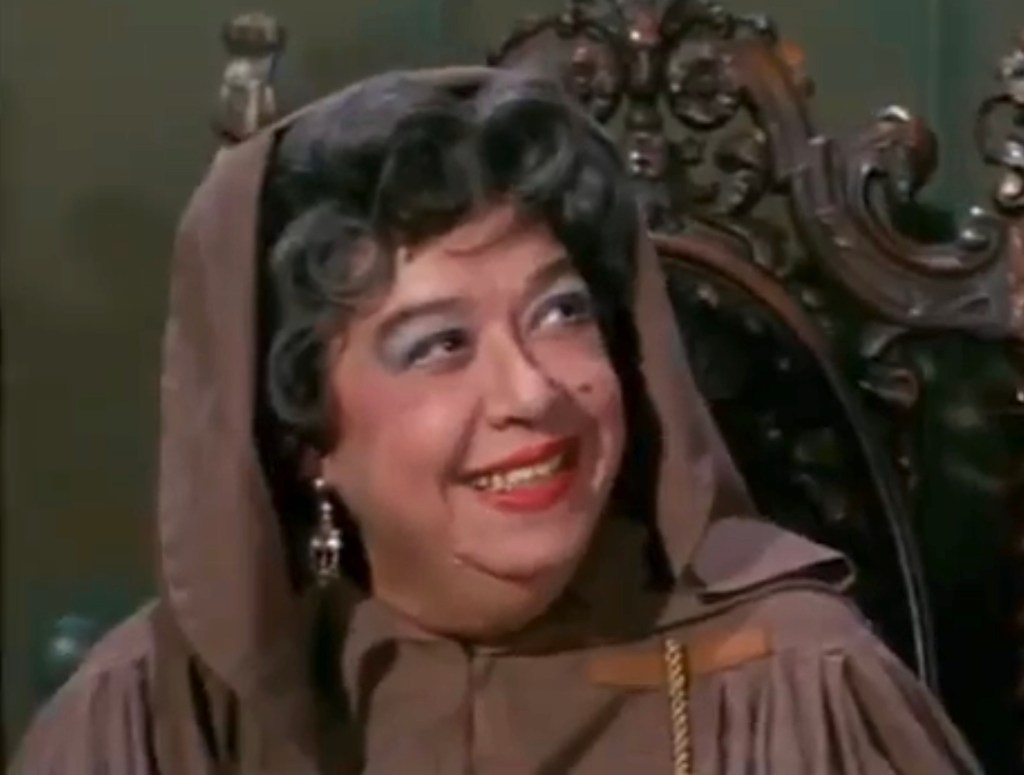
Spivy as The Axe Lady, The Wild Wild West (1966)

One of Spivy’s atypical performances was a 1966 appearance on The Wild Wild West with Robert Conrad. Spivy plays The Axe Lady, a member of a serial killer tribunal who meets her demise at dinner with a steak knife in the back.

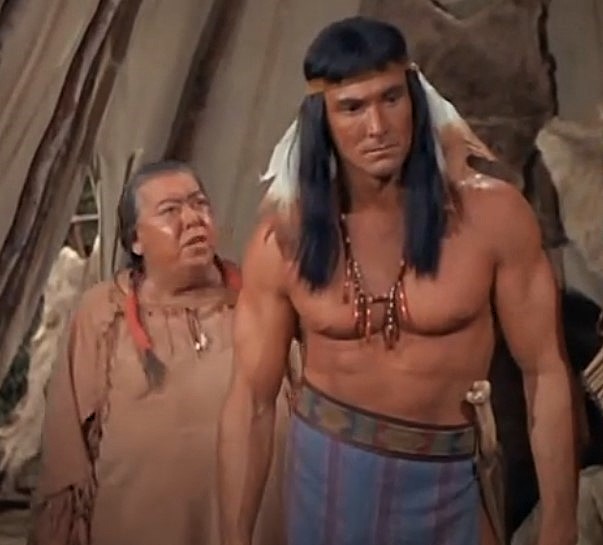
Spivy as Tatama with William Smith as her son Catoga in the Daniel Boone episode “A Matter Of Blood.” (1967)

Spivy’s final television role was her biggest since Alfred Hitchcock Presents: a 1967 Daniel Boone episode in which she plays Tatama, an Indian tribe elder. As with the rest of the actors playing indigenous characters at the time, the brown-face makeup doesn’t age well, but she delivers a good performance, in my humble opinion.

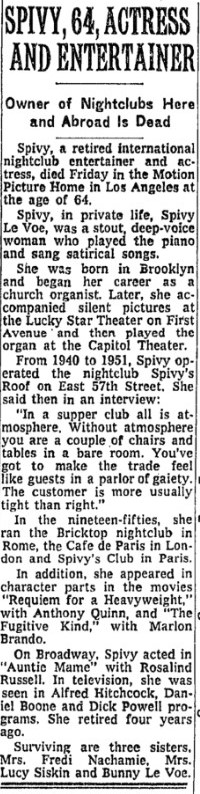
New York Times (1/10/71)

Spivy was diagnosed with cancer in the late 1960’s, eventually moving into a series of hospitals and nursing homes that she kept getting kicked out of. Angry and bitter at her waning independence, she would lash out at staff. Her old friend Patsy Kelley arranged to have her placed at the Motion Picture Country Home in Woodland Hills, California where she died on January 8, 1971, aged 64. She is interred at Valhalla Memorial Park in West Hollywood.

See Also:
The Alley Cat
The Tarantella
Auntie’s Face
100% American Girls
A Tropical Fish
I Brought Culture to Buffalo In The 90’s
I Didn’t Do A Thing Last Night
Why Don’t You?
Madame Spivy on the Good Time Sallies Podcast
Good Time Sallies: Madame Spivy Radio

Kurt Bieber: From Little Me to Colt Model

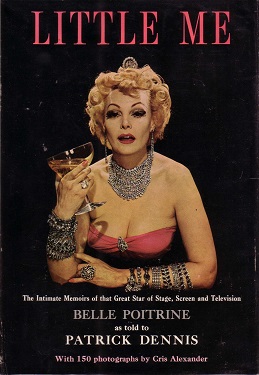
You may already know this, but anyone with an affinity for self-indulgent grande dame memoirs and/or the camp humor of Auntie Mame needs to seek out the 1961 book Little Me, The Intimate Memoirs of That Great Star of Stage, Screen & Television Belle Poitrine, as told to Patrick Dennis. The book spawned a Broadway musical starring Sid Caesar in 1962, which was revived with Martin Short in 1998. However, the book is whole different animal. The 2002 reprint with a new foreword by Charles Busch may be out of print, but affordable copies are easily found online.

The whole thing is a parody – a camp fiction classic created by the Auntie Mame author with over 150 photographs by Cris Alexander, an actor who appeared in both the stage and film versions of Auntie Mame. Alexander had transitioned into his second career as a photographer.

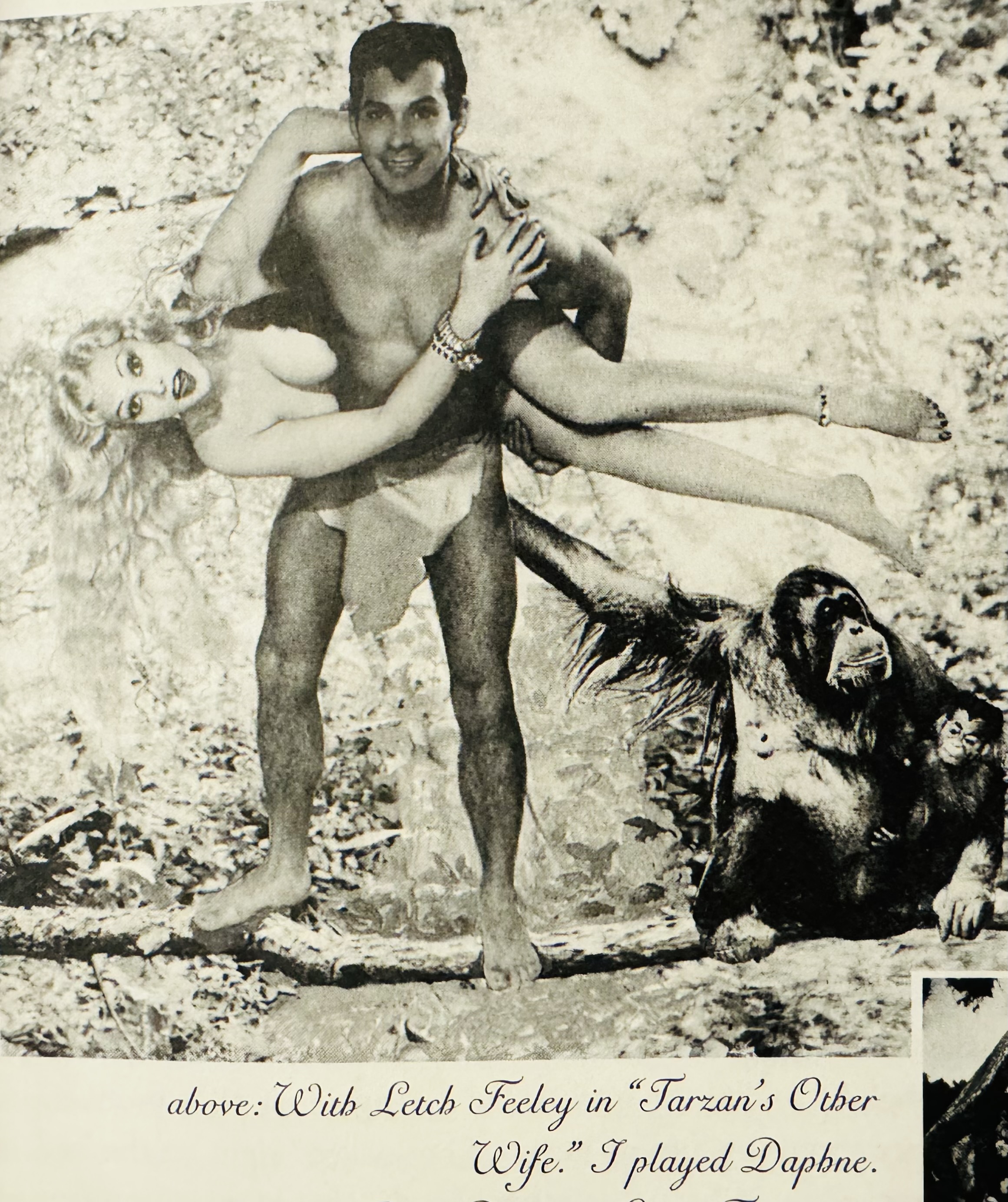
Actress Jeri Archer embodied Belle Poitrine in the photographs with a cast of characters playing her co-horts. Among the familiar faces in the company are character actresses Dodie Goodman and Alice Pearce, author Patrick Dennis (as Cedric Roulstone-Farjeon) and his wife Louise (as Pixie Portnoy). Cris Alexander also appears in various roles alongside his lifelong partner, ballet dancer Shaun O’Brien (as Mr. Musgrove). Miss Rosalind Russell makes an appearance as well.
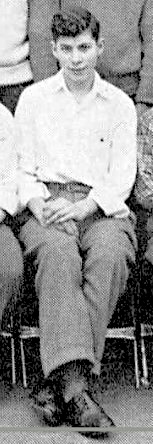
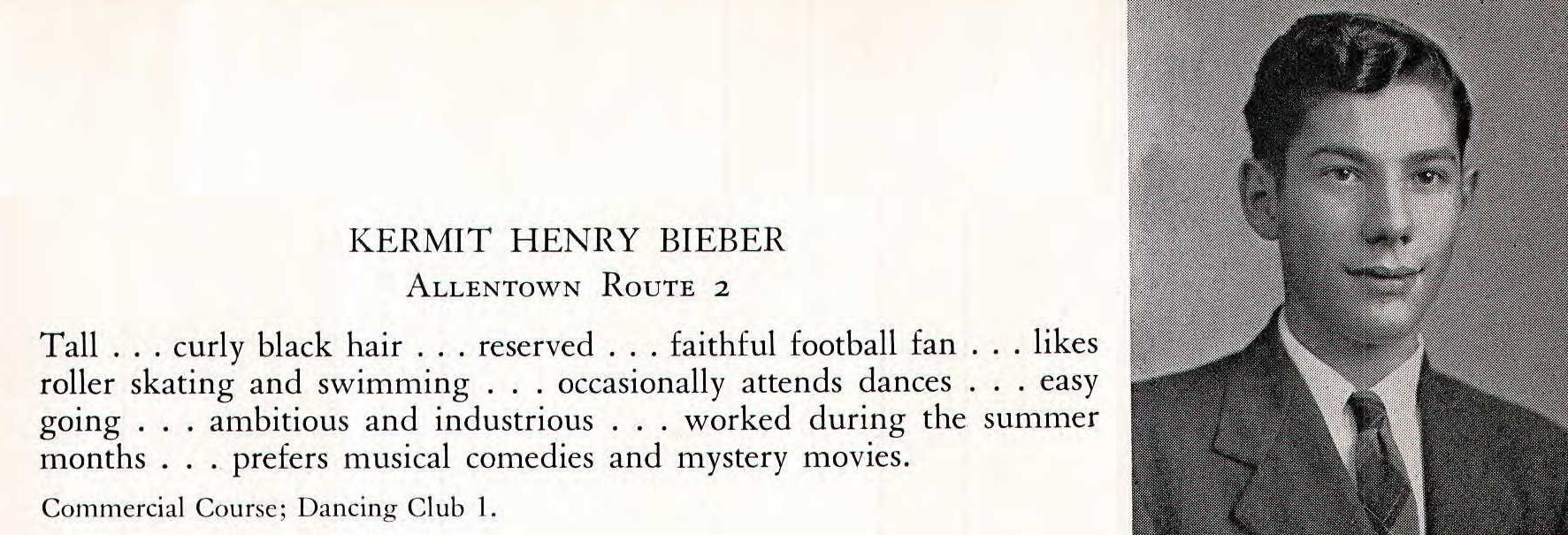
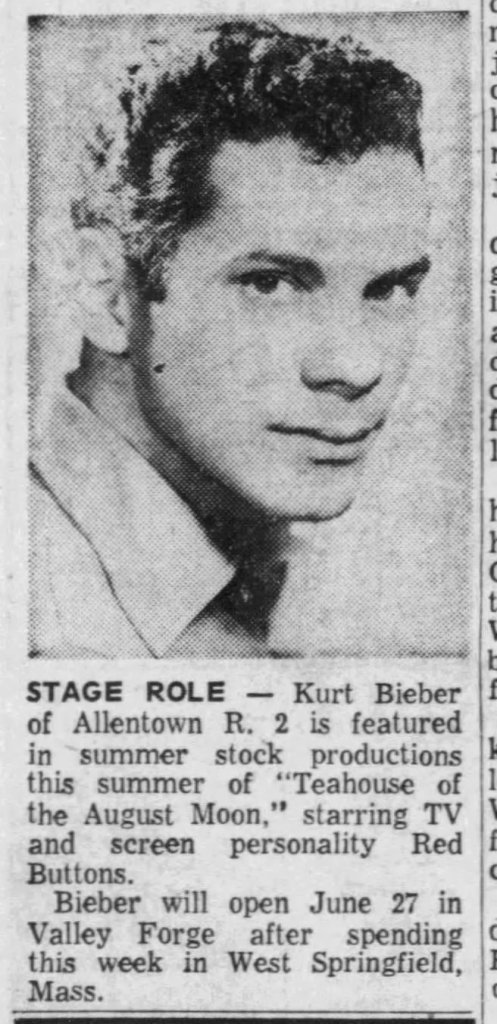
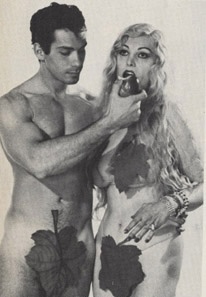
The role of Letch Feeley, Belle’s hunky paramour and costar, was played by Kurt Bieber. After the publication of Little Me, Cris Alexander wrote, “Shaun and Kurt generated an unprecedented amount of fan mail, all sent to the publisher’s office.”

Letch Feeley & Belle Poitrine, aka Kurt Bieber & Jeri Archer in Little Me

Kermit Henry Bieber was born on January 5, 1929 in Allentown, Pennsylvania. A 1946 graduate of Emmaus High School, Bieber worked at the local Sears before serving in the Army during the Korean War.

After his discharge, he headed to New York, where he studied drama, dance and voice at The American Theatre Wing. Roles in summer stock soon followed, with ensemble work in Can-Can, Happy Hunting, Oklahoma! and Wonderful Town.

The Morning Call, Allentown, PA (6/21/1960)

It was his work in a regional production of On the Town that took his career to the next level. Cris Alexander later wrote, “Ross Hunter may have discovered Rock Hudson, but I discovered Kurt Bieber during a summer package of On The Town (Pittsburgh ’58).” By October of that year, Bieber was back in New York playing a sailor alongside William Shatner in the original Broadway production of The World of Suzie Wong.

More regional work followed, including a stint in the play Teahouse of The August Moon with Red Buttons. It was around this time that Cris Alexander began to shoot the photos for Little Me, casting Bieber in the role for which he is best remembered.

In Uncle Mame: The Life of Patrick Dennis, author Eric Myers writes “Most memorable to a certain contingent of the book’s audience was actor Kurt Bieber, who… displayed plenty of muscular flesh in nearly all of his photos.”

“I loved doing Little Me. People would stop me in the street and say ‘Aren’t you Letch Feeley?'” Kurt fondly remembered. “It was a first. No one had ever done a book like that… it was such a different atmosphere then. The photos were really a breakthrough.”

“Kurt Bieber is a poseur extraordinaire. The grace and symmetry of the youthful physique is captured in this study by Male Today.”

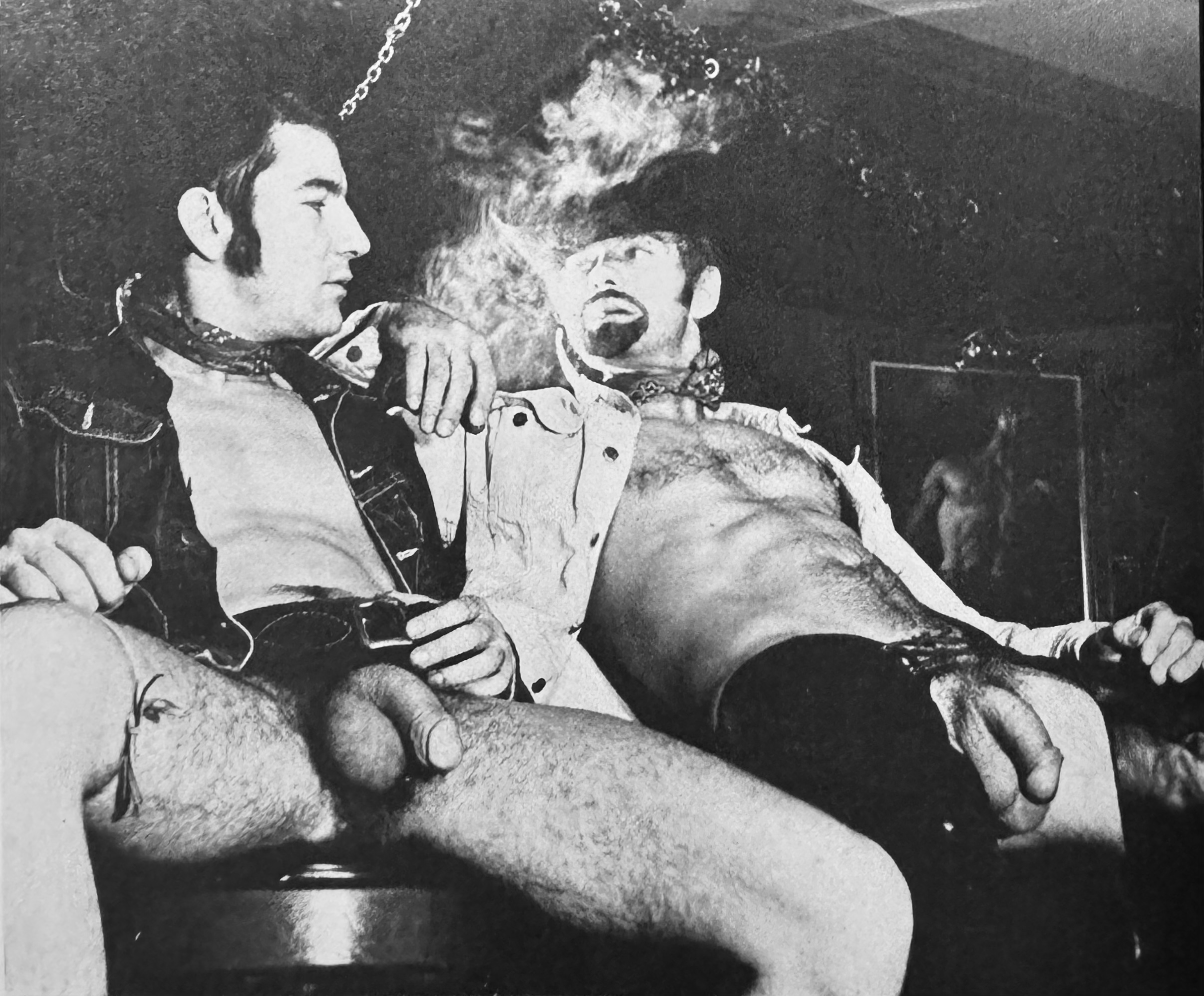
Following the success of Little Me, Bieber continued acting as well as modeling. He found work as a “posing strap” model for Male Today and other physique magazines. He was an early subject for Jim French, a photographer who was starting up a photo studio under the name Rip Colt. An early Colt film loop lists Bieber as one of the performers – a softcore scene with three muscular models lathering each other up in a shower – but none of the models appear to be him.

In 1969, Bieber had a bit part as a Times Square street hustler in Midnight Cowboy:

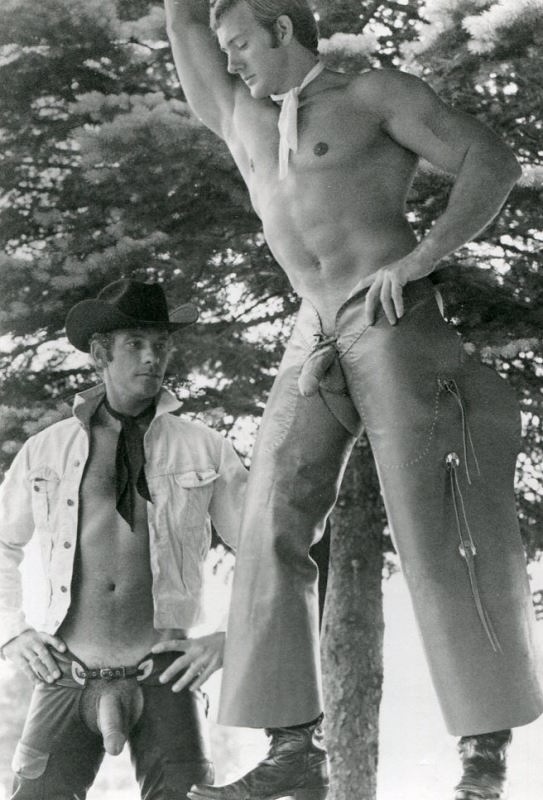
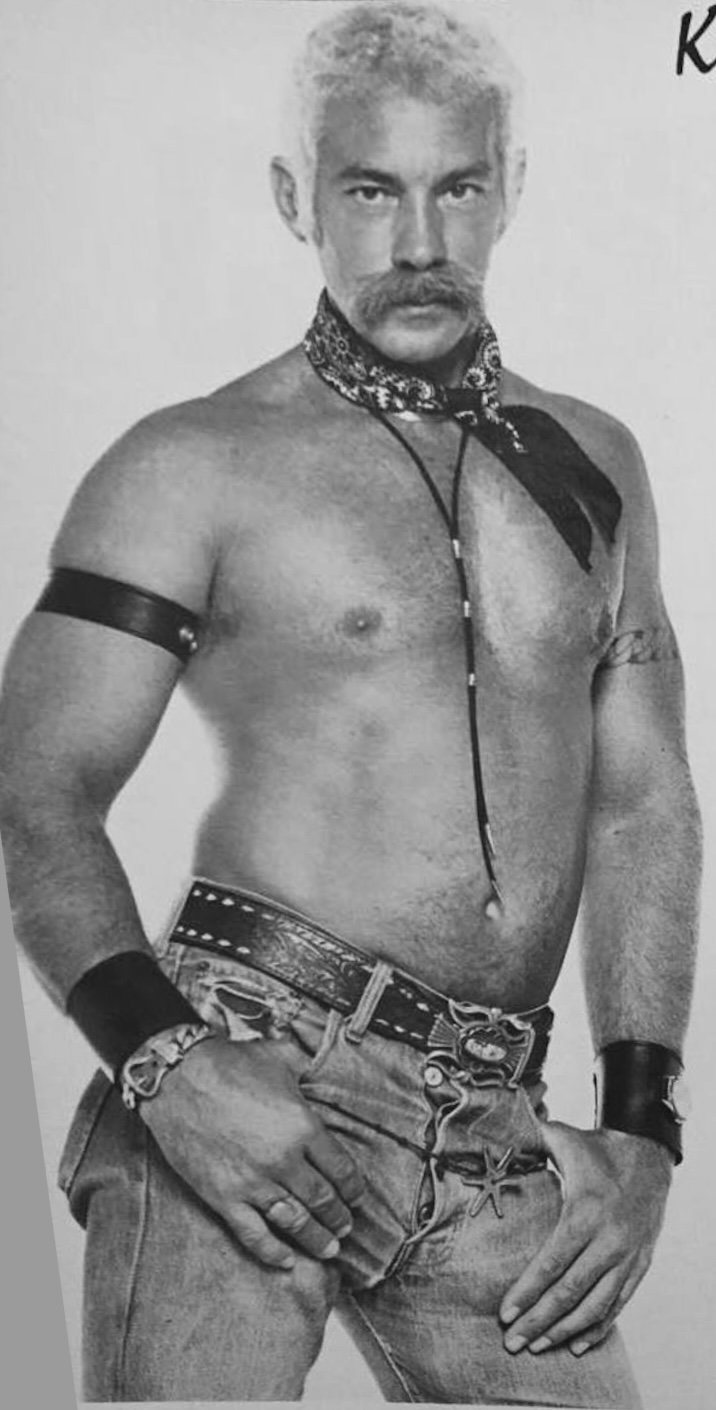
At the dawn of the 1970’s, 40-year-old Bieber – no longer a young chorus boy – opted for a new look. He transformed himself into the quintessential gay clone: an urban cowboy/mustache and Levi’s/hanky-code persona that would characterize the gay scene for the next decade. His photos for Colt studios now typify that era of gay erotica.

He was quoted as saying “I loved being photographed in the nude. I’ve always been an exhibitionist. To be an actor, you have to be. Besides, I got to choose the models. I chose hot men that I could get off on. That’s why they gave me (Colt superstar) Dakota.”

Kurt Bieber (in a Colt t-shirt) outside Badlands in the West Village, NYC (1979)

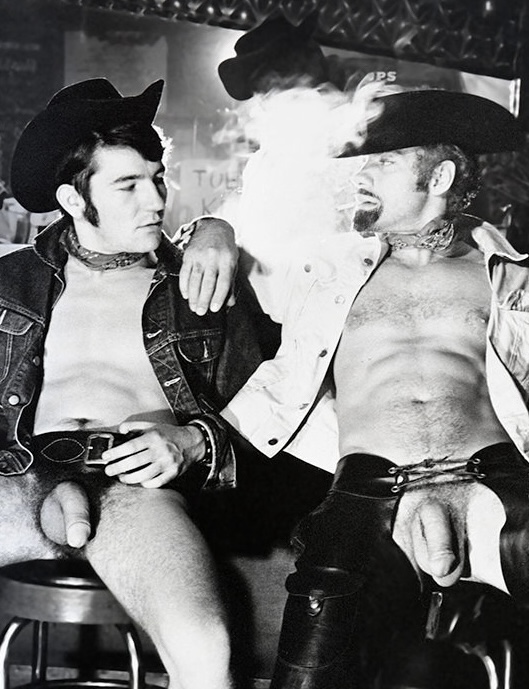
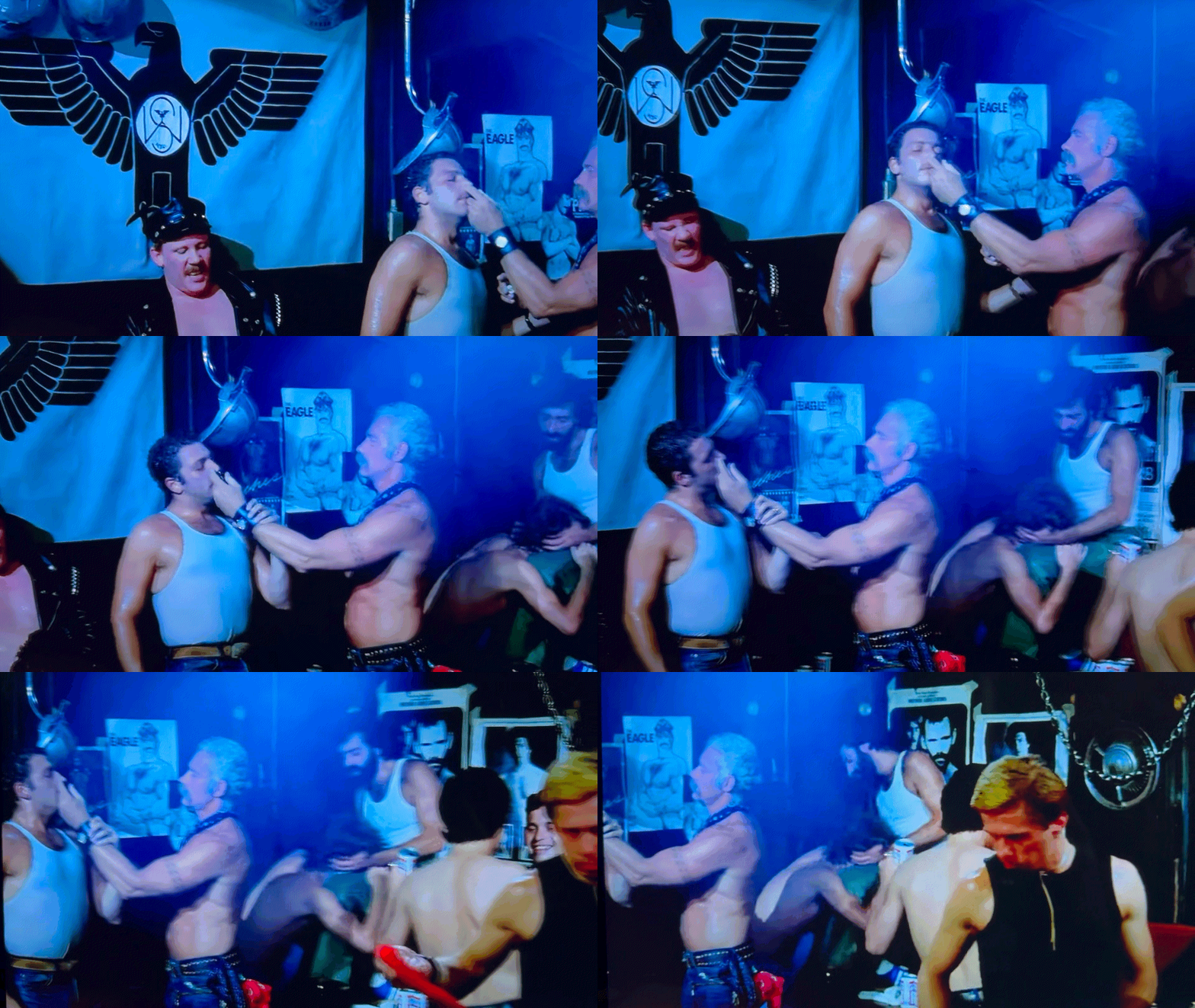
While major film roles never materialized, Bieber appeared in several commercials and continued to garner background work in films like Last Summer and Chapter Two. He can be seen offering poppers to a cohort at The Eagle in the controversial Al Pacino film Cruising (1980):

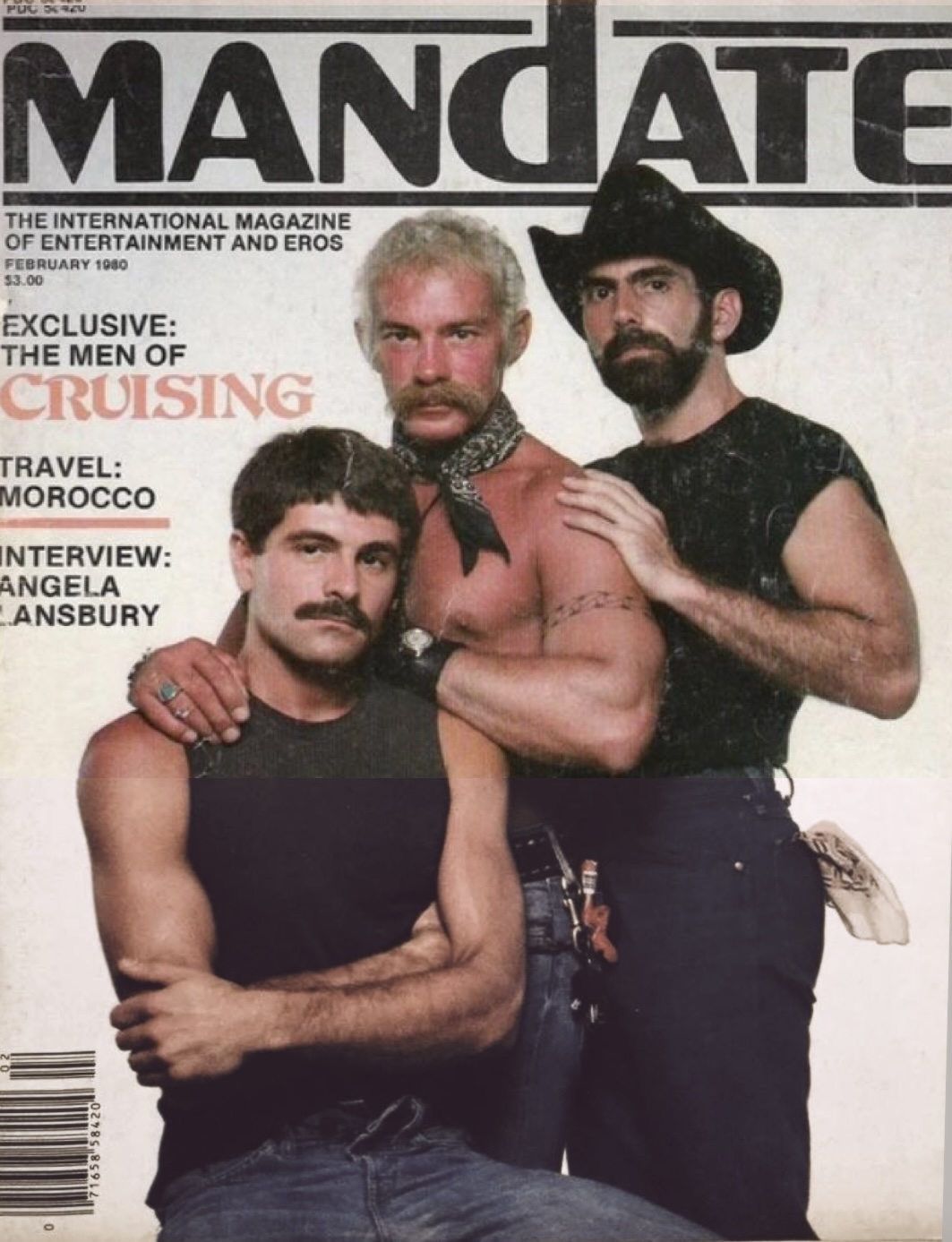
His appearance in Cruising landed Bieber on the cover of the February 1980 issue of Mandate Magazine. In his interview, Bieber mentions that he played Letch Feeley among other acting roles. He differentiates himself from the other Cruising extras, some of whom were cast off the street. “I want to stress that I did it as a professional… It’s just a job.”

As for those rumored to be having sex on camera in the leather bar scenes; “On the set, some people were having sex for real, but (director William) Friedkin didn’t ask anybody to. No way I would suck cock in front of a camera,” he says.

Although Bieber doesn’t mention his work with Colt Studios in this article, four months later Mandate ran a 10-page spread titled “Whatever Happened To Letch Feeley?” This feature tracked Bieber from his Little Me photos through his work with Colt Studios.

When asked to sum himself up at the close of the article, Bieber said with a smile; “I’ve done a little bit of everything and I’ve loved every minute of it.”

Later in 1980, Bieber was done in by a poison dart in Times Square during the opening sequence of Eaten Alive, an Italian cannibal movie:

The epilogue of Uncle Mame: The Life of Patrick Dennis (2000) notes that Bieber “has been an extra in almost every movie ever filmed in New York City. Kurt says he is ‘still around and still cruising Christopher Street.'”

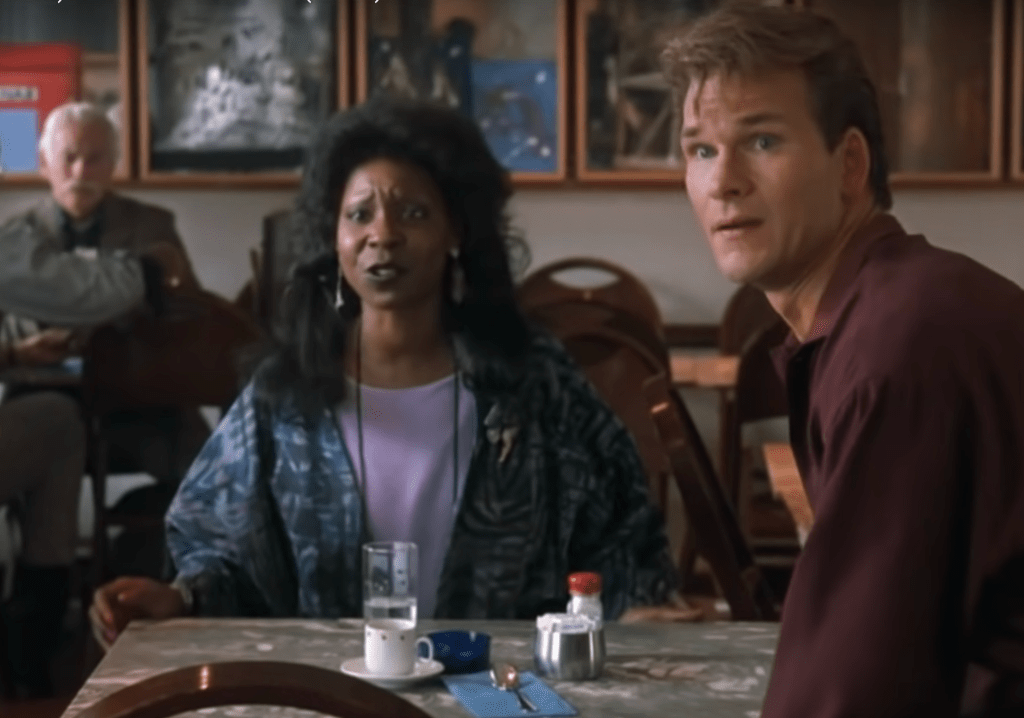
Kurt Bieber behind Whoopi Goldberg and Patrick Swayze in a scene from Ghost (1990)

Decades later, Little Me fans still recognized him. “Even today, I’ll sometimes walk into a store and someone will say ‘Wow! Letch Feeley!’ How they recognize me after all these years, with my white hair, I’ll never know.”

Kurt Bieber passed away at age 86 on December 31, 2015 in New York City.

See Also:
The Yale Posture Photos: Bill Hinnant
Madame Spivy: I Didn’t Do A Thing Last Night
Keith Haring In Heat Magazine (1992)
Kenn Duncan After Dark
Artist’s Muse: Wilbur Pippin
Artist’s Muse: The Mystery Model
Artist’s Muse: William Weslow
Gay Times #69 (1978)
New York City: In Touch For Men (1979)
Armistead Maupin in Blueboy Magazine (1980)
You Know The B-52’s Song “Roam” Is About Butt Sex, Right?
George Platt Lynes: In Touch Magazine (1982)
Revisiting George Platt Lynes’ Fire Island Muses