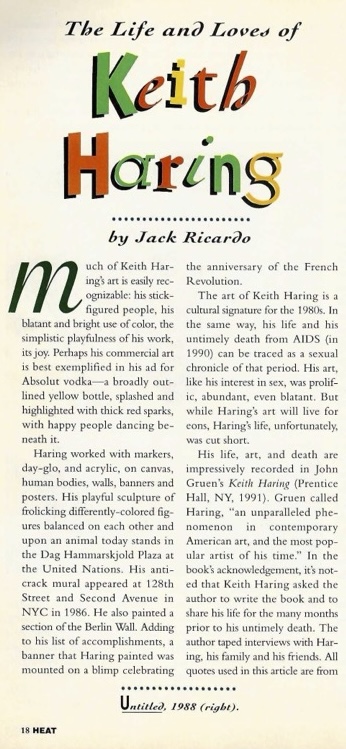
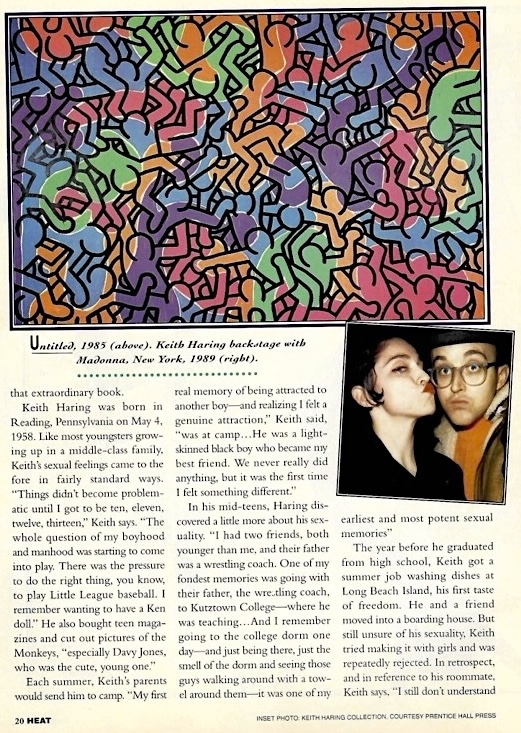
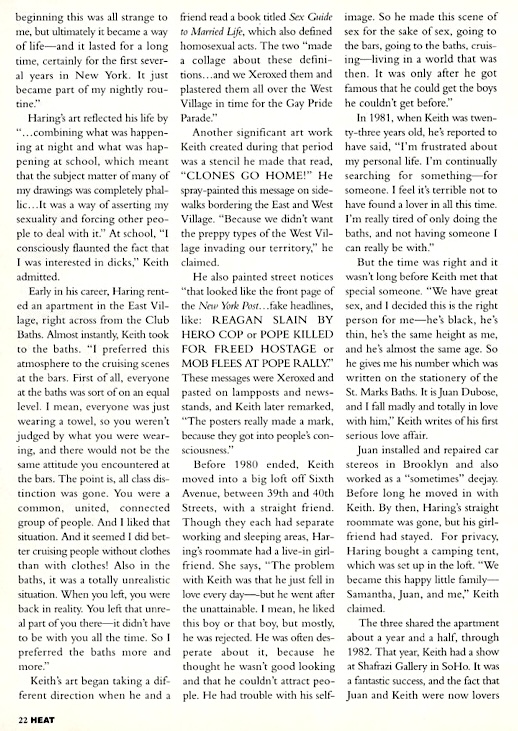
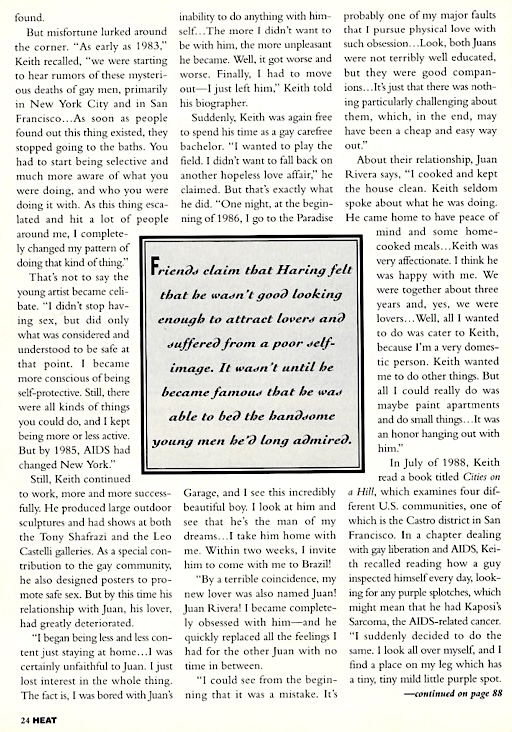
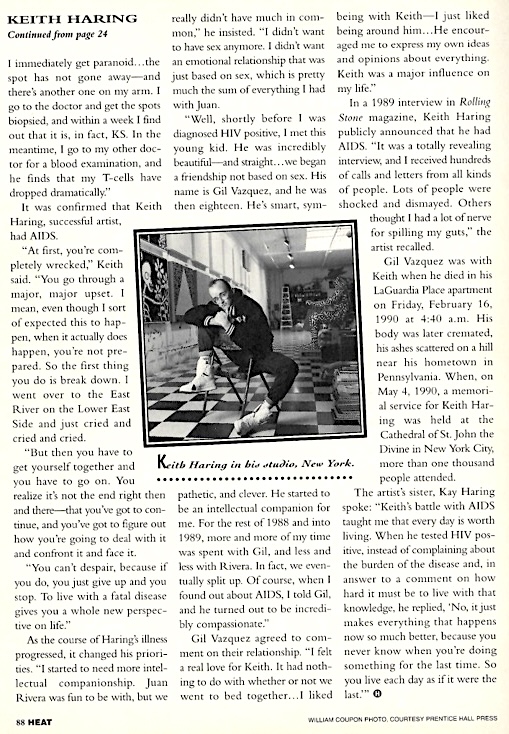
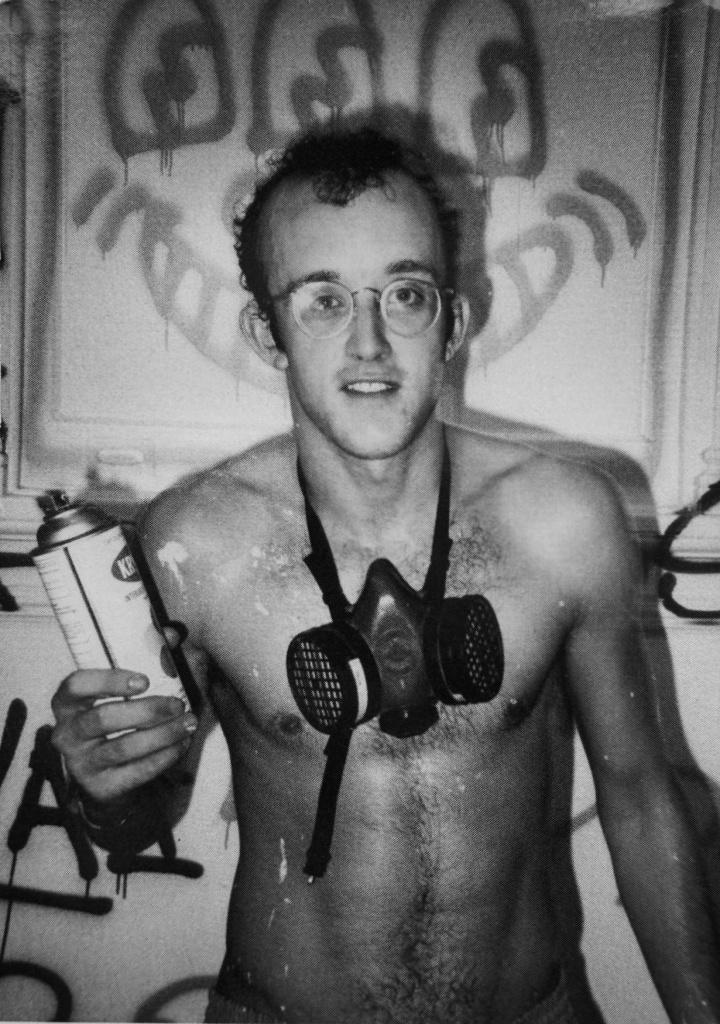
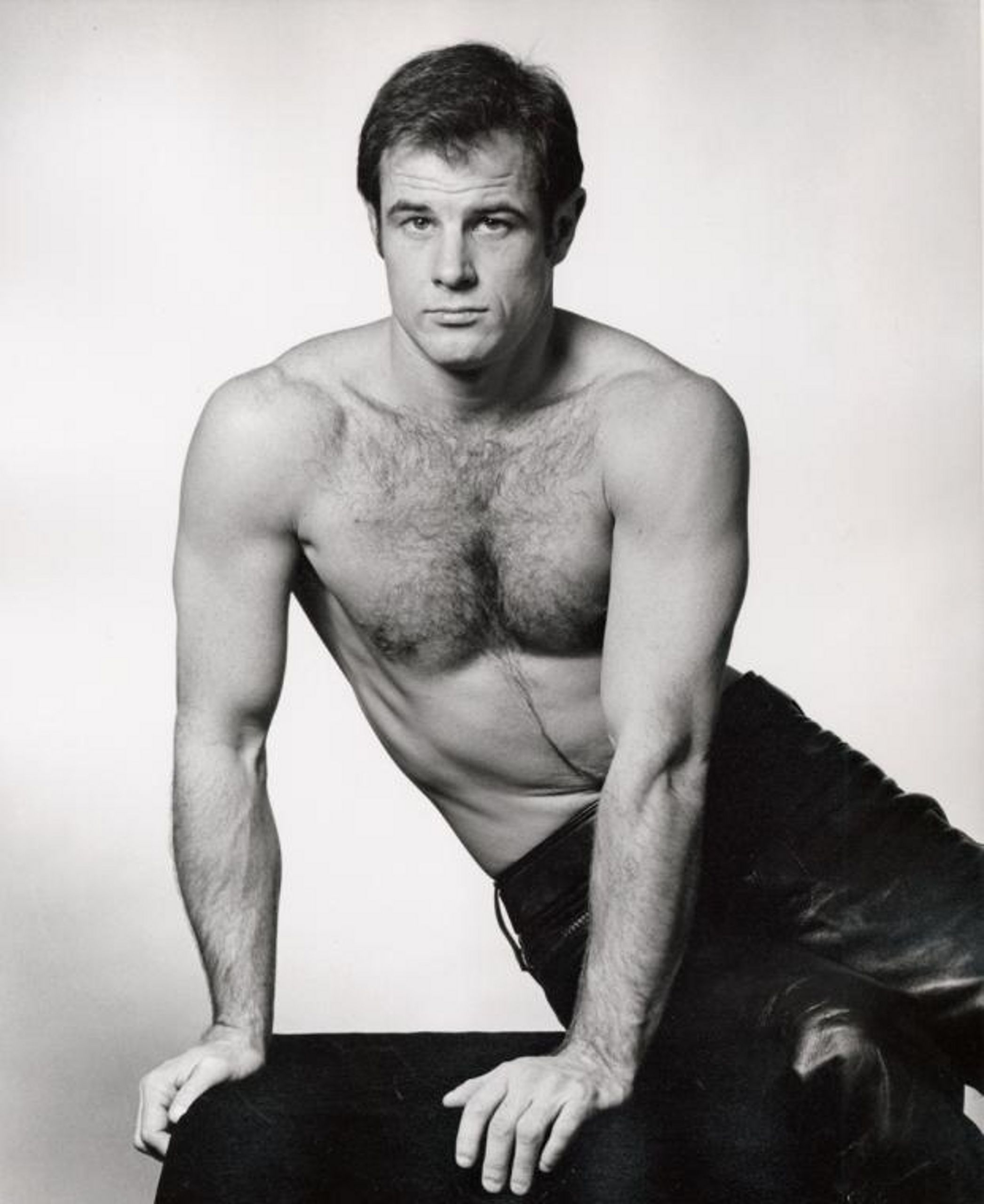
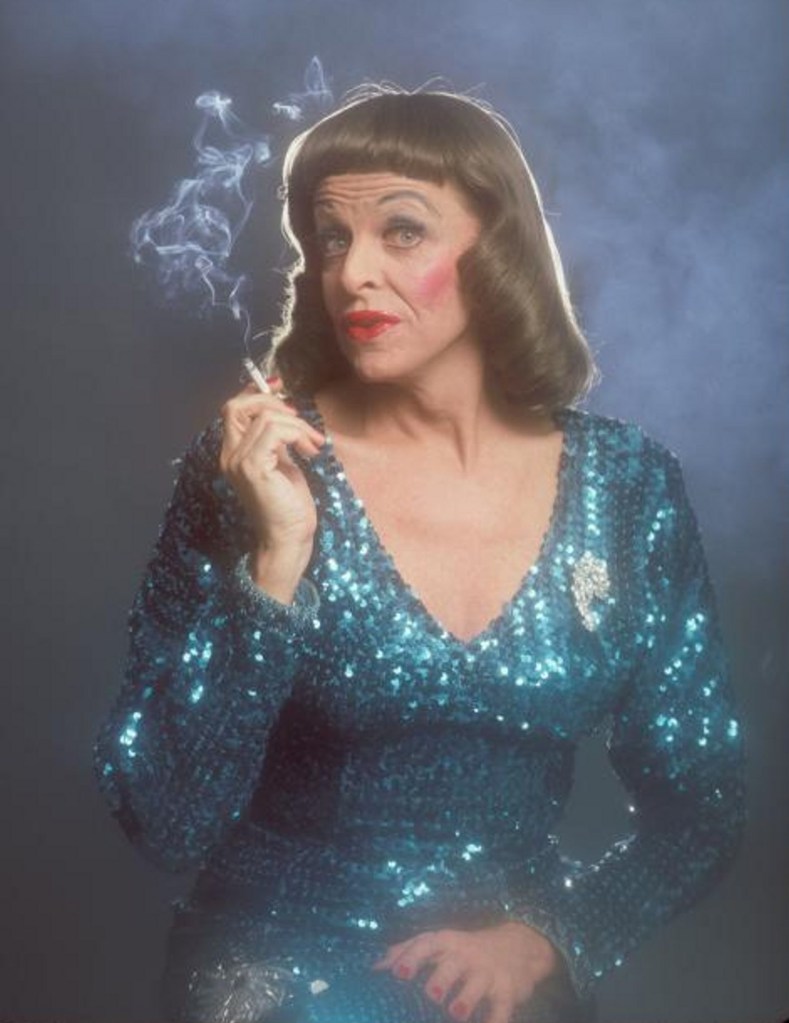
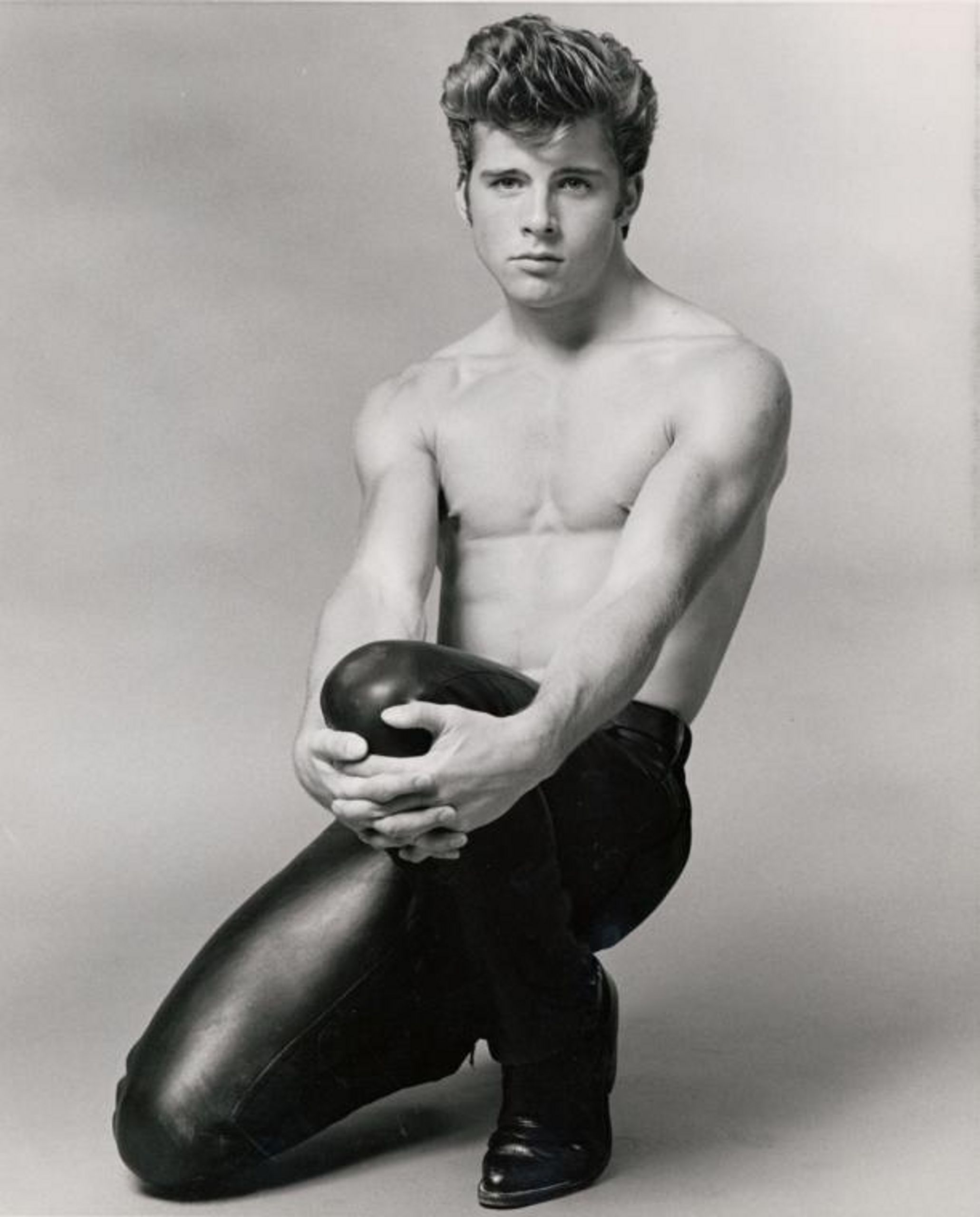
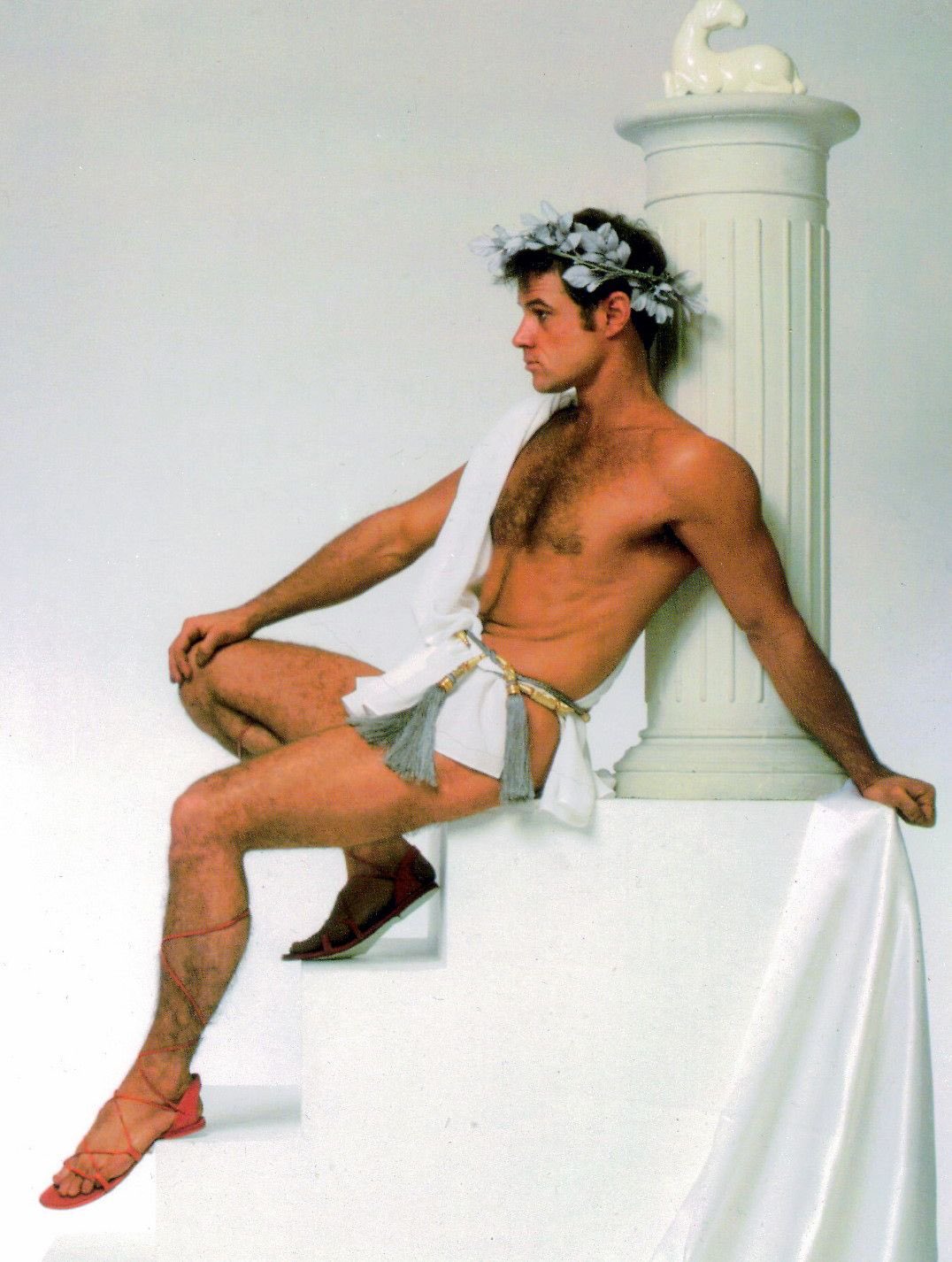
I was recently perusing (as one does) the June 1992 issue of Heat, a short-lived gay men’s magazine. Amongst the pictorials of cover boy Rob Cryston and fellow gay porn stars Karl Thomas and Sam Abdul is an article titled “The Life and Loves of Keith Haring” by Jack Ricardo.
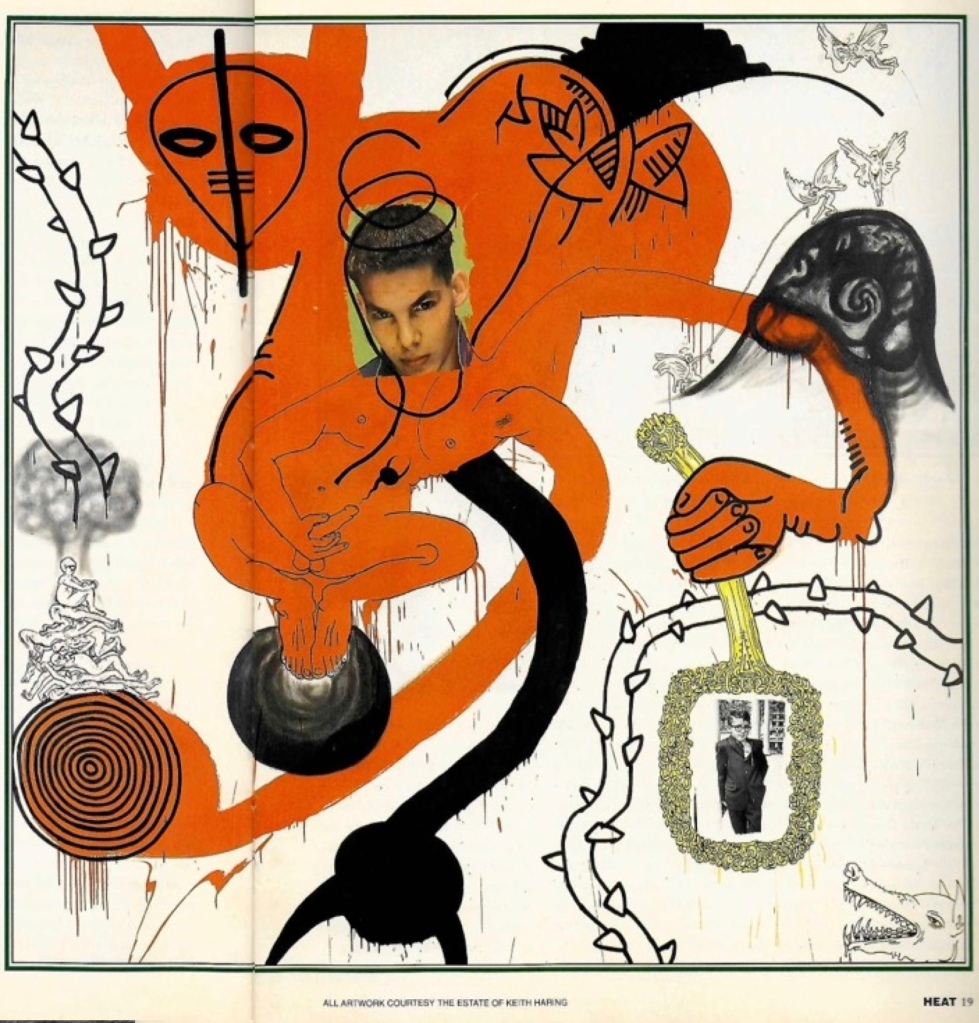
Keith Haring, Untitled (1988)
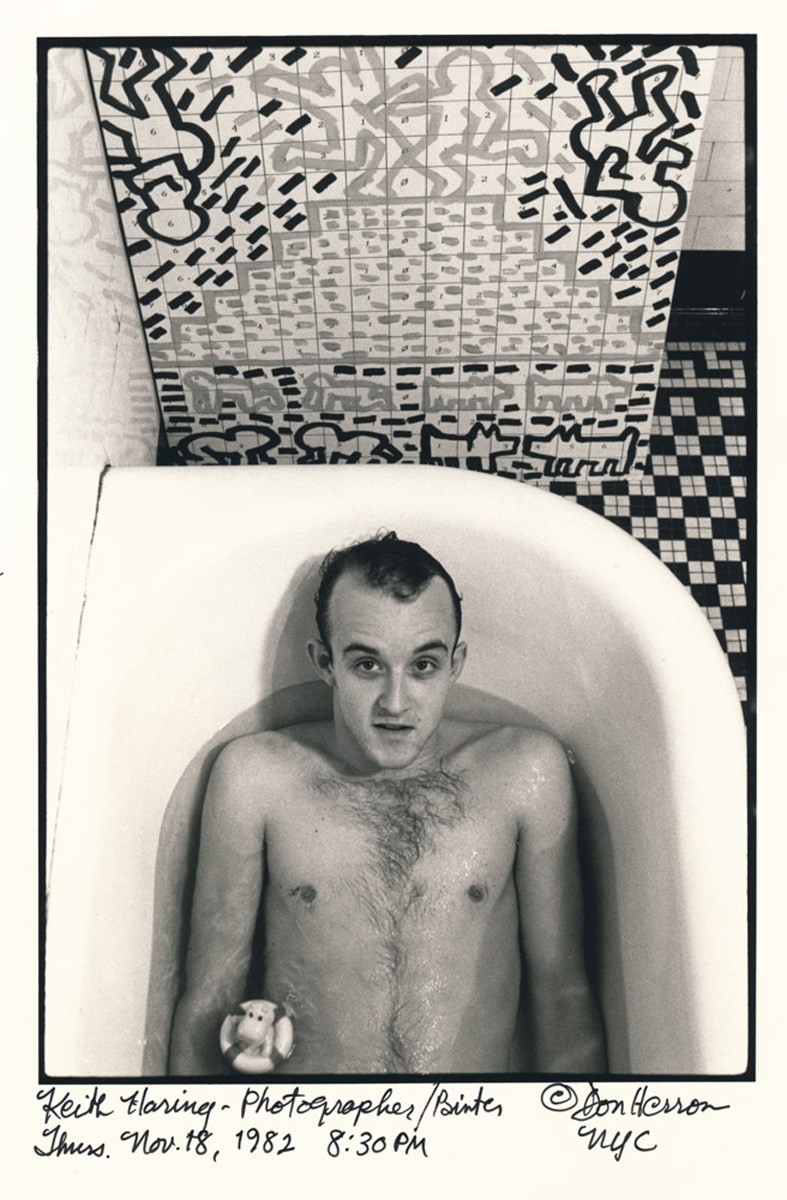
Keith Haring photographed by Don Herron (1982)
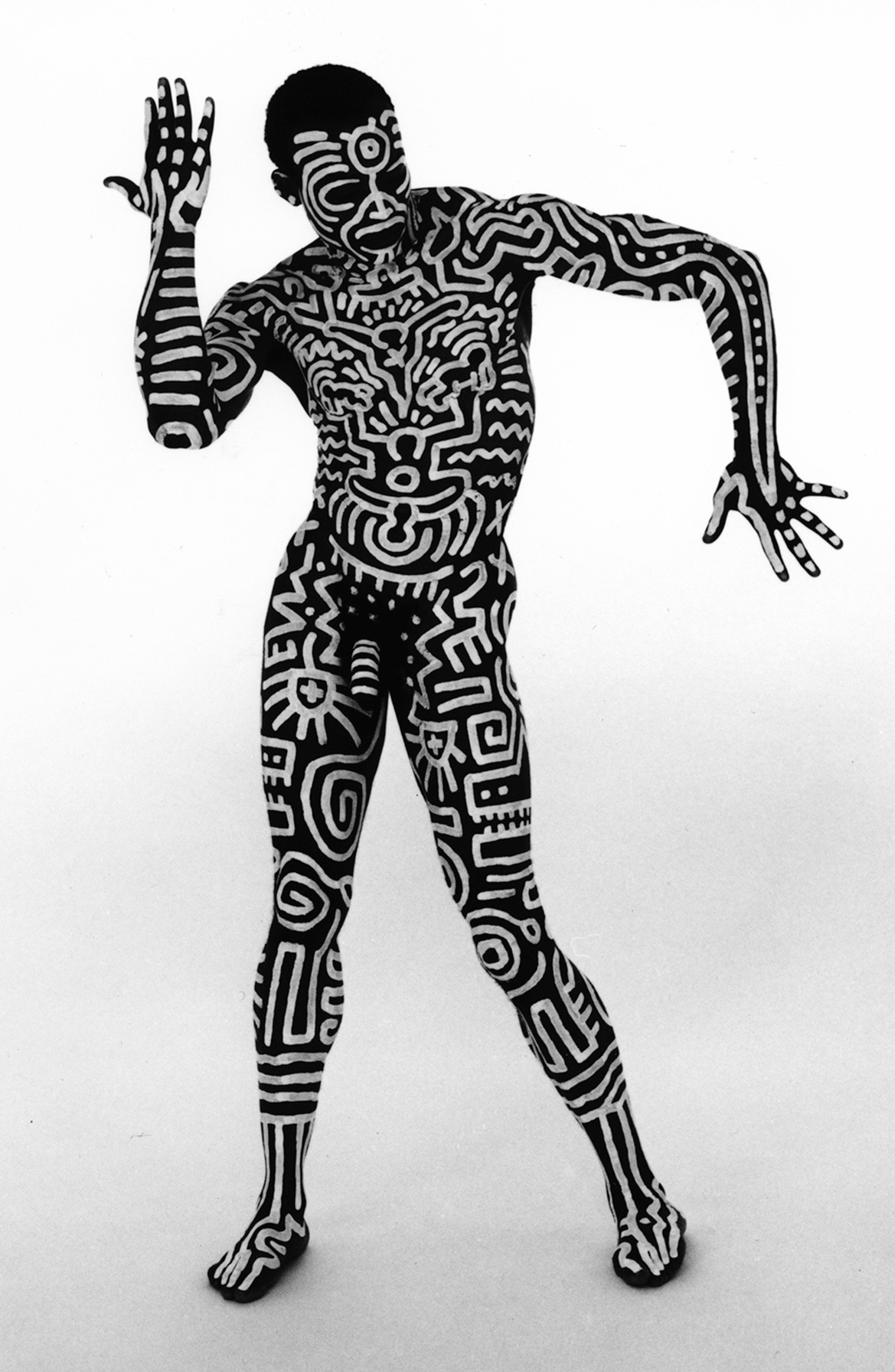
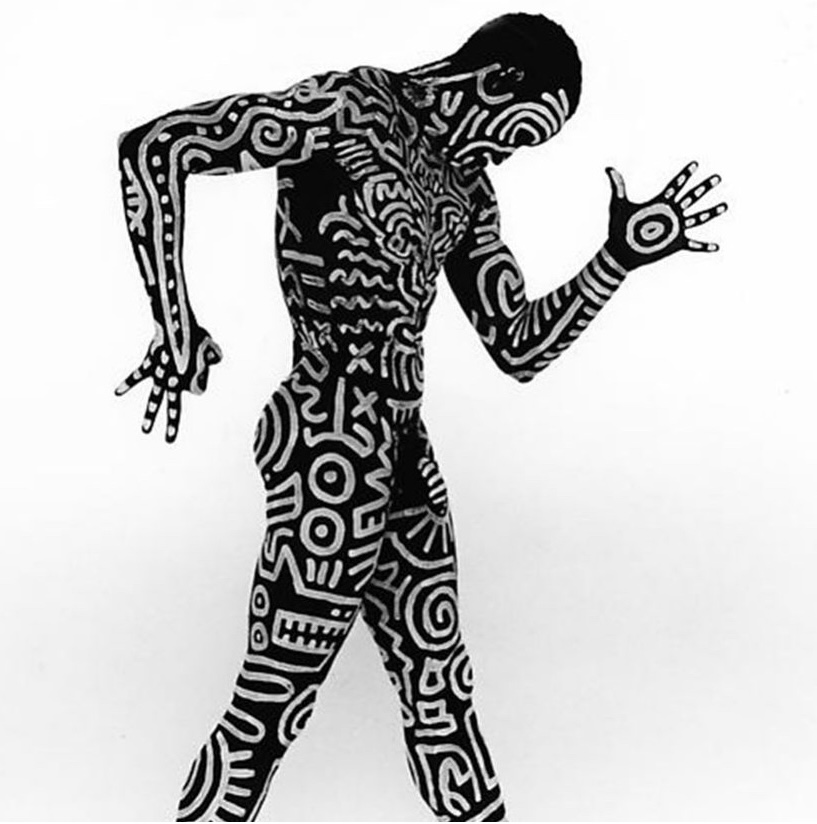
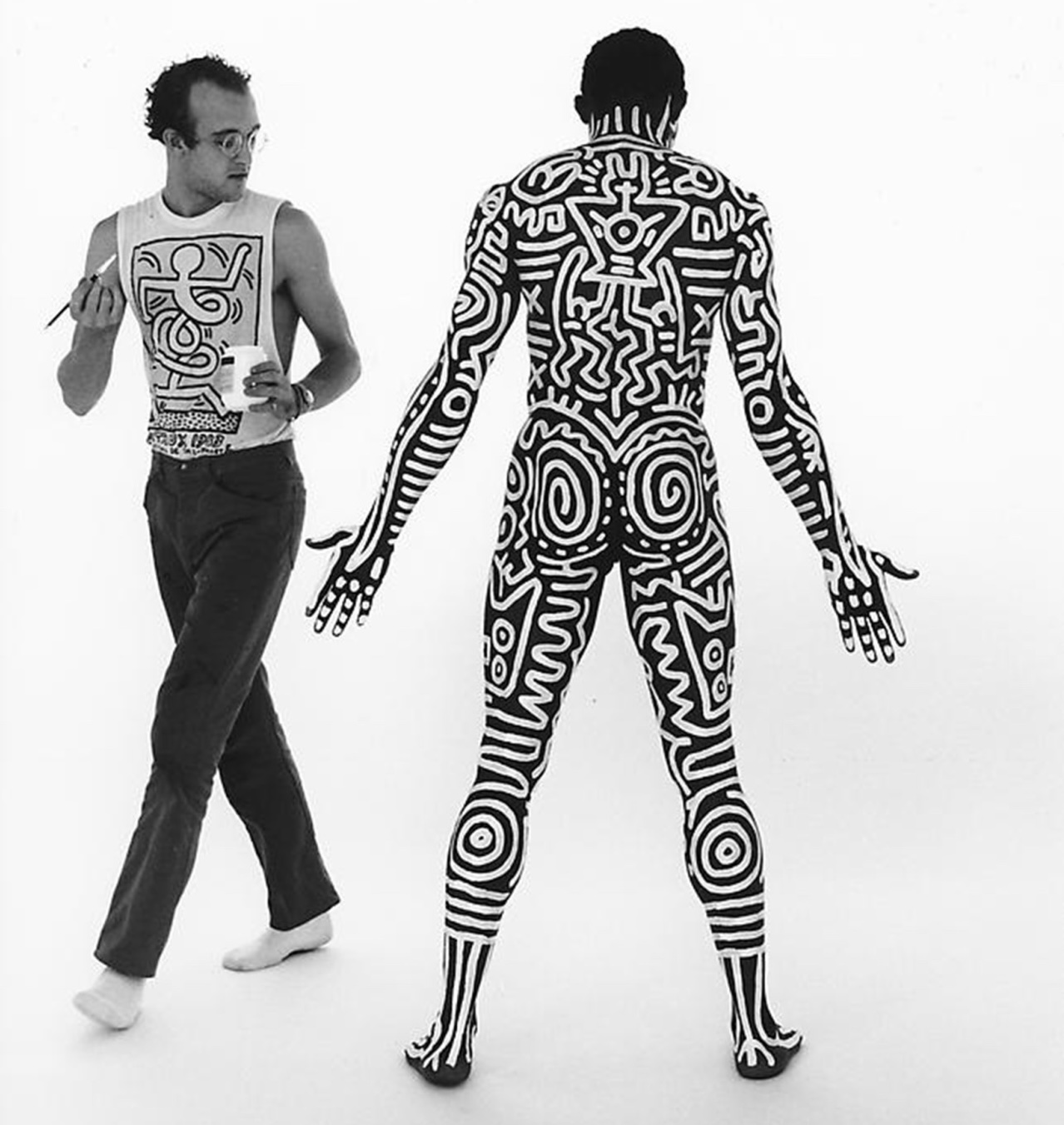
Bill T. Jones painted by Keith Haring (1983)
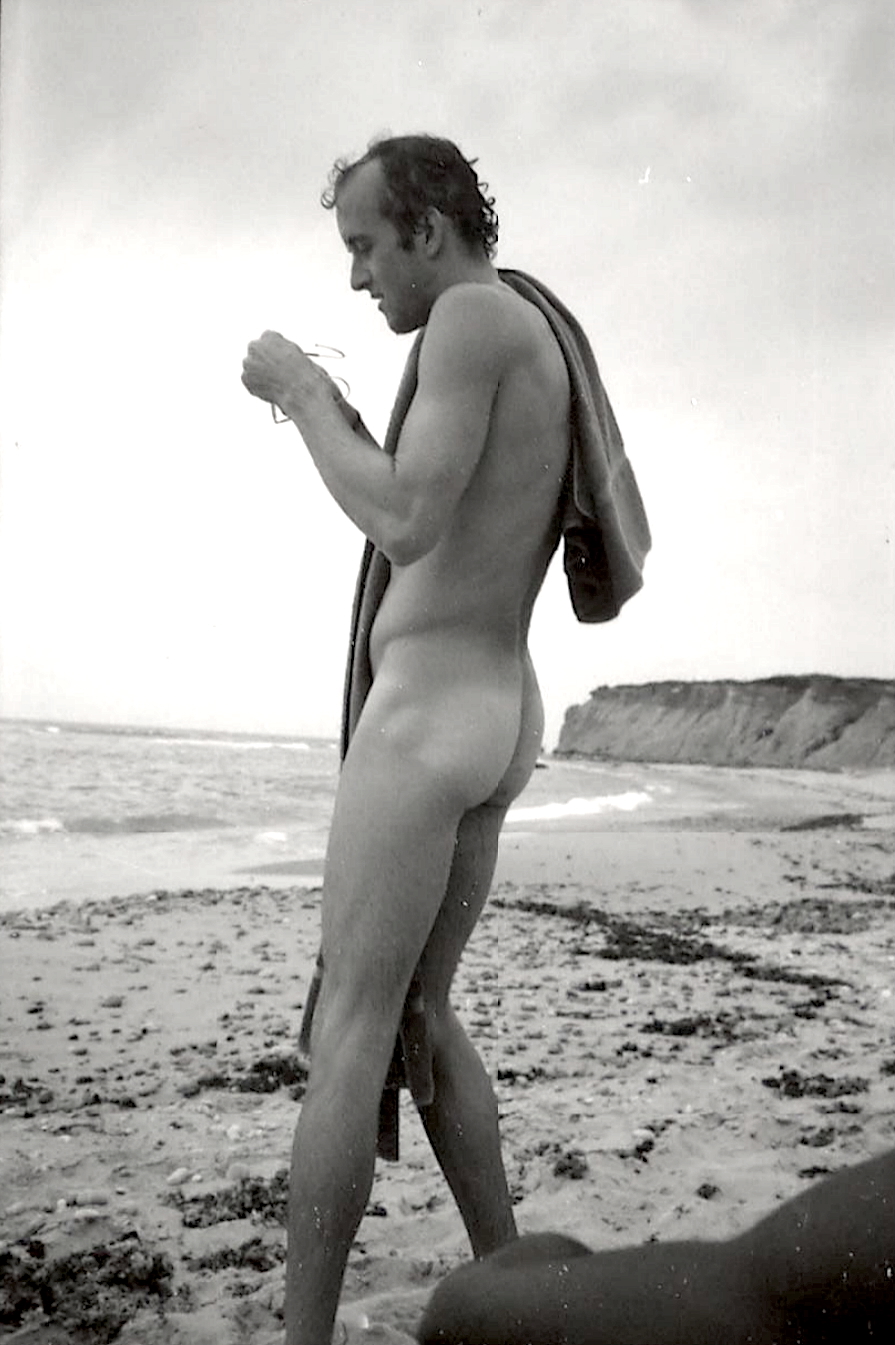
Keith Haring photographed by Andy Warhol, Montauk (8/22/84)
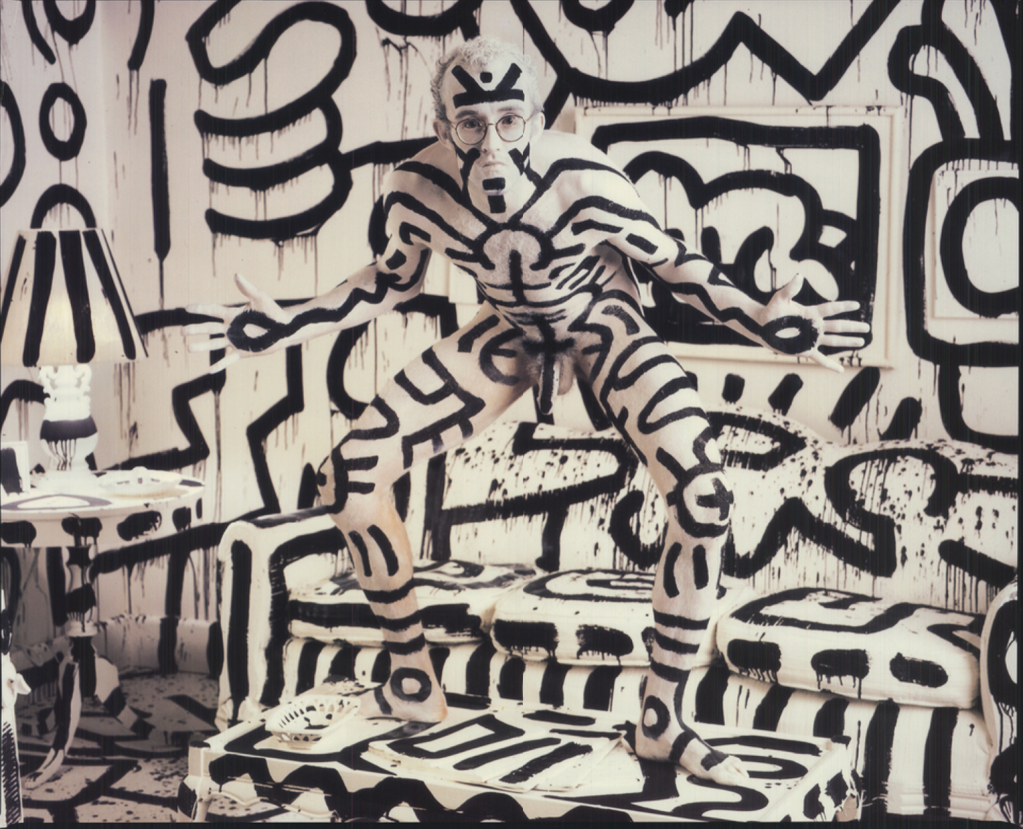
Keith Haring photographed by Annie Leibovitz (1986)
This article was published just two years after Haring’s death. In 2019, Gil Vazquez became Executive Director of the Keith Haring Foundation, a role he held for 6 years.
Keith Haring photographed by Patrick McMullan, NYC (8/14/84)
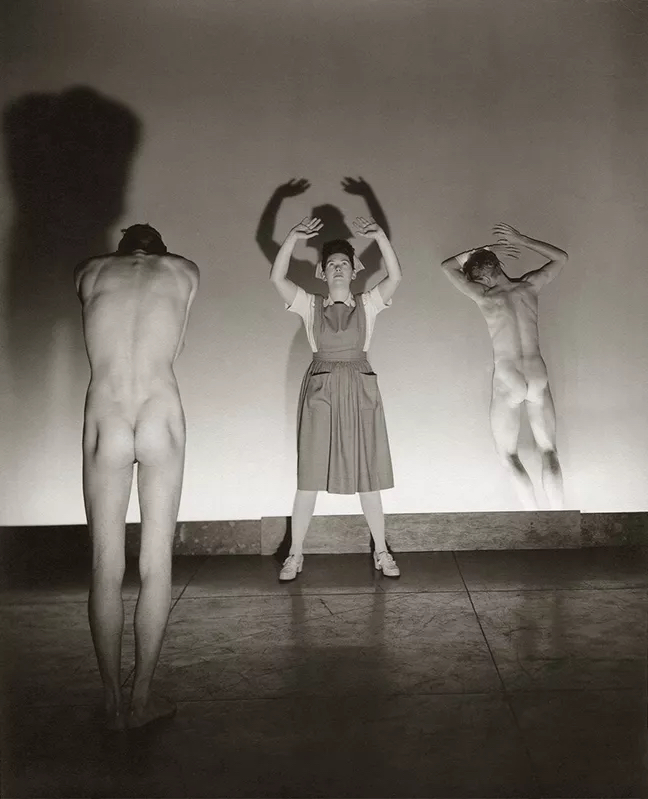
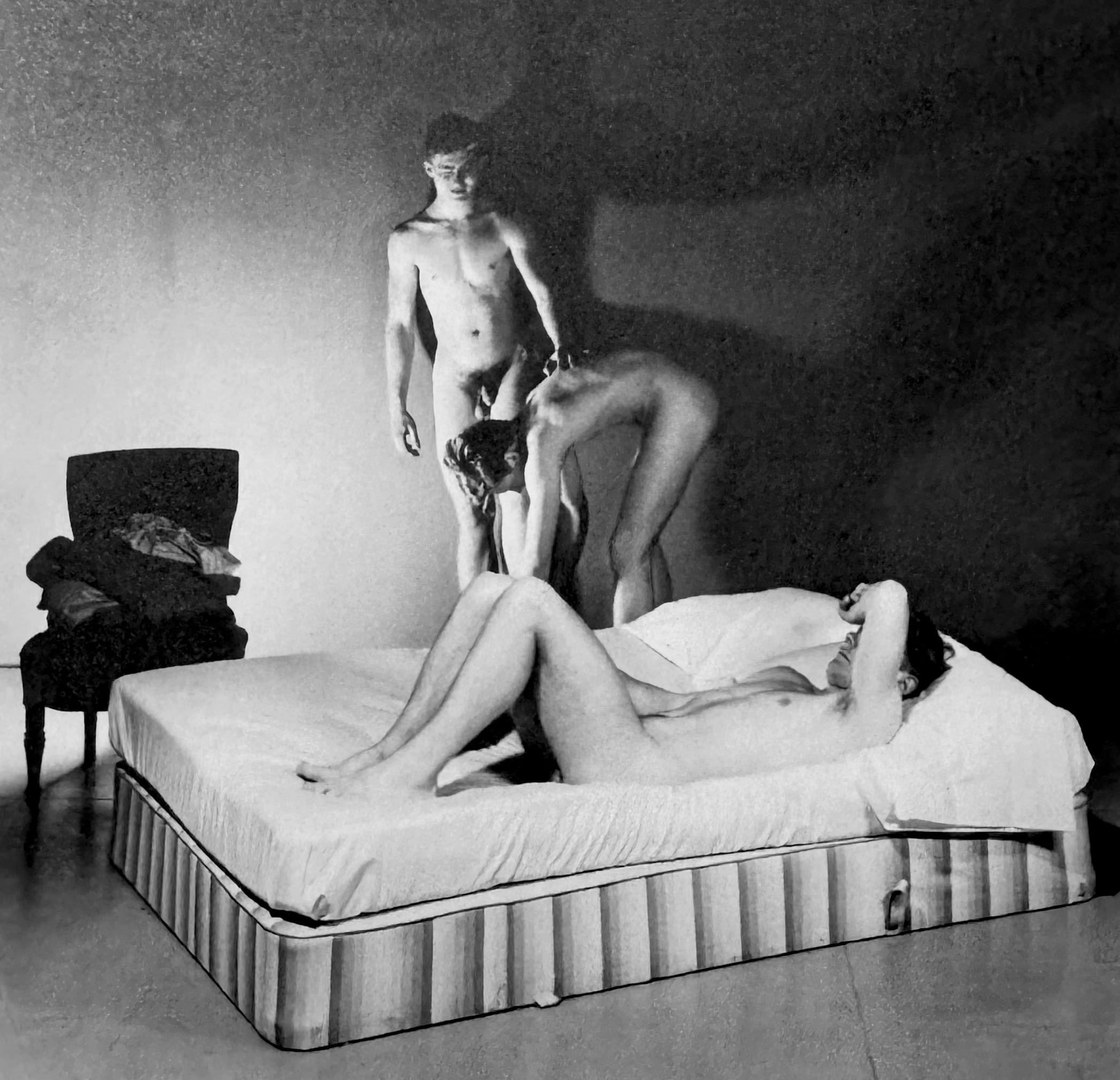
The cover of the book George Platt Lynes Photographs 1931-1955 features this photo of Edward Lennox Bigelow, Dora Maxwell, and Johnathan Tichenor (ca. 1943)
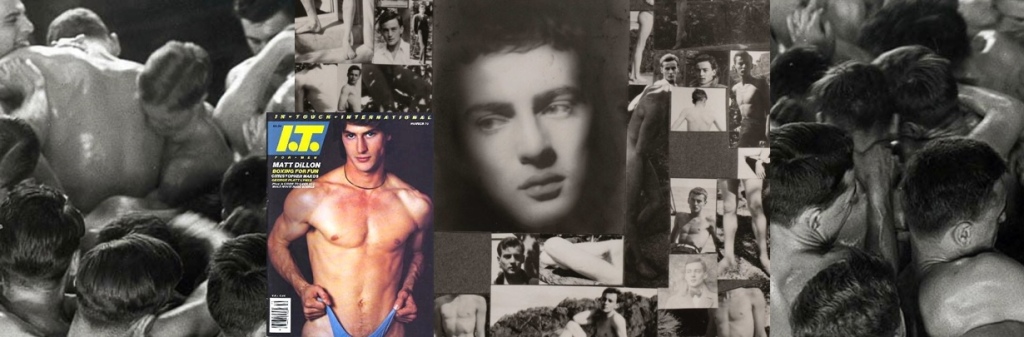
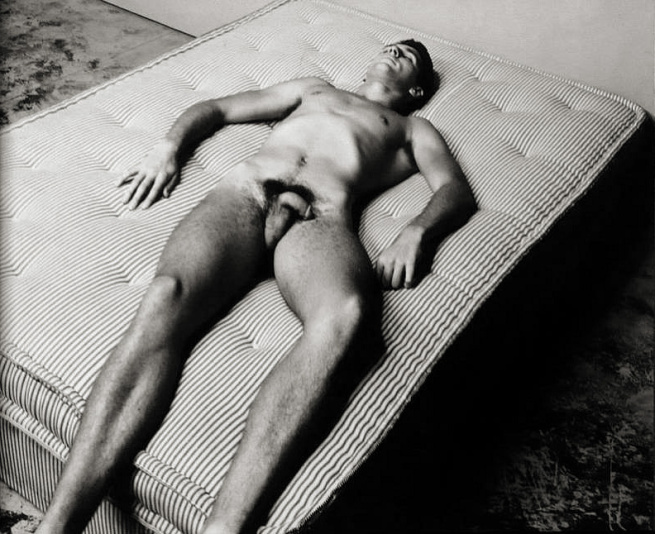
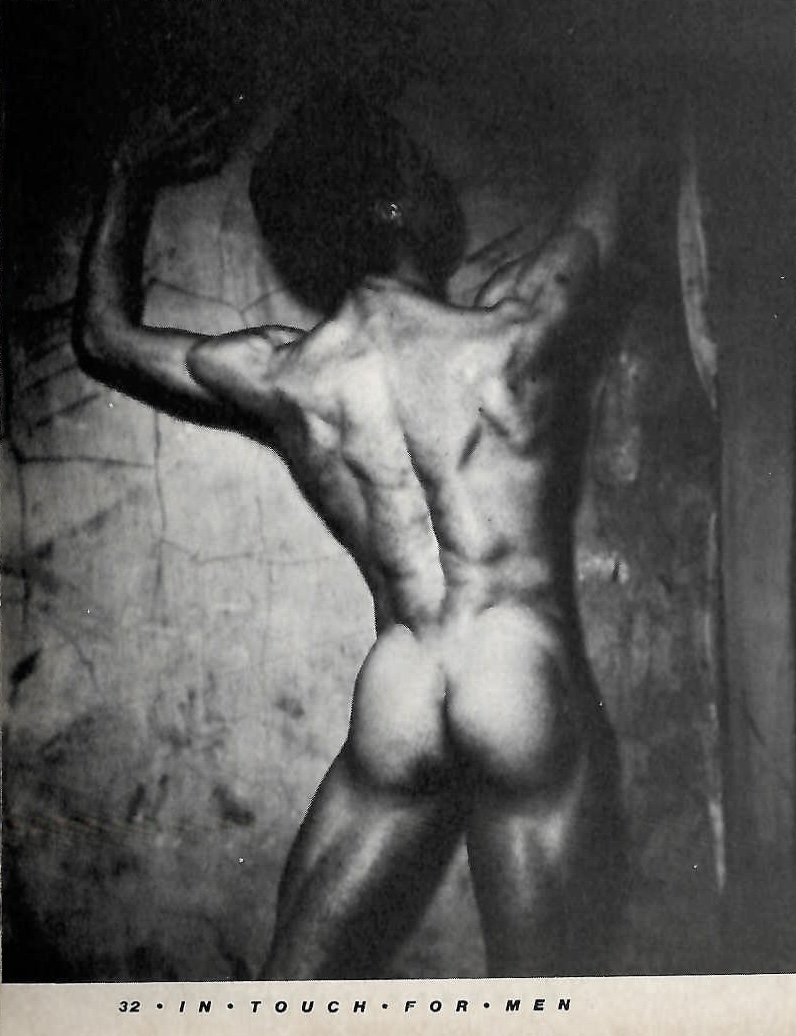
I recently acquired a copy of the August 1982 issue of In Touch magazine, which featured the photos of George Platt Lynes. Although Platt Lynes died of cancer over 25 years earlier, this was the beginning of the publication of his male nude photographs, which have now become recognized as his most memorable work.
Just a few months before, Jack Woody and Twelvetrees Press had published George Platt Lynes Photographs 1931-1955, an oversized hardcover book with introductory texts by Glenway Wescott, George Balanchine, and Lincoln Kirstein. Someone wisely permitted In Touch to publish a handful of Platt Lynes’ male nude studies, introducing his work to a whole new generation of gay men. Many of these photos were previously unpublished.
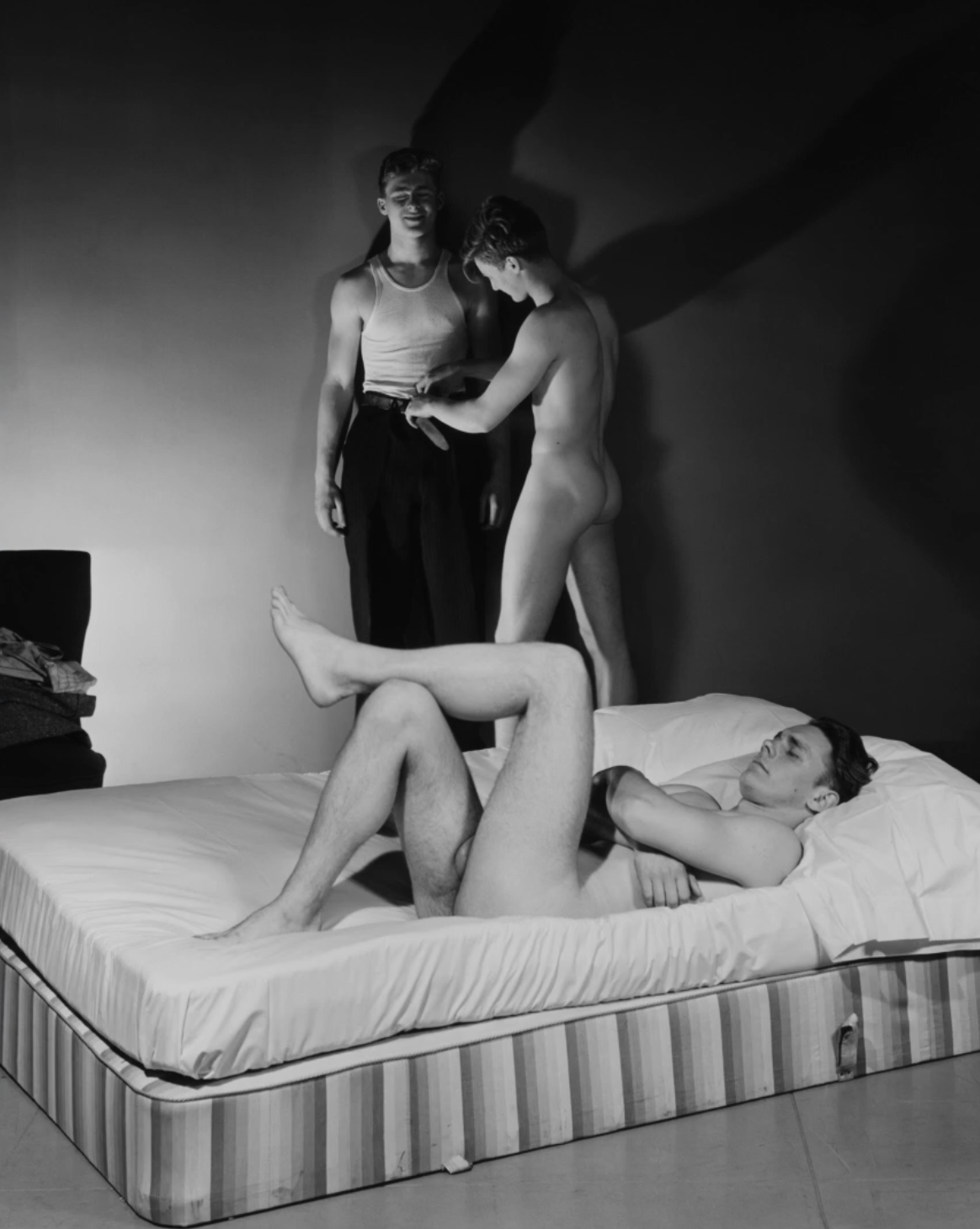
The models in the photo above are Charles “Tex” Smutney and Charles “Buddy” Stanley, subjects of some of Lynes’ most memorable photographs. Of Smutney, David Leddick wrote “few of Platt Lynes’s subjects so perfectly embodied youth and innocence as did this athletic, fair-haired figure.”
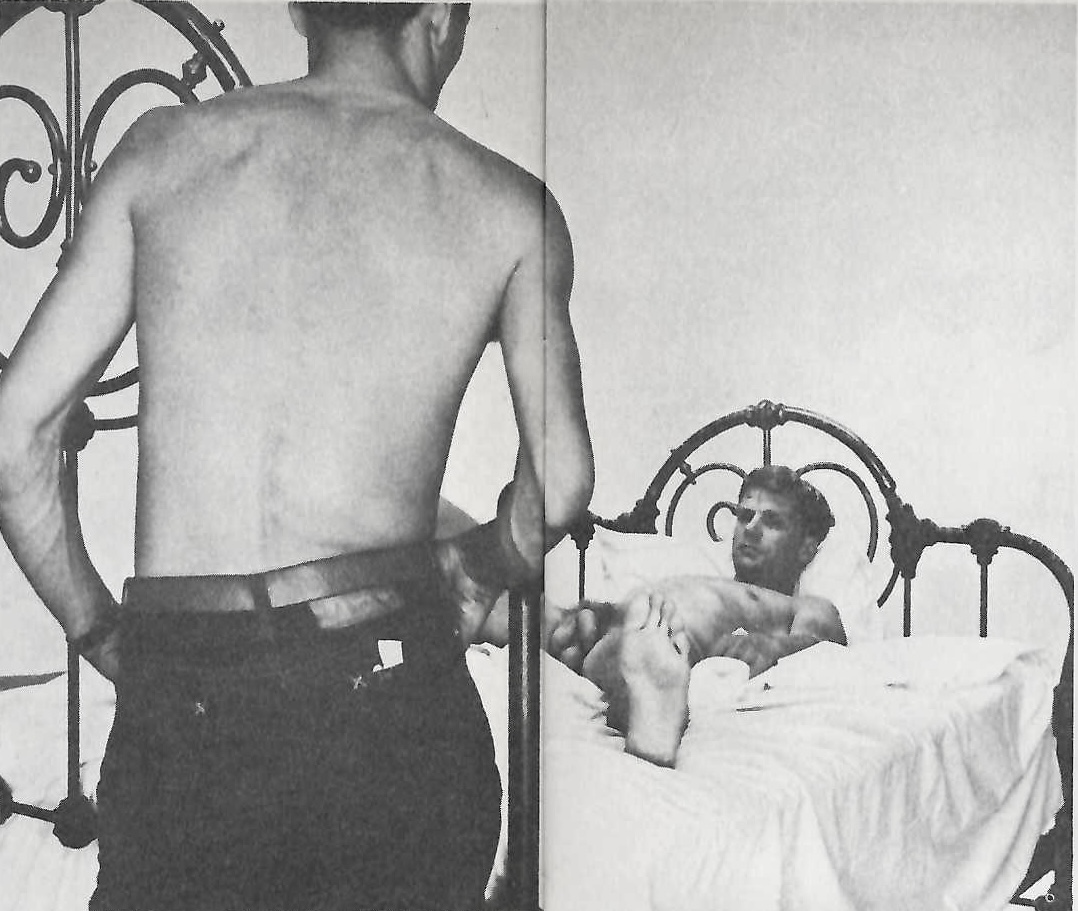
The image comes from the 1941 “Bedroom Series” of 30 photographs featuring Tex and Buddy undressing and lying on a bed with a third model, Bradley Ball. (below)
The above photo of The Ritter Brothers (ca. 1934) is now part of the Metropolitan Museum collection.
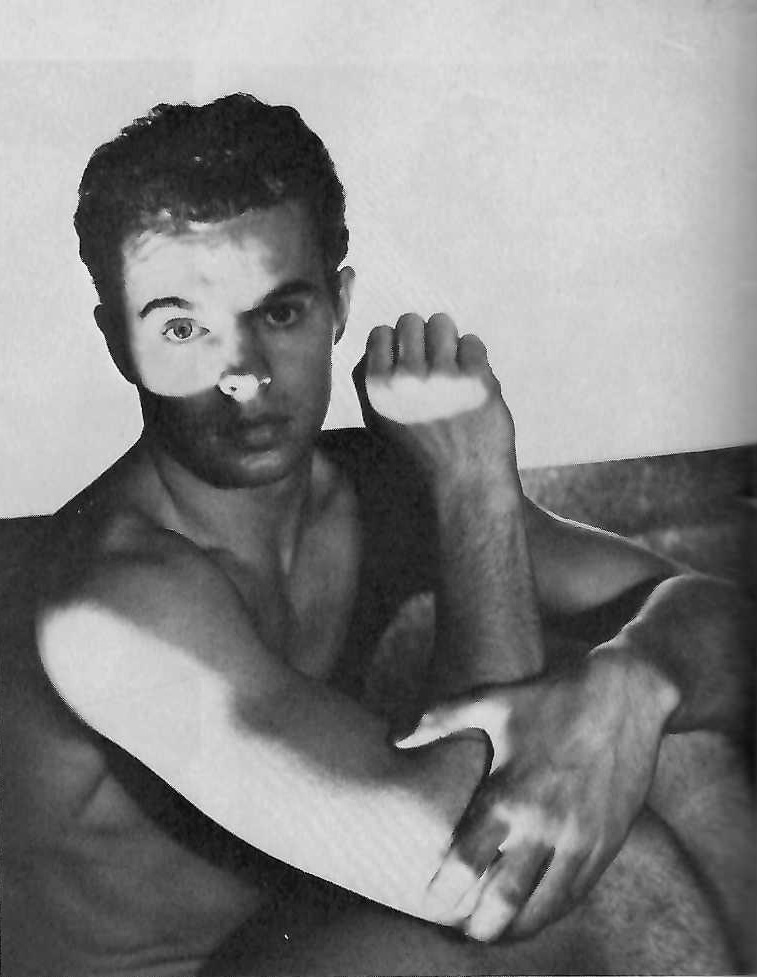
The subject of two In Touch photos is Blanchard Kennedy, a frequent model for Platt Lynes in the late 1930’s.
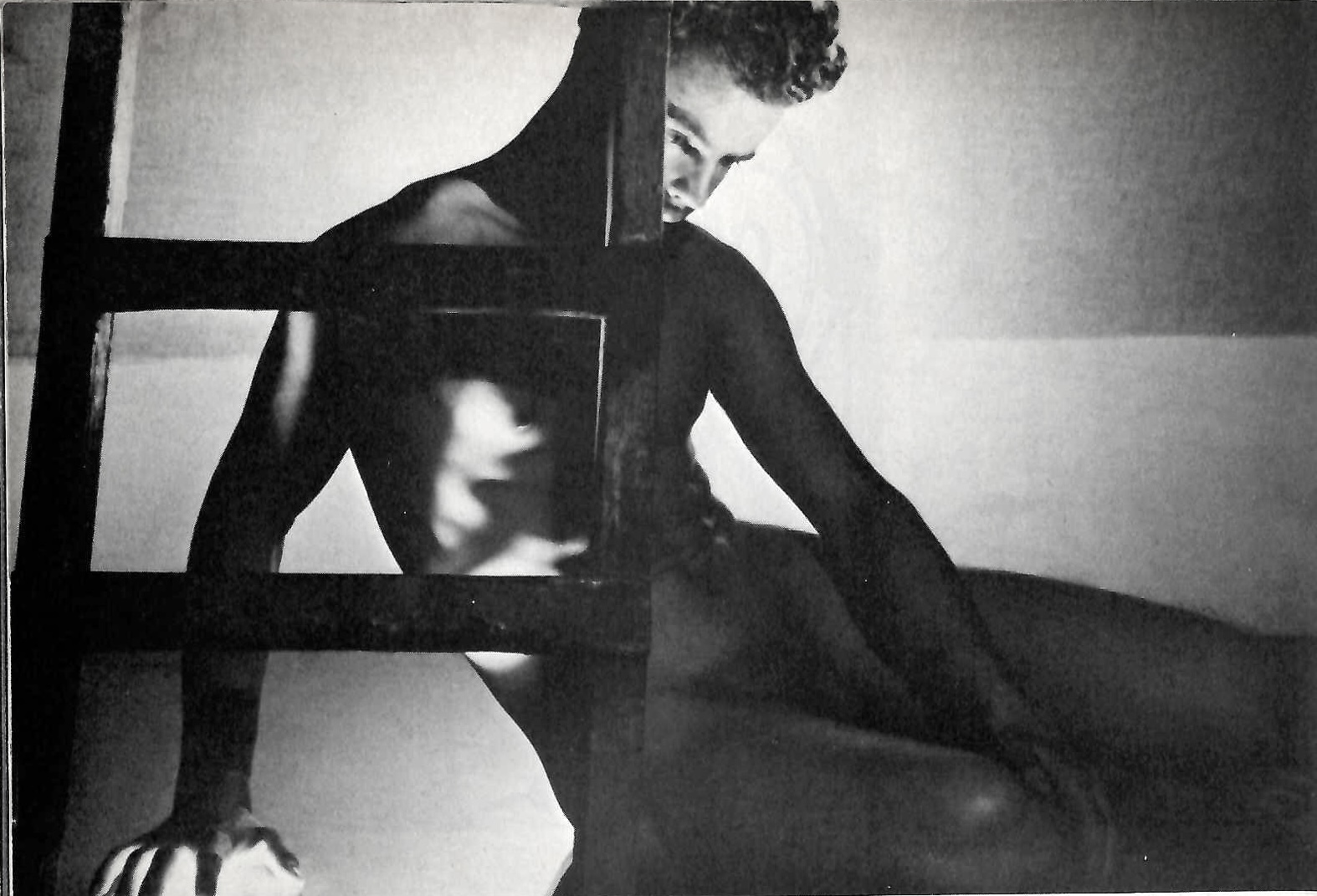
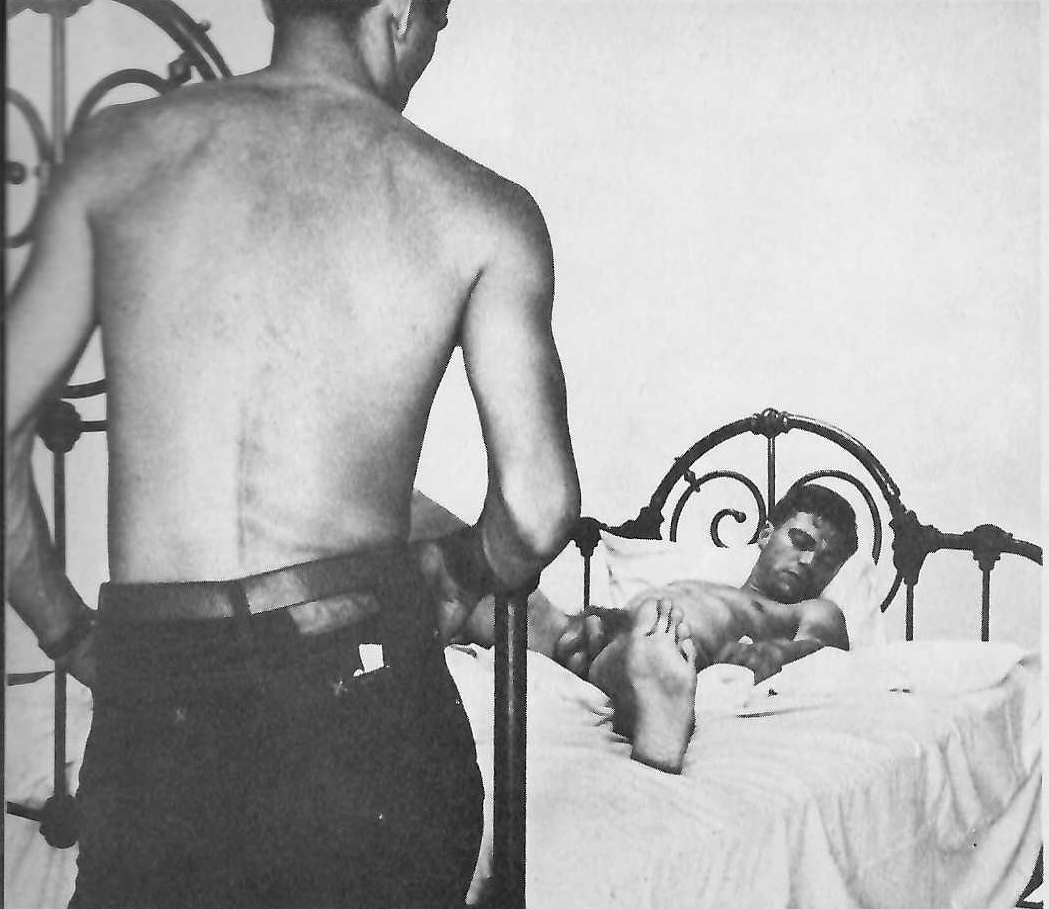
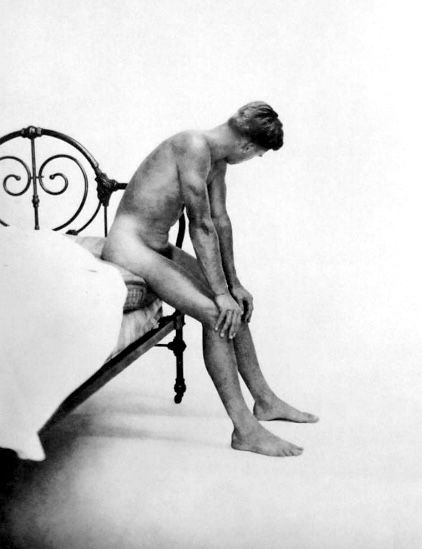
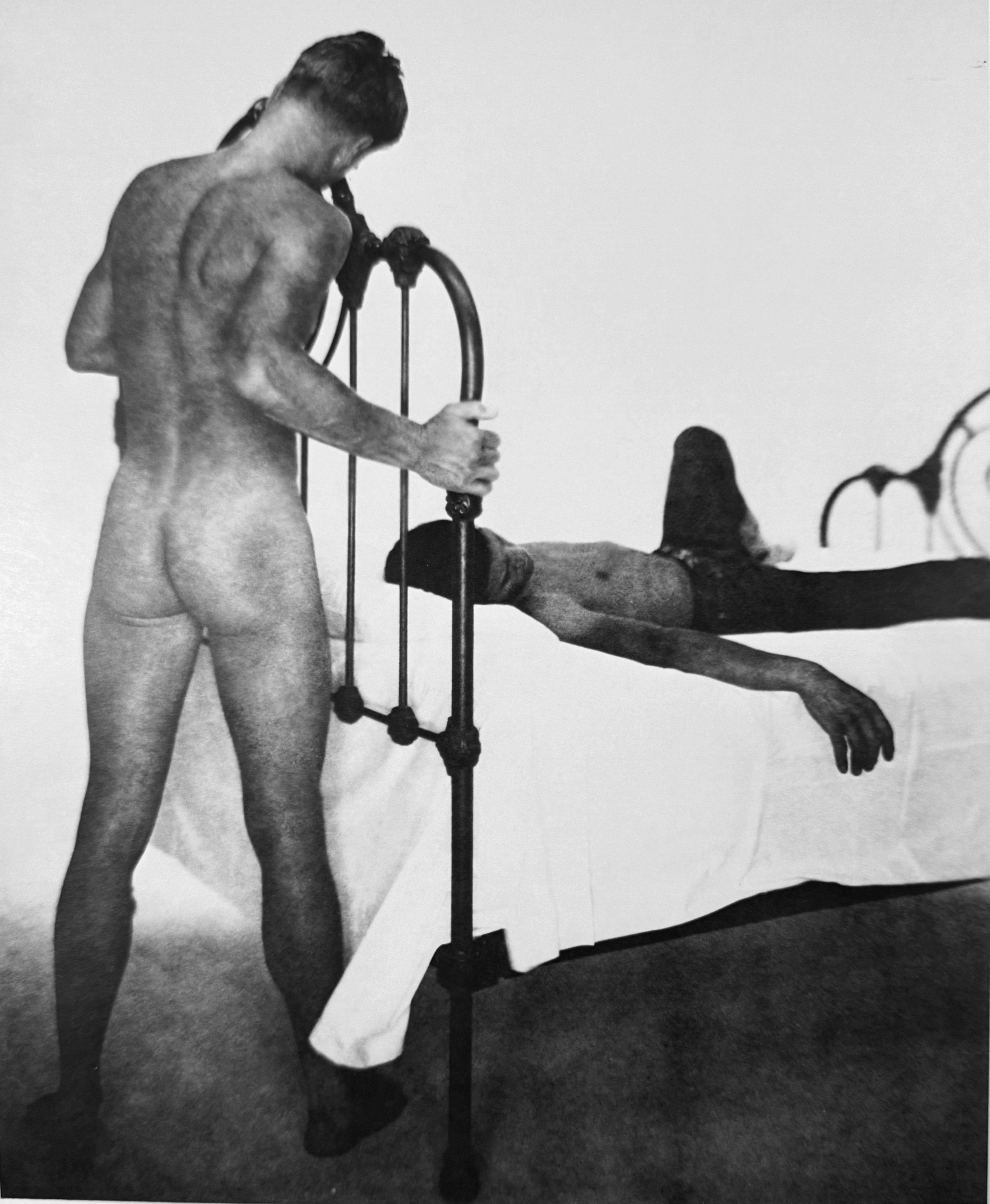
The three photos above from In Touch are part of an early 1950’s series of images taken around the bed in Lynes’ studio (see below). The models are unidentified, although the blond is sometimes misidentified as Alexander Jensen Yow or Ralph Pomeroy, two subjects who were also photographed seperately in or around the same bed.
Left to right: Gordon Hansen, Jack Fontan, Dick Beard, Unidentified
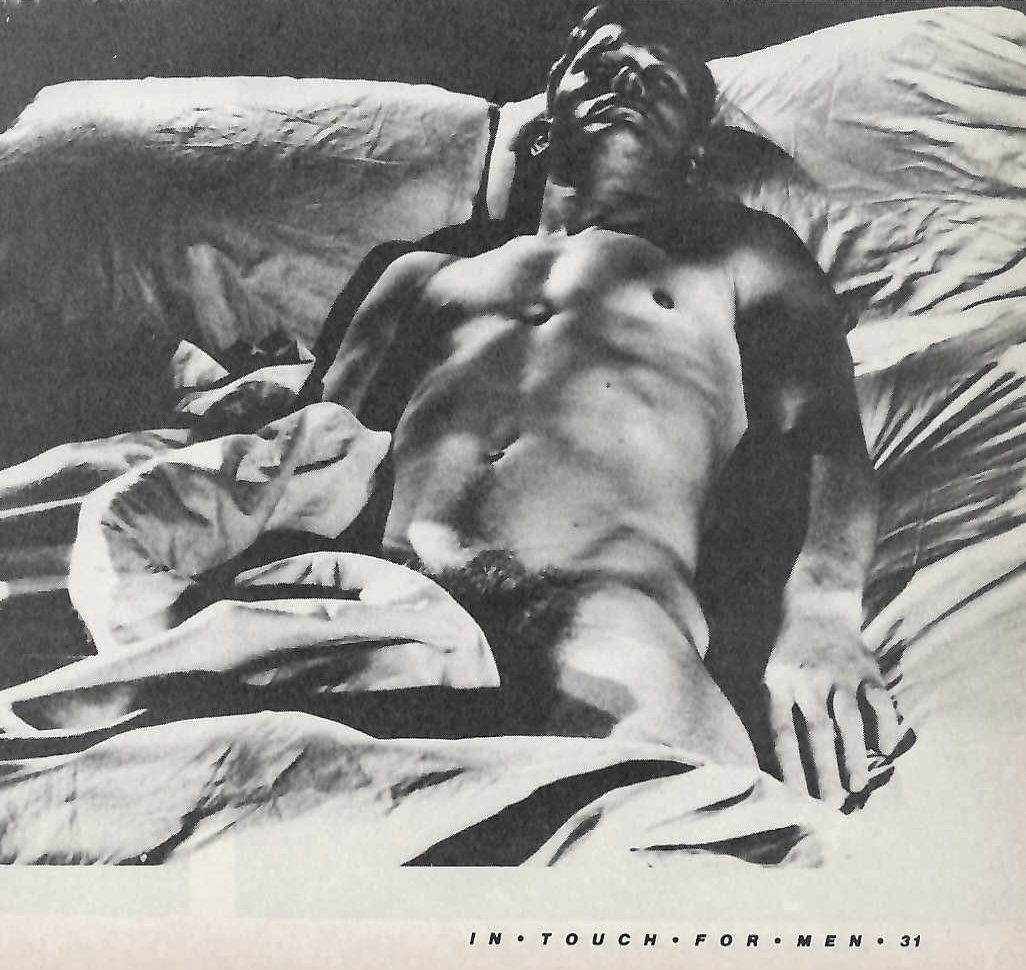
The final full-page photograph of an unidentified model illustrates the timeless artistry of Platt Lynes’ work.
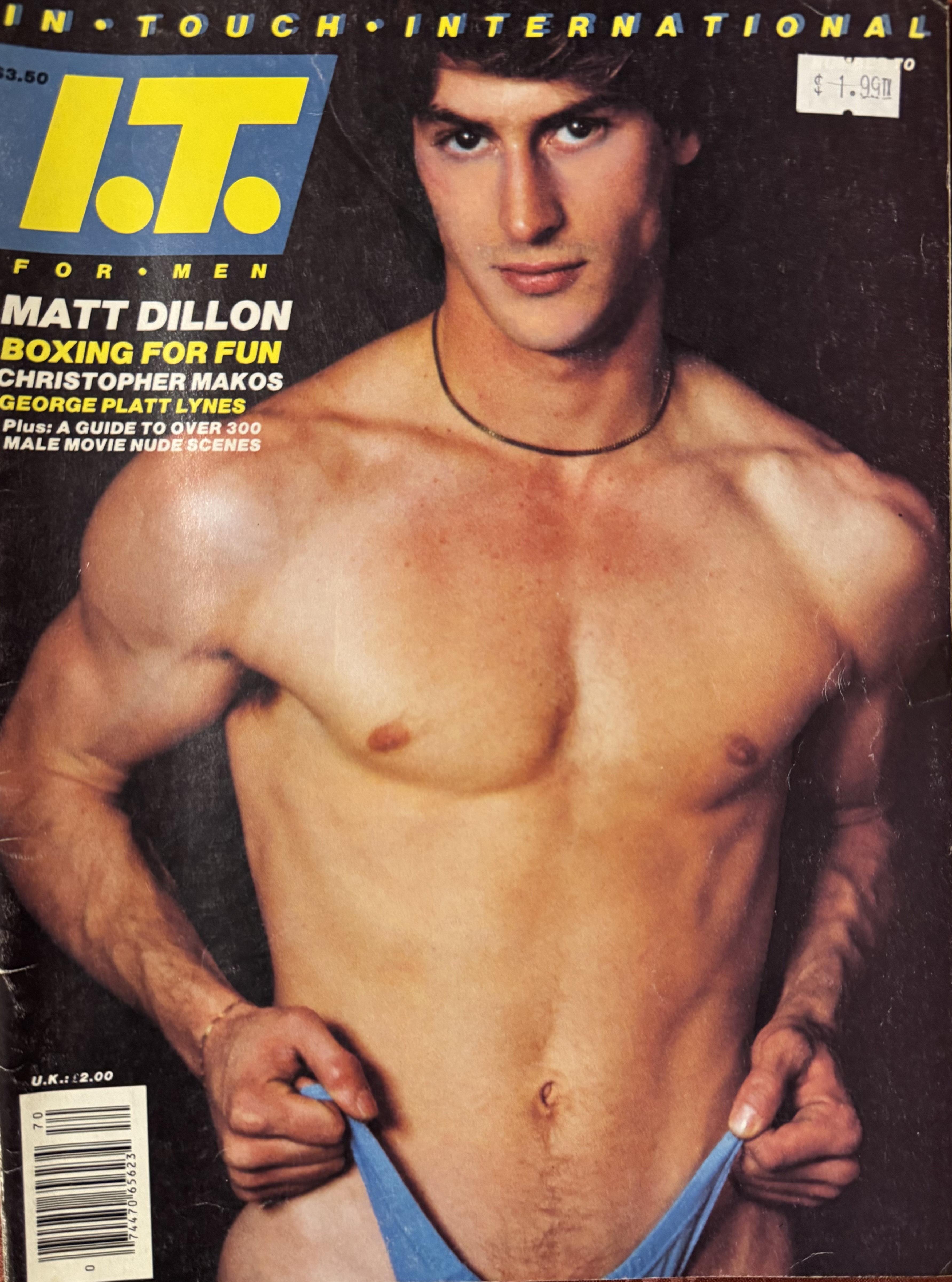
Also featured in this issue is a profile of Warhol photographer Christopher Makos, who, like Platt Lynes, blurred the line between artistic and homoerotic photography.
That’s what I told myself. When I went back to look for earlier drafts that I was sure I had started, I discovered that there were none. I never wrote anything down – I only thought about sharing this story. For years. Until now.
“Do you have any real ghost stories?” is a fun question that pops up occasionally in social situations. My go-to response is the story of The Playground Swing – an unexplained occurrence from when I was in the 6th grade. Whether or not it is an actual ghost story, the memory has stayed with me for 44 years.
Just as the clear, cool weather of an early September day can evoke memories of 9/11, the story of The Playground Swing always comes back to me on crisp October mornings. It sneaks in sideways while I’m going through my morning routine, or while I’m commuting. It evaporates before I ever sit down and type it out. There’s not a whole lot to the story, really. It’s that unexplained simplicity that makes it a bit anticlimactic in the telling.
It was the fall of 1980 and I was in 6th grade at Bowling Green Elementary school in East Meadow, New York. We had moved into my grandmother’s house the year before, after a year of unrest following my parents’ divorce. I was happy to be living there, in the cozy house my mother grew up in. I looked forward to going to the school that my parents, aunts, and uncles had all attended.
Once upon a time, I had been a popular kid, but this was our second move in under two years. I remember hearing that it was a bad age to be uprooted and have to make new friends. Obviously many kids maneuver their way through it successfully. I didn’t.
5th grade had been bad, but I did have a couple of new friends to help me get through it. When we got into 6th grade, they were in a different classroom on the other side of the school. In my class, there were no allies. It felt like they were all against me. Looking back now, I would have to say that, among those in my class, I was met with 50% aggression and 50% apathy.
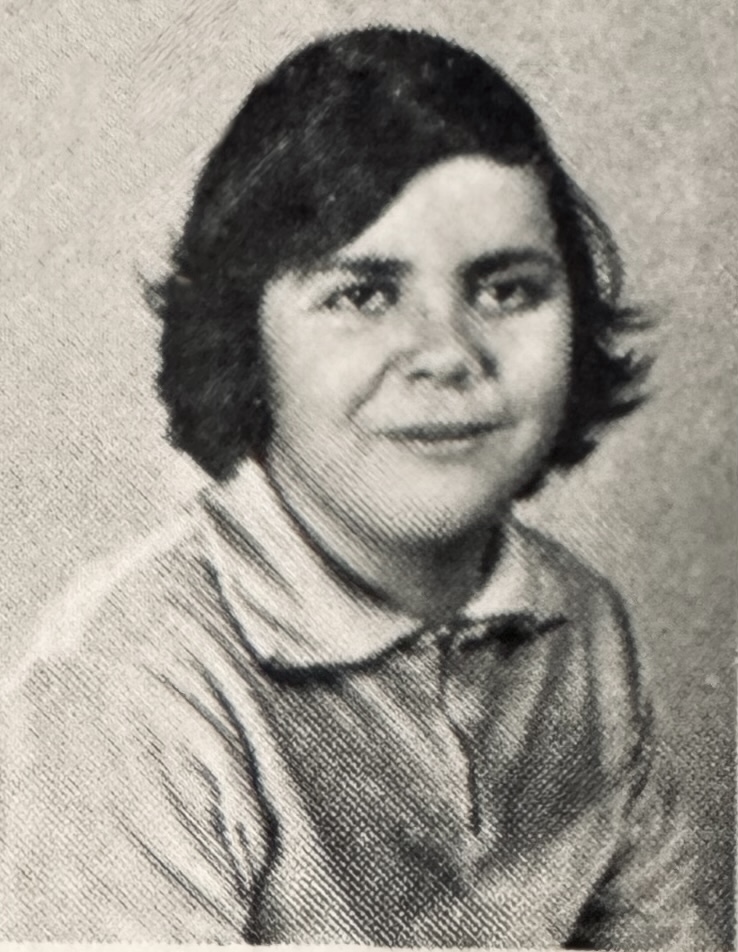
I was a chubby kid in need of a shower and a haircut, with big eyes and thick lashes that caused me to be regularly mistaken for a girl. My class picture says it all: This is a photo of an 11-year-old who was misgendered by the photographer moments before he snapped the picture. When I rolled my eyes and said, “I’m a boy,” he sputtered “Oh, uh… I was talking to that girl over there.” Now smile! *Click*.
For years, my memory was this: One day, my entire class gathered after school to confront me as I walked through the playground towards home. I’m sure it wasn’t ALL of them but when faced with an angry mob of your peers gathering around you, well… I didn’t stop to take attendance. It was a lot of them.
What was their plan? To beat me up? What would that accomplish? I don’t think they actually knew either, and in that disorganization I was able to run away. My best defense was that I could always run fast.
My mother called the school to complain and I was allowed to stay home the next day. The vice-principal went and spoke to the class, asking why they were picking on me. The response landed me in his office for a lecture: I had a bad mouth. I cursed at everyone. This is what he was told. I was the problem. No mention of the taunts and name calling that were the catalysts for my colorful language.
Fuck them, I thought.
My teacher was Mr. Dillon, a soft-spoken beanpole of a man who had been teaching there since my parents attended in the 1950’s. He kept his Vantage cigarettes in the breast pocket of his shirt, and another teacher would stop in to watch the class while he went out for smoke breaks. He had lost his wife a few years before and seemed sad, defeated, and waiting to retire.
In the Bowling Green student handbook that nobody reads, I found that if I brought a note from my mother, I could go home for lunch. I don’t know of anyone else who did this or wanted to. Teachers and staff would look at me funny when I presented my note and told them I was heading out. I would run home to avoid the lunchtime awkwardness of where to sit, as well as any potential playground altercations.
We went on a field trip that year to the top of the World Trade Center, which I loved. Two things stick out about that trip: Standing up against the glass and looking down. It was dizzying. I also remember that when it was time for lunch, I sat with the teachers. They seemed puzzled.
Back to The Playground Swing. Our classroom overlooked the playground and on this one sunny and clear October morning, all of us began to notice this one swing moving back and forth, high and steady like a metronome. It was empty. There was no wind and all of the other swings were completely still. I don’t know how long this went on – it seemed like an hour.
Mr. Dillon tried to redirect our focus back inside the classroom. His voice had a nervous quiver to it that I had never heard before. He could see the swing too, and there was no visible explanation. There were no nearby structures for someone to hide in and pull a string to create this effect. It was a freestanding swing set in the middle of a flat asphalt playground.
By the time the lunch bell rang, the swinging had stopped. We all headed out into the hall, where the kids from the classroom next to ours were similarly perplexed – they had seen it too. There was talk of it being the ghost of some kid who died the year before I moved there, but I don’t remember the name, and surely I would have heard about this before.
Nobody had an explanation, and it never happened again. And that’s the story of The Playground Swing.
The school year went on. The bullying continued, although somehow I managed to avoid another angry mob scenario. One of my main tormentors was this butch brute of a gal who treated me as her physical and verbal punching bag. My mother once again called the school to request that she stop assaulting me, which resulted in her getting called to the vice-principal’s office. We were in music class when she returned. As she walked past where I was sitting, she grabbed the top of the back of my chair and slammed it towards the floor. I fell backwards, landing flat on my back with a loud crack. Everyone gasped. And nobody did a thing.
I got back into my chair, buried my head in my arms and sobbed uncontrollably. The feeling of hopelessness was overwhelming, with one thought repeating in my head: “This will never end. This will never end. This will never end.”
Our last day of school was a needless half day with nothing to do. Mr. Dillon, who could barely maintain control of his class on the best of days, was losing the battle. Kids were killing time by throwing things, yelling and walking around, waiting for dismissal. I’d had enough of this scene and decided to make a move.
While Mr. Dillon was trying to catch a kid who had wandered down the hallway, I went to his desk, opened the drawer, found my report card, and walked out the door. Once outside the school, I heard someone yell out the window “He’s coming after you!” So I ran. I ran through the playground – past those motionless swings. I ran away from that school as fast as I could, faster than ever before. I would continue running away from that place for years.
I would like to say that I didn’t look back, but I did. Every once in a while I would think about what I could have done to navigate those waters more successfully. While I can go back and forth with ideas about how I could have improved my social game, there is one thing from that year that had no explanation or variables: What was up with that swing?
If it was a ghost revisiting the playground to have one last turn on a swing, that’s less frightening than the abuse I suffered at the hands of my classmates.
I just wish I had more stories about benevolent spirits and less about wretched children.
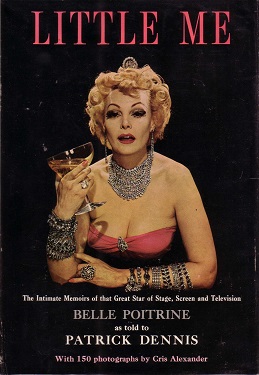
You may already know this, but anyone with an affinity for self-indulgent grande dame memoirs and/or the camp humor of Auntie Mame needs to seek out the 1961 book Little Me, The Intimate Memoirs of That Great Star of Stage, Screen & Television Belle Poitrine, as told to Patrick Dennis. The book spawned a Broadway musical starring Sid Caesar in 1962, which was revived with Martin Short in 1998. However, the book is whole different animal. The 2002 reprint with a new foreword by Charles Busch may be out of print, but affordable copies are easily found online.
The whole thing is a parody – a camp fiction classic created by the Auntie Mame author with over 150 photographs by Cris Alexander, an actor who appeared in both the stage and film versions of Auntie Mame. Alexander had transitioned into his second career as a photographer.
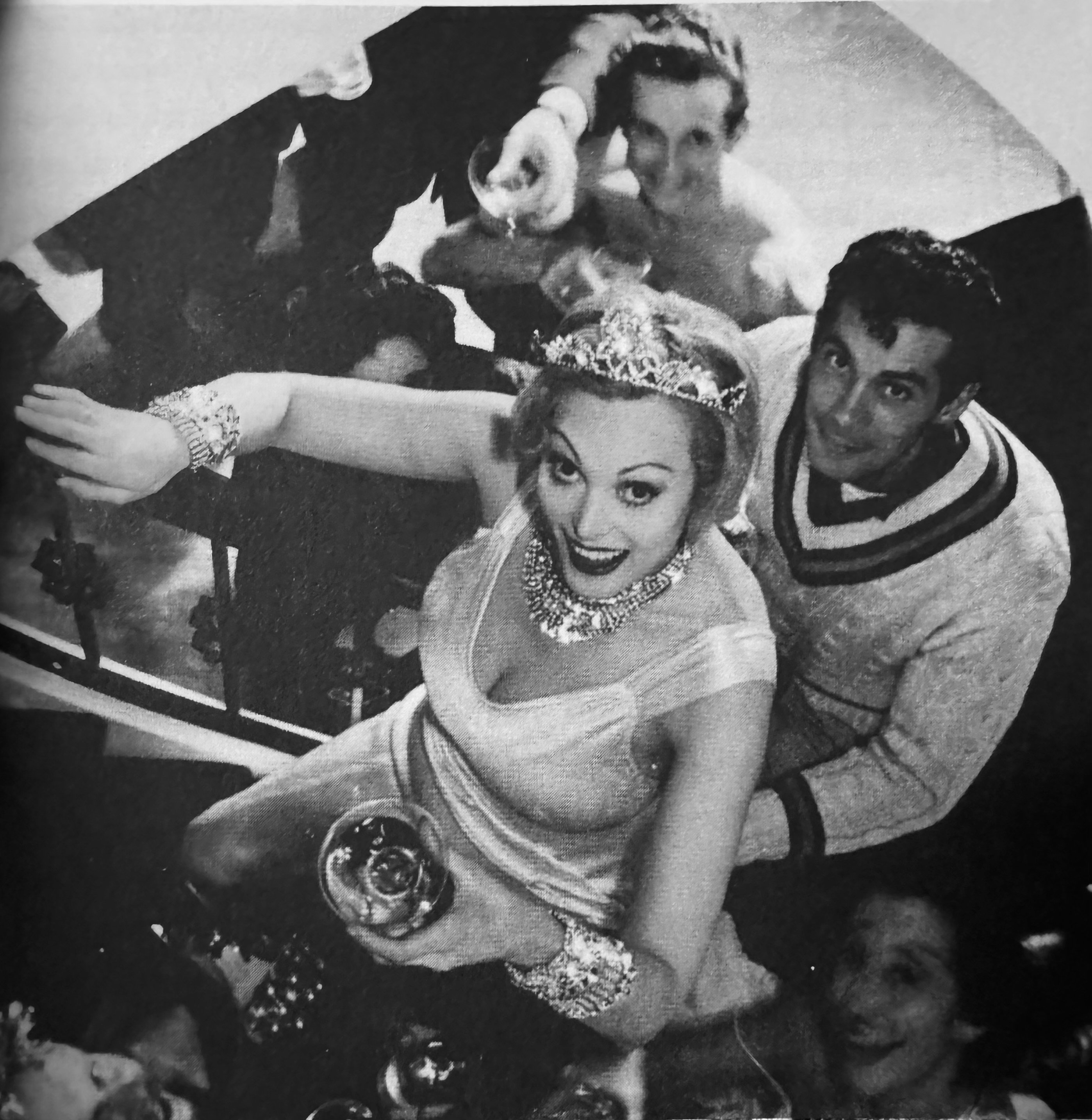
Actress Jeri Archer embodied Belle Poitrine in the photographs with a cast of characters playing her co-horts. Among the familiar faces in the company are character actresses Dodie Goodman and Alice Pearce, author Patrick Dennis (as Cedric Roulstone-Farjeon) and his wife Louise (as Pixie Portnoy). Cris Alexander also appears in various roles alongside his lifelong partner, ballet dancer Shaun O’Brien (as Mr. Musgrove). Miss Rosalind Russell makes an appearance as well.
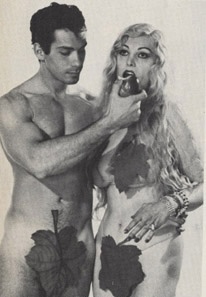
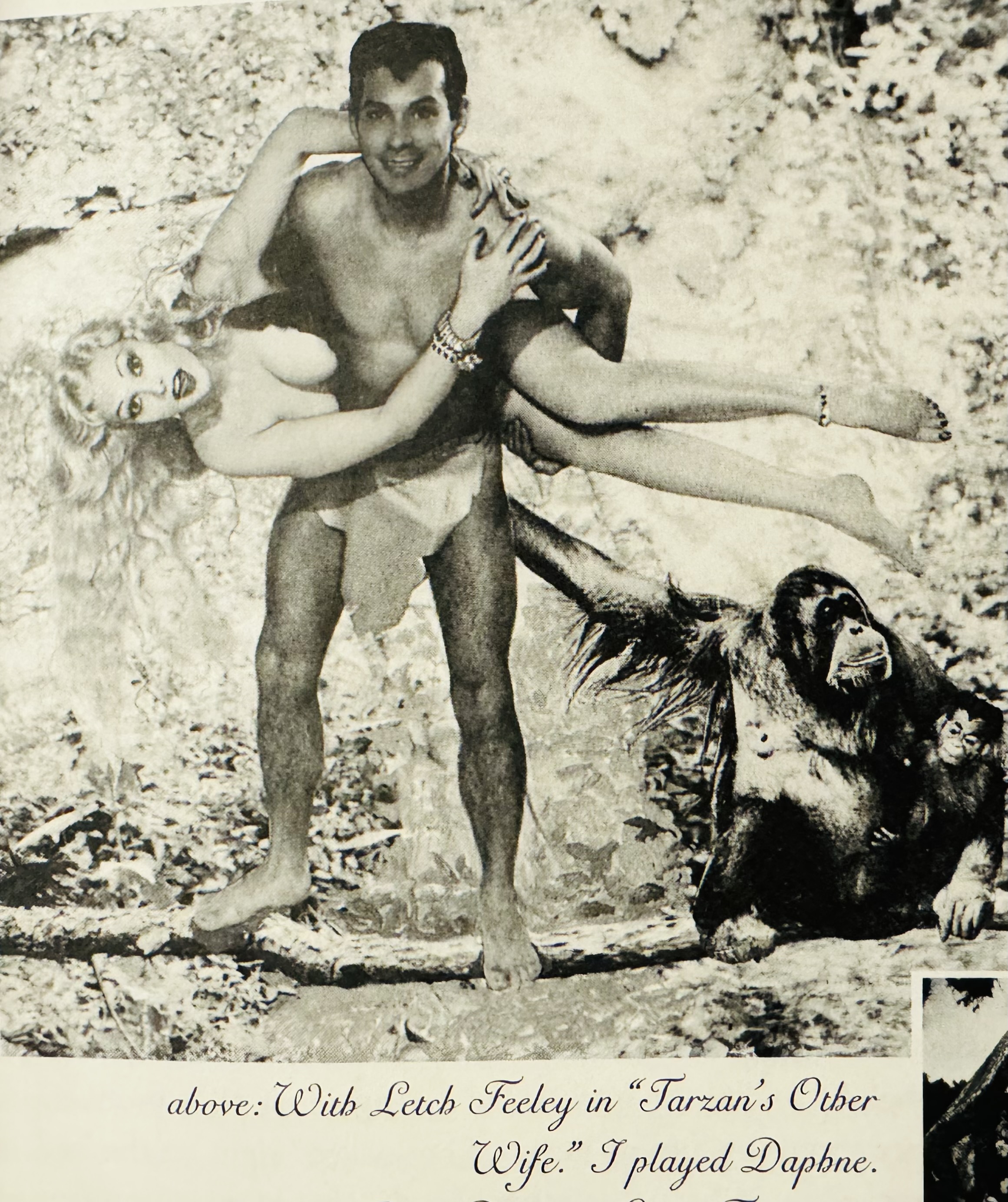
The role of Letch Feeley, Belle’s hunky paramour and costar, was played by Kurt Bieber. After the publication of Little Me, Cris Alexander wrote, “Shaun and Kurt generated an unprecedented amount of fan mail, all sent to the publisher’s office.”
Letch Feeley & Belle Poitrine, aka Kurt Bieber & Jeri Archer in Little Me
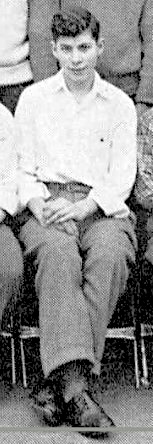
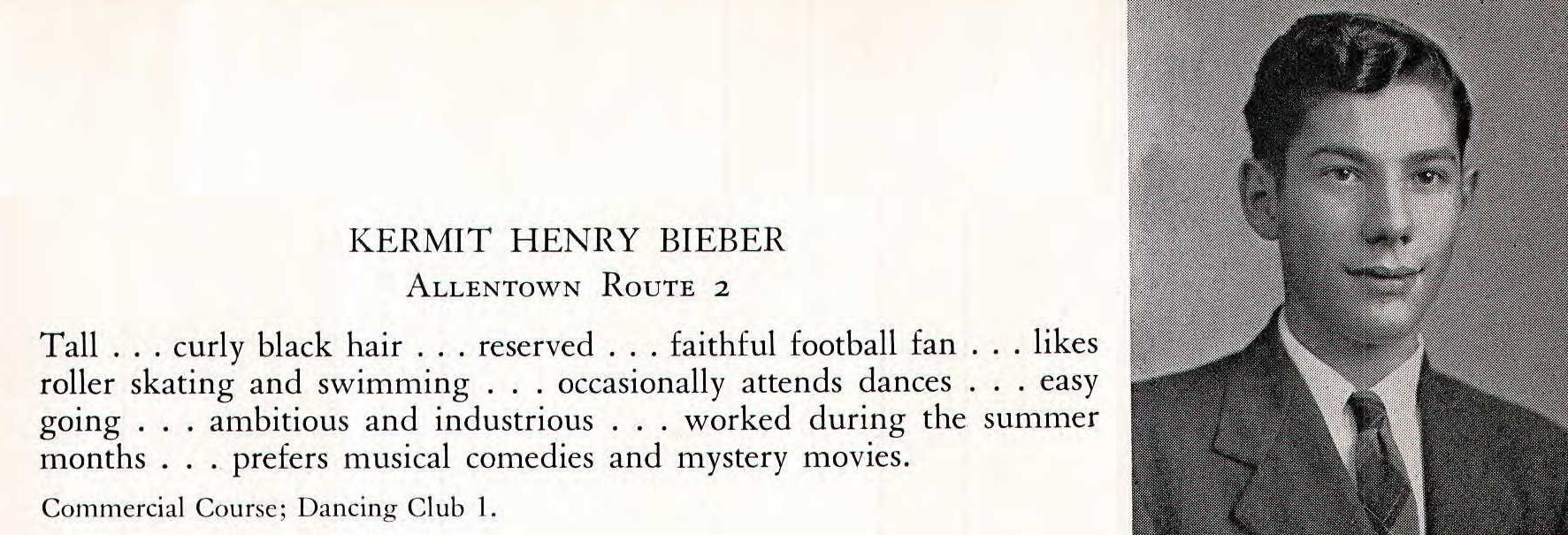
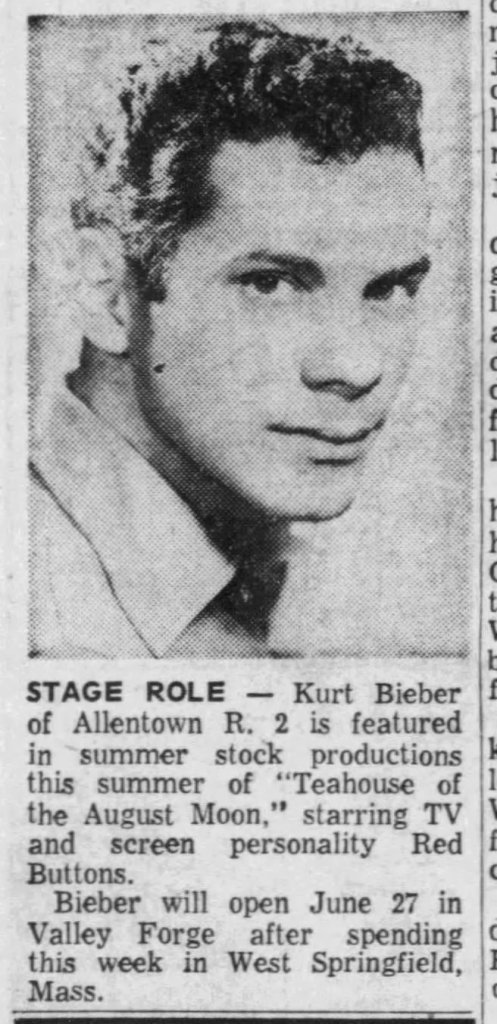
Kermit Henry Bieber was born on January 5, 1929 in Allentown, Pennsylvania. A 1946 graduate of Emmaus High School, Bieber worked at the local Sears before serving in the Army during the Korean War.
After his discharge, he headed to New York, where he studied drama, dance and voice at The American Theatre Wing. Roles in summer stock soon followed, with ensemble work in Can-Can, Happy Hunting, Oklahoma! and Wonderful Town.
The Morning Call, Allentown, PA (6/21/1960)
It was his work in a regional production of On the Town that took his career to the next level. Cris Alexander later wrote, “Ross Hunter may have discovered Rock Hudson, but I discovered Kurt Bieber during a summer package of On The Town (Pittsburgh ’58).” By October of that year, Bieber was back in New York playing a sailor alongside William Shatner in the original Broadway production of The World of Suzie Wong.
More regional work followed, including a stint in the play Teahouse of The August Moon with Red Buttons. It was around this time that Cris Alexander began to shoot the photos for Little Me, casting Bieber in the role for which he is best remembered.
In Uncle Mame: The Life of Patrick Dennis, author Eric Myers writes “Most memorable to a certain contingent of the book’s audience was actor Kurt Bieber, who… displayed plenty of muscular flesh in nearly all of his photos.”
“I loved doing Little Me. People would stop me in the street and say ‘Aren’t you Letch Feeley?'” Kurt fondly remembered. “It was a first. No one had ever done a book like that… it was such a different atmosphere then. The photos were really a breakthrough.”
“Kurt Bieber is a poseur extraordinaire. The grace and symmetry of the youthful physique is captured in this study by Male Today.”
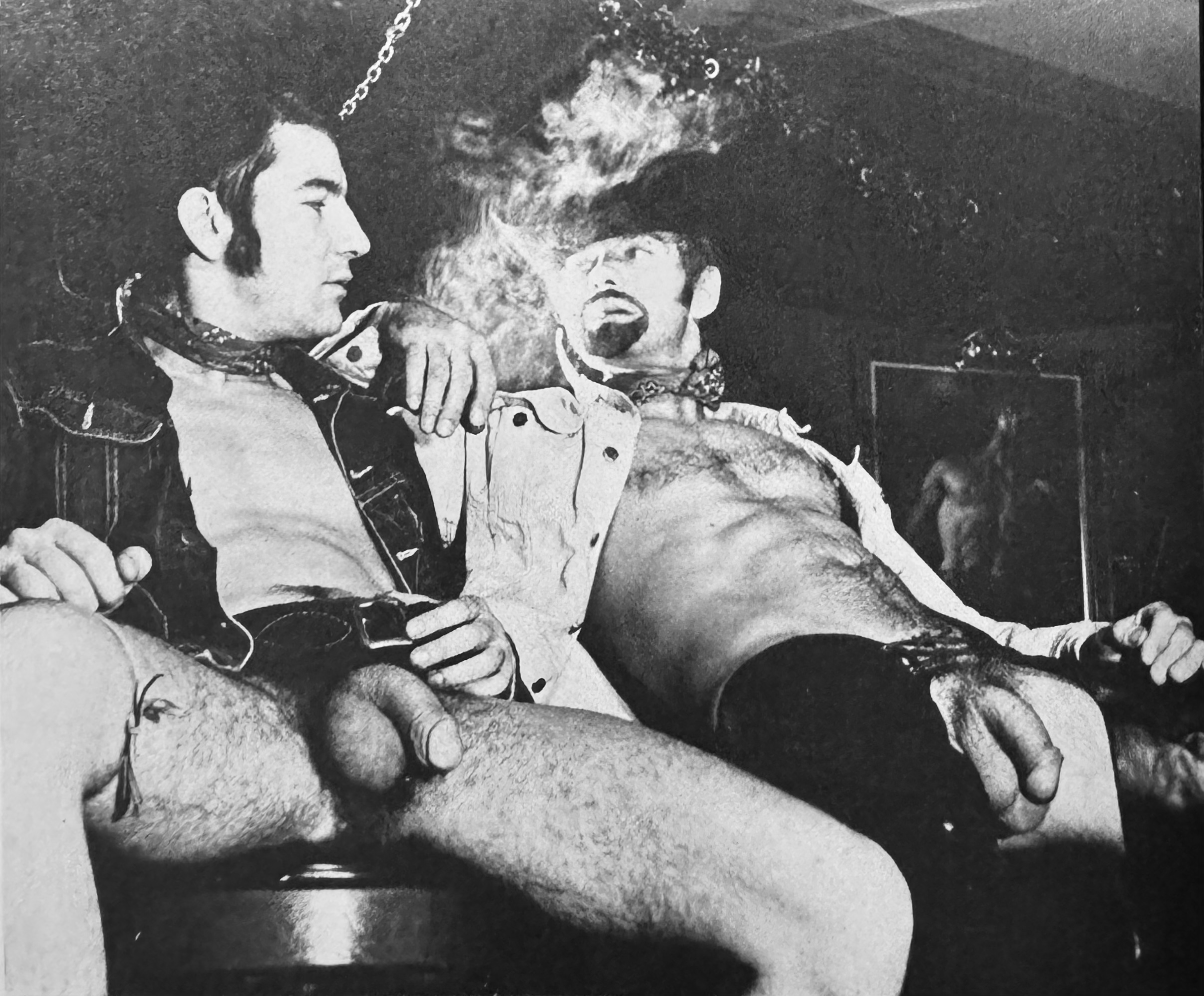
Following the success of Little Me, Bieber continued acting as well as modeling. He found work as a “posing strap” model for Male Today and other physique magazines. He was an early subject for Jim French, a photographer who was starting up a photo studio under the name Rip Colt. An early Colt film loop lists Bieber as one of the performers – a softcore scene with three muscular models lathering each other up in a shower – but none of the models appear to be him.
In 1969, Bieber had a bit part as a Times Square street hustler in Midnight Cowboy:
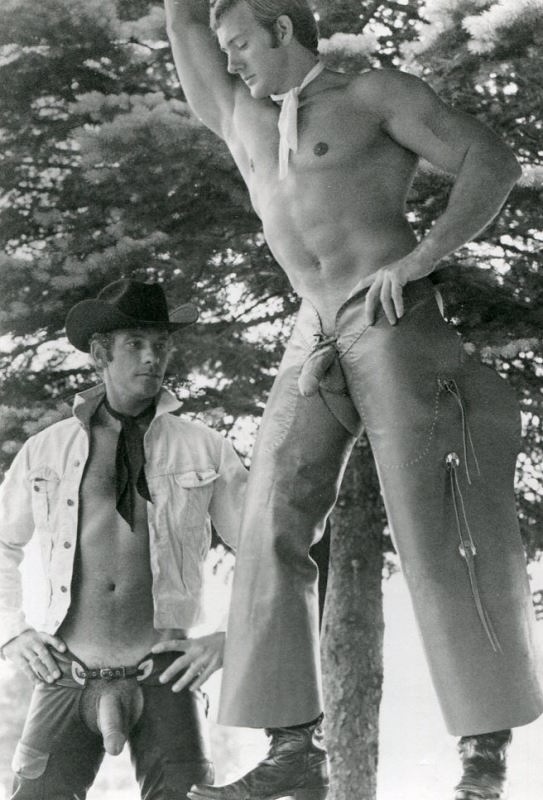
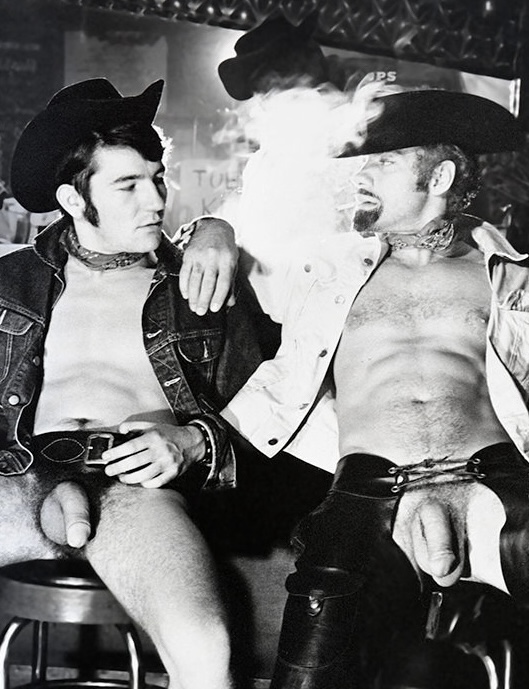
At the dawn of the 1970’s, 40-year-old Bieber – no longer a young chorus boy – opted for a new look. He transformed himself into the quintessential gay clone: an urban cowboy/mustache and Levi’s/hanky-code persona that would characterize the gay scene for the next decade. His photos for Colt studios now typify that era of gay erotica.
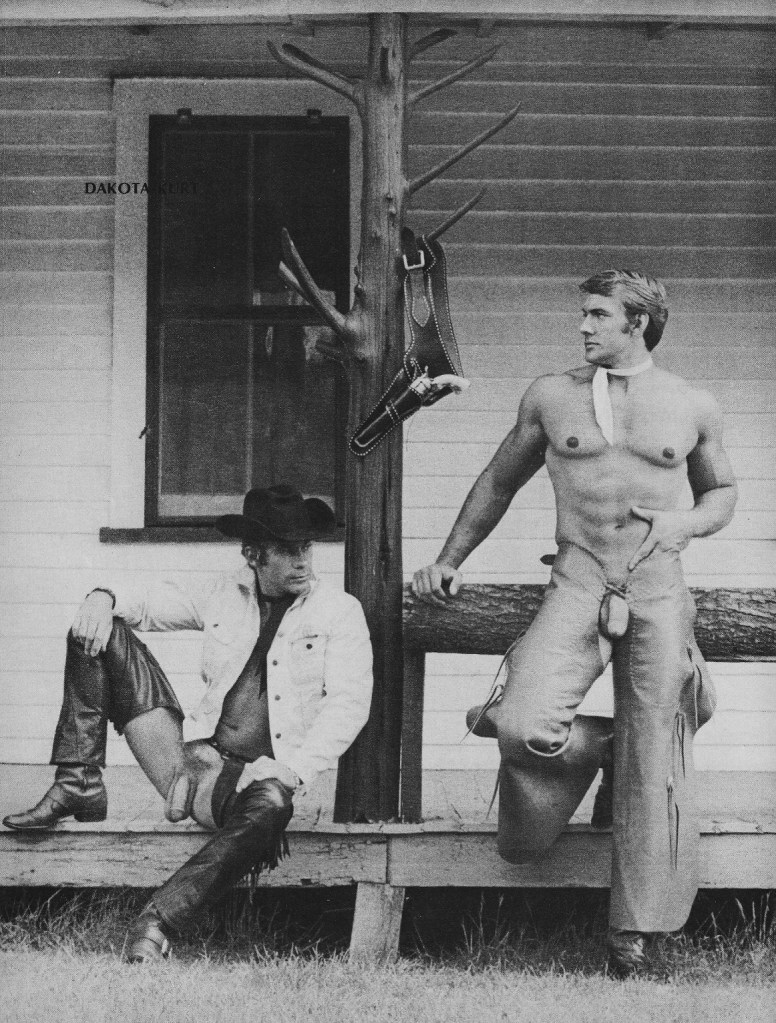
He was quoted as saying “I loved being photographed in the nude. I’ve always been an exhibitionist. To be an actor, you have to be. Besides, I got to choose the models. I chose hot men that I could get off on. That’s why they gave me (Colt superstar) Dakota.”
Colt Studios photo of Kurt Bieber with Dakota
Kurt Bieber (in a Colt t-shirt) outside Badlands in the West Village, NYC (1979)
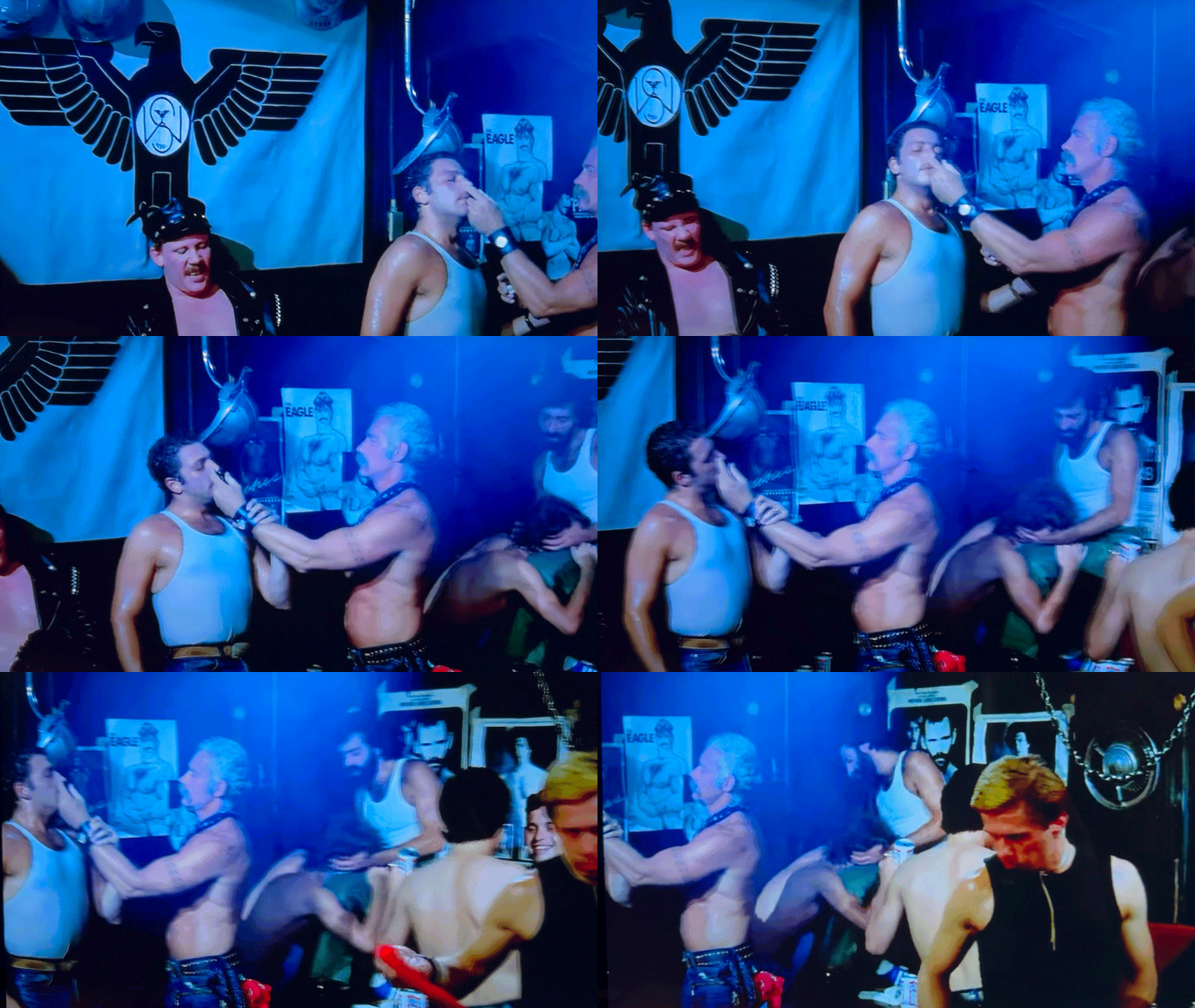
While major film roles never materialized, Bieber appeared in several commercials and continued to garner background work in films like Last Summer and Chapter Two. He can be seen offering poppers to a cohort at The Eagle in the controversial Al Pacino film Cruising (1980):
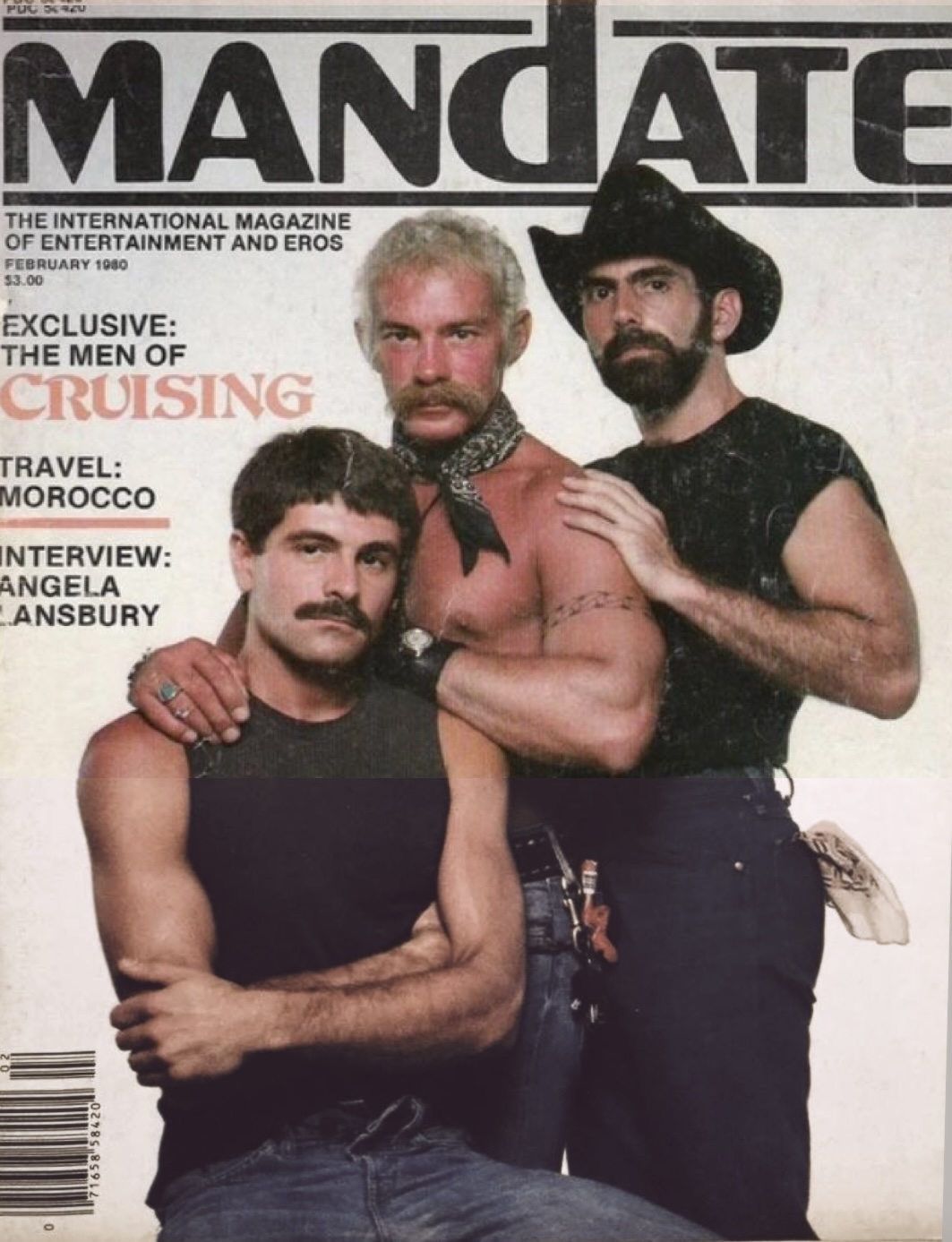
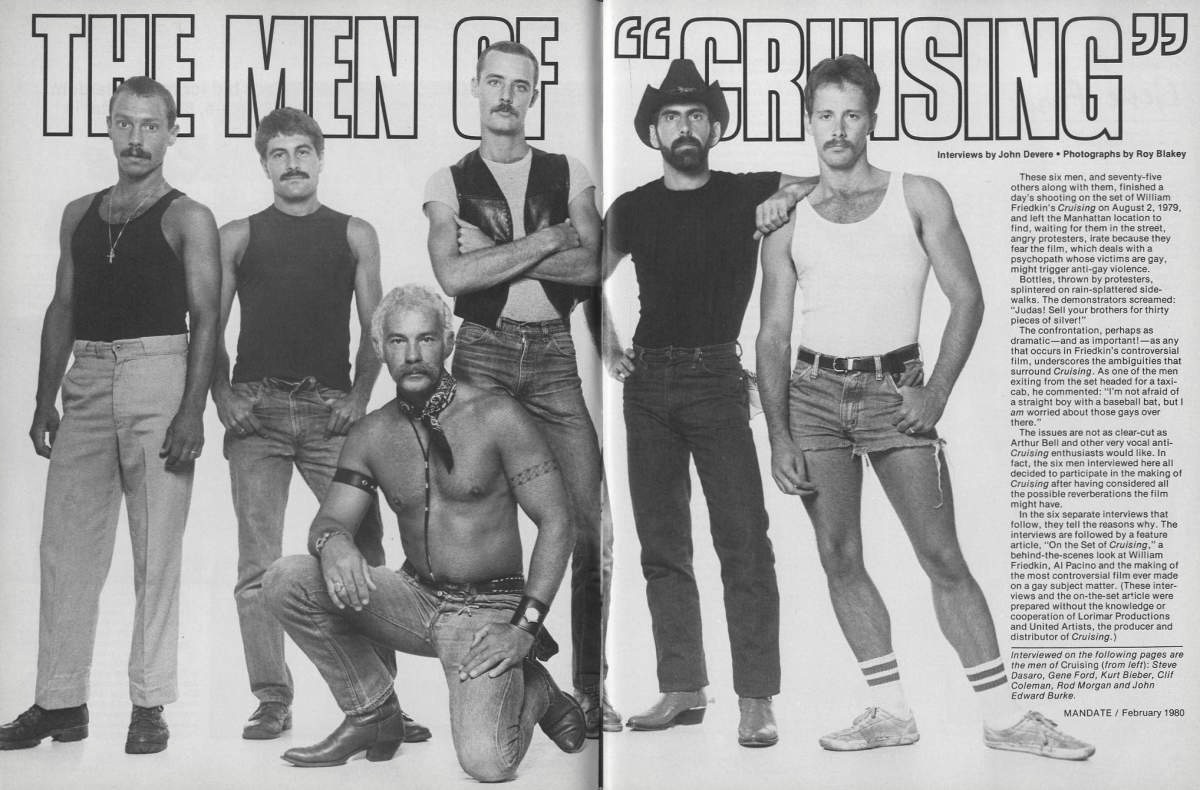
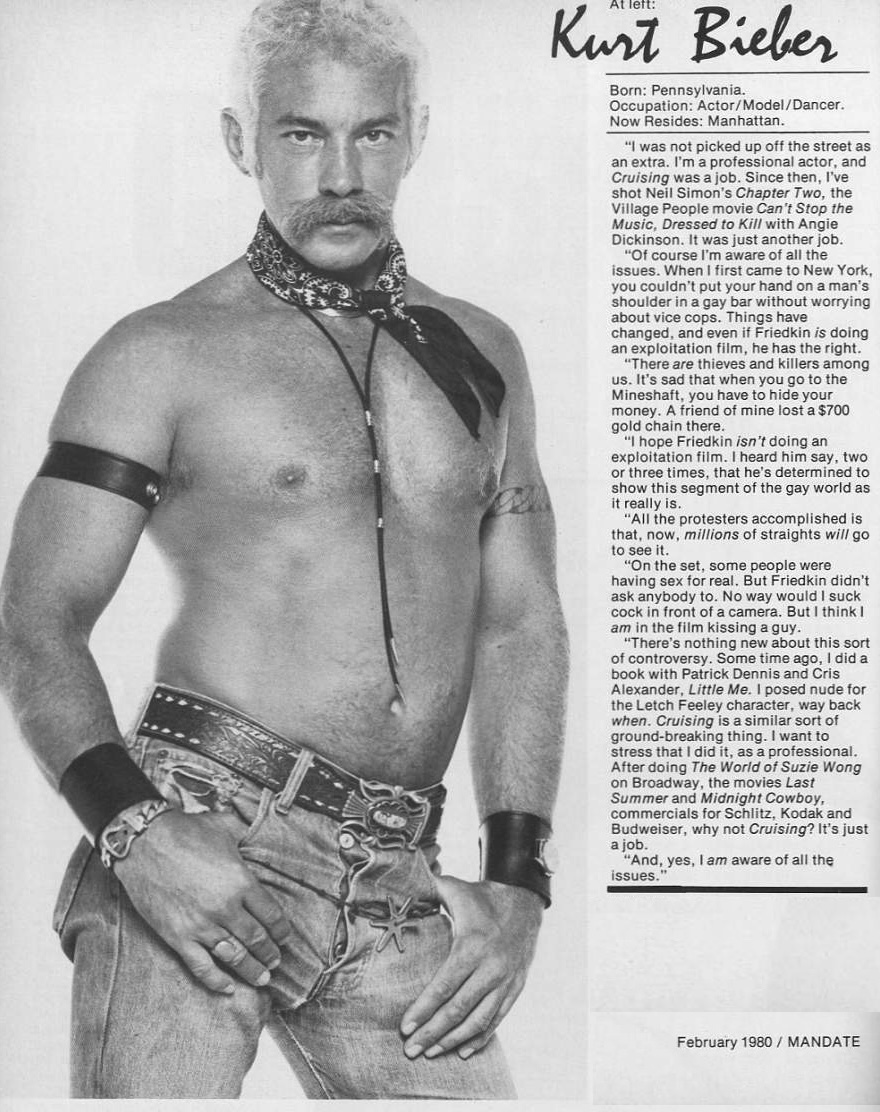
His appearance in Cruising landed Bieber on the cover of the February 1980 issue of Mandate Magazine. In his interview, Bieber mentions that he played Letch Feeley among other acting roles. He differentiates himself from the other Cruising extras, some of whom were cast off the street. “I want to stress that I did it as a professional… It’s just a job.”
As for those rumored to be having sex on camera in the leather bar scenes; “On the set, some people were having sex for real, but (director William) Friedkin didn’t ask anybody to. No way I would suck cock in front of a camera,” he says.
Although Bieber doesn’t mention his work with Colt Studios in this article, four months later Mandate ran a 10-page spread titled “Whatever Happened To Letch Feeley?” This feature tracked Bieber from his Little Me photos through his work with Colt Studios.
When asked to sum himself up at the close of the article, Bieber said with a smile; “I’ve done a little bit of everything and I’ve loved every minute of it.”
Later in 1980, Bieber was done in by a poison dart in Times Square during the opening sequence of Eaten Alive, an Italian cannibal movie:
The epilogue of Uncle Mame: The Life of Patrick Dennis (2000) notes that Bieber “has been an extra in almost every movie ever filmed in New York City. Kurt says he is ‘still around and still cruising Christopher Street.'”
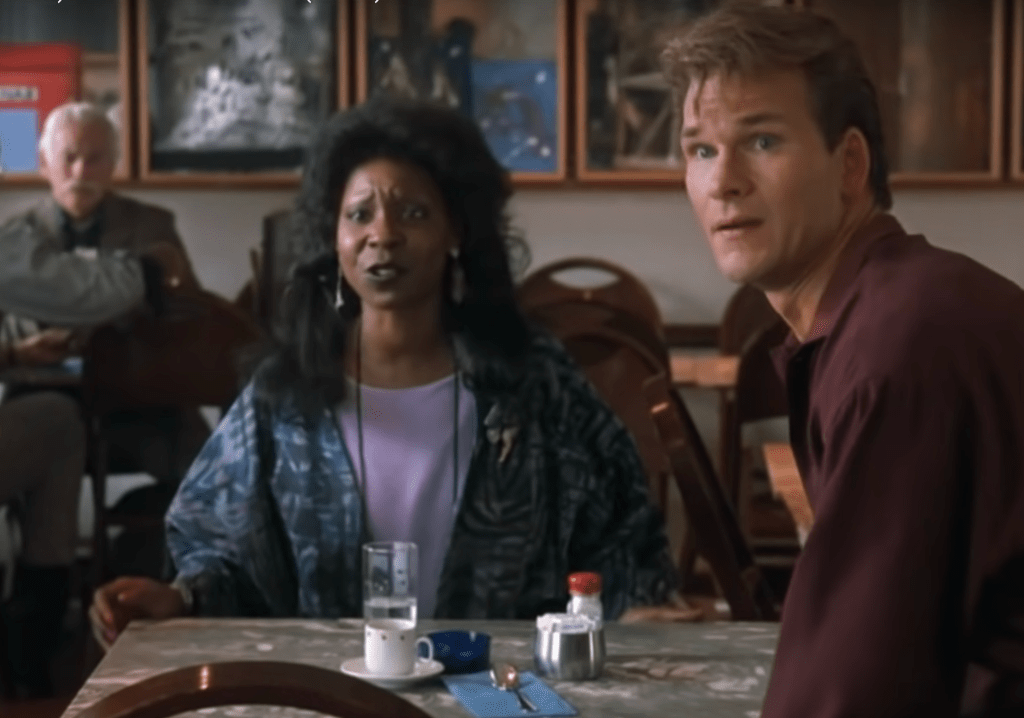
Kurt Bieber behind Whoopi Goldberg and Patrick Swayze in a scene from Ghost (1990)
Decades later, Little Me fans still recognized him. “Even today, I’ll sometimes walk into a store and someone will say ‘Wow! Letch Feeley!’ How they recognize me after all these years, with my white hair, I’ll never know.”
Kurt Bieber passed away at age 86 on December 31, 2015 in New York City.
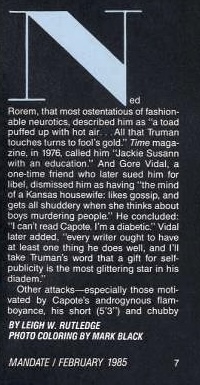
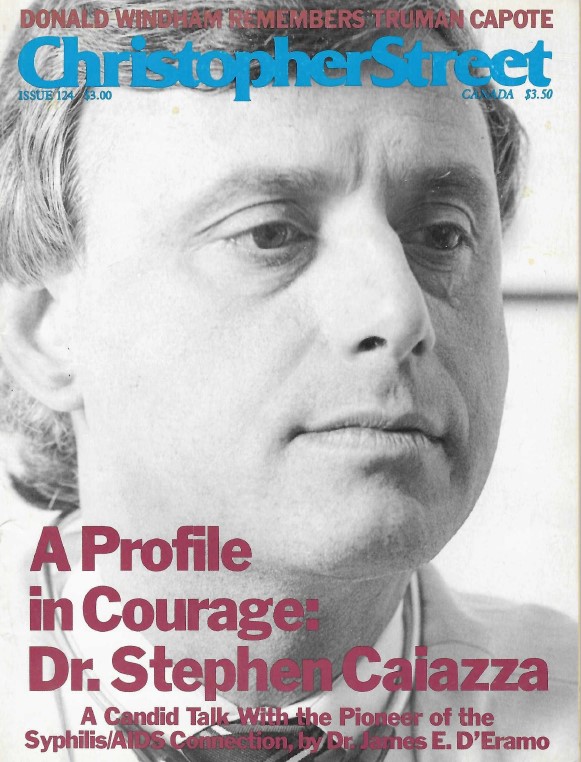
Continuing with our theme from the last post, Truman Capote is the subject of this article from the February, 1985 issue of Mandate magazine. The piece was written by Boze Hadleigh just 6 months after Capote’s death.
The infamous book jacket photo of Truman Capote from Other Voices, Other Rooms. One critic commented, “He looks as if he were dreamily contemplating some outrage against conventional morality.” (1948)
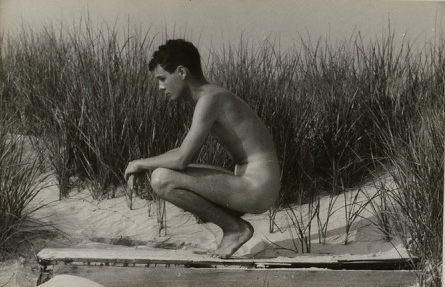
Donald Windham (with Paul Cadmus) & Sandy Campbell in PaJaMa photos of the early 1940’s.
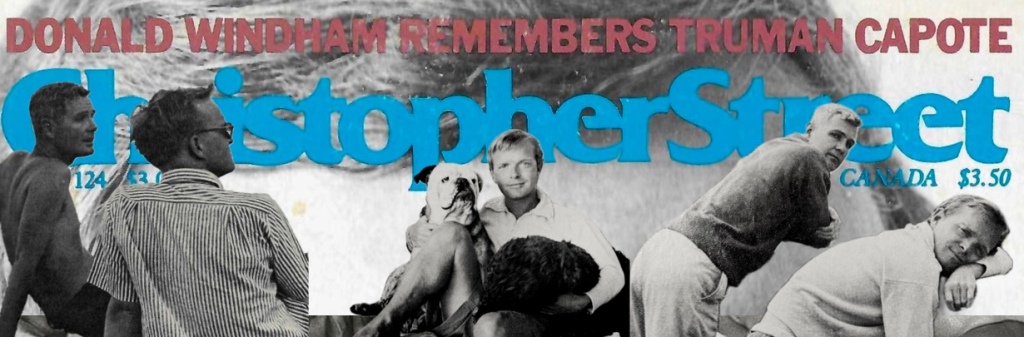
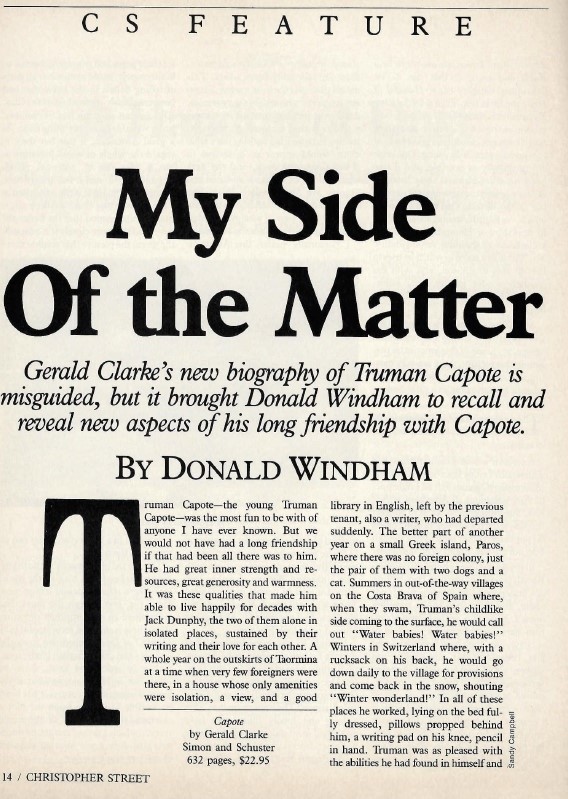
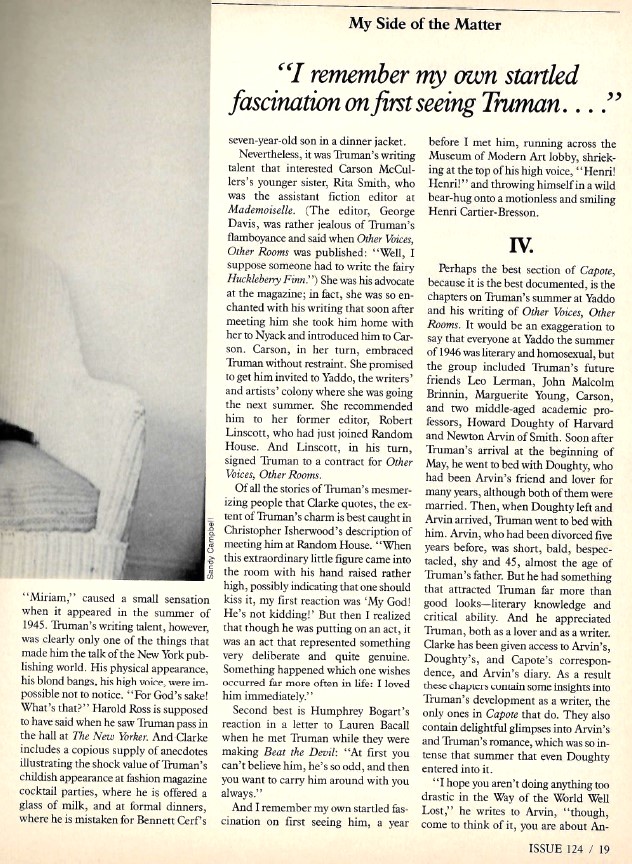
I recently rediscovered this piece written by Windham for a 1988 issue of Christopher Street. I bought the magazine at a West Village newsstand back in the day, and it has remained in my possession all these years, proving yet again why I never throw anything away. Because you never know…
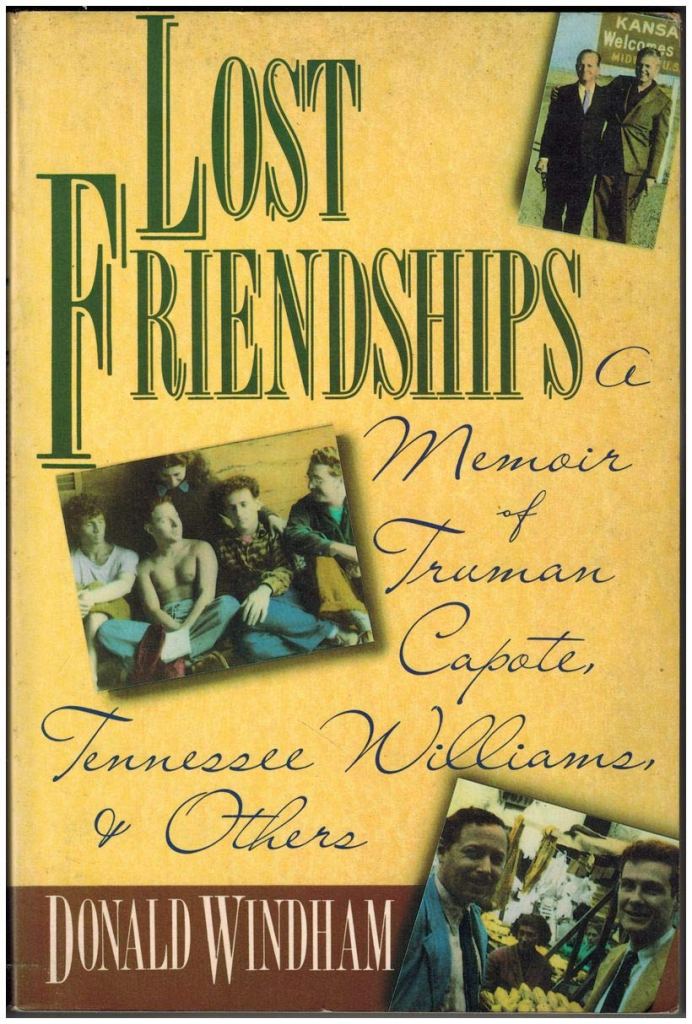
Back in 1987, Donald Windham had published Lost Friendships: A Memoir of Truman Capote, Tennessee Williams, and Others. This article was written the following year in response to the publication of Gerald Clarke’s 600+ page biography Capote, which Windham describes as “misguided.” Clarke’s book would later be adapted into the 2005 film, with Phillip Seymour Hoffman winning an Oscar for his portrayal of troubled Truman.
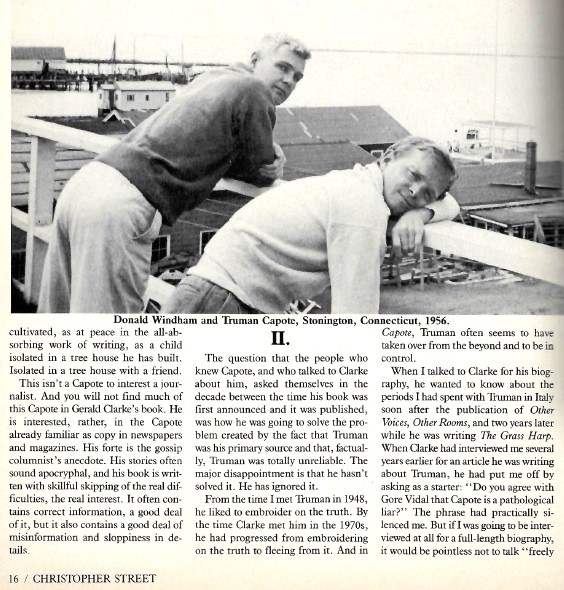
Note that the photos accompanying the article are credited to Sandy Campbell.
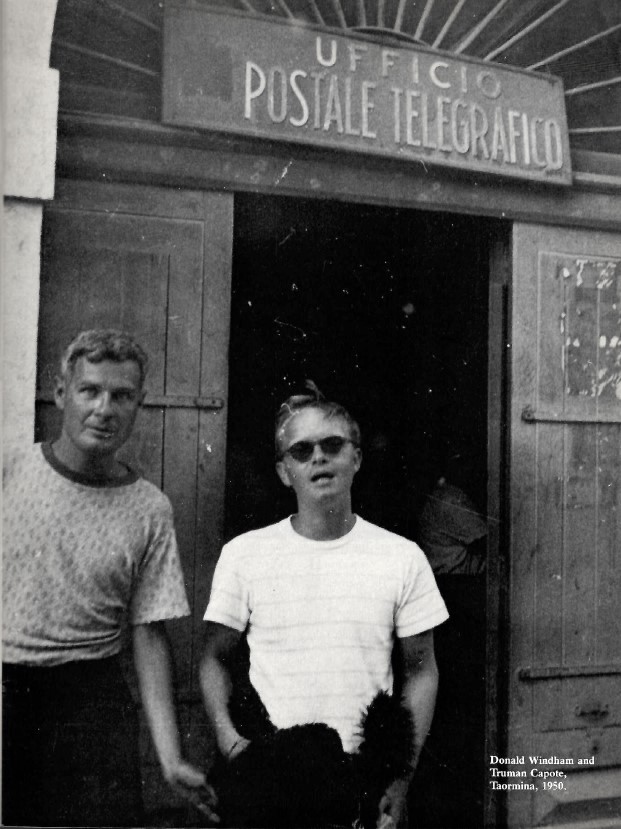
This photo appears in several places on the internet misidentifying Capote as Sandy Campbell with Donald Windham, Piazza San Marco (1948)
Capote with Sandy Campbell at the Kansas border, October 1964
Seven years after Blondie went on hiatus, “Debbie” become “Deborah” as she released her third solo album, Def Dumb and Blonde – an eclectic 15-track collection that most fans consider to be her best effort outside of the band. Although the album did not crack the US Billboard top 100, it reached the top 10 in the UK and other countries.
I got tickets to the November 11 show. This was the second of three sold out shows at the Lower East Side club. The guy I was seeing when the tickets went on sale was no longer in the picture by the time the show came around, so I ended up taking my older sister, Kari. She had been a Blondie fan a decade before – it was her cassette of Parallel Lines that we wore out.
We came up out of the F train at Houston Street and First Avenue and started heading east into Alphabet City, walking briskly past the homeless huddled around burning trashcans and assorted drug-induced shenanigans. Kari was holding onto my arm, talking a mile a minute – engrossed in a story that I hoped would keep her distracted for as long as possible. We were somewhere between Avenues A & B when she finally looked around, slowed a bit, gripped my arm tighter and said “Oh my god. Where are you taking me???”
“Almost there!” I said, although I wasn’t sure if we were.
I knew nothing about The World – a 16-and-over nightclub that payed little attention to underage drinking, a quaint complaint given the other activities that allegedly went on there. Housed in a crumbling former catering hall, it had that air of faded decadence prevalent in many East Village hangouts. It was as if the party continued on in the ruins of past generations…. clubs and galleries in the dilapidated haunts of German, Polish, and Ukranian immigrants, followed by another generation of hippies and poets, then punks and artists who had now come and gone. We were in the last months of the 1980’s and all that the decade had wrought was slipping into the past. But would Debbie, um, Deborah Harry?
There was an air of anticipation as to how this show would go: her first solo tour at age 44 – the same age as Tina Turner at the time of her Private Dancer success 5 years earlier. Given that Harry was back on her home turf – just a few blocks from CBGB’s – would she lean into her rock/punk roots? Surely this would not be a parade of greatest hits.
Still, it was a surprise when she quietly took to the stage along with her ever-present creative partner Chris Stein and opened her set with the jazzy Motown ballad “The Hunter Gets Captured By The Game.” This Marvelettes cover was the final song on Blondie’s 1982 LP The Hunter. It was an intriguing choice for an opening number, as if she & Stein were picking up right where Blondie left off.
And then the show shifted into gear: playing through a set heavy on Def Dumb & Blonde‘s edgier cuts while seamlessly mixing in Blondie album tracks like “Cautious Lip” & “Detroit 442”. The set wound down with “Brite Side,” her latest single which segued into a cover of The Velvet Underground’s “Waiting For The Man”.
For the encore, she took off her jacket and returned the stage in just a black bra. When presented with a bouquet of roses, she bit the head off of one and spit it back at the audience. She tore through a couple of conciliatory hits: “Call Me” & “One Way Or Another”, plus her minor solo hit “French Kissin’ In The USA”.
Here’s where memory gets tricky: I recall that she did a Ramones cover as her final song. In the years following this show, I saw The Go-Go’s and Kirsty MacColl both cover “I Wanna Be Sedated” as final encores at their concerts. Some mental wires got crossed and 30+ years later, I thought Harry sang it too. But thanks to the internet and her fanatic fans, I am reminded that the Ramones song she covered on this tour was “Pet Sematary,” the theme to the Stephen King movie that her old friends had released earlier that year.
Here’s a recording from The Roxy in LA on October 23, 1989 – two weeks prior to The World shows in NYC:
My sister had gone off during the encore to find a bathroom. Towards the end of this song, she reappeared, white as a ghost, saying “Ohmygod ohmygod you have to help me! I have to pee SO bad and there’s only ONE bathroom for everyone! NO STALLS. I asked someone if it was the ladies room and she said ‘Men, women… what’s the difference?’ ohmygod you have to help me!”
Downstairs in the bathroom, I stood with my back to her, holding my full-length wool coat open like some sort of reverse-flasher trying to block her from the view of everyone except the woman sitting on the toilet right next to her having a conversation with her friend. I was trying not to laugh too hard as my sister kept muttering behind me “ohmygod ohmygod unbelievable… men, women, what’s the difference… unbelievable….”
On our way out, I poked my head into the lounge, where futuristic electronic music played. I could only make out strange silhouettes in the dim colored lights of the smoky room. It seemed like a cross between the Creature Cantina and something out of The Jetsons.
Still got that t-shirt…
After a quick t-shirt purchase at the merch booth, we were back on the street. Kari was holding on to my arm as we headed down East Second Street. A panhandler approached and said “Now there’s an attractive couple!” My sister let out a sustained “Eeew” which I punctuated with “She’s my SISTER.”
“My apologies.” He responded quickly and moved on to the second half of his spiel as he walked alongside us. “I’m having a rough time right now. If you could reach down into your pockets and help me out with anything, anything at all, I would really appreciate it.”
Kari, absentmindedly reached down into her pocket and presented him with a matchbook. He was not amused.
We turned on to Avenue A as he stood there screaming after us “Fuck you bitch! Fuck you! I will fucking BURN you bitch!”
She didn’t seem to hear him. Shaking her head, she said, “Oh my god. That bathroom.”
It would be another year and a half before I relocated to the neighborhood. But The World ended just two weeks before I got there: On June 27, 1991 co-owner Steven Venizelos – described by the New York Times as “a corpulent man with a penchant for jewelry” – was found murdered on the balcony of the club. He was shot three times at close range. There were no signs of robbery and the case went unsolved. In keeping with the East Village trend, the building was demolished to make way for “luxury” apartments.
The Record, 6/29/91
And Debbie? She’s still going strong. As she sang in “I Want That Man,” Here comes the 21st Century… it’s gonna be much better for a girl like me… the reunited Blondie brought in the new millennium with “Maria,” a #1 hit in the UK. They were inducted into the Rock & Roll Hall of Fame in 2006.
Her latest collaboration is with The Dandy Warhols – “I Will Never Stop Loving You.”
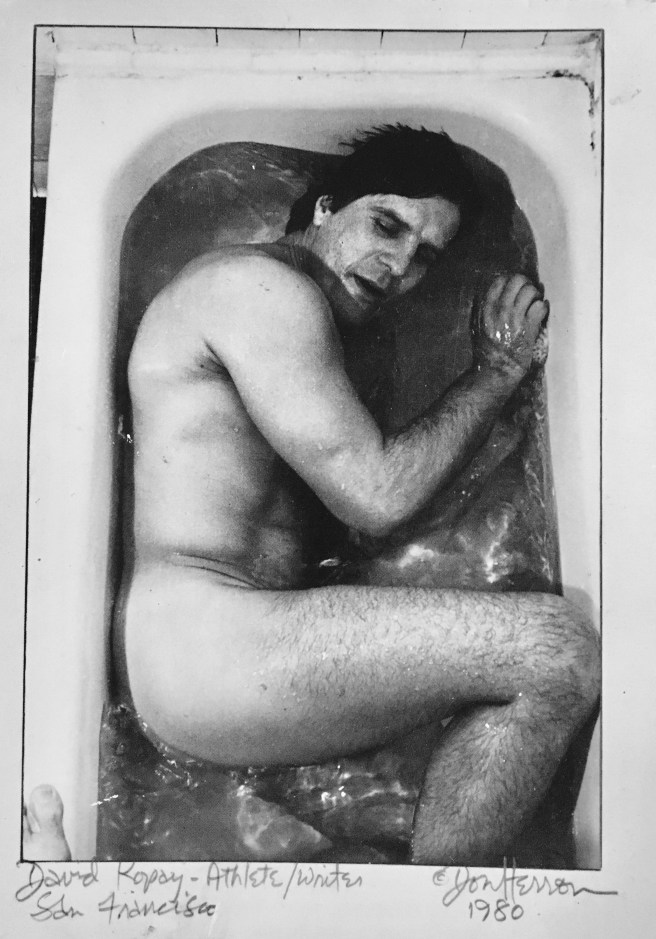
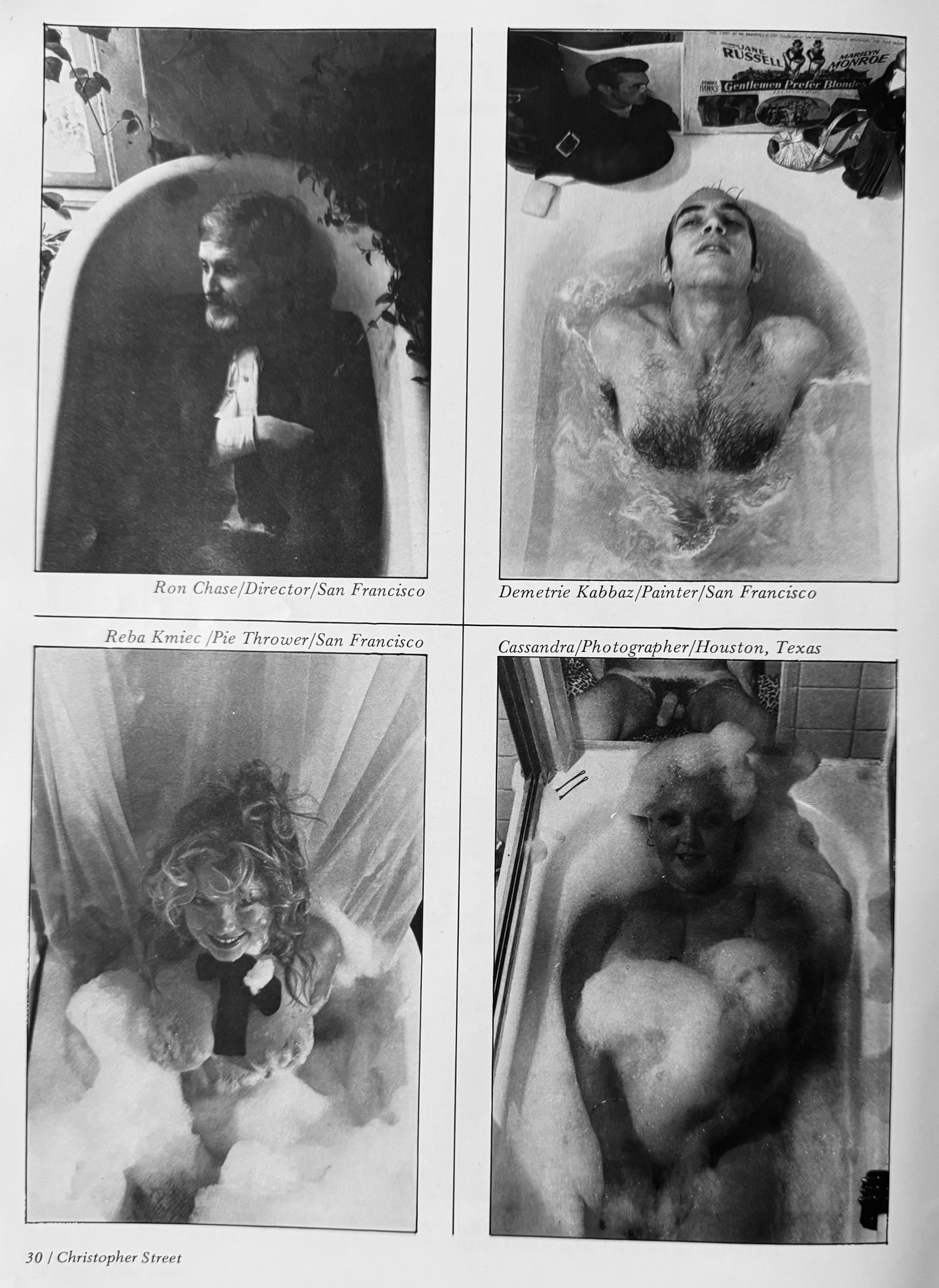
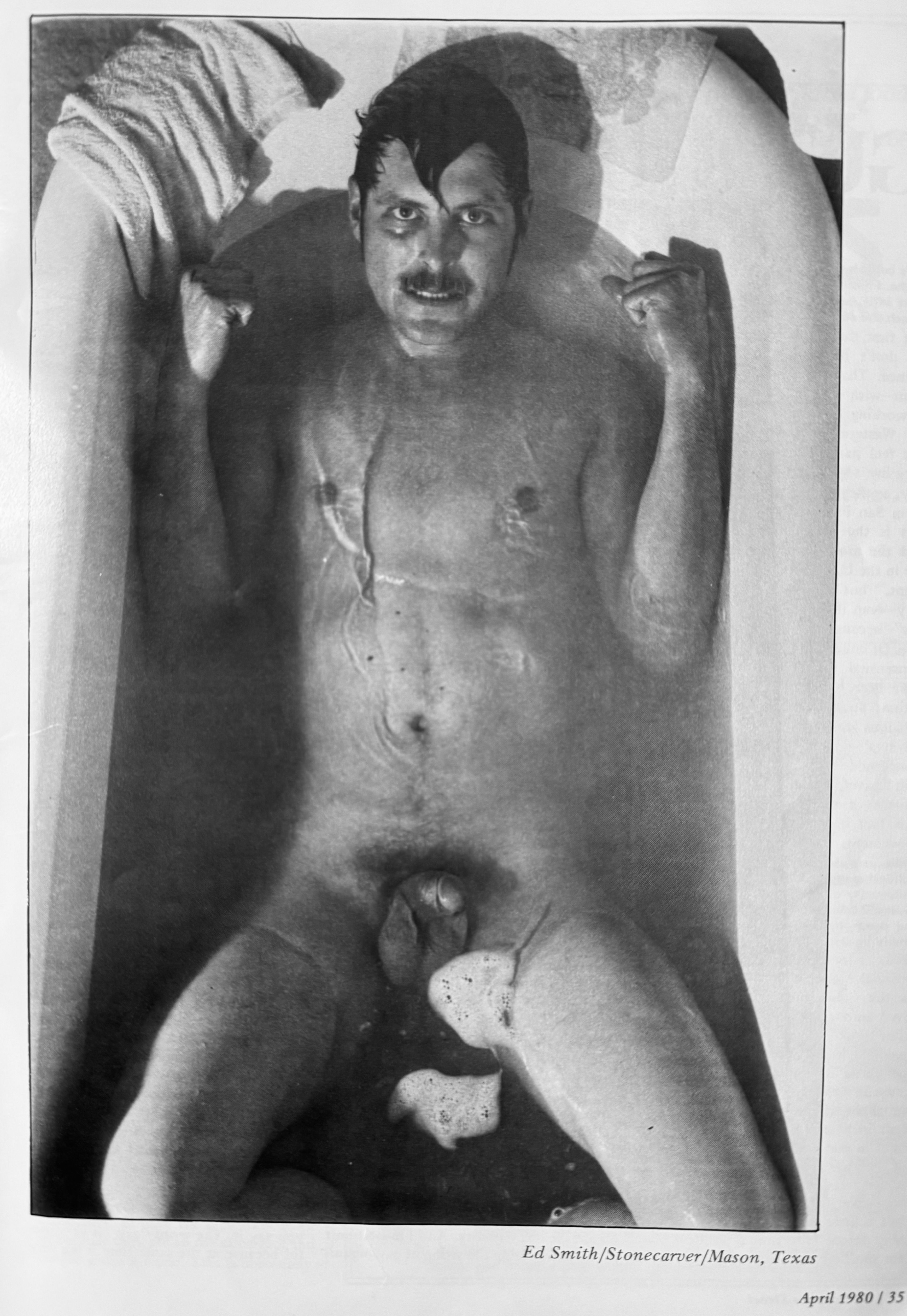
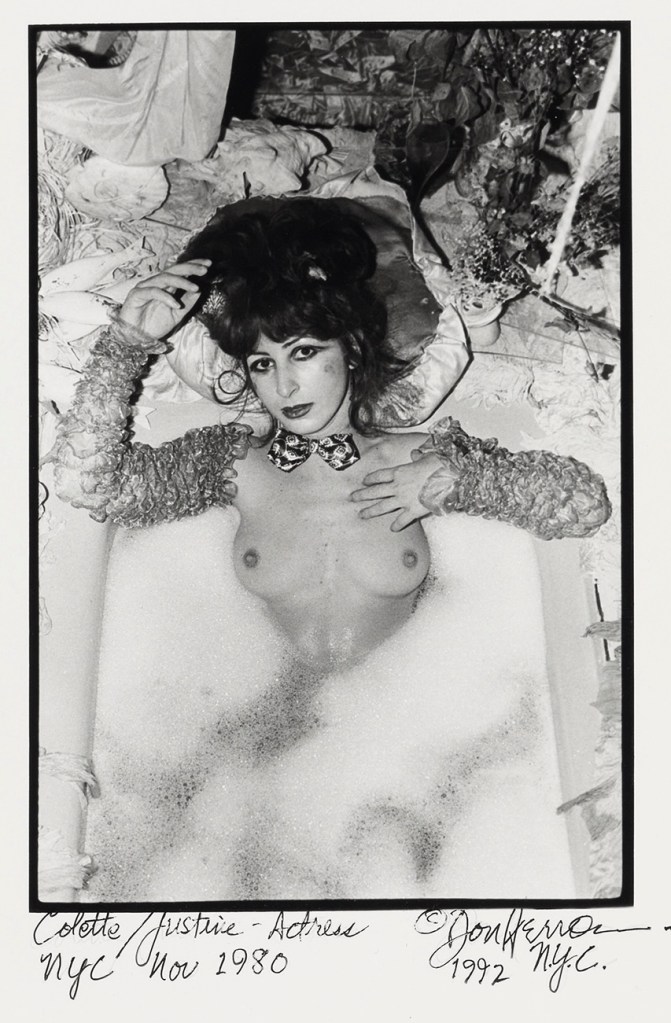
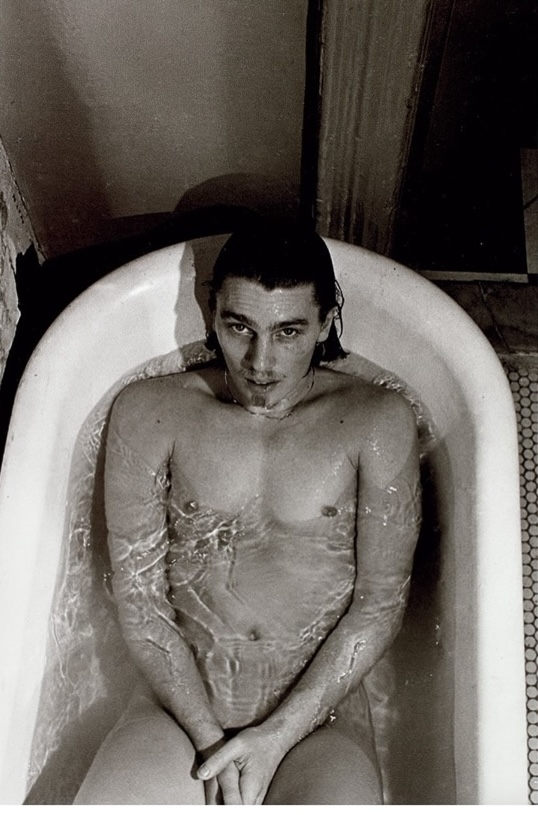
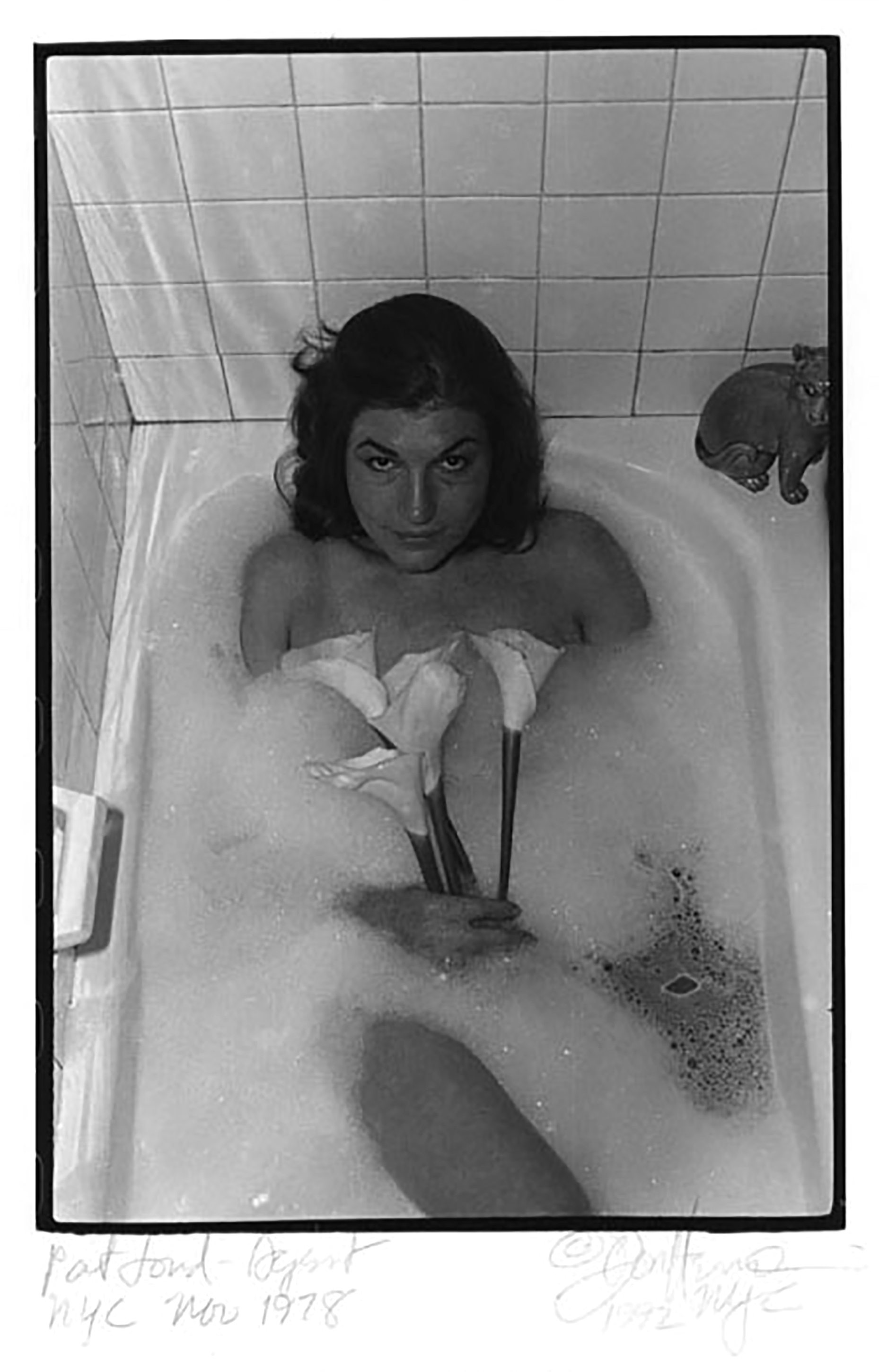
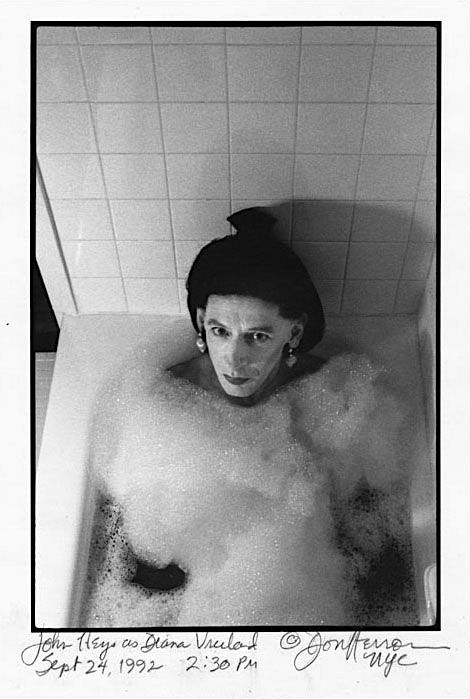
Back in 2018, I posted two collections of artist/photographer Don Herron’s Tub Shots, a series of images featuring the famous and near-famous posing in their bathtubs. This coincided with an exhibition of 65 photographs at the Daniel Cooney Gallery here in NYC. The blog posts (Pt. 1 and Pt. II) still garner a considerable amount of traffic, as well as a third collection posted 2 years ago. Now we have a fourth selection of the collection: a Christopher Street magazine feature from April, 1980 and recollections from the subjects.
The April, 1980 issue of Christopher Street, with football player David Kopay sharing the cover with a very nice Tom of Finland illustration.
Among those featured in the Christopher Street layout was artist Mel Odom, who shared memories of the experience in Pt.1.
Ronald Chase is a San Francisco-based artist, photographer, educator, independent filmmaker and opera designer.
Demetrie Kabbaz (1944-2014) was a painter known for his highly stylized portraits of Marilyn Monroe and other iconics of pop culture.
The article mentions a 1981 exhibit at Jehu gallery in San Francisco. The tub shot of gallery owner Ron Jehu (1937-2007) is also included alongside actress Mink Stole and popular San Francisco DJ Sheila Rene (1939-1998).
Writer Felice Picano: “Don came to my duplex at 317 E 11th Street, now owned by Annie Leibovitz and he was a sweet man, so he climbed onto the back of the bathtub where he was cramped but also supported by two walls and he shot a bunch of photos.
“He then asked if I could recommend others to shoot, and I sent him to either George Stavrinos or to Victor Hugo (Halston’s lover). By the time Don was done, he had gotten a pretty full and accurate portrait of Bohemia In New York City in the period. And, as I wrote in my book Art & Sex in Greenwich Village, Don captured what was probably the last unified downtown NYC bohemian community.”
Peter Hujar (1934-1987) was a photographer primarily known for his portraiture. His photo is featured on the same page as fellow photographer Robert Mapplethorpe (1946-1989). Annie Leibovitz would later recall, “Peter and I shared a distaste for Robert. One of the reasons is that Peter thought Robert was silly, you know, which he was. And he thought that Robert copied him in certain ways, which of course he did.”
Belle de Jour was New York’s most notorious dominatrix in the 1970’s and 1980’s. She ran a successful commercial dungeon and a weekly S&M theatre in her midtown loft. Submissive men, suburban couples, and thrill seekers were known to fill the bleachers to watch Belle and her entourage perform.
Don Herron‘s own Tubshot can be seen in this ad for a 1982 gallery showing:
Sur Rodney Surrecounts his tub shot: “We used the bathroom of Cynthia Chiarulli’s loft for the photo shoot, which was styled by Suzan Silver, a jewelry maker who made her wares from mirrored plastics she purchased on Canal Street. She provided the lipstick and sprayed the sides of my hair silver.
“I used the photo for the cover of my first book of poems… I organized an exhibition of Donald’s prints at the Tribeca club Stilwende and also showcased Suzan’s jewelry. I also screened a new version of my TV talk show – the All New Sur Rodney Sur Show. Sometime after the event I produced a version of my talk show where I interviewed Holly Woodlawn in a bubble bath for a photo shoot with Donald in a television studio in Chelsea.”
Valery Oisteanu: “I remember being introduced to Don by Timothy Greenfield and Don was part of the East Village Arts scene. He was very friendly. I was writing a monthly column at that time in Cover Arts magazine called ‘The Wall Patrol’ about art galleries…. Don took a photo of me naked wearing a Mylar face mask and there are also butt plugs as a humorous prop.”
Colette Justine (aka Colette Lumiere) is a multi-media artist who is considered a pioneering street performance artist and “photographic tableau vivant.” She is also known for playing with male/female gender roles through different guises and personas.
Käthe Kruse, performer/artist: “I was staying with John Heys when he was photographed by Don. When we met in John’s apartment and he saw my hair, he asked to photograph me too. So after the shoot with John, I got off my clothes and laid down in the bathtub and he arranged my hair. Then he climbed up to the edges of the bathtub and started to photograph. He told me that he always takes the same number of photos (eighteen) and then he stopped. I love these kind of concepts. When I was back in Berlin I received one print and after all these years it is still hanging in my home. I love the photo and I am very happy and thankful to have been photographed by Don.”
Photographer/visual artist Christopher Makos (1980)
Stanton Weiss (1952-2022): “New York in the 1970’s was an unparalleled place. There was an edge to it and a feeling that anything could happen. I had a seemingly conservative job working for Dick Ridge, the renowned interior designer. The phone rang. ‘Stanton darling, it’s Pat. Don Herron wants to photograph me and I need to use Dick’s tub! My bathroom is being painted.’ Pat was Pat Loud, America’s first reality star of PBS’ An American Family. She is a stunning woman, and unlike other reality stars, she is the epitome of grace and style. She posed with calla lilies and then Don asked me if I would like to be photographed as well.”
Pat Loud (1926-2021): “I recall Don calling me to say he was doing a series of photographs of people in their bathtubs and would I pose for him. I told him I didn’t do bathtubs but he assured me that nudity was not his objective and I could use all the bubble bath I wanted…. I don’t know whose idea the calla lilies were that seem so dominant and strategically placed and yet so out of place for such a photo.”
Dick Ridge (1928-2021): “I received a phone call from Pat Loud, who asked me if I would pose along with other people of the moment for a picture in my bathtub. Having just returned from Southampton, I had a pretty good tan and decided ‘Why not?'”
Poet Michael Ratcliff, Performer/Fashion designer Katy K (Kattelman), Legendary nightlife performer Joey Arias.
Marcus Leatherdale (1952-2022) was a Canadian portrait photographer who was personally and professionally associated with Robert Mapplethorpe.
Michael Musto: “Don contacted me with the idea of photographing me in my bathtub. I thought that was a novel idea, especially since I usually took showers, not baths. He wanted the photo to express my eccentric side, so I wore the shower cap, shades and white lipstick. I found Don to be likeably quirky and creative. This was a time of horror because of the mounting epidemic, but it was also a time when LGBT culture, nightlife, and solidarity were on the rise. I used my Village Voice column as a venue for both anger and humor at the same time, while also expressing myself via fashion and nightlife antics. Don’s photo captured my multiple moods.”
Back in the dinosaur days of VHS tapes, there were various companies that offered music video subscription services to commercial businesses. Every month a new videocassette with the latest music videos would arrive in the mail, just for viewing in their establishment. These tapes were not for sale to the general public.
One of the most popular companies in the U.S. and Canada was Telegenics, a New York-based operation that produced monthly tapes over an 11 year span, from 1983-1994. Founded by Tommy Diesso and Chris Russo, Telegenics offered a variety of music styles to choose from: Top 40, Progressive, Urban, and Pop Rock with some occasional specialty releases of 12″ Remix, Dance Classics, and Christmas, to name a few.
In the late 1990’s I used to buy these tapes in second hand stores and then later on eBay. In the days before YouTube, this was often the only way to see music videos that didn’t get airplay on MTV or VH1. I had my NYC public access show Bri-Guy’s Media Surf at that time and would air obscure music videos from artist like Kirsty MacColl, Alison Moyet and others that the music video channels paid little attention to.
Billboard (Jan 1988)
But the Madonna MegaMix was something else: A 7-song, 11 minute remix of her hits up to the summer of 1988 when it was released. The medley features “La Isla Bonita,” “Who’s That Girl,” “Open Your Heart,” “Into The Groove,” “Papa Don’t Preach,” “Where’s The Party,” and “Dress You Up.”
“Where’s The Party” is of particular interest, as there was never a music video for this album track, but one is created here using clips from many of Madonna’s other music videos.
I aired the video on Media Surf a couple of times during the show’s 10-year run. In 2012, I digitized the clip and uploaded it to YouTube to share. It was immediately flagged for copyright infringement and blocked from viewing worldwide. Although it was not visible to the public, I left it uploaded to my channel and promptly did nothing with it for 11 years.
And now, as Madge has come around and is embracing her legacy with a 40th anniversary tour, YouTube (or Warner Music, or the lady herself) have decided to allow for such things to be viewed by the general public. Enjoy it while you can! It may be gone tomorrow.
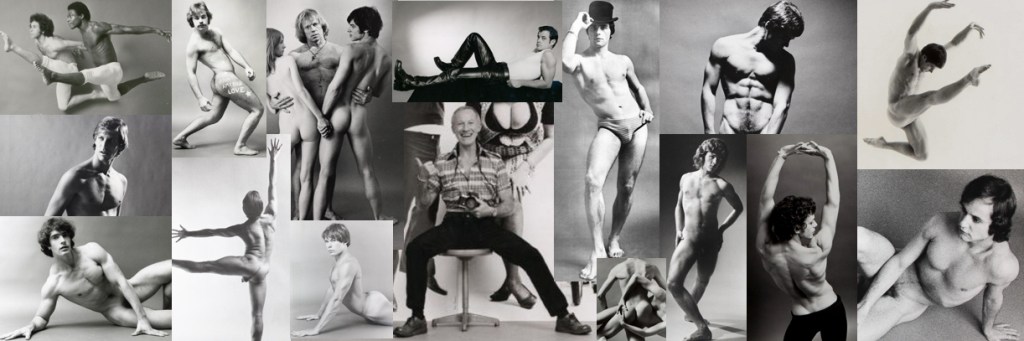
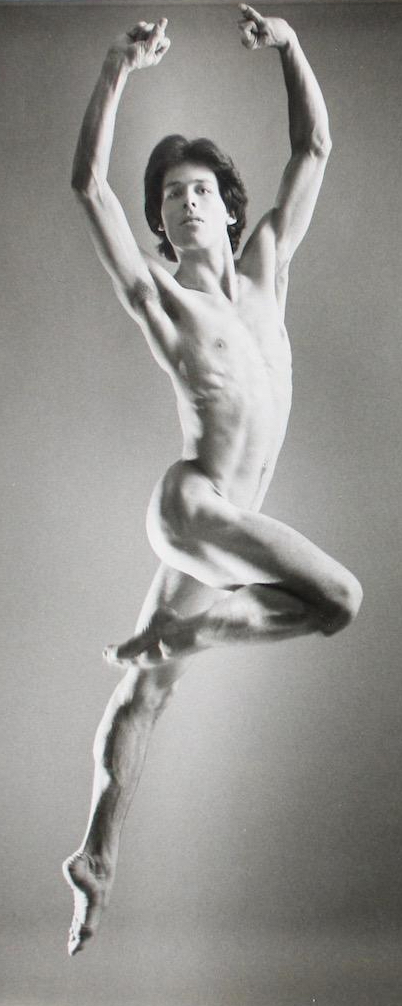
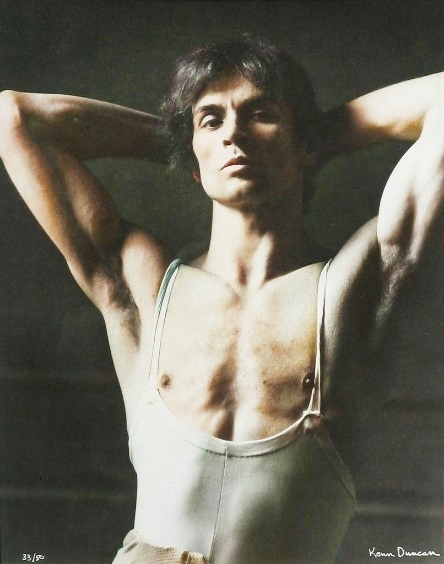
Kenn Duncan is widely considered to be one of the foremost dance photographers of the late 20th Century. In addition to his work as principal photographer for After Dark and Dance Magazine, his photos also appeared in Vogue, Time, Life, Newsweek and Harper’s Bazaar. From the mid-1960’s through the early 1980’s, he photographed nearly every major dance company in the world as well as many Broadway shows.
Born in New Jersey on September 22, 1928, Duncan began his career as a figure skater and then segued into dance. His career took another turn when he was sidelined with a broken foot and signed up for a six-week photography course at the local YMCA. Naturally he gravitated back to the dance world for photographic inspiration.
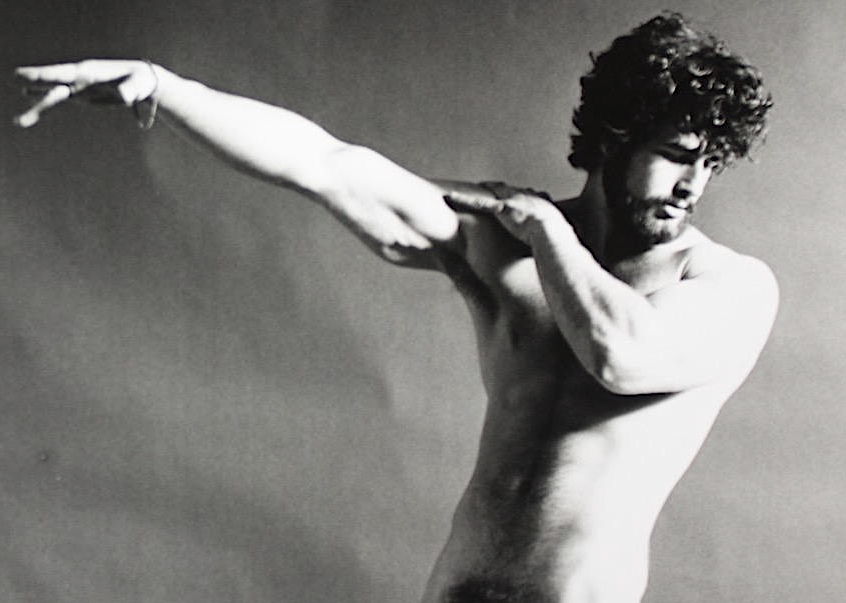
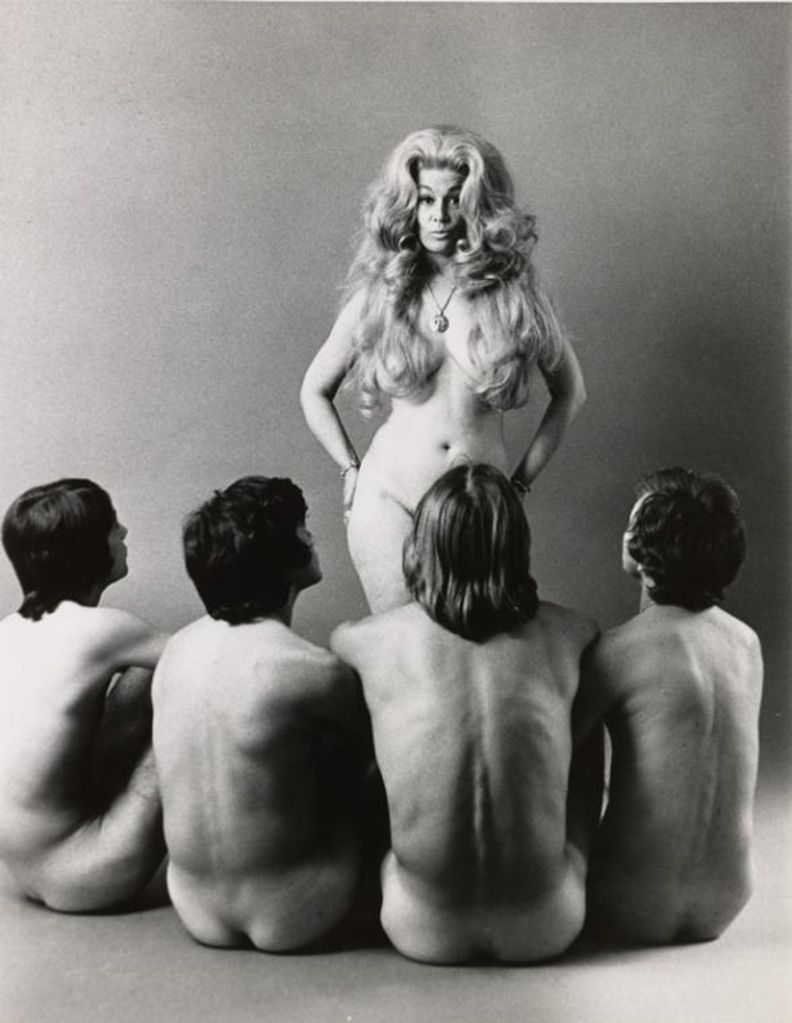
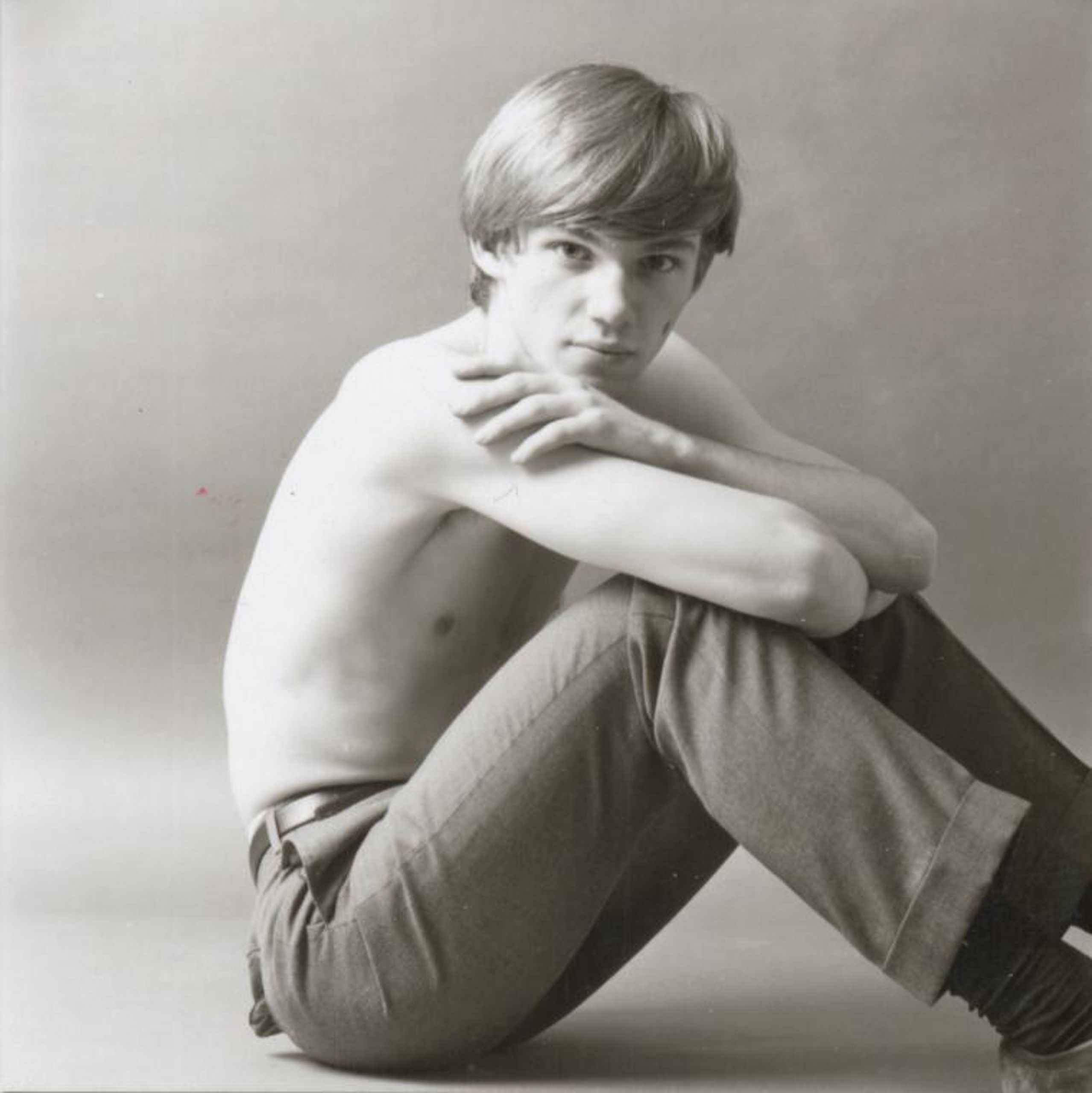
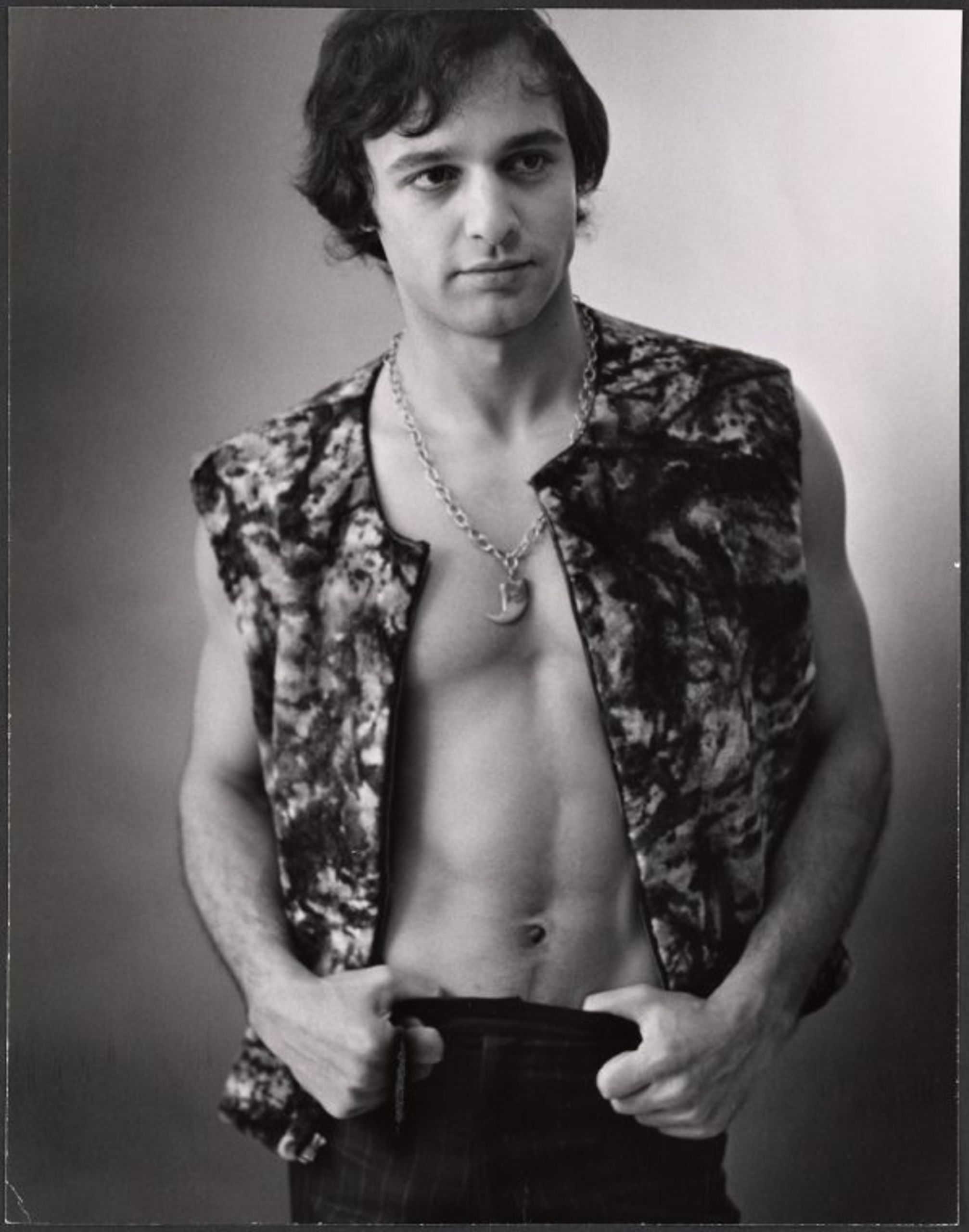
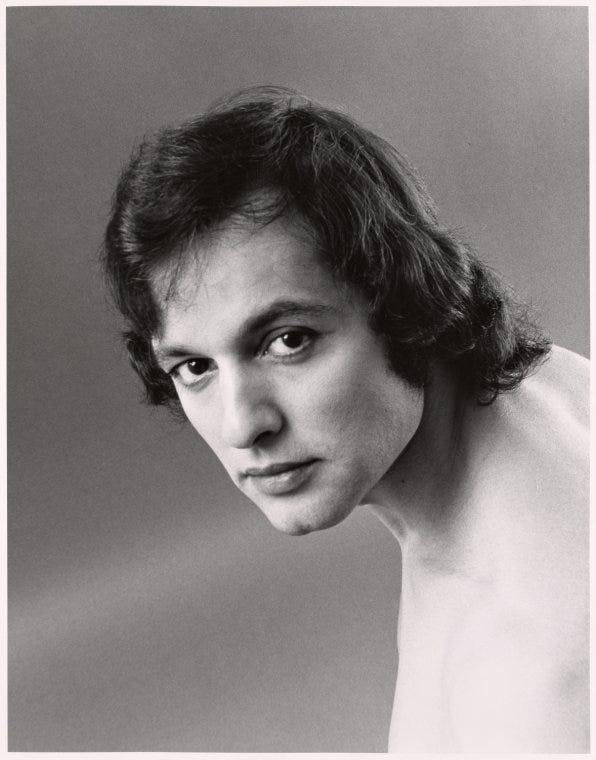
In addition to his dance photography, Duncan was well regarded for his nude photographs, with an emphasis on male subjects. His first two books, Nudes (1970) and More Nudes (1971) were favorably received for his “discreet and artistic arrangements of his subjects.”
Christopher Walken (1968)
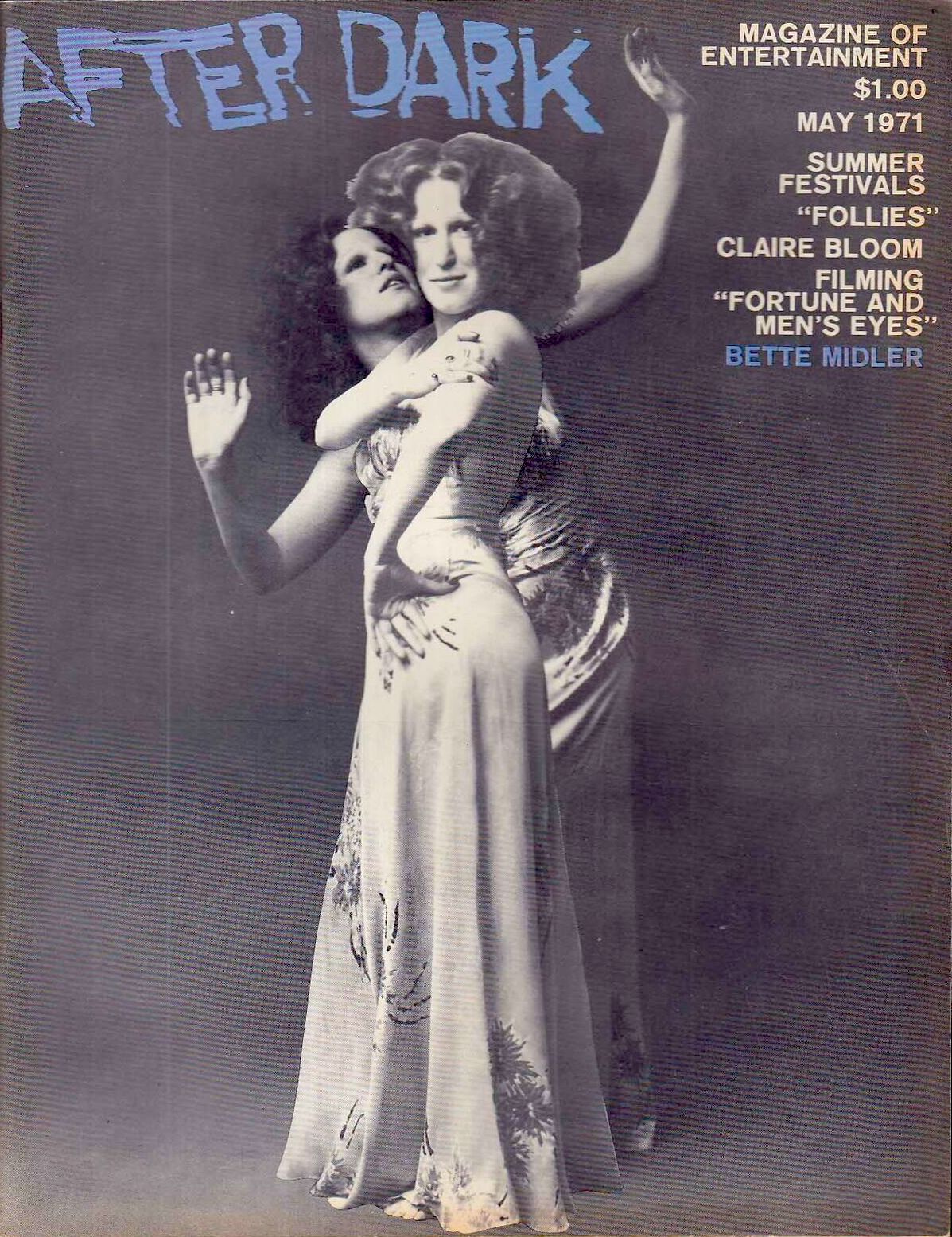
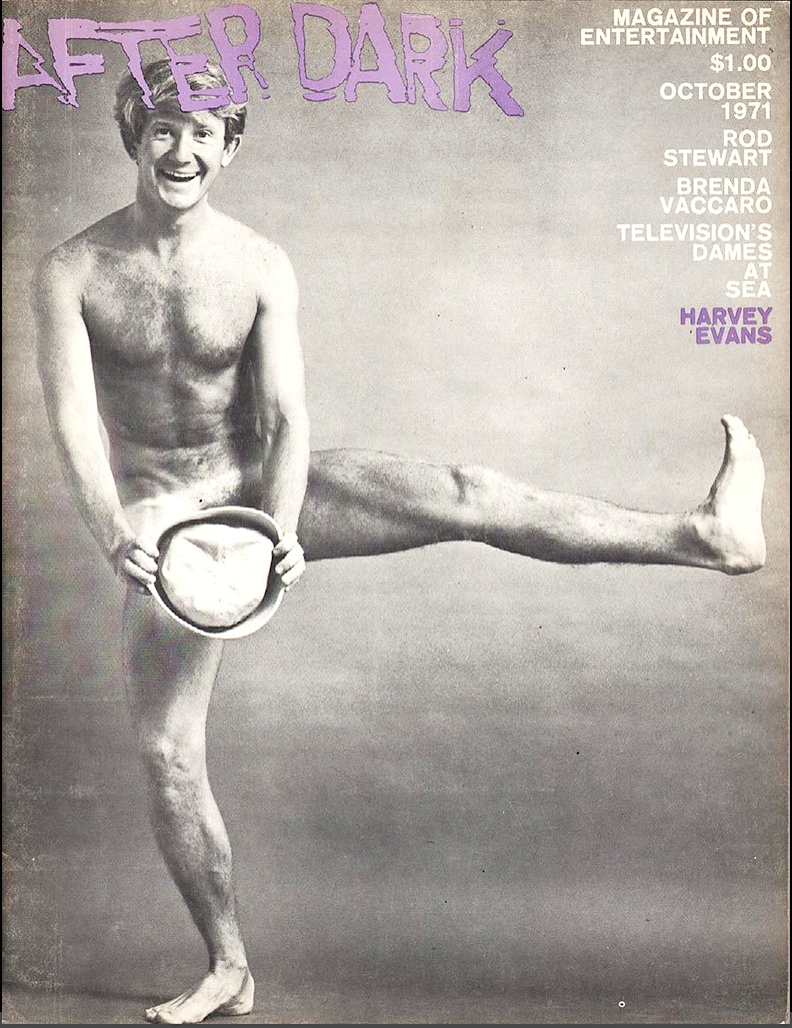
After Dark was an edgy entertainment and culture-based magazine that sprang from the waning Ballroom Dance Magazine in 1968. In The Rise And Fall Of Gay Culture, Daniel Harris writes; “One of the strangest reincarnations in journalistic history… it was out of the ashes of a periodical devoted to such topics as waltzes, rumbas, and turkey trots that After Dark, an audacious mass-market experiment in gay eroticism, arose like a phoenix in all of its subversive splendor.”
Although After Dark was not officially a gay magazine, the publishers were certainly willing to cater to that audience, pushing the envelope on male nudity to a degree that is still not seen in mainstream US publications 50 years later.
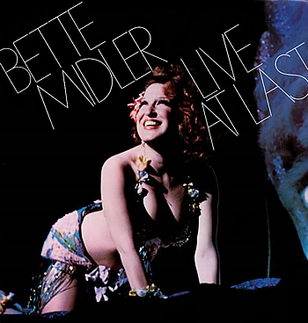
Duncan photographed Bette Midler numerous times through the years, including three After Dark cover photos and the cover shot for her 1976 Live At Last LP.
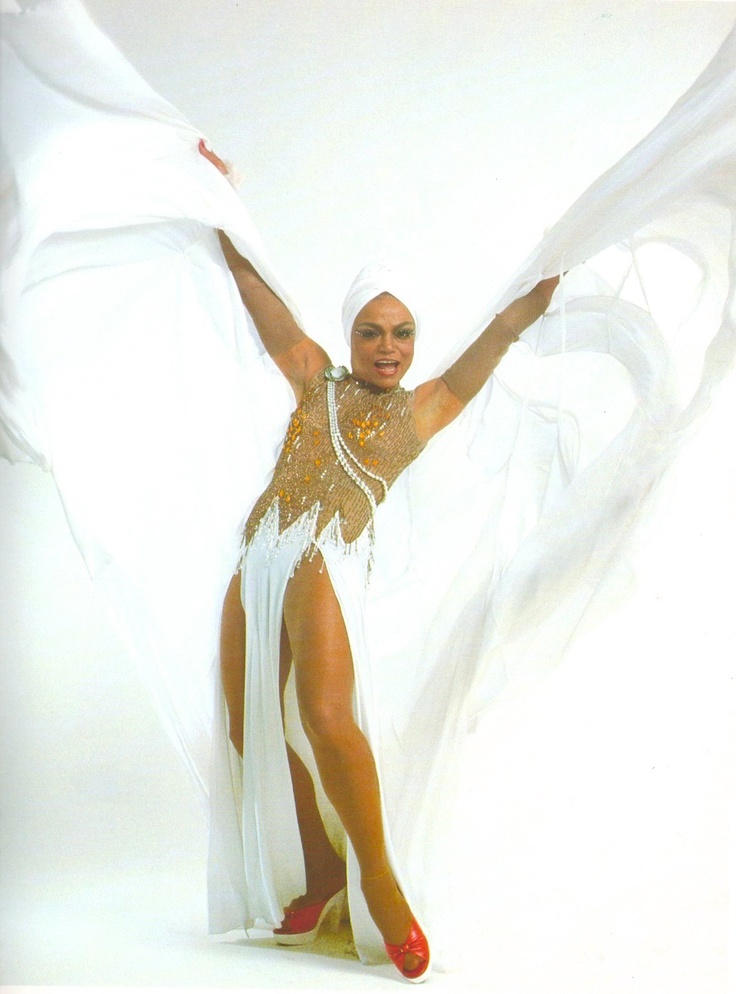
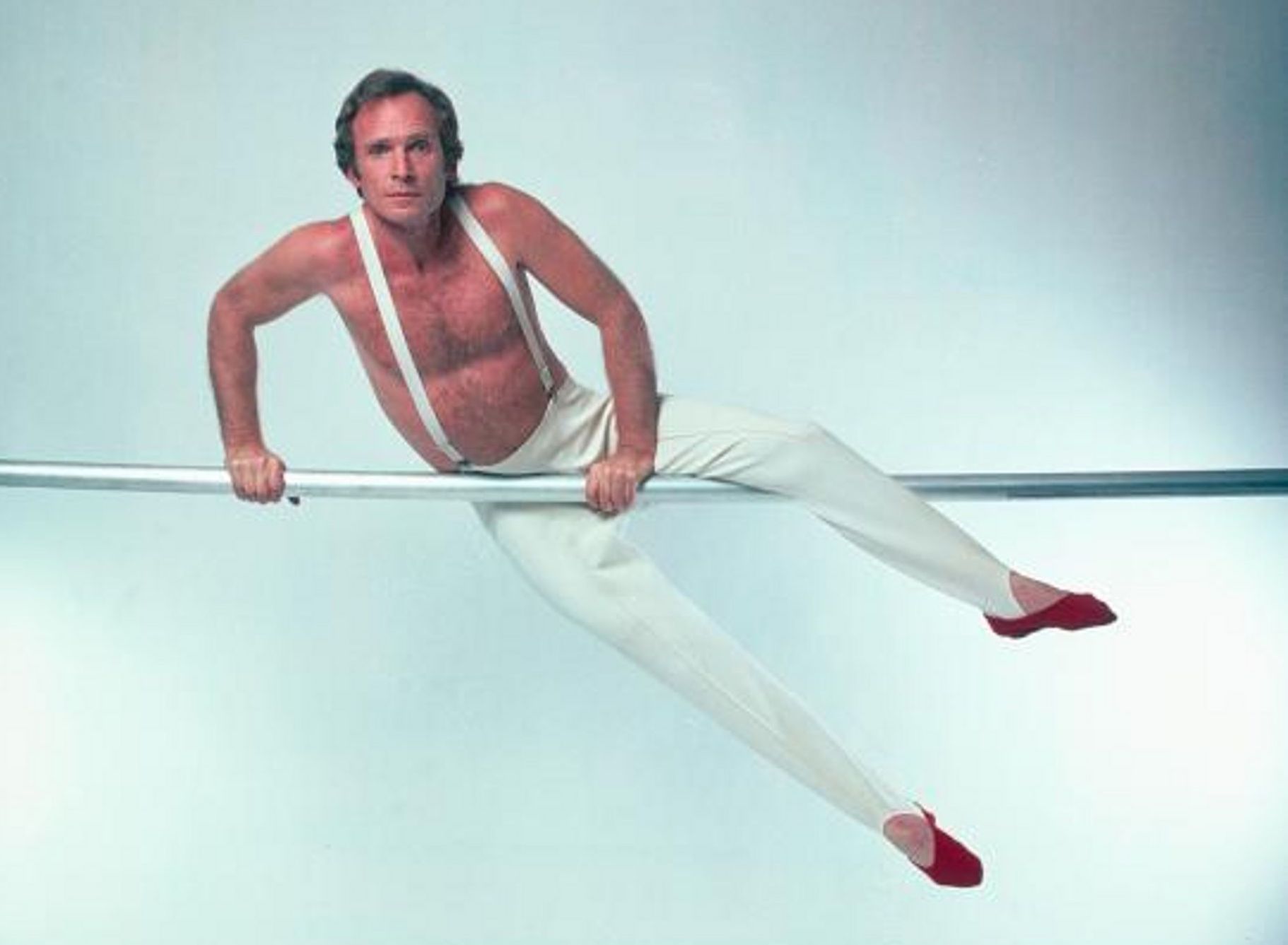
After Dark shuttered in early 1983. The following year, Duncan published The Red Shoes, a photo book featuring celebrities wearing red shoes in a nod to both the Hans Christian Anderson fairy tale as well as the ruby slippers of The Wizard of Oz. Among those featured were many familiar subjects of his earlier work, including (pictured below) Brad Davis, Bette Midler, Maxwell Caulfield, Eartha Kitt, Dick Cavett, Mikhail Baryshnikov, John Curry, Richard Thomas, Gregory Hines, and Treat Williams.
Duncan began work on a second Red Shoes book, but it remained unfinished, along with several other projects. He was just 57 years old when he died of AIDS complications at New York Hospital on July 27, 1986. In 2003, the New York Public Library for the Performing Arts acquired 600,000 photos from Kenn Duncan’s estate. Many of these photos have been digitized and are now available for viewing online for free.