Amy Sedaris is the queen of Instagram – her offbeat posts highlight the weirdly funny and/or oddly sweet. I am just one of her million+ followers. If you need a daily pick-me-up – and who doesn’t at this point? – check out her feed.
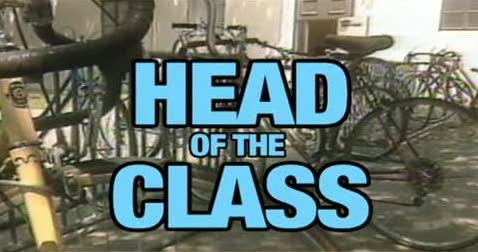
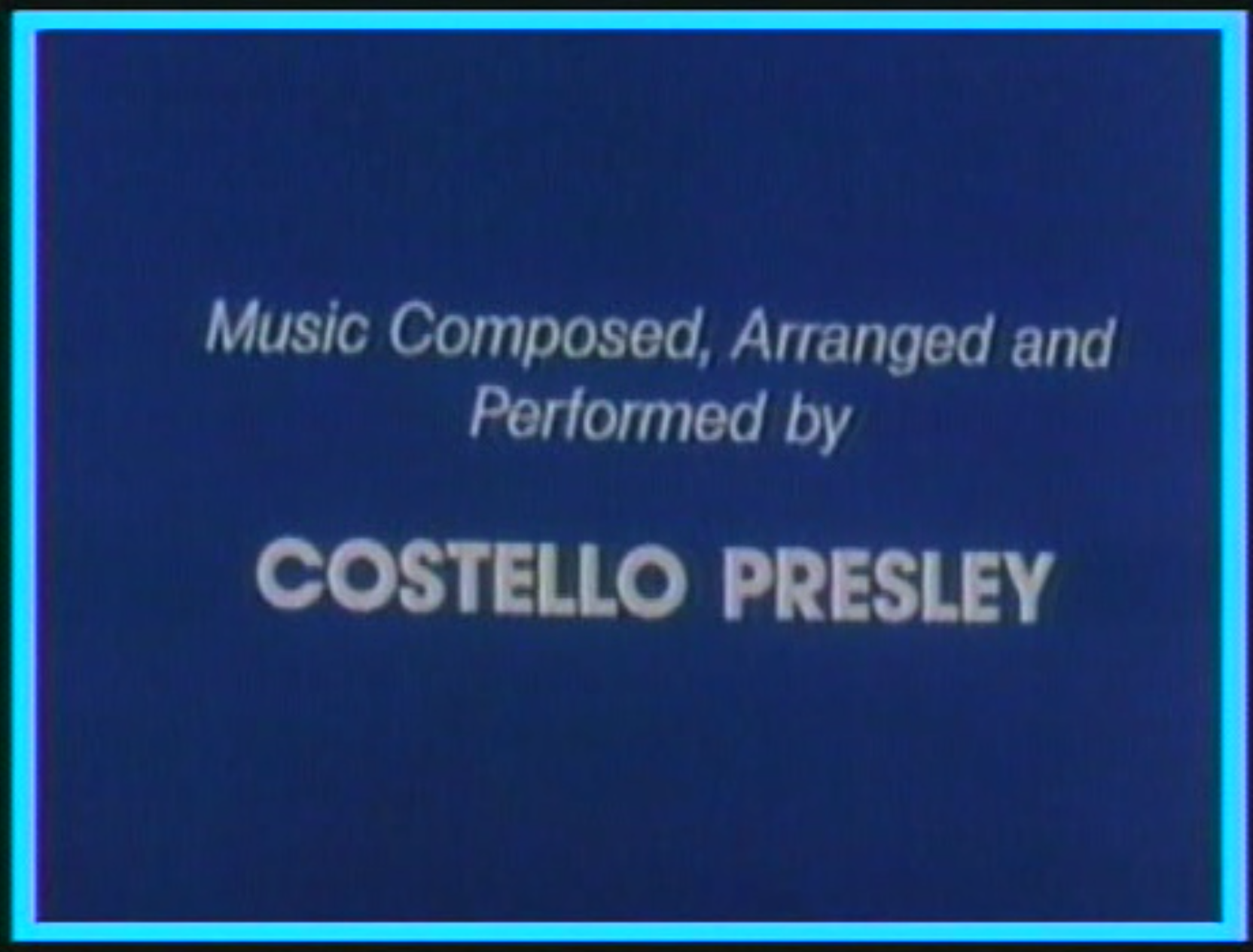
This clip has more than 300k views, 23,436 likes and 897 comments…. but apparently I’m the only one who doesn’t just click the heart, post “LOL” and move on. No. I’m the gay porn nerd spewing info that the general population really does not give a shit about, pointing out that it’s Eric Manchester & Billy London admiring Dean Chasson’s talents in Head Of The Class (1988). Music by Costello Presley!
The comment garnered no “likes” or “responses” – it just dissipated into the air like a public fart as crickets chirped in the distance. Whoooo cares?
I know I’m not the only one interested in finding out more about these videos. Amy Sedaris reposted this clip from Instagram user @homomacabre, whose followers also care about the minutia. His posts highlight the kitsch of old gay porn, with acting thinner than the flimsy sets, not to mention the tacky period clothes and hairstyles. And then there’s the music of Costello Presley.
I wanted to do a blog post about the mysterious synth-pop wizard who scored several dozen gay porn films in the 80’s and early 90’s, but have not successfully uncovered any info about him, including his true identity. I am not alone in my appreciation of Costello Presley: There are multiple soundcloud files and a reddit post with a filmography of approximately 40 titles that feature his music. A porn-adjacent friend of mine does not remember his real name, but assures me that Mr. Presley has left the building.
In 2017, synth band Parralox did a faithful cover of Costello Presley’s “Animal Reaction” from William Higgins’ Class of ’69.
In addition to Head of the Class, another Scott Masters/Catalina video in the Costello Presley oeuvre is John Travis’s Powerline (1989), which also starred Eric Manchester. This film features one of my favorite unintentionally funny scenes from that era.
I purchased a VHS copy of Powerline while on spring break from college. I had gone into New York City to see a Broadway show with some school friends and was about to head back to Long Island. I couldn’t manage to break away from the group and go into a porn shop, so I said my goodbyes at Penn Station and headed down to the train platform. Once the coast was clear, I ran back up to 8th avenue and went into the first smut shop I could find.
I made my way over to the video racks as a stripper in a silver bikini and stilettoes danced on the mirrored stairs leading to the upper level, beckoning shoppers to partake of something more tangible. I grabbed Powerline and headed to the register. With a $39.99 price tag, it was more than I would normally pay for a porn videocassette but my train was leaving in 5 minutes.
All the “acting” scenes are priceless but this one is my favorite, featuring gay-for-pay cover model Tom Steele as the cable guy with Lou Cass and Troy Ramsey as the couple from downstairs who catch him jerking off on the roof.
Porn legend and uber music fan Lou Cass was a frequent guest on The Robin Byrd Show in the early 90’s when he was dancing in New York. The Bay Area resident still has a strong social media presence and occasionally releases his own music. This is one of several versions of Pat Benatar/Nick Gilder’s “Rated X” that he has recorded through the years:
If and when I find out more information about Costello Presley, I will be sure to update the post.
It’s hard for me to believe that I am well past 5 years into this blog nonsense and I have never written a single post about Dusty Springfield. I am a huge Dusty fan – she’s my diva. When I had my public access show here in New York City, I ran performance clips of Dusty so often that I received condolence calls and letters from viewers when she died in 1999.
Too much?
Back then, there was still much to discover: whole albums of unreleased material were unearthed and LPs that had been out of print for decades were remastered and reissued. But now the cupboard is bare, with even incomplete performances cobbled together to produce somewhat finished products.
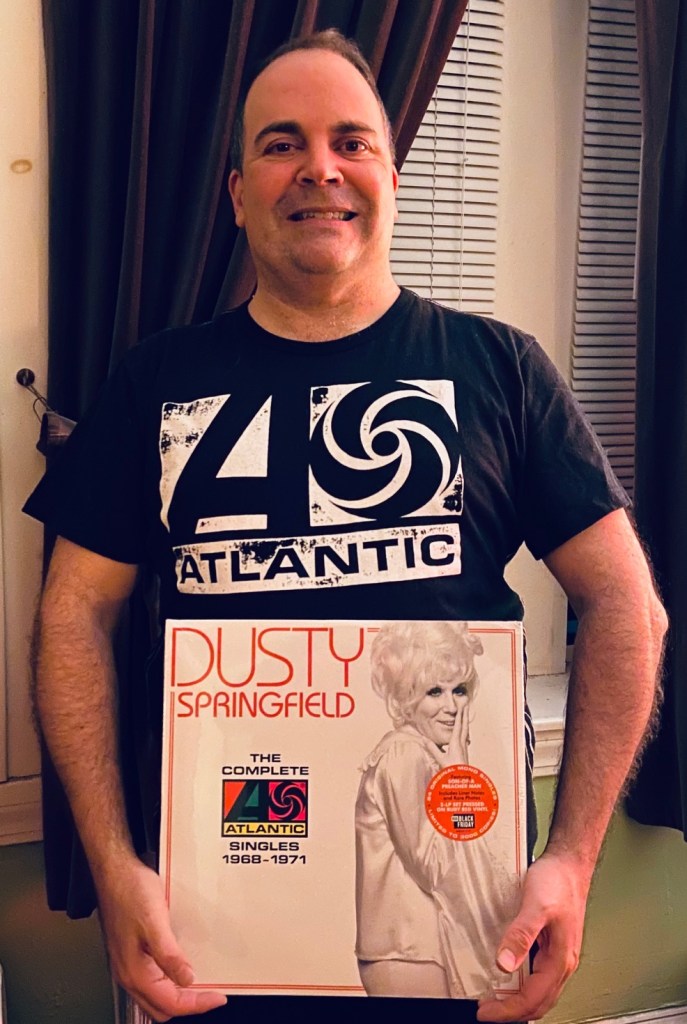
I do appreciate collections that present the tracks in different contexts. A couple of nice recent compilations: Real Gone Music’s Complete Atlantic Singles (1968-1971) and Ace Records’ Dusty Sings Soulare welcome additions to my dusty Dusty collection. And then there’s Goin’ Back: 1964-1971, a 2-CD set of radio and TV recordings that is about to be released in the UK.
With a career spanning close to 40 years and hundreds of recordings in genres from folk to disco and everything in between, it’s easy to forget about some of the lesser known Dusty performances. I was recently reminded of the time she covered a Kate Bush song.
Yes, Kate Bush.
And I’m also a huge fan of Kate Bush. But somehow, I had forgotten about this.
It’s like artists converging from different dimensions. Or maybe not. We live in an age where Lady Gaga and Tony Bennett duets are a thing.
Picture it: London, April 1979. Dusty has just turned 40 as she returned to the UK after living in the US for most of the 1970’s. Meanwhile, 20 year-old Kate Bush had released her first two albums within the previous year. Dusty was performing several shows at The Theatre Royal, Drury Lane. Unfortunately there are no official recordings of the performances but we do have a couple of bootleg audio recordings. Dusty introduces the song:
“When I came here last year, I was surprised and mostly pleased at the musical changes that had happened here. I like things like (Ian Drury’s) ‘Hit Me With Your Rhythm Stick’ just as much as you do…. anyway the thing that impressed me most was that so much originality was around. In particular one young lady came through with a song called ‘Wuthering Heights’…. Kate Bush has an immense amount of originality and I was absolutely staggered by her. I’d like to sing a song that I think is one of the prettiest ones ever written, certainly by her. It’s called ‘The Man With The Child In His Eyes.'”
She then goes on to, as Neil Tennant would later say, “Dustify” the song. It’s a beautiful performance of an unexpected song choice:
Dusty was not alone in her praise of “The Man With The Child In His Eyes”. Besides reaching the #1 spot on the UK pop charts, the song also won an Ivor Novello Award for songwriting.
Later that year, Dusty’s performance at Royal Albert Hall was properly recorded for posterity. Unfortunately, by that time the song had been removed from the set list.
Today would have been Dusty’s 83rd birthday. She is still sorely missed and I’d trade my eye teeth to hear her sing a duet with Lady Gaga.
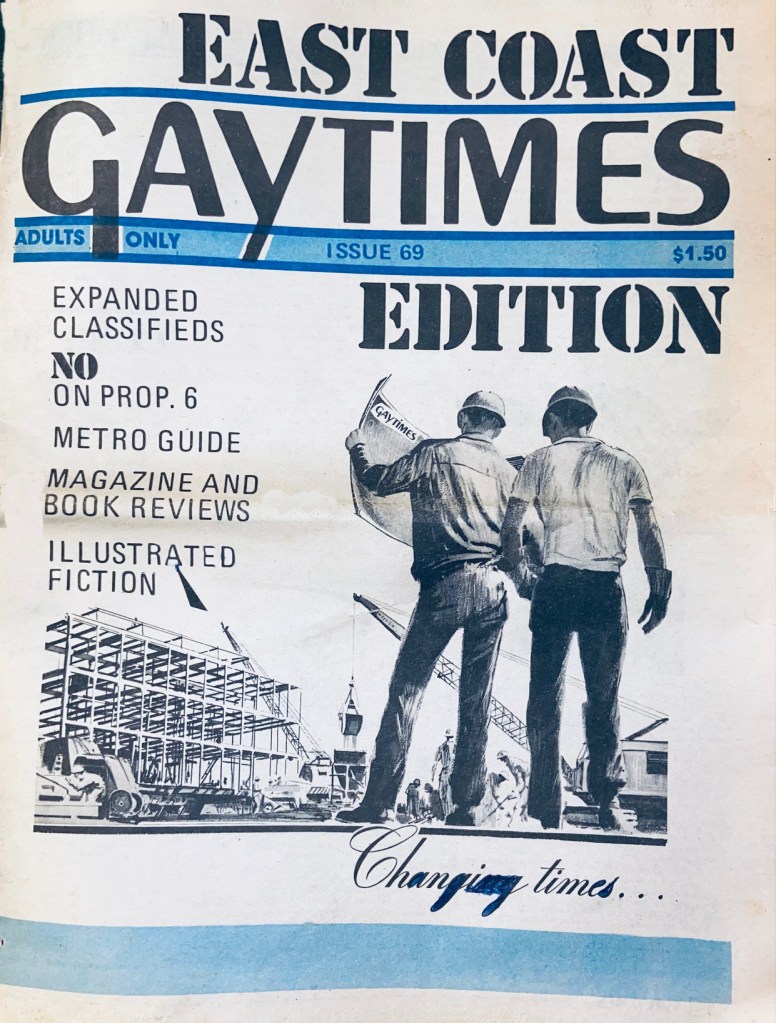
I recently came across a 1978 issue of Gay Times, East Coast Edition – Issue #69 (ahem).
The news section was dominated by California’s Briggs Initiative, aka Proposition 6 – the first attempt to restrict gay and lesbian rights through a statewide ballot measure. Thankfully, it was defeated that November with 58% of the vote, but the stakes were high when this issue went to press.
It was the importance of this vote which also inspired the centerfold:
Caption: Register To Vote – Your right to live may depend on it!
The photo is from Robert Bresson’s 1957 film A Man Escaped, a WWII drama based on a true story of a French resistance fighter portrayed by Francois Leterrier (center).
Elsewhere in the issue, an editorial calls for the continued boycott of Florida Citrus due to the anti-gay efforts of their spokeswoman, Anita Bryant.
Welcome to 2022, when it all seems painfully current, domestically and abroad.
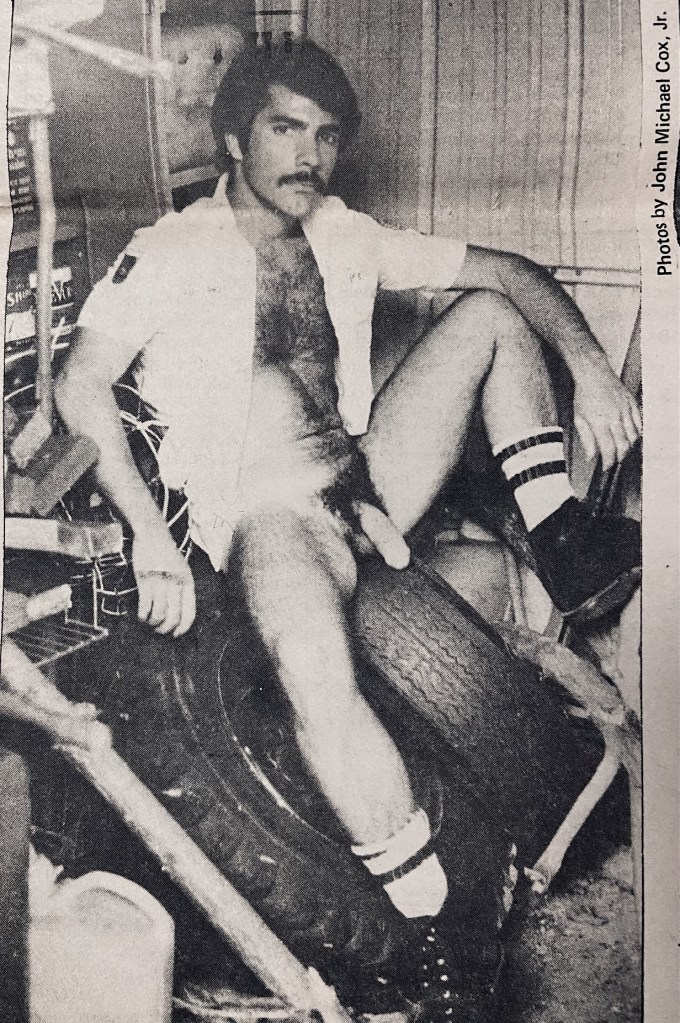
Ah, but it wasn’t all politics and protests. Editor Pat Pomeroy interviewed The New York Man: Damian Charles. He’s described as an Aries ram, former school teacher, author of 49(!) books of erotica, and a centerfold model. He inspired orgasms in 17 countries! (I have to wonder who collects such statistics and where does one find the raw data?) And also – what quote could encapsulate the era better than “… as I have sex with a succession of lovers under the strobe lights at Studio 54”?
I reached out to photographer John Michael Cox, Jr. to see if he had any recollections of this dynamo. “Charles Herschberg was a very close friend & the writer I most used to conduct interviews – I didn’t like to transcribe interviews so I employed writers. For his nude modeling, he decided on the name Damien Charles, which I never liked. He never had the ambition to do much & mainly posed for me. He never did films but I did shoot some hardcore pix of him with his lover Richard Allan. Chuck died around 1990 in Florida.
“These photos are from the first session we did. I never worked for Gay Times, so Chuck must have given them the prints to use.”
I asked about Chuck’s work as a writer. “I met Chuck when he was writing a piece on (gay porn star) Roger. I came over to the Eros Theatre to photograph him and Roger’s manager Jim Bacon introduced us. Typical of Chuck – he never finished the article.”
Regarding the many porn books Chuck wrote: “He probably wrote under many different names. He worked for an outfit that used many writers. They churned out huge amounts of paperback porn.
“Harlequin offered him a deal to do books & said he could alter his porn stuff. $5,000 per book. He couldn’t bring himself to do it.
“Years ago I tried to do a tribute to Chuck on my website, which has since been taken down. Like everyone who knew Chuck, I adored him & also wanted to hit him over the head.”
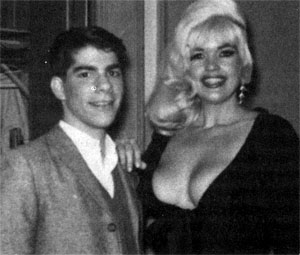
Charles Herschberg with Jayne Mansfield backstage at the Latin Quarter (1965)
Thanks to John Michael Cox Jr. for his recollections of his friend.
Ladies and Gentleman, it is time once again to revisit that late, great dynamic lady of song, Madame Spivy LeVoe (1906-1971), also known simply as Spivy. A lesbian entertainer, nightclub owner and character actress, Spivy has been described as “The Female Noel Coward” – to which I add “…. if he had been born in Brooklyn as Bertha Levine.”
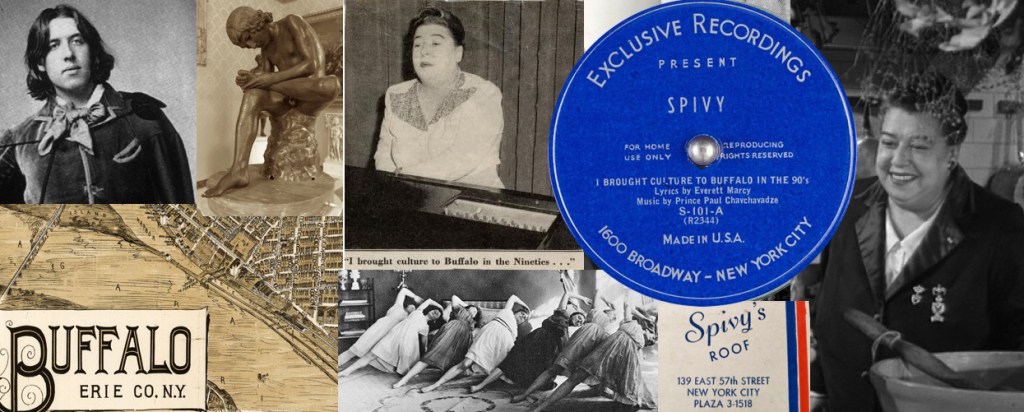
Our latest offering is one of her signature songs: “I Brought Culture to Buffalo in the 90’s”. Curiously, on the recording Spivy introduces the song as “Intimate Memories of Buffalo In The 90’s.” This is the fourth side we have profiled from her 1939 album Seven Gay Sophisticated Songs. The lyrics were written by Everett Marcy, who also co-wrote (with Spivy) “Why Don’t You,” another song from the album. Marcy also had a few Broadway writing credits including New Faces of 1936.
Prince Paul Chavchavadze
The music is credited to Prince Paul Chavchavadze (1899-1971), a writer, translator, and deposed Georgian royal living in New York City. And with that nugget of information, I have to say… whenever I look into the eclectic array of international bohemians associated with Spivy, I am reminded of the party scene at the beginning of Auntie Mame. This is also a fitting scenario considering Spivy later played Mother Burnside in the Broadway production.
Oscar Wilde plays a part in the lyrics of the song, as a guest in the home of our fictional hostess. It should be noted that he did conduct several lecture tours across the U.S., including speaking engagements in Buffalo. One of the topics was “The Decorative Arts.”
I Brought Culture to Buffalo In the 90’s
I Brought Culture to Buffalo in the 90’s. When Wilde was there, he visited my home I showed him all the glories I’d bought so cheap in Greece and all the wonders I’d brought home from Rome. He was spellbound at the splendor of my whatnot and the cigar butt Papa got from General Grant. He couldn’t tear his eyes from my bay window and the maidenhair beneath the rubber plants.
I Brought Culture to Buffalo in the 90’s – the year I took the iron dog off our lawn. In its place I put a Venus in a nightie and a rather naughty but authentic faun. I completely reproduced the Versailles garden though the Erie claimed they had the right of way. I swore I’d die before a tie was laid to desecrate Versailles. I made Buffalo the place it is today.
I was the first to have a Turkish corner though plenty followed suit, you may be sure. I produced a pageant based on Jackie Horner and the deficit was given to the poor. I Brought Culture to Buffalo in the 90’s. I made the natives conscious of the nude. In my dining room I put “Boy Extracting Thorn From Foot” and my guests that winter scarcely touched their food.
The season that I gave my talks on yoga was one I felt I never could surpass. I had a negligee cut like a toga and all my candelabra piped for gas. I Brought Culture to Buffalo in the 90’s. When Wilde was there, he visited my home. Filled with all the treasures of the ages and a nugget Uncle Nate had sent from Nome.
I showed him all the house right through the garret and said “What one thing does it still require?” When Oscar looked at me, I could not bear it. “A match,” he said, “Madame, a match to set the goddamn place on fire!”
This newspaper blurb (courtesy of the Queer Music Heritage page) mentions the song being “rented” to singer Bea Lillie:
It’s not nice to stereotype. This may be especially true of homosexuals, who have borne the brunt of unkind pinpointing for so long that they believe it themselves.
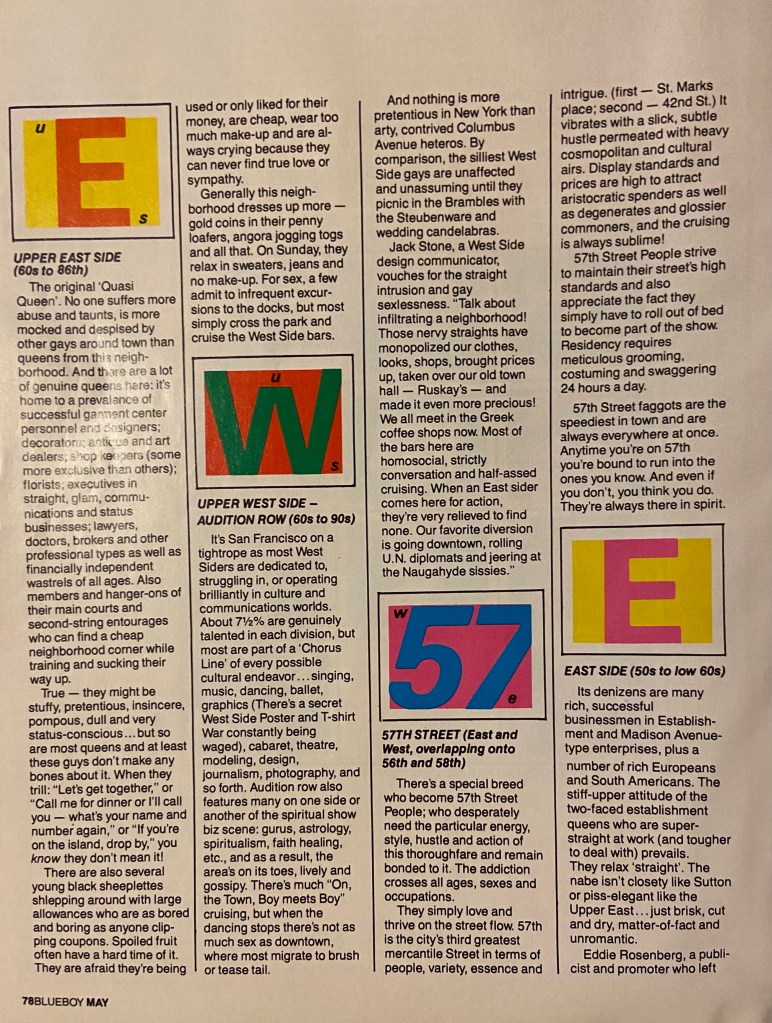
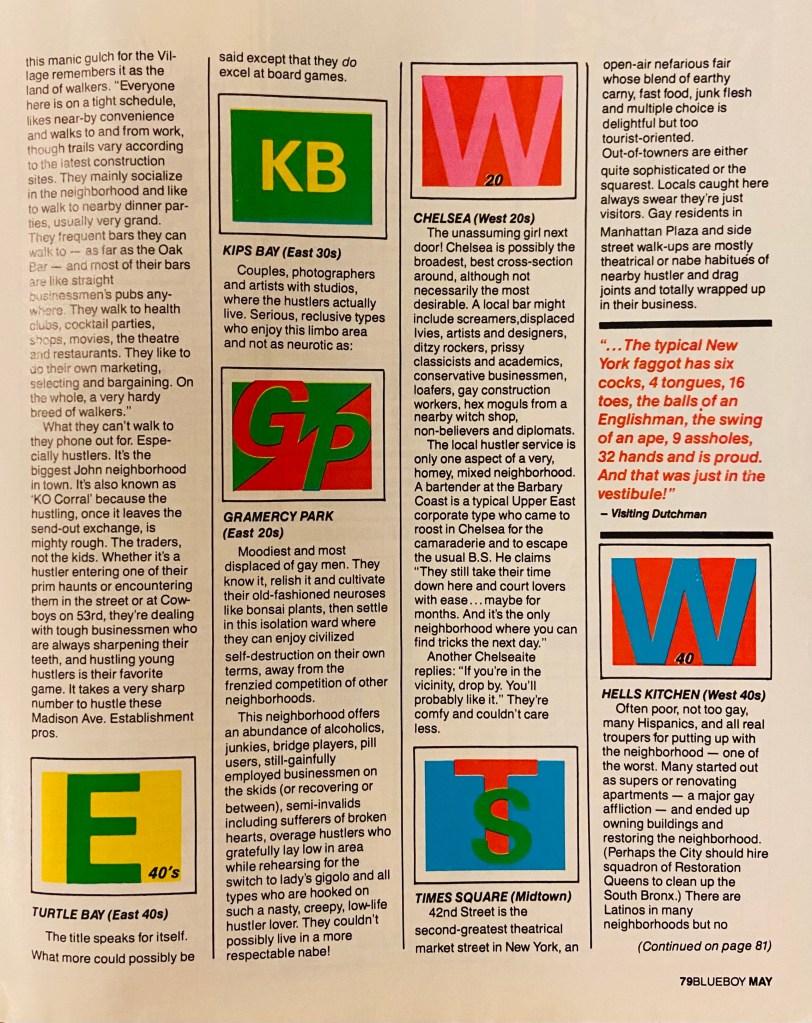
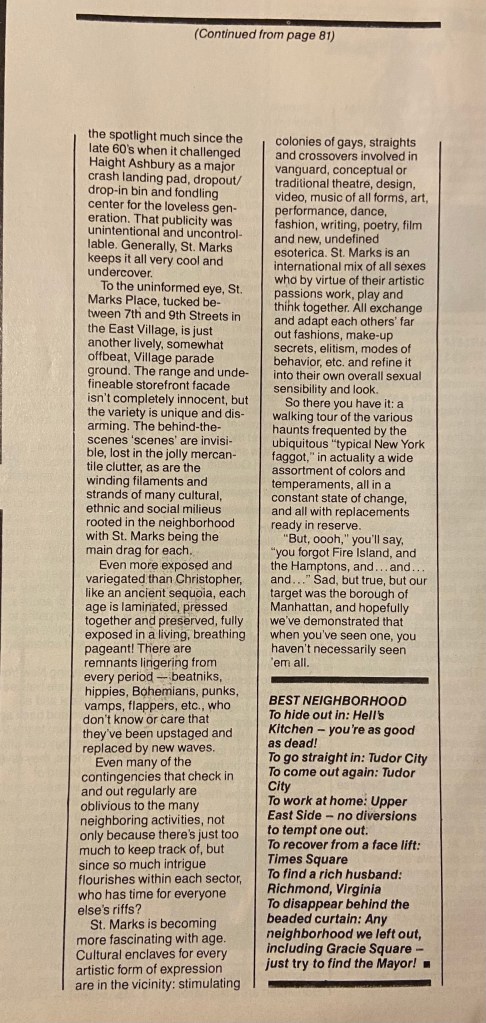
…so begins an outrageously stereotypical article from the May, 1980 issue of Blueboy Magazine, titled “Is There A Typical New York Faggot?”
Now… before you lose your shit over the title, keep in mind that those were different times. The “F” word wasn’t taboo. Larry Kramer’s book by that name had been published just a year and a half earlier. So let’s put that sticking point aside. There’s plenty more to discuss.
Another caveat: This is from Blueboy. A gay porn magazine. It ain’t the Advocate or The Village Voice. Presumably author “J. Greller” was the pen name of a jaded queen with his tongue firmly planted in his own cheek and his head up his own ass. Who can say for sure? I wouldn’t want to, you know, stereotype… but Harold from Boys In The Band could deliver this piece as a monologue.
It’s mean and bitchy, but not in a fun way. It’s like the author had one martini too many and his New York City rant went to a dark place that was no longer funny or clever. The specificity of many of the “types” described gives the indication that he had an axe to grind with very particular unnamed individuals.
Have a read:
To be fair, the entire piece isn’t completely tone-deaf. There are glimpses that ring true, especially in the downtown neighborhoods. This is due in part to the quotes from others – Doley the Third’s observation on Harlem, for example.
I find the piece to be out of sync with the NYC neighborhoods as I have known them since the early 1990’s. But this is my perception over a 30 year period. I wasn’t there in 1980, but I have to wonder if the author has based his observations on, say, a 30 year period prior to that. Were there were really still old vamps & flappers on St. Marks in the CBGB era? Did 57th Street really have its own gay male type that needed dissection? Did nobody ever travel out of their own neighborhood to socialize? Were the streetcars not running?
Interesting to note that, for all this compartmentalizing of Midtown East neighborhoods: Kips Bay vs Turtle Bay vs. East Side… there is no mention of Murray Hill. At the time, according to older gay New Yorkers that I have known, it was referred to as “Mary Hill” due to the large number of gay bars and homosexual residents. J. Geller missed a golden opportunity.
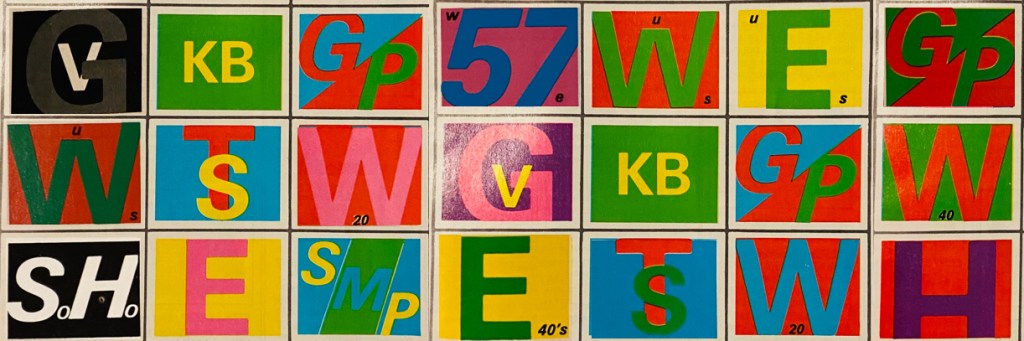
Kudos to the graphic artist Favio Castelli, though.
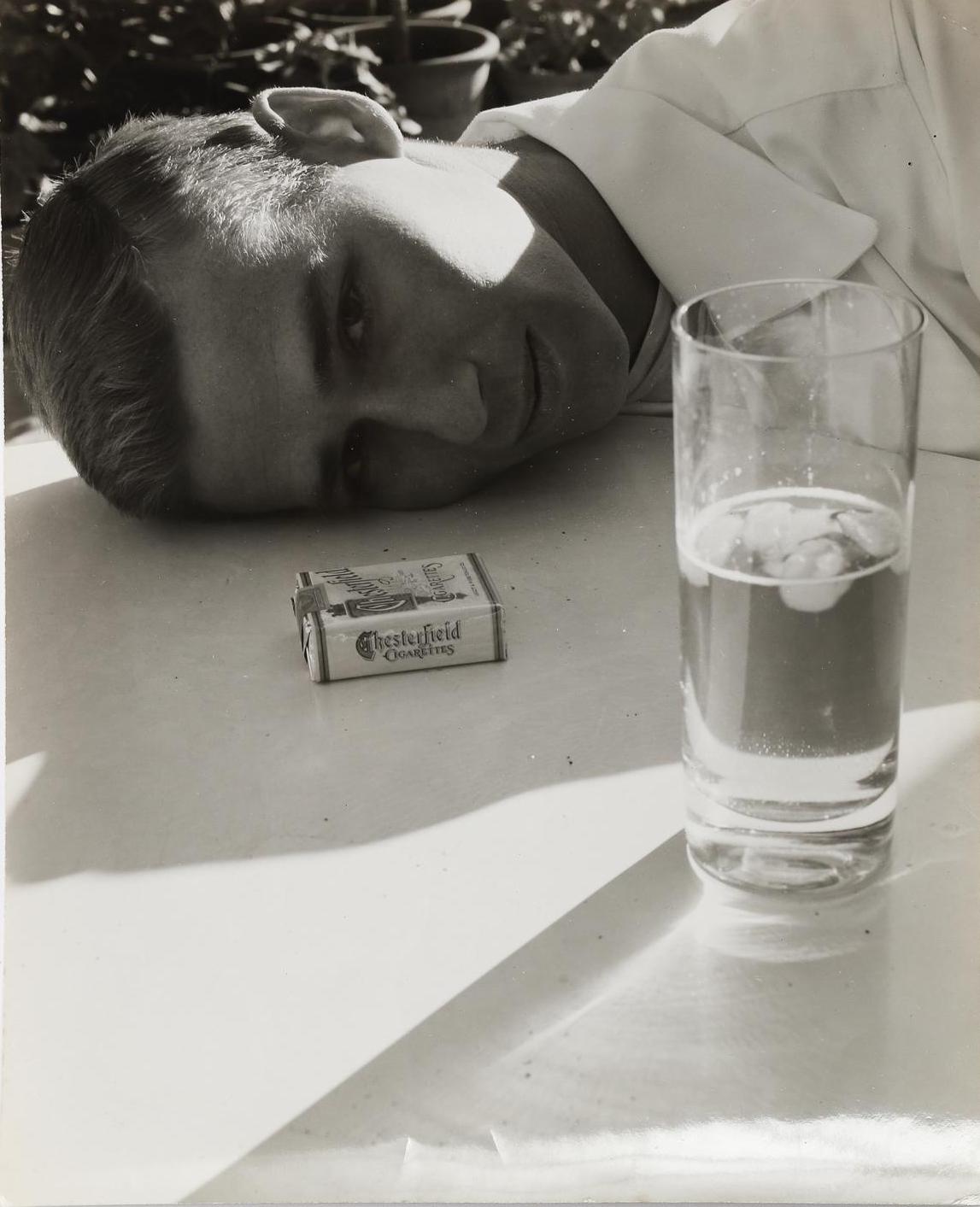
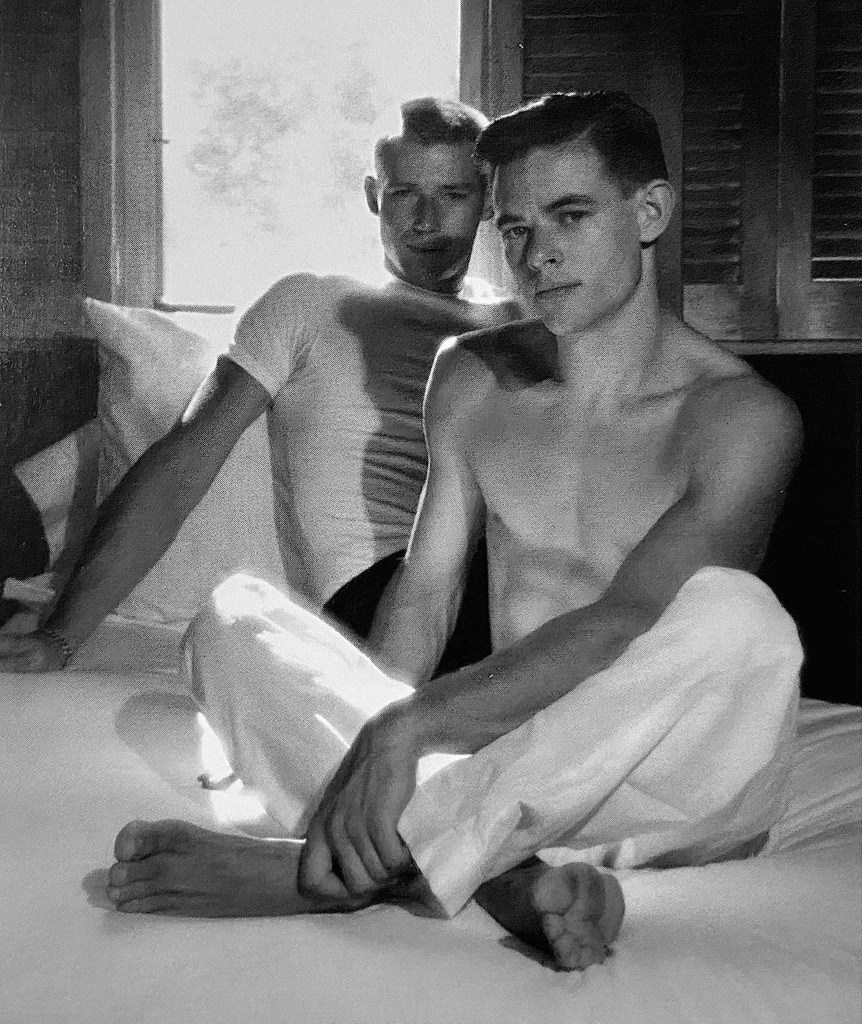
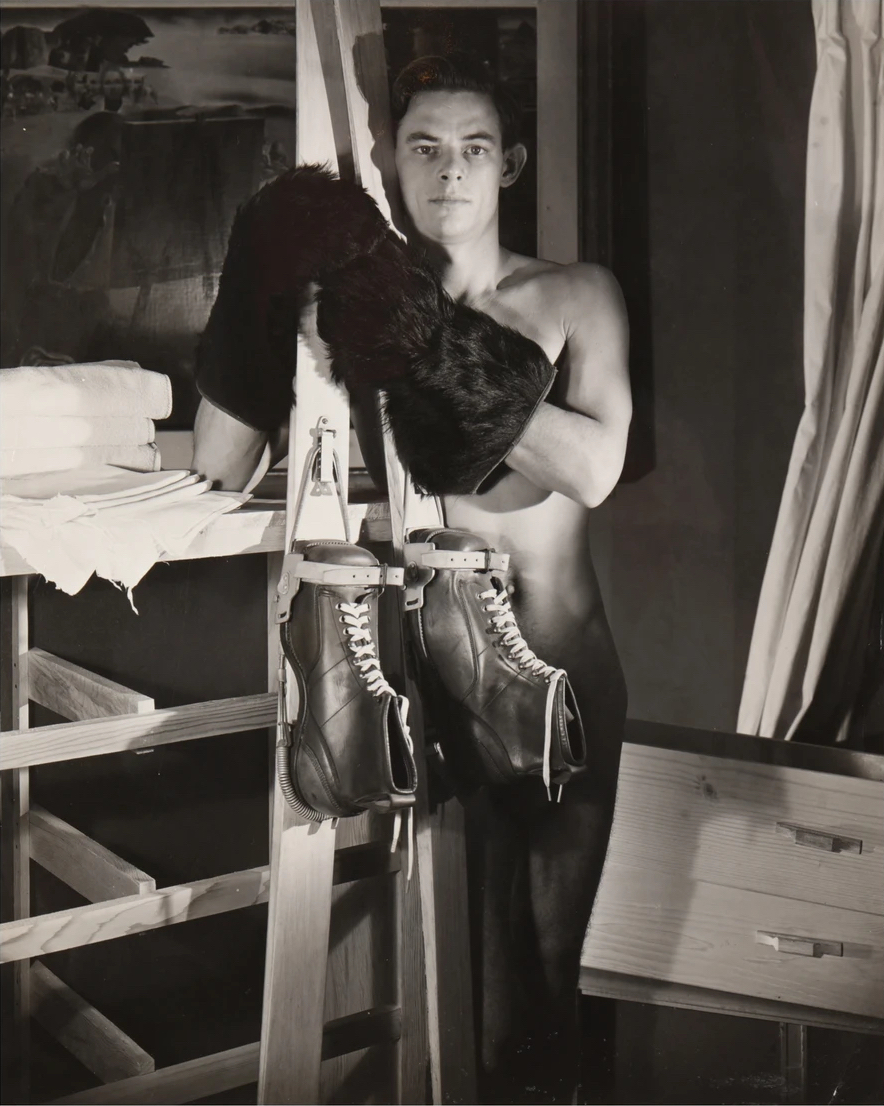
While scrolling across the internet in search of photographs by George Platt Lynes, I came across one that I had never seen before – a handsome shirtless young gent sitting cross-legged on a bed. Initially I was skeptical of its authenticity, as the subject looked so casual and timeless. There is nothing dated about the guy or his surroundings: the image could have been captured at any point in the last century.
I decided to do a little investigating and found that it was, in fact, an authentic Lynes photo. The handsome subject was a fellow named Randy Jack, Lynes boyfriend circa 1947-48. A new Lynes biography also helped to fill in the blanks.
Homer Randolph Jack was born on April 5, 1926 in Lake Clinton, Illinois. He attended Waukegan High School where he enjoyed singing and performing. As a senior, he starred in the high school’s production of the comedy Best Foot Forward. Upon graduation in 1944, he joined the Navy.
After WWII, with his Naval tour of duty completed, Randy Jack settled in Los Angeles, where he embarked on a relationship with ice cream parlor impresario Wil Wright Jr.
Californians of a certain age still swoon at the memory of Wil Wright’s frozen delights, decades after the last shop closed its doors.
George Platt Lynes photos of Wil Wright Jr.
Wil & Randy
In the recently published George Platt Lynes bio The Daring Eye, author Allen Ellenzweig refers to Randy Jack as “Wil Wright’s favorite.” In August of 1947, the two of them rented a room in Lynes’ Hollywood home. The New York-based photographer was in the midst of his “Hollywood period” working for Vogue magazine. Lynes – who always lived beyond his means and was notoriously bad with money management – decided to take in roommates to share chores and expenses.
This arrangement did not last long because, as Lynes wrote to a friend, “Wil can’t bear not to be boss and that is one thing he can’t be. Not here.” Wright also resented George’s influence on Jack, encouraging him to pursue a career as a dancer. When Wil moved out after a couple of months, Randy stayed…. and found his way into Lynes’ bed as well.
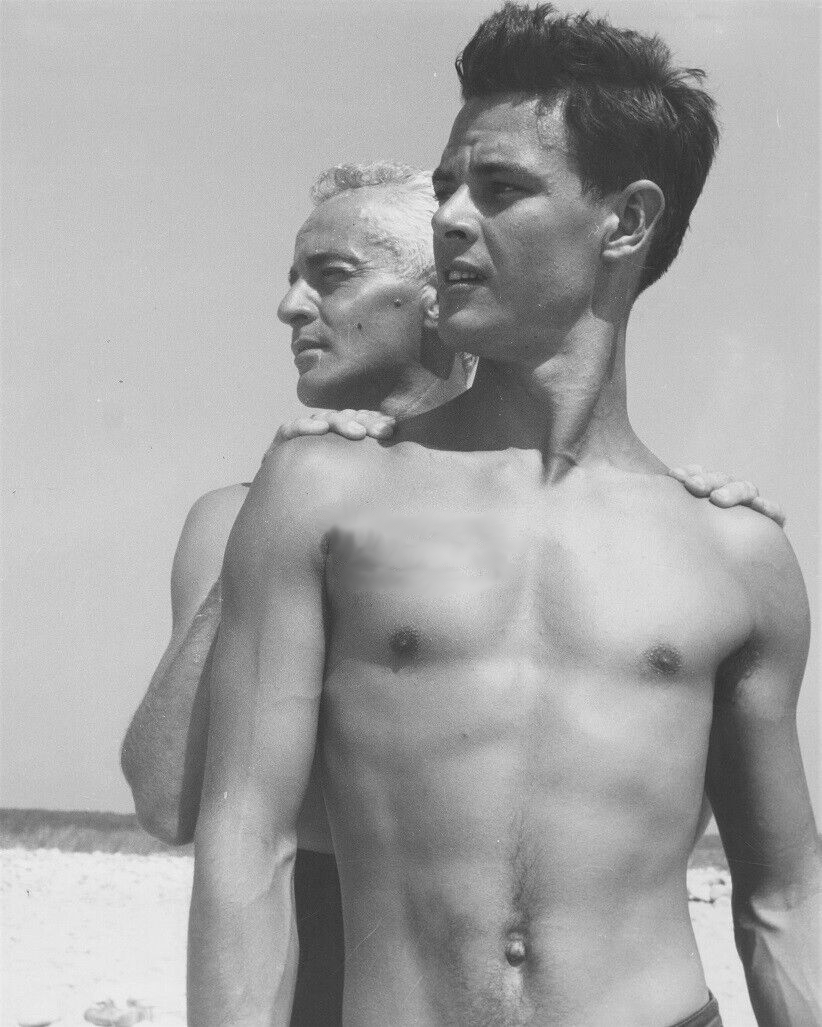
Randy Jack with George Platt Lynes (1947)
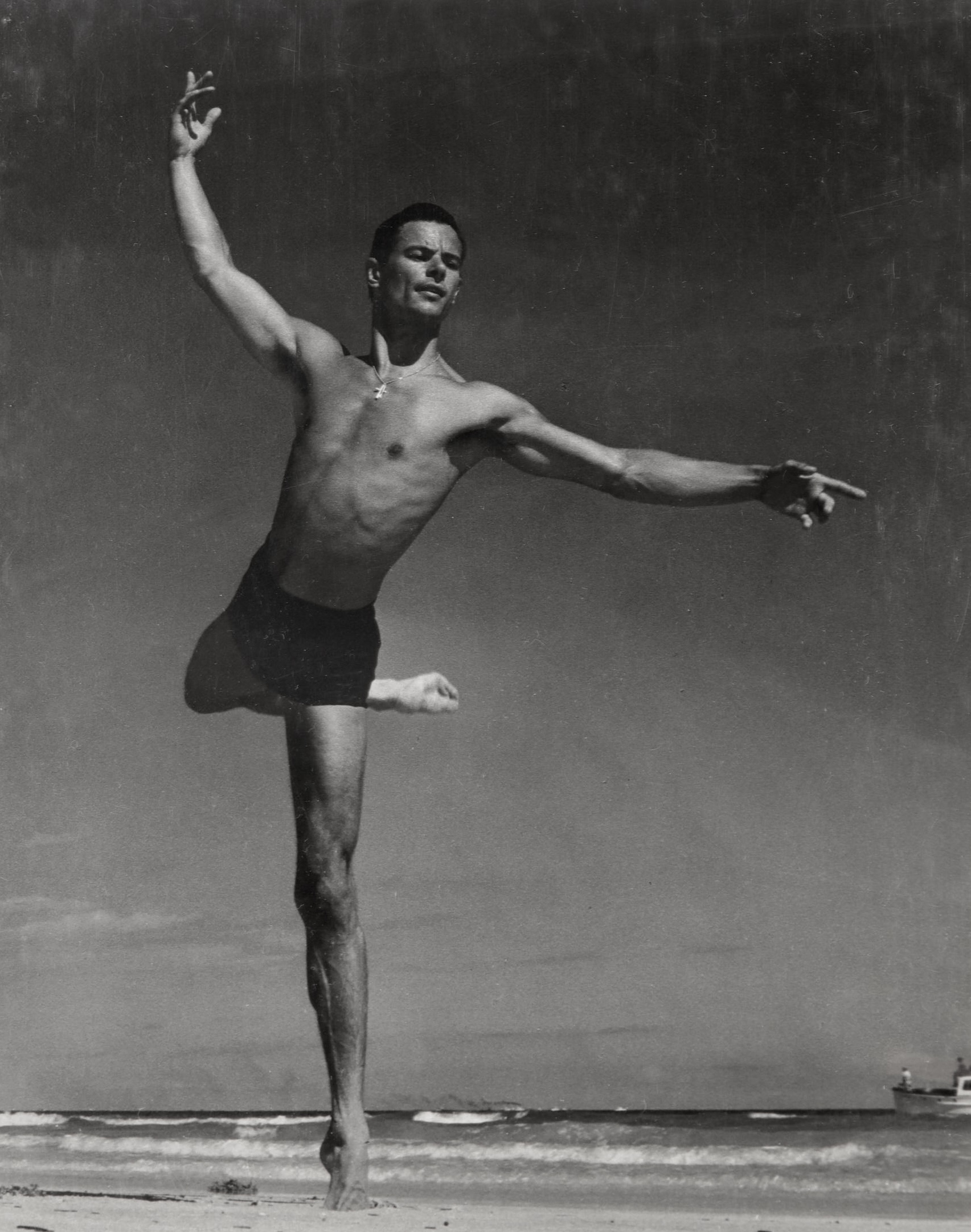
Randy Jack committed himself to a vigorous regimen of ballet classes. Although Lynes was aware that Jack was a bit long in the tooth to start training for a career as a dancer, he supported his efforts nonetheless. He wrote to his friend Monroe Wheeler; “He’s too old, 21, but he has a ballet dancers body and a ballet dancer’s soul.”
Randy Jack’s protruding ears – called “bat like” in several accounts – were viewed by Lynes as a further hindrance to attaining success as a ballet dancer. While he could not erase Jack’s advanced age, he could do something to remove this obstacle, so the cards would be “stacked in his favour, to remove whatever flies there may be in the ointment.” He agreed to barter with a plastic surgeon: Lynes would photograph the surgeon’s glamorous wife in exchange for the operation to pin back Jack’s ears. Lynes wrote to his mother at the time: “…I can’t leave things alone but redecorate or remodel anything I can lay my hands on, people as well as houses.”
The photos of Randy Jack taken in Lynes’ library are understandably the most popular.
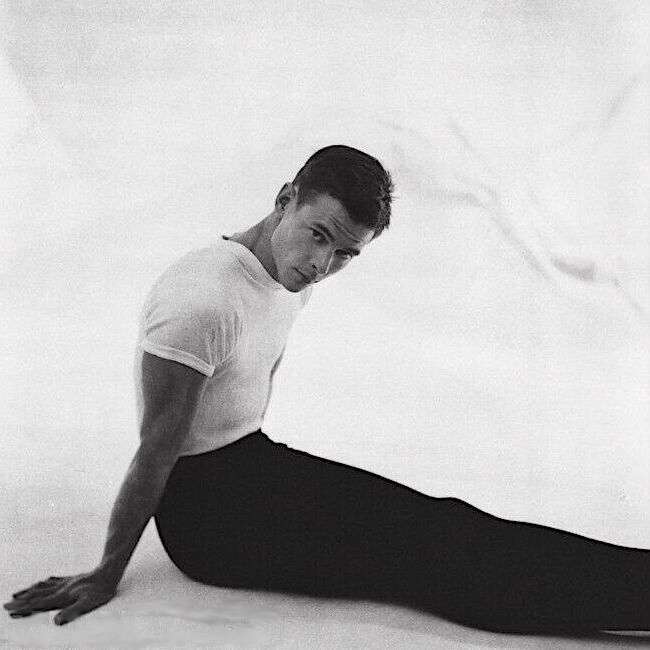
Ears firmly clipped, Lynes photographed his roomie en tenue de danse at Vogue studios, creating this striking series of photos:
In May of 1948, Lynes’ contract with Vogue ended and he returned to New York City with Randy and their dog Bozo in tow.
Portrait of Randy Jack by Bernard Perlin, June 5, 1948
As mentioned in our profile of Ted Starkowski, Lynes and his artist friends often shared models. Like Starkowski, Randy Jack was the subject of several other artists’ work, including Bernard Perlin.
Perlin later recalled, “I really am lousy. George commissioned me to do a drawing of Randy Jack. Randy and I had interrupted the drawing with some ill-advised smooching, which was in turn interrupted by Robert Drew, (my boyfriend) who lived directly downstairs from me. He was damn furious, and he left me. That was the end of it, of our thing.”
Soon after the move to New York, Jack abandoned his ballet studies and began to find work as a fashion model. This proved to be a far more attainable and lucrative goal.
In mid-summer, George wrote to Katherine Anne Porter that he was troubled about the young man, “… I wonder what New York has done to him, or what I have done.”
Whether or not Randy left George or their cohabitation ended by mutual consent is debatable. The fact remains that he moved out in the Fall of 1948… and Lynes’ next boyfriend and muse, Chuck Howard moved into the apartment 10 days later.
David Leddick writes “Jack became one of the most successful fashion models in an industry that was just becoming big business, posing for both photographers and the many illustrators of the time.”
When I look into the life of an artist’s muse from the past, there is always a point in their story that brings to mind the Kirsty MacColl song “What Do Pretty Girls Do?” The answer, she sings: “They get older just like everybody else.”
As his modeling career waned, Jack began his third act as an interior designer. His work with commercial / hotel spaces led him to the Middle East, where he settled on the island of Bahrain and became a restaurateur, opening the Upstairs Downstairs restaurant in 1977.
In 1982 Jack published Upstairs Downstairs Cookbook, featuring favorite recipes from the restaurant’s menu alongside his own illustrations.
In the mid-90’s, Intimate Companions author David Leddick reached out to Randy Jack to talk about his early years with George Platt Lynes. Leddick recounts being tipped off that Jack was living in Bahrain, and that he was able to simply call the local information to get his phone number. Strangely, Jack’s birth name in the book is listed as Randolph Omar Jack, as if the author misheard “Homer” on a poor telephone connection.
A current photo of Randy Jack appeared in Leddick’s 1997 book Naked Men: Pioneering Male Nudes. Shortly after the book’s publication, on June 5, 1997, Jack died in Bahrain. He was 71 years old. The Upstairs Downstairs restaurant is still in operation today. The restaurant’s Facebook page has comments from patrons recalling Randy Jack’s hospitality and the good times they had there.
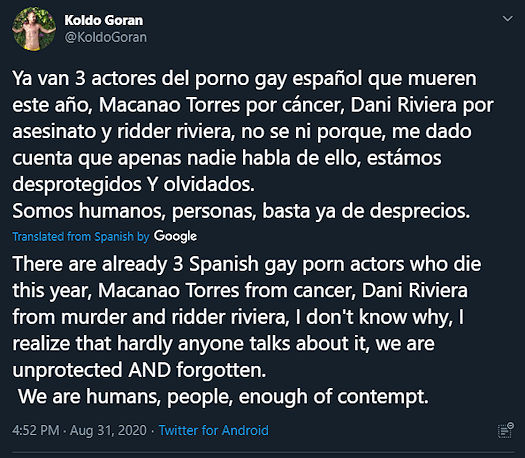
In August of 2020, porn star Koldo Gorantweeted about three fellow performers who had recently died. In one of those instances, Goran’s tweet remains the only public notice that one of them, Dani Rivera, had been murdered. “I realize nobody talks about it, we are unprotected and forgotten;” Goran tweeted “We are humans, people, enough of contempt.”
Most gay news outlets choose to ignore the passing of all but the biggest names in the adult film industry. Porn companies also seem reluctant to broadcast the death of a performer who is still on their roster, forever young and present in their website content. An obit is a real boner killer, ya know? Why jeopardize the profit margin?
Additionally, performers who abandon their porn personas and return to life under their real name often pass away unnoticed by former employers and scene partners.
In 2021 we lost two of the biggest gay porn filmmakers: Wakefield Poole, who basically invented the genre with 1971’s Boys In The Sand; and Jerry Douglas, director of many critically acclaimed gay adult films that were story-based but incorporated hot sex scenes. Poole’s passing was marked with a New York Times article and Douglas’s death was also widely reported in the gay press.
In contrast, some of the porn star passings that we note here have no verification other than the crumbs of information posted on the IAFD database. We remember those that we lost in 2021 to prove Koldo Goran wrong – they are not forgotten:
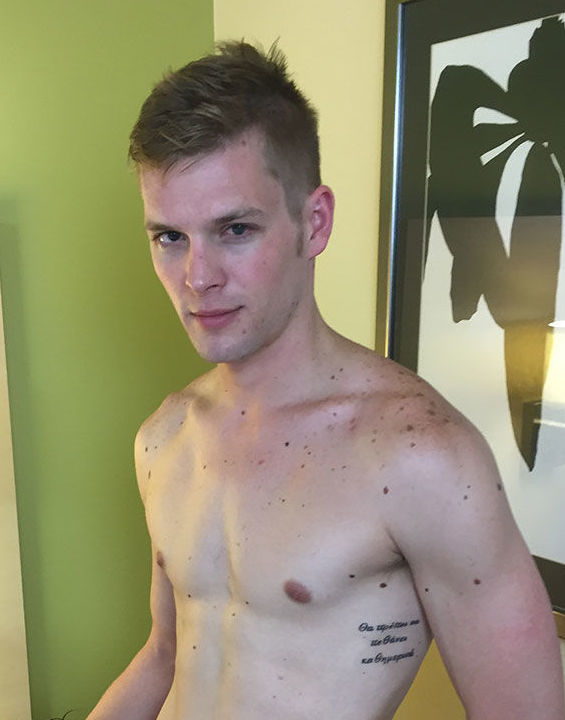
1) Shawn, aka Kenny, aka Kevin Horton only appeared in a handful of scenes: He was Shawn at Active Duty and Kenny at GayCastings. The Chico, California native was born on June 14, 1995. He made his film appearances in 2015 when he was 20 years old. In his interview segment at GayCastings, he mentioned previous health issues that had interrupted his pursuit of a medical degree. He passed away in Oroville, California on February 1, 2021 at age 25.
Alex James’ eyebrow-raising transformation over a three year period in adult films.
2) Alex James, one of the most popular performers at Active Duty, passed away of a “heart attack” on February 15, 2021, according to the menofporn blog. He appeared in several dozen scenes starting in 2018 with new content steadily released in the six months following his death.
Eric Pryor, aka Mikey McKenna
3) According to the IAFD database, Eric Pryor was 38 years old when he passed away on January 12, 2021. No other details were given. The Michigan native primarily worked for Randy Blue from 2009-2013 and also appeared on Baitbus as Mikey McKenna.
Teyon Goffney with identical twin Keyon (l), and solo.
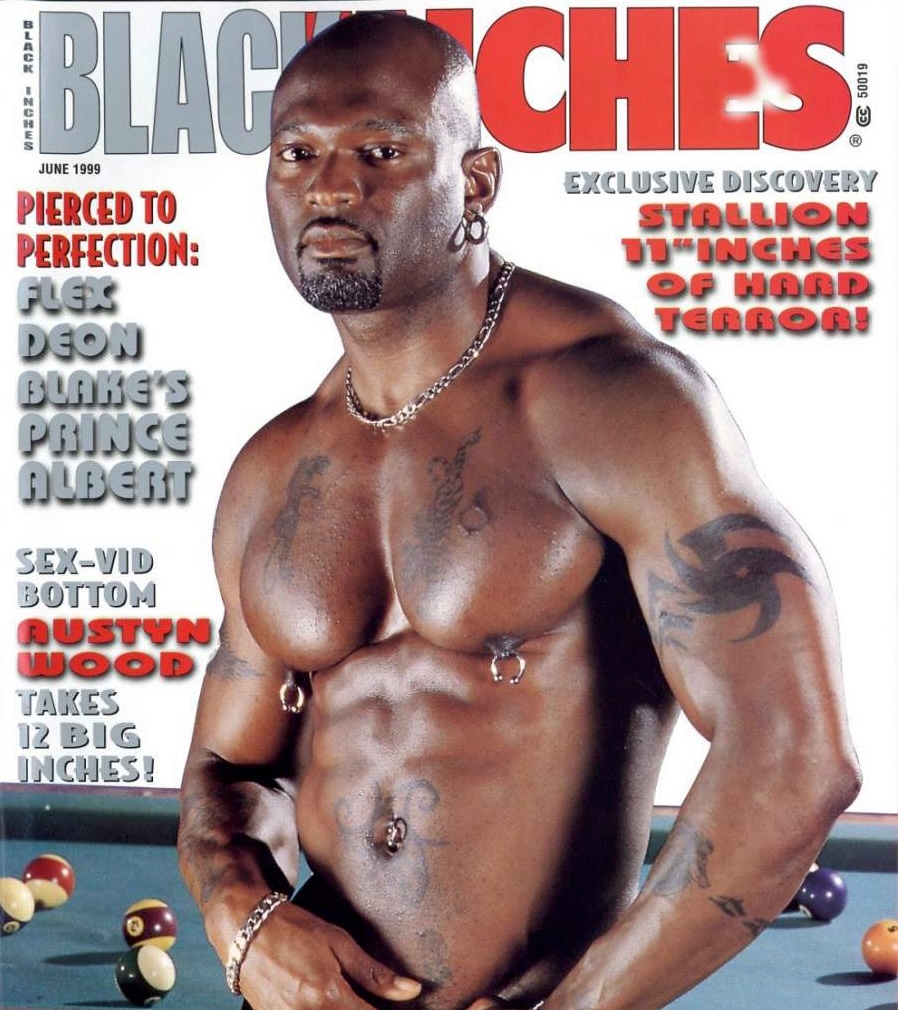
Flex-Deon Blake on the June, 1999 cover of Black Inches
5) Flex-Deon Blake, aka Kevin Moss was a 2004 inductee into the Grabby’s “Wall of Fame” after a 10 year career in the industry. He was the long-term partner of fellow porn star Bobby Blake and founded a Dallas-based ministry to help people resolve any conflict between their spirituality and sexual orientation. He passed away due to ongoing medical issues at age 58 on March 1, 2021.
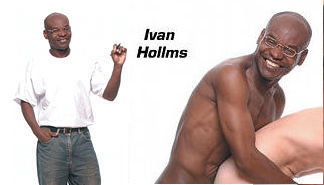
6) Versatile Brazilian daddy Ivan Hollms (aka Ivan Holms, Ivan Roms) was active from 2005-2009 with Brasileirinhas, Sparta, Caballero and other studios. He died on March 18, 2021.
Bo Dean
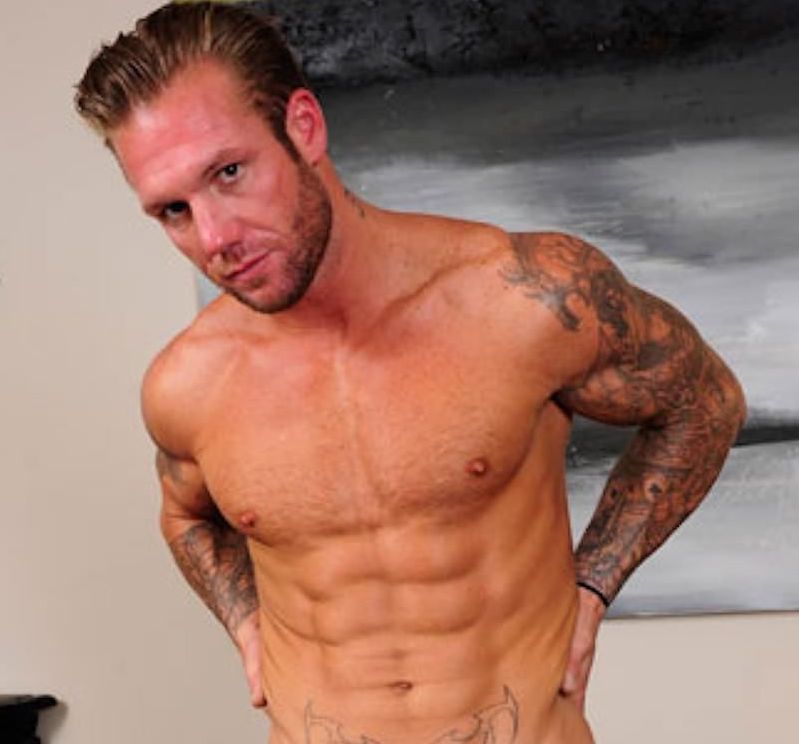
7) Tattooed top Bo Dean, aka Michael Jensen worked primarily for Jake Cruise but also appeared in scenes for Raging Stallion, Lucas Entertainment and Next Door Studios between 2009-2014. In 2015, he was shot in the chest and left paralyzed from the waist down. His cause of death was not disclosed when he died on March 30, 2021 at age 41.
Treyshawn Valentino
8) Treshawn / Treyshawn Valentino appeared in films for various companies (including Bacchus, Lucas Entertainment, Titan, Thugmart and Latino Fan Club) over a jaw-dropping 15 year period. The Illinois native passed away on April 2, 2021, according to his IAFD listing. No other details have surfaced.
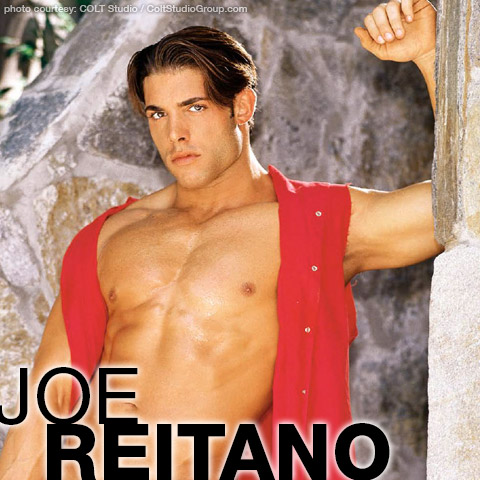
9) Anthony Capriatti, aka Antonio Carrone was born on September 14, 1972. The Salem, New Hampshire native began his porn career at age 25 with Chrystal Crawford’s Star Contact in 1997. He joined Colt Studio Group as Joe Reitano the following year, and also posed for Playgirl under the name Tony Marino. Other film appearances followed for Can-Am, Sunshine Films and Sharpshooter Studios. He was 48 years old when he passed away on April 23, 2021.
Freddie @ The Guy Site
10) Michael Watts was an Oregon security guard who also worked as a Freddie Mercury impersonator. He chose Freddie as his porn persona when he did two scenes for The Guy Site in 2019. According to this website, the 37 year-old was being “pursued by a mob” during the May Day protests in Portland when he disappeared on the night of May 1, 2021. His body was found in the Willamette river two weeks later. The investigation is ongoing.
11) Versatile blond Ty Thomas, aka Steven Ates, began his porn career at Jason Sparks in 2016 and went on to appear in 30+ scenes for Next Door Studios. According to the obit, he was attending nursing school when he passed away on May 6, 2021 at age 29.
Alex Riley
12) The death of 22 year-old Alex Riley on May 9, 2021 was widely reported in the gay press. The popular performer was best known for his work with Helix Studios but had previously worked for Men, FraternityX, RealityDudes, and Next Door Studios. Riley was nominated as Best Newcomer at the 2020 Str8UpGayPorn Awards, and he won GayVN’s Best Newcomer award. Rumors of suicide circulated but were unconfirmed.
Bryce Evans
13) Muscular Bryce Evans loomed large in the gay porn industry for close to a decade with versatile appearances in scenes for Lucas Entertainment, Men, Pride Studios, Dominic Ford, Men Over 30 and several others. The 46 year-old reportedly suffered a “heart attack” in early June but his death was not made public until three weeks later.
Connor @ Military Classified
14) In late June, Rob Navarro tweeted about the death of Connor, aka Casey Van Mersbergen. The 37-year-old was killed in a pedestrian accident in Blythe, California. He appeared in a handful of scenes for Military Classified in 2015.
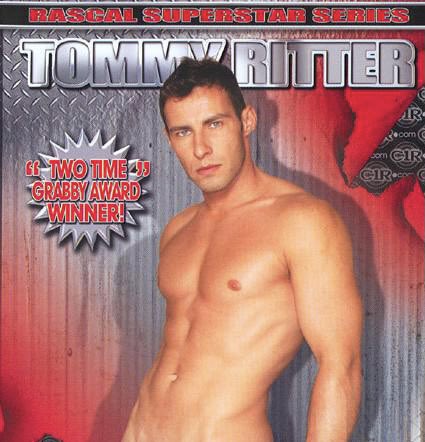
15) On July 22 2021, Chi Chi La Rue tweeted “Tommy Ritter passed away. No details have been given. Tommy was a great guy who saved many a movie with his amazing performances, even before he decided to be fully on camera!” Ritter, a versatile Channel 1 / Rascal Video exclusive, appeared in a dozen films circa 2005-6.
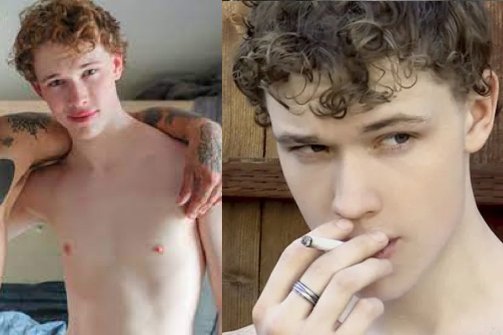
16) Max London, aka Joshua Gower, a ginger top Texan who was a popular member of the Randy Blue stable from 2010-2012. After a stint behind bars on burglary charges, he expanded his repertoire with versatile scenes at Bromo and Reality Dudes. The menofporn blog reported that the 34 year-old passed away on August 8, 2021 with no further details given.
Max London
Hoody LaVaye
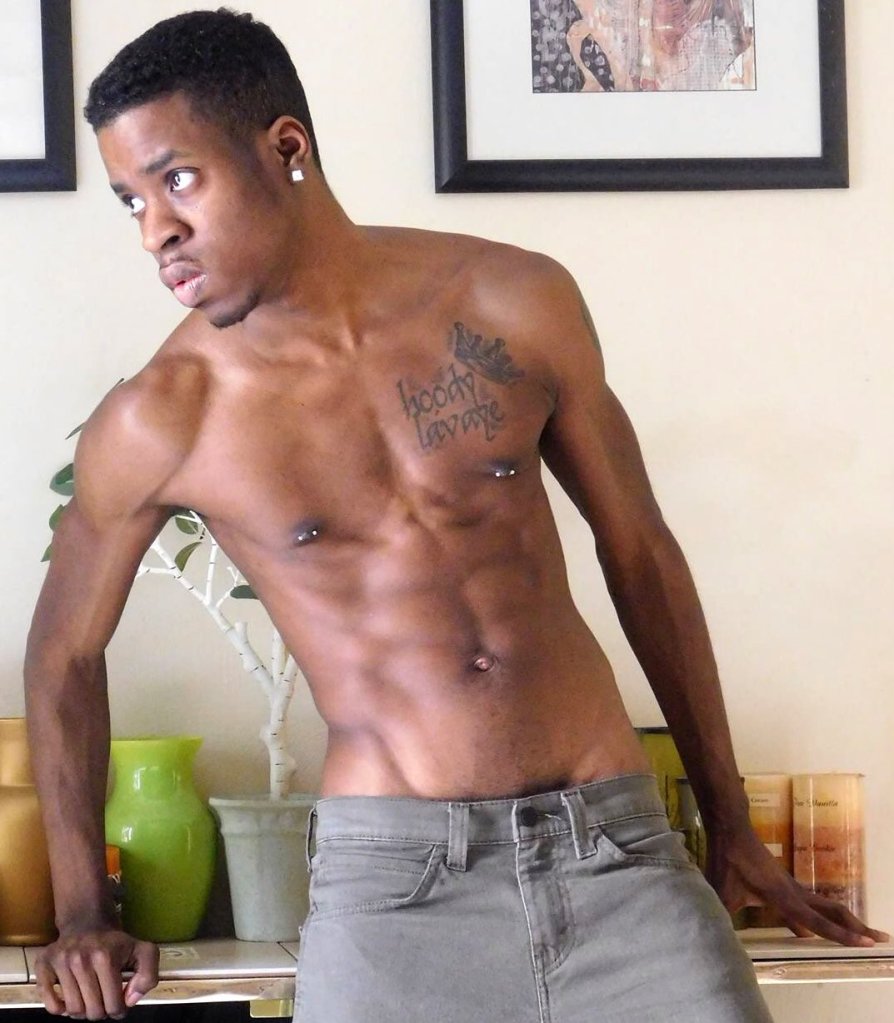
17) Hoody LaVaye, aka Justin Miley’s film work spanned 8 years, with scenes for FlavaWorks, Rawrods and several other outlets. The Virginia Beach native was 33 years old when he passed away of a “heart attack” on December 3, 2021.
Tony DiAngelo
18) Tony DiAngelo, aka Christopher Scott appeared in 4 films in 1993 for Falcon/Jocks & Studio 2000, most memorably in scenes with Chase Hunter. According to his obituary, he was a former Mr. Gay USA, pianist, cosmetologist, real estate broker, and clairvoyant. The 53-year-old Ohio native passed away “unexpectedly of a sudden illness” on December 4, 2021.
Mel Grey
19) Mel Grey, aka Elder Packer (missionaryboyz) aka Toby Muck (familydick) aka Michael Lindblom was only 24 years old but had been in the business for three years, working with the studios listed above as well as Treasure Island Media. On December 11, 2021, the Spokane, Washington native was shot by a random intruder who then turned the gun on himself.
20) Single-monikered Martin (above left) appeared in a handful of scenes for MaleSpectrum from 2004-2007. According to the IAFD website, he took his own life on June 27, 2021.
21) Eric Michaels (above right) did scenes for Dudes Raw / Factory Video and Pumphouse Media in 2011-2012. The IAFD reports that he overdosed on October 25, 2021.
22) The Latino Fan Club website posted a tribute to Ninja, aka Maurice Williams, who passed away “after a long illness” at age 53 on March 16, 2021. Ninja appeared in a dozen films for the company from 1994-2002.
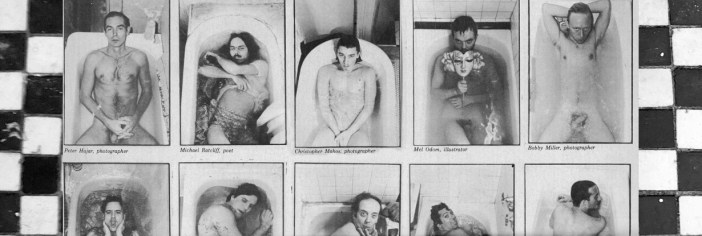
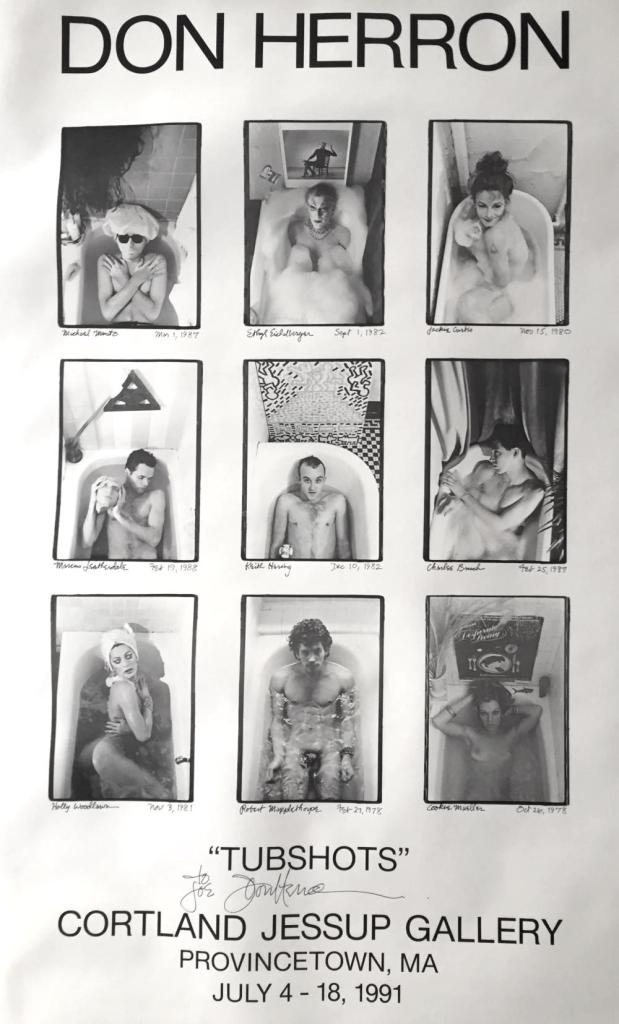
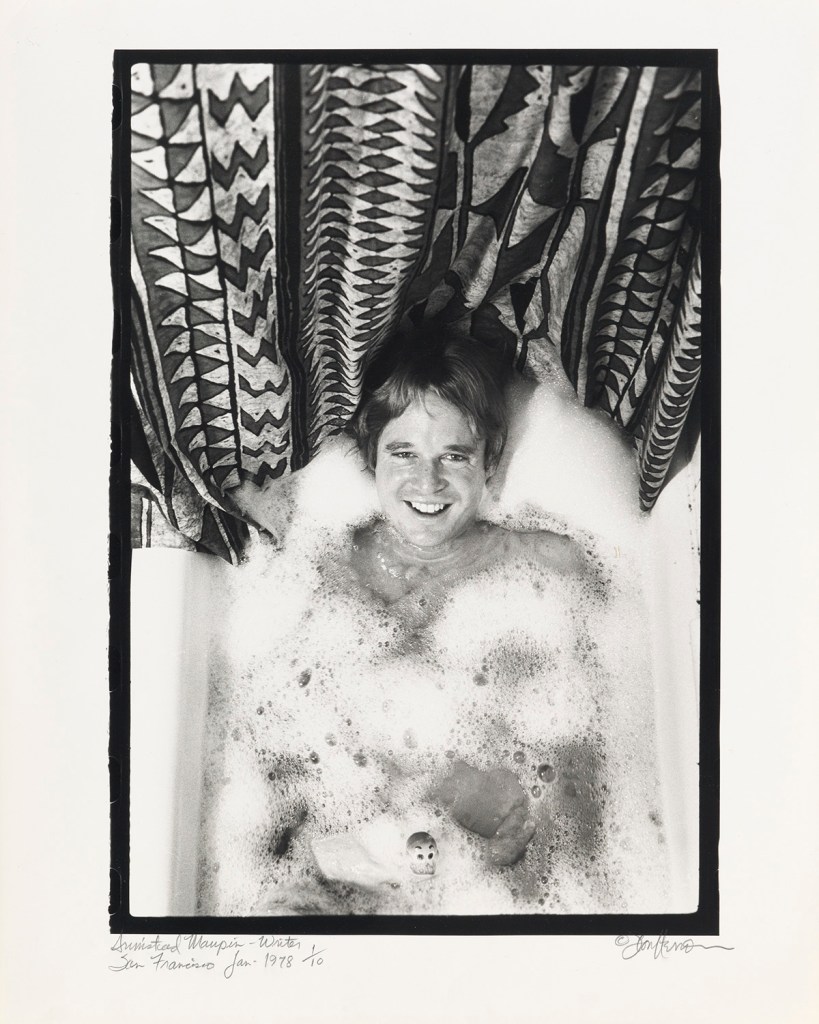
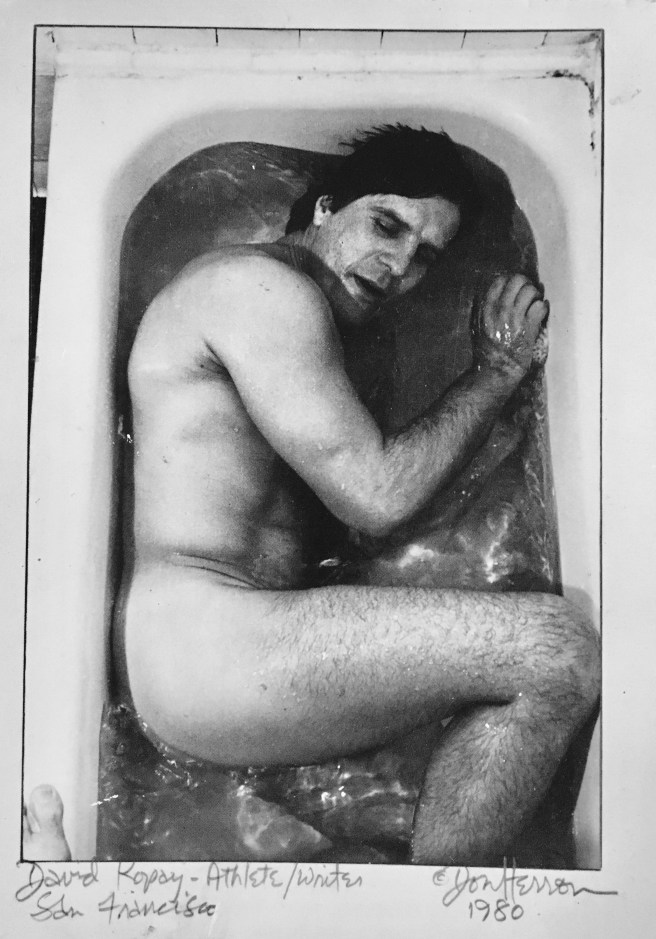
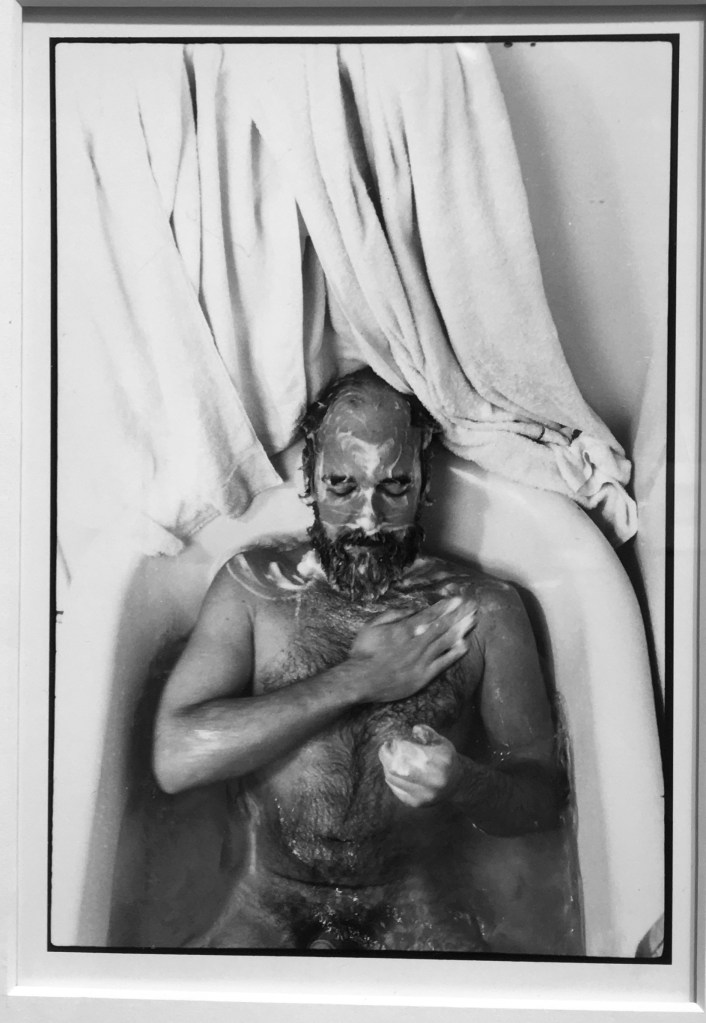
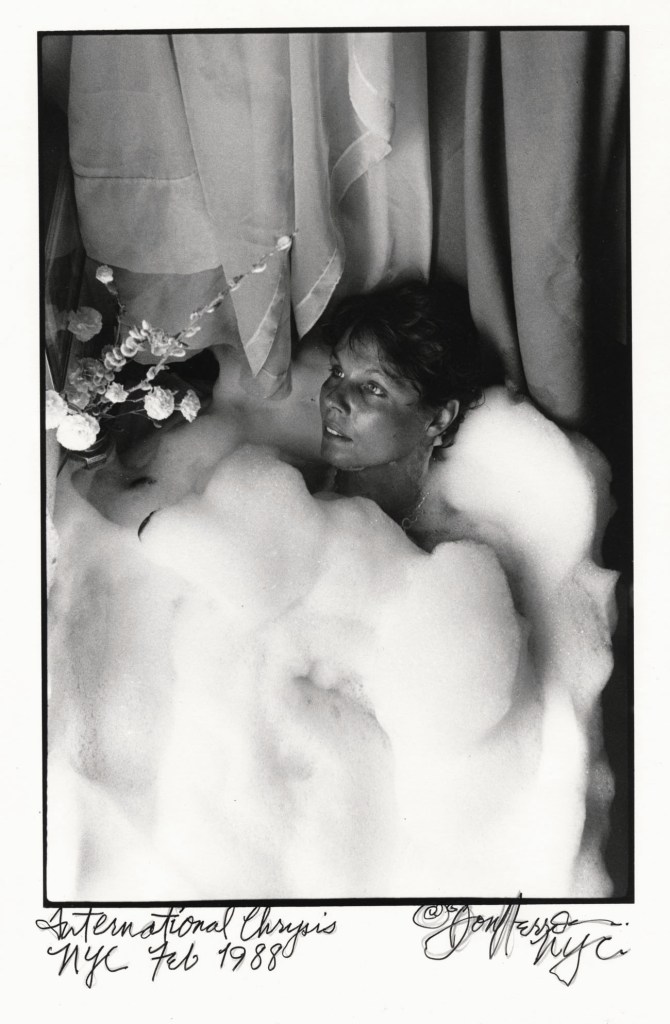
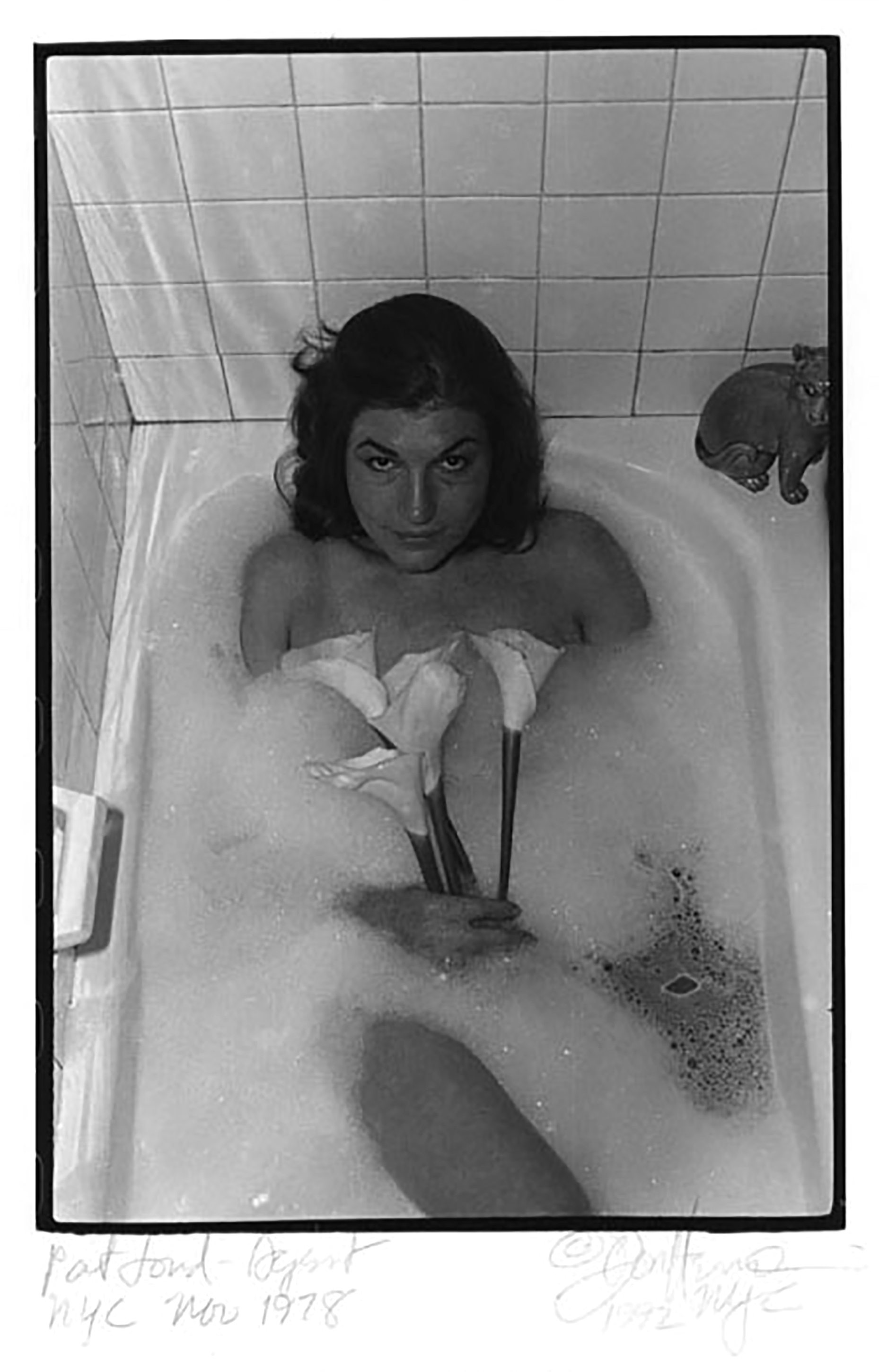
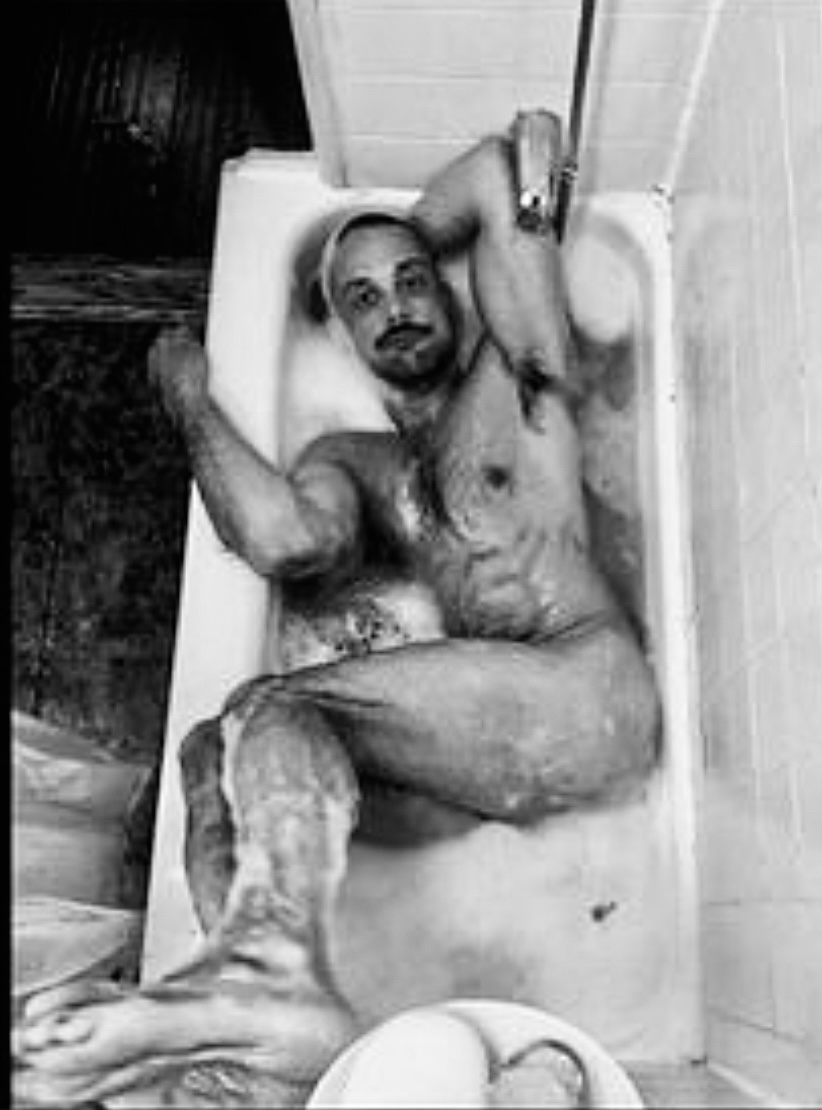
Three years ago, I posted two collections of artist / photographer Don Herron’s Tub Shots, a series of photographs featuring the famous and near famous posing in their bathtubs. This coincided with an exhibition of 65 of the images at the Daniel Cooney Gallery here in NYC. My blog posts (Pt. 1 and Pt. II) still garner a considerable amount of traffic, so I thought I would share more of these photos – ones that didn’t make it into those original posts and others that have resurfaced since that time.
Signed poster for a 1991 exhibition in Provincetown.
Writer/Performer/Filmmaker John Heys as Diana Vreeland (1992). Looking back at the photo in 2018, Heys commented, “Simply put, as Diana Vreeland often said… ‘A bit of alright!’ Of course that is how I felt in my divine penthouse bath.”
Amos Poe, Filmmaker
Tales of the City Author Armistead Maupin – San Francisco (1978)
Cassandra, Photographer – Houston, Texas (1979)
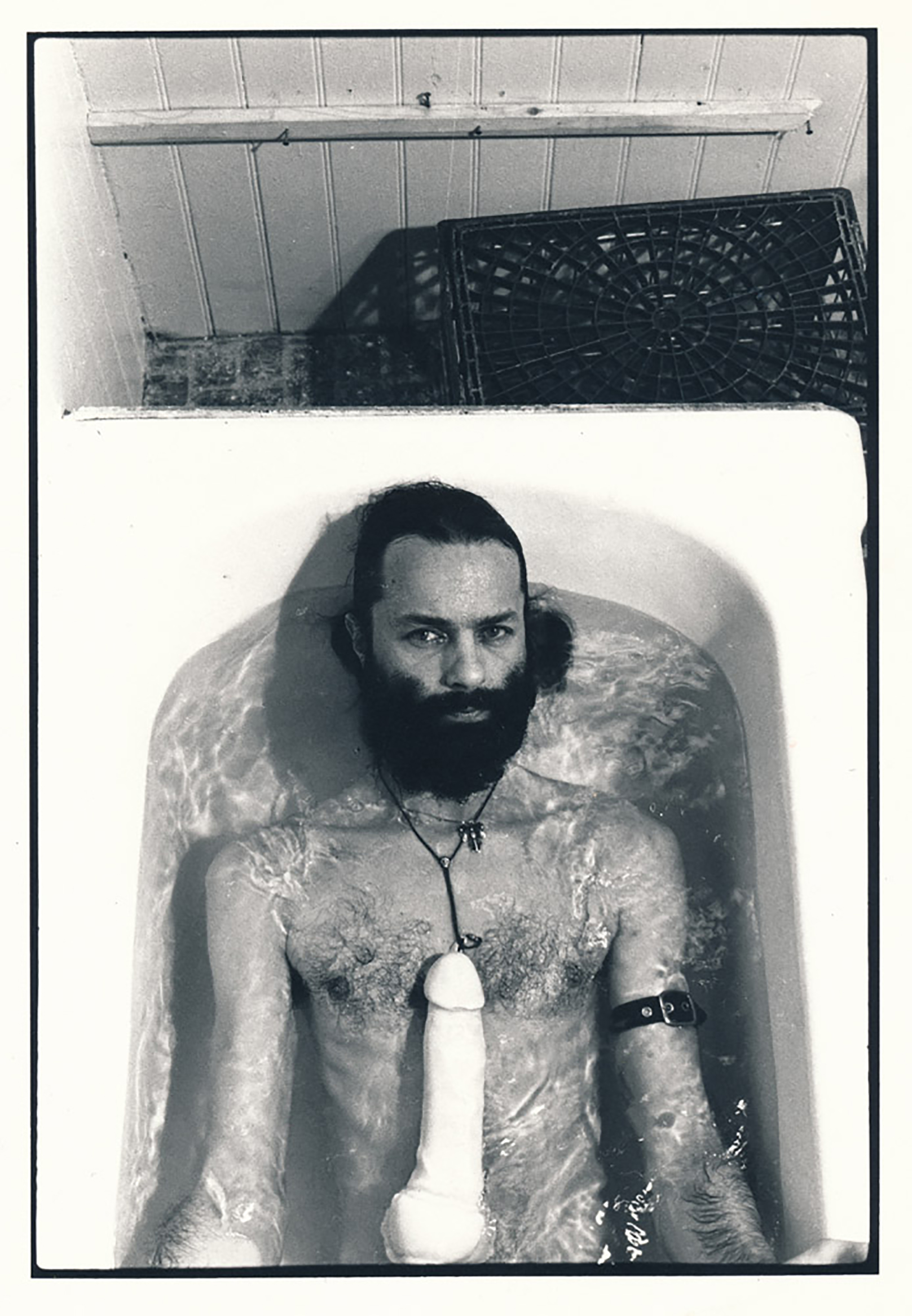
Queer San Francisco performerHarmodious, aka Anthony J. Rogers (1947-1992) was photographed in 1978 at Fey Way Gallery in the same tub used for the portraits of his sometime boyfriend Robert Opel, and gallery employee Christine McCabe.
Bill Dodd, Jeweler – Austin, Texas (1980)
Victor Bockris – author of many rock biographies who also wrote for Andy Warhol’s Interview magazine.
Warner Jepson (1930-2011), Composer – San Francisco (1980)
When McCabe’s photo was published in the 1980 Village Voice layout, she sued Herron and the newspaper. Although the signature on the model release was questionable, McCabe admitted that Herron did tell her that he wanted to publish a book of the photos. The suit was settled with McCabe receiving an undisclosed sum.
A selection of Tub Shots were featured in the April, 1980 issue of Christopher Street, with football player David Kopay‘s photo on the cover.
Actor/Playwright/Visual Artist/Puppeteer and Singer-songwriter Winston Tong – San Francisco, CA
When the Village Voice Online edition posted an article about the Daniel Cooney gallery exhibition in 2018, they chose to post just 3 of the 23 photos from the original layout: Robert Mapplethorpe and McCabe’s photos were 2 of them. Whether or not this was a random occurrence or a belated turn of the screw towards McCabe, the photos have since been removed.
David Middaugh – Painter
Jerry Burchard (1931-2011) Photographer, San Francisco (1978)
Liz Derringer – ex-wife of Rick Derringer, she is a rock journalist & publicist who also wrote for Interview, NYC (1979)
Ron Jehu (1937-2007) was a San Francisco gallery owner who also hosted avant-garde exhibitions and events featuring Sylvester, Divine and Robert Mapplethorpe.
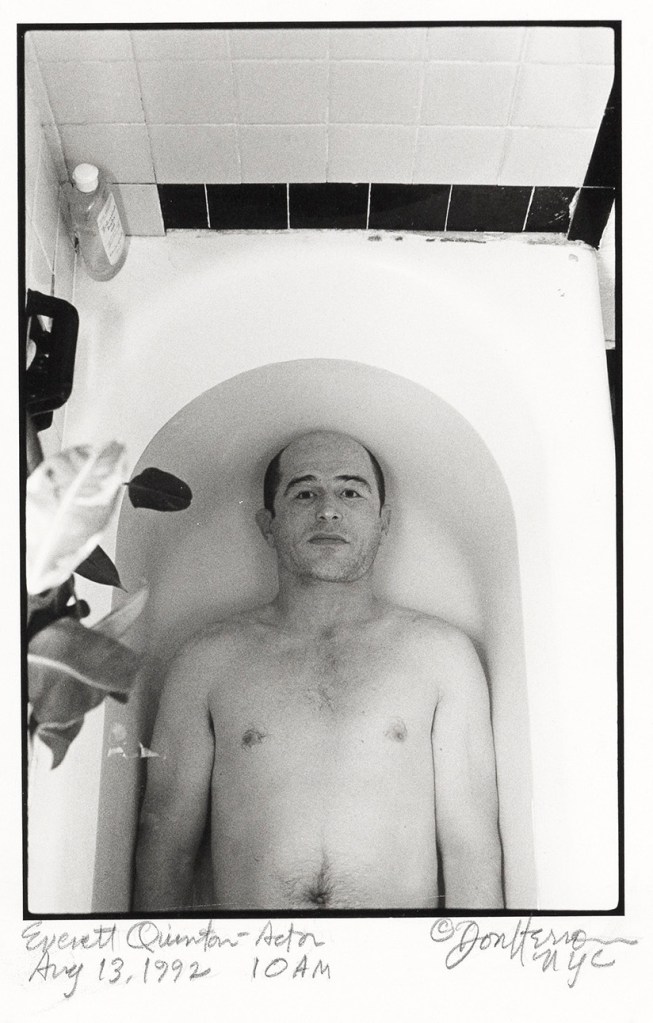
Everett Quinton (1952-2023) was an actor, director, & artistic director of the Ridiculous Theatre Company. “I’m not sure if Don was a friend of a friend or how he got my number. I only know that he asked me if I would like to be photographed in the bathtub and that seemed fun and I said yes. I remember the smell of the chlorine in my nose for days after the shoot as I laid still under the water for a while… waiting for the bubbles to go away so it would look creepy. I love the picture very much and I remember Don standing on the sides of the bathtub to get the shot. And I remember it was a fun experience.”
Charles Henri Ford (1908-2002) was a surrealist poet, magazine editor, filmmaker, photographer, collage artist and diarist. He was also the partner of artist Pavel Tchelitchew. NYC (1980)
International Chrysis (1951-1990) was a transgender entertainer and protege to Salvador Dali. She is the subject of the 1993 documentary Split. NYC (1988)
Pat Loud (1926-2021) was the matriarch of the Loud family, subject of the first reality series on American television. She later recalled that she only agreed to Don Herron’s request for a photo shoot if her friend and interior designer Richard Ridge (1928-2021) posed as well. NYC (1978)
Richard Erker (1945-2004) was an artist, sculptor and jewelry maker. He owned a shop in SoHo in the early 1980’s and later moved to Palm Springs, where he was the victim of an unsolved murder.
Richard Hartenstein (1945-1988) Makeup artist, NYC (1980)
Cornelius Conboy was the owner of 8BC, an East Village nightclub, performance space and gallery. “Don was gloriously set in his own universe yet welcomed everyone to join. I see that the photo is dated 1987 yet am certain it was taken earlier than that. 1986 at the latest. I lived in Italy in 1987 and that bathtub is from my apartment above 8BC, when Donald’s famous mural “Civilization Teeters” hung above the bar.
“My memory is that while he was very meticulous about the lighting he was rather laissez-faire about posing. There was a vase of those bodega flowers that last forever after they dry out – baby’s breath and purple statice. I’ve always considered myself a romantic and here I seem to be channeling my best inner Ophelia.”
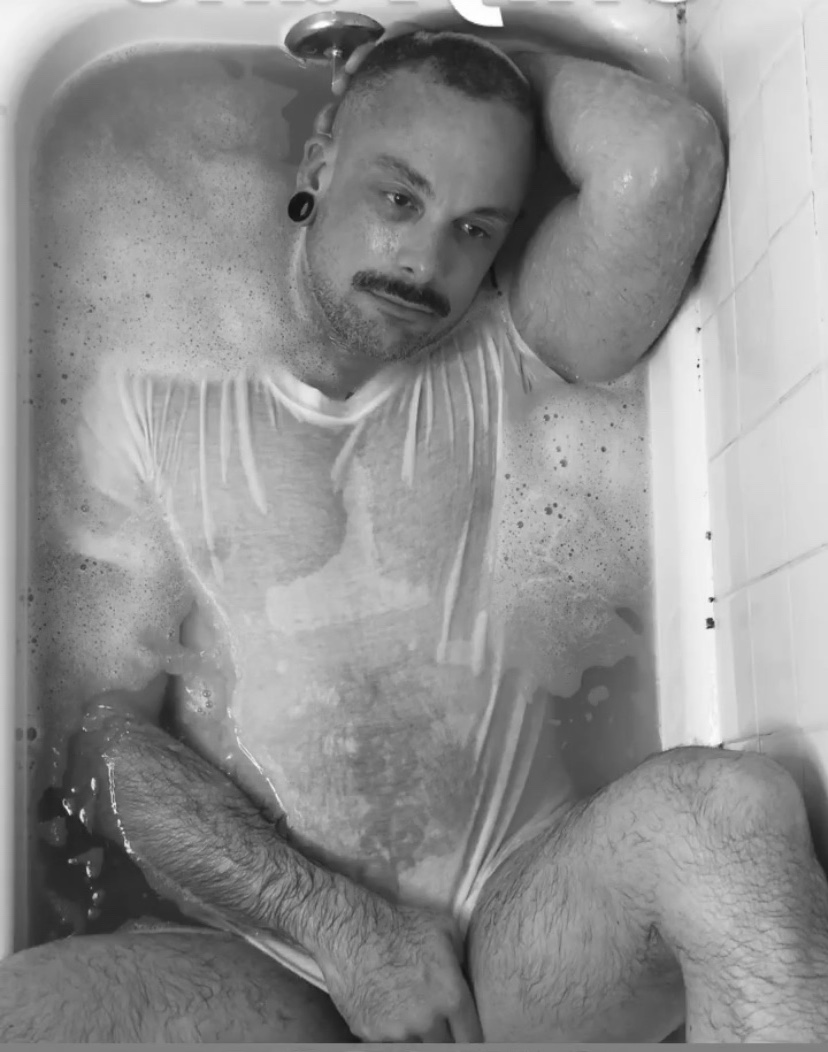
Fashion designer Geoffrey Mac‘s (unintentional?) homage to the “Tub Shots” series, as recently posted on Instagram.
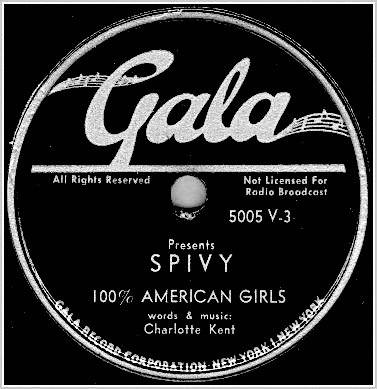
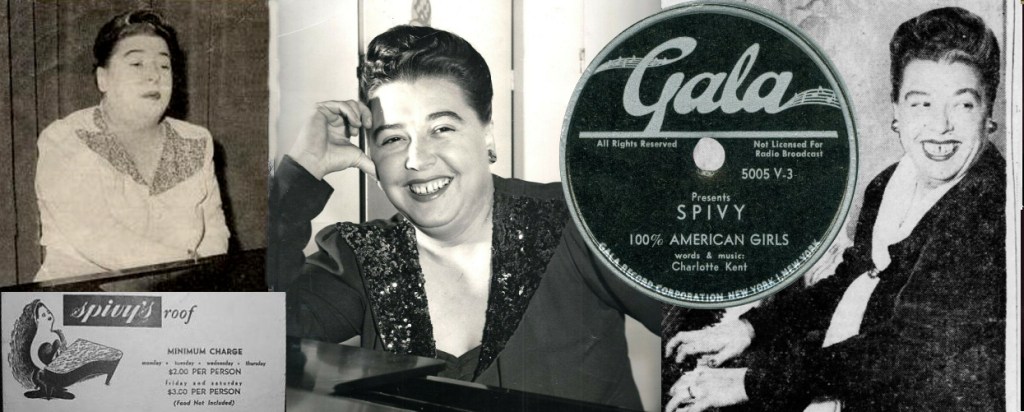
Given the current political climate, it’s a perfect time to have a listen to “100% American Girls”, a stinging satirical composition by Charlotte Kent which reminds us that nationalism, xenophobia and gentile racism have been marching hand-in-hand across this great land for generations. God Bless America.
The opening line addresses the “Daughters, Aunts, Mothers and Second Cousins of the War of 1812…” – a not-so-subtle swipe at the exclusive, ultra-white & conservative Daughters of the American Revolution (DAR).
Grant Wood’s 1932 painting Daughters Of Revolution.
The line “You’re supposed to be keeping THOSE people out of Constitution Hall…” refers to the Washington DC concert hall owned by the DAR. In 1939, they denied African-American singer Marian Anderson the opportunity to sing before an integrated audience, causing First Lady Eleanor Roosevelt to resign her membership in protest. The Roosevelts then arranged for Anderson to perform on the steps of the Lincoln Memorial on Easter Sunday, April 9, 1939. The result was an historic performance before an integrated crowd of more than 75,000 people and a radio audience in the millions.
Some notes on other references in the song:
Westbrook Pegler was a columnist at the time who opposed labor unions and The New Deal.
Note that Consuela – the only ethnic name mentioned – is directed to be “the rabble,” or disorderly crowd.
Alfred M. Landon was the Republican presidential candidate in 1936 who lost to FDR in a landslide vote.
First Lady Dolley Madison was a world-renowned hostess who, according to lore, was the first to serve guests ice cream at the White House.
100% American Girls
Members of the Daughters, Aunts, Mothers and Second Cousins of the War of 1812, form into double file. Stop twitching at that bunting Carrie and smile. Take off that feather boa, Mary Louise this is a parade, not a charade.
Vera, you go right back to Washington, you’re not supposed to be marching at all! You’re supposed to be keeping THOSE people out of Constitution Hall. Please… you on the float there. Lord Calvin is sagging. Yankee Doodle is flat. Your powder is wet. And your Mayflower is dragging.
Oh thank God here’s George III. Alright Lizzie, stand right there and sneer. Please Consuela, someone has to be the rabble. You throw the Boston tea right in this little box over here. Remember the things we said we’d never abandon. Remember we’re still true to Alfred M. Landon. Remember when the Bill of Rights…. HMMMM ….. tried to get fresh with me! My Westbook Pegler ’tis of thee. Ah ha! The bugle! Formation girls:
Nelly pull your belly in – it’s for the U.S.A. We’ve got to be adorable today. Oh aren’t you excited? And isn’t this a binge? Lets unfurl every curl in our lunatic fringe. Tilly, Queenie, Magnolia, Hillaire… to arms! Nelly pull your belly in and hold your chin up high. We’ll give the crowd a treat as we pass by.
The Pricker unit forward, the Bilbo club behind….And Bessie you keep waving what your grandpa signed. All together now: Comb your hair for California, wash your neck for Io-way. Our country is so fine, it will really be divine when we get everyone but us to move away. Take a Benzedrine for old Virginia, where our daddies sniffed their snuff with dukes and earls.
We are for the human race, which is lovely (in its place). We’re 100% American Girls! What? Do I see one of you lag when before you is marching the flag? Did Washington crossing the Delaware say “Let’s call it off, boys – I’m not in the mood for rowing”? Did Betsy Ross say “Fold up the banner girls – I hate sewing”?
Hmmm. Really girls! Eyes up! Curls up and away! Annie pull your fanny in – it’s for the U.S.A. We’ve got to be adorable today. When Valley Forge was icy and up to here in snow… did Dolly Madison say “No”? Myrtle, Cissy, Prissy, Mamie – to arms!
Annie pull your fanny in – it’s for the U.S.A. We’re 100% American Girls!
This song – along with “Madame’s Lament” – were the two Charlotte Kent compositions featured on Spivy’s 1947 album An Evening With Spivy. Kent had several songwriting credits in film and on Broadway throughout the 1930’s. In 1939, she contributed to the book & lyrics of the musical Sing For Your Supper along with John La Touche, another composer with whom Spivy collaborated. We will get to those recordings at a later date. Stay tuned!
“She was once like Whistler’s Mother – now they whistle when she passes.”
Ladies and Gentleman, it is time once again to revisit that late great dynamic lady of song, Madame Spivy LeVoe (1906-1971), also known simply as Spivy. A lesbian entertainer, nightclub owner and character actress, Spivy has been described as “The Female Noel Coward” – to which I add “…. if he was born Bertha Levine in Brooklyn.” You can see earlier posts about her here and here.
Since my last Spivy post, I was thrilled to see that she had been profiled on Dennis Dermody’s Cinemaniac website, and even happier to see that, after a little nudge, I was given some credit for all the “borrowed” photos, video and large portions of my previous posts. Bless his heart, I’m sure it was just an oversight.
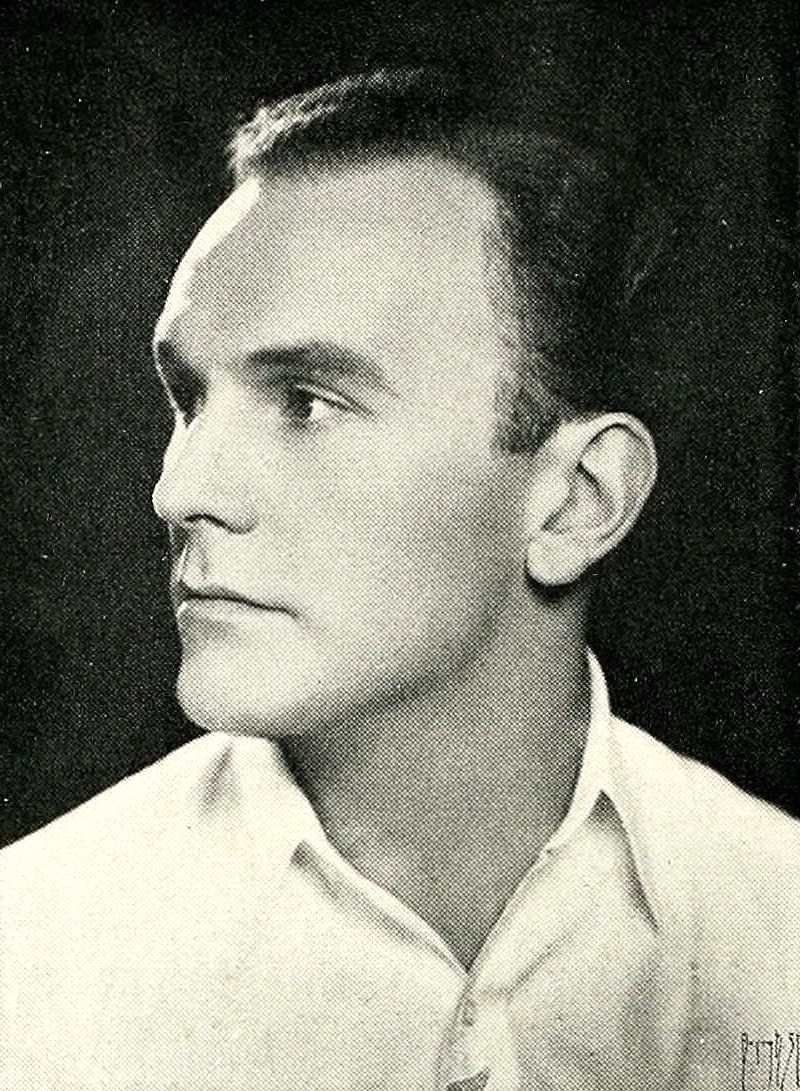
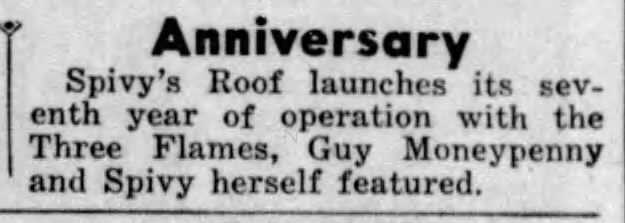
Moving on… today we will be listening to “Auntie’s Face”, a song written by Broadway actor and fellow nightclub performer Guy Moneypenny (1906-1983).
Spivy’s recording was featured on her 1949 album An Evening With Spivy.
Spivy had something of a catchphrase that she would use to introduce a song: A solemn pronouncement that “This is VERY sad and we must be VERY quiet, please.” She would then launch into a number that was anything but either of those things. At least four of her recordings contain this introduction – one can imagine that it was a playful way to get the attention of a noisy nightclub audience.
Auntie’s Face
We all have strange relatives… but let me tell you about my Aunt Grace.
She’s a MAD thing. This is very sad and we must be very quiet, please.
This is the tragedy of poor Aunt Grace – how she became a complete disgrace
It all began when she lifted her face and decided to be young and gay.
Since she’s become a rejuvenated case, the whole house suffers from her madcap pace
There’s no longer any quiet in the whole damn place
So we lift our eyes to heaven and pray.
Please God make Auntie’s face fall. For we’ve all got our backs to the wall
Her reputation’s battered. Our principals are shattered. She hasn’t any moral code at all.
Her breath now reeks of bathtub gin. Goes out nights in search of sin.
We wake up in the morning to find her coming in… from an all night brawl.
We’re all in such a dither, for heaven knows she’s coarse.
When she brings the milkman with her – wait ‘til you hear this one – why must she bring his horse?
Please God make Auntie’s face fall. For nothing is sacred at all.
We caught her teaching Granny to manipulate her fanny in a rhumba with a cashmere shawl.
And just last night they phoned from the jail – it seems they’re holding Auntie ‘til we fork up the bail
They found her on Broadway singing “Love For Sale”. Yes they did! And the price was small.
She steals cigars from brother. She’s thrown away her glasses. She was once like Whistler’s Mother – now they whistle when she passes. She thinks she’s the belle of the ball. We’re afraid that she’s going on call
Dear God we beg your pardon but to hell with Lizzie Arden
If you’ve any mercy left at all… please God make Auntie’s face fall!
Some of Spivy’s other recordings contain obscure references that require a little research and explanation. Not so with “Auntie’s Face”: Cole Porter’s standard “Love For Sale” is still well-known. The line “To Hell with Lizzie Arden” is a reference to cosmetics queen Elizabeth Arden, whose beauty product empire still stands. And who isn’t familiar with Whistler’s Mother?
Furthermore… a song about plastic surgery certainly rings truer today than it did 70 years ago. It may come as a shock to fans of the Real Housewives that the first facelift procedures took place in the early 1900’s.























































 Given the current political climate, it’s a perfect time to have a listen to “100% American Girls”, a stinging satirical composition by Charlotte Kent which reminds us that nationalism, xenophobia and gentile racism have been marching hand-in-hand across this great land for generations. God Bless America.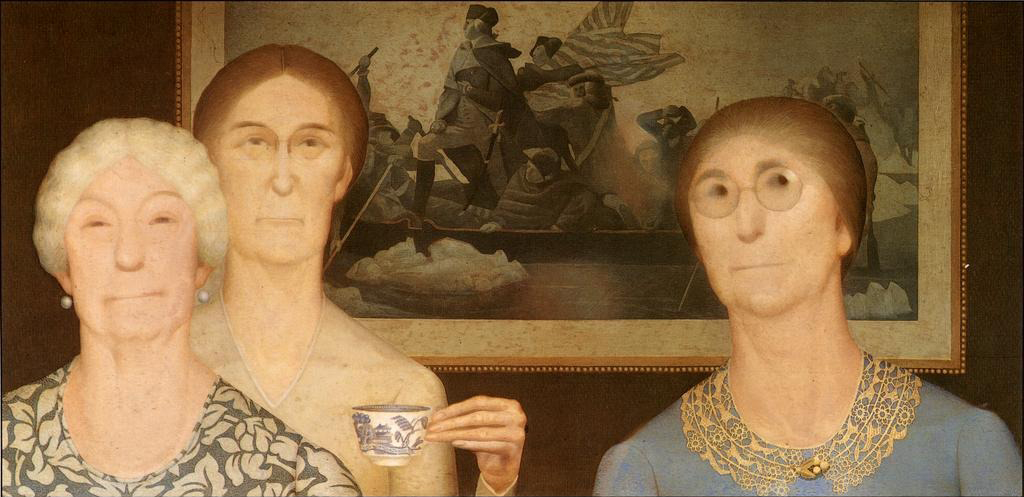





 Brian Ferrari's Blog