Kenn Duncan After Dark


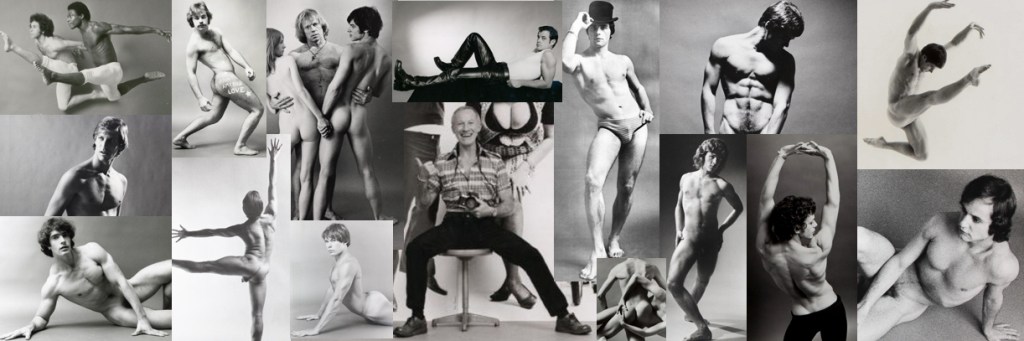
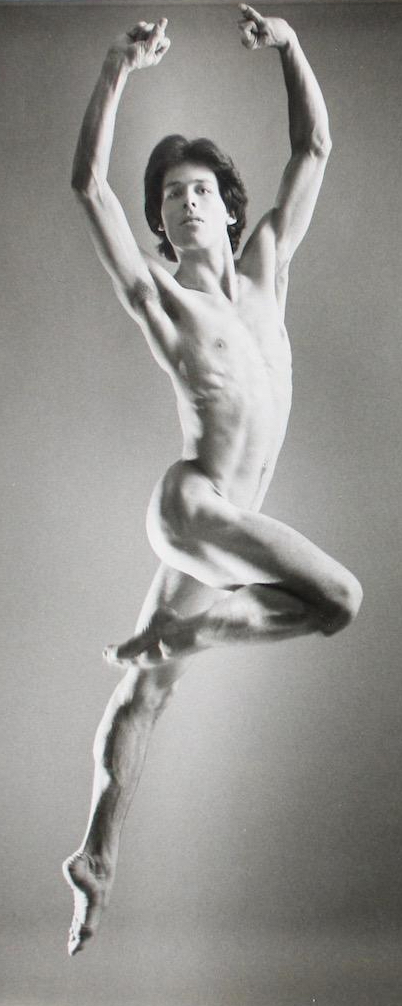
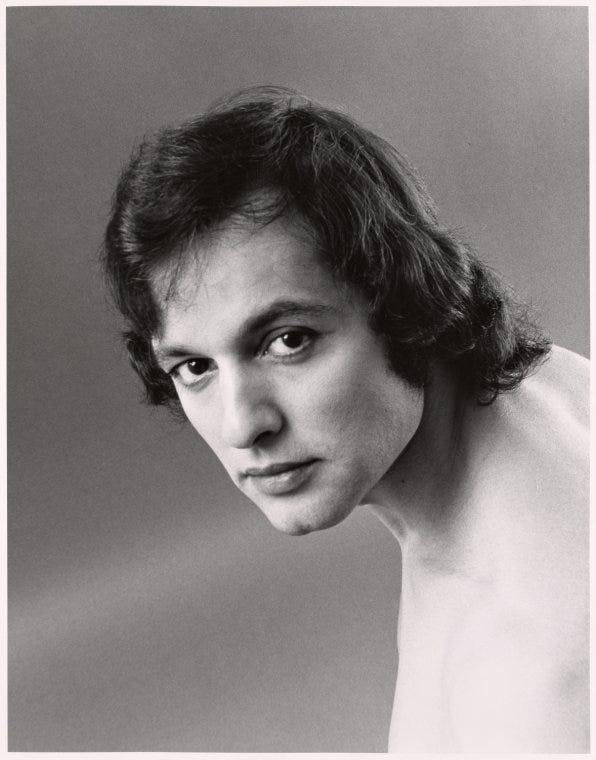
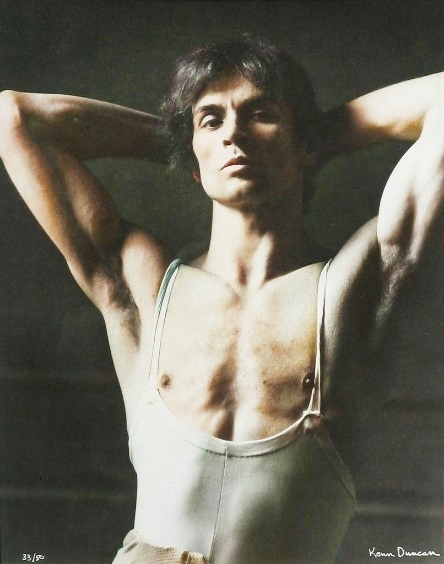
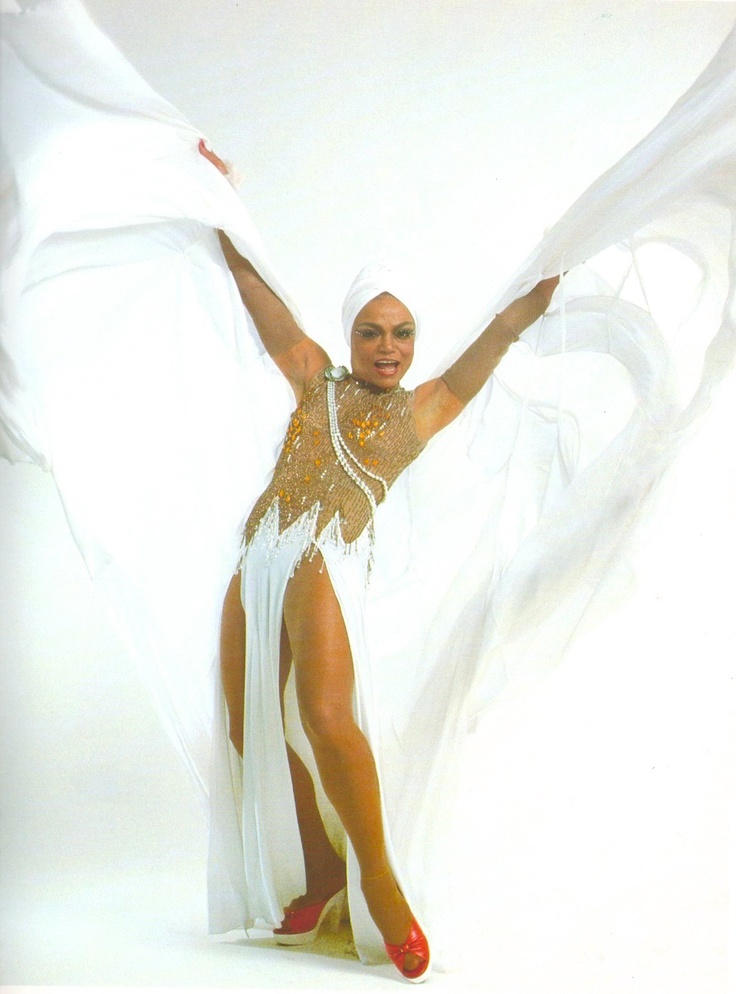
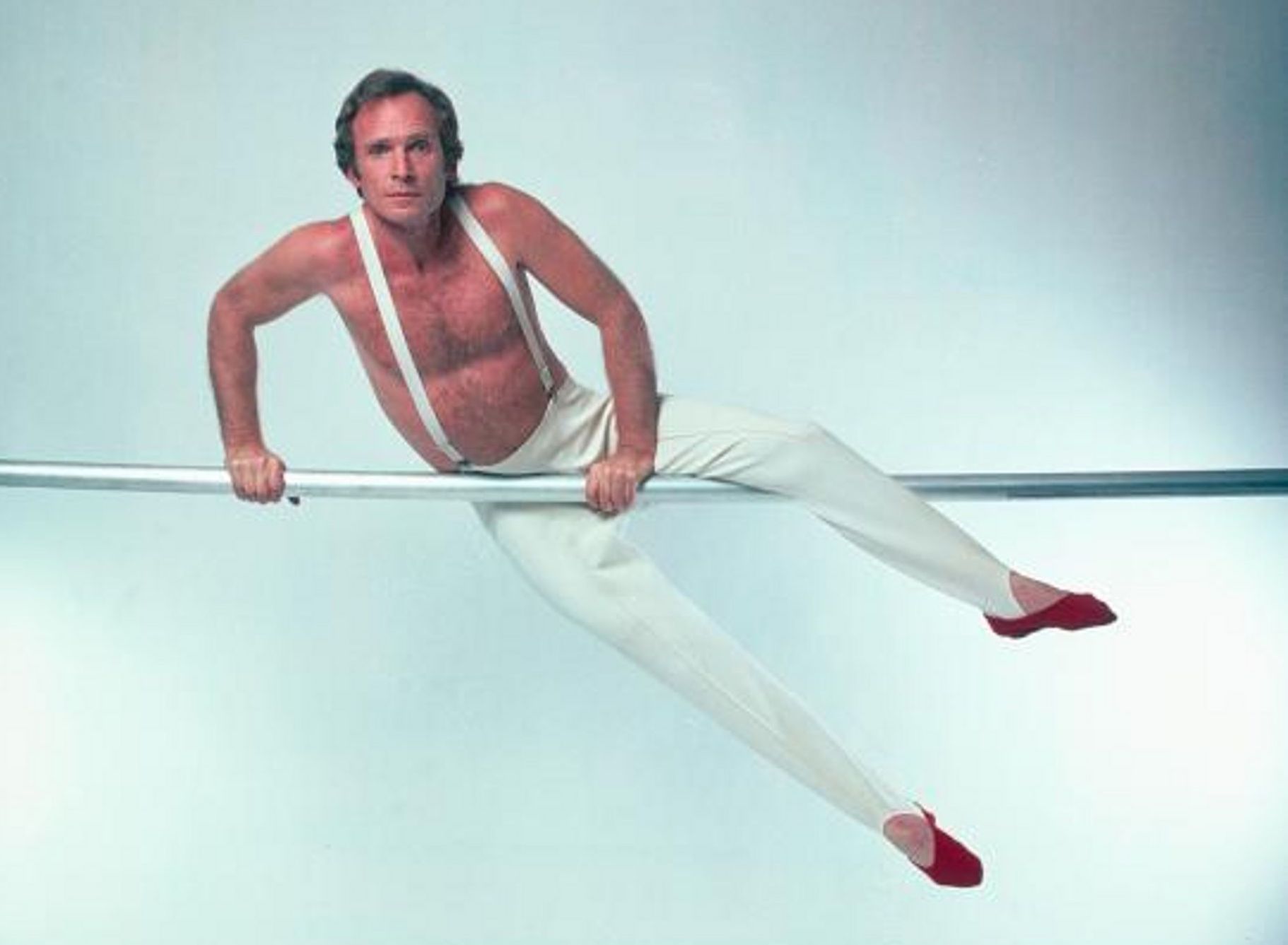
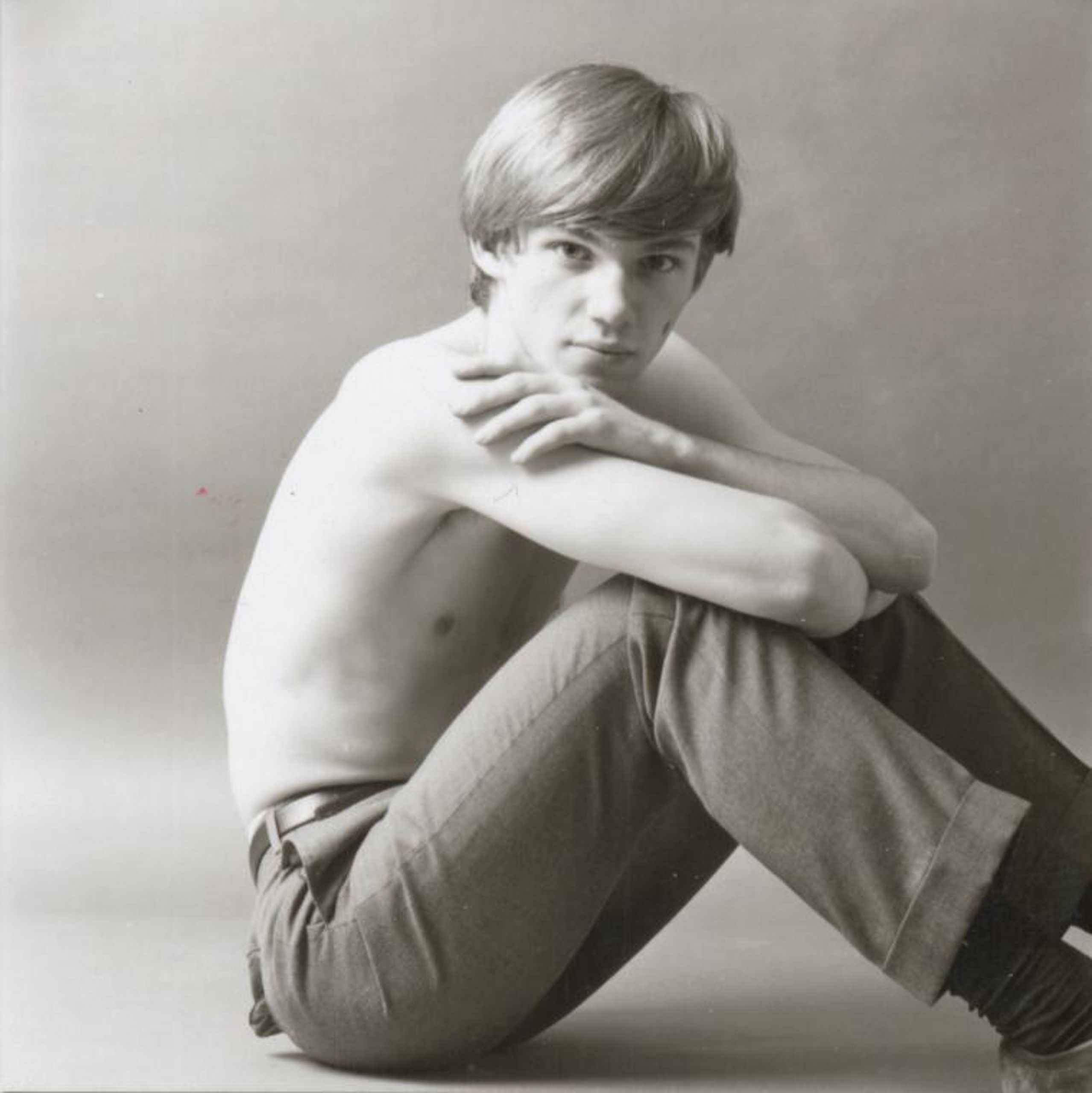
Kenn Duncan is widely considered to be one of the foremost dance photographers of the late 20th Century. In addition to his work as principal photographer for After Dark and Dance Magazine, his photos also appeared in Vogue, Time, Life, Newsweek and Harper’s Bazaar. From the mid-1960’s through the early 1980’s, he photographed nearly every major dance company in the world as well as many Broadway shows.

Born in New Jersey on September 22, 1928, Duncan began his career as a figure skater and then segued into dance. His career took another turn when he was sidelined with a broken foot and signed up for a six-week photography course at the local YMCA. Naturally he gravitated back to the dance world for photographic inspiration.

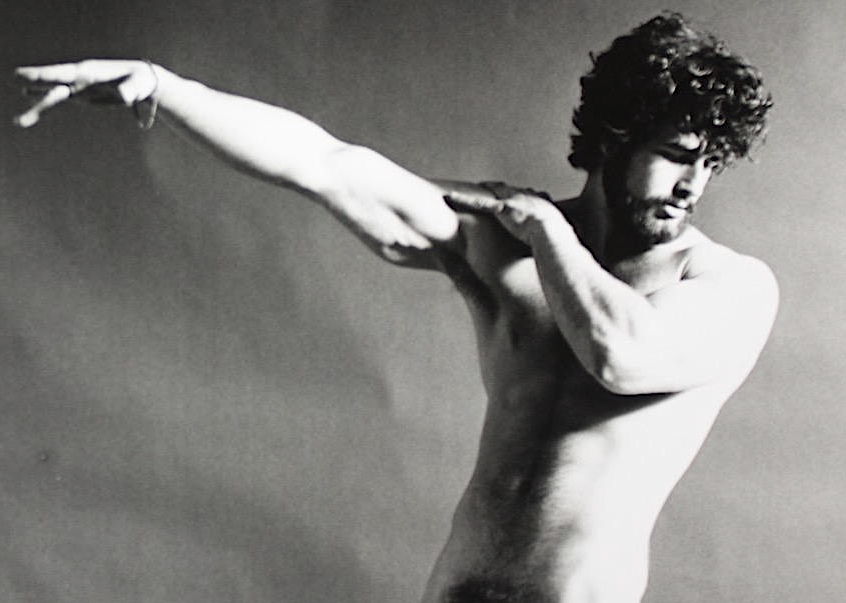
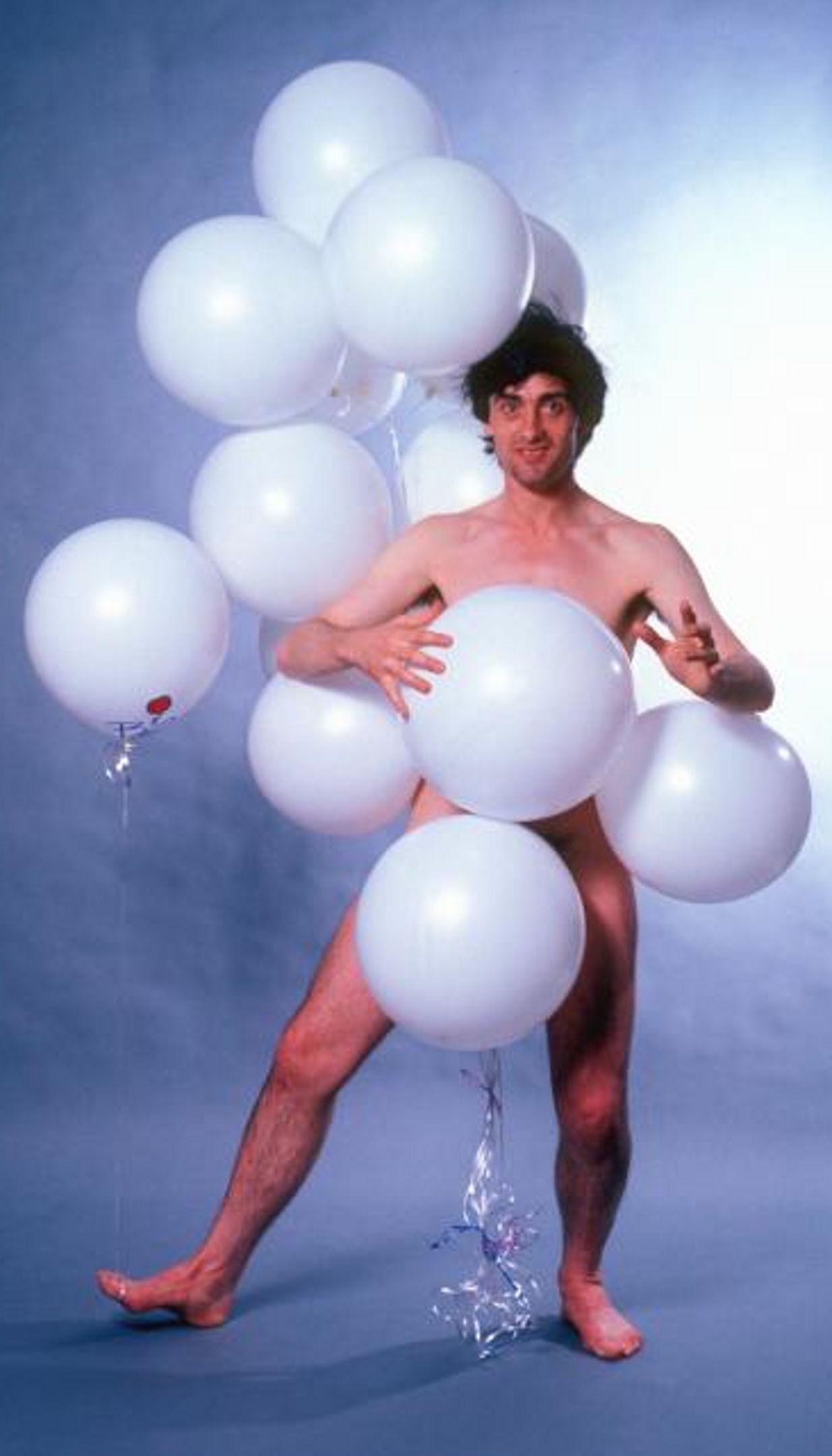
In addition to his dance photography, Duncan was well regarded for his nude photographs, with an emphasis on male subjects. His first two books, Nudes (1970) and More Nudes (1971) were favorably received for his “discreet and artistic arrangements of his subjects.”

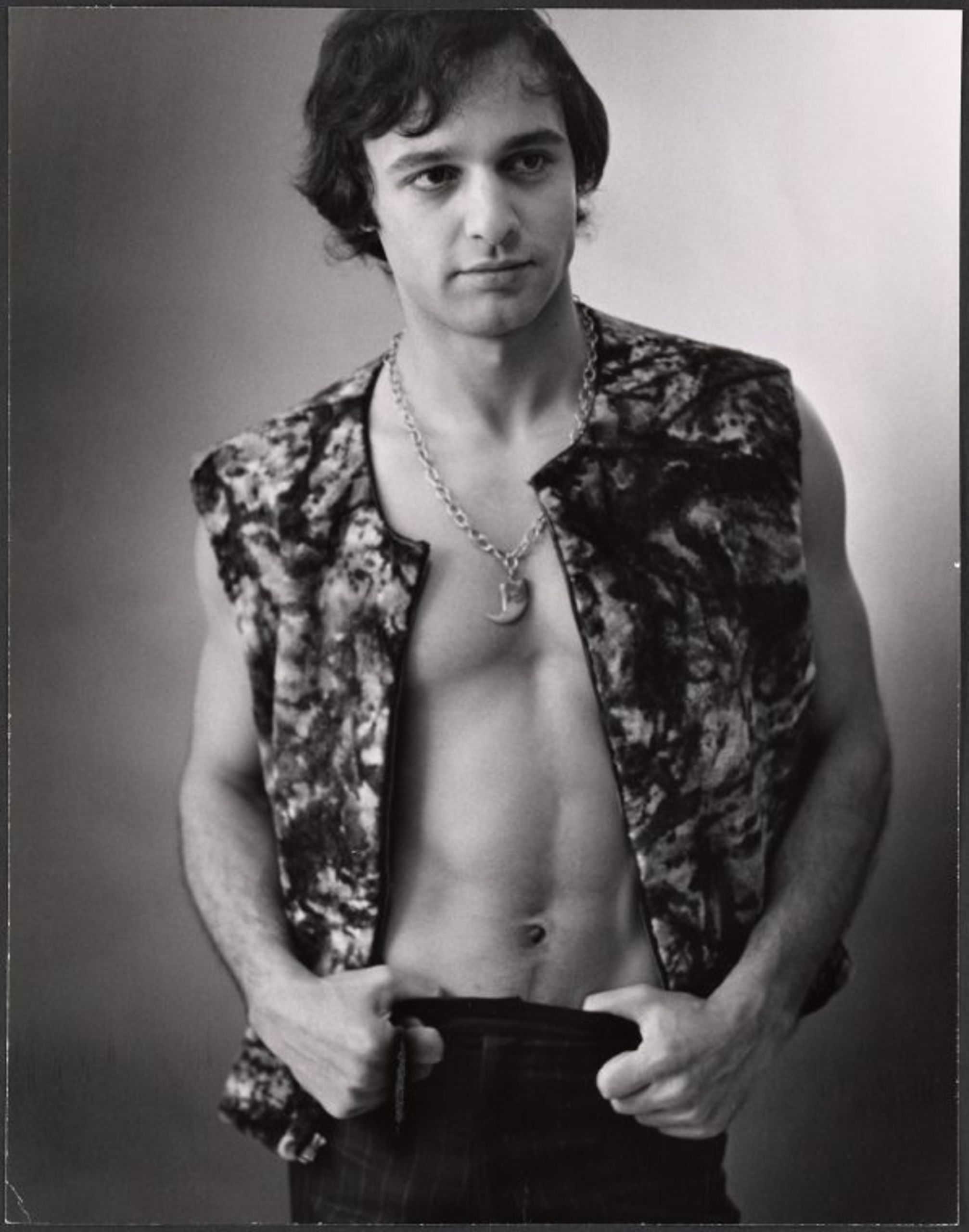
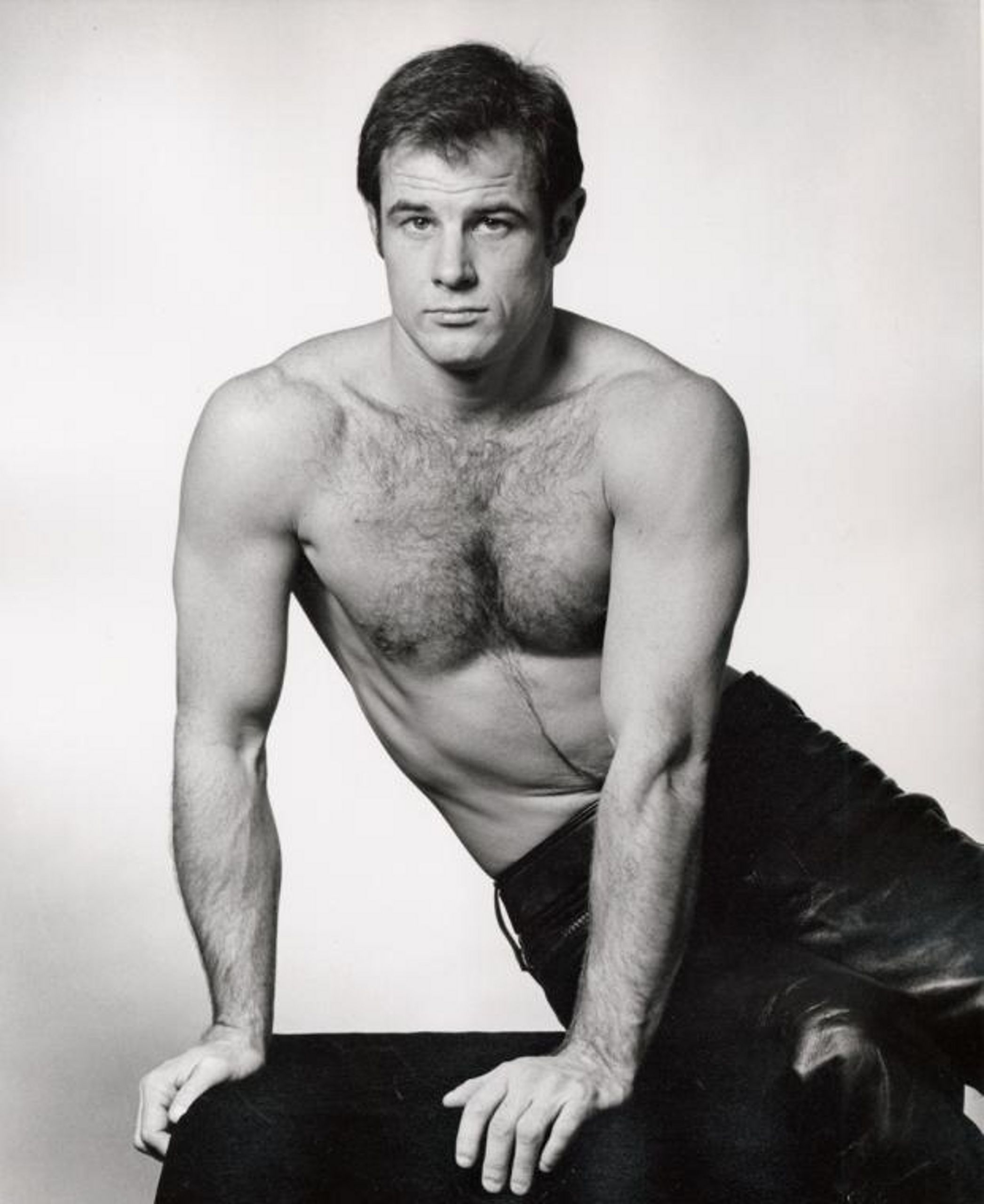
Christopher Walken (1968)

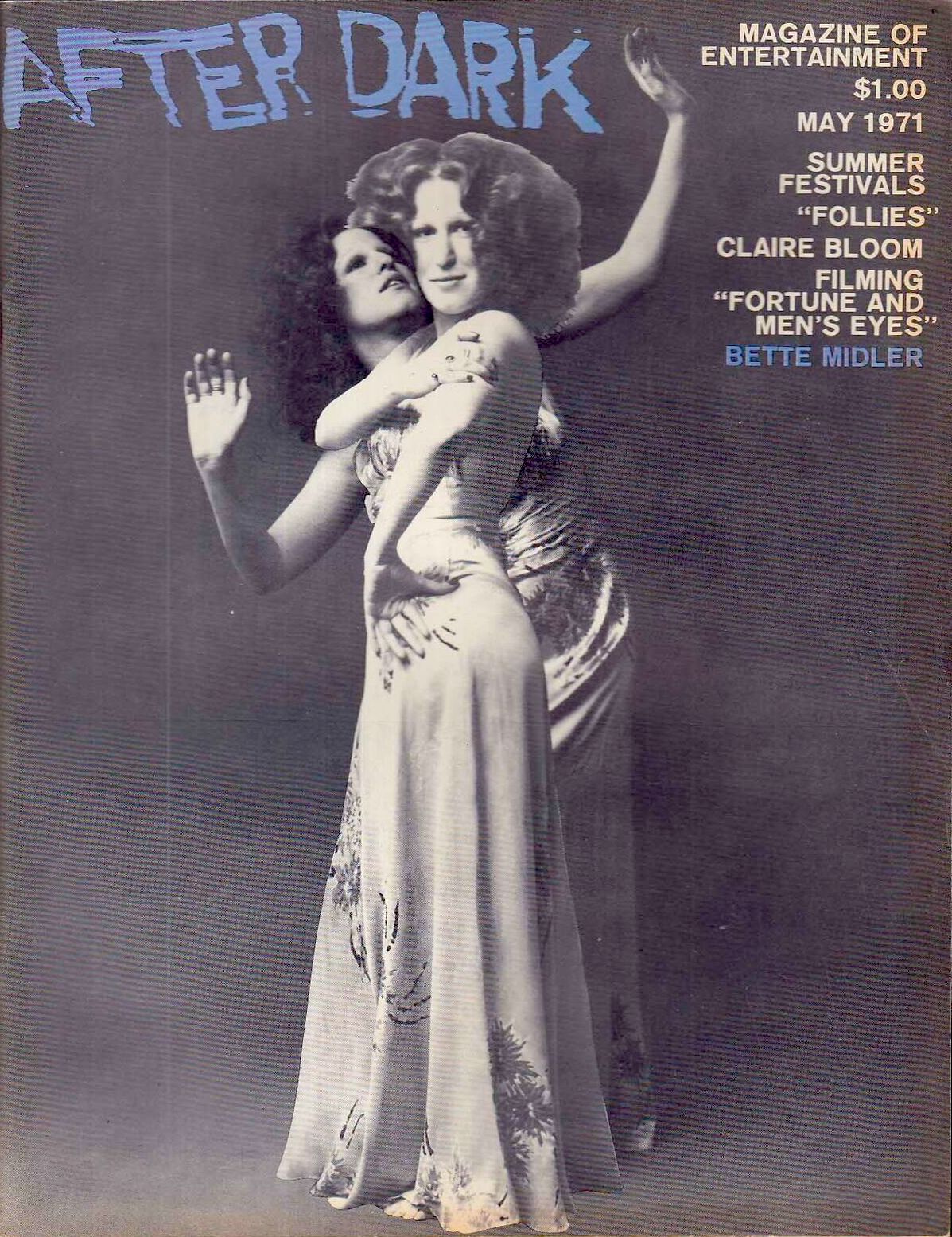
After Dark was an edgy entertainment and culture-based magazine that sprang from the waning Ballroom Dance Magazine in 1968. In The Rise And Fall Of Gay Culture, Daniel Harris writes; “One of the strangest reincarnations in journalistic history… it was out of the ashes of a periodical devoted to such topics as waltzes, rumbas, and turkey trots that After Dark, an audacious mass-market experiment in gay eroticism, arose like a phoenix in all of its subversive splendor.”

Although After Dark was not officially a gay magazine, the publishers were certainly willing to cater to that audience, pushing the envelope on male nudity to a degree that is still not seen in mainstream US publications 50 years later.

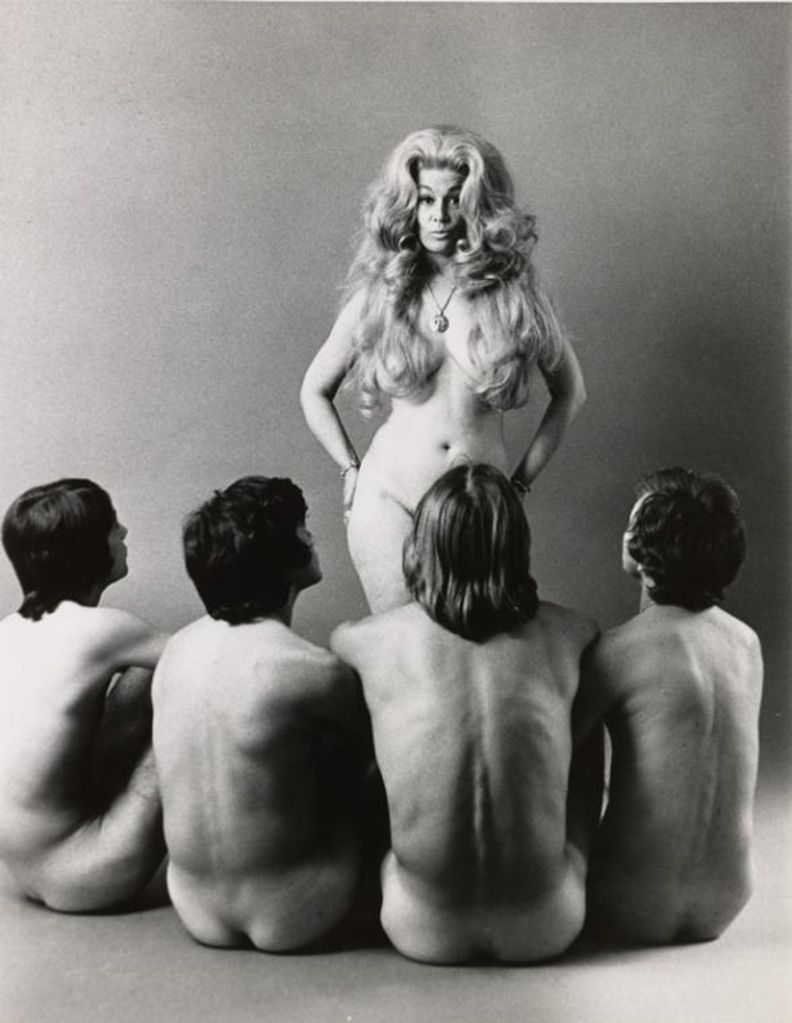
Sylvia Miles & Friends (1970)

Richard Thomas (1969)

Sal Mineo (1971)

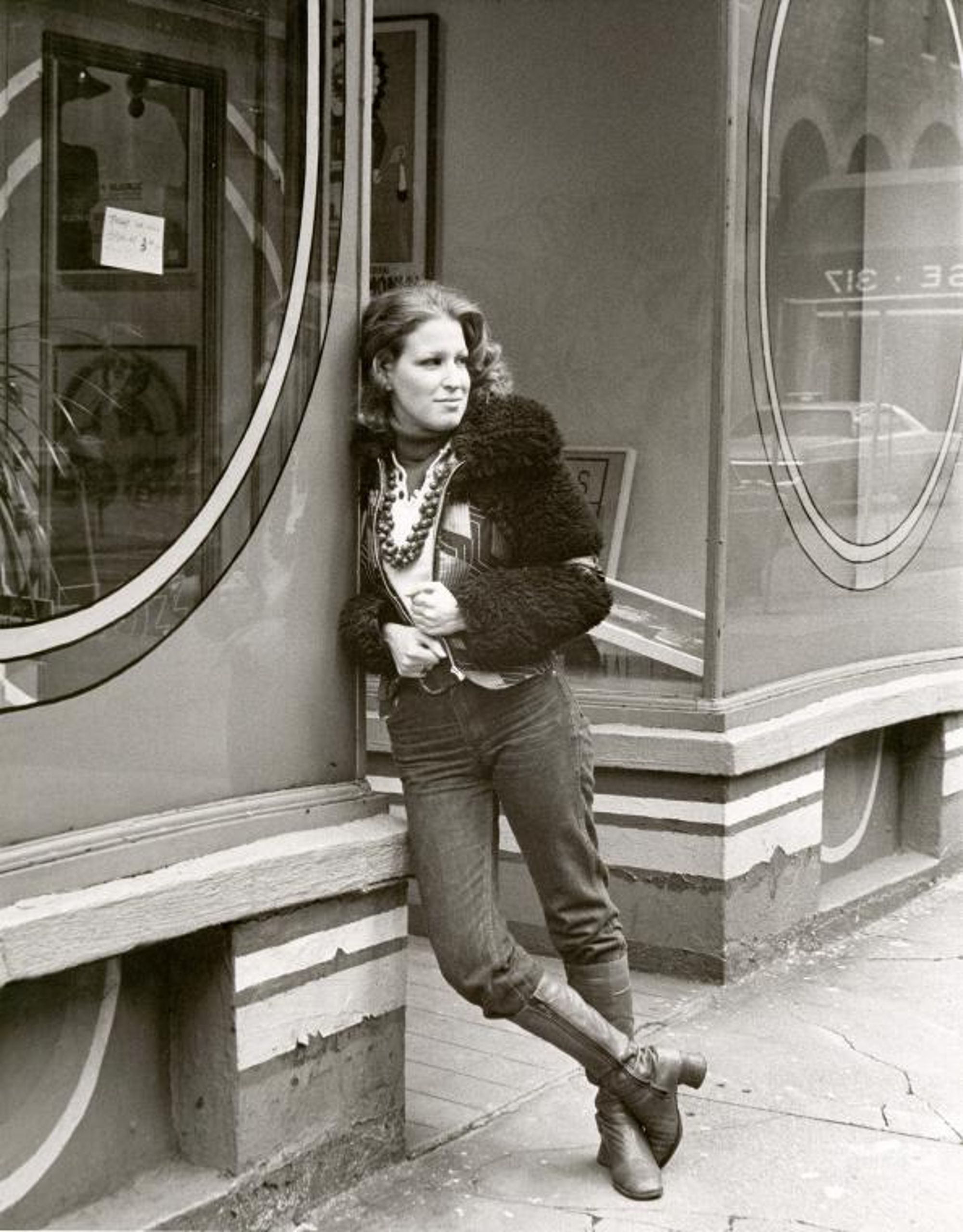
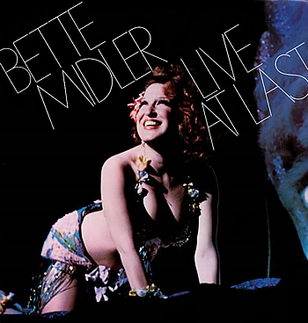
Duncan photographed Bette Midler numerous times through the years, including three After Dark cover photos and the cover shot for her 1976 Live At Last LP.

Rudolph Nureyev (1971)

Mikhail Baryshnikov

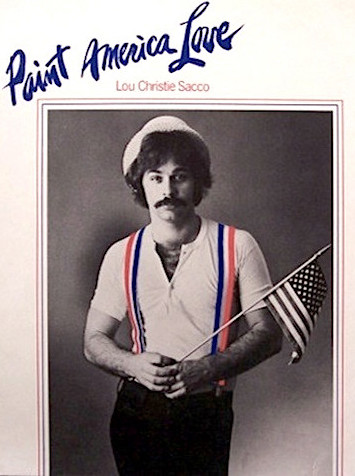
In 1971, Kenn Duncan photographed singer Lou Christie for his Paint America Love LP.

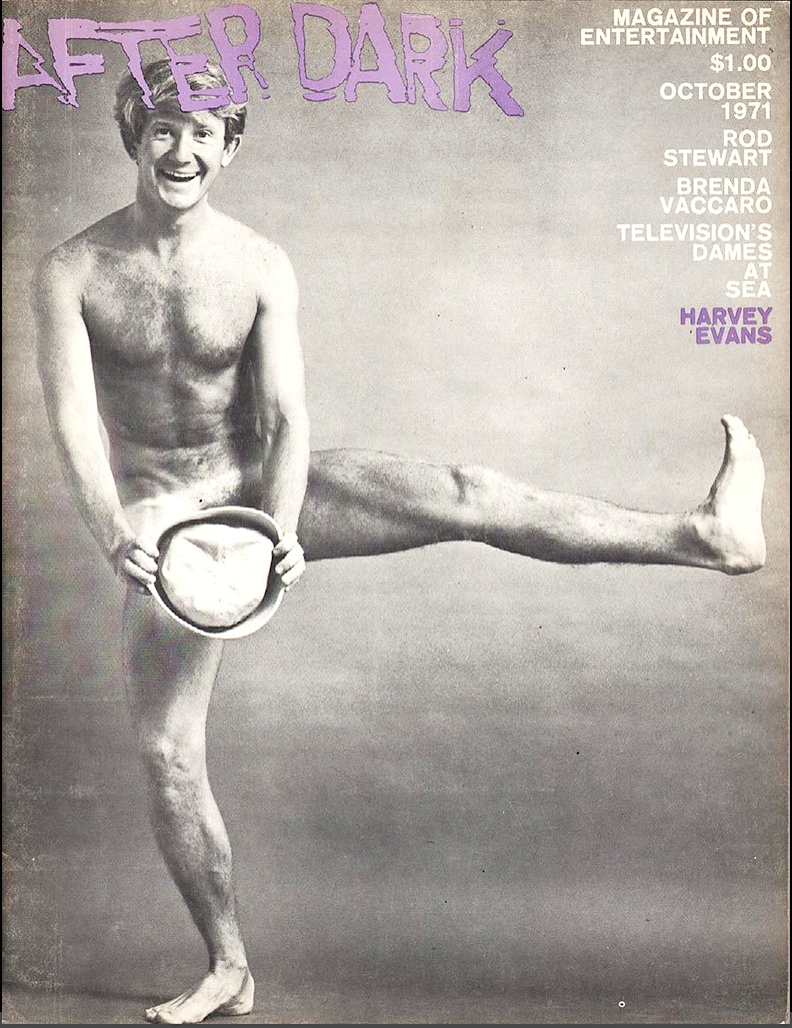
Harvey Evans was photographed in the buff for the October, 1971 cover of After Dark to promote the television adaption of the musical Dames At Sea.

LaBelle (l-r) Nona Hendryx, Sarah Dash, Patti LaBelle photographed in 1972 shortly before their intergalactic makeover.

Tony award-winning Welsh actor/director Roger Rees in several undated photos.

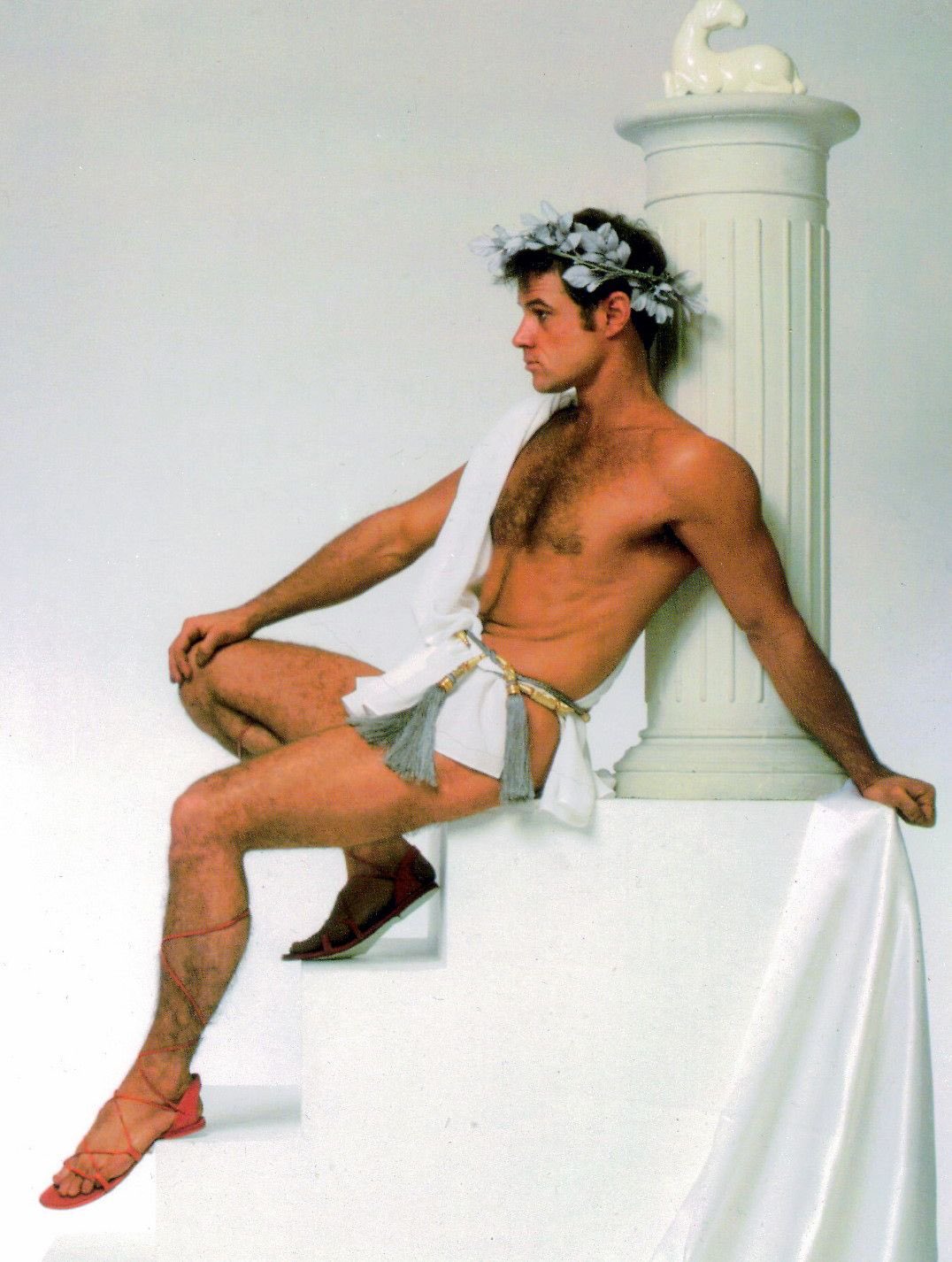
Brad Davis (1981)

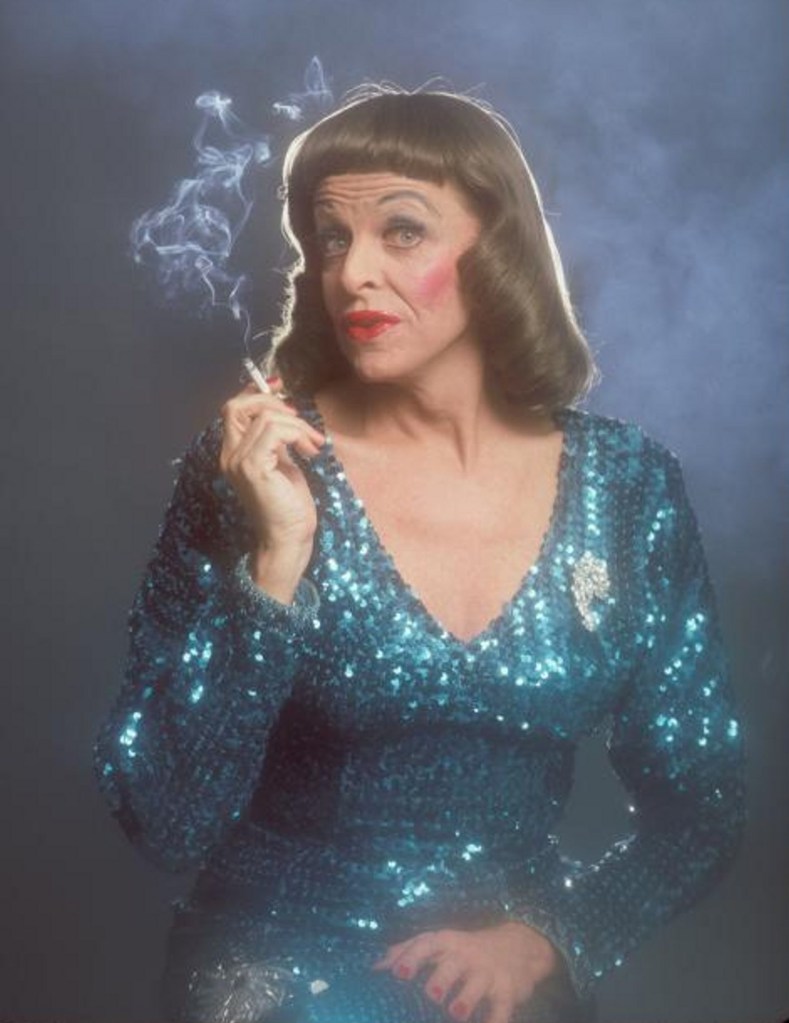
Charles Pierce as Bette Davis (1981)

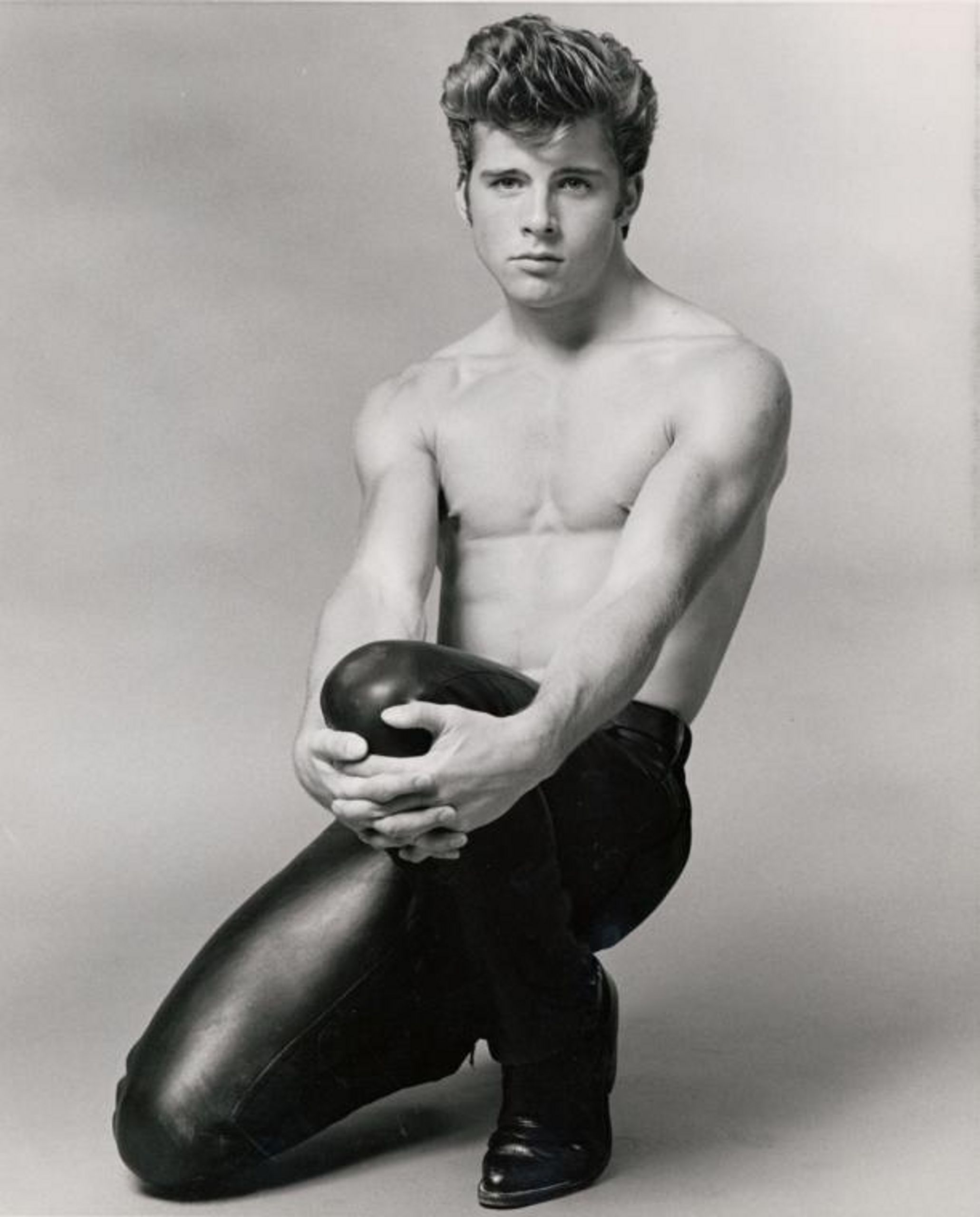
Maxwell Caulfield (1981)


After Dark shuttered in early 1983. The following year, Duncan published The Red Shoes, a photo book featuring celebrities wearing red shoes in a nod to both the Hans Christian Anderson fairy tale as well as the ruby slippers of The Wizard of Oz. Among those featured were many familiar subjects of his earlier work, including (pictured below) Brad Davis, Bette Midler, Maxwell Caulfield, Eartha Kitt, Dick Cavett, Mikhail Baryshnikov, John Curry, Richard Thomas, Gregory Hines, and Treat Williams.

Duncan began work on a second Red Shoes book, but it remained unfinished, along with several other projects. He was just 57 years old when he died of AIDS complications at New York Hospital on July 27, 1986. In 2003, the New York Public Library for the Performing Arts acquired 600,000 photos from Kenn Duncan’s estate. Many of these photos have been digitized and are now available for viewing online for free.


See also:
Don Herron’s Tub Shots
The Yale Posture Photos: Bill Hinnant
The Yale Posture Photos: James Franciscus
Revisiting Bette Midler’s Thighs & Whispers (1979)
Gay Times #69 (1978)
John Waters in Blueboy Magazine (1977)
Fire Island PaJaMa Party
Artist’s Muse: José “Pete” Martinez
Artist’s Muse: The Mystery Model
Artist’s Muse: William Weslow
Revisiting George Platt Lynes’ Fire Island Muses
Keith Haring In Heat Magazine (1992)
George Platt Lynes: In Touch Magazine (1982)

A Stroll Through 1980’s NYC


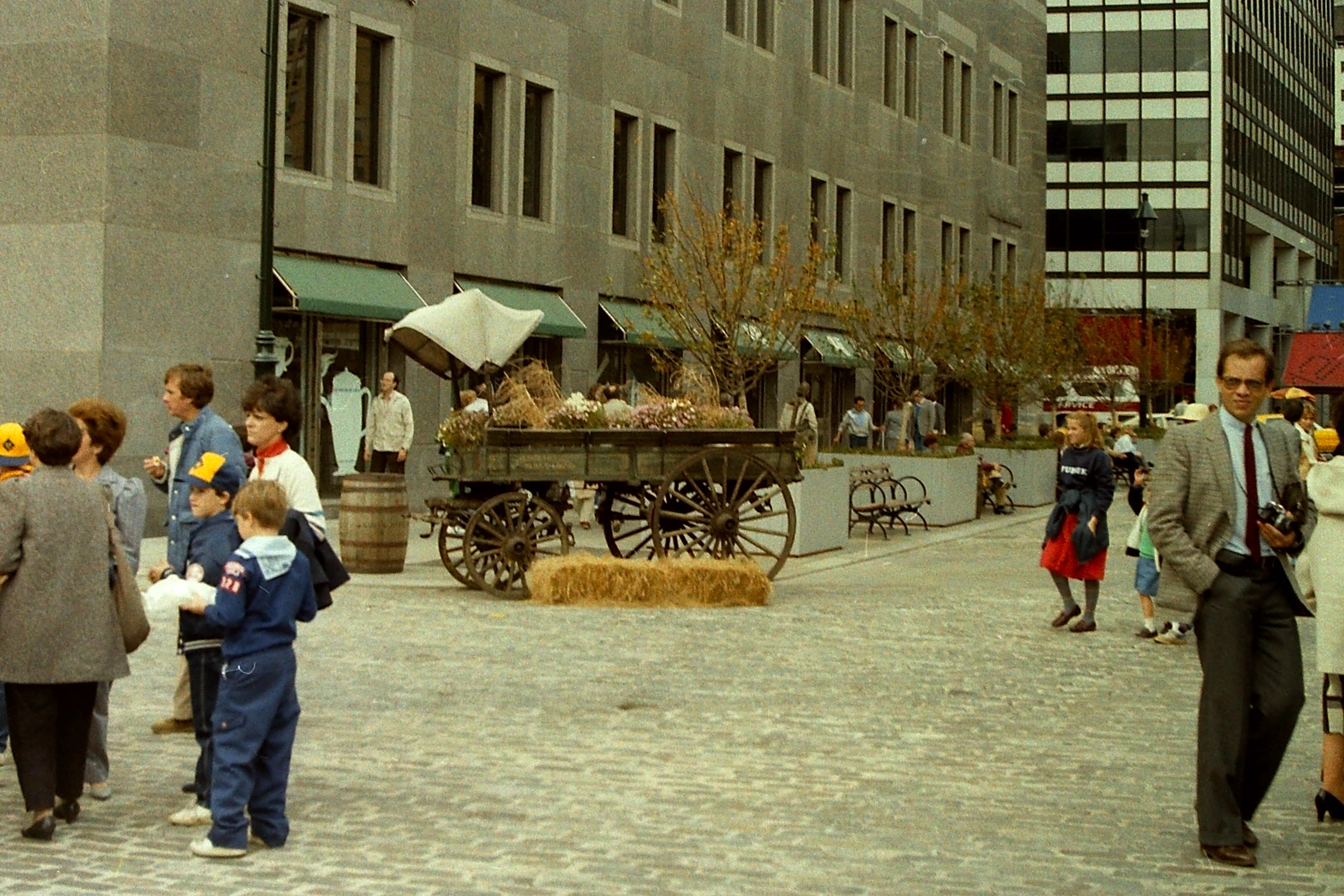
September 11th and the onset of Fall always makes me think back on the New York City that I photographed as a teenager in the 1980’s.

The intrepid photographer (1985)

My photography class would take field trips into Manhattan each semester. Later I began hopping on the Long Island Rail Road to venture in by myself. I loved photographing the city. There was – and is – an infinite number of things to focus your camera on. I learned early on that as much as I loved taking pictures in the city, I did not enjoy photographing the people. I was afraid someone would freak out and demand money or break my camera. My photos with live subjects tended to be dark and blurry or out of focus because I just wanted to snap the photo and run.

Instead, I focused on other elements of the city – a cat in a window, a gargoyle on a building. The purple shoeprints that appeared all around the village in the mid 1980’s. I would go into the city on a Sunday and walk south from Penn Station to the World Trade Center and back, snapping pictures the whole time.

To this day, I will spot a familiar building detail or doorway and remember… oh yeah! I took a picture of that in 1986. After 9/11, I would scan through the footage from that day, searching for familiar places on the plaza and in the vicinity, looking for details so familiar to me in the photos I had taken years ago.

The Statue of Liberty gets a facelift (1984)
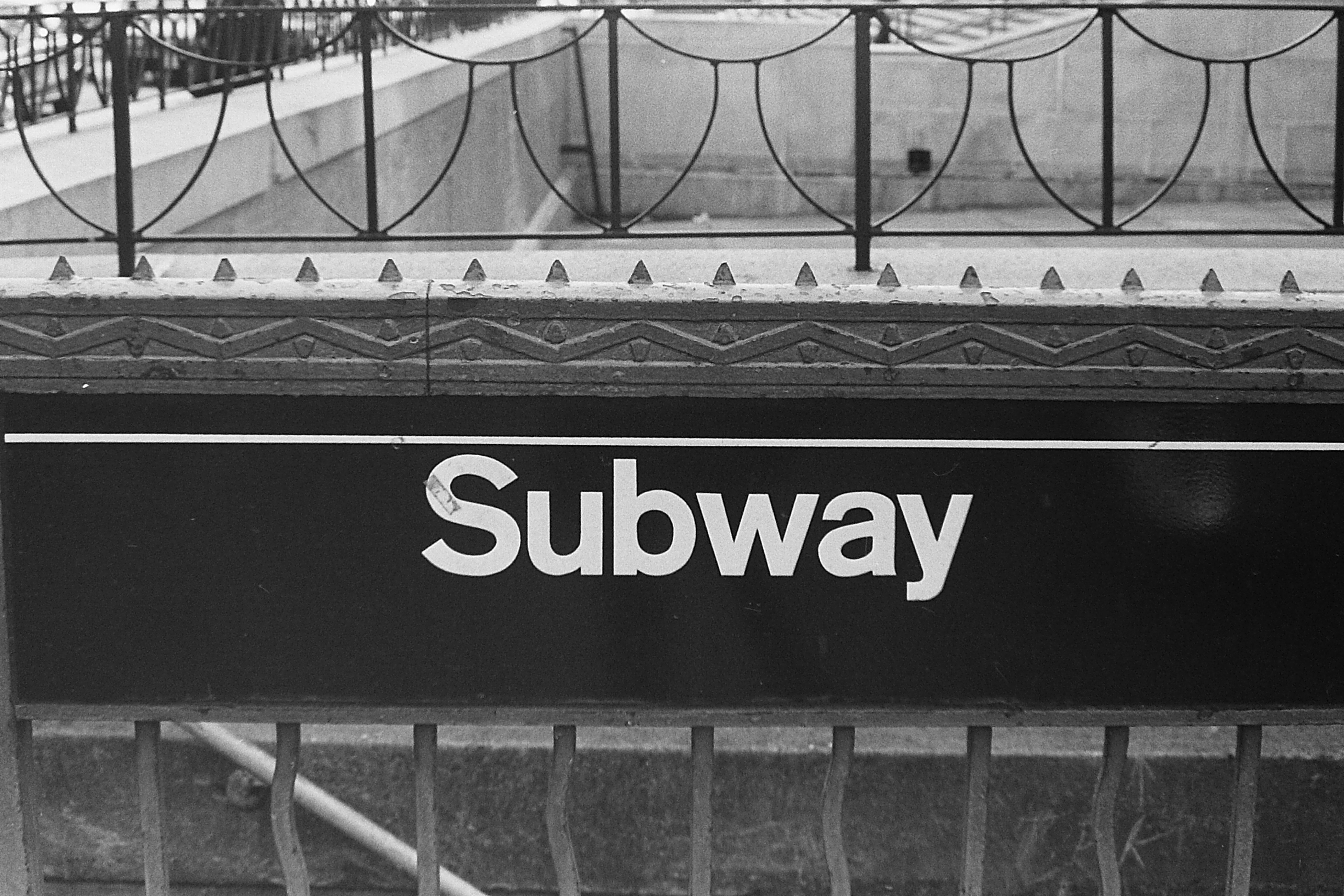
Canal Street Station (1986)


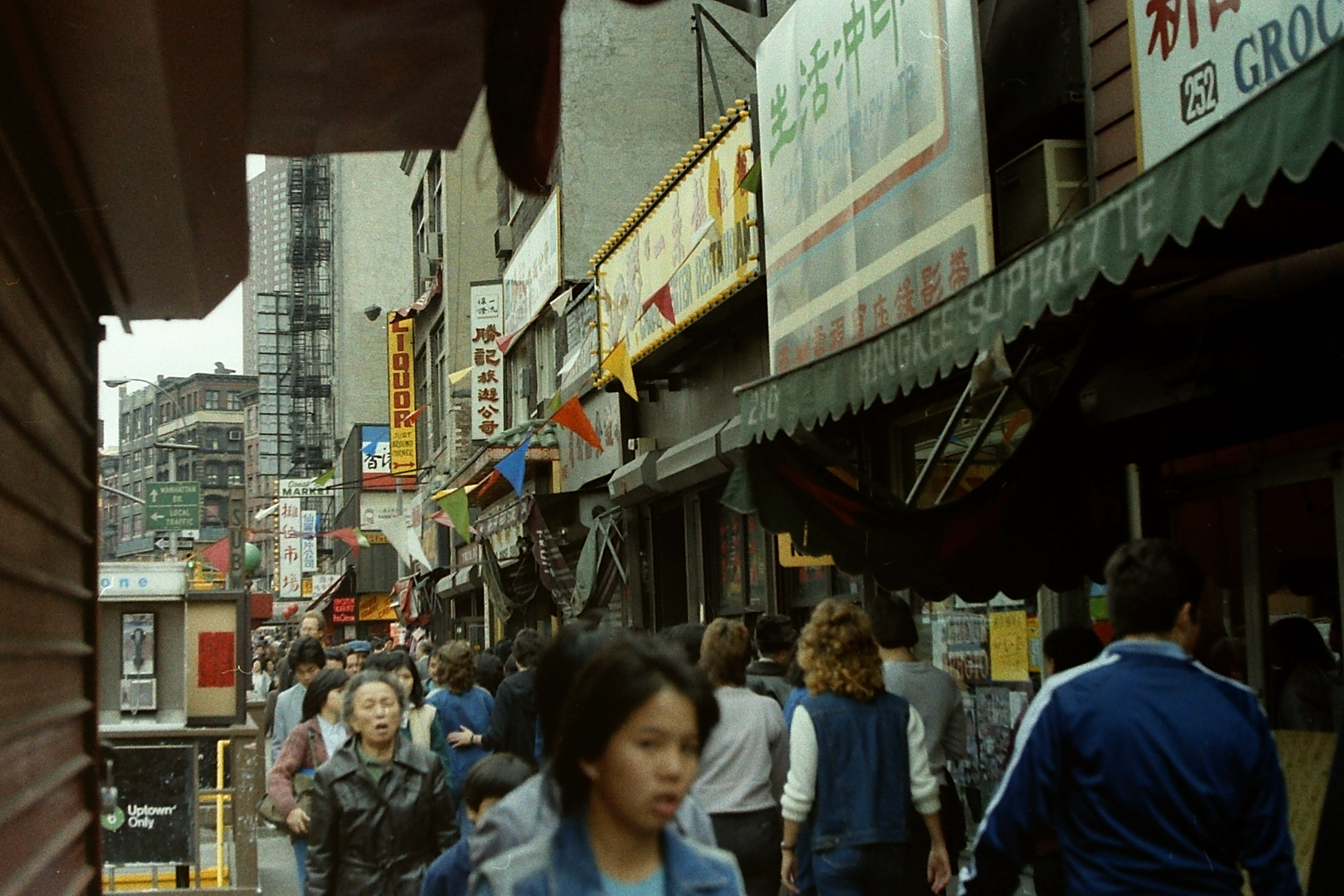
Chinatown (1984):


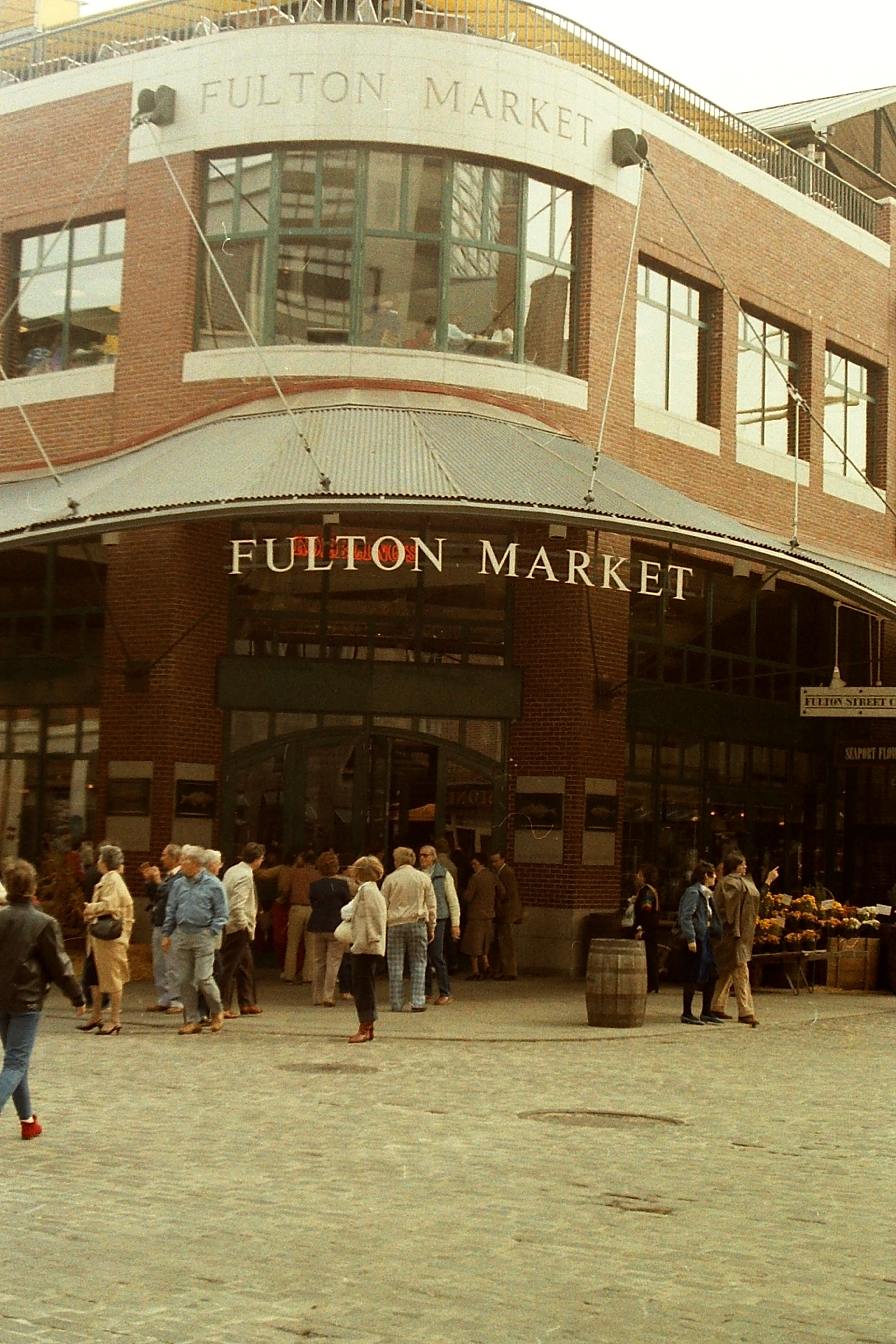
South Street Seaport (1984):


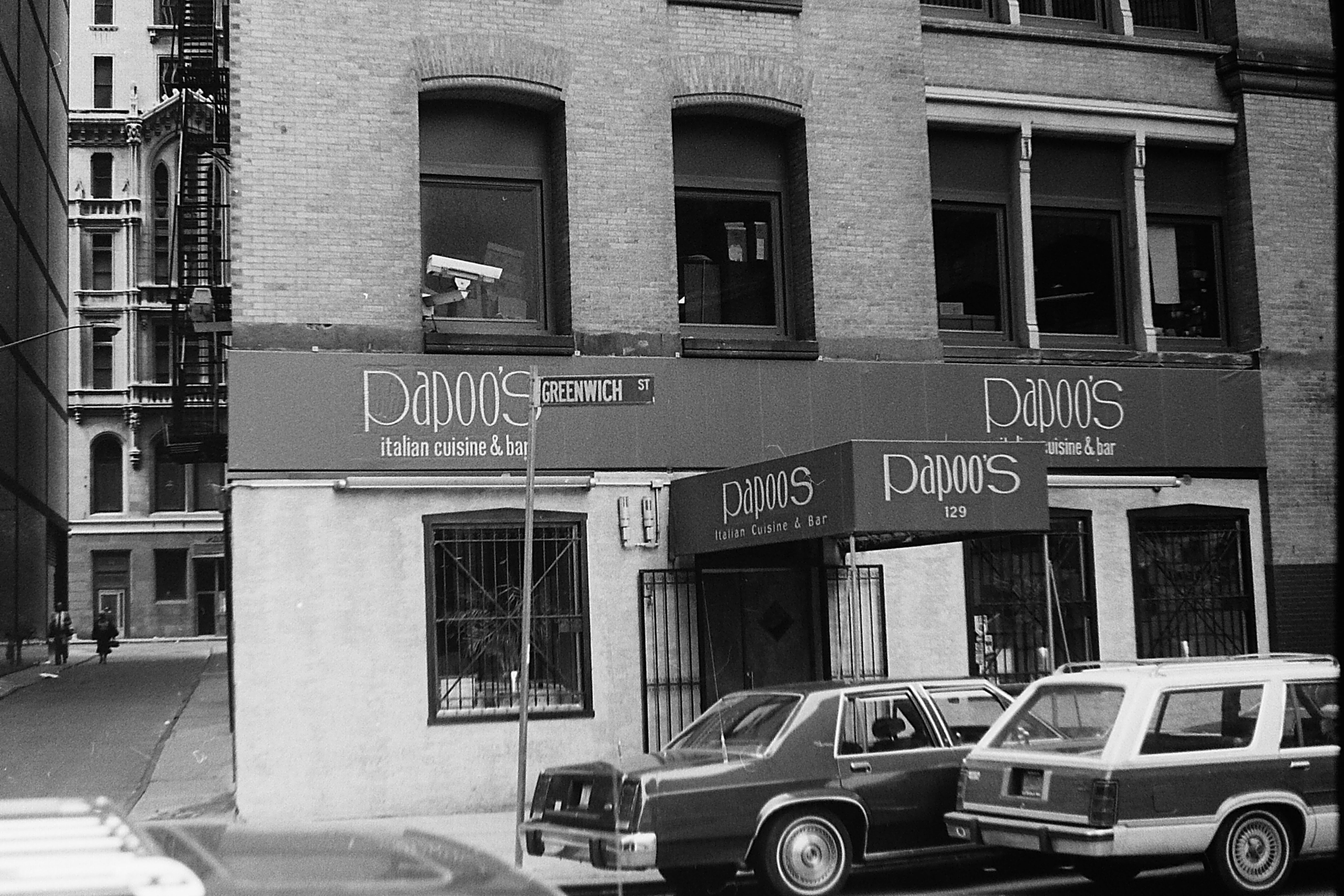
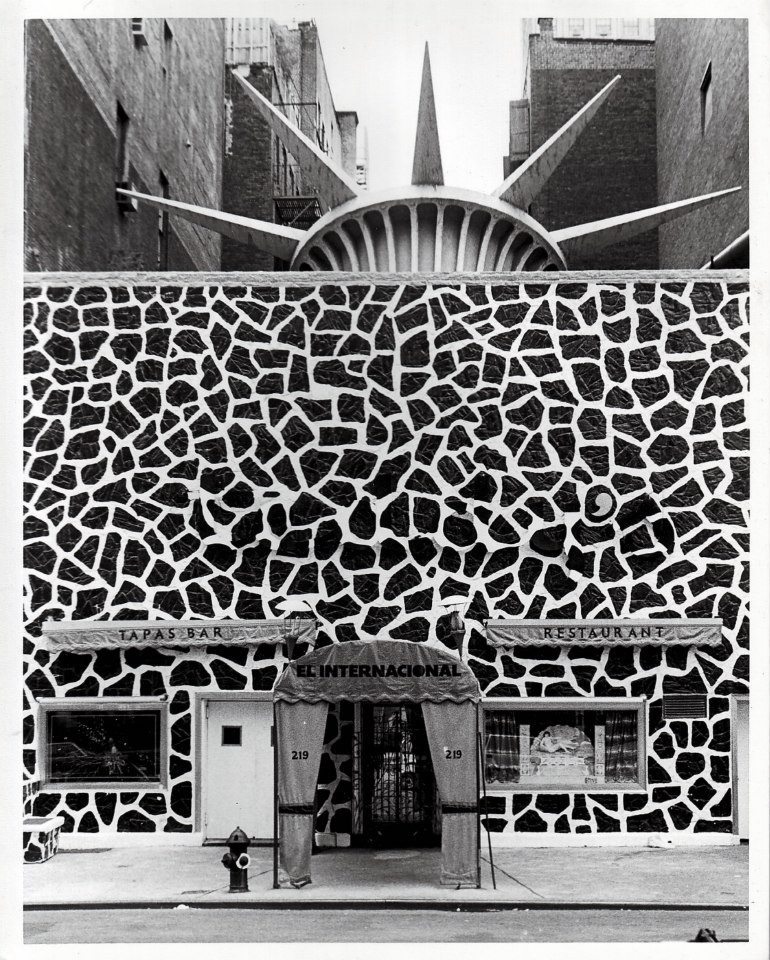
TriBeCa (1986):
Donovan’s Publik House was at 108 Greenwich Street. It is now Suspenders restaurant. 67 Greenwich Street housed The Whitehall Hardware Store when this photo was taken. In 2021, the New York Times profiled this structure in an article titled The Indestructible Townhouse. El Internacional, formerly El Teddy’s was a popular hangout at 219 West Broadway. The Guest Of A Guest website described it as “The epitome of downtown cool.”


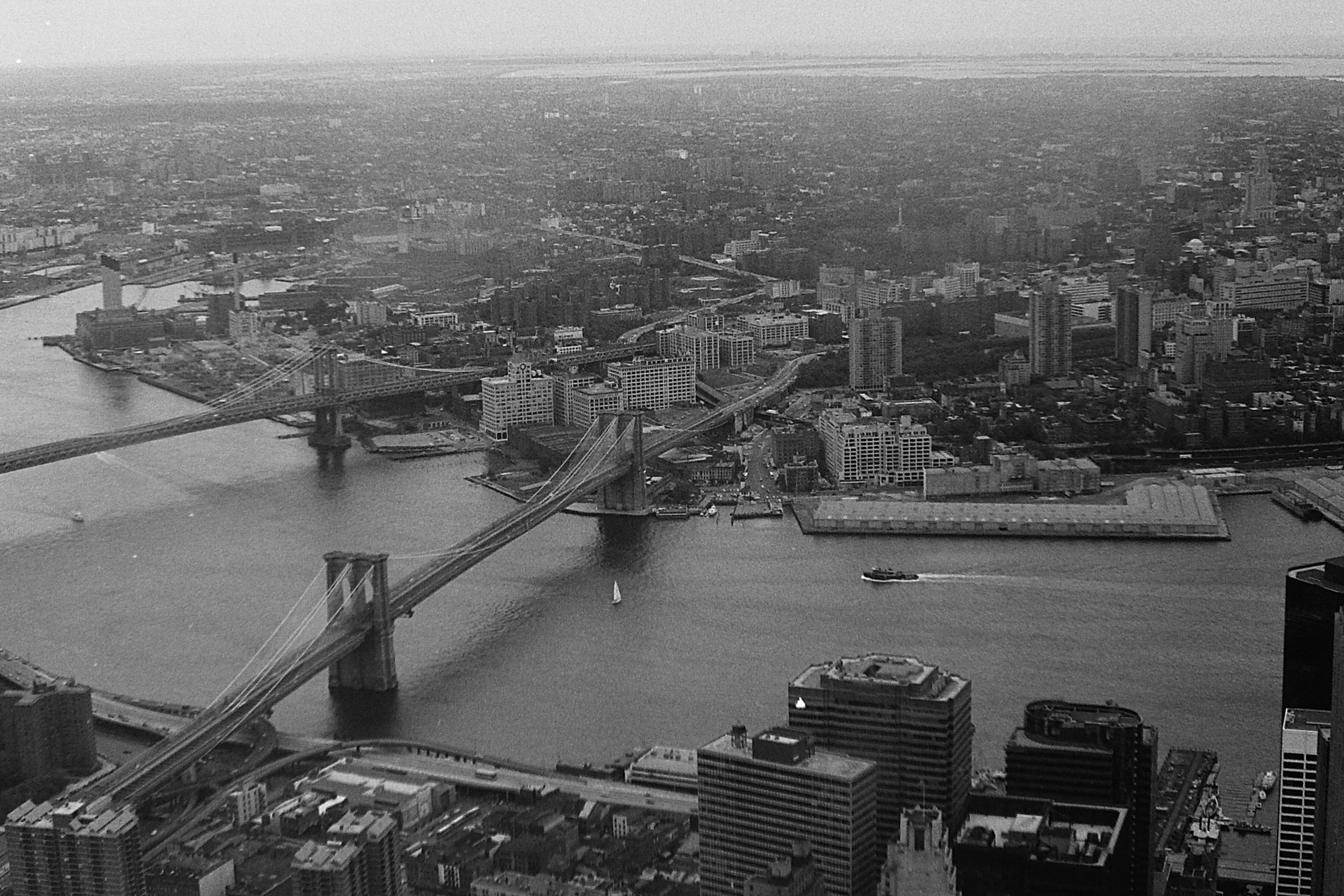
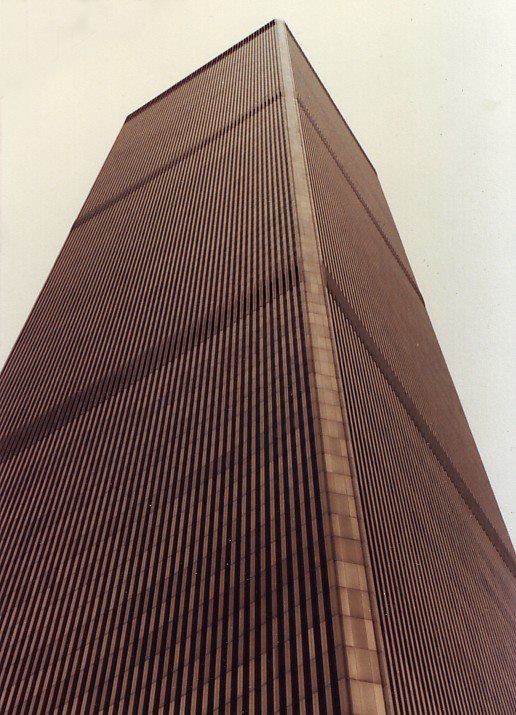
World Trade Center from above and below (1985-86):

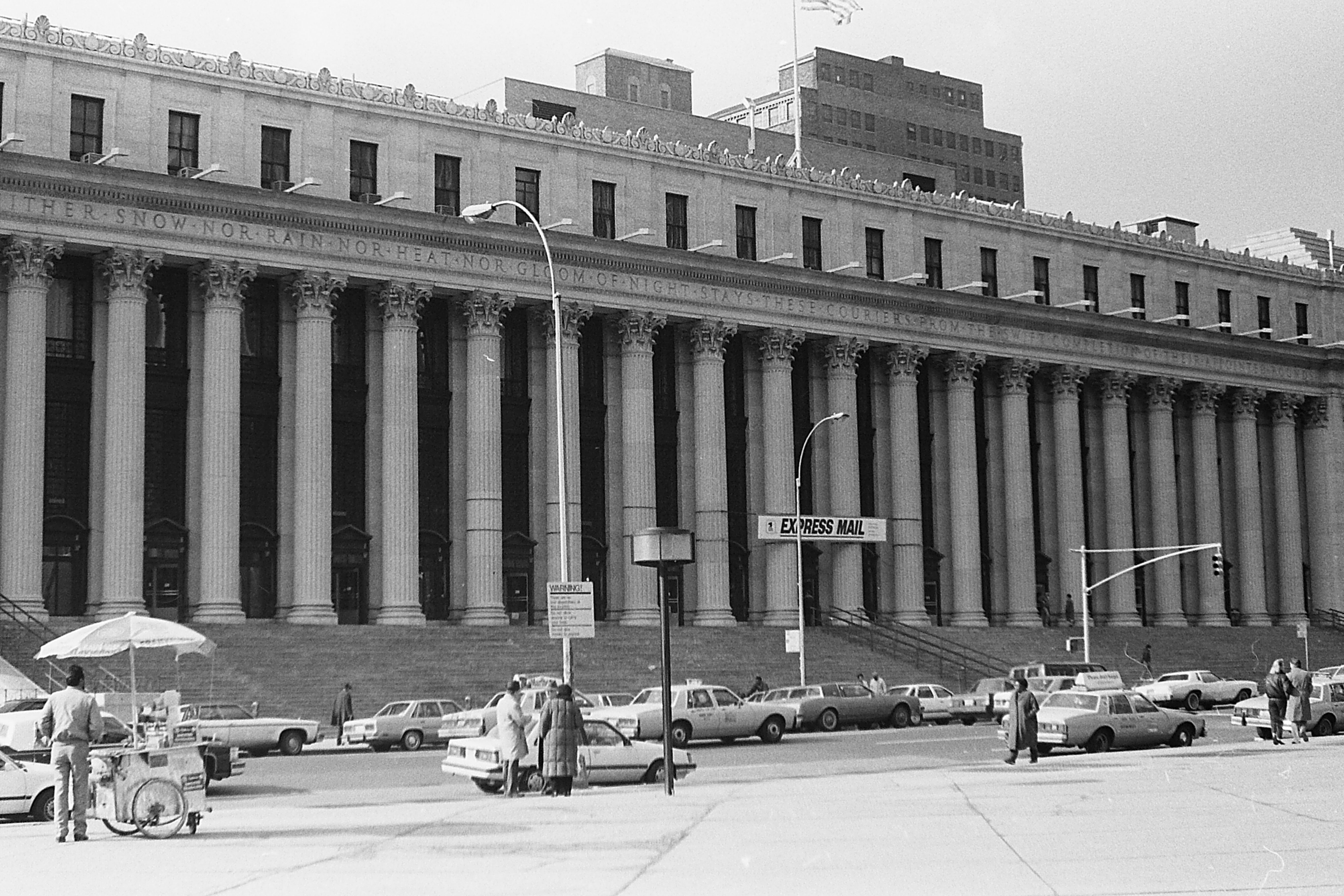
Penn Station / 8th Avenue (1986):


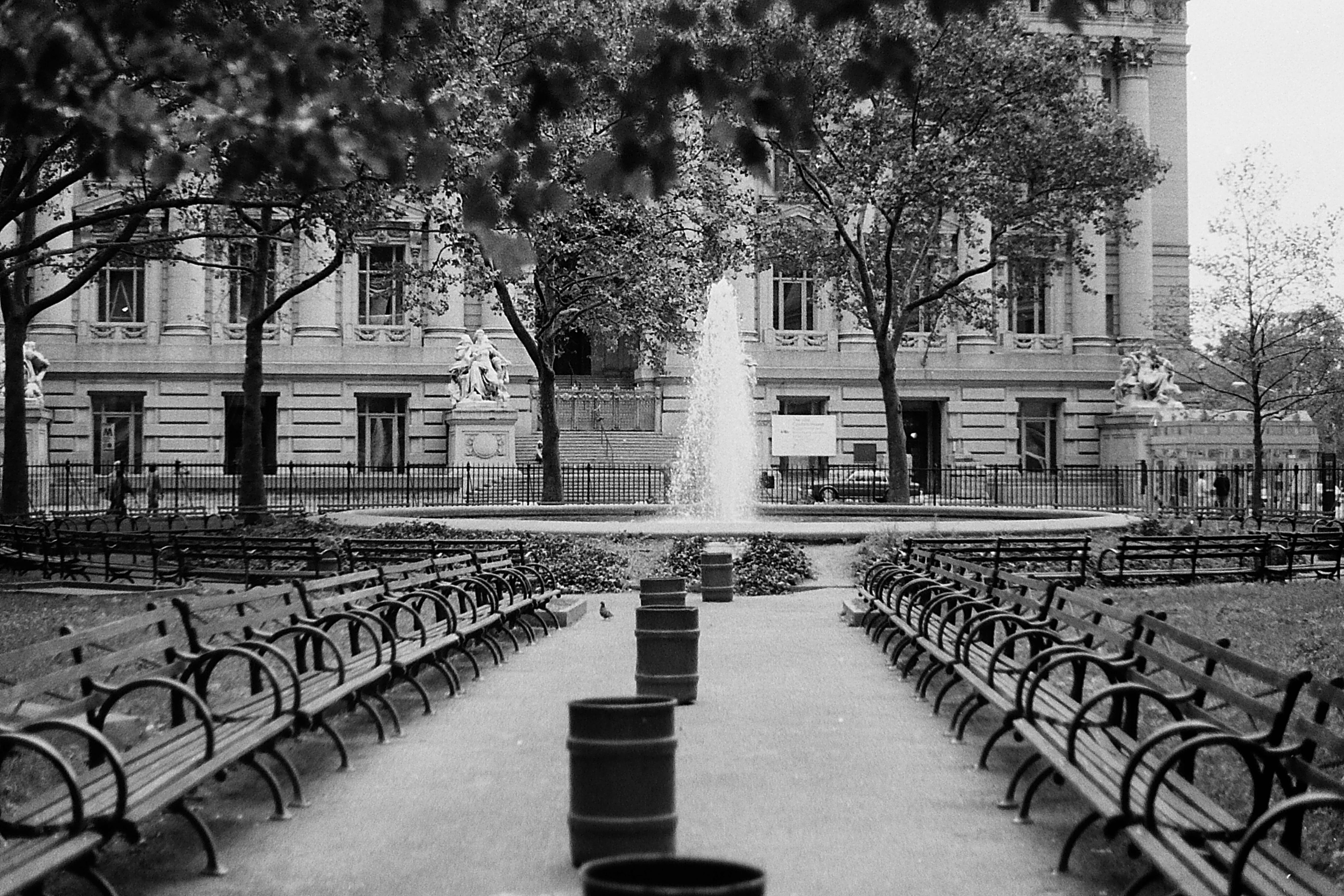
Downtown (1984-86):

The Purple Footprints (1986)

See Also:
New York City Is A Ghost Town (March, 2020)
New York City Is Still (Kind Of) A Ghost Town (August, 2020)
The Lion In The Emerald City
Remembering Bob Harrington
Truman Capote in Mandate (1985)
Homo Alone (1991)
New York City In Touch (1979)
Never Forget This (9/11/20)
Blueboy 1980: Gays Of NYC
Julius: The Bar That Never Changes


Ronnie Spector – Siren (1980)

I recently found myself perusing (as one does) the March, 1981 issue of In Touch For Men Magazine when I happened upon an article about Ronnie Spector. “How timely,” I thought, as August 10th marked her 80th birthday. Unfortunately, the Ronettes lead singer passed away at age 78 in January, 2022 – click here for a tribute with some choice song recommendations.

Ronnie with Patti Smith (1977)

Ronnie didn’t have a whole lot going on when Genya Ravan called her up out of the blue and asked her to sign with her new record label, Polish. Ravan was a fellow rock and roll veteran – a Holocaust survivor from Poland who, as Goldie Zelkowitz, fronted the legendary female rock band Goldie & The Gingerbreads. After a name change, a stint fronting the band Ten Wheel Drive, and several solo LPs, Ravan was ready to use her production skills on her own record label. In her memoir Lollipop Lounge: Memoirs Of A Rock And Roll Refugee, Ravan clarifies the label’s name: “‘Polish’ as in shine, not the nationality.”

Ronnie in Creem Magazine (1980)

While the music industry might have been through with Ronnie, Ravan was extremely excited with the prospect of producing her first solo LP. “I was a great fan of hers. I’d loved the sound of her voice ever since I first heard it,” she wrote. “Also, my own career as a singer seemed to be looking bleak… so working with Ronnie seemed to offer an alternative way of permanently stamping my mark on the music industry.”

Ravan’s idea was to expose Ronnie to some of the acts from CBGB’s that she was producing – to bring her iconic voice to a contemporary rock setting.

The album was recorded at Media Sound, RPM and Electric Lady studios with contributions from members of Johnny Thunders’ Heartbreakers, the Dead Boys, Mink DeVille and many others. In addition to producing, Ravan also provided backing vocals.

Recording Siren at RPM Studios

In her own autobiography, Ronnie admitted that she did not feel a connection with the New York punk scene that she felt Genya was pushing her to embrace, although she would concede that the harder edge of Siren inspired her to cut loose on the vocals in a way that she had never done before.

While the lady doth protest, it must be noted that her cover of The Ramones’ “Here Today, Gone Tomorrow” was a natural choice for her to cover: Phil had just produced The End Of The Century for the group, including a cover of The Ronettes “Baby I Love You.” Joey Ramone would later produce Ronnie’s 1999 EP She Talks To Rainbows. If Ronnie didn’t like “Here Today, Gone Tomorrow” initially, she must have had a change of heart, as she re-recorded it for her 2006 CD The Last Of The Rock Stars.

She also collaborated with classic punk band The Misfits on a couple of tracks in 2003. Safe to say, Genya Ravan was on to something after all.

Ronnie & Goldie: Spector with Genya Ravan (1980)

Another standout track that is often overlooked is “Any Way That You Want Me,” a Chip Taylor composition originally recorded in the 1960’s by The Troggs and then Evie Sands. As producer, Ravan’s idea for the album was to “make sure the music had an edge, but at the same time I didn’t want to lose Ronnie’s 1960’s sound entirely.” This track walks that tightrope very well.

Unfortunately, the album doesn’t quite stick the landing with its final track: “Happy Birthday Rock ‘N’ Roll” is a 6 minute passive aggressive valentine-slash-middle finger of a song dedicated to Phil Spector. Harkening back to her ex-husband only negates the distance that the rest of the album puts between Ronnie and her musical past.

By 1980, the story of Ronnie’s barefoot escape from her marriage was no secret. Giving this song the subtitle “For Phil” is just bizarre. Imagine if Tina Turner had dedicated the title track of her Private Dancer LP to Ike.

The lyrics present Phil as the embodiment of “Rock ‘N’ Roll” itself, alternately praising him for his accomplishments, but noting that “You’re pushing 40 / but you’re still not old,” and “Some people say you’ve lost your grip / They say you’re past your prime and you’re no longer hip.”

One can imagine that Phil was not thrilled when he listened to this.

The songwriting on this track is credited to Elkie Brooks and Peter Gage, even though there are several musical breaks that segue into the choruses of “Be My Baby,” “Baby I Love You,” and “You Baby” – Ronettes songs that originally listed Phil as a co-writer. None of the original songwriters are credited here. As a comparison, Eddie Money’s 1986 hit “Take Me Home Tonight” – with Ronnie’s “Be My Baby” refrain – lists that song’s writers – Jeff Barry/Ellie Greenwich/Phil Spector alongside the other songwriters. Perhaps if Siren had been a commercial success, the famously litigious Phil would have come after them.

Reviews for the LP were all over the place – from high praise to the lowest dismissal:

Saskatoon Star-Phoenix (3/14/81)
Boston Globe (10/16/80)

Above: NME – Great photo / Terrible review (8/30/1980)

A pan from The Austin American-Statesman, whose reviewer also mis-genders Ms. Ravan. (9/27/80)

The Newsday review above was followed by one for Blondie’s AutoAmerican. (12/26/80)

In a more recent assessment, Joe Viglione writes on the AllMusic website; “If Phil Spector overproduced to good effect, Genya Ravan purposely underproduced, choosing instead to let flavors of different musicians paint the fabric behind Ronnie Spector.”

Genya Ravan stands by the album, writing; “I’m very proud of Siren… and of what I did for her on it. I think it’s the best thing she recorded after her glory days with Phil Spector.”

Ronnie Spector, 1980 (photo by Richard Aaron)

See Also:
Ronnie, Rosa & Wanda: Girl Group Heaven
Debbie At The World (1989)
Sheena Is A Grandmother
A Christmas Without Miracles: The 1987 “Motown” Christmas Special
Tina Turner: 12+ Cover Songs You May Have Missed
Etta James: Advertising Zombie
You Know The B-52’s Song “Roam” Is About Butt Sex, Right?
10 Forgotten Cher Moments
12 (More) Forgotten Classics By New Wave Ladies
Dusty Springfield Sings Kate Bush

Provincetown PaJaMa Party

PaJaMa, Nantucket, 1946

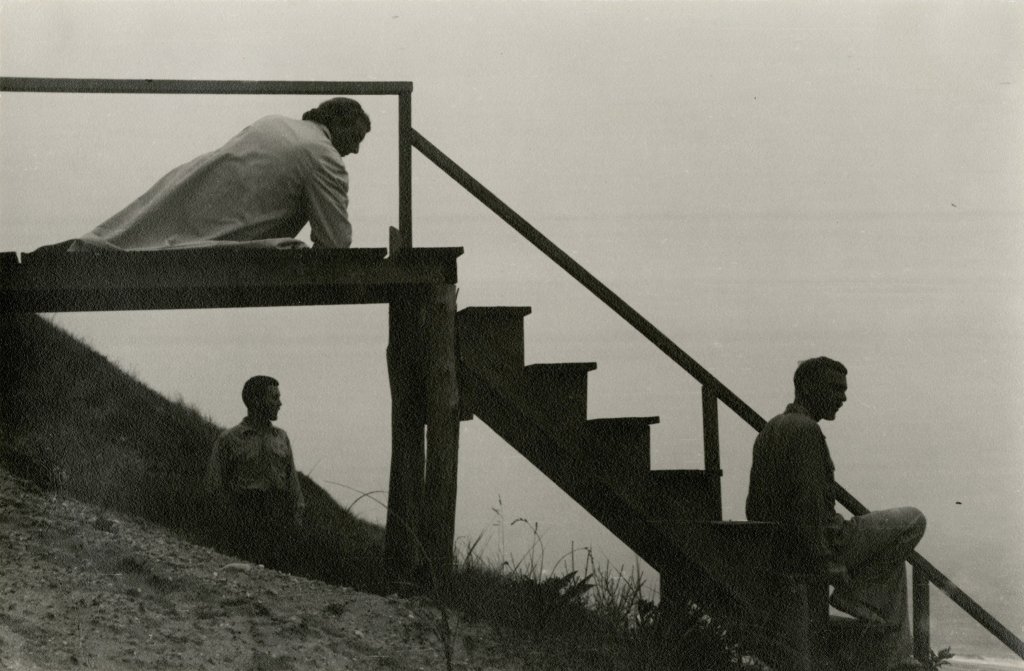
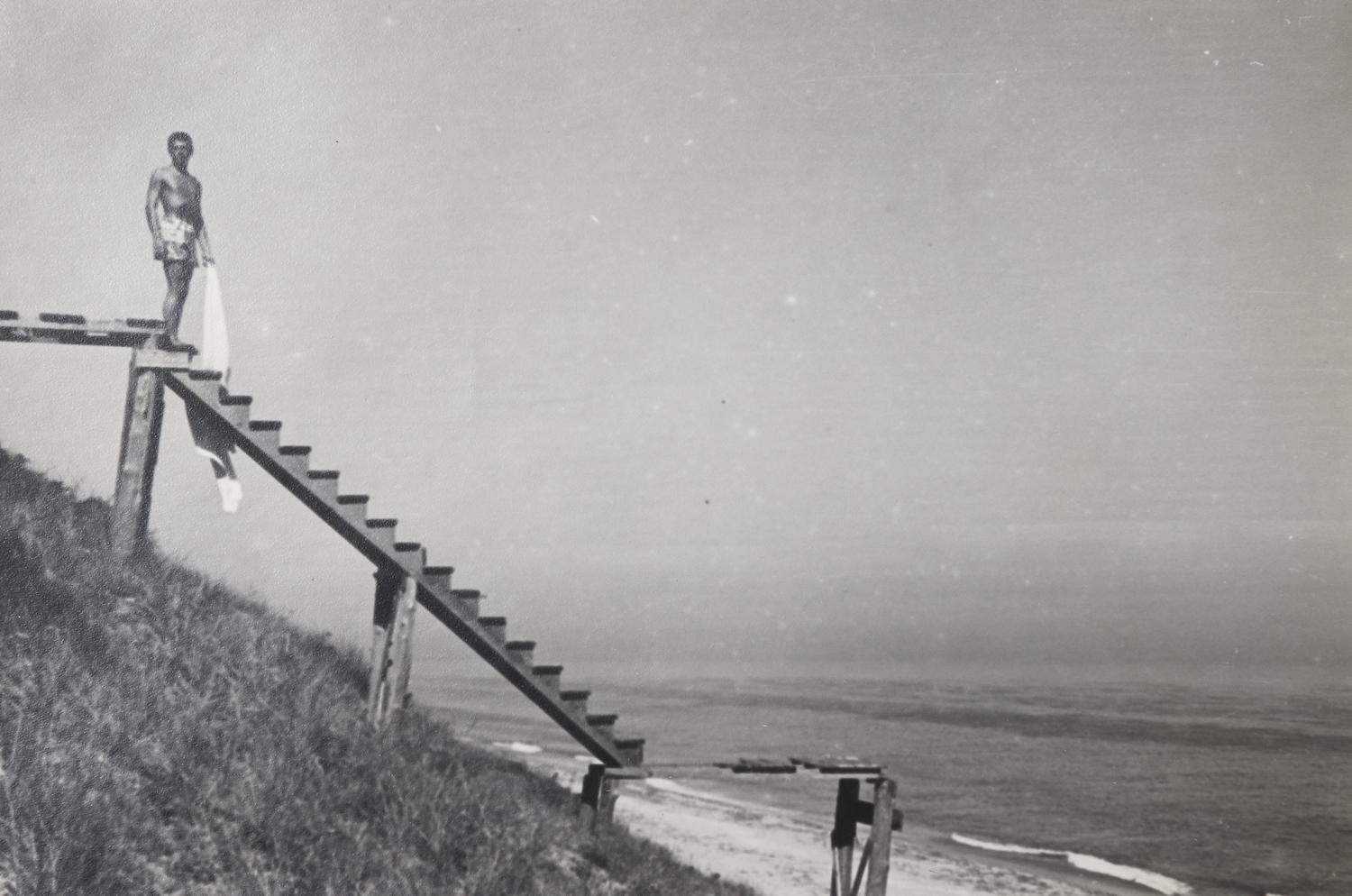
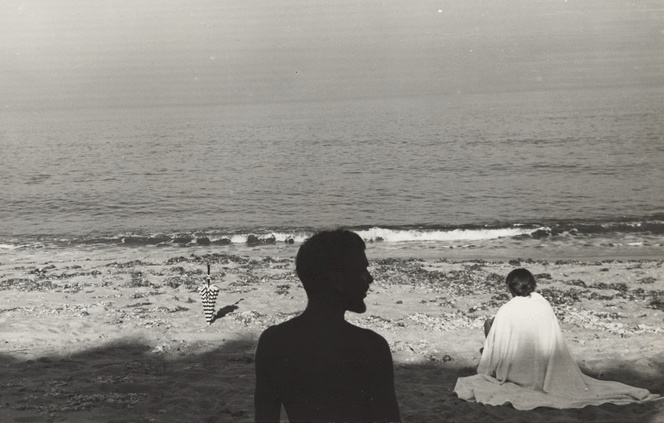
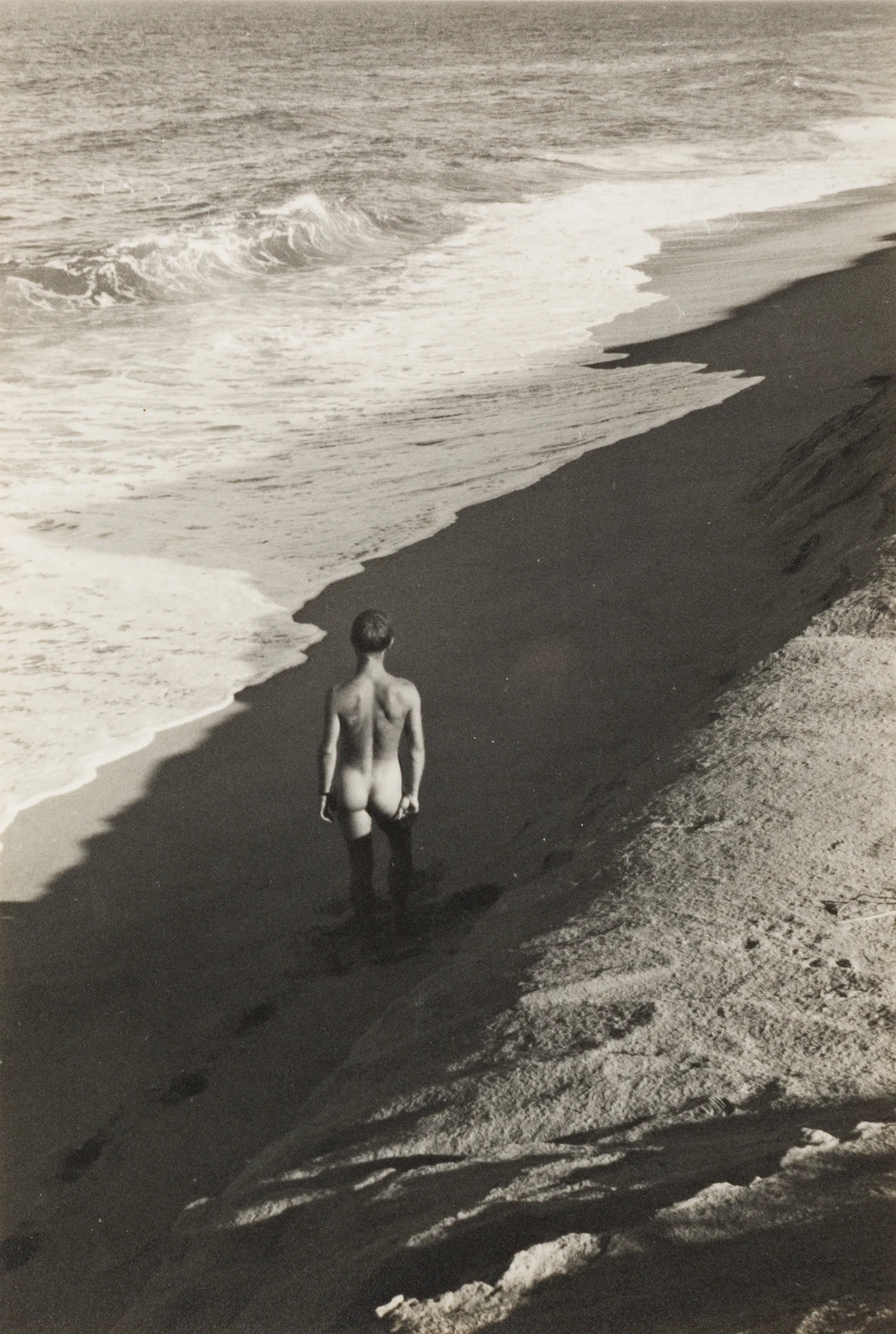
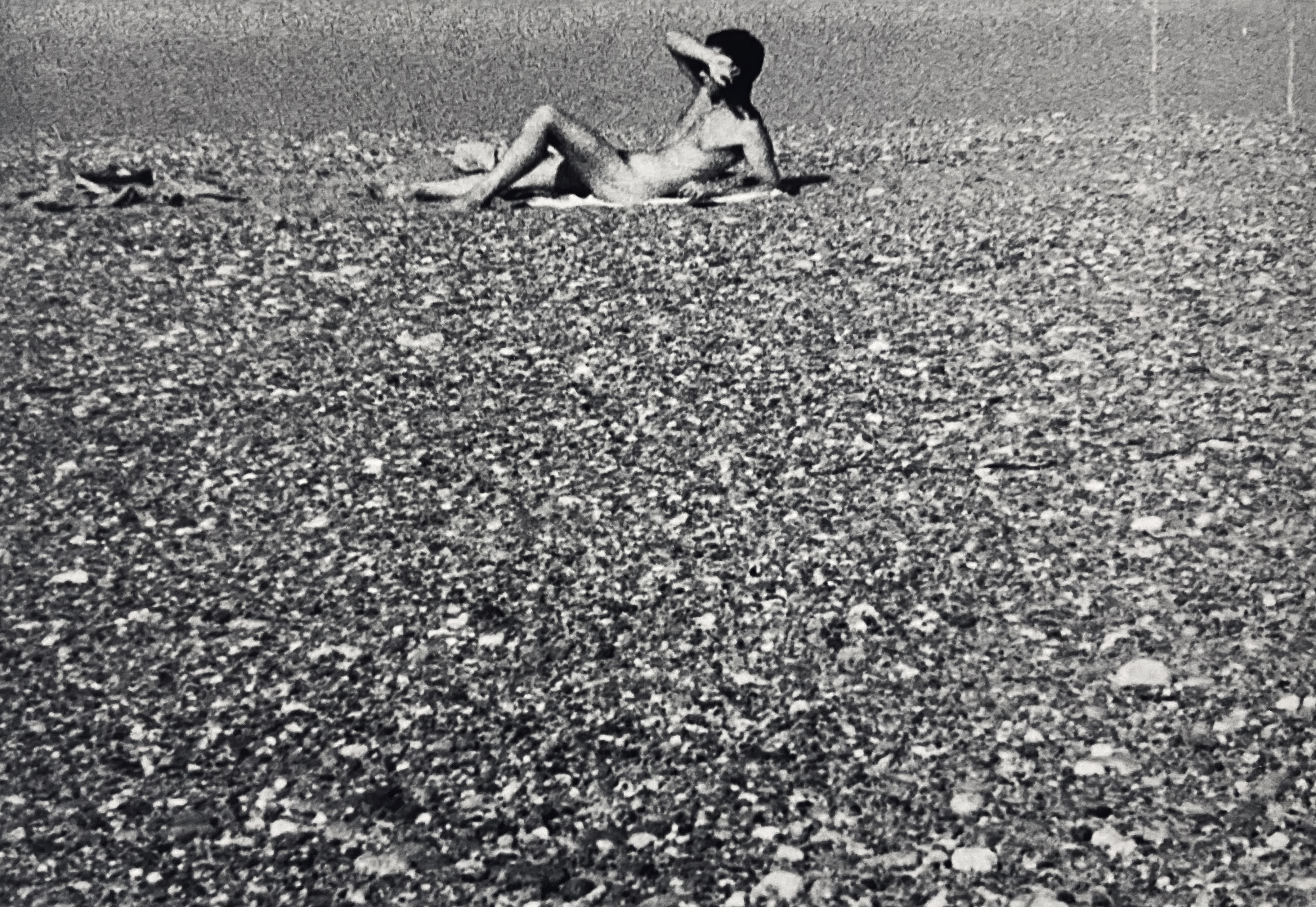
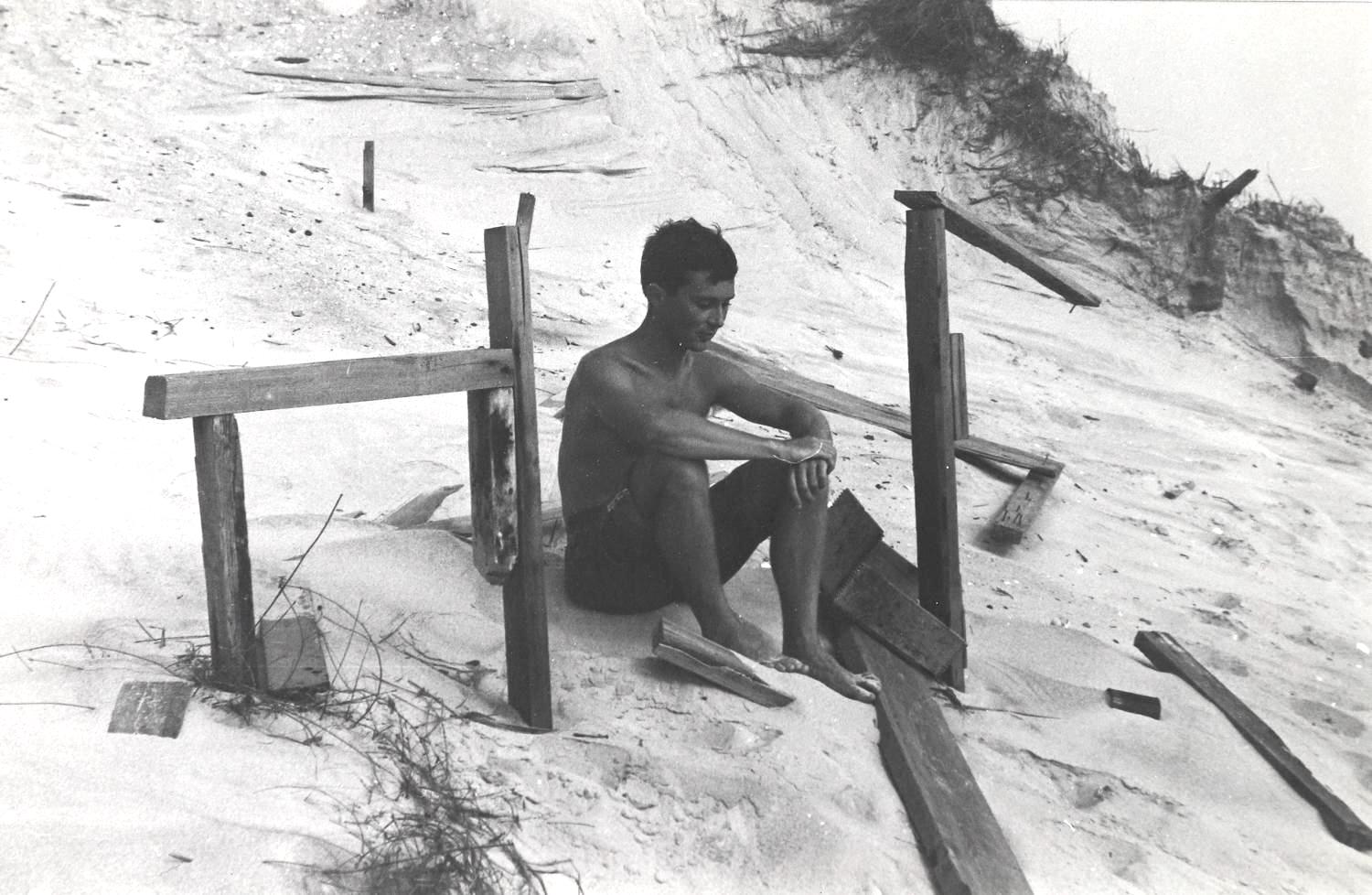
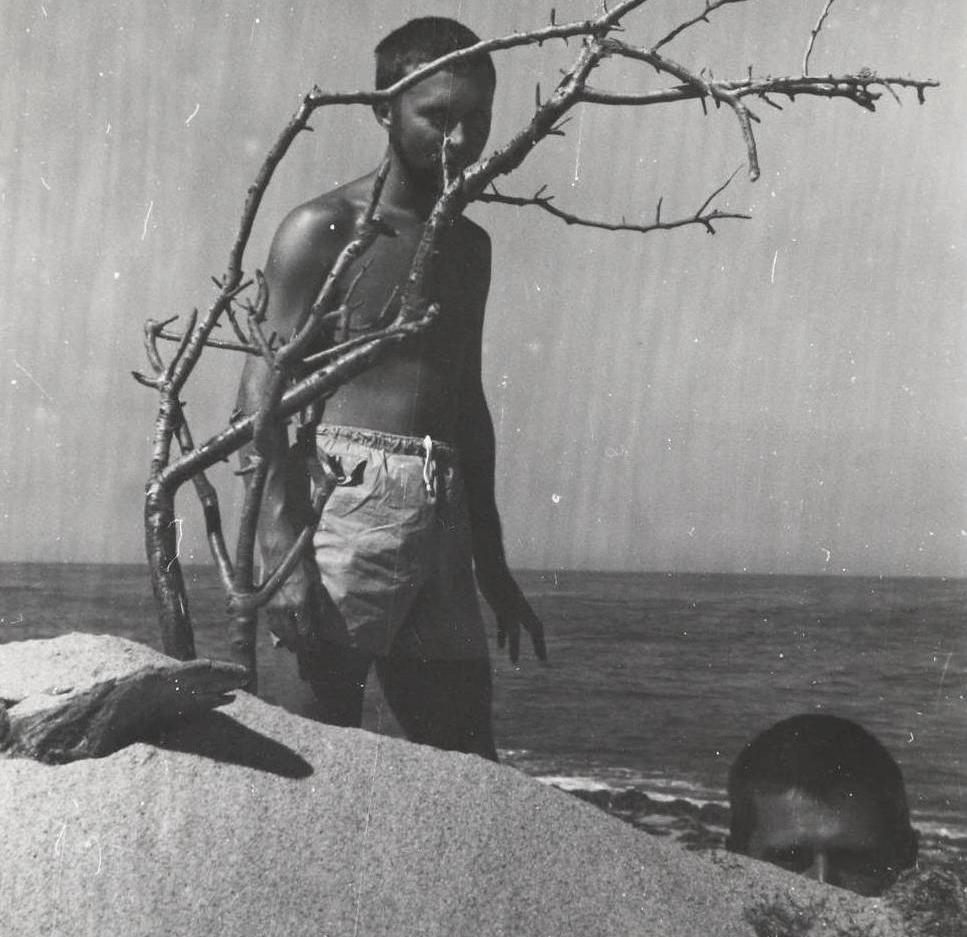
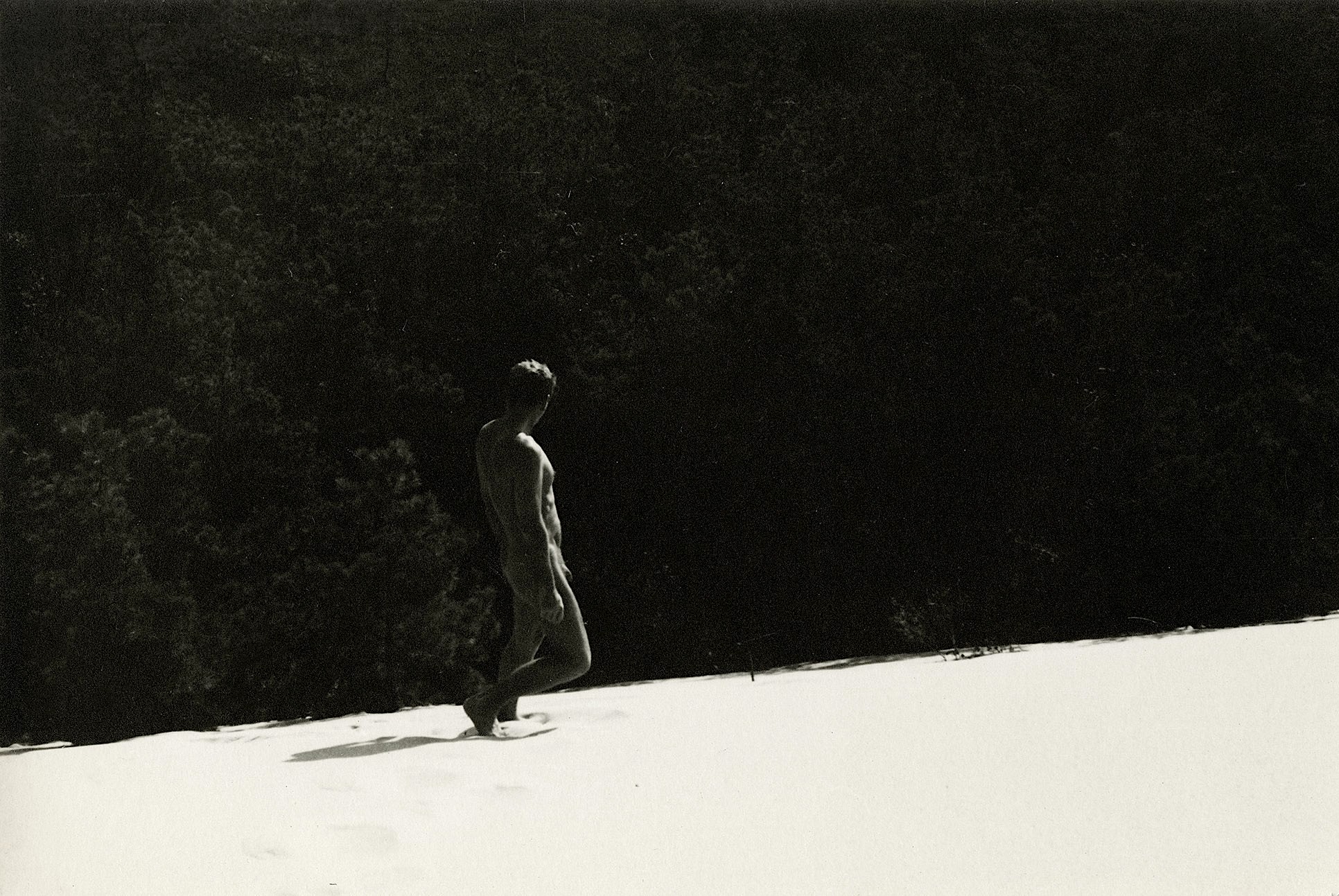
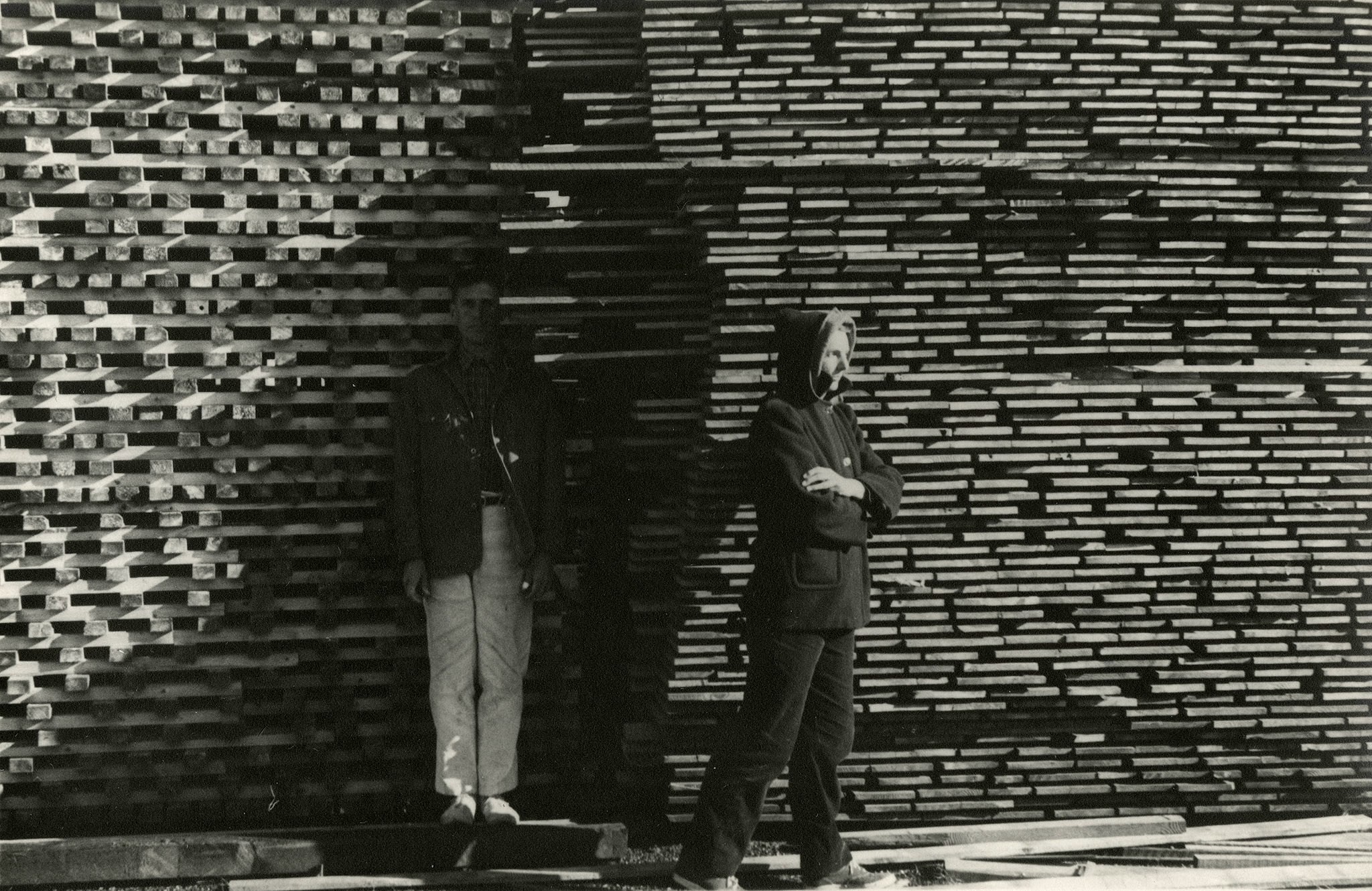
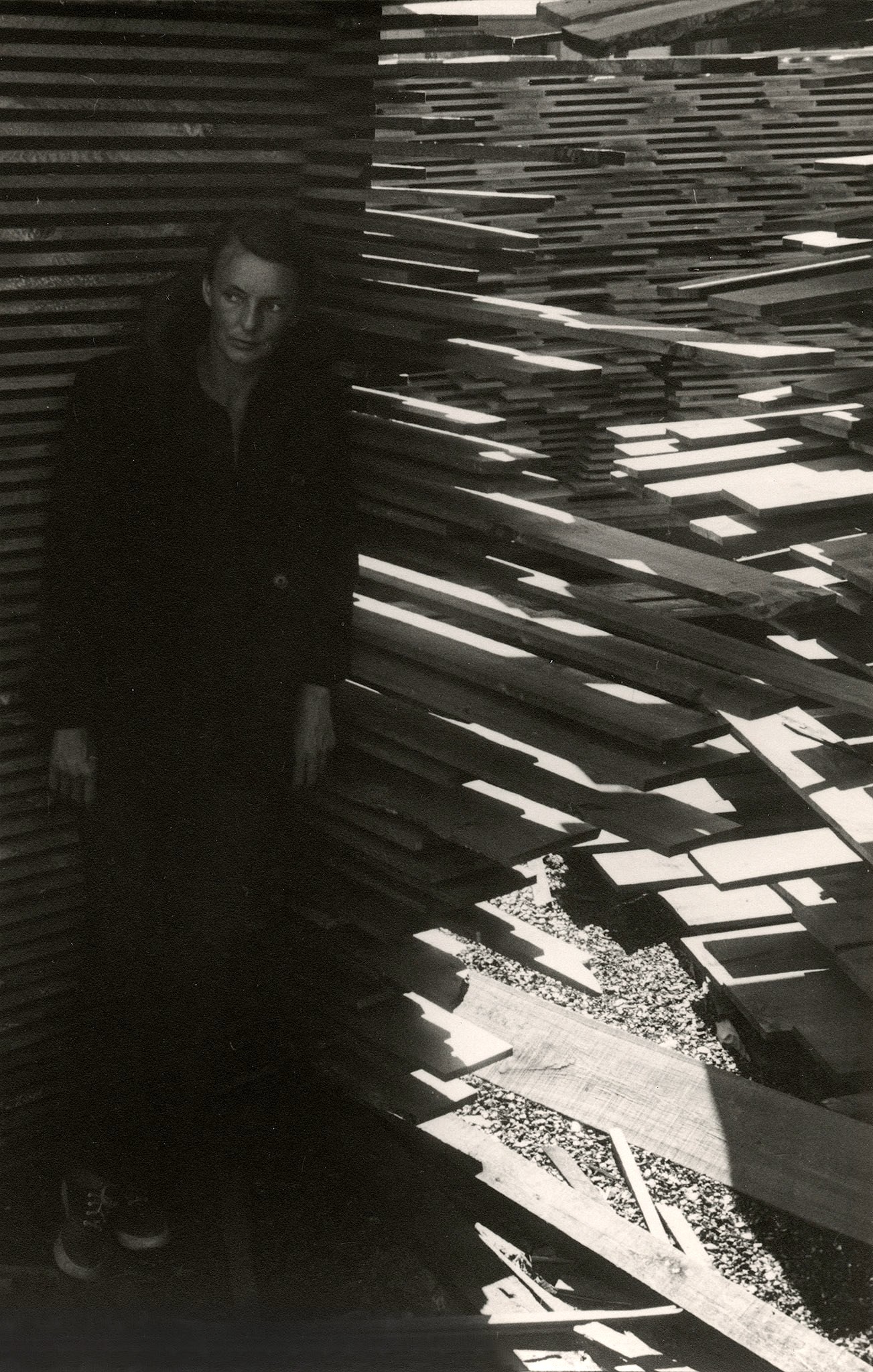
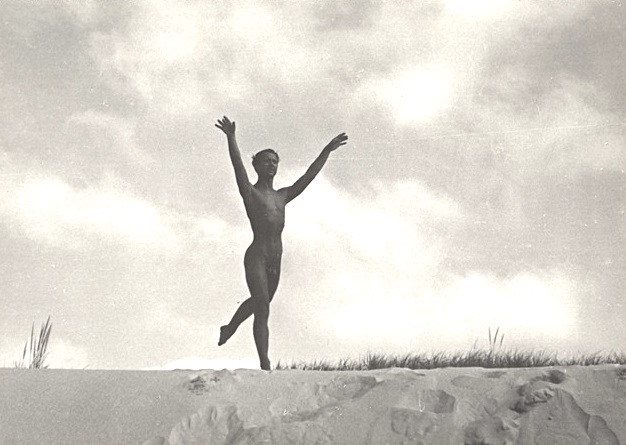
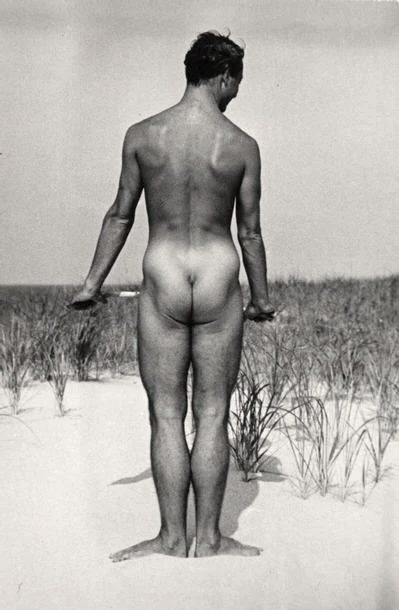
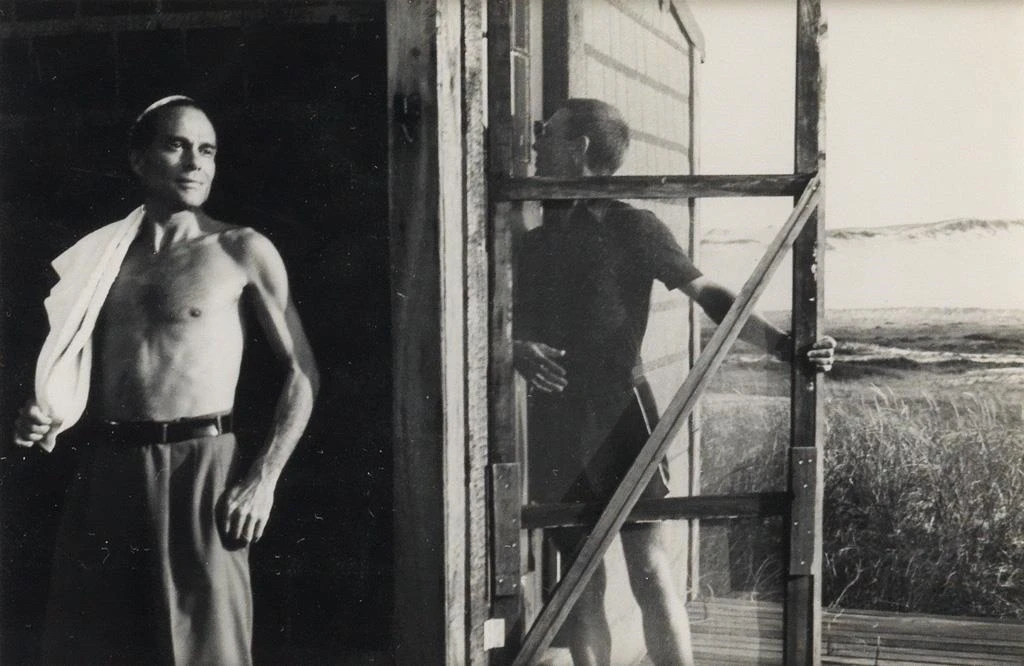
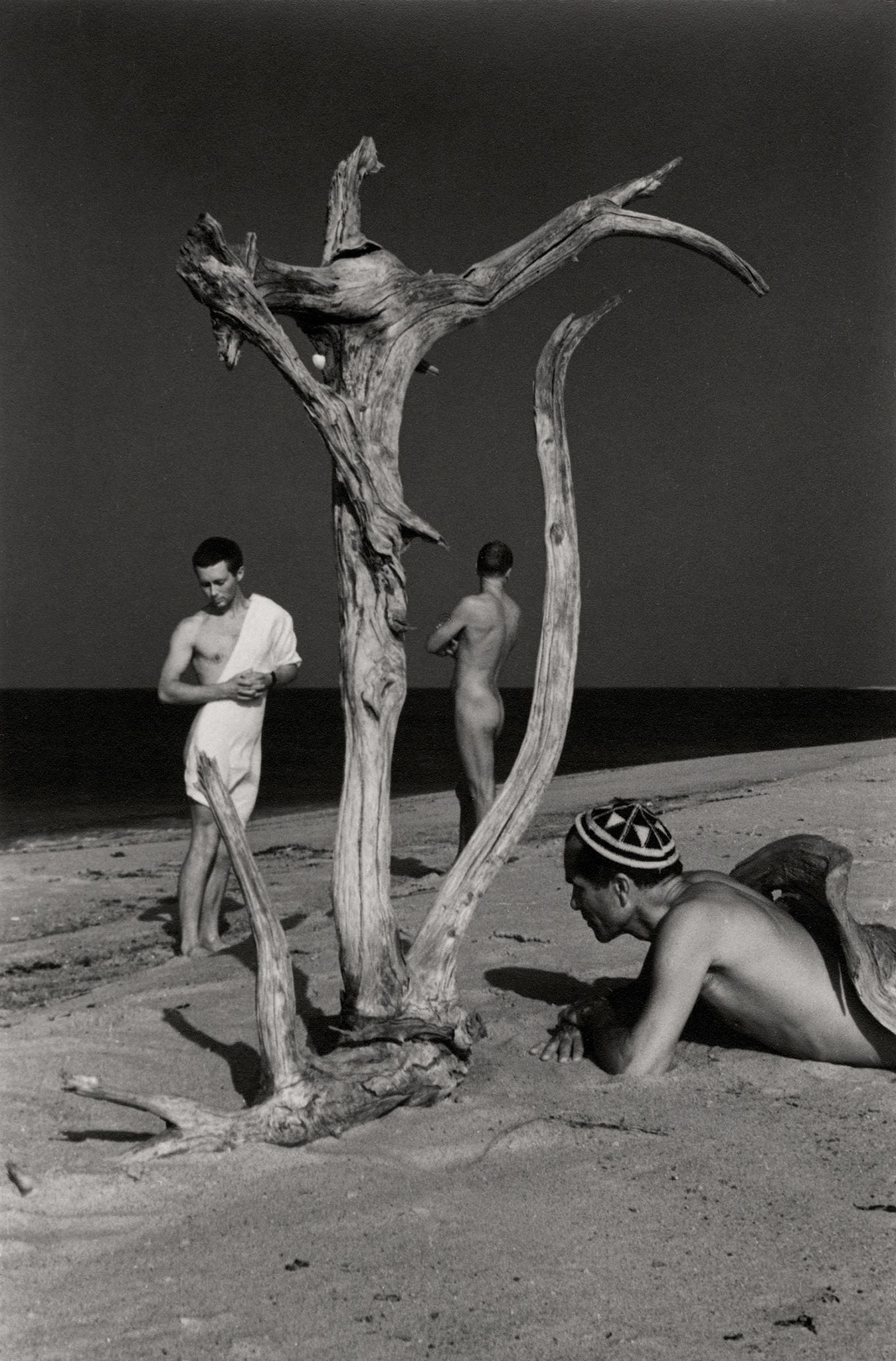
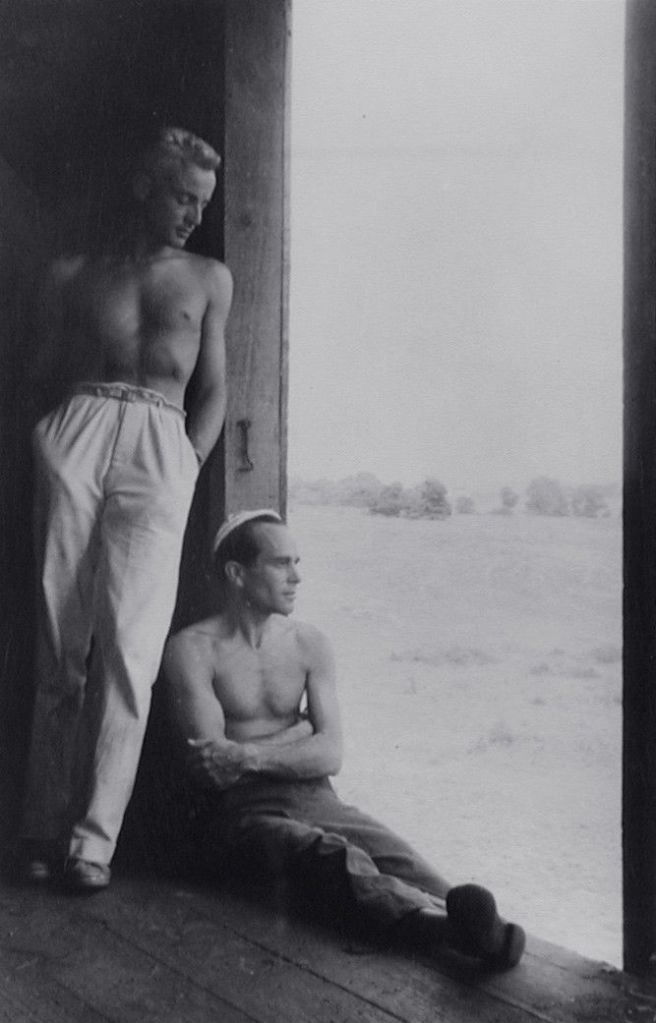
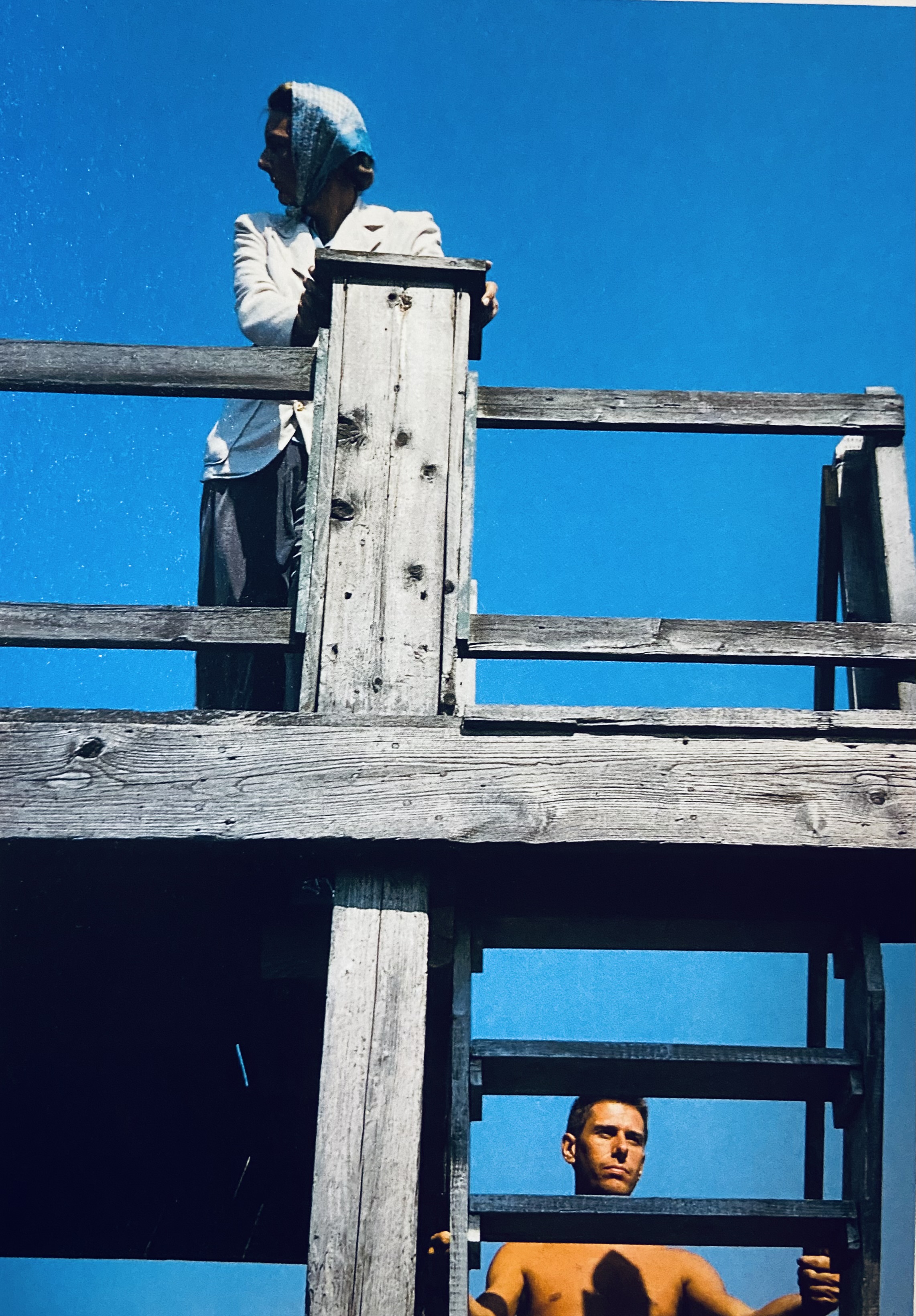
During vacations from the 1930’s through the mid-1950’s, artists Paul Cadmus, Jared French and his wife Margaret Hoening French photographed each other on the beaches of New York’s Fire Island as well as Nantucket and Cape Cod, Massachusettes.

Last summer we focused on their early years on Fire Island. The photos in this post are primarily from Nantucket, Provincetown and other locations on Cape Cod during the summer months of 1946-1948.

Usually nude or donning simple costumes, the artists also used found objects as props to create stark, surreal and/or erotic images. They passed Margaret’s Leica camera around, taking turns as subject and auteur. This collaborative authorship was reflected in the umbrella name they chose for this work, utilizing the first two letters of their first names: PaJaMa.

Paul Cadmus on Cape Cod (1928)

Years later Cadmus explained, “After we’d been working most of the day, we’d go out late afternoons and take photographs when the light was best. They were just playthings. We would hand out these little photographs when we went to dinner parties, like playing cards.”

The dynamic amongst the trio was complicated: Jared French and Paul Cadmus were lovers – a relationship that continued during his marriage to Margaret. All three lived and worked in a townhouse at 5 St. Lukes Place in Greenwich Village.

The PaJaMa collective expanded in 1945 with the inclusion of Cadmus’ boyfriend, George Tooker, an artist 16 years his junior. Cadmus would later explain “I had Jerry (Jared) in the daytime and George at night.” Although his name was not added to the PaJaMa moniker, Tooker was an active participant in the collective from 1944-49.

George Tooker with Paul Cadmus in Nantucket and Provincetown PaJaMa photos, (1946-48)

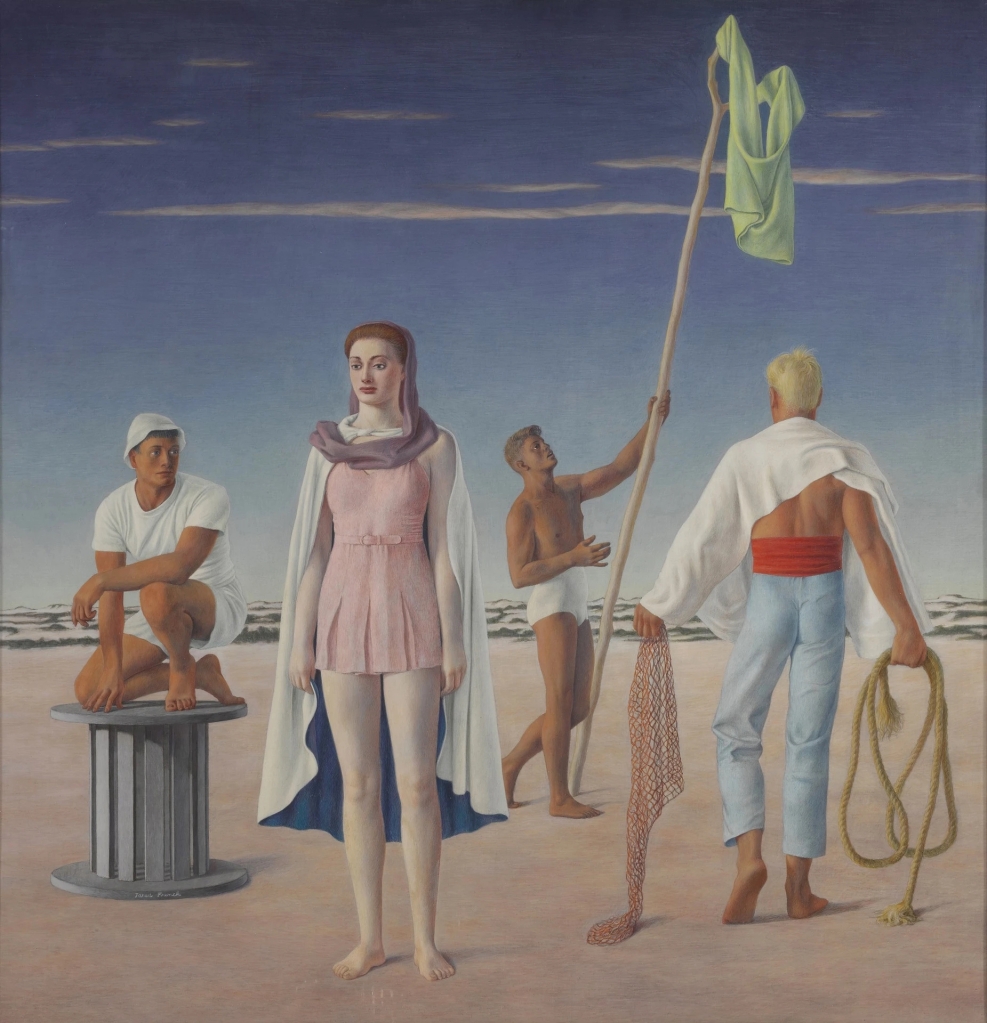
A 2015 New York Times review of a PaJaMa exhibition noted that their photos “breathed eroticism.” While some of the hundreds of photos are masterpieces of magical realism, others appear to be figure studies for their painting.

Tooker, Cadmus & French, Wauwinet, Nantucket (1946)

As when they vacationed on Fire Island, the collective were joined on Cape Cod by various friends and lovers, fellow artists and writers that were part of their New York social circle.

Dancer/choreographer Todd Bolender was the subject of a series of PaJaMa photos taken in Provincetown (1947)

Museum curator/publisher Monroe Wheeler is seen in 1947 Provincetown photos with French, Tooker & Cadmus. His lifelong partner Glenway Wescott was more prominent in the Fire Island PaJaMa photos of the early 1940’s.

Writer Christopher Isherwood with his then-boyfriend, photographer Bill Caskey, Provincetown (1947)

Photographer George Platt Lynes (left, wi/ Monroe Wheeler) joined them on Fire Island and later in Provincetown with his own camera.

PaJaMa photos are part of this tribute to playwright Tennessee Williams, displayed at Provincetown’s Atlantic House, one of the oldest gay bars in the U.S.
Provincetown, 1947 (l-r): George Platt Lynes, Monroe Wheeler, Paul Cadmus and George Tooker
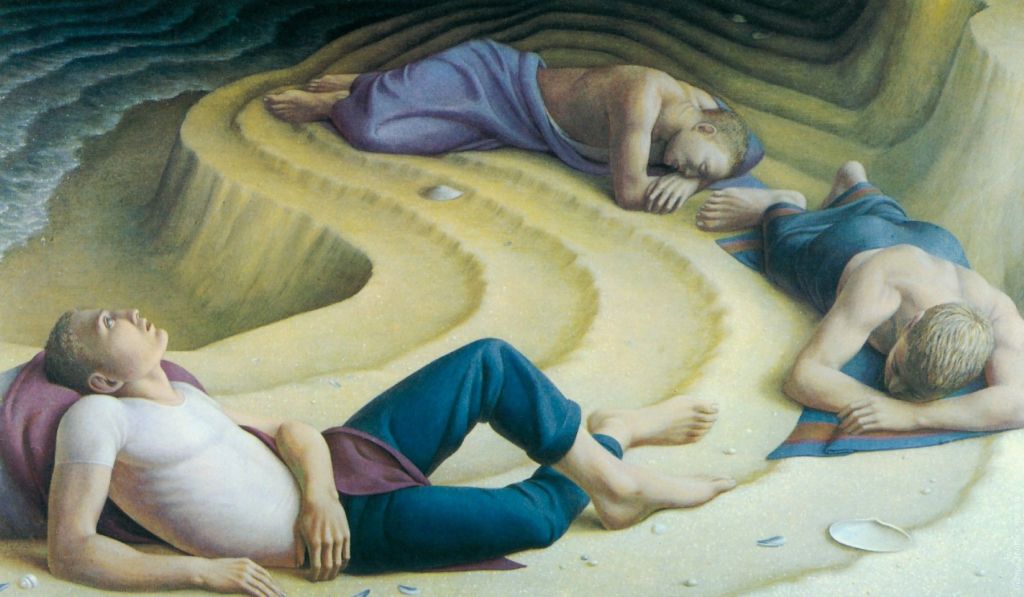
George Tooker, Sleepers I (1951)

On Cape Cod, the collective occasionally experimented with color film, which gave their work a different texture.

The quartet toured Europe in 1949 and by the end of the trip, Tooker had split from Cadmus. He later said “I was looking for a relationship and my relationship with Paul always included Jared and Margaret French.” Tooker would soon find a partner in painter Bill Christopher, with whom he remained until Christopher’s death in 1973.

Back to a trio, the PaJaMa collective would return to Fire Island for their summer getaway in 1950.

PaJaMa, Provincetown (1948)
Paul Cadmus & Margaret French, Jenny Lind Tower, North Truro (1947)
PaJaMa, Women & Boys (ca 1940s)

As with George Platt Lynes’ male nude photographs, the PaJaMa photographs did not receive much notice or recognition until the 1990’s. They are now frequently exhibited in galleries and selections are a part of the MOMA collection.

See Also:
Fire Island PaJaMa Party
Fire Island Muses of George Platt Lynes & The PaJaMa Collective
Revisiting George Platt Lynes’ Fire Island Muses
Artist’s Muse: Wilbur Pippin
Artist’s Muse: William Weslow
Artist’s Muse: José “Pete” Martinez
Artist’s Muse: The Mystery Model
Artist’s Muse: Chuck Howard
Artist’s Muse: Ted Starkowski
Artist’s Muse: Randy Jack
Buddy & Johnny: A Historic Photo Shoot
George Platt Lynes: In Touch Magazine (1982)

In Touch For Men: Disco Danny (1979)

I recently found myself perusing (as one does) the Sept/Oct 1979 issue of In Touch For Men Magazine. Featured on the cover and centerfold is Tim Kramer, an All-American boy who would go on to become one of the top gay porn stars of the 1980’s.

There is also this two page spread about a similar corn-fed wholesome fellow: the guy who played Disco Danny in a popular Trident commercial.

The Disco Danny profile was written by Charles Herschberg, a year after the writer himself had been featured in the buff as “Damien Charles: The New York Man” in issue #69 of Gay Times.

Unfortunately Disco Danny does not reveal nearly as much, posing for just one shirtless photo. He’s here flirting with the gay press strictly for promotional purposes: trying to arouse the interest of a gay audience for his recently released debut single “Dancin’.”


The commercial that started it all: Trident Disco Danny

The Disco Danny character was a takeoff on John Travolta’s iconic role in the film Saturday Night Fever. Following in Travolta’s platform-shoed footsteps, he was signed to the same record label – Midsong Records. As the In Touch article notes, “Vocal ability was not primarily what won him his contract.”

He appeared on the early Nickelodeon show America Goes Bananaz with host Randy Hamilton conducting the interview and introducing two performances: “Dancin'” and “High School Honey,” a track from the LP that was never released.

The “b” side of the “Dancin'”single: “I Fell In Love With An Angel.”

Unfortunately, all the PR attempts to cross him over to a successful career outside of teen discos proved futile. There was no follow-up single and the Dancin’ LP was shelved, although he continued to find lucrative work in national commercials alongside some familiar faces:

Honeycomb cereal commercial with Anthony Michael Hall.
Bubble Yum commercial with Disco Danny on drums behind Ralph Macchio and Cynthia Gibb.

So what happened then?

Like rainbow suspenders, satin pants and the dance that spawned his name, Disco Danny fell out of fashion. He eventually gave up show biz and found work as a salesman. He married several times and like many a New Yorker, eventually migrated south. According to an acquaintance, he has become a Florida Man, with all the political leanings that go with the territory, adding with a sigh “he’s no longer the sweet, talented kid I knew.”

Ah well. We’ll always have Trident. And In Touch.

See Also:
Revisiting Bette Midler’s Thighs & Whispers (1979)
Kurt Bieber: From Little Me to Colt Model
Costello Presley & 80’s Gay Porn Guilty Pleasures
Kenn Duncan After Dark
Gay Times #69 (1978)
Blueboy 1980: Gays of NYC
John Waters in Blueboy Magazine (1977)
New York City: In Touch For Men (1979)
San Francisco: In Touch For Men (1979)
Revisiting Blueboy Magazine (1980)
Armistead Maupin in Blueboy Magazine (1980)
George Platt Lynes: In Touch Magazine (1982)

Introducing Bindle #1! Summer 2023


Back in January of 2022, I posted about “Circle,” a poem that I contributed to Jonathan Russell’s quarterly Monkeyshines zine. My partner Toby Hobbes was also a frequent contributor of mixed media to the publication. Since that time, Toby and I got hitched and he has officially changed his name to Tobias Fox Ferrari.

Meanwhile, Monkeyshines has also undergone a name change and is now Bindle Zine. Tobias and I are both happy to be included in the brand-spankin’-new Summer issue, which you can find here. Toby’s artwork “Holding My Tongue” is the centerfold, while my contribution is the essay “100 Centre Street, Part 79.”


100 Centre Street, Part 79

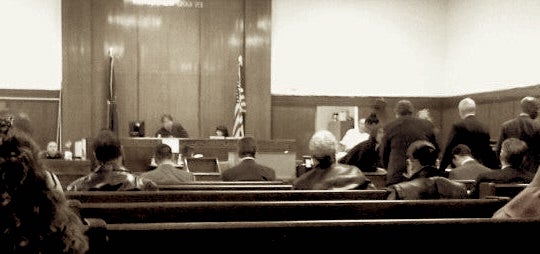
The industrial clock groans through the afternoon in its 46th year on the wall of Part 79.

The Judge plods through a mandatory speech entitled “Jury Selection As Public Service.” His arms make sparing gestures beneath billowing robes. The sound of his own voice still arouses him.

The microphone buzzes through each pregnant pause.

The court stenographer faces the gallery, swiveling slightly in her chair, crossed legs protruding from a skirt cut above the knee. Off to the side, her fingers type furiously as her expressionless gaze floats off high in the air.

Bailiff #1 casually checks his watch and shifts his weight on aching feet. A trickle of sweat snakes down the center of his back, beneath a damp bulletproof vest.

Bailiff #2 flexes a hand to examine chipped blue nail polish. The sleeve of her uniform creeps back to reveal a wrist tattooed with vines and flowers.

Fingers of dust wave frantically from the cooling vent behind the jury box.

Juror #1 stares at the judge with an expression of rapt attention as he contemplates evening plans with his girlfriend.

Juror #5 fights off sleep after a heavy lunch and two draughts. His belt pinches against his protruding flesh.

Juror #6 makes sideways glances at Juror #5, whose aroma she finds most offensive.

Juror #9 slowly, carefully slides his phone out of his pocket in an attempt to check his email.

Juror #11 is awaiting test results and trying not to think about it.

Their bags and briefcases are gathered around their feet, containing both crucial and inconsequential pieces of their real lives, all impatiently waiting to be addressed.

The prosecuting attorney sits in front of a stack of documents and folders, one of which contains graphic crime scene photos that will visibly upset Jurors #2, 6 & 11.

Ziplocked bags labeled “Forensic Evidence” wait inside a cardboard box marked “Case #26294.”

The defense attorney holds up a folder to obstruct the view as he leans in to quietly talk to his client.

The defendant rocks slowly in his chair, the angry voices now muddled by medication.

His brother sits behind him in the gallery. His jaw aches through clenched teeth.

A woman in the gallery clutches a wrinkled picture of her deceased daughter. There is a tissue balled up tightly in her fist. Her husband, in a freshly pressed suit, keeps his arm around her shoulder.


I wrote “100 Centre Street, Part 79” back in 2013 when I was just finishing up a class at The Writer’s Studio. I was summoned for jury duty and ultimately chosen to participate in a six week murder trial that ended in a hung jury. I hadn’t thought about this piece until this Spring, when I received another jury summons – let me tell ya, that 10 years went by fast. This time around I was dismissed on day one, which gave me conflicting feelings about not being picked and wondering why I wasn’t. Was I giving Liz Lemon vibes without even trying?


Congratulations to Jonathan Russell on the revamped zine. You can read it online or get a hard copy by emailing your mailing address to subscribe@bindlezine.com. It’s free!

bin•dle (noun): a bundle of clothes or bedding, stereotypically carried on a stick by runaway children and transients

“We all wander through our lives, and we collect memories, possessions, and relationships. Bundle them all together, and you have yourself a bindle. Our zine represents a collection of writing and art and photography – a bindle of creativity that we send across America, a tramp in search of a mailbox.”

See Also:
Circle In Monkeyshines: Winter 2022
Bindle Zine #2 – Winter 2024
The Tin Man & The Lion: Unanswered Prayers
The Lion In The Emerald City: Promise Of A New Day
1991: Homo Alone
We Got Hitched
You Picked The Wrong Fat Guy
My Mother, The Superhero
Sunshine & Tinsel: A Canine Christmas Tail


Luke Combs’ Cover Of “Fast Car” Is The Perfect Song For Our Times

In case you missed it, Tracy Chapman’s 1988 song “Fast Car” has been covered by country artist Luke Combs. It has now topped the country charts and has out-performed the pop chart standing of the original. Chapman is now the first female African-American songwriter to have a #1 country song.

Chapman released a statement to Billboard: “I never expected to find myself on the country charts, but I’m honored to be there. I’m happy for Luke and his success and grateful that new fans have found and embraced ‘Fast Car.’”

I hate to be a wet blanket on the festivities, but I can’t be the only person that thinks a white male country artist covering this song is a little tone deaf. Especially right now.

I believe Combs’ heart was in the right place when he recorded the song, but in the hands of his listeners – and the country music crowd is overwhelmingly conservative – it becomes another example of how we’re supposed to believe that race and gender do not make a difference as to who gets ahead in the world.

At a time when teaching African-American history is being treated as an act of aggression and the “critical race theory” boogeyman is being used to rile up the right wing mob, a caucasian male country singer covering “Fast Car” makes perfect sense. Because we’re all the same, right? A poor white male and a poor black woman are interchangeable, right? It’s a level playing field. Right?

I do appreciate that Combs is faithful to the original. As a songwriter, he did not want to change a word of Chapman’s song. By the 5th verse, he’s working in the market as a checkout girl. “You’ll get a job and I’ll get promoted…” the lyric goes. Tell me: who is more likely to get that promotion – Chapman’s protagonist or Combs?

“Starting from zero got nothing to prove…” Yes, but “zero” is not the same for everyone. We are all programmed to believe that we live in the land of equal opportunity. If you can make it here, you’ll make it anywhere. If you don’t succeed, well, you just weren’t good enough, or you didn’t try hard enough. But really… we don’t all start in the same place, do we? Most people get a boost in one way or another, whether it’s financial support or nepotism or a legacy admission into a university. Unfortunately, boosts both big and small are often forgotten or underplayed when people recount their path to success.

Dustin Rowles writes on Pajiba.com that he found a strong resonance with “Fast Car” when it was first released back in 1988. I did as well. I was the child of a single parent home – a B student attending a B+ university, dependent on many grants and loans. The song began to climb the charts as I headed home at the end of my freshman year. Unlike many of my classmates, I wasn’t afforded the opportunity to take a $50-a-week summer stock job – a rite of passage for theater students. This would be one of those “little boost” moments that many experience and forget about. Instead, I was expected to live at home and work full-time so I could contribute towards my next year of school. This meant returning to a $4.25-an-hour retail spot at Record World, which wasn’t exactly going to make me financially solvent.

Here was my boost: When family members kept forgetting to pick me up from work, my mother bought me my first car. It wasn’t a fast one. The 1982 Plymouth Horizon cost a few hundred dollars and gradually slowed down whenever it got too hot. But it had a cassette player, and Tracy Chapman’s debut record was on heavy rotation that summer.

Rowles writes that he harbored some resentment for the song, which he perceived as predicting that he would not be able to break the cycle of poverty and dysfunction that he had grown up with. I didn’t feel that way. The song effected me deeply, as did her whole album. But I knew that I was better off than the song’s protagonist. I did not have a false equivalence. My previous job had been at a supermarket where I worked with single black women trying to support their kids on minimum wage. I knew they would not have been hired at the record store making that extra .90 cents an hour.

Ultimately, Rowles concludes that “…there is a way out. Unfortunately, it’s not a fast car, which only allows you to outrun your problems for so long. The easiest way to break the cycle is through education.” He concedes that, as a white male, he had a boost: access to an education that minorities often did not.

And now, 35 years later, “Fast Car” is topping the charts in the wake of the Supreme Court striking down a couple of very important boosts: affirmative action in college admissions, and Biden’s student loan forgiveness program. The latter should be of concern to people of all persuasions who are staring down a lifetime of loan interest payments. But that is assuming every person has the equal opportunity to be accepted into an institution of higher education. Without affirmative action, that is not the case.

As a high school student in Cleveland, Ohio, Tracy Chapman was accepted into A Better Chance, a non-profit program that placed high-achieving minority students in prep schools. She graduated from Wooster School in Connecticut and went on to attend Tufts University, where she was discovered by fellow student/future filmmaker Brian Koppelman. Koppelman’s father was a record executive and signed her to SBK Publishing, which led to a deal with Elektra Records.

Billboard estimates the recent global publishing royalties of “Fast Car” exceed $500,000. Unlike so many other artists, Chapman still owns both the writers’ and publisher’s share of the song, so that money is hers. Additionally, the success of Combs’ version has brought attention to her original, increasing activity 44% since his version was released, according to Luminate. Her song, in its original form, is speaking to a whole new generation. It just needed a boost.

See Also:
Tina Turner: 12+ Cover Songs You May Have Missed
Adam Schlesinger: Not Just The Guy On The Right
Revisiting Bette Midler’s Thighs And Whispers (1979)
You Know The B-52’s Song “Roam” Is About Butt Sex, Right?
Etta James: Advertising Zombie
1991: Homo Alone
The Tin Man & The Lion: Unanswered Prayers
Dusty Springfield Sings Kate Bush
10 Forgotten Cher Moments
Gimme Gimme Gimme: Erasure Covering ABBA

Tina Turner: 12+ Cover Songs You May Have Missed


It’s hard to believe that Tina Turner is gone. I remember feeling the same way after Prince died – I liked thinking that he was always out there, somewhere, working on music. Not that I was expecting new music from Tina – it was enough to see her pop up in occasional interviews as she enjoyed retirement in her Swiss castle.

What more can you say about the queen? So much is being written and discussed, I should just shut up and walk away. But…

With the exception of the song “Nutbush City Limits”, Tina is not remembered as a songwriter. But she did have a knack for choosing excellent material and putting her indelible stamp on it. After hearing Tina’s take on a song, you could be forgiven if you forget that “Proud Mary” was a Creedence Clearwater Revival tune, or that “Let’s Stay Together” is Al Green’s song. “I Can’t Stand The Rain” was a 1974 hit for Ann Peebles, and Bonnie Tyler had a minor hit with “Simply The Best” the year before Tina recorded it.

That said, there are some interesting covers that have flown under the radar or fallen through the cracks. Here are some of them.

UPDDATE: The New York Times published their own article on Tina’s covers the same day this was posted, but other than the Stones/Beatles/Led Zeppelin cuts, none of the tracks listed below were included.

1) Tina Sings Dusty Springfield: “Just A Little Lovin'” / “Every Day I Have To Cry” – Dusty Springfield’s version of the Barry Mann/Cynthia Weil song “Just A Little Lovin'” was the lead track from the classic 1969 Dusty In Memphis LP. Tina’s version is from her 1979 solo LP Love Explosion, which was not released in the U.S.

Tina Turner – “Just A Little Lovin'” (1979)

“Every Day I Have To Cry” was originally a minor hit for Steve Alaimo in 1962, and memorably covered by Dusty on her 1964 I Only Want To Be With You LP. Tina’s version is from the Phil Spector produced River Deep, Mountain High LP (1966).

Ike & Tina Turner – “Every Day I Have To Cry”

2) Tina Sings Led Zeppelin: “Whole Lotta Love” – This Led Zeppelin cover was released as a single from Tina’s second solo LP, 1975’s Acid Queen. The NY Times article on Tina’s cover songs describes this version as “disco-inflected” but also “slowed down.” To paraphrase Led Zep: It makes me wonder (what they were listening to.)

Tina Turner – “Whole Lotta Love” (1975)

3) Tina Sings Prince: “Let’s Pretend We’re Married” / “Baby I’m A Star” – Tina’s cover of “Let’s Pretend We’re Married” was recorded live in 1984 and featured as a B-side on different singles from the Private Dancer LP, depending on the territory.

Tina Turner – “Let’s Pretend We’re Married”

Tina’s version of “Baby I’m a Star” was omnipresent for a season in 2000, as she sang it in Target commercials while they were sponsoring her tour. It was also released on All That Glitters, a greatest hits CD only available at Target. And then… it was gone.

Tina Turner – “Baby I’m A Star”

4) Tina sings Linda Ronstadt: “Long Long Time” – Earlier this year, Linda Ronstadt’s definitive 1970 version of this Gary White song was introduced to a new generation via the HBO series The Last Of Us. Tina recorded her version in 1974 for her first solo LP, Tina Turns The Country On. Rolling Stone recently wrote about this forgotten gem. Although the LP was not a commercial success, it did garner Tina a Grammy nomination.

Tina Turner – “Long Long Time”

5) Tina Sings Marvin Gaye: “I Heard It Through The Grapevine” – There are a few versions of Tina singing Marvin Gaye’s classic Motown hit. The song was often part of her live repertoire. This live version from the Ike & Tina Turner Review is circa 1970:

Ike & Tina Turner Review – “I Heard It Through The Grapevine”

Thirty years later, Tina recorded a dance version of the song for her Twenty Four Seven LP. Unfortunately the song was pulled from the final release of the album:

Tina Turner – “I Heard It Through The Grapevine”

Also – just for funzies, here’s Tina singing with Marvin Gaye on Shindig! March 25, 1965 doing a medley of “Money (That’s What I Want)” and “I’ll Be Doggone.”

Tina Turner & Marvin Gaye “Money (That’s What I Want)” / “I’ll Be Doggone”

6) Tina Sings Stevie Wonder: “Living For The City” / “Higher Ground” – These two Stevie Wonder tracks from his classic 1973 Innervisions LP were covered the following year by Ike & Tina on their Sweet Rhode Island Red LP. The tracks later turned up on several compilations as the material from this period was often repackaged and re-released.

Ike & Tina Turner – “Living For The City”
Ike & Tina Turner – “Higher Ground”

7) Tina Sings Etta James: “All I Could Do Was Cry” – Motown founder Berry Gordy was a co-writer on this song, which was written for Etta James in 1960. Ike & Tina included their version on the Live! The Ike & Tina Turner Show LP (1964). Tina’s 4-minute monologue in the middle of the song is epic, recounting the wedding of the man she loves as he marries someone else, building to a crescendo with “their friends throwing rice all over their heads.” This overlooked camp classic was later featured on the 2007 CD A Date With John Waters.

Ike & Tina Turner – “All I Could Do Was Cry”

8) Tina Sings Elton John: “Philadelphia Freedom” – This Ike & Tina Turner track was recorded in the mid-1970’s, just before Tina left. Ike later included it on his 1980 LP The Edge and on a 1984 Tina Turner EP titled Mini, among other repackages of their 70’s output.

Tina Turner – “Philadelphia Freedom”

9) Tina Does Disco: “Shame, Shame, Shame” – Like “Philadelphia Freedom,” this cover of the 1975 dance hit for Shirley & Co. was featured on Ike’s The Edge LP, Tina’s Mini EP, and numerous other budget collections.

Tina Turner – “Shame, Shame, Shame”

She also memorably performed the song with Cher on her variety show in 1975:

Cher & Tina Turner – “Shame, Shame, Shame”

10) Tina Sings The Temptations: “Ball of Confusion”– Tina’s version of “Ball Of Confusion” was the gateway to the second (or third?) act of her career. Recorded with B.E.F., aka British Electric Foundation for their 1982 album Music of Quality and Distinction Volume One, the song became a top 5 hit in Norway. Capital Records took notice and signed her to the label. The resulting LP was Private Dancer, and the rest is history.

B.E.F. featuring Tina Turner – “Ball Of Confusion”

11) Tina Sings The Rolling Stones: “Honky Tonk Woman” / “Under My Thumb” / “Let’s Spend The Night Together” – Well of course Tina covered The Stones. She taught moves to Jagger. Tina & Mick were always joining each other onstage, and although she never recorded proper versions of “Jumping Jack Flash” or “It’s Only Rock And Roll‘, they were frequently on her concert setlists.

Ike & Tina’s studio version of “Honky Tonk Woman” was featured on their 1970 LP Come Together, and was also the b-side to the single of the title track:

Ike & Tina Turner – “Honky Tonk Woman”

“Under My Thumb” – A track from the 1975 Acid Queen LP:

Tina Turner – “Under My Thumb”

“Let’s Spend The Night Together” – Also from her1975 Acid Queen LP:

Tina Turner – “Let’s Spend The Night Together”

12) Tina Sings The Beatles: “Help!” / “Something” / “Get Back” / “Come Together” – Although not as closely associated with The Beatles as with the Rolling Stones, Tina covered several of their songs through the years. Her ballad version of “Help!” was on the international edition of the Private Dancer LP, but not the U.S. version.

Tina Turner – “Help!”

Tina’s version of “Something”:

Tina Turner – “Something”

Ike & Tina perform “Get Back” on Beat Club in the UK. The song was included on their 1970 Workin’ Together LP and released as a single in Europe.

Ike & Tina Turner – “Get Back”

“Come Together” was the title track from Ike & Tina’s 1970 LP. The single also featured their version of the Stones’ “Honky Tonk Woman” as the b-side.

Ike & Tina Turner – “Come Together”

Here’s a Spotify playlist of the available songs above as well as many other covers:

You may also like:
10 Forgotten Cher Moments
Girl Group Heaven: Wanda, Rosa & Ronnie
Dusty Springfield Sings Kate Bush
Etta James: Advertising Zombie
Revisiting Bette Midler’s Thighs And Whispers
Adam Schlesinger: Not Just The Guy On The Right
Ronnie Spector – Siren (1980)
Debbie At The World (1989)
12 Forgotten Classics By New Wave Women
Kate Bush’s Queerest Songs
A Christmas Without Miracles: The 1987 Motown Christmas Special

Madame Spivy: I Didn’t Do A Thing Last Night

Madame Spivy photographed by Carl Van Vechten (1932)

“This song is dedicated to a friend who suffers terribly from hangovers. It’s very sad and we must be very quiet, please…”

Ladies and Gentleman, it is time once again to revisit that late great dynamic lady of song, Madame Spivy LeVoe (1906-1971), also known simply as Spivy. A lesbian entertainer, nightclub owner and character actress, Spivy has been described as “The Female Noel Coward” – to which I add “…. if he had been born in Brooklyn as Bertha Levine.”

In case you missed them, these are our previous Madame Spivy posts:
The Alley Cat
The Tarantella
Auntie’s Face
100% American Girls
A Tropical Fish
I Brought Culture to Buffalo In The 90’s
Why Don’t You?
Madame Spivy: Movies & Television
Madame Spivy on the Good Time Sallies Podcast

In the Spring/Summer of 2020 with the pandemic in full swing, cabaret performer extraordinaire Justin Vivian Bond was livestreaming weekly shows from The House of Whimsy, aka their home in upstate New York. Imagine my delight when Mx. Viv covered Mme. Spivy’s “I Didn’t Do A Thing Last Night” – one of my favorite of her recordings.

Justin Vivian Bond as Auntie Glam, belting one out in The House Of Whimsy (2020)

As with “Auntie’s Face“, Spivy uses her familiar spoken intro for “I Didn’t Do A Thing Last Night”: A solemn pronouncement that “This is VERY sad and we must be VERY quiet, please.” One can imagine that it was a playful way to get the attention of a noisy nightclub audience.

Spivy wrote the song with John La Touche providing the lyrics. Today, La Touche is best remembered for his Broadway musical The Golden Apple and for his lyrical contributions to Leonard Bernstein’s Candide. He also collaborated with Duke Ellington on the musicals Cabin In The Sky & Beggar’s Holiday.


Spivy and LaTouche met in the mid-1930’s and had a tumultuous lifelong friendship. At one point Spivy paid him fifty dollars a week to supply her with songs. During one falling out in 1938, LaTouche referred to her as his “enemy.” “Poor Spivy,” he wrote, “hysterical, glandular, ugly, charming, and so talented.” After another disagreement later that year, he wrote to her; “I’m sorry; you can hardly afford to lose a staunch friend and neither can I. But both of us are always doing things we can’t afford.”

Of the 15 songs Spivy is known to have recorded, 5 of them were written or co-written by LaTouche: One was a solo credit, two were written with Spivy herself, and two were in collaboration with Goetz Eyck, a German-born musician who would go on to a film career as Peter van Eyck.

One LaTouche composition that Spivy did not preserve on record was a highlight of her live performances: “I’m Going On A Binge With A Dinge.” She often concluded her set with this racy little tune detailing a biracial protagonist going uptown for a tryst. “White people / Don’t be offended … ” the song begins. Other lyrics: “Gonna end up in Harlem / With my end up in Harlem”

Unfortunately, LaTouche’s work for and with Mme. Spivy has generally been forgotten or dismissed. In Howard Pollack’s 2017 biography The Ballad Of John LaTouche, the author spends several pages analyzing the lyrics and structure of these compositions before concluding that “the literary attractions of these songs, heavy on irony, outweigh their musical interests.”

Is that so?

Like Spivy, LaTouche was a heavy drinker, which ultimately led to both of their premature passings. He was just 41 years old when he died of a heart attack at his home in Calais, Vermont in 1956. Spivy was 64 years old when she died in January, 1971.

I Didn’t Do A Thing Last Night

Doctor dear, come over with a stretcher – I’ve never in my life felt quite so rotten.
My brain has snapped in two and my face is turning blue,
and everything I eat tastes just like cotton.

Oh yes I did everything you told me – I practically never left my room.
I observed your special diet, had lots of peace and quiet.
So why do I feel like something in Grant’s Tomb?
Lord knows why I don’t feel well – I didn’t do a thing last night.

I had a few friends in to play bridge with me,
And I sipped a little gin, just to keep them company.
Then a pal of mine named Rhoda came in with such a crew,
I gave them scotch and soda and I had a teeny one, too.

Then Vero P.T. Roth brought me some chicken broth,
which is insipid, doctor, don’t you think?
So someone in the party added a soupçon of Bacardi
it really makes a very nourishing drink.

At nine my cousin Andy made such insulting cracks,
that I had a little brandy just to help me to relax.
He tried to grab the bottle and dragged me out of bed.
When I saw that it was empty, I broke it on his head.

He’s still lying on the carpet and my maid insists he’s dead.
Oh doctor dear, why do I feel queer?
I didn’t do a thing last night.

At ten, Princess O’Ravivovich said; “Today is Pushkin’s birthday.”
So I had a little Slivovitz just to help her celebrate.
Then that fool Tessie Zackary upset my Dubonnet,
so they shook me up a daquiri to chase my blues away.

Those pills of yours were dry, so I washed them down with rye,
And I thought some exercise might help me rest.
I dashed down the avenue ’til somebody yelled “Woo!”
Good heavens – I’d forgotten to get dressed!

By then I felt so dizzy, to tell the honest truth,
They made me something fizzy out of vodka and vermouth.
At one, Rear Admiral Nipper, the old man of the sea,
arrived with his battalion, they had to sail at three.

But doctor, I just noticed: They’re still in bed with me!
It’s all so mad and I feel so bad,
and I didn’t do a thing last night.

At five, my old friend Tony said that doctors were baloney.
He said “Yoga exercises cured all pain.”
Doctor dear, I was a wreck with my legs around my neck,
and it took four hours to get them down again.

They sent for rubbing alcohol to rub away the aches,
but they couldn’t find the stuff at all – I’d drunk it by mistake.
Oh yes, I slept just like a baby, ’til I woke up right now.
No, the drinks did not affect me, I’m as flaccid as a cow.
Except I have a tendency to suddenly go “WOW!”

Why in hell don’t I feel well? I didn’t do a thing last night!

John La Touche songs recorded by Spivy
Fool In the Moonlight (music: Goetz Eyck)
I Didn’t Do A Thing Last Night (music: Spivy)
I Love Town (music: Goetz Eyck)
Last of the Fleur De Levy
Surrealist (music: Spivy)

Unrecorded La Touche songs performed by Spivy
I’m Going On A Binge With A Dinge
Moonlight

See also:
The Alley Cat
The Tarantella
Auntie’s Face
100% American Girls
A Tropical Fish
I Brought Culture to Buffalo In The 90’s
Why Don’t You?
Madame Spivy: Movies & Television
Madame Spivy on the Good Time Sallies Podcast

The Yale Posture Photos: Bill Hinnant

Up until recent years, the fabled Ivy League nude posture photos have been written about but seldom seen. Starting in the mid-1930’s and continuing on until the 1970’s, incoming Ivy League University students were photographed fully nude in order to gauge their posture, detect scoliosis, and address other correctable body issues while simultaneously inflicting emotional scarring on the participants. Talk show host Dick Cavett joked about it in his early stand-up routines:

“Some guys hated it… some seemed to enjoy it. One guy tried to go through twice… one guy fainted… one guy tried to buy his pictures… and one guy tried to get his retouched.”

50 years later, he penned a New York Times Op Ed piece with a much darker view of the experience.

In recent years, the posture photos from Yale have garnered the most press, with tongues wagging at the possibilities of seeing our country’s best and brightest in the buff. The pics were so rare that most articles on the subject did not actually feature any of the images, opting instead to use medical textbook illustrations or military posture photos.
Since 2020, a steady stream of posture photos featuring male freshman Yalies from 1937-1960 have sold on eBay. It was really only a matter of time before some familiar faces began to pop up. I posted about writer Calvin Trillin‘s photo, which went for a little over $100, while the pic of late actor James Franciscus pulled in $1,225.

These pics now regularly sell for close to $1,000 each. Earlier this month, actor Bill Hinnant’s photo went for a whopping $1,600.

Chalk one up to eBay for their ever-changing goalposts of propriety. When James Franciscus’ Yale photo went up for auction in 2021, full nudity was prohibited in auction photos. What we were left with was a modesty strip applied by the seller to prevent us from viewing the full Franciscus. Now eBay requires that auctions selling nude photos actually show the goods – to insure that the subject isn’t too…erm… excited to be there. Dean Martin’s dong was covered with a post-it, but now it’s ok to see Bill’s Hinnant:

Hinnant was still known by his birth name of John F. Hinnant, Jr. when he arrived at Yale in the Fall of 1953. Originally from Chincoteague Island, Virginia, he had spent two summers as an apprentice at Ogunquit Playhouse in Maine. He made his professional debut there playing Barbara Cook’s son in Carousel. He also appeared in Life With Mother starring the legendary Billie (Glinda the Good Witch) Burke.

Following his sophomore year, Bill departed Yale when he won the role of Lt. Cover in the original cast of the comedy No Time For Sergeants starring Andy Griffith. After a year and a half on Broadway, Hinnant returned to Yale to complete his degree alongside his younger brother, Skip, who was also an actor.

In 1957, Bill Hinnant co-starred with former Yale classmate James Franciscus in the noir film Four Boys And A Gun:

Standing just 5’2″, his stature was usually noted in press articles. “Pintsized blond Hinnant has a full-sized talent!” crowed a 1965 Variety review.

Most of his notices were similar to Variety’s take on the 1963 off-Broadway musical Put It In Writing: “Far from memorable but featuring good work by Bill Hinnant.” This was a theme throughout his career, as he received favorable reviews in forgotten musicals that would close on the road (Maltby & Shire’s Love Match), on opening night (The American Hamburger League, Frank Merriwell), or after a handful of performances (All Kinds Of Giants, God Bless Coney). He guested on television shows ranging from Route 66 and Naked City to sitcoms like Pete & Gladys and Karen Valentine’s self-titled show.

He found his defining role in 1967 when he was cast as Snoopy in the original production of You’re A Good Man, Charlie Brown. The cast included Gary “Radar” Burghoff in the title role, Bob Balaban as Linus and his younger brother Skip Hinnant playing Schroeder. Bill’s scene-stealing Snoopy is still considered to be the definitive interpretation of the role. His performance on the original cast recording is a blueprint for anyone tackling the part. He was awarded a Drama Desk Award for his performance later that year.

In 1969, Hinnant appeared in the film A Nice Girl Like Me with Barbara Ferris:

After a successful run with Charlie Brown, he was still plagued with subpar material- a fact that didn’t go unnoticed by critics:

Even when the material was up to snuff, there were other issues to contend with:

Hinnant reprised his role as Snoopy in a 1973 television adaption of You’re A Good Man, Charlie Brown. This cast featured Wendell Burton as Charlie Brown and My Three Sons actor Barry Livingston as Linus.

Unfortunately The Bill Hinnant Story does not have a happy ending. On February 17th, 1978, Hinnant drowned while vacationing in the Dominican Republic. He was just 42 years old. The Record noted that “the beige-haired, digest-sized and personable bachelor” was very active in charities for underprivileged children and had adopted several worldwide through the Foster Parents Plan.

New York Times, (2/24/78)


See also:
The Yale Posture Photos: James Franciscus

Kenn Duncan After Dark
More Dean Martin & Jerry Lewis Shower Pics Surface
Men of St.Mary’s Pre-Flight School
Boys of Summer: St. Mary’s Pre-Flight School
Christmas At St. Mary’s Pre-Flight School, Pt. I
Christmas At St. Mary’s Pre-Flight School, Pt. II
80 Years Ago: The Men of St. Mary’s Pre-Flight School
More Men of St. Mary’s Pre-Flight School
1944: The Men of St. Mary’s Pre-Flight School