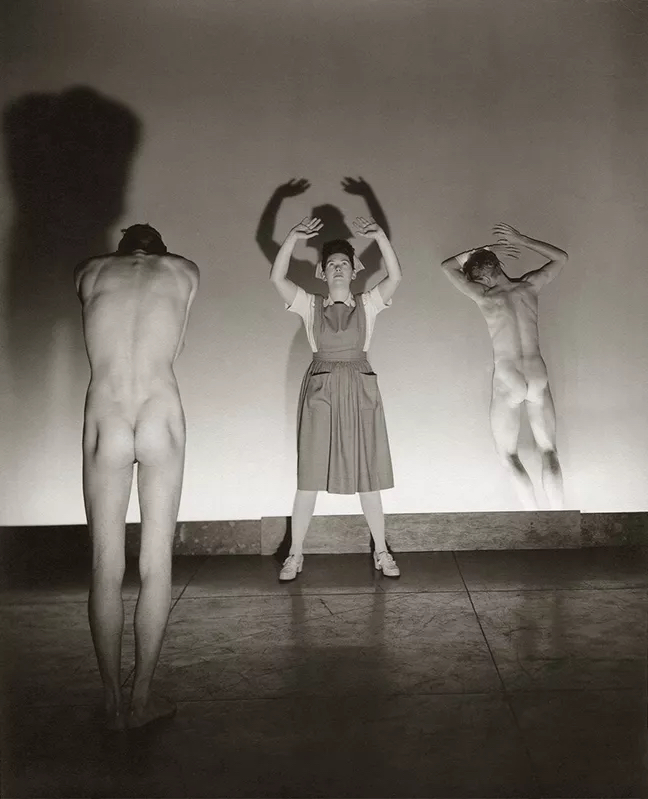
The cover of the book George Platt Lynes Photographs 1931-1955 features this photo of Edward Lennox Bigelow, Dora Maxwell, and Johnathan Tichenor (ca. 1943)
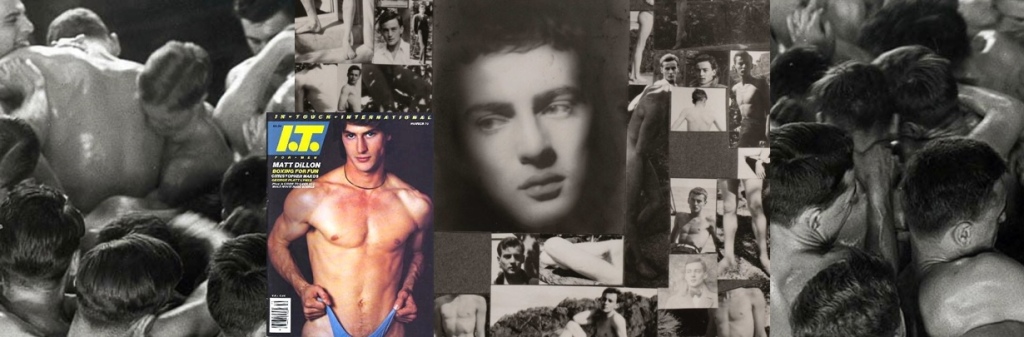
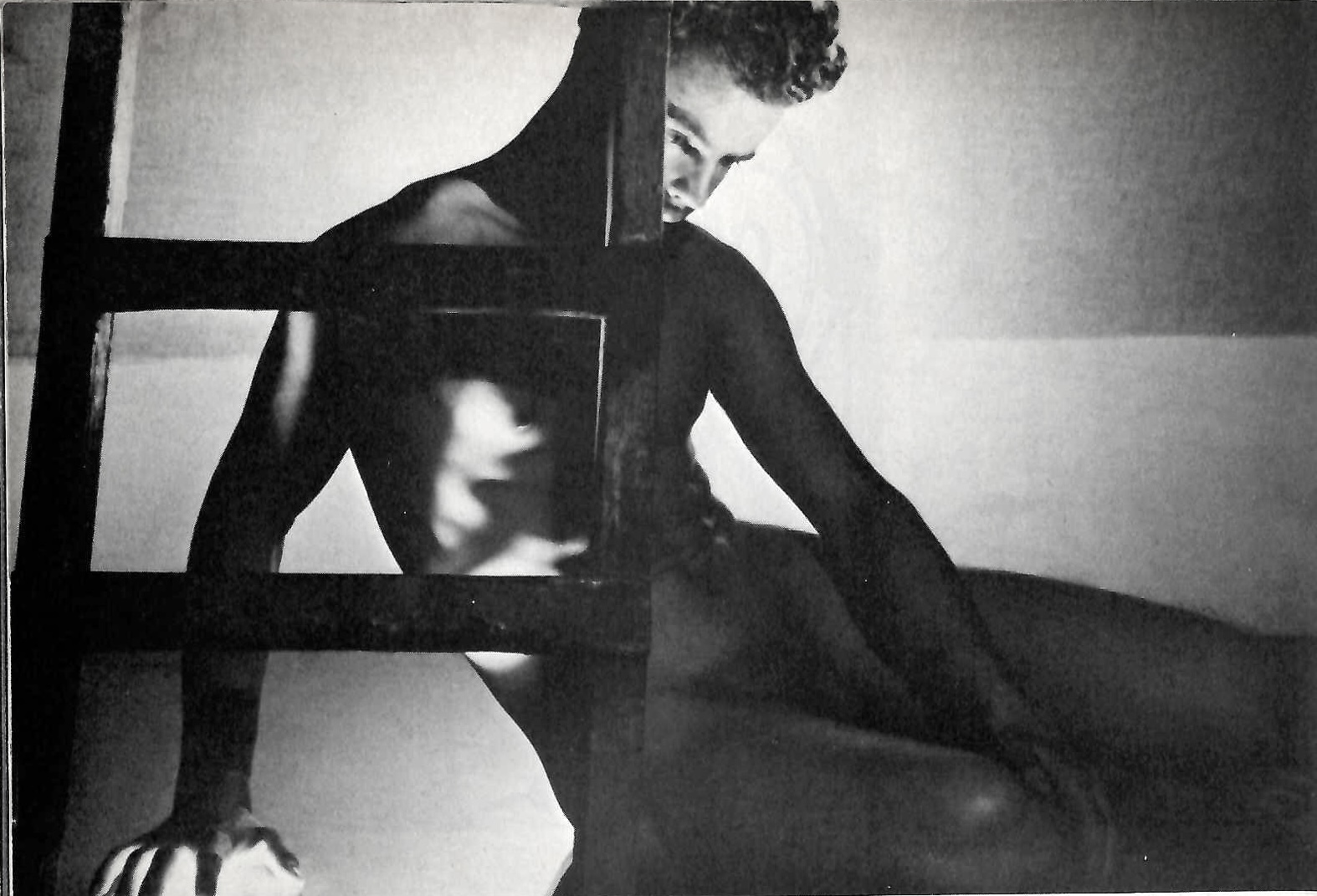
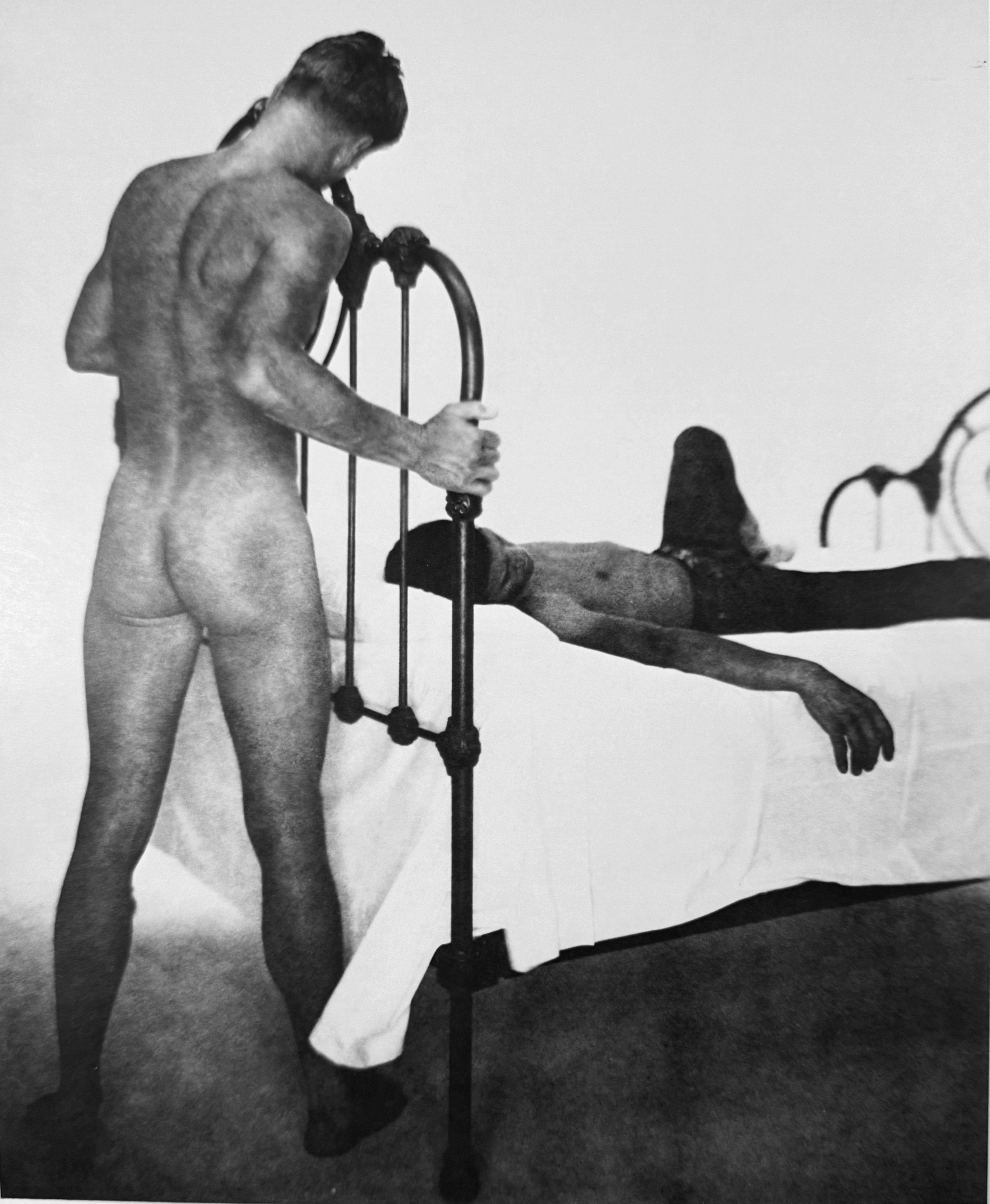
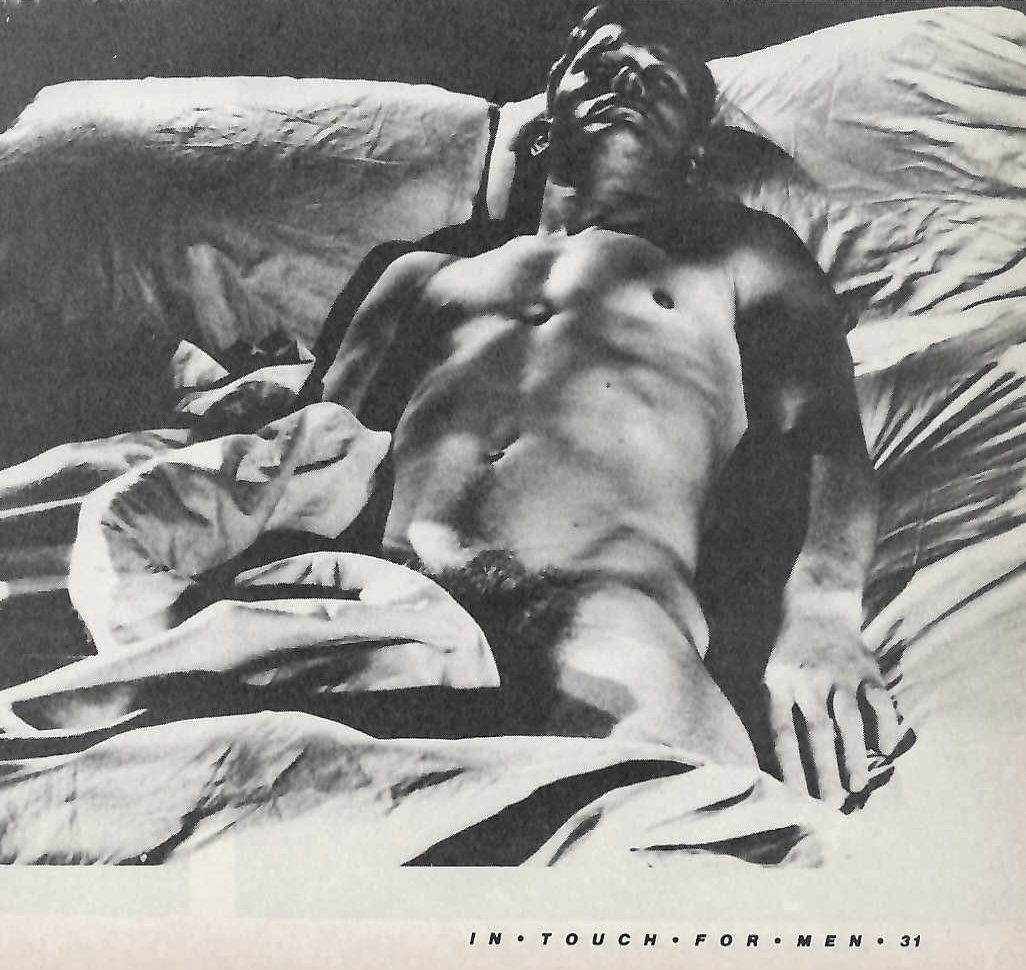
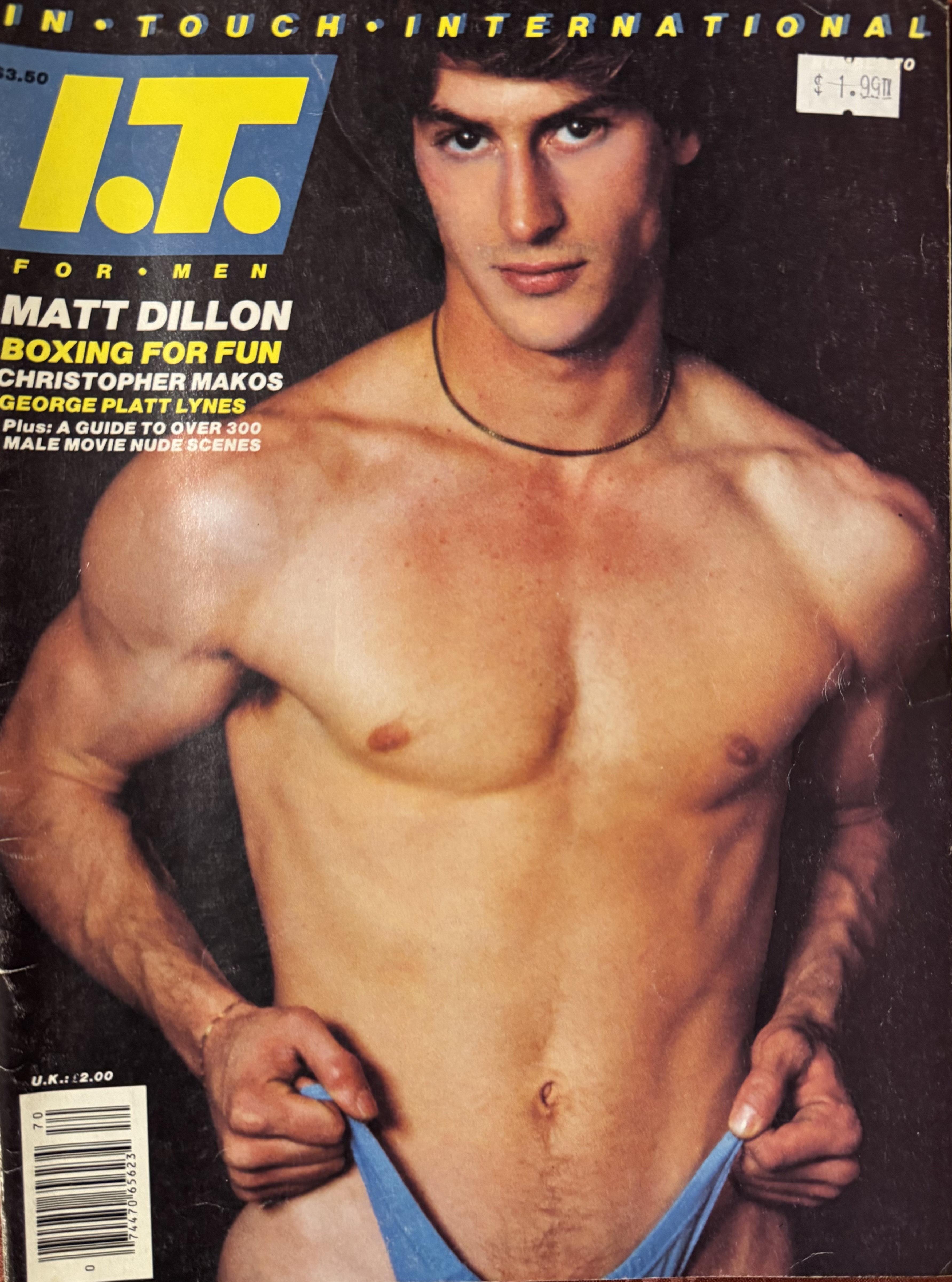
I recently acquired a copy of the August 1982 issue of In Touch magazine, which featured the photos of George Platt Lynes. Although Platt Lynes died of cancer over 25 years earlier, this was the beginning of the publication of his male nude photographs, which have now become recognized as his most memorable work.
Just a few months before, Jack Woody and Twelvetrees Press had published George Platt Lynes Photographs 1931-1955, an oversized hardcover book with introductory texts by Glenway Wescott, George Balanchine, and Lincoln Kirstein. Someone wisely permitted In Touch to publish a handful of Platt Lynes’ male nude studies, introducing his work to a whole new generation of gay men. Many of these photos were previously unpublished.
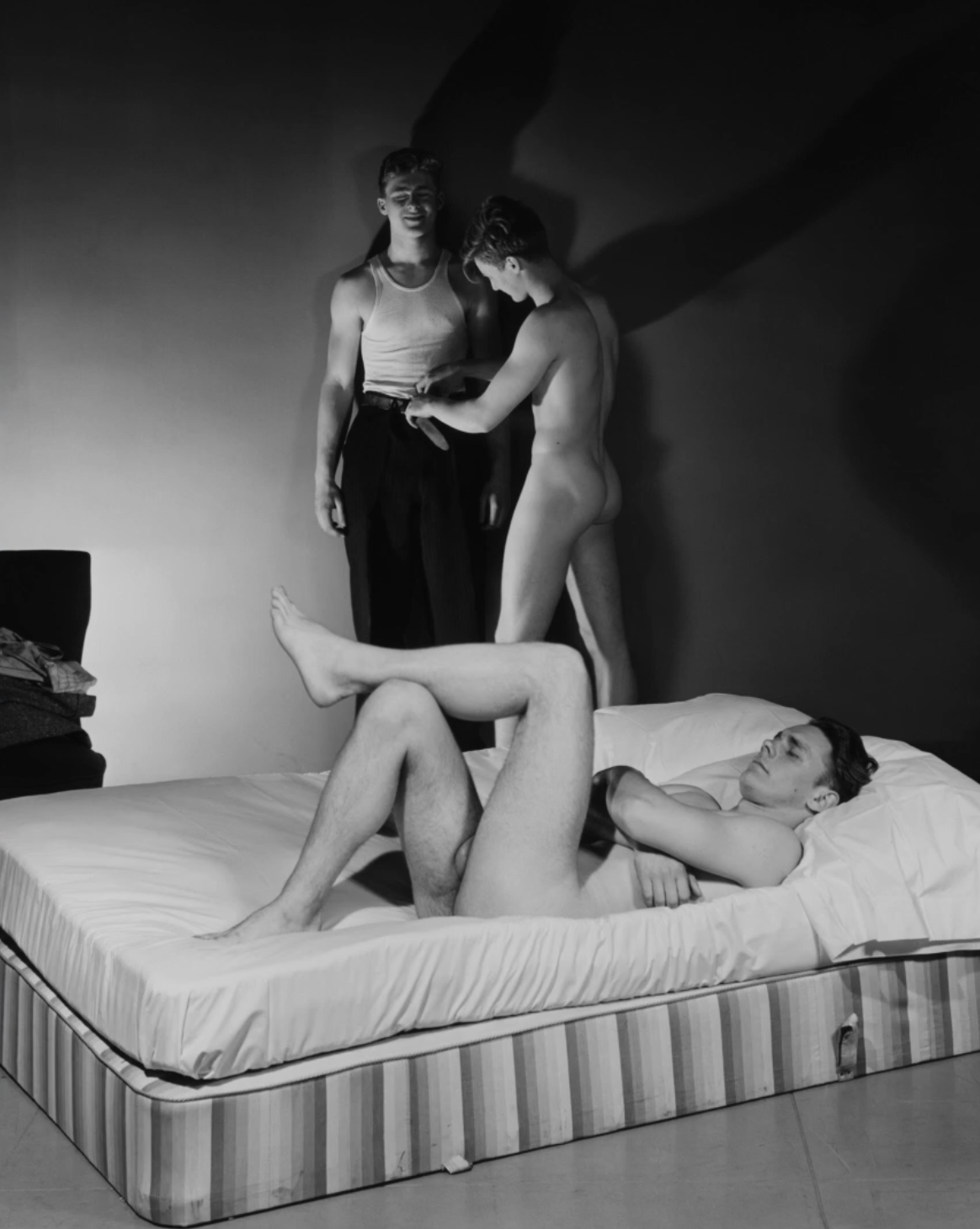
The models in the photo above are Charles “Tex” Smutney and Charles “Buddy” Stanley, subjects of some of Lynes’ most memorable photographs. Of Smutney, David Leddick wrote “few of Platt Lynes’s subjects so perfectly embodied youth and innocence as did this athletic, fair-haired figure.”
The image comes from the 30 photograph “Bedroom Series” of these two undressing and lying on a bed with a third model, Bradbury Ball. (below)
The above photo of The Ritter Brothers (ca. 1934) is now part of the Metropolitan Museum collection.
The subject of two In Touch photos is Blanchard Kennedy, a frequent model for Platt Lynes in the late 1930’s.
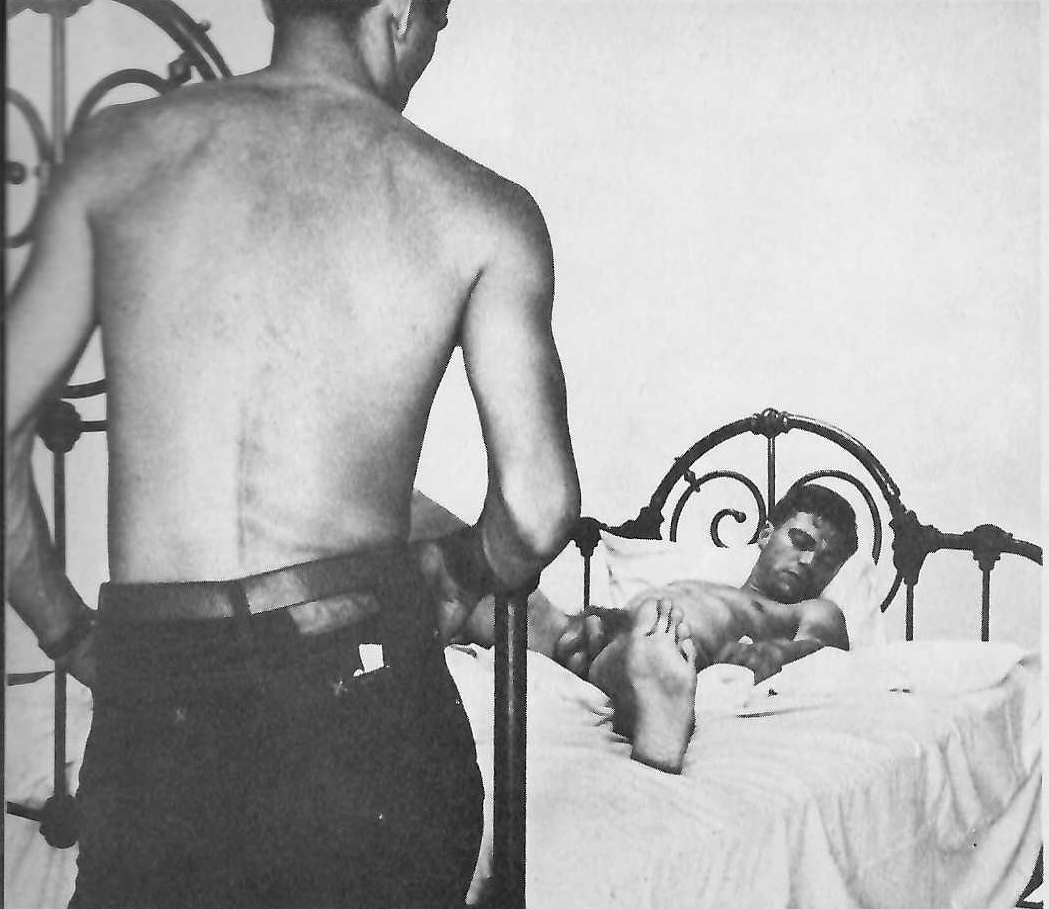
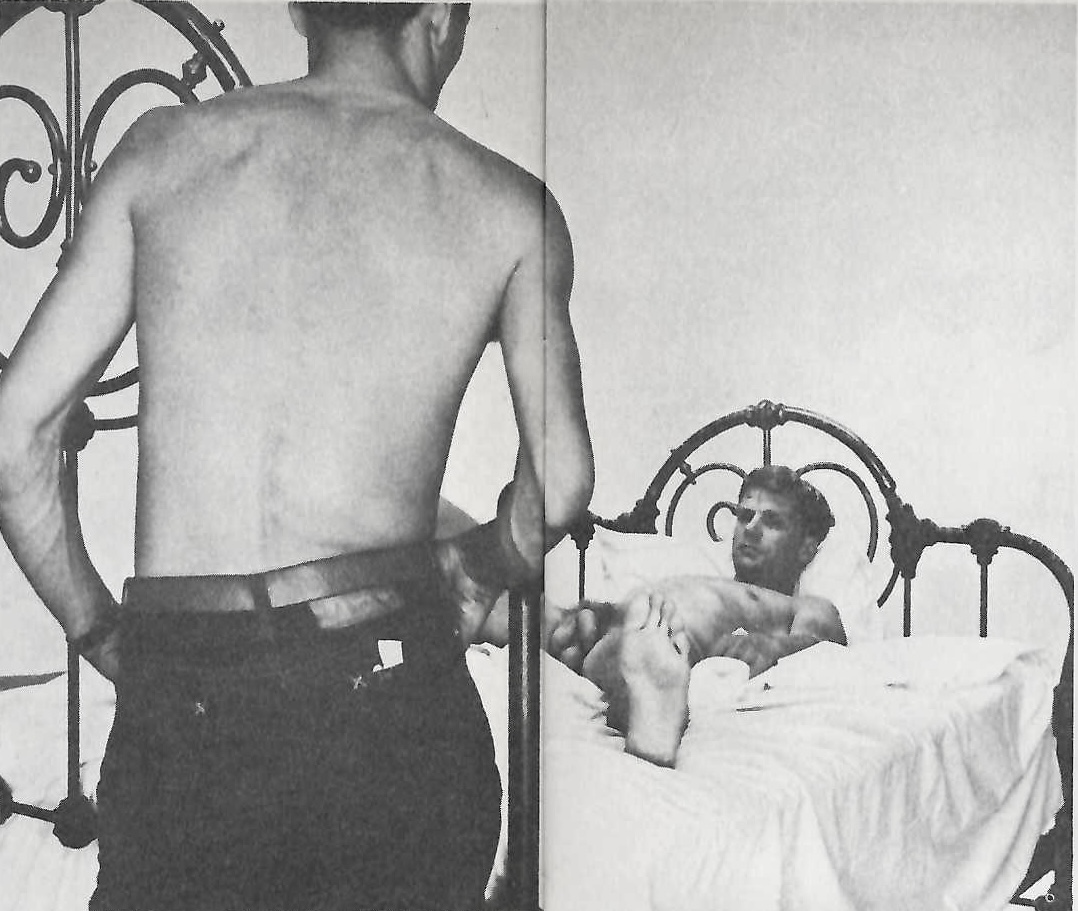
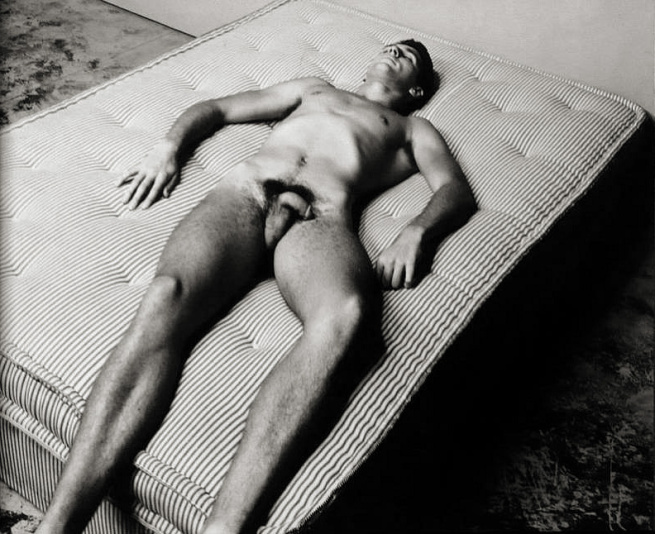
The three photos above from In Touch are part of an early 1950’s series of images taken around the bed in Lynes’ studio (see below). The models are unidentified, although the blond is sometimes misidentified as Alexander Jensen Yow or Ralph Pomeroy, two subjects who were also photographed seperately in or around the same bed.
Left to right: Gordon Hansen, Jack Fontan, Dick Beard, Unidentified
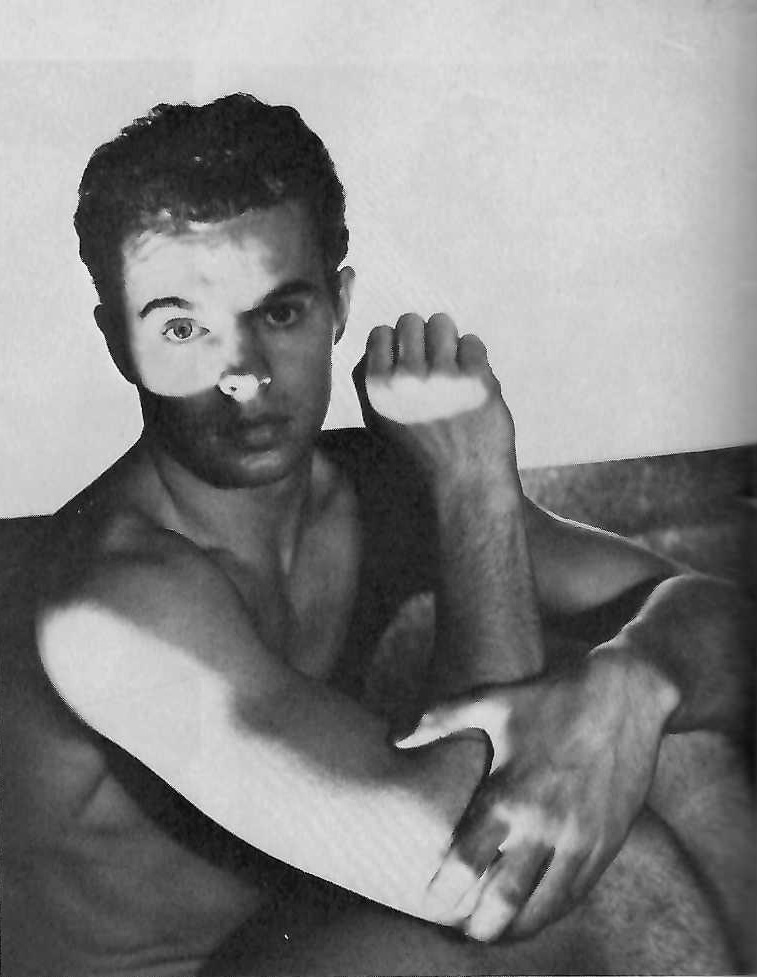
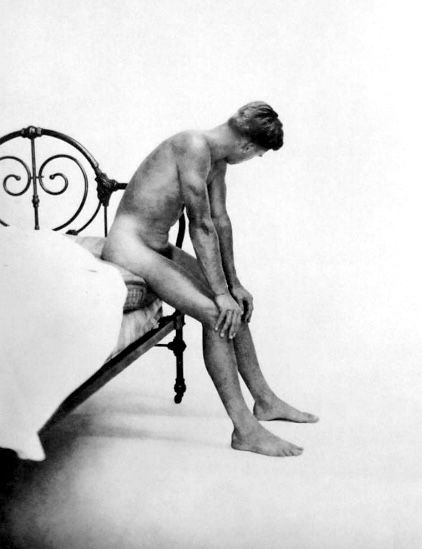
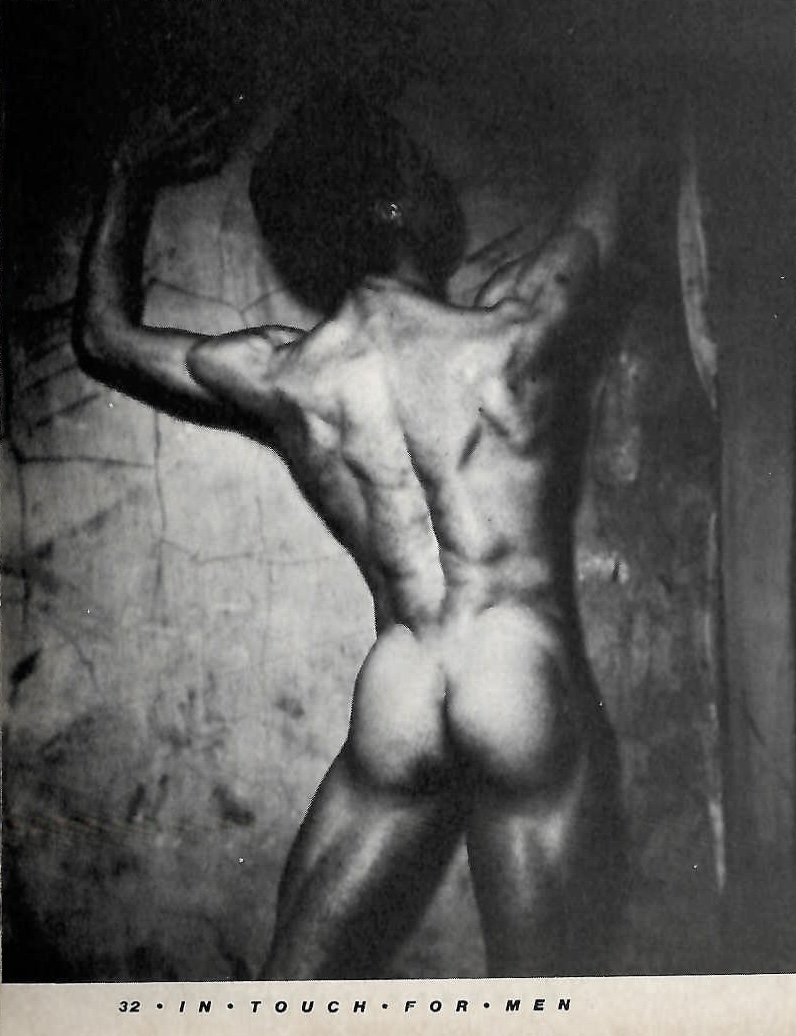
The final full-page photograph of an unidentified model illustrates the timeless artistry of Platt Lynes’ work.
Also featured in this issue is a profile of Warhol photographer Christopher Makos, who, like Platt Lynes, blurred the line between artistic and homoerotic photography.
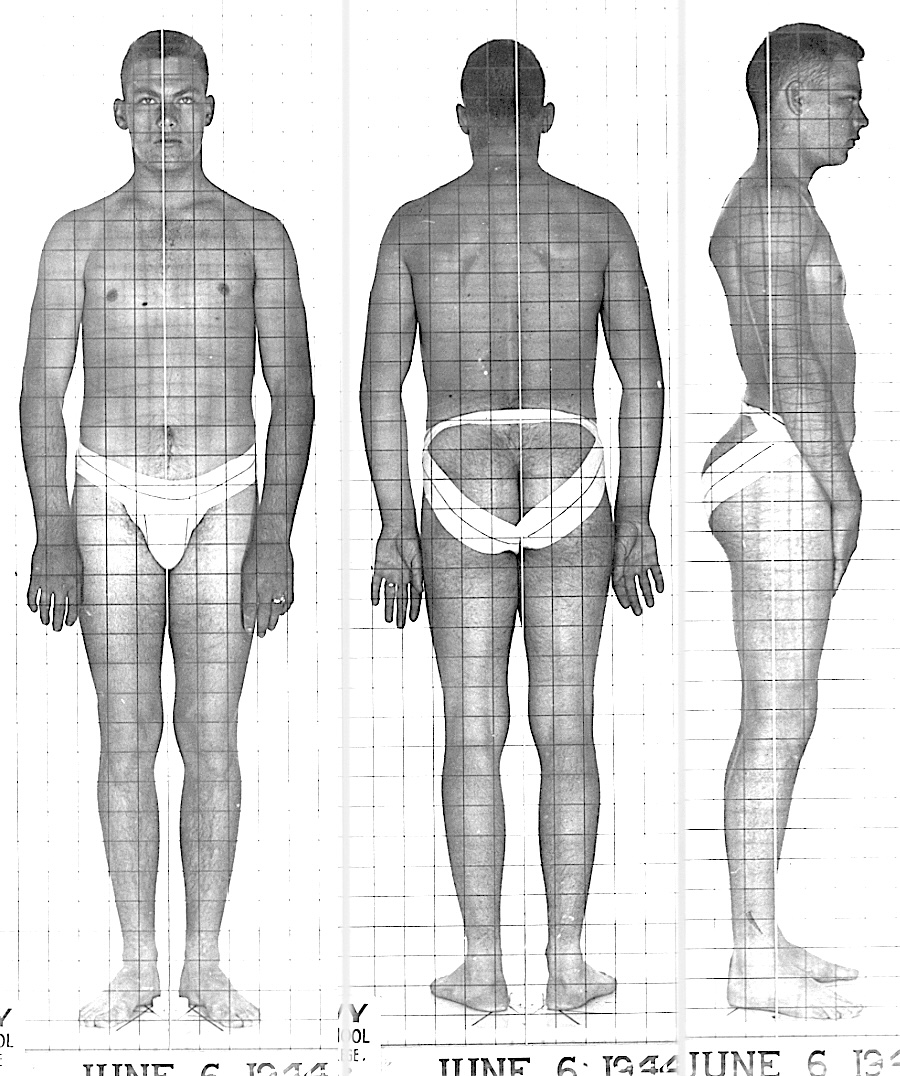
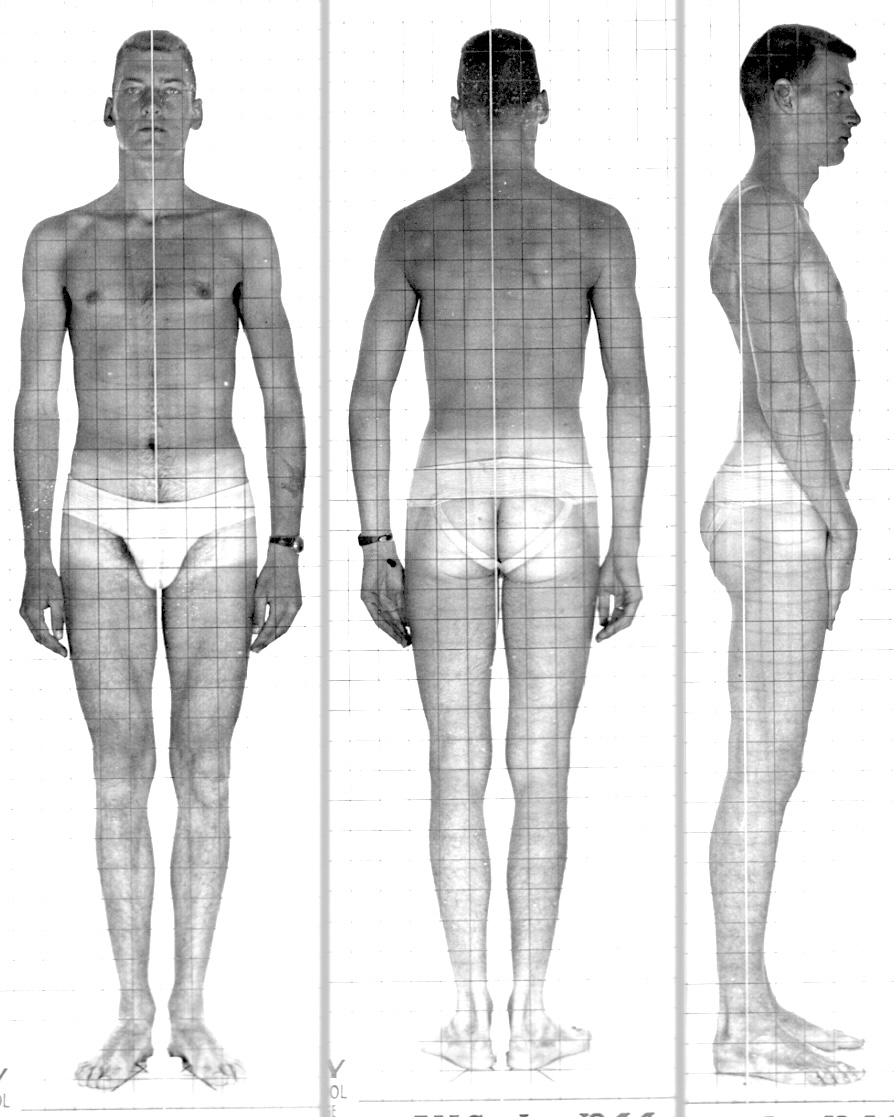
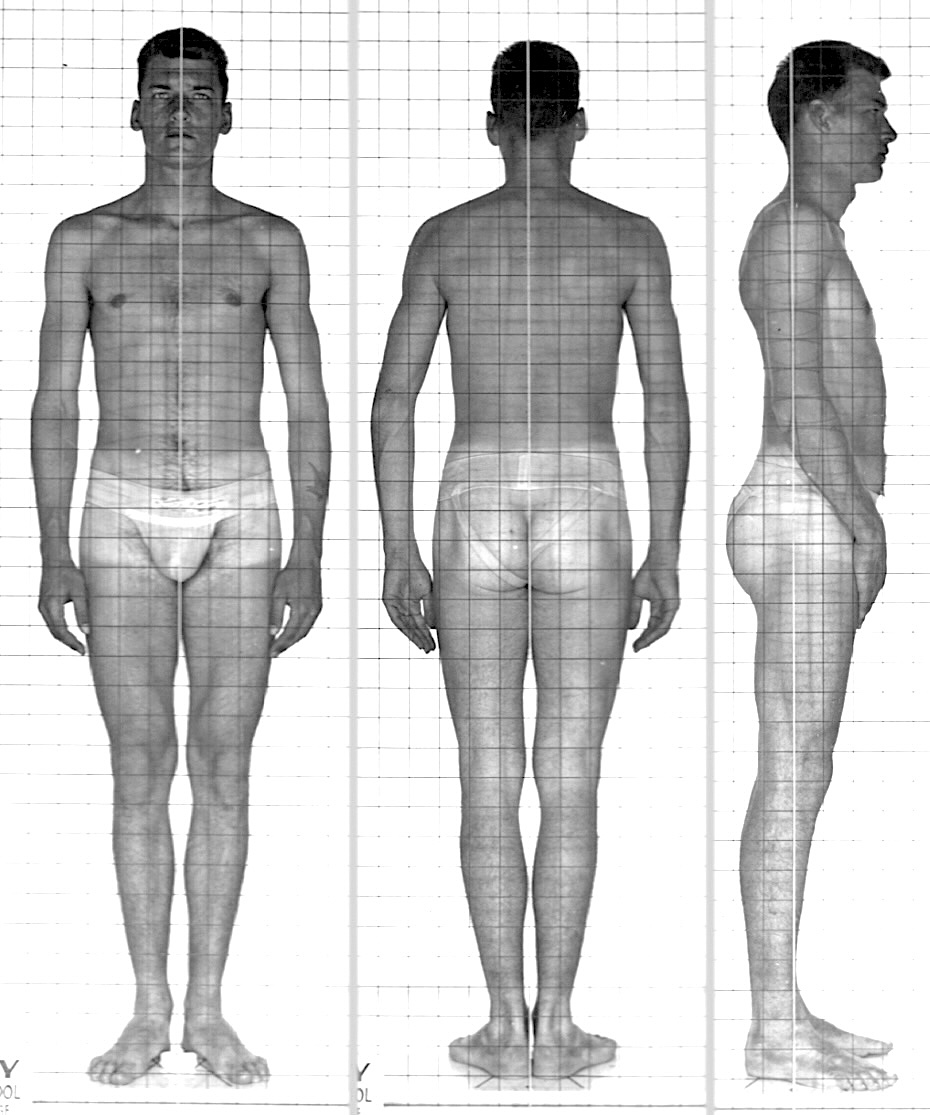
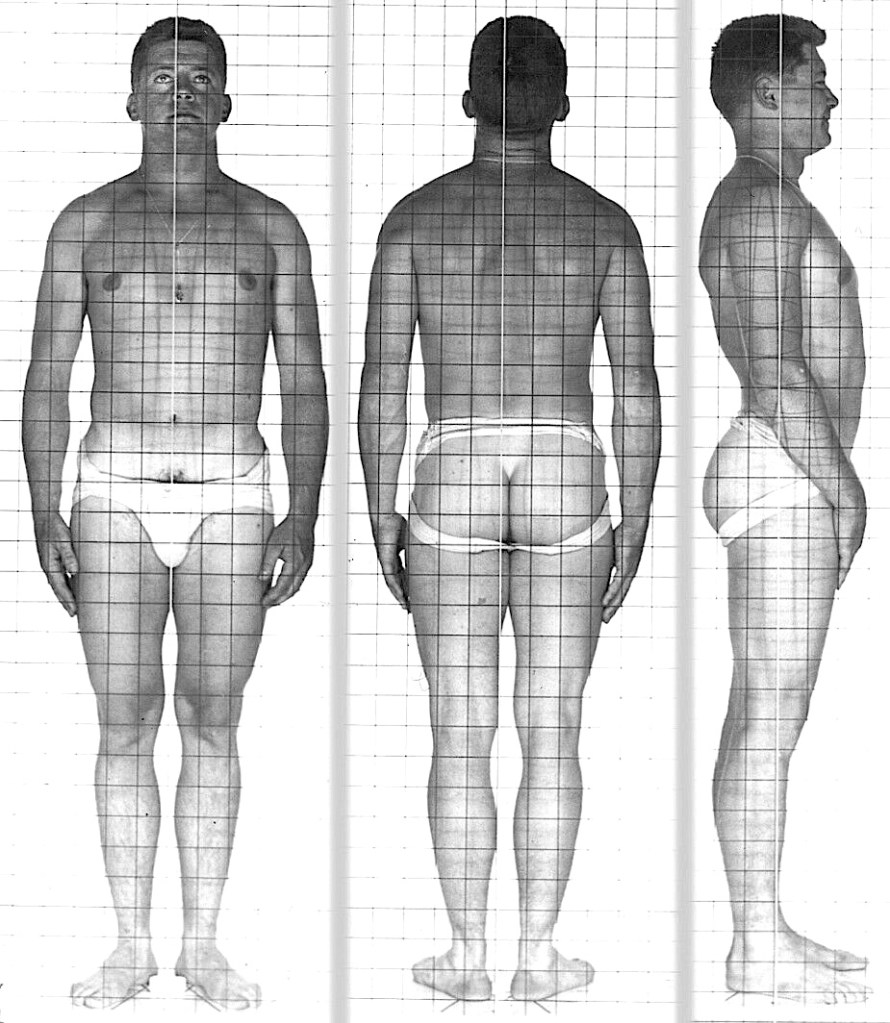
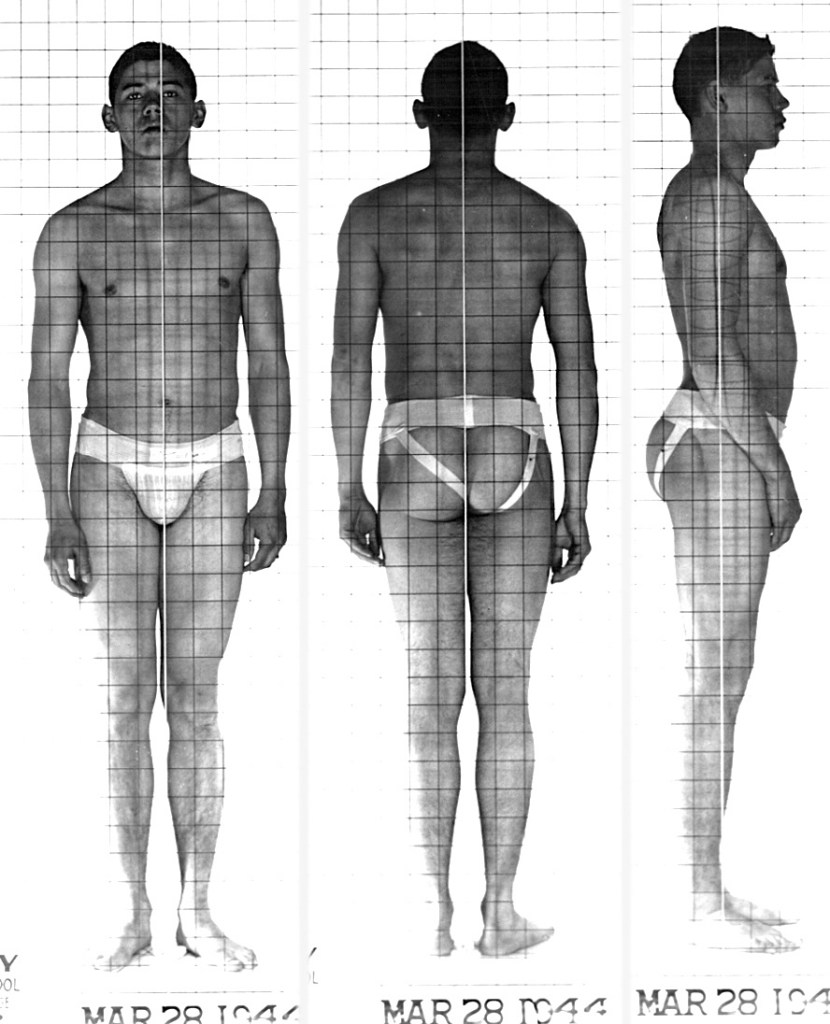
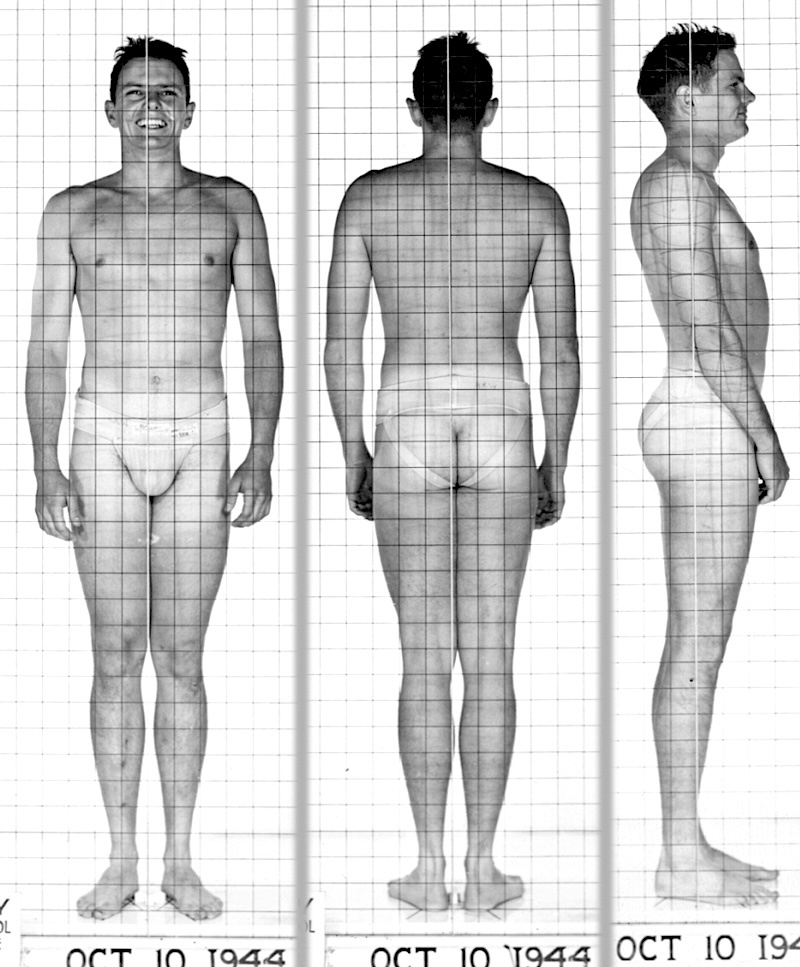
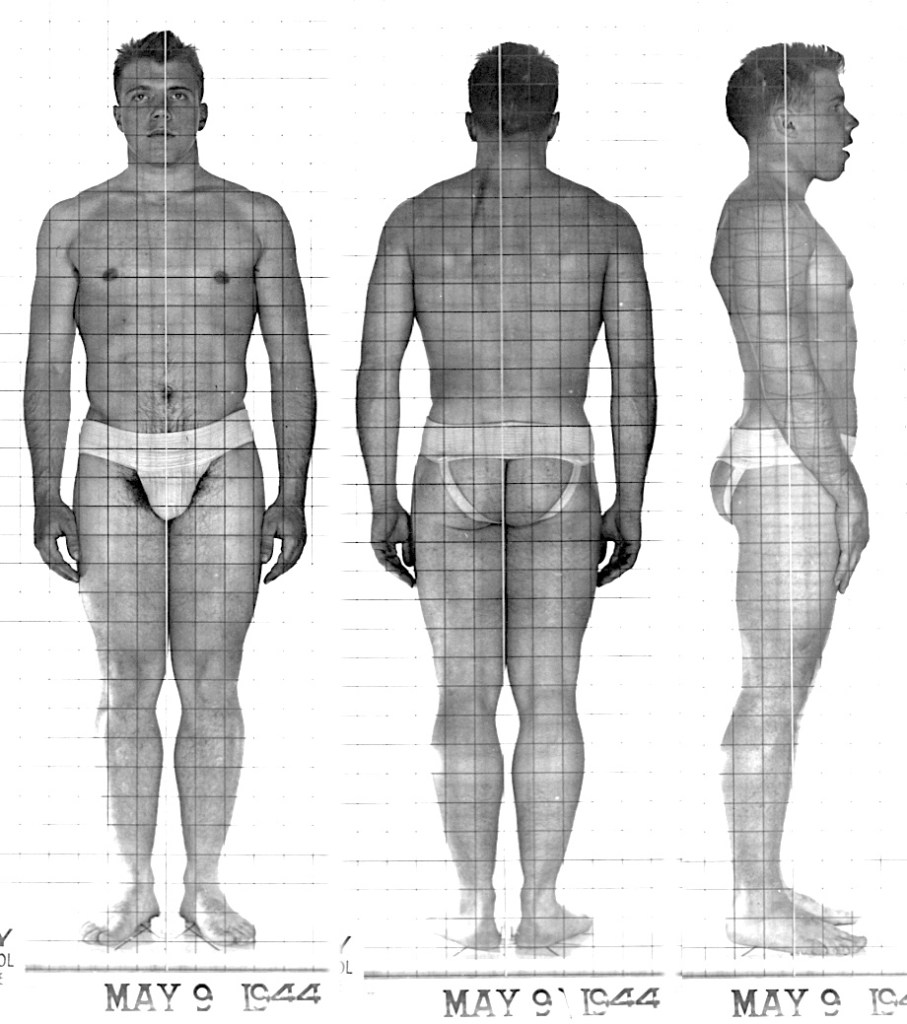
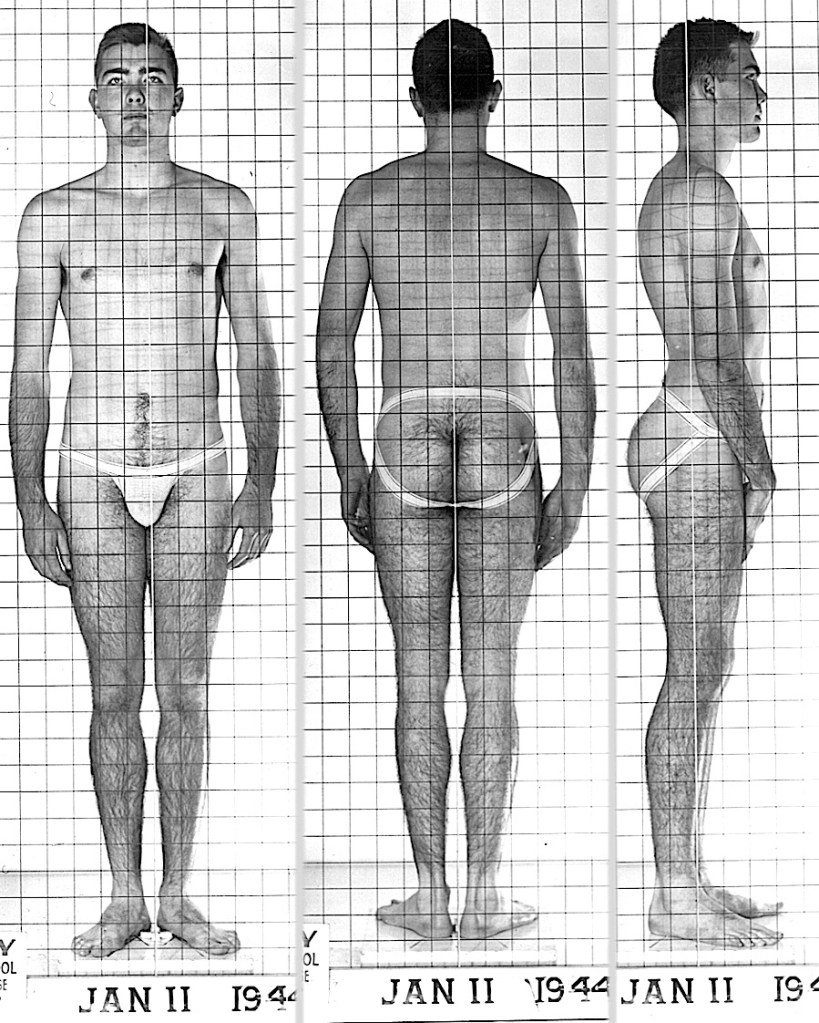
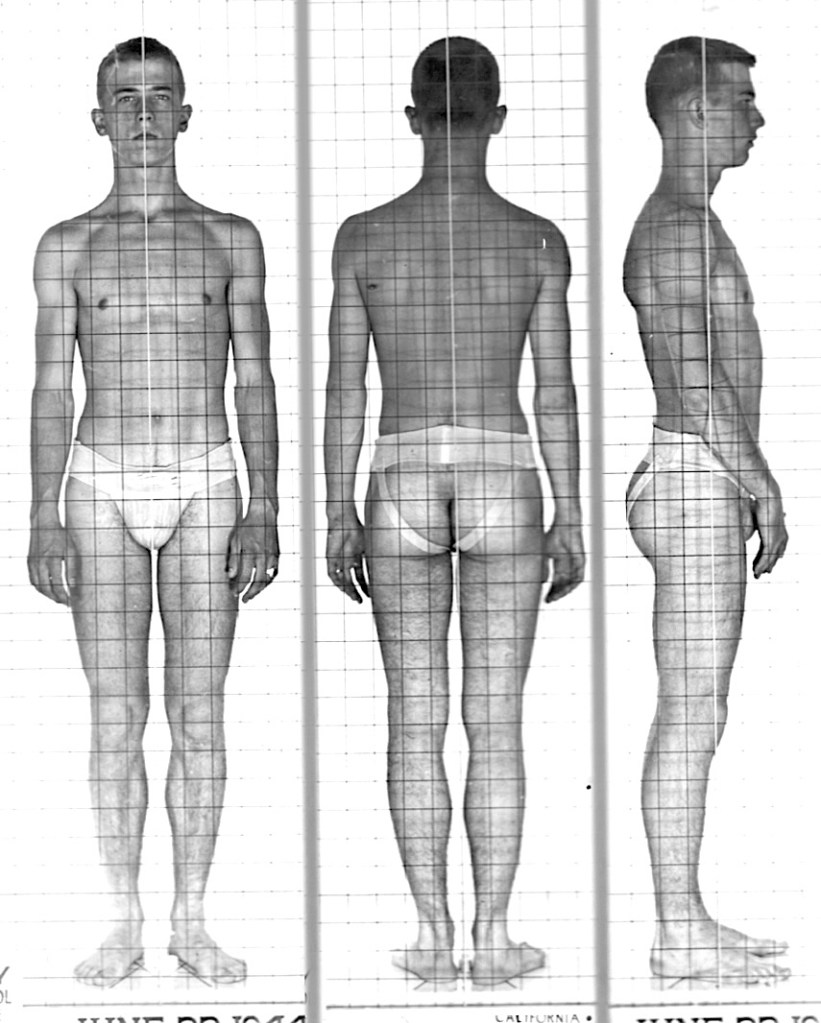
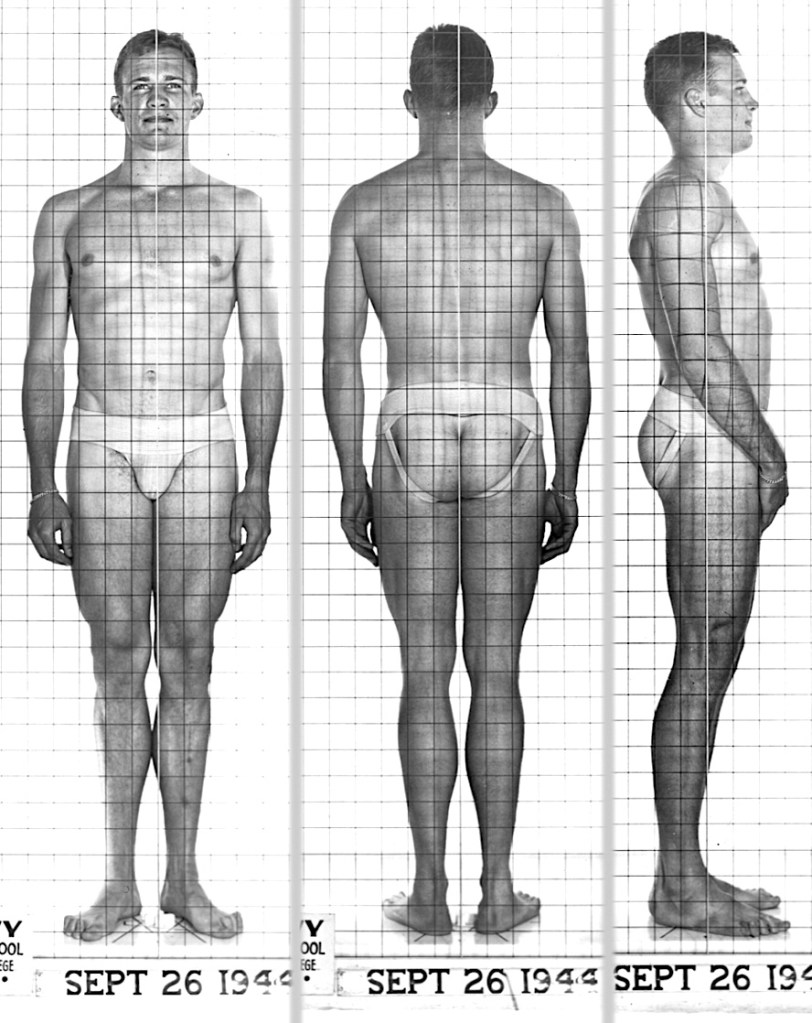
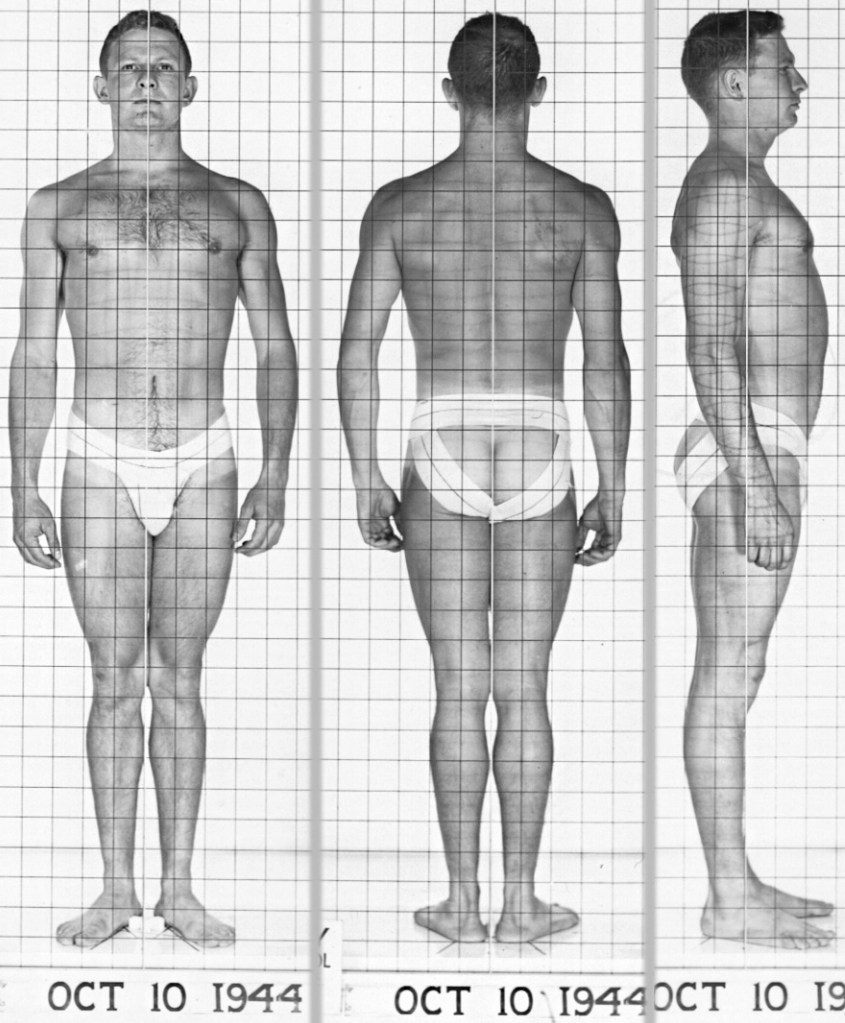
It’s that time again… due to popular demand, we have an 8th installment of WWII-era photos featuring the jockstrap-clad pre-flight training school cadets at St. Mary’s College in California. You can view the first one here, with links to all the rest at the bottom of this post. This installment focuses on those who trained in 1944 – 80 years ago. These men enlisted to fight against a dictator, as opposed to our current situation, where we are all contending with living under one.
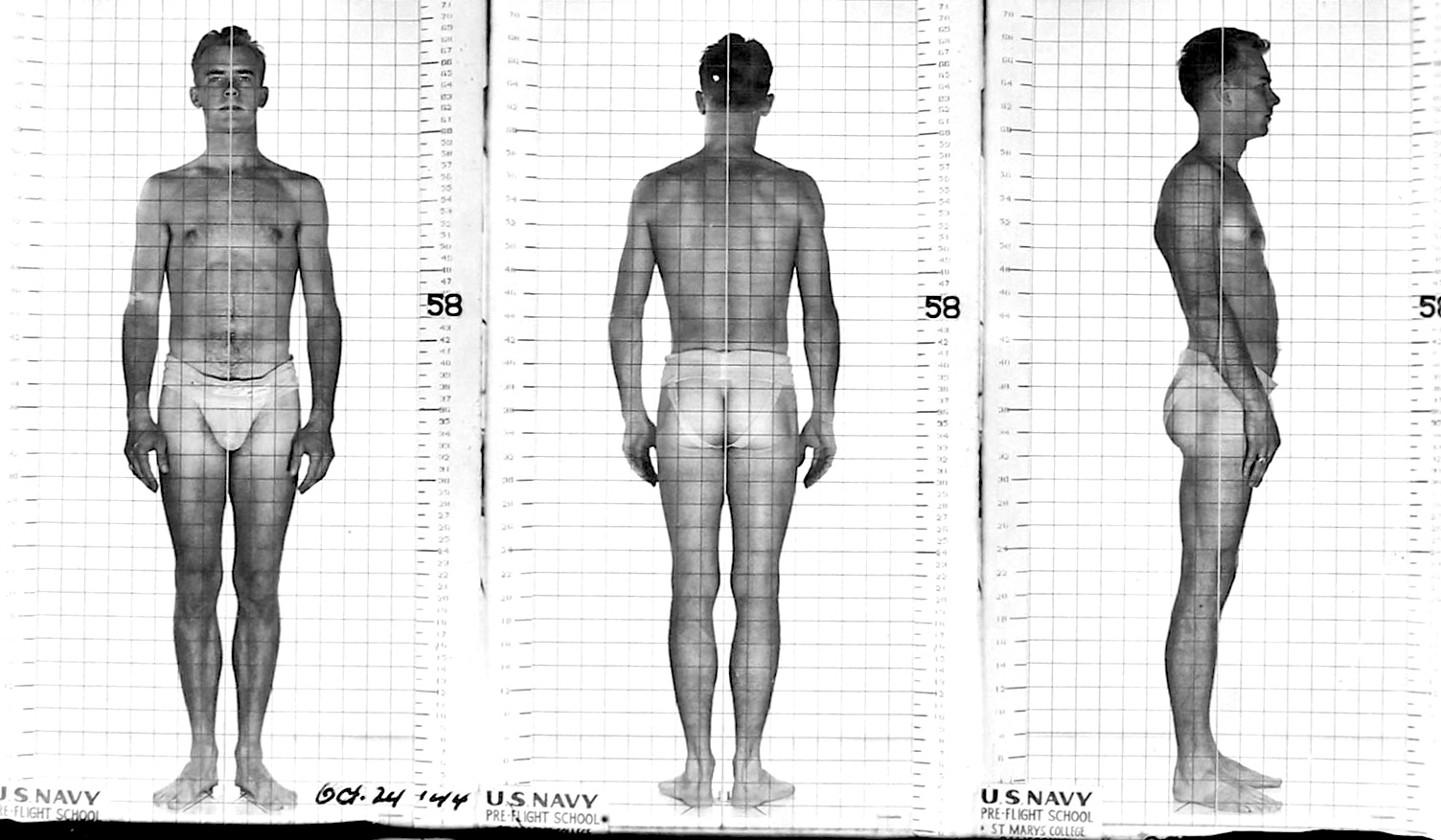
I first became aware of these black and white 5″x7″ triptych photos several years ago. Listings turn up on auction sites frequently, where the photos are often accompanied by the index card used to record the physical training progress of the cadet.
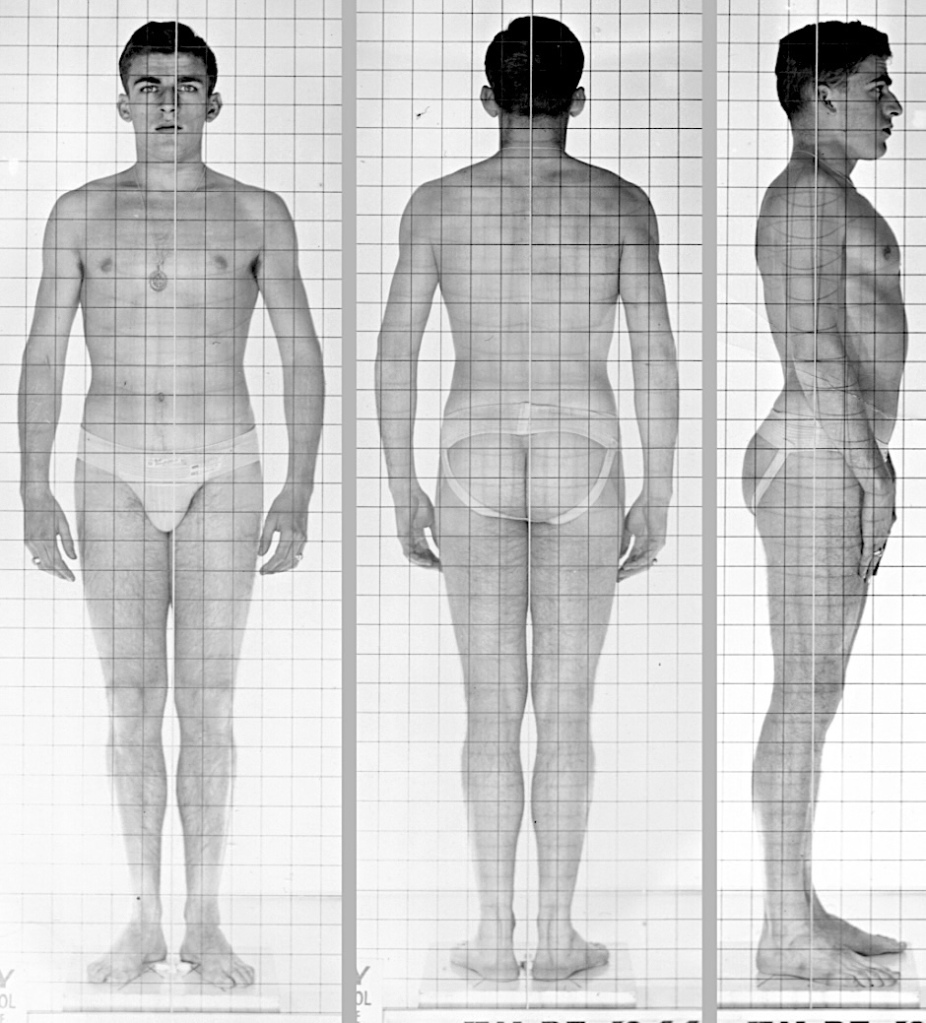
The earliest photos (from June 13, 1942) feature the men completely nude, but all subsequent photos feature the cadets in jockstraps, standing behind some sort of grid fencing to better detect posture misalignment and spinal curvature.
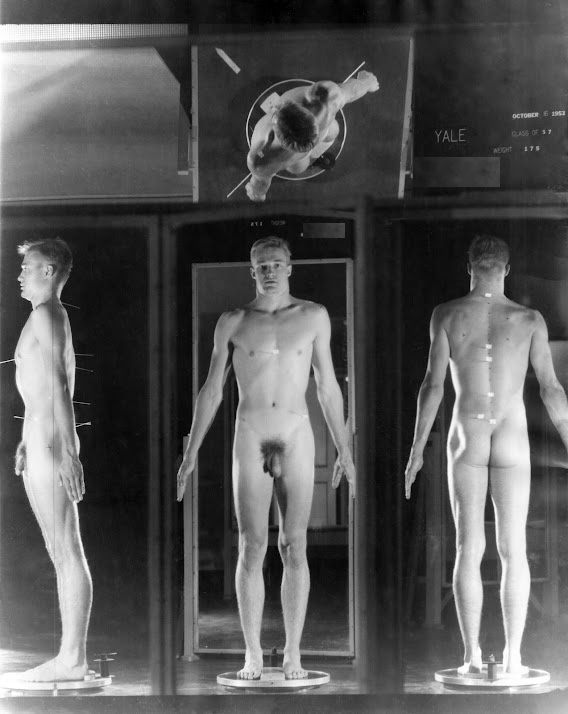
There is still some confusion between these photos and the Yale / Ivy League posture pics, since the Navy photos were sometimes used to illustrate stories about the Yale pics. Note that all of these images contain a visible U.S. Navy / St. Mary’s Pre-Flight School placard, even if they have been cropped out in some posts. Similarly the Yale University photos are identified as such within the frame of the photos:
Fortunately for us, multiple photos of some cadets have surfaced, allowing for comparisons of their training progress:
Comparison photos 6/6-8/1/44
Comparison photos 8/1-8/29/44
And while there is a lack of ethnic diversity, there are a variety of body types.
My collection now includes over 900 jpegs of different cadets. While some of these men did perish during WWII, the largest majority that I have researched lived to ripe old ages.
Any surviving cadets would now be over 100 years old. Last year, I discovered one who passed away in 2022 at the age of 103.
One thing these young men have in common, as they were documented in timeless photos of their physical prime: they were far from home, training to fight for their country.
At this time of year, 80 years later, we again salute The Greatest Generation for their fine forms and dedication.
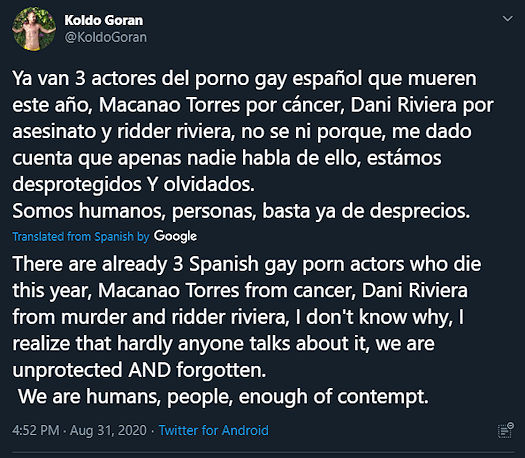
In August of 2020, porn star Koldo Gorantweeted about three fellow performers who had recently died. Goran’s tweet was the only public notice that one of them, Dani Rivera, had been murdered. “I realize nobody talks about it, we are unprotected and forgotten;” Goran tweeted “We are humans, people, enough of contempt.”
Most gay news outlets choose to ignore the passing of all but the biggest names in the adult film industry. Porn companies also seem reluctant to broadcast the death of a performer who is still on their roster, forever young and willing in their website content. An obit is a real boner killer, ya know? Why jeopardize the profit margin?
Additionally, performers who abandon their porn personas and return to life under their real names often pass away unnoticed by former employers and scene partners.
As in previous years, there is a lack of people of color on the list. Why? Is it that few have passed on or that they haven’t been reported yet? For this reason – and due to continued interest from fans – there are ongoing updates to the lists of porn star passings in 2020, 2021, 2022 and 2023. If there’s someone we missed, let us know.
We remember those that were lost in 2024 to prove Koldo Goran wrong – they have not been forgotten.
1) Bo Dixon aka Thom Austin, 62, died in his sleep on February 7, 2024, according to his partner Brad. Dixon was active in films from 2005 to 2008, working for Colt Studios and Hot House Entertainment. According to Queer World News And Life, he left the porn industry “to become a successful body builder, personal trainer and quintessential daddy.”
2) Cole Claire, aka Tristen Wayne Evans had been battling advanced renal disease for two years. In February, the 27 year-old posted on social media that he had decided to stop treatment and enter hospice care. He passed away a few days later on February 22, 2024.
Claire was 19 years old in 2016 when he began working in the adult film industry. The popular model went on to appear in approximately 50 scenes for Helix, Boy Crush and Cockyboys.
3) Rylan Shaw (aka Garret Crenshaw) passed away on February 25, 2024 at the age of 39. Earlier in the month, he announced on social media that he had been battling cancer, stating “I’m not going into details but probably not going to end on a good note.”
The Indiana native appeared in over a dozen scenes at Sean Cody in 2008-2009. After a three year hiatus, he resumed work with Falcon, Men, Raging Stallion, Dominic Ford, Next Door Studios and other outlets. Rylan worked as a bartender in Chicago after he retired from the industry. In 2021 he posted “13 years ago my first vid came out. I ain’t ashamed of it one bit, & I would do it again in a heartbeat.”
4) Evan Mercy was in a motorcycle accident and died from his injuries on May 25, 2024. Originally from Paris, Kentucky, the bisexual performer appeared in approximately 30 scenes from 2012-2014, working for Baitbuddies, All Worlds, Falcon and Dominic Ford, among other studios.
5) Grant Michaels, aka Skylar Hawks, was born on September 6, 1969 and grew up in Zimbabwe, South Africa. He was first seen in the adult film industry in 2004 around the age of 35 and went on to appear in over 125 straight porn films. He also filmed for Colt Studios as Skyler Hawks and on Straight Guys For Gay Eyes. He passed away at age 54 from a “heart attack” on July 19, 2024. His brother is fellow adult film performer Justin Magnum.
6) Alan Marcelo might win the award for Most Performer Aliases. Besides the various spellings of Allan Marcello, Allan Marcelo, Alan Marcello, Allan Marecello, Allen Marcelo and Allen Marcello, he was also billed as Adrian, D’Angelo, Jason, Leonardo, Romeo, Caetano, Caettanno, Caitano and good ole Professor Allan. In any case, he was born in Brazil on February 7, 1983 and began working in gay, trans and straight films when he was 21 years old. He appeared in over 300 titles before retiring in 2012. That said, he does still have an active website with paid content.
7) Mike Hollister, aka Michael Zook was killed in a motorcycle accident in Murfreesboro, Tennessee on Aug 10, 2024. He was 28 years old. Born on October 17, 1995 in Baltimore, Maryland, Hollister appeared in 4 popular scenes for Active Duty in 2016. He went on to work as director of sales for a software company. His obituary states “he touched the lives of everyone he met.”
8) Mars Barcelona, aka Mars Gymburger, aka Igor was a Russian-born model based in Spain who appeared in over 150 scenes for Raw Fuck Club, Lucas Entertainment, Kristen Bjorn, TimTales, Fuckermate and other companies from 2020-2024. He also created content for several fan subscription websites. He passed away on September 26, 2024 – one month before his 40th birthday.
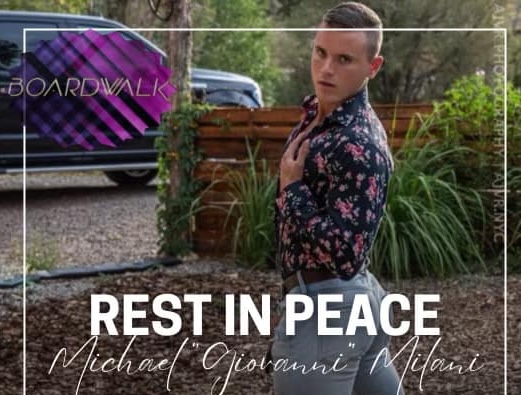
9) Giovanni Rosa, aka Michael Milani died of an overdose on October 12, 2024. The 33 year old, originally from Maryland, also lived in Dallas before moving to South Florida about five years ago. Milani was described by a friend as “vibrant and high-energy, with a ‘no bullshit’ attitude.” He appeared in a dozen films between 2019-2020 for Baitbuddies, Pride Studios, Badpuppy, and Man Royale. In addition to his film work, he was also a party promoter and manager.
10) Tate Daniels, aka Trevor, overdosed in Wilton Manor, Florida just two weeks after Giovanni. Their combined memorial was described as an “intervention disguised as a memorial,” offering help to those in the community with substance abuse issues.
30 year-old Tate was relatively new to the industry, with some high profile OnlyFans collaborations under his belt and work with RawFuckClub. He was also photographed by Luke Cruz and Covetimage.
11) Mr. Saukei, aka Mr. Sauki, Mr. Saki or simply Saukei was born Searcy Lee Allen III on December 12, 1982 in Oklahoma. Between 2004-2013, he appeared in dozens of films for Bacchus, Flavaworks, Pitbull and other companies. He was nominated for a 2009 Blatino Award as Best Bottom. He was 41 years old when he passed away in Tulsa, OK on October 14, 2024.
12) Apollo Moon, a transmasc adult content creator known to friends and family as Forest Harader, died in Los Angeles on December 1, 2024, his loved ones confirmed to Them. He was 26 years old and had been on life support for several days. Over the past two years, he appeared in scenes for Brazzers, Grooby and Manyvids.
On social media, friends remembered him as a trailblazer and a “kind and beautiful force” for the world.
13) FitRick81 aka Fitwolf81 aka Rick Araya was active on OnlyFans since 2022 and also appeared in scenes for RawFuckClub. Born June 26, 1981 in Costa Rica, he was living in Miami when he passed away at age 42 on January 20, 2024.
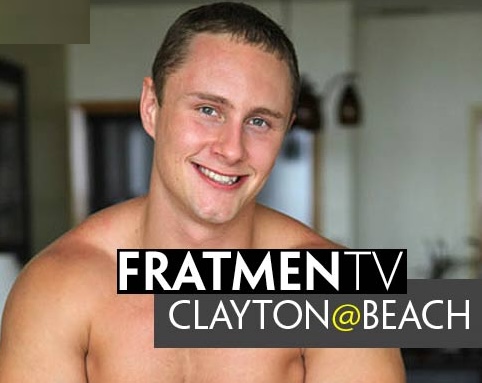
14) Justin Busiere, aka Clayton, was a model and professional bodybuilder who worked with Fratmen, AllAmericanGuys, and MyFriendsFeet, as well as OnlyFans. According to the IAFD website, he committed suicide on Christmas Day, 2024. He was 33 years old.
One of his last social media posts was a quote from Dr. Seuss: “Remember me and smile, for it’s better to forget than to remember me and cry.”
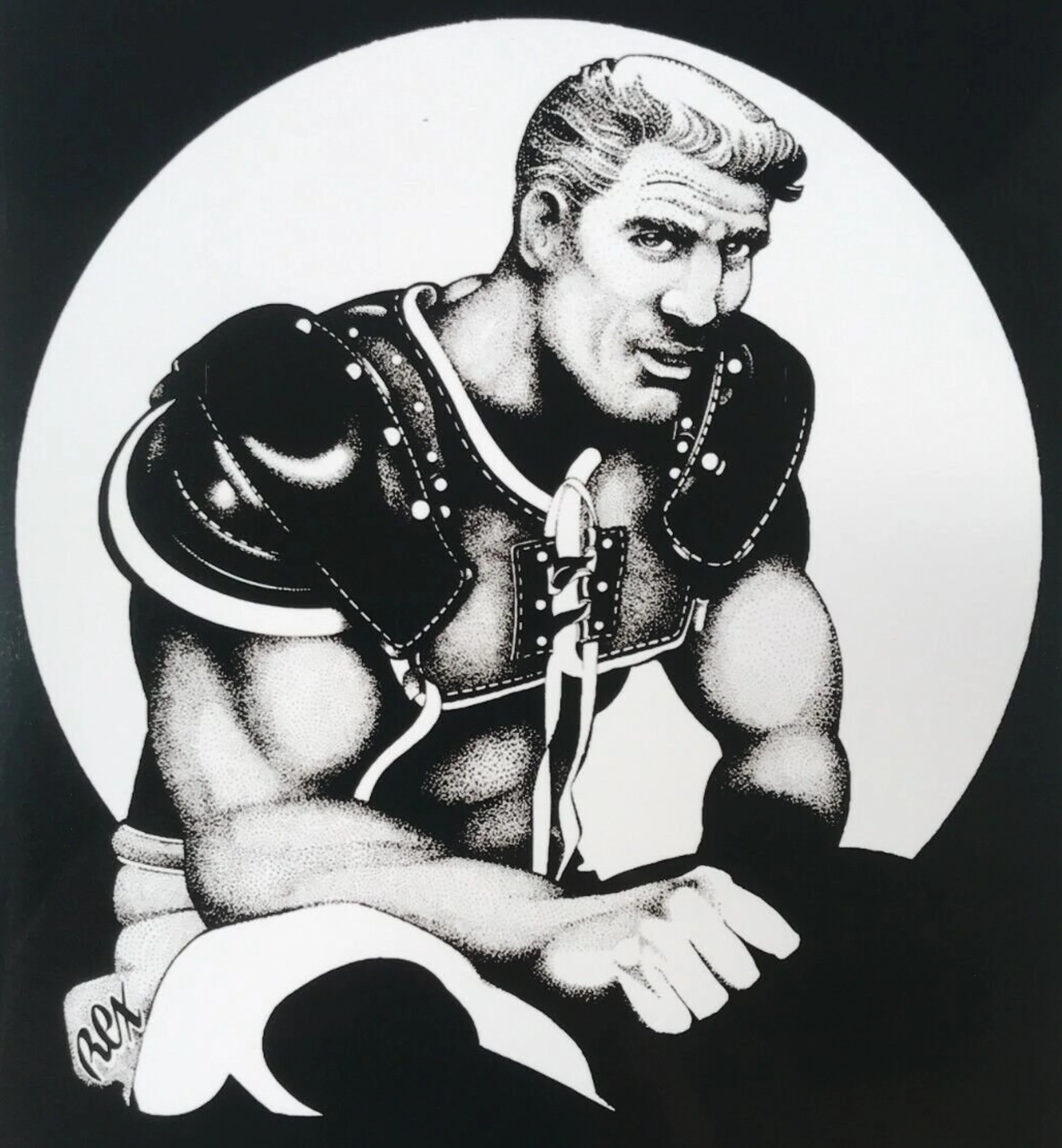
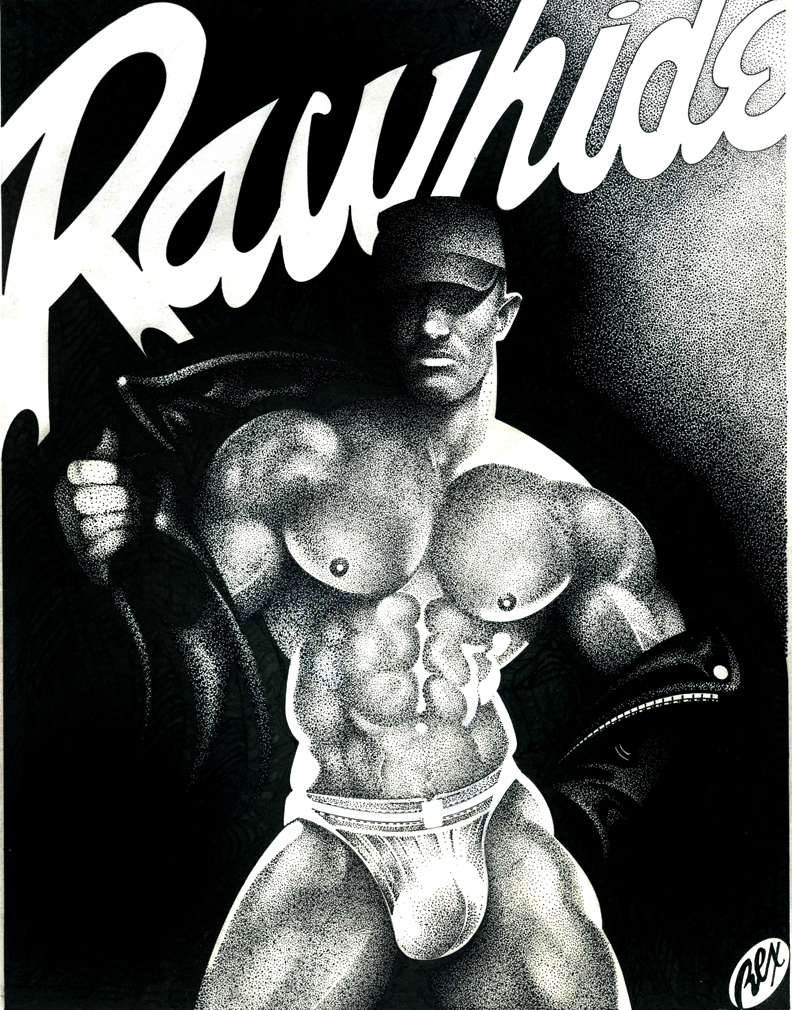
15) Rex was a legendary gay erotic artist and illustrator whose work was closely inspired by Tom of Finland. Rex’s depictions of gay fetish and leather scenes in turn influenced artists like Robert Mapplethorpe. His iconic illustrations were omnipresent in gay bars through the 1970’s and 80’s and prominently featured in Drummer magazine.
The reclusive artist was rarely photographed. His real name and age are unknown, although Jack Fritscher’s research ages Rex at 81 years old when he died. Many assumed the artist had passed away years before his death was announced by the Bob Mizer Foundation in late March.
I know I am not alone when I say that I take comfort in the annual repetition of the holidays: revisiting holiday-themed music, films, television shows… and now internet posts. Dave Holmes’ account of Patti LaBelle’s disastrous performance at the 1996 National Christmas Tree lighting is worth an annual revisit. Trust me.
Not to get meta or anything, but the post you are currently reading has been reworked and updated each year since 2020.
While we’re mining the past and dusting off our chestnuts, here’s the intro to the 1999 holiday episode ofBri-Guy’s Media Surf, an NYC Public Access show that featured yours truly lip-synching a little Esquivel:
Whenever the song pops up on my holiday playlist, I still do this.
I find it interesting that we immerse ourselves in certain pop culture favorites for exactly 6 weeks of the year and then pack them up in mothballs with the ornaments until next year. I mean, Brenda Lee’s “Rockin’ Around The Christmas Tree” is currently at #1 on the Billboard Hot 100. Burl Ives, Bobby Helms and Andy Williams are also in the top 10. Are any of them on your 4th of July playlist? They aren’t on mine.
Gabe Pressman (left) with Marilyn Monroe (1956)
I used to look forward to the annual Christmas Eve tradition on NBC New York’s evening news when reporter Gabe Pressman would read “Yes Virginia, There Is A Santa Claus.” I taped it in 2011, knowing that the tradition wouldn’t last forever. The self-described “little Jewish kid from the Bronx” was 87 years old at the time and continued to work at NBC until his death at age 93.
NBC New York reporter Gabe Pressman’s annual segment on Virginia O’Hanlon’s 1897 letter to the New York Sun Newspaper.
In keeping with this revisit, my other blog posts of Christmas past are back to haunt you like A Christmas Carol, Mr. Scrooge:
There’s a new Motown Christmas Special this year that has already aired in prime time several times this month, featuring Smokey Robinson, Gladys Knight, Martha Reeves and The Temptations. Here is my take on the 1987 Motown Christmas Special – which featured very few Motown acts.
My Canine Christmas Tail is a true story about my dog Sunshine, a basset hound with an appetite for tinsel.
Have you watched Christmas In Connecticut yet this year? How about that delivery woman? This year I was able to update my 2019 post, identifying Daisy Bufford as the actress who played the unbilled role.
The original version of “¿Dónde Está Santa Claus?” is featured in “Llamacita,” this year’s Amazon Prime holiday commercial. Here’s a little backstory on the song & Augie Rios, who sang the original version.
Also – would you like to hear my Spotify holiday playlist?
Way back in 2002, when Limewire was a thing and people listened to music on silvery discs, I started creating Christmas CD mixes that I would mail out or give to people. These were received with a heartwarming combination of feigned delight, veiled indifference and deafening silence. None of these CDs had a pressing of more than 20 copies. I’d like to call them “much sought after” – but no, that’s not really the case, although every once in a while, someone really got into them and would ask for copies of other volumes.
And so, I’m offering this simple playlist…. for kids from 1 to 92. Unfortunately some of the tracks on these dozen CDs are not on Spotify, but I keep adding songs that would be on the current CD volume… if there was one. And now the playlist is over 17 hours of holiday tunes. I recommend listening on shuffle – there’s something to irritate everyone. Enjoy!
Here’s one more nugget to stuff in your stocking: This vid went viral in 2011. Choreographed and performed by Alex Karigan & Zac Hammer of the Amy Marshall Dance Company, it was filmed in one continuous take at the New 42nd St. Dance Studios. There’s something infectious about it: the joy, the corniness, the celebratory queerness of it all. It makes me want to dust off my jazz shoes. Once a year.
Ok – I admit it: I am one of those people who started playing Christmas music last week. Yesterday the Christmas lights went up. I don’t normally rush this, but this rotted post-election month has really done a job on my belief system. However, I am comfortable enough in my middle-aged fruitiness to freely quote Auntie Mame at you: We need a little Christmas. Now.
Baron von Munchausen is ready.
One of my favorite holiday CDs of recent years is Tracey Thorn’s Tinsel & Lights – a smart collection of original and non-traditional holiday-themed songs perfectly suited to the Everything But The Girl singer’s melancholy voice.
The lead track, Joy (written by Thorn) has been on repeat in my home every December since its 2012 release. When I first posted this in 2020, the song felt like it was tailor-made for that pandemic holiday season.
The opening lyric: When someone very dear / calls you with the words “Everything’s all clear.” / That’s what you want to hear / but you know it might be different in the new year. / That’s why / That’s why / We hang the lights so high: Joy.
Now, in 2024 as we stare down the barrel of the gun that is the second Trump administration, it’s a different lyric that strikes a chord:
So light the winds of fire / and watch as the flames grow higher / we’ll gather up our fears / And face down all the coming years / All that they destroy / And in their face we throw our Joy.
Here are some other Thanksgiving-themed goodies I have previously posted:
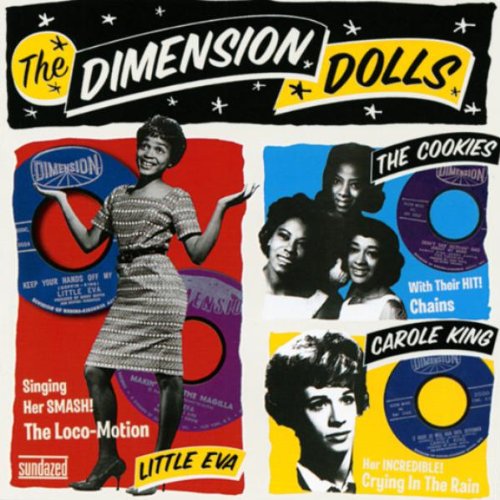
When it comes to holiday music, unfortunately Thanksgiving is lost in the long shadow of Christmas. There’s a severe lack of Thanksgiving songs, aren’t there? All we’ve got is “Let’s Turkey Trot” by Little Eva, and even then it is not really about Thanksgiving at all. The song’s title refers to the Turkey Trot, a dance step popular back in the early 1900’s.
“Let’s Turkey Trot” was Eva Boyd’s third single, released in 1963 with the hopes of recapturing the #1 success of her debut platter, The Loco-Motion. It had a respectable showing on the charts, peaking at #20, although it should have been billed as Little Eva & The Cookies, as the backing group is as much a part of the success of the record as the lead. Group member Earl-Jean McCrea delivers solo lines echoing their own hits Chains & Don’t Say Nothing Bad About My Baby, which also featured Little Eva on background vocals.
Here’s an abbreviated performance by Little Eva on Shindig in 1965. Darlene Love and the Blossoms stand in for the Cookies in what must be one of the proudest moments of their career. Gobble Diddle It!
The Dollyrots also covered this track in 2014. Besides using footage of Little Eva’s Shindig performance throughout the video, they also namecheck “Little Eva back in ’63”:
Want some “Mashed Potatoes” with your “Turkey Trot?” Here’s Dee Dee Sharp with her own ode to a Thanksgiving staple / dance move:
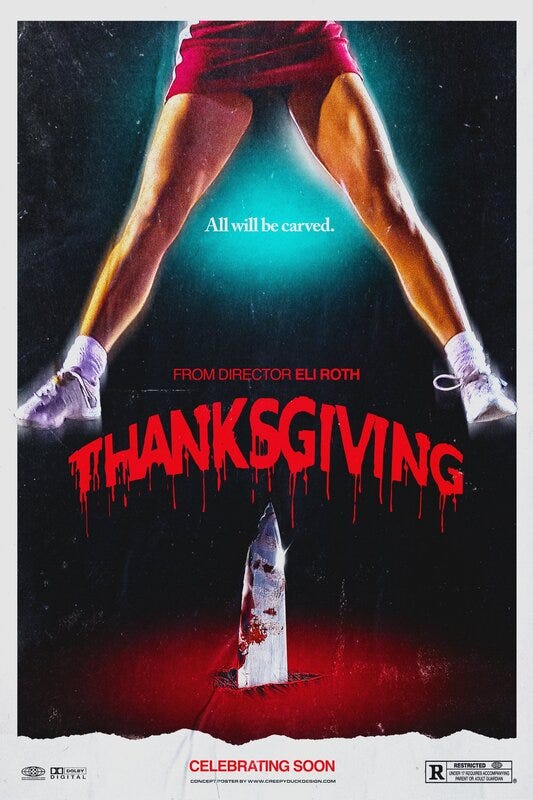
On the darker side… one of the faux trailers from Quentin Tarantino’s Grindhouse is the hilariously spot-on Thanksgiving, directed by Eli Roth. It is entirely plausible that someone would have jumped on the bandwagon of grade-z holiday themed horror films that followed the success of Halloween. But this one is a fake. In 2023, Roth did put out a full movie version of Thanksgiving. The original trailer retains it’s own seedy charm:
During the Thanksgiving episode of SNL in 1997, Lilith Fair stand-up comic Cinder Calhoun (a recurring character played by Ana Gasteyer) & singer Sara McLachlan paid a visit to Norm MacDonald and the Weekend Update desk, singing the Thanksgiving classic “Basted In Blood.” It would not be nearly as funny if they didn’t sing it so well.
Unfortunately this segment seems to have fallen off the annual SNL Thanksgiving Eve prime time special.
In 2019, Ana Gasteyer released a holiday album: Sugar & Booze. Highly recommended!
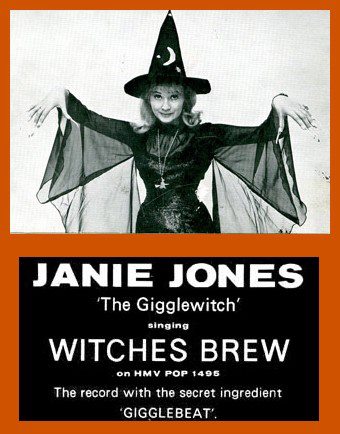
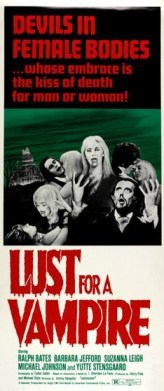
It’s hard to believe that it has been 16 years since I put this Halloween show together for 60 Degrees wi Brian Ferrari, my weekly radio show focusing on “60’s chicks and girl groups – the hidden gems, cult favorites and unreleased obscurities of the decade.” The show ran for five years (2008-2013) on East Village Radio and has been back on the air since July, 2024. This Halloween episode was originally broadcast on October 27, 2008 and aired every Halloween for the duration of the run.
In this very special episode, we’ve got soul witches, rockabilly rabble-rousers, death discs, horror movie theme songs, science fiction sirens, girls driven to madness by love and more dead boyfriends than you can shake a broomstick at. Plus a whole lot more! As with every episode, the songs were interspersed with vintage commercials, sound effects and movie clips.
That’s what I told myself. When I went back to look for earlier drafts that I was sure I had started, I discovered that there were none. I never wrote anything down – I only thought about sharing this story. For years. Until now.
“Do you have any real ghost stories?” is a fun question that pops up occasionally in social situations. My go-to response is the story of The Playground Swing – an unexplained occurrence from when I was in the 6th grade. Whether or not it is an actual ghost story, the memory has stayed with me for 44 years.
Just as the clear, cool weather of an early September day can evoke memories of 9/11, the story of The Playground Swing always comes back to me on crisp October mornings. It sneaks in sideways while I’m going through my morning routine, or while I’m commuting. It evaporates before I ever sit down and type it out. There’s not a whole lot to the story, really. It’s that unexplained simplicity that makes it a bit anticlimactic in the telling.
It was the fall of 1980 and I was in 6th grade at Bowling Green Elementary school in East Meadow, New York. We had moved into my grandmother’s house the year before, after a year of unrest following my parents’ divorce. I was happy to be living there, in the cozy house my mother grew up in. I looked forward to going to the school that my parents, aunts, and uncles had all attended.
Once upon a time, I had been a popular kid, but this was our second move in under two years. I remember hearing that it was a bad age to be uprooted and have to make new friends. Obviously many kids maneuver their way through it successfully. I didn’t.
5th grade had been bad, but I did have a couple of new friends to help me get through it. When we got into 6th grade, they were in a different classroom on the other side of the school. In my class, there were no allies. It felt like they were all against me. Looking back now, I would have to say that, among those in my class, I was met with 50% aggression and 50% apathy.
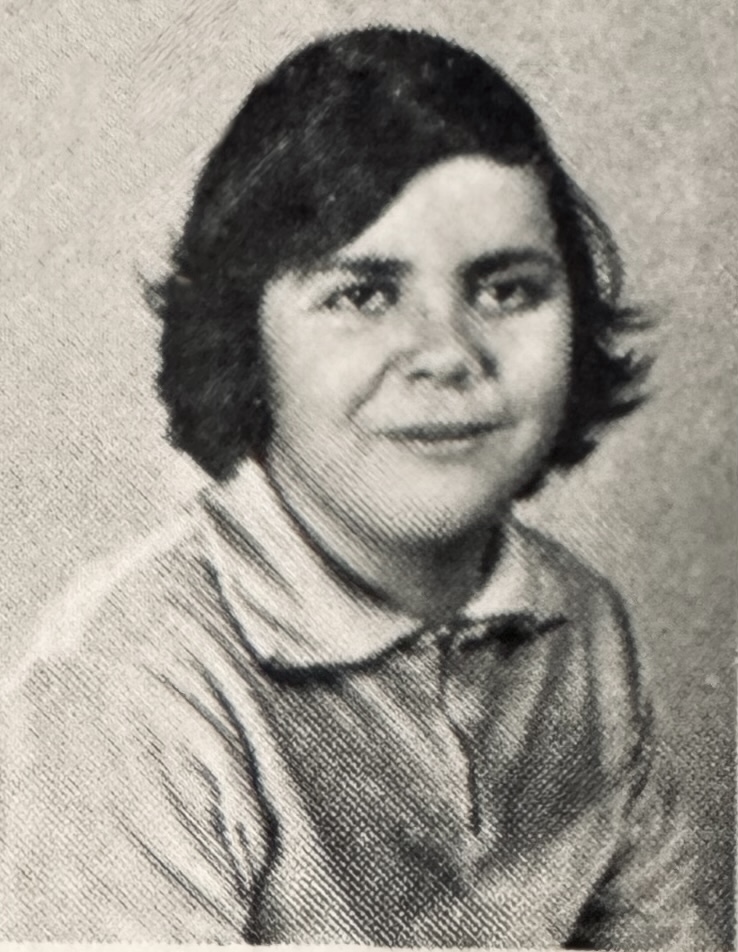
I was a chubby kid in need of a shower and a haircut, with big eyes and thick lashes that caused me to be regularly mistaken for a girl. My class picture says it all: This is a photo of an 11-year-old who was misgendered by the photographer moments before he snapped the picture. When I rolled my eyes and said, “I’m a boy,” he sputtered “Oh, uh… I was talking to that girl over there.” Now smile! *Click*.
For years, my memory was this: One day, my entire class gathered after school to confront me as I walked through the playground towards home. I’m sure it wasn’t ALL of them but when faced with an angry mob of your peers gathering around you, well… I didn’t stop to take attendance. It was a lot of them.
What was their plan? To beat me up? What would that accomplish? I don’t think they actually knew either, and in that disorganization I was able to run away. My best defense was that I could always run fast.
My mother called the school to complain and I was allowed to stay home the next day. The vice-principal went and spoke to the class, asking why they were picking on me. The response landed me in his office for a lecture: I had a bad mouth. I cursed at everyone. This is what he was told. I was the problem. No mention of the taunts and name calling that were the catalysts for my colorful language.
Fuck them, I thought.
My teacher was Mr. Dillon, a soft-spoken beanpole of a man who had been teaching there since my parents attended in the 1950’s. He kept his Vantage cigarettes in the breast pocket of his shirt, and another teacher would stop in to watch the class while he went out for smoke breaks. He had lost his wife a few years before and seemed sad, defeated, and waiting to retire.
In the Bowling Green student handbook that nobody reads, I found that if I brought a note from my mother, I could go home for lunch. I don’t know of anyone else who did this or wanted to. Teachers and staff would look at me funny when I presented my note and told them I was heading out. I would run home to avoid the lunchtime awkwardness of where to sit, as well as any potential playground altercations.
We went on a field trip that year to the top of the World Trade Center, which I loved. Two things stick out about that trip: Standing up against the glass and looking down. It was dizzying. I also remember that when it was time for lunch, I sat with the teachers. They seemed puzzled.
Back to The Playground Swing. Our classroom overlooked the playground and on this one sunny and clear October morning, all of us began to notice this one swing moving back and forth, high and steady like a metronome. It was empty. There was no wind and all of the other swings were completely still. I don’t know how long this went on – it seemed like an hour.
Mr. Dillon tried to redirect our focus back inside the classroom. His voice had a nervous quiver to it that I had never heard before. He could see the swing too, and there was no visible explanation. There were no nearby structures for someone to hide in and pull a string to create this effect. It was a freestanding swing set in the middle of a flat asphalt playground.
By the time the lunch bell rang, the swinging had stopped. We all headed out into the hall, where the kids from the classroom next to ours were similarly perplexed – they had seen it too. There was talk of it being the ghost of some kid who died the year before I moved there, but I don’t remember the name, and surely I would have heard about this before.
Nobody had an explanation, and it never happened again. And that’s the story of The Playground Swing.
The school year went on. The bullying continued, although somehow I managed to avoid another angry mob scenario. One of my main tormentors was this butch brute of a gal who treated me as her physical and verbal punching bag. My mother once again called the school to request that she stop assaulting me, which resulted in her getting called to the vice-principal’s office. We were in music class when she returned. As she walked past where I was sitting, she grabbed the top of the back of my chair and slammed it towards the floor. I fell backwards, landing flat on my back with a loud crack. Everyone gasped. And nobody did a thing.
I got back into my chair, buried my head in my arms and sobbed uncontrollably. The feeling of hopelessness was overwhelming, with one thought repeating in my head: “This will never end. This will never end. This will never end.”
Our last day of school was a needless half day with nothing to do. Mr. Dillon, who could barely maintain control of his class on the best of days, was losing the battle. Kids were killing time by throwing things, yelling and walking around, waiting for dismissal. I’d had enough of this scene and decided to make a move.
While Mr. Dillon was trying to catch a kid who had wandered down the hallway, I went to his desk, opened the drawer, found my report card, and walked out the door. Once outside the school, I heard someone yell out the window “He’s coming after you!” So I ran. I ran through the playground – past those motionless swings. I ran away from that school as fast as I could, faster than ever before. I would continue running away from that place for years.
I would like to say that I didn’t look back, but I did. Every once in a while I would think about what I could have done to navigate those waters more successfully. While I can go back and forth with ideas about how I could have improved my social game, there is one thing from that year that had no explanation or variables: What was up with that swing?
If it was a ghost revisiting the playground to have one last turn on a swing, that’s less frightening than the abuse I suffered at the hands of my classmates.
I just wish I had more stories about benevolent spirits and less about wretched children.
East Village Radio had been back on the air for three months now – and that includes my weekly show, 60 Degrees with Brian Ferrari. On Sunday, September 29th, 2024 The New York Times posted an article about the station on the front page of their Metropolitan section.
60 Degrees is devoted to girl groups and female singers of the 1960’s, featuring hidden gems, cult favorites and unreleased obscurities. The show airs every Sunday morning from 8-10am EST, alternating new shows with old episodes from the original run (2008-2013). Episodes are available to stream any time, on demand for free here.
Here’s a recap of recent episodes – click on the date for streaming:
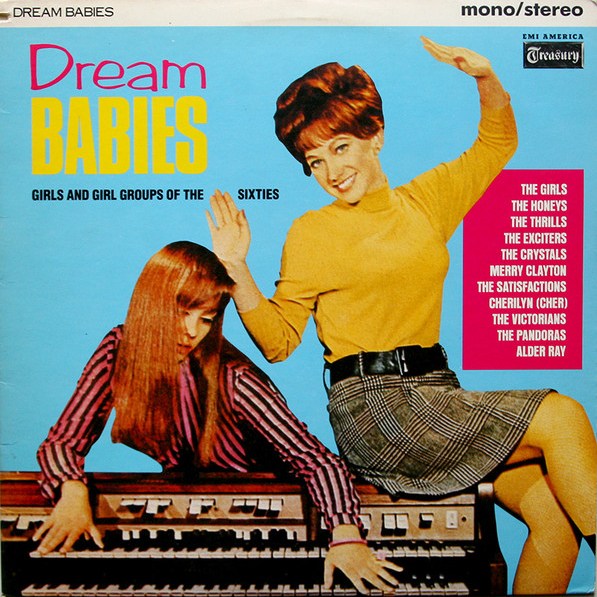
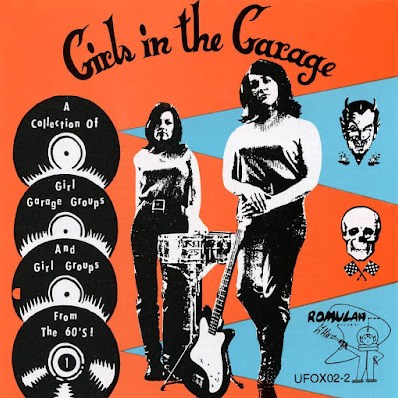
7/21/2024 – A tribute to Mary Weiss of The Shangri-Las, songs from film & television, Young Rascals covers, spotlight on Chess Records & selections from The Girls Scene CD Compilation. 7/28/2024 – From 2/2013, show #54: Sisters In The City (mostly NY), and songs recorded live on The Ed Sullivan Show. 8/4/2024 – Spotlight on Red Bird records, Mama Cass Elliot, Beatles covers, Ronnie Spector, Brit girls and soul sisters. 8/18/2024 – Selections from the Kiss N’ Tell CD Compilation, girl groups in the bubble gum zone, a folky 15 minutes and Stax soul sisters. 8/25/2024 – From 9/2008, show #13: Summer / surf songs, party drama, Beatles covers, and Motown rarities. 9/1/2024 – From 4/2011, show #40: Where The Girls Are LP compilation, Marvelettes tribute, and C’est Chic! French girls compilation. 9/8/2024 – From 9/2008, show #14: An assortment of The Cookies, soul sisters, Beatles covers, and songs about shoes. 9/15/2024 –Spotlight on Sue records, the British Bird Invasion, a folky 15 minutes, Beatles covers, and Motown. 9/22/2024 – From 11/2008, show #16: Wedding drama, Beatles covers, a folky 15 minutes, Girls In The Garage. 9/29/2024 –Dream Babies LP compilation, spotlight on Cameo/Parkway records, Brit girls, 50’s chicks in the 60’s, and Girls in the Garage. 10/6/2024 –Songs from John Waters’ Hairspray, peripheral Motown songs, Spector soundalikes, Beatles covers, Brit girls and Girls In The Garage. 10/13/2024 – A rebroadcast from 3/26/12: The Houston/Warwick Clan, Girls With Guitars, International Gals, Monkees Covers & Motown. 10/20/2024 – A rebroadcast from 4/21/08 featuring car songs, Dusty Springfield covers, NYC: A Mini-Musical, soul, Motown and more! 10/27/2024 – The 60 Degrees Halloween Show
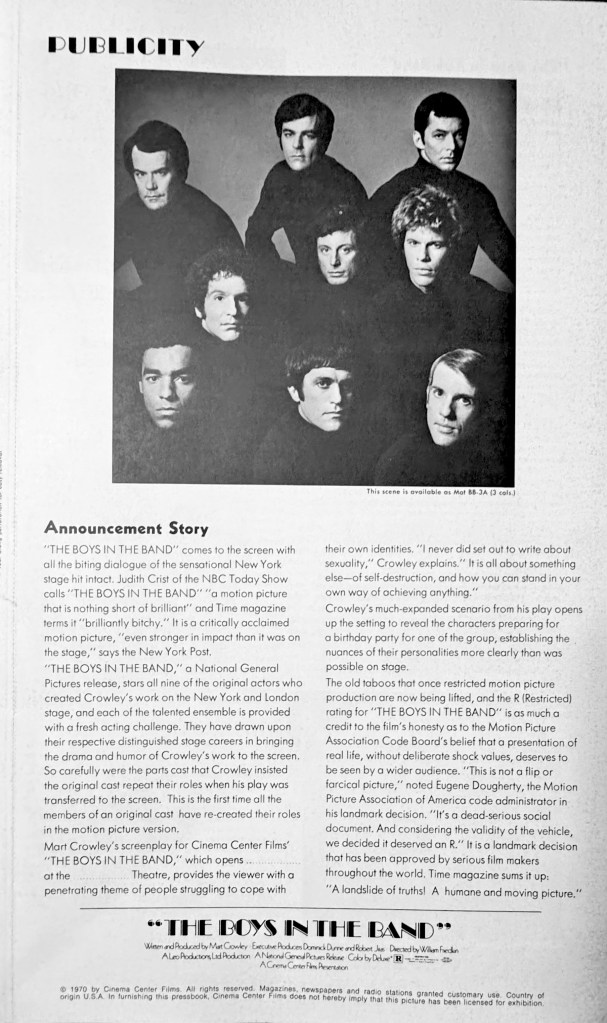
Whenever I see posts on social media that mention the 1970 film The Boys In The Band, there are always strongly opposing viewpoints. Whether you love or hate the film, everyone can agree that it is a cultural touchstone. Like the Stonewall uprising itself, The Boys In The Band serves as a landmark, with every other gay-themed film described as either preceding or following it.
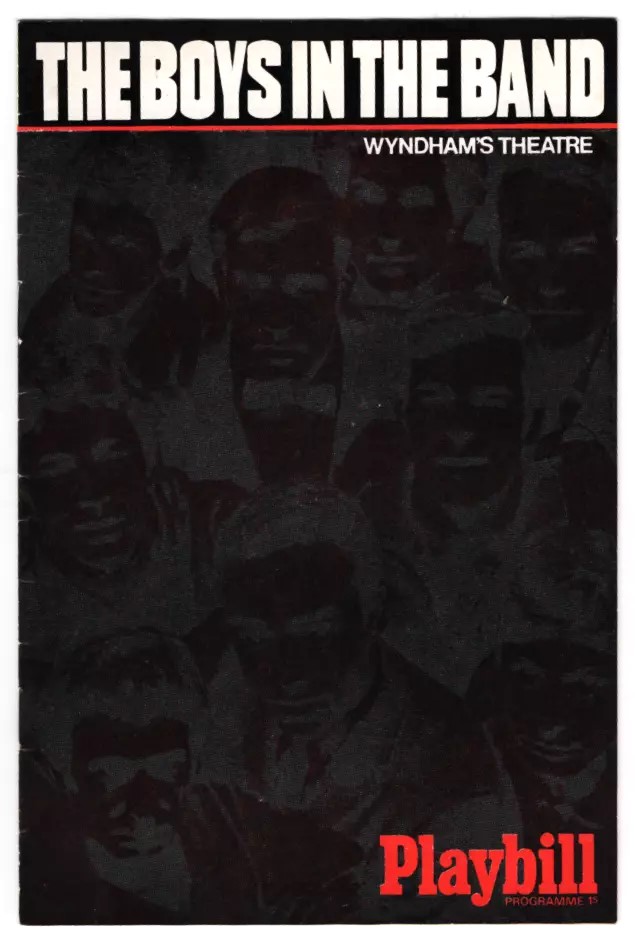
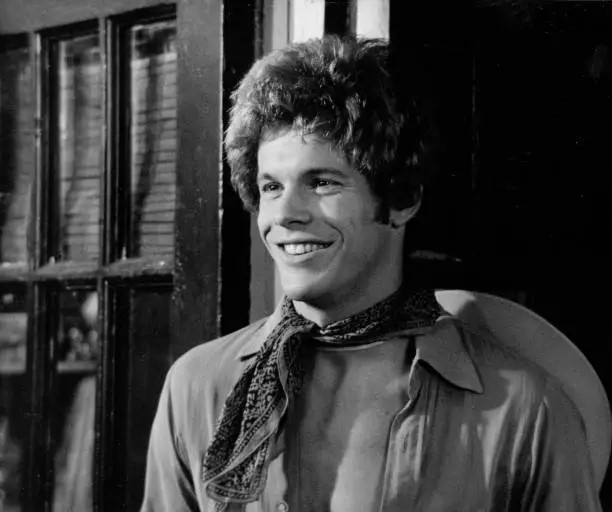
I recently acquired the original press book for the film, which you can see below. Also included is the Playbill from the original West End production with the same cast as well as some revealing photos of “Cowboy” Robert La Tourneaux. During the New York run of the play, he was photographed in and out of clothes by Jack Mitchell for After Dark magazine. Years later, La Tourneaux would appear in photo layouts for Mandate, Honcho, and Zeus, which were the names of gay publications and not a queer law firm.
The Boys In The Band poster (l-r) Leonard Frey, Robert La Tourneaux (Photo by LMPC via Getty Images)
Ladies and Gentleman, it is time once again to revisit that late great dynamic lady of song, Madame Spivy LeVoe (1906-1971), also known simply as Spivy. A lesbian entertainer, nightclub owner and character actress, Spivy has been described as “The Female Noel Coward” – to which I add “…. if he had been born in Brooklyn as Bertha Levine.”
“Why Don’t You?” is the fifth side profiled here from her 1939 album Seven Gay Sophisticated Songs. Spivy is credited with composing the music, with lyrics by Everett Marcy, who also penned “I Brought Culture to Buffalo In The 90’s”.
Marcy had a few Broadway writing credits including New Faces of 1936. It was Marcy who wrote the oft-repeated line introduced in the show by Imogene Coca: “I must get out of these wet clothes and into a dry martini.”
The song “Why Don’t You?” refers to Diana Vreeland’s column of the same name in Harper’s Bazaar magazine. It was full of random “imaginative” suggestions such as “Why don’t you wash your blond child’s hair in dead champagne, as they do in France?”
Some of the notables of the day that are referenced in the song:
Vera Zorina – a ballerina, actress, and the second wife of George Balanchine.
Cecil Beaton – photographer, diarist, painter, interior designer, and an Oscar-winning costume designer.
Elsa Maxwell – a gossip columnist, radio personality, and professional hostess renowned for her high society parties.
“The Zerbes and Bebees” refers to the original paparazzi photographer Jerome Zerbe (1904-88) and syndicated society columnist Lucius Beebe (1902-1966). The two were a couple through the 1930’s.
Peggy Hopkins Joyce – an actress and socialite, notorious for her flamboyant lifestyle with numerous affairs, engagements and six marriages.
Clifton Webb – a character actor best known for his thinly veiled “sissy” supporting roles.
Why Don’t You?
Today when all the headlines full of red lines and bread lines confuse you And the world seems bleak, don’t be blue. In Harper’s they have a column, very smart and very solemn that will amuse you. It asks you little questions to give you smart suggestions how you, too can reek with chic like the most ultra-clique, and they call it “Why Don’t You?” It asks you…
Why don’t you have your ermine muff wired for sound and use it weekends as a concertina? Why don’t you give a charity ball for the Princeton Club and raffle off Vera Zorina?
Why don’t you throw your mother an occasional bone? Why don’t you try sleeping alone? Why don’t you take the pretty blue check you won at bridge and kite it? Why don’t you dip your head in brandy and light it?
Why don’t you try wearing gold sandals backwards just for the sheer agony of it? Why don’t you send last year’s negligée to Cecil Beaton? He’d love it. So they want you to try decorating your flat with bundles of hay… Well they know what they can do with Harper’s, why don’t they?
Why don’t you try going to Elsa Maxwell’s parties as yourself for a change? Why don’t you try wearing a hat that won’t make your husband look strange? Why don’t you develop a bright smile by putting an electric bulb behind each tooth? Why don’t you give a testimonial dinner for Hitler in a telephone booth?
Why don’t you get out of town before you come down with a compound case of heebie jeebies? Why don’t you listen to the birds and bees instead of the Zerbes and Bebees? So they want you to roll up your rugs and cover your floors with broccoli on the first warm day. Well they know what they can do with Vogue too…. Why don’t they?
Why don’t you have a stag line composed of the ex-husbands of Peggy Hopkins Joyce? Why don’t you cross breed carrier pigeons with parrots so they can deliver messages by voice? Why don’t you try throwing Clifton Webb over your left shoulder and making a wish? Why don’t you fill your guest’s finger bowls with invisible tropical fish?
Why don’t you try opening your eyes in the middle of a kiss? Why don’t you cancel your subscriptions to magazines like this? Why don’t you tear everything off your hat and stamp on it? Why don’t you take out a homestead in Montana and go “camp” on it?
So they want you to promise to slap your own face two hundred times a day? Well tell them you’ll have none of it. Tell them you’re through with their “Things To Do” and they can all take their Harper’s and… love it.




























































 “Let’s Turkey Trot” was
























 Brian Ferrari's Blog