Zombie Divas

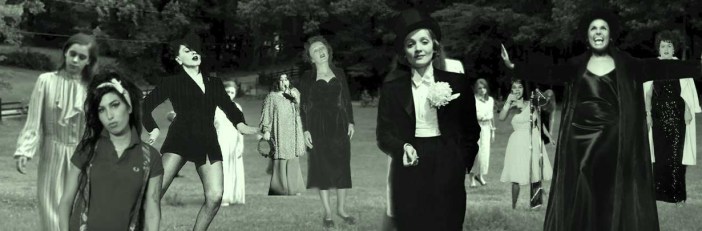
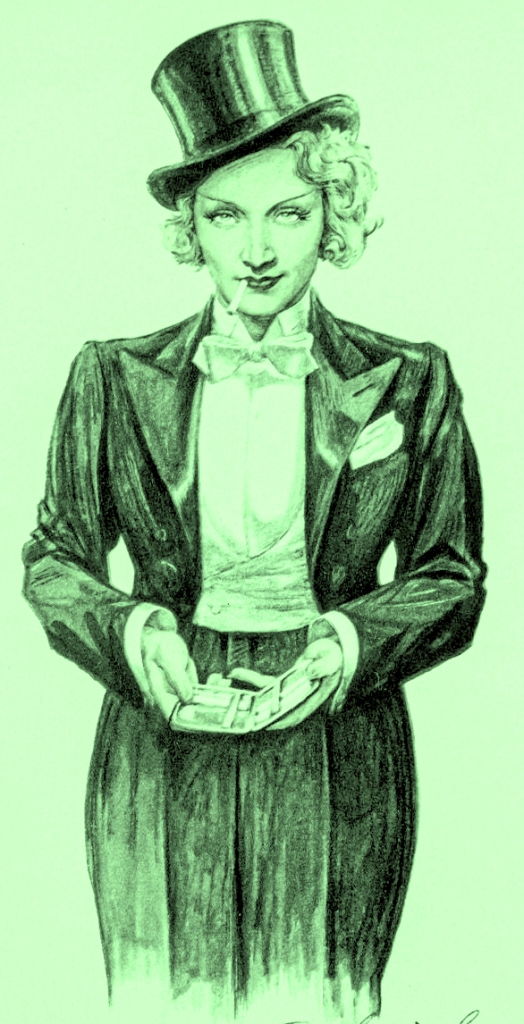
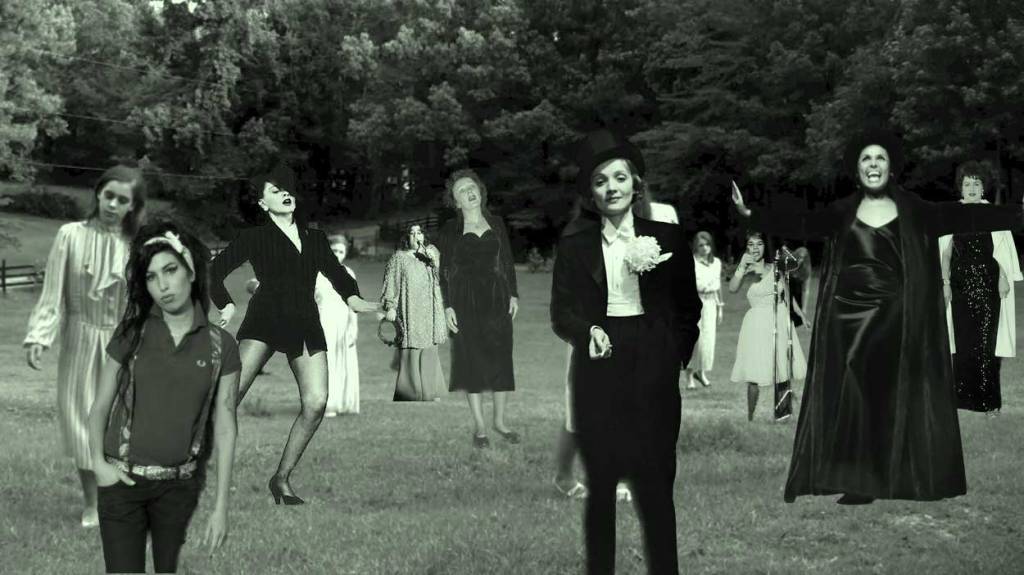
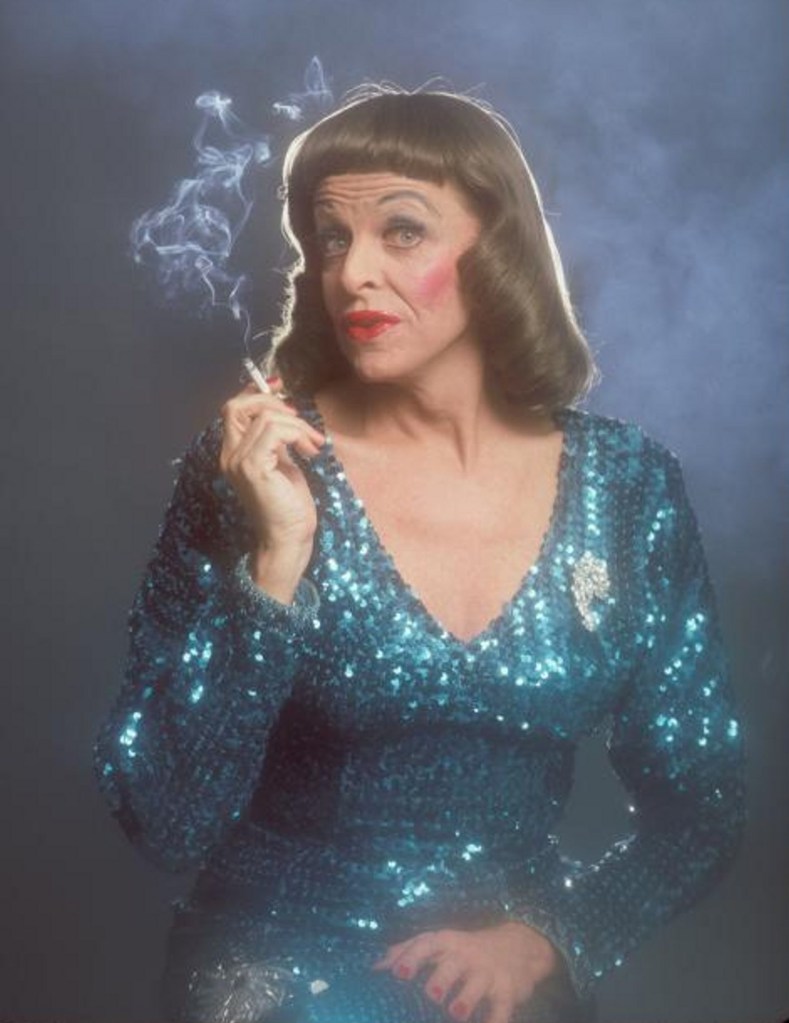
Marlene Dietrich is slumped in a wing back chair chain smoking in the corner of our living room. She is clad in her trademark top hat and tuxedo, although the ensemble is far from crisp and clean. I am on the leather settee across the room, drinking my second cup of coffee while reading the Sunday New York Times. I embraced technology and began to read the newspaper on my iPad last year, but recently I had to switch back to the hard copy. Marlene is strangely drawn to the light of the iPad. As soon as I open it, she starts hovering around, trying to paw at it. She got her hands on it once when my partner Tim carelessly left it open on the credenza. This resulted in considerable damage, which of course I had to pay for. Now I keep it locked in my briefcase and only use it for work purposes.

Sometimes Tim and I talk to Marlene, but she rarely responds. When she does, it is with incoherent mumbles shrouded in a thick German accent. Most of the time she just sits there, staring off into space with a look that might be described as profound sorrow or excruciating boredom. It’s open to interpretation. What is certain is that she is constantly smoking cigarettes. She smokes like a … well, like a fiend. There’s no other way to put it.

The constant smoke is pretty offensive, even if it does simulate that hazy effect in which she was photographed for her films. When Tim and I realized that the acrid smoke was masking a more ghastly smell of decay, we stopped complaining about it. Tim always liked to burn incense and scented candles anyway; now he has gone full-throttle with air fresheners, perfume oils and room deodorizers. There is an apothecary on Lafayette Street that sells $150 cheesecloth bags of a special potpourri blend created specifically to eradicate the stench of the divas. Tim visits there pretty much every week, although I can’t help but think that Emiliano, the part-time model behind the register might also have something to do with the frequency as well.

I tried to explain to Tim that we can’t afford this extravagance – the nightly news suggests that a simple $1.49 box of baking soda would do the trick. But as with all matters financial, he doesn’t like to talk about it. He seems to think that as long as our credit cards are not declined, then we have the money to pay for anything.

I go to the kitchen to refill my coffee cup. Tim is standing at the stove, scrambling eggs. His shoulders are tensed halfway to his ears, his mouth a taught crimson bowtie as he shuffles the eggs around the pan, shaking his head slightly.

“She drank the rest of the gin.” he says curtly.

“How do you know it was her?” I ask. I turn to the sink and begin to nonchalantly rinse out the crystal goblet which I had used for the previous evening’s nightcap.

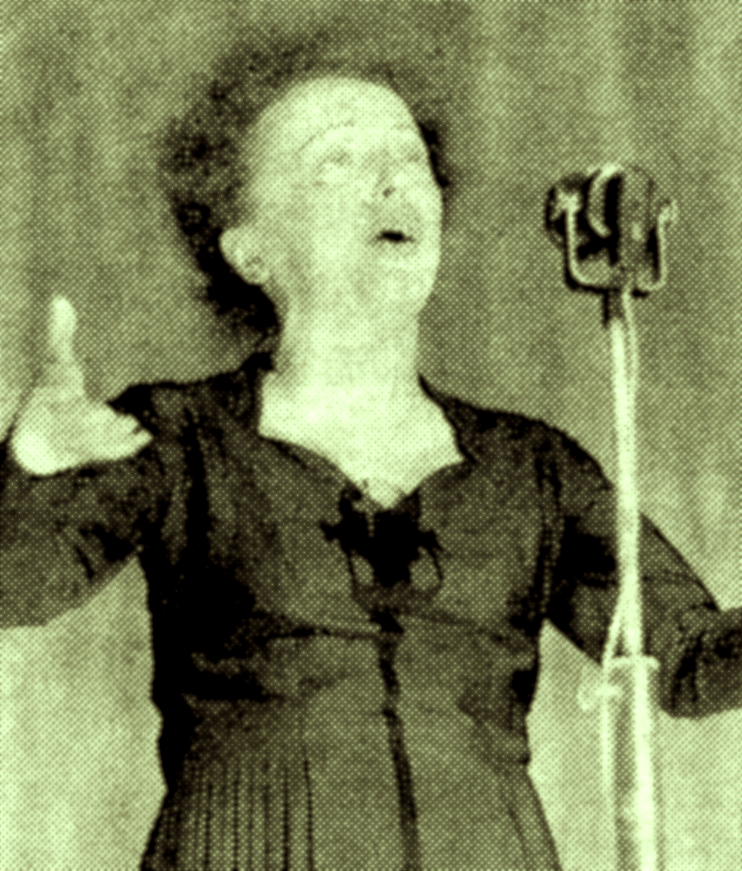
“Just look at her.” He nods towards the corner by the garbage can, where Edith Piaf is rocking back and forth on her feet, twisting a tortured handkerchief in her fists. The empty bottle of gin is lying in the recycle bin next to her, right where I left it the night before. She will burst into song shortly, most likely “Non, Je Ne Regrette Rein.” It was quite jarring at first, but now we see the signs: first the rocking starts, followed by the handkerchief twisting, then the low, guttural moans begin and eventually form the familiar tune that used to flood through our home on many a Sunday afternoon. I have grown accustomed to it. Tim, however, has not. “Fucking lush,” he mutters.

From the living room, I can hear the sounds of Marlene on the move: Every day, like clockwork, she heads out on a quest for cigarettes – dragging her filthy shoes across the antique Persian rug. Tim and I used to be fanatic about trying to maintain all of the fine furnishings we had purchased when we moved into this apartment together. Here, we had created our dream dwelling: a chic little paradise with an art deco design scheme. We were setting the stage for an endless series of sophisticated cocktail and dinner parties that never materialized: these are different times. Besides, we were working too hard to even think about entertaining. And then the divas showed up. Now there are stains and cigarette burns and everything is hopelessly caked with mud and ashes and god knows what else. Our broken Dyson vacuum lies in a heap underneath the baby grand piano.

“Why doesn’t THAT reanimate?” Tim cracked. I thought it was funny but I didn’t laugh. I wasn’t in the mood.

I return to my newspaper with a fresh cup of coffee. “See you later Marlene,” I say with faux exuberance. She flicks her hand over her shoulder as a sign of vague acknowledgement. At the front door, she softly begins warbling “Fawwing in wuv again… nevuh wanted tooooo….”

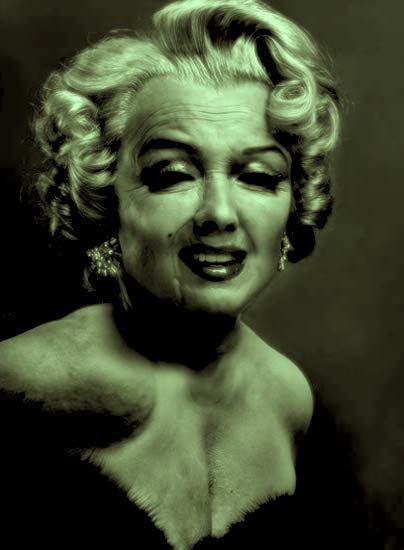
Theories abound as to the cause of this phenomena – 24 hour news channels devote considerable programming to speculative hypothesis involving a century of electronic sound, radio, and television waves intersecting with static electricity and wifi hot spots or possibly some other random factors that resulted in these reanimated corpses taking on the forms of our dear departed divas.

The idea that the subject has to be deceased is cause for even more speculation. There are no reports of Madonna, Britney or Cher zombies. It’s those that have been mourned and continue to be revered. Conspiracy theorists are having a field day.

I should also explain that these are not your garden variety “shoot ‘em in the head to kill ‘em” movie type of zombies. Go ahead and destroy your Lena Horne – by dawn the next day, another one will be back in a glittering pantsuit, angrily shout-singing “Stormy Weather” around the apartment.

There’s no point in maiming them, either – our friends Thomas and Ed had a Dusty Springfield that kept gesticulating wildly, smashing knickknacks and bric-a-brac with every dramatic swoop. They accidentally tore off her arms while trying to restrain her before she destroyed every last piece of their precious mercury glass collection. The next morning they awoke to a ghostly rendition of “You Don’t Have To Say You Love Me” as a fully intact Dusty zombie hurled, one by one, the remaining contents of their china cabinet down the hall towards their bedroom.

Our Judy is perched on top of the dresser in the corner of the master bedroom – she wears a fedora, black tights and a dress jacket…. eternally snapping her fingers to the intro of “Come On Get Happy.” She rarely ever sings, but ya gotta give credit to that corpse: she’s got rhythm. Even as the flesh wears away on her fingers and falls onto the floor, she keeps steady time.

It’s not really them – we have to remind ourselves that. And some of these zombies are cast wildly against type for the roles they are now inhabiting. I saw a TikTok of a little old Asian Mama Cass that really had the moves down. But it’s not the same.

Our divas disappeared – often prematurely, tragically, suddenly. What we were left to comfort ourselves with were their images, movies and recordings – these are the trappings that most likely brought them forth in their most stereotypical and obvious incarnations. Now that they have been among us, even in these imperfect decaying forms, we can’t go back to having them at arm’s length. Not anymore.

See Also:
The 60 Degrees Halloween Girl Group Show
Bindle #1: Summer 2023
Circle In Monkeyshines: Winter 2022
The Tin Man & The Lion: Unanswered Prayers
The Lion In The Emerald City: Promise Of A New Day
1991: Homo Alone
60’s Girl Group Survivors
Madame Spivy’s Alley Cat


Kenn Duncan After Dark


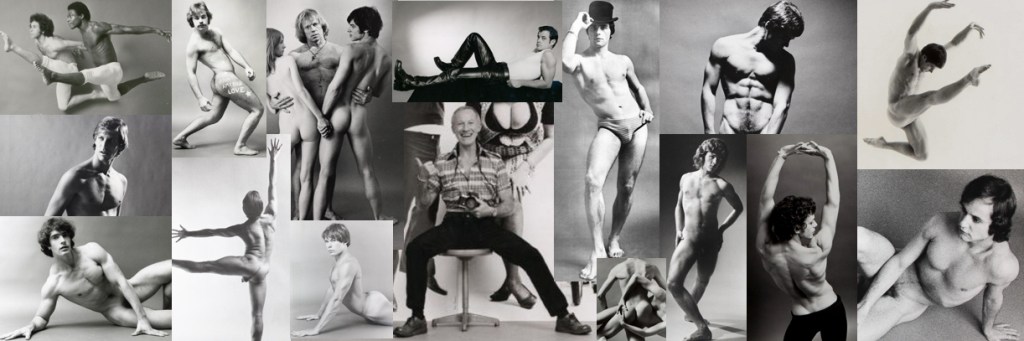
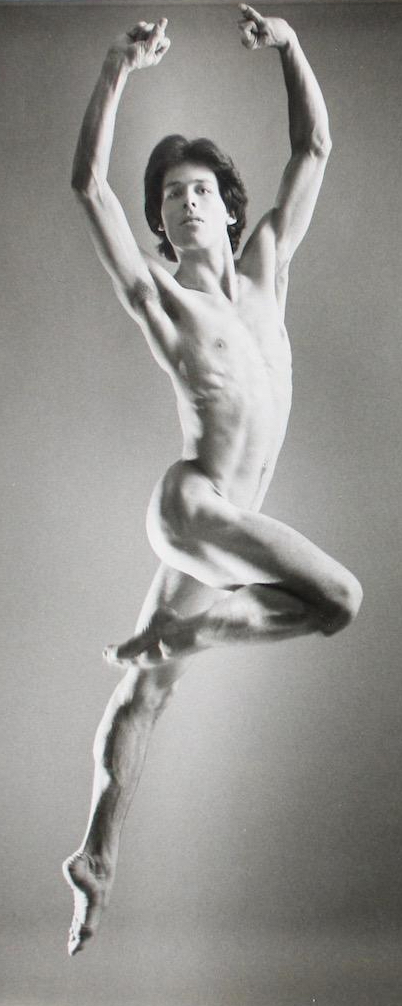
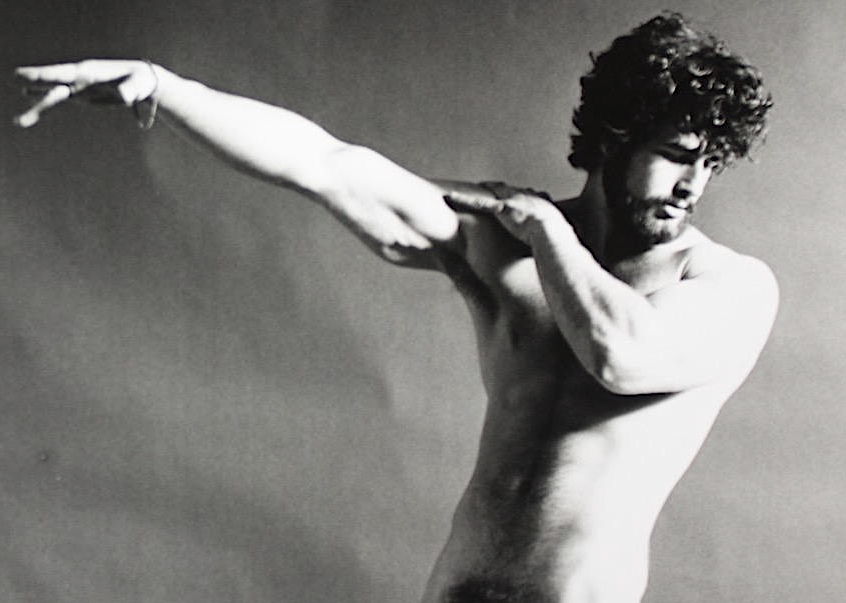
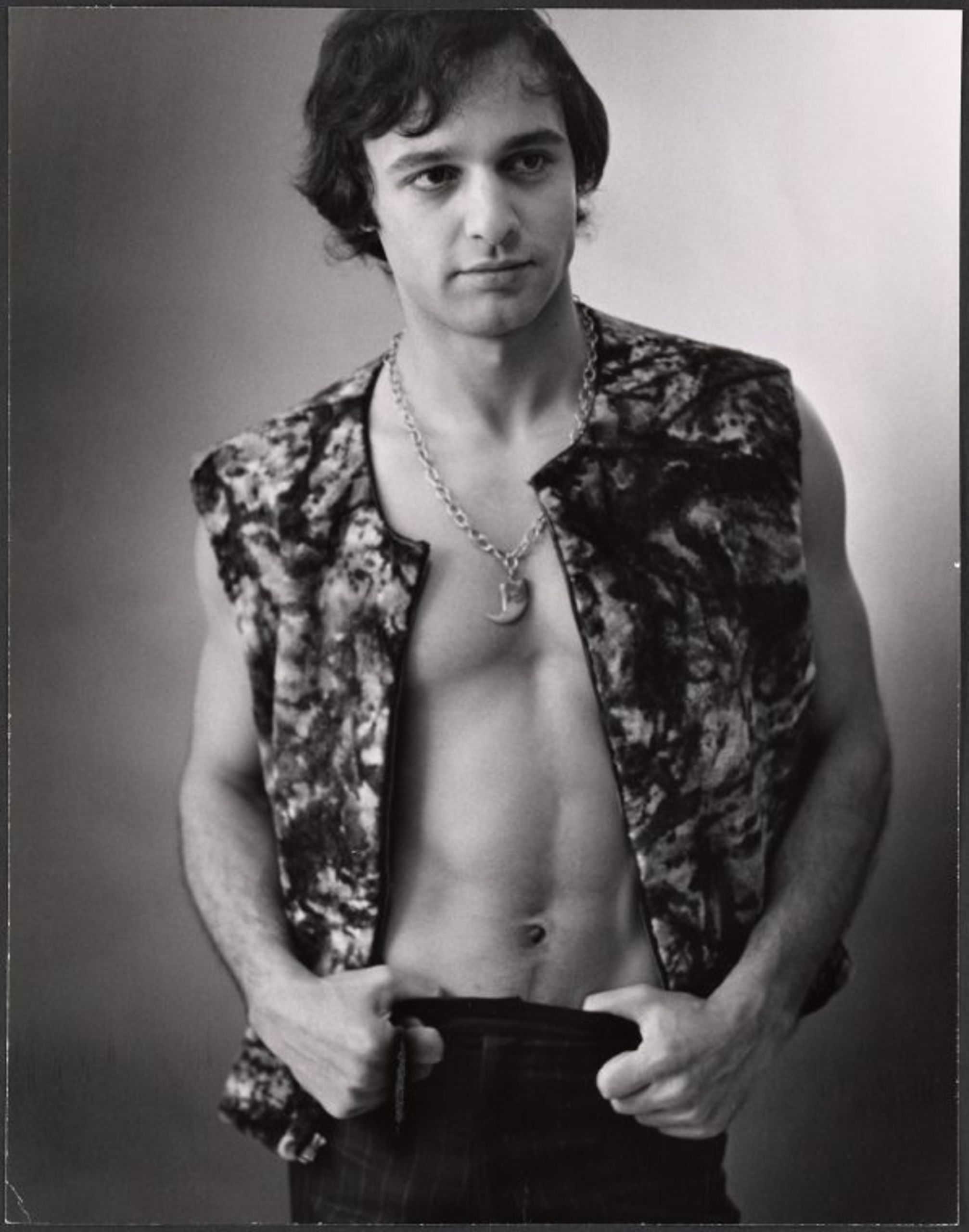
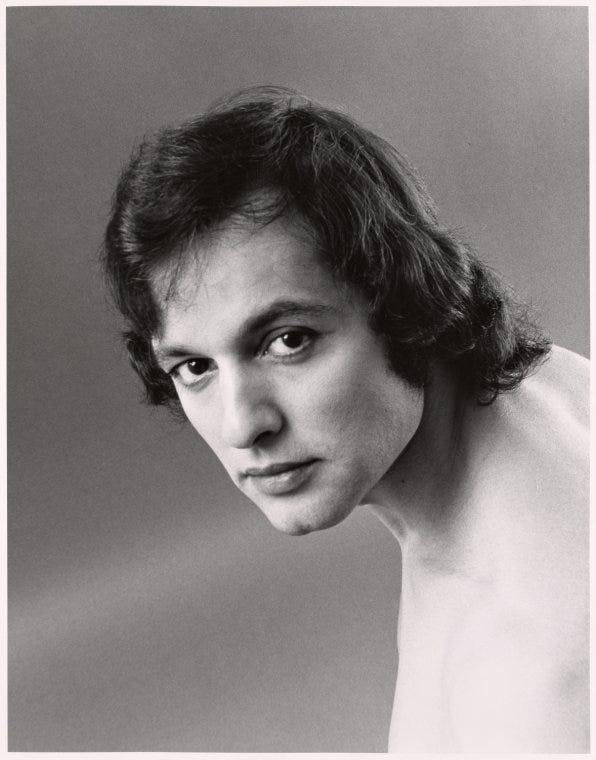
Kenn Duncan is widely considered to be one of the foremost dance photographers of the late 20th Century. In addition to his work as principal photographer for After Dark and Dance Magazine, his photos also appeared in Vogue, Time, Life, Newsweek and Harper’s Bazaar. From the mid-1960’s through the early 1980’s, he photographed nearly every major dance company in the world as well as many Broadway shows.

Born in New Jersey on September 22, 1928, Duncan began his career as a figure skater and then segued into dance. His career took another turn when he was sidelined with a broken foot and signed up for a six-week photography course at the local YMCA. Naturally he gravitated back to the dance world for photographic inspiration.

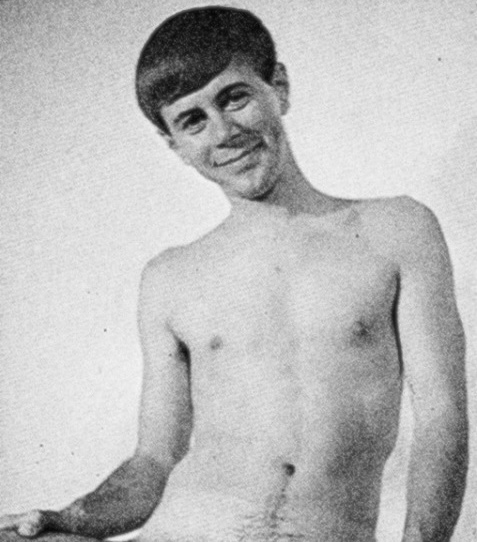
In addition to his dance photography, Duncan was well regarded for his nude photographs, with an emphasis on male subjects. His first two books, Nudes (1970) and More Nudes (1971) were favorably received for his “discreet and artistic arrangements of his subjects.”

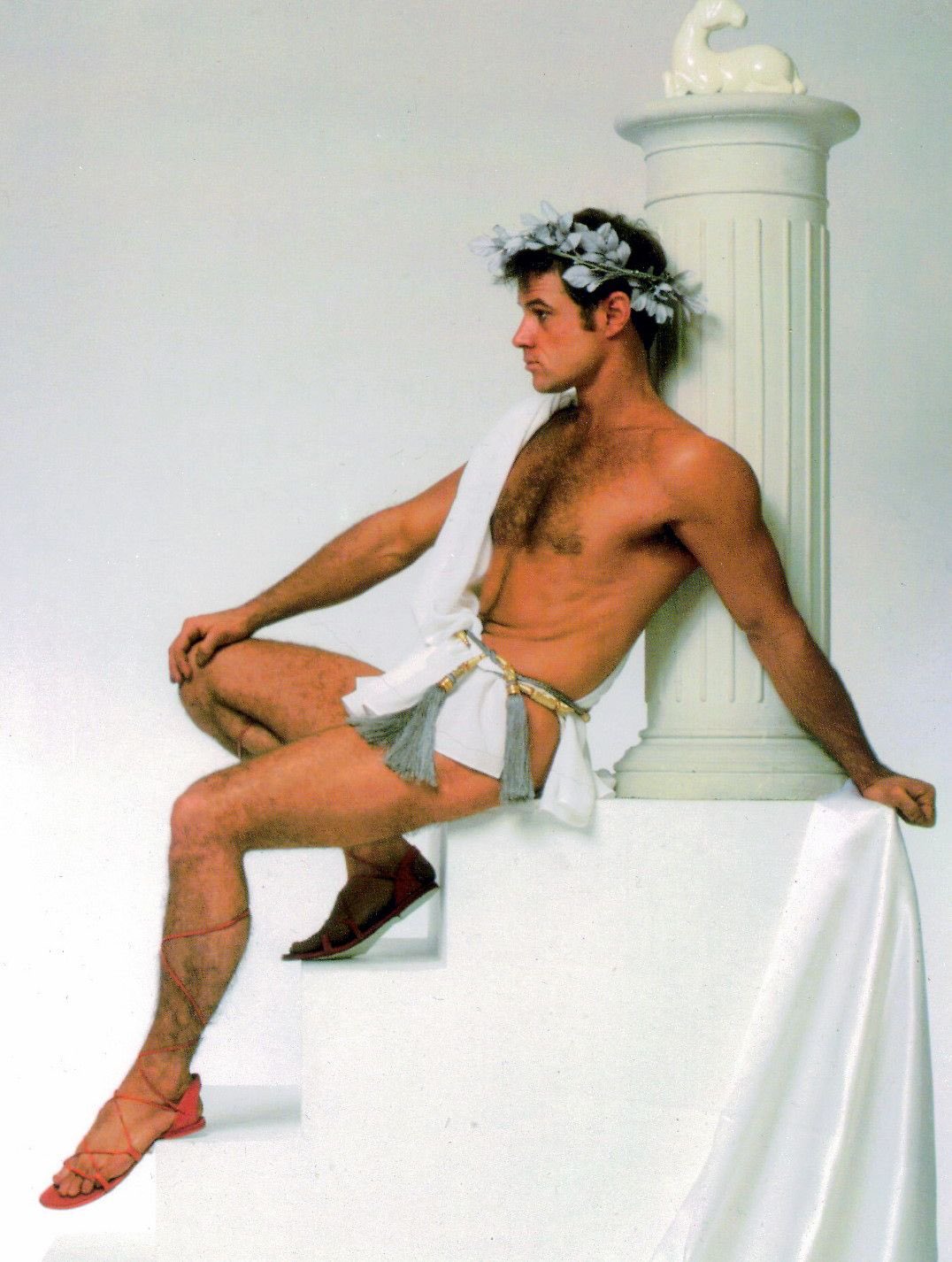
Christopher Walken (1968)

After Dark was an edgy entertainment and culture-based magazine that sprang from the waning Ballroom Dance Magazine in 1968. In The Rise And Fall Of Gay Culture, Daniel Harris writes; “One of the strangest reincarnations in journalistic history… it was out of the ashes of a periodical devoted to such topics as waltzes, rumbas, and turkey trots that After Dark, an audacious mass-market experiment in gay eroticism, arose like a phoenix in all of its subversive splendor.”

Although After Dark was not officially a gay magazine, the publishers were certainly willing to cater to that audience, pushing the envelope on male nudity to a degree that is still not seen in mainstream US publications 50 years later.

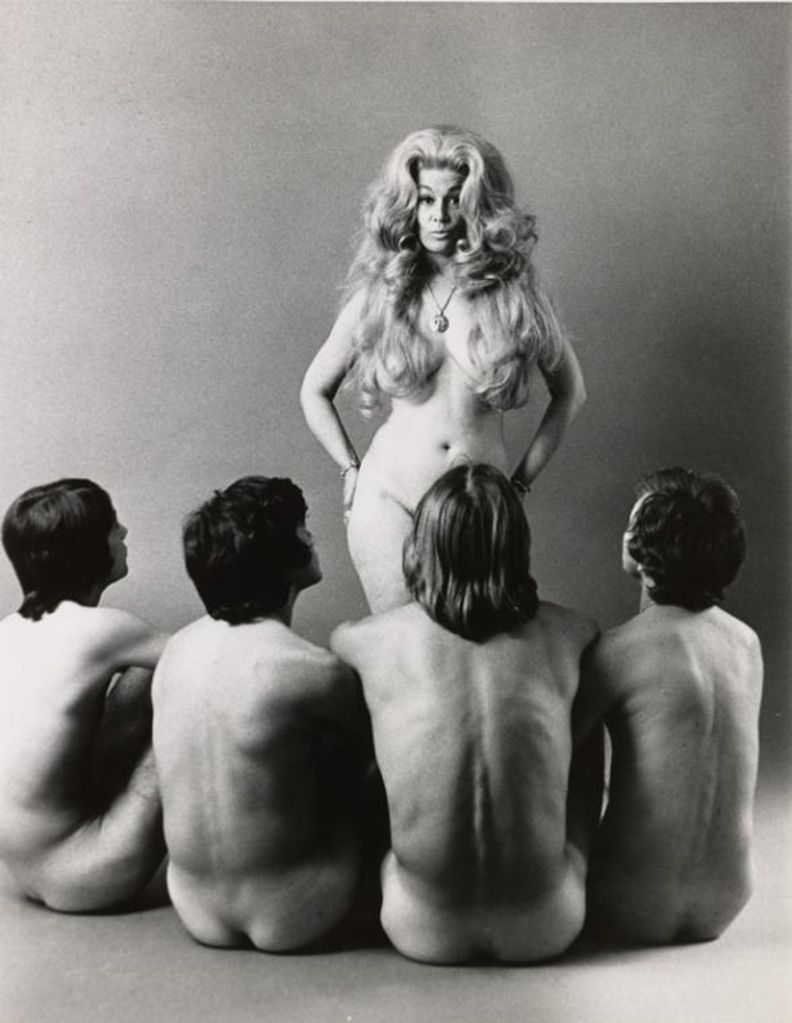
Sylvia Miles & Friends (1970)

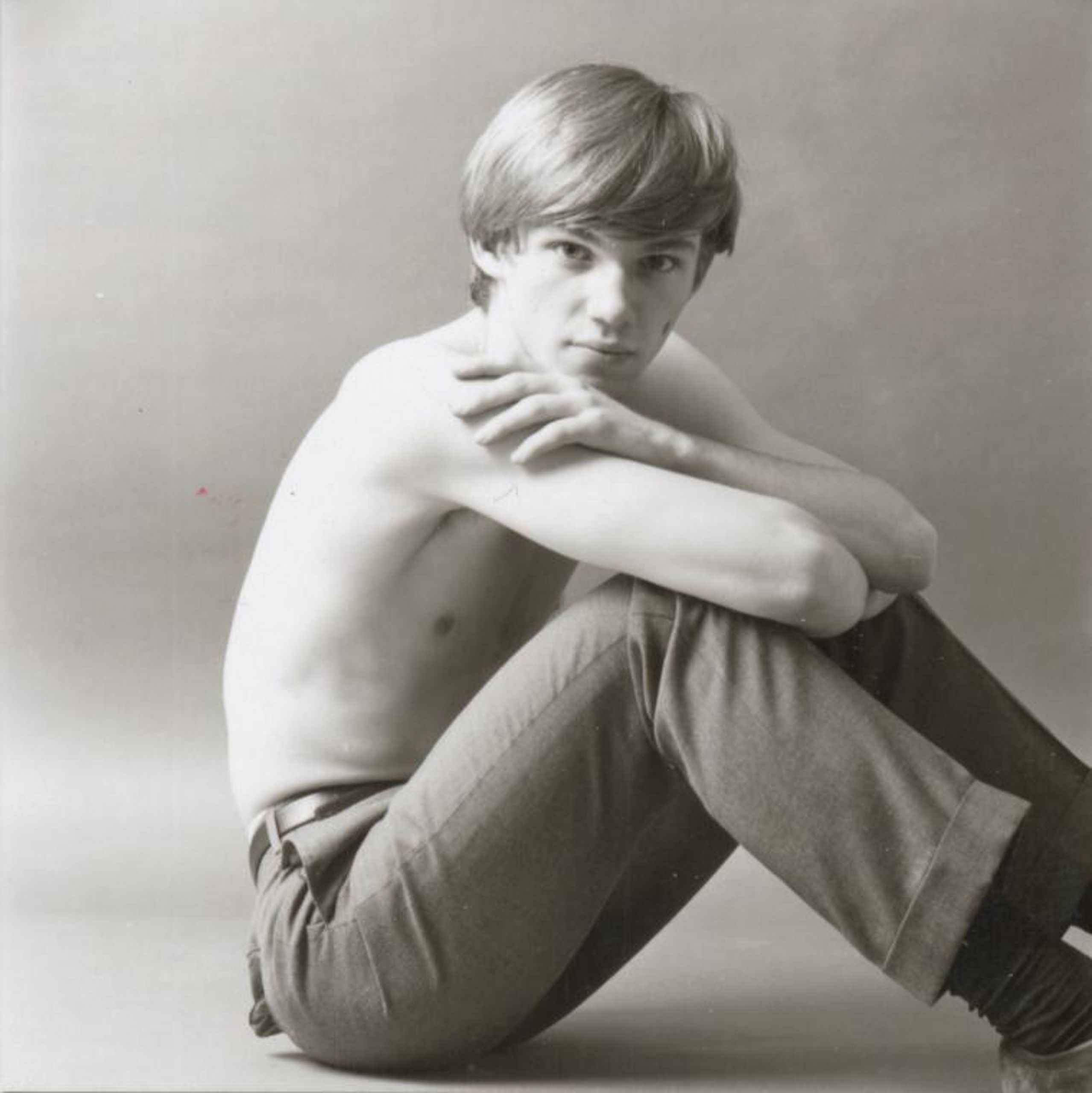
Richard Thomas (1969)

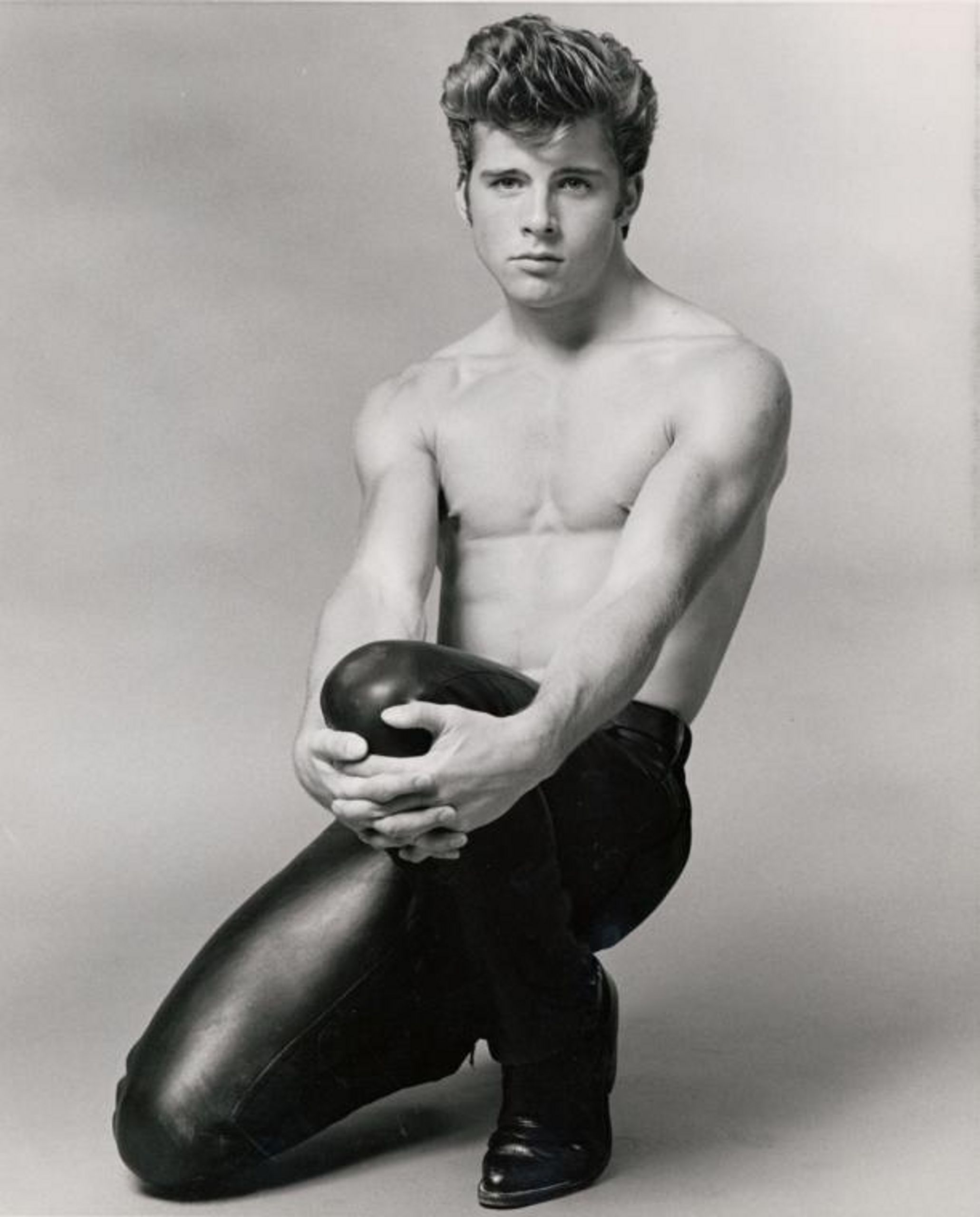
Sal Mineo (1971)

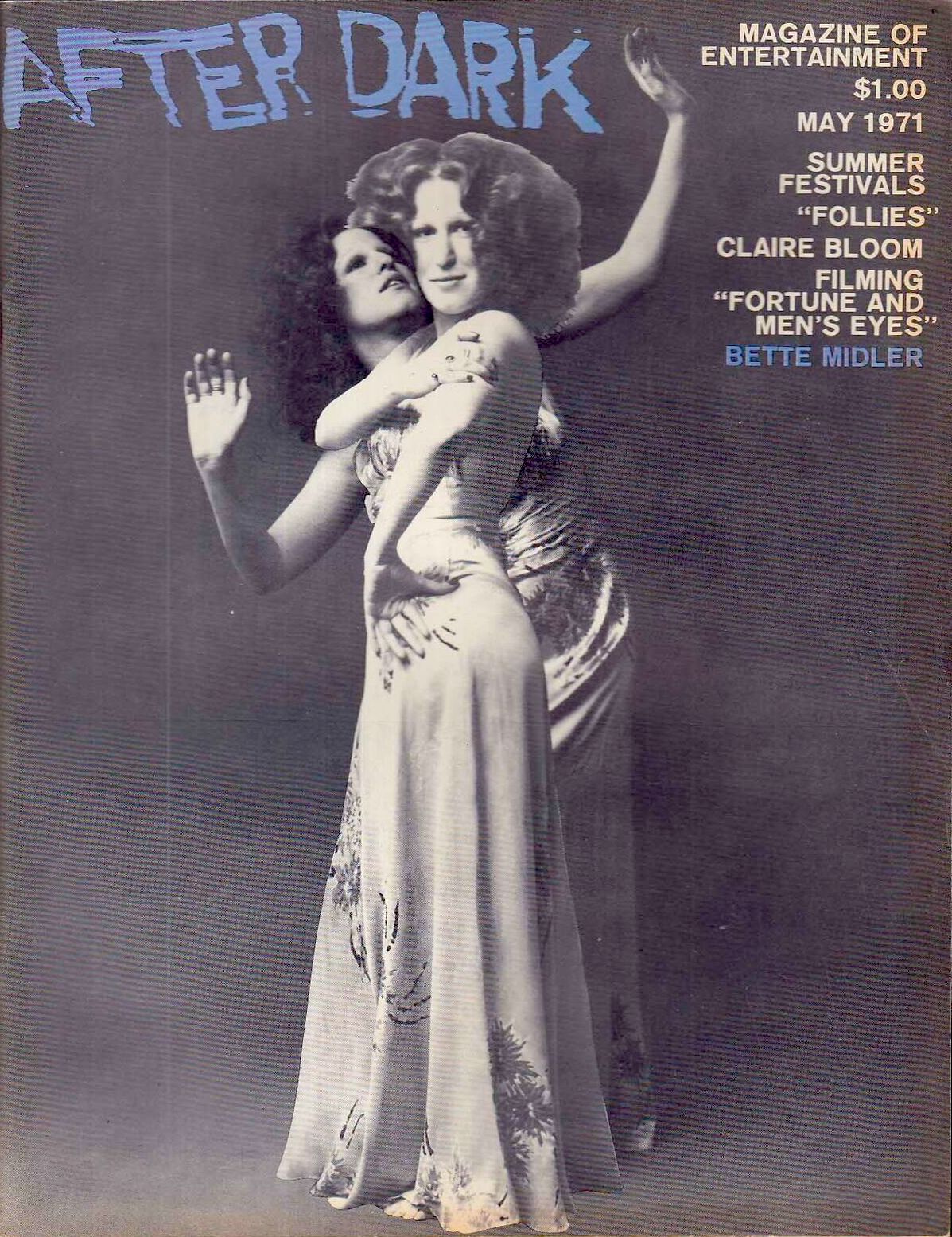
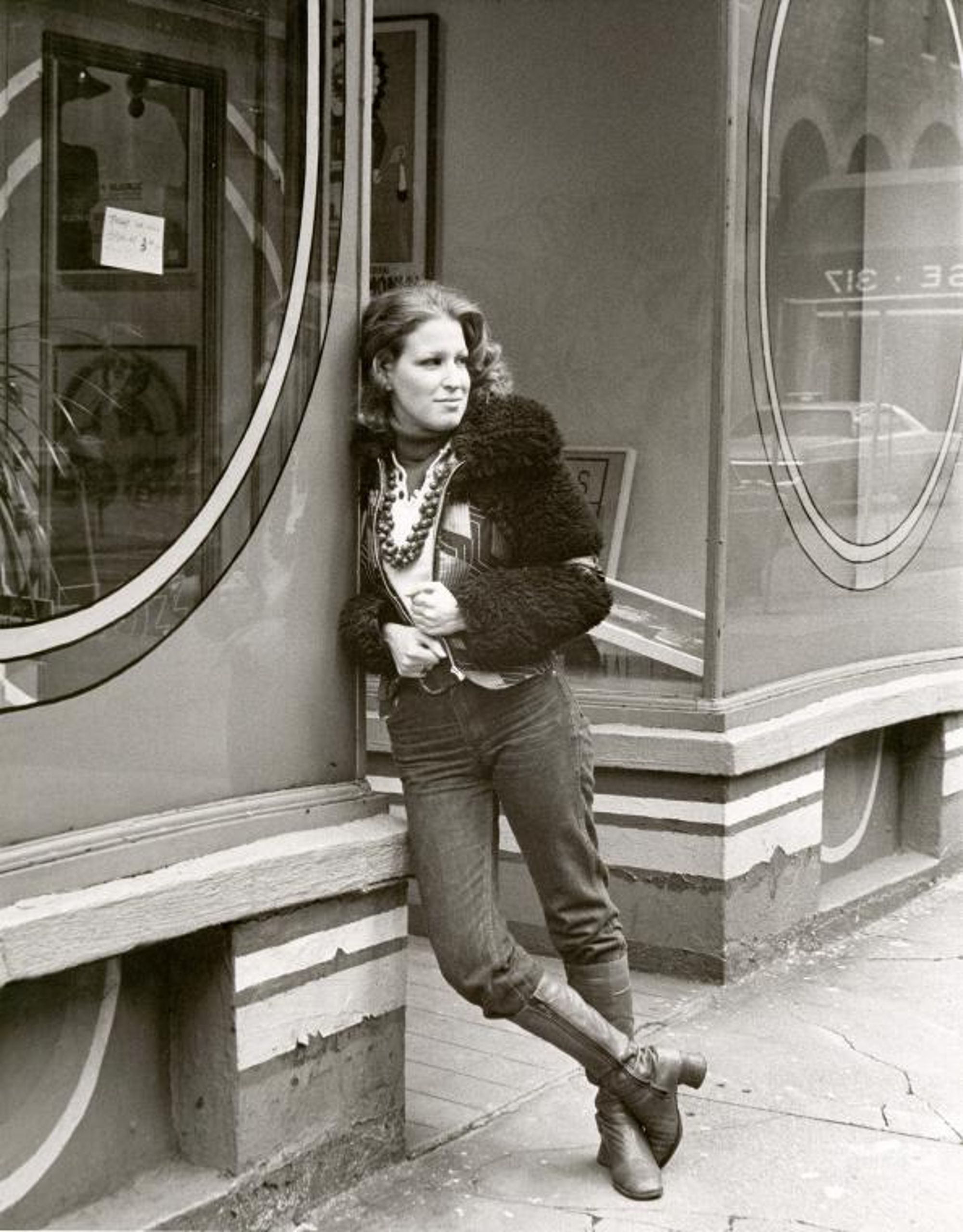
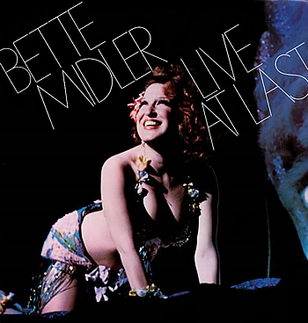
Duncan photographed Bette Midler numerous times through the years, including three After Dark cover photos and the cover shot for her 1976 Live At Last LP.

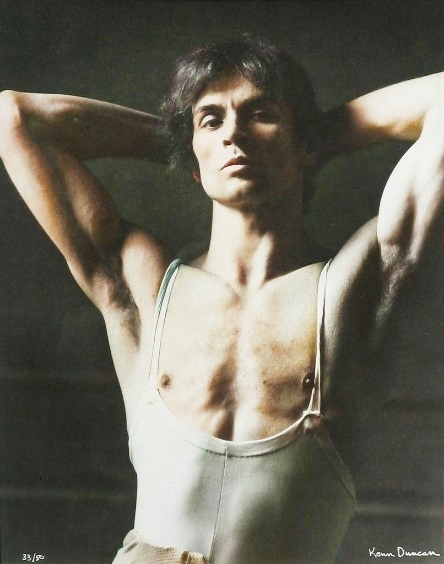
Rudolph Nureyev (1971)

Mikhail Baryshnikov

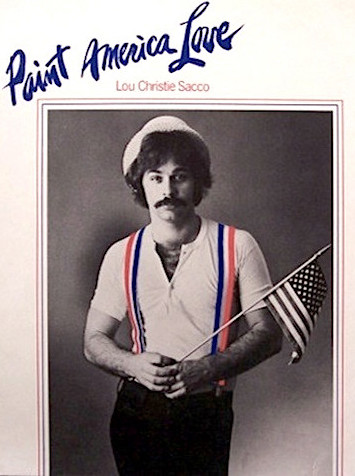
In 1971, Kenn Duncan photographed singer Lou Christie for his Paint America Love LP.

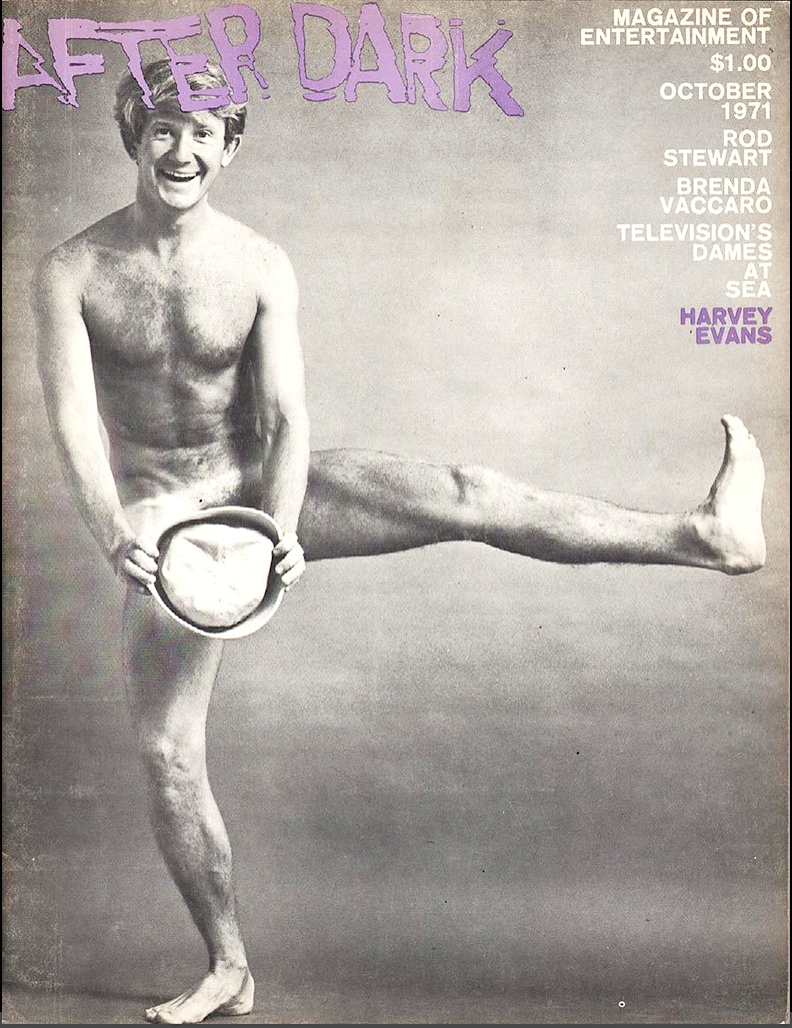
Harvey Evans was photographed in the buff for the October, 1971 cover of After Dark to promote the television adaption of the musical Dames At Sea.

LaBelle (l-r) Nona Hendryx, Sarah Dash, Patti LaBelle photographed in 1972 shortly before their intergalactic makeover.

Tony award-winning Welsh actor/director Roger Rees in several undated photos.

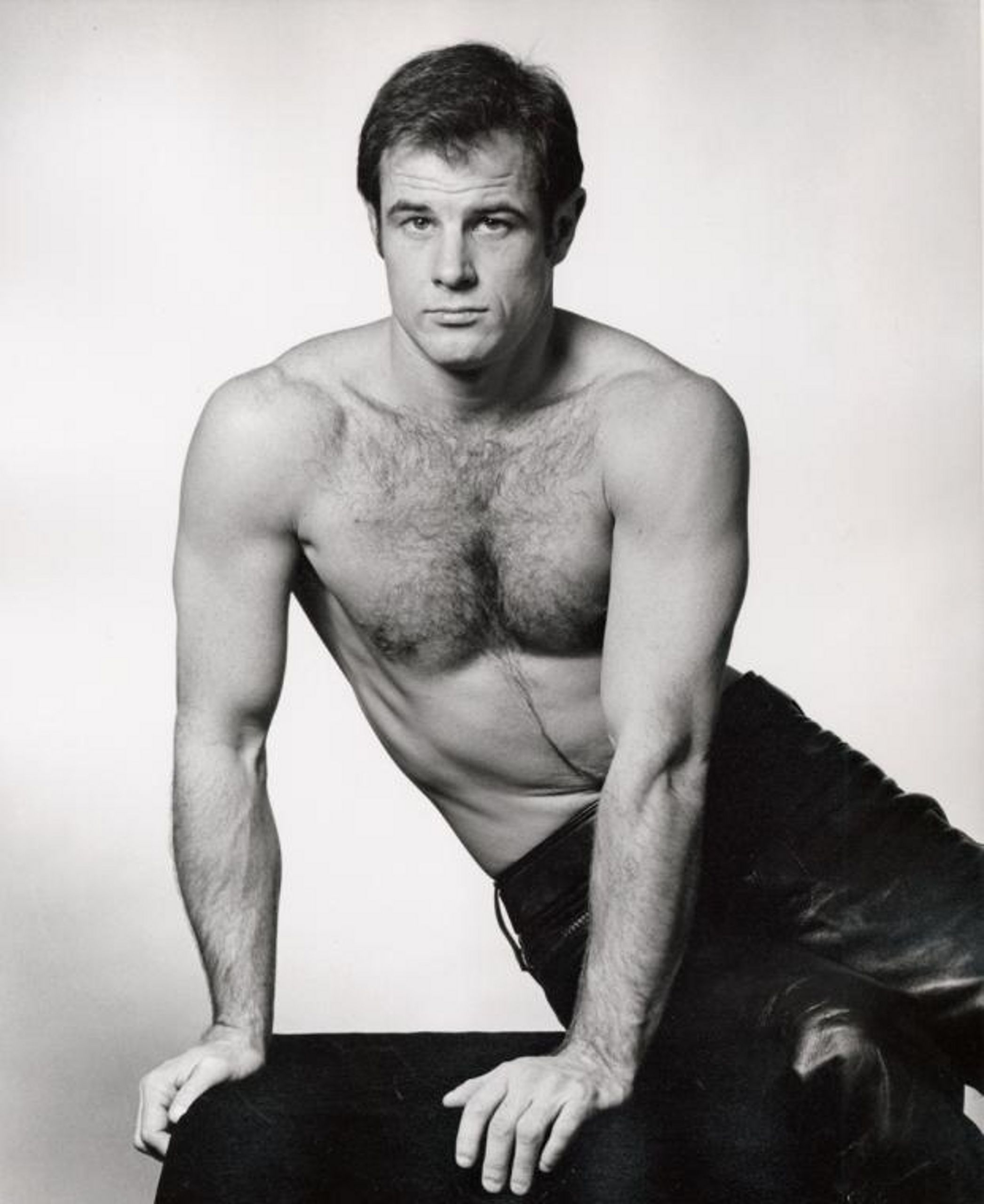
Brad Davis (1981)

Charles Pierce as Bette Davis (1981)

Maxwell Caulfield (1981)


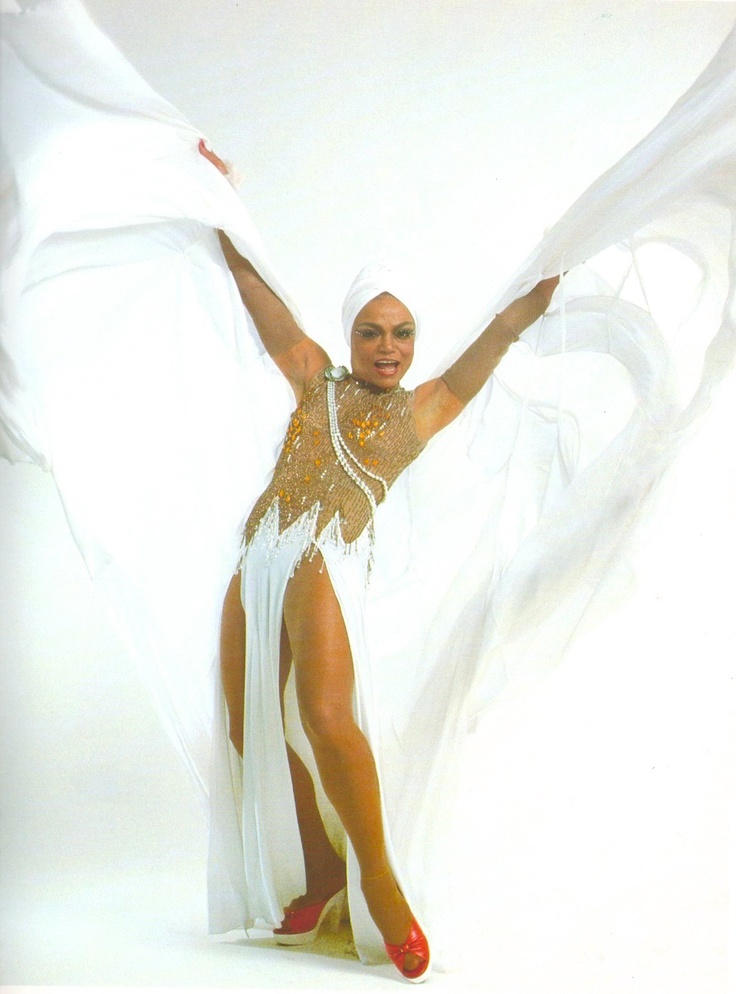
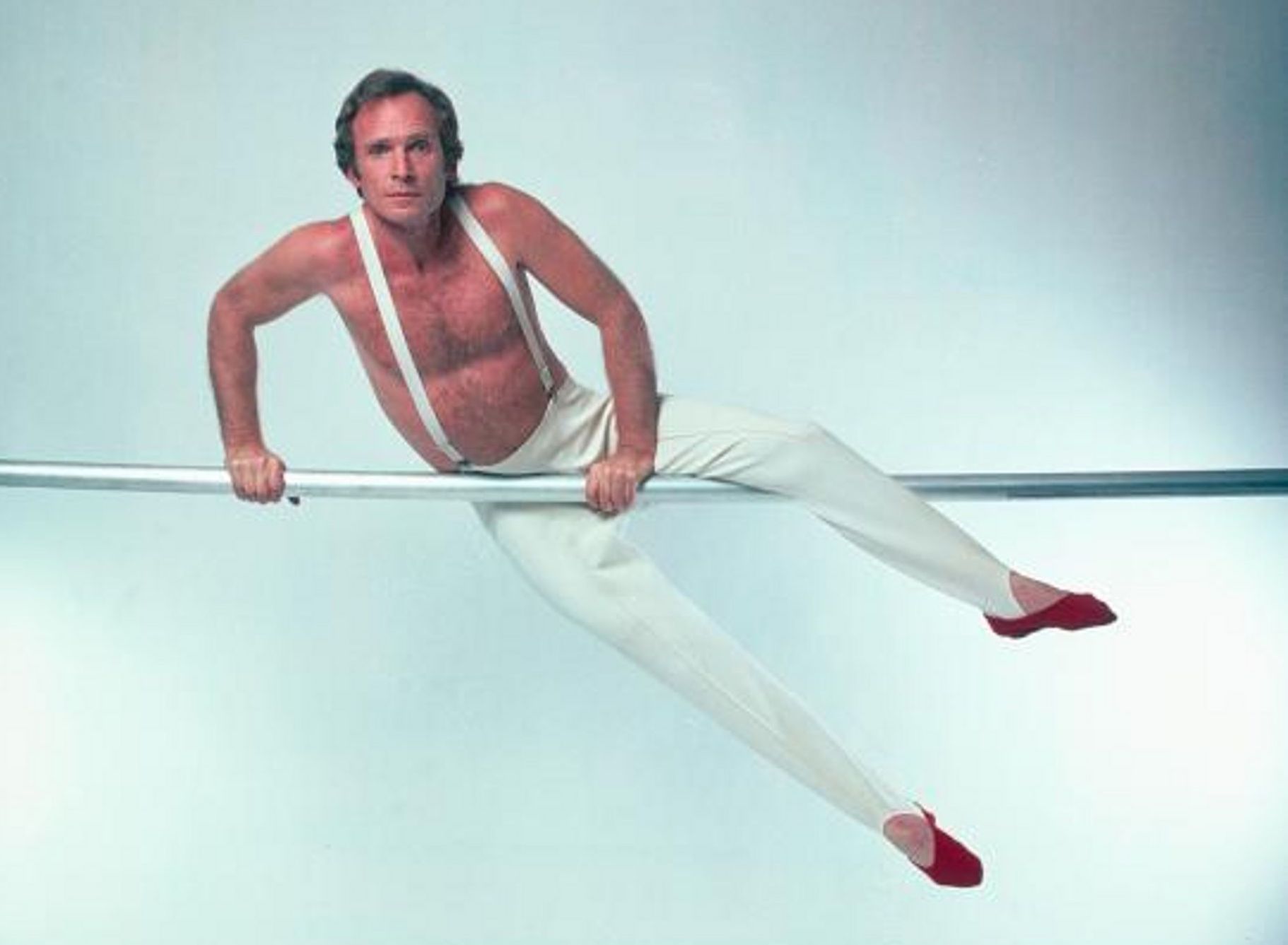
After Dark shuttered in early 1983. The following year, Duncan published The Red Shoes, a photo book featuring celebrities wearing red shoes in a nod to both the Hans Christian Anderson fairy tale as well as the ruby slippers of The Wizard of Oz. Among those featured were many familiar subjects of his earlier work, including (pictured below) Brad Davis, Bette Midler, Maxwell Caulfield, Eartha Kitt, Dick Cavett, Mikhail Baryshnikov, John Curry, Richard Thomas, Gregory Hines, and Treat Williams.

Duncan began work on a second Red Shoes book, but it remained unfinished, along with several other projects. He was just 57 years old when he died of AIDS complications at New York Hospital on July 27, 1986. In 2003, the New York Public Library for the Performing Arts acquired 600,000 photos from Kenn Duncan’s estate. Many of these photos have been digitized and are now available for viewing online for free.


See also:
Don Herron’s Tub Shots
The Yale Posture Photos: Bill Hinnant
The Yale Posture Photos: James Franciscus
Revisiting Bette Midler’s Thighs & Whispers (1979)
Gay Times #69 (1978)
John Waters in Blueboy Magazine (1977)
Fire Island PaJaMa Party
Artist’s Muse: José “Pete” Martinez
Artist’s Muse: The Mystery Model
Artist’s Muse: William Weslow
Revisiting George Platt Lynes’ Fire Island Muses
Keith Haring In Heat Magazine (1992)
George Platt Lynes: In Touch Magazine (1982)

Provincetown PaJaMa Party

PaJaMa, Nantucket, 1946

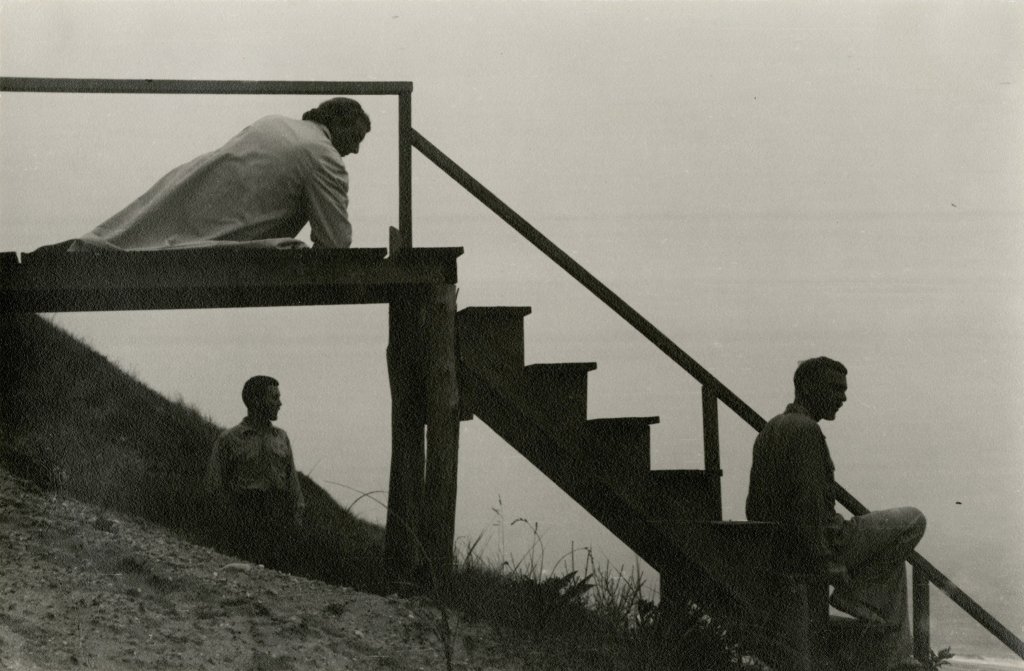
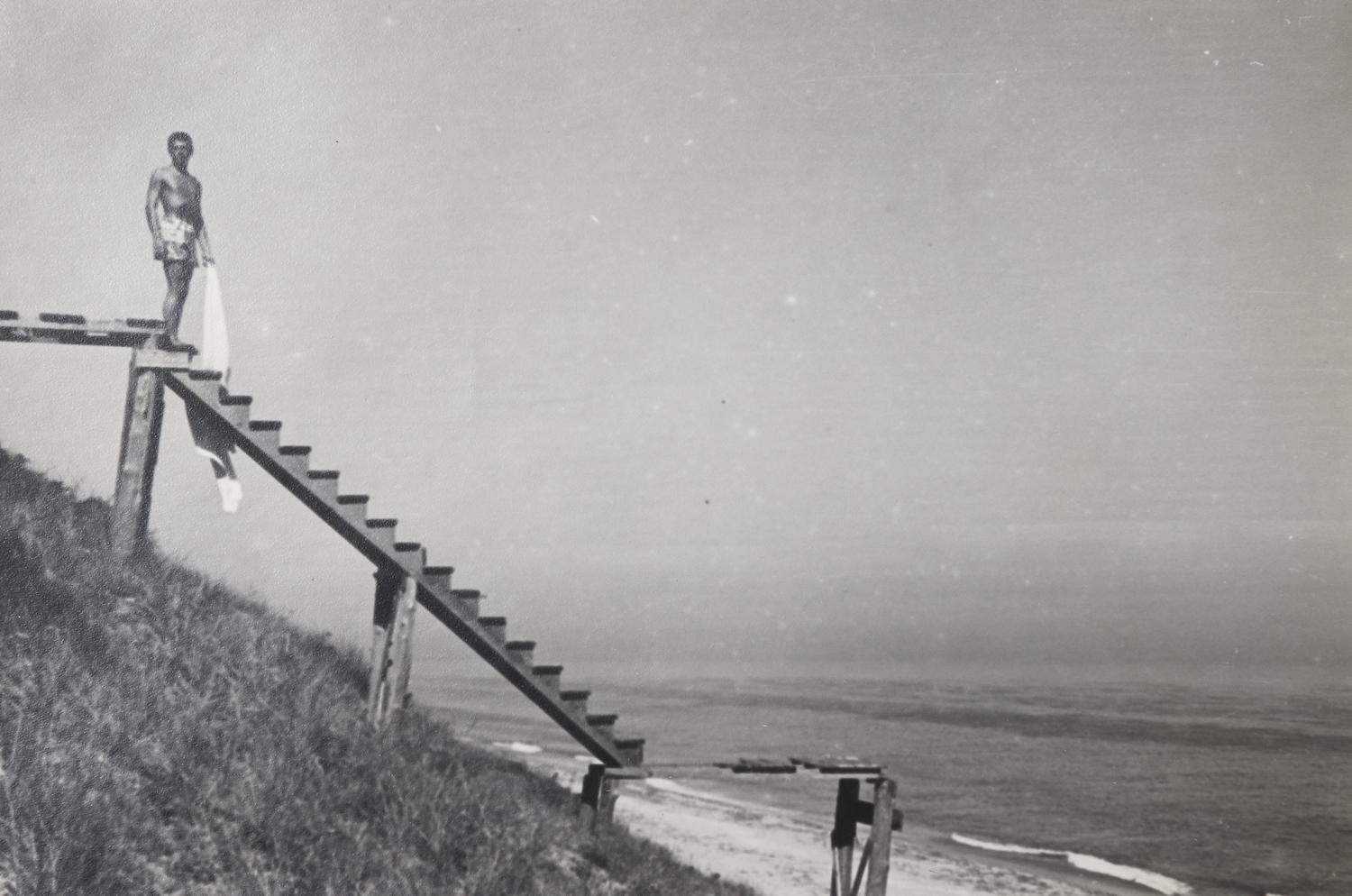
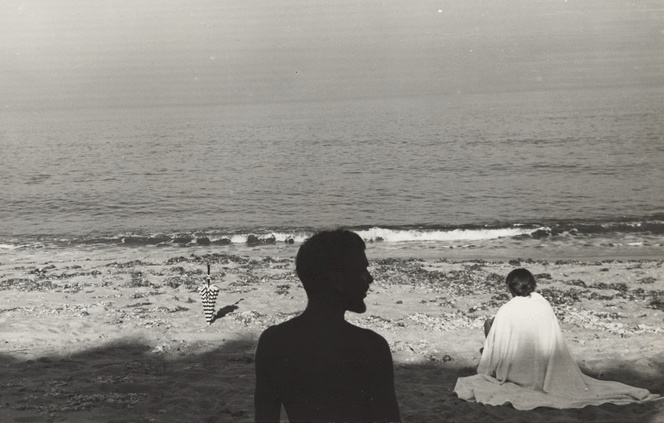
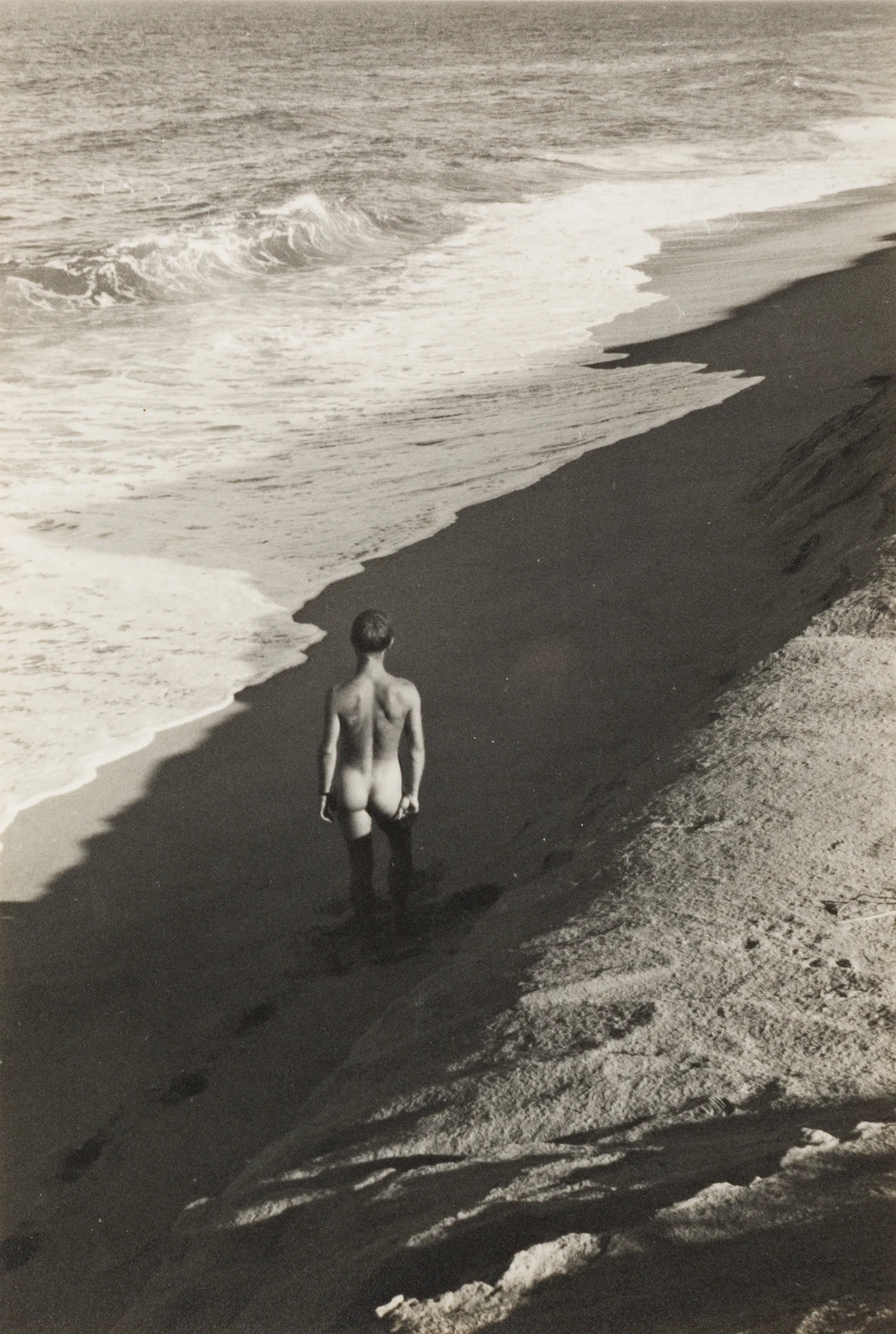
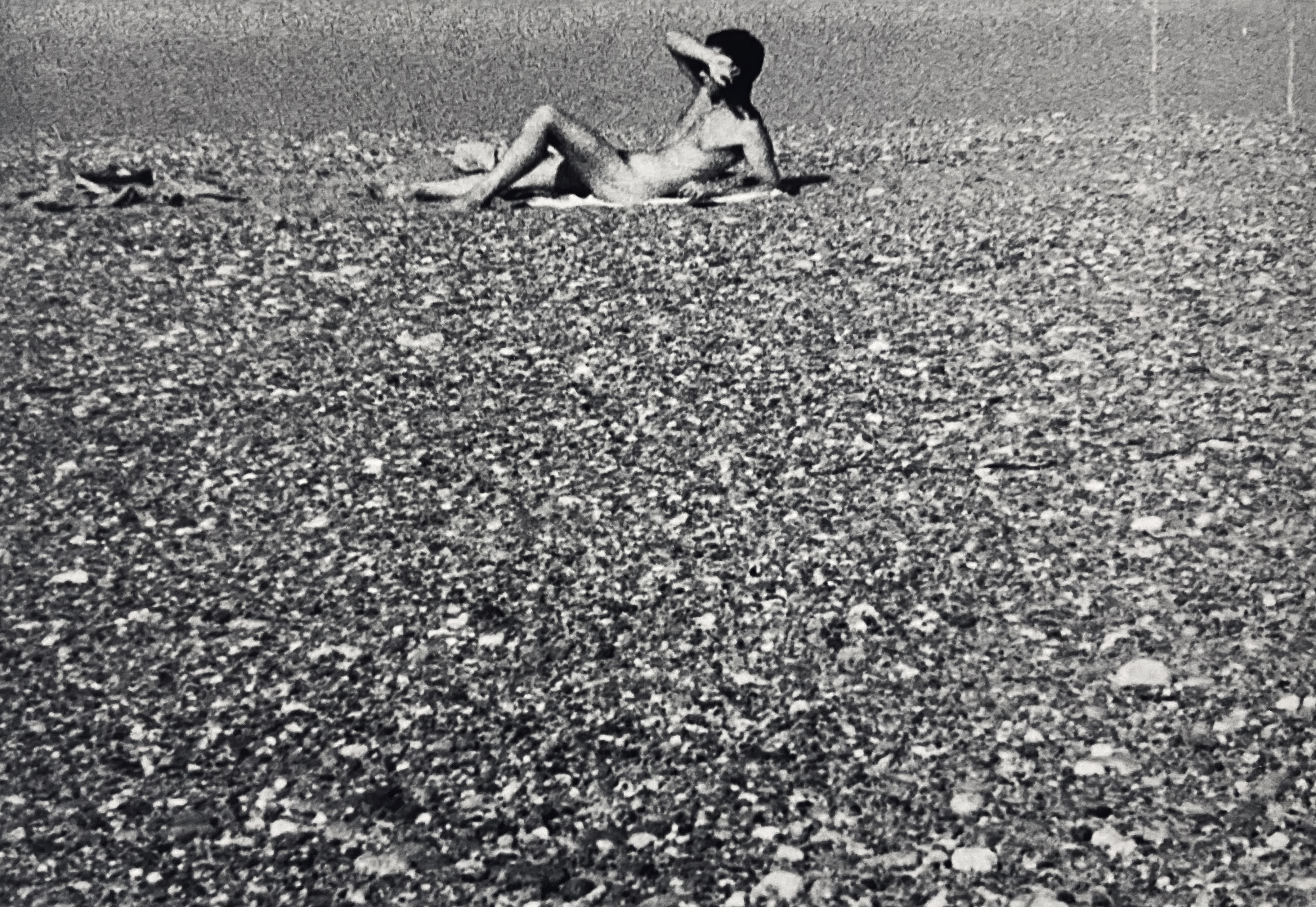
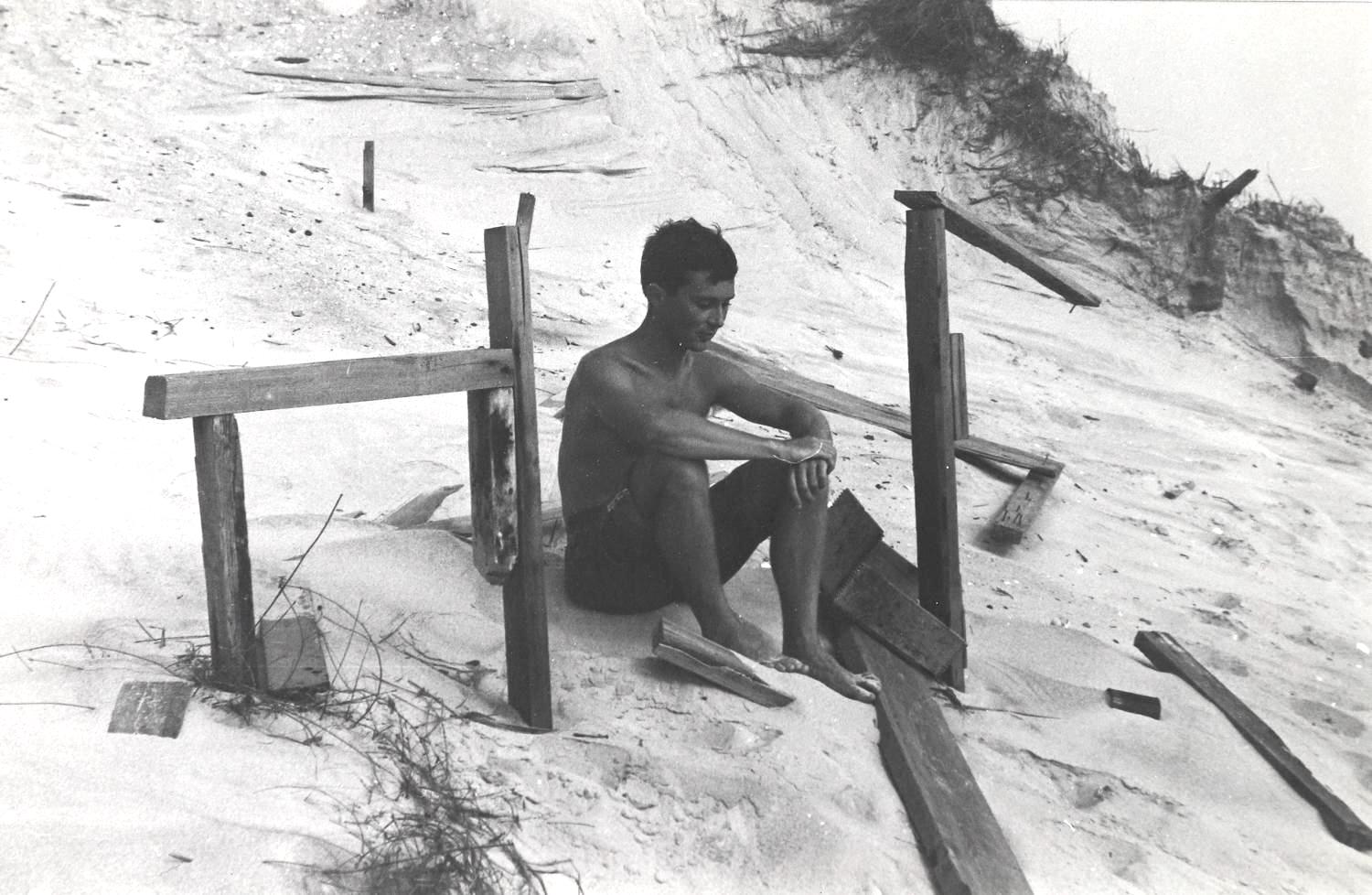
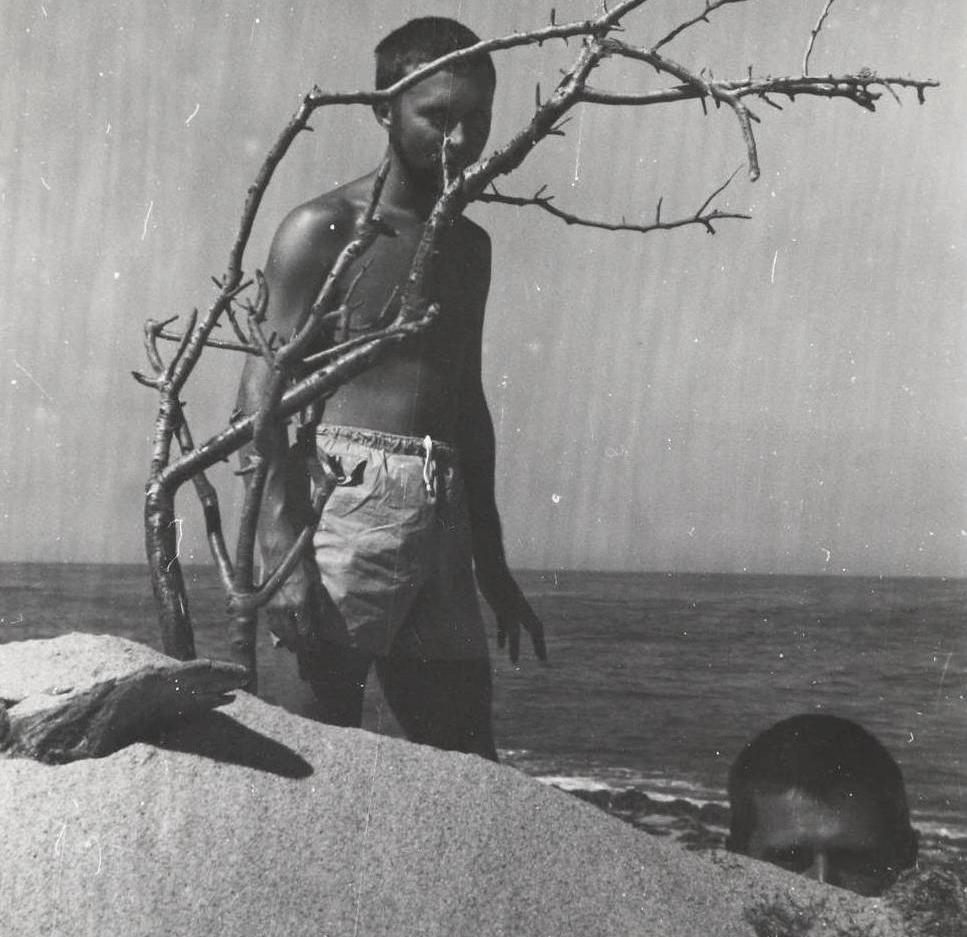
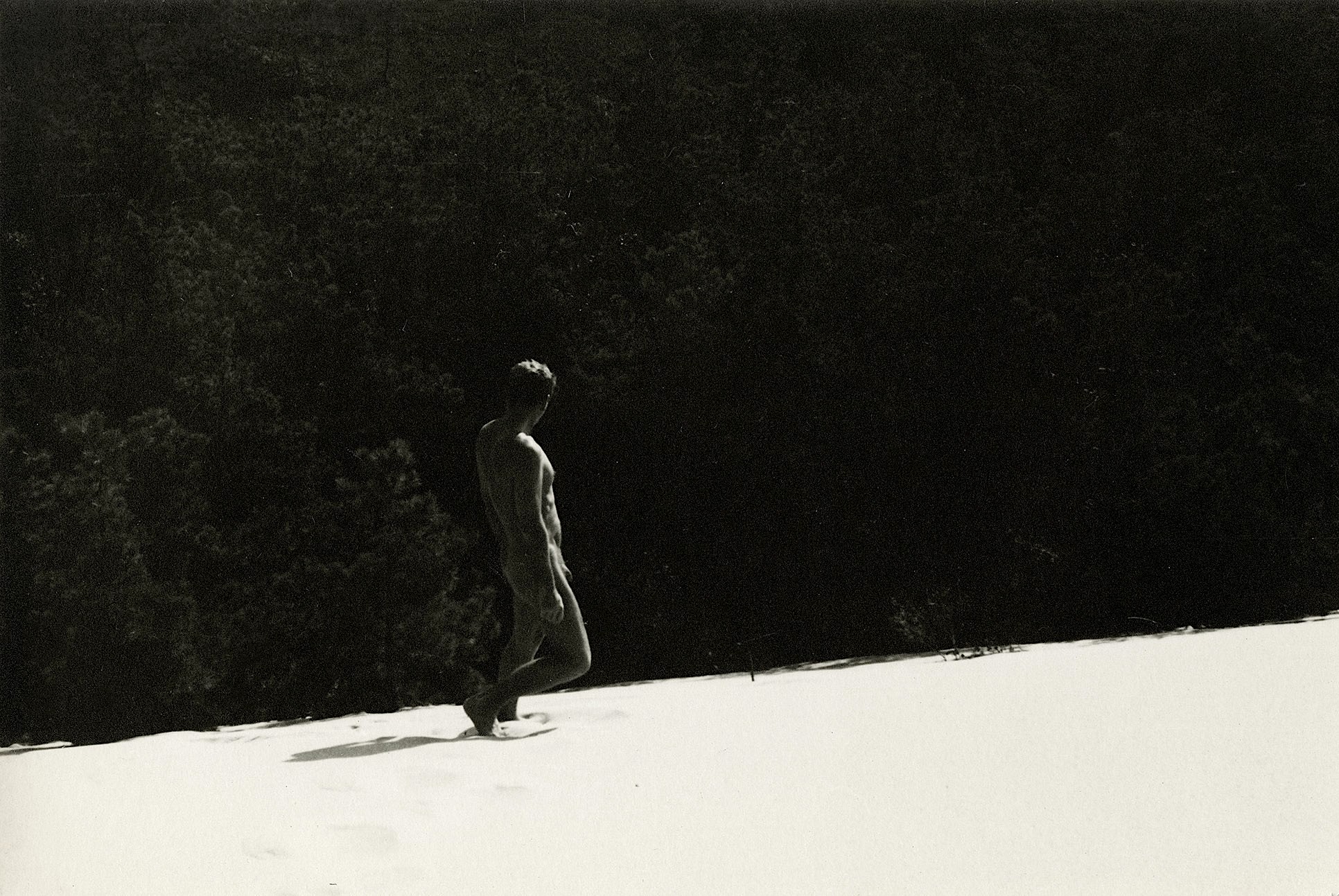
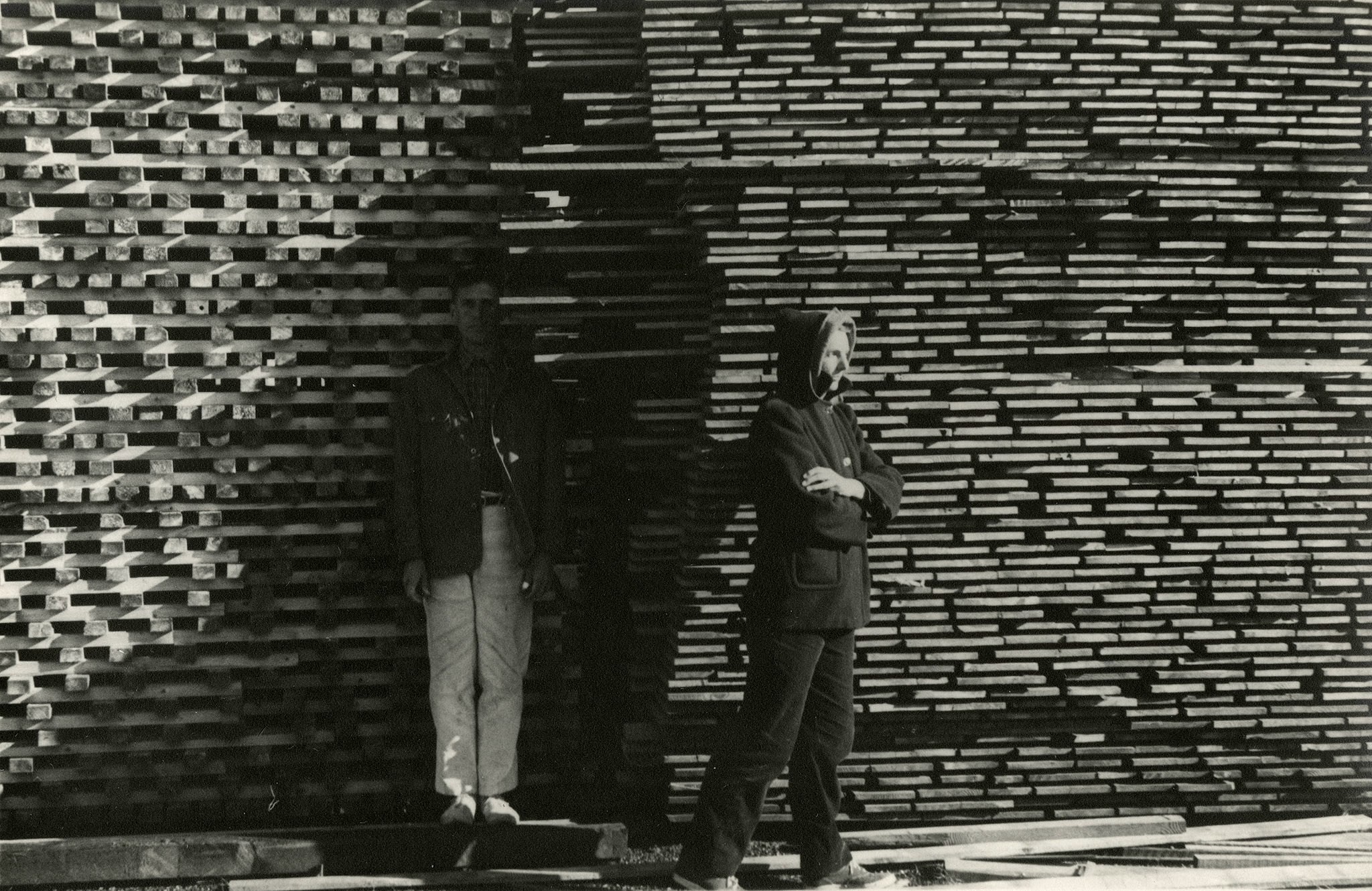
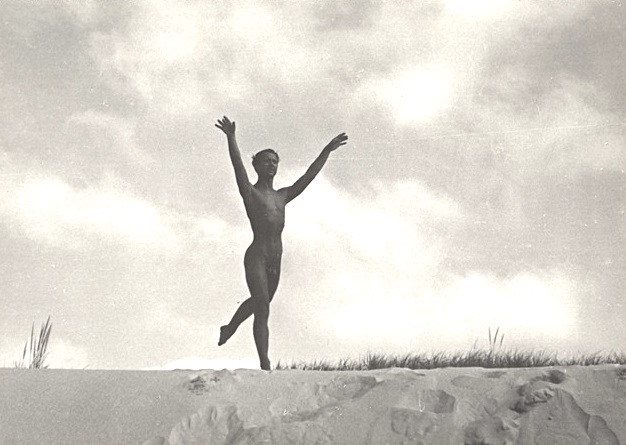
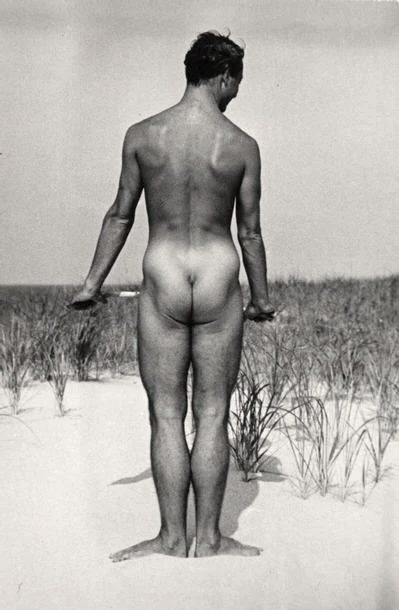
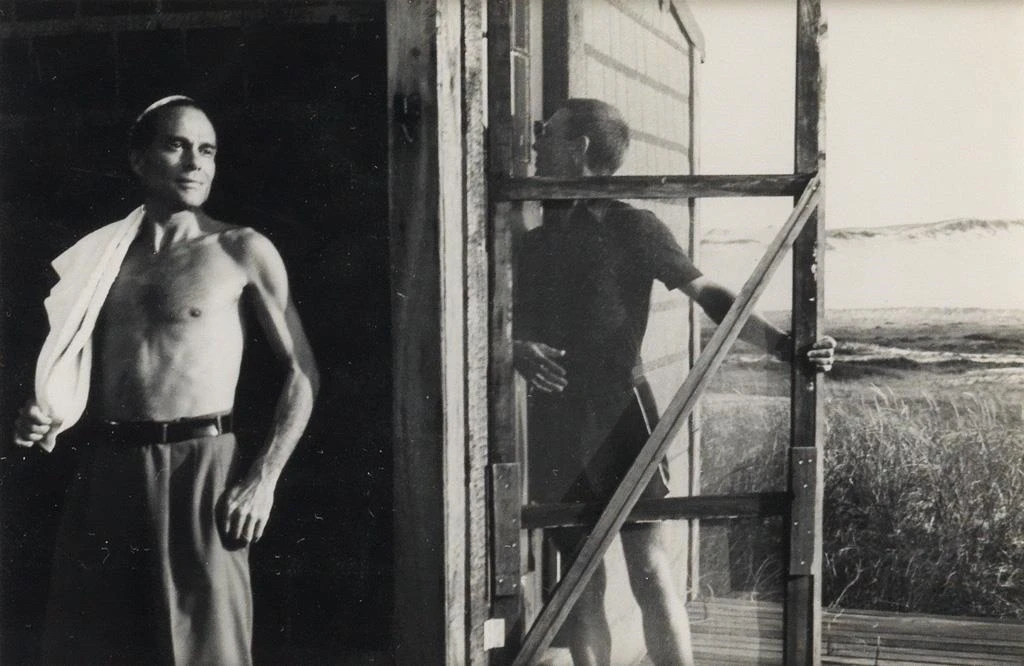
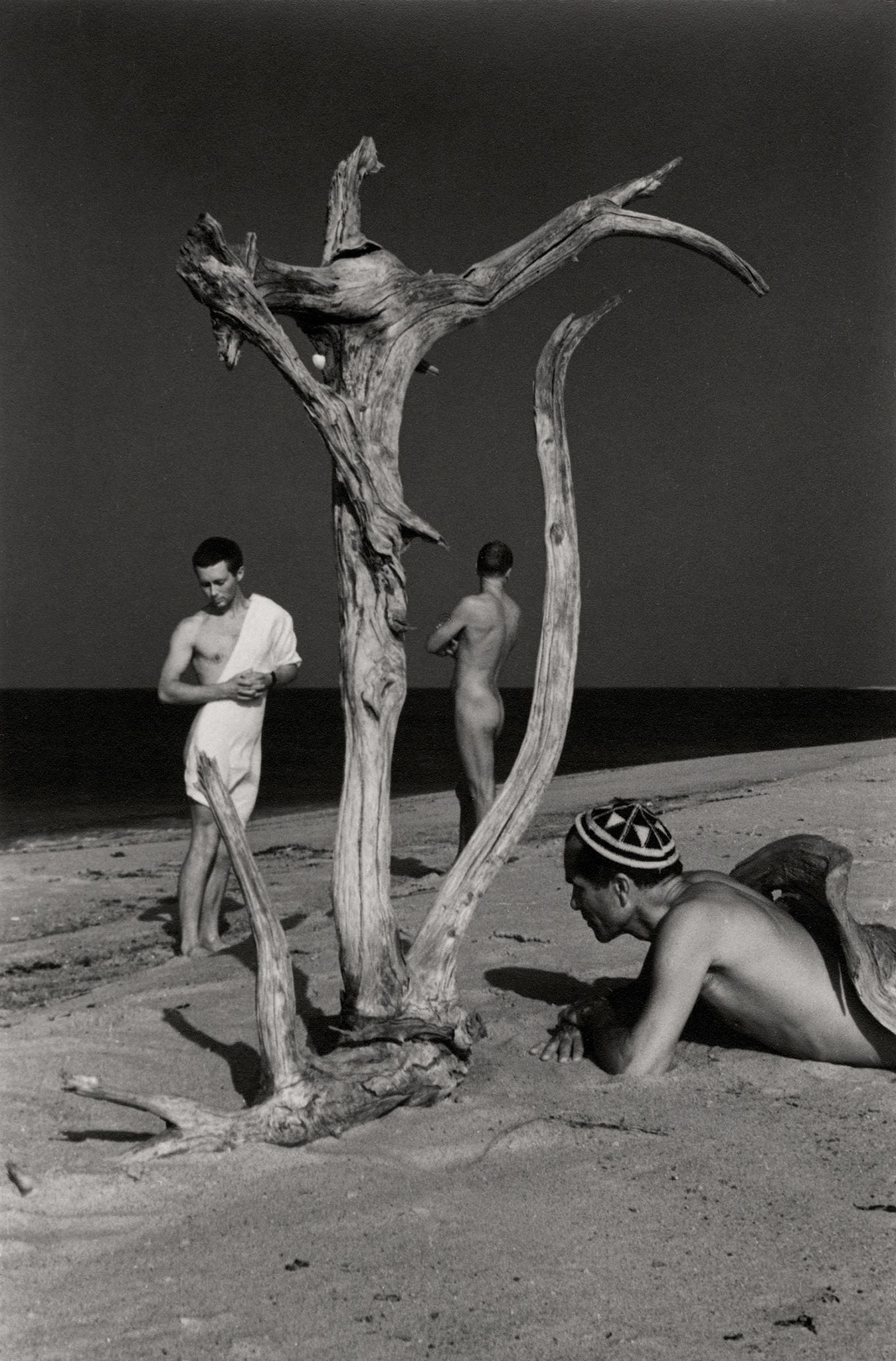
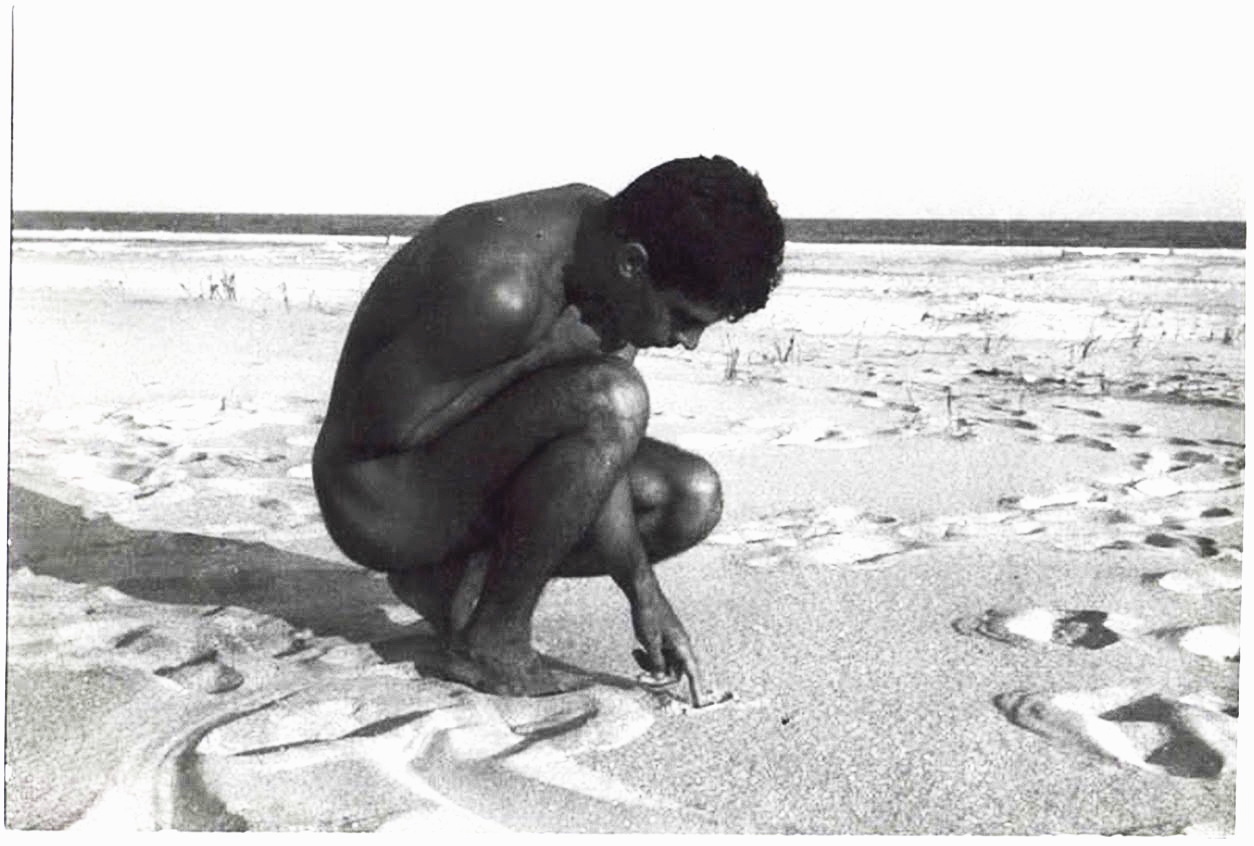
During vacations from the 1930’s through the mid-1950’s, artists Paul Cadmus, Jared French and his wife Margaret Hoening French photographed each other on the beaches of New York’s Fire Island as well as Nantucket and Cape Cod, Massachusettes.

Last summer we focused on their early years on Fire Island. The photos in this post are primarily from Nantucket, Provincetown and other locations on Cape Cod during the summer months of 1946-1948.

Usually nude or donning simple costumes, the artists also used found objects as props to create stark, surreal and/or erotic images. They passed Margaret’s Leica camera around, taking turns as subject and auteur. This collaborative authorship was reflected in the umbrella name they chose for this work, utilizing the first two letters of their first names: PaJaMa.

Paul Cadmus on Cape Cod (1928)

Years later Cadmus explained, “After we’d been working most of the day, we’d go out late afternoons and take photographs when the light was best. They were just playthings. We would hand out these little photographs when we went to dinner parties, like playing cards.”

The dynamic amongst the trio was complicated: Jared French and Paul Cadmus were lovers – a relationship that continued during his marriage to Margaret. All three lived and worked in a townhouse at 5 St. Lukes Place in Greenwich Village.

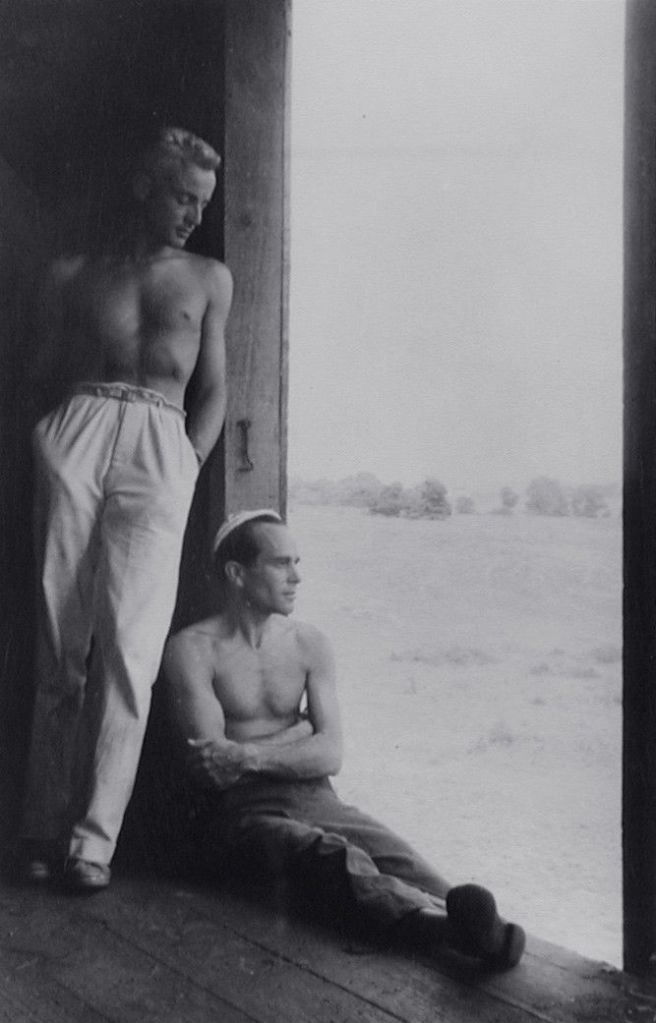
The PaJaMa collective expanded in 1945 with the inclusion of Cadmus’ boyfriend, George Tooker, an artist 16 years his junior. Cadmus would later explain “I had Jerry (Jared) in the daytime and George at night.” Although his name was not added to the PaJaMa moniker, Tooker was an active participant in the collective from 1944-49.

George Tooker with Paul Cadmus in Nantucket and Provincetown PaJaMa photos, (1946-48)

A 2015 New York Times review of a PaJaMa exhibition noted that their photos “breathed eroticism.” While some of the hundreds of photos are masterpieces of magical realism, others appear to be figure studies for their painting.

Tooker, Cadmus & French, Wauwinet, Nantucket (1946)

As when they vacationed on Fire Island, the collective were joined on Cape Cod by various friends and lovers, fellow artists and writers that were part of their New York social circle.

Dancer/choreographer Todd Bolender was the subject of a series of PaJaMa photos taken in Provincetown (1947)

Museum curator/publisher Monroe Wheeler is seen in 1947 Provincetown photos with French, Tooker & Cadmus. His lifelong partner Glenway Wescott was more prominent in the Fire Island PaJaMa photos of the early 1940’s.

Writer Christopher Isherwood with his then-boyfriend, photographer Bill Caskey, Provincetown (1947)

Photographer George Platt Lynes (left, wi/ Monroe Wheeler) joined them on Fire Island and later in Provincetown with his own camera.

PaJaMa photos are part of this tribute to playwright Tennessee Williams, displayed at Provincetown’s Atlantic House, one of the oldest gay bars in the U.S.
Provincetown, 1947 (l-r): George Platt Lynes, Monroe Wheeler, Paul Cadmus and George Tooker
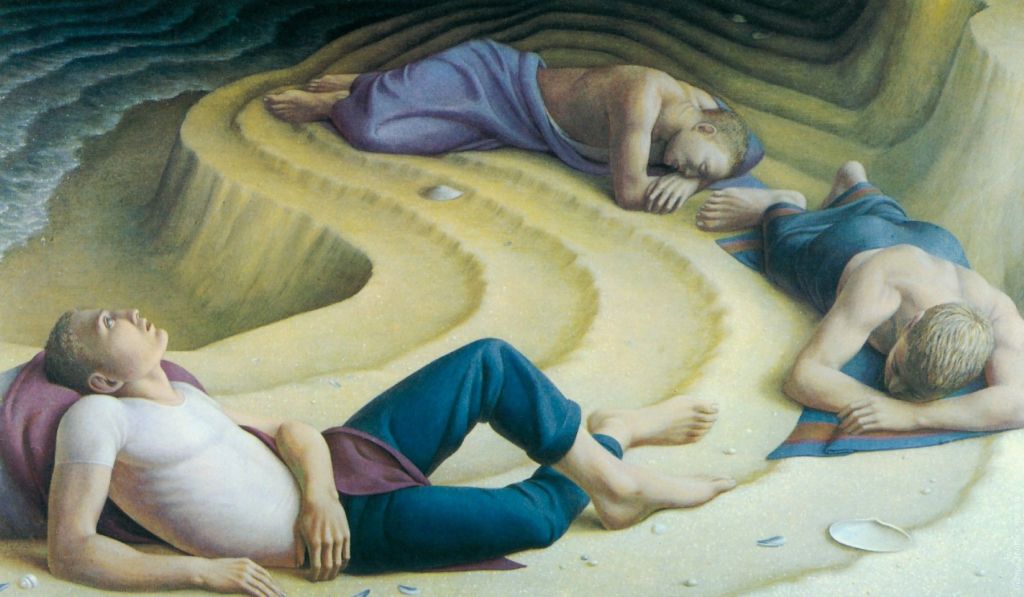
George Tooker, Sleepers I (1951)

On Cape Cod, the collective occasionally experimented with color film, which gave their work a different texture.

The quartet toured Europe in 1949 and by the end of the trip, Tooker had split from Cadmus. He later said “I was looking for a relationship and my relationship with Paul always included Jared and Margaret French.” Tooker would soon find a partner in painter Bill Christopher, with whom he remained until Christopher’s death in 1973.

Back to a trio, the PaJaMa collective would return to Fire Island for their summer getaway in 1950.

PaJaMa, Provincetown (1948)
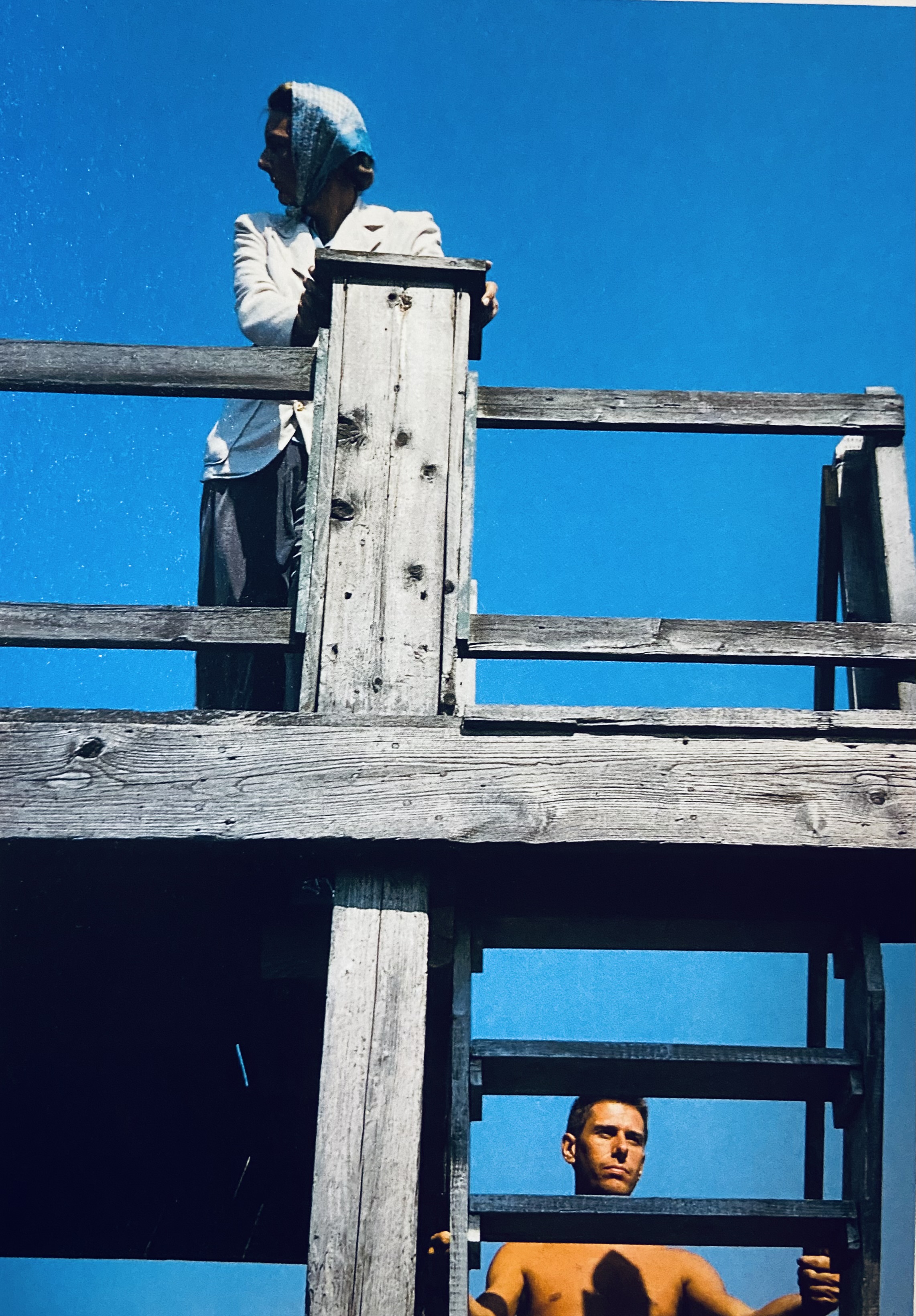
Paul Cadmus & Margaret French, Jenny Lind Tower, North Truro (1947)
PaJaMa, Women & Boys (ca 1940s)

As with George Platt Lynes’ male nude photographs, the PaJaMa photographs did not receive much notice or recognition until the 1990’s. They are now frequently exhibited in galleries and selections are a part of the MOMA collection.

See Also:
Fire Island PaJaMa Party
Fire Island Muses of George Platt Lynes & The PaJaMa Collective
Revisiting George Platt Lynes’ Fire Island Muses
Artist’s Muse: Wilbur Pippin
Artist’s Muse: William Weslow
Artist’s Muse: José “Pete” Martinez
Artist’s Muse: The Mystery Model
Artist’s Muse: Chuck Howard
Artist’s Muse: Ted Starkowski
Artist’s Muse: Randy Jack
Buddy & Johnny: A Historic Photo Shoot
George Platt Lynes: In Touch Magazine (1982)

Luke Combs’ Cover Of “Fast Car” Is The Perfect Song For Our Times

In case you missed it, Tracy Chapman’s 1988 song “Fast Car” has been covered by country artist Luke Combs. It has now topped the country charts and has out-performed the pop chart standing of the original. Chapman is now the first female African-American songwriter to have a #1 country song.

Chapman released a statement to Billboard: “I never expected to find myself on the country charts, but I’m honored to be there. I’m happy for Luke and his success and grateful that new fans have found and embraced ‘Fast Car.’”

I hate to be a wet blanket on the festivities, but I can’t be the only person that thinks a white male country artist covering this song is a little tone deaf. Especially right now.

I believe Combs’ heart was in the right place when he recorded the song, but in the hands of his listeners – and the country music crowd is overwhelmingly conservative – it becomes another example of how we’re supposed to believe that race and gender do not make a difference as to who gets ahead in the world.

At a time when teaching African-American history is being treated as an act of aggression and the “critical race theory” boogeyman is being used to rile up the right wing mob, a caucasian male country singer covering “Fast Car” makes perfect sense. Because we’re all the same, right? A poor white male and a poor black woman are interchangeable, right? It’s a level playing field. Right?

I do appreciate that Combs is faithful to the original. As a songwriter, he did not want to change a word of Chapman’s song. By the 5th verse, he’s working in the market as a checkout girl. “You’ll get a job and I’ll get promoted…” the lyric goes. Tell me: who is more likely to get that promotion – Chapman’s protagonist or Combs?

“Starting from zero got nothing to prove…” Yes, but “zero” is not the same for everyone. We are all programmed to believe that we live in the land of equal opportunity. If you can make it here, you’ll make it anywhere. If you don’t succeed, well, you just weren’t good enough, or you didn’t try hard enough. But really… we don’t all start in the same place, do we? Most people get a boost in one way or another, whether it’s financial support or nepotism or a legacy admission into a university. Unfortunately, boosts both big and small are often forgotten or underplayed when people recount their path to success.

Dustin Rowles writes on Pajiba.com that he found a strong resonance with “Fast Car” when it was first released back in 1988. I did as well. I was the child of a single parent home – a B student attending a B+ university, dependent on many grants and loans. The song began to climb the charts as I headed home at the end of my freshman year. Unlike many of my classmates, I wasn’t afforded the opportunity to take a $50-a-week summer stock job – a rite of passage for theater students. This would be one of those “little boost” moments that many experience and forget about. Instead, I was expected to live at home and work full-time so I could contribute towards my next year of school. This meant returning to a $4.25-an-hour retail spot at Record World, which wasn’t exactly going to make me financially solvent.

Here was my boost: When family members kept forgetting to pick me up from work, my mother bought me my first car. It wasn’t a fast one. The 1982 Plymouth Horizon cost a few hundred dollars and gradually slowed down whenever it got too hot. But it had a cassette player, and Tracy Chapman’s debut record was on heavy rotation that summer.

Rowles writes that he harbored some resentment for the song, which he perceived as predicting that he would not be able to break the cycle of poverty and dysfunction that he had grown up with. I didn’t feel that way. The song effected me deeply, as did her whole album. But I knew that I was better off than the song’s protagonist. I did not have a false equivalence. My previous job had been at a supermarket where I worked with single black women trying to support their kids on minimum wage. I knew they would not have been hired at the record store making that extra .90 cents an hour.

Ultimately, Rowles concludes that “…there is a way out. Unfortunately, it’s not a fast car, which only allows you to outrun your problems for so long. The easiest way to break the cycle is through education.” He concedes that, as a white male, he had a boost: access to an education that minorities often did not.

And now, 35 years later, “Fast Car” is topping the charts in the wake of the Supreme Court striking down a couple of very important boosts: affirmative action in college admissions, and Biden’s student loan forgiveness program. The latter should be of concern to people of all persuasions who are staring down a lifetime of loan interest payments. But that is assuming every person has the equal opportunity to be accepted into an institution of higher education. Without affirmative action, that is not the case.

As a high school student in Cleveland, Ohio, Tracy Chapman was accepted into A Better Chance, a non-profit program that placed high-achieving minority students in prep schools. She graduated from Wooster School in Connecticut and went on to attend Tufts University, where she was discovered by fellow student/future filmmaker Brian Koppelman. Koppelman’s father was a record executive and signed her to SBK Publishing, which led to a deal with Elektra Records.

Billboard estimates the recent global publishing royalties of “Fast Car” exceed $500,000. Unlike so many other artists, Chapman still owns both the writers’ and publisher’s share of the song, so that money is hers. Additionally, the success of Combs’ version has brought attention to her original, increasing activity 44% since his version was released, according to Luminate. Her song, in its original form, is speaking to a whole new generation. It just needed a boost.

See Also:
Tina Turner: 12+ Cover Songs You May Have Missed
Adam Schlesinger: Not Just The Guy On The Right
Revisiting Bette Midler’s Thighs And Whispers (1979)
You Know The B-52’s Song “Roam” Is About Butt Sex, Right?
Etta James: Advertising Zombie
1991: Homo Alone
The Tin Man & The Lion: Unanswered Prayers
Dusty Springfield Sings Kate Bush
10 Forgotten Cher Moments
Gimme Gimme Gimme: Erasure Covering ABBA

Madame Spivy: I Didn’t Do A Thing Last Night

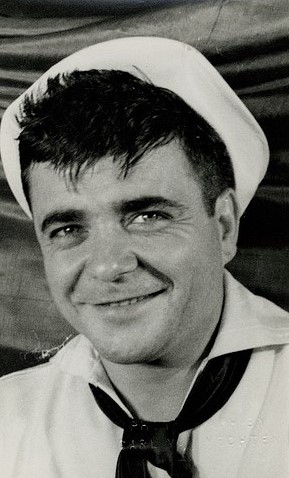
Madame Spivy photographed by Carl Van Vechten (1932)

“This song is dedicated to a friend who suffers terribly from hangovers. It’s very sad and we must be very quiet, please…”

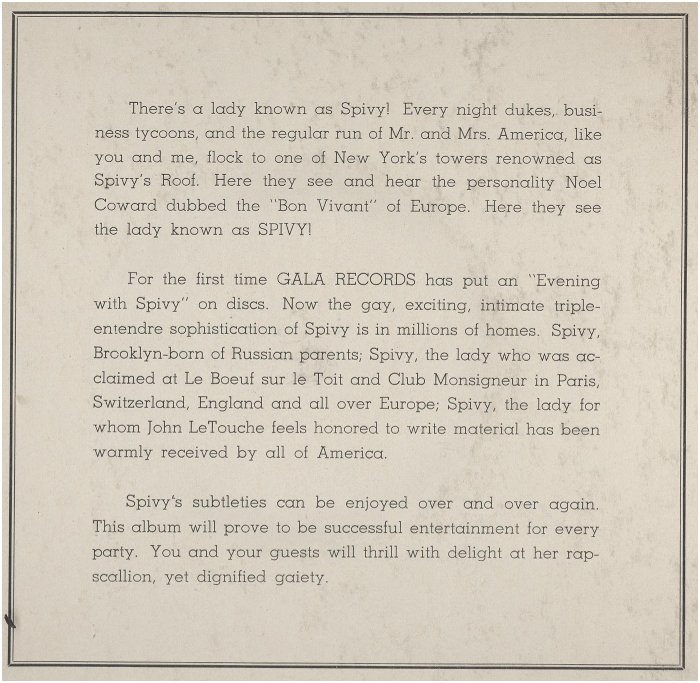
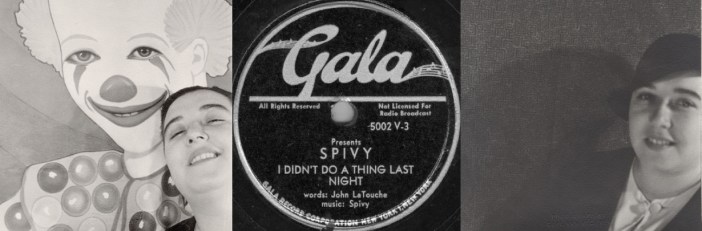
Ladies and Gentleman, it is time once again to revisit that late great dynamic lady of song, Madame Spivy LeVoe (1906-1971), also known simply as Spivy. A lesbian entertainer, nightclub owner and character actress, Spivy has been described as “The Female Noel Coward” – to which I add “…. if he had been born in Brooklyn as Bertha Levine.”

In case you missed them, these are our previous Madame Spivy posts:
The Alley Cat
The Tarantella
Auntie’s Face
100% American Girls
A Tropical Fish
I Brought Culture to Buffalo In The 90’s
Why Don’t You?
Madame Spivy: Movies & Television
Madame Spivy on the Good Time Sallies Podcast

In the Spring/Summer of 2020 with the pandemic in full swing, cabaret performer extraordinaire Justin Vivian Bond was livestreaming weekly shows from The House of Whimsy, aka their home in upstate New York. Imagine my delight when Mx. Viv covered Mme. Spivy’s “I Didn’t Do A Thing Last Night” – one of my favorite of her recordings.

Justin Vivian Bond as Auntie Glam, belting one out in The House Of Whimsy (2020)

As with “Auntie’s Face“, Spivy uses her familiar spoken intro for “I Didn’t Do A Thing Last Night”: A solemn pronouncement that “This is VERY sad and we must be VERY quiet, please.” One can imagine that it was a playful way to get the attention of a noisy nightclub audience.

Spivy wrote the song with John La Touche providing the lyrics. Today, La Touche is best remembered for his Broadway musical The Golden Apple and for his lyrical contributions to Leonard Bernstein’s Candide. He also collaborated with Duke Ellington on the musicals Cabin In The Sky & Beggar’s Holiday.


Spivy and LaTouche met in the mid-1930’s and had a tumultuous lifelong friendship. At one point Spivy paid him fifty dollars a week to supply her with songs. During one falling out in 1938, LaTouche referred to her as his “enemy.” “Poor Spivy,” he wrote, “hysterical, glandular, ugly, charming, and so talented.” After another disagreement later that year, he wrote to her; “I’m sorry; you can hardly afford to lose a staunch friend and neither can I. But both of us are always doing things we can’t afford.”

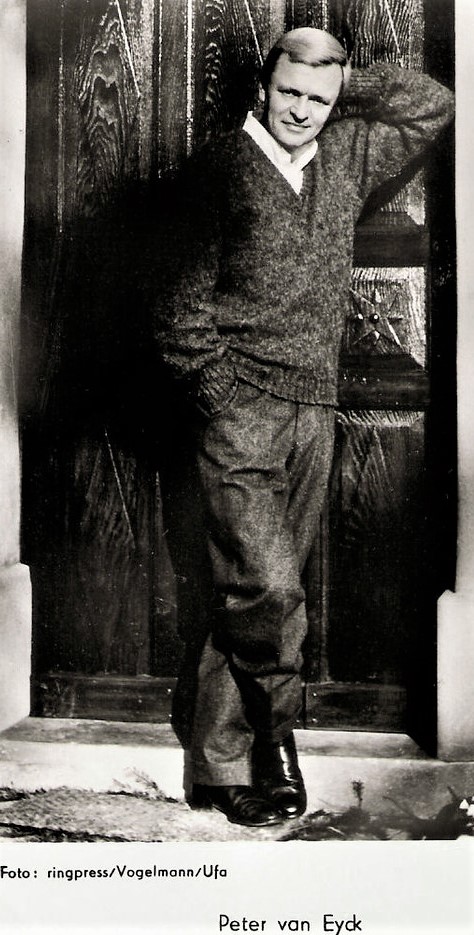
Of the 15 songs Spivy is known to have recorded, 5 of them were written or co-written by LaTouche: One was a solo credit, two were written with Spivy herself, and two were in collaboration with Goetz Eyck, a German-born musician who would go on to a film career as Peter van Eyck.

One LaTouche composition that Spivy did not preserve on record was a highlight of her live performances: “I’m Going On A Binge With A Dinge.” She often concluded her set with this racy little tune detailing a biracial protagonist going uptown for a tryst. “White people / Don’t be offended … ” the song begins. Other lyrics: “Gonna end up in Harlem / With my end up in Harlem”

Unfortunately, LaTouche’s work for and with Mme. Spivy has generally been forgotten or dismissed. In Howard Pollack’s 2017 biography The Ballad Of John LaTouche, the author spends several pages analyzing the lyrics and structure of these compositions before concluding that “the literary attractions of these songs, heavy on irony, outweigh their musical interests.”

Is that so?

Like Spivy, LaTouche was a heavy drinker, which ultimately led to both of their premature passings. He was just 41 years old when he died of a heart attack at his home in Calais, Vermont in 1956. Spivy was 64 years old when she died in January, 1971.

I Didn’t Do A Thing Last Night

Doctor dear, come over with a stretcher – I’ve never in my life felt quite so rotten.
My brain has snapped in two and my face is turning blue,
and everything I eat tastes just like cotton.

Oh yes I did everything you told me – I practically never left my room.
I observed your special diet, had lots of peace and quiet.
So why do I feel like something in Grant’s Tomb?
Lord knows why I don’t feel well – I didn’t do a thing last night.

I had a few friends in to play bridge with me,
And I sipped a little gin, just to keep them company.
Then a pal of mine named Rhoda came in with such a crew,
I gave them scotch and soda and I had a teeny one, too.

Then Vero P.T. Roth brought me some chicken broth,
which is insipid, doctor, don’t you think?
So someone in the party added a soupçon of Bacardi
it really makes a very nourishing drink.

At nine my cousin Andy made such insulting cracks,
that I had a little brandy just to help me to relax.
He tried to grab the bottle and dragged me out of bed.
When I saw that it was empty, I broke it on his head.

He’s still lying on the carpet and my maid insists he’s dead.
Oh doctor dear, why do I feel queer?
I didn’t do a thing last night.

At ten, Princess O’Ravivovich said; “Today is Pushkin’s birthday.”
So I had a little Slivovitz just to help her celebrate.
Then that fool Tessie Zackary upset my Dubonnet,
so they shook me up a daquiri to chase my blues away.

Those pills of yours were dry, so I washed them down with rye,
And I thought some exercise might help me rest.
I dashed down the avenue ’til somebody yelled “Woo!”
Good heavens – I’d forgotten to get dressed!

By then I felt so dizzy, to tell the honest truth,
They made me something fizzy out of vodka and vermouth.
At one, Rear Admiral Nipper, the old man of the sea,
arrived with his battalion, they had to sail at three.

But doctor, I just noticed: They’re still in bed with me!
It’s all so mad and I feel so bad,
and I didn’t do a thing last night.

At five, my old friend Tony said that doctors were baloney.
He said “Yoga exercises cured all pain.”
Doctor dear, I was a wreck with my legs around my neck,
and it took four hours to get them down again.

They sent for rubbing alcohol to rub away the aches,
but they couldn’t find the stuff at all – I’d drunk it by mistake.
Oh yes, I slept just like a baby, ’til I woke up right now.
No, the drinks did not affect me, I’m as flaccid as a cow.
Except I have a tendency to suddenly go “WOW!”

Why in hell don’t I feel well? I didn’t do a thing last night!

John La Touche songs recorded by Spivy
Fool In the Moonlight (music: Goetz Eyck)
I Didn’t Do A Thing Last Night (music: Spivy)
I Love Town (music: Goetz Eyck)
Last of the Fleur De Levy
Surrealist (music: Spivy)

Unrecorded La Touche songs performed by Spivy
I’m Going On A Binge With A Dinge
Moonlight

See also:
The Alley Cat
The Tarantella
Auntie’s Face
100% American Girls
A Tropical Fish
I Brought Culture to Buffalo In The 90’s
Why Don’t You?
Madame Spivy: Movies & Television
Madame Spivy on the Good Time Sallies Podcast

David on The Robin Byrd Show

The recent brouhaha over exposing Michelangelo’s David to impressionable Florida public school children reminded me of the classic sculpture’s 1998 appearance on Robin Byrd‘s Men For Men. For those outside of Manhattan, this was a late night cable TV show featuring strippers and adult film entertainers that aired nearly every night of the week. Apparently, poor Dave had fallen on hard times and was shaking his marbles for cash on 8th Avenue. At least that was the way it appeared on my public access show, Bri-Guy’s Media Surf.

Maria, the beleaguered salt shaker.

I have written about Media Surf in the past – it ran on Manhattan Neighborhood Network from 1997-2007. In the early years, I created short segments using stop-motion with my video camera. Most featured a portly salt shaker named Maria. After a while I grew tired of the time consuming technique. David’s striptease was one of the last that I created.

https://www.tiktok.com/t/ZTNMWMFHs/

/\ /\ I’m leaving this here to show how ridiculous YouTube is. /\ /\


I wanted to utilize my set of David refrigerator magnets on a red metal background. It had to be metal for the magnetic properties, and the red would emulate the lurid background on Robin’s show. I was still trying to figure out how to execute this when I came home one day to find that the apartment doors in my building had been re-painted glossy red. Perfect! I propped my door open, set up my camera tripod and went about creating the frame-by-frame striptease. Luckily I lived on the top floor and was uninterrupted by puzzled neighbors wondering what the hell I was doing.

In the version that aired 25 years ago, David was dancing to Madonna’s “Erotica” – a song that every third performer on Robin Byrd’s show seemed to use at the time. Unfortunately, Madge and Warner Brothers Music are most intolerant of the unauthorized use of their recordings. Rather than risk having the video removed from social media platforms, I switched it out. David now shimmies to Man Parrish / Man 2 Man’s “Male Stripper,” a much better choice of song that I wish I had used in the first place.

I was planning to use a clip of Robin’s generic “Lie back, get comfortable” guest introduction and then cut to David’s performance. It was pure luck that I happened to be recording her show one night when she introduced a guest named “David.” Sometimes the stars align to help create a classic piece of work. 😉

See Also:
If You See Me In The Bathroom, Be Sure To Shake My Hand
1991: Homo Alone
Kurt Bieber: From Little Me to Colt Model
Remembering Bob Harrington
Gay Porn Stars We Lost In 2022
Gay Porn Stars We Lost In 2023
Gay Porn Stars We Lost In 2024
Gay Porn Stars We Lost In 2025
Keith Haring In Heat Magazine (1992)
You Know The B-52’s Song “Roam” Is About Butt Sex, Right?

Artist’s Muse: José “Pete” Martinez


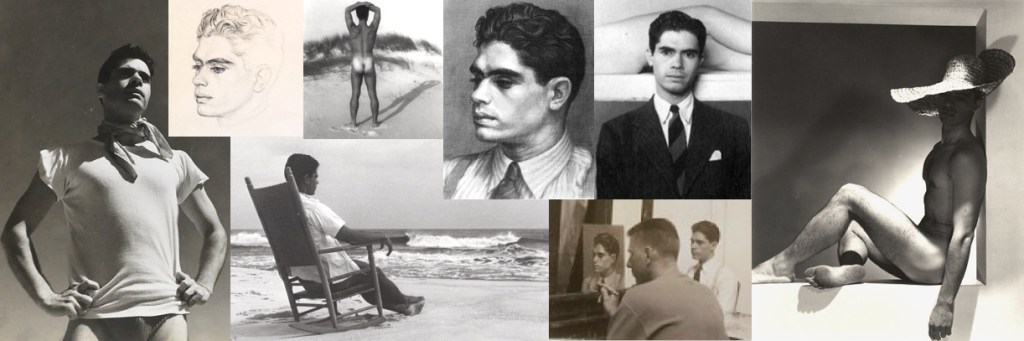
In last summer’s post about the PaJaMa Collective – artists Paul Cadmus, Jared French and his wife Margaret – the focus was on their Fire Island photos of the late 1930’s. One of the friends who cavorted with the trio during that time was José “Pete” Martinez, a dancer from New York City who was involved with their friend, arts patron and ballet impresario Lincoln Kirstein.

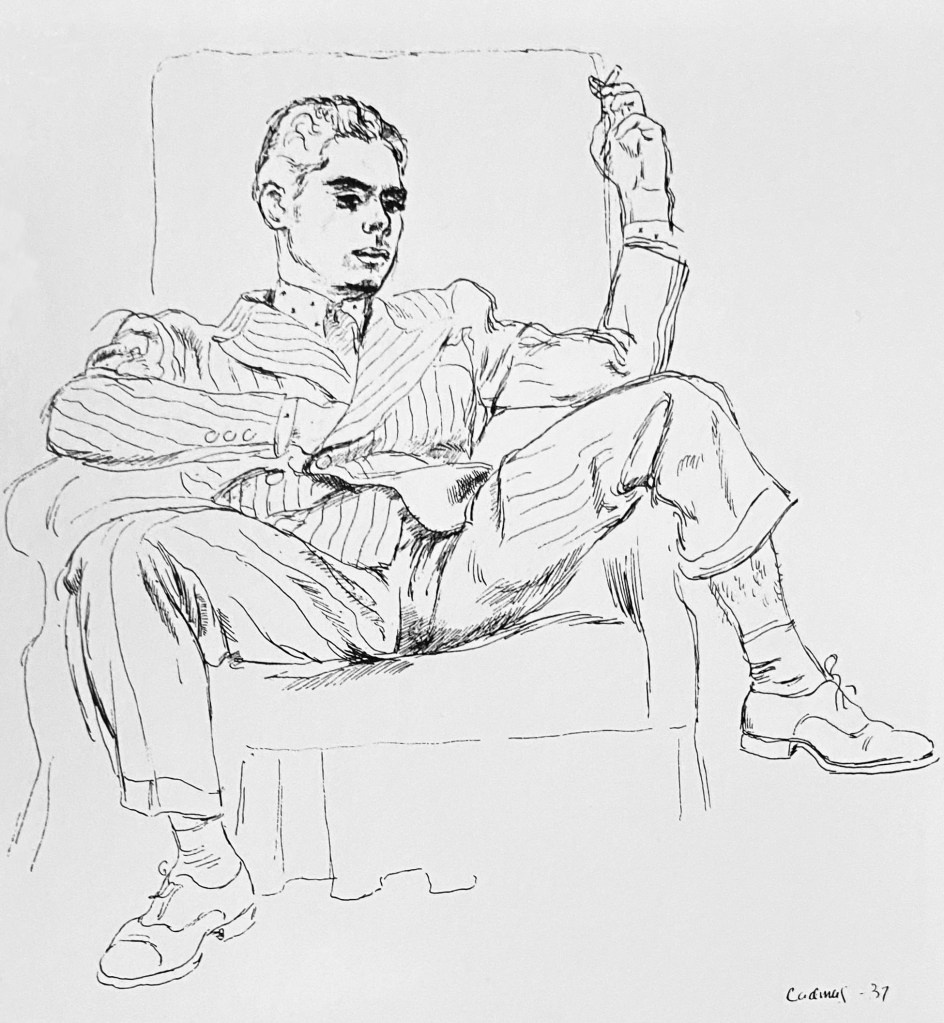
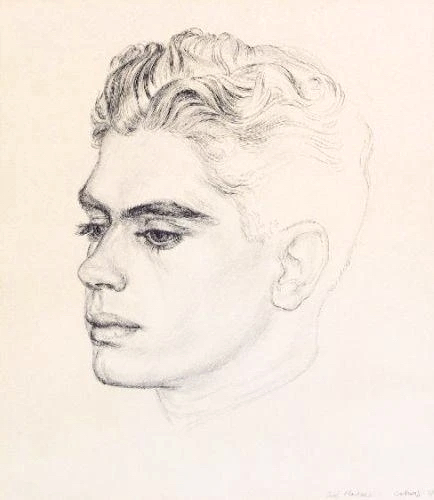
Paul Cadmus’s 1937 sketch of José Martinez appears in Charles Kaiser’s book The Gay Metropolis.

In David Leddick’s book Intimate Companions, Martinez is described as “a droll and witty young man… Those who knew the two men in the 1930’s said he was capable of endlessly amusing his lover, and that of all the men in his life, Martinez was the man that Kirstein most likely loved the most. Kirstein loved gossip and other men’s tales of their sexual exploits, and this love of storytelling drew him to Martinez. In addition, Martinez was handsome, and many artists painted, drew and photographed him. “

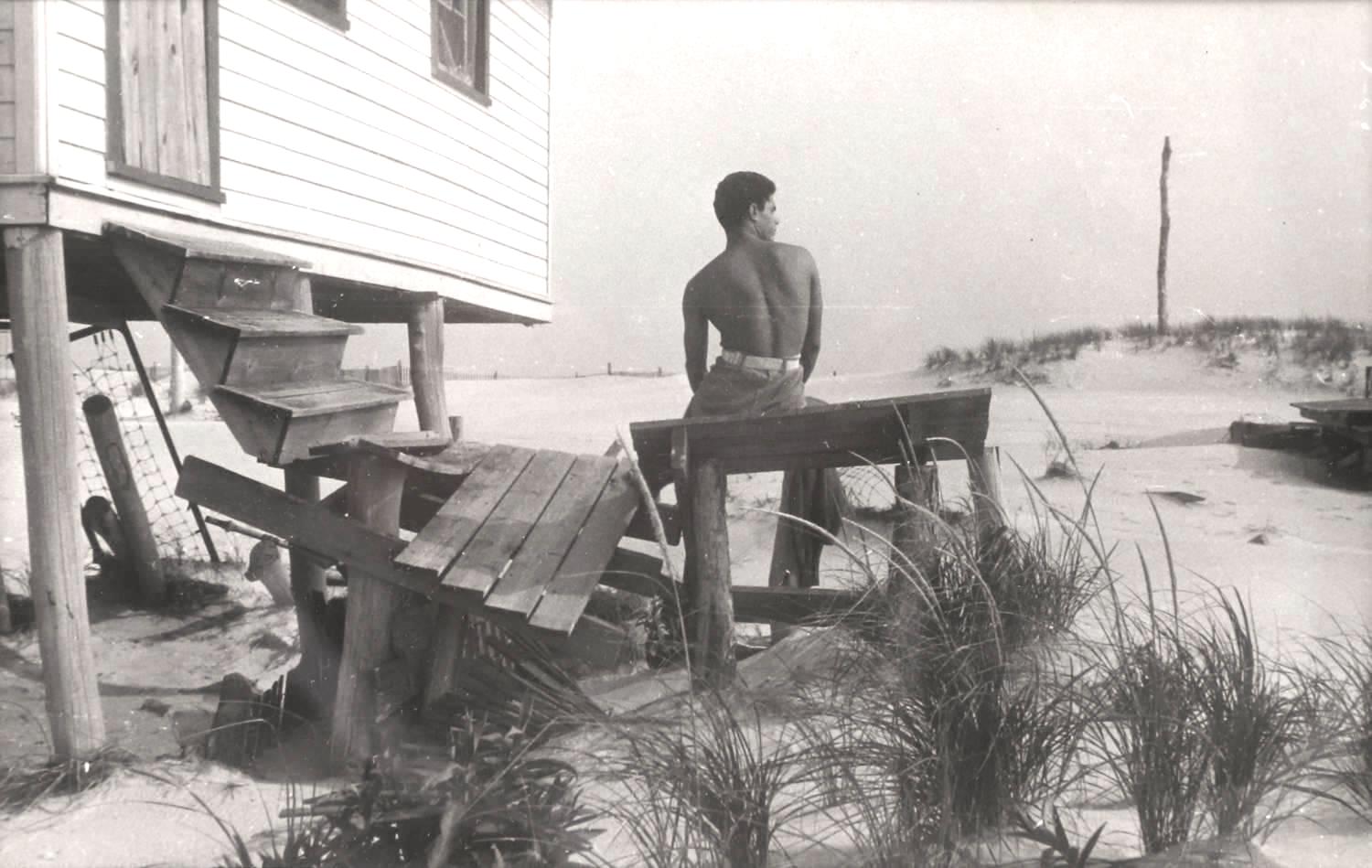
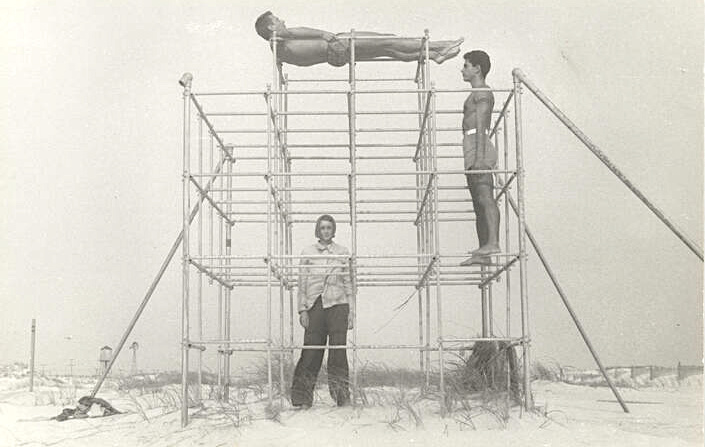
Fire Island PaJaMa photos featuring José Martinez with Paul Cadmus, Jared and Margaret French, ca 1938-39

Besides The PaJaMa Collective, those artists included Paul Cadmus’ sister Fidelma and photographers William Caskey and George Platt Lynes.

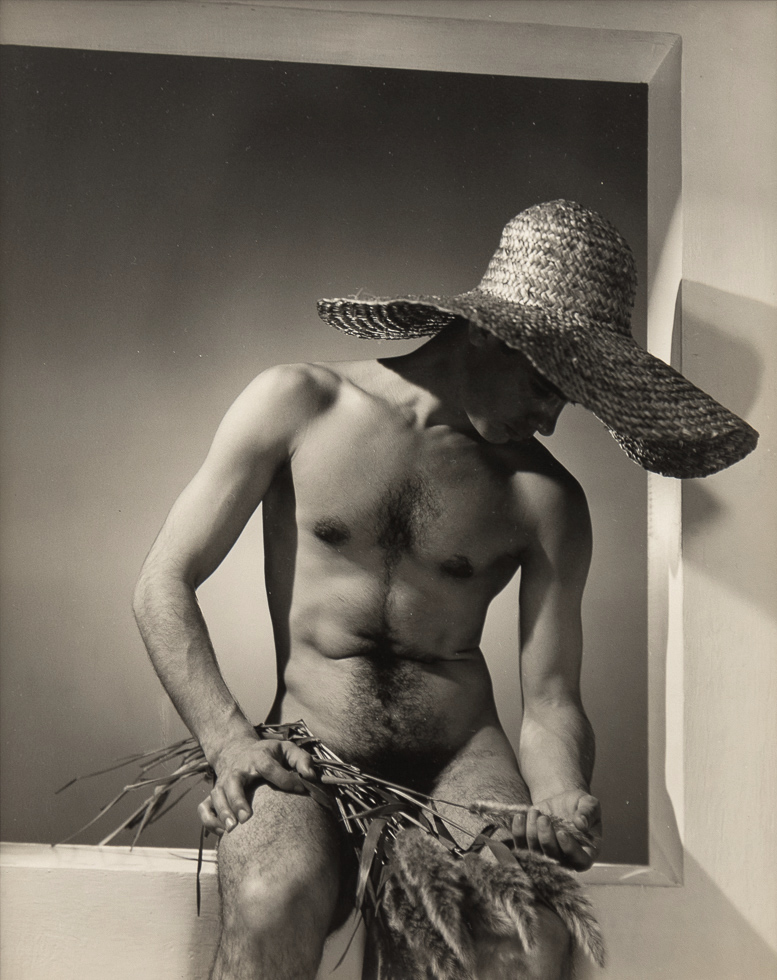
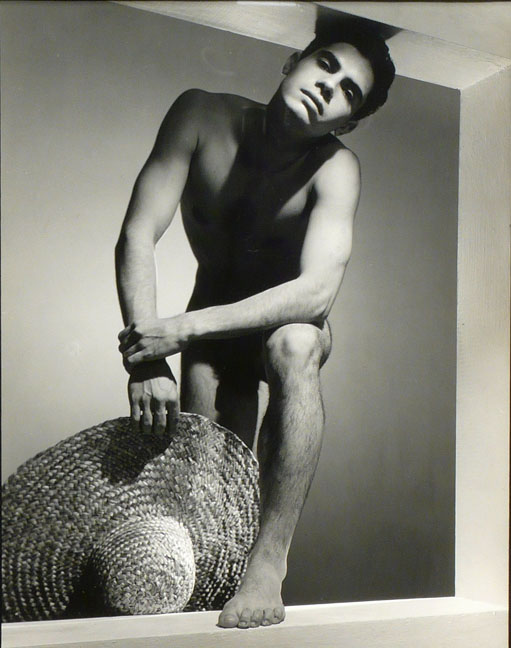
The most memorable Lynes photo of Martinez is a studio shot with the dancer perched in a window frame wearing nothing but a wide brimmed sun hat.


George Platt Lynes photographs of José Martinez.

Pete Martinez (who sometimes used the stage name Pete Stefan) was born José Antonio Martinez-Berlanga in Mexico on March 13, 1913. His family moved to Houston, Texas when he was quite young. Mama Martinez had been a folk dancer back in Mexico and one of Jose’s sisters dreamed of following in her footsteps. Little José was drafted as her dance partner. The scenario is familiar to many boys who begin to study dance as children: the sister loses interest and drops out, but he continues on. It’s a page torn out of A Chorus Line. Later an uncle took him to see Ballet Russe, which further strengthened his resolve to dance. “I was going to set the world on fire,” he would later recount.

After graduating high school, much to the chagrin of his parents, José moved to New York City to study at the School of American Ballet, where he eventually gained a full scholarship. Upon graduation, he was invited to join the company.

José Martinez photographed by Paul Cadmus, ca 1938

Martinez caught the eye of Lincoln Kirstein, and the relationship progressed to the point that they moved in together.

The PaJaMa photo “After The Hurricane” features (l-r) Jared French, Lincoln Kirstein, José Martinez, Forrest Thayer and probably Paul Cadmus. Tragically, costume designer Forrest Thayer was killed in a Southampton single car accident in 1951.


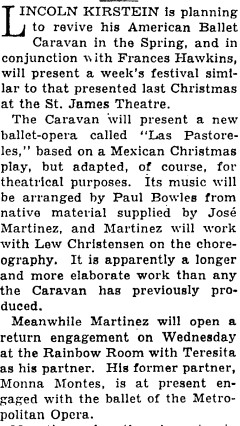
Martinez became a member of The Ballet Caravan, a touring company founded by Kirstein to provide off-season summer employment to American ballet dancers. Here Martinez began to get more involved in the creative process: conceiving the ideas and librettos for ballets, if not choreographing them. He is most associated with the ballet Pastorela, although his exact contribution to its creation varies depending on the source.

As noted in the New York Times article below, Martinez also had several engagements at Rockefeller Center’s Rainbow Room with different dance partners.

New York Times, 12/1/40

Jose Martinez photographed by William Caskey

Lincoln Kirstein & his wife Fidelma Cadmus


Martinez eventually found himself in a triangular romantic situation similar to his friends in The PaJaMa Collective: Paul Cadmus and Jared French had a sexual relationship that continued after French married Margaret Hoening. The three all lived and worked together in a Greenwich Village townhouse at 5 St. Luke’s Place. When Lincoln Kirstein married Paul’s sister Fidelma, she moved into the apartment he shared with Martinez, who continued to live with them for the first year of the marriage.

Martinez was also photographed in the summer of 1938 sunbathing with Jared French and Paul Cadmus on the roof of their home/studios at 5 St. Luke’s Place.

The Ballet Caravan were on a South American tour through 1941 as the U.S. entered World War II. The troupe returned to a very different New York City than the one they had left. When Martinez was denied entry to the Army, he went to work at a hostel for Jewish refugees in Haverford, Pennsylvania where writer Christopher Isherwood was already working. The two were acquaintances through Kirstein but developed a close friendship that would sometimes turn physical, as detailed in Isherwood’s diaries.

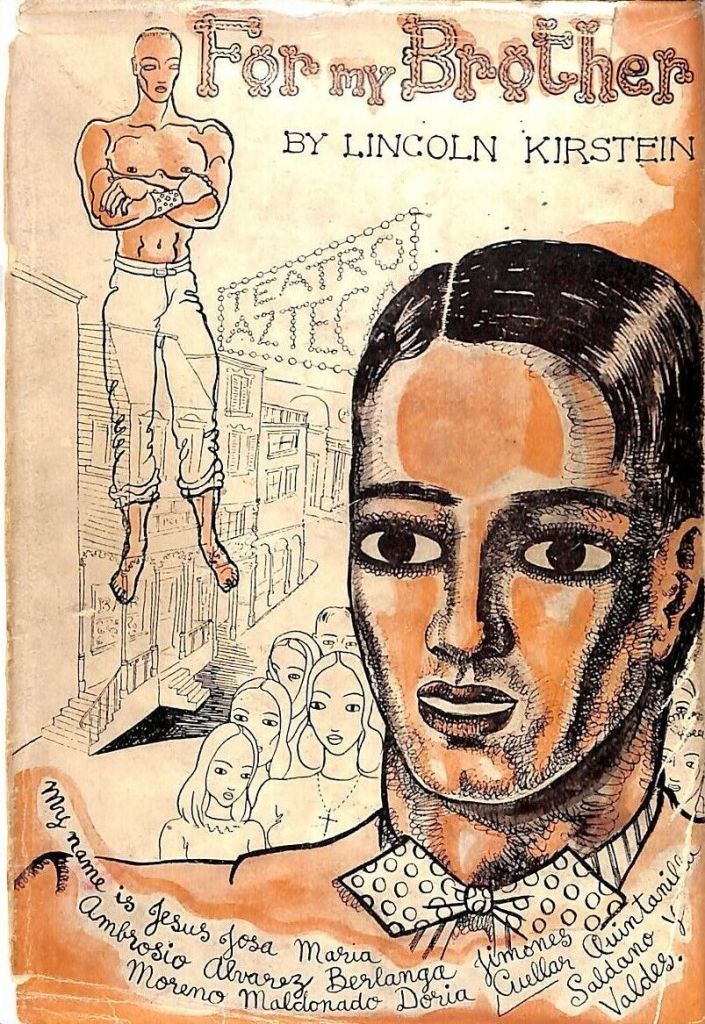
For My Brother: A True Story By José Martinez As Told To Lincoln Kirstein original jacket designed by William Chappell.

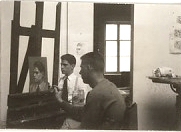
Paul Cadmus photographed sketching José Martinez at 5 St. Luke’s Place.

In 1943, a book was published in the UK with the rather unwieldy title For My Brother: A True Story By José Martinez As Told To Lincoln Kirstein.

From the original dust jacket: “It is the life story of a young American of Mexican origin whose family has settled in a small town in Texas. It is at the same time a study in the contrast between two worlds, two ways of life: industrial, polyglot America, and the more primitive civilization of Mexico just over the border, where many of the hero’s relations still live. The story is told with great poetic feeling and a rare delicacy of perception in human relationships…”

The chronology on Kirstein’s website makes no mention of Martinez and lists For My Brother as fiction “based on a Mexican sojourn.”

The book jacket was designed by fellow dancer-turned-ballet designer William Chappell. For My Brother… is quite rare, as most of the 2,000 printed copies were said to have been destroyed in a warehouse bombed by the Nazis. A Canadian edition was later published by MacMillan.

Martinez was finally able to join the military in 1943 and remained in service until the end of the war.

Back in New York, he resumed his dance career with Ballet Society where he danced in the original 1946 productions of George Balanchine’s Four Temperaments and William Dollar’s Highland Fling.

And then…. to invoke A Chorus Line once again: “What do you do when you can no longer dance?”

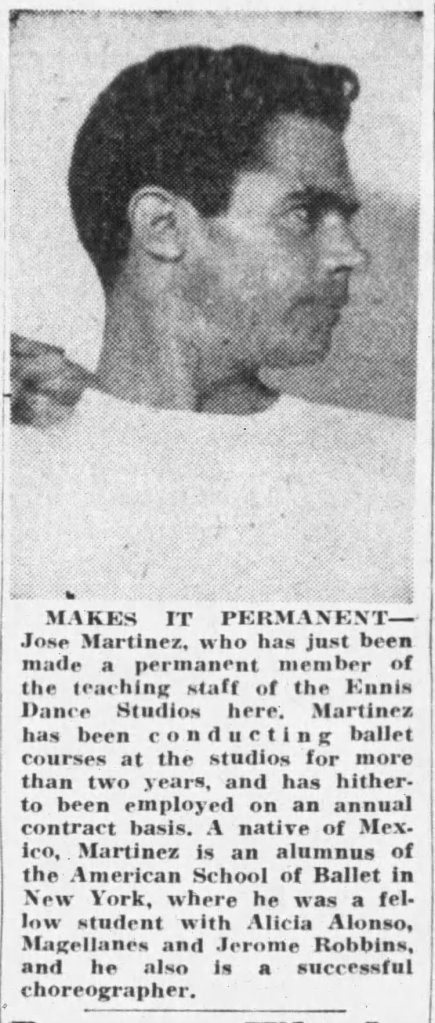
A knee injury hastened the end of his performance career. A June 4, 1950 article in the Norfolk Virginian-Pilot chronicled his coming to terms with the transition. He drifted for a year before settling into the next chapter of his life as a dance teacher in Norfolk, Virginia.

Norfolk Virginian-Pilot, 7/27/47
Norfolk Virginian-Pilot, 6/12/49


After Virginia, Martinez founded other dance studios in Ohio and California, where he retired from teaching in the mid-1960’s.

Lincoln Kirstein died at aged 88 in January, 1996. José Martinez passed away 16 months later in Pasadena, California at age 84.

See also:
Fire Island PaJaMa Party
Provincetown PaJaMa Party
Artist’s Muse: Wilbur Pippin
Artist’s Muse: Forrest Thayer
Artist’s Muse: William Weslow
Artist’s Muse: Chuck Howard
Artist’s Muse: Randy Jack
Artist’s Muse: Ted Starkowski
Artist’s Muse: The Mystery Model
Fire Island Muses of George Platt Lynes & The PaJaMa Collective
George Platt Lynes: In Touch Magazine (1982)
Revisiting George Platt Lynes’ Fire Island Muses

Gay Porn Stars We Lost in 2022

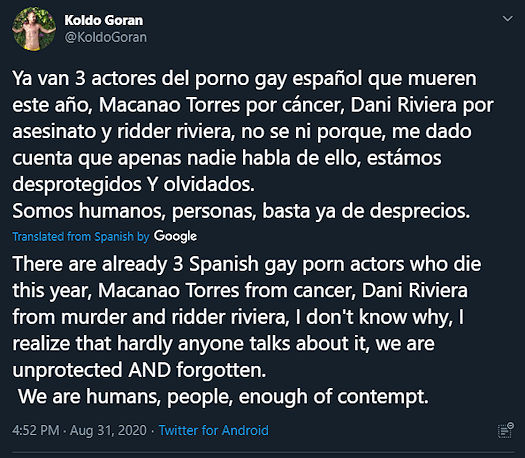
In August of 2020, porn star Koldo Goran tweeted about three fellow performers who had recently died. Goran’s tweet was the only public notice that performer Dani Rivera had been murdered. “I realize nobody talks about it, we are unprotected and forgotten;” Goran tweeted “We are humans, people, enough of contempt.”
Koldo Goran tweet

Most gay news outlets choose to ignore the passing of all but the biggest names in the adult film industry.  Porn companies also seem reluctant to broadcast the death of a performer who is still on their roster, forever young and present in their website content. An obit is a real boner killer, ya know? Why jeopardize the profit margin?

Additionally, performers who abandon their porn personas and return to life under their real names often pass away unnoticed by former employers and scene partners.

For this reason – and due to continued interest in this topic – we have also updated our lists of porn star passings for 2020 and 2021.

Note that some of the departed listed below have no verification other than the crumbs of information posted on the IAFD database. We remember those that were lost in 2022 to prove Koldo Goran wrong – they have not been forgotten.
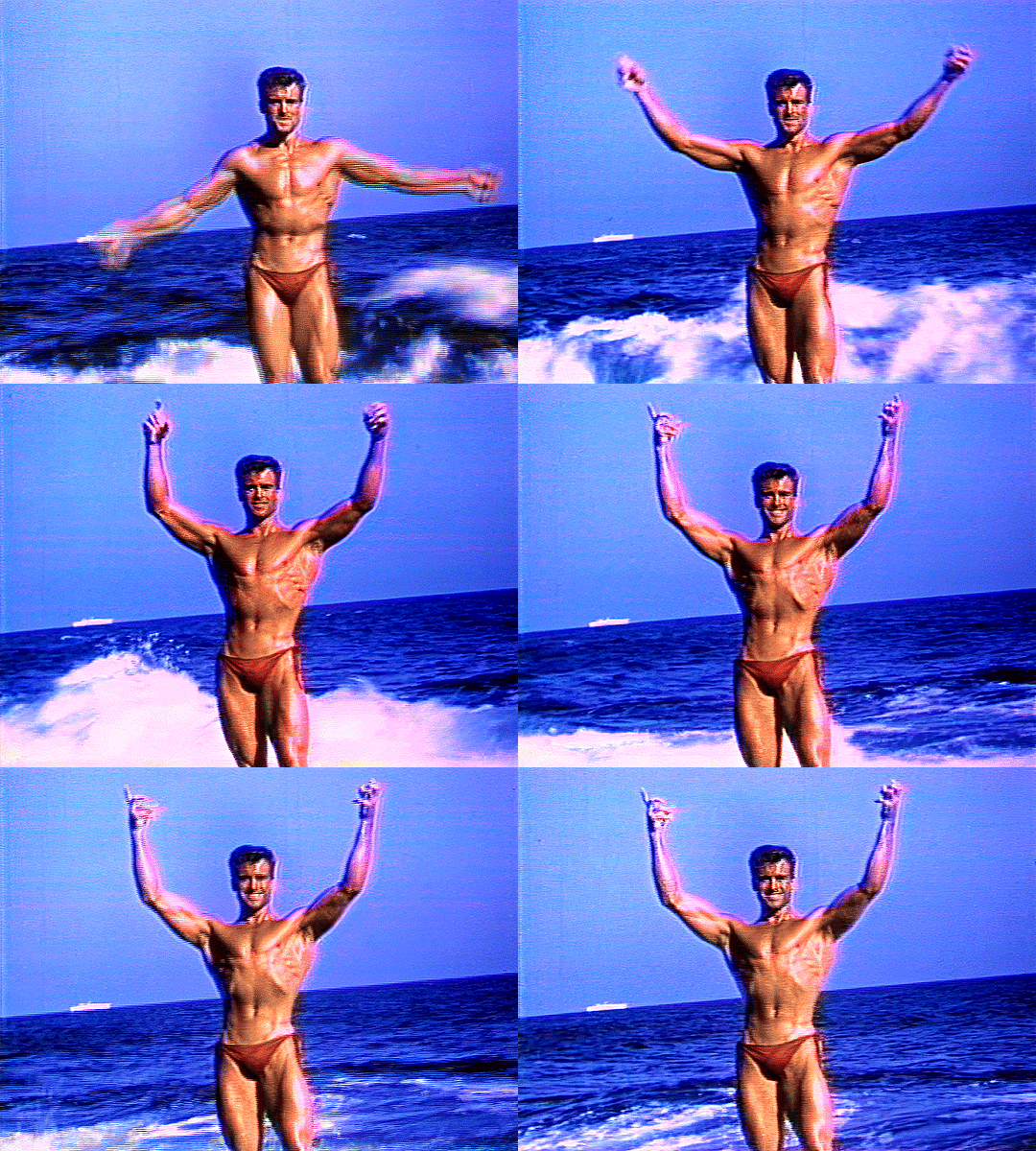
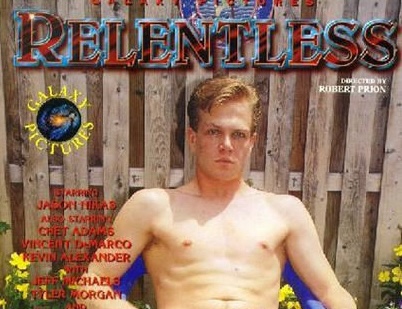
1) Earlier this year we posted a tribute to prolific pornographer Robert Prion, who passed away at age 69 on 3/28/22. Prion filmed approximately 70 full-length films over a 30 year period, primarily in and around his New Jersey home. In the first decade of filming, he usually performed in the films as well.

Cody Fallon

2) Cody Fallon appeared in a dozen films for Randy Blue from 2007-2010. He died of throat cancer in late March.

Porter @ Military Classified

3) In June, Rob Novarro tweeted “It’s with a heavy heart that I announce the passing of another of my models, Porter, he was 35 years old when he passed, much too young. I don’t know any details but that he’s gone.”

Porter aka Paris Holsinger passed away on April 12th in California. He appeared in nearly two dozen scenes with Novarro for his Military Classified website in 2015/2016. The death notice suggested donations to a substance abuse recovery organization and services for the homeless.

4) Steve “Titpig” Hurley aka Paul Yinger worked for Catalina, Brush Creek, Hot Desert Knights, and Treasure Island Media over a 15 year period starting in 1998. The 64 year-old from Ypsilanti, Michigan was also an RN and HIV activist. He passed away in Cathedral City, CA on April 14, 2022.

5) David / Dave Heydon, aka David Toulson was a versatile Brit who appeared in close to 20 scenes from 2007-2013. He filmed for a wide variety of sites including YMAC, Helix, Rentboy, 8teenBoy, and Puppy. Post-porn, he pursued a career in law, working as a fraud prevention officer. While celebrating his 40th birthday on 6/25/22, a friend put him in a chokehold, resulting in his death. The man was later acquitted of murder.

MJ Taylor

6) MJ Taylor primarily worked with Fraternity X and College Dudes but also appeared in scenes for Falcon, Men, Cockyboys, Bait Buddies and other companies from 2007-2018. The Ohio native then went on to work behind the scenes in the industry. He died of cancer in early June, 2022.

Randy from Sean Cody

7) Jason Pacheco, aka Randy was one of the most popular models in the Sean Cody stable, appearing in over 50 scenes from 2013-2019. He was very public on social media about his struggles with drug addiction and a GoFundMe was set up to help pay the medical bills from the resulting complications. He died of organ failure in his hometown of Gloucester, Mass. on 7/9/22.

Sean Cody director Walden Woods issued a statement, “My heart is broken to hear about the passing of Randy. I met him on set almost 10 years ago. He was always a good guy to be around, and had some amazing energy and authentic charm that was undeniable… I had a great time every day he was on set. It’s incredibly sad to hear of his passing. You were a giant Randy, rest in peace.”

8) Trent Locke, aka Ryan Bornn was born on June 9, 1988 and first appeared in films when he was 21 years old. Over the next 5 years he worked for Colt, Falcon, Raging Stallion, Next Door, Hot House, Lucas Entertainment, Cocksuremen and several others. His father posted on social media that Ryan passed away in July, 2022 after a decade of battles with mental illness and substance abuse. He was 34 years old.

9) Dusty Williams, aka Eric Fager was a San Diego paralegal in his life outside the industry. Starting in 2014, he worked with Guybone, BBTH, Rawandrough and Alphamale studios, to name a few. Williams was a month shy of his 40th birthday when he passed away “suddenly” on 7/23/22. A co-worker wrote; “He will always be remembered for his kind, generous, and caring nature. He had a soft spot for animals, most especially, his dear cat, Lady Ms. Friday. He’s been described …. as professional, friendly, kind, helpful, and thoughtful.”

Lucas, aka Sam Bayard

10) Lucas aka Sam Bayard appeared in the Crush series on the French Twinks website earlier this year. Pink TV posted a statement: “We are devastated by the passing of Lucas aka Sam Bayard. We spent wonderful and joyful moments by his side before he decided to give a new direction to his career… The whole FrenchTwinks team shares the immense sadness of his loved ones. It was around 11 p.m., this Tuesday, September 20, 2022, that Antoine Lebel and the FrenchTwinks team announced this terrible news.”

11) Lawrence Morningstar, aka Morning Star West aka Laurence William Tyler worked as an exclusive for Cutler’s Den and then with Noir Male and SayUncle as well as producing his own OnlyFans content. He passed away suddenly while on vacation in Maui on September 28th.

Fellow performer Damian Cruz posted on twitter: “It gives me the utmost sadness to have to tell you all, my soulmate, my brother, and my best friend @xxx_morningstar has passed away this morning. Such a light and an amazing human being. Imma miss you buddy. ”

Shawn Mayotte aka Dirk

12) Doug Probst, aka Shawn Mayotte was a well known Hollywood escort who only appeared in a couple of scenes as “Dirk” for YMAC circa 1982-83. Last year he released two books: Mayotte: The Musings of a Narcissist, a memoir recounting his harrowing exploits in Hollywood, and After Hours: Naked & Unashamed, a celebration of his nude print modeling work. He died of throat cancer in early November at age 57.

Tyler Roberts

13) Tyler Roberts, aka Eric Hazen was 34 years old and had been working in the business since he was 20. He experienced “organ failure” while on vacation in Palm Springs and passed away three weeks later on 12/2/22.

His boyfriend Aaron Thomas tweeted, ““I am so heartbroken to share that my love @XXXTylerRoberts passed away yesterday. His family and I are grieving as Eric left a huge space behind that can’t easily be fixed. Lead with love and tell everyone you can you love them as if it’s the last. I love you Bubba. Rest now.”

Forrest Marks aka Fane Roberts


14) Forrest Marks, aka Fane Roberts, aka Bobby Kuenster passed away on December 27, 2022 in his hometown of Chicago. From 2016-2018, he appeared in over a dozen scenes for Gayhoopla under the name Forrest Marks. He was credited as Fane Roberts for his work with Falcon studios.

Model Gage Kalama-Florence posted about his friend on twitter: “I’m shocked and in disbelief, an old friend passed away too soon… my first gay bestie he really showed me the ropes and for ever will be grateful… Rest in peace Robert.”

Forrest/Fane/Bobby had just started an Only Fans page in October, promising “What is posted now is nothing of what’s coming, shot, and in post production, being shot, and so on. Be patient please. I’m all in.”

Shawn Wolfe

15) On the same day, December 27th, 2022 Shawn Wolfe, aka Shawn Paul Bertrand died of a drug overdose at age 35. His mother wrote on his Facebook wall: “Thank you for all of your kind words. Shawn was a light in this world and he is now a light in Heaven…. He is also with all of his friends and family who went before him….”

Wolfe was first credited as Drew for a 2009 solo scene at Sean Cody. He went on to work primarily for Falcon/Raging Stallion, where he was named Man of the Year in 2013. He retired in 2017. Chi Chi LaRue memorialized Wolfe on Facebook, writing, “Another amazing person gone too soon.”

Content Creator FunMrSmith


16) A reader drew my attention to the passing of Mr. Smith, aka FunMrSmith, a popular gay-for-pay Chaturbate model and content creator who was nominated for an XBiz Award in 2020. He was undergoing chemo to battle a recurrence of leukemia last year when he contracted COVID and passed away in July, 2022.


See Also:
Gay Porn Stars We Lost In 2020
Gay Porn Stars We Lost In 2021
Gay Porn Stars We Lost In 2023
Gay Porn Stars We Lost In 2024
Gay Porn Stars We Lost In 2025
Remembering prolific pornographer Robert Prion
Costello Presley and 80’s Gay Porn Guilty Pleasures
Alexis Arquette’s Lost Porn Flick
RIP Porn Star Turned Activist Terry DeCarlo
George Platt Lynes: In Touch Magazine (1982)

Julius: The Bar That Never Changes Is Officially A Historic Landmark


I recently posted a review of Bette Midler’s Thighs and Whispers LP from the February 1980 Blue Boy Magazine. We are revisiting the same issue of the magazine with a profile of Julius, the oldest continuously operating gay bar in New York City.

In April of 1966 – three years before the Stonewall Riots – a protest took place at Julius’s that became known as the “Sip-In.” This action established the rights of gay people to be served in licensed premises in New York and paved the way for gay establishments to obtain state liquor licenses.

The article below also recounts an earlier lesser-known challenge to the bar’s liquor license alleging that the owners “permitted the premise to become disorderly” by permitting homosexuals to “remain on the premises and conduct themselves in an offensive and indecent manner…” Apparently a patron had propositioned a plainclothed police officer. The courts ultimately decided that the charge was not supported by substantial evidence.

In 2016, Julius was listed on the National Register of Historic Places, and on December 6th, 2022 the bar was officially recognized by the New York City Landmarks Preservation Commission.

The article below states that the bar opened before 1860, although the wikipedia page notes different sources claiming 1864 or 1867. In any case, it’s ancient, but it did not gain its gay reputation until the 1950’s.

Some highlights from the piece below:

“The typical Julius’s person is almost always a doctor/lawyer type, though he may well be unemployed. He generally drinks too much – too early and too many.”

“The decor… is High Dirt.”

…and the hamburgers are still legendary.


See Also:
Revisiting Bette Midler’s Thighs & Whispers (1979)
Costello Presley & 80’s Gay Porn Guilty Pleasures
Kenn Duncan After Dark
Gay Times #69 (1978)
Blueboy 1980: Gays of NYC
John Waters in Blueboy Magazine (1977)
New York City: In Touch For Men (1979)
Remembering Bob Harrington
Revisiting Blueboy Magazine (1980)
Armistead Maupin in Blueboy Magazine (1980)
Keith Haring In Heat Magazine (1992)
A Stroll Through 1980’s NYC

Revisiting Bette Midler’s Thighs and Whispers (1979)

I was recently perusing an old issue of Blueboy magazine (as one does) when I found an in-depth review of Bette Midler’s 1979 LP Thighs and Whispers. Single-monikered reviewer Dallas certainly had strong feelings about the album. The review is quite a roller coaster ride, describing different aspects of the LP as “a knock-out”, “third-rate disco,” “disco at its finest,” “gives the impression that she has no taste,” “borders on genius,” and many breathless adjectives of adulation and despair.

Bette had been going full steam throughout the late 70’s. This was her third studio LP released in three years, plus the live double album Live At Last, a concert special on HBO, and her TV special Ol Red Hair Is Back, which won Bette her first Emmy award.

I should probably take Dallas’s advice to smoke a joint and listen to the song “Hurricane” again, because unfortunately my weed-free opinion is that the track is utterly forgettable.

Bette spoke about Thighs and Whispers during a 2021 interview with Jim Farber in Parade Magazine. Reflecting on her career, she admitted that she had recorded “some stinkers.” Of the song “Married Men,” she joked; “Please, God, shoot me now!”

Bette Midler sings “Married Men” on the SNL 4th season finale, (5/26/79). Among her backup singers were Katie Sagal and Luther Vandross.

She also mentioned the song “My Knight In Black Leather,” saying “Save me! That was the label saying, ‘You have to record this.’”

Bette has been using “My Knight In Black Leather” as a punchline for decades – not just in interviews but also during her live shows. Reflecting on her career back in 1987, she told an interviewer that she had no regrets:

“I’d do it all over again, just as I did.”

“What about ‘My Knight In Black Leather?'”

“Well,” she said, “that’s the exception. That’s one thing I don’t think I would do again.”

Bette and her Harlettes (Linda Hart, Paulette McWilliams and Franny Eisenberg) performed “My Knight In Black Leather” on the German television show Musikladen (10/18/79)

In defense of the song: it was not supposed to be taken seriously. Should it have been a single? Probably not, but they were trying to get a hit record by tapping into that “Village People *wink-wink, nudge-nudge* we-know-it’s-gay-but-Middle-America-doesn’t” disco energy.

Mister D, head of the BootlegBetty fansite is fond of the LP: “…great album, great cover, great orchestrations, and one cut, ‘Cradle Days’ which I thought is probably her greatest vocals on an album.”  


Thighs and Whispers was considered a commercial failure, but ultimately, it was water under the bridge. The film The Rose was released the following month, earning Bette a Golden Globe award and an Oscar nomination. The accompanying soundtrack LP (for those keeping track, that’s 6 albums released in three years) placed her firmly in rock and roll territory. It should be noted that one of the highlights of The Rose – the song “Stay With Me” – was written by Jerry Ragavoy, composer of… “My Knight in Black Leather.”

With an eye towards the 1980’s and the rise of New Wave music, Bette told an interviewer “I think I should jump on every musical bandwagon and really drive people mad, just irritate them to shit so they say ‘She’s such a cow – she’ll jump on any musical bandwagon.’ Why not? I’ll bleach my hair and rip my clothes. I think it’s fun. I’m getting silly in my old age.” This would have to wait 4 years until her next studio album: 1983’s No Frills.

On October 8, 2016, Bette was the special guest at a Forest Hills Stadium show called Nile Rogers’ FOLD (Freak Out Let’s Dance) Festival – a show also featuring his group Chic, The Village People and Earth, Wind, and Fire. Given the theme, I thought Bette might dust off a song from her disco period – 1976’s Strangers In The Night, perhaps. But she didn’t. Her set consisted of her classics: “Friends,” “Do You Want To Dance,” “Boogie Woogie Bugle Boy,” and “Wind Beneath My Wings.” Her final song was a nice surprise: “Route 66,” which she said she had never sung before and had just learned the day before.

This issue of Blueboy also features a full page ad for Elton John’s foray into disco,Victim of Love, which was released the same month as Thighs and Whispers. The album is widely considered to be the low point of his career.

See Also:
10 Forgotten Cher Moments
Debbie At The World (1989)
Dusty Springfield Sings Kate Bush
Kenn Duncan After Dark (wi/Bette Midler)
Gimme Gimme Gimme: Erasure Covering ABBA
John Waters in Blueboy Magazine (1977)
New York City: In Touch For Men (1979)
San Francisco: In Touch For Men (1979)
Revisiting Blueboy Magazine (1980)
Armistead Maupin in Blueboy Magazine (1980)