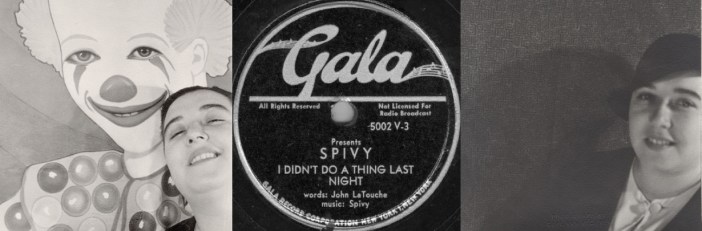
Adam Schlesinger: Not Just The Guy On The Right

When Adam Schlesinger died of coronavirus three years ago this week, I was skeptical that he would have received as many tributes if we were living in normal times. With everyone stuck in quarantine staring at their computers, there was an outpouring of tributes. This seems to have continued on, as every year the anniversary brings new articles and remembrances from friends and creative cohorts.

Fountains of Wayne and Ivy were two of my favorite bands for many years. I always seemed to be pointing him out in performance clips – “the guy on the right is Adam Schlesinger….” followed by an overshare of information about his career.

Entertainment Weekly (2003)
Ivy (l-r): Andy Chase, Adam Schlesinger, Dominique Durand (1996)

In the press, Adam’s “side project” was whichever band was not promoting a new release. And while Fountains of Wayne was the first to be mentioned in tributes after his death, Ivy is now garnering considerable attention as the band has recently regained control of their back catalogue and increased their social media presence. Their first remastered re-release is Apartment Life (1997) featuring previously unreleased tracks and a vinyl-only reconstruction of the LP using the original demo recordings.


Adam Schlesinger: A Musical Celebration was a two-hour virtual tribute concert helmed by Fountains of Wayne guitarist Jody Porter. Recorded in May 2020 as a pay-per-view streaming event, it is now available for free on YouTube. Highlights include Courtney Love’s take on “Hey Julie,” Sean Lennon performing “Fire Island,” and Butch Walker debuting “Guitar Center,” an unreleased song written by Adam.

The performances are interspersed with commentary from celebs like Drew Carey and Sarah Silverman, who said; “People are so funny how blown away they are at all that he’s done … I don’t think people realized because they know him from one thing or another thing or another thing but the whole picture of what he got done… it’s something. I fucking miss him.”

Here are 15 Adam Schlesinger-related performances to give a more complete picture:

1) Besides his work penning the music to Sarah Silverman’s autobiographical stage musical The Bedwetter, Adam produced this 2013 song co-written with Sarah and featuring Will.i.am:

2) In 2009, Adam was a member of the super group Tinted Windows, which featured Taylor Hanson, James Iha of Smashing Pumpkins and Bun E. Carlos of Cheap Trick. The surviving members reunited to perform “Back With You” in the tribute concert. Here’s the music video for “Kind Of A Girl,” another single from their sole album.

3) One of the most surprising covers in Adam Schlesinger: A Musical Celebration is by The Minus Five – a band featuring Joe Andragna, Peter Buck (of R.E.M.) and Scott McCaughey (of Young Fresh Fellows). Their song choice was “I’ll Say It” – written by Adam in 2012 as the theme to Kathy Griffin’s TV show:

4) Several Fountains of Wayne performances are interspersed throughout the tribute concert, including their appearance on Late Night with Conan O’Brien a few days after 9/11, covering The Kinks “Better Things.” Two months later, Adam was back on the show with Ivy to perform their latest single, “Disappointed.”

5) In September of 1997, Adam made a solo radio appearance on XFM In Session. This was after Chris Collingwood was injured in Germany (see sidebar article referring to this as a low point in their career). Besides the interview, Adam does acoustic versions of “Utopia Parkway” and “Carpet King.”

6) In 2006, Adam co-wrote the song “High School Never Ends” with Jaret Riddick, lead singer of the band Bowling For Soup. This was the lead single on that band’s 6th album and a minor hit in the U.S. and U.K.:

7) Mike Viola and Adam Schlesinger perform their Oscar-nominated song “That Thing You Do” on May 4, 2007 at the Tribeca/ASCAP Music Lounge during the Tribeca Film Festival:

8) Also in May 2007, Adam and Chris joined Neil Sedaka onstage at Joe’s Pub in New York City to sing his 1961 hit “Calendar Girl.” Neil flubs his own lyrics. Adam and Chris do not. In April 2020, Neil posted this clip on Twitter as a tribute to Adam. Chris responded “It was an honor and one of the coolest things we ever did.”

9) In October 2011, Fountains Of Wayne performed a Tiny Desk Concert on NPR.
Set List:
“The Summer Place”
“Valley Winter Song”
“A Dip In The Ocean”
“Troubled Times”:

10) One of the Rolling Stone tributes published after Adam’s death was an interview with Chris Collingwood. He remembers trying to talk Adam out of recording “Stacey’s Mom.” He was sure it would be a hit… and also a curse. “He was too good a writer to have that be his calling card, and the success of a novelty song means that’s just what you are to the public, from that moment on – forever. It’s sad to me that people reading his obituary will all know that song, and only a very tiny percentage of them will ever hear ‘I-95’ or ‘The Girl I Can’t Forget.'” 

Here’s the latter: an entire rom-com in under four minutes.

11) An unreleased demo of Adam performing a song called “Something Happened” recently popped up on YouTube. I can’t confirm that he wrote it about Chris Collingwood or the end of Fountains of Wayne, but it’s certainly a poignant performance:

12) In November, 2018 Adam joined Wesley Stace & The English UK onstage at City Winery to perform “Hey Julie”:

13) Along with Rachel Bloom & Jack Dolgen, Adam co-wrote the music for the television show Crazy Ex-Girlfriend, winning his third Emmy in 2019 for the song “Anti-depressants Are So Not A Big Deal.” At a Crazy Ex-Girlfriend: Live In Los Angeles show in 2018 he performed “What’ll It Be?” in the style of an obscure Long Island singer named William Joel.

14) One of Adam’s final projects was his work with Fever High, a Brooklyn duo for whom he was the primary producer / songwriter. In 2019 he accompanied them for a three song “tiny desk” concert at Paste Studio.
Set List:
“Just A Ghost”
“Looks Good On Paper”
“Cast My Spell”

15) In late 2021, Dominique Durand and Andy Chase of Ivy released a 25 minute tribute video on their YouTube page. “We knew Adam Schlesinger for 30 years, and felt we should finally create an official Ivy statement about who he was to us. We wanted to show a more intimate, human side to Adam – the friend, the father, the band mate, the whirlwind force that he was – so we made this short film using exclusive home movies and photos. Hopefully this will help add more weight and color to the extraordinary legacy that Adam left behind.”

In a 2020 Rolling Stone piece, playwright David Bar Katz paid tribute to his lifelong friend: “There are songs we would all have known by heart that we’re never going to hear. There were going to be musicals we’d have waited in line to see that will never be composed.” We will never know just how much we have lost.

Emmy Awards ‘In Memoriam’ Segment

See also:
Angela McCluskey: A Voice You Know
Dusty Springfield Sings Kate Bush
On The Life Of Brian… During The Pandemic
Photographer Lucas Murnaghan has died at 45
10 Forgotten Cher Moments
Debbie At The World (1989)
So Jill Sobule

David on The Robin Byrd Show

The recent brouhaha over exposing Michelangelo’s David to impressionable Florida public school children reminded me of the classic sculpture’s 1998 appearance on Robin Byrd‘s Men For Men. For those outside of Manhattan, this was a late night cable TV show featuring strippers and adult film entertainers that aired nearly every night of the week. Apparently, poor Dave had fallen on hard times and was shaking his marbles for cash on 8th Avenue. At least that was the way it appeared on my public access show, Bri-Guy’s Media Surf.

Maria, the beleaguered salt shaker.

I have written about Media Surf in the past – it ran on Manhattan Neighborhood Network from 1997-2007. In the early years, I created short segments using stop-motion with my video camera. Most featured a portly salt shaker named Maria. After a while I grew tired of the time consuming technique. David’s striptease was one of the last that I created.

https://www.tiktok.com/t/ZTNMWMFHs/

/\ /\ I’m leaving this here to show how ridiculous YouTube is. /\ /\


I wanted to utilize my set of David refrigerator magnets on a red metal background. It had to be metal for the magnetic properties, and the red would emulate the lurid background on Robin’s show. I was still trying to figure out how to execute this when I came home one day to find that the apartment doors in my building had been re-painted glossy red. Perfect! I propped my door open, set up my camera tripod and went about creating the frame-by-frame striptease. Luckily I lived on the top floor and was uninterrupted by puzzled neighbors wondering what the hell I was doing.

In the version that aired 25 years ago, David was dancing to Madonna’s “Erotica” – a song that every third performer on Robin Byrd’s show seemed to use at the time. Unfortunately, Madge and Warner Brothers Music are most intolerant of the unauthorized use of their recordings. Rather than risk having the video removed from social media platforms, I switched it out. David now shimmies to Man Parrish / Man 2 Man’s “Male Stripper,” a much better choice of song that I wish I had used in the first place.

I was planning to use a clip of Robin’s generic “Lie back, get comfortable” guest introduction and then cut to David’s performance. It was pure luck that I happened to be recording her show one night when she introduced a guest named “David.” Sometimes the stars align to help create a classic piece of work. 😉

See Also:
If You See Me In The Bathroom, Be Sure To Shake My Hand
1991: Homo Alone
Kurt Bieber: From Little Me to Colt Model
Remembering Bob Harrington
Gay Porn Stars We Lost In 2022
Gay Porn Stars We Lost In 2023
Gay Porn Stars We Lost In 2024
Gay Porn Stars We Lost (so far) In 2025
Keith Haring In Heat Magazine (1992)
You Know The B-52’s Song “Roam” Is About Butt Sex, Right?

Artist’s Muse: José “Pete” Martinez


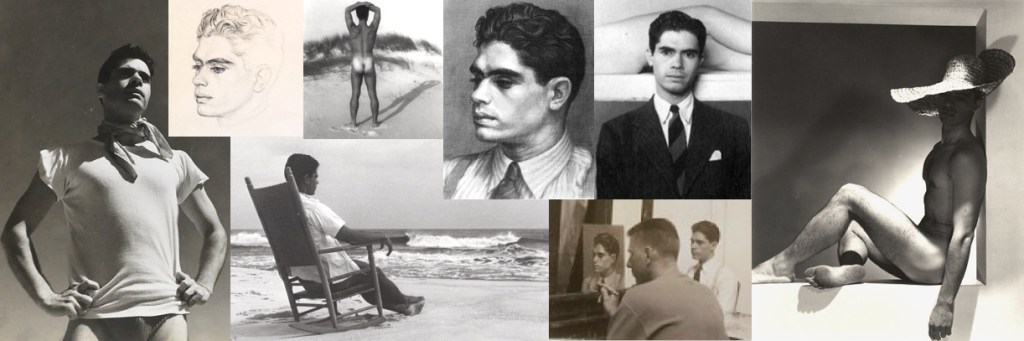
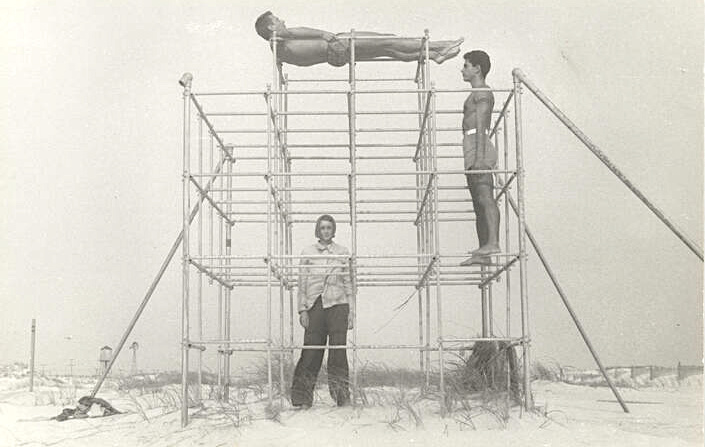
In last summer’s post about the PaJaMa Collective – artists Paul Cadmus, Jared French and his wife Margaret – the focus was on their Fire Island photos of the late 1930’s. One of the friends who cavorted with the trio during that time was José “Pete” Martinez, a dancer from New York City who was involved with their friend, arts patron and ballet impresario Lincoln Kirstein.

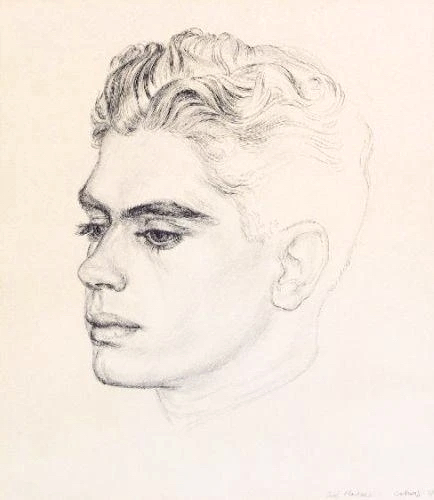
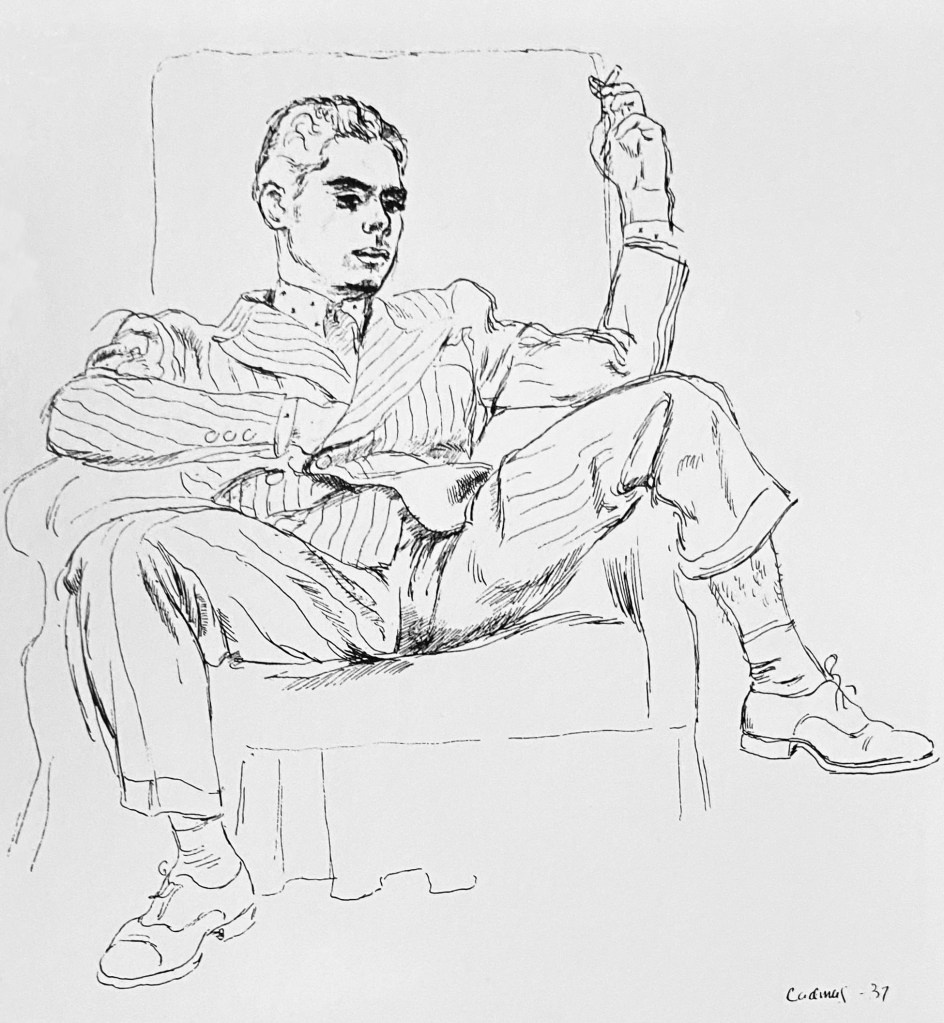
Paul Cadmus’s 1937 sketch of José Martinez appears in Charles Kaiser’s book The Gay Metropolis.

In David Leddick’s book Intimate Companions, Martinez is described as “a droll and witty young man… Those who knew the two men in the 1930’s said he was capable of endlessly amusing his lover, and that of all the men in his life, Martinez was the man that Kirstein most likely loved the most. Kirstein loved gossip and other men’s tales of their sexual exploits, and this love of storytelling drew him to Martinez. In addition, Martinez was handsome, and many artists painted, drew and photographed him. “

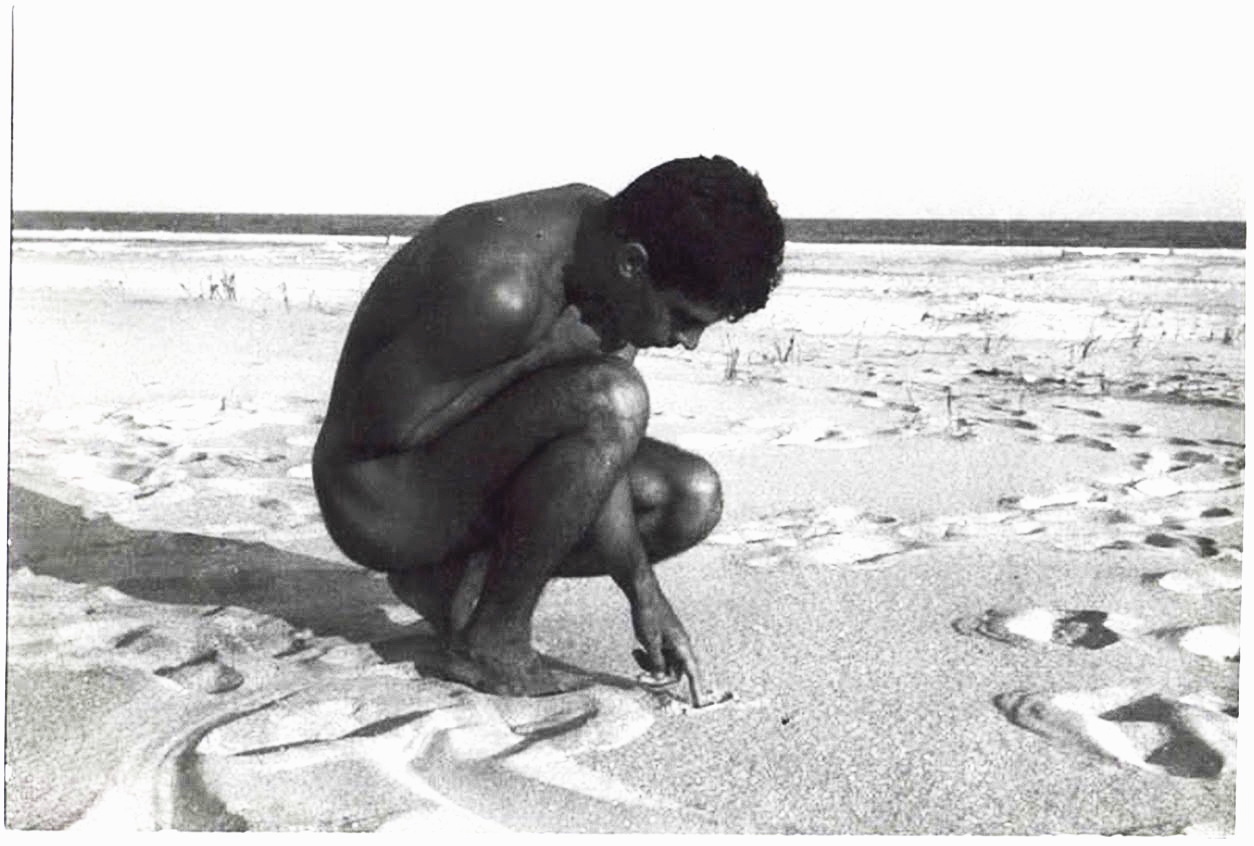
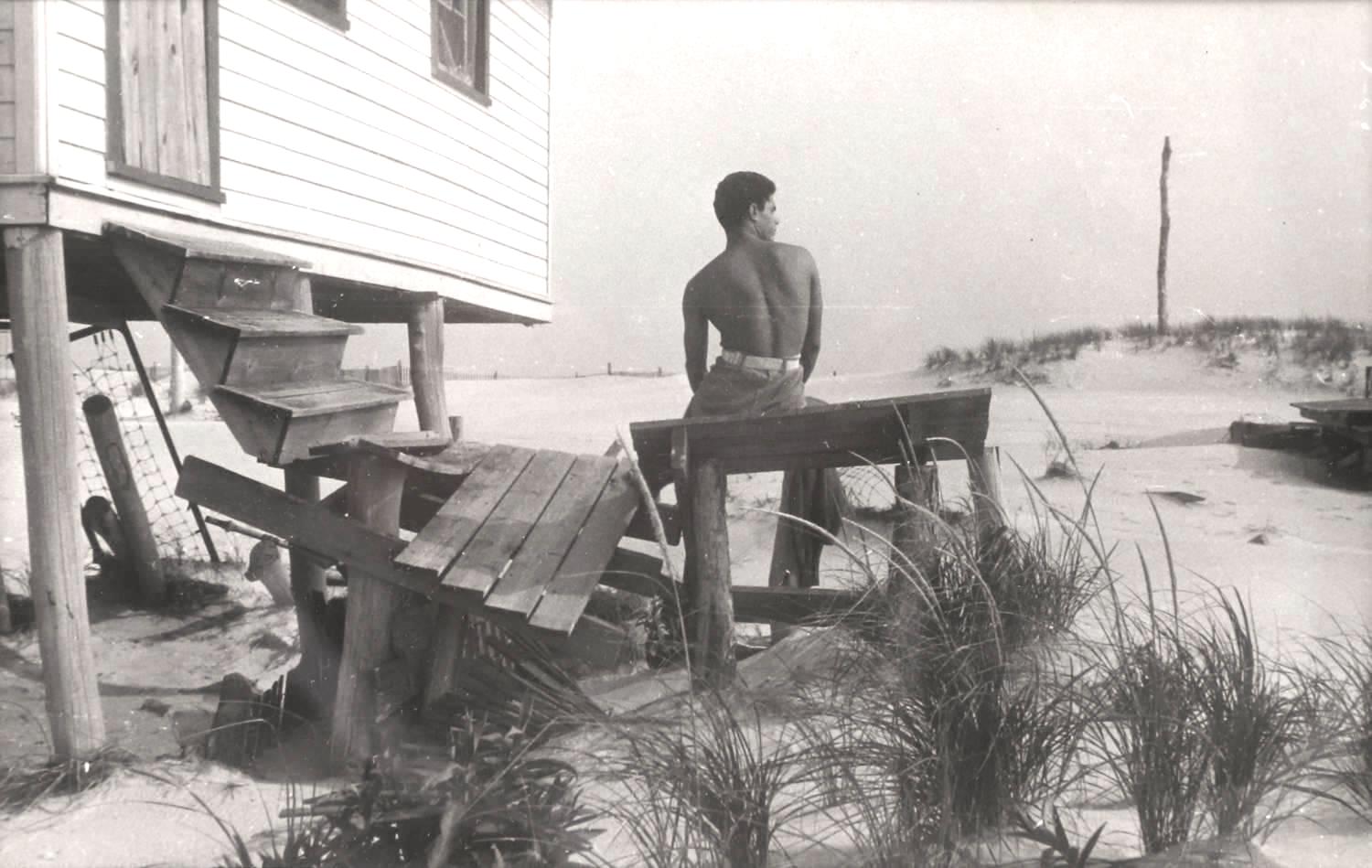
Fire Island PaJaMa photos featuring José Martinez with Paul Cadmus, Jared and Margaret French, ca 1938-39

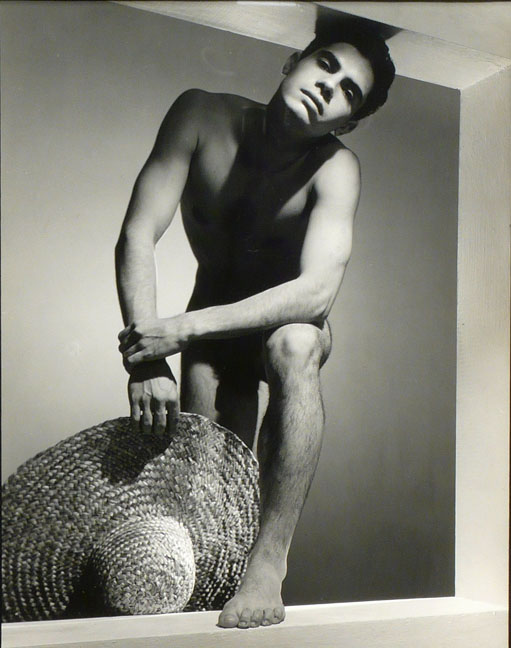
Besides The PaJaMa Collective, those artists included Paul Cadmus’ sister Fidelma and photographers William Caskey and George Platt Lynes.

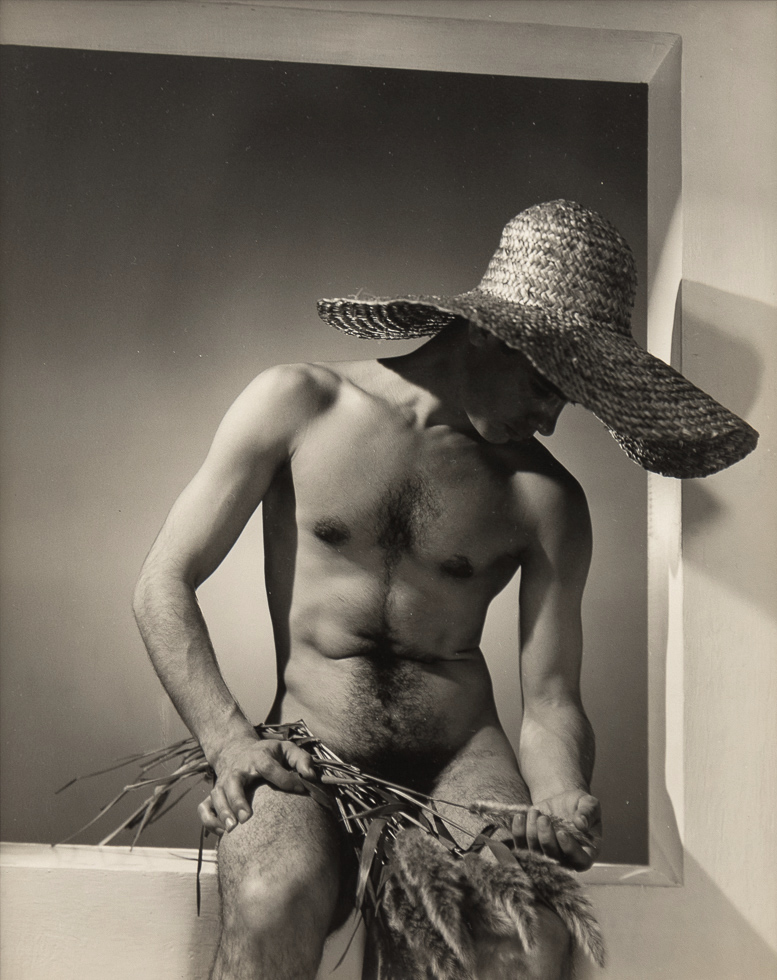
The most memorable Lynes photo of Martinez is a studio shot with the dancer perched in a window frame wearing nothing but a wide brimmed sun hat.


George Platt Lynes photographs of José Martinez.

Pete Martinez (who sometimes used the stage name Pete Stefan) was born José Antonio Martinez-Berlanga in Mexico on March 13, 1913. His family moved to Houston, Texas when he was quite young. Mama Martinez had been a folk dancer back in Mexico and one of Jose’s sisters dreamed of following in her footsteps. Little José was drafted as her dance partner. The scenario is familiar to many boys who begin to study dance as children: the sister loses interest and drops out, but he continues on. It’s a page torn out of A Chorus Line. Later an uncle took him to see Ballet Russe, which further strengthened his resolve to dance. “I was going to set the world on fire,” he would later recount.

After graduating high school, much to the chagrin of his parents, José moved to New York City to study at the School of American Ballet, where he eventually gained a full scholarship. Upon graduation, he was invited to join the company.

José Martinez photographed by Paul Cadmus, ca 1938

Martinez caught the eye of Lincoln Kirstein, and the relationship progressed to the point that they moved in together.

The PaJaMa photo “After The Hurricane” features (l-r) Jared French, Lincoln Kirstein, José Martinez, Forrest Thayer and probably Paul Cadmus. Tragically, costume designer Forrest Thayer was killed in a Southampton single car accident in 1951.


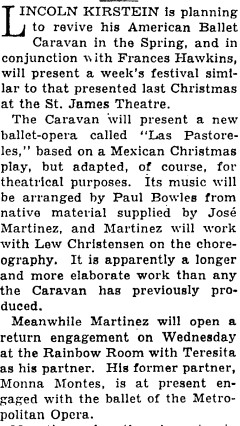
Martinez became a member of The Ballet Caravan, a touring company founded by Kirstein to provide off-season summer employment to American ballet dancers. Here Martinez began to get more involved in the creative process: conceiving the ideas and librettos for ballets, if not choreographing them. He is most associated with the ballet Pastorela, although his exact contribution to its creation varies depending on the source.

As noted in the New York Times article below, Martinez also had several engagements at Rockefeller Center’s Rainbow Room with different dance partners.

New York Times, 12/1/40

Jose Martinez photographed by William Caskey

Lincoln Kirstein & his wife Fidelma Cadmus


Martinez eventually found himself in a triangular romantic situation similar to his friends in The PaJaMa Collective: Paul Cadmus and Jared French had a sexual relationship that continued after French married Margaret Hoening. The three all lived and worked together in a Greenwich Village townhouse at 5 St. Luke’s Place. When Lincoln Kirstein married Paul’s sister Fidelma, she moved into the apartment he shared with Martinez, who continued to live with them for the first year of the marriage.

Martinez was also photographed in the summer of 1938 sunbathing with Jared French and Paul Cadmus on the roof of their home/studios at 5 St. Luke’s Place.

The Ballet Caravan were on a South American tour through 1941 as the U.S. entered World War II. The troupe returned to a very different New York City than the one they had left. When Martinez was denied entry to the Army, he went to work at a hostel for Jewish refugees in Haverford, Pennsylvania where writer Christopher Isherwood was already working. The two were acquaintances through Kirstein but developed a close friendship that would sometimes turn physical, as detailed in Isherwood’s diaries.

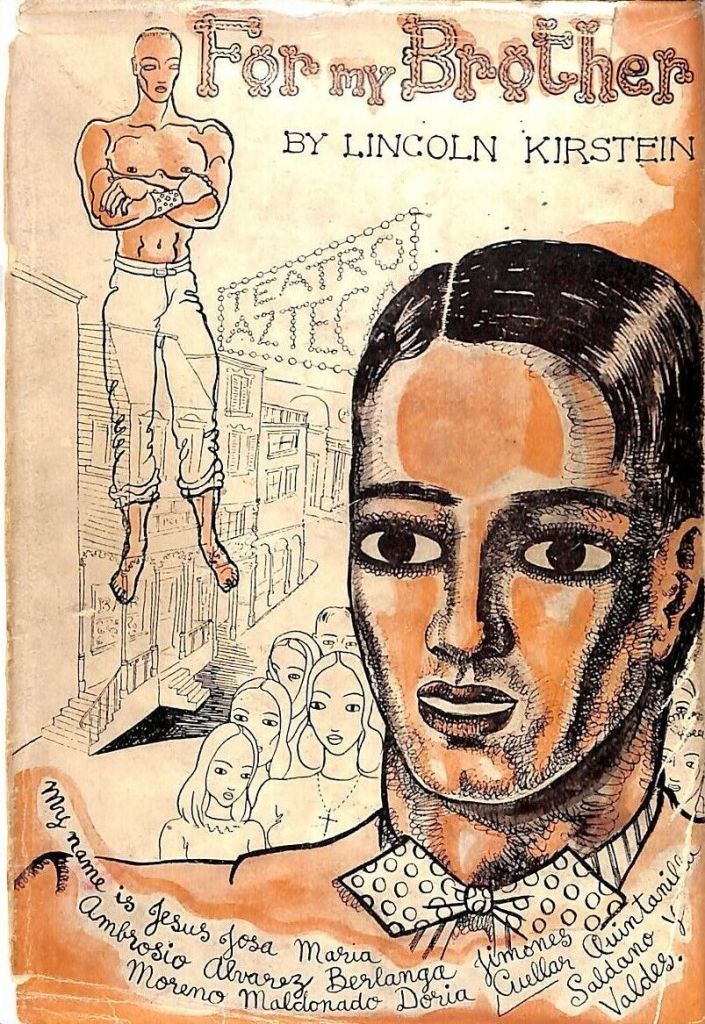
For My Brother: A True Story By José Martinez As Told To Lincoln Kirstein original jacket designed by William Chappell.

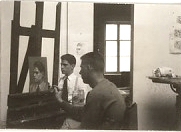
Paul Cadmus photographed sketching José Martinez at 5 St. Luke’s Place.

In 1943, a book was published in the UK with the rather unwieldy title For My Brother: A True Story By José Martinez As Told To Lincoln Kirstein.

From the original dust jacket: “It is the life story of a young American of Mexican origin whose family has settled in a small town in Texas. It is at the same time a study in the contrast between two worlds, two ways of life: industrial, polyglot America, and the more primitive civilization of Mexico just over the border, where many of the hero’s relations still live. The story is told with great poetic feeling and a rare delicacy of perception in human relationships…”

The chronology on Kirstein’s website makes no mention of Martinez and lists For My Brother as fiction “based on a Mexican sojourn.”

The book jacket was designed by fellow dancer-turned-ballet designer William Chappell. For My Brother… is quite rare, as most of the 2,000 printed copies were said to have been destroyed in a warehouse bombed by the Nazis. A Canadian edition was later published by MacMillan.

Martinez was finally able to join the military in 1943 and remained in service until the end of the war.

Back in New York, he resumed his dance career with Ballet Society where he danced in the original 1946 productions of George Balanchine’s Four Temperaments and William Dollar’s Highland Fling.

And then…. to invoke A Chorus Line once again: “What do you do when you can no longer dance?”

A knee injury hastened the end of his performance career. A June 4, 1950 article in the Norfolk Virginian-Pilot chronicled his coming to terms with the transition. He drifted for a year before settling into the next chapter of his life as a dance teacher in Norfolk, Virginia.

Norfolk Virginian-Pilot, 7/27/47
Norfolk Virginian-Pilot, 6/12/49


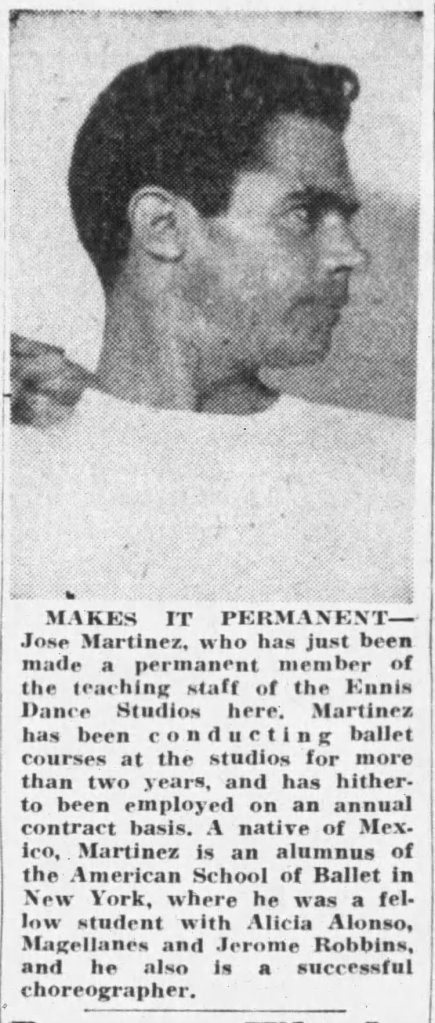
After Virginia, Martinez founded other dance studios in Ohio and California, where he retired from teaching in the mid-1960’s.

Lincoln Kirstein died at aged 88 in January, 1996. José Martinez passed away 16 months later in Pasadena, California at age 84.

See also:
Fire Island PaJaMa Party
Provincetown PaJaMa Party
Artist’s Muse: Wilbur Pippin
Artist’s Muse: Forrest Thayer
Artist’s Muse: William Weslow
Artist’s Muse: Chuck Howard
Artist’s Muse: Randy Jack
Artist’s Muse: Ted Starkowski
Artist’s Muse: The Mystery Model
Fire Island Muses of George Platt Lynes & The PaJaMa Collective
George Platt Lynes: In Touch Magazine (1982)
Revisiting George Platt Lynes’ Fire Island Muses

Yes Virginia, There Is A Spotify Playlist (2022)

NYC Santas photographed in the late 1970’s by Susan Meiselas

I know I am not alone when I say that I take comfort in the annual repetition of the holidays: revisiting holiday-themed music, films, television shows… and now internet posts. Dave Holmes’ account of Patti LaBelle’s disastrous performance at the 1996 National Christmas Tree lighting is worth an annual revisit. Trust me.

In fact, the post that you are currently reading has been reworked and updated from the past two Christmas seasons, not to get meta or anything.

I find it interesting that we immerse ourselves in certain pop culture favorites for exactly 6 weeks of the year and then pack them up in mothballs with the ornaments until next year. I mean, Brenda Lee’s “Rockin’ Around The Christmas Tree” is currently at #2 on the Billboard Hot 100. Burl Ives and Andy Williams are also in the top 10! Are any of them on your 4th of July playlist? They aren’t on mine.

Gabe Pressman (left) with Marilyn Monroe (1956)

I used to look forward to the annual Christmas Eve tradition on NBC New York’s evening news when reporter Gabe Pressman would read “Yes Virginia, There Is A Santa Claus.” I taped it in 2011, knowing that the tradition wouldn’t last forever. The self-described “little Jewish kid from the Bronx” was 87 years old at the time and continued to work at NBC until his death at age 93.

NBC New York reporter Gabe Pressman’s annual segment on Virginia O’Hanlon’s 1897 letter to the New York Sun Newspaper.

In keeping with this revisit, my other blog posts of Christmas past are back to haunt you like A Christmas Carol, Mr. Scrooge:

My Canine Christmas Tail is a true story about my dog Sunshine, a basset hound with an appetite for tinsel.

Here is my take on the 1987 Motown Christmas Special – which featured very few Motown acts.

I recently updated my post of 10 Things You May Not Know About March of The Wooden Soldiers, the Laurel & Hardy classic holiday film.

Have you watched Christmas In Connecticut yet this year? How about that delivery woman?

Here’s a little backstory on that classic holiday tune “¿Dónde Está Santa Claus?” & Augie Rios, who sang the original version.

Copyright issues kept my 60 Degrees Girl Group Christmas playlist out of commission but now it’s back! I plan to post other episodes of my old radio show in the new year.

If you prefer Spotify, I have this to share:

Way back in 2002, when Limewire was a thing and people listened to music on silvery discs, I started creating Christmas CD mixes that I would mail out or give to people. These were received with a heartwarming combination of feigned delight, veiled indifference and deafening silence. None of these CDs had a pressing of more than 20 copies. I’d like to call them “much sought after” – but no, that’s not really the case, although every once in a while, someone really got into them and would ask for copies of other volumes.

And so, I’m offering this simple playlist…. for kids from 1 to 92. Unfortunately some of the tracks on these dozen CDs are not on Spotify, but I keep adding songs that would be on the current CD volume… if there was one. And now the playlist is over 16 hours of holiday tunes. I recommend listening on shuffle – there’s something to irritate everyone. Enjoy!

Here’s one more nugget to stuff in your stocking: This vid went viral in 2011. Choreographed and performed by Alex Karigan & Zac Hammer of the Amy Marshall Dance Company, it was filmed in one continuous take at the New 42nd St. Dance Studios. There’s something infectious about it: the joy, the corniness, the celebratory queerness of it all. It makes me want to dust off my jazz shoes. Once a year.

See Also:
Your Guide To Disposable Gay Holiday Movies
The 60 Degrees Girl Group Christmas Show
The Christmas In Connecticut Delivery Woman
March Of The Wooden Soldiers: 10 Things You May Not Know About This Holiday Classic
Sunshine & Tinsel: A Canine Christmas Tail
A Christmas Without Miracles: The 1987 Motown Xmas Special

¿Dónde Está Santa Claus (& Augie Rios)?

When I was a child in the 1970’s, one of my favorite pastimes was playing my parents’ old discarded 45s on my Fisher Price record player. One single that received considerable airplay was a Christmas record by Augie Rios called “Ol’ Fatso,” which featured a sassy child giving Santa Claus a hard time with the repetitive chorus of “Don’t care who you are Ol’ Fatso / keep those reindeer off the roof.” What’s not to love?

The flip side of this blue Metro 45 with the lion on the label was another Christmas song: “¿Dónde Está Santa Claus?” I would later learn that this was actually the “a” side of the record. At that age, I had to rely upon my own underdeveloped musical tastes to figure out which side was the hit. For this reason, I am still partial to Dusty Springfield’s self-penned b-side “Something Special” over the faux-Spector bombast of “Stay Awhile.”

As you can imagine, the rather un-PC “Ol Fatso” does not get covered a whole lot. Or at all. “¿Dónde Está Santa Claus?” on the other hand, has some other versions that have become favorites of mine.

Toni Stante (aka Antoinette Binastante) released a version on the Parkway label in 1965. This single has been the highlight of my Girl Group Christmas playlist for many years.

Later in the 60’s, The Thomas Sisters recorded what is now my favorite version. It is harder to find, though: It’s not on Spotify and keeps getting removed from YouTube. We’ll see how long this link remains active:

Other notable covers of the song: Charo’s 12″ disco version and the band Guster’s 2004 take of the tune.

But back to the original version and our titular question: ¿Dónde Está Augie Rios?

Augustine Rios was born in 1946, the son of Puerto Rican immigrant factory workers living in New York City. He began performing at a young age and had made some local television appearances before being cast as Lena Horne’s little brother in the 1957 Broadway musical Jamaica, which also starred Ricardo Montalban and Ossie Davis. The role was originally only a few lines but Augie was such a standout in the out-of-town performances that it was expanded. By the time they hit Broadway, he was sixth on the cast list among his well-established co-stars.


New York Age, Sept. 21, 1957

Broadway cast recording of Jamaica with Augie Rios, Ricardo Montalban and Ossie Davis (1957)


Augie had been in Jamaica for over a year when he cut his first single for Metro records. “¿Dónde Está Santa Claus? was co-written by his manager, George Scheck and released just before Christmas, 1958.

Jamaica continued its run on Broadway for a year and a half, closing in April of 1959. Despite having a hit record and making television appearances during the run of the show, the press noted that Augie had never missed a performance.

Augie Rios with Carol Lawrence and Howard Keel in Saratoga (1959)

In December of 1959, Augie appeared as “Shorty” alongside Carol Lawrence and Howard Keel in the Broadway musical Saratoga, an adaption of the Edna Furber novel Saratoga Trunk with music & lyrics by Harold Arlen & Johnny Mercer. Although Cecil Beaton did win a Tony award for costume design, the show was not a success and closed in April of 1960.

Meanwhile, Augie had two follow-up singles released on Metro in 1959, followed by another bilingual Christmas single on MGM in 1960: “Felice Navidades (Merry Christmas To All)”:

Augie continued to work in theatrical productions on tour and in summer stock. He also made numerous television appearances. By 1963, he was performing with his own vocal group, Augie Rios and the Notations. They released a single on Shelley Records followed by two additional solo singles credited to Augie in 1964. Of course there have also been numerous reissues of his original Christmas classic single through the years.

Back in the early 2000’s, I came across an internet post about Augie Rios on a 1950’s music website. Augie himself had responded in the comments section, thanking everyone for their continued interest and also giving an update on what he had been up to in recent years – retired from his post-performance career and still living in the tri-state area. Unfortunately, the website is long gone, so I cannot locate details. His LinkedIn account lists him as “Retired and enjoying life.”

Here’s Augie singing his signature song with friends and family in recent years:

According to several sources, Augie Rios passed away in December 2019, age 73. There is also a memorial video on YouTube with a home audio recording and photo montage of his life.

¡Feliz Navidad Augie Ríos! Gracias por la música.

See also:
’60s Girl Group Survivors
The 60 Degrees Girl Group Christmas Show
Dusting Off The Holiday Favorites (2023)
Girl Group Heaven: Ronnie, Rosa & Wanda
The Christmas In Connecticut Delivery Woman
Sunshine & Tinsel: A Canine Christmas Tail
Tina Turner: 12+ Cover Songs You May Have Missed
Yes Virginia, There Is A Spotify Playlist
A Christmas Without Miracles: The 1987 Motown Xmas Special

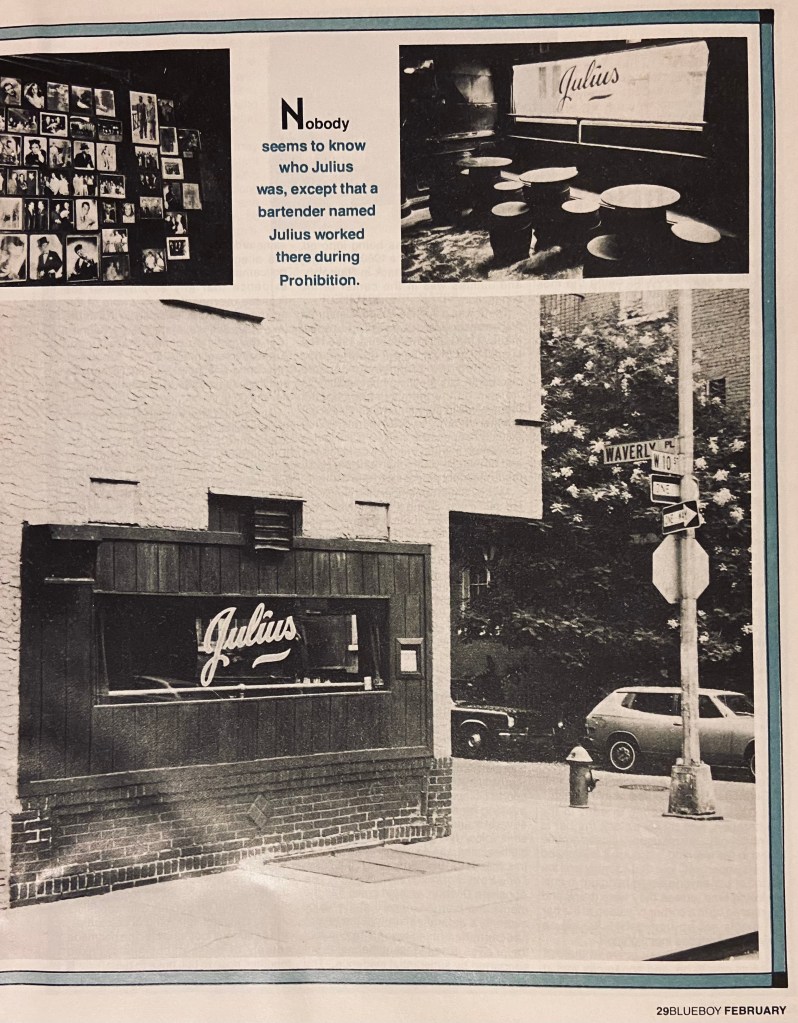
Julius: The Bar That Never Changes Is Officially A Historic Landmark


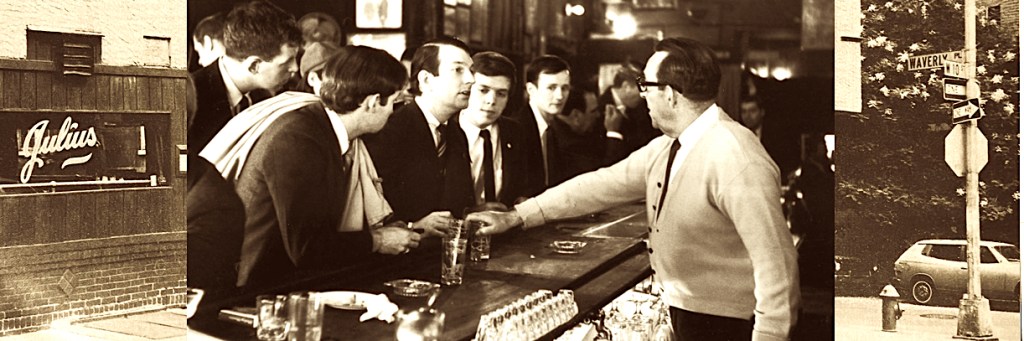
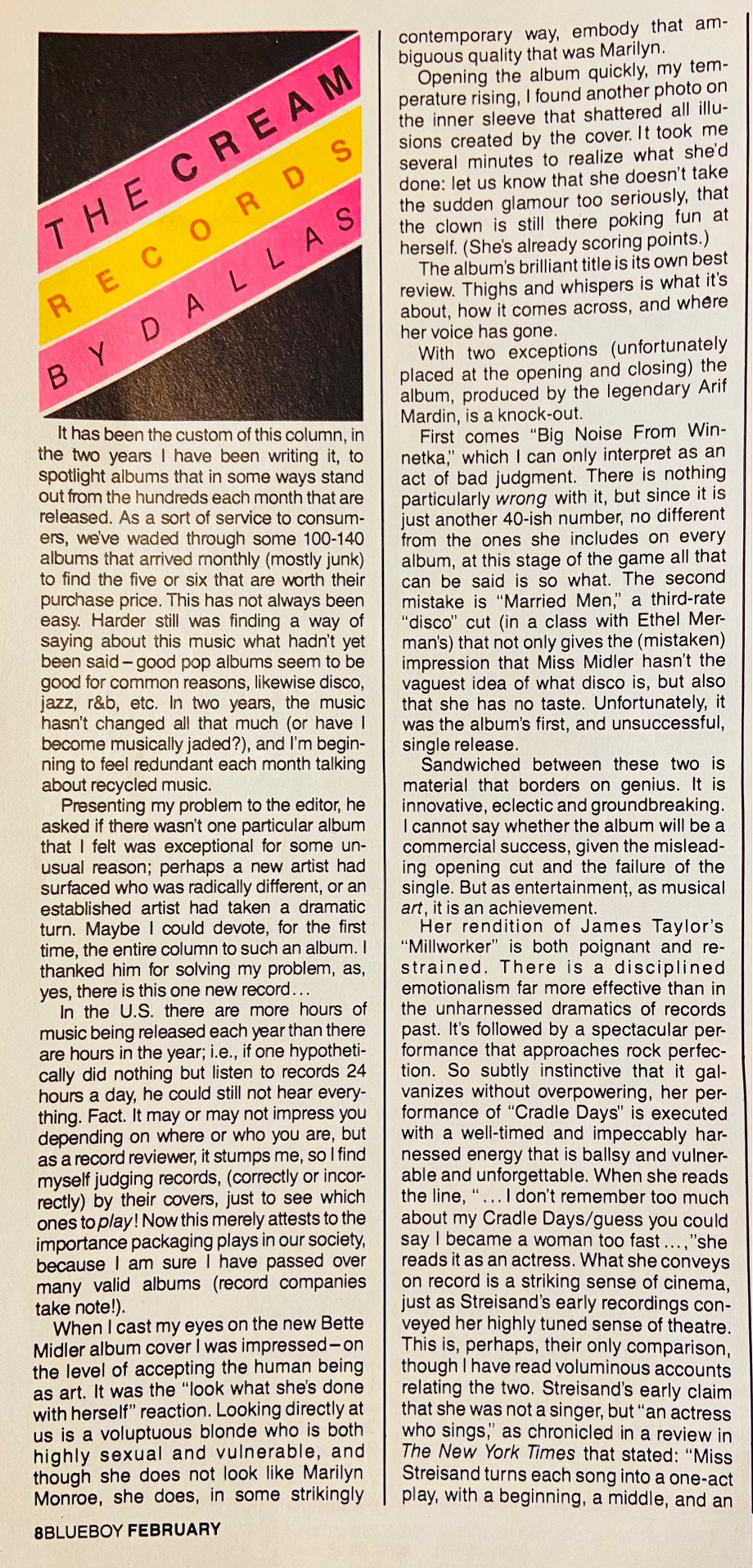
I recently posted a review of Bette Midler’s Thighs and Whispers LP from the February 1980 Blue Boy Magazine. We are revisiting the same issue of the magazine with a profile of Julius, the oldest continuously operating gay bar in New York City.

In April of 1966 – three years before the Stonewall Riots – a protest took place at Julius’s that became known as the “Sip-In.” This action established the rights of gay people to be served in licensed premises in New York and paved the way for gay establishments to obtain state liquor licenses.

The article below also recounts an earlier lesser-known challenge to the bar’s liquor license alleging that the owners “permitted the premise to become disorderly” by permitting homosexuals to “remain on the premises and conduct themselves in an offensive and indecent manner…” Apparently a patron had propositioned a plainclothed police officer. The courts ultimately decided that the charge was not supported by substantial evidence.

In 2016, Julius was listed on the National Register of Historic Places, and on December 6th, 2022 the bar was officially recognized by the New York City Landmarks Preservation Commission.

The article below states that the bar opened before 1860, although the wikipedia page notes different sources claiming 1864 or 1867. In any case, it’s ancient, but it did not gain its gay reputation until the 1950’s.

Some highlights from the piece below:

“The typical Julius’s person is almost always a doctor/lawyer type, though he may well be unemployed. He generally drinks too much – too early and too many.”

“The decor… is High Dirt.”

…and the hamburgers are still legendary.


See Also:
Revisiting Bette Midler’s Thighs & Whispers (1979)
Costello Presley & 80’s Gay Porn Guilty Pleasures
Kenn Duncan After Dark
Gay Times #69 (1978)
Blueboy 1980: Gays of NYC
John Waters in Blueboy Magazine (1977)
New York City: In Touch For Men (1979)
Remembering Bob Harrington
Revisiting Blueboy Magazine (1980)
Armistead Maupin in Blueboy Magazine (1980)
Keith Haring In Heat Magazine (1992)
A Stroll Through 1980’s NYC

You Picked The Wrong Fat Guy.

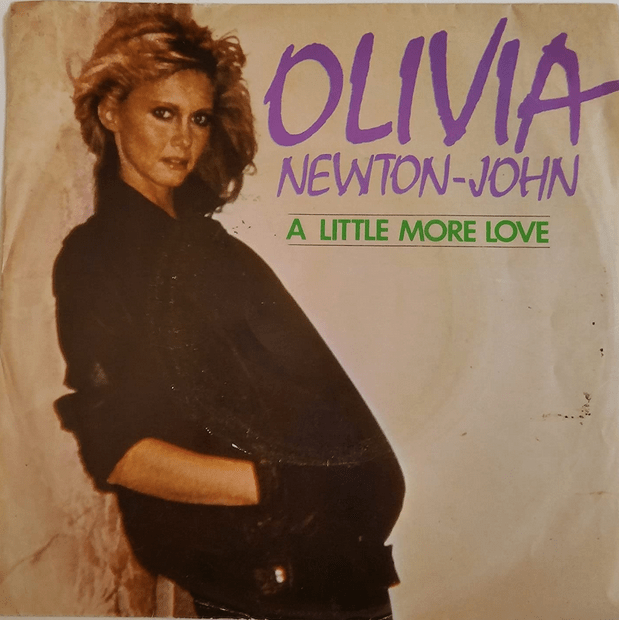
When Olivia Newton-John passed away and I was revisiting her oeuvre, I listened to “A Little More Love”, a minor hit from her 1978 Totally Hot LP. At 9 years old, I didn’t realize how dark the song was. There is a line “Where did my innocence go?” which my sisters and I always sang as “Where did my Anacins go?” We thought she had a headache and couldn’t find her aspirin.

I thought of this song again this morning as Toby was laying out some Advil for me to take. And then I had to Google “Anacin” to see if they still make it. They do. But nobody asks for it by name anymore.

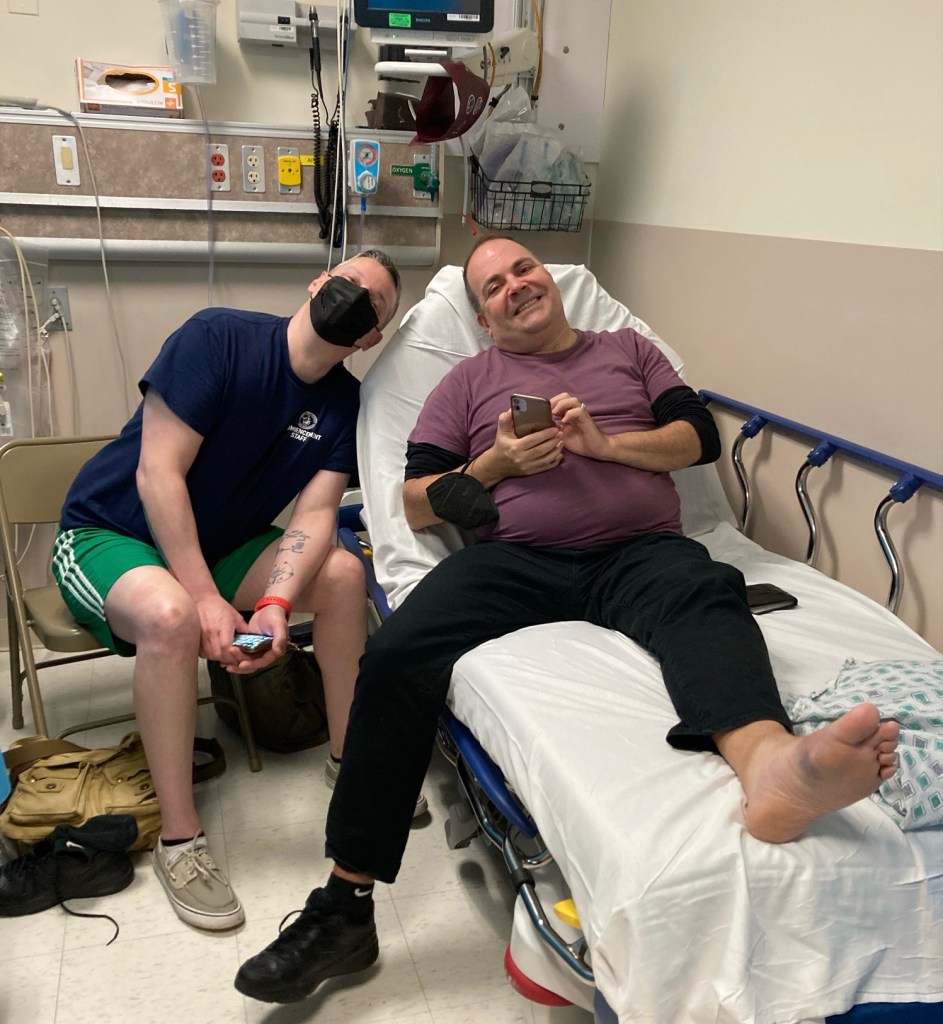
The Advil is for a broken bone in my foot. It’s the hallux sesamoid, a stupid little bone in the ball of the foot that some people don’t even have. Apparently the tiny chip that showed up on the X-ray could have been there for years, but the fact that my foot is swollen and purple indicates a recent trauma.

On Saturday we attended a wedding on the Upper West Side – a very nice affair even though they did not play any Olivia Newton-John. The subway system was not cooperating with us on the way to the event. The A train was on the C track and running local but only to 59th street, where it went express on the D line headed into the Bronx. The trains were clogged with puzzled slow-moving tourists. Typical of weekend mass transit. You really can’t blame visitors for being confused. The Google map prediction that our subway ride would take 8 minutes was off by about half an hour and the wedding ceremony was in progress when we arrived. Four hours later, apprehensive of further subway drama, we boarded the downtown C train headed back to Penn Station.

At Times Square / 42nd Street, the doors were just about to close when a guy snatched my iPhone out of my hand and ran out of the train. I was looking at my phone as he did this. I don’t remember saying “What the fuck?” but that was what Toby heard me say as I bolted out the door after the thief.

I wasn’t even sure if Toby got off the train before the door closed – I was focused on getting my damn phone back. On the platform, the guy slowed for a second before he realized that I was right behind him. He sprinted for the stairs but I kept up with him. As he darted up the steps, I thought “Here we go…”

I have never tackled anyone in my life. Well, outside of the bedroom, anyway. I had no idea that I had a football tackle in my arsenal. But I dove at this guy, who was not a very big man. In the cartoon version of this, my suit-clad 220 pound frame completely flattened him on the stairs. With only his withering hand sticking out from under my girth, he let go of my phone and it clattered onto the steps.

I remember saying “Betcha didn’t think I could run, did ya? Asshole.” I grabbed the phone off the stairs – it couldn’t have been more than 20 seconds since he took it out of my hand on the train. And now Toby was on the guy too, pulling him by the legs and just about to land a punch when an undercover police officer grabbed his arm. Suddenly we were surrounded by police. We soon learned that they had just finished issuing a summons nearby when this unfolded.

Our little felon was taken away and Toby and I got to spend the next 2 ½ hours in the transit police station filling out forms and repeating our story over and over. EMT checked out my bruised hand and swollen foot. We collectively determined that rather than sitting in an Emergency Room for hours on a Saturday night with non-emergency injuries, I should go home, apply some ice, and see how I felt in the morning.

The next day, Toby and I had a couple of additional bruises and minor soreness… except for the foot, which still fucking hurt. I went to the hospital where my superhero sister works as an ER nurse and X-rays confirmed that there was a broken bone.

Although I have lived in this city for over 30 years and I have never actually been robbed, there are plenty of comparable actions that one can easily get tired of putting up with. The unfairness, inconveniences, and the feeling that you are being ripped off can be dismissed as things to deal with in exchange for being allowed to live in The City So Nice, They Named It Twice. If you don’t like it, you know what you can do: Leave. Period. Nobody cares. The End. Another hundred people just got offa the train.

But on this day, a fine Saturday afternoon, instead of feeling beaten up by the city, I felt pretty good. I landed on top, literally.

I would feel very differently if I didn’t get the phone back.

I have to add this:

New York City is not the crime-ridden hellscape that Republican politicians want you to think it is. Crime is still lower here than at any point during “the good ol’ days” of the 70’s, 80’s or 90’s. And the people whipping everyone into a frenzy about rampant crime also tend to be against any kind of gun control. Don’t even try to figure that one out. Media saturation does not improve the optic. There is surveillance footage of everything now – not to mention phone footage. So the nightly news can report on every crime with a clips of it actually taking place.

There might be footage of the tackle but I’m sure that my cartoon visualization is much more satisfying.

You can also read about my friend Kenneth’s incredulous iPhone snatching incident from the summer of 2021 here.

See also:
We Got Hitched
Whatever Happened To The Kid Who Boiled John Crouse’s Head?
The Tin Man & The Lion: Unanswered Prayers
The Lion In The Emerald City: Promise Of A New Day
1991: Homo Alone
Debbie At The World (1989)
My Mother, The Superhero
On The Life Of Brian…
Thursday At The Racetrack
Bindle Zine #1 – Summer 2023
Bindle Zine #2 is here! Winter 2024
Circle In Monkeyshines: Winter 2022

Revisiting Bette Midler’s Thighs and Whispers (1979)

I was recently perusing an old issue of Blueboy magazine (as one does) when I found an in-depth review of Bette Midler’s 1979 LP Thighs and Whispers. Single-monikered reviewer Dallas certainly had strong feelings about the album. The review is quite a roller coaster ride, describing different aspects of the LP as “a knock-out”, “third-rate disco,” “disco at its finest,” “gives the impression that she has no taste,” “borders on genius,” and many breathless adjectives of adulation and despair.

Bette had been going full steam throughout the late 70’s. This was her third studio LP released in three years, plus the live double album Live At Last, a concert special on HBO, and her TV special Ol Red Hair Is Back, which won Bette her first Emmy award.

I should probably take Dallas’s advice to smoke a joint and listen to the song “Hurricane” again, because unfortunately my weed-free opinion is that the track is utterly forgettable.

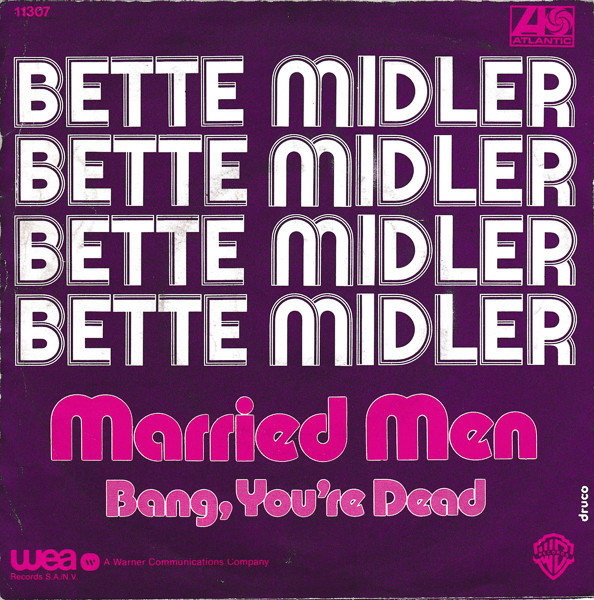
Bette spoke about Thighs and Whispers during a 2021 interview with Jim Farber in Parade Magazine. Reflecting on her career, she admitted that she had recorded “some stinkers.” Of the song “Married Men,” she joked; “Please, God, shoot me now!”

Bette Midler sings “Married Men” on the SNL 4th season finale, (5/26/79). Among her backup singers were Katie Sagal and Luther Vandross.

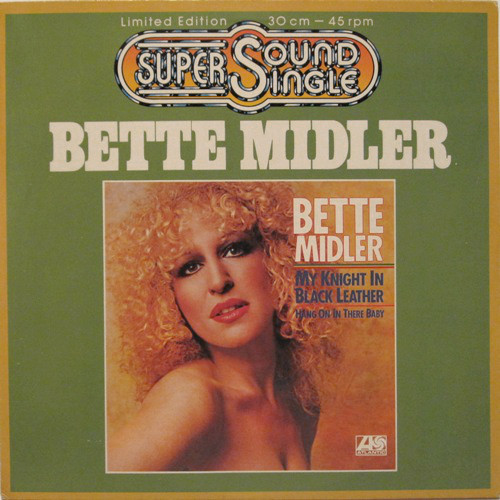
She also mentioned the song “My Knight In Black Leather,” saying “Save me! That was the label saying, ‘You have to record this.’”

Bette has been using “My Knight In Black Leather” as a punchline for decades – not just in interviews but also during her live shows. Reflecting on her career back in 1987, she told an interviewer that she had no regrets:

“I’d do it all over again, just as I did.”

“What about ‘My Knight In Black Leather?'”

“Well,” she said, “that’s the exception. That’s one thing I don’t think I would do again.”

Bette and her Harlettes (Linda Hart, Paulette McWilliams and Franny Eisenberg) performed “My Knight In Black Leather” on the German television show Musikladen (10/18/79)

In defense of the song: it was not supposed to be taken seriously. Should it have been a single? Probably not, but they were trying to get a hit record by tapping into that “Village People *wink-wink, nudge-nudge* we-know-it’s-gay-but-Middle-America-doesn’t” disco energy.

Mister D, head of the BootlegBetty fansite is fond of the LP: “…great album, great cover, great orchestrations, and one cut, ‘Cradle Days’ which I thought is probably her greatest vocals on an album.”  


Thighs and Whispers was considered a commercial failure, but ultimately, it was water under the bridge. The film The Rose was released the following month, earning Bette a Golden Globe award and an Oscar nomination. The accompanying soundtrack LP (for those keeping track, that’s 6 albums released in three years) placed her firmly in rock and roll territory. It should be noted that one of the highlights of The Rose – the song “Stay With Me” – was written by Jerry Ragavoy, composer of… “My Knight in Black Leather.”

With an eye towards the 1980’s and the rise of New Wave music, Bette told an interviewer “I think I should jump on every musical bandwagon and really drive people mad, just irritate them to shit so they say ‘She’s such a cow – she’ll jump on any musical bandwagon.’ Why not? I’ll bleach my hair and rip my clothes. I think it’s fun. I’m getting silly in my old age.” This would have to wait 4 years until her next studio album: 1983’s No Frills.

On October 8, 2016, Bette was the special guest at a Forest Hills Stadium show called Nile Rogers’ FOLD (Freak Out Let’s Dance) Festival – a show also featuring his group Chic, The Village People and Earth, Wind, and Fire. Given the theme, I thought Bette might dust off a song from her disco period – 1976’s Strangers In The Night, perhaps. But she didn’t. Her set consisted of her classics: “Friends,” “Do You Want To Dance,” “Boogie Woogie Bugle Boy,” and “Wind Beneath My Wings.” Her final song was a nice surprise: “Route 66,” which she said she had never sung before and had just learned the day before.

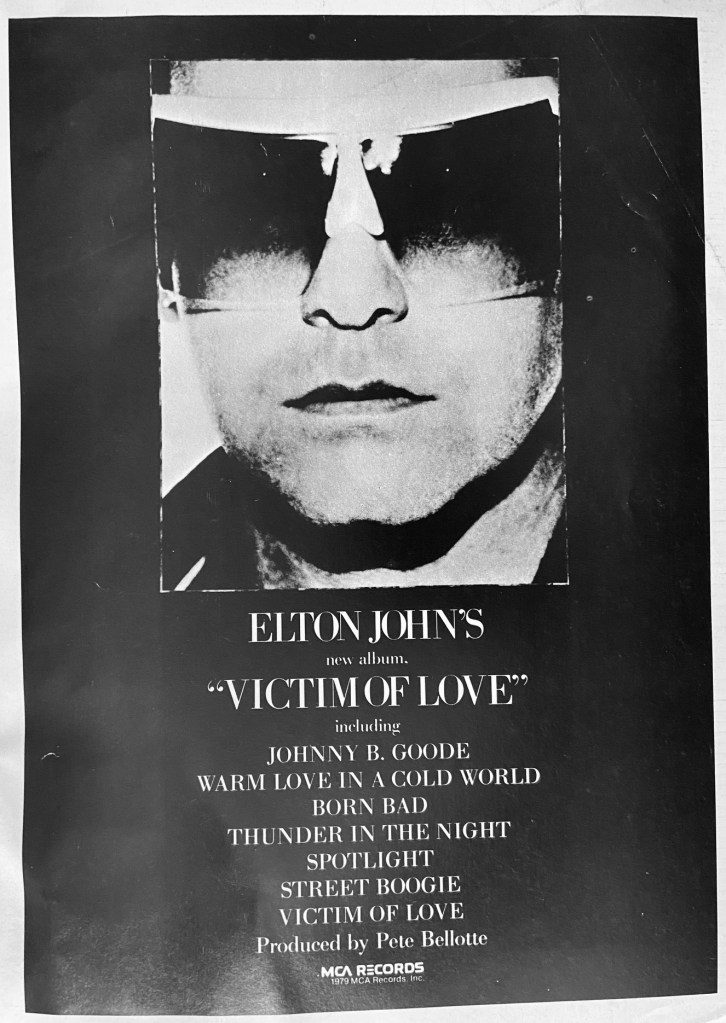
This issue of Blueboy also features a full page ad for Elton John’s foray into disco,Victim of Love, which was released the same month as Thighs and Whispers. The album is widely considered to be the low point of his career.

See Also:
10 Forgotten Cher Moments
Debbie At The World (1989)
Dusty Springfield Sings Kate Bush
Kenn Duncan After Dark (wi/Bette Midler)
Gimme Gimme Gimme: Erasure Covering ABBA
John Waters in Blueboy Magazine (1977)
New York City: In Touch For Men (1979)
San Francisco: In Touch For Men (1979)
Revisiting Blueboy Magazine (1980)
Armistead Maupin in Blueboy Magazine (1980)

Artist’s Muse: The Mystery Model

One of my goals in creating posts about artist’s models like Chuck Howard, Randy Jack, and Ted Starkowski is to clear up misinformation posted online by galleries and auction houses. Whether the inaccuracies are intentionally deceptive or the result of laziness, the errors spread across the internet, with subjects misidentified and photo dates sometimes off by decades.

A series of 30+ nude model study photos are have recently been listed for auctions as “Jared French Nude Study of Tennessee Williams” or “Studio di nudo Tennessee Williams.” One set of two 8×10 photos sold for over $650. These should have been credited to the PaJaMa collective, which Jared French was a part of, and unfortunately (or fortunately, depending on how you look at it), the lean muscularly defined model is certainly not writer Tennessee Williams.

Tennessee Williams was the subject of several PaJaMa photos in Provincetown and at Jared French’s New York City studio at 5 St. Luke’s Place. In one of these photos, Williams strikes the same pose in the same place as our mystery model.

So who was the thin young chap with the low-hangers?

Martha Graham levitating John Butler

In another corner of the internet, I found two of these photos in a PaJaMa exhibit, dated 1943 and identifying the subject as dancer/choreographer John Butler (1918-1993). In the early 1940’s, he earned money working as an art model while studying dance with both Martha Graham and George Balanchine.

Besides the PaJaMa photos above, he was also photographed by George Platt Lynes:

John Neilson Butler was born in Charleston, Tennessee and moved to Greenwood, Mississippi with his parents at a very early age. He graduated from Greenwood High School in 1936 and made his way to New York City, where he initially studied dance with Eugene Loring before moving on to Balanchine and Martha Graham.

AP article (1955)

Butler danced on Broadway as Dream Curly in the original production of Oklahoma! He appeared in a string of Broadway musicals throughout the 1940’s including Hollywood Pinafore, Inside U.S.A. and On The Town, where he dated castmate Cris Alexander.

He began to transition into choreography in the late 1940’s. The combined influences of Loring, Balanchine and Graham gave his work unique elements of classical ballet as well as modern dance. He was one of the first to create works specifically for television, which was still considered a new and inferior medium. He choreographed variety show segments (The Ed Sullivan Show, The Kate Smith Show) as well as for Omnibus and full-length ballets and operas. His 1951 staging of Amahl and the Night Visitors was recreated annually for nine NBC holiday specials.

Butler performs as one of the Three Dancers in this 1955 broadcast.

Life Magazine profiled Butler in their April 25, 1955 issue:

Two sketches of John Butler by Andy Warhol (1952)

In addition to his work choreographing for Broadway and television, Butler founded The John Butler Dance Company in 1955. It was later renamed American Dance Theater and toured Europe until it disbanded in 1961.

John Butler & Carmen de Lavallade rehearse Portrait of Billie, his dance meditation on Billie Holliday (ca 1960)
John Butler & Melvin Dwork (1963)

His most celebrated work was the New York City Opera staging of Carmina Burana (1959). Through the years, it has been recreated with over 30 companies.

In 1961 he met celebrated interior designer Melvin Dwork, who has called Butler “the love of my life.” They remained companions and friends until Butler’s death in 1993. Dwork was instrumental in preserving Butler’s dance legacy.

The Greenwood Commonwealth, Greenwood Mississippi (3/6/1965)

As he matured, Butler’s voluminous eyebrows became something of a trademark of his appearance. He appears to have embraced this with a level of zeal that surely inspired George Whipple.

Over the next several decades, Butler continued to choreograph throughout the U.S. and around the world. The Hague, Munich, Sydney, Spoleto, Montreal, and Warsaw were part of his regular rotation with occasional work in Italy and South America. Back in New York City he choreographed Medea, the first dance for Mikhail Baryshnikov after his defection to the West.
John Butler photographed in April of 1993. He died of lung cancer later that year at the age of 74.

In 1993, author Camille Hardy interviewed John Butler for Dance Magazine shortly before his death. As they sat in his Upper East Side apartment, surrounded by his artwork collection and the walls lined with the works of Warhol, Avedon and Lynes, he said “I’ve done everything in my life I ever wanted to do.”

New York Times Obituary (12/13/93)

See also:
Fire Island PaJaMa Party
Provincetown PaJaMa Party
Fire Island Muses of George Platt Lynes & The PaJaMa Collective
Revisiting George Platt Lynes’ Fire Island Muses
Artist’s Muse: Forrest Thayer
Artist’s Muse: William Weslow
Artist’s Muse: José “Pete” Martinez
Artist’s Muse: Chuck Howard
Artist’s Muse: Randy Jack
Artist’s Muse: Wilbur Pippin
Artist’s Muse: Donald Windham & Sandy Campbell
Buddy & Johnny: A Historic Photo Shoot
Kenn Duncan After Dark
George Platt Lynes: In Touch Magazine (1982)

Artist’s Muse: Chuck Howard

In the profile Artist’s Muse: Randy Jack, I wrote about his relationship with photographer George Platt Lynes, which came to an end in the Fall of 1948. Just 10 days after Jack moved out of the apartment, another former military man named Chuck Howard moved in as Lynes’ next boyfriend.

Charles “Chuck” Howard was born in Cochran, Georgia on March 4, 1927. After graduating from high school during World War II, he joined the Naval Air Force and became a tail gunner. While stationed in Miami Beach, he met New York artist Bernard Perlin and the two would “reconnect” whenever Chuck was in New York City. After the war, Howard studied fashion in France on the G.I. Bill before moving back to NYC to live with the artist. When Perlin was offered a residency in Rome, he threw himself a farewell party, and Chuck was introduced to Lynes.

Four sketches of Chuck Howard by Bernard Perlin

George Platt Lynes self portrait with Chuck Howard, ca 1948
Chuck Howard and George Platt Lynes, ca 1950

“Another twenty-one-year-old has moved in on me bag and baggage, almost without being invited..” Lynes wrote in a letter to his friend, author Katherine Anne Porter.

Howard was viewed favorably by Lynes’ friends and was said to have a grounding effect on the photographer. The relationship lasted for just over two years.

George Platt Lynes & Chuck Howard, ca. 1950

Although Howard had previously posed for Bernard Perlin, it was after his introduction to Lynes and his circle of friends that he became a favorite model for the artists. He posed for George Tooker, sculptor John LaFarge, and Jared French, with whom he also had a physical relationship.

Paul Cadmus also sketched him several times and used him as the model for the central figure in his painting Architect (1950).

Architect by Paul Cadmus (1950) Chuck Howard was the model for the central figure with George Tooker reflected behind him.

When Lynes’ nude photography became more widely exhibited decades after his death, photos of Chuck Howard were among the most celebrated. Howard downplayed the photos, describing his work modeling for Lynes as “primarily lighting tests.” Collectors disagree.

Chuck Howard also had a film career of sorts when he participated in Dr. Alfred Kinsey’s famous studies, performing sexual acts with poet Glenway Wescott in front of the researchers’ movie camera. Howard later remarked; “It wasn’t Hollywood.”

Lynes and Howard parted ways in January, 1951. “Chuck has decided to go off and live by himself;” Lynes wrote to his mother. “I shall miss him but I don’t disapprove… I’m afraid that my influence is too often all-pervading, all-inclusive.”

In an earlier blog post on Ted Starkowski, I mentioned that he and Chuck then embarked on what author David Leddick described as “a tempestuous affair.” The couple were photographed together on Fire Island while vacationing with Paul Cadmus, Jared and Margaret French: aka The PaJaMa Collective.

Lauren Hutton modeling a dress by Chuck Howard. (1965)

Act II: Chuck Howard’s career in the fashion industry began to flourish in the late 1950’s when he sketched for several designers, including Bill Blass. He worked for David Crystal before moving on to Anne Klein’s Junior Sophisticates. In 1965, he joined Townley, working his way up to become chief designer and head of business operations. The company was then renamed Chuck Howard, Inc. His design style was noted for its sense of humor with sporty, colorful coats, tunics, pants and jersey shirts.

Around this time, a Parsons student named Donna Karan began working for Howard and he eventually introduced her to Anne Klein.

After Klein’s death in 1974, Donna Karan succeeded her as designer for the Anne Klein studio. Chuck Howard then closed his company and became a designer and creative coordinator there, where he was responsible for several of its collections. He departed with fellow designer Peter Wrigley in 1976 to form their own company.

Howard and Wrigley operated their business out of Chuck’s townhouse at 412 W 47th street – formerly the infamous party house of New Yorker editor Harold Ross and Alexander Woolcott.

Chuck Howard (r) with his partner Ed Vaughan in their restaurant (1981)

Act III: In 1980, after his departure from the fashion industry, Chuck Howard opened his self-named restaurant on Restaurant Row. Assisting him in this next chapter was his partner Edward Vaughan. The couple rented a three story townhouse at 355 W 46th St and lived on the third floor above the restaurant.

Soon after opening, twenty-two-year-old Anthony Bourdain took over running the back of the house. He later recounted his time at the restaurant in the “Chef of The Future!” chapter of Kitchen Confidential, with Chuck and Edward referred to as “Tom and Fred.” He writes, “They were genuinely lovely, intelligent, warm-hearted and funny older guys who cooked well, had impeccable taste and were considered (rightly) to be wonderful, charming and entertaining hosts – naturals, it had been said, for the restaurant business, especially a restaurant in the heart of the theater district where they knew and were liked by so many.”

New York Daily News, (1/15/81)

The restaurant was initially successful, although the Daily News review suggested that it wasn’t destined to last. Bourdain further describes the restaurant’s decline, with mounting costs and dwindling guests. “What I learned… was a sad lesson that has served me well in decades since: I learned to recognize failure. I saw, for the first time, how two beloved, funny and popular guys can end up less beloved, not so funny and much less popular after trying to do nothing more than what their friends told them they were good at.” Bourdain moved on to another restaurant, and by the end of 1982, Chuck Howard’s had closed.

The couple retired to the island of Saba in the Netherlands Antilles where they lived for several years before settling in Santa Fe, New Mexico.

On October 5, 2002, Chuck Howard died of pancreatic cancer at the age of 75 in Albuquerque, New Mexico. He was survived by his long time partner Edward Vaughan.

Chuck Howard, ca 1950 / 1997

Chuck Howard’s life had a similar trajectory as fellow Lynes paramour Randy Jack: A WWII military man who became an artists’ muse before moving on to the world of fashion and finally ending up as a restaurateur. In their twilight years, both also enjoyed a bit of recognition for the work they inspired in some of the great American artists of the 20th century.

See also:
Artist’s Muse: Donald Windham & Sandy Campbell
Artist’s Muse: José “Pete” Martinez
Artist’s Muse: Randy Jack
Artist’s Muse: Wilbur Pippin
Artist’s Muse: Ted Starkowski
Artist’s Muse: The Mystery Model
Fire Island Muses of George Platt Lynes & The PaJaMa Collective
Revisiting George Platt Lynes’ Fire Island Muses
Fire Island PaJaMa Party
Buddy & Johnny: A Historic Photo Shoot
Kenn Duncan After Dark
George Platt Lynes: In Touch Magazine (1982)