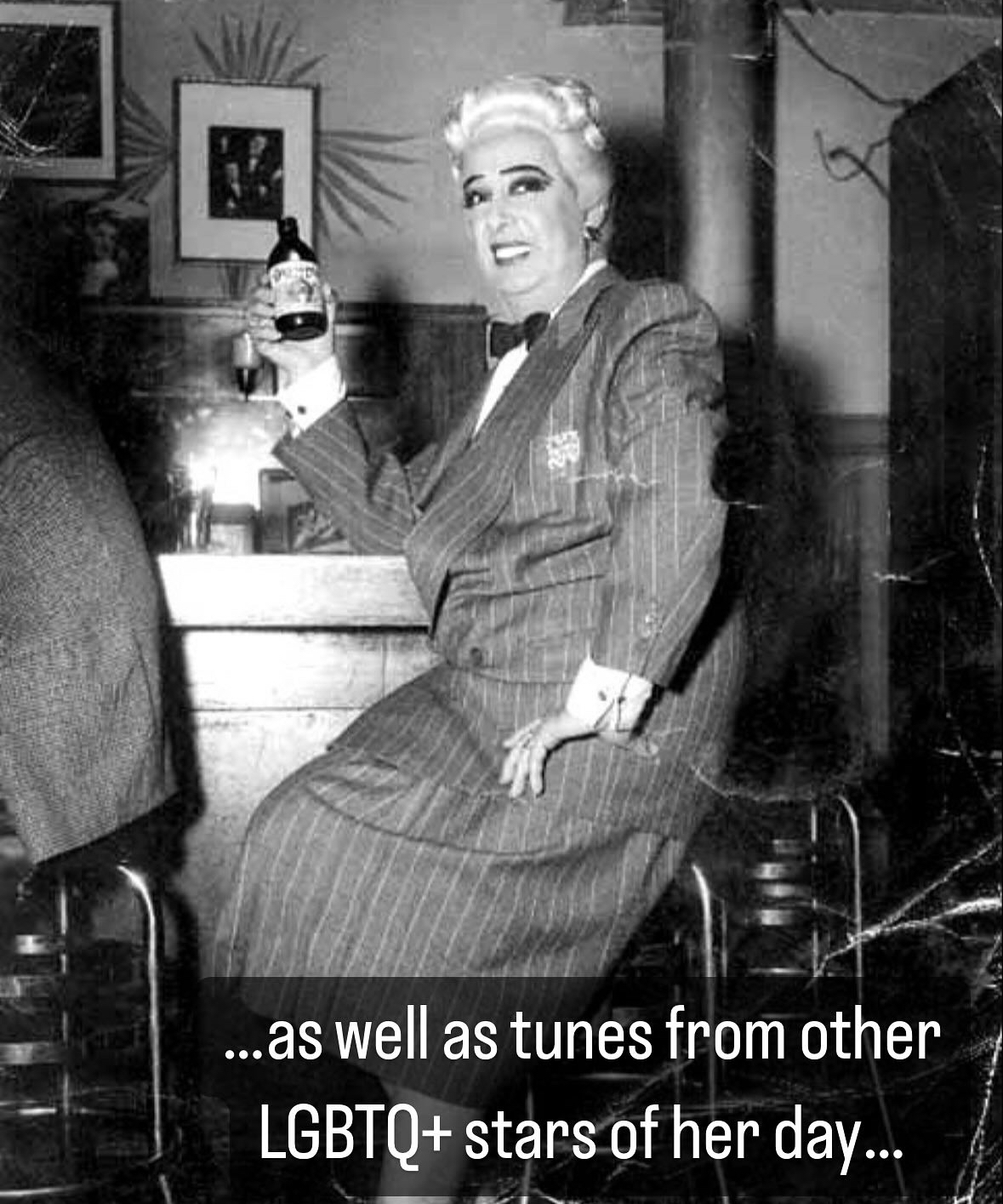
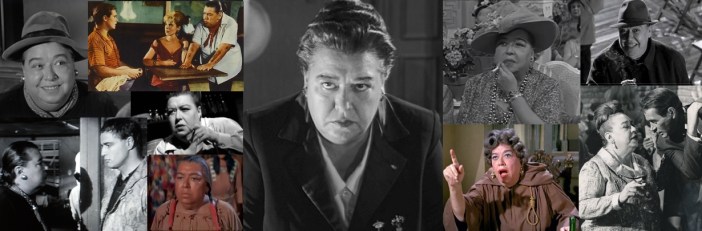
Madame Spivy is having quite a renaissance in 2025, thanks to the efforts of Ms. Ana Matronic and her newly launched Good Time Sallies podcast. As previously mentioned, Madame Spivy is the subject of the first two episodes. I joined Ms. Matronic to discuss the dynamic lady of song, stage and screen. You can find those here.
The subject of episodes #3 & 4 is singer/nightclub owner Ada “Bricktop” Smith, who we covered briefly in our post about Neeka Shaw, The Forgotten Showgirl.
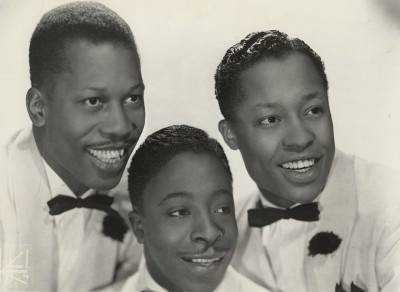
And if that’s not enough for you… Ms. Matronic has created Good Time Sallies: Radio Spivy on Mixcloud, so you can hear many of the songs discussed on the podcast. Besides a generous serving of Madame Spivy’s stylings, you can also hear recordings by Spivy’s friends, influences and artists who appeared at Spivy’s Roof. Included on the playlist are Fanny Brice, Sophie Tucker, Liberace, Martha Raye, Thelma Carpenter, Rae Bourbon, The Three Flames, Bea Lillie and many more!
Click here for Radio Spivy and hear some fine examples of classic diseuse delivering sophisticated songs.
From the website: Good Time Sallies tells the stories of impactful people who have been left in the shadows as footnotes or minor characters in somebody else’s story, but each of whom made waves, broke molds, and dared to live life as they pleased.
With every episode, Ana Matronic centers these remarkable people and shares their inspiration with the world. From people of letters to ladies of leisure, from bawdy babes and badass boozehounds to Queens on the scene to queens of the obscene, this vibrant historical podcast is all about celebrating the Good Time Sally in us all who is here to take a shot and make her mark.
As you already know, Spivy is one of our favorite subjects here on the blog. Be sure to check out the latest post, which covers her film and television appearances.
I have been an admirer of Ana Matronic since the days when her band, Scissor Sisters was a local group playing around my East Village neighborhood. Her presence, her voice, her connection with the audience as “Mistress of Ceremonies” were a major factor in why I went on to see the band perform live 20 times before their hiatus in 2012. There’s an unconfirmed rumor that I have the band logo tattooed on my ankle.
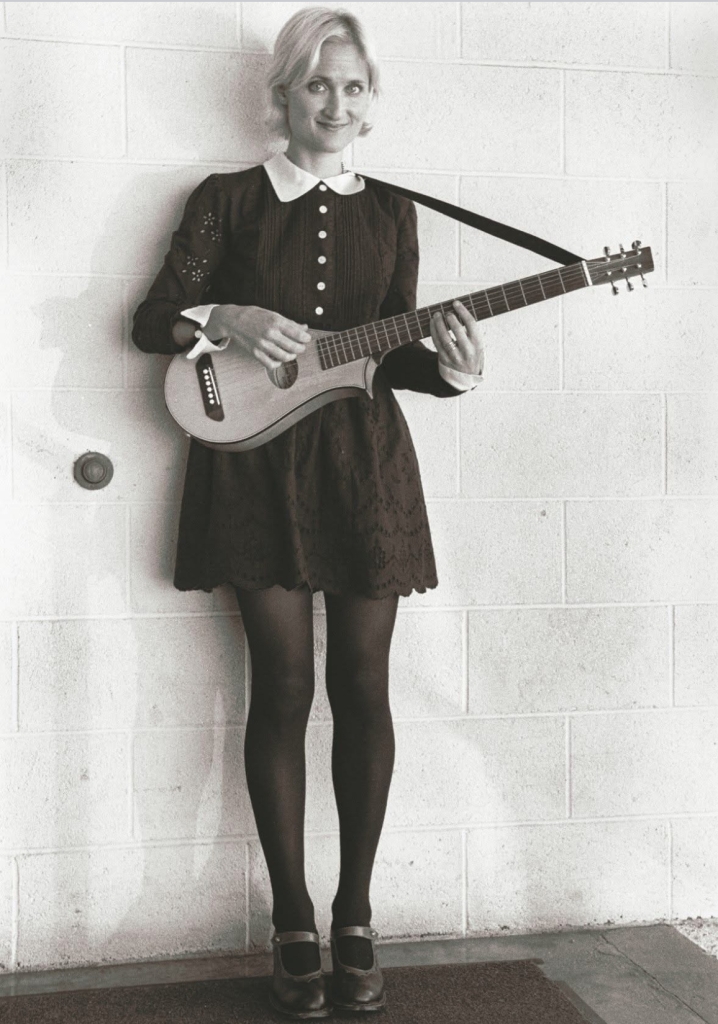
With Ms. Matronic at the Ice Palace in Cherry Grove, Fire Island (7/2024)
I couldn’t imagine a Scissor Sisters reunion without her. When a UK tour was announced late last year, Ms. Matronic issued a statement explaining why she would not be taking part, teasing an upcoming podcast series that prevented her from participating.
As someone who embraces my own inner Nerd, I was fully on board with her choice to focus on her current passion project. What I did not know at the time was that I would get to be a part of this next chapter.
And now it is time for the big reveal: Good Time Sallies is here!
From the website: Good Time Sallies tells the stories of impactful people who have been left in the shadows as footnotes or minor characters in somebody else’s story, but each of whom made waves, broke molds, and dared to live life as they pleased.
With every episode, Ana Matronic centers these remarkable people and shares their inspiration with the world. From people of letters to ladies of leisure, from bawdy babes and badass boozehounds to Queens on the scene to queens of the obscene, this vibrant historical podcast is all about celebrating the Good Time Sally in us all who is here to take a shot and make her mark.
Photos: Krys Fox @krysfoxphoto
Of course, telling the stories of notable people who have been left in the shadows is one of the reasons this blog exists. On the first two episodes of Good Time Sallies, I join Ms. Matronic to reintroduce that dynamic lady of song, stage and screen, Madame Spivy LeVoe. As you already know, Spivy is one of our favorite subjects here on the blog. Be sure to check out the latest post, which covers her film and television appearances.
I hope you enjoy the podcast as much as I did recording it. Thanks again to Ms. Matronic and Lucy Winter for inviting me to take part.
Also: Click here for Radio Spivy on Mixcloud and hear some fine examples of classic diseuse delivering sophisticated songs.
Ladies and Gentleman, it is time once again to revisit that dynamic lady of song, stage and screen, Madame Spivy LeVoe (1906-1971), also known simply as Spivy. While previous posts have focused on specific songs recorded by the lesbian entertainer, nightclub owner, and character actress, this time around we have an overview of her work in film and television from 1959-1967.
“The Roof is closed – gone forever, and my heart is broken.” Spivy wrote to a friend in August, 1951 after her nightclub had shuttered. The once popular top floor venue at 139 East 57th street had fallen into decline after a decade as one of the top Manhattan night spots. The demise of Spivy’s Roof was in part due to Spivy’s increasing stage fright, which in turn escalated her drinking. The combination often prevented her from delivering the two scheduled nightly performances audiences expected. Paul Lynde would later discuss this on The Tonight Show in 1976.
Spivy spent the next 6 years performing throughout Europe, where she opened and closed clubs in Paris and Rome. In London she appeared at the prestigious Café de Paris. These ventures eventually proved unsuccessful and she landed back in New York by 1957. An engagement at the Blue Angel would be her final New York City cabaret run.
Spivy explained her inability to conquer the fear of nightclub audiences. “I have tried everything but psychiatry – even hypnosis – but I couldn’t lick it.
“Funny thing, I have absolutely no stage fright in front of a camera, no matter how many people are on the set. So I guess this is what I’ll be doing from now on.”
It doesn’t take a psychiatrist to piece together that her insecurities performing in front of a live nightclub audience proved insurmountable as her popularity waned. She had entertained audiences since the 1920’s, but 30 years later her style of sophisticated songs had become a relic of a bygone era. Acting roles in front of a camera proved to be a less vulnerable alternative.
Charlie Chaplin reportedly sought to have Spivy play a character based on Elsa Maxwell in his 1957 film A King In New York. Newspaper columns at the time reported that the production company was unable to secure a work permit for her to travel to the UK for filming.
Her first film was The Fugitive Kind in a scene with Marlon Brando and Joanne Woodward, which was not a bad place to start.
“You come back alone some time, ya hear?” Spivy with Marlon Brando and Joanne Woodward in The Fugitive Kind. (1959)
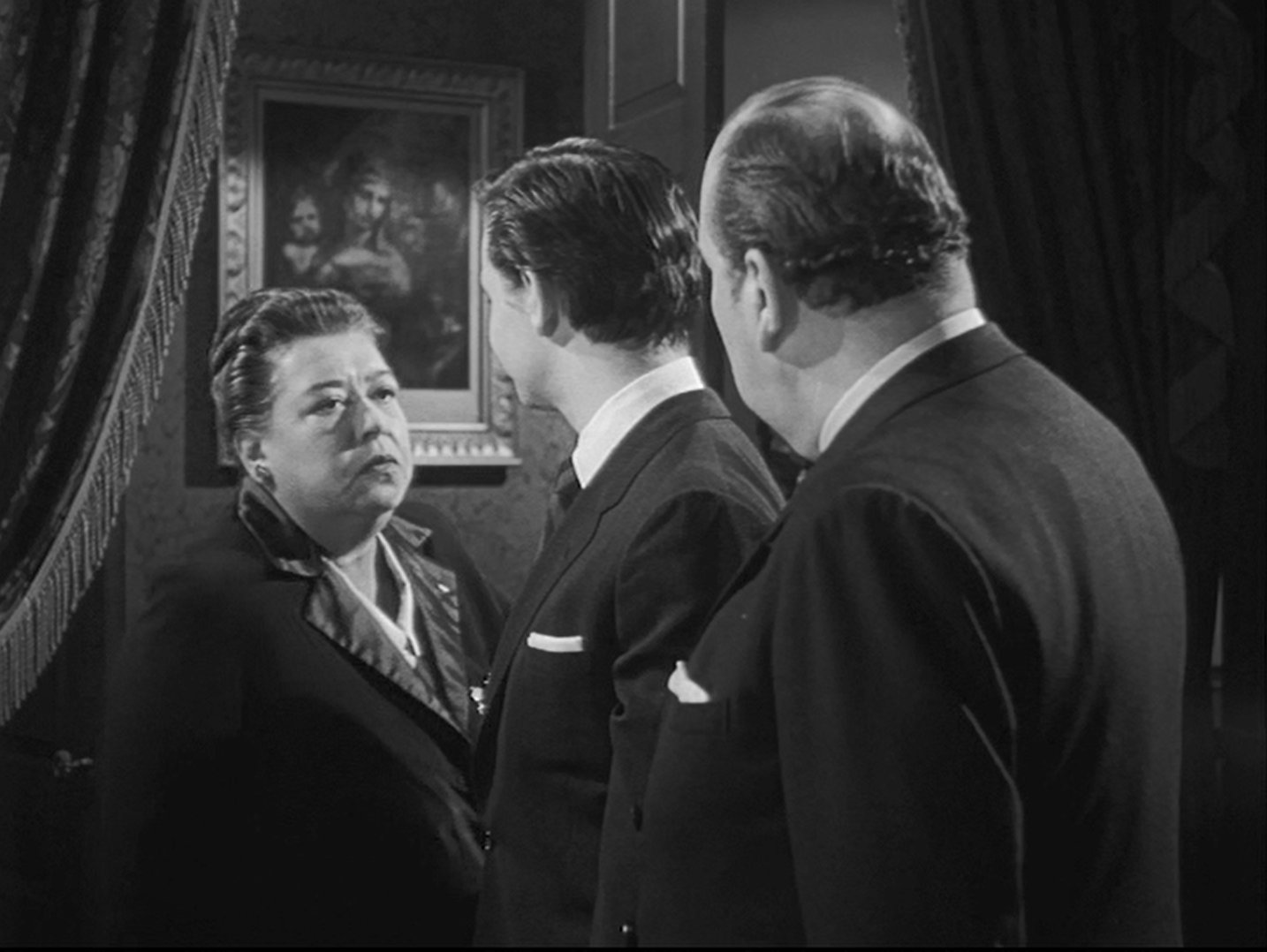
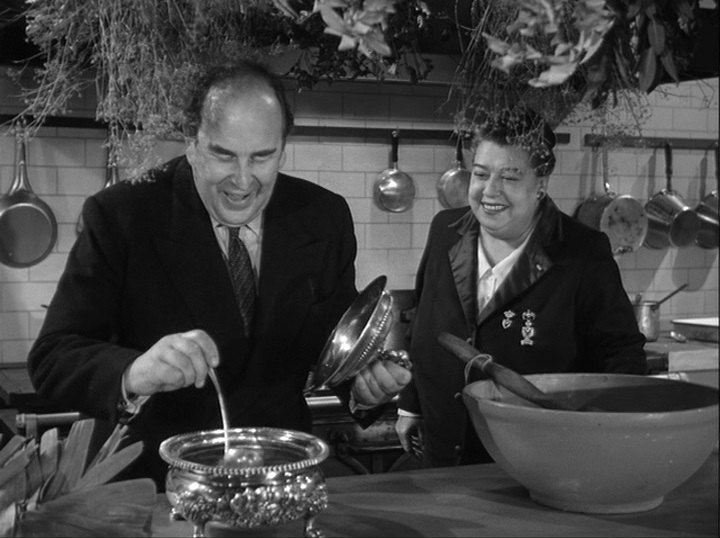
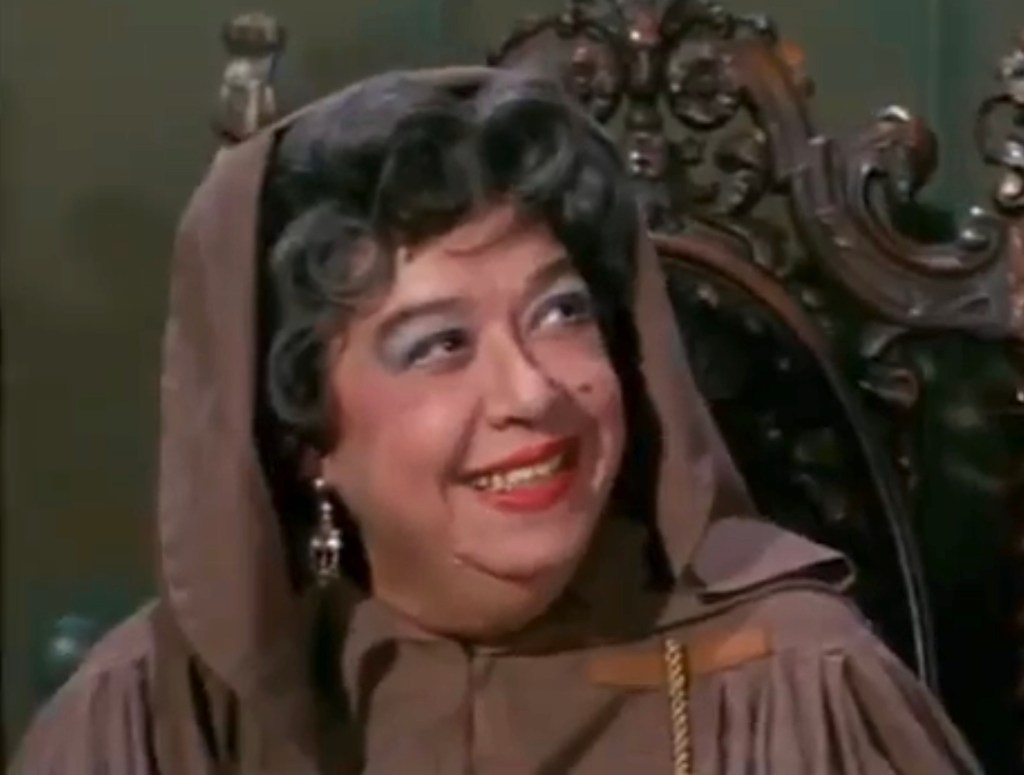
This led to her being cast in the most memorable television role of her career opposite Robert Morley in an episode of Alfred Hitchcock Presents titled “Specialty of the House.” Spivy plays “Spirro,” the piano-playing proprietress of an exclusive restaurant with a dubious main course.
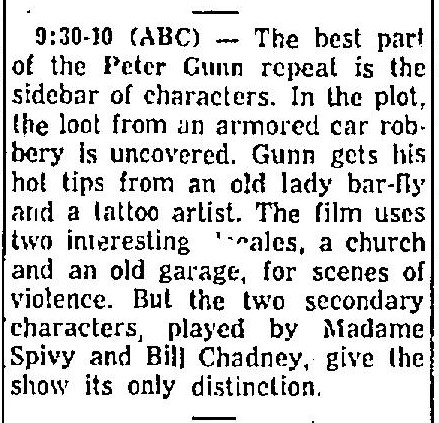
“Bourbon breeds togetherness…” Flo (Spivy) tips off Peter Gunn (Craig Stevens). (1960)
There is a sameness to the majority of Spivy’s film and television acting roles. She’s typically the barkeep or bouncer at a downstairs dive bar in a sketchy part of town. She usually has just one scene where she kicks someone out of the bar, or delivers a key piece of information to move the plot along. Or both. She is always smoking. She may be shady or morally ambiguous, but mostly she just don’t want no trouble, ya hear?
“Have you lost your feeble mind? He’s still got his baby teeth!” Spivy with Brandon DeWilde & Evans Evans in All Fall Down (1962).
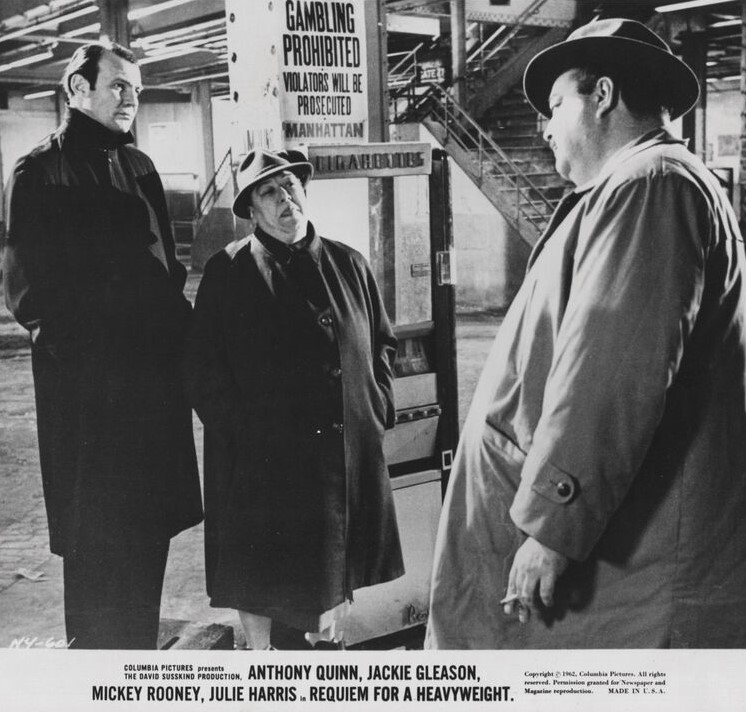
Spivy’s most significant film role was as Ma Greeny in 1962’s Requiem For A Heavyweight with Anthony Quinn and Jackie Gleason. Her tough, androgynous mob boss made an indelible impression on viewers.
“Take a good look in the mirror and then say goodbye to what you see.”
Spivy as The Axe Lady, The Wild Wild West (1966)
One of Spivy’s atypical performances was a 1966 appearance on The Wild Wild West with Robert Conrad. Spivy plays The Axe Lady, a member of a serial killer tribunal who meets her demise at dinner with a steak knife in the back.
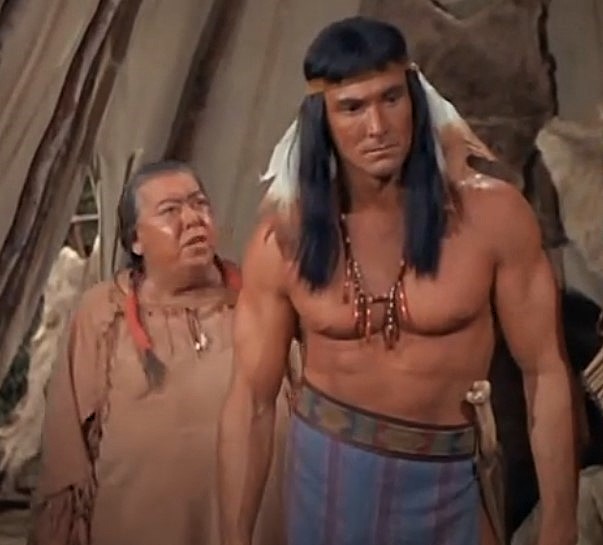
Spivy as Tatama with William Smith as her son Catoga in the Daniel Boone episode “A Matter Of Blood.” (1967)
Spivy’s final television role was her biggest since Alfred Hitchcock Presents: a 1967 Daniel Boone episode in which she plays Tatama, an Indian tribe elder. As with the rest of the actors playing indigenous characters at the time, the brown-face makeup doesn’t age well, but she delivers a good performance, in my humble opinion.
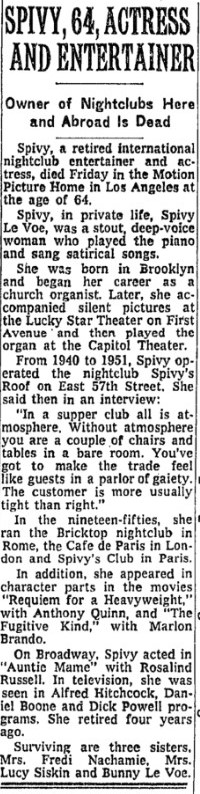
New York Times (1/10/71)
Spivy was diagnosed with cancer in the late 1960’s, eventually moving into a series of hospitals and nursing homes that she kept getting kicked out of. Angry and bitter at her waning independence, she would lash out at staff. Her old friend Patsy Kelley arranged to have her placed at the Motion Picture Country Home in Woodland Hills, California where she died on January 8, 1971, aged 64. She is interred at Valhalla Memorial Park in West Hollywood.
I know I am not alone when I say that I take comfort in the annual repetition of the holidays: revisiting holiday-themed music, films, television shows… and now internet posts. Dave Holmes’ account of Patti LaBelle’s disastrous performance at the 1996 National Christmas Tree lighting is worth an annual revisit. Trust me.
Not to get meta or anything, but the post you are currently reading has been reworked and updated each year since 2020.
While we’re mining the past and dusting off our chestnuts, here’s the intro to the 1999 holiday episode ofBri-Guy’s Media Surf, an NYC Public Access show that featured yours truly lip-synching a little Esquivel:
Whenever the song pops up on my holiday playlist, I still do this.
I find it interesting that we immerse ourselves in certain pop culture favorites for exactly 6 weeks of the year and then pack them up in mothballs with the ornaments until next year. I mean, Brenda Lee’s “Rockin’ Around The Christmas Tree” is currently at #1 on the Billboard Hot 100. Burl Ives, Bobby Helms and Andy Williams are also in the top 10. Are any of them on your 4th of July playlist? They aren’t on mine.
Gabe Pressman (left) with Marilyn Monroe (1956)
I used to look forward to the annual Christmas Eve tradition on NBC New York’s evening news when reporter Gabe Pressman would read “Yes Virginia, There Is A Santa Claus.” I taped it in 2011, knowing that the tradition wouldn’t last forever. The self-described “little Jewish kid from the Bronx” was 87 years old at the time and continued to work at NBC until his death at age 93.
NBC New York reporter Gabe Pressman’s annual segment on Virginia O’Hanlon’s 1897 letter to the New York Sun Newspaper.
In keeping with this revisit, my other blog posts of Christmas past are back to haunt you like A Christmas Carol, Mr. Scrooge:
There’s a new Motown Christmas Special this year that has already aired in prime time several times this month, featuring Smokey Robinson, Gladys Knight, Martha Reeves and The Temptations. Here is my take on the 1987 Motown Christmas Special – which featured very few Motown acts.
My Canine Christmas Tail is a true story about my dog Sunshine, a basset hound with an appetite for tinsel.
Have you watched Christmas In Connecticut yet this year? How about that delivery woman? This year I was able to update my 2019 post, identifying Daisy Bufford as the actress who played the unbilled role.
The original version of “¿Dónde Está Santa Claus?” is featured in “Llamacita,” this year’s Amazon Prime holiday commercial. Here’s a little backstory on the song & Augie Rios, who sang the original version.
Also – would you like to hear my Spotify holiday playlist?
Way back in 2002, when Limewire was a thing and people listened to music on silvery discs, I started creating Christmas CD mixes that I would mail out or give to people. These were received with a heartwarming combination of feigned delight, veiled indifference and deafening silence. None of these CDs had a pressing of more than 20 copies. I’d like to call them “much sought after” – but no, that’s not really the case, although every once in a while, someone really got into them and would ask for copies of other volumes.
And so, I’m offering this simple playlist…. for kids from 1 to 92. Unfortunately some of the tracks on these dozen CDs are not on Spotify, but I keep adding songs that would be on the current CD volume… if there was one. And now the playlist is over 17 hours of holiday tunes. I recommend listening on shuffle – there’s something to irritate everyone. Enjoy!
Here’s one more nugget to stuff in your stocking: This vid went viral in 2011. Choreographed and performed by Alex Karigan & Zac Hammer of the Amy Marshall Dance Company, it was filmed in one continuous take at the New 42nd St. Dance Studios. There’s something infectious about it: the joy, the corniness, the celebratory queerness of it all. It makes me want to dust off my jazz shoes. Once a year.
Ok – I admit it: I am one of those people who started playing Christmas music last week. Yesterday the Christmas lights went up. I don’t normally rush this, but this rotted post-election month has really done a job on my belief system. However, I am comfortable enough in my middle-aged fruitiness to freely quote Auntie Mame at you: We need a little Christmas. Now.
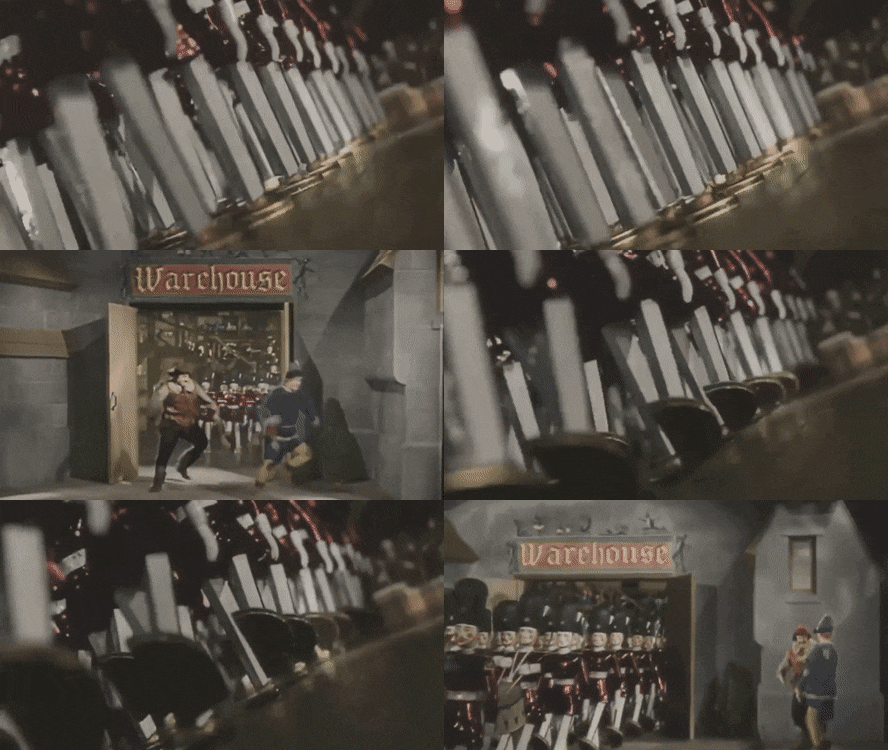
Baron von Munchausen is ready.
One of my favorite holiday CDs of recent years is Tracey Thorn’s Tinsel & Lights – a smart collection of original and non-traditional holiday-themed songs perfectly suited to the Everything But The Girl singer’s melancholy voice.
The lead track, Joy (written by Thorn) has been on repeat in my home every December since its 2012 release. When I first posted this in 2020, the song felt like it was tailor-made for that pandemic holiday season.
The opening lyric: When someone very dear / calls you with the words “Everything’s all clear.” / That’s what you want to hear / but you know it might be different in the new year. / That’s why / That’s why / We hang the lights so high: Joy.
Now, in 2024 as we stare down the barrel of the gun that is the second Trump administration, it’s a different lyric that strikes a chord:
So light the winds of fire / and watch as the flames grow higher / we’ll gather up our fears / And face down all the coming years / All that they destroy / And in their face we throw our Joy.
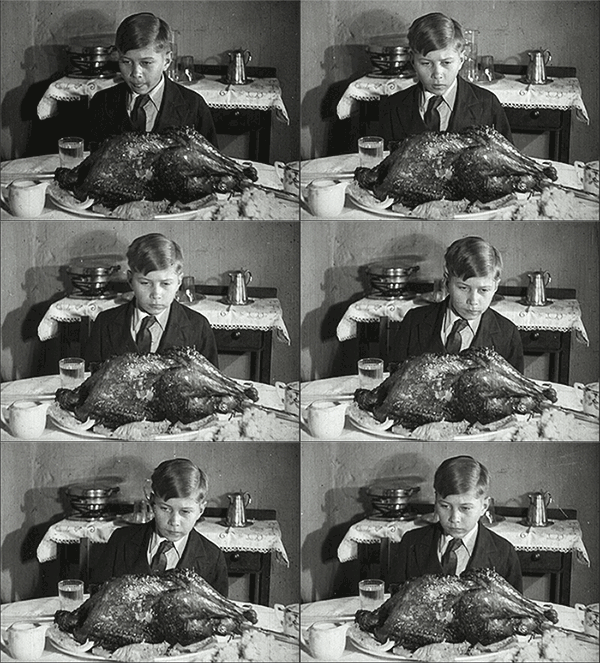
Here are some other Thanksgiving-themed goodies I have previously posted:
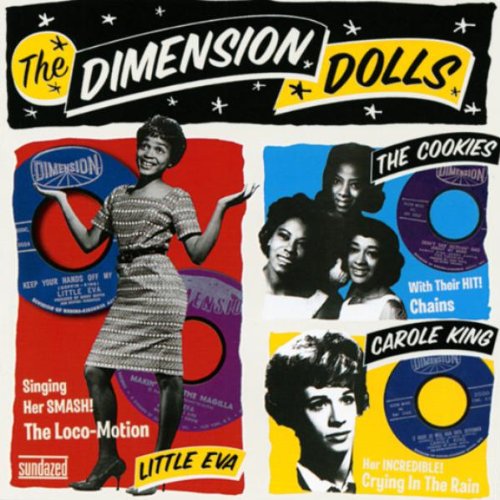
When it comes to holiday music, unfortunately Thanksgiving is lost in the long shadow of Christmas. There’s a severe lack of Thanksgiving songs, aren’t there? All we’ve got is “Let’s Turkey Trot” by Little Eva, and even then it is not really about Thanksgiving at all. The song’s title refers to the Turkey Trot, a dance step popular back in the early 1900’s.
“Let’s Turkey Trot” was Eva Boyd’s third single, released in 1963 with the hopes of recapturing the #1 success of her debut platter, The Loco-Motion. It had a respectable showing on the charts, peaking at #20, although it should have been billed as Little Eva & The Cookies, as the backing group is as much a part of the success of the record as the lead. Group member Earl-Jean McCrea delivers solo lines echoing their own hits Chains & Don’t Say Nothing Bad About My Baby, which also featured Little Eva on background vocals.
Here’s an abbreviated performance by Little Eva on Shindig in 1965. Darlene Love and the Blossoms stand in for the Cookies in what must be one of the proudest moments of their career. Gobble Diddle It!
The Dollyrots also covered this track in 2014. Besides using footage of Little Eva’s Shindig performance throughout the video, they also namecheck “Little Eva back in ’63”:
Want some “Mashed Potatoes” with your “Turkey Trot?” Here’s Dee Dee Sharp with her own ode to a Thanksgiving staple / dance move:
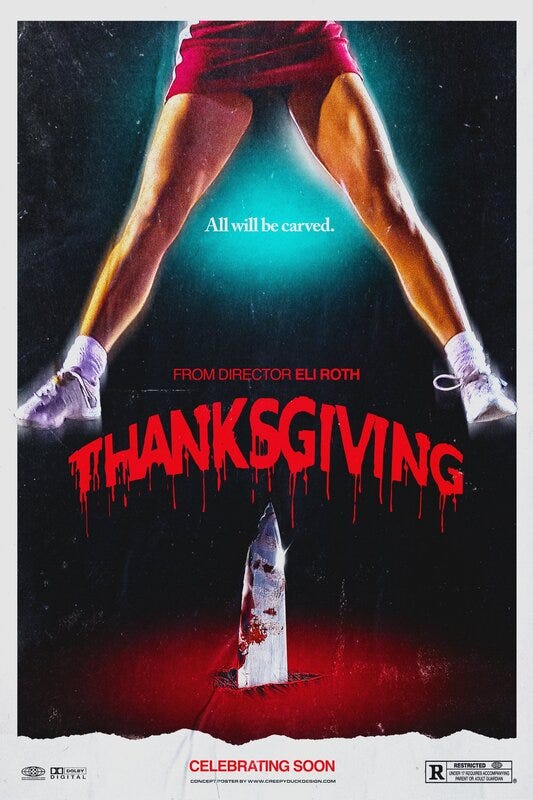
On the darker side… one of the faux trailers from Quentin Tarantino’s Grindhouse is the hilariously spot-on Thanksgiving, directed by Eli Roth. It is entirely plausible that someone would have jumped on the bandwagon of grade-z holiday themed horror films that followed the success of Halloween. But this one is a fake. In 2023, Roth did put out a full movie version of Thanksgiving. The original trailer retains it’s own seedy charm:
During the Thanksgiving episode of SNL in 1997, Lilith Fair stand-up comic Cinder Calhoun (a recurring character played by Ana Gasteyer) & singer Sara McLachlan paid a visit to Norm MacDonald and the Weekend Update desk, singing the Thanksgiving classic “Basted In Blood.” It would not be nearly as funny if they didn’t sing it so well.
Unfortunately this segment seems to have fallen off the annual SNL Thanksgiving Eve prime time special.
In 2019, Ana Gasteyer released a holiday album: Sugar & Booze. Highly recommended!
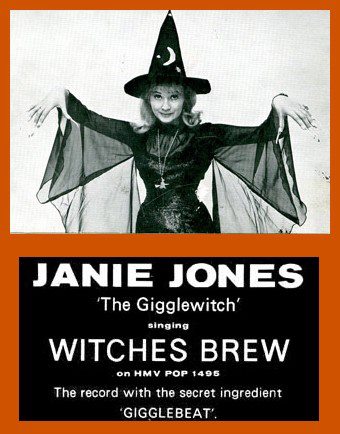
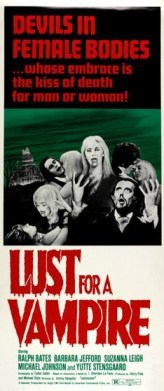
It’s hard to believe that it has been 16 years since I put this Halloween show together for 60 Degrees wi Brian Ferrari, my weekly radio show focusing on “60’s chicks and girl groups – the hidden gems, cult favorites and unreleased obscurities of the decade.” The show ran for five years (2008-2013) on East Village Radio and has been back on the air since July, 2024. This Halloween episode was originally broadcast on October 27, 2008 and aired every Halloween for the duration of the run.
In this very special episode, we’ve got soul witches, rockabilly rabble-rousers, death discs, horror movie theme songs, science fiction sirens, girls driven to madness by love and more dead boyfriends than you can shake a broomstick at. Plus a whole lot more! As with every episode, the songs were interspersed with vintage commercials, sound effects and movie clips.
East Village Radio had been back on the air for three months now – and that includes my weekly show, 60 Degrees with Brian Ferrari. On Sunday, September 29th, 2024 The New York Times posted an article about the station on the front page of their Metropolitan section.
60 Degrees is devoted to girl groups and female singers of the 1960’s, featuring hidden gems, cult favorites and unreleased obscurities. The show airs every Sunday morning from 8-10am EST, alternating new shows with old episodes from the original run (2008-2013). Episodes are available to stream any time, on demand for free here.
Here’s a recap of recent episodes – click on the date for streaming:
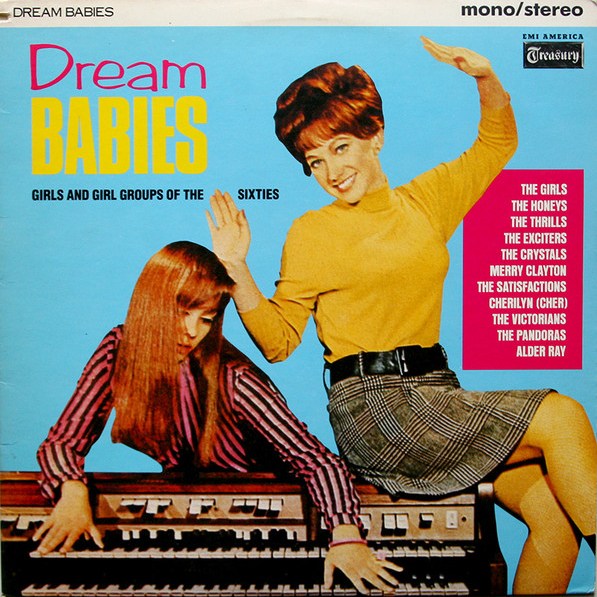
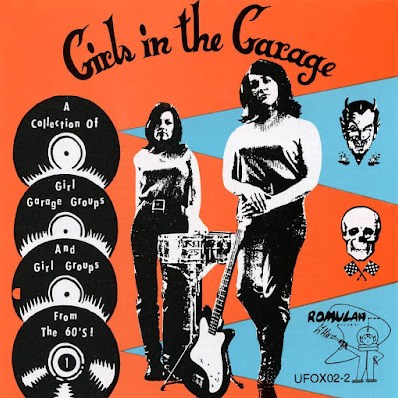
7/21/2024 – A tribute to Mary Weiss of The Shangri-Las, songs from film & television, Young Rascals covers, spotlight on Chess Records & selections from The Girls Scene CD Compilation. 7/28/2024 – From 2/2013, show #54: Sisters In The City (mostly NY), and songs recorded live on The Ed Sullivan Show. 8/4/2024 – Spotlight on Red Bird records, Mama Cass Elliot, Beatles covers, Ronnie Spector, Brit girls and soul sisters. 8/18/2024 – Selections from the Kiss N’ Tell CD Compilation, girl groups in the bubble gum zone, a folky 15 minutes and Stax soul sisters. 8/25/2024 – From 9/2008, show #13: Summer / surf songs, party drama, Beatles covers, and Motown rarities. 9/1/2024 – From 4/2011, show #40: Where The Girls Are LP compilation, Marvelettes tribute, and C’est Chic! French girls compilation. 9/8/2024 – From 9/2008, show #14: An assortment of The Cookies, soul sisters, Beatles covers, and songs about shoes. 9/15/2024 –Spotlight on Sue records, the British Bird Invasion, a folky 15 minutes, Beatles covers, and Motown. 9/22/2024 – From 11/2008, show #16: Wedding drama, Beatles covers, a folky 15 minutes, Girls In The Garage. 9/29/2024 –Dream Babies LP compilation, spotlight on Cameo/Parkway records, Brit girls, 50’s chicks in the 60’s, and Girls in the Garage. 10/6/2024 –Songs from John Waters’ Hairspray, peripheral Motown songs, Spector soundalikes, Beatles covers, Brit girls and Girls In The Garage. 10/13/2024 – A rebroadcast from 3/26/12: The Houston/Warwick Clan, Girls With Guitars, International Gals, Monkees Covers & Motown. 10/20/2024 – A rebroadcast from 4/21/08 featuring car songs, Dusty Springfield covers, NYC: A Mini-Musical, soul, Motown and more! 10/27/2024 – The 60 Degrees Halloween Show
Whenever I see posts on social media that mention the 1970 film The Boys In The Band, there are always strongly opposing viewpoints. Whether you love or hate the film, everyone can agree that it is a cultural touchstone. Like the Stonewall uprising itself, The Boys In The Band serves as a landmark, with every other gay-themed film described as either preceding or following it.
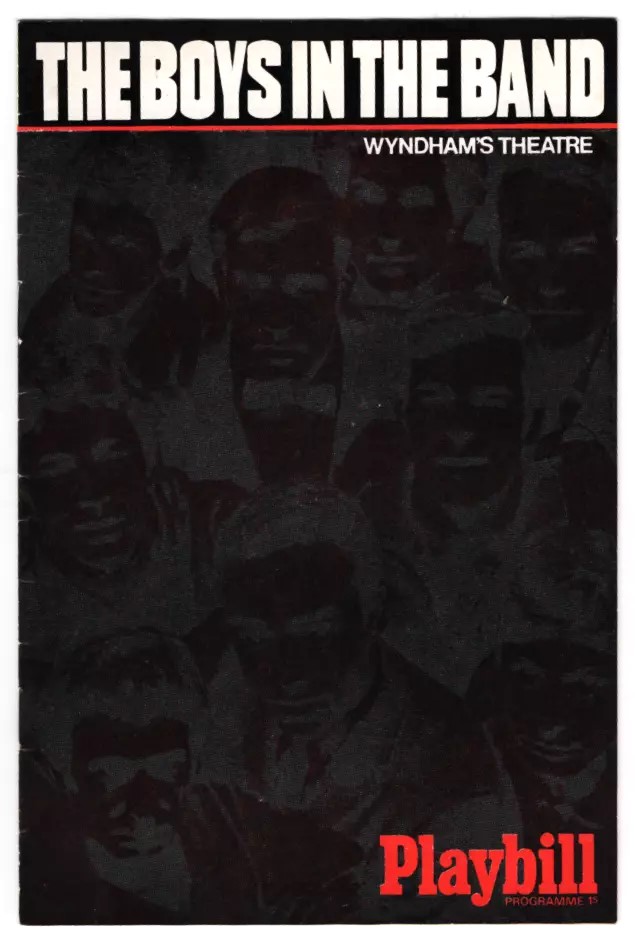
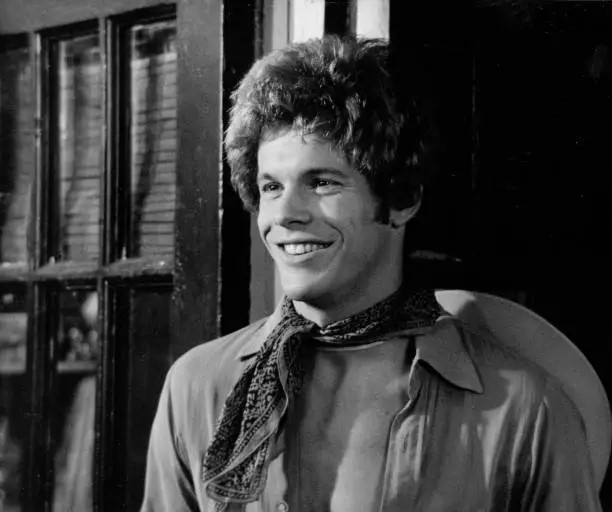
I recently acquired the original press book for the film, which you can see below. Also included is the Playbill from the original West End production with the same cast as well as some revealing photos of “Cowboy” Robert La Tourneaux. During the New York run of the play, he was photographed in and out of clothes by Jack Mitchell for After Dark magazine. Years later, La Tourneaux would appear in photo layouts for Mandate, Honcho, and Zeus, which were the names of gay publications and not a queer law firm.
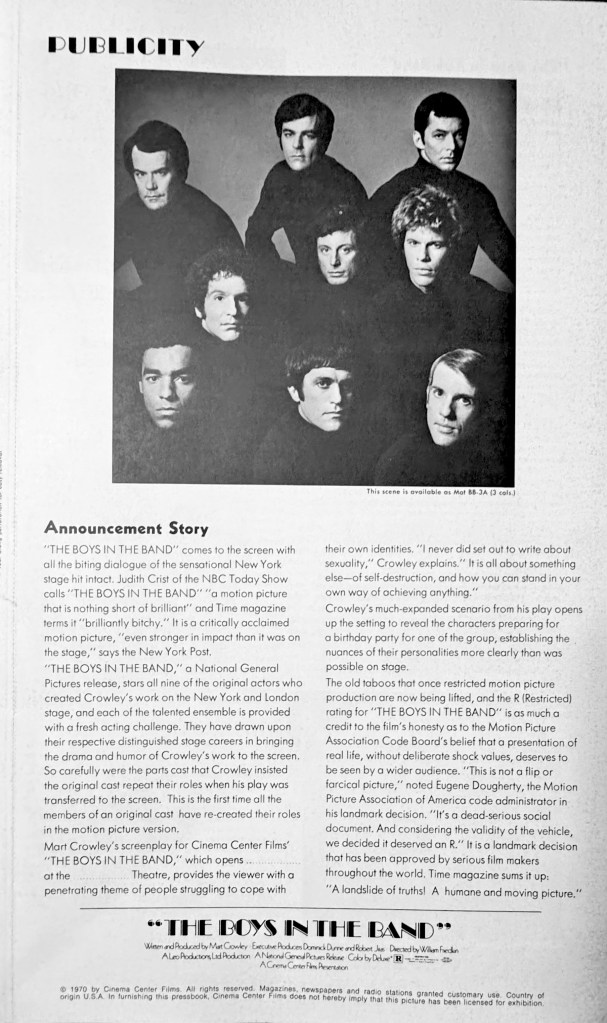
The Boys In The Band poster (l-r) Leonard Frey, Robert La Tourneaux (Photo by LMPC via Getty Images)
Ladies and Gentleman, it is time once again to revisit that late great dynamic lady of song, Madame Spivy LeVoe (1906-1971), also known simply as Spivy. A lesbian entertainer, nightclub owner and character actress, Spivy has been described as “The Female Noel Coward” – to which I add “…. if he had been born in Brooklyn as Bertha Levine.”
“Why Don’t You?” is the fifth side profiled here from her 1939 album Seven Gay Sophisticated Songs. Spivy is credited with composing the music, with lyrics by Everett Marcy, who also penned “I Brought Culture to Buffalo In The 90’s”.
Marcy had a few Broadway writing credits including New Faces of 1936. It was Marcy who wrote the oft-repeated line introduced in the show by Imogene Coca: “I must get out of these wet clothes and into a dry martini.”
The song “Why Don’t You?” refers to Diana Vreeland’s column of the same name in Harper’s Bazaar magazine. It was full of random “imaginative” suggestions such as “Why don’t you wash your blond child’s hair in dead champagne, as they do in France?”
Some of the notables of the day that are referenced in the song:
Vera Zorina – a ballerina, actress, and the second wife of George Balanchine.
Cecil Beaton – photographer, diarist, painter, interior designer, and an Oscar-winning costume designer.
Elsa Maxwell – a gossip columnist, radio personality, and professional hostess renowned for her high society parties.
“The Zerbes and Bebees” refers to the original paparazzi photographer Jerome Zerbe (1904-88) and syndicated society columnist Lucius Beebe (1902-1966). The two were a couple through the 1930’s.
Peggy Hopkins Joyce – an actress and socialite, notorious for her flamboyant lifestyle with numerous affairs, engagements and six marriages.
Clifton Webb – a character actor best known for his thinly veiled “sissy” supporting roles.
Why Don’t You?
Today when all the headlines full of red lines and bread lines confuse you And the world seems bleak, don’t be blue. In Harper’s they have a column, very smart and very solemn that will amuse you. It asks you little questions to give you smart suggestions how you, too can reek with chic like the most ultra-clique, and they call it “Why Don’t You?” It asks you…
Why don’t you have your ermine muff wired for sound and use it weekends as a concertina? Why don’t you give a charity ball for the Princeton Club and raffle off Vera Zorina?
Why don’t you throw your mother an occasional bone? Why don’t you try sleeping alone? Why don’t you take the pretty blue check you won at bridge and kite it? Why don’t you dip your head in brandy and light it?
Why don’t you try wearing gold sandals backwards just for the sheer agony of it? Why don’t you send last year’s negligée to Cecil Beaton? He’d love it. So they want you to try decorating your flat with bundles of hay… Well they know what they can do with Harper’s, why don’t they?
Why don’t you try going to Elsa Maxwell’s parties as yourself for a change? Why don’t you try wearing a hat that won’t make your husband look strange? Why don’t you develop a bright smile by putting an electric bulb behind each tooth? Why don’t you give a testimonial dinner for Hitler in a telephone booth?
Why don’t you get out of town before you come down with a compound case of heebie jeebies? Why don’t you listen to the birds and bees instead of the Zerbes and Bebees? So they want you to roll up your rugs and cover your floors with broccoli on the first warm day. Well they know what they can do with Vogue too…. Why don’t they?
Why don’t you have a stag line composed of the ex-husbands of Peggy Hopkins Joyce? Why don’t you cross breed carrier pigeons with parrots so they can deliver messages by voice? Why don’t you try throwing Clifton Webb over your left shoulder and making a wish? Why don’t you fill your guest’s finger bowls with invisible tropical fish?
Why don’t you try opening your eyes in the middle of a kiss? Why don’t you cancel your subscriptions to magazines like this? Why don’t you tear everything off your hat and stamp on it? Why don’t you take out a homestead in Montana and go “camp” on it?
So they want you to promise to slap your own face two hundred times a day? Well tell them you’ll have none of it. Tell them you’re through with their “Things To Do” and they can all take their Harper’s and… love it.
In 1939, 19-year-old Donald Windham moved to New York from Atlanta with his boyfriend, graphic artist/photographer Fred “Butch” Melton. They were welcomed into the New York circle of artistic types that included George Platt Lynes, Tennessee Williams, Paul Cadmus, Jared and Margaret French.
Donald Windham & Fred “Butch” Melton photographed by Jared French at his 5 St. Luke’s Place studio (ca 1941)
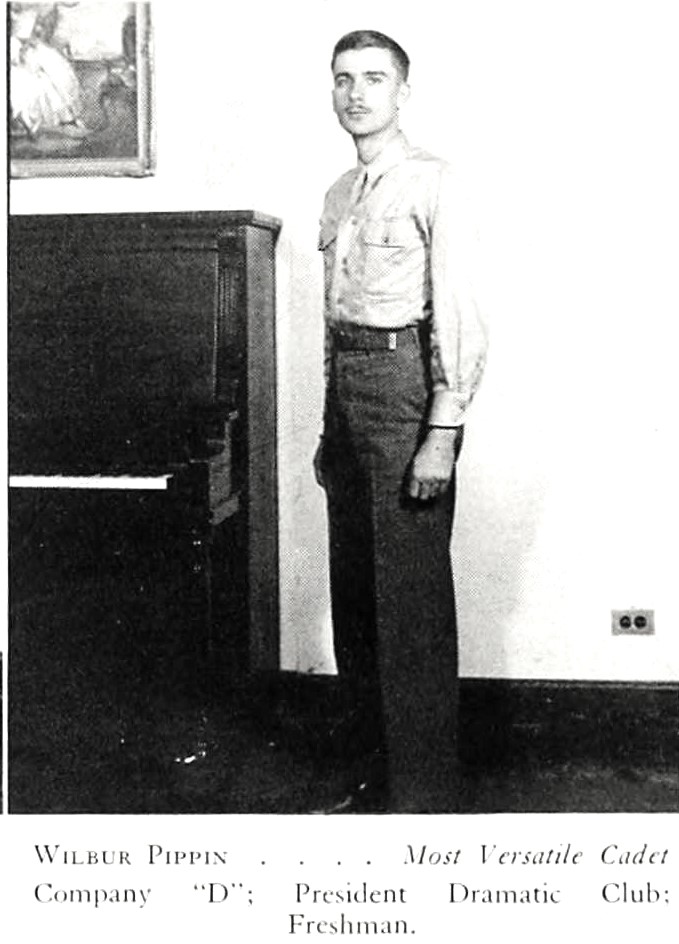
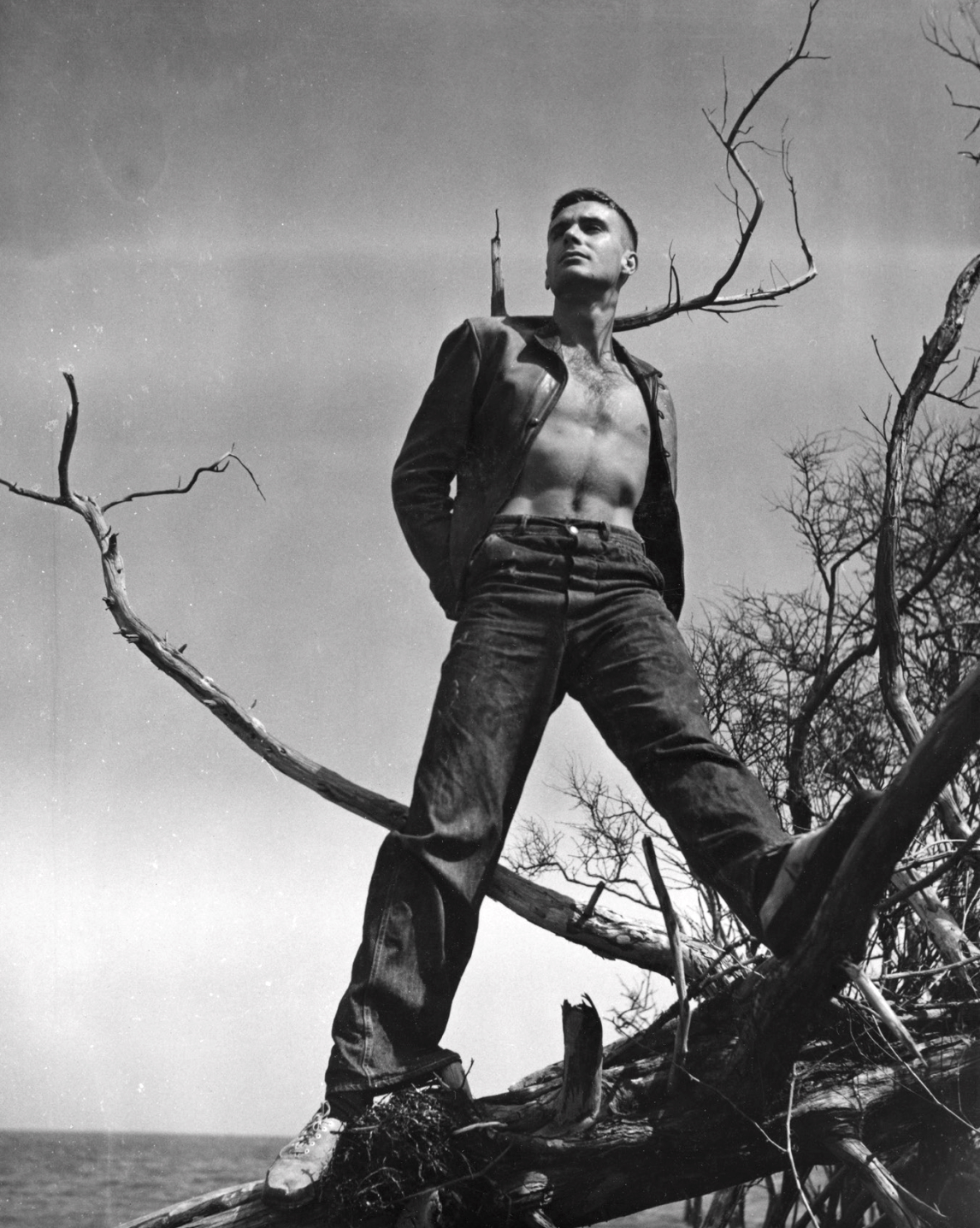
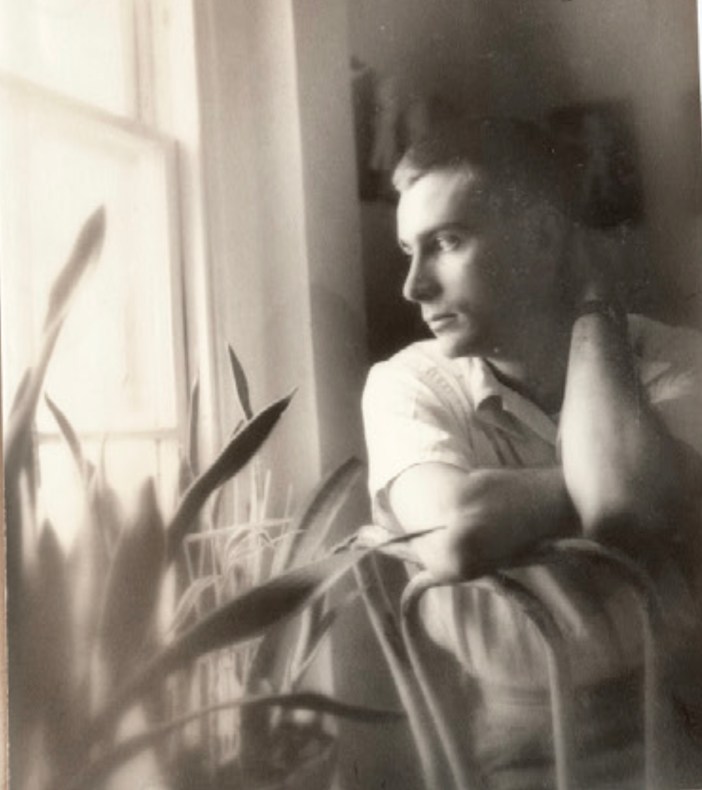
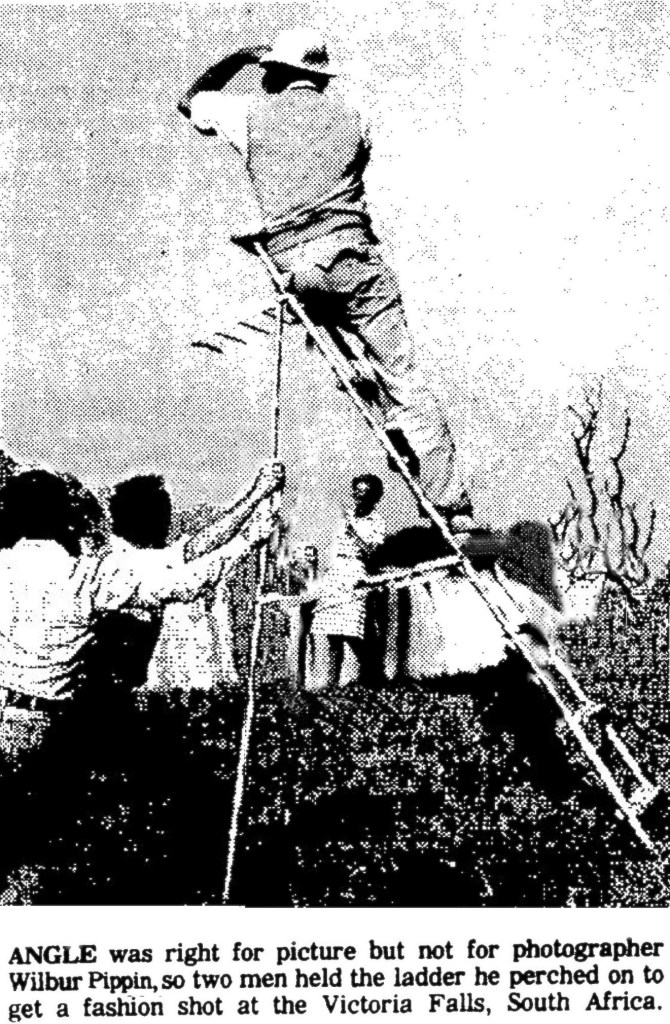
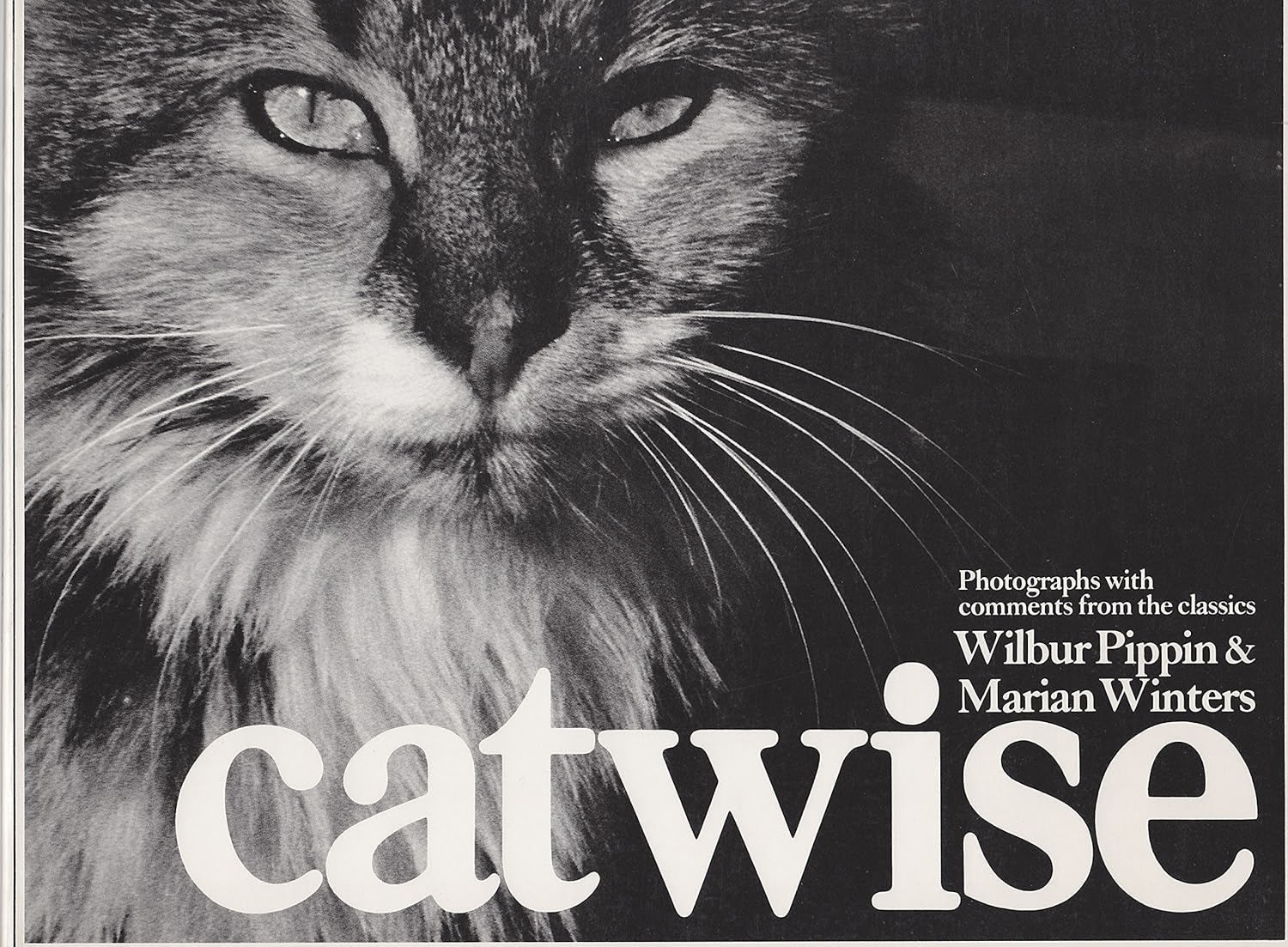
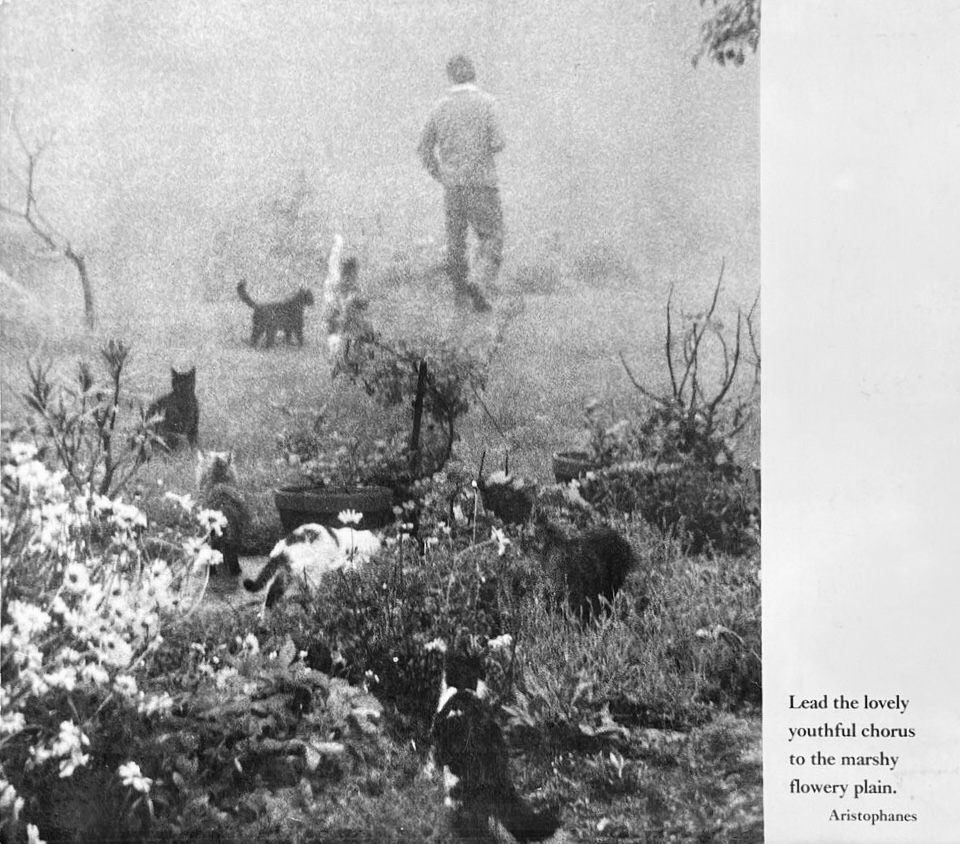
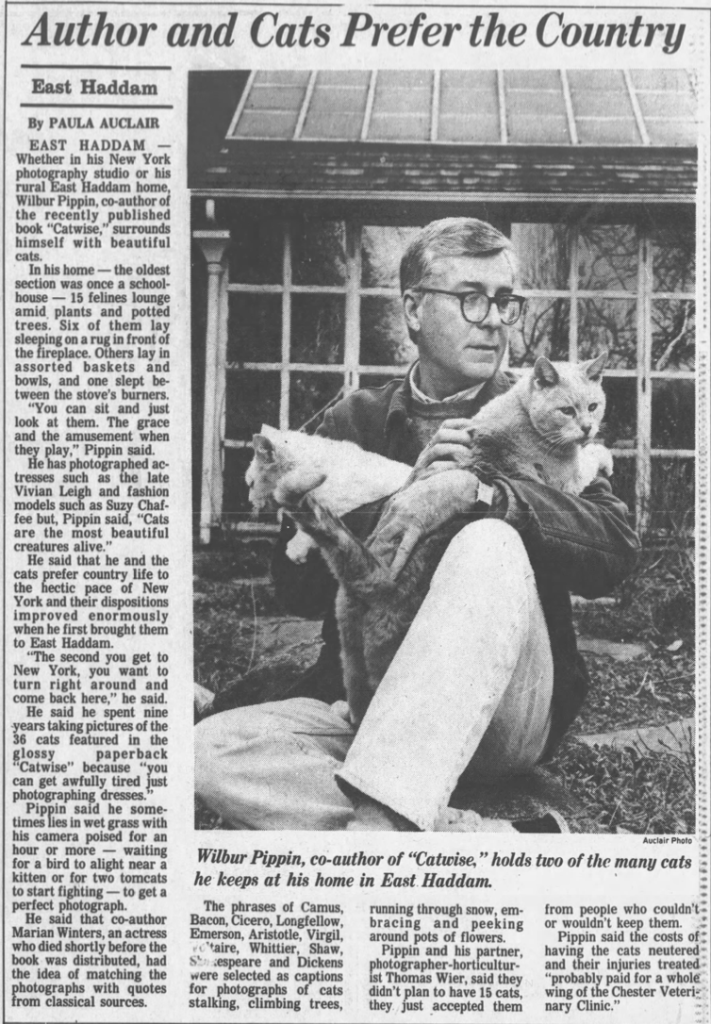
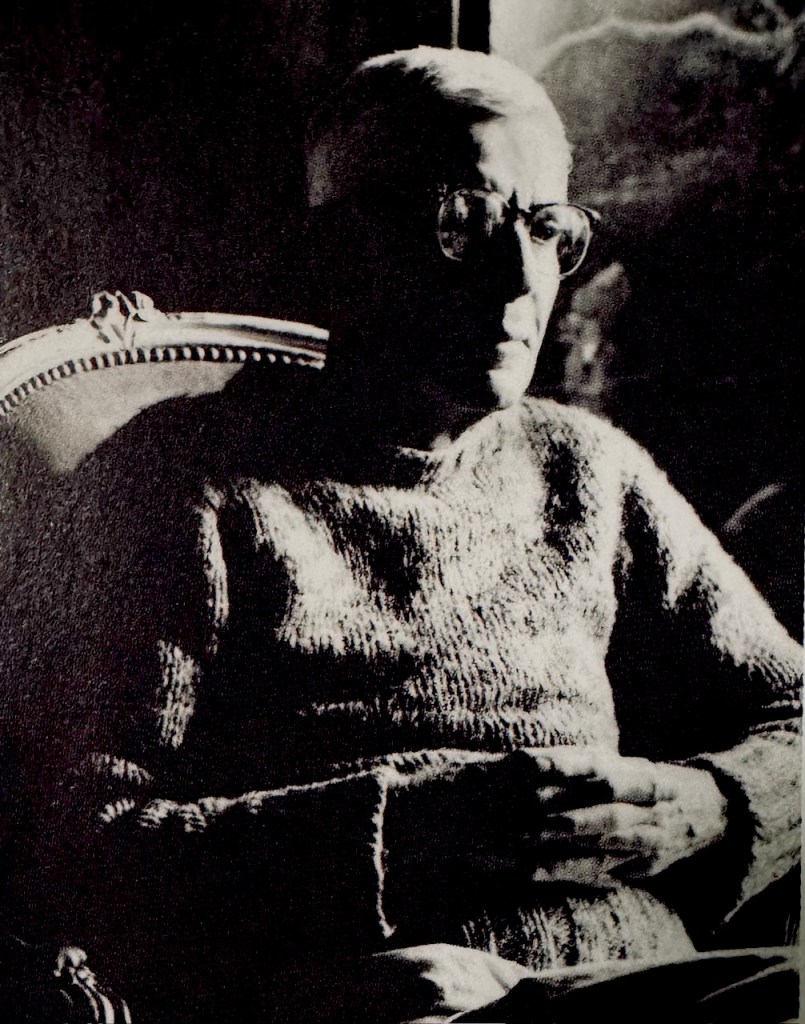
In 1942, Butch ended his relationship with Windham, opting for a more conventional lifestyle by getting married, fathering two sons and moving to Macon, Georgia. This didn’t last long: Butch met and fell in love with local artist Wilbur “Billy” Pippin. In early 1948, he left his young family and returned to New York with Billy. But that’s another story…
Donald Windham with Jared French & Paul Cadmus on Fire Island, ca 1940
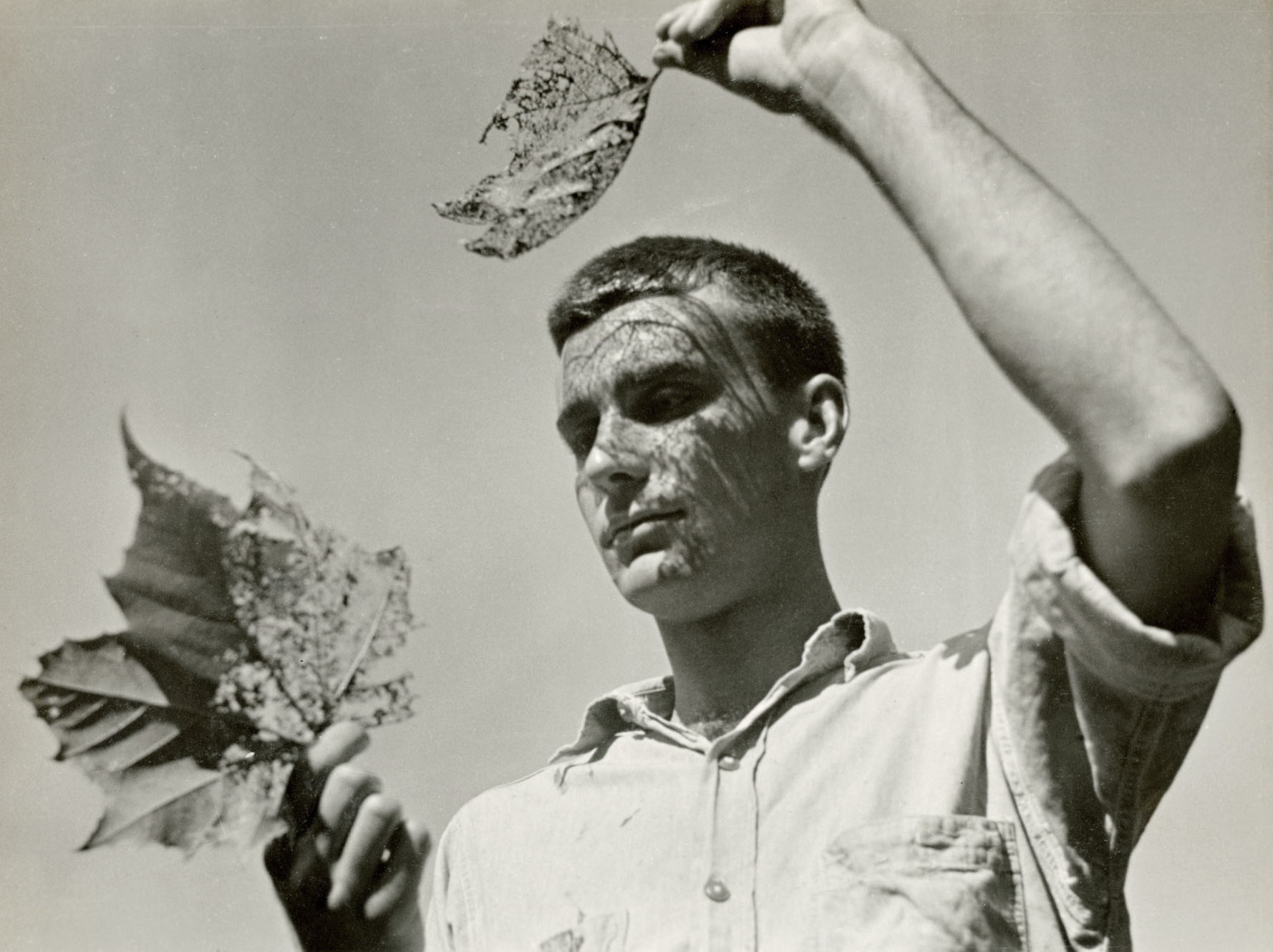
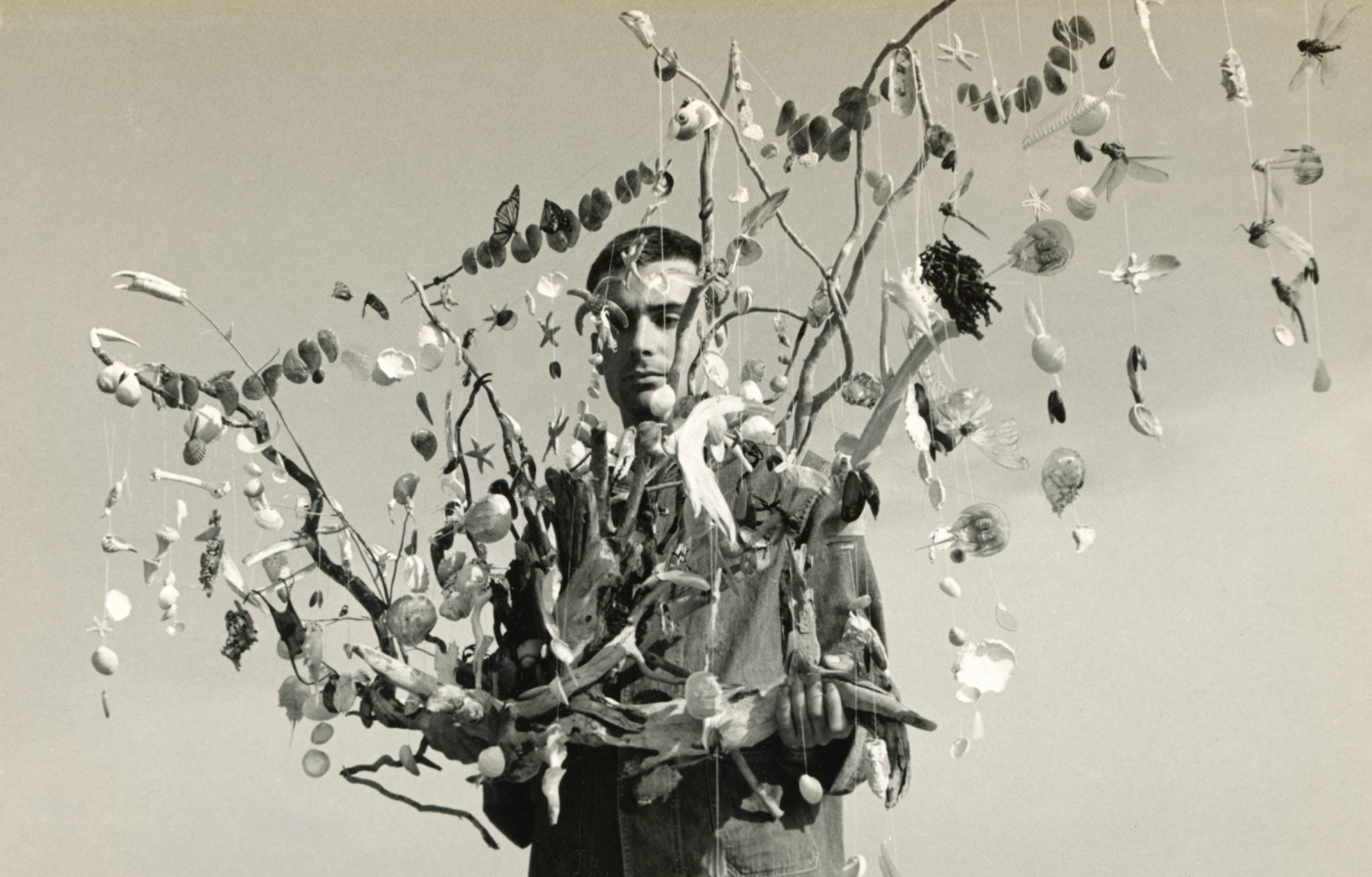
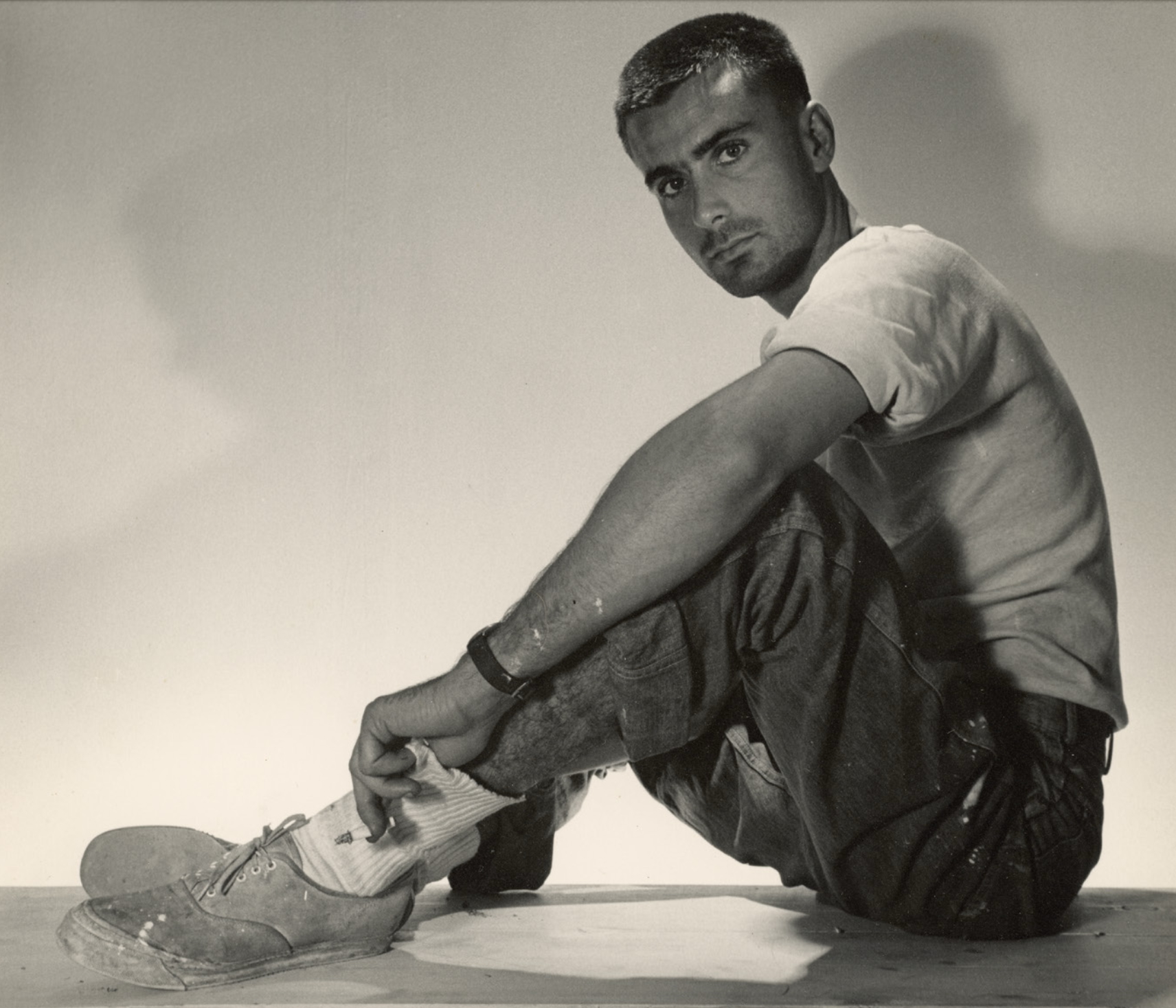
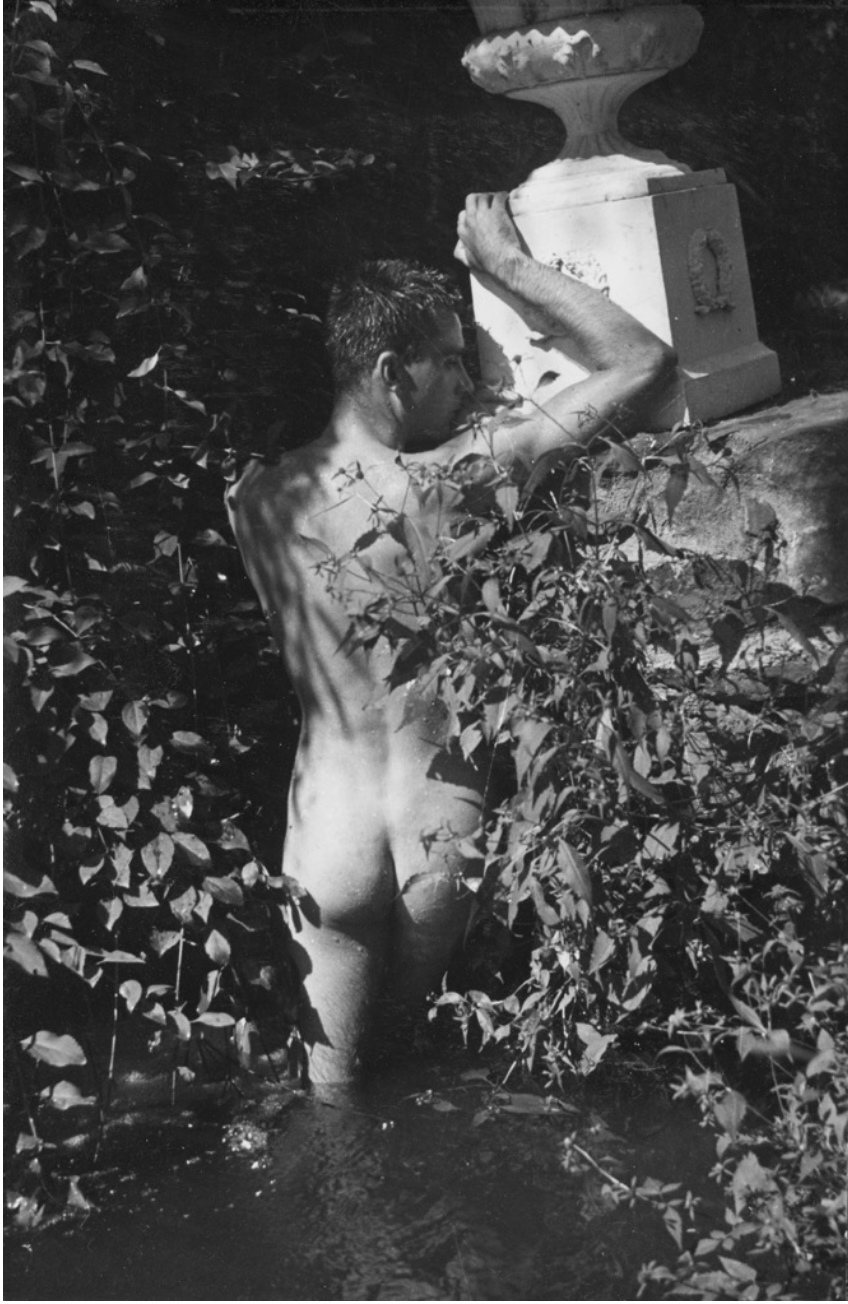
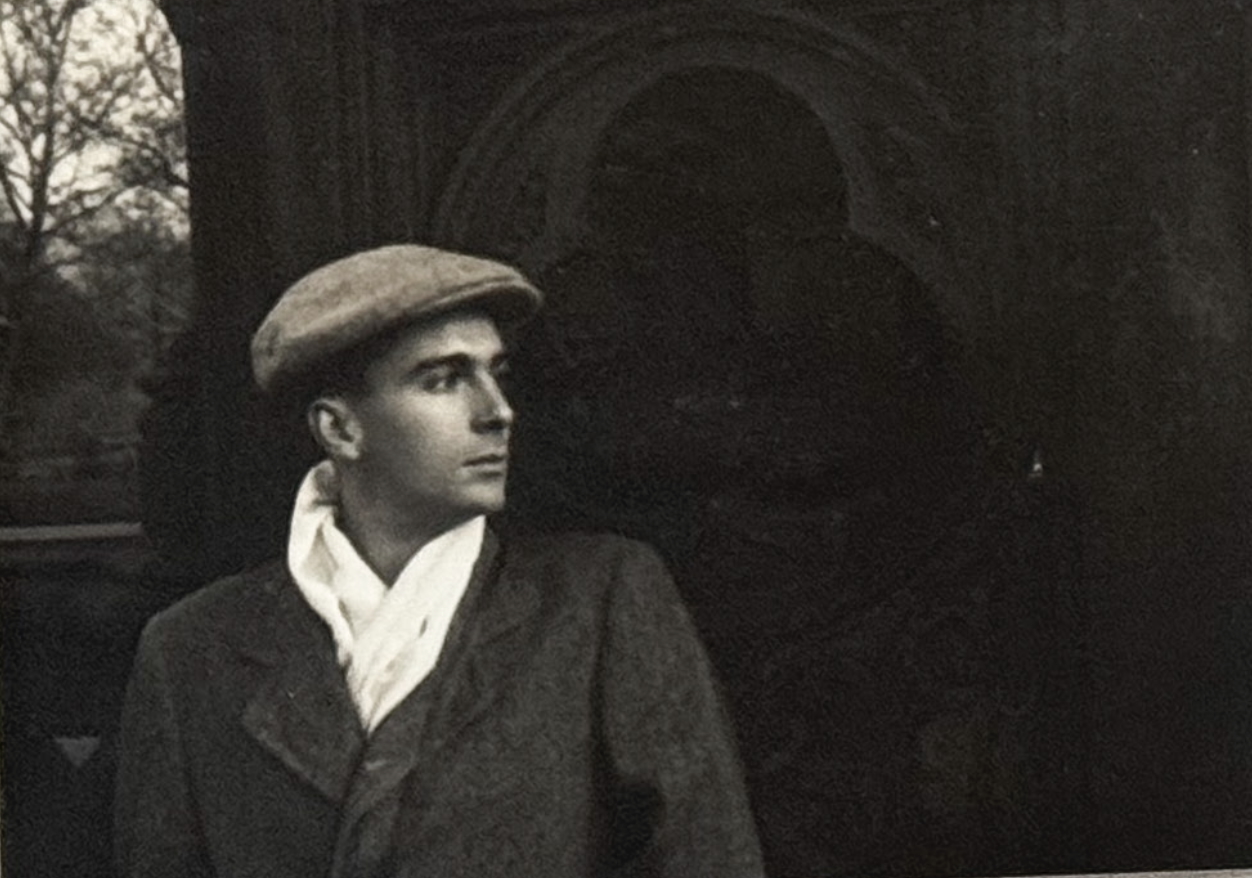
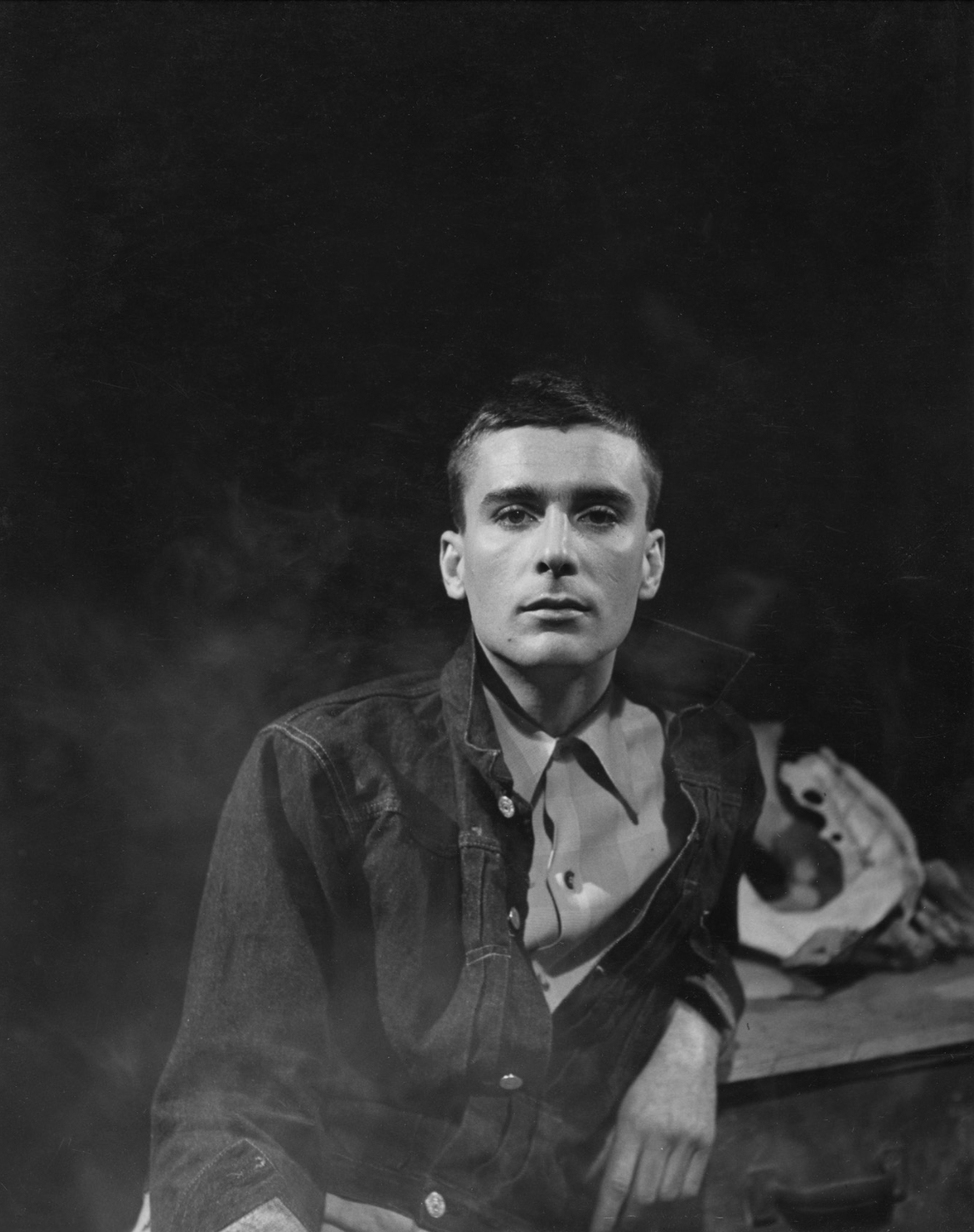
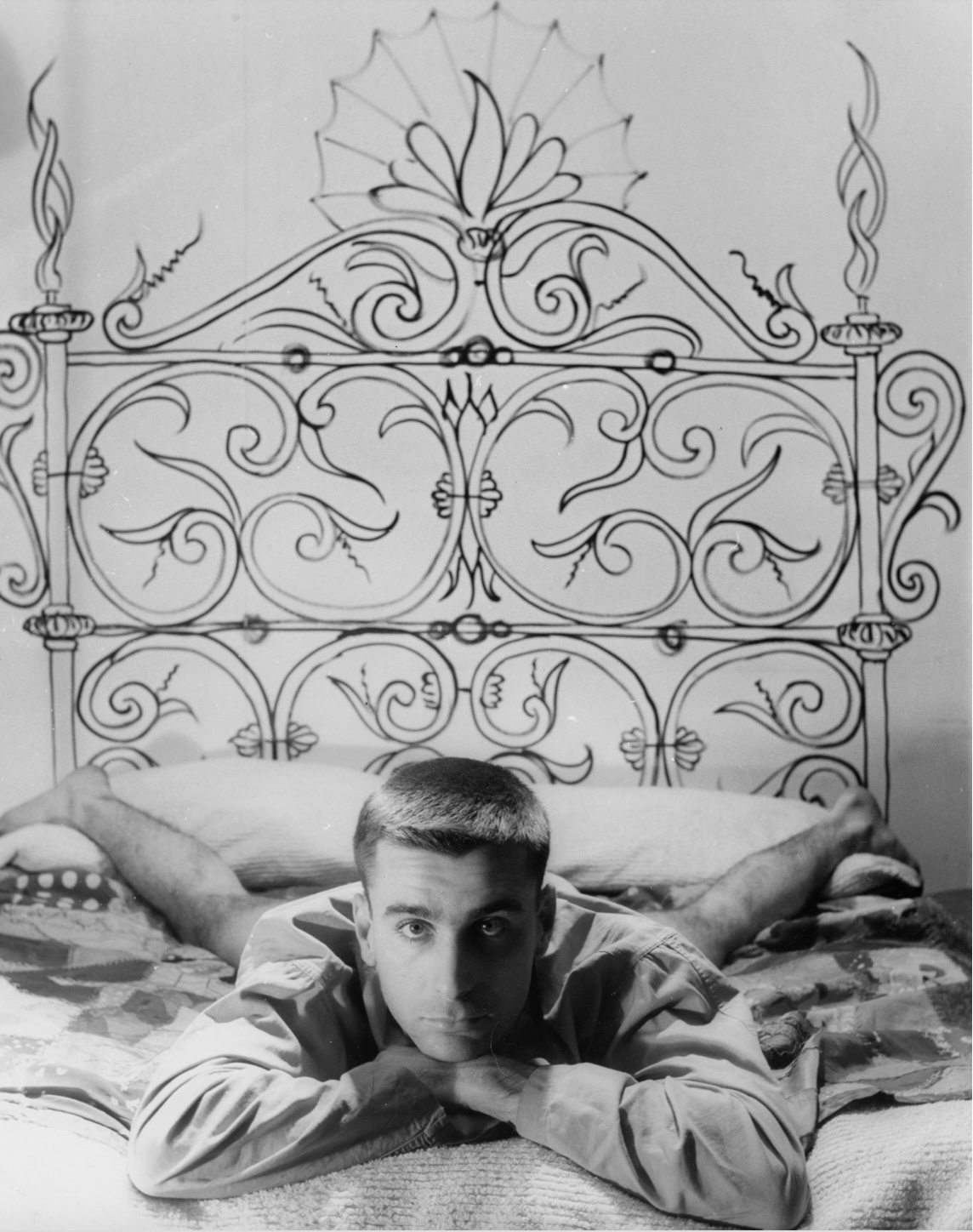
In 1942, the newly single Windham supported himself by working at Lincoln Kirstein’s Dance Index magazine. He lived in the Cadmus/French studios at 5 St. Luke’s Place while they spent time at their rental on Fire Island. He would frequently visit there as well. The lithe young man with the striking profile became the subject of many PaJaMa photos and sketches.
Windham posed as a reference for Jared French’s Homesickness (1942)
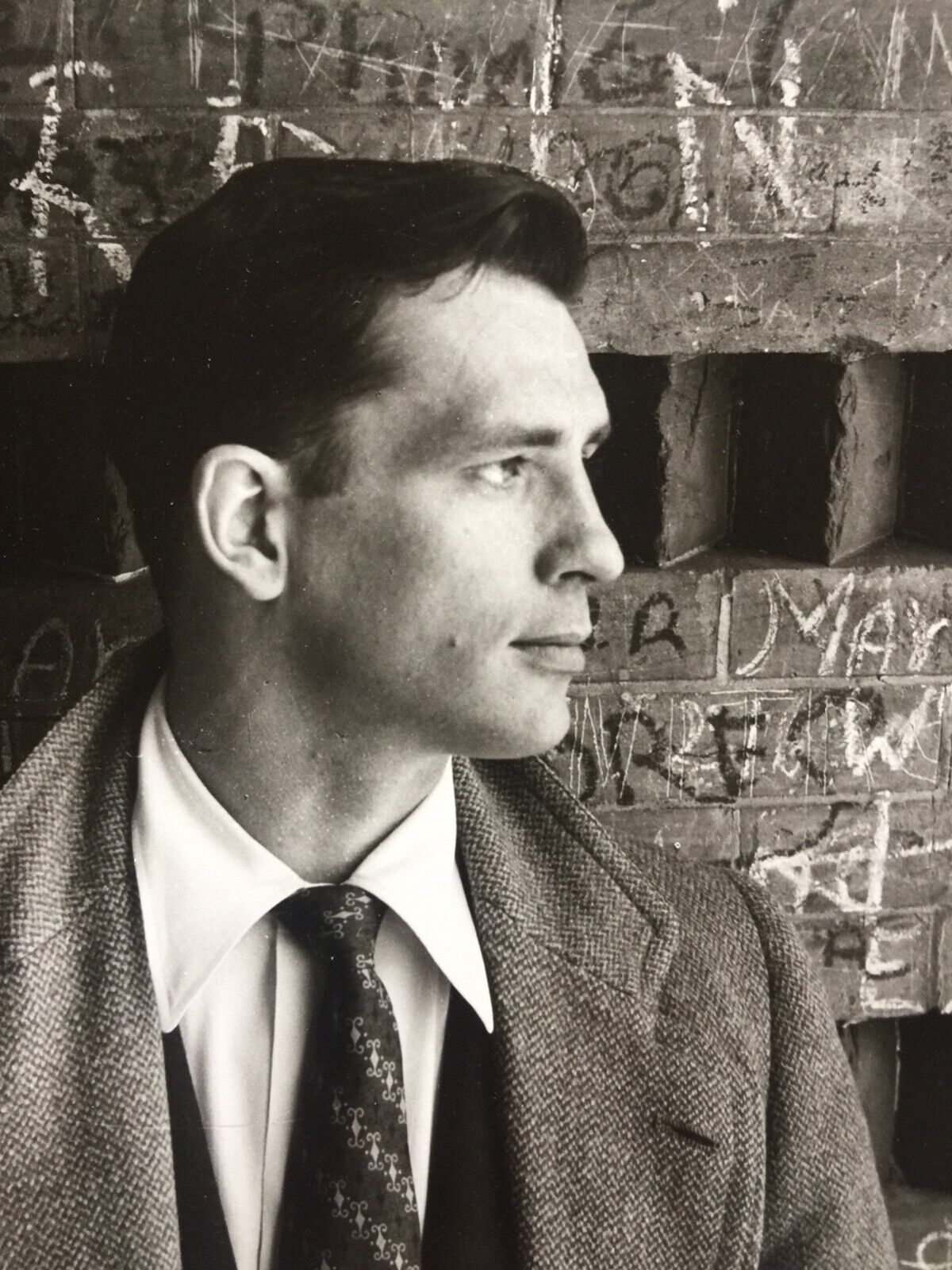
Paul Cadmus met 21-year-old Princeton theater student Sandy Campbell at a party in 1943. The young man asked the artist to do a pencil portrait that he could give to his mother, as he suspected that he would soon be drafted. Cadmus was instantly smitten with the handsome young man. He went on to draw, paint and photograph him frequently throughout the following year.
Campbell is the central figure of Cadmus’s 1944 painting Reflection. Donald Windham was the original model for the figure laying on the floor. Before the painting was completed, however, the two models fell in love. Cadmus was not happy with this turn of events, and Windham’s likeness disappeared from the finished painting, with the figure’s head turned slightly away.
Donald Windham & Sandy Campbell photographed by George Platt Lynes (ca 1943)
Photographer George Platt Lynes photographed both Campbell and Windham several times in separate studio settings. In 1945, he shot Windham again with his friend and writing collaborator, Tennessee Williams.
Donald Windham, Tennessee Williams & Edmund Gwen photographed by George Platt Lynes (1945)
Windham and Williams co-wrote the play You Touched Me!, a romantic comedy based on a short story by D.H. Lawrence. It opened on Broadway starring Edmund Gwen and Montgomery Clift in late 1945. Unfortunately, reviews were mixed and it closed 4 months later.
Around the same time, Campbell was cast in a string of minor Broadway and film roles that would span the next 10 years. He then decided to give up acting and focus on editing and publishing Windham’s work.
Donald Windham’s literary output (1950-1998)
Windham & Campbell photographed by Carl Van Vechten (1955)
Windham’s 1972 novel Tanaquil is a fictionalization of his time among the George Platt Lynes / PaJaMa circle of friends. His later work focused on correspondence and reflections on his famous literary friends, including E.M. Forster, Tennessee Williams, Alice B. Toklas and Truman Capote.
Campbell & Windham with Capote
Windham & Campbell, ca 1987
Windham and Campbell remained a couple for the rest of their lives. Besides their New York City apartment on Central Park South, they also had a Fire Island house on Ocean Walk in The Pines, where Campbell died suddenly of a heart attack on June 26, 1988. Windham outlived his younger partner by 22 years, passing in May, 2010 at the age of 89. Their combined estates fund the annual Windham-Campbell Literary Prizes, established at Yale University in 2012.
Jack Parlett’s 2022 book Fire Island devotes almost an entire chapter to Donald Windham’s 70-year span visiting the island. Parlett writes; “(Windham) was part of the very first generation to discover its potential as an enclave; first as a young man, visiting Saltaire with some of the earliest queer artists to incorporate the island into their practice; and later as a man in his fifties, happily coupled with the love of his life, who made in the Pines an enclave within an enclave, a restful home for two people, even amid the loudness of the community’s sexual and cultural boom in the 1970’s.”