The Winter, 2024 issue of Bindle Zine is out and once again my husband Tobias and I are delighted to be included in the collection of writers and artists, which you can find here. Toby’s artwork, “The Second Time You Die” is inside the front cover and he also contributed an illustration to accompany my essay, “General Slocum.”
The Second Time You Die by Toby Fox Ferrari
General Slocum
I was sitting at a table outside the Life Café when the self-appointed mayor of Avenue B waved his change cup towards Tompkins Square Park and said “It’s just beyond those trees – a pink marble monument, engraved on one side: In Memory Of Those Who Lost Their Lives In The Disaster To The Steamer General Slocum, June 15th, 1904– 1,100 or so lost – they never did get a total- burned on board or drowned in the East River. Women and children, mostly. The heart of this neighborhood, they said.
“You go ’round to the front of the monument where a boy and a girl look away from you – gazing back towards the river with faces obscured by design and a century of wear. Can’t hardly read it anymore but it says: They were Earth’s purest children, young and fair.
“Below that, a lion head spits water into the fountain with a stream that arcs over 100 years, as if to say ‘Here I bring you water to douse the fires in which your loved ones perished…this water, tamed of its currents that swept away your young. Here it flows in its simplest form as you reflect upon what has been lost.’
“But nobody reflects. ‘Cuz nobody remembers. That monument – erected so they would not be forgotten – has been forgotten.”
bin•dle(noun): a bundle of clothes or bedding, stereotypically carried on a stick by runaway children and transients
“We all wander through our lives, and we collect memories, possessions, and relationships. Bundle them all together, and you have yourself a bindle. Our zine represents a collection of writing and art and photography – a bindle of creativity that we send across America, a tramp in search of a mailbox.”
Hard to believe but it has been a year since the last Artist’s Muse profile – these are men who inspired and were subjects of 20th Century painters, photographers, and other artists. It was last January that we cast the spotlight on Jose “Pete” Martinez. Chuck Howard was profiled in September, 2022 and is currently being featured in George Platt Lynes photographs on exhibition at Childs Gallery in Boston. If you read our post and then take a look at their press release, you might surmise the primary source of their biographical material.
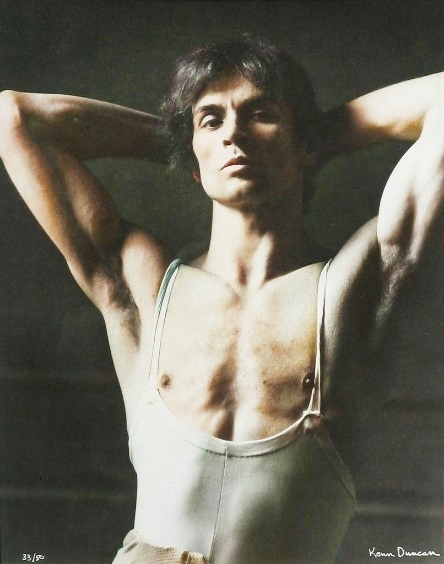
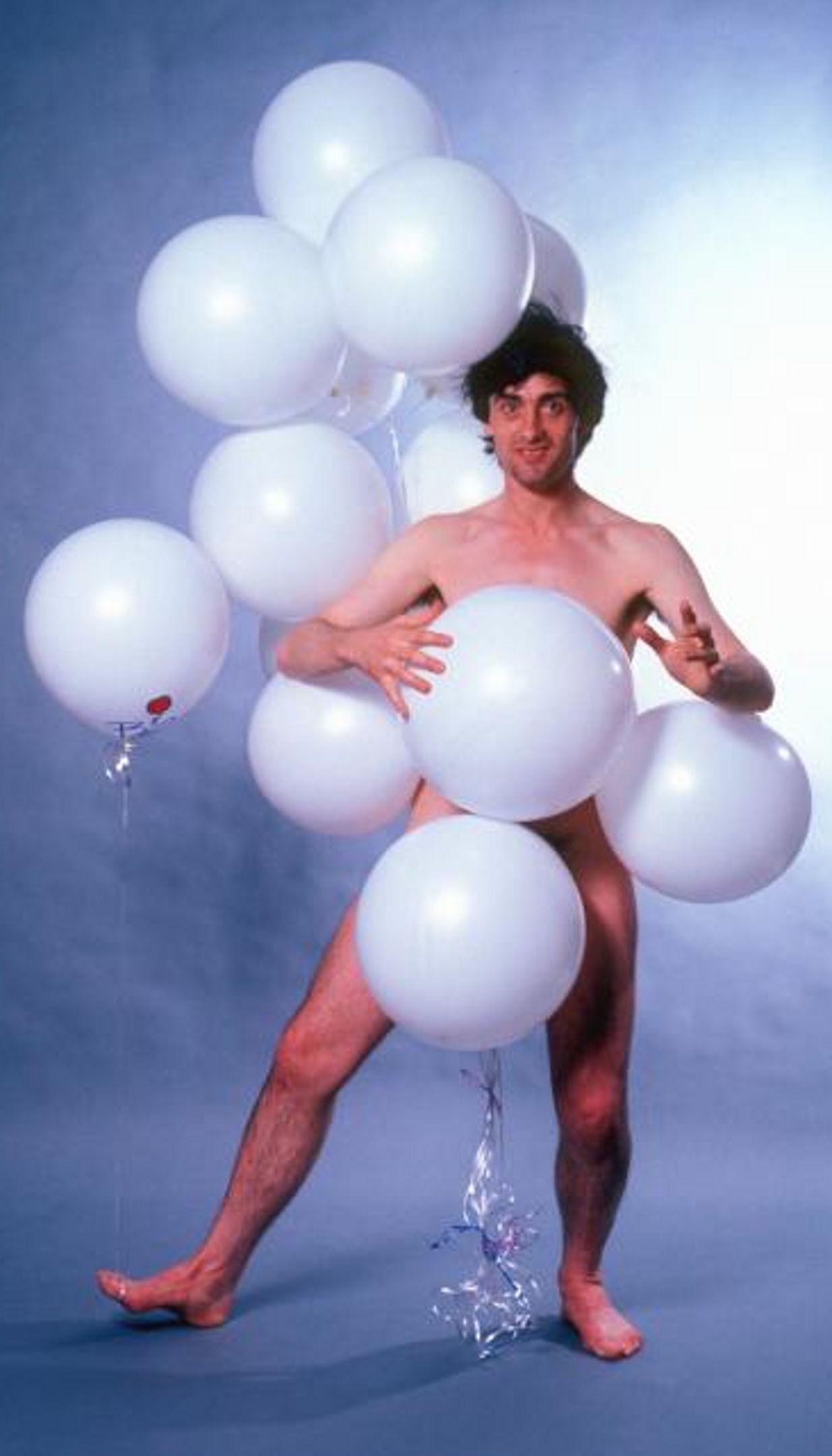
Our latest Artist’s Muse is William Weslow, a ballet dancer with an extraordinarily long career who was also a Broadway performer, artist, and masseur. He posed for George Platt Lynes’ camera during their brief relationship, and was later involved with choreographer Jerome Robbins. He posed nude for dance photographer Kenn Duncan when he was in his 50’s, looking as fit as in photos from 25 years earlier.
The Columbian, Vancouver, WA (6/7/44)
William Edward Weslow was born on March 20, 1925 in Seattle, Washington. His mother had been a Ziegfeld dancer, and he soon followed her lead. As a teen, Weslow studied with famed dance instructor Mary Ann Wells. His 1943 draft registration card lists him as a student at Broadway High School in Seattle. Later that year, he joined the Navy Coast Guard and was stationed in the Alaska.
Annie Get Your Gun (1946) Ethel Merman with Weslow on the right (Photo: Eileen Darby)
After his stint in the Navy, Weslow headed to New York to continue his ballet study. He joined the Ballet Theatre, but soon turned his attention to the Broadway stage. He was in the original Broadway casts of two Ethel Merman vehicles: Annie Get Your Gun and Call Me Madam, the latter choreographed by Jerome Robbins. Besides touring companies, he also appeared on Broadway in the original casts of The Girl In Pink Tights and Wonderful Town with Rosalind Russell.
Weslow photographed by George Platt Lynes (1951)
It was around 1951 that Weslow had his brief relationship with photographer George Platt Lynes. The affair was so fleeting that it did not garner a mention in Allen Ellenzweig’s recent Lynes biography. In David Leddick’s Intimate Companions, it is summed up in a single anecdote:
Dancer William Weslow, who had a transitory but more serious than usual romance with George Platt Lynes in the early 1950’s, evidently treated the photographer to the kind of temperament Platt Lynes had displayed to his admirers in the past. Dining at Platt Lynes’s apartment before a performance, Weslow had requested a steak because of the demanding dancing that was to be done that evening. Instead, Platt Lynes served him an elaborate veal dish, which the young dancer flung against the wall before leaving in search of a steak.
Lynes’s photographs of Weslow are also rare, due in part to the paper negative process that the photographer was experimenting with at the time. This cost-cutting technique gave the photos a quality that have been described as either “ethereal” or “muddy.”
When he wasn’t on stage, Weslow enjoyed painting and sketching, with an affinity for exotic birds, both real and imagined. His work garnered several gallery showings through the years.
Buffalo Courier Express (4/1/51) &New York Post Star (7/9/71)
New York Daily News(1/1/54)& (11/6/54)
Weslowwas a soloist at Radio City Music Hall, New York Daily News (6/20/56)
In 1955, he originated the role of Levi Stolzfuss in the Amish musical Plain and Fancy. After nearly 10 years in musicals, he felt the need for a change. When the show closed the following year, he rejoined the Ballet Theatre for a brief stint before settling in at the New York City Ballet for the rest of his dance career.
Like his relationship with Lynes, Weslow’s dalliance with choreographer Jerome Robbins was so fleeting that most biographers fail to mention it. It is worth noting as it caused friction between the two while they continued to work together. Weslow is not alone in saying that Robbins could be vindictive, manipulating his dancers because of personal grudges, often pitting them against each other.
Weslow also caught the eye of New York City Ballet Director Lincoln Kirstein. He rebuffed his advances, stating “I don’t find you attractive, Mr. Kirstein.” “Who asked you to find me attractive?” Kirstein snapped, “I was just asking you to come over to the house for a few drinks and stay over.”
Later, the two had a chance meeting at a gay bathhouse. Weslow greeted him loudly with “Why Lincoln, hello! Come here often?” The married Kirstein did not respond and left the establishment.
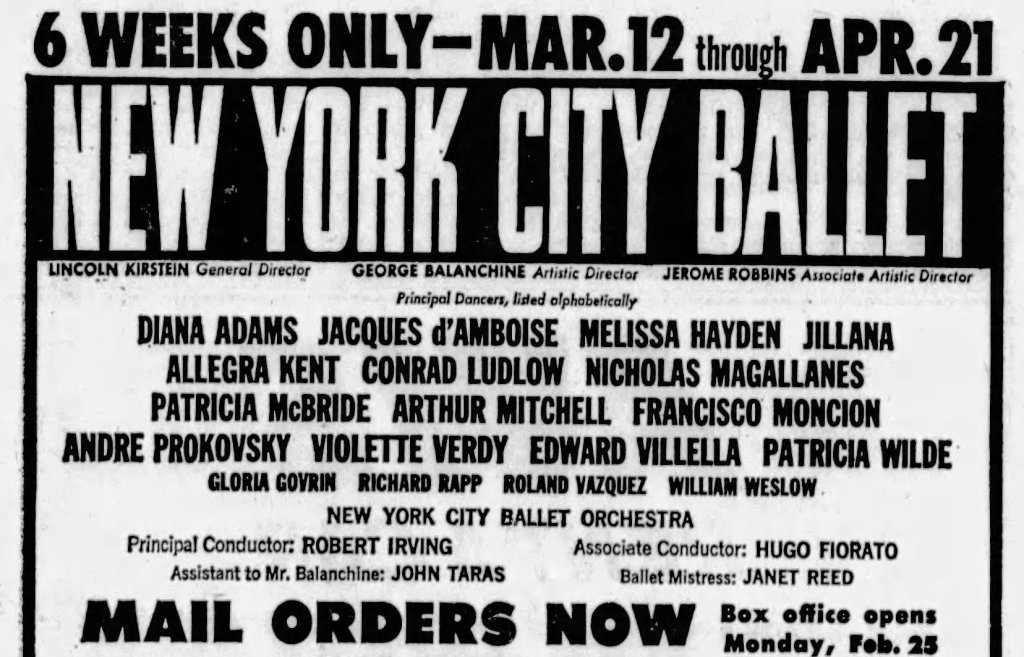
1963 Ad for New York City Ballet
1963: Weslow & Suki Schorer in Variations from Don Sebastian (photo: Martha Swope)
1964: Weslow & Sara Leland in La Valse (photo: Martha Swope)
1964: William Weslow & Carol Sumner are the dancers in the first of 4 Temperaments – NYCB filmed for Canadian Television
1965: New York City Ballet rehearsal for Don Quixote (l-r) Nicholas Magallanes, George Balanchine, Richard Rapp, Jillana, William Weslow (photo: Martha Swope)
Camden Courier Post, New Jersey (3/8/66)
1966: Weslow & Marnee Morris in A Midsummer Night’s Dream (photo: Martha Swope)
1967: Weslow & Leslie Ruchala in Don Quixote (photo: Martha Swope)
In the mid 1960’s, Weslow began cultivating a side career as a masseur, working on fellow ballet dancers including Alicia Alonso and Edward Villella, who credited Weslow’s massages with extending his career by several years. Weslow makes a brief appearance as his masseur in the 1968 documentary Man Who Dances: Edward Villella.
In 1972, Weslow was dismissed from the New York City Ballet. He was 47 years-old and had been with the company for 14 years. In the book I Remember Balanchine, he recounts Balanchine telling him, “You’re too old. You have to leave company. We only want young, pretty dancers here. Old dancers – you see, when they get old they should just go away and die. This is what they should do, die. Because you’re not pretty. No youth… Besides, dear, you’re not going to commit suicide, are you?”
He replied; “To please you, no, I wouldn’t, Mr. Balanchine.”
“And that was that,” Weslow writes; “He didn’t say ‘You have been a good dancer’ or anything. It was just ‘Go away. Go away.’ I was close to tears. It was a terrible blow because I adored the company.”
Weslow’s massage work helped him to keep a connection to the dance world while easing into the next phase of his life, as he became known as “masseur to the stars.”
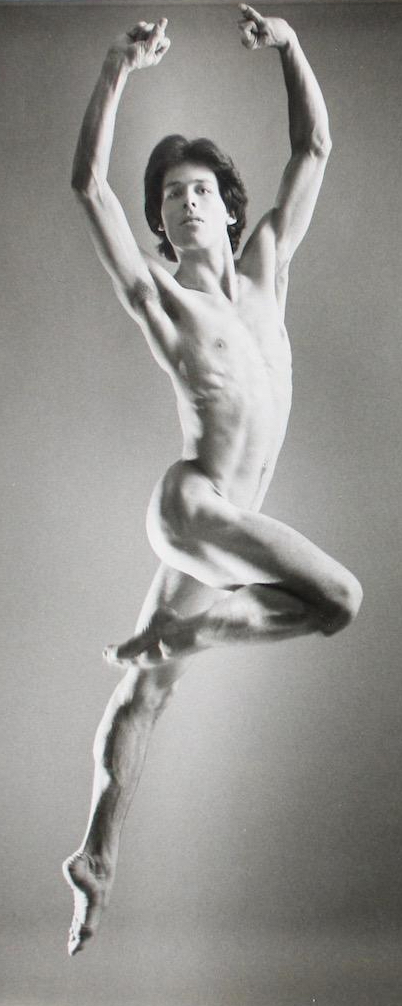
1976: Weslow was 51 years old when he was photographed by Kenn Duncan
When former ballet dancer Anne Byrne (aka Mrs. Dustin Hoffman) was profiled in the New York Daily News, her masseur William Weslow was there to lend a hand or two. (1/22/78)
William Weslow (1997)
When interviewed later in life, a reporter recalled “He seemed to love Maria Tallchief and had a poster of her on the wall. He also had kind words for Allegra Kent. He could be quite sarcastic, compassionate, cranky and deeply moving remembering certain people and other things.”
Allegra Kent called him “the funniest comedian ever” while also noting his empathy for others. He could also be quite brutal in his assessment of those he had worked with. Of Kirstein he said, “There was cruelty in Lincoln.” Jerome Robbins, he told a biographer “should have been cut up in small pieces and burned in a microwave somewhere because he was so horrible to me.”
William Weslow (2000)
While photographing male nudes for his 2011 book Shades of Love, photographer Demitris Yeros recounts how a naked octogenarian William Weslow would repeatedly interrupt the photo shoot, arms waving to chase the pigeons from his veranda.
William Weslow passed away at age 87 on January 29, 2013 in New York City. He was remembered in a Dance Magazine article as “A flamboyant personality with a sassy comeback for any remark directed his way…. (he) was as colorful off stage as on.”
I know I am not alone when I say that I take comfort in the annual repetition of the holidays: revisiting holiday-themed music, films, television shows… and now internet posts. Dave Holmes’ account of Patti LaBelle’s disastrous performance at the 1996 National Christmas Tree lighting is worth an annual revisit. Trust me.
Not to get meta or anything, but the post you are currently reading has been reworked and updated each year since 2020.
While we’re mining the past and dusting off our chestnuts, here’s the intro to the 1999 holiday episode ofBri-Guy’s Media Surf, an NYC Public Access show that featured yours truly lip-synching a little Esquivel:
Whenever the song pops up on my holiday playlist, I still do this.
I find it interesting that we immerse ourselves in certain pop culture favorites for exactly 6 weeks of the year and then pack them up in mothballs with the ornaments until next year. I mean, Brenda Lee’s “Rockin’ Around The Christmas Tree” is currently at #1 on the Billboard Hot 100. Burl Ives, Bobby Helms and Andy Williams are also in the top 10. Are any of them on your 4th of July playlist? They aren’t on mine.
Gabe Pressman (left) with Marilyn Monroe (1956)
I used to look forward to the annual Christmas Eve tradition on NBC New York’s evening news when reporter Gabe Pressman would read “Yes Virginia, There Is A Santa Claus.” I taped it in 2011, knowing that the tradition wouldn’t last forever. The self-described “little Jewish kid from the Bronx” was 87 years old at the time and continued to work at NBC until his death at age 93.
NBC New York reporter Gabe Pressman’s annual segment on Virginia O’Hanlon’s 1897 letter to the New York Sun Newspaper.
In keeping with this revisit, my other blog posts of Christmas past are back to haunt you like A Christmas Carol, Mr. Scrooge:
Copyright issues kept my 60 Degrees Girl Group Christmas playlist out of commission but now it’s back! I plan to post other episodes of my old radio show in the new year.
My Canine Christmas Tail is a true story about my dog Sunshine, a basset hound with an appetite for tinsel.
Have you watched Christmas In Connecticut yet this year? How about that delivery woman? This year I was able to update my 2019 post, identifying Daisy Bufford as the actress who played the unbilled role.
The original version of “¿Dónde Está Santa Claus?” is featured in “Llamacita,” this year’s Amazon Prime holiday commercial. Here’s a little backstory on the song & Augie Rios, who sang the original version.
Also – would you like to hear my Spotify holiday playlist?
Way back in 2002, when Limewire was a thing and people listened to music on silvery discs, I started creating Christmas CD mixes that I would mail out or give to people. These were received with a heartwarming combination of feigned delight, veiled indifference and deafening silence. None of these CDs had a pressing of more than 20 copies. I’d like to call them “much sought after” – but no, that’s not really the case, although every once in a while, someone really got into them and would ask for copies of other volumes.
And so, I’m offering this simple playlist…. for kids from 1 to 92. Unfortunately some of the tracks on these dozen CDs are not on Spotify, but I keep adding songs that would be on the current CD volume… if there was one. And now the playlist is over 17 hours of holiday tunes. I recommend listening on shuffle – there’s something to irritate everyone. Enjoy!
Here’s one more nugget to stuff in your stocking: This vid went viral in 2011. Choreographed and performed by Alex Karigan & Zac Hammer of the Amy Marshall Dance Company, it was filmed in one continuous take at the New 42nd St. Dance Studios. There’s something infectious about it: the joy, the corniness, the celebratory queerness of it all. It makes me want to dust off my jazz shoes. Once a year.
Back in the dinosaur days of VHS tapes, there were various companies that offered music video subscription services to commercial businesses. Every month a new videocassette with the latest music videos would arrive in the mail, just for viewing in their establishment. These tapes were not for sale to the general public.
One of the most popular companies in the U.S. and Canada was Telegenics, a New York-based operation that produced monthly tapes over an 11 year span, from 1983-1994. They offered a variety of music styles to choose from: Top 40, Progressive, Urban, and Pop Rock with some occasional specialty releases of 12″ Remix, Dance Classics, and Christmas, to name a few.
In the late 1990’s I used to buy these tapes in second hand stores and then later on eBay. In the days before YouTube, this was often the only way to see music videos that didn’t get airplay on MTV or VH1. I had my NYC public access show Bri-Guy’s Media Surf at that time and would air obscure music videos from artist like Kirsty MacColl, Alison Moyet and others that the music video channels paid little attention to.
Billboard (Jan 1988)
But the Madonna MegaMix was something else: A 7-song, 11 minute remix of hits up to the summer of 1988 when it was released. The medley features “La Isla Bonita,” “Who’s That Girl,” “Open Your Heart,” “Into The Groove,” “Papa Don’t Preach,” “Where’s The Party,” and “Dress You Up.”
“Where’s The Party” is of particular interest, as there was never a music video for this album track, but one is created here using clips from many of Madonna’s other music videos.
I aired the video on Media Surf a couple of times during the show’s 10-year run. In 2012, I digitized the clip and uploaded it to YouTube to share. It was immediately flagged for copyright infringement and blocked from viewing worldwide. Although it was not visible to the public, I left it uploaded to my channel and promptly did nothing with it for 11 years.
And now, as Madge has come around and is embracing her legacy with a 40th anniversary tour, YouTube (or Warner Music, or the lady herself) have decided to allow for such things to be viewed by the general public. Enjoy it while you can! It may be gone tomorrow.
I have always loved Christmas music. I tend to listen to older music all year round, but when it comes to sharing music with the general public, this is the only time of year when Brenda Lee is considered cool. To combat the 60’s holiday tracks that are over-covered and overplayed, I am always searching for more obscure holiday recordings by girl groups and female vocalists that are not on radio or Spotify playlists.
When I began hosting my internet radio show 60 Degrees with Brian Ferrari back in 2008, I started an annual tradition of putting together a holiday program full of female 60’s singers and girl groups interspersed with vintage commercials and sound clips from classic holiday movies and television shows. You can listen to the Halloween show here.
East Village Radio was a pirate radio station that went legit and switched to the internet, broadcasting from a storefront in New York’s Lower East Side. This first 60 Degrees holiday show debuted on December 22, 2008 and was repeated annually throughout the shows 5 year run. By 2012, the holiday programs had gained such a following that 60 Degrees was given an uninterrupted 16-hour marathon on Christmas Day.
At the beginning of Part 2 of this episode, I read a Christmas poem that I wrote about an incident from my childhood involving our tinsel-eating dog Sunshine, which has previously been posted here and also on The Good Men Project website. You can’t say I don’t recycle!
Other than my speedy vocal delivery (someone tell that guy to slow down) and some minor sound level issues, the show holds up pretty well. There are a few mis-statements that I wish I could fix:
I said that Maya Rudolph’s mother, the late great Minnie Riperton was not singing lead on The Gems tracks. But it turned out that she was.
I mis-pronounce the Meditation Singers as “The Mediation Singers” and would add that soul singer Laura Lee was a member of the group, having replaced Della Reese in the 1950’s.
Janice Orenstein is the singer on “There’s Always Tomorrow” from the Rudolph The Red Nosed Reindeer soundtrack.
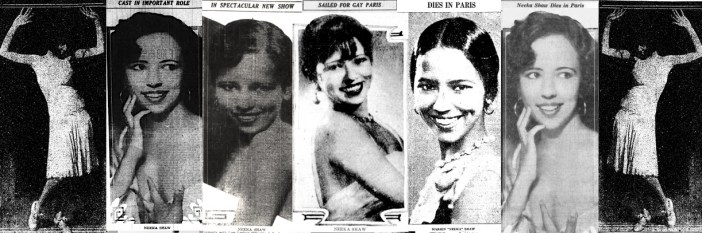
Over the past year and a half, research has found me scanning through online databases of the many African-American newspapers of the 1920’s and 30’s. There I became familiar with Neeka Shaw, a glamorous and ultimately tragic showgirl who garnered considerable press coverage at the time. This was due in part to her pleasing promotional photos, which publishers found to be a welcome addition to their newspaper layouts, but also because the talented young Broadway performer was profiled as a “home town girl” in news outlets from Richmond to the Windy City.
Pittsbugh Courier, (2/23/29)
From the Pittsburgh Courier, 2/23/1929: Yes, our little youngster has left “we Quakerites” to enter the theatrical firmament, and if she is accorded the same favoritism which was manifested toward her during her school career, stardom will be hers in the not too remote future! For she is chock-full of all the winsome personality ever possessed by aspirants who “make good.” Already she is a “principal.”
Outside of these 90 year-old news stories, there was virtually no mention of the “clever and charming soubrette” who dazzled audiences from New York to Paris in the 1930’s.
Afro-American, (3/16/29)
Born in Richmond, Virginia on May 19, 1911 – the day after Haley’s Comet, her publicist would later point out – Neeka was the middle child of Wilton and Frances Shaw, who initially raised their family just outside of Philadelphia. When Neeka was in her early teens, the family moved to Chicago, where she graduated from Wendell Phillips High School at age 15. Neeka attended one year of college before directing her attention towards her burgeoning performance career. She headed to New York with a friend and soon garnered a contract with renowned producer Henry Creamer.
At 18 years old, Neeka made her Broadway debut in a Creamer production titled Deep Harlem, an “all negro musical comedy” that both opened and closed in the second week of January, 1929. Although reviews were poor, Billboard did praise her excellent dancing.
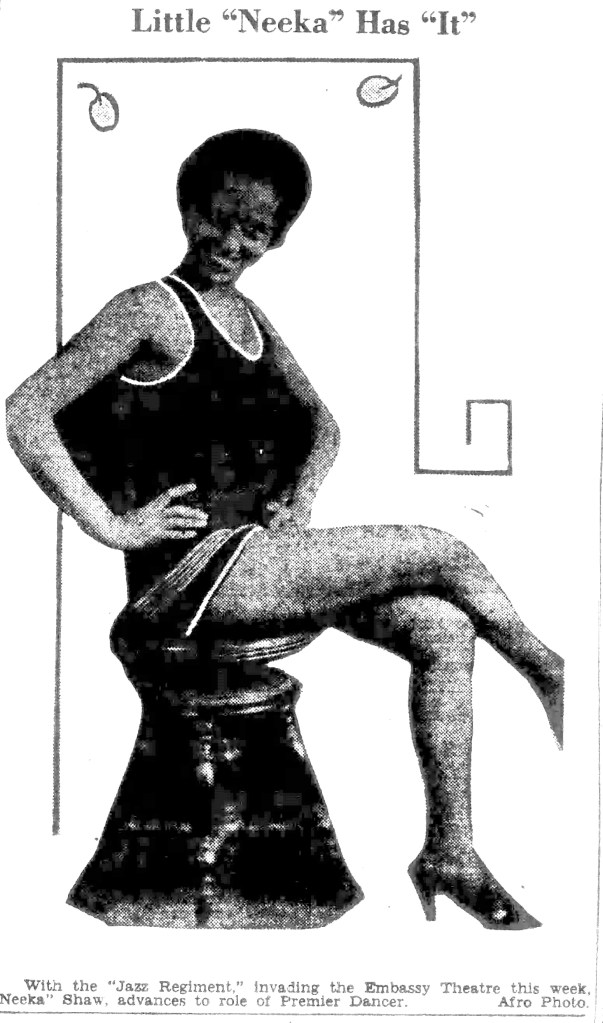
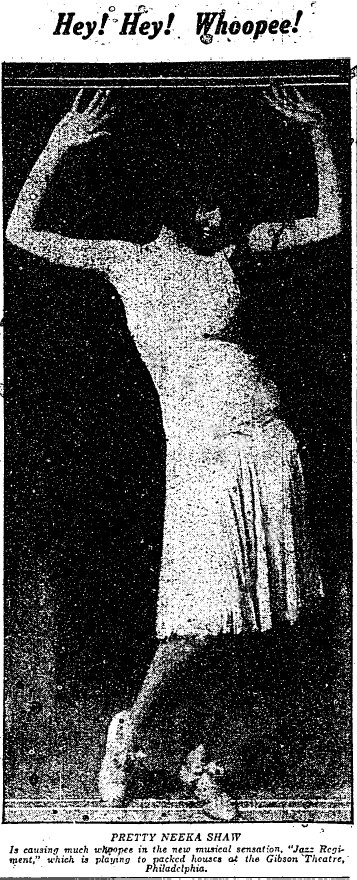
The following month she was on the road with another Creamer production: The Jazz Regiment, a musical revue that enjoyed an extended run at Philadelphia’s Gibson (Standard) Theater on South Street. The show moved on to Washington D.C. and Baltimore, where The Afro-American review of the show highlighted Neeka’s “feminine pulchritude” and noted that she danced and sang “with that abandon that has been the mark in trade of race musicals.”
Afro-American, (11/1/30)
Neeka’s exotic looks were attributed to a mixed lineage of African/Mexican/Native American ancestry. The Afro-American ran a brief anecdote highlighting Neeka’s ability to “pass” for a Spanish dancer while working in New York. She was also said to have inspired one of the main characters in Vera Caspery’s popular 1929 novel The White Girl, about a dancer of color who passes for white.
In December, 1929 Neeka was working in the Jungle Drums review at The Plantation Club, a private night spot that competed with The Cotton Club for the attention of wealthy New Yorkers eager to venture up to Harlem. This engagement led her back to Broadway in June of 1930, where she played Josephine Peppers in the musical comedy Change Your Luck. Reviews of the show were scathing although the performers were complemented for their efforts to overcome the lackluster material. The show closed after two weeks.
A reboot of Lew Leslie’s 1928 Broadway hit Blackbirds was Neeka’s next stop. The 1930 edition of this “all-colored revue” starred Ethel Waters and the vaudeville team of Buck and Bubbles. Neeka had two new Eubie Blake songs to introduce to the world: “Lucky To Me” and “Cabin Door.” After successful stints at The Majestic Theater in Brooklyn and The Lyric in Boston, Blackbirds landed at Broadway’s Royale Theater on October 22, 1930. While Ethel Waters received rave notices, reviews for the show itself were tepid. The show closed in December, with a regional tour booked through March of 1931. However, Neeka left the production in Philadelphia a few weeks later, following other headliners (including Buck and Bubbles). Mr. Lesley reportedly was not forthcoming with several weeks of back pay.
Richmond Planet, (12/13/30)
Neeka’s next employment was in Singin’ the Blues, another musical revue that played in Atlantic City and Brooklyn but failed to make it to Broadway.
The autumn of 1931 brought Fast and Furious, which would prove to be Neeka’s last Broadway credit.
A fellow named Floyd G. Snelson was pulling double (or triple) duty at this time: working as a New York-based columnist/theater critic for the Pittsburgh Courier. Elsewhere in the same newspaper, one can find an advertisement for his publicity agency, with Neeka Shaw listed as one of his clients.
He writes of Neeka in his September 26, 1931 “Broadway Bound” column: She is small in stature, weighs 110 pounds and has two lovely dimples in her cheeks. She is 21 years old and has as great a portion of the proverbial “IT” as any artist in the profession. She maintains an apartment at 80 St. Nicholas Avenue, where she resides with her mother.
Brooklyn Times Union, (9/16/31)
On the same page of the newspaper is Snelson’s review of Fast And Furious, titled “Not As Hot As Its Name.” His review spares Neeka, writing “The diminutive pretty brownskin baby-faced soubrette… gets off nicely with the hit song of the piece ‘Walking On Air’…”
Although this appears to be a conflict of interest for Snelson, his review is in line with those in other outlets. Billboard‘s coverage began; “It is this corner’s unpleasant duty to report that Fast and Furious… was neither of those things.” However Neeka is described as “delightfully charming.”
Another standout performance noted amongst the poor reviews was a young comedienne named Jackie Mabley, long before she had adopted her “Moms” persona.
Fast and Furious closed by the end of the week.
In a Billboard wrap-up of the year 1931, columnist Eugene Burr offers “good will and thank yous… to various players who, by excellent acting and sterling performances, have made a bit easier the entirely thankless task of play reviewing.” He offers thanks “to Neeka Shaw, a charming little tan-skin sprite who did what she could in Fast and Furious, a revue that completely failed to live up to its title.”
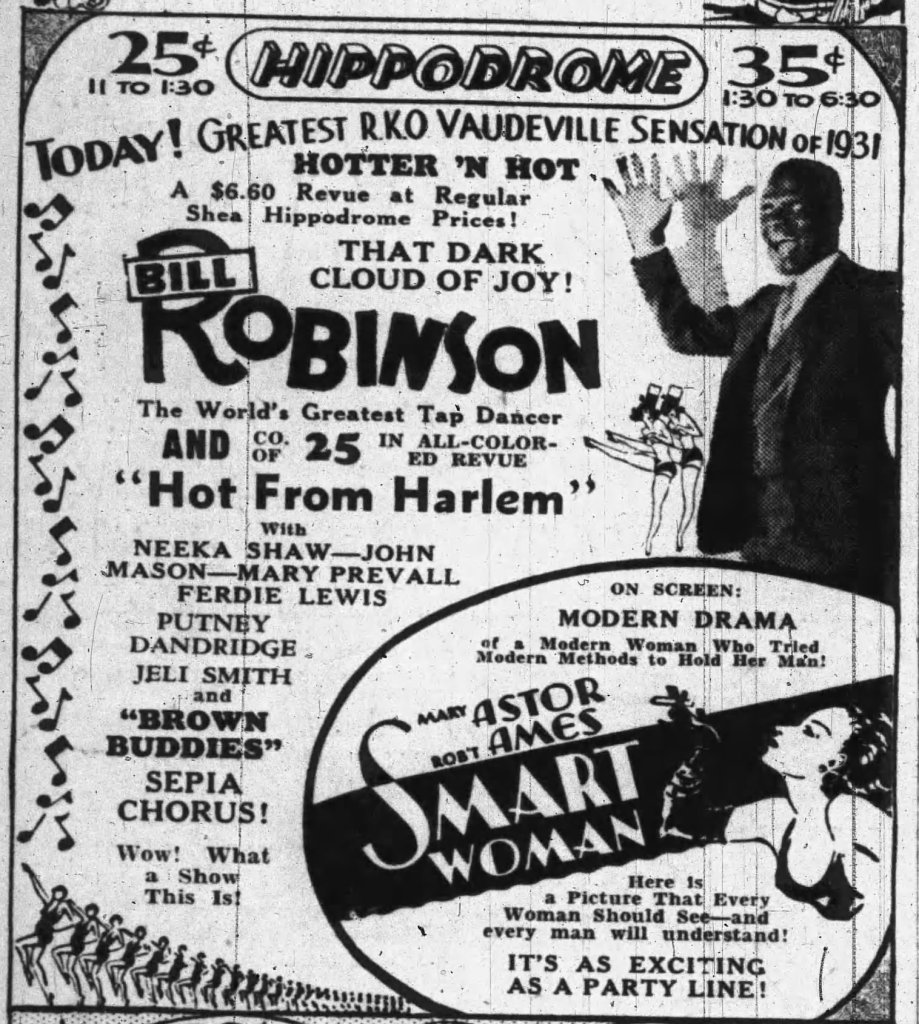
By that time, Neeka had been on the road for several months with Bill “Bojangles” Robinson’s Hot From Harlem revue. Neeka once again received special recognition, with a notice from Washington D.C.’s Howard Theater engagement stating “Neeka Shaw, demure tiny star of Harlem, was the big reason for the success of Bojangles’ show…”
1932 brought another middling revue, Harlem Scandals, which played the same Philadelphia/Atlantic City/Brooklyn circuit as her previous shows, but it did not transfer to Broadway. She was back with Bojangles’ Hot From Harlem review in the spring, but it had all been done before, and Neeka needed to make a change.
Pittsburgh Courier, (6/18/32)
On June 3rd, 1932 Neeka sailed for Paris on the Ile de France, where she was engaged for 10 weeks at the legendary café society nightclub Chez Bricktop. This booking was followed by an extended stint at the fashionable Chez Florence, a nighclub named for American jazz singer/dancer Florence Embry Jones.
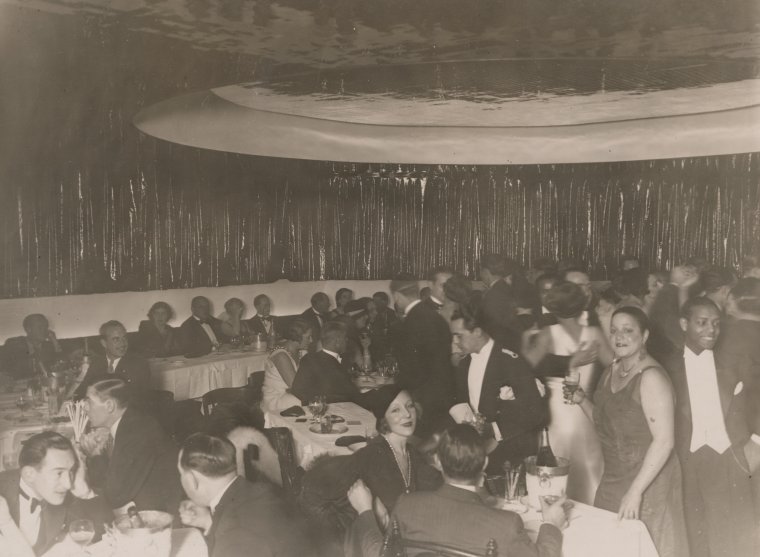
Chez Bricktop in Paris (1932) Ada “Bricktop” Smith raises a glass on the right.
In a Chicago Defender feature that ran exactly one year after Neeka’s departure for Paris, reporter Edgar Wiggins took readers on a tour of “High Spots in Famous Montmartre”: “We shall cross to the opposite side of Rue Fontaine, now from Boudon’s cafe. Immediately we are in front of the Melody’s Bar, which in reality is the most popular night club in Monmartre. Dainty little Neeka Shaw, who has been entertaining there for the past three months, is still enjoying a wonderful success.”
Pittsburgh Courier, (7/15/33)
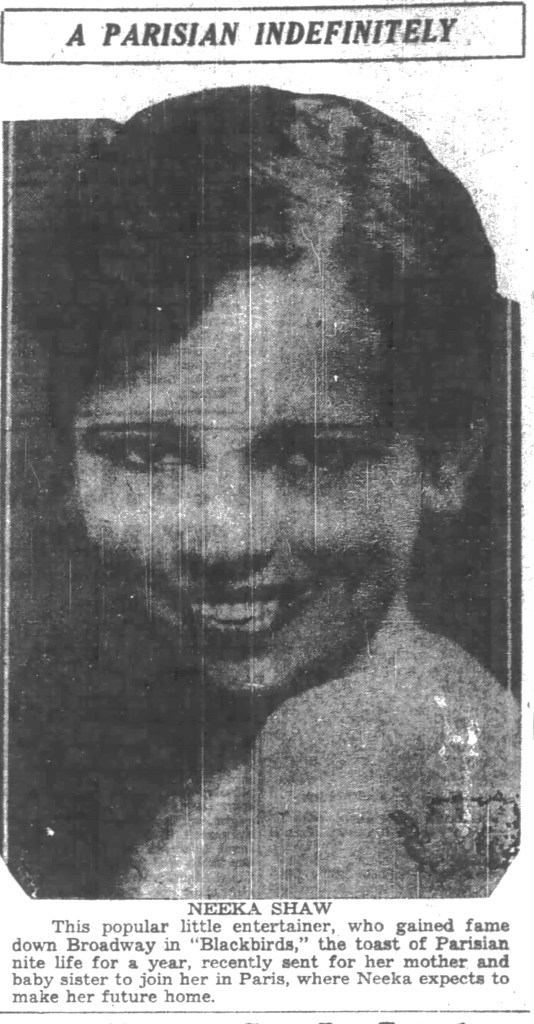
The following month, the Pittsburgh Courier reported that Neeka would be staying in Paris indefinitely and had sent for her mother Frances, older brother Wilton, and younger sister Theda to join her. In December she opened her own cabaret on Rue Pigalle called Hot Feet.
In his memoir Trumpet Story, Bill Coleman fondly recalls jamming at Hot Feet with resident pianist Freddie Johnson and trumpeter Arthur Briggs.
Hot Feet lasted just six months and the Shaw family then returned to the U.S. Neeka remained in Paris and would go on to charm audiences with an engagement at Le Grande Ecarte as well as return appearances at Melody’s Bar and Chez Florence.
In May of 1935, Neeka ventured to London to make her West End debut in the musical comedy Gay Deceivers with Charlotte Greenwood and Clair Luce. She garnered several favorable mentions, with The Stage noting that “Neeka Shaw makes Bedelia, a native girl, stand out prominently.”
Neeka closed out 1935 with a month-long engagement alongside Harry Watkins at Berlin’s Dschungel (Jungle) Bar. In a Chicago Defender column that does not age well, Edgar Wiggins writes “Despite all uncomplimentary rumors of the Nazi regime, both entertainers claim to have been treated wonderfully in the German capital and their entertainment highly appreciated.”
Unfortunately, little Neeka would not live to see how that story played out.
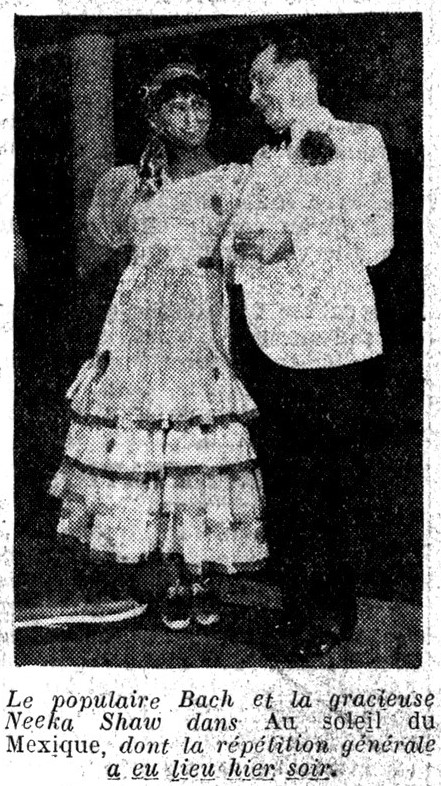
Back in Gay Paree, Neeka was cast as Kokolani in the premiere production of the operetta Au Soleil du Mexique (In The Mexican Sun). The show was a critical success and ran for 232 performances through September, 1936. She then returned to the U.S. for a three month trip to visit her family.
Upon her return to Paris, Neeka became “a great favorite at the (legendary cabaret) Boeuf-sur-le-Toit” as reported by Langston Hughes in The Afro-American.
The Afro-American, (3/12/1938)
On February 12, 1938, Billy Rowe’s Harlem Notebook reported “Neeka Shaw is in a serious condition in Europe. She’s suffering from T.B. and other ills which doctors report are too far gone to be cured.”
No other ailments were ever named – it is likely that the columnist was trying to be tactful, given the stigma that tuberculosis still carried at the time. The Chicago Defender would later report that “examining medical authorities adjudged her case as ‘helpless’, resulting from improper medical treatment for more than three years, and gave her ‘three weeks at the most’ to live. Her determination and will to live forestalled death for ten weeks.”
Frances Shaw rushed from New York to Paris and reached her daughter’s bedside several days before she died on April 30th – three weeks shy of her 27th birthday. The Chicago Defender painted a cinematic tableau:
“… she was conscious of everything, recognized her mother, conversed happily with her, laughed and spoke of her expected recovery. Neeka’s gay and uncompromising spirit – in view of her predicament – elicited profound admiration from all her many friends and acquaintances who visited her private ward, which was always filled with flowers, fruits, champagne and other gifts. Neeka was always cheerful and high-spirited and even when the end came, she met it with a smile.”
The California Eagle carried an obituary, noting “And so, Paris has added another name to the long list of its victims from the ranks of Negro performers. Two months ago, Raymond Thomas, one of the dancing ‘Cracker Jacks’ died at the American Hospital. Others who have succumbed in recent years are Joe Caulk, Strut Payne, and Johnny Dunn.”
Neeka was cremated, as per her wishes. Frances Shaw intended to bring her daughter’s remains back to New York for interment. She soon discovered that the steamship lines charge to transport an urn of ashes at the same cost as though Neeka was alive, or if the body was in a casket. Unable to pay another 5,000 francs to return home, Mrs. Shaw had no choice but to have her daughter interred in Paris.
In 1941, Neeka’s name once again appeared in newspapers when her beloved younger sister Theda died in New York City at the age of 18. In his Harlem Notebook column, Billy Rowe wrote:
“Notwithstanding that throughout the world death for all those who are innocent and young seems to be the order of the day and things to come, the seemingly untimely end of a girl who left the span of her life still unfinished is not without its deep sadness…“
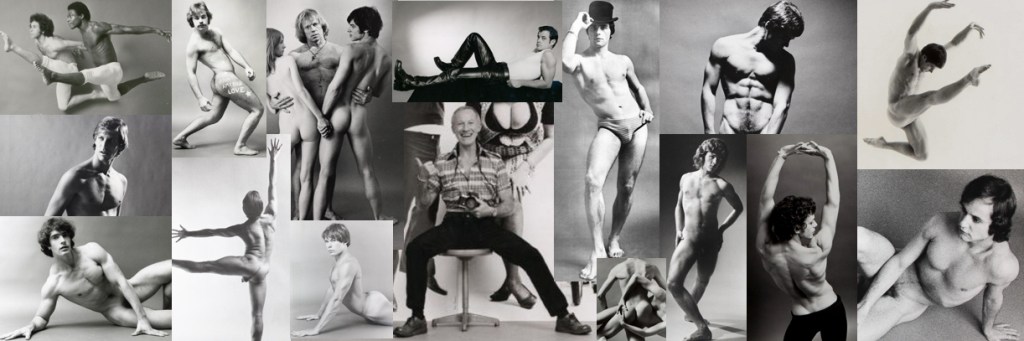
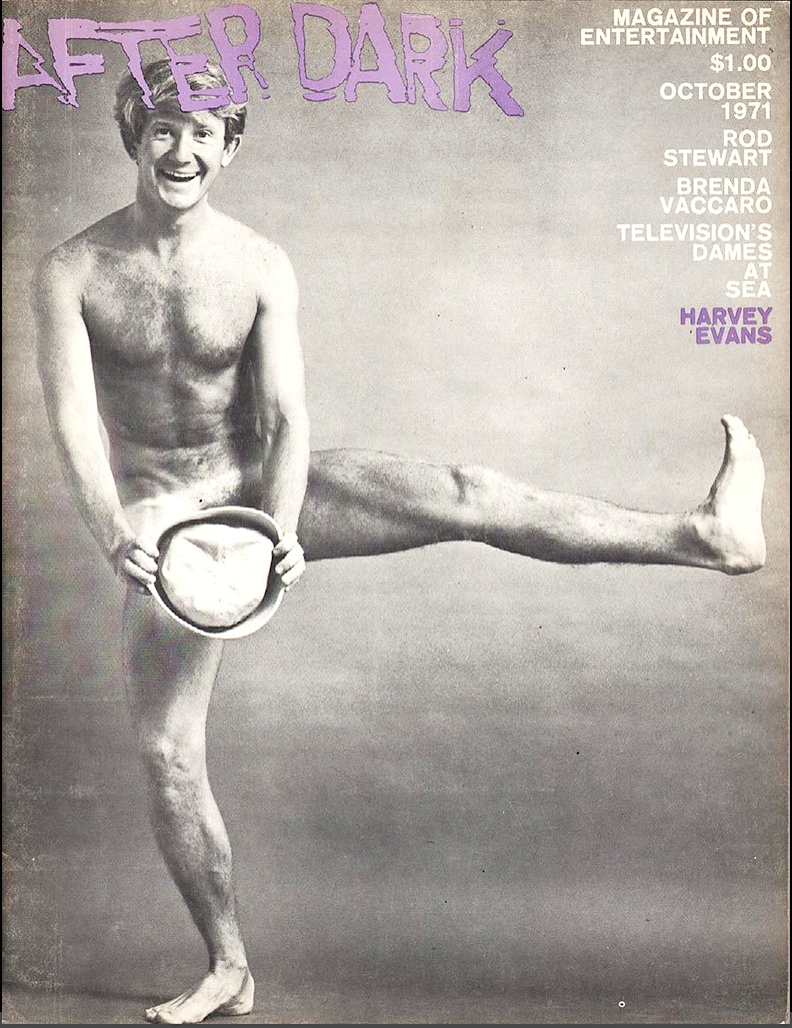
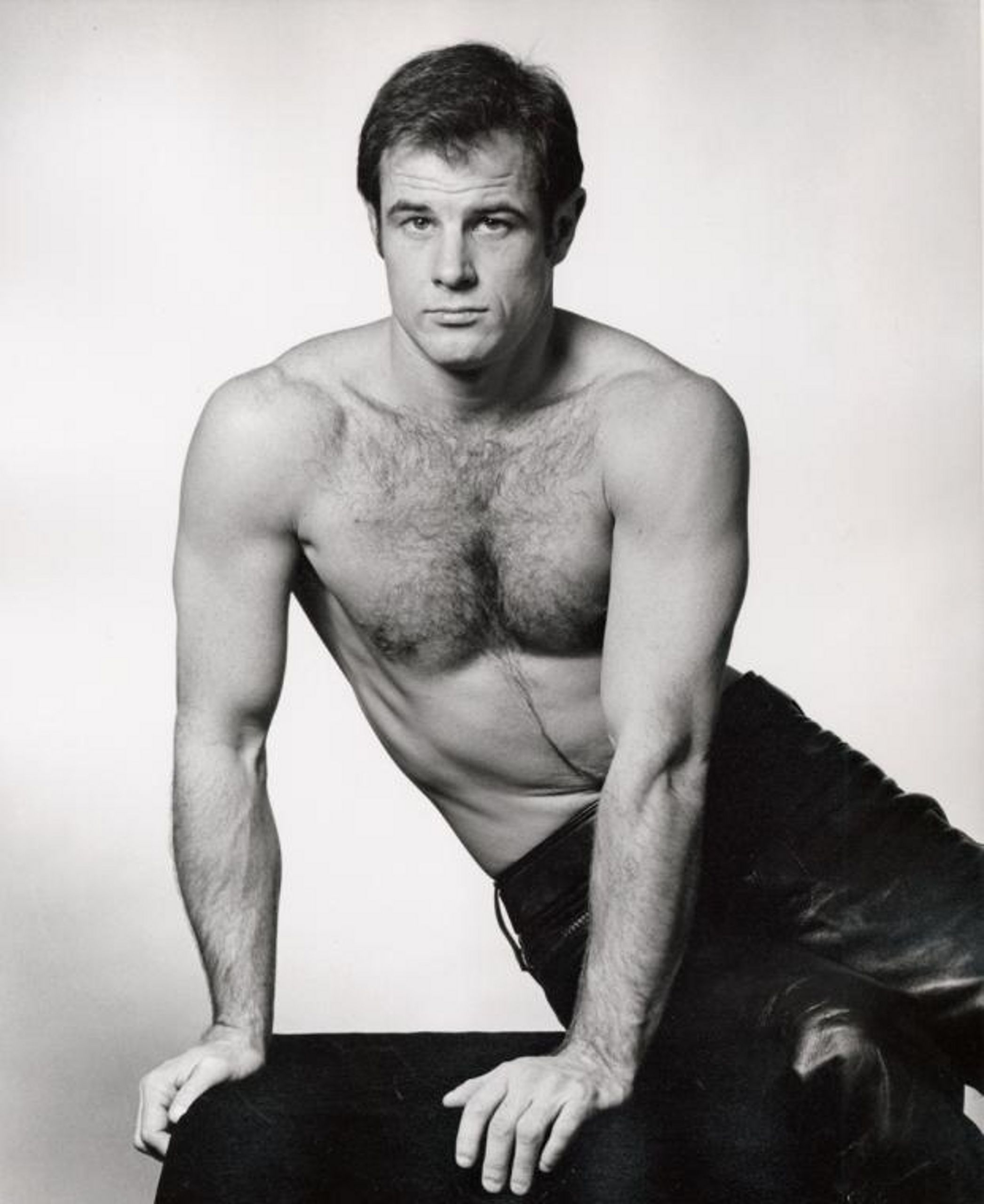
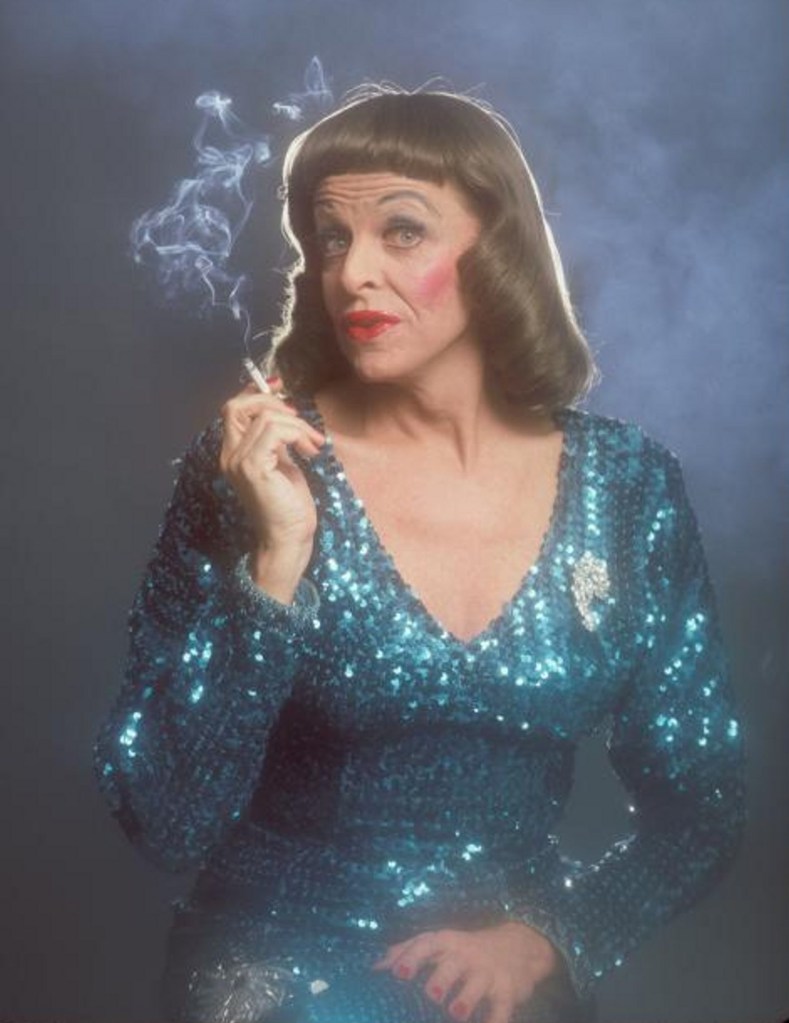
Kenn Duncan is widely considered to be one of the foremost dance photographers of the late 20th Century. In addition to his work as principal photographer for After Dark and Dance Magazine, his photos also appeared in Vogue, Time, Life, Newsweek and Harper’s Bazaar. From the mid-1960’s through the early 1980’s, he photographed nearly every major dance company in the world as well as many Broadway shows.
Born in New Jersey on September 22, 1928, Duncan began his career as a figure skater and then segued into dance. His career took another turn when he was sidelined with a broken foot and signed up for a six-week photography course at the local YMCA. Naturally he gravitated back to the dance world for photographic inspiration.
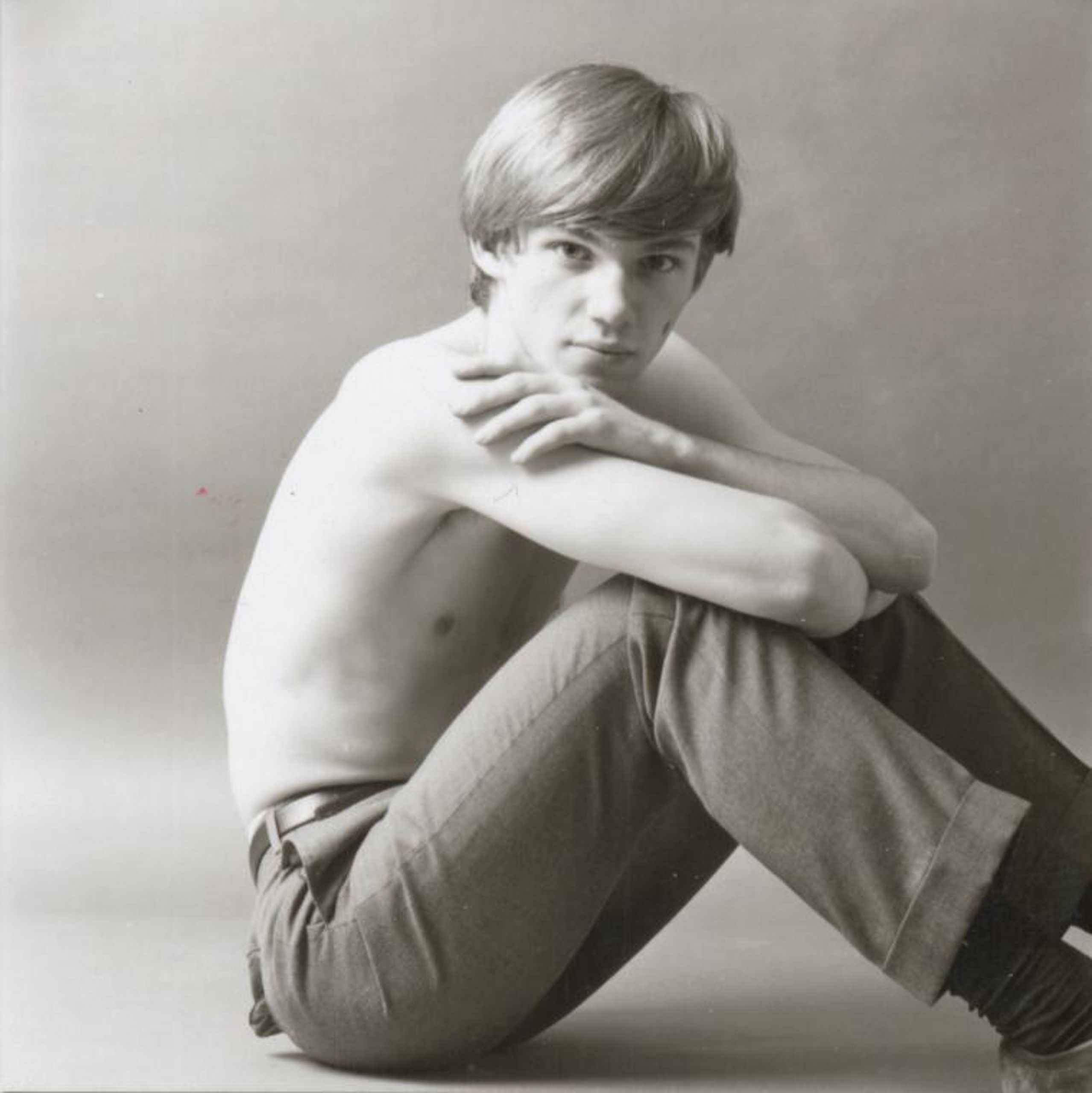
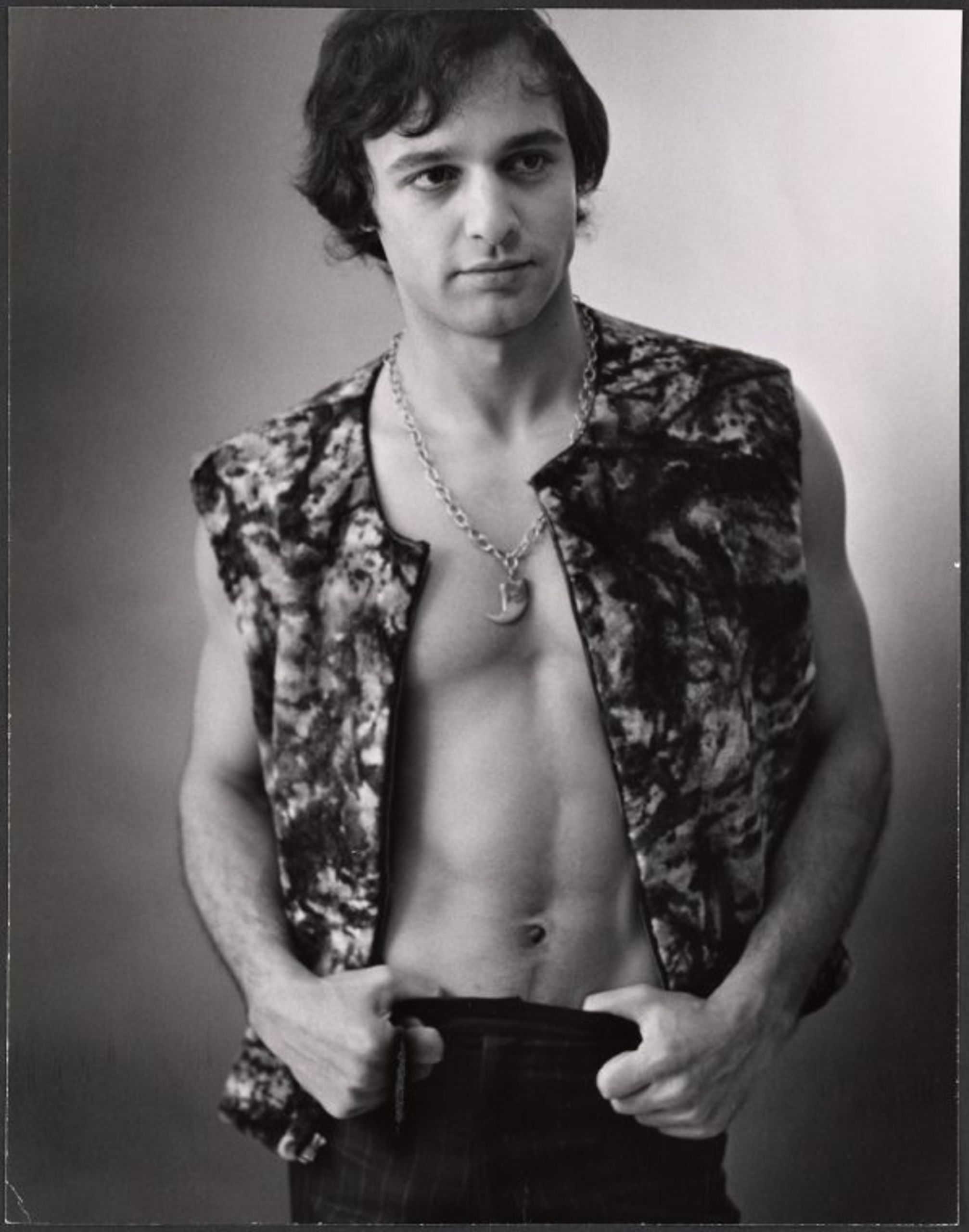
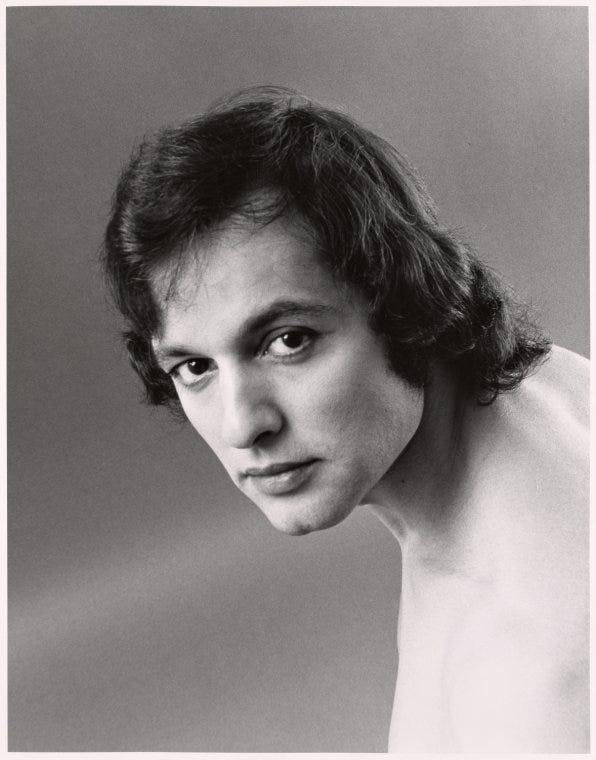
In addition to his dance photography, Duncan was well regarded for his nude photographs, with an emphasis on male subjects. His first two books, Nudes (1970) and More Nudes (1971) were favorably received for his “discreet and artistic arrangements of his subjects.”
Christopher Walken (1968)
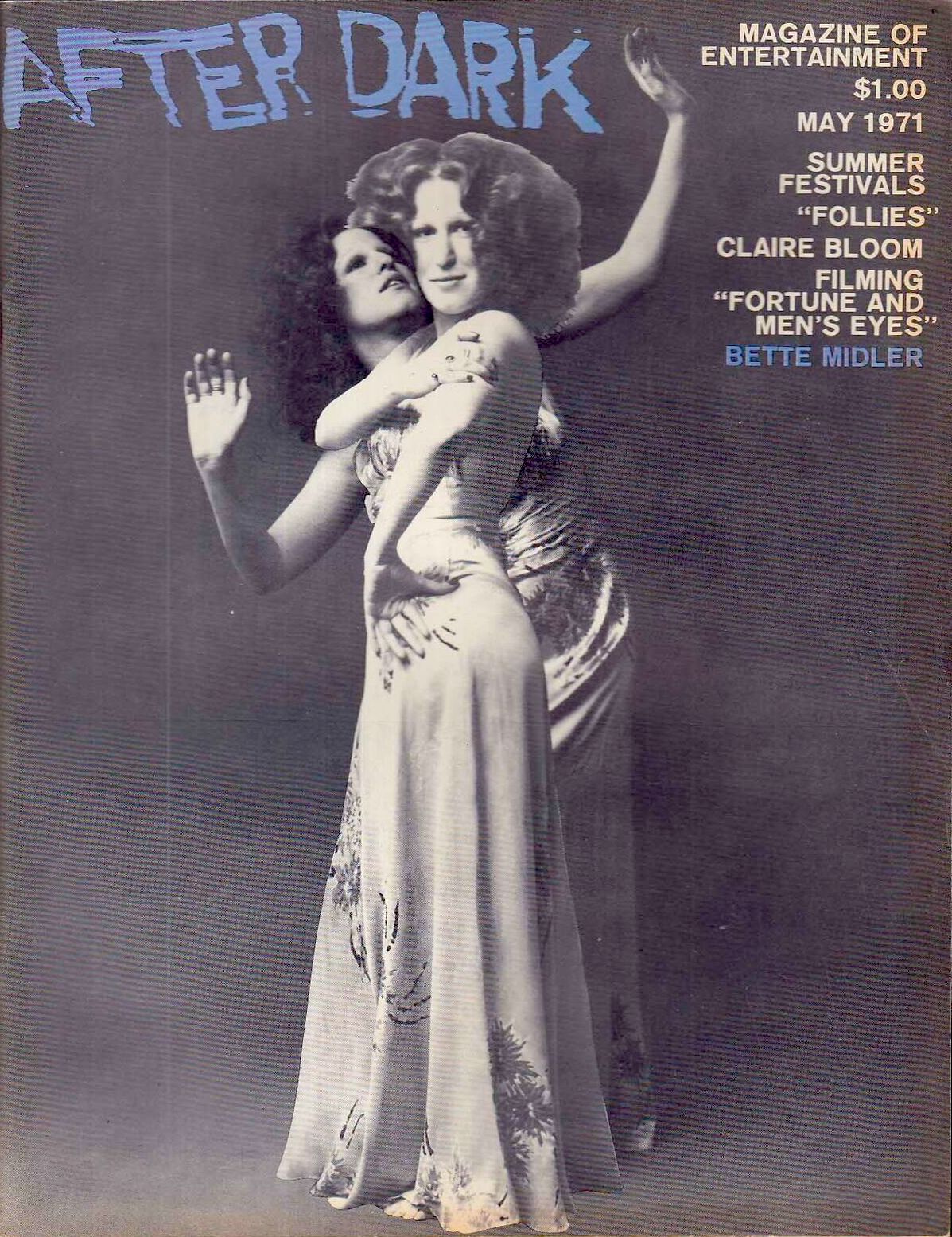
After Dark was an edgy entertainment and culture-based magazine that sprang from the waning Ballroom Dance Magazine in 1968. In The Rise And Fall Of Gay Culture, Daniel Harris writes; “One of the strangest reincarnations in journalistic history… it was out of the ashes of a periodical devoted to such topics as waltzes, rumbas, and turkey trots that After Dark, an audacious mass-market experiment in gay eroticism, arose like a phoenix in all of its subversive splendor.”
Although After Dark was not officially a gay magazine, the publishers were certainly willing to cater to that audience, pushing the envelope on male nudity to a degree that is still not seen in mainstream US publications 50 years later.
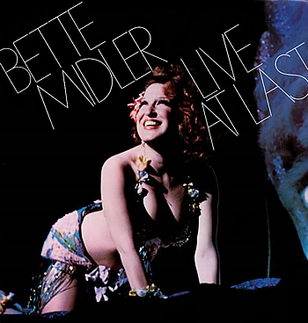
Duncan photographed Bette Midler numerous times through the years, including three After Dark cover photos and the cover shot for her 1976 Live At Last LP.
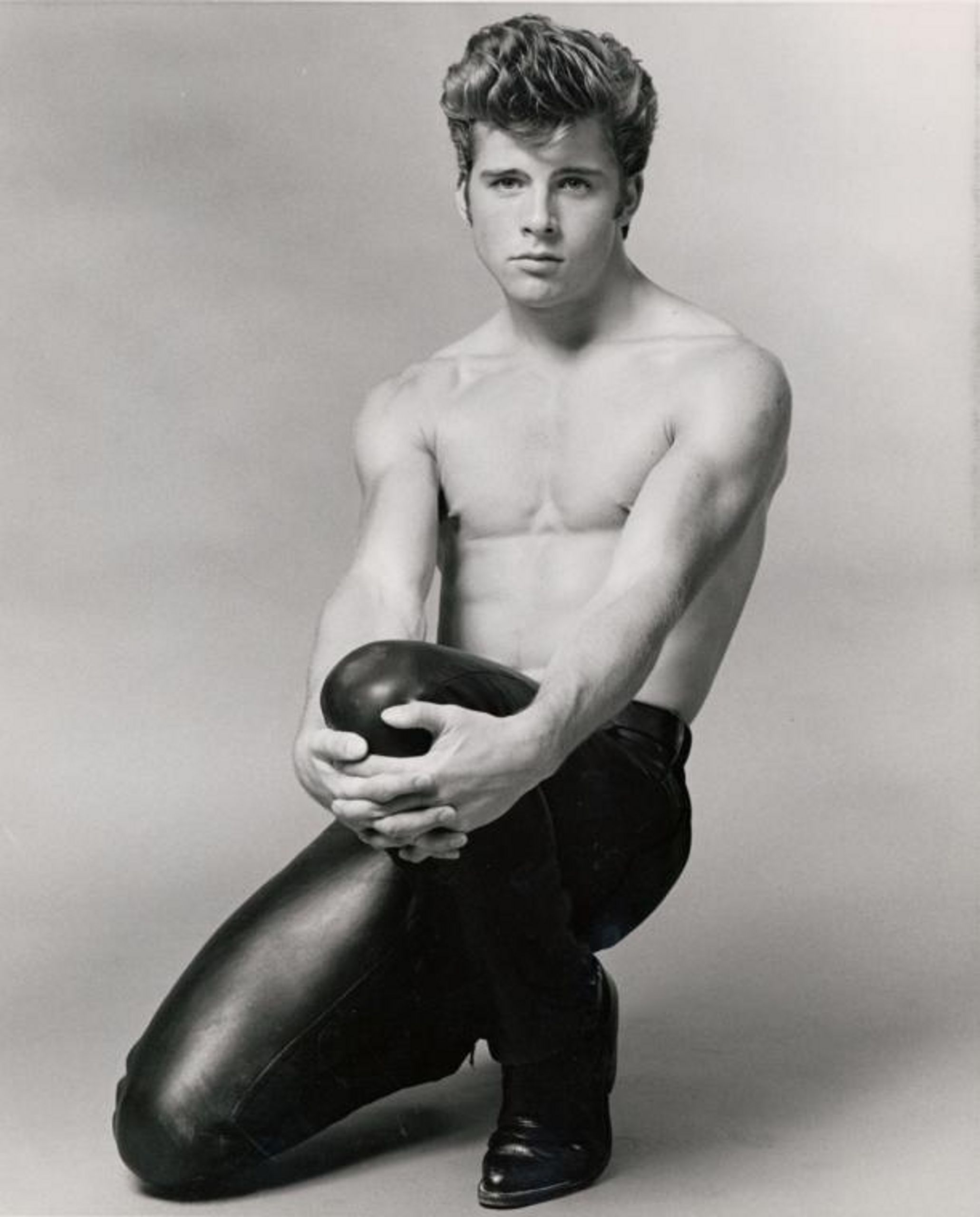
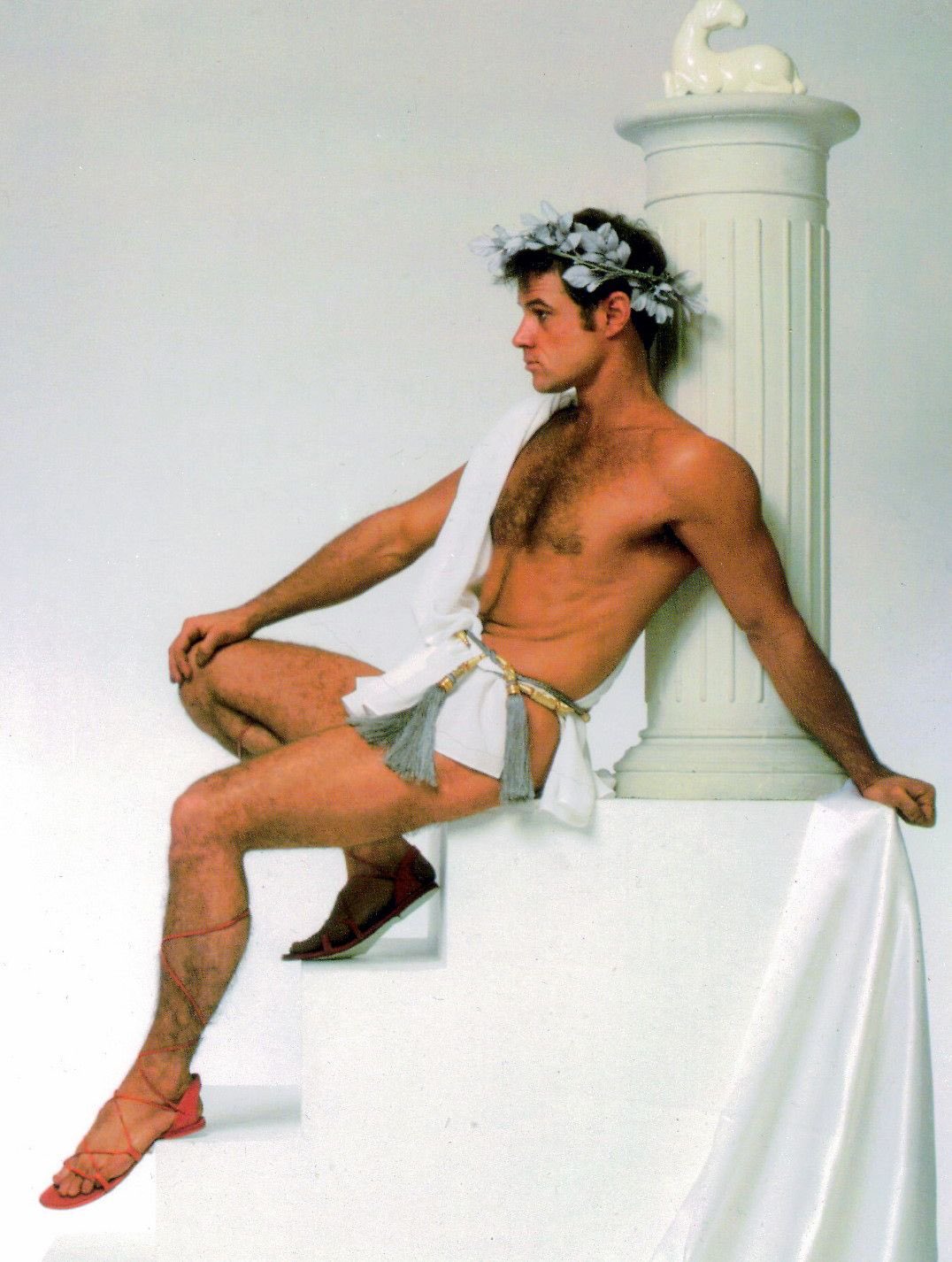
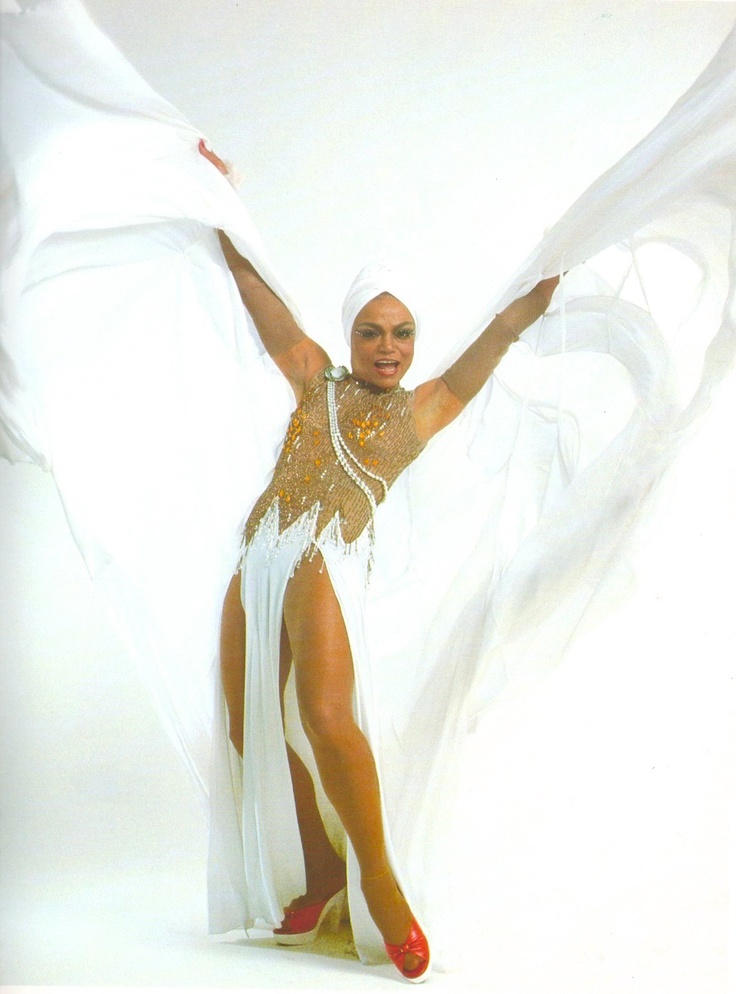
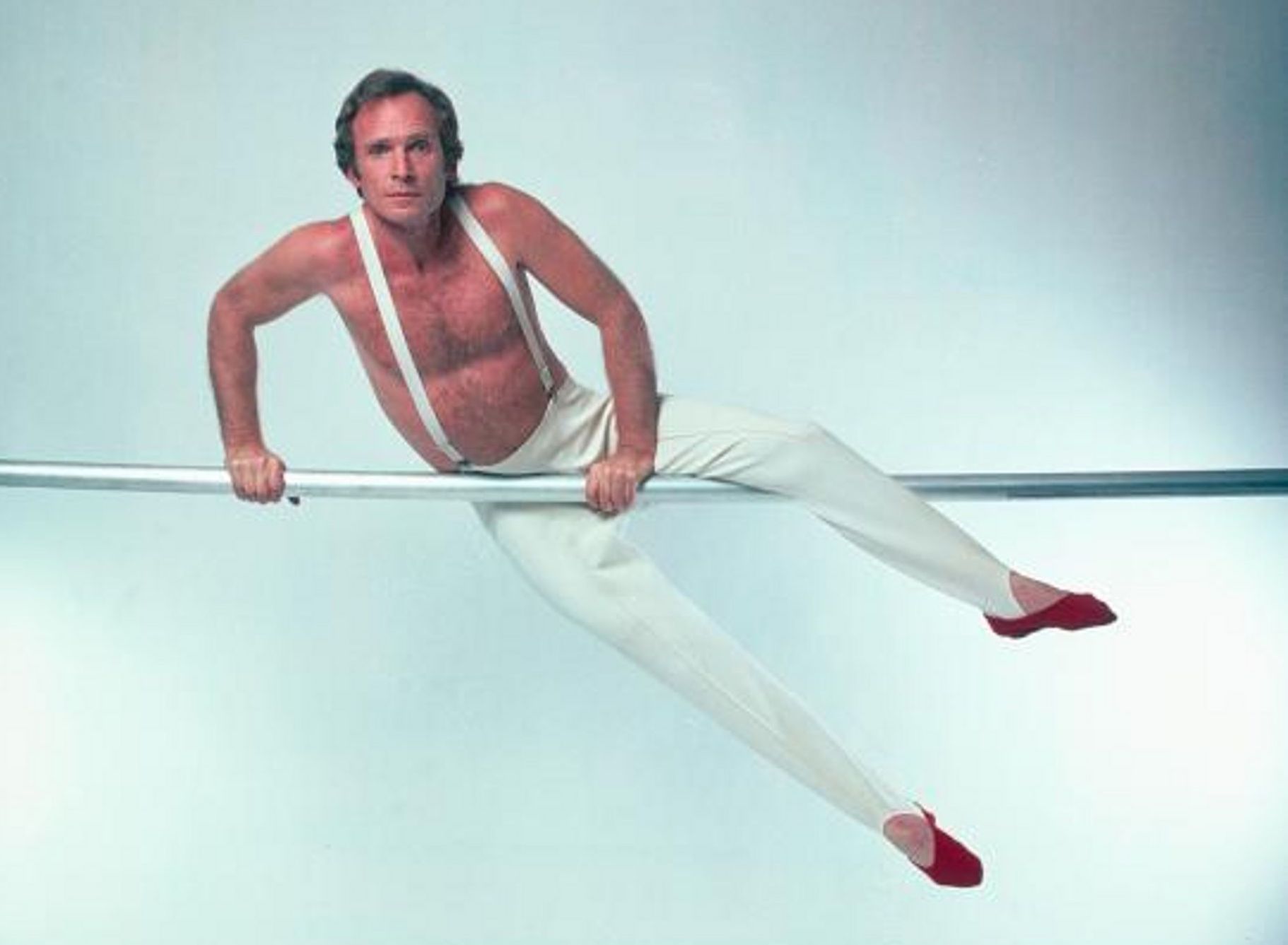
After Dark shuttered in early 1983. The following year, Duncan published The Red Shoes, a photo book featuring celebrities wearing red shoes in a nod to both the Hans Christian Anderson fairy tale as well as the ruby slippers of The Wizard of Oz. Among those featured were many familiar subjects of his earlier work, including (pictured below) Brad Davis, Bette Midler, Maxwell Caulfield, Eartha Kitt, Dick Cavett, Mikhail Baryshnikov, John Curry, Richard Thomas, Gregory Hines, and Treat Williams.
Duncan began work on a second Red Shoes book, but it remained unfinished, along with several other projects. He was just 57 years old when he died of AIDS complications at New York Hospital on July 27, 1986. In 2003, the New York Public Library for the Performing Arts acquired 600,000 photos from Kenn Duncan’s estate. Many of these photos have been digitized and are now available for viewing online for free.
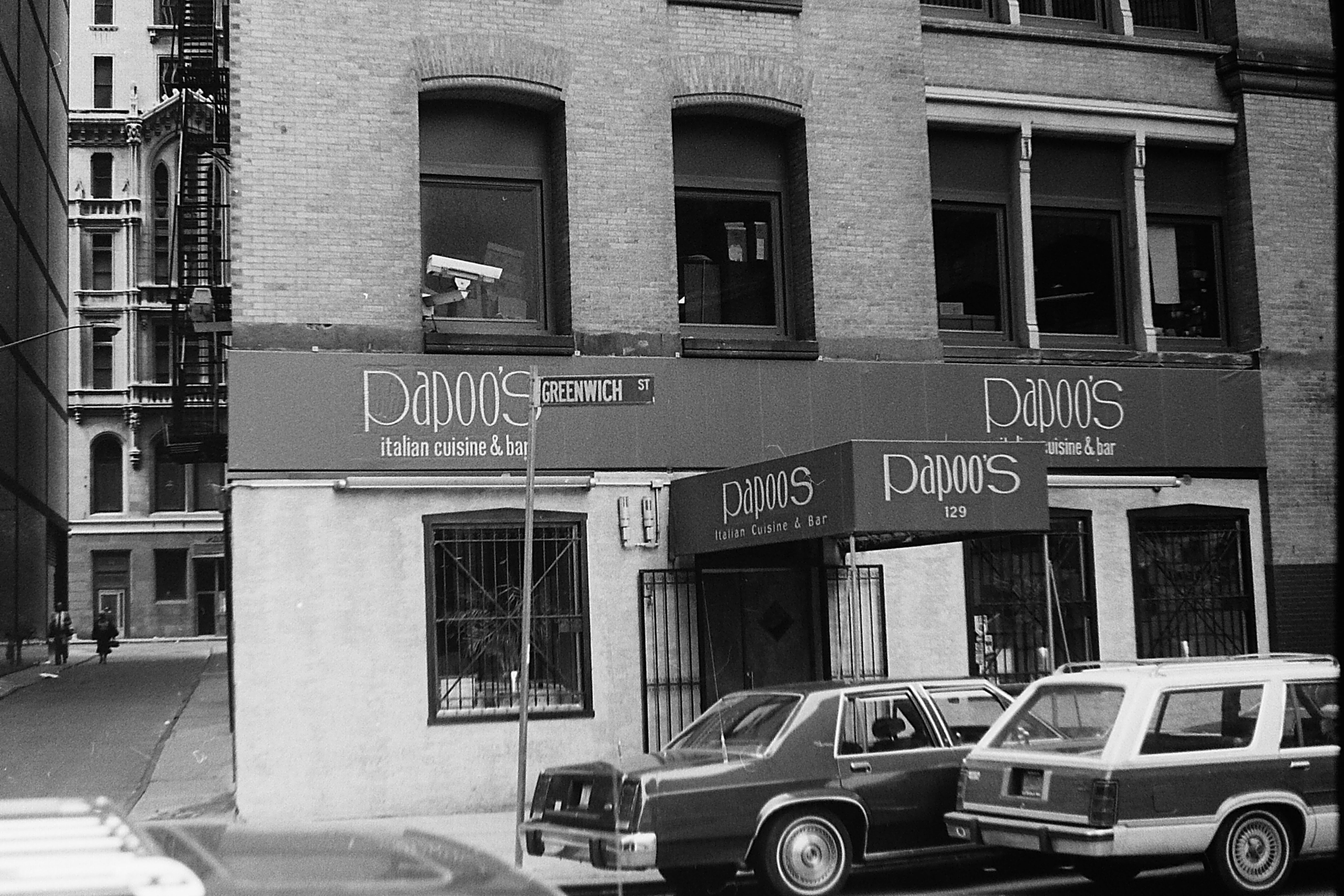
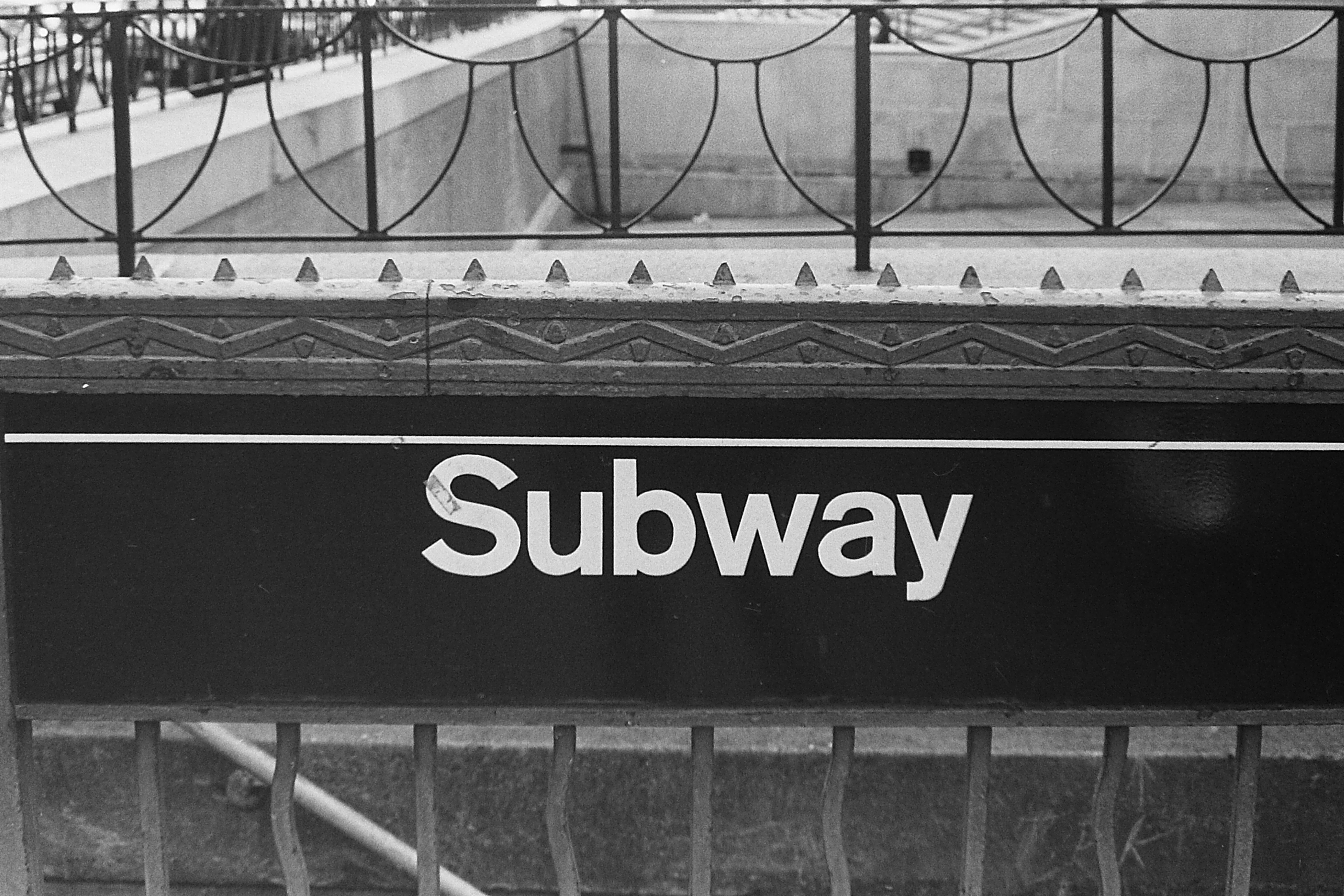
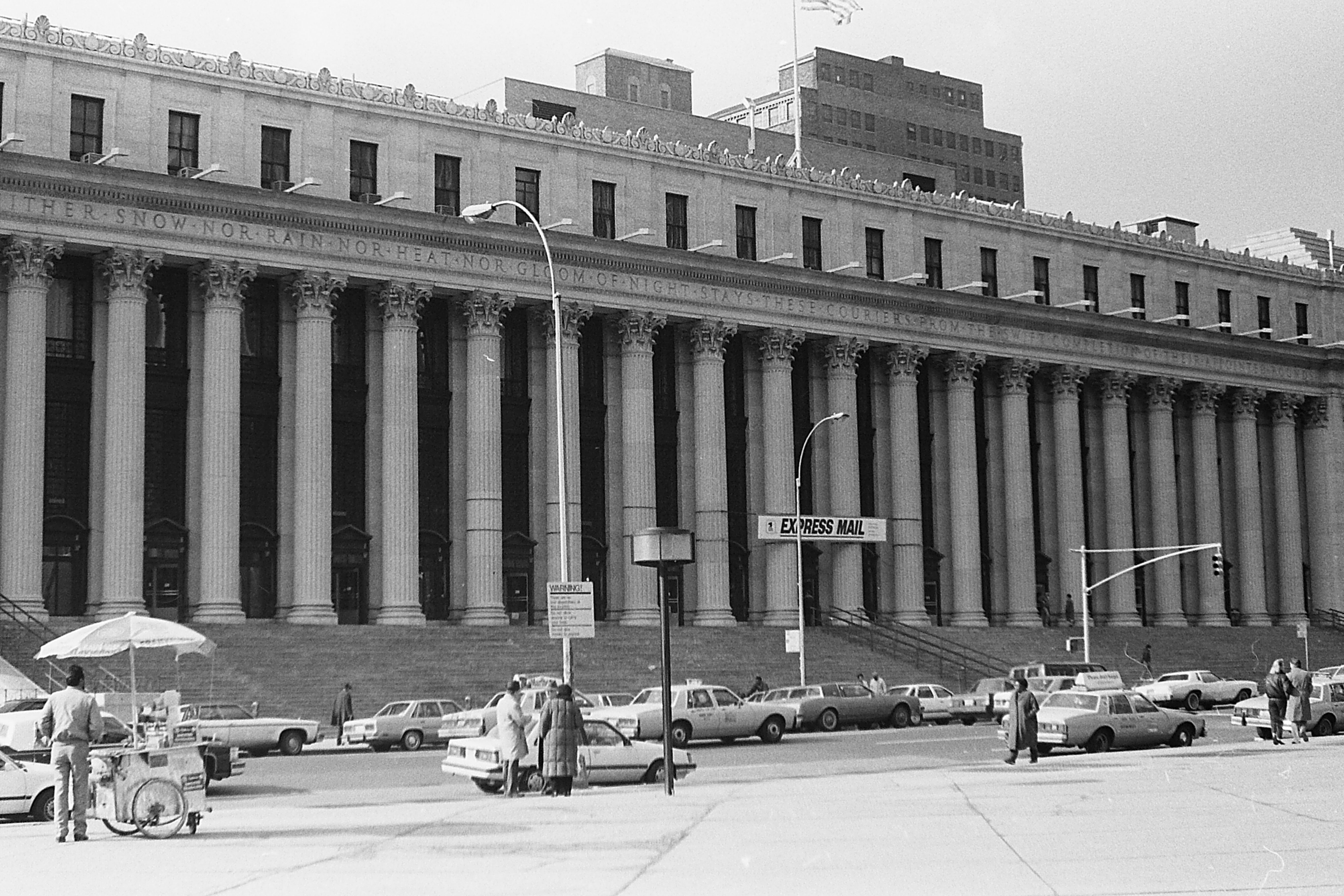
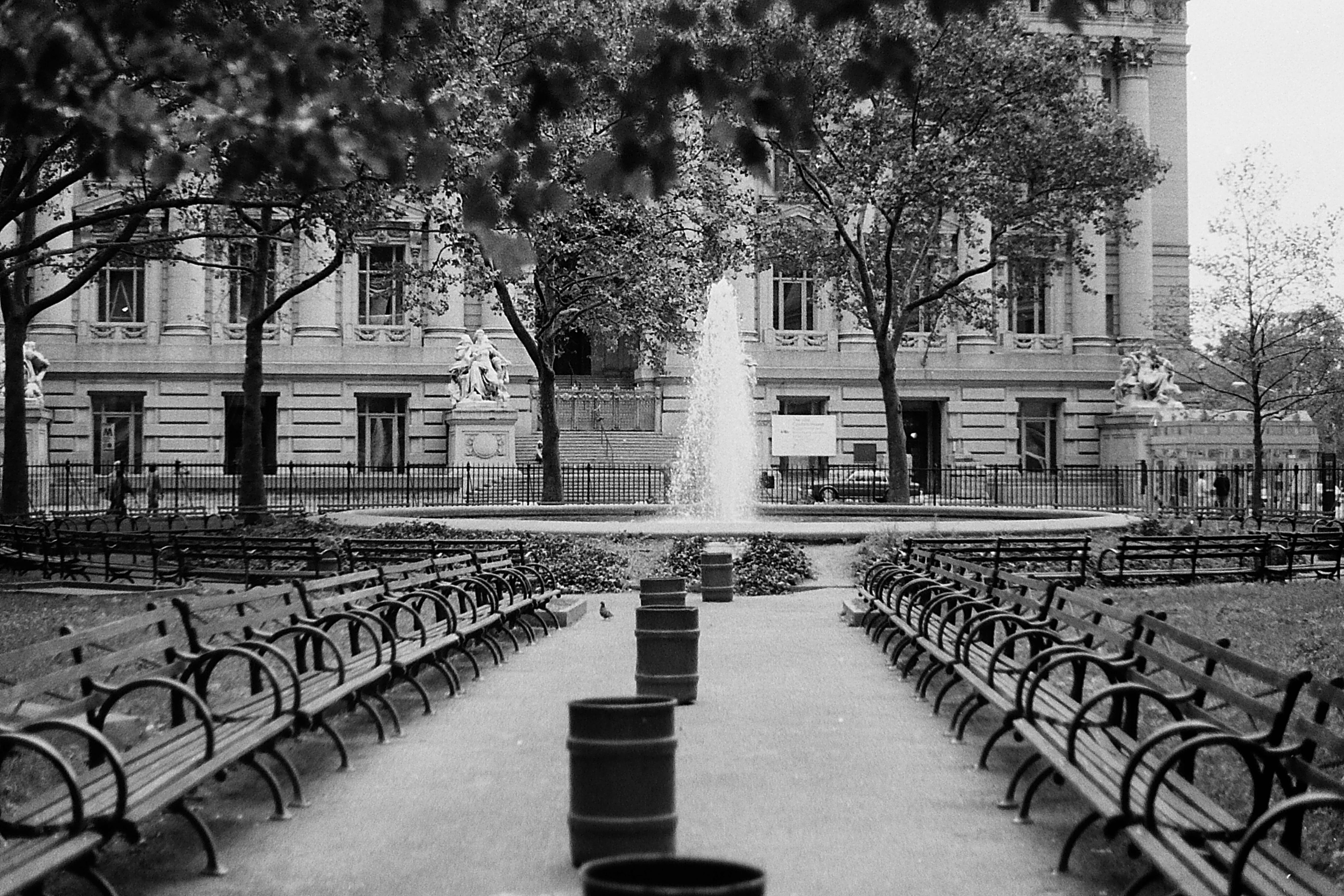
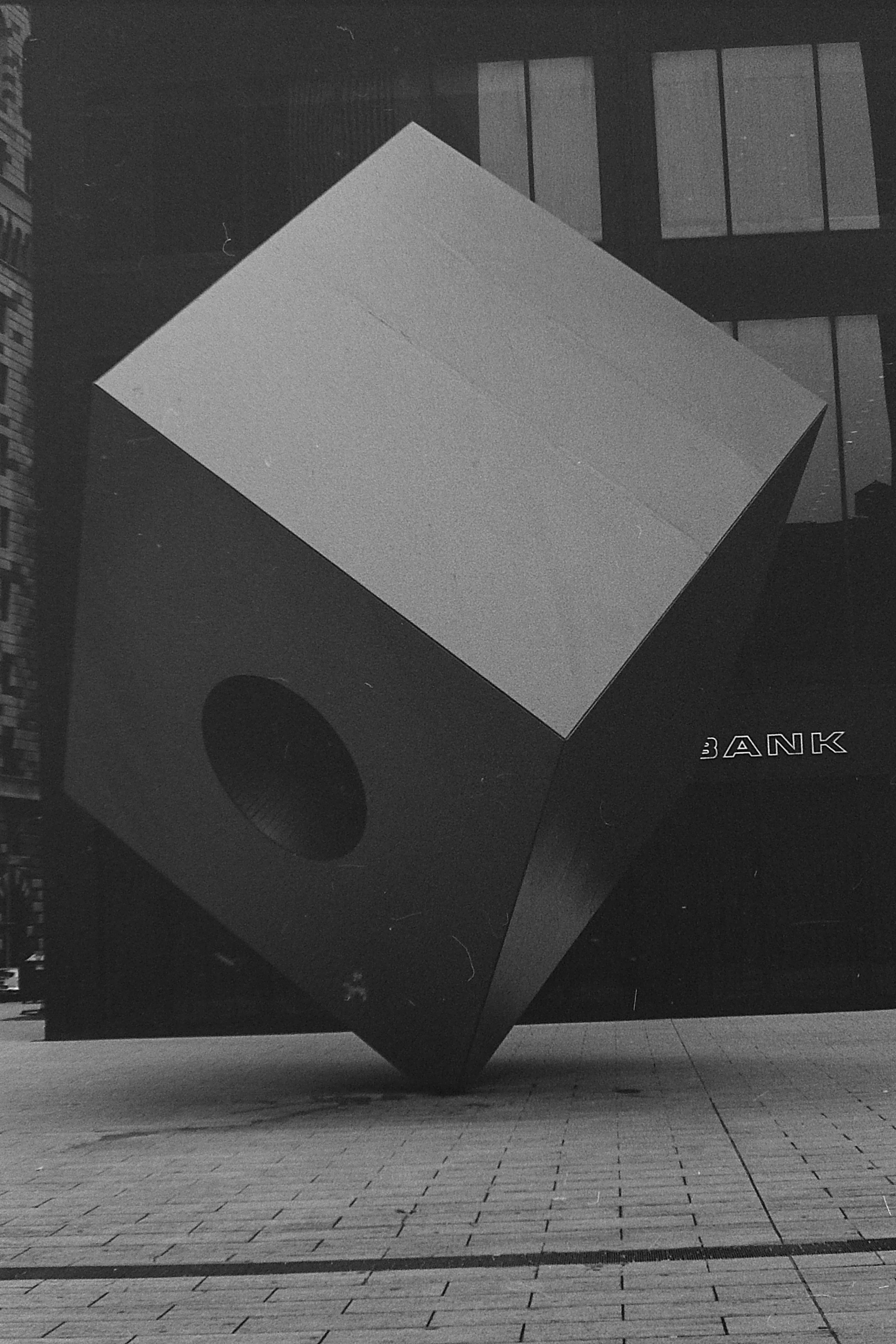
September 11th and the onset of Fall always makes me think back on the New York City that I photographed as a teenager in the 1980’s.
The intrepid photographer (1985)
My photography class would take field trips into Manhattan each semester. Later I began hopping on the Long Island Rail Road to venture in by myself. I loved photographing the city. There was – and is – an infinite number of things to focus your camera on. I learned early on that as much as I loved taking pictures in the city, I did not enjoy photographing the people. I was afraid someone would freak out and demand money or break my camera. My photos with live subjects tended to be dark and blurry or out of focus because I just wanted to snap the photo and run.
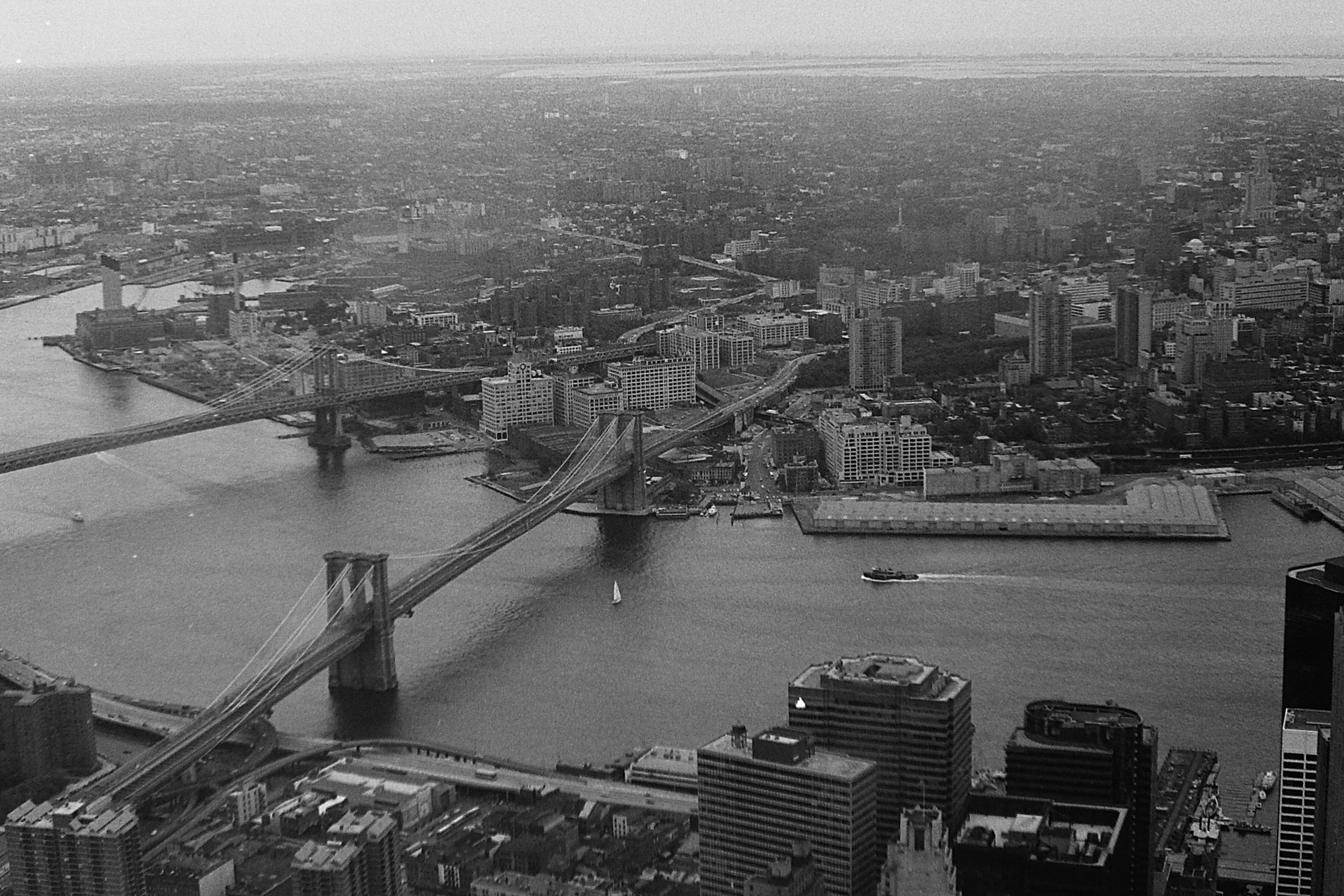
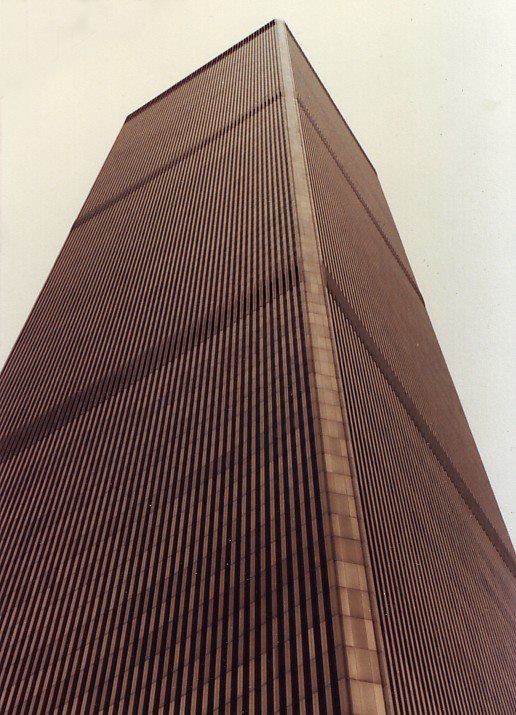
Instead, I focused on other elements of the city – a cat in a window, a gargoyle on a building. The purple shoeprints that appeared all around the village in the mid 1980’s. I would go into the city on a Sunday and walk south from Penn Station to the World Trade Center and back, snapping pictures the whole time.
To this day, I will spot a familiar building detail or doorway and remember… oh yeah! I took a picture of that in 1986. After 9/11, I would scan through the footage from that day, searching for familiar places on the plaza and in the vicinity, looking for details so familiar to me in the photos I had taken years ago.
The Statue of Liberty gets a facelift (1984)
Canal Street Station (1986)
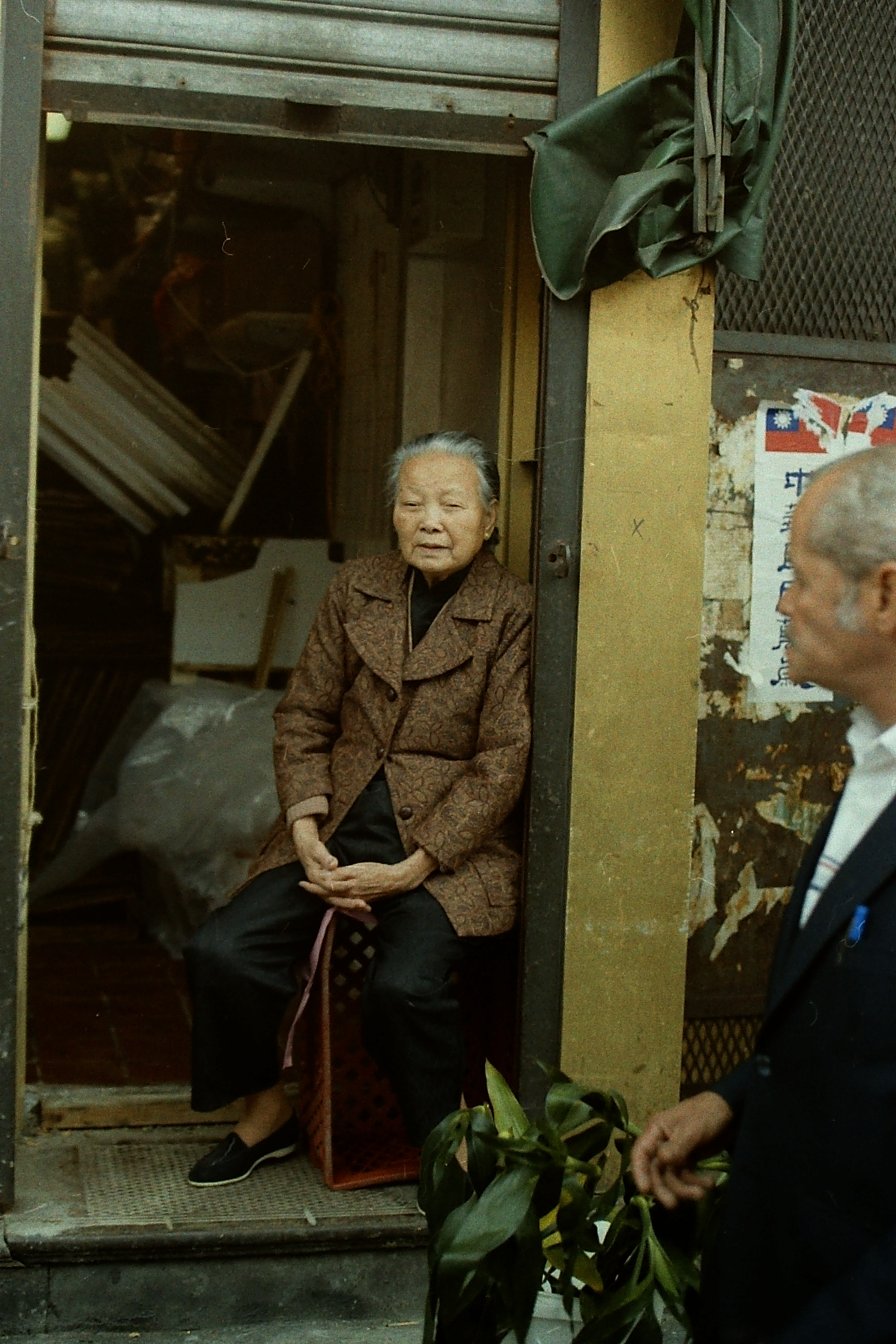
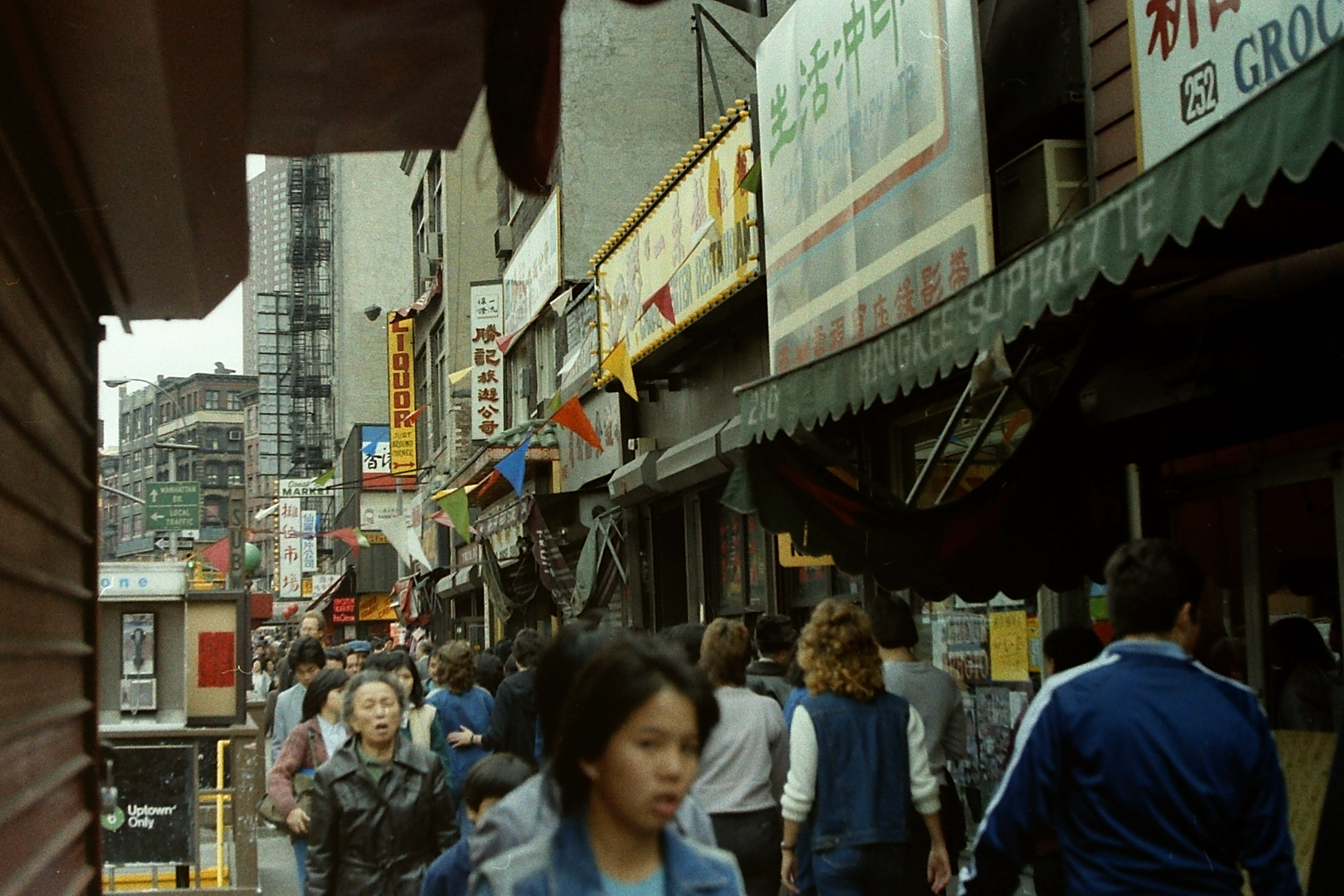
Chinatown (1984):
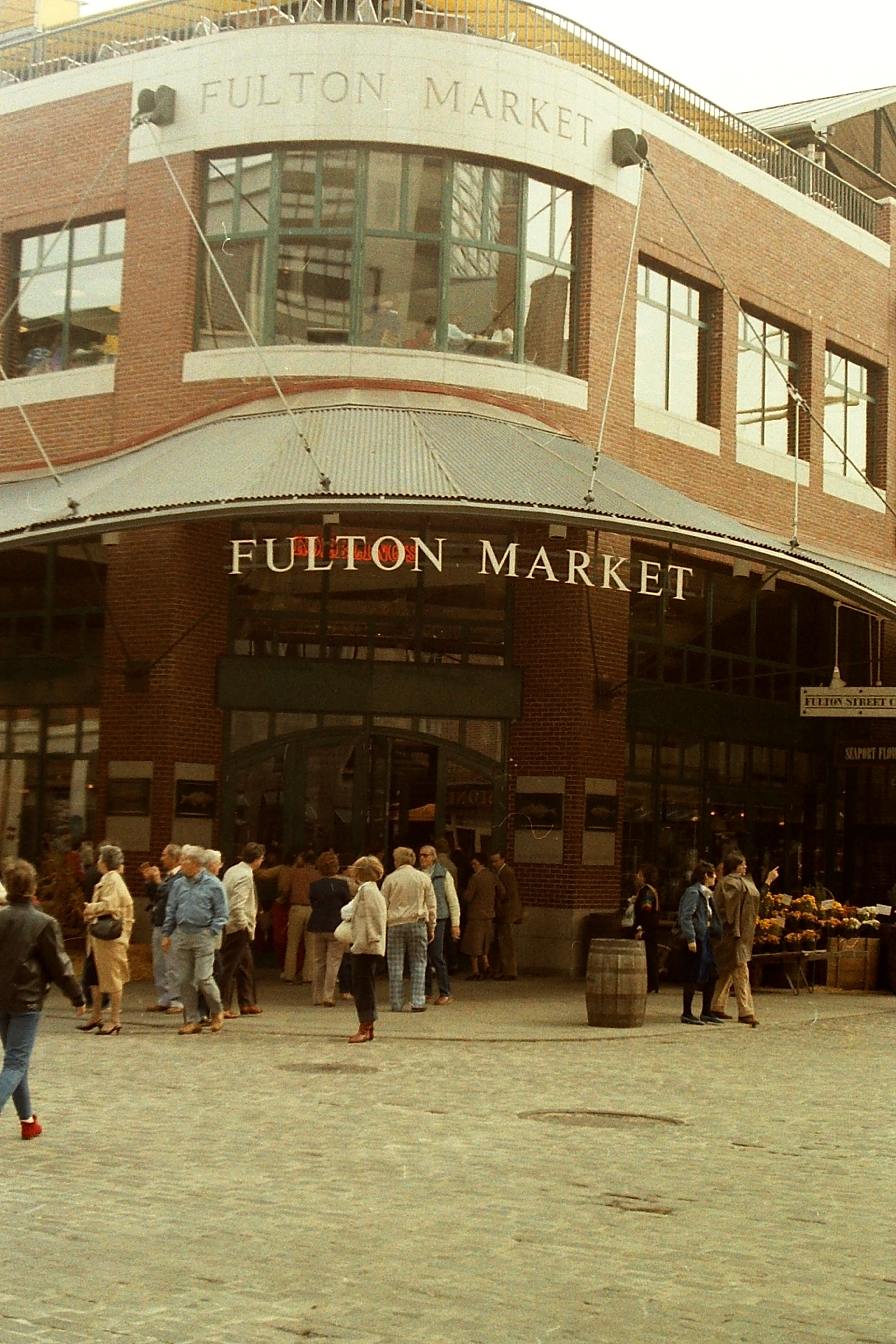
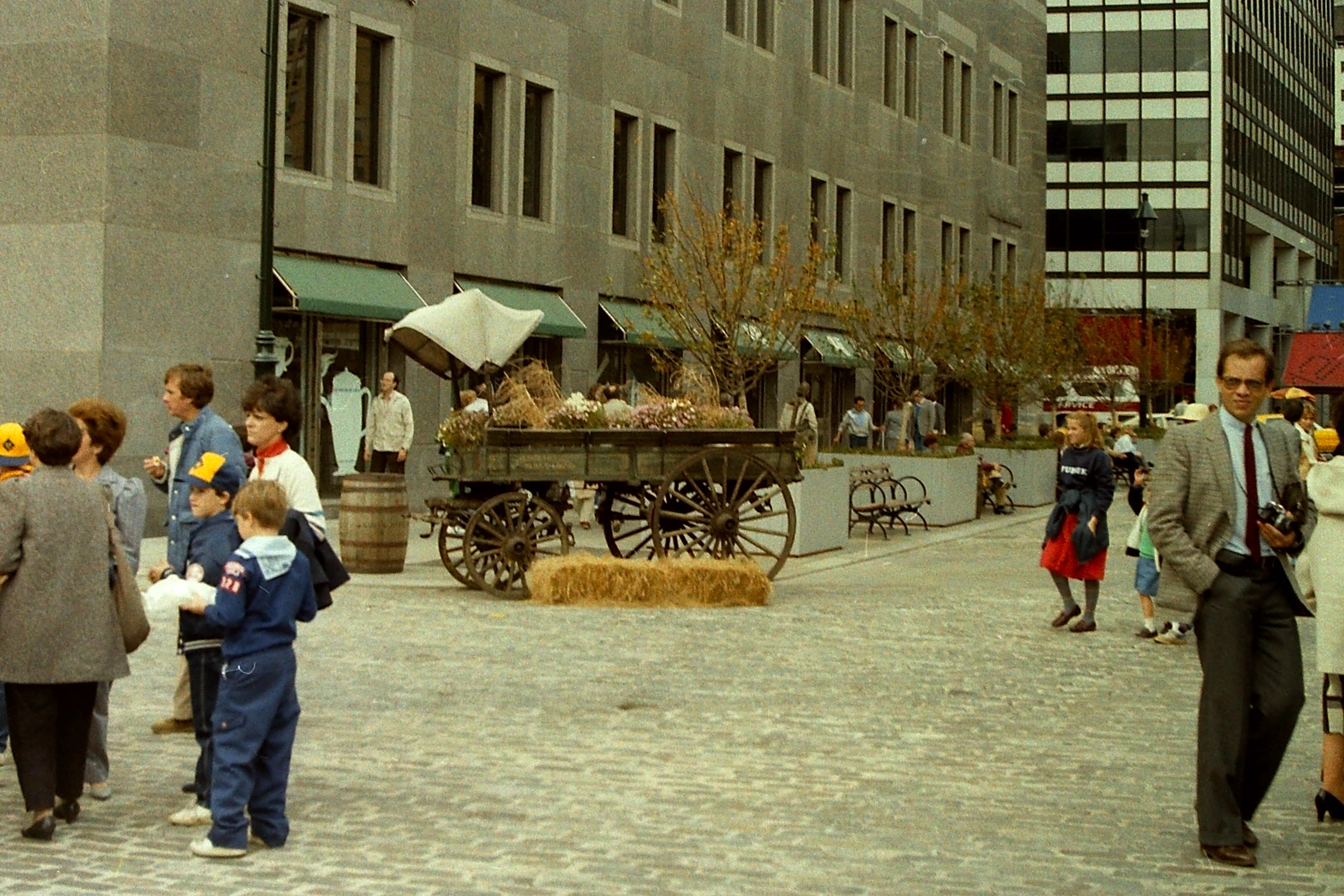
South Street Seaport (1984):
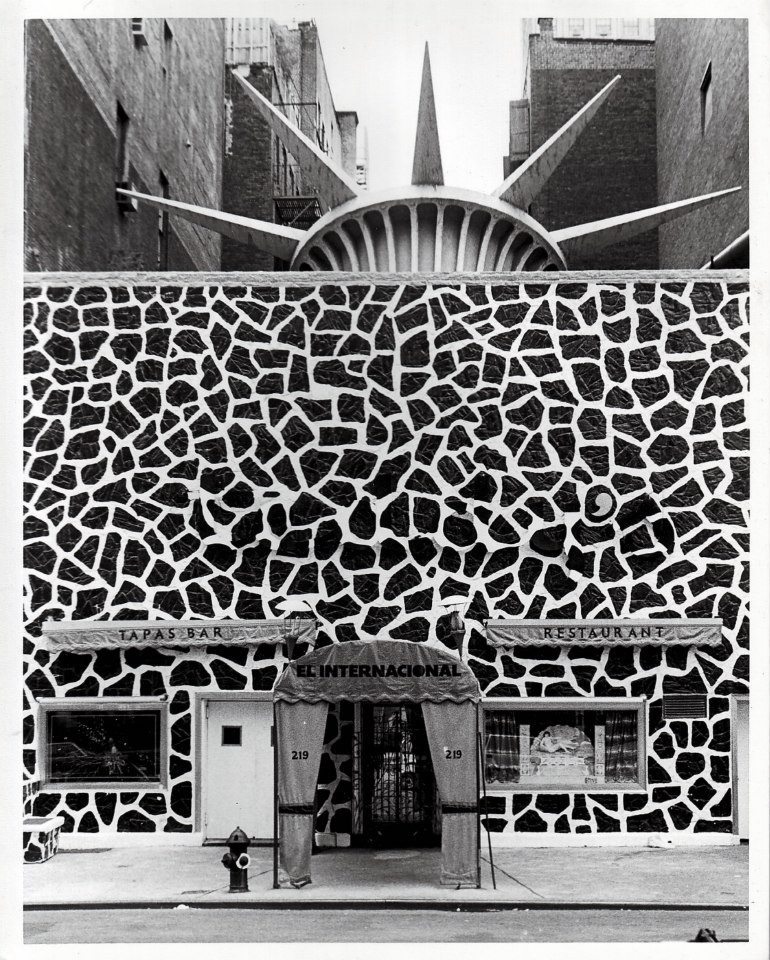
TriBeCa (1986): Donovan’s Publik House was at 108 Greenwich Street. It is now Suspenders restaurant. 67 Greenwich Street housed The Whitehall Hardware Store when this photo was taken. In 2021, the New York Times profiled this structure in an article titled The Indestructible Townhouse. El Internacional, formerly El Teddy’s was a popular hangout at 219 West Broadway. The Guest Of A Guest website described it as “The epitome of downtown cool.”
World Trade Center from above and below (1985-86):
I recently found myself perusing (as one does) the March, 1981 issue of In Touch For Men Magazine when I happened upon an article about Ronnie Spector. “How timely,” I thought, as August 10th marked her 80th birthday. Unfortunately, the Ronettes lead singer passed away at age 78 in January, 2022 – click here for a tribute with some choice song recommendations.
Ronnie with Patti Smith (1977)
Ronnie didn’t have a whole lot going on when Genya Ravan called her up out of the blue and asked her to sign with her new record label, Polish. Ravan was a fellow rock and roll veteran – a Holocaust survivor from Poland who, as Goldie Zelkowitz, fronted the legendary female rock band Goldie & The Gingerbreads. After a name change, a stint fronting the band Ten Wheel Drive, and several solo LPs, Ravan was ready to use her production skills on her own record label. In her memoir Lollipop Lounge: Memoirs Of A Rock And Roll Refugee, Ravan clarifies the label’s name: “‘Polish’ as in shine, not the nationality.”
Ronnie in Creem Magazine (1980)
While the music industry might have been through with Ronnie, Ravan was extremely excited with the prospect of producing her first solo LP. “I was a great fan of hers. I’d loved the sound of her voice ever since I first heard it,” she wrote. “Also, my own career as a singer seemed to be looking bleak… so working with Ronnie seemed to offer an alternative way of permanently stamping my mark on the music industry.”
Ravan’s idea was to expose Ronnie to some of the acts from CBGB’s that she was producing – to bring her iconic voice to a contemporary rock setting.
The album was recorded at Media Sound, RPM and Electric Lady studios with contributions from members of Johnny Thunders’ Heartbreakers, the Dead Boys, Mink DeVille and many others. In addition to producing, Ravan also provided backing vocals.
Recording Siren at RPM Studios
In her own autobiography, Ronnie admitted that she did not feel a connection with the New York punk scene that she felt Genya was pushing her to embrace, although she would concede that the harder edge of Siren inspired her to cut loose on the vocals in a way that she had never done before.
While the lady doth protest, it must be noted that her cover of The Ramones’ “Here Today, Gone Tomorrow” was a natural choice for her to cover: Phil had just produced The End Of The Century for the group, including a cover of The Ronettes “Baby I Love You.” Joey Ramone would later produce Ronnie’s 1999 EP She Talks To Rainbows. If Ronnie didn’t like “Here Today, Gone Tomorrow” initially, she must have had a change of heart, as she re-recorded it for her 2006 CD The Last Of The Rock Stars.
She also collaborated with classic punk band The Misfits on a couple of tracks in 2003. Safe to say, Genya Ravan was on to something after all.
Ronnie & Goldie: Spector with Genya Ravan (1980)
Another standout track that is often overlooked is “Any Way That You Want Me,” a Chip Taylor composition originally recorded in the 1960’s by The Troggs and then Evie Sands. As producer, Ravan’s idea for the album was to “make sure the music had an edge, but at the same time I didn’t want to lose Ronnie’s 1960’s sound entirely.” This track walks that tightrope very well.
Unfortunately, the album doesn’t quite stick the landing with its final track: “Happy Birthday Rock ‘N’ Roll” is a 6 minute passive aggressive valentine-slash-middle finger of a song dedicated to Phil Spector. Harkening back to her ex-husband only negates the distance that the rest of the album puts between Ronnie and her musical past.
By 1980, the story of Ronnie’s barefoot escape from her marriage was no secret. Giving this song the subtitle “For Phil” is just bizarre. Imagine if Tina Turner had dedicated the final track of her Private Dancer LP to Ike.
The lyrics present Phil as the embodiment of “Rock ‘N’ Roll” itself, alternately praising him for his accomplishments, but noting that “You’re pushing 40 / but you’re still not old,” and “Some people say you’ve lost your grip / They say you’re past your prime and you’re no longer hip.”
One can imagine that Phil was not thrilled when he listened to this.
The songwriting on this track is credited to Elkie Brooks and Peter Gage, even though there are several musical breaks that segue into the choruses of “Be My Baby,” “Baby I Love You,” and “You Baby” – Ronettes songs that originally listed Phil as a co-writer. None of the original songwriters are credited here. By comparison, Eddie Money’s 1986 hit “Take Me Home Tonight” – with Ronnie’s “Be My Baby” refrain – lists that song’s writers – Jeff Barry/Ellie Greenwich/Phil Spector alongside the other songwriters. Perhaps if Siren had been a commercial success, the famously litigious Phil would have come after them.
Reviews for the LP were all over the place – from high praise to the lowest dismissal:
Saskatoon Star-Phoenix (3/14/81)
Boston Globe (10/16/80)
Above: NME – Great photo / Terrible review (8/30/1980)
A pan from The Austin American-Statesman, whose reviewer also mis-genders Ms. Ravan. (9/27/80)
The Newsday review above was followed by one for Blondie’s AutoAmerican. (12/26/80)
In a more recent assessment, Joe Viglione writes on the AllMusic website; “If Phil Spector overproduced to good effect, Genya Ravan purposely underproduced, choosing instead to let flavors of different musicians paint the fabric behind Ronnie Spector.”
Genya Ravan stands by the album, writing; “I’m very proud of Siren… and of what I did for her on it. I think it’s the best thing she recorded after her glory days with Phil Spector.”
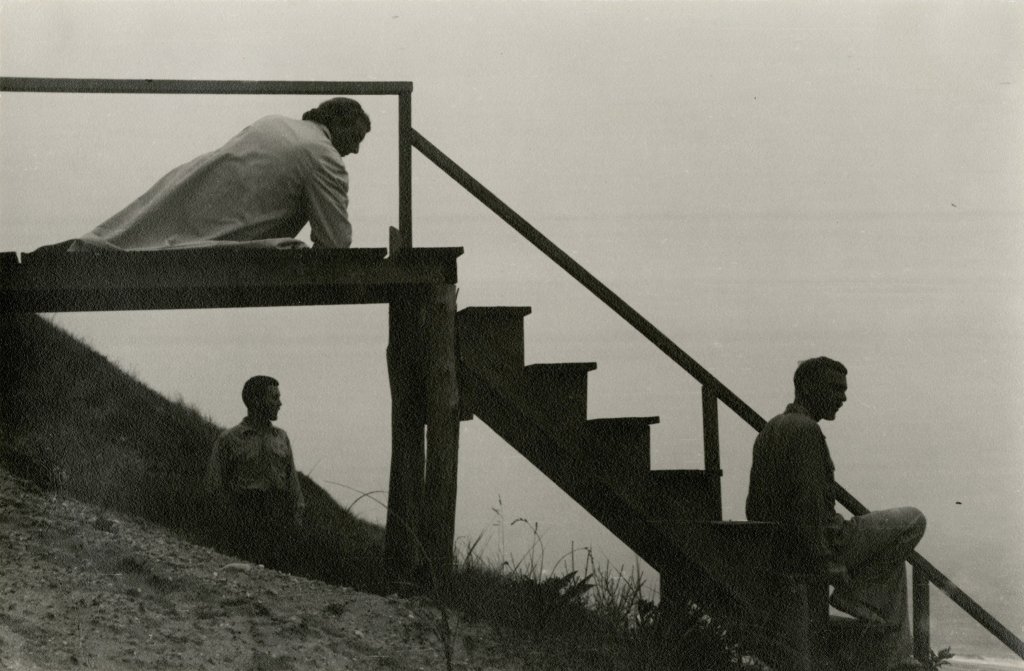
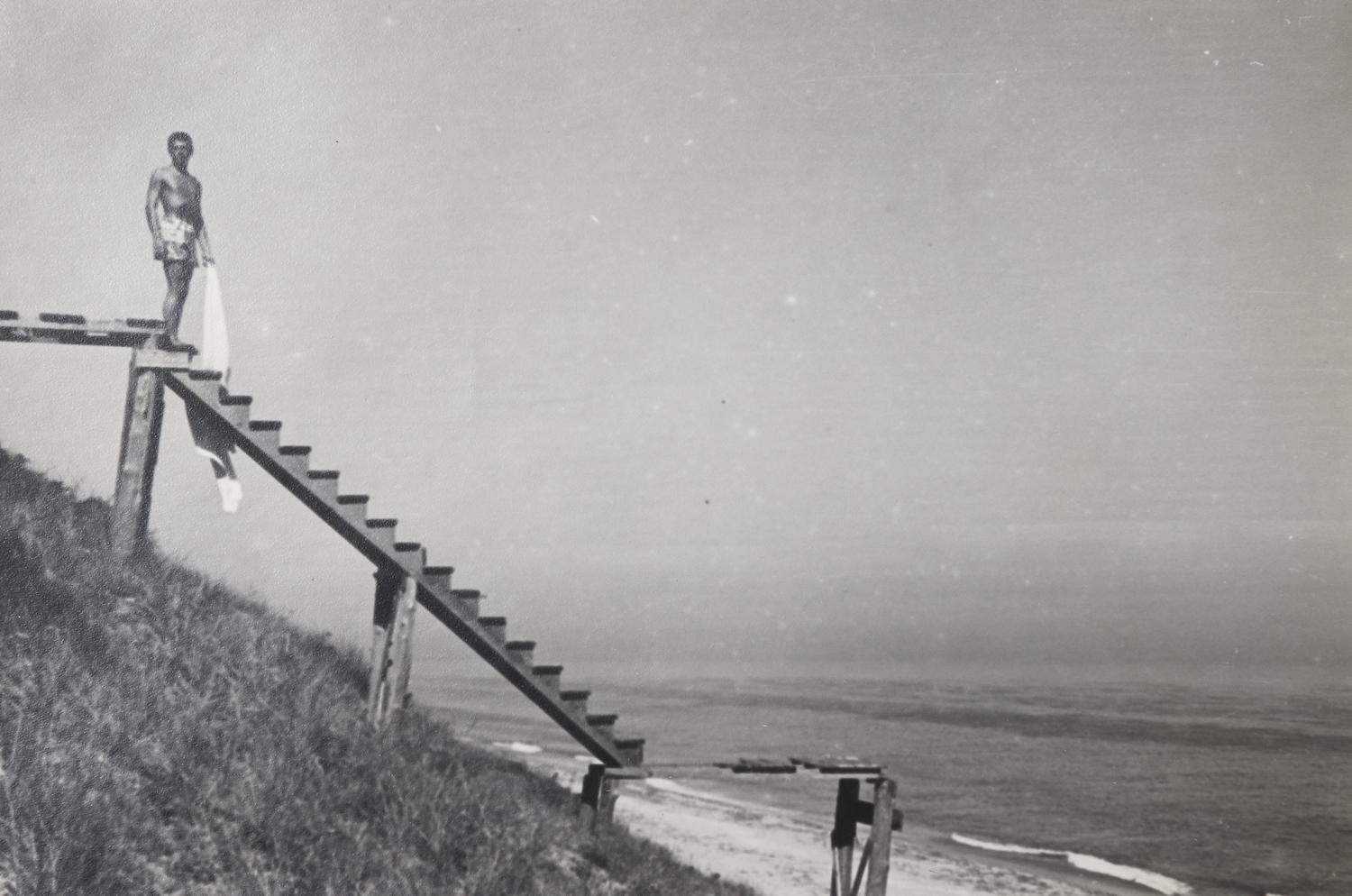
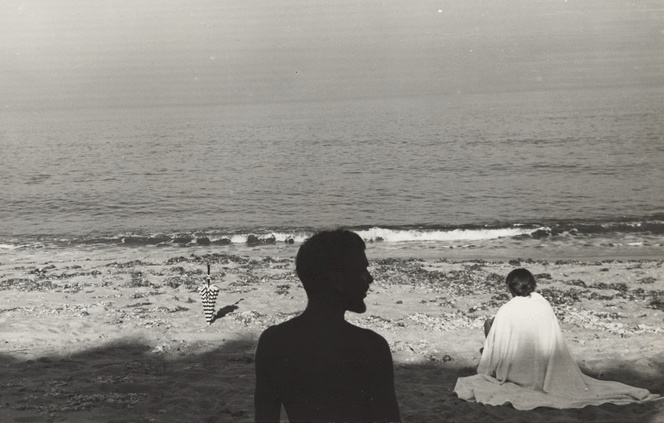
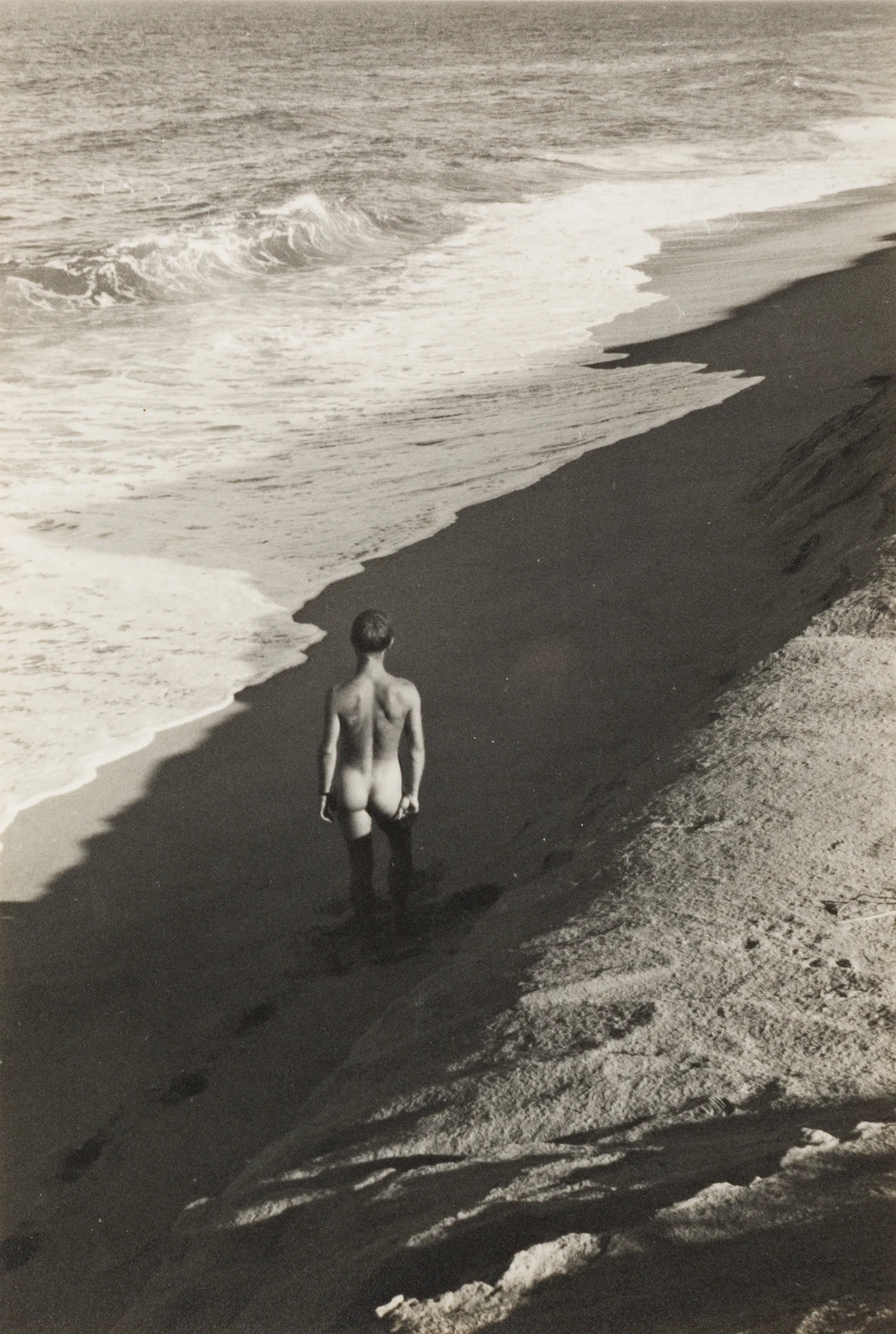
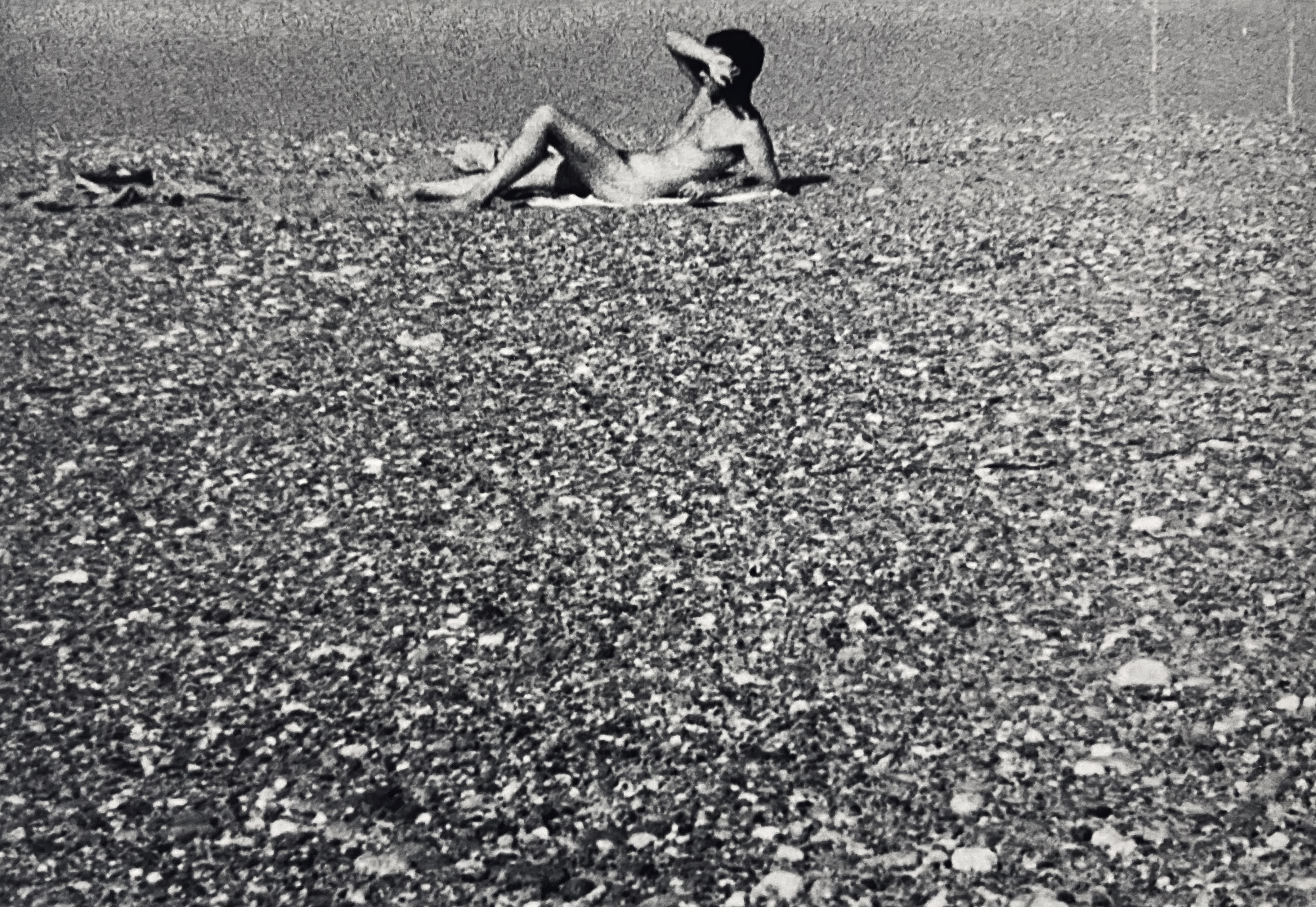
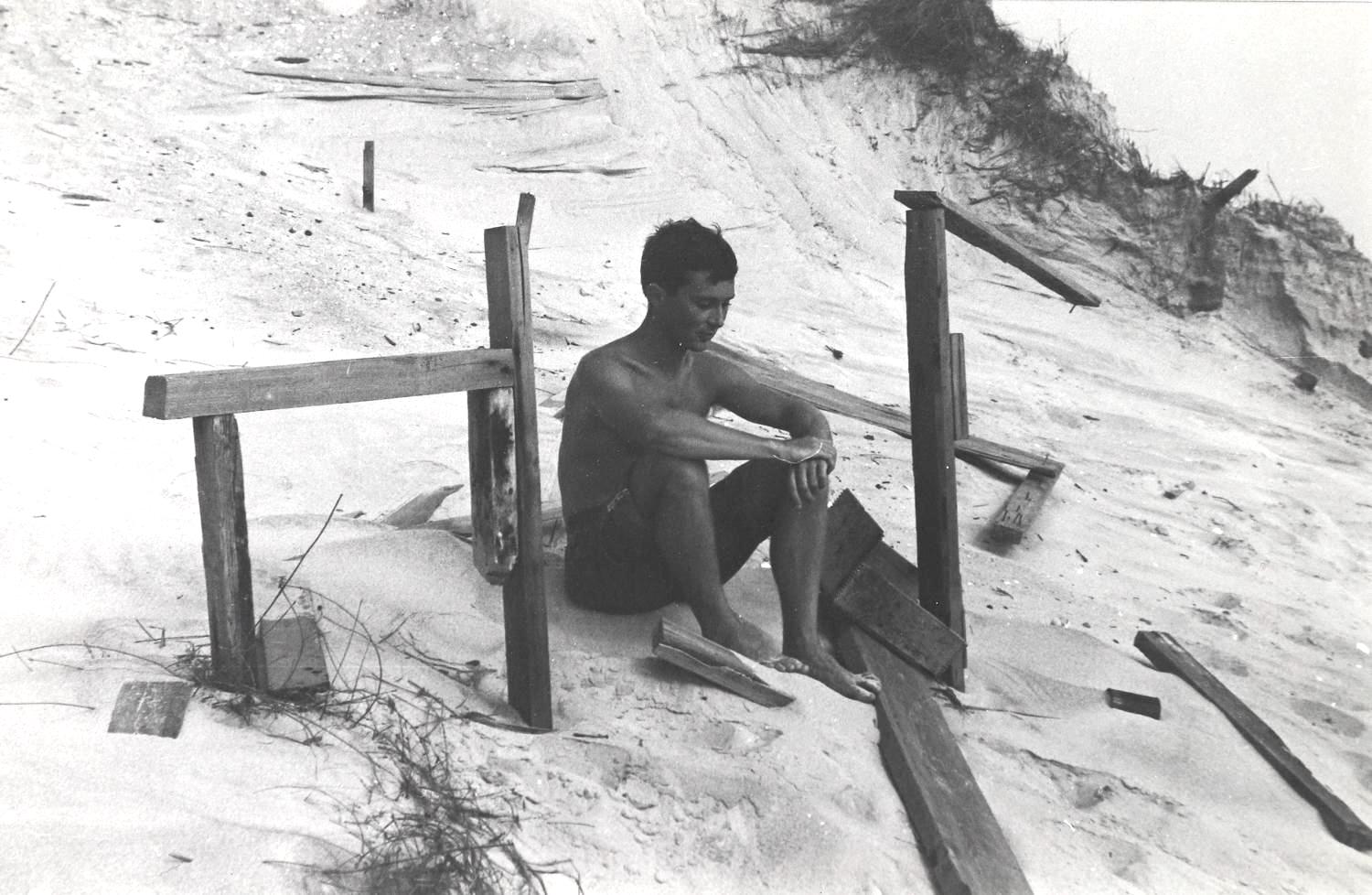
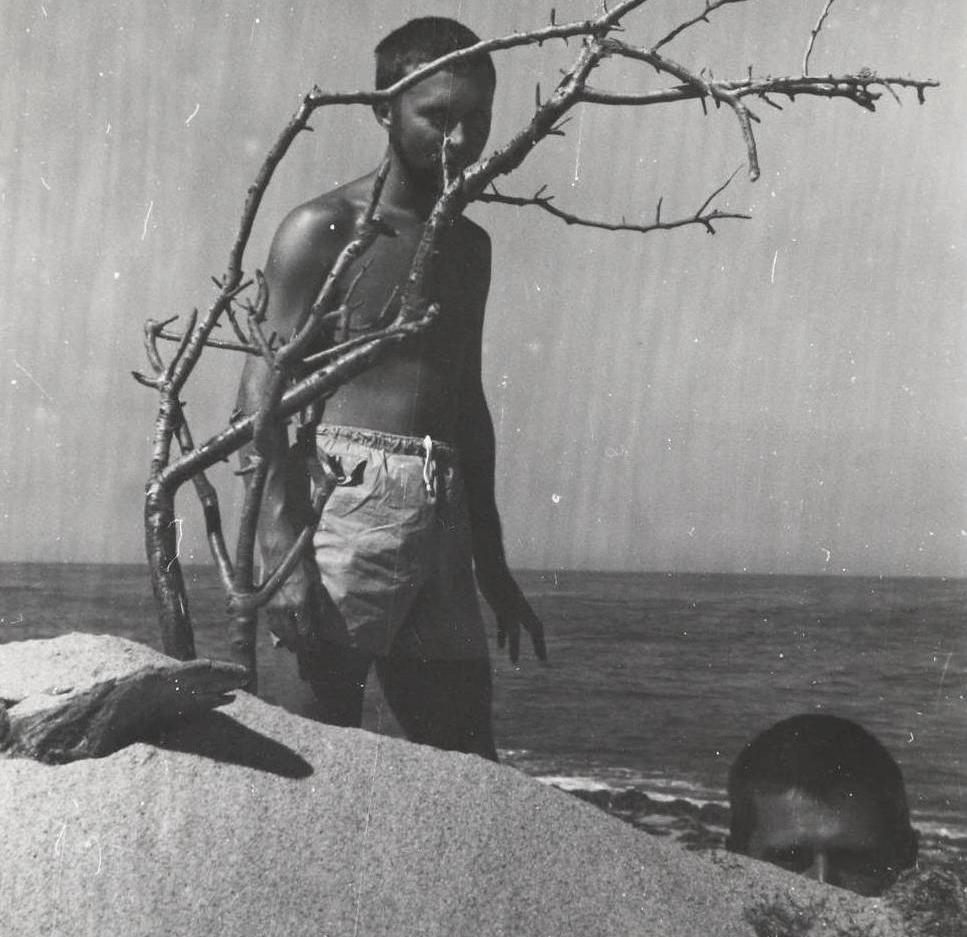
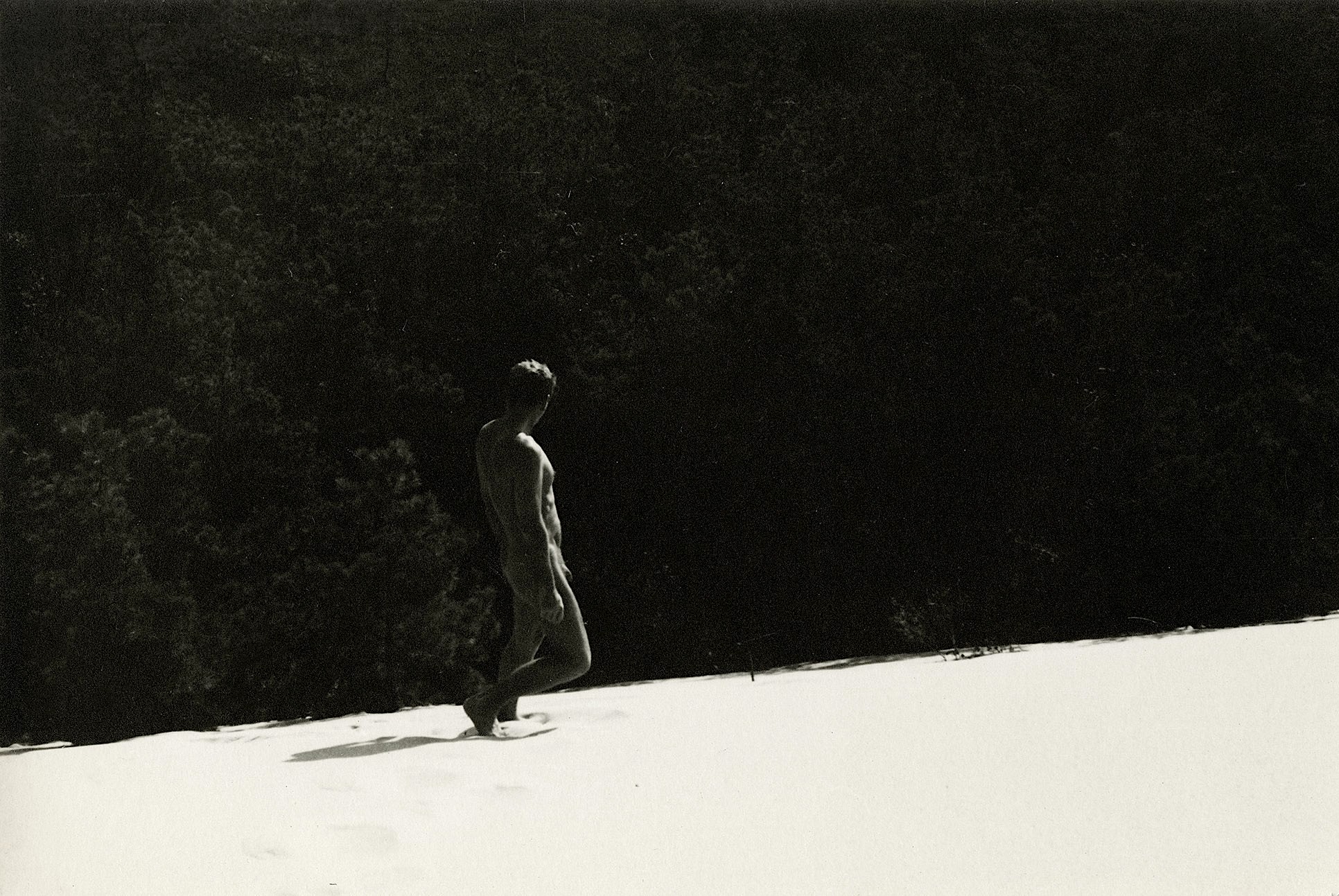
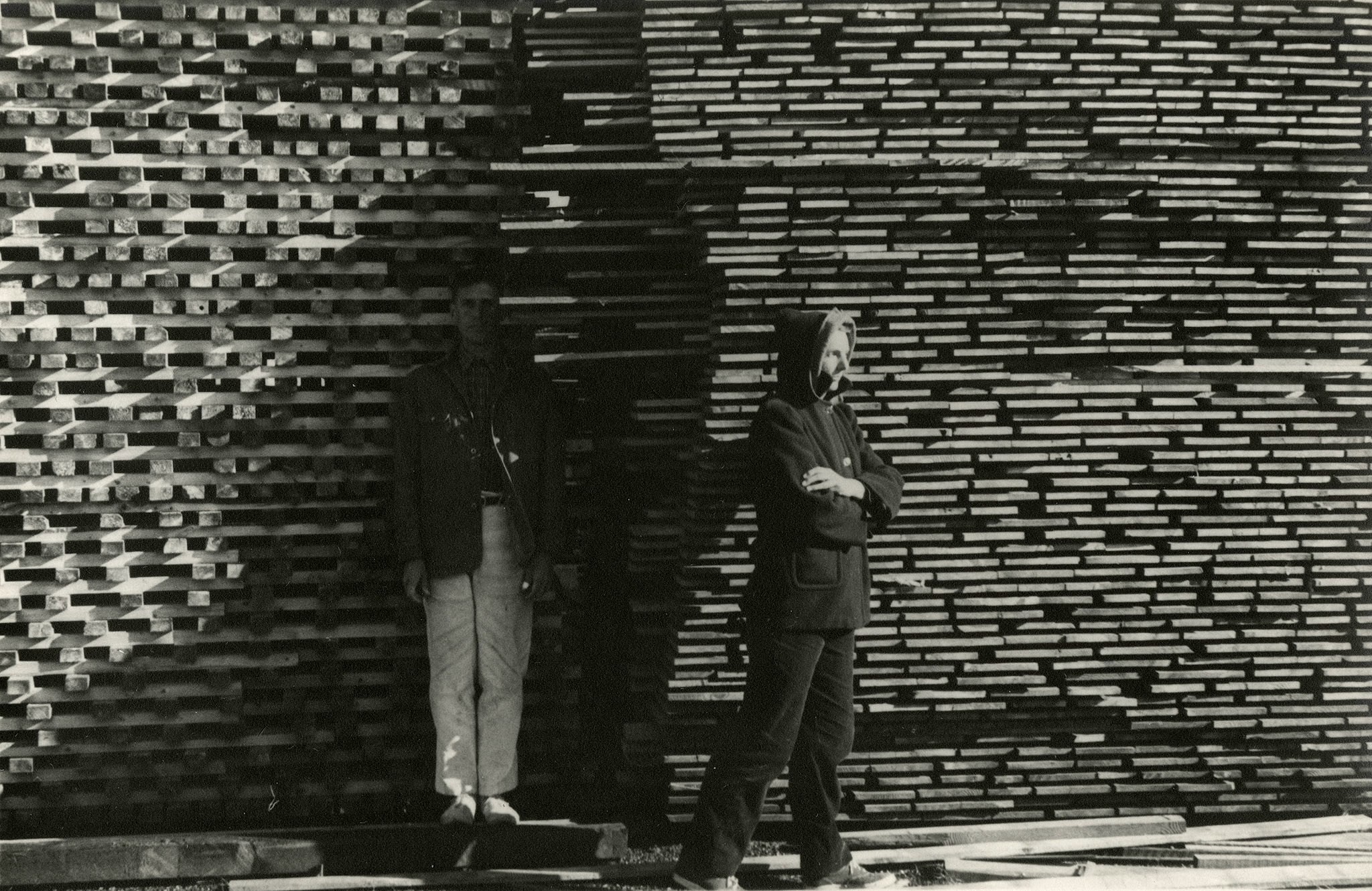
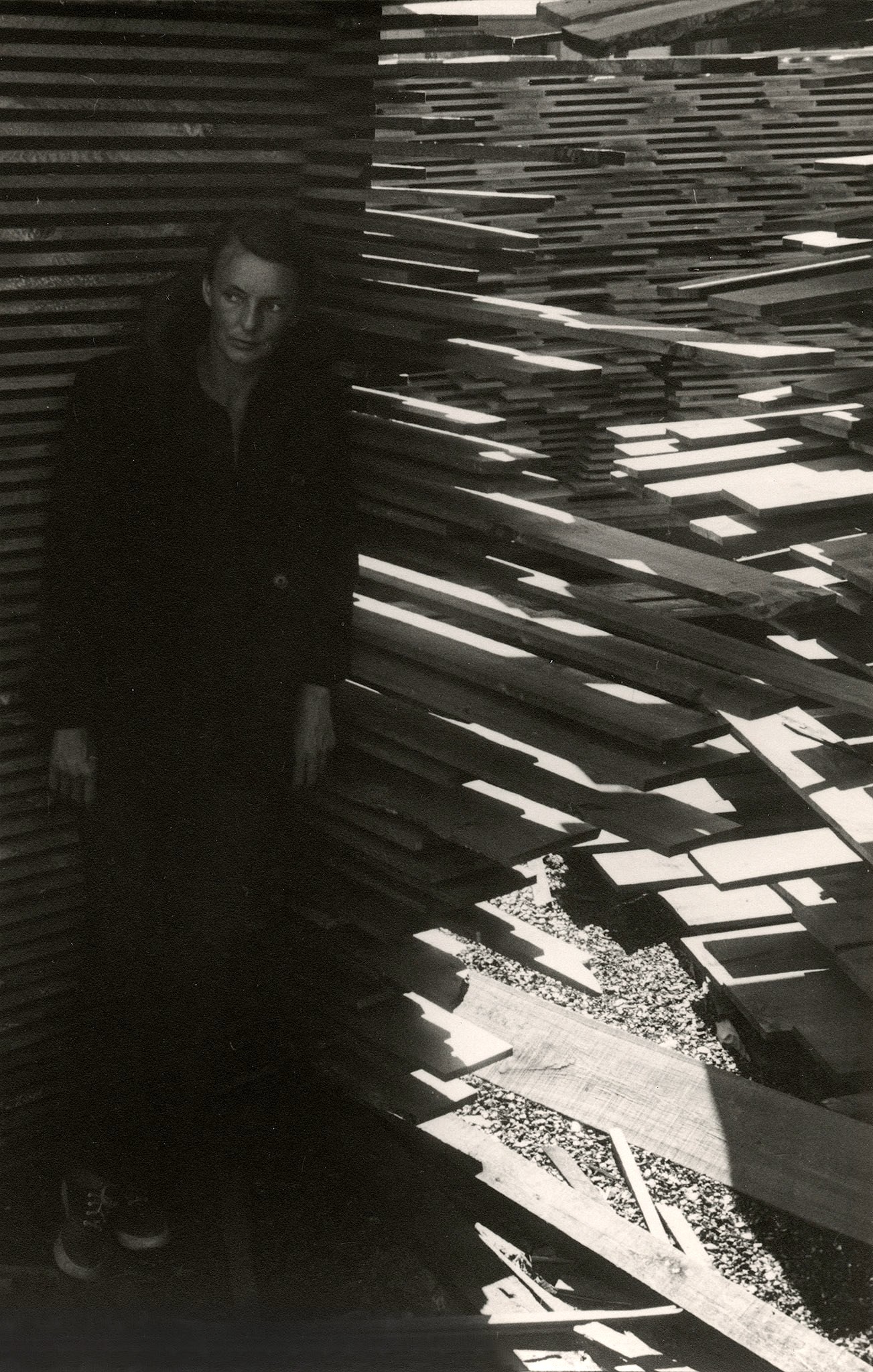
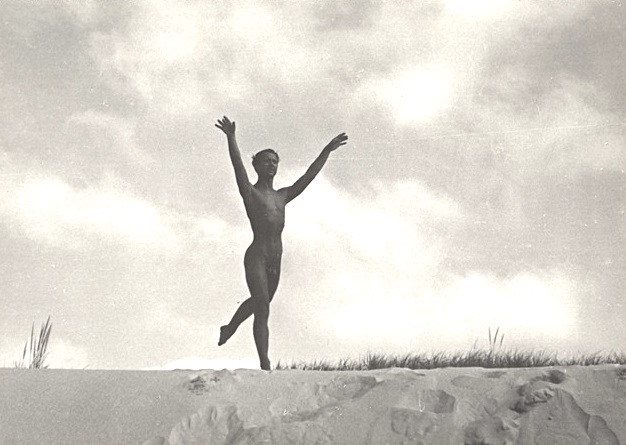
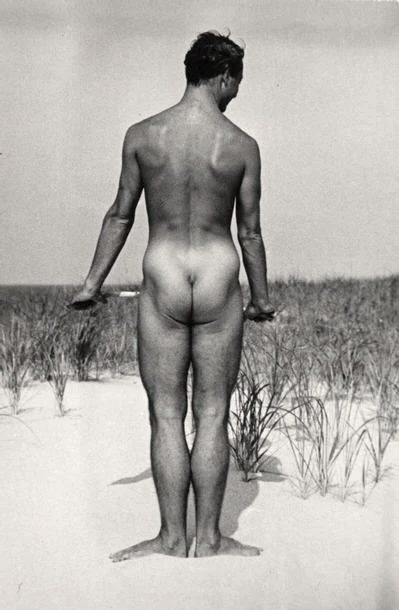
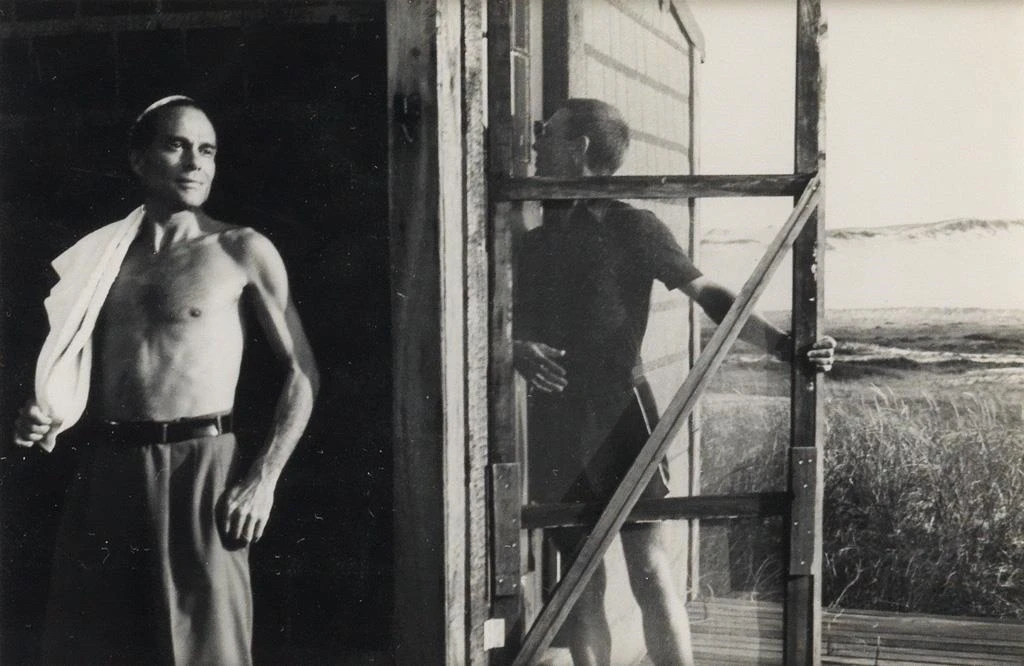
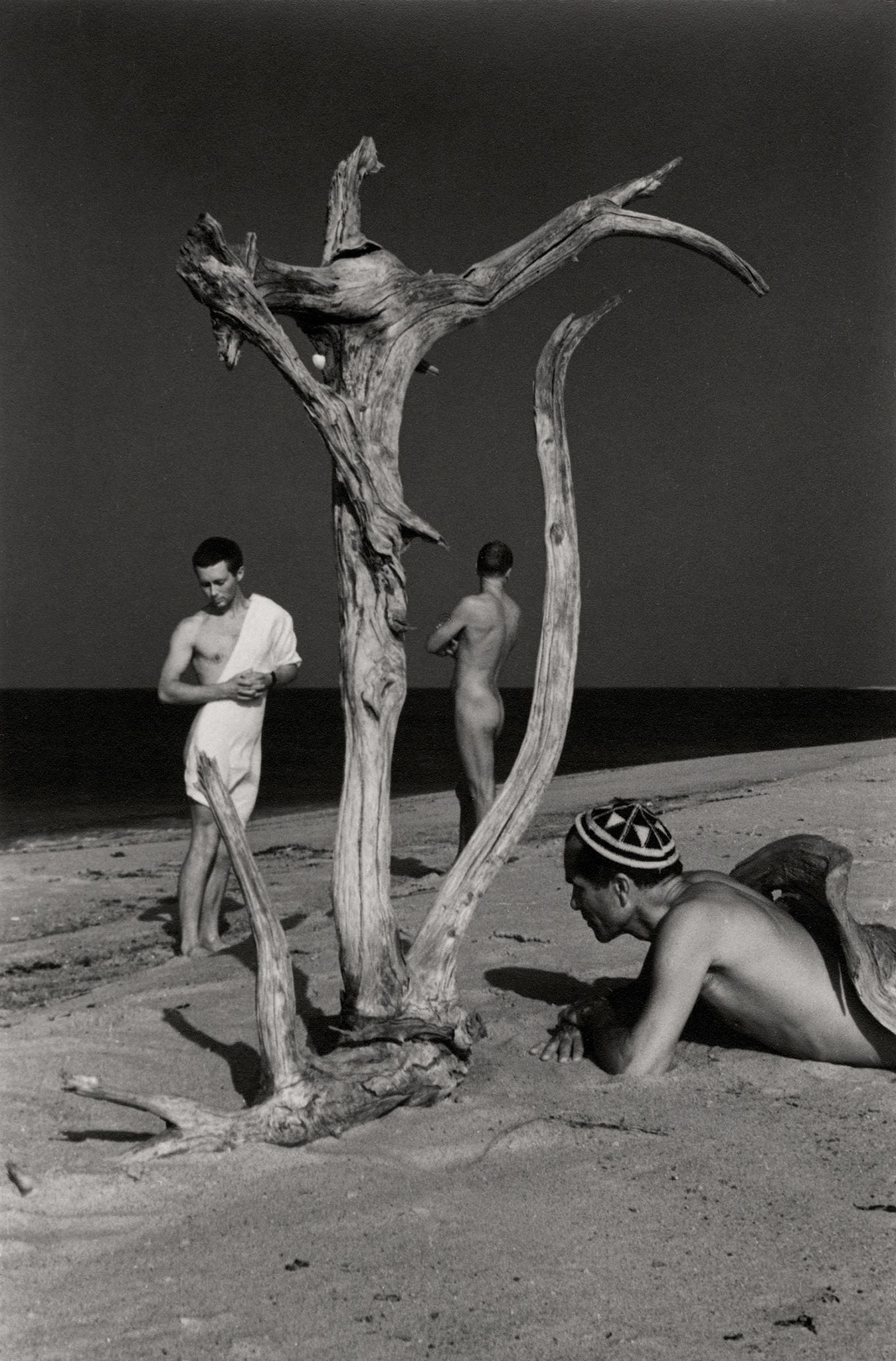
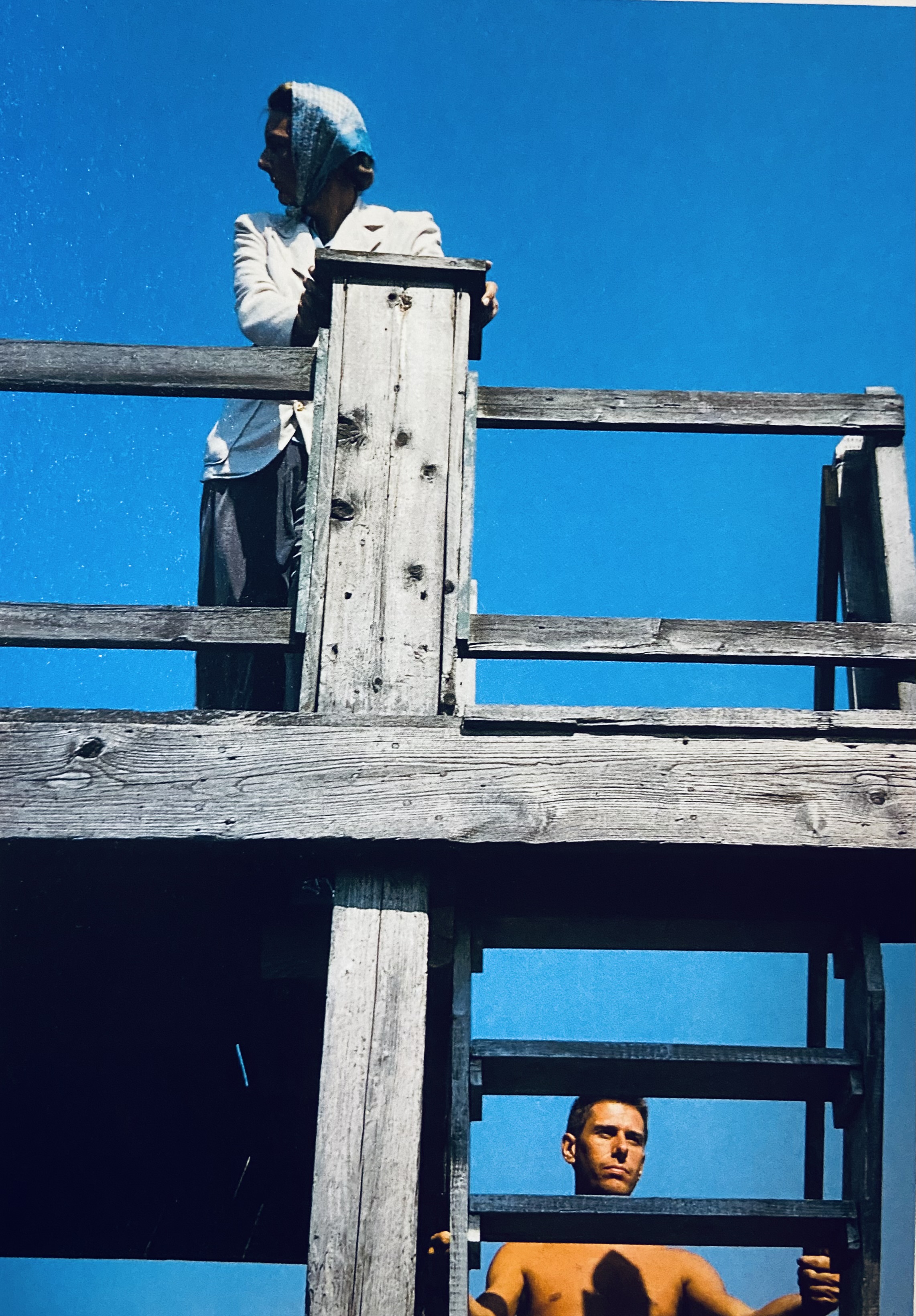
During vacations from the 1930’s through the mid-1950’s, artists Paul Cadmus, Jared French and his wife Margaret Hoening French photographed each other on the beaches of New York’s Fire Island as well as Nantucket and Cape Cod, Massachusettes.
Usually nude or donning simple costumes, the artists also used found objects as props to create stark, surreal and/or erotic images. They passed Margaret’s Leica camera around, taking turns as subject and auteur. This collaborative authorship was reflected in the umbrella name they chose for this work, utilizing the first two letters of their first names: PaJaMa.
Paul Cadmus on Cape Cod (1928)
Years later Cadmus explained, “After we’d been working most of the day, we’d go out late afternoons and take photographs when the light was best. They were just playthings. We would hand out these little photographs when we went to dinner parties, like playing cards.”
The dynamic amongst the trio was complicated: Jared French and Paul Cadmus were lovers – a relationship that continued during his marriage to Margaret. All three lived and worked in a townhouse at 5 St. Lukes Place in Greenwich Village.
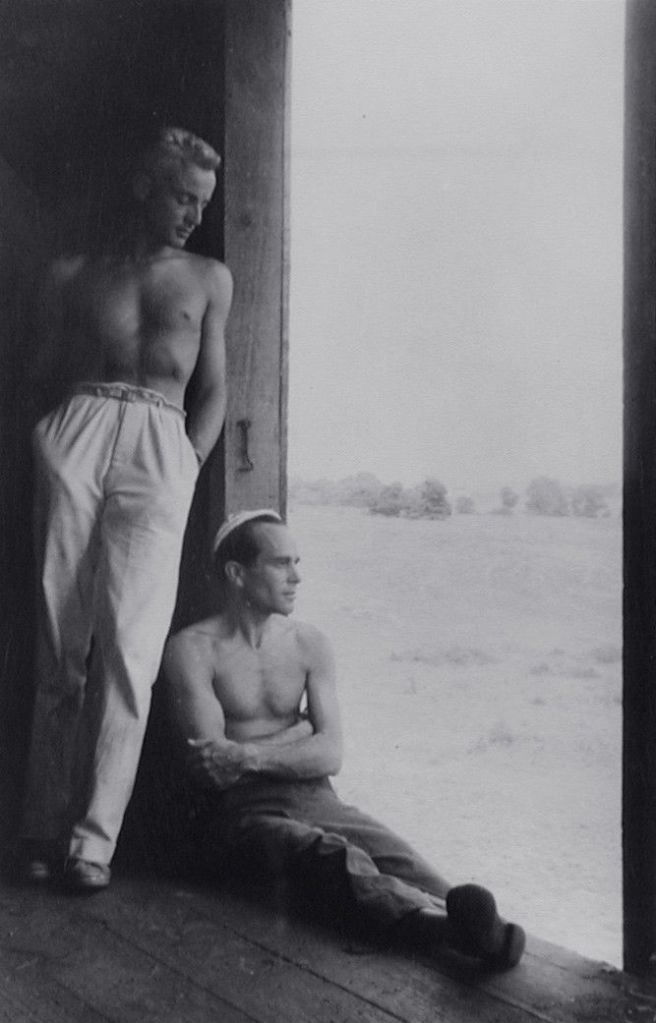
The PaJaMa collective expanded in 1945 with the inclusion of Cadmus’ boyfriend, George Tooker, an artist 16 years his junior. Cadmus would later explain “I had Jerry (Jared) in the daytime and George at night.” Although his name was not added to the PaJaMa moniker, Tooker was an active participant in the collective from 1944-49.
George Tooker with Paul Cadmus in Nantucket and Provincetown PaJaMa photos, (1946-48)
A 2015 New York Times review of a PaJaMa exhibition noted that their photos “breathed eroticism.” While some of the hundreds of photos are masterpieces of magical realism, others appear to be figure studies for their painting.
As when they vacationed on Fire Island, the collective were joined on Cape Cod by various friends and lovers, fellow artists and writers that were part of their New York social circle.
Dancer/choreographer Todd Bolenderwas the subject of a series of PaJaMa photos taken in Provincetown (1947)
Museum curator/publisher Monroe Wheeler is seen in 1947 Provincetown photos with French, Tooker & Cadmus. His lifelong partner Glenway Wescott was more prominent in the Fire Island PaJaMa photos of the early 1940’s.
Writer Christopher Isherwood with his then-boyfriend, photographer Bill Caskey, Provincetown (1947)
Photographer George Platt Lynes (left, wi/ Monroe Wheeler) joined them on Fire Island and later in Provincetown with his own camera.
PaJaMa photos are part of this tribute to playwright Tennessee Williams, displayed at Provincetown’s Atlantic House, one of the oldest gay bars in the U.S.
Provincetown, 1947 (l-r): George Platt Lynes, Monroe Wheeler, Paul Cadmus and George Tooker
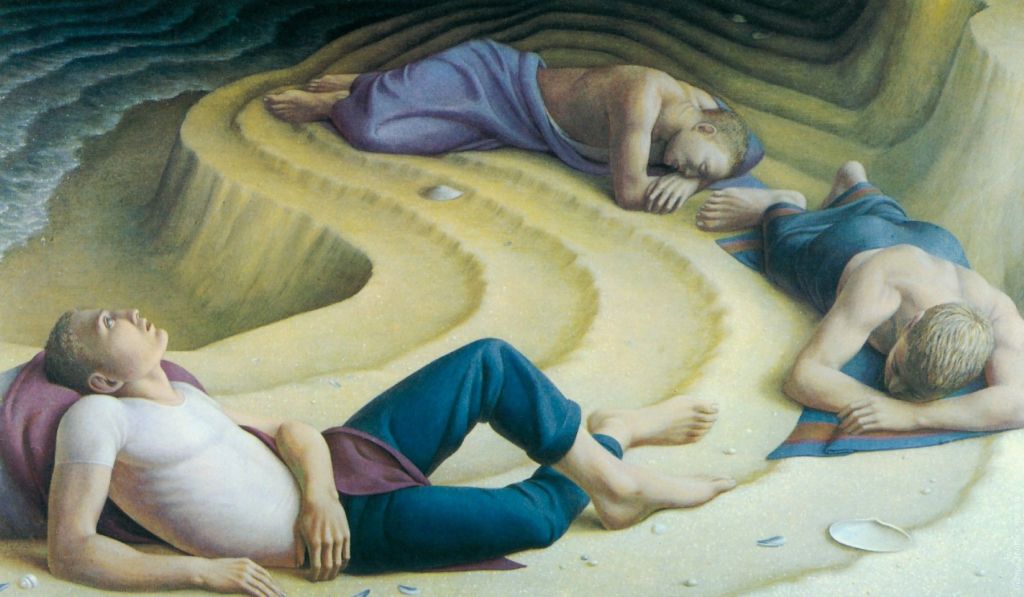
George Tooker, Sleepers I (1951)
On Cape Cod, the collective occasionally experimented with color film, which gave their work a different texture.
The quartet toured Europe in 1949 and by the end of the trip, Tooker had split from Cadmus. He later said “I was looking for a relationship and my relationship with Paul always included Jared and Margaret French.” Tooker would soon find a partner in painter Bill Christopher, with whom he remained until Christopher’s death in 1973.
Back to a trio, the PaJaMa collective would return to Fire Island for their summer getaway in 1950.
PaJaMa, Provincetown (1948)
Paul Cadmus & Margaret French, Jenny Lind Tower, North Truro (1947)
PaJaMa, Women & Boys (ca 1940s)
As with George Platt Lynes’ male nude photographs, the PaJaMa photographs did not receive much notice or recognition until the 1990’s. They are now frequently exhibited in galleries and selections are a part of the MOMA collection.






 When I began hosting my internet radio show







































































 Brian Ferrari's Blog